mirror of
https://github.com/onyx-dot-app/onyx.git
synced 2026-02-17 07:45:47 +00:00
Compare commits
1 Commits
gmail
...
additional
| Author | SHA1 | Date | |
|---|---|---|---|

|
675aa517f5 |
94
.github/workflows/nightly-scan-licenses.yml
vendored
94
.github/workflows/nightly-scan-licenses.yml
vendored
@@ -53,90 +53,24 @@ jobs:
|
||||
exclude: '(?i)^(pylint|aio[-_]*).*'
|
||||
|
||||
- name: Print report
|
||||
if: always()
|
||||
if: ${{ always() }}
|
||||
run: echo "${{ steps.license_check_report.outputs.report }}"
|
||||
|
||||
- name: Install npm dependencies
|
||||
working-directory: ./web
|
||||
run: npm ci
|
||||
|
||||
- name: Run Trivy vulnerability scanner in repo mode
|
||||
uses: aquasecurity/trivy-action@0.28.0
|
||||
with:
|
||||
scan-type: fs
|
||||
scanners: license
|
||||
format: table
|
||||
# format: sarif
|
||||
# output: trivy-results.sarif
|
||||
severity: HIGH,CRITICAL
|
||||
|
||||
# be careful enabling the sarif and upload as it may spam the security tab
|
||||
# with a huge amount of items. Work out the issues before enabling upload.
|
||||
# - name: Run Trivy vulnerability scanner in repo mode
|
||||
# if: always()
|
||||
# uses: aquasecurity/trivy-action@0.29.0
|
||||
# - name: Upload Trivy scan results to GitHub Security tab
|
||||
# uses: github/codeql-action/upload-sarif@v3
|
||||
# with:
|
||||
# scan-type: fs
|
||||
# scan-ref: .
|
||||
# scanners: license
|
||||
# format: table
|
||||
# severity: HIGH,CRITICAL
|
||||
# # format: sarif
|
||||
# # output: trivy-results.sarif
|
||||
#
|
||||
# # - name: Upload Trivy scan results to GitHub Security tab
|
||||
# # uses: github/codeql-action/upload-sarif@v3
|
||||
# # with:
|
||||
# # sarif_file: trivy-results.sarif
|
||||
|
||||
scan-trivy:
|
||||
# See https://runs-on.com/runners/linux/
|
||||
runs-on: [runs-on,runner=2cpu-linux-x64,"run-id=${{ github.run_id }}"]
|
||||
|
||||
steps:
|
||||
- name: Set up Docker Buildx
|
||||
uses: docker/setup-buildx-action@v3
|
||||
|
||||
- name: Login to Docker Hub
|
||||
uses: docker/login-action@v3
|
||||
with:
|
||||
username: ${{ secrets.DOCKER_USERNAME }}
|
||||
password: ${{ secrets.DOCKER_TOKEN }}
|
||||
|
||||
# Backend
|
||||
- name: Pull backend docker image
|
||||
run: docker pull onyxdotapp/onyx-backend:latest
|
||||
|
||||
- name: Run Trivy vulnerability scanner on backend
|
||||
uses: aquasecurity/trivy-action@0.29.0
|
||||
env:
|
||||
TRIVY_DB_REPOSITORY: 'public.ecr.aws/aquasecurity/trivy-db:2'
|
||||
TRIVY_JAVA_DB_REPOSITORY: 'public.ecr.aws/aquasecurity/trivy-java-db:1'
|
||||
with:
|
||||
image-ref: onyxdotapp/onyx-backend:latest
|
||||
scanners: license
|
||||
severity: HIGH,CRITICAL
|
||||
vuln-type: library
|
||||
exit-code: 0 # Set to 1 if we want a failed scan to fail the workflow
|
||||
|
||||
# Web server
|
||||
- name: Pull web server docker image
|
||||
run: docker pull onyxdotapp/onyx-web-server:latest
|
||||
|
||||
- name: Run Trivy vulnerability scanner on web server
|
||||
uses: aquasecurity/trivy-action@0.29.0
|
||||
env:
|
||||
TRIVY_DB_REPOSITORY: 'public.ecr.aws/aquasecurity/trivy-db:2'
|
||||
TRIVY_JAVA_DB_REPOSITORY: 'public.ecr.aws/aquasecurity/trivy-java-db:1'
|
||||
with:
|
||||
image-ref: onyxdotapp/onyx-web-server:latest
|
||||
scanners: license
|
||||
severity: HIGH,CRITICAL
|
||||
vuln-type: library
|
||||
exit-code: 0
|
||||
|
||||
# Model server
|
||||
- name: Pull model server docker image
|
||||
run: docker pull onyxdotapp/onyx-model-server:latest
|
||||
|
||||
- name: Run Trivy vulnerability scanner
|
||||
uses: aquasecurity/trivy-action@0.29.0
|
||||
env:
|
||||
TRIVY_DB_REPOSITORY: 'public.ecr.aws/aquasecurity/trivy-db:2'
|
||||
TRIVY_JAVA_DB_REPOSITORY: 'public.ecr.aws/aquasecurity/trivy-java-db:1'
|
||||
with:
|
||||
image-ref: onyxdotapp/onyx-model-server:latest
|
||||
scanners: license
|
||||
severity: HIGH,CRITICAL
|
||||
vuln-type: library
|
||||
exit-code: 0
|
||||
# sarif_file: trivy-results.sarif
|
||||
|
||||
@@ -1,6 +1,6 @@
|
||||
name: Run Playwright Tests
|
||||
name: Run Chromatic Tests
|
||||
concurrency:
|
||||
group: Run-Playwright-Tests-${{ github.workflow }}-${{ github.head_ref || github.event.workflow_run.head_branch || github.run_id }}
|
||||
group: Run-Chromatic-Tests-${{ github.workflow }}-${{ github.head_ref || github.event.workflow_run.head_branch || github.run_id }}
|
||||
cancel-in-progress: true
|
||||
|
||||
on: push
|
||||
@@ -198,47 +198,43 @@ jobs:
|
||||
cd deployment/docker_compose
|
||||
docker compose -f docker-compose.dev.yml -p danswer-stack down -v
|
||||
|
||||
# NOTE: Chromatic UI diff testing is currently disabled.
|
||||
# We are using Playwright for local and CI testing without visual regression checks.
|
||||
# Chromatic may be reintroduced in the future for UI diff testing if needed.
|
||||
chromatic-tests:
|
||||
name: Chromatic Tests
|
||||
|
||||
# chromatic-tests:
|
||||
# name: Chromatic Tests
|
||||
needs: playwright-tests
|
||||
runs-on:
|
||||
[
|
||||
runs-on,
|
||||
runner=32cpu-linux-x64,
|
||||
disk=large,
|
||||
"run-id=${{ github.run_id }}",
|
||||
]
|
||||
steps:
|
||||
- name: Checkout code
|
||||
uses: actions/checkout@v4
|
||||
with:
|
||||
fetch-depth: 0
|
||||
|
||||
# needs: playwright-tests
|
||||
# runs-on:
|
||||
# [
|
||||
# runs-on,
|
||||
# runner=32cpu-linux-x64,
|
||||
# disk=large,
|
||||
# "run-id=${{ github.run_id }}",
|
||||
# ]
|
||||
# steps:
|
||||
# - name: Checkout code
|
||||
# uses: actions/checkout@v4
|
||||
# with:
|
||||
# fetch-depth: 0
|
||||
- name: Setup node
|
||||
uses: actions/setup-node@v4
|
||||
with:
|
||||
node-version: 22
|
||||
|
||||
# - name: Setup node
|
||||
# uses: actions/setup-node@v4
|
||||
# with:
|
||||
# node-version: 22
|
||||
- name: Install node dependencies
|
||||
working-directory: ./web
|
||||
run: npm ci
|
||||
|
||||
# - name: Install node dependencies
|
||||
# working-directory: ./web
|
||||
# run: npm ci
|
||||
- name: Download Playwright test results
|
||||
uses: actions/download-artifact@v4
|
||||
with:
|
||||
name: test-results
|
||||
path: ./web/test-results
|
||||
|
||||
# - name: Download Playwright test results
|
||||
# uses: actions/download-artifact@v4
|
||||
# with:
|
||||
# name: test-results
|
||||
# path: ./web/test-results
|
||||
|
||||
# - name: Run Chromatic
|
||||
# uses: chromaui/action@latest
|
||||
# with:
|
||||
# playwright: true
|
||||
# projectToken: ${{ secrets.CHROMATIC_PROJECT_TOKEN }}
|
||||
# workingDir: ./web
|
||||
# env:
|
||||
# CHROMATIC_ARCHIVE_LOCATION: ./test-results
|
||||
- name: Run Chromatic
|
||||
uses: chromaui/action@latest
|
||||
with:
|
||||
playwright: true
|
||||
projectToken: ${{ secrets.CHROMATIC_PROJECT_TOKEN }}
|
||||
workingDir: ./web
|
||||
env:
|
||||
CHROMATIC_ARCHIVE_LOCATION: ./test-results
|
||||
34
.github/workflows/pr-integration-tests.yml
vendored
34
.github/workflows/pr-integration-tests.yml
vendored
@@ -99,7 +99,7 @@ jobs:
|
||||
DISABLE_TELEMETRY=true \
|
||||
IMAGE_TAG=test \
|
||||
DEV_MODE=true \
|
||||
docker compose -f docker-compose.multitenant-dev.yml -p onyx-stack up -d
|
||||
docker compose -f docker-compose.multitenant-dev.yml -p danswer-stack up -d
|
||||
id: start_docker_multi_tenant
|
||||
|
||||
# In practice, `cloud` Auth type would require OAUTH credentials to be set.
|
||||
@@ -108,13 +108,12 @@ jobs:
|
||||
echo "Waiting for 3 minutes to ensure API server is ready..."
|
||||
sleep 180
|
||||
echo "Running integration tests..."
|
||||
docker run --rm --network onyx-stack_default \
|
||||
docker run --rm --network danswer-stack_default \
|
||||
--name test-runner \
|
||||
-e POSTGRES_HOST=relational_db \
|
||||
-e POSTGRES_USER=postgres \
|
||||
-e POSTGRES_PASSWORD=password \
|
||||
-e POSTGRES_DB=postgres \
|
||||
-e POSTGRES_USE_NULL_POOL=true \
|
||||
-e VESPA_HOST=index \
|
||||
-e REDIS_HOST=cache \
|
||||
-e API_SERVER_HOST=api_server \
|
||||
@@ -144,28 +143,24 @@ jobs:
|
||||
- name: Stop multi-tenant Docker containers
|
||||
run: |
|
||||
cd deployment/docker_compose
|
||||
docker compose -f docker-compose.multitenant-dev.yml -p onyx-stack down -v
|
||||
docker compose -f docker-compose.multitenant-dev.yml -p danswer-stack down -v
|
||||
|
||||
# NOTE: Use pre-ping/null pool to reduce flakiness due to dropped connections
|
||||
- name: Start Docker containers
|
||||
run: |
|
||||
cd deployment/docker_compose
|
||||
ENABLE_PAID_ENTERPRISE_EDITION_FEATURES=true \
|
||||
AUTH_TYPE=basic \
|
||||
POSTGRES_POOL_PRE_PING=true \
|
||||
POSTGRES_USE_NULL_POOL=true \
|
||||
REQUIRE_EMAIL_VERIFICATION=false \
|
||||
DISABLE_TELEMETRY=true \
|
||||
IMAGE_TAG=test \
|
||||
INTEGRATION_TESTS_MODE=true \
|
||||
docker compose -f docker-compose.dev.yml -p onyx-stack up -d
|
||||
docker compose -f docker-compose.dev.yml -p danswer-stack up -d
|
||||
id: start_docker
|
||||
|
||||
- name: Wait for service to be ready
|
||||
run: |
|
||||
echo "Starting wait-for-service script..."
|
||||
|
||||
docker logs -f onyx-stack-api_server-1 &
|
||||
docker logs -f danswer-stack-api_server-1 &
|
||||
|
||||
start_time=$(date +%s)
|
||||
timeout=300 # 5 minutes in seconds
|
||||
@@ -195,24 +190,15 @@ jobs:
|
||||
done
|
||||
echo "Finished waiting for service."
|
||||
|
||||
- name: Start Mock Services
|
||||
run: |
|
||||
cd backend/tests/integration/mock_services
|
||||
docker compose -f docker-compose.mock-it-services.yml \
|
||||
-p mock-it-services-stack up -d
|
||||
|
||||
# NOTE: Use pre-ping/null to reduce flakiness due to dropped connections
|
||||
- name: Run Standard Integration Tests
|
||||
run: |
|
||||
echo "Running integration tests..."
|
||||
docker run --rm --network onyx-stack_default \
|
||||
docker run --rm --network danswer-stack_default \
|
||||
--name test-runner \
|
||||
-e POSTGRES_HOST=relational_db \
|
||||
-e POSTGRES_USER=postgres \
|
||||
-e POSTGRES_PASSWORD=password \
|
||||
-e POSTGRES_DB=postgres \
|
||||
-e POSTGRES_POOL_PRE_PING=true \
|
||||
-e POSTGRES_USE_NULL_POOL=true \
|
||||
-e VESPA_HOST=index \
|
||||
-e REDIS_HOST=cache \
|
||||
-e API_SERVER_HOST=api_server \
|
||||
@@ -222,8 +208,6 @@ jobs:
|
||||
-e CONFLUENCE_USER_NAME=${CONFLUENCE_USER_NAME} \
|
||||
-e CONFLUENCE_ACCESS_TOKEN=${CONFLUENCE_ACCESS_TOKEN} \
|
||||
-e TEST_WEB_HOSTNAME=test-runner \
|
||||
-e MOCK_CONNECTOR_SERVER_HOST=mock_connector_server \
|
||||
-e MOCK_CONNECTOR_SERVER_PORT=8001 \
|
||||
onyxdotapp/onyx-integration:test \
|
||||
/app/tests/integration/tests \
|
||||
/app/tests/integration/connector_job_tests
|
||||
@@ -245,13 +229,13 @@ jobs:
|
||||
if: always()
|
||||
run: |
|
||||
cd deployment/docker_compose
|
||||
docker compose -f docker-compose.dev.yml -p onyx-stack logs --no-color api_server > $GITHUB_WORKSPACE/api_server.log || true
|
||||
docker compose -f docker-compose.dev.yml -p danswer-stack logs --no-color api_server > $GITHUB_WORKSPACE/api_server.log || true
|
||||
|
||||
- name: Dump all-container logs (optional)
|
||||
if: always()
|
||||
run: |
|
||||
cd deployment/docker_compose
|
||||
docker compose -f docker-compose.dev.yml -p onyx-stack logs --no-color > $GITHUB_WORKSPACE/docker-compose.log || true
|
||||
docker compose -f docker-compose.dev.yml -p danswer-stack logs --no-color > $GITHUB_WORKSPACE/docker-compose.log || true
|
||||
|
||||
- name: Upload logs
|
||||
if: always()
|
||||
@@ -265,4 +249,4 @@ jobs:
|
||||
if: always()
|
||||
run: |
|
||||
cd deployment/docker_compose
|
||||
docker compose -f docker-compose.dev.yml -p onyx-stack down -v
|
||||
docker compose -f docker-compose.dev.yml -p danswer-stack down -v
|
||||
|
||||
@@ -74,9 +74,7 @@ jobs:
|
||||
python -m pip install --upgrade pip
|
||||
pip install --retries 5 --timeout 30 -r backend/requirements/default.txt
|
||||
pip install --retries 5 --timeout 30 -r backend/requirements/dev.txt
|
||||
playwright install chromium
|
||||
playwright install-deps chromium
|
||||
|
||||
|
||||
- name: Run Tests
|
||||
shell: script -q -e -c "bash --noprofile --norc -eo pipefail {0}"
|
||||
run: py.test -o junit_family=xunit2 -xv --ff backend/tests/daily/connectors
|
||||
|
||||
97
.github/workflows/pr-python-model-tests.yml
vendored
97
.github/workflows/pr-python-model-tests.yml
vendored
@@ -1,29 +1,18 @@
|
||||
name: Model Server Tests
|
||||
name: Connector Tests
|
||||
|
||||
on:
|
||||
schedule:
|
||||
# This cron expression runs the job daily at 16:00 UTC (9am PT)
|
||||
- cron: "0 16 * * *"
|
||||
workflow_dispatch:
|
||||
inputs:
|
||||
branch:
|
||||
description: 'Branch to run the workflow on'
|
||||
required: false
|
||||
default: 'main'
|
||||
|
||||
|
||||
env:
|
||||
# Bedrock
|
||||
AWS_ACCESS_KEY_ID: ${{ secrets.AWS_ACCESS_KEY_ID }}
|
||||
AWS_SECRET_ACCESS_KEY: ${{ secrets.AWS_SECRET_ACCESS_KEY }}
|
||||
AWS_REGION_NAME: ${{ secrets.AWS_REGION_NAME }}
|
||||
|
||||
# API keys for testing
|
||||
COHERE_API_KEY: ${{ secrets.COHERE_API_KEY }}
|
||||
LITELLM_API_KEY: ${{ secrets.LITELLM_API_KEY }}
|
||||
LITELLM_API_URL: ${{ secrets.LITELLM_API_URL }}
|
||||
# OpenAI
|
||||
OPENAI_API_KEY: ${{ secrets.OPENAI_API_KEY }}
|
||||
AZURE_API_KEY: ${{ secrets.AZURE_API_KEY }}
|
||||
AZURE_API_URL: ${{ secrets.AZURE_API_URL }}
|
||||
|
||||
jobs:
|
||||
model-check:
|
||||
@@ -37,23 +26,6 @@ jobs:
|
||||
- name: Checkout code
|
||||
uses: actions/checkout@v4
|
||||
|
||||
- name: Login to Docker Hub
|
||||
uses: docker/login-action@v3
|
||||
with:
|
||||
username: ${{ secrets.DOCKER_USERNAME }}
|
||||
password: ${{ secrets.DOCKER_TOKEN }}
|
||||
|
||||
# tag every docker image with "test" so that we can spin up the correct set
|
||||
# of images during testing
|
||||
|
||||
# We don't need to build the Web Docker image since it's not yet used
|
||||
# in the integration tests. We have a separate action to verify that it builds
|
||||
# successfully.
|
||||
- name: Pull Model Server Docker image
|
||||
run: |
|
||||
docker pull onyxdotapp/onyx-model-server:latest
|
||||
docker tag onyxdotapp/onyx-model-server:latest onyxdotapp/onyx-model-server:test
|
||||
|
||||
- name: Set up Python
|
||||
uses: actions/setup-python@v5
|
||||
with:
|
||||
@@ -69,49 +41,6 @@ jobs:
|
||||
pip install --retries 5 --timeout 30 -r backend/requirements/default.txt
|
||||
pip install --retries 5 --timeout 30 -r backend/requirements/dev.txt
|
||||
|
||||
- name: Start Docker containers
|
||||
run: |
|
||||
cd deployment/docker_compose
|
||||
ENABLE_PAID_ENTERPRISE_EDITION_FEATURES=true \
|
||||
AUTH_TYPE=basic \
|
||||
REQUIRE_EMAIL_VERIFICATION=false \
|
||||
DISABLE_TELEMETRY=true \
|
||||
IMAGE_TAG=test \
|
||||
docker compose -f docker-compose.model-server-test.yml -p onyx-stack up -d indexing_model_server
|
||||
id: start_docker
|
||||
|
||||
- name: Wait for service to be ready
|
||||
run: |
|
||||
echo "Starting wait-for-service script..."
|
||||
|
||||
start_time=$(date +%s)
|
||||
timeout=300 # 5 minutes in seconds
|
||||
|
||||
while true; do
|
||||
current_time=$(date +%s)
|
||||
elapsed_time=$((current_time - start_time))
|
||||
|
||||
if [ $elapsed_time -ge $timeout ]; then
|
||||
echo "Timeout reached. Service did not become ready in 5 minutes."
|
||||
exit 1
|
||||
fi
|
||||
|
||||
# Use curl with error handling to ignore specific exit code 56
|
||||
response=$(curl -s -o /dev/null -w "%{http_code}" http://localhost:9000/api/health || echo "curl_error")
|
||||
|
||||
if [ "$response" = "200" ]; then
|
||||
echo "Service is ready!"
|
||||
break
|
||||
elif [ "$response" = "curl_error" ]; then
|
||||
echo "Curl encountered an error, possibly exit code 56. Continuing to retry..."
|
||||
else
|
||||
echo "Service not ready yet (HTTP status $response). Retrying in 5 seconds..."
|
||||
fi
|
||||
|
||||
sleep 5
|
||||
done
|
||||
echo "Finished waiting for service."
|
||||
|
||||
- name: Run Tests
|
||||
shell: script -q -e -c "bash --noprofile --norc -eo pipefail {0}"
|
||||
run: |
|
||||
@@ -127,23 +56,3 @@ jobs:
|
||||
-H 'Content-type: application/json' \
|
||||
--data '{"text":"Scheduled Model Tests failed! Check the run at: https://github.com/${{ github.repository }}/actions/runs/${{ github.run_id }}"}' \
|
||||
$SLACK_WEBHOOK
|
||||
|
||||
- name: Dump all-container logs (optional)
|
||||
if: always()
|
||||
run: |
|
||||
cd deployment/docker_compose
|
||||
docker compose -f docker-compose.model-server-test.yml -p onyx-stack logs --no-color > $GITHUB_WORKSPACE/docker-compose.log || true
|
||||
|
||||
- name: Upload logs
|
||||
if: always()
|
||||
uses: actions/upload-artifact@v4
|
||||
with:
|
||||
name: docker-all-logs
|
||||
path: ${{ github.workspace }}/docker-compose.log
|
||||
|
||||
- name: Stop Docker containers
|
||||
if: always()
|
||||
run: |
|
||||
cd deployment/docker_compose
|
||||
docker compose -f docker-compose.model-server-test.yml -p onyx-stack down -v
|
||||
|
||||
|
||||
2
.vscode/launch.template.jsonc
vendored
2
.vscode/launch.template.jsonc
vendored
@@ -205,7 +205,7 @@
|
||||
"--loglevel=INFO",
|
||||
"--hostname=light@%n",
|
||||
"-Q",
|
||||
"vespa_metadata_sync,connector_deletion,doc_permissions_upsert,checkpoint_cleanup",
|
||||
"vespa_metadata_sync,connector_deletion,doc_permissions_upsert",
|
||||
],
|
||||
"presentation": {
|
||||
"group": "2",
|
||||
|
||||
124
README.md
124
README.md
@@ -24,93 +24,113 @@
|
||||
</a>
|
||||
</p>
|
||||
|
||||
<strong>[Onyx](https://www.onyx.app/)</strong> (formerly Danswer) is the AI platform connected to your company's docs, apps, and people.
|
||||
Onyx provides a feature rich Chat interface and plugs into any LLM of your choice.
|
||||
Keep knowledge and access controls sync-ed across over 40 connectors like Google Drive, Slack, Confluence, Salesforce, etc.
|
||||
Create custom AI agents with unique prompts, knowledge, and actions that the agents can take.
|
||||
Onyx can be deployed securely anywhere and for any scale - on a laptop, on-premise, or to cloud.
|
||||
<strong>[Onyx](https://www.onyx.app/)</strong> (formerly Danswer) is the AI Assistant connected to your company's docs, apps, and people.
|
||||
Onyx provides a Chat interface and plugs into any LLM of your choice. Onyx can be deployed anywhere and for any
|
||||
scale - on a laptop, on-premise, or to cloud. Since you own the deployment, your user data and chats are fully in your
|
||||
own control. Onyx is dual Licensed with most of it under MIT license and designed to be modular and easily extensible. The system also comes fully ready
|
||||
for production usage with user authentication, role management (admin/basic users), chat persistence, and a UI for
|
||||
configuring AI Assistants.
|
||||
|
||||
Onyx also serves as a Enterprise Search across all common workplace tools such as Slack, Google Drive, Confluence, etc.
|
||||
By combining LLMs and team specific knowledge, Onyx becomes a subject matter expert for the team. Imagine ChatGPT if
|
||||
it had access to your team's unique knowledge! It enables questions such as "A customer wants feature X, is this already
|
||||
supported?" or "Where's the pull request for feature Y?"
|
||||
|
||||
<h3>Feature Highlights</h3>
|
||||
<h3>Usage</h3>
|
||||
|
||||
**Deep research over your team's knowledge:**
|
||||
Onyx Web App:
|
||||
|
||||
https://private-user-images.githubusercontent.com/32520769/414509312-48392e83-95d0-4fb5-8650-a396e05e0a32.mp4?jwt=eyJhbGciOiJIUzI1NiIsInR5cCI6IkpXVCJ9.eyJpc3MiOiJnaXRodWIuY29tIiwiYXVkIjoicmF3LmdpdGh1YnVzZXJjb250ZW50LmNvbSIsImtleSI6ImtleTUiLCJleHAiOjE3Mzk5Mjg2MzYsIm5iZiI6MTczOTkyODMzNiwicGF0aCI6Ii8zMjUyMDc2OS80MTQ1MDkzMTItNDgzOTJlODMtOTVkMC00ZmI1LTg2NTAtYTM5NmUwNWUwYTMyLm1wND9YLUFtei1BbGdvcml0aG09QVdTNC1ITUFDLVNIQTI1NiZYLUFtei1DcmVkZW50aWFsPUFLSUFWQ09EWUxTQTUzUFFLNFpBJTJGMjAyNTAyMTklMkZ1cy1lYXN0LTElMkZzMyUyRmF3czRfcmVxdWVzdCZYLUFtei1EYXRlPTIwMjUwMjE5VDAxMjUzNlomWC1BbXotRXhwaXJlcz0zMDAmWC1BbXotU2lnbmF0dXJlPWFhMzk5Njg2Y2Y5YjFmNDNiYTQ2YzM5ZTg5YWJiYTU2NWMyY2YwNmUyODE2NWUxMDRiMWQxZWJmODI4YTA0MTUmWC1BbXotU2lnbmVkSGVhZGVycz1ob3N0In0.a9D8A0sgKE9AoaoE-mfFbJ6_OKYeqaf7TZ4Han2JfW8
|
||||
https://github.com/onyx-dot-app/onyx/assets/32520769/563be14c-9304-47b5-bf0a-9049c2b6f410
|
||||
|
||||
Or, plug Onyx into your existing Slack workflows (more integrations to come 😁):
|
||||
|
||||
**Use Onyx as a secure AI Chat with any LLM:**
|
||||
|
||||

|
||||
|
||||
|
||||
**Easily set up connectors to your apps:**
|
||||
|
||||

|
||||
|
||||
|
||||
**Access Onyx where your team already works:**
|
||||
|
||||

|
||||
https://github.com/onyx-dot-app/onyx/assets/25087905/3e19739b-d178-4371-9a38-011430bdec1b
|
||||
|
||||
For more details on the Admin UI to manage connectors and users, check out our
|
||||
<strong><a href="https://www.youtube.com/watch?v=geNzY1nbCnU">Full Video Demo</a></strong>!
|
||||
|
||||
## Deployment
|
||||
**To try it out for free and get started in seconds, check out [Onyx Cloud](https://cloud.onyx.app/signup)**.
|
||||
|
||||
Onyx can also be run locally (even on a laptop) or deployed on a virtual machine with a single
|
||||
Onyx can easily be run locally (even on a laptop) or deployed on a virtual machine with a single
|
||||
`docker compose` command. Checkout our [docs](https://docs.onyx.app/quickstart) to learn more.
|
||||
|
||||
We also have built-in support for high-availability/scalable deployment on Kubernetes.
|
||||
References [here](https://github.com/onyx-dot-app/onyx/tree/main/deployment).
|
||||
We also have built-in support for deployment on Kubernetes. Files for that can be found [here](https://github.com/onyx-dot-app/onyx/tree/main/deployment/kubernetes).
|
||||
|
||||
## 💃 Main Features
|
||||
|
||||
## 🔍 Other Notable Benefits of Onyx
|
||||
- Custom deep learning models for indexing and inference time, only through Onyx + learning from user feedback.
|
||||
- Flexible security features like SSO (OIDC/SAML/OAuth2), RBAC, encryption of credentials, etc.
|
||||
- Knowledge curation features like document-sets, query history, usage analytics, etc.
|
||||
- Scalable deployment options tested up to many tens of thousands users and hundreds of millions of documents.
|
||||
|
||||
- Chat UI with the ability to select documents to chat with.
|
||||
- Create custom AI Assistants with different prompts and backing knowledge sets.
|
||||
- Connect Onyx with LLM of your choice (self-host for a fully airgapped solution).
|
||||
- Document Search + AI Answers for natural language queries.
|
||||
- Connectors to all common workplace tools like Google Drive, Confluence, Slack, etc.
|
||||
- Slack integration to get answers and search results directly in Slack.
|
||||
|
||||
## 🚧 Roadmap
|
||||
- New methods in information retrieval (StructRAG, LightGraphRAG, etc.)
|
||||
- Personalized Search
|
||||
- Organizational understanding and ability to locate and suggest experts from your team.
|
||||
- Code Search
|
||||
- SQL and Structured Query Language
|
||||
|
||||
- Chat/Prompt sharing with specific teammates and user groups.
|
||||
- Multimodal model support, chat with images, video etc.
|
||||
- Choosing between LLMs and parameters during chat session.
|
||||
- Tool calling and agent configurations options.
|
||||
- Organizational understanding and ability to locate and suggest experts from your team.
|
||||
|
||||
## Other Notable Benefits of Onyx
|
||||
|
||||
- User Authentication with document level access management.
|
||||
- Best in class Hybrid Search across all sources (BM-25 + prefix aware embedding models).
|
||||
- Admin Dashboard to configure connectors, document-sets, access, etc.
|
||||
- Custom deep learning models + learn from user feedback.
|
||||
- Easy deployment and ability to host Onyx anywhere of your choosing.
|
||||
|
||||
## 🔌 Connectors
|
||||
Keep knowledge and access up to sync across 40+ connectors:
|
||||
|
||||
Efficiently pulls the latest changes from:
|
||||
|
||||
- Slack
|
||||
- GitHub
|
||||
- Google Drive
|
||||
- Confluence
|
||||
- Slack
|
||||
- Gmail
|
||||
- Salesforce
|
||||
- Microsoft Sharepoint
|
||||
- Github
|
||||
- Jira
|
||||
- Zendesk
|
||||
- Gmail
|
||||
- Notion
|
||||
- Gong
|
||||
- Microsoft Teams
|
||||
- Dropbox
|
||||
- Slab
|
||||
- Linear
|
||||
- Productboard
|
||||
- Guru
|
||||
- Bookstack
|
||||
- Document360
|
||||
- Sharepoint
|
||||
- Hubspot
|
||||
- Local Files
|
||||
- Websites
|
||||
- And more ...
|
||||
|
||||
See the full list [here](https://docs.onyx.app/connectors).
|
||||
## 📚 Editions
|
||||
|
||||
|
||||
## 📚 Licensing
|
||||
There are two editions of Onyx:
|
||||
|
||||
- Onyx Community Edition (CE) is available freely under the MIT Expat license. Simply follow the Deployment guide above.
|
||||
- Onyx Enterprise Edition (EE) includes extra features that are primarily useful for larger organizations.
|
||||
For feature details, check out [our website](https://www.onyx.app/pricing).
|
||||
- Onyx Community Edition (CE) is available freely under the MIT Expat license. This version has ALL the core features discussed above. This is the version of Onyx you will get if you follow the Deployment guide above.
|
||||
- Onyx Enterprise Edition (EE) includes extra features that are primarily useful for larger organizations. Specifically, this includes:
|
||||
- Single Sign-On (SSO), with support for both SAML and OIDC
|
||||
- Role-based access control
|
||||
- Document permission inheritance from connected sources
|
||||
- Usage analytics and query history accessible to admins
|
||||
- Whitelabeling
|
||||
- API key authentication
|
||||
- Encryption of secrets
|
||||
- And many more! Checkout [our website](https://www.onyx.app/) for the latest.
|
||||
|
||||
To try the Onyx Enterprise Edition:
|
||||
1. Checkout [Onyx Cloud](https://cloud.onyx.app/signup).
|
||||
2. For self-hosting the Enterprise Edition, contact us at [founders@onyx.app](mailto:founders@onyx.app) or book a call with us on our [Cal](https://cal.com/team/onyx/founders).
|
||||
|
||||
1. Checkout our [Cloud product](https://cloud.onyx.app/signup).
|
||||
2. For self-hosting, contact us at [founders@onyx.app](mailto:founders@onyx.app) or book a call with us on our [Cal](https://cal.com/team/onyx/founders).
|
||||
|
||||
## 💡 Contributing
|
||||
|
||||
Looking to contribute? Please check out the [Contribution Guide](CONTRIBUTING.md) for more details.
|
||||
|
||||
## ⭐Star History
|
||||
|
||||
[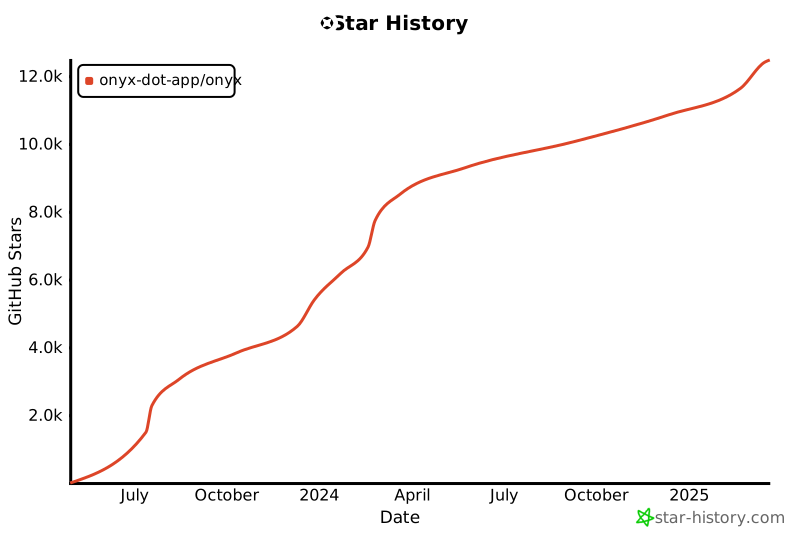](https://star-history.com/#onyx-dot-app/onyx&Date)
|
||||
|
||||
|
||||
@@ -28,11 +28,11 @@ RUN apt-get update && \
|
||||
curl \
|
||||
zip \
|
||||
ca-certificates \
|
||||
libgnutls30 \
|
||||
libblkid1 \
|
||||
libmount1 \
|
||||
libsmartcols1 \
|
||||
libuuid1 \
|
||||
libgnutls30=3.7.9-2+deb12u3 \
|
||||
libblkid1=2.38.1-5+deb12u1 \
|
||||
libmount1=2.38.1-5+deb12u1 \
|
||||
libsmartcols1=2.38.1-5+deb12u1 \
|
||||
libuuid1=2.38.1-5+deb12u1 \
|
||||
libxmlsec1-dev \
|
||||
pkg-config \
|
||||
gcc \
|
||||
|
||||
@@ -1,27 +0,0 @@
|
||||
"""Add indexes to document__tag
|
||||
|
||||
Revision ID: 1a03d2c2856b
|
||||
Revises: 9c00a2bccb83
|
||||
Create Date: 2025-02-18 10:45:13.957807
|
||||
|
||||
"""
|
||||
from alembic import op
|
||||
|
||||
# revision identifiers, used by Alembic.
|
||||
revision = "1a03d2c2856b"
|
||||
down_revision = "9c00a2bccb83"
|
||||
branch_labels: None = None
|
||||
depends_on: None = None
|
||||
|
||||
|
||||
def upgrade() -> None:
|
||||
op.create_index(
|
||||
op.f("ix_document__tag_tag_id"),
|
||||
"document__tag",
|
||||
["tag_id"],
|
||||
unique=False,
|
||||
)
|
||||
|
||||
|
||||
def downgrade() -> None:
|
||||
op.drop_index(op.f("ix_document__tag_tag_id"), table_name="document__tag")
|
||||
@@ -1,84 +0,0 @@
|
||||
"""improved index
|
||||
|
||||
Revision ID: 3bd4c84fe72f
|
||||
Revises: 8f43500ee275
|
||||
Create Date: 2025-02-26 13:07:56.217791
|
||||
|
||||
"""
|
||||
from alembic import op
|
||||
|
||||
|
||||
# revision identifiers, used by Alembic.
|
||||
revision = "3bd4c84fe72f"
|
||||
down_revision = "8f43500ee275"
|
||||
branch_labels = None
|
||||
depends_on = None
|
||||
|
||||
|
||||
# NOTE:
|
||||
# This migration addresses issues with the previous migration (8f43500ee275) which caused
|
||||
# an outage by creating an index without using CONCURRENTLY. This migration:
|
||||
#
|
||||
# 1. Creates more efficient full-text search capabilities using tsvector columns and GIN indexes
|
||||
# 2. Uses CONCURRENTLY for all index creation to prevent table locking
|
||||
# 3. Explicitly manages transactions with COMMIT statements to allow CONCURRENTLY to work
|
||||
# (see: https://www.postgresql.org/docs/9.4/sql-createindex.html#SQL-CREATEINDEX-CONCURRENTLY)
|
||||
# (see: https://github.com/sqlalchemy/alembic/issues/277)
|
||||
# 4. Adds indexes to both chat_message and chat_session tables for comprehensive search
|
||||
|
||||
|
||||
def upgrade() -> None:
|
||||
# Create a GIN index for full-text search on chat_message.message
|
||||
op.execute(
|
||||
"""
|
||||
ALTER TABLE chat_message
|
||||
ADD COLUMN message_tsv tsvector
|
||||
GENERATED ALWAYS AS (to_tsvector('english', message)) STORED;
|
||||
"""
|
||||
)
|
||||
|
||||
# Commit the current transaction before creating concurrent indexes
|
||||
op.execute("COMMIT")
|
||||
|
||||
op.execute(
|
||||
"""
|
||||
CREATE INDEX CONCURRENTLY IF NOT EXISTS idx_chat_message_tsv
|
||||
ON chat_message
|
||||
USING GIN (message_tsv)
|
||||
"""
|
||||
)
|
||||
|
||||
# Also add a stored tsvector column for chat_session.description
|
||||
op.execute(
|
||||
"""
|
||||
ALTER TABLE chat_session
|
||||
ADD COLUMN description_tsv tsvector
|
||||
GENERATED ALWAYS AS (to_tsvector('english', coalesce(description, ''))) STORED;
|
||||
"""
|
||||
)
|
||||
|
||||
# Commit again before creating the second concurrent index
|
||||
op.execute("COMMIT")
|
||||
|
||||
op.execute(
|
||||
"""
|
||||
CREATE INDEX CONCURRENTLY IF NOT EXISTS idx_chat_session_desc_tsv
|
||||
ON chat_session
|
||||
USING GIN (description_tsv)
|
||||
"""
|
||||
)
|
||||
|
||||
|
||||
def downgrade() -> None:
|
||||
# Drop the indexes first (use CONCURRENTLY for dropping too)
|
||||
op.execute("COMMIT")
|
||||
op.execute("DROP INDEX CONCURRENTLY IF EXISTS idx_chat_message_tsv;")
|
||||
|
||||
op.execute("COMMIT")
|
||||
op.execute("DROP INDEX CONCURRENTLY IF EXISTS idx_chat_session_desc_tsv;")
|
||||
|
||||
# Then drop the columns
|
||||
op.execute("ALTER TABLE chat_message DROP COLUMN IF EXISTS message_tsv;")
|
||||
op.execute("ALTER TABLE chat_session DROP COLUMN IF EXISTS description_tsv;")
|
||||
|
||||
op.execute("DROP INDEX IF EXISTS idx_chat_message_message_lower;")
|
||||
@@ -1,32 +0,0 @@
|
||||
"""add index
|
||||
|
||||
Revision ID: 8f43500ee275
|
||||
Revises: da42808081e3
|
||||
Create Date: 2025-02-24 17:35:33.072714
|
||||
|
||||
"""
|
||||
from alembic import op
|
||||
|
||||
|
||||
# revision identifiers, used by Alembic.
|
||||
revision = "8f43500ee275"
|
||||
down_revision = "da42808081e3"
|
||||
branch_labels = None
|
||||
depends_on = None
|
||||
|
||||
|
||||
def upgrade() -> None:
|
||||
# Create a basic index on the lowercase message column for direct text matching
|
||||
# Limit to 1500 characters to stay well under the 2856 byte limit of btree version 4
|
||||
# op.execute(
|
||||
# """
|
||||
# CREATE INDEX idx_chat_message_message_lower
|
||||
# ON chat_message (LOWER(substring(message, 1, 1500)))
|
||||
# """
|
||||
# )
|
||||
pass
|
||||
|
||||
|
||||
def downgrade() -> None:
|
||||
# Drop the index
|
||||
op.execute("DROP INDEX IF EXISTS idx_chat_message_message_lower;")
|
||||
@@ -1,43 +0,0 @@
|
||||
"""chat_message_agentic
|
||||
|
||||
Revision ID: 9c00a2bccb83
|
||||
Revises: b7a7eee5aa15
|
||||
Create Date: 2025-02-17 11:15:43.081150
|
||||
|
||||
"""
|
||||
from alembic import op
|
||||
import sqlalchemy as sa
|
||||
|
||||
|
||||
# revision identifiers, used by Alembic.
|
||||
revision = "9c00a2bccb83"
|
||||
down_revision = "b7a7eee5aa15"
|
||||
branch_labels = None
|
||||
depends_on = None
|
||||
|
||||
|
||||
def upgrade() -> None:
|
||||
# First add the column as nullable
|
||||
op.add_column("chat_message", sa.Column("is_agentic", sa.Boolean(), nullable=True))
|
||||
|
||||
# Update existing rows based on presence of SubQuestions
|
||||
op.execute(
|
||||
"""
|
||||
UPDATE chat_message
|
||||
SET is_agentic = EXISTS (
|
||||
SELECT 1
|
||||
FROM agent__sub_question
|
||||
WHERE agent__sub_question.primary_question_id = chat_message.id
|
||||
)
|
||||
WHERE is_agentic IS NULL
|
||||
"""
|
||||
)
|
||||
|
||||
# Make the column non-nullable with a default value of False
|
||||
op.alter_column(
|
||||
"chat_message", "is_agentic", nullable=False, server_default=sa.text("false")
|
||||
)
|
||||
|
||||
|
||||
def downgrade() -> None:
|
||||
op.drop_column("chat_message", "is_agentic")
|
||||
@@ -1,29 +0,0 @@
|
||||
"""remove inactive ccpair status on downgrade
|
||||
|
||||
Revision ID: acaab4ef4507
|
||||
Revises: b388730a2899
|
||||
Create Date: 2025-02-16 18:21:41.330212
|
||||
|
||||
"""
|
||||
from alembic import op
|
||||
from onyx.db.models import ConnectorCredentialPair
|
||||
from onyx.db.enums import ConnectorCredentialPairStatus
|
||||
from sqlalchemy import update
|
||||
|
||||
# revision identifiers, used by Alembic.
|
||||
revision = "acaab4ef4507"
|
||||
down_revision = "b388730a2899"
|
||||
branch_labels = None
|
||||
depends_on = None
|
||||
|
||||
|
||||
def upgrade() -> None:
|
||||
pass
|
||||
|
||||
|
||||
def downgrade() -> None:
|
||||
op.execute(
|
||||
update(ConnectorCredentialPair)
|
||||
.where(ConnectorCredentialPair.status == ConnectorCredentialPairStatus.INVALID)
|
||||
.values(status=ConnectorCredentialPairStatus.ACTIVE)
|
||||
)
|
||||
@@ -1,31 +0,0 @@
|
||||
"""nullable preferences
|
||||
|
||||
Revision ID: b388730a2899
|
||||
Revises: 1a03d2c2856b
|
||||
Create Date: 2025-02-17 18:49:22.643902
|
||||
|
||||
"""
|
||||
from alembic import op
|
||||
|
||||
|
||||
# revision identifiers, used by Alembic.
|
||||
revision = "b388730a2899"
|
||||
down_revision = "1a03d2c2856b"
|
||||
branch_labels = None
|
||||
depends_on = None
|
||||
|
||||
|
||||
def upgrade() -> None:
|
||||
op.alter_column("user", "temperature_override_enabled", nullable=True)
|
||||
op.alter_column("user", "auto_scroll", nullable=True)
|
||||
|
||||
|
||||
def downgrade() -> None:
|
||||
# Ensure no null values before making columns non-nullable
|
||||
op.execute(
|
||||
'UPDATE "user" SET temperature_override_enabled = false WHERE temperature_override_enabled IS NULL'
|
||||
)
|
||||
op.execute('UPDATE "user" SET auto_scroll = false WHERE auto_scroll IS NULL')
|
||||
|
||||
op.alter_column("user", "temperature_override_enabled", nullable=False)
|
||||
op.alter_column("user", "auto_scroll", nullable=False)
|
||||
@@ -1,124 +0,0 @@
|
||||
"""Add checkpointing/failure handling
|
||||
|
||||
Revision ID: b7a7eee5aa15
|
||||
Revises: f39c5794c10a
|
||||
Create Date: 2025-01-24 15:17:36.763172
|
||||
|
||||
"""
|
||||
from alembic import op
|
||||
import sqlalchemy as sa
|
||||
from sqlalchemy.dialects import postgresql
|
||||
|
||||
# revision identifiers, used by Alembic.
|
||||
revision = "b7a7eee5aa15"
|
||||
down_revision = "f39c5794c10a"
|
||||
branch_labels = None
|
||||
depends_on = None
|
||||
|
||||
|
||||
def upgrade() -> None:
|
||||
op.add_column(
|
||||
"index_attempt",
|
||||
sa.Column("checkpoint_pointer", sa.String(), nullable=True),
|
||||
)
|
||||
op.add_column(
|
||||
"index_attempt",
|
||||
sa.Column("poll_range_start", sa.DateTime(timezone=True), nullable=True),
|
||||
)
|
||||
op.add_column(
|
||||
"index_attempt",
|
||||
sa.Column("poll_range_end", sa.DateTime(timezone=True), nullable=True),
|
||||
)
|
||||
|
||||
op.create_index(
|
||||
"ix_index_attempt_cc_pair_settings_poll",
|
||||
"index_attempt",
|
||||
[
|
||||
"connector_credential_pair_id",
|
||||
"search_settings_id",
|
||||
"status",
|
||||
sa.text("time_updated DESC"),
|
||||
],
|
||||
)
|
||||
|
||||
# Drop the old IndexAttemptError table
|
||||
op.drop_index("index_attempt_id", table_name="index_attempt_errors")
|
||||
op.drop_table("index_attempt_errors")
|
||||
|
||||
# Create the new version of the table
|
||||
op.create_table(
|
||||
"index_attempt_errors",
|
||||
sa.Column("id", sa.Integer(), primary_key=True),
|
||||
sa.Column("index_attempt_id", sa.Integer(), nullable=False),
|
||||
sa.Column("connector_credential_pair_id", sa.Integer(), nullable=False),
|
||||
sa.Column("document_id", sa.String(), nullable=True),
|
||||
sa.Column("document_link", sa.String(), nullable=True),
|
||||
sa.Column("entity_id", sa.String(), nullable=True),
|
||||
sa.Column("failed_time_range_start", sa.DateTime(timezone=True), nullable=True),
|
||||
sa.Column("failed_time_range_end", sa.DateTime(timezone=True), nullable=True),
|
||||
sa.Column("failure_message", sa.Text(), nullable=False),
|
||||
sa.Column("is_resolved", sa.Boolean(), nullable=False, default=False),
|
||||
sa.Column(
|
||||
"time_created",
|
||||
sa.DateTime(timezone=True),
|
||||
server_default=sa.text("now()"),
|
||||
nullable=False,
|
||||
),
|
||||
sa.ForeignKeyConstraint(
|
||||
["index_attempt_id"],
|
||||
["index_attempt.id"],
|
||||
),
|
||||
sa.ForeignKeyConstraint(
|
||||
["connector_credential_pair_id"],
|
||||
["connector_credential_pair.id"],
|
||||
),
|
||||
)
|
||||
|
||||
|
||||
def downgrade() -> None:
|
||||
op.execute("SET lock_timeout = '5s'")
|
||||
|
||||
# try a few times to drop the table, this has been observed to fail due to other locks
|
||||
# blocking the drop
|
||||
NUM_TRIES = 10
|
||||
for i in range(NUM_TRIES):
|
||||
try:
|
||||
op.drop_table("index_attempt_errors")
|
||||
break
|
||||
except Exception as e:
|
||||
if i == NUM_TRIES - 1:
|
||||
raise e
|
||||
print(f"Error dropping table: {e}. Retrying...")
|
||||
|
||||
op.execute("SET lock_timeout = DEFAULT")
|
||||
|
||||
# Recreate the old IndexAttemptError table
|
||||
op.create_table(
|
||||
"index_attempt_errors",
|
||||
sa.Column("id", sa.Integer(), primary_key=True),
|
||||
sa.Column("index_attempt_id", sa.Integer(), nullable=True),
|
||||
sa.Column("batch", sa.Integer(), nullable=True),
|
||||
sa.Column("doc_summaries", postgresql.JSONB(), nullable=False),
|
||||
sa.Column("error_msg", sa.Text(), nullable=True),
|
||||
sa.Column("traceback", sa.Text(), nullable=True),
|
||||
sa.Column(
|
||||
"time_created",
|
||||
sa.DateTime(timezone=True),
|
||||
server_default=sa.text("now()"),
|
||||
),
|
||||
sa.ForeignKeyConstraint(
|
||||
["index_attempt_id"],
|
||||
["index_attempt.id"],
|
||||
),
|
||||
)
|
||||
|
||||
op.create_index(
|
||||
"index_attempt_id",
|
||||
"index_attempt_errors",
|
||||
["time_created"],
|
||||
)
|
||||
|
||||
op.drop_index("ix_index_attempt_cc_pair_settings_poll")
|
||||
op.drop_column("index_attempt", "checkpoint_pointer")
|
||||
op.drop_column("index_attempt", "poll_range_start")
|
||||
op.drop_column("index_attempt", "poll_range_end")
|
||||
@@ -1,120 +0,0 @@
|
||||
"""migrate jira connectors to new format
|
||||
|
||||
Revision ID: da42808081e3
|
||||
Revises: f13db29f3101
|
||||
Create Date: 2025-02-24 11:24:54.396040
|
||||
|
||||
"""
|
||||
from alembic import op
|
||||
import sqlalchemy as sa
|
||||
import json
|
||||
|
||||
from onyx.configs.constants import DocumentSource
|
||||
from onyx.connectors.onyx_jira.utils import extract_jira_project
|
||||
|
||||
|
||||
# revision identifiers, used by Alembic.
|
||||
revision = "da42808081e3"
|
||||
down_revision = "f13db29f3101"
|
||||
branch_labels = None
|
||||
depends_on = None
|
||||
|
||||
|
||||
def upgrade() -> None:
|
||||
# Get all Jira connectors
|
||||
conn = op.get_bind()
|
||||
|
||||
# First get all Jira connectors
|
||||
jira_connectors = conn.execute(
|
||||
sa.text(
|
||||
"""
|
||||
SELECT id, connector_specific_config
|
||||
FROM connector
|
||||
WHERE source = :source
|
||||
"""
|
||||
),
|
||||
{"source": DocumentSource.JIRA.value.upper()},
|
||||
).fetchall()
|
||||
|
||||
# Update each connector's config
|
||||
for connector_id, old_config in jira_connectors:
|
||||
if not old_config:
|
||||
continue
|
||||
|
||||
# Extract project key from URL if it exists
|
||||
new_config: dict[str, str | None] = {}
|
||||
if project_url := old_config.get("jira_project_url"):
|
||||
# Parse the URL to get base and project
|
||||
try:
|
||||
jira_base, project_key = extract_jira_project(project_url)
|
||||
new_config = {"jira_base_url": jira_base, "project_key": project_key}
|
||||
except ValueError:
|
||||
# If URL parsing fails, just use the URL as the base
|
||||
new_config = {
|
||||
"jira_base_url": project_url.split("/projects/")[0],
|
||||
"project_key": None,
|
||||
}
|
||||
else:
|
||||
# For connectors without a project URL, we need admin intervention
|
||||
# Mark these for review
|
||||
print(
|
||||
f"WARNING: Jira connector {connector_id} has no project URL configured"
|
||||
)
|
||||
continue
|
||||
|
||||
# Update the connector config
|
||||
conn.execute(
|
||||
sa.text(
|
||||
"""
|
||||
UPDATE connector
|
||||
SET connector_specific_config = :new_config
|
||||
WHERE id = :id
|
||||
"""
|
||||
),
|
||||
{"id": connector_id, "new_config": json.dumps(new_config)},
|
||||
)
|
||||
|
||||
|
||||
def downgrade() -> None:
|
||||
# Get all Jira connectors
|
||||
conn = op.get_bind()
|
||||
|
||||
# First get all Jira connectors
|
||||
jira_connectors = conn.execute(
|
||||
sa.text(
|
||||
"""
|
||||
SELECT id, connector_specific_config
|
||||
FROM connector
|
||||
WHERE source = :source
|
||||
"""
|
||||
),
|
||||
{"source": DocumentSource.JIRA.value.upper()},
|
||||
).fetchall()
|
||||
|
||||
# Update each connector's config back to the old format
|
||||
for connector_id, new_config in jira_connectors:
|
||||
if not new_config:
|
||||
continue
|
||||
|
||||
old_config = {}
|
||||
base_url = new_config.get("jira_base_url")
|
||||
project_key = new_config.get("project_key")
|
||||
|
||||
if base_url and project_key:
|
||||
old_config = {"jira_project_url": f"{base_url}/projects/{project_key}"}
|
||||
elif base_url:
|
||||
old_config = {"jira_project_url": base_url}
|
||||
else:
|
||||
continue
|
||||
|
||||
# Update the connector config
|
||||
conn.execute(
|
||||
sa.text(
|
||||
"""
|
||||
UPDATE connector
|
||||
SET connector_specific_config = :old_config
|
||||
WHERE id = :id
|
||||
"""
|
||||
),
|
||||
{"id": connector_id, "old_config": old_config},
|
||||
)
|
||||
@@ -1,36 +0,0 @@
|
||||
"""force lowercase all users
|
||||
|
||||
Revision ID: f11b408e39d3
|
||||
Revises: 3bd4c84fe72f
|
||||
Create Date: 2025-02-26 17:04:55.683500
|
||||
|
||||
"""
|
||||
|
||||
|
||||
# revision identifiers, used by Alembic.
|
||||
revision = "f11b408e39d3"
|
||||
down_revision = "3bd4c84fe72f"
|
||||
branch_labels = None
|
||||
depends_on = None
|
||||
|
||||
|
||||
def upgrade() -> None:
|
||||
# 1) Convert all existing user emails to lowercase
|
||||
from alembic import op
|
||||
|
||||
op.execute(
|
||||
"""
|
||||
UPDATE "user"
|
||||
SET email = LOWER(email)
|
||||
"""
|
||||
)
|
||||
|
||||
# 2) Add a check constraint to ensure emails are always lowercase
|
||||
op.create_check_constraint("ensure_lowercase_email", "user", "email = LOWER(email)")
|
||||
|
||||
|
||||
def downgrade() -> None:
|
||||
# Drop the check constraint
|
||||
from alembic import op
|
||||
|
||||
op.drop_constraint("ensure_lowercase_email", "user", type_="check")
|
||||
@@ -1,27 +0,0 @@
|
||||
"""Add composite index for last_modified and last_synced to document
|
||||
|
||||
Revision ID: f13db29f3101
|
||||
Revises: b388730a2899
|
||||
Create Date: 2025-02-18 22:48:11.511389
|
||||
|
||||
"""
|
||||
from alembic import op
|
||||
|
||||
# revision identifiers, used by Alembic.
|
||||
revision = "f13db29f3101"
|
||||
down_revision = "acaab4ef4507"
|
||||
branch_labels: str | None = None
|
||||
depends_on: str | None = None
|
||||
|
||||
|
||||
def upgrade() -> None:
|
||||
op.create_index(
|
||||
"ix_document_sync_status",
|
||||
"document",
|
||||
["last_modified", "last_synced"],
|
||||
unique=False,
|
||||
)
|
||||
|
||||
|
||||
def downgrade() -> None:
|
||||
op.drop_index("ix_document_sync_status", table_name="document")
|
||||
@@ -1,42 +0,0 @@
|
||||
"""lowercase multi-tenant user auth
|
||||
|
||||
Revision ID: 34e3630c7f32
|
||||
Revises: a4f6ee863c47
|
||||
Create Date: 2025-02-26 15:03:01.211894
|
||||
|
||||
"""
|
||||
from alembic import op
|
||||
|
||||
|
||||
# revision identifiers, used by Alembic.
|
||||
revision = "34e3630c7f32"
|
||||
down_revision = "a4f6ee863c47"
|
||||
branch_labels = None
|
||||
depends_on = None
|
||||
|
||||
|
||||
def upgrade() -> None:
|
||||
# 1) Convert all existing rows to lowercase
|
||||
op.execute(
|
||||
"""
|
||||
UPDATE user_tenant_mapping
|
||||
SET email = LOWER(email)
|
||||
"""
|
||||
)
|
||||
# 2) Add a check constraint so that emails cannot be written in uppercase
|
||||
op.create_check_constraint(
|
||||
"ensure_lowercase_email",
|
||||
"user_tenant_mapping",
|
||||
"email = LOWER(email)",
|
||||
schema="public",
|
||||
)
|
||||
|
||||
|
||||
def downgrade() -> None:
|
||||
# Drop the check constraint
|
||||
op.drop_constraint(
|
||||
"ensure_lowercase_email",
|
||||
"user_tenant_mapping",
|
||||
schema="public",
|
||||
type_="check",
|
||||
)
|
||||
@@ -5,9 +5,11 @@ from onyx.background.celery.apps.primary import celery_app
|
||||
from onyx.background.task_utils import build_celery_task_wrapper
|
||||
from onyx.configs.app_configs import JOB_TIMEOUT
|
||||
from onyx.db.chat import delete_chat_sessions_older_than
|
||||
from onyx.db.engine import get_session_with_current_tenant
|
||||
from onyx.db.engine import get_session_with_tenant
|
||||
from onyx.server.settings.store import load_settings
|
||||
from onyx.utils.logger import setup_logger
|
||||
from shared_configs.configs import MULTI_TENANT
|
||||
from shared_configs.contextvars import CURRENT_TENANT_ID_CONTEXTVAR
|
||||
|
||||
logger = setup_logger()
|
||||
|
||||
@@ -16,8 +18,10 @@ logger = setup_logger()
|
||||
|
||||
@build_celery_task_wrapper(name_chat_ttl_task)
|
||||
@celery_app.task(soft_time_limit=JOB_TIMEOUT)
|
||||
def perform_ttl_management_task(retention_limit_days: int, *, tenant_id: str) -> None:
|
||||
with get_session_with_current_tenant() as db_session:
|
||||
def perform_ttl_management_task(
|
||||
retention_limit_days: int, *, tenant_id: str | None
|
||||
) -> None:
|
||||
with get_session_with_tenant(tenant_id) as db_session:
|
||||
delete_chat_sessions_older_than(retention_limit_days, db_session)
|
||||
|
||||
|
||||
@@ -31,19 +35,24 @@ def perform_ttl_management_task(retention_limit_days: int, *, tenant_id: str) ->
|
||||
ignore_result=True,
|
||||
soft_time_limit=JOB_TIMEOUT,
|
||||
)
|
||||
def check_ttl_management_task(*, tenant_id: str) -> None:
|
||||
def check_ttl_management_task(*, tenant_id: str | None) -> None:
|
||||
"""Runs periodically to check if any ttl tasks should be run and adds them
|
||||
to the queue"""
|
||||
token = None
|
||||
if MULTI_TENANT and tenant_id is not None:
|
||||
token = CURRENT_TENANT_ID_CONTEXTVAR.set(tenant_id)
|
||||
|
||||
settings = load_settings()
|
||||
retention_limit_days = settings.maximum_chat_retention_days
|
||||
with get_session_with_current_tenant() as db_session:
|
||||
with get_session_with_tenant(tenant_id) as db_session:
|
||||
if should_perform_chat_ttl_check(retention_limit_days, db_session):
|
||||
perform_ttl_management_task.apply_async(
|
||||
kwargs=dict(
|
||||
retention_limit_days=retention_limit_days, tenant_id=tenant_id
|
||||
),
|
||||
)
|
||||
if token is not None:
|
||||
CURRENT_TENANT_ID_CONTEXTVAR.reset(token)
|
||||
|
||||
|
||||
@celery_app.task(
|
||||
@@ -51,9 +60,9 @@ def check_ttl_management_task(*, tenant_id: str) -> None:
|
||||
ignore_result=True,
|
||||
soft_time_limit=JOB_TIMEOUT,
|
||||
)
|
||||
def autogenerate_usage_report_task(*, tenant_id: str) -> None:
|
||||
def autogenerate_usage_report_task(*, tenant_id: str | None) -> None:
|
||||
"""This generates usage report under the /admin/generate-usage/report endpoint"""
|
||||
with get_session_with_current_tenant() as db_session:
|
||||
with get_session_with_tenant(tenant_id) as db_session:
|
||||
create_new_usage_report(
|
||||
db_session=db_session,
|
||||
user_id=None,
|
||||
|
||||
@@ -18,7 +18,7 @@ logger = setup_logger()
|
||||
|
||||
|
||||
def monitor_usergroup_taskset(
|
||||
tenant_id: str, key_bytes: bytes, r: Redis, db_session: Session
|
||||
tenant_id: str | None, key_bytes: bytes, r: Redis, db_session: Session
|
||||
) -> None:
|
||||
"""This function is likely to move in the worker refactor happening next."""
|
||||
fence_key = key_bytes.decode("utf-8")
|
||||
|
||||
@@ -4,7 +4,6 @@ from sqlalchemy.orm import Session
|
||||
from onyx.configs.constants import DocumentSource
|
||||
from onyx.db.connector_credential_pair import get_connector_credential_pair
|
||||
from onyx.db.enums import AccessType
|
||||
from onyx.db.enums import ConnectorCredentialPairStatus
|
||||
from onyx.db.models import Connector
|
||||
from onyx.db.models import ConnectorCredentialPair
|
||||
from onyx.db.models import UserGroup__ConnectorCredentialPair
|
||||
@@ -36,11 +35,10 @@ def _delete_connector_credential_pair_user_groups_relationship__no_commit(
|
||||
def get_cc_pairs_by_source(
|
||||
db_session: Session,
|
||||
source_type: DocumentSource,
|
||||
access_type: AccessType | None = None,
|
||||
status: ConnectorCredentialPairStatus | None = None,
|
||||
only_sync: bool,
|
||||
) -> list[ConnectorCredentialPair]:
|
||||
"""
|
||||
Get all cc_pairs for a given source type with optional filtering by access_type and status
|
||||
Get all cc_pairs for a given source type (and optionally only sync)
|
||||
result is sorted by cc_pair id
|
||||
"""
|
||||
query = (
|
||||
@@ -50,11 +48,8 @@ def get_cc_pairs_by_source(
|
||||
.order_by(ConnectorCredentialPair.id)
|
||||
)
|
||||
|
||||
if access_type is not None:
|
||||
query = query.filter(ConnectorCredentialPair.access_type == access_type)
|
||||
|
||||
if status is not None:
|
||||
query = query.filter(ConnectorCredentialPair.status == status)
|
||||
if only_sync:
|
||||
query = query.filter(ConnectorCredentialPair.access_type == AccessType.SYNC)
|
||||
|
||||
cc_pairs = query.all()
|
||||
return cc_pairs
|
||||
|
||||
@@ -14,24 +14,30 @@ def _build_group_member_email_map(
|
||||
confluence_client: OnyxConfluence, cc_pair_id: int
|
||||
) -> dict[str, set[str]]:
|
||||
group_member_emails: dict[str, set[str]] = {}
|
||||
for user in confluence_client.paginated_cql_user_retrieval():
|
||||
logger.debug(f"Processing groups for user: {user}")
|
||||
for user_result in confluence_client.paginated_cql_user_retrieval():
|
||||
logger.debug(f"Processing groups for user: {user_result}")
|
||||
|
||||
email = user.email
|
||||
user = user_result.get("user", {})
|
||||
if not user:
|
||||
msg = f"user result missing user field: {user_result}"
|
||||
emit_background_error(msg, cc_pair_id=cc_pair_id)
|
||||
logger.error(msg)
|
||||
continue
|
||||
|
||||
email = user.get("email")
|
||||
if not email:
|
||||
# This field is only present in Confluence Server
|
||||
user_name = user.username
|
||||
user_name = user.get("username")
|
||||
# If it is present, try to get the email using a Server-specific method
|
||||
if user_name:
|
||||
email = get_user_email_from_username__server(
|
||||
confluence_client=confluence_client,
|
||||
user_name=user_name,
|
||||
)
|
||||
|
||||
if not email:
|
||||
# If we still don't have an email, skip this user
|
||||
msg = f"user result missing email field: {user}"
|
||||
if user.type == "app":
|
||||
msg = f"user result missing email field: {user_result}"
|
||||
if user.get("type") == "app":
|
||||
logger.warning(msg)
|
||||
else:
|
||||
emit_background_error(msg, cc_pair_id=cc_pair_id)
|
||||
@@ -39,7 +45,7 @@ def _build_group_member_email_map(
|
||||
continue
|
||||
|
||||
all_users_groups: set[str] = set()
|
||||
for group in confluence_client.paginated_groups_by_user_retrieval(user.user_id):
|
||||
for group in confluence_client.paginated_groups_by_user_retrieval(user):
|
||||
# group name uniqueness is enforced by Confluence, so we can use it as a group ID
|
||||
group_id = group["name"]
|
||||
group_member_emails.setdefault(group_id, set()).add(email)
|
||||
|
||||
@@ -62,14 +62,12 @@ def _fetch_permissions_for_permission_ids(
|
||||
user_email=(owner_email or google_drive_connector.primary_admin_email),
|
||||
)
|
||||
|
||||
# We continue on 404 or 403 because the document may not exist or the user may not have access to it
|
||||
fetched_permissions = execute_paginated_retrieval(
|
||||
retrieval_function=drive_service.permissions().list,
|
||||
list_key="permissions",
|
||||
fileId=doc_id,
|
||||
fields="permissions(id, emailAddress, type, domain)",
|
||||
supportsAllDrives=True,
|
||||
continue_on_404_or_403=True,
|
||||
)
|
||||
|
||||
permissions_for_doc_id = []
|
||||
@@ -106,13 +104,7 @@ def _get_permissions_from_slim_doc(
|
||||
user_emails: set[str] = set()
|
||||
group_emails: set[str] = set()
|
||||
public = False
|
||||
skipped_permissions = 0
|
||||
|
||||
for permission in permissions_list:
|
||||
if not permission:
|
||||
skipped_permissions += 1
|
||||
continue
|
||||
|
||||
permission_type = permission["type"]
|
||||
if permission_type == "user":
|
||||
user_emails.add(permission["emailAddress"])
|
||||
@@ -129,11 +121,6 @@ def _get_permissions_from_slim_doc(
|
||||
elif permission_type == "anyone":
|
||||
public = True
|
||||
|
||||
if skipped_permissions > 0:
|
||||
logger.warning(
|
||||
f"Skipped {skipped_permissions} permissions of {len(permissions_list)} for document {slim_doc.id}"
|
||||
)
|
||||
|
||||
drive_id = permission_info.get("drive_id")
|
||||
group_ids = group_emails | ({drive_id} if drive_id is not None else set())
|
||||
|
||||
|
||||
@@ -5,7 +5,7 @@ from onyx.access.models import DocExternalAccess
|
||||
from onyx.access.models import ExternalAccess
|
||||
from onyx.connectors.slack.connector import get_channels
|
||||
from onyx.connectors.slack.connector import make_paginated_slack_api_call_w_retries
|
||||
from onyx.connectors.slack.connector import SlackConnector
|
||||
from onyx.connectors.slack.connector import SlackPollConnector
|
||||
from onyx.db.models import ConnectorCredentialPair
|
||||
from onyx.indexing.indexing_heartbeat import IndexingHeartbeatInterface
|
||||
from onyx.utils.logger import setup_logger
|
||||
@@ -17,7 +17,7 @@ logger = setup_logger()
|
||||
def _get_slack_document_ids_and_channels(
|
||||
cc_pair: ConnectorCredentialPair, callback: IndexingHeartbeatInterface | None
|
||||
) -> dict[str, list[str]]:
|
||||
slack_connector = SlackConnector(**cc_pair.connector.connector_specific_config)
|
||||
slack_connector = SlackPollConnector(**cc_pair.connector.connector_specific_config)
|
||||
slack_connector.load_credentials(cc_pair.credential.credential_json)
|
||||
|
||||
slim_doc_generator = slack_connector.retrieve_all_slim_documents(callback=callback)
|
||||
|
||||
@@ -33,7 +33,7 @@ def add_tenant_id_middleware(app: FastAPI, logger: logging.LoggerAdapter) -> Non
|
||||
return await call_next(request)
|
||||
|
||||
except Exception as e:
|
||||
logger.exception(f"Error in tenant ID middleware: {str(e)}")
|
||||
logger.error(f"Error in tenant ID middleware: {str(e)}")
|
||||
raise
|
||||
|
||||
|
||||
@@ -49,7 +49,7 @@ async def _get_tenant_id_from_request(
|
||||
"""
|
||||
# Check for API key
|
||||
tenant_id = extract_tenant_from_api_key_header(request)
|
||||
if tenant_id is not None:
|
||||
if tenant_id:
|
||||
return tenant_id
|
||||
|
||||
# Check for anonymous user cookie
|
||||
|
||||
@@ -36,12 +36,12 @@ from onyx.connectors.google_utils.shared_constants import (
|
||||
GoogleOAuthAuthenticationMethod,
|
||||
)
|
||||
from onyx.db.credentials import create_credential
|
||||
from onyx.db.engine import get_current_tenant_id
|
||||
from onyx.db.engine import get_session
|
||||
from onyx.db.models import User
|
||||
from onyx.redis.redis_pool import get_redis_client
|
||||
from onyx.server.documents.models import CredentialBase
|
||||
from onyx.utils.logger import setup_logger
|
||||
from shared_configs.contextvars import get_current_tenant_id
|
||||
|
||||
|
||||
logger = setup_logger()
|
||||
@@ -271,12 +271,12 @@ def prepare_authorization_request(
|
||||
connector: DocumentSource,
|
||||
redirect_on_success: str | None,
|
||||
user: User = Depends(current_user),
|
||||
tenant_id: str | None = Depends(get_current_tenant_id),
|
||||
) -> JSONResponse:
|
||||
"""Used by the frontend to generate the url for the user's browser during auth request.
|
||||
|
||||
Example: https://www.oauth.com/oauth2-servers/authorization/the-authorization-request/
|
||||
"""
|
||||
tenant_id = get_current_tenant_id()
|
||||
|
||||
# create random oauth state param for security and to retrieve user data later
|
||||
oauth_uuid = uuid.uuid4()
|
||||
@@ -329,6 +329,7 @@ def handle_slack_oauth_callback(
|
||||
state: str,
|
||||
user: User = Depends(current_user),
|
||||
db_session: Session = Depends(get_session),
|
||||
tenant_id: str | None = Depends(get_current_tenant_id),
|
||||
) -> JSONResponse:
|
||||
if not SlackOAuth.CLIENT_ID or not SlackOAuth.CLIENT_SECRET:
|
||||
raise HTTPException(
|
||||
@@ -336,7 +337,7 @@ def handle_slack_oauth_callback(
|
||||
detail="Slack client ID or client secret is not configured.",
|
||||
)
|
||||
|
||||
r = get_redis_client()
|
||||
r = get_redis_client(tenant_id=tenant_id)
|
||||
|
||||
# recover the state
|
||||
padded_state = state + "=" * (
|
||||
@@ -522,6 +523,7 @@ def handle_google_drive_oauth_callback(
|
||||
state: str,
|
||||
user: User = Depends(current_user),
|
||||
db_session: Session = Depends(get_session),
|
||||
tenant_id: str | None = Depends(get_current_tenant_id),
|
||||
) -> JSONResponse:
|
||||
if not GoogleDriveOAuth.CLIENT_ID or not GoogleDriveOAuth.CLIENT_SECRET:
|
||||
raise HTTPException(
|
||||
@@ -529,7 +531,7 @@ def handle_google_drive_oauth_callback(
|
||||
detail="Google Drive client ID or client secret is not configured.",
|
||||
)
|
||||
|
||||
r = get_redis_client()
|
||||
r = get_redis_client(tenant_id=tenant_id)
|
||||
|
||||
# recover the state
|
||||
padded_state = state + "=" * (
|
||||
|
||||
@@ -13,7 +13,7 @@ from sqlalchemy import select
|
||||
from sqlalchemy.orm import Session
|
||||
|
||||
from onyx.db.api_key import is_api_key_email_address
|
||||
from onyx.db.engine import get_session_with_current_tenant
|
||||
from onyx.db.engine import get_session_with_tenant
|
||||
from onyx.db.models import ChatMessage
|
||||
from onyx.db.models import ChatSession
|
||||
from onyx.db.models import TokenRateLimit
|
||||
@@ -28,21 +28,21 @@ from onyx.server.query_and_chat.token_limit import _user_is_rate_limited_by_glob
|
||||
from onyx.utils.threadpool_concurrency import run_functions_tuples_in_parallel
|
||||
|
||||
|
||||
def _check_token_rate_limits(user: User | None) -> None:
|
||||
def _check_token_rate_limits(user: User | None, tenant_id: str | None) -> None:
|
||||
if user is None:
|
||||
# Unauthenticated users are only rate limited by global settings
|
||||
_user_is_rate_limited_by_global()
|
||||
_user_is_rate_limited_by_global(tenant_id)
|
||||
|
||||
elif is_api_key_email_address(user.email):
|
||||
# API keys are only rate limited by global settings
|
||||
_user_is_rate_limited_by_global()
|
||||
_user_is_rate_limited_by_global(tenant_id)
|
||||
|
||||
else:
|
||||
run_functions_tuples_in_parallel(
|
||||
[
|
||||
(_user_is_rate_limited, (user.id,)),
|
||||
(_user_is_rate_limited_by_group, (user.id,)),
|
||||
(_user_is_rate_limited_by_global, ()),
|
||||
(_user_is_rate_limited, (user.id, tenant_id)),
|
||||
(_user_is_rate_limited_by_group, (user.id, tenant_id)),
|
||||
(_user_is_rate_limited_by_global, (tenant_id,)),
|
||||
]
|
||||
)
|
||||
|
||||
@@ -52,8 +52,8 @@ User rate limits
|
||||
"""
|
||||
|
||||
|
||||
def _user_is_rate_limited(user_id: UUID) -> None:
|
||||
with get_session_with_current_tenant() as db_session:
|
||||
def _user_is_rate_limited(user_id: UUID, tenant_id: str | None) -> None:
|
||||
with get_session_with_tenant(tenant_id) as db_session:
|
||||
user_rate_limits = fetch_all_user_token_rate_limits(
|
||||
db_session=db_session, enabled_only=True, ordered=False
|
||||
)
|
||||
@@ -93,8 +93,8 @@ User Group rate limits
|
||||
"""
|
||||
|
||||
|
||||
def _user_is_rate_limited_by_group(user_id: UUID) -> None:
|
||||
with get_session_with_current_tenant() as db_session:
|
||||
def _user_is_rate_limited_by_group(user_id: UUID, tenant_id: str | None) -> None:
|
||||
with get_session_with_tenant(tenant_id) as db_session:
|
||||
group_rate_limits = _fetch_all_user_group_rate_limits(user_id, db_session)
|
||||
|
||||
if group_rate_limits:
|
||||
|
||||
@@ -2,7 +2,6 @@ import csv
|
||||
import io
|
||||
from datetime import datetime
|
||||
from datetime import timezone
|
||||
from http import HTTPStatus
|
||||
from uuid import UUID
|
||||
|
||||
from fastapi import APIRouter
|
||||
@@ -22,10 +21,8 @@ from ee.onyx.server.query_history.models import QuestionAnswerPairSnapshot
|
||||
from onyx.auth.users import current_admin_user
|
||||
from onyx.auth.users import get_display_email
|
||||
from onyx.chat.chat_utils import create_chat_chain
|
||||
from onyx.configs.app_configs import ONYX_QUERY_HISTORY_TYPE
|
||||
from onyx.configs.constants import MessageType
|
||||
from onyx.configs.constants import QAFeedbackType
|
||||
from onyx.configs.constants import QueryHistoryType
|
||||
from onyx.configs.constants import SessionType
|
||||
from onyx.db.chat import get_chat_session_by_id
|
||||
from onyx.db.chat import get_chat_sessions_by_user
|
||||
@@ -38,8 +35,6 @@ from onyx.server.query_and_chat.models import ChatSessionsResponse
|
||||
|
||||
router = APIRouter()
|
||||
|
||||
ONYX_ANONYMIZED_EMAIL = "anonymous@anonymous.invalid"
|
||||
|
||||
|
||||
def fetch_and_process_chat_session_history(
|
||||
db_session: Session,
|
||||
@@ -112,17 +107,6 @@ def get_user_chat_sessions(
|
||||
_: User | None = Depends(current_admin_user),
|
||||
db_session: Session = Depends(get_session),
|
||||
) -> ChatSessionsResponse:
|
||||
# we specifically don't allow this endpoint if "anonymized" since
|
||||
# this is a direct query on the user id
|
||||
if ONYX_QUERY_HISTORY_TYPE in [
|
||||
QueryHistoryType.DISABLED,
|
||||
QueryHistoryType.ANONYMIZED,
|
||||
]:
|
||||
raise HTTPException(
|
||||
status_code=HTTPStatus.FORBIDDEN,
|
||||
detail="Per user query history has been disabled by the administrator.",
|
||||
)
|
||||
|
||||
try:
|
||||
chat_sessions = get_chat_sessions_by_user(
|
||||
user_id=user_id, deleted=False, db_session=db_session, limit=0
|
||||
@@ -138,7 +122,6 @@ def get_user_chat_sessions(
|
||||
name=chat.description,
|
||||
persona_id=chat.persona_id,
|
||||
time_created=chat.time_created.isoformat(),
|
||||
time_updated=chat.time_updated.isoformat(),
|
||||
shared_status=chat.shared_status,
|
||||
folder_id=chat.folder_id,
|
||||
current_alternate_model=chat.current_alternate_model,
|
||||
@@ -158,12 +141,6 @@ def get_chat_session_history(
|
||||
_: User | None = Depends(current_admin_user),
|
||||
db_session: Session = Depends(get_session),
|
||||
) -> PaginatedReturn[ChatSessionMinimal]:
|
||||
if ONYX_QUERY_HISTORY_TYPE == QueryHistoryType.DISABLED:
|
||||
raise HTTPException(
|
||||
status_code=HTTPStatus.FORBIDDEN,
|
||||
detail="Query history has been disabled by the administrator.",
|
||||
)
|
||||
|
||||
page_of_chat_sessions = get_page_of_chat_sessions(
|
||||
page_num=page_num,
|
||||
page_size=page_size,
|
||||
@@ -180,16 +157,11 @@ def get_chat_session_history(
|
||||
feedback_filter=feedback_type,
|
||||
)
|
||||
|
||||
minimal_chat_sessions: list[ChatSessionMinimal] = []
|
||||
|
||||
for chat_session in page_of_chat_sessions:
|
||||
minimal_chat_session = ChatSessionMinimal.from_chat_session(chat_session)
|
||||
if ONYX_QUERY_HISTORY_TYPE == QueryHistoryType.ANONYMIZED:
|
||||
minimal_chat_session.user_email = ONYX_ANONYMIZED_EMAIL
|
||||
minimal_chat_sessions.append(minimal_chat_session)
|
||||
|
||||
return PaginatedReturn(
|
||||
items=minimal_chat_sessions,
|
||||
items=[
|
||||
ChatSessionMinimal.from_chat_session(chat_session)
|
||||
for chat_session in page_of_chat_sessions
|
||||
],
|
||||
total_items=total_filtered_chat_sessions_count,
|
||||
)
|
||||
|
||||
@@ -200,12 +172,6 @@ def get_chat_session_admin(
|
||||
_: User | None = Depends(current_admin_user),
|
||||
db_session: Session = Depends(get_session),
|
||||
) -> ChatSessionSnapshot:
|
||||
if ONYX_QUERY_HISTORY_TYPE == QueryHistoryType.DISABLED:
|
||||
raise HTTPException(
|
||||
status_code=HTTPStatus.FORBIDDEN,
|
||||
detail="Query history has been disabled by the administrator.",
|
||||
)
|
||||
|
||||
try:
|
||||
chat_session = get_chat_session_by_id(
|
||||
chat_session_id=chat_session_id,
|
||||
@@ -227,9 +193,6 @@ def get_chat_session_admin(
|
||||
f"Could not create snapshot for chat session with id '{chat_session_id}'",
|
||||
)
|
||||
|
||||
if ONYX_QUERY_HISTORY_TYPE == QueryHistoryType.ANONYMIZED:
|
||||
snapshot.user_email = ONYX_ANONYMIZED_EMAIL
|
||||
|
||||
return snapshot
|
||||
|
||||
|
||||
@@ -240,12 +203,6 @@ def get_query_history_as_csv(
|
||||
end: datetime | None = None,
|
||||
db_session: Session = Depends(get_session),
|
||||
) -> StreamingResponse:
|
||||
if ONYX_QUERY_HISTORY_TYPE == QueryHistoryType.DISABLED:
|
||||
raise HTTPException(
|
||||
status_code=HTTPStatus.FORBIDDEN,
|
||||
detail="Query history has been disabled by the administrator.",
|
||||
)
|
||||
|
||||
complete_chat_session_history = fetch_and_process_chat_session_history(
|
||||
db_session=db_session,
|
||||
start=start or datetime.fromtimestamp(0, tz=timezone.utc),
|
||||
@@ -256,9 +213,6 @@ def get_query_history_as_csv(
|
||||
|
||||
question_answer_pairs: list[QuestionAnswerPairSnapshot] = []
|
||||
for chat_session_snapshot in complete_chat_session_history:
|
||||
if ONYX_QUERY_HISTORY_TYPE == QueryHistoryType.ANONYMIZED:
|
||||
chat_session_snapshot.user_email = ONYX_ANONYMIZED_EMAIL
|
||||
|
||||
question_answer_pairs.extend(
|
||||
QuestionAnswerPairSnapshot.from_chat_session_snapshot(chat_session_snapshot)
|
||||
)
|
||||
|
||||
@@ -41,15 +41,14 @@ from onyx.auth.users import User
|
||||
from onyx.configs.app_configs import WEB_DOMAIN
|
||||
from onyx.configs.constants import FASTAPI_USERS_AUTH_COOKIE_NAME
|
||||
from onyx.db.auth import get_user_count
|
||||
from onyx.db.engine import get_current_tenant_id
|
||||
from onyx.db.engine import get_session
|
||||
from onyx.db.engine import get_session_with_shared_schema
|
||||
from onyx.db.engine import get_session_with_tenant
|
||||
from onyx.db.users import delete_user_from_db
|
||||
from onyx.db.users import get_user_by_email
|
||||
from onyx.server.manage.models import UserByEmail
|
||||
from onyx.utils.logger import setup_logger
|
||||
from shared_configs.contextvars import CURRENT_TENANT_ID_CONTEXTVAR
|
||||
from shared_configs.contextvars import get_current_tenant_id
|
||||
|
||||
stripe.api_key = STRIPE_SECRET_KEY
|
||||
logger = setup_logger()
|
||||
@@ -58,14 +57,13 @@ router = APIRouter(prefix="/tenants")
|
||||
|
||||
@router.get("/anonymous-user-path")
|
||||
async def get_anonymous_user_path_api(
|
||||
tenant_id: str | None = Depends(get_current_tenant_id),
|
||||
_: User | None = Depends(current_admin_user),
|
||||
) -> AnonymousUserPath:
|
||||
tenant_id = get_current_tenant_id()
|
||||
|
||||
if tenant_id is None:
|
||||
raise HTTPException(status_code=404, detail="Tenant not found")
|
||||
|
||||
with get_session_with_shared_schema() as db_session:
|
||||
with get_session_with_tenant(tenant_id=None) as db_session:
|
||||
current_path = get_anonymous_user_path(tenant_id, db_session)
|
||||
|
||||
return AnonymousUserPath(anonymous_user_path=current_path)
|
||||
@@ -74,15 +72,15 @@ async def get_anonymous_user_path_api(
|
||||
@router.post("/anonymous-user-path")
|
||||
async def set_anonymous_user_path_api(
|
||||
anonymous_user_path: str,
|
||||
tenant_id: str = Depends(get_current_tenant_id),
|
||||
_: User | None = Depends(current_admin_user),
|
||||
) -> None:
|
||||
tenant_id = get_current_tenant_id()
|
||||
try:
|
||||
validate_anonymous_user_path(anonymous_user_path)
|
||||
except ValueError as e:
|
||||
raise HTTPException(status_code=400, detail=str(e))
|
||||
|
||||
with get_session_with_shared_schema() as db_session:
|
||||
with get_session_with_tenant(tenant_id=None) as db_session:
|
||||
try:
|
||||
modify_anonymous_user_path(tenant_id, anonymous_user_path, db_session)
|
||||
except IntegrityError:
|
||||
@@ -103,7 +101,7 @@ async def login_as_anonymous_user(
|
||||
anonymous_user_path: str,
|
||||
_: User | None = Depends(optional_user),
|
||||
) -> Response:
|
||||
with get_session_with_shared_schema() as db_session:
|
||||
with get_session_with_tenant(tenant_id=None) as db_session:
|
||||
tenant_id = get_tenant_id_for_anonymous_user_path(
|
||||
anonymous_user_path, db_session
|
||||
)
|
||||
@@ -152,17 +150,14 @@ async def billing_information(
|
||||
_: User = Depends(current_admin_user),
|
||||
) -> BillingInformation | SubscriptionStatusResponse:
|
||||
logger.info("Fetching billing information")
|
||||
tenant_id = get_current_tenant_id()
|
||||
return fetch_billing_information(tenant_id)
|
||||
return fetch_billing_information(CURRENT_TENANT_ID_CONTEXTVAR.get())
|
||||
|
||||
|
||||
@router.post("/create-customer-portal-session")
|
||||
async def create_customer_portal_session(
|
||||
_: User = Depends(current_admin_user),
|
||||
) -> dict:
|
||||
tenant_id = get_current_tenant_id()
|
||||
|
||||
async def create_customer_portal_session(_: User = Depends(current_admin_user)) -> dict:
|
||||
try:
|
||||
# Fetch tenant_id and current tenant's information
|
||||
tenant_id = CURRENT_TENANT_ID_CONTEXTVAR.get()
|
||||
stripe_info = fetch_tenant_stripe_information(tenant_id)
|
||||
stripe_customer_id = stripe_info.get("stripe_customer_id")
|
||||
if not stripe_customer_id:
|
||||
@@ -186,8 +181,6 @@ async def create_subscription_session(
|
||||
) -> SubscriptionSessionResponse:
|
||||
try:
|
||||
tenant_id = CURRENT_TENANT_ID_CONTEXTVAR.get()
|
||||
if not tenant_id:
|
||||
raise HTTPException(status_code=400, detail="Tenant ID not found")
|
||||
session_id = fetch_stripe_checkout_session(tenant_id)
|
||||
return SubscriptionSessionResponse(sessionId=session_id)
|
||||
|
||||
@@ -204,7 +197,7 @@ async def impersonate_user(
|
||||
"""Allows a cloud superuser to impersonate another user by generating an impersonation JWT token"""
|
||||
tenant_id = get_tenant_id_for_email(impersonate_request.email)
|
||||
|
||||
with get_session_with_tenant(tenant_id=tenant_id) as tenant_session:
|
||||
with get_session_with_tenant(tenant_id) as tenant_session:
|
||||
user_to_impersonate = get_user_by_email(
|
||||
impersonate_request.email, tenant_session
|
||||
)
|
||||
@@ -228,9 +221,8 @@ async def leave_organization(
|
||||
user_email: UserByEmail,
|
||||
current_user: User | None = Depends(current_admin_user),
|
||||
db_session: Session = Depends(get_session),
|
||||
tenant_id: str = Depends(get_current_tenant_id),
|
||||
) -> None:
|
||||
tenant_id = get_current_tenant_id()
|
||||
|
||||
if current_user is None or current_user.email != user_email.user_email:
|
||||
raise HTTPException(
|
||||
status_code=403, detail="You can only leave the organization as yourself"
|
||||
|
||||
@@ -7,7 +7,6 @@ from ee.onyx.configs.app_configs import STRIPE_PRICE_ID
|
||||
from ee.onyx.configs.app_configs import STRIPE_SECRET_KEY
|
||||
from ee.onyx.server.tenants.access import generate_data_plane_token
|
||||
from ee.onyx.server.tenants.models import BillingInformation
|
||||
from ee.onyx.server.tenants.models import SubscriptionStatusResponse
|
||||
from onyx.configs.app_configs import CONTROL_PLANE_API_BASE_URL
|
||||
from onyx.utils.logger import setup_logger
|
||||
|
||||
@@ -42,9 +41,7 @@ def fetch_tenant_stripe_information(tenant_id: str) -> dict:
|
||||
return response.json()
|
||||
|
||||
|
||||
def fetch_billing_information(
|
||||
tenant_id: str,
|
||||
) -> BillingInformation | SubscriptionStatusResponse:
|
||||
def fetch_billing_information(tenant_id: str) -> BillingInformation:
|
||||
logger.info("Fetching billing information")
|
||||
token = generate_data_plane_token()
|
||||
headers = {
|
||||
@@ -55,19 +52,8 @@ def fetch_billing_information(
|
||||
params = {"tenant_id": tenant_id}
|
||||
response = requests.get(url, headers=headers, params=params)
|
||||
response.raise_for_status()
|
||||
|
||||
response_data = response.json()
|
||||
|
||||
# Check if the response indicates no subscription
|
||||
if (
|
||||
isinstance(response_data, dict)
|
||||
and "subscribed" in response_data
|
||||
and not response_data["subscribed"]
|
||||
):
|
||||
return SubscriptionStatusResponse(**response_data)
|
||||
|
||||
# Otherwise, parse as BillingInformation
|
||||
return BillingInformation(**response_data)
|
||||
billing_info = BillingInformation(**response.json())
|
||||
return billing_info
|
||||
|
||||
|
||||
def register_tenant_users(tenant_id: str, number_of_users: int) -> stripe.Subscription:
|
||||
|
||||
@@ -118,7 +118,7 @@ async def provision_tenant(tenant_id: str, email: str) -> None:
|
||||
# Await the Alembic migrations
|
||||
await asyncio.to_thread(run_alembic_migrations, tenant_id)
|
||||
|
||||
with get_session_with_tenant(tenant_id=tenant_id) as db_session:
|
||||
with get_session_with_tenant(tenant_id) as db_session:
|
||||
configure_default_api_keys(db_session)
|
||||
|
||||
current_search_settings = (
|
||||
@@ -134,7 +134,7 @@ async def provision_tenant(tenant_id: str, email: str) -> None:
|
||||
|
||||
add_users_to_tenant([email], tenant_id)
|
||||
|
||||
with get_session_with_tenant(tenant_id=tenant_id) as db_session:
|
||||
with get_session_with_tenant(tenant_id) as db_session:
|
||||
create_milestone_and_report(
|
||||
user=None,
|
||||
distinct_id=tenant_id,
|
||||
@@ -200,35 +200,14 @@ async def rollback_tenant_provisioning(tenant_id: str) -> None:
|
||||
|
||||
|
||||
def configure_default_api_keys(db_session: Session) -> None:
|
||||
if ANTHROPIC_DEFAULT_API_KEY:
|
||||
anthropic_provider = LLMProviderUpsertRequest(
|
||||
name="Anthropic",
|
||||
provider=ANTHROPIC_PROVIDER_NAME,
|
||||
api_key=ANTHROPIC_DEFAULT_API_KEY,
|
||||
default_model_name="claude-3-7-sonnet-20250219",
|
||||
fast_default_model_name="claude-3-5-sonnet-20241022",
|
||||
model_names=ANTHROPIC_MODEL_NAMES,
|
||||
display_model_names=["claude-3-5-sonnet-20241022"],
|
||||
)
|
||||
try:
|
||||
full_provider = upsert_llm_provider(anthropic_provider, db_session)
|
||||
update_default_provider(full_provider.id, db_session)
|
||||
except Exception as e:
|
||||
logger.error(f"Failed to configure Anthropic provider: {e}")
|
||||
else:
|
||||
logger.error(
|
||||
"ANTHROPIC_DEFAULT_API_KEY not set, skipping Anthropic provider configuration"
|
||||
)
|
||||
|
||||
if OPENAI_DEFAULT_API_KEY:
|
||||
open_provider = LLMProviderUpsertRequest(
|
||||
name="OpenAI",
|
||||
provider=OPENAI_PROVIDER_NAME,
|
||||
api_key=OPENAI_DEFAULT_API_KEY,
|
||||
default_model_name="gpt-4o",
|
||||
default_model_name="gpt-4",
|
||||
fast_default_model_name="gpt-4o-mini",
|
||||
model_names=OPEN_AI_MODEL_NAMES,
|
||||
display_model_names=["o1", "o3-mini", "gpt-4o", "gpt-4o-mini"],
|
||||
)
|
||||
try:
|
||||
full_provider = upsert_llm_provider(open_provider, db_session)
|
||||
@@ -240,6 +219,25 @@ def configure_default_api_keys(db_session: Session) -> None:
|
||||
"OPENAI_DEFAULT_API_KEY not set, skipping OpenAI provider configuration"
|
||||
)
|
||||
|
||||
if ANTHROPIC_DEFAULT_API_KEY:
|
||||
anthropic_provider = LLMProviderUpsertRequest(
|
||||
name="Anthropic",
|
||||
provider=ANTHROPIC_PROVIDER_NAME,
|
||||
api_key=ANTHROPIC_DEFAULT_API_KEY,
|
||||
default_model_name="claude-3-5-sonnet-20241022",
|
||||
fast_default_model_name="claude-3-5-sonnet-20241022",
|
||||
model_names=ANTHROPIC_MODEL_NAMES,
|
||||
)
|
||||
try:
|
||||
full_provider = upsert_llm_provider(anthropic_provider, db_session)
|
||||
update_default_provider(full_provider.id, db_session)
|
||||
except Exception as e:
|
||||
logger.error(f"Failed to configure Anthropic provider: {e}")
|
||||
else:
|
||||
logger.error(
|
||||
"ANTHROPIC_DEFAULT_API_KEY not set, skipping Anthropic provider configuration"
|
||||
)
|
||||
|
||||
if COHERE_DEFAULT_API_KEY:
|
||||
cloud_embedding_provider = CloudEmbeddingProviderCreationRequest(
|
||||
provider_type=EmbeddingProvider.COHERE,
|
||||
|
||||
@@ -28,7 +28,7 @@ def get_tenant_id_for_email(email: str) -> str:
|
||||
|
||||
|
||||
def user_owns_a_tenant(email: str) -> bool:
|
||||
with get_session_with_tenant(tenant_id=POSTGRES_DEFAULT_SCHEMA) as db_session:
|
||||
with get_session_with_tenant(POSTGRES_DEFAULT_SCHEMA) as db_session:
|
||||
result = (
|
||||
db_session.query(UserTenantMapping)
|
||||
.filter(UserTenantMapping.email == email)
|
||||
@@ -38,7 +38,7 @@ def user_owns_a_tenant(email: str) -> bool:
|
||||
|
||||
|
||||
def add_users_to_tenant(emails: list[str], tenant_id: str) -> None:
|
||||
with get_session_with_tenant(tenant_id=POSTGRES_DEFAULT_SCHEMA) as db_session:
|
||||
with get_session_with_tenant(POSTGRES_DEFAULT_SCHEMA) as db_session:
|
||||
try:
|
||||
for email in emails:
|
||||
db_session.add(UserTenantMapping(email=email, tenant_id=tenant_id))
|
||||
@@ -48,7 +48,7 @@ def add_users_to_tenant(emails: list[str], tenant_id: str) -> None:
|
||||
|
||||
|
||||
def remove_users_from_tenant(emails: list[str], tenant_id: str) -> None:
|
||||
with get_session_with_tenant(tenant_id=POSTGRES_DEFAULT_SCHEMA) as db_session:
|
||||
with get_session_with_tenant(POSTGRES_DEFAULT_SCHEMA) as db_session:
|
||||
try:
|
||||
mappings_to_delete = (
|
||||
db_session.query(UserTenantMapping)
|
||||
@@ -71,7 +71,7 @@ def remove_users_from_tenant(emails: list[str], tenant_id: str) -> None:
|
||||
|
||||
|
||||
def remove_all_users_from_tenant(tenant_id: str) -> None:
|
||||
with get_session_with_tenant(tenant_id=POSTGRES_DEFAULT_SCHEMA) as db_session:
|
||||
with get_session_with_tenant(POSTGRES_DEFAULT_SCHEMA) as db_session:
|
||||
db_session.query(UserTenantMapping).filter(
|
||||
UserTenantMapping.tenant_id == tenant_id
|
||||
).delete()
|
||||
|
||||
@@ -98,17 +98,12 @@ class CloudEmbedding:
|
||||
return final_embeddings
|
||||
except Exception as e:
|
||||
error_string = (
|
||||
f"Exception embedding text with OpenAI - {type(e)}: "
|
||||
f"Model: {model} "
|
||||
f"Provider: {self.provider} "
|
||||
f"Exception: {e}"
|
||||
f"Error embedding text with OpenAI: {str(e)} \n"
|
||||
f"Model: {model} \n"
|
||||
f"Provider: {self.provider} \n"
|
||||
f"Texts: {texts}"
|
||||
)
|
||||
logger.error(error_string)
|
||||
|
||||
# only log text when it's not an authentication error.
|
||||
if not isinstance(e, openai.AuthenticationError):
|
||||
logger.debug(f"Exception texts: {texts}")
|
||||
|
||||
raise RuntimeError(error_string)
|
||||
|
||||
async def _embed_cohere(
|
||||
|
||||
@@ -5,14 +5,14 @@ from langgraph.graph import StateGraph
|
||||
from onyx.agents.agent_search.basic.states import BasicInput
|
||||
from onyx.agents.agent_search.basic.states import BasicOutput
|
||||
from onyx.agents.agent_search.basic.states import BasicState
|
||||
from onyx.agents.agent_search.orchestration.nodes.call_tool import call_tool
|
||||
from onyx.agents.agent_search.orchestration.nodes.choose_tool import choose_tool
|
||||
from onyx.agents.agent_search.orchestration.nodes.basic_use_tool_response import (
|
||||
basic_use_tool_response,
|
||||
)
|
||||
from onyx.agents.agent_search.orchestration.nodes.llm_tool_choice import llm_tool_choice
|
||||
from onyx.agents.agent_search.orchestration.nodes.prepare_tool_input import (
|
||||
prepare_tool_input,
|
||||
)
|
||||
from onyx.agents.agent_search.orchestration.nodes.use_tool_response import (
|
||||
basic_use_tool_response,
|
||||
)
|
||||
from onyx.agents.agent_search.orchestration.nodes.tool_call import tool_call
|
||||
from onyx.utils.logger import setup_logger
|
||||
|
||||
logger = setup_logger()
|
||||
@@ -33,13 +33,13 @@ def basic_graph_builder() -> StateGraph:
|
||||
)
|
||||
|
||||
graph.add_node(
|
||||
node="choose_tool",
|
||||
action=choose_tool,
|
||||
node="llm_tool_choice",
|
||||
action=llm_tool_choice,
|
||||
)
|
||||
|
||||
graph.add_node(
|
||||
node="call_tool",
|
||||
action=call_tool,
|
||||
node="tool_call",
|
||||
action=tool_call,
|
||||
)
|
||||
|
||||
graph.add_node(
|
||||
@@ -51,12 +51,12 @@ def basic_graph_builder() -> StateGraph:
|
||||
|
||||
graph.add_edge(start_key=START, end_key="prepare_tool_input")
|
||||
|
||||
graph.add_edge(start_key="prepare_tool_input", end_key="choose_tool")
|
||||
graph.add_edge(start_key="prepare_tool_input", end_key="llm_tool_choice")
|
||||
|
||||
graph.add_conditional_edges("choose_tool", should_continue, ["call_tool", END])
|
||||
graph.add_conditional_edges("llm_tool_choice", should_continue, ["tool_call", END])
|
||||
|
||||
graph.add_edge(
|
||||
start_key="call_tool",
|
||||
start_key="tool_call",
|
||||
end_key="basic_use_tool_response",
|
||||
)
|
||||
|
||||
@@ -73,7 +73,7 @@ def should_continue(state: BasicState) -> str:
|
||||
# If there are no tool calls, basic graph already streamed the answer
|
||||
END
|
||||
if state.tool_choice is None
|
||||
else "call_tool"
|
||||
else "tool_call"
|
||||
)
|
||||
|
||||
|
||||
|
||||
@@ -31,14 +31,12 @@ from onyx.agents.agent_search.shared_graph_utils.utils import (
|
||||
get_langgraph_node_log_string,
|
||||
)
|
||||
from onyx.agents.agent_search.shared_graph_utils.utils import parse_question_id
|
||||
from onyx.configs.agent_configs import AGENT_TIMEOUT_CONNECT_LLM_SUBANSWER_CHECK
|
||||
from onyx.configs.agent_configs import AGENT_TIMEOUT_LLM_SUBANSWER_CHECK
|
||||
from onyx.configs.agent_configs import AGENT_TIMEOUT_OVERRIDE_LLM_SUBANSWER_CHECK
|
||||
from onyx.llm.chat_llm import LLMRateLimitError
|
||||
from onyx.llm.chat_llm import LLMTimeoutError
|
||||
from onyx.prompts.agent_search import SUB_ANSWER_CHECK_PROMPT
|
||||
from onyx.prompts.agent_search import UNKNOWN_ANSWER
|
||||
from onyx.utils.logger import setup_logger
|
||||
from onyx.utils.threadpool_concurrency import run_with_timeout
|
||||
from onyx.utils.timing import log_function_time
|
||||
|
||||
logger = setup_logger()
|
||||
@@ -87,11 +85,9 @@ def check_sub_answer(
|
||||
agent_error: AgentErrorLog | None = None
|
||||
response: BaseMessage | None = None
|
||||
try:
|
||||
response = run_with_timeout(
|
||||
AGENT_TIMEOUT_LLM_SUBANSWER_CHECK,
|
||||
fast_llm.invoke,
|
||||
response = fast_llm.invoke(
|
||||
prompt=msg,
|
||||
timeout_override=AGENT_TIMEOUT_CONNECT_LLM_SUBANSWER_CHECK,
|
||||
timeout_override=AGENT_TIMEOUT_OVERRIDE_LLM_SUBANSWER_CHECK,
|
||||
)
|
||||
|
||||
quality_str: str = cast(str, response.content)
|
||||
@@ -100,7 +96,7 @@ def check_sub_answer(
|
||||
)
|
||||
log_result = f"Answer quality: {quality_str}"
|
||||
|
||||
except (LLMTimeoutError, TimeoutError):
|
||||
except LLMTimeoutError:
|
||||
agent_error = AgentErrorLog(
|
||||
error_type=AgentLLMErrorType.TIMEOUT,
|
||||
error_message=AGENT_LLM_TIMEOUT_MESSAGE,
|
||||
|
||||
@@ -1,4 +1,5 @@
|
||||
from datetime import datetime
|
||||
from typing import Any
|
||||
from typing import cast
|
||||
|
||||
from langchain_core.messages import merge_message_runs
|
||||
@@ -46,13 +47,11 @@ from onyx.chat.models import StreamStopInfo
|
||||
from onyx.chat.models import StreamStopReason
|
||||
from onyx.chat.models import StreamType
|
||||
from onyx.configs.agent_configs import AGENT_MAX_ANSWER_CONTEXT_DOCS
|
||||
from onyx.configs.agent_configs import AGENT_TIMEOUT_CONNECT_LLM_SUBANSWER_GENERATION
|
||||
from onyx.configs.agent_configs import AGENT_TIMEOUT_LLM_SUBANSWER_GENERATION
|
||||
from onyx.configs.agent_configs import AGENT_TIMEOUT_OVERRIDE_LLM_SUBANSWER_GENERATION
|
||||
from onyx.llm.chat_llm import LLMRateLimitError
|
||||
from onyx.llm.chat_llm import LLMTimeoutError
|
||||
from onyx.prompts.agent_search import NO_RECOVERED_DOCS
|
||||
from onyx.utils.logger import setup_logger
|
||||
from onyx.utils.threadpool_concurrency import run_with_timeout
|
||||
from onyx.utils.timing import log_function_time
|
||||
|
||||
logger = setup_logger()
|
||||
@@ -111,14 +110,15 @@ def generate_sub_answer(
|
||||
config=fast_llm.config,
|
||||
)
|
||||
|
||||
response: list[str | list[str | dict[str, Any]]] = []
|
||||
dispatch_timings: list[float] = []
|
||||
agent_error: AgentErrorLog | None = None
|
||||
response: list[str] = []
|
||||
|
||||
def stream_sub_answer() -> list[str]:
|
||||
agent_error: AgentErrorLog | None = None
|
||||
|
||||
try:
|
||||
for message in fast_llm.stream(
|
||||
prompt=msg,
|
||||
timeout_override=AGENT_TIMEOUT_CONNECT_LLM_SUBANSWER_GENERATION,
|
||||
timeout_override=AGENT_TIMEOUT_OVERRIDE_LLM_SUBANSWER_GENERATION,
|
||||
):
|
||||
# TODO: in principle, the answer here COULD contain images, but we don't support that yet
|
||||
content = message.content
|
||||
@@ -142,15 +142,8 @@ def generate_sub_answer(
|
||||
(end_stream_token - start_stream_token).microseconds
|
||||
)
|
||||
response.append(content)
|
||||
return response
|
||||
|
||||
try:
|
||||
response = run_with_timeout(
|
||||
AGENT_TIMEOUT_LLM_SUBANSWER_GENERATION,
|
||||
stream_sub_answer,
|
||||
)
|
||||
|
||||
except (LLMTimeoutError, TimeoutError):
|
||||
except LLMTimeoutError:
|
||||
agent_error = AgentErrorLog(
|
||||
error_type=AgentLLMErrorType.TIMEOUT,
|
||||
error_message=AGENT_LLM_TIMEOUT_MESSAGE,
|
||||
|
||||
@@ -1,4 +1,5 @@
|
||||
from datetime import datetime
|
||||
from typing import Any
|
||||
from typing import cast
|
||||
|
||||
from langchain_core.messages import HumanMessage
|
||||
@@ -59,15 +60,11 @@ from onyx.agents.agent_search.shared_graph_utils.utils import write_custom_event
|
||||
from onyx.chat.models import AgentAnswerPiece
|
||||
from onyx.chat.models import ExtendedToolResponse
|
||||
from onyx.chat.models import StreamingError
|
||||
from onyx.configs.agent_configs import AGENT_ANSWER_GENERATION_BY_FAST_LLM
|
||||
from onyx.configs.agent_configs import AGENT_MAX_ANSWER_CONTEXT_DOCS
|
||||
from onyx.configs.agent_configs import AGENT_MAX_STREAMED_DOCS_FOR_INITIAL_ANSWER
|
||||
from onyx.configs.agent_configs import AGENT_MIN_ORIG_QUESTION_DOCS
|
||||
from onyx.configs.agent_configs import (
|
||||
AGENT_TIMEOUT_CONNECT_LLM_INITIAL_ANSWER_GENERATION,
|
||||
)
|
||||
from onyx.configs.agent_configs import (
|
||||
AGENT_TIMEOUT_LLM_INITIAL_ANSWER_GENERATION,
|
||||
AGENT_TIMEOUT_OVERRIDE_LLM_INITIAL_ANSWER_GENERATION,
|
||||
)
|
||||
from onyx.llm.chat_llm import LLMRateLimitError
|
||||
from onyx.llm.chat_llm import LLMTimeoutError
|
||||
@@ -80,7 +77,6 @@ from onyx.prompts.agent_search import (
|
||||
)
|
||||
from onyx.prompts.agent_search import UNKNOWN_ANSWER
|
||||
from onyx.tools.tool_implementations.search.search_tool import yield_search_responses
|
||||
from onyx.utils.threadpool_concurrency import run_with_timeout
|
||||
from onyx.utils.timing import log_function_time
|
||||
|
||||
_llm_node_error_strings = LLMNodeErrorStrings(
|
||||
@@ -234,11 +230,7 @@ def generate_initial_answer(
|
||||
|
||||
sub_questions = all_sub_questions # Replace the original assignment
|
||||
|
||||
model = (
|
||||
graph_config.tooling.fast_llm
|
||||
if AGENT_ANSWER_GENERATION_BY_FAST_LLM
|
||||
else graph_config.tooling.primary_llm
|
||||
)
|
||||
model = graph_config.tooling.fast_llm
|
||||
|
||||
doc_context = format_docs(answer_generation_documents.context_documents)
|
||||
doc_context = trim_prompt_piece(
|
||||
@@ -268,16 +260,15 @@ def generate_initial_answer(
|
||||
)
|
||||
]
|
||||
|
||||
streamed_tokens: list[str] = [""]
|
||||
streamed_tokens: list[str | list[str | dict[str, Any]]] = [""]
|
||||
dispatch_timings: list[float] = []
|
||||
|
||||
agent_error: AgentErrorLog | None = None
|
||||
|
||||
def stream_initial_answer() -> list[str]:
|
||||
response: list[str] = []
|
||||
try:
|
||||
for message in model.stream(
|
||||
msg,
|
||||
timeout_override=AGENT_TIMEOUT_CONNECT_LLM_INITIAL_ANSWER_GENERATION,
|
||||
timeout_override=AGENT_TIMEOUT_OVERRIDE_LLM_INITIAL_ANSWER_GENERATION,
|
||||
):
|
||||
# TODO: in principle, the answer here COULD contain images, but we don't support that yet
|
||||
content = message.content
|
||||
@@ -301,16 +292,9 @@ def generate_initial_answer(
|
||||
dispatch_timings.append(
|
||||
(end_stream_token - start_stream_token).microseconds
|
||||
)
|
||||
response.append(content)
|
||||
return response
|
||||
streamed_tokens.append(content)
|
||||
|
||||
try:
|
||||
streamed_tokens = run_with_timeout(
|
||||
AGENT_TIMEOUT_LLM_INITIAL_ANSWER_GENERATION,
|
||||
stream_initial_answer,
|
||||
)
|
||||
|
||||
except (LLMTimeoutError, TimeoutError):
|
||||
except LLMTimeoutError:
|
||||
agent_error = AgentErrorLog(
|
||||
error_type=AgentLLMErrorType.TIMEOUT,
|
||||
error_message=AGENT_LLM_TIMEOUT_MESSAGE,
|
||||
|
||||
@@ -36,10 +36,7 @@ from onyx.chat.models import StreamType
|
||||
from onyx.chat.models import SubQuestionPiece
|
||||
from onyx.configs.agent_configs import AGENT_NUM_DOCS_FOR_DECOMPOSITION
|
||||
from onyx.configs.agent_configs import (
|
||||
AGENT_TIMEOUT_CONNECT_LLM_SUBQUESTION_GENERATION,
|
||||
)
|
||||
from onyx.configs.agent_configs import (
|
||||
AGENT_TIMEOUT_LLM_SUBQUESTION_GENERATION,
|
||||
AGENT_TIMEOUT_OVERRIDE_LLM_SUBQUESTION_GENERATION,
|
||||
)
|
||||
from onyx.llm.chat_llm import LLMRateLimitError
|
||||
from onyx.llm.chat_llm import LLMTimeoutError
|
||||
@@ -50,7 +47,6 @@ from onyx.prompts.agent_search import (
|
||||
INITIAL_QUESTION_DECOMPOSITION_PROMPT_ASSUMING_REFINEMENT,
|
||||
)
|
||||
from onyx.utils.logger import setup_logger
|
||||
from onyx.utils.threadpool_concurrency import run_with_timeout
|
||||
from onyx.utils.timing import log_function_time
|
||||
|
||||
logger = setup_logger()
|
||||
@@ -135,12 +131,10 @@ def decompose_orig_question(
|
||||
streamed_tokens: list[BaseMessage_Content] = []
|
||||
|
||||
try:
|
||||
streamed_tokens = run_with_timeout(
|
||||
AGENT_TIMEOUT_LLM_SUBQUESTION_GENERATION,
|
||||
dispatch_separated,
|
||||
streamed_tokens = dispatch_separated(
|
||||
model.stream(
|
||||
msg,
|
||||
timeout_override=AGENT_TIMEOUT_CONNECT_LLM_SUBQUESTION_GENERATION,
|
||||
timeout_override=AGENT_TIMEOUT_OVERRIDE_LLM_SUBQUESTION_GENERATION,
|
||||
),
|
||||
dispatch_subquestion(0, writer),
|
||||
sep_callback=dispatch_subquestion_sep(0, writer),
|
||||
@@ -160,7 +154,7 @@ def decompose_orig_question(
|
||||
)
|
||||
write_custom_event("stream_finished", stop_event, writer)
|
||||
|
||||
except (LLMTimeoutError, TimeoutError) as e:
|
||||
except LLMTimeoutError as e:
|
||||
logger.error("LLM Timeout Error - decompose orig question")
|
||||
raise e # fail loudly on this critical step
|
||||
except LLMRateLimitError as e:
|
||||
|
||||
@@ -25,7 +25,7 @@ logger = setup_logger()
|
||||
|
||||
def route_initial_tool_choice(
|
||||
state: MainState, config: RunnableConfig
|
||||
) -> Literal["call_tool", "start_agent_search", "logging_node"]:
|
||||
) -> Literal["tool_call", "start_agent_search", "logging_node"]:
|
||||
"""
|
||||
LangGraph edge to route to agent search.
|
||||
"""
|
||||
@@ -38,7 +38,7 @@ def route_initial_tool_choice(
|
||||
):
|
||||
return "start_agent_search"
|
||||
else:
|
||||
return "call_tool"
|
||||
return "tool_call"
|
||||
else:
|
||||
return "logging_node"
|
||||
|
||||
|
||||
@@ -43,14 +43,14 @@ from onyx.agents.agent_search.deep_search.main.states import MainState
|
||||
from onyx.agents.agent_search.deep_search.refinement.consolidate_sub_answers.graph_builder import (
|
||||
answer_refined_query_graph_builder,
|
||||
)
|
||||
from onyx.agents.agent_search.orchestration.nodes.call_tool import call_tool
|
||||
from onyx.agents.agent_search.orchestration.nodes.choose_tool import choose_tool
|
||||
from onyx.agents.agent_search.orchestration.nodes.basic_use_tool_response import (
|
||||
basic_use_tool_response,
|
||||
)
|
||||
from onyx.agents.agent_search.orchestration.nodes.llm_tool_choice import llm_tool_choice
|
||||
from onyx.agents.agent_search.orchestration.nodes.prepare_tool_input import (
|
||||
prepare_tool_input,
|
||||
)
|
||||
from onyx.agents.agent_search.orchestration.nodes.use_tool_response import (
|
||||
basic_use_tool_response,
|
||||
)
|
||||
from onyx.agents.agent_search.orchestration.nodes.tool_call import tool_call
|
||||
from onyx.agents.agent_search.shared_graph_utils.utils import get_test_config
|
||||
from onyx.utils.logger import setup_logger
|
||||
|
||||
@@ -77,13 +77,13 @@ def main_graph_builder(test_mode: bool = False) -> StateGraph:
|
||||
# Choose the initial tool
|
||||
graph.add_node(
|
||||
node="initial_tool_choice",
|
||||
action=choose_tool,
|
||||
action=llm_tool_choice,
|
||||
)
|
||||
|
||||
# Call the tool, if required
|
||||
graph.add_node(
|
||||
node="call_tool",
|
||||
action=call_tool,
|
||||
node="tool_call",
|
||||
action=tool_call,
|
||||
)
|
||||
|
||||
# Use the tool response
|
||||
@@ -168,11 +168,11 @@ def main_graph_builder(test_mode: bool = False) -> StateGraph:
|
||||
graph.add_conditional_edges(
|
||||
"initial_tool_choice",
|
||||
route_initial_tool_choice,
|
||||
["call_tool", "start_agent_search", "logging_node"],
|
||||
["tool_call", "start_agent_search", "logging_node"],
|
||||
)
|
||||
|
||||
graph.add_edge(
|
||||
start_key="call_tool",
|
||||
start_key="tool_call",
|
||||
end_key="basic_use_tool_response",
|
||||
)
|
||||
graph.add_edge(
|
||||
|
||||
@@ -33,15 +33,13 @@ from onyx.agents.agent_search.shared_graph_utils.utils import (
|
||||
)
|
||||
from onyx.agents.agent_search.shared_graph_utils.utils import write_custom_event
|
||||
from onyx.chat.models import RefinedAnswerImprovement
|
||||
from onyx.configs.agent_configs import AGENT_TIMEOUT_CONNECT_LLM_COMPARE_ANSWERS
|
||||
from onyx.configs.agent_configs import AGENT_TIMEOUT_LLM_COMPARE_ANSWERS
|
||||
from onyx.configs.agent_configs import AGENT_TIMEOUT_OVERRIDE_LLM_COMPARE_ANSWERS
|
||||
from onyx.llm.chat_llm import LLMRateLimitError
|
||||
from onyx.llm.chat_llm import LLMTimeoutError
|
||||
from onyx.prompts.agent_search import (
|
||||
INITIAL_REFINED_ANSWER_COMPARISON_PROMPT,
|
||||
)
|
||||
from onyx.utils.logger import setup_logger
|
||||
from onyx.utils.threadpool_concurrency import run_with_timeout
|
||||
from onyx.utils.timing import log_function_time
|
||||
|
||||
logger = setup_logger()
|
||||
@@ -107,14 +105,11 @@ def compare_answers(
|
||||
refined_answer_improvement: bool | None = None
|
||||
# no need to stream this
|
||||
try:
|
||||
resp = run_with_timeout(
|
||||
AGENT_TIMEOUT_LLM_COMPARE_ANSWERS,
|
||||
model.invoke,
|
||||
prompt=msg,
|
||||
timeout_override=AGENT_TIMEOUT_CONNECT_LLM_COMPARE_ANSWERS,
|
||||
resp = model.invoke(
|
||||
msg, timeout_override=AGENT_TIMEOUT_OVERRIDE_LLM_COMPARE_ANSWERS
|
||||
)
|
||||
|
||||
except (LLMTimeoutError, TimeoutError):
|
||||
except LLMTimeoutError:
|
||||
agent_error = AgentErrorLog(
|
||||
error_type=AgentLLMErrorType.TIMEOUT,
|
||||
error_message=AGENT_LLM_TIMEOUT_MESSAGE,
|
||||
|
||||
@@ -44,10 +44,7 @@ from onyx.agents.agent_search.shared_graph_utils.utils import make_question_id
|
||||
from onyx.agents.agent_search.shared_graph_utils.utils import write_custom_event
|
||||
from onyx.chat.models import StreamingError
|
||||
from onyx.configs.agent_configs import (
|
||||
AGENT_TIMEOUT_CONNECT_LLM_REFINED_SUBQUESTION_GENERATION,
|
||||
)
|
||||
from onyx.configs.agent_configs import (
|
||||
AGENT_TIMEOUT_LLM_REFINED_SUBQUESTION_GENERATION,
|
||||
AGENT_TIMEOUT_OVERRIDE_LLM_REFINED_SUBQUESTION_GENERATION,
|
||||
)
|
||||
from onyx.llm.chat_llm import LLMRateLimitError
|
||||
from onyx.llm.chat_llm import LLMTimeoutError
|
||||
@@ -56,7 +53,6 @@ from onyx.prompts.agent_search import (
|
||||
)
|
||||
from onyx.tools.models import ToolCallKickoff
|
||||
from onyx.utils.logger import setup_logger
|
||||
from onyx.utils.threadpool_concurrency import run_with_timeout
|
||||
from onyx.utils.timing import log_function_time
|
||||
|
||||
logger = setup_logger()
|
||||
@@ -138,17 +134,15 @@ def create_refined_sub_questions(
|
||||
agent_error: AgentErrorLog | None = None
|
||||
streamed_tokens: list[BaseMessage_Content] = []
|
||||
try:
|
||||
streamed_tokens = run_with_timeout(
|
||||
AGENT_TIMEOUT_LLM_REFINED_SUBQUESTION_GENERATION,
|
||||
dispatch_separated,
|
||||
streamed_tokens = dispatch_separated(
|
||||
model.stream(
|
||||
msg,
|
||||
timeout_override=AGENT_TIMEOUT_CONNECT_LLM_REFINED_SUBQUESTION_GENERATION,
|
||||
timeout_override=AGENT_TIMEOUT_OVERRIDE_LLM_REFINED_SUBQUESTION_GENERATION,
|
||||
),
|
||||
dispatch_subquestion(1, writer),
|
||||
sep_callback=dispatch_subquestion_sep(1, writer),
|
||||
)
|
||||
except (LLMTimeoutError, TimeoutError):
|
||||
except LLMTimeoutError:
|
||||
agent_error = AgentErrorLog(
|
||||
error_type=AgentLLMErrorType.TIMEOUT,
|
||||
error_message=AGENT_LLM_TIMEOUT_MESSAGE,
|
||||
|
||||
@@ -22,17 +22,11 @@ from onyx.agents.agent_search.shared_graph_utils.utils import (
|
||||
get_langgraph_node_log_string,
|
||||
)
|
||||
from onyx.configs.agent_configs import (
|
||||
AGENT_TIMEOUT_CONNECT_LLM_ENTITY_TERM_EXTRACTION,
|
||||
)
|
||||
from onyx.configs.agent_configs import (
|
||||
AGENT_TIMEOUT_LLM_ENTITY_TERM_EXTRACTION,
|
||||
AGENT_TIMEOUT_OVERRIDE_LLM_ENTITY_TERM_EXTRACTION,
|
||||
)
|
||||
from onyx.configs.constants import NUM_EXPLORATORY_DOCS
|
||||
from onyx.llm.chat_llm import LLMRateLimitError
|
||||
from onyx.llm.chat_llm import LLMTimeoutError
|
||||
from onyx.prompts.agent_search import ENTITY_TERM_EXTRACTION_PROMPT
|
||||
from onyx.prompts.agent_search import ENTITY_TERM_EXTRACTION_PROMPT_JSON_EXAMPLE
|
||||
from onyx.utils.threadpool_concurrency import run_with_timeout
|
||||
from onyx.utils.timing import log_function_time
|
||||
|
||||
|
||||
@@ -90,42 +84,30 @@ def extract_entities_terms(
|
||||
]
|
||||
fast_llm = graph_config.tooling.fast_llm
|
||||
# Grader
|
||||
llm_response = fast_llm.invoke(
|
||||
prompt=msg,
|
||||
timeout_override=AGENT_TIMEOUT_OVERRIDE_LLM_ENTITY_TERM_EXTRACTION,
|
||||
)
|
||||
|
||||
cleaned_response = (
|
||||
str(llm_response.content).replace("```json\n", "").replace("\n```", "")
|
||||
)
|
||||
first_bracket = cleaned_response.find("{")
|
||||
last_bracket = cleaned_response.rfind("}")
|
||||
cleaned_response = cleaned_response[first_bracket : last_bracket + 1]
|
||||
|
||||
try:
|
||||
llm_response = run_with_timeout(
|
||||
AGENT_TIMEOUT_LLM_ENTITY_TERM_EXTRACTION,
|
||||
fast_llm.invoke,
|
||||
prompt=msg,
|
||||
timeout_override=AGENT_TIMEOUT_CONNECT_LLM_ENTITY_TERM_EXTRACTION,
|
||||
entity_extraction_result = EntityExtractionResult.model_validate_json(
|
||||
cleaned_response
|
||||
)
|
||||
|
||||
cleaned_response = (
|
||||
str(llm_response.content).replace("```json\n", "").replace("\n```", "")
|
||||
)
|
||||
first_bracket = cleaned_response.find("{")
|
||||
last_bracket = cleaned_response.rfind("}")
|
||||
cleaned_response = cleaned_response[first_bracket : last_bracket + 1]
|
||||
|
||||
try:
|
||||
entity_extraction_result = EntityExtractionResult.model_validate_json(
|
||||
cleaned_response
|
||||
)
|
||||
except ValueError:
|
||||
logger.error(
|
||||
"Failed to parse LLM response as JSON in Entity-Term Extraction"
|
||||
)
|
||||
entity_extraction_result = EntityExtractionResult(
|
||||
retrieved_entities_relationships=EntityRelationshipTermExtraction(),
|
||||
)
|
||||
except (LLMTimeoutError, TimeoutError):
|
||||
logger.error("LLM Timeout Error - extract entities terms")
|
||||
except ValueError:
|
||||
logger.error("Failed to parse LLM response as JSON in Entity-Term Extraction")
|
||||
entity_extraction_result = EntityExtractionResult(
|
||||
retrieved_entities_relationships=EntityRelationshipTermExtraction(),
|
||||
)
|
||||
|
||||
except LLMRateLimitError:
|
||||
logger.error("LLM Rate Limit Error - extract entities terms")
|
||||
entity_extraction_result = EntityExtractionResult(
|
||||
retrieved_entities_relationships=EntityRelationshipTermExtraction(),
|
||||
retrieved_entities_relationships=EntityRelationshipTermExtraction(
|
||||
entities=[],
|
||||
relationships=[],
|
||||
terms=[],
|
||||
),
|
||||
)
|
||||
|
||||
return EntityTermExtractionUpdate(
|
||||
|
||||
@@ -1,4 +1,5 @@
|
||||
from datetime import datetime
|
||||
from typing import Any
|
||||
from typing import cast
|
||||
|
||||
from langchain_core.messages import HumanMessage
|
||||
@@ -65,21 +66,14 @@ from onyx.agents.agent_search.shared_graph_utils.utils import write_custom_event
|
||||
from onyx.chat.models import AgentAnswerPiece
|
||||
from onyx.chat.models import ExtendedToolResponse
|
||||
from onyx.chat.models import StreamingError
|
||||
from onyx.configs.agent_configs import AGENT_ANSWER_GENERATION_BY_FAST_LLM
|
||||
from onyx.configs.agent_configs import AGENT_MAX_ANSWER_CONTEXT_DOCS
|
||||
from onyx.configs.agent_configs import AGENT_MAX_STREAMED_DOCS_FOR_REFINED_ANSWER
|
||||
from onyx.configs.agent_configs import AGENT_MIN_ORIG_QUESTION_DOCS
|
||||
from onyx.configs.agent_configs import (
|
||||
AGENT_TIMEOUT_CONNECT_LLM_REFINED_ANSWER_GENERATION,
|
||||
AGENT_TIMEOUT_OVERRIDE_LLM_REFINED_ANSWER_GENERATION,
|
||||
)
|
||||
from onyx.configs.agent_configs import (
|
||||
AGENT_TIMEOUT_CONNECT_LLM_REFINED_ANSWER_VALIDATION,
|
||||
)
|
||||
from onyx.configs.agent_configs import (
|
||||
AGENT_TIMEOUT_LLM_REFINED_ANSWER_GENERATION,
|
||||
)
|
||||
from onyx.configs.agent_configs import (
|
||||
AGENT_TIMEOUT_LLM_REFINED_ANSWER_VALIDATION,
|
||||
AGENT_TIMEOUT_OVERRIDE_LLM_REFINED_ANSWER_VALIDATION,
|
||||
)
|
||||
from onyx.llm.chat_llm import LLMRateLimitError
|
||||
from onyx.llm.chat_llm import LLMTimeoutError
|
||||
@@ -98,7 +92,6 @@ from onyx.prompts.agent_search import (
|
||||
from onyx.prompts.agent_search import UNKNOWN_ANSWER
|
||||
from onyx.tools.tool_implementations.search.search_tool import yield_search_responses
|
||||
from onyx.utils.logger import setup_logger
|
||||
from onyx.utils.threadpool_concurrency import run_with_timeout
|
||||
from onyx.utils.timing import log_function_time
|
||||
|
||||
logger = setup_logger()
|
||||
@@ -260,12 +253,7 @@ def generate_validate_refined_answer(
|
||||
else REFINED_ANSWER_PROMPT_WO_SUB_QUESTIONS
|
||||
)
|
||||
|
||||
model = (
|
||||
graph_config.tooling.fast_llm
|
||||
if AGENT_ANSWER_GENERATION_BY_FAST_LLM
|
||||
else graph_config.tooling.primary_llm
|
||||
)
|
||||
|
||||
model = graph_config.tooling.fast_llm
|
||||
relevant_docs_str = format_docs(answer_generation_documents.context_documents)
|
||||
relevant_docs_str = trim_prompt_piece(
|
||||
model.config,
|
||||
@@ -296,13 +284,13 @@ def generate_validate_refined_answer(
|
||||
)
|
||||
]
|
||||
|
||||
streamed_tokens: list[str] = [""]
|
||||
streamed_tokens: list[str | list[str | dict[str, Any]]] = [""]
|
||||
dispatch_timings: list[float] = []
|
||||
agent_error: AgentErrorLog | None = None
|
||||
|
||||
def stream_refined_answer() -> list[str]:
|
||||
try:
|
||||
for message in model.stream(
|
||||
msg, timeout_override=AGENT_TIMEOUT_CONNECT_LLM_REFINED_ANSWER_GENERATION
|
||||
msg, timeout_override=AGENT_TIMEOUT_OVERRIDE_LLM_REFINED_ANSWER_GENERATION
|
||||
):
|
||||
# TODO: in principle, the answer here COULD contain images, but we don't support that yet
|
||||
content = message.content
|
||||
@@ -327,15 +315,8 @@ def generate_validate_refined_answer(
|
||||
(end_stream_token - start_stream_token).microseconds
|
||||
)
|
||||
streamed_tokens.append(content)
|
||||
return streamed_tokens
|
||||
|
||||
try:
|
||||
streamed_tokens = run_with_timeout(
|
||||
AGENT_TIMEOUT_LLM_REFINED_ANSWER_GENERATION,
|
||||
stream_refined_answer,
|
||||
)
|
||||
|
||||
except (LLMTimeoutError, TimeoutError):
|
||||
except LLMTimeoutError:
|
||||
agent_error = AgentErrorLog(
|
||||
error_type=AgentLLMErrorType.TIMEOUT,
|
||||
error_message=AGENT_LLM_TIMEOUT_MESSAGE,
|
||||
@@ -402,20 +383,16 @@ def generate_validate_refined_answer(
|
||||
)
|
||||
]
|
||||
|
||||
validation_model = graph_config.tooling.fast_llm
|
||||
try:
|
||||
validation_response = run_with_timeout(
|
||||
AGENT_TIMEOUT_LLM_REFINED_ANSWER_VALIDATION,
|
||||
validation_model.invoke,
|
||||
prompt=msg,
|
||||
timeout_override=AGENT_TIMEOUT_CONNECT_LLM_REFINED_ANSWER_VALIDATION,
|
||||
validation_response = model.invoke(
|
||||
msg, timeout_override=AGENT_TIMEOUT_OVERRIDE_LLM_REFINED_ANSWER_VALIDATION
|
||||
)
|
||||
refined_answer_quality = binary_string_test_after_answer_separator(
|
||||
text=cast(str, validation_response.content),
|
||||
positive_value=AGENT_POSITIVE_VALUE_STR,
|
||||
separator=AGENT_ANSWER_SEPARATOR,
|
||||
)
|
||||
except (LLMTimeoutError, TimeoutError):
|
||||
except LLMTimeoutError:
|
||||
refined_answer_quality = True
|
||||
logger.error("LLM Timeout Error - validate refined answer")
|
||||
|
||||
|
||||
@@ -34,16 +34,14 @@ from onyx.agents.agent_search.shared_graph_utils.utils import (
|
||||
)
|
||||
from onyx.agents.agent_search.shared_graph_utils.utils import parse_question_id
|
||||
from onyx.configs.agent_configs import (
|
||||
AGENT_TIMEOUT_CONNECT_LLM_QUERY_REWRITING_GENERATION,
|
||||
AGENT_TIMEOUT_OVERRIDE_LLM_QUERY_REWRITING_GENERATION,
|
||||
)
|
||||
from onyx.configs.agent_configs import AGENT_TIMEOUT_LLM_QUERY_REWRITING_GENERATION
|
||||
from onyx.llm.chat_llm import LLMRateLimitError
|
||||
from onyx.llm.chat_llm import LLMTimeoutError
|
||||
from onyx.prompts.agent_search import (
|
||||
QUERY_REWRITING_PROMPT,
|
||||
)
|
||||
from onyx.utils.logger import setup_logger
|
||||
from onyx.utils.threadpool_concurrency import run_with_timeout
|
||||
from onyx.utils.timing import log_function_time
|
||||
|
||||
logger = setup_logger()
|
||||
@@ -71,7 +69,7 @@ def expand_queries(
|
||||
node_start_time = datetime.now()
|
||||
question = state.question
|
||||
|
||||
model = graph_config.tooling.fast_llm
|
||||
llm = graph_config.tooling.fast_llm
|
||||
sub_question_id = state.sub_question_id
|
||||
if sub_question_id is None:
|
||||
level, question_num = 0, 0
|
||||
@@ -90,12 +88,10 @@ def expand_queries(
|
||||
rewritten_queries = []
|
||||
|
||||
try:
|
||||
llm_response_list = run_with_timeout(
|
||||
AGENT_TIMEOUT_LLM_QUERY_REWRITING_GENERATION,
|
||||
dispatch_separated,
|
||||
model.stream(
|
||||
llm_response_list = dispatch_separated(
|
||||
llm.stream(
|
||||
prompt=msg,
|
||||
timeout_override=AGENT_TIMEOUT_CONNECT_LLM_QUERY_REWRITING_GENERATION,
|
||||
timeout_override=AGENT_TIMEOUT_OVERRIDE_LLM_QUERY_REWRITING_GENERATION,
|
||||
),
|
||||
dispatch_subquery(level, question_num, writer),
|
||||
)
|
||||
@@ -105,7 +101,7 @@ def expand_queries(
|
||||
rewritten_queries = llm_response.split("\n")
|
||||
log_result = f"Number of expanded queries: {len(rewritten_queries)}"
|
||||
|
||||
except (LLMTimeoutError, TimeoutError):
|
||||
except LLMTimeoutError:
|
||||
agent_error = AgentErrorLog(
|
||||
error_type=AgentLLMErrorType.TIMEOUT,
|
||||
error_message=AGENT_LLM_TIMEOUT_MESSAGE,
|
||||
|
||||
@@ -55,7 +55,6 @@ def rerank_documents(
|
||||
|
||||
# Note that these are passed in values from the API and are overrides which are typically None
|
||||
rerank_settings = graph_config.inputs.search_request.rerank_settings
|
||||
allow_agent_reranking = graph_config.behavior.allow_agent_reranking
|
||||
|
||||
if rerank_settings is None:
|
||||
with get_session_context_manager() as db_session:
|
||||
@@ -63,31 +62,23 @@ def rerank_documents(
|
||||
if not search_settings.disable_rerank_for_streaming:
|
||||
rerank_settings = RerankingDetails.from_db_model(search_settings)
|
||||
|
||||
# Initial default: no reranking. Will be overwritten below if reranking is warranted
|
||||
reranked_documents = verified_documents
|
||||
|
||||
if should_rerank(rerank_settings) and len(verified_documents) > 0:
|
||||
if len(verified_documents) > 1:
|
||||
if not allow_agent_reranking:
|
||||
logger.info("Use of local rerank model without GPU, skipping reranking")
|
||||
# No reranking, stay with verified_documents as default
|
||||
|
||||
else:
|
||||
# Reranking is warranted, use the rerank_sections functon
|
||||
reranked_documents = rerank_sections(
|
||||
query_str=question,
|
||||
# if runnable, then rerank_settings is not None
|
||||
rerank_settings=cast(RerankingDetails, rerank_settings),
|
||||
sections_to_rerank=verified_documents,
|
||||
)
|
||||
reranked_documents = rerank_sections(
|
||||
query_str=question,
|
||||
# if runnable, then rerank_settings is not None
|
||||
rerank_settings=cast(RerankingDetails, rerank_settings),
|
||||
sections_to_rerank=verified_documents,
|
||||
)
|
||||
else:
|
||||
logger.warning(
|
||||
f"{len(verified_documents)} verified document(s) found, skipping reranking"
|
||||
)
|
||||
# No reranking, stay with verified_documents as default
|
||||
reranked_documents = verified_documents
|
||||
else:
|
||||
logger.warning("No reranking settings found, using unranked documents")
|
||||
# No reranking, stay with verified_documents as default
|
||||
reranked_documents = verified_documents
|
||||
|
||||
if AGENT_RERANKING_STATS:
|
||||
fit_scores = get_fit_scores(verified_documents, reranked_documents)
|
||||
else:
|
||||
|
||||
@@ -25,15 +25,13 @@ from onyx.agents.agent_search.shared_graph_utils.models import LLMNodeErrorStrin
|
||||
from onyx.agents.agent_search.shared_graph_utils.utils import (
|
||||
get_langgraph_node_log_string,
|
||||
)
|
||||
from onyx.configs.agent_configs import AGENT_TIMEOUT_CONNECT_LLM_DOCUMENT_VERIFICATION
|
||||
from onyx.configs.agent_configs import AGENT_TIMEOUT_LLM_DOCUMENT_VERIFICATION
|
||||
from onyx.configs.agent_configs import AGENT_TIMEOUT_OVERRIDE_LLM_DOCUMENT_VERIFICATION
|
||||
from onyx.llm.chat_llm import LLMRateLimitError
|
||||
from onyx.llm.chat_llm import LLMTimeoutError
|
||||
from onyx.prompts.agent_search import (
|
||||
DOCUMENT_VERIFICATION_PROMPT,
|
||||
)
|
||||
from onyx.utils.logger import setup_logger
|
||||
from onyx.utils.threadpool_concurrency import run_with_timeout
|
||||
from onyx.utils.timing import log_function_time
|
||||
|
||||
logger = setup_logger()
|
||||
@@ -88,11 +86,8 @@ def verify_documents(
|
||||
] # default is to treat document as relevant
|
||||
|
||||
try:
|
||||
response = run_with_timeout(
|
||||
AGENT_TIMEOUT_LLM_DOCUMENT_VERIFICATION,
|
||||
fast_llm.invoke,
|
||||
prompt=msg,
|
||||
timeout_override=AGENT_TIMEOUT_CONNECT_LLM_DOCUMENT_VERIFICATION,
|
||||
response = fast_llm.invoke(
|
||||
msg, timeout_override=AGENT_TIMEOUT_OVERRIDE_LLM_DOCUMENT_VERIFICATION
|
||||
)
|
||||
|
||||
assert isinstance(response.content, str)
|
||||
@@ -101,7 +96,7 @@ def verify_documents(
|
||||
):
|
||||
verified_documents = []
|
||||
|
||||
except (LLMTimeoutError, TimeoutError):
|
||||
except LLMTimeoutError:
|
||||
# In this case, we decide to continue and don't raise an error, as
|
||||
# little harm in letting some docs through that are less relevant.
|
||||
logger.error("LLM Timeout Error - verify documents")
|
||||
|
||||
@@ -67,7 +67,6 @@ class GraphSearchConfig(BaseModel):
|
||||
# Whether to allow creation of refinement questions (and entity extraction, etc.)
|
||||
allow_refinement: bool = True
|
||||
skip_gen_ai_answer_generation: bool = False
|
||||
allow_agent_reranking: bool = False
|
||||
|
||||
|
||||
class GraphConfig(BaseModel):
|
||||
|
||||
@@ -25,7 +25,7 @@ logger = setup_logger()
|
||||
# and a function that handles extracting the necessary fields
|
||||
# from the state and config
|
||||
# TODO: fan-out to multiple tool call nodes? Make this configurable?
|
||||
def choose_tool(
|
||||
def llm_tool_choice(
|
||||
state: ToolChoiceState,
|
||||
config: RunnableConfig,
|
||||
writer: StreamWriter = lambda _: None,
|
||||
@@ -28,7 +28,7 @@ def emit_packet(packet: AnswerPacket, writer: StreamWriter) -> None:
|
||||
write_custom_event("basic_response", packet, writer)
|
||||
|
||||
|
||||
def call_tool(
|
||||
def tool_call(
|
||||
state: ToolChoiceUpdate,
|
||||
config: RunnableConfig,
|
||||
writer: StreamWriter = lambda _: None,
|
||||
@@ -43,9 +43,8 @@ from onyx.chat.models import StreamStopReason
|
||||
from onyx.chat.models import StreamType
|
||||
from onyx.chat.prompt_builder.answer_prompt_builder import AnswerPromptBuilder
|
||||
from onyx.configs.agent_configs import (
|
||||
AGENT_TIMEOUT_CONNECT_LLM_HISTORY_SUMMARY_GENERATION,
|
||||
AGENT_TIMEOUT_OVERRIDE_LLM_HISTORY_SUMMARY_GENERATION,
|
||||
)
|
||||
from onyx.configs.agent_configs import AGENT_TIMEOUT_LLM_HISTORY_SUMMARY_GENERATION
|
||||
from onyx.configs.chat_configs import CHAT_TARGET_CHUNK_PERCENTAGE
|
||||
from onyx.configs.chat_configs import MAX_CHUNKS_FED_TO_CHAT
|
||||
from onyx.configs.constants import DEFAULT_PERSONA_ID
|
||||
@@ -81,7 +80,6 @@ from onyx.tools.tool_implementations.search.search_tool import SearchResponseSum
|
||||
from onyx.tools.tool_implementations.search.search_tool import SearchTool
|
||||
from onyx.tools.utils import explicit_tool_calling_supported
|
||||
from onyx.utils.logger import setup_logger
|
||||
from onyx.utils.threadpool_concurrency import run_with_timeout
|
||||
|
||||
logger = setup_logger()
|
||||
|
||||
@@ -397,13 +395,11 @@ def summarize_history(
|
||||
)
|
||||
|
||||
try:
|
||||
history_response = run_with_timeout(
|
||||
AGENT_TIMEOUT_LLM_HISTORY_SUMMARY_GENERATION,
|
||||
llm.invoke,
|
||||
history_response = llm.invoke(
|
||||
history_context_prompt,
|
||||
timeout_override=AGENT_TIMEOUT_CONNECT_LLM_HISTORY_SUMMARY_GENERATION,
|
||||
timeout_override=AGENT_TIMEOUT_OVERRIDE_LLM_HISTORY_SUMMARY_GENERATION,
|
||||
)
|
||||
except (LLMTimeoutError, TimeoutError):
|
||||
except LLMTimeoutError:
|
||||
logger.error("LLM Timeout Error - summarize history")
|
||||
return (
|
||||
history # this is what is done at this point anyway, so we default to this
|
||||
|
||||
@@ -10,7 +10,6 @@ from pydantic import BaseModel
|
||||
|
||||
from onyx.auth.schemas import UserRole
|
||||
from onyx.configs.app_configs import API_KEY_HASH_ROUNDS
|
||||
from shared_configs.configs import MULTI_TENANT
|
||||
|
||||
|
||||
_API_KEY_HEADER_NAME = "Authorization"
|
||||
@@ -36,7 +35,8 @@ class ApiKeyDescriptor(BaseModel):
|
||||
|
||||
|
||||
def generate_api_key(tenant_id: str | None = None) -> str:
|
||||
if not MULTI_TENANT or not tenant_id:
|
||||
# For backwards compatibility, if no tenant_id, generate old style key
|
||||
if not tenant_id:
|
||||
return _API_KEY_PREFIX + secrets.token_urlsafe(_API_KEY_LEN)
|
||||
|
||||
encoded_tenant = quote(tenant_id) # URL encode the tenant ID
|
||||
|
||||
@@ -2,8 +2,6 @@ import smtplib
|
||||
from datetime import datetime
|
||||
from email.mime.multipart import MIMEMultipart
|
||||
from email.mime.text import MIMEText
|
||||
from email.utils import formatdate
|
||||
from email.utils import make_msgid
|
||||
|
||||
from onyx.configs.app_configs import EMAIL_CONFIGURED
|
||||
from onyx.configs.app_configs import EMAIL_FROM
|
||||
@@ -12,10 +10,8 @@ from onyx.configs.app_configs import SMTP_PORT
|
||||
from onyx.configs.app_configs import SMTP_SERVER
|
||||
from onyx.configs.app_configs import SMTP_USER
|
||||
from onyx.configs.app_configs import WEB_DOMAIN
|
||||
from onyx.configs.constants import AuthType
|
||||
from onyx.configs.constants import TENANT_ID_COOKIE_NAME
|
||||
from onyx.db.models import User
|
||||
from shared_configs.configs import MULTI_TENANT
|
||||
|
||||
HTML_EMAIL_TEMPLATE = """\
|
||||
<!DOCTYPE html>
|
||||
@@ -153,9 +149,8 @@ def send_email(
|
||||
msg = MIMEMultipart("alternative")
|
||||
msg["Subject"] = subject
|
||||
msg["To"] = user_email
|
||||
msg["From"] = mail_from
|
||||
msg["Date"] = formatdate(localtime=True)
|
||||
msg["Message-ID"] = make_msgid(domain="onyx.app")
|
||||
if mail_from:
|
||||
msg["From"] = mail_from
|
||||
|
||||
part_text = MIMEText(text_body, "plain")
|
||||
part_html = MIMEText(html_body, "html")
|
||||
@@ -177,7 +172,7 @@ def send_subscription_cancellation_email(user_email: str) -> None:
|
||||
subject = "Your Onyx Subscription Has Been Canceled"
|
||||
heading = "Subscription Canceled"
|
||||
message = (
|
||||
"<p>We're sorry to see you go.</p>"
|
||||
"<p>We’re sorry to see you go.</p>"
|
||||
"<p>Your subscription has been canceled and will end on your next billing date.</p>"
|
||||
"<p>If you change your mind, you can always come back!</p>"
|
||||
)
|
||||
@@ -192,64 +187,36 @@ def send_subscription_cancellation_email(user_email: str) -> None:
|
||||
send_email(user_email, subject, html_content, text_content)
|
||||
|
||||
|
||||
def send_user_email_invite(
|
||||
user_email: str, current_user: User, auth_type: AuthType
|
||||
) -> None:
|
||||
def send_user_email_invite(user_email: str, current_user: User) -> None:
|
||||
subject = "Invitation to Join Onyx Organization"
|
||||
heading = "You've Been Invited!"
|
||||
|
||||
# the exact action taken by the user, and thus the message, depends on the auth type
|
||||
message = f"<p>You have been invited by {current_user.email} to join an organization on Onyx.</p>"
|
||||
if auth_type == AuthType.CLOUD:
|
||||
message += (
|
||||
"<p>To join the organization, please click the button below to set a password "
|
||||
"or login with Google and complete your registration.</p>"
|
||||
)
|
||||
elif auth_type == AuthType.BASIC:
|
||||
message += (
|
||||
"<p>To join the organization, please click the button below to set a password "
|
||||
"and complete your registration.</p>"
|
||||
)
|
||||
elif auth_type == AuthType.GOOGLE_OAUTH:
|
||||
message += (
|
||||
"<p>To join the organization, please click the button below to login with Google "
|
||||
"and complete your registration.</p>"
|
||||
)
|
||||
elif auth_type == AuthType.OIDC or auth_type == AuthType.SAML:
|
||||
message += (
|
||||
"<p>To join the organization, please click the button below to"
|
||||
" complete your registration.</p>"
|
||||
)
|
||||
else:
|
||||
raise ValueError(f"Invalid auth type: {auth_type}")
|
||||
|
||||
message = (
|
||||
f"<p>You have been invited by {current_user.email} to join an organization on Onyx.</p>"
|
||||
"<p>To join the organization, please click the button below to set a password "
|
||||
"or login with Google and complete your registration.</p>"
|
||||
)
|
||||
cta_text = "Join Organization"
|
||||
cta_link = f"{WEB_DOMAIN}/auth/signup?email={user_email}"
|
||||
html_content = build_html_email(heading, message, cta_text, cta_link)
|
||||
|
||||
# text content is the fallback for clients that don't support HTML
|
||||
# not as critical, so not having special cases for each auth type
|
||||
text_content = (
|
||||
f"You have been invited by {current_user.email} to join an organization on Onyx.\n"
|
||||
"To join the organization, please visit the following link:\n"
|
||||
f"{WEB_DOMAIN}/auth/signup?email={user_email}\n"
|
||||
"You'll be asked to set a password or login with Google to complete your registration."
|
||||
)
|
||||
if auth_type == AuthType.CLOUD:
|
||||
text_content += "You'll be asked to set a password or login with Google to complete your registration."
|
||||
|
||||
send_email(user_email, subject, html_content, text_content)
|
||||
|
||||
|
||||
def send_forgot_password_email(
|
||||
user_email: str,
|
||||
token: str,
|
||||
tenant_id: str,
|
||||
mail_from: str = EMAIL_FROM,
|
||||
tenant_id: str | None = None,
|
||||
) -> None:
|
||||
# Builds a forgot password email with or without fancy HTML
|
||||
subject = "Onyx Forgot Password"
|
||||
link = f"{WEB_DOMAIN}/auth/reset-password?token={token}"
|
||||
if MULTI_TENANT:
|
||||
if tenant_id:
|
||||
link += f"&{TENANT_ID_COOKIE_NAME}={tenant_id}"
|
||||
message = f"<p>Click the following link to reset your password:</p><p>{link}</p>"
|
||||
html_content = build_html_email("Reset Your Password", message)
|
||||
|
||||
@@ -42,5 +42,4 @@ def fetch_no_auth_user(
|
||||
role=UserRole.BASIC if anonymous_user_enabled else UserRole.ADMIN,
|
||||
preferences=load_no_auth_user_preferences(store),
|
||||
is_anonymous_user=anonymous_user_enabled,
|
||||
password_configured=False,
|
||||
)
|
||||
|
||||
@@ -1,7 +1,5 @@
|
||||
import json
|
||||
import random
|
||||
import secrets
|
||||
import string
|
||||
import uuid
|
||||
from collections.abc import AsyncGenerator
|
||||
from datetime import datetime
|
||||
@@ -88,6 +86,7 @@ from onyx.db.auth import get_user_db
|
||||
from onyx.db.auth import SQLAlchemyUserAdminDB
|
||||
from onyx.db.engine import get_async_session
|
||||
from onyx.db.engine import get_async_session_with_tenant
|
||||
from onyx.db.engine import get_current_tenant_id
|
||||
from onyx.db.engine import get_session_with_tenant
|
||||
from onyx.db.models import AccessToken
|
||||
from onyx.db.models import OAuthAccount
|
||||
@@ -95,7 +94,6 @@ from onyx.db.models import User
|
||||
from onyx.db.users import get_user_by_email
|
||||
from onyx.redis.redis_pool import get_async_redis_connection
|
||||
from onyx.redis.redis_pool import get_redis_client
|
||||
from onyx.server.utils import BasicAuthenticationError
|
||||
from onyx.utils.logger import setup_logger
|
||||
from onyx.utils.telemetry import create_milestone_and_report
|
||||
from onyx.utils.telemetry import optional_telemetry
|
||||
@@ -105,11 +103,15 @@ from onyx.utils.variable_functionality import fetch_versioned_implementation
|
||||
from shared_configs.configs import async_return_default_schema
|
||||
from shared_configs.configs import MULTI_TENANT
|
||||
from shared_configs.contextvars import CURRENT_TENANT_ID_CONTEXTVAR
|
||||
from shared_configs.contextvars import get_current_tenant_id
|
||||
|
||||
logger = setup_logger()
|
||||
|
||||
|
||||
class BasicAuthenticationError(HTTPException):
|
||||
def __init__(self, detail: str):
|
||||
super().__init__(status_code=status.HTTP_403_FORBIDDEN, detail=detail)
|
||||
|
||||
|
||||
def is_user_admin(user: User | None) -> bool:
|
||||
if AUTH_TYPE == AuthType.DISABLED:
|
||||
return True
|
||||
@@ -141,30 +143,6 @@ def get_display_email(email: str | None, space_less: bool = False) -> str:
|
||||
return email or ""
|
||||
|
||||
|
||||
def generate_password() -> str:
|
||||
lowercase_letters = string.ascii_lowercase
|
||||
uppercase_letters = string.ascii_uppercase
|
||||
digits = string.digits
|
||||
special_characters = string.punctuation
|
||||
|
||||
# Ensure at least one of each required character type
|
||||
password = [
|
||||
secrets.choice(uppercase_letters),
|
||||
secrets.choice(digits),
|
||||
secrets.choice(special_characters),
|
||||
]
|
||||
|
||||
# Fill the rest with a mix of characters
|
||||
remaining_length = 12 - len(password)
|
||||
all_characters = lowercase_letters + uppercase_letters + digits + special_characters
|
||||
password.extend(secrets.choice(all_characters) for _ in range(remaining_length))
|
||||
|
||||
# Shuffle the password to randomize the position of the required characters
|
||||
random.shuffle(password)
|
||||
|
||||
return "".join(password)
|
||||
|
||||
|
||||
def user_needs_to_be_verified() -> bool:
|
||||
if AUTH_TYPE == AuthType.BASIC or AUTH_TYPE == AuthType.CLOUD:
|
||||
return REQUIRE_EMAIL_VERIFICATION
|
||||
@@ -214,8 +192,8 @@ def verify_email_is_invited(email: str) -> None:
|
||||
raise PermissionError("User not on allowed user whitelist")
|
||||
|
||||
|
||||
def verify_email_in_whitelist(email: str, tenant_id: str) -> None:
|
||||
with get_session_with_tenant(tenant_id=tenant_id) as db_session:
|
||||
def verify_email_in_whitelist(email: str, tenant_id: str | None = None) -> None:
|
||||
with get_session_with_tenant(tenant_id) as db_session:
|
||||
if not get_user_by_email(email, db_session):
|
||||
verify_email_is_invited(email)
|
||||
|
||||
@@ -411,7 +389,7 @@ class UserManager(UUIDIDMixin, BaseUserManager[User, uuid.UUID]):
|
||||
"refresh_token": refresh_token,
|
||||
}
|
||||
|
||||
user: User | None = None
|
||||
user: User
|
||||
|
||||
try:
|
||||
# Attempt to get user by OAuth account
|
||||
@@ -420,20 +398,15 @@ class UserManager(UUIDIDMixin, BaseUserManager[User, uuid.UUID]):
|
||||
except exceptions.UserNotExists:
|
||||
try:
|
||||
# Attempt to get user by email
|
||||
user = await self.user_db.get_by_email(account_email)
|
||||
user = await self.get_by_email(account_email)
|
||||
if not associate_by_email:
|
||||
raise exceptions.UserAlreadyExists()
|
||||
|
||||
# Make sure user is not None before adding OAuth account
|
||||
if user is not None:
|
||||
user = await self.user_db.add_oauth_account(
|
||||
user, oauth_account_dict
|
||||
)
|
||||
else:
|
||||
# This shouldn't happen since get_by_email would raise UserNotExists
|
||||
# but adding as a safeguard
|
||||
raise exceptions.UserNotExists()
|
||||
user = await self.user_db.add_oauth_account(
|
||||
user, oauth_account_dict
|
||||
)
|
||||
|
||||
# If user not found by OAuth account or email, create a new user
|
||||
except exceptions.UserNotExists:
|
||||
password = self.password_helper.generate()
|
||||
user_dict = {
|
||||
@@ -444,36 +417,26 @@ class UserManager(UUIDIDMixin, BaseUserManager[User, uuid.UUID]):
|
||||
|
||||
user = await self.user_db.create(user_dict)
|
||||
|
||||
# Add OAuth account only if user creation was successful
|
||||
if user is not None:
|
||||
await self.user_db.add_oauth_account(user, oauth_account_dict)
|
||||
await self.on_after_register(user, request)
|
||||
else:
|
||||
raise HTTPException(
|
||||
status_code=500, detail="Failed to create user account"
|
||||
)
|
||||
# Explicitly set the Postgres schema for this session to ensure
|
||||
# OAuth account creation happens in the correct tenant schema
|
||||
|
||||
# Add OAuth account
|
||||
await self.user_db.add_oauth_account(user, oauth_account_dict)
|
||||
await self.on_after_register(user, request)
|
||||
|
||||
else:
|
||||
# User exists, update OAuth account if needed
|
||||
if user is not None: # Add explicit check
|
||||
for existing_oauth_account in user.oauth_accounts:
|
||||
if (
|
||||
existing_oauth_account.account_id == account_id
|
||||
and existing_oauth_account.oauth_name == oauth_name
|
||||
):
|
||||
user = await self.user_db.update_oauth_account(
|
||||
user,
|
||||
# NOTE: OAuthAccount DOES implement the OAuthAccountProtocol
|
||||
# but the type checker doesn't know that :(
|
||||
existing_oauth_account, # type: ignore
|
||||
oauth_account_dict,
|
||||
)
|
||||
|
||||
# Ensure user is not None before proceeding
|
||||
if user is None:
|
||||
raise HTTPException(
|
||||
status_code=500, detail="Failed to authenticate or create user"
|
||||
)
|
||||
for existing_oauth_account in user.oauth_accounts:
|
||||
if (
|
||||
existing_oauth_account.account_id == account_id
|
||||
and existing_oauth_account.oauth_name == oauth_name
|
||||
):
|
||||
user = await self.user_db.update_oauth_account(
|
||||
user,
|
||||
# NOTE: OAuthAccount DOES implement the OAuthAccountProtocol
|
||||
# but the type checker doesn't know that :(
|
||||
existing_oauth_account, # type: ignore
|
||||
oauth_account_dict,
|
||||
)
|
||||
|
||||
# NOTE: Most IdPs have very short expiry times, and we don't want to force the user to
|
||||
# re-authenticate that frequently, so by default this is disabled
|
||||
@@ -568,7 +531,7 @@ class UserManager(UUIDIDMixin, BaseUserManager[User, uuid.UUID]):
|
||||
async_return_default_schema,
|
||||
)(email=user.email)
|
||||
|
||||
send_forgot_password_email(user.email, tenant_id=tenant_id, token=token)
|
||||
send_forgot_password_email(user.email, token, tenant_id=tenant_id)
|
||||
|
||||
async def on_after_request_verify(
|
||||
self, user: User, token: str, request: Optional[Request] = None
|
||||
@@ -632,39 +595,6 @@ class UserManager(UUIDIDMixin, BaseUserManager[User, uuid.UUID]):
|
||||
|
||||
return user
|
||||
|
||||
async def reset_password_as_admin(self, user_id: uuid.UUID) -> str:
|
||||
"""Admin-only. Generate a random password for a user and return it."""
|
||||
user = await self.get(user_id)
|
||||
new_password = generate_password()
|
||||
await self._update(user, {"password": new_password})
|
||||
return new_password
|
||||
|
||||
async def change_password_if_old_matches(
|
||||
self, user: User, old_password: str, new_password: str
|
||||
) -> None:
|
||||
"""
|
||||
For normal users to change password if they know the old one.
|
||||
Raises 400 if old password doesn't match.
|
||||
"""
|
||||
verified, updated_password_hash = self.password_helper.verify_and_update(
|
||||
old_password, user.hashed_password
|
||||
)
|
||||
if not verified:
|
||||
# Raise some HTTPException (or your custom exception) if old password is invalid:
|
||||
from fastapi import HTTPException, status
|
||||
|
||||
raise HTTPException(
|
||||
status_code=status.HTTP_400_BAD_REQUEST,
|
||||
detail="Invalid current password",
|
||||
)
|
||||
|
||||
# If the hash was upgraded behind the scenes, we can keep it before setting the new password:
|
||||
if updated_password_hash:
|
||||
user.hashed_password = updated_password_hash
|
||||
|
||||
# Now apply and validate the new password
|
||||
await self._update(user, {"password": new_password})
|
||||
|
||||
|
||||
async def get_user_manager(
|
||||
user_db: SQLAlchemyUserDatabase = Depends(get_user_db),
|
||||
@@ -889,9 +819,8 @@ async def current_limited_user(
|
||||
|
||||
async def current_chat_accesssible_user(
|
||||
user: User | None = Depends(optional_user),
|
||||
tenant_id: str | None = Depends(get_current_tenant_id),
|
||||
) -> User | None:
|
||||
tenant_id = get_current_tenant_id()
|
||||
|
||||
return await double_check_user(
|
||||
user, allow_anonymous_access=anonymous_user_enabled(tenant_id=tenant_id)
|
||||
)
|
||||
|
||||
@@ -2,7 +2,6 @@ import logging
|
||||
import multiprocessing
|
||||
import time
|
||||
from typing import Any
|
||||
from typing import cast
|
||||
|
||||
import sentry_sdk
|
||||
from celery import Task
|
||||
@@ -34,7 +33,6 @@ from onyx.redis.redis_connector_ext_group_sync import RedisConnectorExternalGrou
|
||||
from onyx.redis.redis_connector_prune import RedisConnectorPrune
|
||||
from onyx.redis.redis_document_set import RedisDocumentSet
|
||||
from onyx.redis.redis_pool import get_redis_client
|
||||
from onyx.redis.redis_pool import get_shared_redis_client
|
||||
from onyx.redis.redis_usergroup import RedisUserGroup
|
||||
from onyx.utils.logger import ColoredFormatter
|
||||
from onyx.utils.logger import PlainFormatter
|
||||
@@ -60,35 +58,13 @@ else:
|
||||
logger.debug("Sentry DSN not provided, skipping Sentry initialization")
|
||||
|
||||
|
||||
class TenantAwareTask(Task):
|
||||
"""A custom base Task that sets tenant_id in a contextvar before running."""
|
||||
|
||||
abstract = True # So Celery knows not to register this as a real task.
|
||||
|
||||
def __call__(self, *args: Any, **kwargs: Any) -> Any:
|
||||
# Grab tenant_id from the kwargs, or fallback to default if missing.
|
||||
tenant_id = kwargs.get("tenant_id", None) or POSTGRES_DEFAULT_SCHEMA
|
||||
|
||||
# Set the context var
|
||||
CURRENT_TENANT_ID_CONTEXTVAR.set(tenant_id)
|
||||
|
||||
# Actually run the task now
|
||||
try:
|
||||
return super().__call__(*args, **kwargs)
|
||||
finally:
|
||||
# Clear or reset after the task runs
|
||||
# so it does not leak into any subsequent tasks on the same worker process
|
||||
CURRENT_TENANT_ID_CONTEXTVAR.set(None)
|
||||
|
||||
|
||||
@task_prerun.connect
|
||||
def on_task_prerun(
|
||||
sender: Any | None = None,
|
||||
task_id: str | None = None,
|
||||
task: Task | None = None,
|
||||
args: tuple[Any, ...] | None = None,
|
||||
kwargs: dict[str, Any] | None = None,
|
||||
**other_kwargs: Any,
|
||||
**kwds: Any,
|
||||
) -> None:
|
||||
pass
|
||||
|
||||
@@ -132,9 +108,9 @@ def on_task_postrun(
|
||||
# Get tenant_id directly from kwargs- each celery task has a tenant_id kwarg
|
||||
if not kwargs:
|
||||
logger.error(f"Task {task.name} (ID: {task_id}) is missing kwargs")
|
||||
tenant_id = POSTGRES_DEFAULT_SCHEMA
|
||||
tenant_id = None
|
||||
else:
|
||||
tenant_id = cast(str, kwargs.get("tenant_id", POSTGRES_DEFAULT_SCHEMA))
|
||||
tenant_id = kwargs.get("tenant_id")
|
||||
|
||||
task_logger.debug(
|
||||
f"Task {task.name} (ID: {task_id}) completed with state: {state} "
|
||||
@@ -225,7 +201,7 @@ def wait_for_redis(sender: Any, **kwargs: Any) -> None:
|
||||
Will raise WorkerShutdown to kill the celery worker if the timeout
|
||||
is reached."""
|
||||
|
||||
r = get_shared_redis_client()
|
||||
r = get_redis_client(tenant_id=None)
|
||||
|
||||
WAIT_INTERVAL = 5
|
||||
WAIT_LIMIT = 60
|
||||
@@ -311,7 +287,7 @@ def on_secondary_worker_init(sender: Any, **kwargs: Any) -> None:
|
||||
# Set up variables for waiting on primary worker
|
||||
WAIT_INTERVAL = 5
|
||||
WAIT_LIMIT = 60
|
||||
r = get_shared_redis_client()
|
||||
r = get_redis_client(tenant_id=None)
|
||||
time_start = time.monotonic()
|
||||
|
||||
logger.info("Waiting for primary worker to be ready...")
|
||||
@@ -463,6 +439,24 @@ class TenantContextFilter(logging.Filter):
|
||||
return True
|
||||
|
||||
|
||||
@task_prerun.connect
|
||||
def set_tenant_id(
|
||||
sender: Any | None = None,
|
||||
task_id: str | None = None,
|
||||
task: Task | None = None,
|
||||
args: tuple[Any, ...] | None = None,
|
||||
kwargs: dict[str, Any] | None = None,
|
||||
**other_kwargs: Any,
|
||||
) -> None:
|
||||
"""Signal handler to set tenant ID in context var before task starts."""
|
||||
tenant_id = (
|
||||
kwargs.get("tenant_id", POSTGRES_DEFAULT_SCHEMA)
|
||||
if kwargs
|
||||
else POSTGRES_DEFAULT_SCHEMA
|
||||
)
|
||||
CURRENT_TENANT_ID_CONTEXTVAR.set(tenant_id)
|
||||
|
||||
|
||||
@task_postrun.connect
|
||||
def reset_tenant_id(
|
||||
sender: Any | None = None,
|
||||
|
||||
@@ -132,7 +132,6 @@ class DynamicTenantScheduler(PersistentScheduler):
|
||||
f"Adding options to task {tenant_task_name}: {options}"
|
||||
)
|
||||
tenant_task["options"] = options
|
||||
|
||||
new_schedule[tenant_task_name] = tenant_task
|
||||
|
||||
return new_schedule
|
||||
@@ -257,4 +256,3 @@ def on_setup_logging(
|
||||
|
||||
|
||||
celery_app.conf.beat_scheduler = DynamicTenantScheduler
|
||||
celery_app.conf.task_default_base = app_base.TenantAwareTask
|
||||
|
||||
@@ -20,7 +20,6 @@ logger = setup_logger()
|
||||
|
||||
celery_app = Celery(__name__)
|
||||
celery_app.config_from_object("onyx.background.celery.configs.heavy")
|
||||
celery_app.Task = app_base.TenantAwareTask # type: ignore [misc]
|
||||
|
||||
|
||||
@signals.task_prerun.connect
|
||||
|
||||
@@ -21,7 +21,6 @@ logger = setup_logger()
|
||||
|
||||
celery_app = Celery(__name__)
|
||||
celery_app.config_from_object("onyx.background.celery.configs.indexing")
|
||||
celery_app.Task = app_base.TenantAwareTask # type: ignore [misc]
|
||||
|
||||
|
||||
@signals.task_prerun.connect
|
||||
|
||||
@@ -23,7 +23,6 @@ logger = setup_logger()
|
||||
|
||||
celery_app = Celery(__name__)
|
||||
celery_app.config_from_object("onyx.background.celery.configs.light")
|
||||
celery_app.Task = app_base.TenantAwareTask # type: ignore [misc]
|
||||
|
||||
|
||||
@signals.task_prerun.connect
|
||||
|
||||
@@ -20,7 +20,6 @@ logger = setup_logger()
|
||||
|
||||
celery_app = Celery(__name__)
|
||||
celery_app.config_from_object("onyx.background.celery.configs.monitoring")
|
||||
celery_app.Task = app_base.TenantAwareTask # type: ignore [misc]
|
||||
|
||||
|
||||
@signals.task_prerun.connect
|
||||
|
||||
@@ -24,7 +24,7 @@ from onyx.configs.constants import CELERY_PRIMARY_WORKER_LOCK_TIMEOUT
|
||||
from onyx.configs.constants import OnyxRedisConstants
|
||||
from onyx.configs.constants import OnyxRedisLocks
|
||||
from onyx.configs.constants import POSTGRES_CELERY_WORKER_PRIMARY_APP_NAME
|
||||
from onyx.db.engine import get_session_with_current_tenant
|
||||
from onyx.db.engine import get_session_with_default_tenant
|
||||
from onyx.db.engine import SqlEngine
|
||||
from onyx.db.index_attempt import get_index_attempt
|
||||
from onyx.db.index_attempt import mark_attempt_canceled
|
||||
@@ -38,7 +38,7 @@ from onyx.redis.redis_connector_index import RedisConnectorIndex
|
||||
from onyx.redis.redis_connector_prune import RedisConnectorPrune
|
||||
from onyx.redis.redis_connector_stop import RedisConnectorStop
|
||||
from onyx.redis.redis_document_set import RedisDocumentSet
|
||||
from onyx.redis.redis_pool import get_shared_redis_client
|
||||
from onyx.redis.redis_pool import get_redis_client
|
||||
from onyx.redis.redis_usergroup import RedisUserGroup
|
||||
from onyx.utils.logger import setup_logger
|
||||
from shared_configs.configs import MULTI_TENANT
|
||||
@@ -47,7 +47,6 @@ logger = setup_logger()
|
||||
|
||||
celery_app = Celery(__name__)
|
||||
celery_app.config_from_object("onyx.background.celery.configs.primary")
|
||||
celery_app.Task = app_base.TenantAwareTask # type: ignore [misc]
|
||||
|
||||
|
||||
@signals.task_prerun.connect
|
||||
@@ -102,7 +101,7 @@ def on_worker_init(sender: Worker, **kwargs: Any) -> None:
|
||||
|
||||
# This is singleton work that should be done on startup exactly once
|
||||
# by the primary worker. This is unnecessary in the multi tenant scenario
|
||||
r = get_shared_redis_client()
|
||||
r = get_redis_client(tenant_id=None)
|
||||
|
||||
# Log the role and slave count - being connected to a slave or slave count > 0 could be problematic
|
||||
info: dict[str, Any] = cast(dict, r.info("replication"))
|
||||
@@ -159,7 +158,7 @@ def on_worker_init(sender: Worker, **kwargs: Any) -> None:
|
||||
RedisConnectorExternalGroupSync.reset_all(r)
|
||||
|
||||
# mark orphaned index attempts as failed
|
||||
with get_session_with_current_tenant() as db_session:
|
||||
with get_session_with_default_tenant() as db_session:
|
||||
unfenced_attempt_ids = get_unfenced_index_attempt_ids(db_session, r)
|
||||
for attempt_id in unfenced_attempt_ids:
|
||||
attempt = get_index_attempt(db_session, attempt_id)
|
||||
@@ -235,7 +234,7 @@ class HubPeriodicTask(bootsteps.StartStopStep):
|
||||
|
||||
lock: RedisLock = worker.primary_worker_lock
|
||||
|
||||
r = get_shared_redis_client()
|
||||
r = get_redis_client(tenant_id=None)
|
||||
|
||||
if lock.owned():
|
||||
task_logger.debug("Reacquiring primary worker lock.")
|
||||
|
||||
@@ -92,8 +92,7 @@ def celery_find_task(task_id: str, queue: str, r: Redis) -> int:
|
||||
|
||||
|
||||
def celery_get_queued_task_ids(queue: str, r: Redis) -> set[str]:
|
||||
"""This is a redis specific way to build a list of tasks in a queue and return them
|
||||
as a set.
|
||||
"""This is a redis specific way to build a list of tasks in a queue.
|
||||
|
||||
This helps us read the queue once and then efficiently look for missing tasks
|
||||
in the queue.
|
||||
|
||||
@@ -34,7 +34,7 @@ def _get_deletion_status(
|
||||
connector_id: int,
|
||||
credential_id: int,
|
||||
db_session: Session,
|
||||
tenant_id: str,
|
||||
tenant_id: str | None = None,
|
||||
) -> TaskQueueState | None:
|
||||
"""We no longer store TaskQueueState in the DB for a deletion attempt.
|
||||
This function populates TaskQueueState by just checking redis.
|
||||
@@ -67,7 +67,7 @@ def get_deletion_attempt_snapshot(
|
||||
connector_id: int,
|
||||
credential_id: int,
|
||||
db_session: Session,
|
||||
tenant_id: str,
|
||||
tenant_id: str | None = None,
|
||||
) -> DeletionAttemptSnapshot | None:
|
||||
deletion_task = _get_deletion_status(
|
||||
connector_id, credential_id, db_session, tenant_id
|
||||
|
||||
@@ -36,15 +36,6 @@ beat_task_templates.extend(
|
||||
"expires": BEAT_EXPIRES_DEFAULT,
|
||||
},
|
||||
},
|
||||
{
|
||||
"name": "check-for-checkpoint-cleanup",
|
||||
"task": OnyxCeleryTask.CHECK_FOR_CHECKPOINT_CLEANUP,
|
||||
"schedule": timedelta(hours=1),
|
||||
"options": {
|
||||
"priority": OnyxCeleryPriority.LOW,
|
||||
"expires": BEAT_EXPIRES_DEFAULT,
|
||||
},
|
||||
},
|
||||
{
|
||||
"name": "check-for-connector-deletion",
|
||||
"task": OnyxCeleryTask.CHECK_FOR_CONNECTOR_DELETION,
|
||||
|
||||
@@ -8,21 +8,16 @@ from celery import Celery
|
||||
from celery import shared_task
|
||||
from celery import Task
|
||||
from celery.exceptions import SoftTimeLimitExceeded
|
||||
from pydantic import ValidationError
|
||||
from redis import Redis
|
||||
from redis.lock import Lock as RedisLock
|
||||
from sqlalchemy.orm import Session
|
||||
|
||||
from onyx.background.celery.apps.app_base import task_logger
|
||||
from onyx.background.celery.celery_redis import celery_get_queue_length
|
||||
from onyx.background.celery.celery_redis import celery_get_queued_task_ids
|
||||
from onyx.configs.app_configs import JOB_TIMEOUT
|
||||
from onyx.configs.constants import CELERY_GENERIC_BEAT_LOCK_TIMEOUT
|
||||
from onyx.configs.constants import OnyxCeleryQueues
|
||||
from onyx.configs.constants import OnyxCeleryTask
|
||||
from onyx.configs.constants import OnyxRedisConstants
|
||||
from onyx.configs.constants import OnyxRedisLocks
|
||||
from onyx.configs.constants import OnyxRedisSignals
|
||||
from onyx.db.connector import fetch_connector_by_id
|
||||
from onyx.db.connector_credential_pair import add_deletion_failure_message
|
||||
from onyx.db.connector_credential_pair import (
|
||||
@@ -32,7 +27,7 @@ from onyx.db.connector_credential_pair import get_connector_credential_pair_from
|
||||
from onyx.db.connector_credential_pair import get_connector_credential_pairs
|
||||
from onyx.db.document import get_document_ids_for_connector_credential_pair
|
||||
from onyx.db.document_set import delete_document_set_cc_pair_relationship__no_commit
|
||||
from onyx.db.engine import get_session_with_current_tenant
|
||||
from onyx.db.engine import get_session_with_tenant
|
||||
from onyx.db.enums import ConnectorCredentialPairStatus
|
||||
from onyx.db.enums import SyncStatus
|
||||
from onyx.db.enums import SyncType
|
||||
@@ -57,51 +52,6 @@ class TaskDependencyError(RuntimeError):
|
||||
with connector deletion."""
|
||||
|
||||
|
||||
def revoke_tasks_blocking_deletion(
|
||||
redis_connector: RedisConnector, db_session: Session, app: Celery
|
||||
) -> None:
|
||||
search_settings_list = get_all_search_settings(db_session)
|
||||
for search_settings in search_settings_list:
|
||||
redis_connector_index = redis_connector.new_index(search_settings.id)
|
||||
try:
|
||||
index_payload = redis_connector_index.payload
|
||||
if index_payload and index_payload.celery_task_id:
|
||||
app.control.revoke(index_payload.celery_task_id)
|
||||
task_logger.info(
|
||||
f"Revoked indexing task {index_payload.celery_task_id}."
|
||||
)
|
||||
except Exception:
|
||||
task_logger.exception("Exception while revoking indexing task")
|
||||
|
||||
try:
|
||||
permissions_sync_payload = redis_connector.permissions.payload
|
||||
if permissions_sync_payload and permissions_sync_payload.celery_task_id:
|
||||
app.control.revoke(permissions_sync_payload.celery_task_id)
|
||||
task_logger.info(
|
||||
f"Revoked permissions sync task {permissions_sync_payload.celery_task_id}."
|
||||
)
|
||||
except Exception:
|
||||
task_logger.exception("Exception while revoking pruning task")
|
||||
|
||||
try:
|
||||
prune_payload = redis_connector.prune.payload
|
||||
if prune_payload and prune_payload.celery_task_id:
|
||||
app.control.revoke(prune_payload.celery_task_id)
|
||||
task_logger.info(f"Revoked pruning task {prune_payload.celery_task_id}.")
|
||||
except Exception:
|
||||
task_logger.exception("Exception while revoking permissions sync task")
|
||||
|
||||
try:
|
||||
external_group_sync_payload = redis_connector.external_group_sync.payload
|
||||
if external_group_sync_payload and external_group_sync_payload.celery_task_id:
|
||||
app.control.revoke(external_group_sync_payload.celery_task_id)
|
||||
task_logger.info(
|
||||
f"Revoked external group sync task {external_group_sync_payload.celery_task_id}."
|
||||
)
|
||||
except Exception:
|
||||
task_logger.exception("Exception while revoking external group sync task")
|
||||
|
||||
|
||||
@shared_task(
|
||||
name=OnyxCeleryTask.CHECK_FOR_CONNECTOR_DELETION,
|
||||
ignore_result=True,
|
||||
@@ -109,46 +59,32 @@ def revoke_tasks_blocking_deletion(
|
||||
trail=False,
|
||||
bind=True,
|
||||
)
|
||||
def check_for_connector_deletion_task(self: Task, *, tenant_id: str) -> bool | None:
|
||||
r = get_redis_client()
|
||||
r_replica = get_redis_replica_client()
|
||||
r_celery: Redis = self.app.broker_connection().channel().client # type: ignore
|
||||
def check_for_connector_deletion_task(
|
||||
self: Task, *, tenant_id: str | None
|
||||
) -> bool | None:
|
||||
r = get_redis_client(tenant_id=tenant_id)
|
||||
r_replica = get_redis_replica_client(tenant_id=tenant_id)
|
||||
|
||||
lock_beat: RedisLock = r.lock(
|
||||
OnyxRedisLocks.CHECK_CONNECTOR_DELETION_BEAT_LOCK,
|
||||
timeout=CELERY_GENERIC_BEAT_LOCK_TIMEOUT,
|
||||
)
|
||||
|
||||
# Prevent this task from overlapping with itself
|
||||
# these tasks should never overlap
|
||||
if not lock_beat.acquire(blocking=False):
|
||||
return None
|
||||
|
||||
try:
|
||||
# we want to run this less frequently than the overall task
|
||||
lock_beat.reacquire()
|
||||
if not r.exists(OnyxRedisSignals.BLOCK_VALIDATE_CONNECTOR_DELETION_FENCES):
|
||||
# clear fences that don't have associated celery tasks in progress
|
||||
try:
|
||||
validate_connector_deletion_fences(
|
||||
tenant_id, r, r_replica, r_celery, lock_beat
|
||||
)
|
||||
except Exception:
|
||||
task_logger.exception(
|
||||
"Exception while validating connector deletion fences"
|
||||
)
|
||||
|
||||
r.set(OnyxRedisSignals.BLOCK_VALIDATE_CONNECTOR_DELETION_FENCES, 1, ex=300)
|
||||
|
||||
# collect cc_pair_ids
|
||||
cc_pair_ids: list[int] = []
|
||||
with get_session_with_current_tenant() as db_session:
|
||||
with get_session_with_tenant(tenant_id) as db_session:
|
||||
cc_pairs = get_connector_credential_pairs(db_session)
|
||||
for cc_pair in cc_pairs:
|
||||
cc_pair_ids.append(cc_pair.id)
|
||||
|
||||
# try running cleanup on the cc_pair_ids
|
||||
for cc_pair_id in cc_pair_ids:
|
||||
with get_session_with_current_tenant() as db_session:
|
||||
with get_session_with_tenant(tenant_id) as db_session:
|
||||
redis_connector = RedisConnector(tenant_id, cc_pair_id)
|
||||
try:
|
||||
try_generate_document_cc_pair_cleanup_tasks(
|
||||
@@ -156,38 +92,9 @@ def check_for_connector_deletion_task(self: Task, *, tenant_id: str) -> bool | N
|
||||
)
|
||||
except TaskDependencyError as e:
|
||||
# this means we wanted to start deleting but dependent tasks were running
|
||||
# on the first error, we set a stop signal and revoke the dependent tasks
|
||||
# on subsequent errors, we hard reset blocking fences after our specified timeout
|
||||
# is exceeded
|
||||
# Leave a stop signal to clear indexing and pruning tasks more quickly
|
||||
task_logger.info(str(e))
|
||||
|
||||
if not redis_connector.stop.fenced:
|
||||
# one time revoke of celery tasks
|
||||
task_logger.info("Revoking any tasks blocking deletion.")
|
||||
revoke_tasks_blocking_deletion(
|
||||
redis_connector, db_session, self.app
|
||||
)
|
||||
redis_connector.stop.set_fence(True)
|
||||
redis_connector.stop.set_timeout()
|
||||
else:
|
||||
# stop signal already set
|
||||
if redis_connector.stop.timed_out:
|
||||
# waiting too long, just reset blocking fences
|
||||
task_logger.info(
|
||||
"Timed out waiting for tasks blocking deletion. Resetting blocking fences."
|
||||
)
|
||||
search_settings_list = get_all_search_settings(db_session)
|
||||
for search_settings in search_settings_list:
|
||||
redis_connector_index = redis_connector.new_index(
|
||||
search_settings.id
|
||||
)
|
||||
redis_connector_index.reset()
|
||||
redis_connector.prune.reset()
|
||||
redis_connector.permissions.reset()
|
||||
redis_connector.external_group_sync.reset()
|
||||
else:
|
||||
# just wait
|
||||
pass
|
||||
redis_connector.stop.set_fence(True)
|
||||
else:
|
||||
# clear the stop signal if it exists ... no longer needed
|
||||
redis_connector.stop.set_fence(False)
|
||||
@@ -222,7 +129,7 @@ def try_generate_document_cc_pair_cleanup_tasks(
|
||||
cc_pair_id: int,
|
||||
db_session: Session,
|
||||
lock_beat: RedisLock,
|
||||
tenant_id: str,
|
||||
tenant_id: str | None,
|
||||
) -> int | None:
|
||||
"""Returns an int if syncing is needed. The int represents the number of sync tasks generated.
|
||||
Note that syncing can still be required even if the number of sync tasks generated is zero.
|
||||
@@ -262,7 +169,6 @@ def try_generate_document_cc_pair_cleanup_tasks(
|
||||
return None
|
||||
|
||||
# set a basic fence to start
|
||||
redis_connector.delete.set_active()
|
||||
fence_payload = RedisConnectorDeletePayload(
|
||||
num_tasks=None,
|
||||
submitted=datetime.now(timezone.utc),
|
||||
@@ -343,7 +249,7 @@ def try_generate_document_cc_pair_cleanup_tasks(
|
||||
|
||||
|
||||
def monitor_connector_deletion_taskset(
|
||||
tenant_id: str, key_bytes: bytes, r: Redis
|
||||
tenant_id: str | None, key_bytes: bytes, r: Redis
|
||||
) -> None:
|
||||
fence_key = key_bytes.decode("utf-8")
|
||||
cc_pair_id_str = RedisConnector.get_id_from_fence_key(fence_key)
|
||||
@@ -371,7 +277,7 @@ def monitor_connector_deletion_taskset(
|
||||
f"Connector deletion progress: cc_pair={cc_pair_id} remaining={remaining} initial={fence_data.num_tasks}"
|
||||
)
|
||||
if remaining > 0:
|
||||
with get_session_with_current_tenant() as db_session:
|
||||
with get_session_with_tenant(tenant_id) as db_session:
|
||||
update_sync_record_status(
|
||||
db_session=db_session,
|
||||
entity_id=cc_pair_id,
|
||||
@@ -381,7 +287,7 @@ def monitor_connector_deletion_taskset(
|
||||
)
|
||||
return
|
||||
|
||||
with get_session_with_current_tenant() as db_session:
|
||||
with get_session_with_tenant(tenant_id) as db_session:
|
||||
cc_pair = get_connector_credential_pair_from_id(
|
||||
db_session=db_session,
|
||||
cc_pair_id=cc_pair_id,
|
||||
@@ -495,171 +401,3 @@ def monitor_connector_deletion_taskset(
|
||||
)
|
||||
|
||||
redis_connector.delete.reset()
|
||||
|
||||
|
||||
def validate_connector_deletion_fences(
|
||||
tenant_id: str,
|
||||
r: Redis,
|
||||
r_replica: Redis,
|
||||
r_celery: Redis,
|
||||
lock_beat: RedisLock,
|
||||
) -> None:
|
||||
# building lookup table can be expensive, so we won't bother
|
||||
# validating until the queue is small
|
||||
CONNECTION_DELETION_VALIDATION_MAX_QUEUE_LEN = 1024
|
||||
|
||||
queue_len = celery_get_queue_length(OnyxCeleryQueues.CONNECTOR_DELETION, r_celery)
|
||||
if queue_len > CONNECTION_DELETION_VALIDATION_MAX_QUEUE_LEN:
|
||||
return
|
||||
|
||||
queued_upsert_tasks = celery_get_queued_task_ids(
|
||||
OnyxCeleryQueues.CONNECTOR_DELETION, r_celery
|
||||
)
|
||||
|
||||
# validate all existing connector deletion jobs
|
||||
lock_beat.reacquire()
|
||||
keys = cast(set[Any], r_replica.smembers(OnyxRedisConstants.ACTIVE_FENCES))
|
||||
for key in keys:
|
||||
key_bytes = cast(bytes, key)
|
||||
key_str = key_bytes.decode("utf-8")
|
||||
if not key_str.startswith(RedisConnectorDelete.FENCE_PREFIX):
|
||||
continue
|
||||
|
||||
validate_connector_deletion_fence(
|
||||
tenant_id,
|
||||
key_bytes,
|
||||
queued_upsert_tasks,
|
||||
r,
|
||||
)
|
||||
|
||||
lock_beat.reacquire()
|
||||
|
||||
return
|
||||
|
||||
|
||||
def validate_connector_deletion_fence(
|
||||
tenant_id: str,
|
||||
key_bytes: bytes,
|
||||
queued_tasks: set[str],
|
||||
r: Redis,
|
||||
) -> None:
|
||||
"""Checks for the error condition where an indexing fence is set but the associated celery tasks don't exist.
|
||||
This can happen if the indexing worker hard crashes or is terminated.
|
||||
Being in this bad state means the fence will never clear without help, so this function
|
||||
gives the help.
|
||||
|
||||
How this works:
|
||||
1. This function renews the active signal with a 5 minute TTL under the following conditions
|
||||
1.2. When the task is seen in the redis queue
|
||||
1.3. When the task is seen in the reserved / prefetched list
|
||||
|
||||
2. Externally, the active signal is renewed when:
|
||||
2.1. The fence is created
|
||||
2.2. The indexing watchdog checks the spawned task.
|
||||
|
||||
3. The TTL allows us to get through the transitions on fence startup
|
||||
and when the task starts executing.
|
||||
|
||||
More TTL clarification: it is seemingly impossible to exactly query Celery for
|
||||
whether a task is in the queue or currently executing.
|
||||
1. An unknown task id is always returned as state PENDING.
|
||||
2. Redis can be inspected for the task id, but the task id is gone between the time a worker receives the task
|
||||
and the time it actually starts on the worker.
|
||||
|
||||
queued_tasks: the celery queue of lightweight permission sync tasks
|
||||
reserved_tasks: prefetched tasks for sync task generator
|
||||
"""
|
||||
# if the fence doesn't exist, there's nothing to do
|
||||
fence_key = key_bytes.decode("utf-8")
|
||||
cc_pair_id_str = RedisConnector.get_id_from_fence_key(fence_key)
|
||||
if cc_pair_id_str is None:
|
||||
task_logger.warning(
|
||||
f"validate_connector_deletion_fence - could not parse id from {fence_key}"
|
||||
)
|
||||
return
|
||||
|
||||
cc_pair_id = int(cc_pair_id_str)
|
||||
# parse out metadata and initialize the helper class with it
|
||||
redis_connector = RedisConnector(tenant_id, int(cc_pair_id))
|
||||
|
||||
# check to see if the fence/payload exists
|
||||
if not redis_connector.delete.fenced:
|
||||
return
|
||||
|
||||
# in the cloud, the payload format may have changed ...
|
||||
# it's a little sloppy, but just reset the fence for now if that happens
|
||||
# TODO: add intentional cleanup/abort logic
|
||||
try:
|
||||
payload = redis_connector.delete.payload
|
||||
except ValidationError:
|
||||
task_logger.exception(
|
||||
"validate_connector_deletion_fence - "
|
||||
"Resetting fence because fence schema is out of date: "
|
||||
f"cc_pair={cc_pair_id} "
|
||||
f"fence={fence_key}"
|
||||
)
|
||||
|
||||
redis_connector.delete.reset()
|
||||
return
|
||||
|
||||
if not payload:
|
||||
return
|
||||
|
||||
# OK, there's actually something for us to validate
|
||||
|
||||
# look up every task in the current taskset in the celery queue
|
||||
# every entry in the taskset should have an associated entry in the celery task queue
|
||||
# because we get the celery tasks first, the entries in our own permissions taskset
|
||||
# should be roughly a subset of the tasks in celery
|
||||
|
||||
# this check isn't very exact, but should be sufficient over a period of time
|
||||
# A single successful check over some number of attempts is sufficient.
|
||||
|
||||
# TODO: if the number of tasks in celery is much lower than than the taskset length
|
||||
# we might be able to shortcut the lookup since by definition some of the tasks
|
||||
# must not exist in celery.
|
||||
|
||||
tasks_scanned = 0
|
||||
tasks_not_in_celery = 0 # a non-zero number after completing our check is bad
|
||||
|
||||
for member in r.sscan_iter(redis_connector.delete.taskset_key):
|
||||
tasks_scanned += 1
|
||||
|
||||
member_bytes = cast(bytes, member)
|
||||
member_str = member_bytes.decode("utf-8")
|
||||
if member_str in queued_tasks:
|
||||
continue
|
||||
|
||||
tasks_not_in_celery += 1
|
||||
|
||||
task_logger.info(
|
||||
"validate_connector_deletion_fence task check: "
|
||||
f"tasks_scanned={tasks_scanned} tasks_not_in_celery={tasks_not_in_celery}"
|
||||
)
|
||||
|
||||
# we're active if there are still tasks to run and those tasks all exist in celery
|
||||
if tasks_scanned > 0 and tasks_not_in_celery == 0:
|
||||
redis_connector.delete.set_active()
|
||||
return
|
||||
|
||||
# we may want to enable this check if using the active task list somehow isn't good enough
|
||||
# if redis_connector_index.generator_locked():
|
||||
# logger.info(f"{payload.celery_task_id} is currently executing.")
|
||||
|
||||
# if we get here, we didn't find any direct indication that the associated celery tasks exist,
|
||||
# but they still might be there due to gaps in our ability to check states during transitions
|
||||
# Checking the active signal safeguards us against these transition periods
|
||||
# (which has a duration that allows us to bridge those gaps)
|
||||
if redis_connector.delete.active():
|
||||
return
|
||||
|
||||
# celery tasks don't exist and the active signal has expired, possibly due to a crash. Clean it up.
|
||||
task_logger.warning(
|
||||
"validate_connector_deletion_fence - "
|
||||
"Resetting fence because no associated celery tasks were found: "
|
||||
f"cc_pair={cc_pair_id} "
|
||||
f"fence={fence_key}"
|
||||
)
|
||||
|
||||
redis_connector.delete.reset()
|
||||
return
|
||||
|
||||
@@ -30,7 +30,6 @@ from onyx.background.celery.celery_redis import celery_find_task
|
||||
from onyx.background.celery.celery_redis import celery_get_queue_length
|
||||
from onyx.background.celery.celery_redis import celery_get_queued_task_ids
|
||||
from onyx.background.celery.celery_redis import celery_get_unacked_task_ids
|
||||
from onyx.background.celery.tasks.shared.tasks import OnyxCeleryTaskCompletionStatus
|
||||
from onyx.configs.app_configs import JOB_TIMEOUT
|
||||
from onyx.configs.constants import CELERY_GENERIC_BEAT_LOCK_TIMEOUT
|
||||
from onyx.configs.constants import CELERY_PERMISSIONS_SYNC_LOCK_TIMEOUT
|
||||
@@ -43,12 +42,10 @@ from onyx.configs.constants import OnyxCeleryTask
|
||||
from onyx.configs.constants import OnyxRedisConstants
|
||||
from onyx.configs.constants import OnyxRedisLocks
|
||||
from onyx.configs.constants import OnyxRedisSignals
|
||||
from onyx.connectors.factory import validate_ccpair_for_user
|
||||
from onyx.db.connector import mark_cc_pair_as_permissions_synced
|
||||
from onyx.db.connector_credential_pair import get_connector_credential_pair_from_id
|
||||
from onyx.db.connector_credential_pair import update_connector_credential_pair
|
||||
from onyx.db.document import upsert_document_by_connector_credential_pair
|
||||
from onyx.db.engine import get_session_with_current_tenant
|
||||
from onyx.db.engine import get_session_with_tenant
|
||||
from onyx.db.enums import AccessType
|
||||
from onyx.db.enums import ConnectorCredentialPairStatus
|
||||
from onyx.db.enums import SyncStatus
|
||||
@@ -66,7 +63,6 @@ from onyx.redis.redis_pool import get_redis_replica_client
|
||||
from onyx.redis.redis_pool import redis_lock_dump
|
||||
from onyx.server.utils import make_short_id
|
||||
from onyx.utils.logger import doc_permission_sync_ctx
|
||||
from onyx.utils.logger import format_error_for_logging
|
||||
from onyx.utils.logger import LoggerContextVars
|
||||
from onyx.utils.logger import setup_logger
|
||||
|
||||
@@ -123,13 +119,13 @@ def _is_external_doc_permissions_sync_due(cc_pair: ConnectorCredentialPair) -> b
|
||||
soft_time_limit=JOB_TIMEOUT,
|
||||
bind=True,
|
||||
)
|
||||
def check_for_doc_permissions_sync(self: Task, *, tenant_id: str) -> bool | None:
|
||||
def check_for_doc_permissions_sync(self: Task, *, tenant_id: str | None) -> bool | None:
|
||||
# TODO(rkuo): merge into check function after lookup table for fences is added
|
||||
|
||||
# we need to use celery's redis client to access its redis data
|
||||
# (which lives on a different db number)
|
||||
r = get_redis_client()
|
||||
r_replica = get_redis_replica_client()
|
||||
r = get_redis_client(tenant_id=tenant_id)
|
||||
r_replica = get_redis_replica_client(tenant_id=tenant_id)
|
||||
r_celery: Redis = self.app.broker_connection().channel().client # type: ignore
|
||||
|
||||
lock_beat: RedisLock = r.lock(
|
||||
@@ -144,7 +140,7 @@ def check_for_doc_permissions_sync(self: Task, *, tenant_id: str) -> bool | None
|
||||
try:
|
||||
# get all cc pairs that need to be synced
|
||||
cc_pair_ids_to_sync: list[int] = []
|
||||
with get_session_with_current_tenant() as db_session:
|
||||
with get_session_with_tenant(tenant_id) as db_session:
|
||||
cc_pairs = get_all_auto_sync_cc_pairs(db_session)
|
||||
|
||||
for cc_pair in cc_pairs:
|
||||
@@ -193,23 +189,16 @@ def check_for_doc_permissions_sync(self: Task, *, tenant_id: str) -> bool | None
|
||||
|
||||
key_str = key_bytes.decode("utf-8")
|
||||
if key_str.startswith(RedisConnectorPermissionSync.FENCE_PREFIX):
|
||||
with get_session_with_current_tenant() as db_session:
|
||||
with get_session_with_tenant(tenant_id) as db_session:
|
||||
monitor_ccpair_permissions_taskset(
|
||||
tenant_id, key_bytes, r, db_session
|
||||
)
|
||||
task_logger.info(f"check_for_doc_permissions_sync finished: tenant={tenant_id}")
|
||||
except SoftTimeLimitExceeded:
|
||||
task_logger.info(
|
||||
"Soft time limit exceeded, task is being terminated gracefully."
|
||||
)
|
||||
except Exception as e:
|
||||
error_msg = format_error_for_logging(e)
|
||||
task_logger.warning(
|
||||
f"Unexpected check_for_doc_permissions_sync exception: tenant={tenant_id} {error_msg}"
|
||||
)
|
||||
task_logger.exception(
|
||||
f"Unexpected check_for_doc_permissions_sync exception: tenant={tenant_id}"
|
||||
)
|
||||
except Exception:
|
||||
task_logger.exception(f"Unexpected exception: tenant={tenant_id}")
|
||||
finally:
|
||||
if lock_beat.owned():
|
||||
lock_beat.release()
|
||||
@@ -221,7 +210,7 @@ def try_creating_permissions_sync_task(
|
||||
app: Celery,
|
||||
cc_pair_id: int,
|
||||
r: Redis,
|
||||
tenant_id: str,
|
||||
tenant_id: str | None,
|
||||
) -> str | None:
|
||||
"""Returns a randomized payload id on success.
|
||||
Returns None if no syncing is required."""
|
||||
@@ -258,7 +247,7 @@ def try_creating_permissions_sync_task(
|
||||
# create before setting fence to avoid race condition where the monitoring
|
||||
# task updates the sync record before it is created
|
||||
try:
|
||||
with get_session_with_current_tenant() as db_session:
|
||||
with get_session_with_tenant(tenant_id) as db_session:
|
||||
insert_sync_record(
|
||||
db_session=db_session,
|
||||
entity_id=cc_pair_id,
|
||||
@@ -293,19 +282,13 @@ def try_creating_permissions_sync_task(
|
||||
redis_connector.permissions.set_fence(payload)
|
||||
|
||||
payload_id = payload.id
|
||||
except Exception as e:
|
||||
error_msg = format_error_for_logging(e)
|
||||
task_logger.warning(
|
||||
f"Unexpected try_creating_permissions_sync_task exception: cc_pair={cc_pair_id} {error_msg}"
|
||||
)
|
||||
except Exception:
|
||||
task_logger.exception(f"Unexpected exception: cc_pair={cc_pair_id}")
|
||||
return None
|
||||
finally:
|
||||
if lock.owned():
|
||||
lock.release()
|
||||
|
||||
task_logger.info(
|
||||
f"try_creating_permissions_sync_task finished: cc_pair={cc_pair_id} payload_id={payload_id}"
|
||||
)
|
||||
return payload_id
|
||||
|
||||
|
||||
@@ -320,7 +303,7 @@ def try_creating_permissions_sync_task(
|
||||
def connector_permission_sync_generator_task(
|
||||
self: Task,
|
||||
cc_pair_id: int,
|
||||
tenant_id: str,
|
||||
tenant_id: str | None,
|
||||
) -> None:
|
||||
"""
|
||||
Permission sync task that handles document permission syncing for a given connector credential pair
|
||||
@@ -338,7 +321,7 @@ def connector_permission_sync_generator_task(
|
||||
|
||||
redis_connector = RedisConnector(tenant_id, cc_pair_id)
|
||||
|
||||
r = get_redis_client()
|
||||
r = get_redis_client(tenant_id=tenant_id)
|
||||
|
||||
# this wait is needed to avoid a race condition where
|
||||
# the primary worker sends the task and it is immediately executed
|
||||
@@ -395,7 +378,7 @@ def connector_permission_sync_generator_task(
|
||||
return None
|
||||
|
||||
try:
|
||||
with get_session_with_current_tenant() as db_session:
|
||||
with get_session_with_tenant(tenant_id) as db_session:
|
||||
cc_pair = get_connector_credential_pair_from_id(
|
||||
db_session=db_session,
|
||||
cc_pair_id=cc_pair_id,
|
||||
@@ -405,29 +388,6 @@ def connector_permission_sync_generator_task(
|
||||
f"No connector credential pair found for id: {cc_pair_id}"
|
||||
)
|
||||
|
||||
try:
|
||||
created = validate_ccpair_for_user(
|
||||
cc_pair.connector.id,
|
||||
cc_pair.credential.id,
|
||||
db_session,
|
||||
enforce_creation=False,
|
||||
)
|
||||
if not created:
|
||||
task_logger.warning(
|
||||
f"Unable to create connector credential pair for id: {cc_pair_id}"
|
||||
)
|
||||
except Exception:
|
||||
task_logger.exception(
|
||||
f"validate_ccpair_permissions_sync exceptioned: cc_pair={cc_pair_id}"
|
||||
)
|
||||
update_connector_credential_pair(
|
||||
db_session=db_session,
|
||||
connector_id=cc_pair.connector.id,
|
||||
credential_id=cc_pair.credential.id,
|
||||
status=ConnectorCredentialPairStatus.INVALID,
|
||||
)
|
||||
raise
|
||||
|
||||
source_type = cc_pair.connector.source
|
||||
|
||||
doc_sync_func = DOC_PERMISSIONS_FUNC_MAP.get(source_type)
|
||||
@@ -479,10 +439,6 @@ def connector_permission_sync_generator_task(
|
||||
redis_connector.permissions.generator_complete = tasks_generated
|
||||
|
||||
except Exception as e:
|
||||
error_msg = format_error_for_logging(e)
|
||||
task_logger.warning(
|
||||
f"Permission sync exceptioned: cc_pair={cc_pair_id} payload_id={payload_id} {error_msg}"
|
||||
)
|
||||
task_logger.exception(
|
||||
f"Permission sync exceptioned: cc_pair={cc_pair_id} payload_id={payload_id}"
|
||||
)
|
||||
@@ -509,7 +465,7 @@ def connector_permission_sync_generator_task(
|
||||
)
|
||||
def update_external_document_permissions_task(
|
||||
self: Task,
|
||||
tenant_id: str,
|
||||
tenant_id: str | None,
|
||||
serialized_doc_external_access: dict,
|
||||
source_string: str,
|
||||
connector_id: int,
|
||||
@@ -517,8 +473,6 @@ def update_external_document_permissions_task(
|
||||
) -> bool:
|
||||
start = time.monotonic()
|
||||
|
||||
completion_status = OnyxCeleryTaskCompletionStatus.UNDEFINED
|
||||
|
||||
document_external_access = DocExternalAccess.from_dict(
|
||||
serialized_doc_external_access
|
||||
)
|
||||
@@ -526,8 +480,7 @@ def update_external_document_permissions_task(
|
||||
external_access = document_external_access.external_access
|
||||
|
||||
try:
|
||||
with get_session_with_current_tenant() as db_session:
|
||||
# Add the users to the DB if they don't exist
|
||||
with get_session_with_tenant(tenant_id) as db_session:
|
||||
batch_add_ext_perm_user_if_not_exists(
|
||||
db_session=db_session,
|
||||
emails=list(external_access.external_user_emails),
|
||||
@@ -558,33 +511,18 @@ def update_external_document_permissions_task(
|
||||
f"elapsed={elapsed:.2f}"
|
||||
)
|
||||
|
||||
completion_status = OnyxCeleryTaskCompletionStatus.SUCCEEDED
|
||||
except Exception as e:
|
||||
error_msg = format_error_for_logging(e)
|
||||
task_logger.warning(
|
||||
f"Exception in update_external_document_permissions_task: connector_id={connector_id} doc_id={doc_id} {error_msg}"
|
||||
)
|
||||
except Exception:
|
||||
task_logger.exception(
|
||||
f"update_external_document_permissions_task exceptioned: "
|
||||
f"Exception in update_external_document_permissions_task: "
|
||||
f"connector_id={connector_id} doc_id={doc_id}"
|
||||
)
|
||||
completion_status = OnyxCeleryTaskCompletionStatus.NON_RETRYABLE_EXCEPTION
|
||||
finally:
|
||||
task_logger.info(
|
||||
f"update_external_document_permissions_task completed: status={completion_status.value} doc={doc_id}"
|
||||
)
|
||||
|
||||
if completion_status != OnyxCeleryTaskCompletionStatus.SUCCEEDED:
|
||||
return False
|
||||
|
||||
task_logger.info(
|
||||
f"update_external_document_permissions_task finished: connector_id={connector_id} doc_id={doc_id}"
|
||||
)
|
||||
return True
|
||||
|
||||
|
||||
def validate_permission_sync_fences(
|
||||
tenant_id: str,
|
||||
tenant_id: str | None,
|
||||
r: Redis,
|
||||
r_replica: Redis,
|
||||
r_celery: Redis,
|
||||
@@ -631,7 +569,7 @@ def validate_permission_sync_fences(
|
||||
|
||||
|
||||
def validate_permission_sync_fence(
|
||||
tenant_id: str,
|
||||
tenant_id: str | None,
|
||||
key_bytes: bytes,
|
||||
queued_tasks: set[str],
|
||||
reserved_tasks: set[str],
|
||||
@@ -841,7 +779,7 @@ class PermissionSyncCallback(IndexingHeartbeatInterface):
|
||||
|
||||
|
||||
def monitor_ccpair_permissions_taskset(
|
||||
tenant_id: str, key_bytes: bytes, r: Redis, db_session: Session
|
||||
tenant_id: str | None, key_bytes: bytes, r: Redis, db_session: Session
|
||||
) -> None:
|
||||
fence_key = key_bytes.decode("utf-8")
|
||||
cc_pair_id_str = RedisConnector.get_id_from_fence_key(fence_key)
|
||||
|
||||
@@ -37,12 +37,9 @@ from onyx.configs.constants import OnyxCeleryTask
|
||||
from onyx.configs.constants import OnyxRedisConstants
|
||||
from onyx.configs.constants import OnyxRedisLocks
|
||||
from onyx.configs.constants import OnyxRedisSignals
|
||||
from onyx.connectors.exceptions import ConnectorValidationError
|
||||
from onyx.connectors.factory import validate_ccpair_for_user
|
||||
from onyx.db.connector import mark_cc_pair_as_external_group_synced
|
||||
from onyx.db.connector_credential_pair import get_connector_credential_pair_from_id
|
||||
from onyx.db.connector_credential_pair import update_connector_credential_pair
|
||||
from onyx.db.engine import get_session_with_current_tenant
|
||||
from onyx.db.engine import get_session_with_tenant
|
||||
from onyx.db.enums import AccessType
|
||||
from onyx.db.enums import ConnectorCredentialPairStatus
|
||||
from onyx.db.enums import SyncStatus
|
||||
@@ -58,7 +55,6 @@ from onyx.redis.redis_connector_ext_group_sync import (
|
||||
from onyx.redis.redis_pool import get_redis_client
|
||||
from onyx.redis.redis_pool import get_redis_replica_client
|
||||
from onyx.server.utils import make_short_id
|
||||
from onyx.utils.logger import format_error_for_logging
|
||||
from onyx.utils.logger import setup_logger
|
||||
|
||||
logger = setup_logger()
|
||||
@@ -123,11 +119,11 @@ def _is_external_group_sync_due(cc_pair: ConnectorCredentialPair) -> bool:
|
||||
soft_time_limit=JOB_TIMEOUT,
|
||||
bind=True,
|
||||
)
|
||||
def check_for_external_group_sync(self: Task, *, tenant_id: str) -> bool | None:
|
||||
def check_for_external_group_sync(self: Task, *, tenant_id: str | None) -> bool | None:
|
||||
# we need to use celery's redis client to access its redis data
|
||||
# (which lives on a different db number)
|
||||
r = get_redis_client()
|
||||
r_replica = get_redis_replica_client()
|
||||
r = get_redis_client(tenant_id=tenant_id)
|
||||
r_replica = get_redis_replica_client(tenant_id=tenant_id)
|
||||
r_celery: Redis = self.app.broker_connection().channel().client # type: ignore
|
||||
|
||||
lock_beat: RedisLock = r.lock(
|
||||
@@ -144,7 +140,7 @@ def check_for_external_group_sync(self: Task, *, tenant_id: str) -> bool | None:
|
||||
|
||||
try:
|
||||
cc_pair_ids_to_sync: list[int] = []
|
||||
with get_session_with_current_tenant() as db_session:
|
||||
with get_session_with_tenant(tenant_id) as db_session:
|
||||
cc_pairs = get_all_auto_sync_cc_pairs(db_session)
|
||||
|
||||
# We only want to sync one cc_pair per source type in
|
||||
@@ -152,10 +148,7 @@ def check_for_external_group_sync(self: Task, *, tenant_id: str) -> bool | None:
|
||||
for source in GROUP_PERMISSIONS_IS_CC_PAIR_AGNOSTIC:
|
||||
# These are ordered by cc_pair id so the first one is the one we want
|
||||
cc_pairs_to_dedupe = get_cc_pairs_by_source(
|
||||
db_session,
|
||||
source,
|
||||
access_type=AccessType.SYNC,
|
||||
status=ConnectorCredentialPairStatus.ACTIVE,
|
||||
db_session, source, only_sync=True
|
||||
)
|
||||
# We only want to sync one cc_pair per source type
|
||||
# in GROUP_PERMISSIONS_IS_CC_PAIR_AGNOSTIC so we dedupe here
|
||||
@@ -202,17 +195,12 @@ def check_for_external_group_sync(self: Task, *, tenant_id: str) -> bool | None:
|
||||
task_logger.info(
|
||||
"Soft time limit exceeded, task is being terminated gracefully."
|
||||
)
|
||||
except Exception as e:
|
||||
error_msg = format_error_for_logging(e)
|
||||
task_logger.warning(
|
||||
f"Unexpected check_for_external_group_sync exception: tenant={tenant_id} {error_msg}"
|
||||
)
|
||||
except Exception:
|
||||
task_logger.exception(f"Unexpected exception: tenant={tenant_id}")
|
||||
finally:
|
||||
if lock_beat.owned():
|
||||
lock_beat.release()
|
||||
|
||||
task_logger.info(f"check_for_external_group_sync finished: tenant={tenant_id}")
|
||||
return True
|
||||
|
||||
|
||||
@@ -220,7 +208,7 @@ def try_creating_external_group_sync_task(
|
||||
app: Celery,
|
||||
cc_pair_id: int,
|
||||
r: Redis,
|
||||
tenant_id: str,
|
||||
tenant_id: str | None,
|
||||
) -> str | None:
|
||||
"""Returns an int if syncing is needed. The int represents the number of sync tasks generated.
|
||||
Returns None if no syncing is required."""
|
||||
@@ -242,7 +230,7 @@ def try_creating_external_group_sync_task(
|
||||
# create before setting fence to avoid race condition where the monitoring
|
||||
# task updates the sync record before it is created
|
||||
try:
|
||||
with get_session_with_current_tenant() as db_session:
|
||||
with get_session_with_tenant(tenant_id) as db_session:
|
||||
insert_sync_record(
|
||||
db_session=db_session,
|
||||
entity_id=cc_pair_id,
|
||||
@@ -279,19 +267,12 @@ def try_creating_external_group_sync_task(
|
||||
redis_connector.external_group_sync.set_fence(payload)
|
||||
|
||||
payload_id = payload.id
|
||||
except Exception as e:
|
||||
error_msg = format_error_for_logging(e)
|
||||
task_logger.warning(
|
||||
f"Unexpected try_creating_external_group_sync_task exception: cc_pair={cc_pair_id} {error_msg}"
|
||||
)
|
||||
except Exception:
|
||||
task_logger.exception(
|
||||
f"Unexpected exception while trying to create external group sync task: cc_pair={cc_pair_id}"
|
||||
)
|
||||
return None
|
||||
|
||||
task_logger.info(
|
||||
f"try_creating_external_group_sync_task finished: cc_pair={cc_pair_id} payload_id={payload_id}"
|
||||
)
|
||||
return payload_id
|
||||
|
||||
|
||||
@@ -306,7 +287,7 @@ def try_creating_external_group_sync_task(
|
||||
def connector_external_group_sync_generator_task(
|
||||
self: Task,
|
||||
cc_pair_id: int,
|
||||
tenant_id: str,
|
||||
tenant_id: str | None,
|
||||
) -> None:
|
||||
"""
|
||||
External group sync task for a given connector credential pair
|
||||
@@ -315,7 +296,7 @@ def connector_external_group_sync_generator_task(
|
||||
|
||||
redis_connector = RedisConnector(tenant_id, cc_pair_id)
|
||||
|
||||
r = get_redis_client()
|
||||
r = get_redis_client(tenant_id=tenant_id)
|
||||
|
||||
# this wait is needed to avoid a race condition where
|
||||
# the primary worker sends the task and it is immediately executed
|
||||
@@ -376,40 +357,16 @@ def connector_external_group_sync_generator_task(
|
||||
payload.started = datetime.now(timezone.utc)
|
||||
redis_connector.external_group_sync.set_fence(payload)
|
||||
|
||||
with get_session_with_current_tenant() as db_session:
|
||||
with get_session_with_tenant(tenant_id) as db_session:
|
||||
cc_pair = get_connector_credential_pair_from_id(
|
||||
db_session=db_session,
|
||||
cc_pair_id=cc_pair_id,
|
||||
eager_load_credential=True,
|
||||
)
|
||||
if cc_pair is None:
|
||||
raise ValueError(
|
||||
f"No connector credential pair found for id: {cc_pair_id}"
|
||||
)
|
||||
|
||||
try:
|
||||
created = validate_ccpair_for_user(
|
||||
cc_pair.connector.id,
|
||||
cc_pair.credential.id,
|
||||
db_session,
|
||||
enforce_creation=False,
|
||||
)
|
||||
if not created:
|
||||
task_logger.warning(
|
||||
f"Unable to create connector credential pair for id: {cc_pair_id}"
|
||||
)
|
||||
except Exception:
|
||||
task_logger.exception(
|
||||
f"validate_ccpair_permissions_sync exceptioned: cc_pair={cc_pair_id}"
|
||||
)
|
||||
update_connector_credential_pair(
|
||||
db_session=db_session,
|
||||
connector_id=cc_pair.connector.id,
|
||||
credential_id=cc_pair.credential.id,
|
||||
status=ConnectorCredentialPairStatus.INVALID,
|
||||
)
|
||||
raise
|
||||
|
||||
source_type = cc_pair.connector.source
|
||||
|
||||
ext_group_sync_func = GROUP_PERMISSIONS_FUNC_MAP.get(source_type)
|
||||
@@ -421,23 +378,12 @@ def connector_external_group_sync_generator_task(
|
||||
logger.info(
|
||||
f"Syncing external groups for {source_type} for cc_pair: {cc_pair_id}"
|
||||
)
|
||||
external_user_groups: list[ExternalUserGroup] = []
|
||||
try:
|
||||
external_user_groups = ext_group_sync_func(cc_pair)
|
||||
except ConnectorValidationError as e:
|
||||
msg = f"Error syncing external groups for {source_type} for cc_pair: {cc_pair_id} {e}"
|
||||
update_connector_credential_pair(
|
||||
db_session=db_session,
|
||||
connector_id=cc_pair.connector.id,
|
||||
credential_id=cc_pair.credential.id,
|
||||
status=ConnectorCredentialPairStatus.INVALID,
|
||||
)
|
||||
raise e
|
||||
|
||||
external_user_groups: list[ExternalUserGroup] = ext_group_sync_func(cc_pair)
|
||||
|
||||
logger.info(
|
||||
f"Syncing {len(external_user_groups)} external user groups for {source_type}"
|
||||
)
|
||||
logger.debug(f"New external user groups: {external_user_groups}")
|
||||
|
||||
replace_user__ext_group_for_cc_pair(
|
||||
db_session=db_session,
|
||||
@@ -458,19 +404,11 @@ def connector_external_group_sync_generator_task(
|
||||
sync_status=SyncStatus.SUCCESS,
|
||||
)
|
||||
except Exception as e:
|
||||
error_msg = format_error_for_logging(e)
|
||||
task_logger.warning(
|
||||
f"External group sync exceptioned: cc_pair={cc_pair_id} payload_id={payload.id} {error_msg}"
|
||||
)
|
||||
task_logger.exception(
|
||||
f"External group sync exceptioned: cc_pair={cc_pair_id} payload_id={payload.id}"
|
||||
)
|
||||
|
||||
msg = f"External group sync exceptioned: cc_pair={cc_pair_id} payload_id={payload.id}"
|
||||
task_logger.exception(msg)
|
||||
emit_background_error(msg + f"\n\n{e}", cc_pair_id=cc_pair_id)
|
||||
|
||||
with get_session_with_current_tenant() as db_session:
|
||||
with get_session_with_tenant(tenant_id) as db_session:
|
||||
update_sync_record_status(
|
||||
db_session=db_session,
|
||||
entity_id=cc_pair_id,
|
||||
@@ -493,7 +431,7 @@ def connector_external_group_sync_generator_task(
|
||||
|
||||
|
||||
def validate_external_group_sync_fences(
|
||||
tenant_id: str,
|
||||
tenant_id: str | None,
|
||||
celery_app: Celery,
|
||||
r: Redis,
|
||||
r_replica: Redis,
|
||||
@@ -521,11 +459,12 @@ def validate_external_group_sync_fences(
|
||||
)
|
||||
|
||||
lock_beat.reacquire()
|
||||
|
||||
return
|
||||
|
||||
|
||||
def validate_external_group_sync_fence(
|
||||
tenant_id: str,
|
||||
tenant_id: str | None,
|
||||
key_bytes: bytes,
|
||||
reserved_tasks: set[str],
|
||||
r_celery: Redis,
|
||||
|
||||
@@ -1,10 +1,9 @@
|
||||
import multiprocessing
|
||||
import os
|
||||
import sys
|
||||
import time
|
||||
import traceback
|
||||
from datetime import datetime
|
||||
from datetime import timezone
|
||||
from enum import Enum
|
||||
from http import HTTPStatus
|
||||
from time import sleep
|
||||
from typing import Any
|
||||
@@ -16,7 +15,6 @@ from celery import Task
|
||||
from celery.exceptions import SoftTimeLimitExceeded
|
||||
from celery.result import AsyncResult
|
||||
from celery.states import READY_STATES
|
||||
from pydantic import BaseModel
|
||||
from redis import Redis
|
||||
from redis.lock import Lock as RedisLock
|
||||
from sqlalchemy.orm import Session
|
||||
@@ -28,31 +26,22 @@ from onyx.background.celery.tasks.indexing.utils import get_unfenced_index_attem
|
||||
from onyx.background.celery.tasks.indexing.utils import IndexingCallback
|
||||
from onyx.background.celery.tasks.indexing.utils import try_creating_indexing_task
|
||||
from onyx.background.celery.tasks.indexing.utils import validate_indexing_fences
|
||||
from onyx.background.indexing.checkpointing_utils import cleanup_checkpoint
|
||||
from onyx.background.indexing.checkpointing_utils import (
|
||||
get_index_attempts_with_old_checkpoints,
|
||||
)
|
||||
from onyx.background.indexing.job_client import SimpleJob
|
||||
from onyx.background.indexing.job_client import SimpleJobClient
|
||||
from onyx.background.indexing.job_client import SimpleJobException
|
||||
from onyx.background.indexing.run_indexing import run_indexing_entrypoint
|
||||
from onyx.configs.app_configs import MANAGED_VESPA
|
||||
from onyx.configs.app_configs import VESPA_CLOUD_CERT_PATH
|
||||
from onyx.configs.app_configs import VESPA_CLOUD_KEY_PATH
|
||||
from onyx.configs.constants import CELERY_GENERIC_BEAT_LOCK_TIMEOUT
|
||||
from onyx.configs.constants import CELERY_INDEXING_LOCK_TIMEOUT
|
||||
from onyx.configs.constants import CELERY_INDEXING_WATCHDOG_CONNECTOR_TIMEOUT
|
||||
from onyx.configs.constants import CELERY_TASK_WAIT_FOR_FENCE_TIMEOUT
|
||||
from onyx.configs.constants import OnyxCeleryQueues
|
||||
from onyx.configs.constants import OnyxCeleryTask
|
||||
from onyx.configs.constants import OnyxRedisConstants
|
||||
from onyx.configs.constants import OnyxRedisLocks
|
||||
from onyx.configs.constants import OnyxRedisSignals
|
||||
from onyx.connectors.exceptions import ConnectorValidationError
|
||||
from onyx.db.connector import mark_ccpair_with_indexing_trigger
|
||||
from onyx.db.connector_credential_pair import fetch_connector_credential_pairs
|
||||
from onyx.db.connector_credential_pair import get_connector_credential_pair_from_id
|
||||
from onyx.db.engine import get_session_with_current_tenant
|
||||
from onyx.db.engine import get_session_with_tenant
|
||||
from onyx.db.enums import IndexingMode
|
||||
from onyx.db.enums import IndexingStatus
|
||||
from onyx.db.index_attempt import get_index_attempt
|
||||
@@ -81,136 +70,8 @@ from shared_configs.configs import SENTRY_DSN
|
||||
logger = setup_logger()
|
||||
|
||||
|
||||
class IndexingWatchdogTerminalStatus(str, Enum):
|
||||
"""The different statuses the watchdog can finish with.
|
||||
|
||||
TODO: create broader success/failure/abort categories
|
||||
"""
|
||||
|
||||
UNDEFINED = "undefined"
|
||||
|
||||
SUCCEEDED = "succeeded"
|
||||
|
||||
SPAWN_FAILED = "spawn_failed" # connector spawn failed
|
||||
SPAWN_NOT_ALIVE = (
|
||||
"spawn_not_alive" # spawn succeeded but process did not come alive
|
||||
)
|
||||
|
||||
BLOCKED_BY_DELETION = "blocked_by_deletion"
|
||||
BLOCKED_BY_STOP_SIGNAL = "blocked_by_stop_signal"
|
||||
FENCE_NOT_FOUND = "fence_not_found" # fence does not exist
|
||||
FENCE_READINESS_TIMEOUT = (
|
||||
"fence_readiness_timeout" # fence exists but wasn't ready within the timeout
|
||||
)
|
||||
FENCE_MISMATCH = "fence_mismatch" # task and fence metadata mismatch
|
||||
TASK_ALREADY_RUNNING = "task_already_running" # task appears to be running already
|
||||
INDEX_ATTEMPT_MISMATCH = (
|
||||
"index_attempt_mismatch" # expected index attempt metadata not found in db
|
||||
)
|
||||
|
||||
CONNECTOR_VALIDATION_ERROR = (
|
||||
"connector_validation_error" # the connector validation failed
|
||||
)
|
||||
CONNECTOR_EXCEPTIONED = "connector_exceptioned" # the connector itself exceptioned
|
||||
WATCHDOG_EXCEPTIONED = "watchdog_exceptioned" # the watchdog exceptioned
|
||||
|
||||
# the watchdog received a termination signal
|
||||
TERMINATED_BY_SIGNAL = "terminated_by_signal"
|
||||
|
||||
# the watchdog terminated the task due to no activity
|
||||
TERMINATED_BY_ACTIVITY_TIMEOUT = "terminated_by_activity_timeout"
|
||||
|
||||
# NOTE: this may actually be the same as SIGKILL, but parsed differently by python
|
||||
# consolidate once we know more
|
||||
OUT_OF_MEMORY = "out_of_memory"
|
||||
|
||||
PROCESS_SIGNAL_SIGKILL = "process_signal_sigkill"
|
||||
|
||||
@property
|
||||
def code(self) -> int:
|
||||
_ENUM_TO_CODE: dict[IndexingWatchdogTerminalStatus, int] = {
|
||||
IndexingWatchdogTerminalStatus.PROCESS_SIGNAL_SIGKILL: -9,
|
||||
IndexingWatchdogTerminalStatus.OUT_OF_MEMORY: 137,
|
||||
IndexingWatchdogTerminalStatus.CONNECTOR_VALIDATION_ERROR: 247,
|
||||
IndexingWatchdogTerminalStatus.BLOCKED_BY_DELETION: 248,
|
||||
IndexingWatchdogTerminalStatus.BLOCKED_BY_STOP_SIGNAL: 249,
|
||||
IndexingWatchdogTerminalStatus.FENCE_NOT_FOUND: 250,
|
||||
IndexingWatchdogTerminalStatus.FENCE_READINESS_TIMEOUT: 251,
|
||||
IndexingWatchdogTerminalStatus.FENCE_MISMATCH: 252,
|
||||
IndexingWatchdogTerminalStatus.TASK_ALREADY_RUNNING: 253,
|
||||
IndexingWatchdogTerminalStatus.INDEX_ATTEMPT_MISMATCH: 254,
|
||||
IndexingWatchdogTerminalStatus.CONNECTOR_EXCEPTIONED: 255,
|
||||
}
|
||||
|
||||
return _ENUM_TO_CODE[self]
|
||||
|
||||
@classmethod
|
||||
def from_code(cls, code: int) -> "IndexingWatchdogTerminalStatus":
|
||||
_CODE_TO_ENUM: dict[int, IndexingWatchdogTerminalStatus] = {
|
||||
-9: IndexingWatchdogTerminalStatus.PROCESS_SIGNAL_SIGKILL,
|
||||
137: IndexingWatchdogTerminalStatus.OUT_OF_MEMORY,
|
||||
247: IndexingWatchdogTerminalStatus.CONNECTOR_VALIDATION_ERROR,
|
||||
248: IndexingWatchdogTerminalStatus.BLOCKED_BY_DELETION,
|
||||
249: IndexingWatchdogTerminalStatus.BLOCKED_BY_STOP_SIGNAL,
|
||||
250: IndexingWatchdogTerminalStatus.FENCE_NOT_FOUND,
|
||||
251: IndexingWatchdogTerminalStatus.FENCE_READINESS_TIMEOUT,
|
||||
252: IndexingWatchdogTerminalStatus.FENCE_MISMATCH,
|
||||
253: IndexingWatchdogTerminalStatus.TASK_ALREADY_RUNNING,
|
||||
254: IndexingWatchdogTerminalStatus.INDEX_ATTEMPT_MISMATCH,
|
||||
255: IndexingWatchdogTerminalStatus.CONNECTOR_EXCEPTIONED,
|
||||
}
|
||||
|
||||
if code in _CODE_TO_ENUM:
|
||||
return _CODE_TO_ENUM[code]
|
||||
|
||||
return IndexingWatchdogTerminalStatus.UNDEFINED
|
||||
|
||||
|
||||
class SimpleJobResult:
|
||||
"""The data we want to have when the watchdog finishes"""
|
||||
|
||||
def __init__(self) -> None:
|
||||
self.status = IndexingWatchdogTerminalStatus.UNDEFINED
|
||||
self.connector_source = None
|
||||
self.exit_code = None
|
||||
self.exception_str = None
|
||||
|
||||
status: IndexingWatchdogTerminalStatus
|
||||
connector_source: str | None
|
||||
exit_code: int | None
|
||||
exception_str: str | None
|
||||
|
||||
|
||||
class ConnectorIndexingContext(BaseModel):
|
||||
tenant_id: str
|
||||
cc_pair_id: int
|
||||
search_settings_id: int
|
||||
index_attempt_id: int
|
||||
|
||||
|
||||
class ConnectorIndexingLogBuilder:
|
||||
def __init__(self, ctx: ConnectorIndexingContext):
|
||||
self.ctx = ctx
|
||||
|
||||
def build(self, msg: str, **kwargs: Any) -> str:
|
||||
msg_final = (
|
||||
f"{msg}: "
|
||||
f"tenant_id={self.ctx.tenant_id} "
|
||||
f"attempt={self.ctx.index_attempt_id} "
|
||||
f"cc_pair={self.ctx.cc_pair_id} "
|
||||
f"search_settings={self.ctx.search_settings_id}"
|
||||
)
|
||||
|
||||
# Append extra keyword arguments in logfmt style
|
||||
if kwargs:
|
||||
extra_logfmt = " ".join(f"{key}={value}" for key, value in kwargs.items())
|
||||
msg_final = f"{msg_final} {extra_logfmt}"
|
||||
|
||||
return msg_final
|
||||
|
||||
|
||||
def monitor_ccpair_indexing_taskset(
|
||||
tenant_id: str, key_bytes: bytes, r: Redis, db_session: Session
|
||||
tenant_id: str | None, key_bytes: bytes, r: Redis, db_session: Session
|
||||
) -> None:
|
||||
# if the fence doesn't exist, there's nothing to do
|
||||
fence_key = key_bytes.decode("utf-8")
|
||||
@@ -358,16 +219,15 @@ def monitor_ccpair_indexing_taskset(
|
||||
soft_time_limit=300,
|
||||
bind=True,
|
||||
)
|
||||
def check_for_indexing(self: Task, *, tenant_id: str) -> int | None:
|
||||
def check_for_indexing(self: Task, *, tenant_id: str | None) -> int | None:
|
||||
"""a lightweight task used to kick off indexing tasks.
|
||||
Occcasionally does some validation of existing state to clear up error conditions"""
|
||||
|
||||
time_start = time.monotonic()
|
||||
|
||||
tasks_created = 0
|
||||
locked = False
|
||||
redis_client = get_redis_client()
|
||||
redis_client_replica = get_redis_replica_client()
|
||||
redis_client = get_redis_client(tenant_id=tenant_id)
|
||||
redis_client_replica = get_redis_replica_client(tenant_id=tenant_id)
|
||||
|
||||
# we need to use celery's redis client to access its redis data
|
||||
# (which lives on a different db number)
|
||||
@@ -405,7 +265,7 @@ def check_for_indexing(self: Task, *, tenant_id: str) -> int | None:
|
||||
# 1/3: KICKOFF
|
||||
|
||||
# check for search settings swap
|
||||
with get_session_with_current_tenant() as db_session:
|
||||
with get_session_with_tenant(tenant_id=tenant_id) as db_session:
|
||||
old_search_settings = check_index_swap(db_session=db_session)
|
||||
current_search_settings = get_current_search_settings(db_session)
|
||||
# So that the first time users aren't surprised by really slow speed of first
|
||||
@@ -426,7 +286,7 @@ def check_for_indexing(self: Task, *, tenant_id: str) -> int | None:
|
||||
# gather cc_pair_ids
|
||||
lock_beat.reacquire()
|
||||
cc_pair_ids: list[int] = []
|
||||
with get_session_with_current_tenant() as db_session:
|
||||
with get_session_with_tenant(tenant_id) as db_session:
|
||||
cc_pairs = fetch_connector_credential_pairs(db_session)
|
||||
for cc_pair_entry in cc_pairs:
|
||||
cc_pair_ids.append(cc_pair_entry.id)
|
||||
@@ -436,7 +296,7 @@ def check_for_indexing(self: Task, *, tenant_id: str) -> int | None:
|
||||
lock_beat.reacquire()
|
||||
|
||||
redis_connector = RedisConnector(tenant_id, cc_pair_id)
|
||||
with get_session_with_current_tenant() as db_session:
|
||||
with get_session_with_tenant(tenant_id) as db_session:
|
||||
search_settings_list = get_active_search_settings_list(db_session)
|
||||
for search_settings_instance in search_settings_list:
|
||||
redis_connector_index = redis_connector.new_index(
|
||||
@@ -514,7 +374,7 @@ def check_for_indexing(self: Task, *, tenant_id: str) -> int | None:
|
||||
|
||||
# Fail any index attempts in the DB that don't have fences
|
||||
# This shouldn't ever happen!
|
||||
with get_session_with_current_tenant() as db_session:
|
||||
with get_session_with_tenant(tenant_id) as db_session:
|
||||
unfenced_attempt_ids = get_unfenced_index_attempt_ids(
|
||||
db_session, redis_client
|
||||
)
|
||||
@@ -566,7 +426,7 @@ def check_for_indexing(self: Task, *, tenant_id: str) -> int | None:
|
||||
|
||||
key_str = key_bytes.decode("utf-8")
|
||||
if key_str.startswith(RedisConnectorIndex.FENCE_PREFIX):
|
||||
with get_session_with_current_tenant() as db_session:
|
||||
with get_session_with_tenant(tenant_id) as db_session:
|
||||
monitor_ccpair_indexing_taskset(
|
||||
tenant_id, key_bytes, redis_client_replica, db_session
|
||||
)
|
||||
@@ -597,8 +457,8 @@ def connector_indexing_task(
|
||||
index_attempt_id: int,
|
||||
cc_pair_id: int,
|
||||
search_settings_id: int,
|
||||
tenant_id: str | None,
|
||||
is_ee: bool,
|
||||
tenant_id: str,
|
||||
) -> int | None:
|
||||
"""Indexing task. For a cc pair, this task pulls all document IDs from the source
|
||||
and compares those IDs to locally stored documents and deletes all locally stored IDs missing
|
||||
@@ -636,6 +496,7 @@ def connector_indexing_task(
|
||||
f"search_settings={search_settings_id}"
|
||||
)
|
||||
|
||||
attempt_found = False
|
||||
n_final_progress: int | None = None
|
||||
|
||||
# 20 is the documented default for httpx max_keepalive_connections
|
||||
@@ -649,24 +510,22 @@ def connector_indexing_task(
|
||||
redis_connector = RedisConnector(tenant_id, cc_pair_id)
|
||||
redis_connector_index = redis_connector.new_index(search_settings_id)
|
||||
|
||||
r = get_redis_client()
|
||||
r = get_redis_client(tenant_id=tenant_id)
|
||||
|
||||
if redis_connector.delete.fenced:
|
||||
raise SimpleJobException(
|
||||
raise RuntimeError(
|
||||
f"Indexing will not start because connector deletion is in progress: "
|
||||
f"attempt={index_attempt_id} "
|
||||
f"cc_pair={cc_pair_id} "
|
||||
f"fence={redis_connector.delete.fence_key}",
|
||||
code=IndexingWatchdogTerminalStatus.BLOCKED_BY_DELETION.code,
|
||||
f"fence={redis_connector.delete.fence_key}"
|
||||
)
|
||||
|
||||
if redis_connector.stop.fenced:
|
||||
raise SimpleJobException(
|
||||
raise RuntimeError(
|
||||
f"Indexing will not start because a connector stop signal was detected: "
|
||||
f"attempt={index_attempt_id} "
|
||||
f"cc_pair={cc_pair_id} "
|
||||
f"fence={redis_connector.stop.fence_key}",
|
||||
code=IndexingWatchdogTerminalStatus.BLOCKED_BY_STOP_SIGNAL.code,
|
||||
f"fence={redis_connector.stop.fence_key}"
|
||||
)
|
||||
|
||||
# this wait is needed to avoid a race condition where
|
||||
@@ -675,24 +534,19 @@ def connector_indexing_task(
|
||||
start = time.monotonic()
|
||||
while True:
|
||||
if time.monotonic() - start > CELERY_TASK_WAIT_FOR_FENCE_TIMEOUT:
|
||||
raise SimpleJobException(
|
||||
raise ValueError(
|
||||
f"connector_indexing_task - timed out waiting for fence to be ready: "
|
||||
f"fence={redis_connector.permissions.fence_key}",
|
||||
code=IndexingWatchdogTerminalStatus.FENCE_READINESS_TIMEOUT.code,
|
||||
f"fence={redis_connector.permissions.fence_key}"
|
||||
)
|
||||
|
||||
if not redis_connector_index.fenced: # The fence must exist
|
||||
raise SimpleJobException(
|
||||
f"connector_indexing_task - fence not found: fence={redis_connector_index.fence_key}",
|
||||
code=IndexingWatchdogTerminalStatus.FENCE_NOT_FOUND.code,
|
||||
raise ValueError(
|
||||
f"connector_indexing_task - fence not found: fence={redis_connector_index.fence_key}"
|
||||
)
|
||||
|
||||
payload = redis_connector_index.payload # The payload must exist
|
||||
if not payload:
|
||||
raise SimpleJobException(
|
||||
"connector_indexing_task: payload invalid or not found",
|
||||
code=IndexingWatchdogTerminalStatus.FENCE_NOT_FOUND.code,
|
||||
)
|
||||
raise ValueError("connector_indexing_task: payload invalid or not found")
|
||||
|
||||
if payload.index_attempt_id is None or payload.celery_task_id is None:
|
||||
logger.info(
|
||||
@@ -702,11 +556,10 @@ def connector_indexing_task(
|
||||
continue
|
||||
|
||||
if payload.index_attempt_id != index_attempt_id:
|
||||
raise SimpleJobException(
|
||||
raise ValueError(
|
||||
f"connector_indexing_task - id mismatch. Task may be left over from previous run.: "
|
||||
f"task_index_attempt={index_attempt_id} "
|
||||
f"payload_index_attempt={payload.index_attempt_id}",
|
||||
code=IndexingWatchdogTerminalStatus.FENCE_MISMATCH.code,
|
||||
f"payload_index_attempt={payload.index_attempt_id}"
|
||||
)
|
||||
|
||||
logger.info(
|
||||
@@ -730,26 +583,19 @@ def connector_indexing_task(
|
||||
f"cc_pair={cc_pair_id} "
|
||||
f"search_settings={search_settings_id}"
|
||||
)
|
||||
|
||||
raise SimpleJobException(
|
||||
f"Indexing task already running, exiting...: "
|
||||
f"index_attempt={index_attempt_id} "
|
||||
f"cc_pair={cc_pair_id} "
|
||||
f"search_settings={search_settings_id}",
|
||||
code=IndexingWatchdogTerminalStatus.TASK_ALREADY_RUNNING.code,
|
||||
)
|
||||
return None
|
||||
|
||||
payload.started = datetime.now(timezone.utc)
|
||||
redis_connector_index.set_fence(payload)
|
||||
|
||||
try:
|
||||
with get_session_with_current_tenant() as db_session:
|
||||
with get_session_with_tenant(tenant_id) as db_session:
|
||||
attempt = get_index_attempt(db_session, index_attempt_id)
|
||||
if not attempt:
|
||||
raise SimpleJobException(
|
||||
f"Index attempt not found: index_attempt={index_attempt_id}",
|
||||
code=IndexingWatchdogTerminalStatus.INDEX_ATTEMPT_MISMATCH.code,
|
||||
raise ValueError(
|
||||
f"Index attempt not found: index_attempt={index_attempt_id}"
|
||||
)
|
||||
attempt_found = True
|
||||
|
||||
cc_pair = get_connector_credential_pair_from_id(
|
||||
db_session=db_session,
|
||||
@@ -757,30 +603,25 @@ def connector_indexing_task(
|
||||
)
|
||||
|
||||
if not cc_pair:
|
||||
raise SimpleJobException(
|
||||
f"cc_pair not found: cc_pair={cc_pair_id}",
|
||||
code=IndexingWatchdogTerminalStatus.INDEX_ATTEMPT_MISMATCH.code,
|
||||
)
|
||||
raise ValueError(f"cc_pair not found: cc_pair={cc_pair_id}")
|
||||
|
||||
if not cc_pair.connector:
|
||||
raise SimpleJobException(
|
||||
f"Connector not found: cc_pair={cc_pair_id} connector={cc_pair.connector_id}",
|
||||
code=IndexingWatchdogTerminalStatus.INDEX_ATTEMPT_MISMATCH.code,
|
||||
raise ValueError(
|
||||
f"Connector not found: cc_pair={cc_pair_id} connector={cc_pair.connector_id}"
|
||||
)
|
||||
|
||||
if not cc_pair.credential:
|
||||
raise SimpleJobException(
|
||||
f"Credential not found: cc_pair={cc_pair_id} credential={cc_pair.credential_id}",
|
||||
code=IndexingWatchdogTerminalStatus.INDEX_ATTEMPT_MISMATCH.code,
|
||||
raise ValueError(
|
||||
f"Credential not found: cc_pair={cc_pair_id} credential={cc_pair.credential_id}"
|
||||
)
|
||||
|
||||
# define a callback class
|
||||
callback = IndexingCallback(
|
||||
os.getppid(),
|
||||
redis_connector,
|
||||
redis_connector_index,
|
||||
lock,
|
||||
r,
|
||||
redis_connector_index,
|
||||
)
|
||||
|
||||
logger.info(
|
||||
@@ -802,15 +643,6 @@ def connector_indexing_task(
|
||||
# get back the total number of indexed docs and return it
|
||||
n_final_progress = redis_connector_index.get_progress()
|
||||
redis_connector_index.set_generator_complete(HTTPStatus.OK.value)
|
||||
except ConnectorValidationError:
|
||||
raise SimpleJobException(
|
||||
f"Indexing task failed: attempt={index_attempt_id} "
|
||||
f"tenant={tenant_id} "
|
||||
f"cc_pair={cc_pair_id} "
|
||||
f"search_settings={search_settings_id}",
|
||||
code=IndexingWatchdogTerminalStatus.CONNECTOR_VALIDATION_ERROR.code,
|
||||
)
|
||||
|
||||
except Exception as e:
|
||||
logger.exception(
|
||||
f"Indexing spawned task failed: attempt={index_attempt_id} "
|
||||
@@ -818,8 +650,22 @@ def connector_indexing_task(
|
||||
f"cc_pair={cc_pair_id} "
|
||||
f"search_settings={search_settings_id}"
|
||||
)
|
||||
raise e
|
||||
if attempt_found:
|
||||
try:
|
||||
with get_session_with_tenant(tenant_id) as db_session:
|
||||
mark_attempt_failed(
|
||||
index_attempt_id, db_session, failure_reason=str(e)
|
||||
)
|
||||
except Exception:
|
||||
logger.exception(
|
||||
"Indexing watchdog - transient exception looking up index attempt: "
|
||||
f"attempt={index_attempt_id} "
|
||||
f"tenant={tenant_id} "
|
||||
f"cc_pair={cc_pair_id} "
|
||||
f"search_settings={search_settings_id}"
|
||||
)
|
||||
|
||||
raise e
|
||||
finally:
|
||||
if lock.owned():
|
||||
lock.release()
|
||||
@@ -832,49 +678,41 @@ def connector_indexing_task(
|
||||
return n_final_progress
|
||||
|
||||
|
||||
def process_job_result(
|
||||
job: SimpleJob,
|
||||
connector_source: str | None,
|
||||
redis_connector_index: RedisConnectorIndex,
|
||||
log_builder: ConnectorIndexingLogBuilder,
|
||||
) -> SimpleJobResult:
|
||||
result = SimpleJobResult()
|
||||
result.connector_source = connector_source
|
||||
def connector_indexing_task_wrapper(
|
||||
index_attempt_id: int,
|
||||
cc_pair_id: int,
|
||||
search_settings_id: int,
|
||||
tenant_id: str | None,
|
||||
is_ee: bool,
|
||||
) -> int | None:
|
||||
"""Just wraps connector_indexing_task so we can log any exceptions before
|
||||
re-raising it."""
|
||||
result: int | None = None
|
||||
|
||||
if job.process:
|
||||
result.exit_code = job.process.exitcode
|
||||
|
||||
if job.status != "error":
|
||||
result.status = IndexingWatchdogTerminalStatus.SUCCEEDED
|
||||
return result
|
||||
|
||||
ignore_exitcode = False
|
||||
|
||||
# In EKS, there is an edge case where successful tasks return exit
|
||||
# code 1 in the cloud due to the set_spawn_method not sticking.
|
||||
# We've since worked around this, but the following is a safe way to
|
||||
# work around this issue. Basically, we ignore the job error state
|
||||
# if the completion signal is OK.
|
||||
status_int = redis_connector_index.get_completion()
|
||||
if status_int:
|
||||
status_enum = HTTPStatus(status_int)
|
||||
if status_enum == HTTPStatus.OK:
|
||||
ignore_exitcode = True
|
||||
|
||||
if ignore_exitcode:
|
||||
result.status = IndexingWatchdogTerminalStatus.SUCCEEDED
|
||||
task_logger.warning(
|
||||
log_builder.build(
|
||||
"Indexing watchdog - spawned task has non-zero exit code "
|
||||
"but completion signal is OK. Continuing...",
|
||||
exit_code=str(result.exit_code),
|
||||
)
|
||||
try:
|
||||
result = connector_indexing_task(
|
||||
index_attempt_id,
|
||||
cc_pair_id,
|
||||
search_settings_id,
|
||||
tenant_id,
|
||||
is_ee,
|
||||
)
|
||||
except Exception:
|
||||
logger.exception(
|
||||
f"connector_indexing_task exceptioned: "
|
||||
f"tenant={tenant_id} "
|
||||
f"index_attempt={index_attempt_id} "
|
||||
f"cc_pair={cc_pair_id} "
|
||||
f"search_settings={search_settings_id}"
|
||||
)
|
||||
else:
|
||||
if result.exit_code is not None:
|
||||
result.status = IndexingWatchdogTerminalStatus.from_code(result.exit_code)
|
||||
|
||||
result.exception_str = job.exception()
|
||||
# There is a cloud related bug outside of our code
|
||||
# where spawned tasks return with an exit code of 1.
|
||||
# Unfortunately, exceptions also return with an exit code of 1,
|
||||
# so just raising an exception isn't informative
|
||||
# Exiting with 255 makes it possible to distinguish between normal exits
|
||||
# and exceptions.
|
||||
sys.exit(255)
|
||||
|
||||
return result
|
||||
|
||||
@@ -890,336 +728,165 @@ def connector_indexing_proxy_task(
|
||||
index_attempt_id: int,
|
||||
cc_pair_id: int,
|
||||
search_settings_id: int,
|
||||
tenant_id: str,
|
||||
tenant_id: str | None,
|
||||
) -> None:
|
||||
"""celery out of process task execution strategy is pool=prefork, but it uses fork,
|
||||
and forking is inherently unstable.
|
||||
|
||||
To work around this, we use pool=threads and proxy our work to a spawned task.
|
||||
|
||||
TODO(rkuo): refactor this so that there is a single return path where we canonically
|
||||
log the result of running this function.
|
||||
|
||||
NOTE: we try/except all db access in this function because as a watchdog, this function
|
||||
needs to be extremely stable.
|
||||
"""
|
||||
start = time.monotonic()
|
||||
|
||||
result = SimpleJobResult()
|
||||
|
||||
ctx = ConnectorIndexingContext(
|
||||
tenant_id=tenant_id,
|
||||
cc_pair_id=cc_pair_id,
|
||||
search_settings_id=search_settings_id,
|
||||
index_attempt_id=index_attempt_id,
|
||||
)
|
||||
|
||||
log_builder = ConnectorIndexingLogBuilder(ctx)
|
||||
|
||||
"""celery tasks are forked, but forking is unstable. This proxies work to a spawned task."""
|
||||
task_logger.info(
|
||||
log_builder.build(
|
||||
"Indexing watchdog - starting",
|
||||
mp_start_method=str(multiprocessing.get_start_method()),
|
||||
)
|
||||
f"Indexing watchdog - starting: attempt={index_attempt_id} "
|
||||
f"cc_pair={cc_pair_id} "
|
||||
f"search_settings={search_settings_id} "
|
||||
f"mp_start_method={multiprocessing.get_start_method()}"
|
||||
)
|
||||
|
||||
if not self.request.id:
|
||||
task_logger.error("self.request.id is None!")
|
||||
|
||||
client = SimpleJobClient()
|
||||
task_logger.info(f"submitting connector_indexing_task with tenant_id={tenant_id}")
|
||||
|
||||
job = client.submit(
|
||||
connector_indexing_task,
|
||||
connector_indexing_task_wrapper,
|
||||
index_attempt_id,
|
||||
cc_pair_id,
|
||||
search_settings_id,
|
||||
global_version.is_ee_version(),
|
||||
tenant_id,
|
||||
global_version.is_ee_version(),
|
||||
pure=False,
|
||||
)
|
||||
|
||||
if not job or not job.process:
|
||||
result.status = IndexingWatchdogTerminalStatus.SPAWN_FAILED
|
||||
if not job:
|
||||
task_logger.info(
|
||||
log_builder.build(
|
||||
"Indexing watchdog - finished",
|
||||
status=str(result.status.value),
|
||||
exit_code=str(result.exit_code),
|
||||
)
|
||||
f"Indexing watchdog - spawn failed: attempt={index_attempt_id} "
|
||||
f"cc_pair={cc_pair_id} "
|
||||
f"search_settings={search_settings_id}"
|
||||
)
|
||||
return
|
||||
|
||||
# Ensure the process has moved out of the starting state
|
||||
num_waits = 0
|
||||
while True:
|
||||
if num_waits > 15:
|
||||
result.status = IndexingWatchdogTerminalStatus.SPAWN_NOT_ALIVE
|
||||
task_logger.info(
|
||||
log_builder.build(
|
||||
"Indexing watchdog - finished",
|
||||
status=str(result.status.value),
|
||||
exit_code=str(result.exit_code),
|
||||
)
|
||||
)
|
||||
job.release()
|
||||
return
|
||||
|
||||
if job.process.is_alive() or job.process.exitcode is not None:
|
||||
break
|
||||
|
||||
sleep(1)
|
||||
num_waits += 1
|
||||
|
||||
task_logger.info(
|
||||
log_builder.build(
|
||||
"Indexing watchdog - spawn succeeded",
|
||||
pid=str(job.process.pid),
|
||||
)
|
||||
f"Indexing watchdog - spawn succeeded: attempt={index_attempt_id} "
|
||||
f"cc_pair={cc_pair_id} "
|
||||
f"search_settings={search_settings_id}"
|
||||
)
|
||||
|
||||
redis_connector = RedisConnector(tenant_id, cc_pair_id)
|
||||
redis_connector_index = redis_connector.new_index(search_settings_id)
|
||||
|
||||
try:
|
||||
with get_session_with_current_tenant() as db_session:
|
||||
index_attempt = get_index_attempt(
|
||||
db_session=db_session, index_attempt_id=index_attempt_id
|
||||
)
|
||||
if not index_attempt:
|
||||
raise RuntimeError("Index attempt not found")
|
||||
while True:
|
||||
sleep(5)
|
||||
|
||||
result.connector_source = (
|
||||
index_attempt.connector_credential_pair.connector.source.value
|
||||
)
|
||||
# renew watchdog signal (this has a shorter timeout than set_active)
|
||||
redis_connector_index.set_watchdog(True)
|
||||
|
||||
redis_connector_index.set_active() # renew active signal
|
||||
redis_connector_index.set_connector_active() # prime the connective active signal
|
||||
# renew active signal
|
||||
redis_connector_index.set_active()
|
||||
|
||||
while True:
|
||||
sleep(5)
|
||||
|
||||
# renew watchdog signal (this has a shorter timeout than set_active)
|
||||
redis_connector_index.set_watchdog(True)
|
||||
|
||||
# renew active signal
|
||||
redis_connector_index.set_active()
|
||||
|
||||
# if the job is done, clean up and break
|
||||
if job.done():
|
||||
try:
|
||||
result = process_job_result(
|
||||
job, result.connector_source, redis_connector_index, log_builder
|
||||
)
|
||||
except Exception:
|
||||
task_logger.exception(
|
||||
log_builder.build(
|
||||
"Indexing watchdog - spawned task exceptioned"
|
||||
)
|
||||
)
|
||||
finally:
|
||||
job.release()
|
||||
break
|
||||
|
||||
# if a termination signal is detected, break (exit point will clean up)
|
||||
if self.request.id and redis_connector_index.terminating(self.request.id):
|
||||
task_logger.warning(
|
||||
log_builder.build("Indexing watchdog - termination signal detected")
|
||||
)
|
||||
|
||||
result.status = IndexingWatchdogTerminalStatus.TERMINATED_BY_SIGNAL
|
||||
break
|
||||
|
||||
# if activity timeout is detected, break (exit point will clean up)
|
||||
if not redis_connector_index.connector_active():
|
||||
task_logger.warning(
|
||||
log_builder.build(
|
||||
"Indexing watchdog - activity timeout exceeded",
|
||||
timeout=f"{CELERY_INDEXING_WATCHDOG_CONNECTOR_TIMEOUT}s",
|
||||
)
|
||||
)
|
||||
|
||||
result.status = (
|
||||
IndexingWatchdogTerminalStatus.TERMINATED_BY_ACTIVITY_TIMEOUT
|
||||
)
|
||||
break
|
||||
|
||||
# if the spawned task is still running, restart the check once again
|
||||
# if the index attempt is not in a finished status
|
||||
# if the job is done, clean up and break
|
||||
if job.done():
|
||||
exit_code: int | None
|
||||
try:
|
||||
with get_session_with_current_tenant() as db_session:
|
||||
index_attempt = get_index_attempt(
|
||||
db_session=db_session, index_attempt_id=index_attempt_id
|
||||
if job.status == "error":
|
||||
ignore_exitcode = False
|
||||
|
||||
exit_code = None
|
||||
if job.process:
|
||||
exit_code = job.process.exitcode
|
||||
|
||||
# seeing odd behavior where spawned tasks usually return exit code 1 in the cloud,
|
||||
# even though logging clearly indicates successful completion
|
||||
# to work around this, we ignore the job error state if the completion signal is OK
|
||||
status_int = redis_connector_index.get_completion()
|
||||
if status_int:
|
||||
status_enum = HTTPStatus(status_int)
|
||||
if status_enum == HTTPStatus.OK:
|
||||
ignore_exitcode = True
|
||||
|
||||
if not ignore_exitcode:
|
||||
raise RuntimeError("Spawned task exceptioned.")
|
||||
|
||||
task_logger.warning(
|
||||
"Indexing watchdog - spawned task has non-zero exit code "
|
||||
"but completion signal is OK. Continuing...: "
|
||||
f"attempt={index_attempt_id} "
|
||||
f"tenant={tenant_id} "
|
||||
f"cc_pair={cc_pair_id} "
|
||||
f"search_settings={search_settings_id} "
|
||||
f"exit_code={exit_code}"
|
||||
)
|
||||
|
||||
if not index_attempt:
|
||||
continue
|
||||
|
||||
if not index_attempt.is_finished():
|
||||
continue
|
||||
|
||||
except Exception:
|
||||
task_logger.exception(
|
||||
log_builder.build(
|
||||
"Indexing watchdog - transient exception looking up index attempt"
|
||||
)
|
||||
)
|
||||
continue
|
||||
|
||||
except Exception as e:
|
||||
result.status = IndexingWatchdogTerminalStatus.WATCHDOG_EXCEPTIONED
|
||||
if isinstance(e, ConnectorValidationError):
|
||||
# No need to expose full stack trace for validation errors
|
||||
result.exception_str = str(e)
|
||||
else:
|
||||
result.exception_str = traceback.format_exc()
|
||||
|
||||
# handle exit and reporting
|
||||
elapsed = time.monotonic() - start
|
||||
if result.exception_str is not None:
|
||||
# print with exception
|
||||
try:
|
||||
with get_session_with_current_tenant() as db_session:
|
||||
failure_reason = (
|
||||
f"Spawned task exceptioned: exit_code={result.exit_code}"
|
||||
)
|
||||
mark_attempt_failed(
|
||||
ctx.index_attempt_id,
|
||||
db_session,
|
||||
failure_reason=failure_reason,
|
||||
full_exception_trace=result.exception_str,
|
||||
)
|
||||
except Exception:
|
||||
task_logger.exception(
|
||||
log_builder.build(
|
||||
"Indexing watchdog - transient exception marking index attempt as failed"
|
||||
)
|
||||
)
|
||||
|
||||
normalized_exception_str = "None"
|
||||
if result.exception_str:
|
||||
normalized_exception_str = result.exception_str.replace(
|
||||
"\n", "\\n"
|
||||
).replace('"', '\\"')
|
||||
|
||||
task_logger.warning(
|
||||
log_builder.build(
|
||||
"Indexing watchdog - finished",
|
||||
source=result.connector_source,
|
||||
status=result.status.value,
|
||||
exit_code=str(result.exit_code),
|
||||
exception=f'"{normalized_exception_str}"',
|
||||
elapsed=f"{elapsed:.2f}s",
|
||||
)
|
||||
)
|
||||
|
||||
redis_connector_index.set_watchdog(False)
|
||||
raise RuntimeError(f"Exception encountered: traceback={result.exception_str}")
|
||||
|
||||
# print without exception
|
||||
if result.status == IndexingWatchdogTerminalStatus.TERMINATED_BY_SIGNAL:
|
||||
try:
|
||||
with get_session_with_current_tenant() as db_session:
|
||||
mark_attempt_canceled(
|
||||
index_attempt_id,
|
||||
db_session,
|
||||
"Connector termination signal detected",
|
||||
)
|
||||
except Exception:
|
||||
task_logger.exception(
|
||||
log_builder.build(
|
||||
"Indexing watchdog - transient exception marking index attempt as canceled"
|
||||
)
|
||||
)
|
||||
|
||||
job.cancel()
|
||||
elif result.status == IndexingWatchdogTerminalStatus.TERMINATED_BY_ACTIVITY_TIMEOUT:
|
||||
try:
|
||||
with get_session_with_current_tenant() as db_session:
|
||||
mark_attempt_failed(
|
||||
index_attempt_id,
|
||||
db_session,
|
||||
"Indexing watchdog - activity timeout exceeded: "
|
||||
task_logger.error(
|
||||
"Indexing watchdog - spawned task exceptioned: "
|
||||
f"attempt={index_attempt_id} "
|
||||
f"timeout={CELERY_INDEXING_WATCHDOG_CONNECTOR_TIMEOUT}s",
|
||||
f"tenant={tenant_id} "
|
||||
f"cc_pair={cc_pair_id} "
|
||||
f"search_settings={search_settings_id} "
|
||||
f"exit_code={exit_code} "
|
||||
f"error={job.exception()}"
|
||||
)
|
||||
except Exception:
|
||||
logger.exception(
|
||||
log_builder.build(
|
||||
"Indexing watchdog - transient exception marking index attempt as failed"
|
||||
)
|
||||
)
|
||||
job.cancel()
|
||||
else:
|
||||
pass
|
||||
|
||||
task_logger.info(
|
||||
log_builder.build(
|
||||
"Indexing watchdog - finished",
|
||||
source=result.connector_source,
|
||||
status=str(result.status.value),
|
||||
exit_code=str(result.exit_code),
|
||||
elapsed=f"{elapsed:.2f}s",
|
||||
)
|
||||
)
|
||||
raise
|
||||
finally:
|
||||
job.release()
|
||||
|
||||
break
|
||||
|
||||
# if a termination signal is detected, clean up and break
|
||||
if self.request.id and redis_connector_index.terminating(self.request.id):
|
||||
task_logger.warning(
|
||||
"Indexing watchdog - termination signal detected: "
|
||||
f"attempt={index_attempt_id} "
|
||||
f"cc_pair={cc_pair_id} "
|
||||
f"search_settings={search_settings_id}"
|
||||
)
|
||||
|
||||
try:
|
||||
with get_session_with_tenant(tenant_id) as db_session:
|
||||
mark_attempt_canceled(
|
||||
index_attempt_id,
|
||||
db_session,
|
||||
"Connector termination signal detected",
|
||||
)
|
||||
except Exception:
|
||||
# if the DB exceptions, we'll just get an unfriendly failure message
|
||||
# in the UI instead of the cancellation message
|
||||
logger.exception(
|
||||
"Indexing watchdog - transient exception marking index attempt as canceled: "
|
||||
f"attempt={index_attempt_id} "
|
||||
f"tenant={tenant_id} "
|
||||
f"cc_pair={cc_pair_id} "
|
||||
f"search_settings={search_settings_id}"
|
||||
)
|
||||
|
||||
job.cancel()
|
||||
break
|
||||
|
||||
# if the spawned task is still running, restart the check once again
|
||||
# if the index attempt is not in a finished status
|
||||
try:
|
||||
with get_session_with_tenant(tenant_id) as db_session:
|
||||
index_attempt = get_index_attempt(
|
||||
db_session=db_session, index_attempt_id=index_attempt_id
|
||||
)
|
||||
|
||||
if not index_attempt:
|
||||
continue
|
||||
|
||||
if not index_attempt.is_finished():
|
||||
continue
|
||||
except Exception:
|
||||
# if the DB exceptioned, just restart the check.
|
||||
# polling the index attempt status doesn't need to be strongly consistent
|
||||
logger.exception(
|
||||
"Indexing watchdog - transient exception looking up index attempt: "
|
||||
f"attempt={index_attempt_id} "
|
||||
f"tenant={tenant_id} "
|
||||
f"cc_pair={cc_pair_id} "
|
||||
f"search_settings={search_settings_id}"
|
||||
)
|
||||
continue
|
||||
|
||||
redis_connector_index.set_watchdog(False)
|
||||
return
|
||||
|
||||
|
||||
@shared_task(
|
||||
name=OnyxCeleryTask.CHECK_FOR_CHECKPOINT_CLEANUP,
|
||||
soft_time_limit=300,
|
||||
)
|
||||
def check_for_checkpoint_cleanup(*, tenant_id: str) -> None:
|
||||
"""Clean up old checkpoints that are older than 7 days."""
|
||||
locked = False
|
||||
redis_client = get_redis_client(tenant_id=tenant_id)
|
||||
lock: RedisLock = redis_client.lock(
|
||||
OnyxRedisLocks.CHECK_CHECKPOINT_CLEANUP_BEAT_LOCK,
|
||||
timeout=CELERY_GENERIC_BEAT_LOCK_TIMEOUT,
|
||||
task_logger.info(
|
||||
f"Indexing watchdog - finished: attempt={index_attempt_id} "
|
||||
f"cc_pair={cc_pair_id} "
|
||||
f"search_settings={search_settings_id}"
|
||||
)
|
||||
|
||||
# these tasks should never overlap
|
||||
if not lock.acquire(blocking=False):
|
||||
return None
|
||||
|
||||
try:
|
||||
locked = True
|
||||
with get_session_with_current_tenant() as db_session:
|
||||
old_attempts = get_index_attempts_with_old_checkpoints(db_session)
|
||||
for attempt in old_attempts:
|
||||
task_logger.info(
|
||||
f"Cleaning up checkpoint for index attempt {attempt.id}"
|
||||
)
|
||||
cleanup_checkpoint_task.apply_async(
|
||||
kwargs={
|
||||
"index_attempt_id": attempt.id,
|
||||
"tenant_id": tenant_id,
|
||||
},
|
||||
queue=OnyxCeleryQueues.CHECKPOINT_CLEANUP,
|
||||
)
|
||||
|
||||
except Exception:
|
||||
task_logger.exception("Unexpected exception during checkpoint cleanup")
|
||||
return None
|
||||
finally:
|
||||
if locked:
|
||||
if lock.owned():
|
||||
lock.release()
|
||||
else:
|
||||
task_logger.error(
|
||||
"check_for_checkpoint_cleanup - Lock not owned on completion: "
|
||||
f"tenant={tenant_id}"
|
||||
)
|
||||
|
||||
|
||||
@shared_task(
|
||||
name=OnyxCeleryTask.CLEANUP_CHECKPOINT,
|
||||
bind=True,
|
||||
)
|
||||
def cleanup_checkpoint_task(
|
||||
self: Task, *, index_attempt_id: int, tenant_id: str | None
|
||||
) -> None:
|
||||
"""Clean up a checkpoint for a given index attempt"""
|
||||
with get_session_with_current_tenant() as db_session:
|
||||
cleanup_checkpoint(db_session, index_attempt_id)
|
||||
return
|
||||
|
||||
@@ -23,7 +23,7 @@ from onyx.configs.constants import OnyxCeleryQueues
|
||||
from onyx.configs.constants import OnyxCeleryTask
|
||||
from onyx.configs.constants import OnyxRedisConstants
|
||||
from onyx.db.engine import get_db_current_time
|
||||
from onyx.db.engine import get_session_with_current_tenant
|
||||
from onyx.db.engine import get_session_with_tenant
|
||||
from onyx.db.enums import ConnectorCredentialPairStatus
|
||||
from onyx.db.enums import IndexingStatus
|
||||
from onyx.db.enums import IndexModelStatus
|
||||
@@ -93,25 +93,27 @@ def get_unfenced_index_attempt_ids(db_session: Session, r: redis.Redis) -> list[
|
||||
return unfenced_attempts
|
||||
|
||||
|
||||
class IndexingCallbackBase(IndexingHeartbeatInterface):
|
||||
class IndexingCallback(IndexingHeartbeatInterface):
|
||||
PARENT_CHECK_INTERVAL = 60
|
||||
|
||||
def __init__(
|
||||
self,
|
||||
parent_pid: int,
|
||||
redis_connector: RedisConnector,
|
||||
redis_connector_index: RedisConnectorIndex,
|
||||
redis_lock: RedisLock,
|
||||
redis_client: Redis,
|
||||
):
|
||||
super().__init__()
|
||||
self.parent_pid = parent_pid
|
||||
self.redis_connector: RedisConnector = redis_connector
|
||||
self.redis_connector_index: RedisConnectorIndex = redis_connector_index
|
||||
self.redis_lock: RedisLock = redis_lock
|
||||
self.redis_client = redis_client
|
||||
self.started: datetime = datetime.now(timezone.utc)
|
||||
self.redis_lock.reacquire()
|
||||
|
||||
self.last_tag: str = f"{self.__class__.__name__}.__init__"
|
||||
self.last_tag: str = "IndexingCallback.__init__"
|
||||
self.last_lock_reacquire: datetime = datetime.now(timezone.utc)
|
||||
self.last_lock_monotonic = time.monotonic()
|
||||
|
||||
@@ -125,8 +127,8 @@ class IndexingCallbackBase(IndexingHeartbeatInterface):
|
||||
|
||||
def progress(self, tag: str, amount: int) -> None:
|
||||
# rkuo: this shouldn't be necessary yet because we spawn the process this runs inside
|
||||
# with daemon=True. It seems likely some indexing tasks will need to spawn other processes
|
||||
# eventually, which daemon=True prevents, so leave this code in until we're ready to test it.
|
||||
# with daemon = True. It seems likely some indexing tasks will need to spawn other processes eventually
|
||||
# so leave this code in until we're ready to test it.
|
||||
|
||||
# if self.parent_pid:
|
||||
# # check if the parent pid is alive so we aren't running as a zombie
|
||||
@@ -141,6 +143,8 @@ class IndexingCallbackBase(IndexingHeartbeatInterface):
|
||||
# self.last_parent_check = now
|
||||
|
||||
try:
|
||||
self.redis_connector.prune.set_active()
|
||||
|
||||
current_time = time.monotonic()
|
||||
if current_time - self.last_lock_monotonic >= (
|
||||
CELERY_GENERIC_BEAT_LOCK_TIMEOUT / 4
|
||||
@@ -152,7 +156,7 @@ class IndexingCallbackBase(IndexingHeartbeatInterface):
|
||||
self.last_tag = tag
|
||||
except LockError:
|
||||
logger.exception(
|
||||
f"{self.__class__.__name__} - lock.reacquire exceptioned: "
|
||||
f"IndexingCallback - lock.reacquire exceptioned: "
|
||||
f"lock_timeout={self.redis_lock.timeout} "
|
||||
f"start={self.started} "
|
||||
f"last_tag={self.last_tag} "
|
||||
@@ -163,31 +167,13 @@ class IndexingCallbackBase(IndexingHeartbeatInterface):
|
||||
redis_lock_dump(self.redis_lock, self.redis_client)
|
||||
raise
|
||||
|
||||
|
||||
class IndexingCallback(IndexingCallbackBase):
|
||||
def __init__(
|
||||
self,
|
||||
parent_pid: int,
|
||||
redis_connector: RedisConnector,
|
||||
redis_lock: RedisLock,
|
||||
redis_client: Redis,
|
||||
redis_connector_index: RedisConnectorIndex,
|
||||
):
|
||||
super().__init__(parent_pid, redis_connector, redis_lock, redis_client)
|
||||
|
||||
self.redis_connector_index: RedisConnectorIndex = redis_connector_index
|
||||
|
||||
def progress(self, tag: str, amount: int) -> None:
|
||||
self.redis_connector_index.set_active()
|
||||
self.redis_connector_index.set_connector_active()
|
||||
super().progress(tag, amount)
|
||||
self.redis_client.incrby(
|
||||
self.redis_connector_index.generator_progress_key, amount
|
||||
)
|
||||
|
||||
|
||||
def validate_indexing_fence(
|
||||
tenant_id: str,
|
||||
tenant_id: str | None,
|
||||
key_bytes: bytes,
|
||||
reserved_tasks: set[str],
|
||||
r_celery: Redis,
|
||||
@@ -254,8 +240,7 @@ def validate_indexing_fence(
|
||||
# it would be odd to get here as there isn't that much that can go wrong during
|
||||
# initial fence setup, but it's still worth making sure we can recover
|
||||
logger.info(
|
||||
f"validate_indexing_fence - "
|
||||
f"Resetting fence in basic state without any activity: fence={fence_key}"
|
||||
f"validate_indexing_fence - Resetting fence in basic state without any activity: fence={fence_key}"
|
||||
)
|
||||
redis_connector_index.reset()
|
||||
return
|
||||
@@ -311,7 +296,7 @@ def validate_indexing_fence(
|
||||
|
||||
|
||||
def validate_indexing_fences(
|
||||
tenant_id: str,
|
||||
tenant_id: str | None,
|
||||
r_replica: Redis,
|
||||
r_celery: Redis,
|
||||
lock_beat: RedisLock,
|
||||
@@ -332,7 +317,7 @@ def validate_indexing_fences(
|
||||
if not key_str.startswith(RedisConnectorIndex.FENCE_PREFIX):
|
||||
continue
|
||||
|
||||
with get_session_with_current_tenant() as db_session:
|
||||
with get_session_with_tenant(tenant_id) as db_session:
|
||||
validate_indexing_fence(
|
||||
tenant_id,
|
||||
key_bytes,
|
||||
@@ -442,7 +427,7 @@ def try_creating_indexing_task(
|
||||
reindex: bool,
|
||||
db_session: Session,
|
||||
r: Redis,
|
||||
tenant_id: str,
|
||||
tenant_id: str | None,
|
||||
) -> int | None:
|
||||
"""Checks for any conditions that should block the indexing task from being
|
||||
created, then creates the task.
|
||||
|
||||
@@ -8,7 +8,7 @@ from onyx.background.celery.apps.app_base import task_logger
|
||||
from onyx.configs.app_configs import JOB_TIMEOUT
|
||||
from onyx.configs.app_configs import LLM_MODEL_UPDATE_API_URL
|
||||
from onyx.configs.constants import OnyxCeleryTask
|
||||
from onyx.db.engine import get_session_with_current_tenant
|
||||
from onyx.db.engine import get_session_with_tenant
|
||||
from onyx.db.models import LLMProvider
|
||||
|
||||
|
||||
@@ -59,7 +59,7 @@ def _process_model_list_response(model_list_json: Any) -> list[str]:
|
||||
trail=False,
|
||||
bind=True,
|
||||
)
|
||||
def check_for_llm_model_update(self: Task, *, tenant_id: str) -> bool | None:
|
||||
def check_for_llm_model_update(self: Task, *, tenant_id: str | None) -> bool | None:
|
||||
if not LLM_MODEL_UPDATE_API_URL:
|
||||
raise ValueError("LLM model update API URL not configured")
|
||||
|
||||
@@ -75,7 +75,7 @@ def check_for_llm_model_update(self: Task, *, tenant_id: str) -> bool | None:
|
||||
return None
|
||||
|
||||
# Then update the database with the fetched models
|
||||
with get_session_with_current_tenant() as db_session:
|
||||
with get_session_with_tenant(tenant_id) as db_session:
|
||||
# Get the default LLM provider
|
||||
default_provider = (
|
||||
db_session.query(LLMProvider)
|
||||
|
||||
@@ -26,8 +26,7 @@ from onyx.configs.constants import OnyxCeleryTask
|
||||
from onyx.configs.constants import OnyxRedisLocks
|
||||
from onyx.db.engine import get_all_tenant_ids
|
||||
from onyx.db.engine import get_db_current_time
|
||||
from onyx.db.engine import get_session_with_current_tenant
|
||||
from onyx.db.engine import get_session_with_shared_schema
|
||||
from onyx.db.engine import get_session_with_tenant
|
||||
from onyx.db.enums import IndexingStatus
|
||||
from onyx.db.enums import SyncStatus
|
||||
from onyx.db.enums import SyncType
|
||||
@@ -43,6 +42,7 @@ from onyx.utils.telemetry import optional_telemetry
|
||||
from onyx.utils.telemetry import RecordType
|
||||
from shared_configs.contextvars import CURRENT_TENANT_ID_CONTEXTVAR
|
||||
|
||||
|
||||
_MONITORING_SOFT_TIME_LIMIT = 60 * 5 # 5 minutes
|
||||
_MONITORING_TIME_LIMIT = _MONITORING_SOFT_TIME_LIMIT + 60 # 6 minutes
|
||||
|
||||
@@ -91,7 +91,7 @@ class Metric(BaseModel):
|
||||
}
|
||||
task_logger.info(json.dumps(data))
|
||||
|
||||
def emit(self, tenant_id: str) -> None:
|
||||
def emit(self, tenant_id: str | None) -> None:
|
||||
# Convert value to appropriate type based on the input value
|
||||
bool_value = None
|
||||
float_value = None
|
||||
@@ -656,7 +656,7 @@ def build_job_id(
|
||||
queue=OnyxCeleryQueues.MONITORING,
|
||||
bind=True,
|
||||
)
|
||||
def monitor_background_processes(self: Task, *, tenant_id: str) -> None:
|
||||
def monitor_background_processes(self: Task, *, tenant_id: str | None) -> None:
|
||||
"""Collect and emit metrics about background processes.
|
||||
This task runs periodically to gather metrics about:
|
||||
- Queue lengths for different Celery queues
|
||||
@@ -668,7 +668,7 @@ def monitor_background_processes(self: Task, *, tenant_id: str) -> None:
|
||||
CURRENT_TENANT_ID_CONTEXTVAR.set(tenant_id)
|
||||
|
||||
task_logger.info("Starting background monitoring")
|
||||
r = get_redis_client()
|
||||
r = get_redis_client(tenant_id=tenant_id)
|
||||
|
||||
lock_monitoring: RedisLock = r.lock(
|
||||
OnyxRedisLocks.MONITOR_BACKGROUND_PROCESSES_LOCK,
|
||||
@@ -683,7 +683,7 @@ def monitor_background_processes(self: Task, *, tenant_id: str) -> None:
|
||||
try:
|
||||
# Get Redis client for Celery broker
|
||||
redis_celery = self.app.broker_connection().channel().client # type: ignore
|
||||
redis_std = get_redis_client()
|
||||
redis_std = get_redis_client(tenant_id=tenant_id)
|
||||
|
||||
# Define metric collection functions and their dependencies
|
||||
metric_functions: list[Callable[[], list[Metric]]] = [
|
||||
@@ -693,7 +693,7 @@ def monitor_background_processes(self: Task, *, tenant_id: str) -> None:
|
||||
]
|
||||
|
||||
# Collect and log each metric
|
||||
with get_session_with_current_tenant() as db_session:
|
||||
with get_session_with_tenant(tenant_id) as db_session:
|
||||
for metric_fn in metric_functions:
|
||||
metrics = metric_fn()
|
||||
for metric in metrics:
|
||||
@@ -771,11 +771,12 @@ def cloud_check_alembic() -> bool | None:
|
||||
if tenant_id is None:
|
||||
continue
|
||||
|
||||
with get_session_with_shared_schema() as session:
|
||||
with get_session_with_tenant(tenant_id=None) as session:
|
||||
try:
|
||||
result = session.execute(
|
||||
text(f'SELECT * FROM "{tenant_id}".alembic_version LIMIT 1')
|
||||
)
|
||||
|
||||
result_scalar: str | None = result.scalar_one_or_none()
|
||||
if result_scalar is None:
|
||||
raise ValueError("Alembic version should not be None.")
|
||||
@@ -864,7 +865,7 @@ def cloud_monitor_celery_queues(
|
||||
|
||||
|
||||
@shared_task(name=OnyxCeleryTask.MONITOR_CELERY_QUEUES, ignore_result=True, bind=True)
|
||||
def monitor_celery_queues(self: Task, *, tenant_id: str) -> None:
|
||||
def monitor_celery_queues(self: Task, *, tenant_id: str | None) -> None:
|
||||
return monitor_celery_queues_helper(self)
|
||||
|
||||
|
||||
|
||||
@@ -15,7 +15,7 @@ from onyx.background.celery.apps.app_base import task_logger
|
||||
from onyx.configs.app_configs import JOB_TIMEOUT
|
||||
from onyx.configs.constants import OnyxCeleryTask
|
||||
from onyx.configs.constants import PostgresAdvisoryLocks
|
||||
from onyx.db.engine import get_session_with_current_tenant
|
||||
from onyx.db.engine import get_session_with_tenant
|
||||
|
||||
|
||||
@shared_task(
|
||||
@@ -24,7 +24,7 @@ from onyx.db.engine import get_session_with_current_tenant
|
||||
bind=True,
|
||||
base=AbortableTask,
|
||||
)
|
||||
def kombu_message_cleanup_task(self: Any, tenant_id: str) -> int:
|
||||
def kombu_message_cleanup_task(self: Any, tenant_id: str | None) -> int:
|
||||
"""Runs periodically to clean up the kombu_message table"""
|
||||
|
||||
# we will select messages older than this amount to clean up
|
||||
@@ -36,7 +36,7 @@ def kombu_message_cleanup_task(self: Any, tenant_id: str) -> int:
|
||||
ctx["deleted"] = 0
|
||||
ctx["cleanup_age"] = KOMBU_MESSAGE_CLEANUP_AGE
|
||||
ctx["page_limit"] = KOMBU_MESSAGE_CLEANUP_PAGE_LIMIT
|
||||
with get_session_with_current_tenant() as db_session:
|
||||
with get_session_with_tenant(tenant_id) as db_session:
|
||||
# Exit the task if we can't take the advisory lock
|
||||
result = db_session.execute(
|
||||
text("SELECT pg_try_advisory_lock(:id)"),
|
||||
|
||||
@@ -21,7 +21,7 @@ from onyx.background.celery.celery_redis import celery_get_queue_length
|
||||
from onyx.background.celery.celery_redis import celery_get_queued_task_ids
|
||||
from onyx.background.celery.celery_redis import celery_get_unacked_task_ids
|
||||
from onyx.background.celery.celery_utils import extract_ids_from_runnable_connector
|
||||
from onyx.background.celery.tasks.indexing.utils import IndexingCallbackBase
|
||||
from onyx.background.celery.tasks.indexing.utils import IndexingCallback
|
||||
from onyx.configs.app_configs import ALLOW_SIMULTANEOUS_PRUNING
|
||||
from onyx.configs.app_configs import JOB_TIMEOUT
|
||||
from onyx.configs.constants import CELERY_GENERIC_BEAT_LOCK_TIMEOUT
|
||||
@@ -41,7 +41,7 @@ from onyx.db.connector_credential_pair import get_connector_credential_pair
|
||||
from onyx.db.connector_credential_pair import get_connector_credential_pair_from_id
|
||||
from onyx.db.connector_credential_pair import get_connector_credential_pairs
|
||||
from onyx.db.document import get_documents_for_connector_credential_pair
|
||||
from onyx.db.engine import get_session_with_current_tenant
|
||||
from onyx.db.engine import get_session_with_tenant
|
||||
from onyx.db.enums import ConnectorCredentialPairStatus
|
||||
from onyx.db.enums import SyncStatus
|
||||
from onyx.db.enums import SyncType
|
||||
@@ -55,7 +55,6 @@ from onyx.redis.redis_connector_prune import RedisConnectorPrunePayload
|
||||
from onyx.redis.redis_pool import get_redis_client
|
||||
from onyx.redis.redis_pool import get_redis_replica_client
|
||||
from onyx.server.utils import make_short_id
|
||||
from onyx.utils.logger import format_error_for_logging
|
||||
from onyx.utils.logger import LoggerContextVars
|
||||
from onyx.utils.logger import pruning_ctx
|
||||
from onyx.utils.logger import setup_logger
|
||||
@@ -63,12 +62,6 @@ from onyx.utils.logger import setup_logger
|
||||
logger = setup_logger()
|
||||
|
||||
|
||||
class PruneCallback(IndexingCallbackBase):
|
||||
def progress(self, tag: str, amount: int) -> None:
|
||||
self.redis_connector.prune.set_active()
|
||||
super().progress(tag, amount)
|
||||
|
||||
|
||||
"""Jobs / utils for kicking off pruning tasks."""
|
||||
|
||||
|
||||
@@ -114,9 +107,9 @@ def _is_pruning_due(cc_pair: ConnectorCredentialPair) -> bool:
|
||||
soft_time_limit=JOB_TIMEOUT,
|
||||
bind=True,
|
||||
)
|
||||
def check_for_pruning(self: Task, *, tenant_id: str) -> bool | None:
|
||||
r = get_redis_client()
|
||||
r_replica = get_redis_replica_client()
|
||||
def check_for_pruning(self: Task, *, tenant_id: str | None) -> bool | None:
|
||||
r = get_redis_client(tenant_id=tenant_id)
|
||||
r_replica = get_redis_replica_client(tenant_id=tenant_id)
|
||||
r_celery: Redis = self.app.broker_connection().channel().client # type: ignore
|
||||
|
||||
lock_beat: RedisLock = r.lock(
|
||||
@@ -134,14 +127,14 @@ def check_for_pruning(self: Task, *, tenant_id: str) -> bool | None:
|
||||
# but pruning only kicks off once per hour
|
||||
if not r.exists(OnyxRedisSignals.BLOCK_PRUNING):
|
||||
cc_pair_ids: list[int] = []
|
||||
with get_session_with_current_tenant() as db_session:
|
||||
with get_session_with_tenant(tenant_id) as db_session:
|
||||
cc_pairs = get_connector_credential_pairs(db_session)
|
||||
for cc_pair_entry in cc_pairs:
|
||||
cc_pair_ids.append(cc_pair_entry.id)
|
||||
|
||||
for cc_pair_id in cc_pair_ids:
|
||||
lock_beat.reacquire()
|
||||
with get_session_with_current_tenant() as db_session:
|
||||
with get_session_with_tenant(tenant_id) as db_session:
|
||||
cc_pair = get_connector_credential_pair_from_id(
|
||||
db_session=db_session,
|
||||
cc_pair_id=cc_pair_id,
|
||||
@@ -189,20 +182,18 @@ def check_for_pruning(self: Task, *, tenant_id: str) -> bool | None:
|
||||
|
||||
key_str = key_bytes.decode("utf-8")
|
||||
if key_str.startswith(RedisConnectorPrune.FENCE_PREFIX):
|
||||
with get_session_with_current_tenant() as db_session:
|
||||
with get_session_with_tenant(tenant_id) as db_session:
|
||||
monitor_ccpair_pruning_taskset(tenant_id, key_bytes, r, db_session)
|
||||
except SoftTimeLimitExceeded:
|
||||
task_logger.info(
|
||||
"Soft time limit exceeded, task is being terminated gracefully."
|
||||
)
|
||||
except Exception as e:
|
||||
error_msg = format_error_for_logging(e)
|
||||
task_logger.warning(f"Unexpected pruning check exception: {error_msg}")
|
||||
except Exception:
|
||||
task_logger.exception("Unexpected exception during pruning check")
|
||||
finally:
|
||||
if lock_beat.owned():
|
||||
lock_beat.release()
|
||||
task_logger.info(f"check_for_pruning finished: tenant={tenant_id}")
|
||||
|
||||
return True
|
||||
|
||||
|
||||
@@ -211,7 +202,7 @@ def try_creating_prune_generator_task(
|
||||
cc_pair: ConnectorCredentialPair,
|
||||
db_session: Session,
|
||||
r: Redis,
|
||||
tenant_id: str,
|
||||
tenant_id: str | None,
|
||||
) -> str | None:
|
||||
"""Checks for any conditions that should block the pruning generator task from being
|
||||
created, then creates the task.
|
||||
@@ -304,19 +295,13 @@ def try_creating_prune_generator_task(
|
||||
redis_connector.prune.set_fence(payload)
|
||||
|
||||
payload_id = payload.id
|
||||
except Exception as e:
|
||||
error_msg = format_error_for_logging(e)
|
||||
task_logger.warning(
|
||||
f"Unexpected try_creating_prune_generator_task exception: cc_pair={cc_pair.id} {error_msg}"
|
||||
)
|
||||
except Exception:
|
||||
task_logger.exception(f"Unexpected exception: cc_pair={cc_pair.id}")
|
||||
return None
|
||||
finally:
|
||||
if lock.owned():
|
||||
lock.release()
|
||||
task_logger.info(
|
||||
f"try_creating_prune_generator_task finished: cc_pair={cc_pair.id} payload_id={payload_id}"
|
||||
)
|
||||
|
||||
return payload_id
|
||||
|
||||
|
||||
@@ -333,7 +318,7 @@ def connector_pruning_generator_task(
|
||||
cc_pair_id: int,
|
||||
connector_id: int,
|
||||
credential_id: int,
|
||||
tenant_id: str,
|
||||
tenant_id: str | None,
|
||||
) -> None:
|
||||
"""connector pruning task. For a cc pair, this task pulls all document IDs from the source
|
||||
and compares those IDs to locally stored documents and deletes all locally stored IDs missing
|
||||
@@ -352,7 +337,7 @@ def connector_pruning_generator_task(
|
||||
|
||||
redis_connector = RedisConnector(tenant_id, cc_pair_id)
|
||||
|
||||
r = get_redis_client()
|
||||
r = get_redis_client(tenant_id=tenant_id)
|
||||
|
||||
# this wait is needed to avoid a race condition where
|
||||
# the primary worker sends the task and it is immediately executed
|
||||
@@ -410,7 +395,7 @@ def connector_pruning_generator_task(
|
||||
return None
|
||||
|
||||
try:
|
||||
with get_session_with_current_tenant() as db_session:
|
||||
with get_session_with_tenant(tenant_id) as db_session:
|
||||
cc_pair = get_connector_credential_pair(
|
||||
db_session=db_session,
|
||||
connector_id=connector_id,
|
||||
@@ -440,7 +425,6 @@ def connector_pruning_generator_task(
|
||||
f"cc_pair={cc_pair_id} "
|
||||
f"connector_source={cc_pair.connector.source}"
|
||||
)
|
||||
|
||||
runnable_connector = instantiate_connector(
|
||||
db_session,
|
||||
cc_pair.connector.source,
|
||||
@@ -450,11 +434,12 @@ def connector_pruning_generator_task(
|
||||
)
|
||||
|
||||
search_settings = get_current_search_settings(db_session)
|
||||
redis_connector.new_index(search_settings.id)
|
||||
redis_connector_index = redis_connector.new_index(search_settings.id)
|
||||
|
||||
callback = PruneCallback(
|
||||
callback = IndexingCallback(
|
||||
0,
|
||||
redis_connector,
|
||||
redis_connector_index,
|
||||
lock,
|
||||
r,
|
||||
)
|
||||
@@ -521,7 +506,7 @@ def connector_pruning_generator_task(
|
||||
|
||||
|
||||
def monitor_ccpair_pruning_taskset(
|
||||
tenant_id: str, key_bytes: bytes, r: Redis, db_session: Session
|
||||
tenant_id: str | None, key_bytes: bytes, r: Redis, db_session: Session
|
||||
) -> None:
|
||||
fence_key = key_bytes.decode("utf-8")
|
||||
cc_pair_id_str = RedisConnector.get_id_from_fence_key(fence_key)
|
||||
@@ -567,7 +552,7 @@ def monitor_ccpair_pruning_taskset(
|
||||
|
||||
|
||||
def validate_pruning_fences(
|
||||
tenant_id: str,
|
||||
tenant_id: str | None,
|
||||
r: Redis,
|
||||
r_replica: Redis,
|
||||
r_celery: Redis,
|
||||
@@ -615,7 +600,7 @@ def validate_pruning_fences(
|
||||
|
||||
|
||||
def validate_pruning_fence(
|
||||
tenant_id: str,
|
||||
tenant_id: str | None,
|
||||
key_bytes: bytes,
|
||||
reserved_tasks: set[str],
|
||||
queued_tasks: set[str],
|
||||
|
||||
@@ -32,7 +32,7 @@ class RetryDocumentIndex:
|
||||
self,
|
||||
doc_id: str,
|
||||
*,
|
||||
tenant_id: str,
|
||||
tenant_id: str | None,
|
||||
chunk_count: int | None,
|
||||
) -> int:
|
||||
return self.index.delete_single(
|
||||
@@ -50,7 +50,7 @@ class RetryDocumentIndex:
|
||||
self,
|
||||
doc_id: str,
|
||||
*,
|
||||
tenant_id: str,
|
||||
tenant_id: str | None,
|
||||
chunk_count: int | None,
|
||||
fields: VespaDocumentFields,
|
||||
) -> int:
|
||||
|
||||
@@ -1,5 +1,4 @@
|
||||
import time
|
||||
from enum import Enum
|
||||
from http import HTTPStatus
|
||||
|
||||
import httpx
|
||||
@@ -28,7 +27,7 @@ from onyx.db.document import mark_document_as_modified
|
||||
from onyx.db.document import mark_document_as_synced
|
||||
from onyx.db.document_set import fetch_document_sets_for_document
|
||||
from onyx.db.engine import get_all_tenant_ids
|
||||
from onyx.db.engine import get_session_with_current_tenant
|
||||
from onyx.db.engine import get_session_with_tenant
|
||||
from onyx.db.search_settings import get_active_search_settings
|
||||
from onyx.document_index.factory import get_default_document_index
|
||||
from onyx.document_index.interfaces import VespaDocumentFields
|
||||
@@ -46,24 +45,6 @@ LIGHT_SOFT_TIME_LIMIT = 105
|
||||
LIGHT_TIME_LIMIT = LIGHT_SOFT_TIME_LIMIT + 15
|
||||
|
||||
|
||||
class OnyxCeleryTaskCompletionStatus(str, Enum):
|
||||
"""The different statuses the watchdog can finish with.
|
||||
|
||||
TODO: create broader success/failure/abort categories
|
||||
"""
|
||||
|
||||
UNDEFINED = "undefined"
|
||||
|
||||
SUCCEEDED = "succeeded"
|
||||
|
||||
SKIPPED = "skipped"
|
||||
|
||||
SOFT_TIME_LIMIT = "soft_time_limit"
|
||||
|
||||
NON_RETRYABLE_EXCEPTION = "non_retryable_exception"
|
||||
RETRYABLE_EXCEPTION = "retryable_exception"
|
||||
|
||||
|
||||
@shared_task(
|
||||
name=OnyxCeleryTask.DOCUMENT_BY_CC_PAIR_CLEANUP_TASK,
|
||||
soft_time_limit=LIGHT_SOFT_TIME_LIMIT,
|
||||
@@ -76,7 +57,7 @@ def document_by_cc_pair_cleanup_task(
|
||||
document_id: str,
|
||||
connector_id: int,
|
||||
credential_id: int,
|
||||
tenant_id: str,
|
||||
tenant_id: str | None,
|
||||
) -> bool:
|
||||
"""A lightweight subtask used to clean up document to cc pair relationships.
|
||||
Created by connection deletion and connector pruning parent tasks."""
|
||||
@@ -97,10 +78,8 @@ def document_by_cc_pair_cleanup_task(
|
||||
|
||||
start = time.monotonic()
|
||||
|
||||
completion_status = OnyxCeleryTaskCompletionStatus.UNDEFINED
|
||||
|
||||
try:
|
||||
with get_session_with_current_tenant() as db_session:
|
||||
with get_session_with_tenant(tenant_id) as db_session:
|
||||
action = "skip"
|
||||
chunks_affected = 0
|
||||
|
||||
@@ -126,14 +105,10 @@ def document_by_cc_pair_cleanup_task(
|
||||
tenant_id=tenant_id,
|
||||
chunk_count=chunk_count,
|
||||
)
|
||||
|
||||
delete_documents_complete__no_commit(
|
||||
db_session=db_session,
|
||||
document_ids=[document_id],
|
||||
)
|
||||
db_session.commit()
|
||||
|
||||
completion_status = OnyxCeleryTaskCompletionStatus.SUCCEEDED
|
||||
elif count > 1:
|
||||
action = "update"
|
||||
|
||||
@@ -177,11 +152,10 @@ def document_by_cc_pair_cleanup_task(
|
||||
)
|
||||
|
||||
mark_document_as_synced(document_id, db_session)
|
||||
db_session.commit()
|
||||
|
||||
completion_status = OnyxCeleryTaskCompletionStatus.SUCCEEDED
|
||||
else:
|
||||
completion_status = OnyxCeleryTaskCompletionStatus.SKIPPED
|
||||
pass
|
||||
|
||||
db_session.commit()
|
||||
|
||||
elapsed = time.monotonic() - start
|
||||
task_logger.info(
|
||||
@@ -193,79 +167,57 @@ def document_by_cc_pair_cleanup_task(
|
||||
)
|
||||
except SoftTimeLimitExceeded:
|
||||
task_logger.info(f"SoftTimeLimitExceeded exception. doc={document_id}")
|
||||
completion_status = OnyxCeleryTaskCompletionStatus.SOFT_TIME_LIMIT
|
||||
return False
|
||||
except Exception as ex:
|
||||
e: Exception | None = None
|
||||
while True:
|
||||
if isinstance(ex, RetryError):
|
||||
task_logger.warning(
|
||||
f"Tenacity retry failed: num_attempts={ex.last_attempt.attempt_number}"
|
||||
)
|
||||
|
||||
# only set the inner exception if it is of type Exception
|
||||
e_temp = ex.last_attempt.exception()
|
||||
if isinstance(e_temp, Exception):
|
||||
e = e_temp
|
||||
else:
|
||||
e = ex
|
||||
|
||||
if isinstance(e, httpx.HTTPStatusError):
|
||||
if e.response.status_code == HTTPStatus.BAD_REQUEST:
|
||||
task_logger.exception(
|
||||
f"Non-retryable HTTPStatusError: "
|
||||
f"doc={document_id} "
|
||||
f"status={e.response.status_code}"
|
||||
)
|
||||
completion_status = (
|
||||
OnyxCeleryTaskCompletionStatus.NON_RETRYABLE_EXCEPTION
|
||||
)
|
||||
break
|
||||
|
||||
task_logger.exception(
|
||||
f"document_by_cc_pair_cleanup_task exceptioned: doc={document_id}"
|
||||
if isinstance(ex, RetryError):
|
||||
task_logger.warning(
|
||||
f"Tenacity retry failed: num_attempts={ex.last_attempt.attempt_number}"
|
||||
)
|
||||
|
||||
completion_status = OnyxCeleryTaskCompletionStatus.RETRYABLE_EXCEPTION
|
||||
if (
|
||||
self.max_retries is not None
|
||||
and self.request.retries >= self.max_retries
|
||||
):
|
||||
# This is the last attempt! mark the document as dirty in the db so that it
|
||||
# eventually gets fixed out of band via stale document reconciliation
|
||||
task_logger.warning(
|
||||
f"Max celery task retries reached. Marking doc as dirty for reconciliation: "
|
||||
f"doc={document_id}"
|
||||
)
|
||||
with get_session_with_current_tenant() as db_session:
|
||||
# delete the cc pair relationship now and let reconciliation clean it up
|
||||
# in vespa
|
||||
delete_document_by_connector_credential_pair__no_commit(
|
||||
db_session=db_session,
|
||||
document_id=document_id,
|
||||
connector_credential_pair_identifier=ConnectorCredentialPairIdentifier(
|
||||
connector_id=connector_id,
|
||||
credential_id=credential_id,
|
||||
),
|
||||
)
|
||||
mark_document_as_modified(document_id, db_session)
|
||||
completion_status = (
|
||||
OnyxCeleryTaskCompletionStatus.NON_RETRYABLE_EXCEPTION
|
||||
)
|
||||
break
|
||||
# only set the inner exception if it is of type Exception
|
||||
e_temp = ex.last_attempt.exception()
|
||||
if isinstance(e_temp, Exception):
|
||||
e = e_temp
|
||||
else:
|
||||
e = ex
|
||||
|
||||
# Exponential backoff from 2^4 to 2^6 ... i.e. 16, 32, 64
|
||||
if isinstance(e, httpx.HTTPStatusError):
|
||||
if e.response.status_code == HTTPStatus.BAD_REQUEST:
|
||||
task_logger.exception(
|
||||
f"Non-retryable HTTPStatusError: "
|
||||
f"doc={document_id} "
|
||||
f"status={e.response.status_code}"
|
||||
)
|
||||
return False
|
||||
|
||||
task_logger.exception(f"Unexpected exception: doc={document_id}")
|
||||
|
||||
if self.request.retries < DOCUMENT_BY_CC_PAIR_CLEANUP_MAX_RETRIES:
|
||||
# Still retrying. Exponential backoff from 2^4 to 2^6 ... i.e. 16, 32, 64
|
||||
countdown = 2 ** (self.request.retries + 4)
|
||||
self.retry(exc=e, countdown=countdown) # this will raise a celery exception
|
||||
break # we won't hit this, but it looks weird not to have it
|
||||
finally:
|
||||
task_logger.info(
|
||||
f"document_by_cc_pair_cleanup_task completed: status={completion_status.value} doc={document_id}"
|
||||
)
|
||||
|
||||
if completion_status != OnyxCeleryTaskCompletionStatus.SUCCEEDED:
|
||||
self.retry(exc=e, countdown=countdown)
|
||||
else:
|
||||
# This is the last attempt! mark the document as dirty in the db so that it
|
||||
# eventually gets fixed out of band via stale document reconciliation
|
||||
task_logger.warning(
|
||||
f"Max celery task retries reached. Marking doc as dirty for reconciliation: "
|
||||
f"doc={document_id}"
|
||||
)
|
||||
with get_session_with_tenant(tenant_id) as db_session:
|
||||
# delete the cc pair relationship now and let reconciliation clean it up
|
||||
# in vespa
|
||||
delete_document_by_connector_credential_pair__no_commit(
|
||||
db_session=db_session,
|
||||
document_id=document_id,
|
||||
connector_credential_pair_identifier=ConnectorCredentialPairIdentifier(
|
||||
connector_id=connector_id,
|
||||
credential_id=credential_id,
|
||||
),
|
||||
)
|
||||
mark_document_as_modified(document_id, db_session)
|
||||
return False
|
||||
|
||||
task_logger.info(f"document_by_cc_pair_cleanup_task finished: doc={document_id}")
|
||||
return True
|
||||
|
||||
|
||||
@@ -297,8 +249,7 @@ def cloud_beat_task_generator(
|
||||
return None
|
||||
|
||||
last_lock_time = time.monotonic()
|
||||
tenant_ids: list[str] = []
|
||||
num_processed_tenants = 0
|
||||
tenant_ids: list[str] | list[None] = []
|
||||
|
||||
try:
|
||||
tenant_ids = get_all_tenant_ids()
|
||||
@@ -326,8 +277,6 @@ def cloud_beat_task_generator(
|
||||
expires=expires,
|
||||
ignore_result=True,
|
||||
)
|
||||
|
||||
num_processed_tenants += 1
|
||||
except SoftTimeLimitExceeded:
|
||||
task_logger.info(
|
||||
"Soft time limit exceeded, task is being terminated gracefully."
|
||||
@@ -347,7 +296,6 @@ def cloud_beat_task_generator(
|
||||
task_logger.info(
|
||||
f"cloud_beat_task_generator finished: "
|
||||
f"task={task_name} "
|
||||
f"num_processed_tenants={num_processed_tenants} "
|
||||
f"num_tenants={len(tenant_ids)} "
|
||||
f"elapsed={time_elapsed:.2f}"
|
||||
)
|
||||
|
||||
@@ -19,7 +19,6 @@ from onyx.background.celery.apps.app_base import task_logger
|
||||
from onyx.background.celery.tasks.shared.RetryDocumentIndex import RetryDocumentIndex
|
||||
from onyx.background.celery.tasks.shared.tasks import LIGHT_SOFT_TIME_LIMIT
|
||||
from onyx.background.celery.tasks.shared.tasks import LIGHT_TIME_LIMIT
|
||||
from onyx.background.celery.tasks.shared.tasks import OnyxCeleryTaskCompletionStatus
|
||||
from onyx.configs.app_configs import JOB_TIMEOUT
|
||||
from onyx.configs.app_configs import VESPA_SYNC_MAX_TASKS
|
||||
from onyx.configs.constants import CELERY_VESPA_SYNC_BEAT_LOCK_TIMEOUT
|
||||
@@ -35,7 +34,7 @@ from onyx.db.document_set import fetch_document_sets
|
||||
from onyx.db.document_set import fetch_document_sets_for_document
|
||||
from onyx.db.document_set import get_document_set_by_id
|
||||
from onyx.db.document_set import mark_document_set_as_synced
|
||||
from onyx.db.engine import get_session_with_current_tenant
|
||||
from onyx.db.engine import get_session_with_tenant
|
||||
from onyx.db.enums import SyncStatus
|
||||
from onyx.db.enums import SyncType
|
||||
from onyx.db.models import DocumentSet
|
||||
@@ -76,7 +75,7 @@ logger = setup_logger()
|
||||
trail=False,
|
||||
bind=True,
|
||||
)
|
||||
def check_for_vespa_sync_task(self: Task, *, tenant_id: str) -> bool | None:
|
||||
def check_for_vespa_sync_task(self: Task, *, tenant_id: str | None) -> bool | None:
|
||||
"""Runs periodically to check if any document needs syncing.
|
||||
Generates sets of tasks for Celery if syncing is needed."""
|
||||
|
||||
@@ -85,8 +84,8 @@ def check_for_vespa_sync_task(self: Task, *, tenant_id: str) -> bool | None:
|
||||
|
||||
time_start = time.monotonic()
|
||||
|
||||
r = get_redis_client()
|
||||
r_replica = get_redis_replica_client()
|
||||
r = get_redis_client(tenant_id=tenant_id)
|
||||
r_replica = get_redis_replica_client(tenant_id=tenant_id)
|
||||
|
||||
lock_beat: RedisLock = r.lock(
|
||||
OnyxRedisLocks.CHECK_VESPA_SYNC_BEAT_LOCK,
|
||||
@@ -99,7 +98,7 @@ def check_for_vespa_sync_task(self: Task, *, tenant_id: str) -> bool | None:
|
||||
|
||||
try:
|
||||
# 1/3: KICKOFF
|
||||
with get_session_with_current_tenant() as db_session:
|
||||
with get_session_with_tenant(tenant_id) as db_session:
|
||||
try_generate_stale_document_sync_tasks(
|
||||
self.app, VESPA_SYNC_MAX_TASKS, db_session, r, lock_beat, tenant_id
|
||||
)
|
||||
@@ -107,7 +106,7 @@ def check_for_vespa_sync_task(self: Task, *, tenant_id: str) -> bool | None:
|
||||
# region document set scan
|
||||
lock_beat.reacquire()
|
||||
document_set_ids: list[int] = []
|
||||
with get_session_with_current_tenant() as db_session:
|
||||
with get_session_with_tenant(tenant_id) as db_session:
|
||||
# check if any document sets are not synced
|
||||
document_set_info = fetch_document_sets(
|
||||
user_id=None, db_session=db_session, include_outdated=True
|
||||
@@ -118,7 +117,7 @@ def check_for_vespa_sync_task(self: Task, *, tenant_id: str) -> bool | None:
|
||||
|
||||
for document_set_id in document_set_ids:
|
||||
lock_beat.reacquire()
|
||||
with get_session_with_current_tenant() as db_session:
|
||||
with get_session_with_tenant(tenant_id) as db_session:
|
||||
try_generate_document_set_sync_tasks(
|
||||
self.app, document_set_id, db_session, r, lock_beat, tenant_id
|
||||
)
|
||||
@@ -137,7 +136,7 @@ def check_for_vespa_sync_task(self: Task, *, tenant_id: str) -> bool | None:
|
||||
pass
|
||||
else:
|
||||
usergroup_ids: list[int] = []
|
||||
with get_session_with_current_tenant() as db_session:
|
||||
with get_session_with_tenant(tenant_id) as db_session:
|
||||
user_groups = fetch_user_groups(
|
||||
db_session=db_session, only_up_to_date=False
|
||||
)
|
||||
@@ -147,7 +146,7 @@ def check_for_vespa_sync_task(self: Task, *, tenant_id: str) -> bool | None:
|
||||
|
||||
for usergroup_id in usergroup_ids:
|
||||
lock_beat.reacquire()
|
||||
with get_session_with_current_tenant() as db_session:
|
||||
with get_session_with_tenant(tenant_id) as db_session:
|
||||
try_generate_user_group_sync_tasks(
|
||||
self.app, usergroup_id, db_session, r, lock_beat, tenant_id
|
||||
)
|
||||
@@ -168,7 +167,7 @@ def check_for_vespa_sync_task(self: Task, *, tenant_id: str) -> bool | None:
|
||||
if key_str == RedisGlobalConnectorCredentialPair.FENCE_KEY:
|
||||
monitor_connector_taskset(r)
|
||||
elif key_str.startswith(RedisDocumentSet.FENCE_PREFIX):
|
||||
with get_session_with_current_tenant() as db_session:
|
||||
with get_session_with_tenant(tenant_id) as db_session:
|
||||
monitor_document_set_taskset(tenant_id, key_bytes, r, db_session)
|
||||
elif key_str.startswith(RedisUserGroup.FENCE_PREFIX):
|
||||
monitor_usergroup_taskset = (
|
||||
@@ -178,7 +177,7 @@ def check_for_vespa_sync_task(self: Task, *, tenant_id: str) -> bool | None:
|
||||
noop_fallback,
|
||||
)
|
||||
)
|
||||
with get_session_with_current_tenant() as db_session:
|
||||
with get_session_with_tenant(tenant_id) as db_session:
|
||||
monitor_usergroup_taskset(tenant_id, key_bytes, r, db_session)
|
||||
|
||||
except SoftTimeLimitExceeded:
|
||||
@@ -208,7 +207,7 @@ def try_generate_stale_document_sync_tasks(
|
||||
db_session: Session,
|
||||
r: Redis,
|
||||
lock_beat: RedisLock,
|
||||
tenant_id: str,
|
||||
tenant_id: str | None,
|
||||
) -> int | None:
|
||||
# the fence is up, do nothing
|
||||
|
||||
@@ -284,7 +283,7 @@ def try_generate_document_set_sync_tasks(
|
||||
db_session: Session,
|
||||
r: Redis,
|
||||
lock_beat: RedisLock,
|
||||
tenant_id: str,
|
||||
tenant_id: str | None,
|
||||
) -> int | None:
|
||||
lock_beat.reacquire()
|
||||
|
||||
@@ -361,7 +360,7 @@ def try_generate_user_group_sync_tasks(
|
||||
db_session: Session,
|
||||
r: Redis,
|
||||
lock_beat: RedisLock,
|
||||
tenant_id: str,
|
||||
tenant_id: str | None,
|
||||
) -> int | None:
|
||||
lock_beat.reacquire()
|
||||
|
||||
@@ -448,7 +447,7 @@ def monitor_connector_taskset(r: Redis) -> None:
|
||||
|
||||
|
||||
def monitor_document_set_taskset(
|
||||
tenant_id: str, key_bytes: bytes, r: Redis, db_session: Session
|
||||
tenant_id: str | None, key_bytes: bytes, r: Redis, db_session: Session
|
||||
) -> None:
|
||||
fence_key = key_bytes.decode("utf-8")
|
||||
document_set_id_str = RedisDocumentSet.get_id_from_fence_key(fence_key)
|
||||
@@ -523,13 +522,13 @@ def monitor_document_set_taskset(
|
||||
time_limit=LIGHT_TIME_LIMIT,
|
||||
max_retries=3,
|
||||
)
|
||||
def vespa_metadata_sync_task(self: Task, document_id: str, *, tenant_id: str) -> bool:
|
||||
def vespa_metadata_sync_task(
|
||||
self: Task, document_id: str, tenant_id: str | None
|
||||
) -> bool:
|
||||
start = time.monotonic()
|
||||
|
||||
completion_status = OnyxCeleryTaskCompletionStatus.UNDEFINED
|
||||
|
||||
try:
|
||||
with get_session_with_current_tenant() as db_session:
|
||||
with get_session_with_tenant(tenant_id) as db_session:
|
||||
active_search_settings = get_active_search_settings(db_session)
|
||||
doc_index = get_default_document_index(
|
||||
search_settings=active_search_settings.primary,
|
||||
@@ -541,103 +540,75 @@ def vespa_metadata_sync_task(self: Task, document_id: str, *, tenant_id: str) ->
|
||||
|
||||
doc = get_document(document_id, db_session)
|
||||
if not doc:
|
||||
elapsed = time.monotonic() - start
|
||||
task_logger.info(
|
||||
f"doc={document_id} "
|
||||
f"action=no_operation "
|
||||
f"elapsed={elapsed:.2f}"
|
||||
)
|
||||
completion_status = OnyxCeleryTaskCompletionStatus.SKIPPED
|
||||
else:
|
||||
# document set sync
|
||||
doc_sets = fetch_document_sets_for_document(document_id, db_session)
|
||||
update_doc_sets: set[str] = set(doc_sets)
|
||||
return False
|
||||
|
||||
# User group sync
|
||||
doc_access = get_access_for_document(
|
||||
document_id=document_id, db_session=db_session
|
||||
)
|
||||
# document set sync
|
||||
doc_sets = fetch_document_sets_for_document(document_id, db_session)
|
||||
update_doc_sets: set[str] = set(doc_sets)
|
||||
|
||||
fields = VespaDocumentFields(
|
||||
document_sets=update_doc_sets,
|
||||
access=doc_access,
|
||||
boost=doc.boost,
|
||||
hidden=doc.hidden,
|
||||
)
|
||||
|
||||
# update Vespa. OK if doc doesn't exist. Raises exception otherwise.
|
||||
chunks_affected = retry_index.update_single(
|
||||
document_id,
|
||||
tenant_id=tenant_id,
|
||||
chunk_count=doc.chunk_count,
|
||||
fields=fields,
|
||||
)
|
||||
|
||||
# update db last. Worst case = we crash right before this and
|
||||
# the sync might repeat again later
|
||||
mark_document_as_synced(document_id, db_session)
|
||||
|
||||
elapsed = time.monotonic() - start
|
||||
task_logger.info(
|
||||
f"doc={document_id} "
|
||||
f"action=sync "
|
||||
f"chunks={chunks_affected} "
|
||||
f"elapsed={elapsed:.2f}"
|
||||
)
|
||||
completion_status = OnyxCeleryTaskCompletionStatus.SUCCEEDED
|
||||
except SoftTimeLimitExceeded:
|
||||
task_logger.info(f"SoftTimeLimitExceeded exception. doc={document_id}")
|
||||
completion_status = OnyxCeleryTaskCompletionStatus.SOFT_TIME_LIMIT
|
||||
except Exception as ex:
|
||||
e: Exception | None = None
|
||||
while True:
|
||||
if isinstance(ex, RetryError):
|
||||
task_logger.warning(
|
||||
f"Tenacity retry failed: num_attempts={ex.last_attempt.attempt_number}"
|
||||
)
|
||||
|
||||
# only set the inner exception if it is of type Exception
|
||||
e_temp = ex.last_attempt.exception()
|
||||
if isinstance(e_temp, Exception):
|
||||
e = e_temp
|
||||
else:
|
||||
e = ex
|
||||
|
||||
if isinstance(e, httpx.HTTPStatusError):
|
||||
if e.response.status_code == HTTPStatus.BAD_REQUEST:
|
||||
task_logger.exception(
|
||||
f"Non-retryable HTTPStatusError: "
|
||||
f"doc={document_id} "
|
||||
f"status={e.response.status_code}"
|
||||
)
|
||||
completion_status = (
|
||||
OnyxCeleryTaskCompletionStatus.NON_RETRYABLE_EXCEPTION
|
||||
)
|
||||
break
|
||||
|
||||
task_logger.exception(
|
||||
f"vespa_metadata_sync_task exceptioned: doc={document_id}"
|
||||
# User group sync
|
||||
doc_access = get_access_for_document(
|
||||
document_id=document_id, db_session=db_session
|
||||
)
|
||||
|
||||
completion_status = OnyxCeleryTaskCompletionStatus.RETRYABLE_EXCEPTION
|
||||
if (
|
||||
self.max_retries is not None
|
||||
and self.request.retries >= self.max_retries
|
||||
):
|
||||
completion_status = (
|
||||
OnyxCeleryTaskCompletionStatus.NON_RETRYABLE_EXCEPTION
|
||||
)
|
||||
fields = VespaDocumentFields(
|
||||
document_sets=update_doc_sets,
|
||||
access=doc_access,
|
||||
boost=doc.boost,
|
||||
hidden=doc.hidden,
|
||||
)
|
||||
|
||||
# Exponential backoff from 2^4 to 2^6 ... i.e. 16, 32, 64
|
||||
countdown = 2 ** (self.request.retries + 4)
|
||||
self.retry(exc=e, countdown=countdown) # this will raise a celery exception
|
||||
break # we won't hit this, but it looks weird not to have it
|
||||
finally:
|
||||
task_logger.info(
|
||||
f"vespa_metadata_sync_task completed: status={completion_status.value} doc={document_id}"
|
||||
# update Vespa. OK if doc doesn't exist. Raises exception otherwise.
|
||||
chunks_affected = retry_index.update_single(
|
||||
document_id,
|
||||
tenant_id=tenant_id,
|
||||
chunk_count=doc.chunk_count,
|
||||
fields=fields,
|
||||
)
|
||||
|
||||
# update db last. Worst case = we crash right before this and
|
||||
# the sync might repeat again later
|
||||
mark_document_as_synced(document_id, db_session)
|
||||
|
||||
elapsed = time.monotonic() - start
|
||||
task_logger.info(
|
||||
f"doc={document_id} "
|
||||
f"action=sync "
|
||||
f"chunks={chunks_affected} "
|
||||
f"elapsed={elapsed:.2f}"
|
||||
)
|
||||
except SoftTimeLimitExceeded:
|
||||
task_logger.info(f"SoftTimeLimitExceeded exception. doc={document_id}")
|
||||
return False
|
||||
except Exception as ex:
|
||||
e: Exception | None = None
|
||||
if isinstance(ex, RetryError):
|
||||
task_logger.warning(
|
||||
f"Tenacity retry failed: num_attempts={ex.last_attempt.attempt_number}"
|
||||
)
|
||||
|
||||
# only set the inner exception if it is of type Exception
|
||||
e_temp = ex.last_attempt.exception()
|
||||
if isinstance(e_temp, Exception):
|
||||
e = e_temp
|
||||
else:
|
||||
e = ex
|
||||
|
||||
if isinstance(e, httpx.HTTPStatusError):
|
||||
if e.response.status_code == HTTPStatus.BAD_REQUEST:
|
||||
task_logger.exception(
|
||||
f"Non-retryable HTTPStatusError: "
|
||||
f"doc={document_id} "
|
||||
f"status={e.response.status_code}"
|
||||
)
|
||||
return False
|
||||
|
||||
task_logger.exception(
|
||||
f"Unexpected exception during vespa metadata sync: doc={document_id}"
|
||||
)
|
||||
|
||||
if completion_status != OnyxCeleryTaskCompletionStatus.SUCCEEDED:
|
||||
return False
|
||||
# Exponential backoff from 2^4 to 2^6 ... i.e. 16, 32, 64
|
||||
countdown = 2 ** (self.request.retries + 4)
|
||||
self.retry(exc=e, countdown=countdown)
|
||||
|
||||
return True
|
||||
|
||||
@@ -1,7 +1,5 @@
|
||||
from sqlalchemy.exc import IntegrityError
|
||||
|
||||
from onyx.db.background_error import create_background_error
|
||||
from onyx.db.engine import get_session_with_current_tenant
|
||||
from onyx.db.engine import get_session_with_tenant
|
||||
|
||||
|
||||
def emit_background_error(
|
||||
@@ -11,10 +9,5 @@ def emit_background_error(
|
||||
"""Currently just saves a row in the background_errors table.
|
||||
|
||||
In the future, could create notifications based on the severity."""
|
||||
with get_session_with_current_tenant() as db_session:
|
||||
try:
|
||||
create_background_error(db_session, message, cc_pair_id)
|
||||
except IntegrityError as e:
|
||||
# Log an error if the cc_pair_id was deleted or any other exception occurs
|
||||
error_message = f"Failed to create background error: {str(e)}. Original message: {message}"
|
||||
create_background_error(db_session, error_message, None)
|
||||
with get_session_with_tenant() as db_session:
|
||||
create_background_error(db_session, message, cc_pair_id)
|
||||
|
||||
80
backend/onyx/background/indexing/checkpointing.py
Normal file
80
backend/onyx/background/indexing/checkpointing.py
Normal file
@@ -0,0 +1,80 @@
|
||||
"""Experimental functionality related to splitting up indexing
|
||||
into a series of checkpoints to better handle intermittent failures
|
||||
/ jobs being killed by cloud providers."""
|
||||
import datetime
|
||||
|
||||
from onyx.configs.app_configs import EXPERIMENTAL_CHECKPOINTING_ENABLED
|
||||
from onyx.configs.constants import DocumentSource
|
||||
from onyx.connectors.cross_connector_utils.miscellaneous_utils import datetime_to_utc
|
||||
|
||||
|
||||
def _2010_dt() -> datetime.datetime:
|
||||
return datetime.datetime(year=2010, month=1, day=1, tzinfo=datetime.timezone.utc)
|
||||
|
||||
|
||||
def _2020_dt() -> datetime.datetime:
|
||||
return datetime.datetime(year=2020, month=1, day=1, tzinfo=datetime.timezone.utc)
|
||||
|
||||
|
||||
def _default_end_time(
|
||||
last_successful_run: datetime.datetime | None,
|
||||
) -> datetime.datetime:
|
||||
"""If year is before 2010, go to the beginning of 2010.
|
||||
If year is 2010-2020, go in 5 year increments.
|
||||
If year > 2020, then go in 180 day increments.
|
||||
|
||||
For connectors that don't support a `filter_by` and instead rely on `sort_by`
|
||||
for polling, then this will cause a massive duplication of fetches. For these
|
||||
connectors, you may want to override this function to return a more reasonable
|
||||
plan (e.g. extending the 2020+ windows to 6 months, 1 year, or higher)."""
|
||||
last_successful_run = (
|
||||
datetime_to_utc(last_successful_run) if last_successful_run else None
|
||||
)
|
||||
if last_successful_run is None or last_successful_run < _2010_dt():
|
||||
return _2010_dt()
|
||||
|
||||
if last_successful_run < _2020_dt():
|
||||
return min(last_successful_run + datetime.timedelta(days=365 * 5), _2020_dt())
|
||||
|
||||
return last_successful_run + datetime.timedelta(days=180)
|
||||
|
||||
|
||||
def find_end_time_for_indexing_attempt(
|
||||
last_successful_run: datetime.datetime | None,
|
||||
# source_type can be used to override the default for certain connectors, currently unused
|
||||
source_type: DocumentSource,
|
||||
) -> datetime.datetime | None:
|
||||
"""Is the current time unless the connector is run over a large period, in which case it is
|
||||
split up into large time segments that become smaller as it approaches the present
|
||||
"""
|
||||
# NOTE: source_type can be used to override the default for certain connectors
|
||||
end_of_window = _default_end_time(last_successful_run)
|
||||
now = datetime.datetime.now(tz=datetime.timezone.utc)
|
||||
if end_of_window < now:
|
||||
return end_of_window
|
||||
|
||||
# None signals that we should index up to current time
|
||||
return None
|
||||
|
||||
|
||||
def get_time_windows_for_index_attempt(
|
||||
last_successful_run: datetime.datetime, source_type: DocumentSource
|
||||
) -> list[tuple[datetime.datetime, datetime.datetime]]:
|
||||
if not EXPERIMENTAL_CHECKPOINTING_ENABLED:
|
||||
return [(last_successful_run, datetime.datetime.now(tz=datetime.timezone.utc))]
|
||||
|
||||
time_windows: list[tuple[datetime.datetime, datetime.datetime]] = []
|
||||
start_of_window: datetime.datetime | None = last_successful_run
|
||||
while start_of_window:
|
||||
end_of_window = find_end_time_for_indexing_attempt(
|
||||
last_successful_run=start_of_window, source_type=source_type
|
||||
)
|
||||
time_windows.append(
|
||||
(
|
||||
start_of_window,
|
||||
end_of_window or datetime.datetime.now(tz=datetime.timezone.utc),
|
||||
)
|
||||
)
|
||||
start_of_window = end_of_window
|
||||
|
||||
return time_windows
|
||||
@@ -1,200 +0,0 @@
|
||||
from datetime import datetime
|
||||
from datetime import timedelta
|
||||
from io import BytesIO
|
||||
|
||||
from sqlalchemy import and_
|
||||
from sqlalchemy.orm import Session
|
||||
|
||||
from onyx.configs.constants import FileOrigin
|
||||
from onyx.connectors.models import ConnectorCheckpoint
|
||||
from onyx.db.engine import get_db_current_time
|
||||
from onyx.db.index_attempt import get_index_attempt
|
||||
from onyx.db.index_attempt import get_recent_completed_attempts_for_cc_pair
|
||||
from onyx.db.models import IndexAttempt
|
||||
from onyx.db.models import IndexingStatus
|
||||
from onyx.file_store.file_store import get_default_file_store
|
||||
from onyx.utils.logger import setup_logger
|
||||
from onyx.utils.object_size_check import deep_getsizeof
|
||||
|
||||
|
||||
logger = setup_logger()
|
||||
|
||||
_NUM_RECENT_ATTEMPTS_TO_CONSIDER = 20
|
||||
_NUM_DOCS_INDEXED_TO_BE_VALID_CHECKPOINT = 100
|
||||
|
||||
|
||||
def _build_checkpoint_pointer(index_attempt_id: int) -> str:
|
||||
return f"checkpoint_{index_attempt_id}.json"
|
||||
|
||||
|
||||
def save_checkpoint(
|
||||
db_session: Session, index_attempt_id: int, checkpoint: ConnectorCheckpoint
|
||||
) -> str:
|
||||
"""Save a checkpoint for a given index attempt to the file store"""
|
||||
checkpoint_pointer = _build_checkpoint_pointer(index_attempt_id)
|
||||
|
||||
file_store = get_default_file_store(db_session)
|
||||
file_store.save_file(
|
||||
file_name=checkpoint_pointer,
|
||||
content=BytesIO(checkpoint.model_dump_json().encode()),
|
||||
display_name=checkpoint_pointer,
|
||||
file_origin=FileOrigin.INDEXING_CHECKPOINT,
|
||||
file_type="application/json",
|
||||
)
|
||||
|
||||
index_attempt = get_index_attempt(db_session, index_attempt_id)
|
||||
if not index_attempt:
|
||||
raise RuntimeError(f"Index attempt {index_attempt_id} not found in DB.")
|
||||
index_attempt.checkpoint_pointer = checkpoint_pointer
|
||||
db_session.add(index_attempt)
|
||||
db_session.commit()
|
||||
return checkpoint_pointer
|
||||
|
||||
|
||||
def load_checkpoint(
|
||||
db_session: Session, index_attempt_id: int
|
||||
) -> ConnectorCheckpoint | None:
|
||||
"""Load a checkpoint for a given index attempt from the file store"""
|
||||
checkpoint_pointer = _build_checkpoint_pointer(index_attempt_id)
|
||||
file_store = get_default_file_store(db_session)
|
||||
try:
|
||||
checkpoint_io = file_store.read_file(checkpoint_pointer, mode="rb")
|
||||
checkpoint_data = checkpoint_io.read().decode("utf-8")
|
||||
return ConnectorCheckpoint.model_validate_json(checkpoint_data)
|
||||
except RuntimeError:
|
||||
return None
|
||||
|
||||
|
||||
def get_latest_valid_checkpoint(
|
||||
db_session: Session,
|
||||
cc_pair_id: int,
|
||||
search_settings_id: int,
|
||||
window_start: datetime,
|
||||
window_end: datetime,
|
||||
) -> ConnectorCheckpoint:
|
||||
"""Get the latest valid checkpoint for a given connector credential pair"""
|
||||
checkpoint_candidates = get_recent_completed_attempts_for_cc_pair(
|
||||
cc_pair_id=cc_pair_id,
|
||||
search_settings_id=search_settings_id,
|
||||
db_session=db_session,
|
||||
limit=_NUM_RECENT_ATTEMPTS_TO_CONSIDER,
|
||||
)
|
||||
checkpoint_candidates = [
|
||||
candidate
|
||||
for candidate in checkpoint_candidates
|
||||
if (
|
||||
candidate.poll_range_start == window_start
|
||||
and candidate.poll_range_end == window_end
|
||||
and candidate.status == IndexingStatus.FAILED
|
||||
and candidate.checkpoint_pointer is not None
|
||||
# we want to make sure that the checkpoint is actually useful
|
||||
# if it's only gone through a few docs, it's probably not worth
|
||||
# using. This also avoids weird cases where a connector is basically
|
||||
# non-functional but still "makes progress" by slowly moving the
|
||||
# checkpoint forward run after run
|
||||
and candidate.total_docs_indexed
|
||||
and candidate.total_docs_indexed > _NUM_DOCS_INDEXED_TO_BE_VALID_CHECKPOINT
|
||||
)
|
||||
]
|
||||
|
||||
# don't keep using checkpoints if we've had a bunch of failed attempts in a row
|
||||
# for now, capped at 10
|
||||
if len(checkpoint_candidates) == _NUM_RECENT_ATTEMPTS_TO_CONSIDER:
|
||||
logger.warning(
|
||||
f"{_NUM_RECENT_ATTEMPTS_TO_CONSIDER} consecutive failed attempts found "
|
||||
f"for cc_pair={cc_pair_id}. Ignoring checkpoint to let the run start "
|
||||
"from scratch."
|
||||
)
|
||||
return ConnectorCheckpoint.build_dummy_checkpoint()
|
||||
|
||||
# assumes latest checkpoint is the furthest along. This only isn't true
|
||||
# if something else has gone wrong.
|
||||
latest_valid_checkpoint_candidate = (
|
||||
checkpoint_candidates[0] if checkpoint_candidates else None
|
||||
)
|
||||
|
||||
checkpoint = ConnectorCheckpoint.build_dummy_checkpoint()
|
||||
if latest_valid_checkpoint_candidate:
|
||||
try:
|
||||
previous_checkpoint = load_checkpoint(
|
||||
db_session=db_session,
|
||||
index_attempt_id=latest_valid_checkpoint_candidate.id,
|
||||
)
|
||||
except Exception:
|
||||
logger.exception(
|
||||
f"Failed to load checkpoint from previous failed attempt with ID "
|
||||
f"{latest_valid_checkpoint_candidate.id}."
|
||||
)
|
||||
previous_checkpoint = None
|
||||
|
||||
if previous_checkpoint is not None:
|
||||
logger.info(
|
||||
f"Using checkpoint from previous failed attempt with ID "
|
||||
f"{latest_valid_checkpoint_candidate.id}. Previous checkpoint: "
|
||||
f"{previous_checkpoint}"
|
||||
)
|
||||
save_checkpoint(
|
||||
db_session=db_session,
|
||||
index_attempt_id=latest_valid_checkpoint_candidate.id,
|
||||
checkpoint=previous_checkpoint,
|
||||
)
|
||||
checkpoint = previous_checkpoint
|
||||
|
||||
return checkpoint
|
||||
|
||||
|
||||
def get_index_attempts_with_old_checkpoints(
|
||||
db_session: Session, days_to_keep: int = 7
|
||||
) -> list[IndexAttempt]:
|
||||
"""Get all index attempts with checkpoints older than the specified number of days.
|
||||
|
||||
Args:
|
||||
db_session: The database session
|
||||
days_to_keep: Number of days to keep checkpoints for (default: 7)
|
||||
|
||||
Returns:
|
||||
Number of checkpoints deleted
|
||||
"""
|
||||
cutoff_date = get_db_current_time(db_session) - timedelta(days=days_to_keep)
|
||||
|
||||
# Find all index attempts with checkpoints older than cutoff_date
|
||||
old_attempts = (
|
||||
db_session.query(IndexAttempt)
|
||||
.filter(
|
||||
and_(
|
||||
IndexAttempt.checkpoint_pointer.isnot(None),
|
||||
IndexAttempt.time_created < cutoff_date,
|
||||
)
|
||||
)
|
||||
.all()
|
||||
)
|
||||
|
||||
return old_attempts
|
||||
|
||||
|
||||
def cleanup_checkpoint(db_session: Session, index_attempt_id: int) -> None:
|
||||
"""Clean up a checkpoint for a given index attempt"""
|
||||
index_attempt = get_index_attempt(db_session, index_attempt_id)
|
||||
if not index_attempt:
|
||||
raise RuntimeError(f"Index attempt {index_attempt_id} not found in DB.")
|
||||
|
||||
if not index_attempt.checkpoint_pointer:
|
||||
return None
|
||||
|
||||
file_store = get_default_file_store(db_session)
|
||||
file_store.delete_file(index_attempt.checkpoint_pointer)
|
||||
|
||||
index_attempt.checkpoint_pointer = None
|
||||
db_session.add(index_attempt)
|
||||
db_session.commit()
|
||||
|
||||
return None
|
||||
|
||||
|
||||
def check_checkpoint_size(checkpoint: ConnectorCheckpoint) -> None:
|
||||
"""Check if the checkpoint content size exceeds the limit (200MB)"""
|
||||
content_size = deep_getsizeof(checkpoint.checkpoint_content)
|
||||
if content_size > 200_000_000: # 200MB in bytes
|
||||
raise ValueError(
|
||||
f"Checkpoint content size ({content_size} bytes) exceeds 200MB limit"
|
||||
)
|
||||
@@ -5,8 +5,6 @@ not follow the expected behavior, etc.
|
||||
NOTE: cannot use Celery directly due to
|
||||
https://github.com/celery/celery/issues/7007#issuecomment-1740139367"""
|
||||
import multiprocessing as mp
|
||||
import sys
|
||||
import traceback
|
||||
from collections.abc import Callable
|
||||
from dataclasses import dataclass
|
||||
from multiprocessing.context import SpawnProcess
|
||||
@@ -16,23 +14,10 @@ from typing import Optional
|
||||
|
||||
from onyx.configs.constants import POSTGRES_CELERY_WORKER_INDEXING_CHILD_APP_NAME
|
||||
from onyx.db.engine import SqlEngine
|
||||
from onyx.setup import setup_logger
|
||||
from shared_configs.configs import POSTGRES_DEFAULT_SCHEMA
|
||||
from shared_configs.configs import TENANT_ID_PREFIX
|
||||
from shared_configs.contextvars import CURRENT_TENANT_ID_CONTEXTVAR
|
||||
from onyx.utils.logger import setup_logger
|
||||
|
||||
logger = setup_logger()
|
||||
|
||||
|
||||
class SimpleJobException(Exception):
|
||||
"""lets us raise an exception that will return a specific error code"""
|
||||
|
||||
def __init__(self, *args: Any, **kwargs: Any) -> None:
|
||||
code: int | None = kwargs.pop("code", None)
|
||||
self.code = code
|
||||
super().__init__(*args, **kwargs)
|
||||
|
||||
|
||||
JobStatusType = (
|
||||
Literal["error"]
|
||||
| Literal["finished"]
|
||||
@@ -43,10 +28,7 @@ JobStatusType = (
|
||||
|
||||
|
||||
def _initializer(
|
||||
func: Callable,
|
||||
queue: mp.Queue,
|
||||
args: list | tuple,
|
||||
kwargs: dict[str, Any] | None = None,
|
||||
func: Callable, args: list | tuple, kwargs: dict[str, Any] | None = None
|
||||
) -> Any:
|
||||
"""Initialize the child process with a fresh SQLAlchemy Engine.
|
||||
|
||||
@@ -57,15 +39,6 @@ def _initializer(
|
||||
kwargs = {}
|
||||
|
||||
logger.info("Initializing spawned worker child process.")
|
||||
# 1. Get tenant_id from args or fallback to default
|
||||
tenant_id = POSTGRES_DEFAULT_SCHEMA
|
||||
for arg in reversed(args):
|
||||
if isinstance(arg, str) and arg.startswith(TENANT_ID_PREFIX):
|
||||
tenant_id = arg
|
||||
break
|
||||
|
||||
# 2. Set the tenant context before running anything
|
||||
token = CURRENT_TENANT_ID_CONTEXTVAR.set(tenant_id)
|
||||
|
||||
# Reset the engine in the child process
|
||||
SqlEngine.reset_engine()
|
||||
@@ -79,31 +52,13 @@ def _initializer(
|
||||
)
|
||||
|
||||
# Proceed with executing the target function
|
||||
try:
|
||||
return func(*args, **kwargs)
|
||||
except SimpleJobException as e:
|
||||
logger.exception("SimpleJob raised a SimpleJobException")
|
||||
error_msg = traceback.format_exc()
|
||||
queue.put(error_msg) # Send the exception to the parent process
|
||||
|
||||
sys.exit(e.code) # use the given exit code
|
||||
except Exception:
|
||||
logger.exception("SimpleJob raised an exception")
|
||||
error_msg = traceback.format_exc()
|
||||
queue.put(error_msg) # Send the exception to the parent process
|
||||
|
||||
sys.exit(255) # use 255 to indicate a generic exception
|
||||
finally:
|
||||
CURRENT_TENANT_ID_CONTEXTVAR.reset(token)
|
||||
return func(*args, **kwargs)
|
||||
|
||||
|
||||
def _run_in_process(
|
||||
func: Callable,
|
||||
queue: mp.Queue,
|
||||
args: list | tuple,
|
||||
kwargs: dict[str, Any] | None = None,
|
||||
func: Callable, args: list | tuple, kwargs: dict[str, Any] | None = None
|
||||
) -> None:
|
||||
_initializer(func, queue, args, kwargs)
|
||||
_initializer(func, args, kwargs)
|
||||
|
||||
|
||||
@dataclass
|
||||
@@ -112,8 +67,6 @@ class SimpleJob:
|
||||
|
||||
id: int
|
||||
process: Optional["SpawnProcess"] = None
|
||||
queue: Optional[mp.Queue] = None
|
||||
_exception: Optional[str] = None
|
||||
|
||||
def cancel(self) -> bool:
|
||||
return self.release()
|
||||
@@ -147,15 +100,9 @@ class SimpleJob:
|
||||
def exception(self) -> str:
|
||||
"""Needed to match the Dask API, but not implemented since we don't currently
|
||||
have a way to get back the exception information from the child process."""
|
||||
|
||||
"""Retrieve exception from the multiprocessing queue if available."""
|
||||
if self._exception is None and self.queue and not self.queue.empty():
|
||||
self._exception = self.queue.get() # Get exception from queue
|
||||
|
||||
if self._exception:
|
||||
return self._exception
|
||||
|
||||
return f"Job with ID '{self.id}' did not report an exception."
|
||||
return (
|
||||
f"Job with ID '{self.id}' was killed or encountered an unhandled exception."
|
||||
)
|
||||
|
||||
|
||||
class SimpleJobClient:
|
||||
@@ -190,11 +137,8 @@ class SimpleJobClient:
|
||||
# this approach allows us to always "spawn" a new process regardless of
|
||||
# get_start_method's current setting
|
||||
ctx = mp.get_context("spawn")
|
||||
queue = ctx.Queue()
|
||||
process = ctx.Process(
|
||||
target=_run_in_process, args=(func, queue, args), daemon=True
|
||||
)
|
||||
job = SimpleJob(id=job_id, process=process, queue=queue)
|
||||
process = ctx.Process(target=_run_in_process, args=(func, args), daemon=True)
|
||||
job = SimpleJob(id=job_id, process=process)
|
||||
process.start()
|
||||
|
||||
self.jobs[job_id] = job
|
||||
|
||||
@@ -1,87 +0,0 @@
|
||||
import tracemalloc
|
||||
|
||||
from onyx.utils.logger import setup_logger
|
||||
|
||||
logger = setup_logger()
|
||||
|
||||
DANSWER_TRACEMALLOC_FRAMES = 10
|
||||
|
||||
|
||||
class MemoryTracer:
|
||||
def __init__(self, interval: int = 0, num_print_entries: int = 5):
|
||||
self.interval = interval
|
||||
self.num_print_entries = num_print_entries
|
||||
self.snapshot_first: tracemalloc.Snapshot | None = None
|
||||
self.snapshot_prev: tracemalloc.Snapshot | None = None
|
||||
self.snapshot: tracemalloc.Snapshot | None = None
|
||||
self.counter = 0
|
||||
|
||||
def start(self) -> None:
|
||||
"""Start the memory tracer if interval is greater than 0."""
|
||||
if self.interval > 0:
|
||||
logger.debug(f"Memory tracer starting: interval={self.interval}")
|
||||
tracemalloc.start(DANSWER_TRACEMALLOC_FRAMES)
|
||||
self._take_snapshot()
|
||||
|
||||
def stop(self) -> None:
|
||||
"""Stop the memory tracer if it's running."""
|
||||
if self.interval > 0:
|
||||
self.log_final_diff()
|
||||
tracemalloc.stop()
|
||||
logger.debug("Memory tracer stopped.")
|
||||
|
||||
def _take_snapshot(self) -> None:
|
||||
"""Take a snapshot and update internal snapshot states."""
|
||||
snapshot = tracemalloc.take_snapshot()
|
||||
# Filter out irrelevant frames
|
||||
snapshot = snapshot.filter_traces(
|
||||
(
|
||||
tracemalloc.Filter(False, tracemalloc.__file__),
|
||||
tracemalloc.Filter(False, "<frozen importlib._bootstrap>"),
|
||||
tracemalloc.Filter(False, "<frozen importlib._bootstrap_external>"),
|
||||
)
|
||||
)
|
||||
|
||||
if not self.snapshot_first:
|
||||
self.snapshot_first = snapshot
|
||||
|
||||
if self.snapshot:
|
||||
self.snapshot_prev = self.snapshot
|
||||
|
||||
self.snapshot = snapshot
|
||||
|
||||
def _log_diff(
|
||||
self, current: tracemalloc.Snapshot, previous: tracemalloc.Snapshot
|
||||
) -> None:
|
||||
"""Log the memory difference between two snapshots."""
|
||||
stats = current.compare_to(previous, "traceback")
|
||||
for s in stats[: self.num_print_entries]:
|
||||
logger.debug(f"Tracer diff: {s}")
|
||||
for line in s.traceback.format():
|
||||
logger.debug(f"* {line}")
|
||||
|
||||
def increment_and_maybe_trace(self) -> None:
|
||||
"""Increment counter and perform trace if interval is hit."""
|
||||
if self.interval <= 0:
|
||||
return
|
||||
|
||||
self.counter += 1
|
||||
if self.counter % self.interval == 0:
|
||||
logger.debug(
|
||||
f"Running trace comparison for batch {self.counter}. interval={self.interval}"
|
||||
)
|
||||
self._take_snapshot()
|
||||
if self.snapshot and self.snapshot_prev:
|
||||
self._log_diff(self.snapshot, self.snapshot_prev)
|
||||
|
||||
def log_final_diff(self) -> None:
|
||||
"""Log the final memory diff between start and end of indexing."""
|
||||
if self.interval <= 0:
|
||||
return
|
||||
|
||||
logger.debug(
|
||||
f"Running trace comparison between start and end of indexing. {self.counter} batches processed."
|
||||
)
|
||||
self._take_snapshot()
|
||||
if self.snapshot and self.snapshot_first:
|
||||
self._log_diff(self.snapshot, self.snapshot_first)
|
||||
@@ -1,40 +0,0 @@
|
||||
from datetime import datetime
|
||||
|
||||
from pydantic import BaseModel
|
||||
|
||||
from onyx.db.models import IndexAttemptError
|
||||
|
||||
|
||||
class IndexAttemptErrorPydantic(BaseModel):
|
||||
id: int
|
||||
connector_credential_pair_id: int
|
||||
|
||||
document_id: str | None
|
||||
document_link: str | None
|
||||
|
||||
entity_id: str | None
|
||||
failed_time_range_start: datetime | None
|
||||
failed_time_range_end: datetime | None
|
||||
|
||||
failure_message: str
|
||||
is_resolved: bool = False
|
||||
|
||||
time_created: datetime
|
||||
|
||||
index_attempt_id: int
|
||||
|
||||
@classmethod
|
||||
def from_model(cls, model: IndexAttemptError) -> "IndexAttemptErrorPydantic":
|
||||
return cls(
|
||||
id=model.id,
|
||||
connector_credential_pair_id=model.connector_credential_pair_id,
|
||||
document_id=model.document_id,
|
||||
document_link=model.document_link,
|
||||
entity_id=model.entity_id,
|
||||
failed_time_range_start=model.failed_time_range_start,
|
||||
failed_time_range_end=model.failed_time_range_end,
|
||||
failure_message=model.failure_message,
|
||||
is_resolved=model.is_resolved,
|
||||
time_created=model.time_created,
|
||||
index_attempt_id=model.index_attempt_id,
|
||||
)
|
||||
@@ -1,6 +1,5 @@
|
||||
import time
|
||||
import traceback
|
||||
from collections import defaultdict
|
||||
from datetime import datetime
|
||||
from datetime import timedelta
|
||||
from datetime import timezone
|
||||
@@ -8,42 +7,32 @@ from datetime import timezone
|
||||
from pydantic import BaseModel
|
||||
from sqlalchemy.orm import Session
|
||||
|
||||
from onyx.background.indexing.checkpointing_utils import check_checkpoint_size
|
||||
from onyx.background.indexing.checkpointing_utils import get_latest_valid_checkpoint
|
||||
from onyx.background.indexing.checkpointing_utils import save_checkpoint
|
||||
from onyx.background.indexing.memory_tracer import MemoryTracer
|
||||
from onyx.configs.app_configs import INDEX_BATCH_SIZE
|
||||
from onyx.background.indexing.checkpointing import get_time_windows_for_index_attempt
|
||||
from onyx.background.indexing.tracer import OnyxTracer
|
||||
from onyx.configs.app_configs import INDEXING_SIZE_WARNING_THRESHOLD
|
||||
from onyx.configs.app_configs import INDEXING_TRACER_INTERVAL
|
||||
from onyx.configs.app_configs import INTEGRATION_TESTS_MODE
|
||||
from onyx.configs.app_configs import LEAVE_CONNECTOR_ACTIVE_ON_INITIALIZATION_FAILURE
|
||||
from onyx.configs.app_configs import POLL_CONNECTOR_OFFSET
|
||||
from onyx.configs.constants import DocumentSource
|
||||
from onyx.configs.constants import MilestoneRecordType
|
||||
from onyx.connectors.connector_runner import ConnectorRunner
|
||||
from onyx.connectors.exceptions import ConnectorValidationError
|
||||
from onyx.connectors.factory import instantiate_connector
|
||||
from onyx.connectors.models import ConnectorCheckpoint
|
||||
from onyx.connectors.models import ConnectorFailure
|
||||
from onyx.connectors.models import Document
|
||||
from onyx.connectors.models import IndexAttemptMetadata
|
||||
from onyx.db.connector_credential_pair import get_connector_credential_pair_from_id
|
||||
from onyx.db.connector_credential_pair import get_last_successful_attempt_time
|
||||
from onyx.db.connector_credential_pair import update_connector_credential_pair
|
||||
from onyx.db.engine import get_session_with_current_tenant
|
||||
from onyx.db.engine import get_session_with_tenant
|
||||
from onyx.db.enums import ConnectorCredentialPairStatus
|
||||
from onyx.db.index_attempt import create_index_attempt_error
|
||||
from onyx.db.index_attempt import get_index_attempt
|
||||
from onyx.db.index_attempt import get_index_attempt_errors_for_cc_pair
|
||||
from onyx.db.index_attempt import get_recent_completed_attempts_for_cc_pair
|
||||
from onyx.db.index_attempt import mark_attempt_canceled
|
||||
from onyx.db.index_attempt import mark_attempt_failed
|
||||
from onyx.db.index_attempt import mark_attempt_partially_succeeded
|
||||
from onyx.db.index_attempt import mark_attempt_succeeded
|
||||
from onyx.db.index_attempt import transition_attempt_to_in_progress
|
||||
from onyx.db.index_attempt import update_docs_indexed
|
||||
from onyx.db.models import ConnectorCredentialPair
|
||||
from onyx.db.models import IndexAttempt
|
||||
from onyx.db.models import IndexAttemptError
|
||||
from onyx.db.models import IndexingStatus
|
||||
from onyx.db.models import IndexModelStatus
|
||||
from onyx.document_index.factory import get_default_document_index
|
||||
@@ -55,7 +44,6 @@ from onyx.utils.logger import setup_logger
|
||||
from onyx.utils.logger import TaskAttemptSingleton
|
||||
from onyx.utils.telemetry import create_milestone_and_report
|
||||
from onyx.utils.variable_functionality import global_version
|
||||
from shared_configs.configs import MULTI_TENANT
|
||||
|
||||
logger = setup_logger()
|
||||
|
||||
@@ -65,9 +53,9 @@ INDEXING_TRACER_NUM_PRINT_ENTRIES = 5
|
||||
def _get_connector_runner(
|
||||
db_session: Session,
|
||||
attempt: IndexAttempt,
|
||||
batch_size: int,
|
||||
start_time: datetime,
|
||||
end_time: datetime,
|
||||
tenant_id: str | None,
|
||||
leave_connector_active: bool = LEAVE_CONNECTOR_ACTIVE_ON_INITIALIZATION_FAILURE,
|
||||
) -> ConnectorRunner:
|
||||
"""
|
||||
@@ -86,12 +74,8 @@ def _get_connector_runner(
|
||||
input_type=task,
|
||||
connector_specific_config=attempt.connector_credential_pair.connector.connector_specific_config,
|
||||
credential=attempt.connector_credential_pair.credential,
|
||||
tenant_id=tenant_id,
|
||||
)
|
||||
|
||||
# validate the connector settings
|
||||
if not INTEGRATION_TESTS_MODE:
|
||||
runnable_connector.validate_connector_settings()
|
||||
|
||||
except Exception as e:
|
||||
logger.exception(f"Unable to instantiate connector due to {e}")
|
||||
|
||||
@@ -116,9 +100,7 @@ def _get_connector_runner(
|
||||
raise e
|
||||
|
||||
return ConnectorRunner(
|
||||
connector=runnable_connector,
|
||||
batch_size=batch_size,
|
||||
time_range=(start_time, end_time),
|
||||
connector=runnable_connector, time_range=(start_time, end_time)
|
||||
)
|
||||
|
||||
|
||||
@@ -177,80 +159,23 @@ class RunIndexingContext(BaseModel):
|
||||
search_settings_status: IndexModelStatus
|
||||
|
||||
|
||||
def _check_connector_and_attempt_status(
|
||||
db_session_temp: Session, ctx: RunIndexingContext, index_attempt_id: int
|
||||
) -> None:
|
||||
"""
|
||||
Checks the status of the connector credential pair and index attempt.
|
||||
Raises a RuntimeError if any conditions are not met.
|
||||
"""
|
||||
cc_pair_loop = get_connector_credential_pair_from_id(
|
||||
db_session_temp,
|
||||
ctx.cc_pair_id,
|
||||
)
|
||||
if not cc_pair_loop:
|
||||
raise RuntimeError(f"CC pair {ctx.cc_pair_id} not found in DB.")
|
||||
|
||||
if (
|
||||
cc_pair_loop.status == ConnectorCredentialPairStatus.PAUSED
|
||||
and ctx.search_settings_status != IndexModelStatus.FUTURE
|
||||
) or cc_pair_loop.status == ConnectorCredentialPairStatus.DELETING:
|
||||
raise RuntimeError("Connector was disabled mid run")
|
||||
|
||||
index_attempt_loop = get_index_attempt(db_session_temp, index_attempt_id)
|
||||
if not index_attempt_loop:
|
||||
raise RuntimeError(f"Index attempt {index_attempt_id} not found in DB.")
|
||||
|
||||
if index_attempt_loop.status != IndexingStatus.IN_PROGRESS:
|
||||
raise RuntimeError(
|
||||
f"Index Attempt was canceled, status is {index_attempt_loop.status}"
|
||||
)
|
||||
|
||||
|
||||
def _check_failure_threshold(
|
||||
total_failures: int,
|
||||
document_count: int,
|
||||
batch_num: int,
|
||||
last_failure: ConnectorFailure | None,
|
||||
) -> None:
|
||||
"""Check if we've hit the failure threshold and raise an appropriate exception if so.
|
||||
|
||||
We consider the threshold hit if:
|
||||
1. We have more than 3 failures AND
|
||||
2. Failures account for more than 10% of processed documents
|
||||
"""
|
||||
failure_ratio = total_failures / (document_count or 1)
|
||||
|
||||
FAILURE_THRESHOLD = 3
|
||||
FAILURE_RATIO_THRESHOLD = 0.1
|
||||
if total_failures > FAILURE_THRESHOLD and failure_ratio > FAILURE_RATIO_THRESHOLD:
|
||||
logger.error(
|
||||
f"Connector run failed with '{total_failures}' errors "
|
||||
f"after '{batch_num}' batches."
|
||||
)
|
||||
if last_failure and last_failure.exception:
|
||||
raise last_failure.exception from last_failure.exception
|
||||
|
||||
raise RuntimeError(
|
||||
f"Connector run encountered too many errors, aborting. "
|
||||
f"Last error: {last_failure}"
|
||||
)
|
||||
|
||||
|
||||
def _run_indexing(
|
||||
db_session: Session,
|
||||
index_attempt_id: int,
|
||||
tenant_id: str,
|
||||
tenant_id: str | None,
|
||||
callback: IndexingHeartbeatInterface | None = None,
|
||||
) -> None:
|
||||
"""
|
||||
1. Get documents which are either new or updated from specified application
|
||||
2. Embed and index these documents into the chosen datastore (vespa)
|
||||
3. Updates Postgres to record the indexed documents + the outcome of this run
|
||||
"""
|
||||
start_time = time.monotonic() # jsut used for logging
|
||||
|
||||
with get_session_with_current_tenant() as db_session_temp:
|
||||
TODO: do not change index attempt statuses here ... instead, set signals in redis
|
||||
and allow the monitor function to clean them up
|
||||
"""
|
||||
start_time = time.time()
|
||||
|
||||
with get_session_with_tenant(tenant_id) as db_session_temp:
|
||||
index_attempt_start = get_index_attempt(db_session_temp, index_attempt_id)
|
||||
if not index_attempt_start:
|
||||
raise ValueError(
|
||||
@@ -296,46 +221,6 @@ def _run_indexing(
|
||||
db_session=db_session_temp,
|
||||
)
|
||||
)
|
||||
if last_successful_index_time > POLL_CONNECTOR_OFFSET:
|
||||
window_start = datetime.fromtimestamp(
|
||||
last_successful_index_time, tz=timezone.utc
|
||||
) - timedelta(minutes=POLL_CONNECTOR_OFFSET)
|
||||
else:
|
||||
# don't go into "negative" time if we've never indexed before
|
||||
window_start = datetime.fromtimestamp(0, tz=timezone.utc)
|
||||
|
||||
most_recent_attempt = next(
|
||||
iter(
|
||||
get_recent_completed_attempts_for_cc_pair(
|
||||
cc_pair_id=ctx.cc_pair_id,
|
||||
search_settings_id=index_attempt_start.search_settings_id,
|
||||
db_session=db_session_temp,
|
||||
limit=1,
|
||||
)
|
||||
),
|
||||
None,
|
||||
)
|
||||
# if the last attempt failed, try and use the same window. This is necessary
|
||||
# to ensure correctness with checkpointing. If we don't do this, things like
|
||||
# new slack channels could be missed (since existing slack channels are
|
||||
# cached as part of the checkpoint).
|
||||
if (
|
||||
most_recent_attempt
|
||||
and most_recent_attempt.poll_range_end
|
||||
and (
|
||||
most_recent_attempt.status == IndexingStatus.FAILED
|
||||
or most_recent_attempt.status == IndexingStatus.CANCELED
|
||||
)
|
||||
):
|
||||
window_end = most_recent_attempt.poll_range_end
|
||||
else:
|
||||
window_end = datetime.now(tz=timezone.utc)
|
||||
|
||||
# add start/end now that they have been set
|
||||
index_attempt_start.poll_range_start = window_start
|
||||
index_attempt_start.poll_range_end = window_end
|
||||
db_session_temp.add(index_attempt_start)
|
||||
db_session_temp.commit()
|
||||
|
||||
embedding_model = DefaultIndexingEmbedder.from_db_search_settings(
|
||||
search_settings=index_attempt_start.search_settings,
|
||||
@@ -349,6 +234,7 @@ def _run_indexing(
|
||||
)
|
||||
|
||||
indexing_pipeline = build_indexing_pipeline(
|
||||
attempt_id=index_attempt_id,
|
||||
embedder=embedding_model,
|
||||
document_index=document_index,
|
||||
ignore_time_skip=(
|
||||
@@ -360,72 +246,63 @@ def _run_indexing(
|
||||
callback=callback,
|
||||
)
|
||||
|
||||
# Initialize memory tracer. NOTE: won't actually do anything if
|
||||
# `INDEXING_TRACER_INTERVAL` is 0.
|
||||
memory_tracer = MemoryTracer(interval=INDEXING_TRACER_INTERVAL)
|
||||
memory_tracer.start()
|
||||
tracer: OnyxTracer
|
||||
if INDEXING_TRACER_INTERVAL > 0:
|
||||
logger.debug(f"Memory tracer starting: interval={INDEXING_TRACER_INTERVAL}")
|
||||
tracer = OnyxTracer()
|
||||
tracer.start()
|
||||
tracer.snap()
|
||||
|
||||
index_attempt_md = IndexAttemptMetadata(
|
||||
connector_id=ctx.connector_id,
|
||||
credential_id=ctx.credential_id,
|
||||
)
|
||||
|
||||
total_failures = 0
|
||||
batch_num = 0
|
||||
net_doc_change = 0
|
||||
document_count = 0
|
||||
chunk_count = 0
|
||||
try:
|
||||
with get_session_with_current_tenant() as db_session_temp:
|
||||
index_attempt = get_index_attempt(db_session_temp, index_attempt_id)
|
||||
if not index_attempt:
|
||||
raise RuntimeError(f"Index attempt {index_attempt_id} not found in DB.")
|
||||
run_end_dt = None
|
||||
tracer_counter: int
|
||||
|
||||
connector_runner = _get_connector_runner(
|
||||
db_session=db_session_temp,
|
||||
attempt=index_attempt,
|
||||
batch_size=INDEX_BATCH_SIZE,
|
||||
start_time=window_start,
|
||||
end_time=window_end,
|
||||
for ind, (window_start, window_end) in enumerate(
|
||||
get_time_windows_for_index_attempt(
|
||||
last_successful_run=datetime.fromtimestamp(
|
||||
last_successful_index_time, tz=timezone.utc
|
||||
),
|
||||
source_type=db_connector.source,
|
||||
)
|
||||
):
|
||||
cc_pair_loop: ConnectorCredentialPair | None = None
|
||||
index_attempt_loop: IndexAttempt | None = None
|
||||
tracer_counter = 0
|
||||
|
||||
try:
|
||||
window_start = max(
|
||||
window_start - timedelta(minutes=POLL_CONNECTOR_OFFSET),
|
||||
datetime(1970, 1, 1, tzinfo=timezone.utc),
|
||||
)
|
||||
|
||||
# don't use a checkpoint if we're explicitly indexing from
|
||||
# the beginning in order to avoid weird interactions between
|
||||
# checkpointing / failure handling.
|
||||
if index_attempt.from_beginning:
|
||||
checkpoint = ConnectorCheckpoint.build_dummy_checkpoint()
|
||||
else:
|
||||
checkpoint = get_latest_valid_checkpoint(
|
||||
with get_session_with_tenant(tenant_id) as db_session_temp:
|
||||
index_attempt_loop_start = get_index_attempt(
|
||||
db_session_temp, index_attempt_id
|
||||
)
|
||||
if not index_attempt_loop_start:
|
||||
raise RuntimeError(
|
||||
f"Index attempt {index_attempt_id} not found in DB."
|
||||
)
|
||||
|
||||
connector_runner = _get_connector_runner(
|
||||
db_session=db_session_temp,
|
||||
cc_pair_id=ctx.cc_pair_id,
|
||||
search_settings_id=index_attempt.search_settings_id,
|
||||
window_start=window_start,
|
||||
window_end=window_end,
|
||||
attempt=index_attempt_loop_start,
|
||||
start_time=window_start,
|
||||
end_time=window_end,
|
||||
tenant_id=tenant_id,
|
||||
)
|
||||
|
||||
unresolved_errors = get_index_attempt_errors_for_cc_pair(
|
||||
cc_pair_id=ctx.cc_pair_id,
|
||||
unresolved_only=True,
|
||||
db_session=db_session_temp,
|
||||
)
|
||||
doc_id_to_unresolved_errors: dict[
|
||||
str, list[IndexAttemptError]
|
||||
] = defaultdict(list)
|
||||
for error in unresolved_errors:
|
||||
if error.document_id:
|
||||
doc_id_to_unresolved_errors[error.document_id].append(error)
|
||||
|
||||
entity_based_unresolved_errors = [
|
||||
error for error in unresolved_errors if error.entity_id
|
||||
]
|
||||
|
||||
while checkpoint.has_more:
|
||||
logger.info(
|
||||
f"Running '{ctx.source}' connector with checkpoint: {checkpoint}"
|
||||
)
|
||||
for document_batch, failure, next_checkpoint in connector_runner.run(
|
||||
checkpoint
|
||||
):
|
||||
if INDEXING_TRACER_INTERVAL > 0:
|
||||
tracer.snap()
|
||||
for doc_batch in connector_runner.run():
|
||||
# Check if connector is disabled mid run and stop if so unless it's the secondary
|
||||
# index being built. We want to populate it even for paused connectors
|
||||
# Often paused connectors are sources that aren't updated frequently but the
|
||||
@@ -435,38 +312,42 @@ def _run_indexing(
|
||||
raise ConnectorStopSignal("Connector stop signal detected")
|
||||
|
||||
# TODO: should we move this into the above callback instead?
|
||||
with get_session_with_current_tenant() as db_session_temp:
|
||||
# will exception if the connector/index attempt is marked as paused/failed
|
||||
_check_connector_and_attempt_status(
|
||||
db_session_temp, ctx, index_attempt_id
|
||||
with get_session_with_tenant(tenant_id) as db_session_temp:
|
||||
cc_pair_loop = get_connector_credential_pair_from_id(
|
||||
db_session_temp,
|
||||
ctx.cc_pair_id,
|
||||
)
|
||||
if not cc_pair_loop:
|
||||
raise RuntimeError(f"CC pair {ctx.cc_pair_id} not found in DB.")
|
||||
|
||||
# save record of any failures at the connector level
|
||||
if failure is not None:
|
||||
total_failures += 1
|
||||
with get_session_with_current_tenant() as db_session_temp:
|
||||
create_index_attempt_error(
|
||||
index_attempt_id,
|
||||
ctx.cc_pair_id,
|
||||
failure,
|
||||
db_session_temp,
|
||||
if (
|
||||
(
|
||||
cc_pair_loop.status == ConnectorCredentialPairStatus.PAUSED
|
||||
and ctx.search_settings_status != IndexModelStatus.FUTURE
|
||||
)
|
||||
# if it's deleting, we don't care if this is a secondary index
|
||||
or cc_pair_loop.status == ConnectorCredentialPairStatus.DELETING
|
||||
):
|
||||
# let the `except` block handle this
|
||||
raise RuntimeError("Connector was disabled mid run")
|
||||
|
||||
index_attempt_loop = get_index_attempt(
|
||||
db_session_temp, index_attempt_id
|
||||
)
|
||||
if not index_attempt_loop:
|
||||
raise RuntimeError(
|
||||
f"Index attempt {index_attempt_id} not found in DB."
|
||||
)
|
||||
|
||||
_check_failure_threshold(
|
||||
total_failures, document_count, batch_num, failure
|
||||
)
|
||||
|
||||
# save the new checkpoint (if one is provided)
|
||||
if next_checkpoint:
|
||||
checkpoint = next_checkpoint
|
||||
|
||||
# below is all document processing logic, so if no batch we can just continue
|
||||
if document_batch is None:
|
||||
continue
|
||||
if index_attempt_loop.status != IndexingStatus.IN_PROGRESS:
|
||||
# Likely due to user manually disabling it or model swap
|
||||
raise RuntimeError(
|
||||
f"Index Attempt was canceled, status is {index_attempt_loop.status}"
|
||||
)
|
||||
|
||||
batch_description = []
|
||||
|
||||
doc_batch_cleaned = strip_null_characters(document_batch)
|
||||
doc_batch_cleaned = strip_null_characters(doc_batch)
|
||||
for doc in doc_batch_cleaned:
|
||||
batch_description.append(doc.to_short_descriptor())
|
||||
|
||||
@@ -496,51 +377,15 @@ def _run_indexing(
|
||||
chunk_count += index_pipeline_result.total_chunks
|
||||
document_count += index_pipeline_result.total_docs
|
||||
|
||||
# resolve errors for documents that were successfully indexed
|
||||
failed_document_ids = [
|
||||
failure.failed_document.document_id
|
||||
for failure in index_pipeline_result.failures
|
||||
if failure.failed_document
|
||||
]
|
||||
successful_document_ids = [
|
||||
document.id
|
||||
for document in document_batch
|
||||
if document.id not in failed_document_ids
|
||||
]
|
||||
for document_id in successful_document_ids:
|
||||
with get_session_with_current_tenant() as db_session_temp:
|
||||
if document_id in doc_id_to_unresolved_errors:
|
||||
logger.info(
|
||||
f"Resolving IndexAttemptError for document '{document_id}'"
|
||||
)
|
||||
for error in doc_id_to_unresolved_errors[document_id]:
|
||||
error.is_resolved = True
|
||||
db_session_temp.add(error)
|
||||
db_session_temp.commit()
|
||||
|
||||
# add brand new failures
|
||||
if index_pipeline_result.failures:
|
||||
total_failures += len(index_pipeline_result.failures)
|
||||
with get_session_with_current_tenant() as db_session_temp:
|
||||
for failure in index_pipeline_result.failures:
|
||||
create_index_attempt_error(
|
||||
index_attempt_id,
|
||||
ctx.cc_pair_id,
|
||||
failure,
|
||||
db_session_temp,
|
||||
)
|
||||
|
||||
_check_failure_threshold(
|
||||
total_failures,
|
||||
document_count,
|
||||
batch_num,
|
||||
index_pipeline_result.failures[-1],
|
||||
)
|
||||
# commit transaction so that the `update` below begins
|
||||
# with a brand new transaction. Postgres uses the start
|
||||
# of the transactions when computing `NOW()`, so if we have
|
||||
# a long running transaction, the `time_updated` field will
|
||||
# be inaccurate
|
||||
db_session.commit()
|
||||
|
||||
# This new value is updated every batch, so UI can refresh per batch update
|
||||
with get_session_with_current_tenant() as db_session_temp:
|
||||
# NOTE: Postgres uses the start of the transactions when computing `NOW()`
|
||||
# so we need either to commit() or to use a new session
|
||||
with get_session_with_tenant(tenant_id) as db_session_temp:
|
||||
update_docs_indexed(
|
||||
db_session=db_session_temp,
|
||||
index_attempt_id=index_attempt_id,
|
||||
@@ -552,97 +397,126 @@ def _run_indexing(
|
||||
if callback:
|
||||
callback.progress("_run_indexing", len(doc_batch_cleaned))
|
||||
|
||||
memory_tracer.increment_and_maybe_trace()
|
||||
tracer_counter += 1
|
||||
if (
|
||||
INDEXING_TRACER_INTERVAL > 0
|
||||
and tracer_counter % INDEXING_TRACER_INTERVAL == 0
|
||||
):
|
||||
logger.debug(
|
||||
f"Running trace comparison for batch {tracer_counter}. interval={INDEXING_TRACER_INTERVAL}"
|
||||
)
|
||||
tracer.snap()
|
||||
tracer.log_previous_diff(INDEXING_TRACER_NUM_PRINT_ENTRIES)
|
||||
|
||||
# `make sure the checkpoints aren't getting too large`at some regular interval
|
||||
CHECKPOINT_SIZE_CHECK_INTERVAL = 100
|
||||
if batch_num % CHECKPOINT_SIZE_CHECK_INTERVAL == 0:
|
||||
check_checkpoint_size(checkpoint)
|
||||
run_end_dt = window_end
|
||||
if ctx.is_primary:
|
||||
with get_session_with_tenant(tenant_id) as db_session_temp:
|
||||
update_connector_credential_pair(
|
||||
db_session=db_session_temp,
|
||||
connector_id=ctx.connector_id,
|
||||
credential_id=ctx.credential_id,
|
||||
net_docs=net_doc_change,
|
||||
run_dt=run_end_dt,
|
||||
)
|
||||
except Exception as e:
|
||||
logger.exception(
|
||||
f"Connector run exceptioned after elapsed time: {time.time() - start_time} seconds"
|
||||
)
|
||||
|
||||
# save latest checkpoint
|
||||
with get_session_with_current_tenant() as db_session_temp:
|
||||
save_checkpoint(
|
||||
db_session=db_session_temp,
|
||||
index_attempt_id=index_attempt_id,
|
||||
checkpoint=checkpoint,
|
||||
)
|
||||
if isinstance(e, ConnectorStopSignal):
|
||||
with get_session_with_tenant(tenant_id) as db_session_temp:
|
||||
mark_attempt_canceled(
|
||||
index_attempt_id,
|
||||
db_session_temp,
|
||||
reason=str(e),
|
||||
)
|
||||
|
||||
except Exception as e:
|
||||
logger.exception(
|
||||
"Connector run exceptioned after elapsed time: "
|
||||
f"{time.monotonic() - start_time} seconds"
|
||||
if ctx.is_primary:
|
||||
update_connector_credential_pair(
|
||||
db_session=db_session_temp,
|
||||
connector_id=ctx.connector_id,
|
||||
credential_id=ctx.credential_id,
|
||||
net_docs=net_doc_change,
|
||||
)
|
||||
|
||||
if INDEXING_TRACER_INTERVAL > 0:
|
||||
tracer.stop()
|
||||
raise e
|
||||
else:
|
||||
# Only mark the attempt as a complete failure if this is the first indexing window.
|
||||
# Otherwise, some progress was made - the next run will not start from the beginning.
|
||||
# In this case, it is not accurate to mark it as a failure. When the next run begins,
|
||||
# if that fails immediately, it will be marked as a failure.
|
||||
#
|
||||
# NOTE: if the connector is manually disabled, we should mark it as a failure regardless
|
||||
# to give better clarity in the UI, as the next run will never happen.
|
||||
if (
|
||||
ind == 0
|
||||
or (
|
||||
cc_pair_loop is not None and not cc_pair_loop.status.is_active()
|
||||
)
|
||||
or (
|
||||
index_attempt_loop is not None
|
||||
and index_attempt_loop.status != IndexingStatus.IN_PROGRESS
|
||||
)
|
||||
):
|
||||
with get_session_with_tenant(tenant_id) as db_session_temp:
|
||||
mark_attempt_failed(
|
||||
index_attempt_id,
|
||||
db_session_temp,
|
||||
failure_reason=str(e),
|
||||
full_exception_trace=traceback.format_exc(),
|
||||
)
|
||||
|
||||
if ctx.is_primary:
|
||||
update_connector_credential_pair(
|
||||
db_session=db_session_temp,
|
||||
connector_id=ctx.connector_id,
|
||||
credential_id=ctx.credential_id,
|
||||
net_docs=net_doc_change,
|
||||
)
|
||||
|
||||
if INDEXING_TRACER_INTERVAL > 0:
|
||||
tracer.stop()
|
||||
raise e
|
||||
|
||||
# break => similar to success case. As mentioned above, if the next run fails for the same
|
||||
# reason it will then be marked as a failure
|
||||
break
|
||||
|
||||
if INDEXING_TRACER_INTERVAL > 0:
|
||||
logger.debug(
|
||||
f"Running trace comparison between start and end of indexing. {tracer_counter} batches processed."
|
||||
)
|
||||
if isinstance(e, ConnectorValidationError):
|
||||
# On validation errors during indexing, we want to cancel the indexing attempt
|
||||
# and mark the CCPair as invalid. This prevents the connector from being
|
||||
# used in the future until the credentials are updated.
|
||||
with get_session_with_current_tenant() as db_session_temp:
|
||||
mark_attempt_canceled(
|
||||
index_attempt_id,
|
||||
db_session_temp,
|
||||
reason=str(e),
|
||||
tracer.snap()
|
||||
tracer.log_first_diff(INDEXING_TRACER_NUM_PRINT_ENTRIES)
|
||||
tracer.stop()
|
||||
logger.debug("Memory tracer stopped.")
|
||||
|
||||
if (
|
||||
index_attempt_md.num_exceptions > 0
|
||||
and index_attempt_md.num_exceptions >= batch_num
|
||||
):
|
||||
with get_session_with_tenant(tenant_id) as db_session_temp:
|
||||
mark_attempt_failed(
|
||||
index_attempt_id,
|
||||
db_session_temp,
|
||||
failure_reason="All batches exceptioned.",
|
||||
)
|
||||
if ctx.is_primary:
|
||||
update_connector_credential_pair(
|
||||
db_session=db_session_temp,
|
||||
connector_id=ctx.connector_id,
|
||||
credential_id=ctx.credential_id,
|
||||
)
|
||||
raise Exception(
|
||||
f"Connector failed - All batches exceptioned: batches={batch_num}"
|
||||
)
|
||||
|
||||
if ctx.is_primary:
|
||||
update_connector_credential_pair(
|
||||
db_session=db_session_temp,
|
||||
connector_id=ctx.connector_id,
|
||||
credential_id=ctx.credential_id,
|
||||
status=ConnectorCredentialPairStatus.INVALID,
|
||||
)
|
||||
memory_tracer.stop()
|
||||
raise e
|
||||
elapsed_time = time.time() - start_time
|
||||
|
||||
elif isinstance(e, ConnectorStopSignal):
|
||||
with get_session_with_current_tenant() as db_session_temp:
|
||||
mark_attempt_canceled(
|
||||
index_attempt_id,
|
||||
db_session_temp,
|
||||
reason=str(e),
|
||||
)
|
||||
|
||||
if ctx.is_primary:
|
||||
update_connector_credential_pair(
|
||||
db_session=db_session_temp,
|
||||
connector_id=ctx.connector_id,
|
||||
credential_id=ctx.credential_id,
|
||||
net_docs=net_doc_change,
|
||||
)
|
||||
|
||||
memory_tracer.stop()
|
||||
raise e
|
||||
else:
|
||||
with get_session_with_current_tenant() as db_session_temp:
|
||||
mark_attempt_failed(
|
||||
index_attempt_id,
|
||||
db_session_temp,
|
||||
failure_reason=str(e),
|
||||
full_exception_trace=traceback.format_exc(),
|
||||
)
|
||||
|
||||
if ctx.is_primary:
|
||||
update_connector_credential_pair(
|
||||
db_session=db_session_temp,
|
||||
connector_id=ctx.connector_id,
|
||||
credential_id=ctx.credential_id,
|
||||
net_docs=net_doc_change,
|
||||
)
|
||||
|
||||
memory_tracer.stop()
|
||||
raise e
|
||||
|
||||
memory_tracer.stop()
|
||||
|
||||
elapsed_time = time.monotonic() - start_time
|
||||
with get_session_with_current_tenant() as db_session_temp:
|
||||
# resolve entity-based errors
|
||||
for error in entity_based_unresolved_errors:
|
||||
logger.info(f"Resolving IndexAttemptError for entity '{error.entity_id}'")
|
||||
error.is_resolved = True
|
||||
db_session_temp.add(error)
|
||||
db_session_temp.commit()
|
||||
|
||||
if total_failures == 0:
|
||||
with get_session_with_tenant(tenant_id) as db_session_temp:
|
||||
if index_attempt_md.num_exceptions == 0:
|
||||
mark_attempt_succeeded(index_attempt_id, db_session_temp)
|
||||
|
||||
create_milestone_and_report(
|
||||
@@ -661,7 +535,7 @@ def _run_indexing(
|
||||
mark_attempt_partially_succeeded(index_attempt_id, db_session_temp)
|
||||
logger.info(
|
||||
f"Connector completed with some errors: "
|
||||
f"failures={total_failures} "
|
||||
f"exceptions={index_attempt_md.num_exceptions} "
|
||||
f"batches={batch_num} "
|
||||
f"docs={document_count} "
|
||||
f"chunks={chunk_count} "
|
||||
@@ -673,54 +547,57 @@ def _run_indexing(
|
||||
db_session=db_session_temp,
|
||||
connector_id=ctx.connector_id,
|
||||
credential_id=ctx.credential_id,
|
||||
run_dt=window_end,
|
||||
run_dt=run_end_dt,
|
||||
)
|
||||
|
||||
|
||||
def run_indexing_entrypoint(
|
||||
index_attempt_id: int,
|
||||
tenant_id: str,
|
||||
tenant_id: str | None,
|
||||
connector_credential_pair_id: int,
|
||||
is_ee: bool = False,
|
||||
callback: IndexingHeartbeatInterface | None = None,
|
||||
) -> None:
|
||||
"""Don't swallow exceptions here ... propagate them up."""
|
||||
try:
|
||||
if is_ee:
|
||||
global_version.set_ee()
|
||||
|
||||
if is_ee:
|
||||
global_version.set_ee()
|
||||
|
||||
# set the indexing attempt ID so that all log messages from this process
|
||||
# will have it added as a prefix
|
||||
TaskAttemptSingleton.set_cc_and_index_id(
|
||||
index_attempt_id, connector_credential_pair_id
|
||||
)
|
||||
with get_session_with_current_tenant() as db_session:
|
||||
# TODO: remove long running session entirely
|
||||
attempt = transition_attempt_to_in_progress(index_attempt_id, db_session)
|
||||
|
||||
tenant_str = ""
|
||||
if MULTI_TENANT:
|
||||
tenant_str = f" for tenant {tenant_id}"
|
||||
|
||||
connector_name = attempt.connector_credential_pair.connector.name
|
||||
connector_config = (
|
||||
attempt.connector_credential_pair.connector.connector_specific_config
|
||||
# set the indexing attempt ID so that all log messages from this process
|
||||
# will have it added as a prefix
|
||||
TaskAttemptSingleton.set_cc_and_index_id(
|
||||
index_attempt_id, connector_credential_pair_id
|
||||
)
|
||||
credential_id = attempt.connector_credential_pair.credential_id
|
||||
with get_session_with_tenant(tenant_id) as db_session:
|
||||
# TODO: remove long running session entirely
|
||||
attempt = transition_attempt_to_in_progress(index_attempt_id, db_session)
|
||||
|
||||
logger.info(
|
||||
f"Indexing starting{tenant_str}: "
|
||||
f"connector='{connector_name}' "
|
||||
f"config='{connector_config}' "
|
||||
f"credentials='{credential_id}'"
|
||||
)
|
||||
tenant_str = ""
|
||||
if tenant_id is not None:
|
||||
tenant_str = f" for tenant {tenant_id}"
|
||||
|
||||
with get_session_with_current_tenant() as db_session:
|
||||
_run_indexing(db_session, index_attempt_id, tenant_id, callback)
|
||||
connector_name = attempt.connector_credential_pair.connector.name
|
||||
connector_config = (
|
||||
attempt.connector_credential_pair.connector.connector_specific_config
|
||||
)
|
||||
credential_id = attempt.connector_credential_pair.credential_id
|
||||
|
||||
logger.info(
|
||||
f"Indexing finished{tenant_str}: "
|
||||
f"connector='{connector_name}' "
|
||||
f"config='{connector_config}' "
|
||||
f"credentials='{credential_id}'"
|
||||
)
|
||||
logger.info(
|
||||
f"Indexing starting{tenant_str}: "
|
||||
f"connector='{connector_name}' "
|
||||
f"config='{connector_config}' "
|
||||
f"credentials='{credential_id}'"
|
||||
)
|
||||
|
||||
with get_session_with_tenant(tenant_id) as db_session:
|
||||
_run_indexing(db_session, index_attempt_id, tenant_id, callback)
|
||||
|
||||
logger.info(
|
||||
f"Indexing finished{tenant_str}: "
|
||||
f"connector='{connector_name}' "
|
||||
f"config='{connector_config}' "
|
||||
f"credentials='{credential_id}'"
|
||||
)
|
||||
except Exception as e:
|
||||
logger.exception(
|
||||
f"Indexing job with ID '{index_attempt_id}' for tenant {tenant_id} failed due to {e}"
|
||||
)
|
||||
|
||||
77
backend/onyx/background/indexing/tracer.py
Normal file
77
backend/onyx/background/indexing/tracer.py
Normal file
@@ -0,0 +1,77 @@
|
||||
import tracemalloc
|
||||
|
||||
from onyx.utils.logger import setup_logger
|
||||
|
||||
logger = setup_logger()
|
||||
|
||||
DANSWER_TRACEMALLOC_FRAMES = 10
|
||||
|
||||
|
||||
class OnyxTracer:
|
||||
def __init__(self) -> None:
|
||||
self.snapshot_first: tracemalloc.Snapshot | None = None
|
||||
self.snapshot_prev: tracemalloc.Snapshot | None = None
|
||||
self.snapshot: tracemalloc.Snapshot | None = None
|
||||
|
||||
def start(self) -> None:
|
||||
tracemalloc.start(DANSWER_TRACEMALLOC_FRAMES)
|
||||
|
||||
def stop(self) -> None:
|
||||
tracemalloc.stop()
|
||||
|
||||
def snap(self) -> None:
|
||||
snapshot = tracemalloc.take_snapshot()
|
||||
# Filter out irrelevant frames (e.g., from tracemalloc itself or importlib)
|
||||
snapshot = snapshot.filter_traces(
|
||||
(
|
||||
tracemalloc.Filter(False, tracemalloc.__file__), # Exclude tracemalloc
|
||||
tracemalloc.Filter(
|
||||
False, "<frozen importlib._bootstrap>"
|
||||
), # Exclude importlib
|
||||
tracemalloc.Filter(
|
||||
False, "<frozen importlib._bootstrap_external>"
|
||||
), # Exclude external importlib
|
||||
)
|
||||
)
|
||||
|
||||
if not self.snapshot_first:
|
||||
self.snapshot_first = snapshot
|
||||
|
||||
if self.snapshot:
|
||||
self.snapshot_prev = self.snapshot
|
||||
|
||||
self.snapshot = snapshot
|
||||
|
||||
def log_snapshot(self, numEntries: int) -> None:
|
||||
if not self.snapshot:
|
||||
return
|
||||
|
||||
stats = self.snapshot.statistics("traceback")
|
||||
for s in stats[:numEntries]:
|
||||
logger.debug(f"Tracer snap: {s}")
|
||||
for line in s.traceback:
|
||||
logger.debug(f"* {line}")
|
||||
|
||||
@staticmethod
|
||||
def log_diff(
|
||||
snap_current: tracemalloc.Snapshot,
|
||||
snap_previous: tracemalloc.Snapshot,
|
||||
numEntries: int,
|
||||
) -> None:
|
||||
stats = snap_current.compare_to(snap_previous, "traceback")
|
||||
for s in stats[:numEntries]:
|
||||
logger.debug(f"Tracer diff: {s}")
|
||||
for line in s.traceback.format():
|
||||
logger.debug(f"* {line}")
|
||||
|
||||
def log_previous_diff(self, numEntries: int) -> None:
|
||||
if not self.snapshot or not self.snapshot_prev:
|
||||
return
|
||||
|
||||
OnyxTracer.log_diff(self.snapshot, self.snapshot_prev, numEntries)
|
||||
|
||||
def log_first_diff(self, numEntries: int) -> None:
|
||||
if not self.snapshot or not self.snapshot_first:
|
||||
return
|
||||
|
||||
OnyxTracer.log_diff(self.snapshot, self.snapshot_first, numEntries)
|
||||
@@ -27,10 +27,8 @@ from onyx.file_store.utils import InMemoryChatFile
|
||||
from onyx.llm.interfaces import LLM
|
||||
from onyx.tools.force import ForceUseTool
|
||||
from onyx.tools.tool import Tool
|
||||
from onyx.tools.tool_implementations.search.search_tool import QUERY_FIELD
|
||||
from onyx.tools.tool_implementations.search.search_tool import SearchTool
|
||||
from onyx.tools.utils import explicit_tool_calling_supported
|
||||
from onyx.utils.gpu_utils import gpu_status_request
|
||||
from onyx.utils.logger import setup_logger
|
||||
|
||||
logger = setup_logger()
|
||||
@@ -82,26 +80,6 @@ class Answer:
|
||||
and not skip_explicit_tool_calling
|
||||
)
|
||||
|
||||
rerank_settings = search_request.rerank_settings
|
||||
|
||||
using_cloud_reranking = (
|
||||
rerank_settings is not None
|
||||
and rerank_settings.rerank_provider_type is not None
|
||||
)
|
||||
allow_agent_reranking = gpu_status_request() or using_cloud_reranking
|
||||
|
||||
# TODO: this is a hack to force the query to be used for the search tool
|
||||
# this should be removed once we fully unify graph inputs (i.e.
|
||||
# remove SearchQuery entirely)
|
||||
if (
|
||||
force_use_tool.force_use
|
||||
and search_tool
|
||||
and force_use_tool.args
|
||||
and force_use_tool.tool_name == search_tool.name
|
||||
and QUERY_FIELD in force_use_tool.args
|
||||
):
|
||||
search_request.query = force_use_tool.args[QUERY_FIELD]
|
||||
|
||||
self.graph_inputs = GraphInputs(
|
||||
search_request=search_request,
|
||||
prompt_builder=prompt_builder,
|
||||
@@ -116,6 +94,7 @@ class Answer:
|
||||
force_use_tool=force_use_tool,
|
||||
using_tool_calling_llm=using_tool_calling_llm,
|
||||
)
|
||||
assert db_session, "db_session must be provided for agentic persistence"
|
||||
self.graph_persistence = GraphPersistence(
|
||||
db_session=db_session,
|
||||
chat_session_id=chat_session_id,
|
||||
@@ -125,7 +104,6 @@ class Answer:
|
||||
use_agentic_search=use_agentic_search,
|
||||
skip_gen_ai_answer_generation=skip_gen_ai_answer_generation,
|
||||
allow_refinement=True,
|
||||
allow_agent_reranking=allow_agent_reranking,
|
||||
)
|
||||
self.graph_config = GraphConfig(
|
||||
inputs=self.graph_inputs,
|
||||
|
||||
@@ -190,8 +190,7 @@ def create_chat_chain(
|
||||
and previous_message.message_type == MessageType.ASSISTANT
|
||||
and mainline_messages
|
||||
):
|
||||
if current_message.refined_answer_improvement:
|
||||
mainline_messages[-1] = current_message
|
||||
mainline_messages[-1] = current_message
|
||||
else:
|
||||
mainline_messages.append(current_message)
|
||||
|
||||
|
||||
@@ -142,15 +142,6 @@ class MessageResponseIDInfo(BaseModel):
|
||||
reserved_assistant_message_id: int
|
||||
|
||||
|
||||
class AgentMessageIDInfo(BaseModel):
|
||||
level: int
|
||||
message_id: int
|
||||
|
||||
|
||||
class AgenticMessageResponseIDInfo(BaseModel):
|
||||
agentic_message_ids: list[AgentMessageIDInfo]
|
||||
|
||||
|
||||
class StreamingError(BaseModel):
|
||||
error: str
|
||||
stack_trace: str | None = None
|
||||
|
||||
@@ -7,12 +7,10 @@ from typing import cast
|
||||
|
||||
from sqlalchemy.orm import Session
|
||||
|
||||
from onyx.agents.agent_search.orchestration.nodes.call_tool import ToolCallException
|
||||
from onyx.agents.agent_search.orchestration.nodes.tool_call import ToolCallException
|
||||
from onyx.chat.answer import Answer
|
||||
from onyx.chat.chat_utils import create_chat_chain
|
||||
from onyx.chat.chat_utils import create_temporary_persona
|
||||
from onyx.chat.models import AgenticMessageResponseIDInfo
|
||||
from onyx.chat.models import AgentMessageIDInfo
|
||||
from onyx.chat.models import AgentSearchPacket
|
||||
from onyx.chat.models import AllCitations
|
||||
from onyx.chat.models import AnswerPostInfo
|
||||
@@ -145,10 +143,9 @@ from onyx.utils.long_term_log import LongTermLogger
|
||||
from onyx.utils.telemetry import mt_cloud_telemetry
|
||||
from onyx.utils.timing import log_function_time
|
||||
from onyx.utils.timing import log_generator_function_time
|
||||
from shared_configs.contextvars import get_current_tenant_id
|
||||
from shared_configs.contextvars import CURRENT_TENANT_ID_CONTEXTVAR
|
||||
|
||||
logger = setup_logger()
|
||||
ERROR_TYPE_CANCELLED = "cancelled"
|
||||
|
||||
|
||||
def _translate_citations(
|
||||
@@ -310,7 +307,6 @@ ChatPacket = (
|
||||
| CustomToolResponse
|
||||
| MessageSpecificCitations
|
||||
| MessageResponseIDInfo
|
||||
| AgenticMessageResponseIDInfo
|
||||
| StreamStopInfo
|
||||
| AgentSearchPacket
|
||||
)
|
||||
@@ -346,7 +342,7 @@ def stream_chat_message_objects(
|
||||
3. [always] A set of streamed LLM tokens or an error anywhere along the line if something fails
|
||||
4. [always] Details on the final AI response message that is created
|
||||
"""
|
||||
tenant_id = get_current_tenant_id()
|
||||
tenant_id = CURRENT_TENANT_ID_CONTEXTVAR.get()
|
||||
use_existing_user_message = new_msg_req.use_existing_user_message
|
||||
existing_assistant_message_id = new_msg_req.existing_assistant_message_id
|
||||
|
||||
@@ -635,7 +631,6 @@ def stream_chat_message_objects(
|
||||
db_session=db_session,
|
||||
commit=False,
|
||||
reserved_message_id=reserved_message_id,
|
||||
is_agentic=new_msg_req.use_agentic_search,
|
||||
)
|
||||
|
||||
prompt_override = new_msg_req.prompt_override or chat_session.prompt_override
|
||||
@@ -747,13 +742,14 @@ def stream_chat_message_objects(
|
||||
files=latest_query_files,
|
||||
single_message_history=single_message_history,
|
||||
),
|
||||
system_message=default_build_system_message(prompt_config, llm.config),
|
||||
system_message=default_build_system_message(prompt_config),
|
||||
message_history=message_history,
|
||||
llm_config=llm.config,
|
||||
raw_user_query=final_msg.message,
|
||||
raw_user_uploaded_files=latest_query_files or [],
|
||||
single_message_history=single_message_history,
|
||||
)
|
||||
prompt_builder.update_system_prompt(default_build_system_message(prompt_config))
|
||||
|
||||
# LLM prompt building, response capturing, etc.
|
||||
answer = Answer(
|
||||
@@ -869,6 +865,7 @@ def stream_chat_message_objects(
|
||||
for img in img_generation_response
|
||||
if img.image_data
|
||||
],
|
||||
tenant_id=tenant_id,
|
||||
)
|
||||
info.ai_message_files.extend(
|
||||
[
|
||||
@@ -1018,7 +1015,7 @@ def stream_chat_message_objects(
|
||||
if info.message_specific_citations
|
||||
else None
|
||||
),
|
||||
error=ERROR_TYPE_CANCELLED if answer.is_cancelled() else None,
|
||||
error=None,
|
||||
tool_call=(
|
||||
ToolCall(
|
||||
tool_id=tool_name_to_tool_id[info.tool_result.tool_name],
|
||||
@@ -1036,7 +1033,6 @@ def stream_chat_message_objects(
|
||||
next_level = 1
|
||||
prev_message = gen_ai_response_message
|
||||
agent_answers = answer.llm_answer_by_level()
|
||||
agentic_message_ids = []
|
||||
while next_level in agent_answers:
|
||||
next_answer = agent_answers[next_level]
|
||||
info = info_by_subq[
|
||||
@@ -1057,12 +1053,7 @@ def stream_chat_message_objects(
|
||||
citations=info.message_specific_citations.citation_map
|
||||
if info.message_specific_citations
|
||||
else None,
|
||||
error=ERROR_TYPE_CANCELLED if answer.is_cancelled() else None,
|
||||
refined_answer_improvement=refined_answer_improvement,
|
||||
is_agentic=True,
|
||||
)
|
||||
agentic_message_ids.append(
|
||||
AgentMessageIDInfo(level=next_level, message_id=next_answer_message.id)
|
||||
)
|
||||
next_level += 1
|
||||
prev_message = next_answer_message
|
||||
@@ -1070,9 +1061,11 @@ def stream_chat_message_objects(
|
||||
logger.debug("Committing messages")
|
||||
db_session.commit() # actually save user / assistant message
|
||||
|
||||
yield AgenticMessageResponseIDInfo(agentic_message_ids=agentic_message_ids)
|
||||
msg_detail_response = translate_db_message_to_chat_message_detail(
|
||||
gen_ai_response_message
|
||||
)
|
||||
|
||||
yield translate_db_message_to_chat_message_detail(gen_ai_response_message)
|
||||
yield msg_detail_response
|
||||
except Exception as e:
|
||||
error_msg = str(e)
|
||||
logger.exception(error_msg)
|
||||
|
||||
@@ -12,7 +12,6 @@ from onyx.chat.prompt_builder.citations_prompt import compute_max_llm_input_toke
|
||||
from onyx.chat.prompt_builder.utils import translate_history_to_basemessages
|
||||
from onyx.file_store.models import InMemoryChatFile
|
||||
from onyx.llm.interfaces import LLMConfig
|
||||
from onyx.llm.llm_provider_options import OPENAI_PROVIDER_NAME
|
||||
from onyx.llm.models import PreviousMessage
|
||||
from onyx.llm.utils import build_content_with_imgs
|
||||
from onyx.llm.utils import check_message_tokens
|
||||
@@ -20,7 +19,6 @@ from onyx.llm.utils import message_to_prompt_and_imgs
|
||||
from onyx.llm.utils import model_supports_image_input
|
||||
from onyx.natural_language_processing.utils import get_tokenizer
|
||||
from onyx.prompts.chat_prompts import CHAT_USER_CONTEXT_FREE_PROMPT
|
||||
from onyx.prompts.chat_prompts import CODE_BLOCK_MARKDOWN
|
||||
from onyx.prompts.direct_qa_prompts import HISTORY_BLOCK
|
||||
from onyx.prompts.prompt_utils import drop_messages_history_overflow
|
||||
from onyx.prompts.prompt_utils import handle_onyx_date_awareness
|
||||
@@ -33,16 +31,8 @@ from onyx.tools.tool import Tool
|
||||
|
||||
def default_build_system_message(
|
||||
prompt_config: PromptConfig,
|
||||
llm_config: LLMConfig,
|
||||
) -> SystemMessage | None:
|
||||
system_prompt = prompt_config.system_prompt.strip()
|
||||
# See https://simonwillison.net/tags/markdown/ for context on this temporary fix
|
||||
# for o-series markdown generation
|
||||
if (
|
||||
llm_config.model_provider == OPENAI_PROVIDER_NAME
|
||||
and llm_config.model_name.startswith("o")
|
||||
):
|
||||
system_prompt = CODE_BLOCK_MARKDOWN + system_prompt
|
||||
tag_handled_prompt = handle_onyx_date_awareness(
|
||||
system_prompt,
|
||||
prompt_config,
|
||||
@@ -120,8 +110,21 @@ class AnswerPromptBuilder:
|
||||
),
|
||||
)
|
||||
|
||||
self.update_system_prompt(system_message)
|
||||
self.update_user_prompt(user_message)
|
||||
self.system_message_and_token_cnt: tuple[SystemMessage, int] | None = (
|
||||
(
|
||||
system_message,
|
||||
check_message_tokens(system_message, self.llm_tokenizer_encode_func),
|
||||
)
|
||||
if system_message
|
||||
else None
|
||||
)
|
||||
self.user_message_and_token_cnt = (
|
||||
user_message,
|
||||
check_message_tokens(
|
||||
user_message,
|
||||
self.llm_tokenizer_encode_func,
|
||||
),
|
||||
)
|
||||
|
||||
self.new_messages_and_token_cnts: list[tuple[BaseMessage, int]] = []
|
||||
|
||||
|
||||
@@ -31,9 +31,22 @@ AGENT_DEFAULT_MIN_ORIG_QUESTION_DOCS = 3
|
||||
AGENT_DEFAULT_MAX_ANSWER_CONTEXT_DOCS = 10
|
||||
AGENT_DEFAULT_MAX_STATIC_HISTORY_WORD_LENGTH = 2000
|
||||
|
||||
AGENT_ANSWER_GENERATION_BY_FAST_LLM = (
|
||||
os.environ.get("AGENT_ANSWER_GENERATION_BY_FAST_LLM", "").lower() == "true"
|
||||
)
|
||||
AGENT_DEFAULT_TIMEOUT_OVERRIDE_LLM_GENERAL_GENERATION = 30 # in seconds
|
||||
|
||||
AGENT_DEFAULT_TIMEOUT_OVERRIDE_LLM_HISTORY_SUMMARY_GENERATION = 10 # in seconds
|
||||
AGENT_DEFAULT_TIMEOUT_OVERRIDE_LLM_ENTITY_TERM_EXTRACTION = 25 # in seconds
|
||||
AGENT_DEFAULT_TIMEOUT_OVERRIDE_LLM_QUERY_REWRITING_GENERATION = 4 # in seconds
|
||||
AGENT_DEFAULT_TIMEOUT_OVERRIDE_LLM_DOCUMENT_VERIFICATION = 1 # in seconds
|
||||
AGENT_DEFAULT_TIMEOUT_OVERRIDE_LLM_SUBQUESTION_GENERATION = 3 # in seconds
|
||||
AGENT_DEFAULT_TIMEOUT_OVERRIDE_LLM_SUBANSWER_GENERATION = 12 # in seconds
|
||||
AGENT_DEFAULT_TIMEOUT_OVERRIDE_LLM_SUBANSWER_CHECK = 8 # in seconds
|
||||
AGENT_DEFAULT_TIMEOUT_OVERRIDE_LLM_INITIAL_ANSWER_GENERATION = 25 # in seconds
|
||||
|
||||
AGENT_DEFAULT_TIMEOUT_OVERRIDE_LLM_REFINED_SUBQUESTION_GENERATION = 6 # in seconds
|
||||
AGENT_DEFAULT_TIMEOUT_OVERRIDE_LLM_REFINED_ANSWER_GENERATION = 25 # in seconds
|
||||
AGENT_DEFAULT_TIMEOUT_OVERRIDE_LLM_REFINED_ANSWER_VALIDATION = 8 # in seconds
|
||||
AGENT_DEFAULT_TIMEOUT_OVERRIDE_LLM_COMPARE_ANSWERS = 8 # in seconds
|
||||
|
||||
|
||||
AGENT_RETRIEVAL_STATS = (
|
||||
not os.environ.get("AGENT_RETRIEVAL_STATS") == "False"
|
||||
@@ -165,172 +178,80 @@ AGENT_MAX_STATIC_HISTORY_WORD_LENGTH = int(
|
||||
) # 2000
|
||||
|
||||
|
||||
AGENT_DEFAULT_TIMEOUT_CONNECT_LLM_ENTITY_TERM_EXTRACTION = 10 # in seconds
|
||||
AGENT_TIMEOUT_CONNECT_LLM_ENTITY_TERM_EXTRACTION = int(
|
||||
os.environ.get("AGENT_TIMEOUT_CONNECT_LLM_ENTITY_TERM_EXTRACTION")
|
||||
or AGENT_DEFAULT_TIMEOUT_CONNECT_LLM_ENTITY_TERM_EXTRACTION
|
||||
)
|
||||
|
||||
AGENT_DEFAULT_TIMEOUT_LLM_ENTITY_TERM_EXTRACTION = 30 # in seconds
|
||||
AGENT_TIMEOUT_LLM_ENTITY_TERM_EXTRACTION = int(
|
||||
os.environ.get("AGENT_TIMEOUT_LLM_ENTITY_TERM_EXTRACTION")
|
||||
or AGENT_DEFAULT_TIMEOUT_LLM_ENTITY_TERM_EXTRACTION
|
||||
)
|
||||
AGENT_TIMEOUT_OVERRIDE_LLM_ENTITY_TERM_EXTRACTION = int(
|
||||
os.environ.get("AGENT_TIMEOUT_OVERRIDE_LLM_ENTITY_TERM_EXTRACTION")
|
||||
or AGENT_DEFAULT_TIMEOUT_OVERRIDE_LLM_ENTITY_TERM_EXTRACTION
|
||||
) # 25
|
||||
|
||||
|
||||
AGENT_DEFAULT_TIMEOUT_CONNECT_LLM_DOCUMENT_VERIFICATION = 3 # in seconds
|
||||
AGENT_TIMEOUT_CONNECT_LLM_DOCUMENT_VERIFICATION = int(
|
||||
os.environ.get("AGENT_TIMEOUT_CONNECT_LLM_DOCUMENT_VERIFICATION")
|
||||
or AGENT_DEFAULT_TIMEOUT_CONNECT_LLM_DOCUMENT_VERIFICATION
|
||||
)
|
||||
AGENT_TIMEOUT_OVERRIDE_LLM_DOCUMENT_VERIFICATION = int(
|
||||
os.environ.get("AGENT_TIMEOUT_OVERRIDE_LLM_DOCUMENT_VERIFICATION")
|
||||
or AGENT_DEFAULT_TIMEOUT_OVERRIDE_LLM_DOCUMENT_VERIFICATION
|
||||
) # 3
|
||||
|
||||
AGENT_DEFAULT_TIMEOUT_LLM_DOCUMENT_VERIFICATION = 5 # in seconds
|
||||
AGENT_TIMEOUT_LLM_DOCUMENT_VERIFICATION = int(
|
||||
os.environ.get("AGENT_TIMEOUT_LLM_DOCUMENT_VERIFICATION")
|
||||
or AGENT_DEFAULT_TIMEOUT_LLM_DOCUMENT_VERIFICATION
|
||||
)
|
||||
AGENT_TIMEOUT_OVERRIDE_LLM_GENERAL_GENERATION = int(
|
||||
os.environ.get("AGENT_TIMEOUT_OVERRIDE_LLM_GENERAL_GENERATION")
|
||||
or AGENT_DEFAULT_TIMEOUT_OVERRIDE_LLM_GENERAL_GENERATION
|
||||
) # 30
|
||||
|
||||
|
||||
AGENT_DEFAULT_TIMEOUT_CONNECT_LLM_GENERAL_GENERATION = 5 # in seconds
|
||||
AGENT_TIMEOUT_CONNECT_LLM_GENERAL_GENERATION = int(
|
||||
os.environ.get("AGENT_TIMEOUT_CONNECT_LLM_GENERAL_GENERATION")
|
||||
or AGENT_DEFAULT_TIMEOUT_CONNECT_LLM_GENERAL_GENERATION
|
||||
)
|
||||
|
||||
AGENT_DEFAULT_TIMEOUT_LLM_GENERAL_GENERATION = 30 # in seconds
|
||||
AGENT_TIMEOUT_LLM_GENERAL_GENERATION = int(
|
||||
os.environ.get("AGENT_TIMEOUT_LLM_GENERAL_GENERATION")
|
||||
or AGENT_DEFAULT_TIMEOUT_LLM_GENERAL_GENERATION
|
||||
)
|
||||
AGENT_TIMEOUT_OVERRIDE_LLM_SUBQUESTION_GENERATION = int(
|
||||
os.environ.get("AGENT_TIMEOUT_OVERRIDE_LLM_SUBQUESTION_GENERATION")
|
||||
or AGENT_DEFAULT_TIMEOUT_OVERRIDE_LLM_SUBQUESTION_GENERATION
|
||||
) # 8
|
||||
|
||||
|
||||
AGENT_DEFAULT_TIMEOUT_CONNECT_LLM_SUBQUESTION_GENERATION = 4 # in seconds
|
||||
AGENT_TIMEOUT_CONNECT_LLM_SUBQUESTION_GENERATION = int(
|
||||
os.environ.get("AGENT_TIMEOUT_CONNECT_LLM_SUBQUESTION_GENERATION")
|
||||
or AGENT_DEFAULT_TIMEOUT_CONNECT_LLM_SUBQUESTION_GENERATION
|
||||
)
|
||||
|
||||
AGENT_DEFAULT_TIMEOUT_LLM_SUBQUESTION_GENERATION = 5 # in seconds
|
||||
AGENT_TIMEOUT_LLM_SUBQUESTION_GENERATION = int(
|
||||
os.environ.get("AGENT_TIMEOUT_LLM_SUBQUESTION_GENERATION")
|
||||
or AGENT_DEFAULT_TIMEOUT_LLM_SUBQUESTION_GENERATION
|
||||
)
|
||||
AGENT_TIMEOUT_OVERRIDE_LLM_SUBANSWER_GENERATION = int(
|
||||
os.environ.get("AGENT_TIMEOUT_OVERRIDE_LLM_SUBANSWER_GENERATION")
|
||||
or AGENT_DEFAULT_TIMEOUT_OVERRIDE_LLM_SUBANSWER_GENERATION
|
||||
) # 12
|
||||
|
||||
|
||||
AGENT_DEFAULT_TIMEOUT_CONNECT_LLM_SUBANSWER_GENERATION = 4 # in seconds
|
||||
AGENT_TIMEOUT_CONNECT_LLM_SUBANSWER_GENERATION = int(
|
||||
os.environ.get("AGENT_TIMEOUT_CONNECT_LLM_SUBANSWER_GENERATION")
|
||||
or AGENT_DEFAULT_TIMEOUT_CONNECT_LLM_SUBANSWER_GENERATION
|
||||
)
|
||||
|
||||
AGENT_DEFAULT_TIMEOUT_LLM_SUBANSWER_GENERATION = 30 # in seconds
|
||||
AGENT_TIMEOUT_LLM_SUBANSWER_GENERATION = int(
|
||||
os.environ.get("AGENT_TIMEOUT_LLM_SUBANSWER_GENERATION")
|
||||
or AGENT_DEFAULT_TIMEOUT_LLM_SUBANSWER_GENERATION
|
||||
)
|
||||
AGENT_TIMEOUT_OVERRIDE_LLM_INITIAL_ANSWER_GENERATION = int(
|
||||
os.environ.get("AGENT_TIMEOUT_OVERRIDE_LLM_INITIAL_ANSWER_GENERATION")
|
||||
or AGENT_DEFAULT_TIMEOUT_OVERRIDE_LLM_INITIAL_ANSWER_GENERATION
|
||||
) # 25
|
||||
|
||||
|
||||
AGENT_DEFAULT_TIMEOUT_CONNECT_LLM_INITIAL_ANSWER_GENERATION = 5 # in seconds
|
||||
AGENT_TIMEOUT_CONNECT_LLM_INITIAL_ANSWER_GENERATION = int(
|
||||
os.environ.get("AGENT_TIMEOUT_CONNECT_LLM_INITIAL_ANSWER_GENERATION")
|
||||
or AGENT_DEFAULT_TIMEOUT_CONNECT_LLM_INITIAL_ANSWER_GENERATION
|
||||
)
|
||||
|
||||
AGENT_DEFAULT_TIMEOUT_LLM_INITIAL_ANSWER_GENERATION = 25 # in seconds
|
||||
AGENT_TIMEOUT_LLM_INITIAL_ANSWER_GENERATION = int(
|
||||
os.environ.get("AGENT_TIMEOUT_LLM_INITIAL_ANSWER_GENERATION")
|
||||
or AGENT_DEFAULT_TIMEOUT_LLM_INITIAL_ANSWER_GENERATION
|
||||
)
|
||||
AGENT_TIMEOUT_OVERRIDE_LLM_REFINED_ANSWER_GENERATION = int(
|
||||
os.environ.get("AGENT_TIMEOUT_OVERRIDE_LLM_REFINED_ANSWER_GENERATION")
|
||||
or AGENT_DEFAULT_TIMEOUT_OVERRIDE_LLM_REFINED_ANSWER_GENERATION
|
||||
) # 25
|
||||
|
||||
|
||||
AGENT_DEFAULT_TIMEOUT_CONNECT_LLM_REFINED_ANSWER_GENERATION = 5 # in seconds
|
||||
AGENT_TIMEOUT_CONNECT_LLM_REFINED_ANSWER_GENERATION = int(
|
||||
os.environ.get("AGENT_TIMEOUT_CONNECT_LLM_REFINED_ANSWER_GENERATION")
|
||||
or AGENT_DEFAULT_TIMEOUT_CONNECT_LLM_REFINED_ANSWER_GENERATION
|
||||
)
|
||||
|
||||
AGENT_DEFAULT_TIMEOUT_LLM_REFINED_ANSWER_GENERATION = 30 # in seconds
|
||||
AGENT_TIMEOUT_LLM_REFINED_ANSWER_GENERATION = int(
|
||||
os.environ.get("AGENT_TIMEOUT_LLM_REFINED_ANSWER_GENERATION")
|
||||
or AGENT_DEFAULT_TIMEOUT_LLM_REFINED_ANSWER_GENERATION
|
||||
)
|
||||
AGENT_TIMEOUT_OVERRIDE_LLM_SUBANSWER_CHECK = int(
|
||||
os.environ.get("AGENT_TIMEOUT_OVERRIDE_LLM_SUBANSWER_CHECK")
|
||||
or AGENT_DEFAULT_TIMEOUT_OVERRIDE_LLM_SUBANSWER_CHECK
|
||||
) # 8
|
||||
|
||||
|
||||
AGENT_DEFAULT_TIMEOUT_CONNECT_LLM_SUBANSWER_CHECK = 4 # in seconds
|
||||
AGENT_TIMEOUT_CONNECT_LLM_SUBANSWER_CHECK = int(
|
||||
os.environ.get("AGENT_TIMEOUT_CONNECT_LLM_SUBANSWER_CHECK")
|
||||
or AGENT_DEFAULT_TIMEOUT_CONNECT_LLM_SUBANSWER_CHECK
|
||||
)
|
||||
|
||||
AGENT_DEFAULT_TIMEOUT_LLM_SUBANSWER_CHECK = 8 # in seconds
|
||||
AGENT_TIMEOUT_LLM_SUBANSWER_CHECK = int(
|
||||
os.environ.get("AGENT_TIMEOUT_LLM_SUBANSWER_CHECK")
|
||||
or AGENT_DEFAULT_TIMEOUT_LLM_SUBANSWER_CHECK
|
||||
)
|
||||
AGENT_TIMEOUT_OVERRIDE_LLM_REFINED_SUBQUESTION_GENERATION = int(
|
||||
os.environ.get("AGENT_TIMEOUT_OVERRIDE_LLM_REFINED_SUBQUESTION_GENERATION")
|
||||
or AGENT_DEFAULT_TIMEOUT_OVERRIDE_LLM_REFINED_SUBQUESTION_GENERATION
|
||||
) # 6
|
||||
|
||||
|
||||
AGENT_DEFAULT_TIMEOUT_CONNECT_LLM_REFINED_SUBQUESTION_GENERATION = 4 # in seconds
|
||||
AGENT_TIMEOUT_CONNECT_LLM_REFINED_SUBQUESTION_GENERATION = int(
|
||||
os.environ.get("AGENT_TIMEOUT_CONNECT_LLM_REFINED_SUBQUESTION_GENERATION")
|
||||
or AGENT_DEFAULT_TIMEOUT_CONNECT_LLM_REFINED_SUBQUESTION_GENERATION
|
||||
)
|
||||
|
||||
AGENT_DEFAULT_TIMEOUT_LLM_REFINED_SUBQUESTION_GENERATION = 8 # in seconds
|
||||
AGENT_TIMEOUT_LLM_REFINED_SUBQUESTION_GENERATION = int(
|
||||
os.environ.get("AGENT_TIMEOUT_LLM_REFINED_SUBQUESTION_GENERATION")
|
||||
or AGENT_DEFAULT_TIMEOUT_LLM_REFINED_SUBQUESTION_GENERATION
|
||||
)
|
||||
AGENT_TIMEOUT_OVERRIDE_LLM_QUERY_REWRITING_GENERATION = int(
|
||||
os.environ.get("AGENT_TIMEOUT_OVERRIDE_LLM_QUERY_REWRITING_GENERATION")
|
||||
or AGENT_DEFAULT_TIMEOUT_OVERRIDE_LLM_QUERY_REWRITING_GENERATION
|
||||
) # 1
|
||||
|
||||
|
||||
AGENT_DEFAULT_TIMEOUT_CONNECT_LLM_QUERY_REWRITING_GENERATION = 2 # in seconds
|
||||
AGENT_TIMEOUT_CONNECT_LLM_QUERY_REWRITING_GENERATION = int(
|
||||
os.environ.get("AGENT_TIMEOUT_CONNECT_LLM_QUERY_REWRITING_GENERATION")
|
||||
or AGENT_DEFAULT_TIMEOUT_CONNECT_LLM_QUERY_REWRITING_GENERATION
|
||||
)
|
||||
|
||||
AGENT_DEFAULT_TIMEOUT_LLM_QUERY_REWRITING_GENERATION = 3 # in seconds
|
||||
AGENT_TIMEOUT_LLM_QUERY_REWRITING_GENERATION = int(
|
||||
os.environ.get("AGENT_TIMEOUT_LLM_QUERY_REWRITING_GENERATION")
|
||||
or AGENT_DEFAULT_TIMEOUT_LLM_QUERY_REWRITING_GENERATION
|
||||
)
|
||||
AGENT_TIMEOUT_OVERRIDE_LLM_HISTORY_SUMMARY_GENERATION = int(
|
||||
os.environ.get("AGENT_TIMEOUT_OVERRIDE_LLM_HISTORY_SUMMARY_GENERATION")
|
||||
or AGENT_DEFAULT_TIMEOUT_OVERRIDE_LLM_HISTORY_SUMMARY_GENERATION
|
||||
) # 4
|
||||
|
||||
|
||||
AGENT_DEFAULT_TIMEOUT_CONNECT_LLM_HISTORY_SUMMARY_GENERATION = 4 # in seconds
|
||||
AGENT_TIMEOUT_CONNECT_LLM_HISTORY_SUMMARY_GENERATION = int(
|
||||
os.environ.get("AGENT_TIMEOUT_CONNECT_LLM_HISTORY_SUMMARY_GENERATION")
|
||||
or AGENT_DEFAULT_TIMEOUT_CONNECT_LLM_HISTORY_SUMMARY_GENERATION
|
||||
)
|
||||
|
||||
AGENT_DEFAULT_TIMEOUT_LLM_HISTORY_SUMMARY_GENERATION = 5 # in seconds
|
||||
AGENT_TIMEOUT_LLM_HISTORY_SUMMARY_GENERATION = int(
|
||||
os.environ.get("AGENT_TIMEOUT_LLM_HISTORY_SUMMARY_GENERATION")
|
||||
or AGENT_DEFAULT_TIMEOUT_LLM_HISTORY_SUMMARY_GENERATION
|
||||
)
|
||||
AGENT_TIMEOUT_OVERRIDE_LLM_COMPARE_ANSWERS = int(
|
||||
os.environ.get("AGENT_TIMEOUT_OVERRIDE_LLM_COMPARE_ANSWERS")
|
||||
or AGENT_DEFAULT_TIMEOUT_OVERRIDE_LLM_COMPARE_ANSWERS
|
||||
) # 8
|
||||
|
||||
|
||||
AGENT_DEFAULT_TIMEOUT_CONNECT_LLM_COMPARE_ANSWERS = 4 # in seconds
|
||||
AGENT_TIMEOUT_CONNECT_LLM_COMPARE_ANSWERS = int(
|
||||
os.environ.get("AGENT_TIMEOUT_CONNECT_LLM_COMPARE_ANSWERS")
|
||||
or AGENT_DEFAULT_TIMEOUT_CONNECT_LLM_COMPARE_ANSWERS
|
||||
)
|
||||
|
||||
AGENT_DEFAULT_TIMEOUT_LLM_COMPARE_ANSWERS = 8 # in seconds
|
||||
AGENT_TIMEOUT_LLM_COMPARE_ANSWERS = int(
|
||||
os.environ.get("AGENT_TIMEOUT_LLM_COMPARE_ANSWERS")
|
||||
or AGENT_DEFAULT_TIMEOUT_LLM_COMPARE_ANSWERS
|
||||
)
|
||||
|
||||
|
||||
AGENT_DEFAULT_TIMEOUT_CONNECT_LLM_REFINED_ANSWER_VALIDATION = 4 # in seconds
|
||||
AGENT_TIMEOUT_CONNECT_LLM_REFINED_ANSWER_VALIDATION = int(
|
||||
os.environ.get("AGENT_TIMEOUT_CONNECT_LLM_REFINED_ANSWER_VALIDATION")
|
||||
or AGENT_DEFAULT_TIMEOUT_CONNECT_LLM_REFINED_ANSWER_VALIDATION
|
||||
)
|
||||
|
||||
AGENT_DEFAULT_TIMEOUT_LLM_REFINED_ANSWER_VALIDATION = 8 # in seconds
|
||||
AGENT_TIMEOUT_LLM_REFINED_ANSWER_VALIDATION = int(
|
||||
os.environ.get("AGENT_TIMEOUT_LLM_REFINED_ANSWER_VALIDATION")
|
||||
or AGENT_DEFAULT_TIMEOUT_LLM_REFINED_ANSWER_VALIDATION
|
||||
)
|
||||
AGENT_TIMEOUT_OVERRIDE_LLM_REFINED_ANSWER_VALIDATION = int(
|
||||
os.environ.get("AGENT_TIMEOUT_OVERRIDE_LLM_REFINED_ANSWER_VALIDATION")
|
||||
or AGENT_DEFAULT_TIMEOUT_OVERRIDE_LLM_REFINED_ANSWER_VALIDATION
|
||||
) # 8
|
||||
|
||||
GRAPH_VERSION_NAME: str = "a"
|
||||
|
||||
@@ -6,7 +6,6 @@ from typing import cast
|
||||
from onyx.auth.schemas import AuthBackend
|
||||
from onyx.configs.constants import AuthType
|
||||
from onyx.configs.constants import DocumentIndexType
|
||||
from onyx.configs.constants import QueryHistoryType
|
||||
from onyx.file_processing.enums import HtmlBasedConnectorTransformLinksStrategy
|
||||
|
||||
#####
|
||||
@@ -30,9 +29,6 @@ GENERATIVE_MODEL_ACCESS_CHECK_FREQ = int(
|
||||
) # 1 day
|
||||
DISABLE_GENERATIVE_AI = os.environ.get("DISABLE_GENERATIVE_AI", "").lower() == "true"
|
||||
|
||||
ONYX_QUERY_HISTORY_TYPE = QueryHistoryType(
|
||||
(os.environ.get("ONYX_QUERY_HISTORY_TYPE") or QueryHistoryType.NORMAL.value).lower()
|
||||
)
|
||||
|
||||
#####
|
||||
# Web Configs
|
||||
@@ -173,11 +169,6 @@ POSTGRES_API_SERVER_POOL_SIZE = int(
|
||||
POSTGRES_API_SERVER_POOL_OVERFLOW = int(
|
||||
os.environ.get("POSTGRES_API_SERVER_POOL_OVERFLOW") or 10
|
||||
)
|
||||
|
||||
# defaults to False
|
||||
# generally should only be used for
|
||||
POSTGRES_USE_NULL_POOL = os.environ.get("POSTGRES_USE_NULL_POOL", "").lower() == "true"
|
||||
|
||||
# defaults to False
|
||||
POSTGRES_POOL_PRE_PING = os.environ.get("POSTGRES_POOL_PRE_PING", "").lower() == "true"
|
||||
|
||||
@@ -630,10 +621,6 @@ POD_NAMESPACE = os.environ.get("POD_NAMESPACE")
|
||||
|
||||
DEV_MODE = os.environ.get("DEV_MODE", "").lower() == "true"
|
||||
|
||||
INTEGRATION_TESTS_MODE = os.environ.get("INTEGRATION_TESTS_MODE", "").lower() == "true"
|
||||
|
||||
MOCK_CONNECTOR_FILE_PATH = os.environ.get("MOCK_CONNECTOR_FILE_PATH")
|
||||
|
||||
TEST_ENV = os.environ.get("TEST_ENV", "").lower() == "true"
|
||||
|
||||
# Set to true to mock LLM responses for testing purposes
|
||||
|
||||
@@ -98,18 +98,9 @@ CELERY_VESPA_SYNC_BEAT_LOCK_TIMEOUT = 120
|
||||
|
||||
CELERY_PRIMARY_WORKER_LOCK_TIMEOUT = 120
|
||||
|
||||
|
||||
# hard timeout applied by the watchdog to the indexing connector run
|
||||
# to handle hung connectors
|
||||
CELERY_INDEXING_WATCHDOG_CONNECTOR_TIMEOUT = 3 * 60 * 60 # 3 hours (in seconds)
|
||||
|
||||
# soft timeout for the lock taken by the indexing connector run
|
||||
# allows the lock to eventually expire if the managing code around it dies
|
||||
# needs to be long enough to cover the maximum time it takes to download an object
|
||||
# if we can get callbacks as object bytes download, we could lower this a lot.
|
||||
# CELERY_INDEXING_WATCHDOG_CONNECTOR_TIMEOUT + 15 minutes
|
||||
# hard termination should always fire first if the connector is hung
|
||||
CELERY_INDEXING_LOCK_TIMEOUT = CELERY_INDEXING_WATCHDOG_CONNECTOR_TIMEOUT + 900
|
||||
|
||||
CELERY_INDEXING_LOCK_TIMEOUT = 3 * 60 * 60 # 60 min
|
||||
|
||||
# how long a task should wait for associated fence to be ready
|
||||
CELERY_TASK_WAIT_FOR_FENCE_TIMEOUT = 5 * 60 # 5 min
|
||||
@@ -174,9 +165,6 @@ class DocumentSource(str, Enum):
|
||||
EGNYTE = "egnyte"
|
||||
AIRTABLE = "airtable"
|
||||
|
||||
# Special case just for integration tests
|
||||
MOCK_CONNECTOR = "mock_connector"
|
||||
|
||||
|
||||
DocumentSourceRequiringTenantContext: list[DocumentSource] = [DocumentSource.FILE]
|
||||
|
||||
@@ -213,12 +201,6 @@ class AuthType(str, Enum):
|
||||
CLOUD = "cloud"
|
||||
|
||||
|
||||
class QueryHistoryType(str, Enum):
|
||||
DISABLED = "disabled"
|
||||
ANONYMIZED = "anonymized"
|
||||
NORMAL = "normal"
|
||||
|
||||
|
||||
# Special characters for password validation
|
||||
PASSWORD_SPECIAL_CHARS = "!@#$%^&*()_+-=[]{}|;:,.<>?"
|
||||
|
||||
@@ -261,7 +243,6 @@ class FileOrigin(str, Enum):
|
||||
CHAT_IMAGE_GEN = "chat_image_gen"
|
||||
CONNECTOR = "connector"
|
||||
GENERATED_REPORT = "generated_report"
|
||||
INDEXING_CHECKPOINT = "indexing_checkpoint"
|
||||
OTHER = "other"
|
||||
|
||||
|
||||
@@ -293,7 +274,6 @@ class OnyxCeleryQueues:
|
||||
DOC_PERMISSIONS_UPSERT = "doc_permissions_upsert"
|
||||
CONNECTOR_DELETION = "connector_deletion"
|
||||
LLM_MODEL_UPDATE = "llm_model_update"
|
||||
CHECKPOINT_CLEANUP = "checkpoint_cleanup"
|
||||
|
||||
# Heavy queue
|
||||
CONNECTOR_PRUNING = "connector_pruning"
|
||||
@@ -313,7 +293,6 @@ class OnyxRedisLocks:
|
||||
CHECK_CONNECTOR_DELETION_BEAT_LOCK = "da_lock:check_connector_deletion_beat"
|
||||
CHECK_PRUNE_BEAT_LOCK = "da_lock:check_prune_beat"
|
||||
CHECK_INDEXING_BEAT_LOCK = "da_lock:check_indexing_beat"
|
||||
CHECK_CHECKPOINT_CLEANUP_BEAT_LOCK = "da_lock:check_checkpoint_cleanup_beat"
|
||||
CHECK_CONNECTOR_DOC_PERMISSIONS_SYNC_BEAT_LOCK = (
|
||||
"da_lock:check_connector_doc_permissions_sync_beat"
|
||||
)
|
||||
@@ -348,9 +327,6 @@ class OnyxRedisSignals:
|
||||
BLOCK_PRUNING = "signal:block_pruning"
|
||||
BLOCK_VALIDATE_PRUNING_FENCES = "signal:block_validate_pruning_fences"
|
||||
BLOCK_BUILD_FENCE_LOOKUP_TABLE = "signal:block_build_fence_lookup_table"
|
||||
BLOCK_VALIDATE_CONNECTOR_DELETION_FENCES = (
|
||||
"signal:block_validate_connector_deletion_fences"
|
||||
)
|
||||
|
||||
|
||||
class OnyxRedisConstants:
|
||||
@@ -392,10 +368,6 @@ class OnyxCeleryTask:
|
||||
CHECK_FOR_EXTERNAL_GROUP_SYNC = "check_for_external_group_sync"
|
||||
CHECK_FOR_LLM_MODEL_UPDATE = "check_for_llm_model_update"
|
||||
|
||||
# Connector checkpoint cleanup
|
||||
CHECK_FOR_CHECKPOINT_CLEANUP = "check_for_checkpoint_cleanup"
|
||||
CLEANUP_CHECKPOINT = "cleanup_checkpoint"
|
||||
|
||||
MONITOR_BACKGROUND_PROCESSES = "monitor_background_processes"
|
||||
MONITOR_CELERY_QUEUES = "monitor_celery_queues"
|
||||
|
||||
|
||||
@@ -245,7 +245,7 @@ class AirtableConnector(LoadConnector):
|
||||
return [(" ".join(combined) if combined else str(field_info), default_link)]
|
||||
|
||||
if isinstance(field_info, list):
|
||||
return [(str(item), default_link) for item in field_info]
|
||||
return [(item, default_link) for item in field_info]
|
||||
|
||||
return [(str(field_info), default_link)]
|
||||
|
||||
@@ -268,7 +268,7 @@ class AirtableConnector(LoadConnector):
|
||||
table_id: str,
|
||||
view_id: str | None,
|
||||
record_id: str,
|
||||
) -> tuple[list[Section], dict[str, str | list[str]]]:
|
||||
) -> tuple[list[Section], dict[str, Any]]:
|
||||
"""
|
||||
Process a single Airtable field and return sections or metadata.
|
||||
|
||||
@@ -342,7 +342,7 @@ class AirtableConnector(LoadConnector):
|
||||
record_id = record["id"]
|
||||
fields = record["fields"]
|
||||
sections: list[Section] = []
|
||||
metadata: dict[str, str | list[str]] = {}
|
||||
metadata: dict[str, Any] = {}
|
||||
|
||||
# Get primary field value if it exists
|
||||
primary_field_value = (
|
||||
|
||||
@@ -7,18 +7,11 @@ from typing import Optional
|
||||
|
||||
import boto3 # type: ignore
|
||||
from botocore.client import Config # type: ignore
|
||||
from botocore.exceptions import ClientError
|
||||
from botocore.exceptions import NoCredentialsError
|
||||
from botocore.exceptions import PartialCredentialsError
|
||||
from mypy_boto3_s3 import S3Client # type: ignore
|
||||
|
||||
from onyx.configs.app_configs import INDEX_BATCH_SIZE
|
||||
from onyx.configs.constants import BlobType
|
||||
from onyx.configs.constants import DocumentSource
|
||||
from onyx.connectors.exceptions import ConnectorValidationError
|
||||
from onyx.connectors.exceptions import CredentialExpiredError
|
||||
from onyx.connectors.exceptions import InsufficientPermissionsError
|
||||
from onyx.connectors.exceptions import UnexpectedError
|
||||
from onyx.connectors.interfaces import GenerateDocumentsOutput
|
||||
from onyx.connectors.interfaces import LoadConnector
|
||||
from onyx.connectors.interfaces import PollConnector
|
||||
@@ -247,73 +240,6 @@ class BlobStorageConnector(LoadConnector, PollConnector):
|
||||
|
||||
return None
|
||||
|
||||
def validate_connector_settings(self) -> None:
|
||||
if self.s3_client is None:
|
||||
raise ConnectorMissingCredentialError(
|
||||
"Blob storage credentials not loaded."
|
||||
)
|
||||
|
||||
if not self.bucket_name:
|
||||
raise ConnectorValidationError(
|
||||
"No bucket name was provided in connector settings."
|
||||
)
|
||||
|
||||
try:
|
||||
# We only fetch one object/page as a light-weight validation step.
|
||||
# This ensures we trigger typical S3 permission checks (ListObjectsV2, etc.).
|
||||
self.s3_client.list_objects_v2(
|
||||
Bucket=self.bucket_name, Prefix=self.prefix, MaxKeys=1
|
||||
)
|
||||
|
||||
except NoCredentialsError:
|
||||
raise ConnectorMissingCredentialError(
|
||||
"No valid blob storage credentials found or provided to boto3."
|
||||
)
|
||||
except PartialCredentialsError:
|
||||
raise ConnectorMissingCredentialError(
|
||||
"Partial or incomplete blob storage credentials provided to boto3."
|
||||
)
|
||||
except ClientError as e:
|
||||
error_code = e.response["Error"].get("Code", "")
|
||||
status_code = e.response["ResponseMetadata"].get("HTTPStatusCode")
|
||||
|
||||
# Most common S3 error cases
|
||||
if error_code in [
|
||||
"AccessDenied",
|
||||
"InvalidAccessKeyId",
|
||||
"SignatureDoesNotMatch",
|
||||
]:
|
||||
if status_code == 403 or error_code == "AccessDenied":
|
||||
raise InsufficientPermissionsError(
|
||||
f"Insufficient permissions to list objects in bucket '{self.bucket_name}'. "
|
||||
"Please check your bucket policy and/or IAM policy."
|
||||
)
|
||||
if status_code == 401 or error_code == "SignatureDoesNotMatch":
|
||||
raise CredentialExpiredError(
|
||||
"Provided blob storage credentials appear invalid or expired."
|
||||
)
|
||||
|
||||
raise CredentialExpiredError(
|
||||
f"Credential issue encountered ({error_code})."
|
||||
)
|
||||
|
||||
if error_code == "NoSuchBucket" or status_code == 404:
|
||||
raise ConnectorValidationError(
|
||||
f"Bucket '{self.bucket_name}' does not exist or cannot be found."
|
||||
)
|
||||
|
||||
raise ConnectorValidationError(
|
||||
f"Unexpected S3 client error (code={error_code}, status={status_code}): {e}"
|
||||
)
|
||||
|
||||
except Exception as e:
|
||||
# Catch-all for anything not captured by the above
|
||||
# Since we are unsure of the error and it may not disable the connector,
|
||||
# raise an unexpected error (does not disable connector)
|
||||
raise UnexpectedError(
|
||||
f"Unexpected error during blob storage settings validation: {e}"
|
||||
)
|
||||
|
||||
|
||||
if __name__ == "__main__":
|
||||
credentials_dict = {
|
||||
|
||||
@@ -5,8 +5,6 @@ import requests
|
||||
|
||||
class BookStackClientRequestFailedError(ConnectionError):
|
||||
def __init__(self, status: int, error: str) -> None:
|
||||
self.status_code = status
|
||||
self.error = error
|
||||
super().__init__(
|
||||
"BookStack Client request failed with status {status}: {error}".format(
|
||||
status=status, error=error
|
||||
|
||||
@@ -7,11 +7,7 @@ from typing import Any
|
||||
from onyx.configs.app_configs import INDEX_BATCH_SIZE
|
||||
from onyx.configs.constants import DocumentSource
|
||||
from onyx.connectors.bookstack.client import BookStackApiClient
|
||||
from onyx.connectors.bookstack.client import BookStackClientRequestFailedError
|
||||
from onyx.connectors.cross_connector_utils.miscellaneous_utils import time_str_to_utc
|
||||
from onyx.connectors.exceptions import ConnectorValidationError
|
||||
from onyx.connectors.exceptions import CredentialExpiredError
|
||||
from onyx.connectors.exceptions import InsufficientPermissionsError
|
||||
from onyx.connectors.interfaces import GenerateDocumentsOutput
|
||||
from onyx.connectors.interfaces import LoadConnector
|
||||
from onyx.connectors.interfaces import PollConnector
|
||||
@@ -218,39 +214,3 @@ class BookstackConnector(LoadConnector, PollConnector):
|
||||
break
|
||||
else:
|
||||
time.sleep(0.2)
|
||||
|
||||
def validate_connector_settings(self) -> None:
|
||||
"""
|
||||
Validate that the BookStack credentials and connector settings are correct.
|
||||
Specifically checks that we can make an authenticated request to BookStack.
|
||||
"""
|
||||
if not self.bookstack_client:
|
||||
raise ConnectorMissingCredentialError(
|
||||
"BookStack credentials have not been loaded."
|
||||
)
|
||||
|
||||
try:
|
||||
# Attempt to fetch a small batch of books (arbitrary endpoint) to verify credentials
|
||||
_ = self.bookstack_client.get(
|
||||
"/books", params={"count": "1", "offset": "0"}
|
||||
)
|
||||
|
||||
except BookStackClientRequestFailedError as e:
|
||||
# Check for HTTP status codes
|
||||
if e.status_code == 401:
|
||||
raise CredentialExpiredError(
|
||||
"Your BookStack credentials appear to be invalid or expired (HTTP 401)."
|
||||
) from e
|
||||
elif e.status_code == 403:
|
||||
raise InsufficientPermissionsError(
|
||||
"The configured BookStack token does not have sufficient permissions (HTTP 403)."
|
||||
) from e
|
||||
else:
|
||||
raise ConnectorValidationError(
|
||||
f"Unexpected BookStack error (status={e.status_code}): {e}"
|
||||
) from e
|
||||
|
||||
except Exception as exc:
|
||||
raise ConnectorValidationError(
|
||||
f"Unexpected error while validating BookStack connector settings: {exc}"
|
||||
) from exc
|
||||
|
||||
@@ -4,8 +4,6 @@ from datetime import timezone
|
||||
from typing import Any
|
||||
from urllib.parse import quote
|
||||
|
||||
from requests.exceptions import HTTPError
|
||||
|
||||
from onyx.configs.app_configs import CONFLUENCE_CONNECTOR_LABELS_TO_SKIP
|
||||
from onyx.configs.app_configs import CONFLUENCE_TIMEZONE_OFFSET
|
||||
from onyx.configs.app_configs import CONTINUE_ON_CONNECTOR_FAILURE
|
||||
@@ -18,10 +16,6 @@ from onyx.connectors.confluence.utils import build_confluence_document_id
|
||||
from onyx.connectors.confluence.utils import datetime_from_string
|
||||
from onyx.connectors.confluence.utils import extract_text_from_confluence_html
|
||||
from onyx.connectors.confluence.utils import validate_attachment_filetype
|
||||
from onyx.connectors.exceptions import ConnectorValidationError
|
||||
from onyx.connectors.exceptions import CredentialExpiredError
|
||||
from onyx.connectors.exceptions import InsufficientPermissionsError
|
||||
from onyx.connectors.exceptions import UnexpectedError
|
||||
from onyx.connectors.interfaces import GenerateDocumentsOutput
|
||||
from onyx.connectors.interfaces import GenerateSlimDocumentOutput
|
||||
from onyx.connectors.interfaces import LoadConnector
|
||||
@@ -403,33 +397,3 @@ class ConfluenceConnector(LoadConnector, PollConnector, SlimConnector):
|
||||
callback.progress("retrieve_all_slim_documents", 1)
|
||||
|
||||
yield doc_metadata_list
|
||||
|
||||
def validate_connector_settings(self) -> None:
|
||||
if self._confluence_client is None:
|
||||
raise ConnectorMissingCredentialError("Confluence credentials not loaded.")
|
||||
|
||||
try:
|
||||
spaces = self._confluence_client.get_all_spaces(limit=1)
|
||||
except HTTPError as e:
|
||||
status_code = e.response.status_code if e.response else None
|
||||
if status_code == 401:
|
||||
raise CredentialExpiredError(
|
||||
"Invalid or expired Confluence credentials (HTTP 401)."
|
||||
)
|
||||
elif status_code == 403:
|
||||
raise InsufficientPermissionsError(
|
||||
"Insufficient permissions to access Confluence resources (HTTP 403)."
|
||||
)
|
||||
raise UnexpectedError(
|
||||
f"Unexpected Confluence error (status={status_code}): {e}"
|
||||
)
|
||||
except Exception as e:
|
||||
raise UnexpectedError(
|
||||
f"Unexpected error while validating Confluence settings: {e}"
|
||||
)
|
||||
|
||||
if not spaces or not spaces.get("results"):
|
||||
raise ConnectorValidationError(
|
||||
"No Confluence spaces found. Either your credentials lack permissions, or "
|
||||
"there truly are no spaces in this Confluence instance."
|
||||
)
|
||||
|
||||
Some files were not shown because too many files have changed in this diff Show More
Reference in New Issue
Block a user