mirror of
https://github.com/onyx-dot-app/onyx.git
synced 2026-02-17 15:55:45 +00:00
Compare commits
2 Commits
improve-re
...
testing
| Author | SHA1 | Date | |
|---|---|---|---|

|
25b38212e9 | ||
|
|
3096b0b2a7 |
1
.github/CODEOWNERS
vendored
1
.github/CODEOWNERS
vendored
@@ -1 +0,0 @@
|
||||
* @onyx-dot-app/onyx-core-team
|
||||
1
.github/pull_request_template.md
vendored
1
.github/pull_request_template.md
vendored
@@ -11,4 +11,5 @@
|
||||
Note: You have to check that the action passes, otherwise resolve the conflicts manually and tag the patches.
|
||||
|
||||
- [ ] This PR should be backported (make sure to check that the backport attempt succeeds)
|
||||
- [ ] I have included a link to a Linear ticket in my description.
|
||||
- [ ] [Optional] Override Linear Check
|
||||
|
||||
@@ -65,11 +65,8 @@ jobs:
|
||||
NEXT_PUBLIC_POSTHOG_KEY=${{ secrets.POSTHOG_KEY }}
|
||||
NEXT_PUBLIC_POSTHOG_HOST=${{ secrets.POSTHOG_HOST }}
|
||||
NEXT_PUBLIC_SENTRY_DSN=${{ secrets.SENTRY_DSN }}
|
||||
NEXT_PUBLIC_STRIPE_PUBLISHABLE_KEY=${{ secrets.STRIPE_PUBLISHABLE_KEY }}
|
||||
NEXT_PUBLIC_GTM_ENABLED=true
|
||||
NEXT_PUBLIC_FORGOT_PASSWORD_ENABLED=true
|
||||
NEXT_PUBLIC_INCLUDE_ERROR_POPUP_SUPPORT_LINK=true
|
||||
NODE_OPTIONS=--max-old-space-size=8192
|
||||
# needed due to weird interactions with the builds for different platforms
|
||||
no-cache: true
|
||||
labels: ${{ steps.meta.outputs.labels }}
|
||||
|
||||
@@ -12,43 +12,7 @@ env:
|
||||
BUILDKIT_PROGRESS: plain
|
||||
|
||||
jobs:
|
||||
|
||||
# Bypassing this for now as the idea of not building is glitching
|
||||
# releases and builds that depends on everything being tagged in docker
|
||||
# 1) Preliminary job to check if the changed files are relevant
|
||||
# check_model_server_changes:
|
||||
# runs-on: ubuntu-latest
|
||||
# outputs:
|
||||
# changed: ${{ steps.check.outputs.changed }}
|
||||
# steps:
|
||||
# - name: Checkout code
|
||||
# uses: actions/checkout@v4
|
||||
#
|
||||
# - name: Check if relevant files changed
|
||||
# id: check
|
||||
# run: |
|
||||
# # Default to "false"
|
||||
# echo "changed=false" >> $GITHUB_OUTPUT
|
||||
#
|
||||
# # Compare the previous commit (github.event.before) to the current one (github.sha)
|
||||
# # If any file in backend/model_server/** or backend/Dockerfile.model_server is changed,
|
||||
# # set changed=true
|
||||
# if git diff --name-only ${{ github.event.before }} ${{ github.sha }} \
|
||||
# | grep -E '^backend/model_server/|^backend/Dockerfile.model_server'; then
|
||||
# echo "changed=true" >> $GITHUB_OUTPUT
|
||||
# fi
|
||||
|
||||
check_model_server_changes:
|
||||
runs-on: ubuntu-latest
|
||||
outputs:
|
||||
changed: "true"
|
||||
steps:
|
||||
- name: Bypass check and set output
|
||||
run: echo "changed=true" >> $GITHUB_OUTPUT
|
||||
|
||||
build-amd64:
|
||||
needs: [check_model_server_changes]
|
||||
if: needs.check_model_server_changes.outputs.changed == 'true'
|
||||
runs-on:
|
||||
[runs-on, runner=8cpu-linux-x64, "run-id=${{ github.run_id }}-amd64"]
|
||||
steps:
|
||||
@@ -88,8 +52,6 @@ jobs:
|
||||
provenance: false
|
||||
|
||||
build-arm64:
|
||||
needs: [check_model_server_changes]
|
||||
if: needs.check_model_server_changes.outputs.changed == 'true'
|
||||
runs-on:
|
||||
[runs-on, runner=8cpu-linux-x64, "run-id=${{ github.run_id }}-arm64"]
|
||||
steps:
|
||||
@@ -129,8 +91,7 @@ jobs:
|
||||
provenance: false
|
||||
|
||||
merge-and-scan:
|
||||
needs: [build-amd64, build-arm64, check_model_server_changes]
|
||||
if: needs.check_model_server_changes.outputs.changed == 'true'
|
||||
needs: [build-amd64, build-arm64]
|
||||
runs-on: ubuntu-latest
|
||||
steps:
|
||||
- name: Login to Docker Hub
|
||||
|
||||
@@ -60,8 +60,6 @@ jobs:
|
||||
push: true
|
||||
build-args: |
|
||||
ONYX_VERSION=${{ github.ref_name }}
|
||||
NODE_OPTIONS=--max-old-space-size=8192
|
||||
|
||||
# needed due to weird interactions with the builds for different platforms
|
||||
no-cache: true
|
||||
labels: ${{ steps.meta.outputs.labels }}
|
||||
|
||||
94
.github/workflows/nightly-scan-licenses.yml
vendored
94
.github/workflows/nightly-scan-licenses.yml
vendored
@@ -53,90 +53,24 @@ jobs:
|
||||
exclude: '(?i)^(pylint|aio[-_]*).*'
|
||||
|
||||
- name: Print report
|
||||
if: always()
|
||||
if: ${{ always() }}
|
||||
run: echo "${{ steps.license_check_report.outputs.report }}"
|
||||
|
||||
- name: Install npm dependencies
|
||||
working-directory: ./web
|
||||
run: npm ci
|
||||
|
||||
- name: Run Trivy vulnerability scanner in repo mode
|
||||
uses: aquasecurity/trivy-action@0.28.0
|
||||
with:
|
||||
scan-type: fs
|
||||
scanners: license
|
||||
format: table
|
||||
# format: sarif
|
||||
# output: trivy-results.sarif
|
||||
severity: HIGH,CRITICAL
|
||||
|
||||
# be careful enabling the sarif and upload as it may spam the security tab
|
||||
# with a huge amount of items. Work out the issues before enabling upload.
|
||||
# - name: Run Trivy vulnerability scanner in repo mode
|
||||
# if: always()
|
||||
# uses: aquasecurity/trivy-action@0.29.0
|
||||
# - name: Upload Trivy scan results to GitHub Security tab
|
||||
# uses: github/codeql-action/upload-sarif@v3
|
||||
# with:
|
||||
# scan-type: fs
|
||||
# scan-ref: .
|
||||
# scanners: license
|
||||
# format: table
|
||||
# severity: HIGH,CRITICAL
|
||||
# # format: sarif
|
||||
# # output: trivy-results.sarif
|
||||
#
|
||||
# # - name: Upload Trivy scan results to GitHub Security tab
|
||||
# # uses: github/codeql-action/upload-sarif@v3
|
||||
# # with:
|
||||
# # sarif_file: trivy-results.sarif
|
||||
|
||||
scan-trivy:
|
||||
# See https://runs-on.com/runners/linux/
|
||||
runs-on: [runs-on,runner=2cpu-linux-x64,"run-id=${{ github.run_id }}"]
|
||||
|
||||
steps:
|
||||
- name: Set up Docker Buildx
|
||||
uses: docker/setup-buildx-action@v3
|
||||
|
||||
- name: Login to Docker Hub
|
||||
uses: docker/login-action@v3
|
||||
with:
|
||||
username: ${{ secrets.DOCKER_USERNAME }}
|
||||
password: ${{ secrets.DOCKER_TOKEN }}
|
||||
|
||||
# Backend
|
||||
- name: Pull backend docker image
|
||||
run: docker pull onyxdotapp/onyx-backend:latest
|
||||
|
||||
- name: Run Trivy vulnerability scanner on backend
|
||||
uses: aquasecurity/trivy-action@0.29.0
|
||||
env:
|
||||
TRIVY_DB_REPOSITORY: 'public.ecr.aws/aquasecurity/trivy-db:2'
|
||||
TRIVY_JAVA_DB_REPOSITORY: 'public.ecr.aws/aquasecurity/trivy-java-db:1'
|
||||
with:
|
||||
image-ref: onyxdotapp/onyx-backend:latest
|
||||
scanners: license
|
||||
severity: HIGH,CRITICAL
|
||||
vuln-type: library
|
||||
exit-code: 0 # Set to 1 if we want a failed scan to fail the workflow
|
||||
|
||||
# Web server
|
||||
- name: Pull web server docker image
|
||||
run: docker pull onyxdotapp/onyx-web-server:latest
|
||||
|
||||
- name: Run Trivy vulnerability scanner on web server
|
||||
uses: aquasecurity/trivy-action@0.29.0
|
||||
env:
|
||||
TRIVY_DB_REPOSITORY: 'public.ecr.aws/aquasecurity/trivy-db:2'
|
||||
TRIVY_JAVA_DB_REPOSITORY: 'public.ecr.aws/aquasecurity/trivy-java-db:1'
|
||||
with:
|
||||
image-ref: onyxdotapp/onyx-web-server:latest
|
||||
scanners: license
|
||||
severity: HIGH,CRITICAL
|
||||
vuln-type: library
|
||||
exit-code: 0
|
||||
|
||||
# Model server
|
||||
- name: Pull model server docker image
|
||||
run: docker pull onyxdotapp/onyx-model-server:latest
|
||||
|
||||
- name: Run Trivy vulnerability scanner
|
||||
uses: aquasecurity/trivy-action@0.29.0
|
||||
env:
|
||||
TRIVY_DB_REPOSITORY: 'public.ecr.aws/aquasecurity/trivy-db:2'
|
||||
TRIVY_JAVA_DB_REPOSITORY: 'public.ecr.aws/aquasecurity/trivy-java-db:1'
|
||||
with:
|
||||
image-ref: onyxdotapp/onyx-model-server:latest
|
||||
scanners: license
|
||||
severity: HIGH,CRITICAL
|
||||
vuln-type: library
|
||||
exit-code: 0
|
||||
# sarif_file: trivy-results.sarif
|
||||
|
||||
@@ -1,6 +1,6 @@
|
||||
name: Run Playwright Tests
|
||||
name: Run Chromatic Tests
|
||||
concurrency:
|
||||
group: Run-Playwright-Tests-${{ github.workflow }}-${{ github.head_ref || github.event.workflow_run.head_branch || github.run_id }}
|
||||
group: Run-Chromatic-Tests-${{ github.workflow }}-${{ github.head_ref || github.event.workflow_run.head_branch || github.run_id }}
|
||||
cancel-in-progress: true
|
||||
|
||||
on: push
|
||||
@@ -8,8 +8,6 @@ on: push
|
||||
env:
|
||||
OPENAI_API_KEY: ${{ secrets.OPENAI_API_KEY }}
|
||||
SLACK_BOT_TOKEN: ${{ secrets.SLACK_BOT_TOKEN }}
|
||||
GEN_AI_API_KEY: ${{ secrets.OPENAI_API_KEY }}
|
||||
MOCK_LLM_RESPONSE: true
|
||||
|
||||
jobs:
|
||||
playwright-tests:
|
||||
@@ -198,47 +196,43 @@ jobs:
|
||||
cd deployment/docker_compose
|
||||
docker compose -f docker-compose.dev.yml -p danswer-stack down -v
|
||||
|
||||
# NOTE: Chromatic UI diff testing is currently disabled.
|
||||
# We are using Playwright for local and CI testing without visual regression checks.
|
||||
# Chromatic may be reintroduced in the future for UI diff testing if needed.
|
||||
chromatic-tests:
|
||||
name: Chromatic Tests
|
||||
|
||||
# chromatic-tests:
|
||||
# name: Chromatic Tests
|
||||
needs: playwright-tests
|
||||
runs-on:
|
||||
[
|
||||
runs-on,
|
||||
runner=32cpu-linux-x64,
|
||||
disk=large,
|
||||
"run-id=${{ github.run_id }}",
|
||||
]
|
||||
steps:
|
||||
- name: Checkout code
|
||||
uses: actions/checkout@v4
|
||||
with:
|
||||
fetch-depth: 0
|
||||
|
||||
# needs: playwright-tests
|
||||
# runs-on:
|
||||
# [
|
||||
# runs-on,
|
||||
# runner=32cpu-linux-x64,
|
||||
# disk=large,
|
||||
# "run-id=${{ github.run_id }}",
|
||||
# ]
|
||||
# steps:
|
||||
# - name: Checkout code
|
||||
# uses: actions/checkout@v4
|
||||
# with:
|
||||
# fetch-depth: 0
|
||||
- name: Setup node
|
||||
uses: actions/setup-node@v4
|
||||
with:
|
||||
node-version: 22
|
||||
|
||||
# - name: Setup node
|
||||
# uses: actions/setup-node@v4
|
||||
# with:
|
||||
# node-version: 22
|
||||
- name: Install node dependencies
|
||||
working-directory: ./web
|
||||
run: npm ci
|
||||
|
||||
# - name: Install node dependencies
|
||||
# working-directory: ./web
|
||||
# run: npm ci
|
||||
- name: Download Playwright test results
|
||||
uses: actions/download-artifact@v4
|
||||
with:
|
||||
name: test-results
|
||||
path: ./web/test-results
|
||||
|
||||
# - name: Download Playwright test results
|
||||
# uses: actions/download-artifact@v4
|
||||
# with:
|
||||
# name: test-results
|
||||
# path: ./web/test-results
|
||||
|
||||
# - name: Run Chromatic
|
||||
# uses: chromaui/action@latest
|
||||
# with:
|
||||
# playwright: true
|
||||
# projectToken: ${{ secrets.CHROMATIC_PROJECT_TOKEN }}
|
||||
# workingDir: ./web
|
||||
# env:
|
||||
# CHROMATIC_ARCHIVE_LOCATION: ./test-results
|
||||
- name: Run Chromatic
|
||||
uses: chromaui/action@latest
|
||||
with:
|
||||
playwright: true
|
||||
projectToken: ${{ secrets.CHROMATIC_PROJECT_TOKEN }}
|
||||
workingDir: ./web
|
||||
env:
|
||||
CHROMATIC_ARCHIVE_LOCATION: ./test-results
|
||||
22
.github/workflows/pr-helm-chart-testing.yml
vendored
22
.github/workflows/pr-helm-chart-testing.yml
vendored
@@ -21,10 +21,10 @@ jobs:
|
||||
- name: Set up Helm
|
||||
uses: azure/setup-helm@v4.2.0
|
||||
with:
|
||||
version: v3.17.0
|
||||
version: v3.14.4
|
||||
|
||||
- name: Set up chart-testing
|
||||
uses: helm/chart-testing-action@v2.7.0
|
||||
uses: helm/chart-testing-action@v2.6.1
|
||||
|
||||
# even though we specify chart-dirs in ct.yaml, it isn't used by ct for the list-changed command...
|
||||
- name: Run chart-testing (list-changed)
|
||||
@@ -37,6 +37,22 @@ jobs:
|
||||
echo "changed=true" >> "$GITHUB_OUTPUT"
|
||||
fi
|
||||
|
||||
# rkuo: I don't think we need python?
|
||||
# - name: Set up Python
|
||||
# uses: actions/setup-python@v5
|
||||
# with:
|
||||
# python-version: '3.11'
|
||||
# cache: 'pip'
|
||||
# cache-dependency-path: |
|
||||
# backend/requirements/default.txt
|
||||
# backend/requirements/dev.txt
|
||||
# backend/requirements/model_server.txt
|
||||
# - run: |
|
||||
# python -m pip install --upgrade pip
|
||||
# pip install --retries 5 --timeout 30 -r backend/requirements/default.txt
|
||||
# pip install --retries 5 --timeout 30 -r backend/requirements/dev.txt
|
||||
# pip install --retries 5 --timeout 30 -r backend/requirements/model_server.txt
|
||||
|
||||
# lint all charts if any changes were detected
|
||||
- name: Run chart-testing (lint)
|
||||
if: steps.list-changed.outputs.changed == 'true'
|
||||
@@ -46,7 +62,7 @@ jobs:
|
||||
|
||||
- name: Create kind cluster
|
||||
if: steps.list-changed.outputs.changed == 'true'
|
||||
uses: helm/kind-action@v1.12.0
|
||||
uses: helm/kind-action@v1.10.0
|
||||
|
||||
- name: Run chart-testing (install)
|
||||
if: steps.list-changed.outputs.changed == 'true'
|
||||
|
||||
82
.github/workflows/pr-integration-tests.yml
vendored
82
.github/workflows/pr-integration-tests.yml
vendored
@@ -94,27 +94,23 @@ jobs:
|
||||
cd deployment/docker_compose
|
||||
ENABLE_PAID_ENTERPRISE_EDITION_FEATURES=true \
|
||||
MULTI_TENANT=true \
|
||||
AUTH_TYPE=cloud \
|
||||
AUTH_TYPE=basic \
|
||||
REQUIRE_EMAIL_VERIFICATION=false \
|
||||
DISABLE_TELEMETRY=true \
|
||||
IMAGE_TAG=test \
|
||||
DEV_MODE=true \
|
||||
docker compose -f docker-compose.multitenant-dev.yml -p onyx-stack up -d
|
||||
docker compose -f docker-compose.dev.yml -p danswer-stack up -d
|
||||
id: start_docker_multi_tenant
|
||||
|
||||
# In practice, `cloud` Auth type would require OAUTH credentials to be set.
|
||||
- name: Run Multi-Tenant Integration Tests
|
||||
run: |
|
||||
echo "Waiting for 3 minutes to ensure API server is ready..."
|
||||
sleep 180
|
||||
echo "Running integration tests..."
|
||||
docker run --rm --network onyx-stack_default \
|
||||
docker run --rm --network danswer-stack_default \
|
||||
--name test-runner \
|
||||
-e POSTGRES_HOST=relational_db \
|
||||
-e POSTGRES_USER=postgres \
|
||||
-e POSTGRES_PASSWORD=password \
|
||||
-e POSTGRES_DB=postgres \
|
||||
-e POSTGRES_USE_NULL_POOL=true \
|
||||
-e VESPA_HOST=index \
|
||||
-e REDIS_HOST=cache \
|
||||
-e API_SERVER_HOST=api_server \
|
||||
@@ -123,10 +119,6 @@ jobs:
|
||||
-e TEST_WEB_HOSTNAME=test-runner \
|
||||
-e AUTH_TYPE=cloud \
|
||||
-e MULTI_TENANT=true \
|
||||
-e REQUIRE_EMAIL_VERIFICATION=false \
|
||||
-e DISABLE_TELEMETRY=true \
|
||||
-e IMAGE_TAG=test \
|
||||
-e DEV_MODE=true \
|
||||
onyxdotapp/onyx-integration:test \
|
||||
/app/tests/integration/multitenant_tests
|
||||
continue-on-error: true
|
||||
@@ -134,38 +126,34 @@ jobs:
|
||||
|
||||
- name: Check multi-tenant test results
|
||||
run: |
|
||||
if [ ${{ steps.run_multitenant_tests.outcome }} == 'failure' ]; then
|
||||
echo "Multi-tenant integration tests failed. Exiting with error."
|
||||
if [ ${{ steps.run_tests.outcome }} == 'failure' ]; then
|
||||
echo "Integration tests failed. Exiting with error."
|
||||
exit 1
|
||||
else
|
||||
echo "All multi-tenant integration tests passed successfully."
|
||||
echo "All integration tests passed successfully."
|
||||
fi
|
||||
|
||||
- name: Stop multi-tenant Docker containers
|
||||
run: |
|
||||
cd deployment/docker_compose
|
||||
docker compose -f docker-compose.multitenant-dev.yml -p onyx-stack down -v
|
||||
docker compose -f docker-compose.dev.yml -p danswer-stack down -v
|
||||
|
||||
# NOTE: Use pre-ping/null pool to reduce flakiness due to dropped connections
|
||||
- name: Start Docker containers
|
||||
run: |
|
||||
cd deployment/docker_compose
|
||||
ENABLE_PAID_ENTERPRISE_EDITION_FEATURES=true \
|
||||
AUTH_TYPE=basic \
|
||||
POSTGRES_POOL_PRE_PING=true \
|
||||
POSTGRES_USE_NULL_POOL=true \
|
||||
REQUIRE_EMAIL_VERIFICATION=false \
|
||||
DISABLE_TELEMETRY=true \
|
||||
IMAGE_TAG=test \
|
||||
INTEGRATION_TESTS_MODE=true \
|
||||
docker compose -f docker-compose.dev.yml -p onyx-stack up -d
|
||||
docker compose -f docker-compose.dev.yml -p danswer-stack up -d
|
||||
id: start_docker
|
||||
|
||||
- name: Wait for service to be ready
|
||||
run: |
|
||||
echo "Starting wait-for-service script..."
|
||||
|
||||
docker logs -f onyx-stack-api_server-1 &
|
||||
docker logs -f danswer-stack-api_server-1 &
|
||||
|
||||
start_time=$(date +%s)
|
||||
timeout=300 # 5 minutes in seconds
|
||||
@@ -195,24 +183,15 @@ jobs:
|
||||
done
|
||||
echo "Finished waiting for service."
|
||||
|
||||
- name: Start Mock Services
|
||||
run: |
|
||||
cd backend/tests/integration/mock_services
|
||||
docker compose -f docker-compose.mock-it-services.yml \
|
||||
-p mock-it-services-stack up -d
|
||||
|
||||
# NOTE: Use pre-ping/null to reduce flakiness due to dropped connections
|
||||
- name: Run Standard Integration Tests
|
||||
run: |
|
||||
echo "Running integration tests..."
|
||||
docker run --rm --network onyx-stack_default \
|
||||
docker run --rm --network danswer-stack_default \
|
||||
--name test-runner \
|
||||
-e POSTGRES_HOST=relational_db \
|
||||
-e POSTGRES_USER=postgres \
|
||||
-e POSTGRES_PASSWORD=password \
|
||||
-e POSTGRES_DB=postgres \
|
||||
-e POSTGRES_POOL_PRE_PING=true \
|
||||
-e POSTGRES_USE_NULL_POOL=true \
|
||||
-e VESPA_HOST=index \
|
||||
-e REDIS_HOST=cache \
|
||||
-e API_SERVER_HOST=api_server \
|
||||
@@ -222,8 +201,6 @@ jobs:
|
||||
-e CONFLUENCE_USER_NAME=${CONFLUENCE_USER_NAME} \
|
||||
-e CONFLUENCE_ACCESS_TOKEN=${CONFLUENCE_ACCESS_TOKEN} \
|
||||
-e TEST_WEB_HOSTNAME=test-runner \
|
||||
-e MOCK_CONNECTOR_SERVER_HOST=mock_connector_server \
|
||||
-e MOCK_CONNECTOR_SERVER_PORT=8001 \
|
||||
onyxdotapp/onyx-integration:test \
|
||||
/app/tests/integration/tests \
|
||||
/app/tests/integration/connector_job_tests
|
||||
@@ -239,30 +216,27 @@ jobs:
|
||||
echo "All integration tests passed successfully."
|
||||
fi
|
||||
|
||||
# ------------------------------------------------------------
|
||||
# Always gather logs BEFORE "down":
|
||||
- name: Dump API server logs
|
||||
if: always()
|
||||
# save before stopping the containers so the logs can be captured
|
||||
- name: Save Docker logs
|
||||
if: success() || failure()
|
||||
run: |
|
||||
cd deployment/docker_compose
|
||||
docker compose -f docker-compose.dev.yml -p onyx-stack logs --no-color api_server > $GITHUB_WORKSPACE/api_server.log || true
|
||||
|
||||
- name: Dump all-container logs (optional)
|
||||
if: always()
|
||||
run: |
|
||||
cd deployment/docker_compose
|
||||
docker compose -f docker-compose.dev.yml -p onyx-stack logs --no-color > $GITHUB_WORKSPACE/docker-compose.log || true
|
||||
|
||||
- name: Upload logs
|
||||
if: always()
|
||||
uses: actions/upload-artifact@v4
|
||||
with:
|
||||
name: docker-all-logs
|
||||
path: ${{ github.workspace }}/docker-compose.log
|
||||
# ------------------------------------------------------------
|
||||
docker compose -f docker-compose.dev.yml -p danswer-stack logs > docker-compose.log
|
||||
mv docker-compose.log ${{ github.workspace }}/docker-compose.log
|
||||
|
||||
- name: Stop Docker containers
|
||||
if: always()
|
||||
run: |
|
||||
cd deployment/docker_compose
|
||||
docker compose -f docker-compose.dev.yml -p onyx-stack down -v
|
||||
docker compose -f docker-compose.dev.yml -p danswer-stack down -v
|
||||
|
||||
- name: Upload logs
|
||||
if: success() || failure()
|
||||
uses: actions/upload-artifact@v4
|
||||
with:
|
||||
name: docker-logs
|
||||
path: ${{ github.workspace }}/docker-compose.log
|
||||
|
||||
- name: Stop Docker containers
|
||||
run: |
|
||||
cd deployment/docker_compose
|
||||
docker compose -f docker-compose.dev.yml -p danswer-stack down -v
|
||||
|
||||
4
.github/workflows/pr-linear-check.yml
vendored
4
.github/workflows/pr-linear-check.yml
vendored
@@ -9,9 +9,9 @@ jobs:
|
||||
runs-on: ubuntu-latest
|
||||
steps:
|
||||
- name: Check PR body for Linear link or override
|
||||
env:
|
||||
PR_BODY: ${{ github.event.pull_request.body }}
|
||||
run: |
|
||||
PR_BODY="${{ github.event.pull_request.body }}"
|
||||
|
||||
# Looking for "https://linear.app" in the body
|
||||
if echo "$PR_BODY" | grep -qE "https://linear\.app"; then
|
||||
echo "Found a Linear link. Check passed."
|
||||
|
||||
209
.github/workflows/pr-mit-integration-tests.yml
vendored
209
.github/workflows/pr-mit-integration-tests.yml
vendored
@@ -1,209 +0,0 @@
|
||||
name: Run MIT Integration Tests v2
|
||||
concurrency:
|
||||
group: Run-MIT-Integration-Tests-${{ github.workflow }}-${{ github.head_ref || github.event.workflow_run.head_branch || github.run_id }}
|
||||
cancel-in-progress: true
|
||||
|
||||
on:
|
||||
merge_group:
|
||||
pull_request:
|
||||
branches:
|
||||
- main
|
||||
- "release/**"
|
||||
|
||||
env:
|
||||
OPENAI_API_KEY: ${{ secrets.OPENAI_API_KEY }}
|
||||
SLACK_BOT_TOKEN: ${{ secrets.SLACK_BOT_TOKEN }}
|
||||
CONFLUENCE_TEST_SPACE_URL: ${{ secrets.CONFLUENCE_TEST_SPACE_URL }}
|
||||
CONFLUENCE_USER_NAME: ${{ secrets.CONFLUENCE_USER_NAME }}
|
||||
CONFLUENCE_ACCESS_TOKEN: ${{ secrets.CONFLUENCE_ACCESS_TOKEN }}
|
||||
|
||||
jobs:
|
||||
integration-tests:
|
||||
# See https://runs-on.com/runners/linux/
|
||||
runs-on: [runs-on, runner=32cpu-linux-x64, "run-id=${{ github.run_id }}"]
|
||||
steps:
|
||||
- name: Checkout code
|
||||
uses: actions/checkout@v4
|
||||
|
||||
- name: Set up Docker Buildx
|
||||
uses: docker/setup-buildx-action@v3
|
||||
|
||||
- name: Login to Docker Hub
|
||||
uses: docker/login-action@v3
|
||||
with:
|
||||
username: ${{ secrets.DOCKER_USERNAME }}
|
||||
password: ${{ secrets.DOCKER_TOKEN }}
|
||||
|
||||
# tag every docker image with "test" so that we can spin up the correct set
|
||||
# of images during testing
|
||||
|
||||
# We don't need to build the Web Docker image since it's not yet used
|
||||
# in the integration tests. We have a separate action to verify that it builds
|
||||
# successfully.
|
||||
- name: Pull Web Docker image
|
||||
run: |
|
||||
docker pull onyxdotapp/onyx-web-server:latest
|
||||
docker tag onyxdotapp/onyx-web-server:latest onyxdotapp/onyx-web-server:test
|
||||
|
||||
# we use the runs-on cache for docker builds
|
||||
# in conjunction with runs-on runners, it has better speed and unlimited caching
|
||||
# https://runs-on.com/caching/s3-cache-for-github-actions/
|
||||
# https://runs-on.com/caching/docker/
|
||||
# https://github.com/moby/buildkit#s3-cache-experimental
|
||||
|
||||
# images are built and run locally for testing purposes. Not pushed.
|
||||
- name: Build Backend Docker image
|
||||
uses: ./.github/actions/custom-build-and-push
|
||||
with:
|
||||
context: ./backend
|
||||
file: ./backend/Dockerfile
|
||||
platforms: linux/amd64
|
||||
tags: onyxdotapp/onyx-backend:test
|
||||
push: false
|
||||
load: true
|
||||
cache-from: type=s3,prefix=cache/${{ github.repository }}/integration-tests/backend/,region=${{ env.RUNS_ON_AWS_REGION }},bucket=${{ env.RUNS_ON_S3_BUCKET_CACHE }}
|
||||
cache-to: type=s3,prefix=cache/${{ github.repository }}/integration-tests/backend/,region=${{ env.RUNS_ON_AWS_REGION }},bucket=${{ env.RUNS_ON_S3_BUCKET_CACHE }},mode=max
|
||||
|
||||
- name: Build Model Server Docker image
|
||||
uses: ./.github/actions/custom-build-and-push
|
||||
with:
|
||||
context: ./backend
|
||||
file: ./backend/Dockerfile.model_server
|
||||
platforms: linux/amd64
|
||||
tags: onyxdotapp/onyx-model-server:test
|
||||
push: false
|
||||
load: true
|
||||
cache-from: type=s3,prefix=cache/${{ github.repository }}/integration-tests/model-server/,region=${{ env.RUNS_ON_AWS_REGION }},bucket=${{ env.RUNS_ON_S3_BUCKET_CACHE }}
|
||||
cache-to: type=s3,prefix=cache/${{ github.repository }}/integration-tests/model-server/,region=${{ env.RUNS_ON_AWS_REGION }},bucket=${{ env.RUNS_ON_S3_BUCKET_CACHE }},mode=max
|
||||
|
||||
- name: Build integration test Docker image
|
||||
uses: ./.github/actions/custom-build-and-push
|
||||
with:
|
||||
context: ./backend
|
||||
file: ./backend/tests/integration/Dockerfile
|
||||
platforms: linux/amd64
|
||||
tags: onyxdotapp/onyx-integration:test
|
||||
push: false
|
||||
load: true
|
||||
cache-from: type=s3,prefix=cache/${{ github.repository }}/integration-tests/integration/,region=${{ env.RUNS_ON_AWS_REGION }},bucket=${{ env.RUNS_ON_S3_BUCKET_CACHE }}
|
||||
cache-to: type=s3,prefix=cache/${{ github.repository }}/integration-tests/integration/,region=${{ env.RUNS_ON_AWS_REGION }},bucket=${{ env.RUNS_ON_S3_BUCKET_CACHE }},mode=max
|
||||
|
||||
# NOTE: Use pre-ping/null pool to reduce flakiness due to dropped connections
|
||||
- name: Start Docker containers
|
||||
run: |
|
||||
cd deployment/docker_compose
|
||||
AUTH_TYPE=basic \
|
||||
POSTGRES_POOL_PRE_PING=true \
|
||||
POSTGRES_USE_NULL_POOL=true \
|
||||
REQUIRE_EMAIL_VERIFICATION=false \
|
||||
DISABLE_TELEMETRY=true \
|
||||
IMAGE_TAG=test \
|
||||
INTEGRATION_TESTS_MODE=true \
|
||||
docker compose -f docker-compose.dev.yml -p onyx-stack up -d
|
||||
id: start_docker
|
||||
|
||||
- name: Wait for service to be ready
|
||||
run: |
|
||||
echo "Starting wait-for-service script..."
|
||||
|
||||
docker logs -f onyx-stack-api_server-1 &
|
||||
|
||||
start_time=$(date +%s)
|
||||
timeout=300 # 5 minutes in seconds
|
||||
|
||||
while true; do
|
||||
current_time=$(date +%s)
|
||||
elapsed_time=$((current_time - start_time))
|
||||
|
||||
if [ $elapsed_time -ge $timeout ]; then
|
||||
echo "Timeout reached. Service did not become ready in 5 minutes."
|
||||
exit 1
|
||||
fi
|
||||
|
||||
# Use curl with error handling to ignore specific exit code 56
|
||||
response=$(curl -s -o /dev/null -w "%{http_code}" http://localhost:8080/health || echo "curl_error")
|
||||
|
||||
if [ "$response" = "200" ]; then
|
||||
echo "Service is ready!"
|
||||
break
|
||||
elif [ "$response" = "curl_error" ]; then
|
||||
echo "Curl encountered an error, possibly exit code 56. Continuing to retry..."
|
||||
else
|
||||
echo "Service not ready yet (HTTP status $response). Retrying in 5 seconds..."
|
||||
fi
|
||||
|
||||
sleep 5
|
||||
done
|
||||
echo "Finished waiting for service."
|
||||
|
||||
- name: Start Mock Services
|
||||
run: |
|
||||
cd backend/tests/integration/mock_services
|
||||
docker compose -f docker-compose.mock-it-services.yml \
|
||||
-p mock-it-services-stack up -d
|
||||
|
||||
# NOTE: Use pre-ping/null to reduce flakiness due to dropped connections
|
||||
- name: Run Standard Integration Tests
|
||||
run: |
|
||||
echo "Running integration tests..."
|
||||
docker run --rm --network onyx-stack_default \
|
||||
--name test-runner \
|
||||
-e POSTGRES_HOST=relational_db \
|
||||
-e POSTGRES_USER=postgres \
|
||||
-e POSTGRES_PASSWORD=password \
|
||||
-e POSTGRES_DB=postgres \
|
||||
-e POSTGRES_POOL_PRE_PING=true \
|
||||
-e POSTGRES_USE_NULL_POOL=true \
|
||||
-e VESPA_HOST=index \
|
||||
-e REDIS_HOST=cache \
|
||||
-e API_SERVER_HOST=api_server \
|
||||
-e OPENAI_API_KEY=${OPENAI_API_KEY} \
|
||||
-e SLACK_BOT_TOKEN=${SLACK_BOT_TOKEN} \
|
||||
-e CONFLUENCE_TEST_SPACE_URL=${CONFLUENCE_TEST_SPACE_URL} \
|
||||
-e CONFLUENCE_USER_NAME=${CONFLUENCE_USER_NAME} \
|
||||
-e CONFLUENCE_ACCESS_TOKEN=${CONFLUENCE_ACCESS_TOKEN} \
|
||||
-e TEST_WEB_HOSTNAME=test-runner \
|
||||
-e MOCK_CONNECTOR_SERVER_HOST=mock_connector_server \
|
||||
-e MOCK_CONNECTOR_SERVER_PORT=8001 \
|
||||
onyxdotapp/onyx-integration:test \
|
||||
/app/tests/integration/tests \
|
||||
/app/tests/integration/connector_job_tests
|
||||
continue-on-error: true
|
||||
id: run_tests
|
||||
|
||||
- name: Check test results
|
||||
run: |
|
||||
if [ ${{ steps.run_tests.outcome }} == 'failure' ]; then
|
||||
echo "Integration tests failed. Exiting with error."
|
||||
exit 1
|
||||
else
|
||||
echo "All integration tests passed successfully."
|
||||
fi
|
||||
|
||||
# ------------------------------------------------------------
|
||||
# Always gather logs BEFORE "down":
|
||||
- name: Dump API server logs
|
||||
if: always()
|
||||
run: |
|
||||
cd deployment/docker_compose
|
||||
docker compose -f docker-compose.dev.yml -p onyx-stack logs --no-color api_server > $GITHUB_WORKSPACE/api_server.log || true
|
||||
|
||||
- name: Dump all-container logs (optional)
|
||||
if: always()
|
||||
run: |
|
||||
cd deployment/docker_compose
|
||||
docker compose -f docker-compose.dev.yml -p onyx-stack logs --no-color > $GITHUB_WORKSPACE/docker-compose.log || true
|
||||
|
||||
- name: Upload logs
|
||||
if: always()
|
||||
uses: actions/upload-artifact@v4
|
||||
with:
|
||||
name: docker-all-logs
|
||||
path: ${{ github.workspace }}/docker-compose.log
|
||||
# ------------------------------------------------------------
|
||||
|
||||
- name: Stop Docker containers
|
||||
if: always()
|
||||
run: |
|
||||
cd deployment/docker_compose
|
||||
docker compose -f docker-compose.dev.yml -p onyx-stack down -v
|
||||
25
.github/workflows/pr-python-connector-tests.yml
vendored
25
.github/workflows/pr-python-connector-tests.yml
vendored
@@ -1,7 +1,6 @@
|
||||
name: Connector Tests
|
||||
|
||||
on:
|
||||
merge_group:
|
||||
pull_request:
|
||||
branches: [main]
|
||||
schedule:
|
||||
@@ -9,10 +8,6 @@ on:
|
||||
- cron: "0 16 * * *"
|
||||
|
||||
env:
|
||||
# AWS
|
||||
AWS_ACCESS_KEY_ID_DAILY_CONNECTOR_TESTS: ${{ secrets.AWS_ACCESS_KEY_ID_DAILY_CONNECTOR_TESTS }}
|
||||
AWS_SECRET_ACCESS_KEY_DAILY_CONNECTOR_TESTS: ${{ secrets.AWS_SECRET_ACCESS_KEY_DAILY_CONNECTOR_TESTS }}
|
||||
|
||||
# Confluence
|
||||
CONFLUENCE_TEST_SPACE_URL: ${{ secrets.CONFLUENCE_TEST_SPACE_URL }}
|
||||
CONFLUENCE_TEST_SPACE: ${{ secrets.CONFLUENCE_TEST_SPACE }}
|
||||
@@ -44,26 +39,10 @@ env:
|
||||
AIRTABLE_TEST_TABLE_ID: ${{ secrets.AIRTABLE_TEST_TABLE_ID }}
|
||||
AIRTABLE_TEST_TABLE_NAME: ${{ secrets.AIRTABLE_TEST_TABLE_NAME }}
|
||||
AIRTABLE_ACCESS_TOKEN: ${{ secrets.AIRTABLE_ACCESS_TOKEN }}
|
||||
# Sharepoint
|
||||
SHAREPOINT_CLIENT_ID: ${{ secrets.SHAREPOINT_CLIENT_ID }}
|
||||
SHAREPOINT_CLIENT_SECRET: ${{ secrets.SHAREPOINT_CLIENT_SECRET }}
|
||||
SHAREPOINT_CLIENT_DIRECTORY_ID: ${{ secrets.SHAREPOINT_CLIENT_DIRECTORY_ID }}
|
||||
SHAREPOINT_SITE: ${{ secrets.SHAREPOINT_SITE }}
|
||||
# Github
|
||||
ACCESS_TOKEN_GITHUB: ${{ secrets.ACCESS_TOKEN_GITHUB }}
|
||||
# Gitbook
|
||||
GITBOOK_SPACE_ID: ${{ secrets.GITBOOK_SPACE_ID }}
|
||||
GITBOOK_API_KEY: ${{ secrets.GITBOOK_API_KEY }}
|
||||
# Notion
|
||||
NOTION_INTEGRATION_TOKEN: ${{ secrets.NOTION_INTEGRATION_TOKEN }}
|
||||
# Highspot
|
||||
HIGHSPOT_KEY: ${{ secrets.HIGHSPOT_KEY }}
|
||||
HIGHSPOT_SECRET: ${{ secrets.HIGHSPOT_SECRET }}
|
||||
|
||||
jobs:
|
||||
connectors-check:
|
||||
# See https://runs-on.com/runners/linux/
|
||||
runs-on: [runs-on, runner=8cpu-linux-x64, "run-id=${{ github.run_id }}"]
|
||||
runs-on: [runs-on,runner=8cpu-linux-x64,"run-id=${{ github.run_id }}"]
|
||||
|
||||
env:
|
||||
PYTHONPATH: ./backend
|
||||
@@ -86,8 +65,6 @@ jobs:
|
||||
python -m pip install --upgrade pip
|
||||
pip install --retries 5 --timeout 30 -r backend/requirements/default.txt
|
||||
pip install --retries 5 --timeout 30 -r backend/requirements/dev.txt
|
||||
playwright install chromium
|
||||
playwright install-deps chromium
|
||||
|
||||
- name: Run Tests
|
||||
shell: script -q -e -c "bash --noprofile --norc -eo pipefail {0}"
|
||||
|
||||
97
.github/workflows/pr-python-model-tests.yml
vendored
97
.github/workflows/pr-python-model-tests.yml
vendored
@@ -1,29 +1,18 @@
|
||||
name: Model Server Tests
|
||||
name: Connector Tests
|
||||
|
||||
on:
|
||||
schedule:
|
||||
# This cron expression runs the job daily at 16:00 UTC (9am PT)
|
||||
- cron: "0 16 * * *"
|
||||
workflow_dispatch:
|
||||
inputs:
|
||||
branch:
|
||||
description: 'Branch to run the workflow on'
|
||||
required: false
|
||||
default: 'main'
|
||||
|
||||
|
||||
env:
|
||||
# Bedrock
|
||||
AWS_ACCESS_KEY_ID: ${{ secrets.AWS_ACCESS_KEY_ID }}
|
||||
AWS_SECRET_ACCESS_KEY: ${{ secrets.AWS_SECRET_ACCESS_KEY }}
|
||||
AWS_REGION_NAME: ${{ secrets.AWS_REGION_NAME }}
|
||||
|
||||
# API keys for testing
|
||||
COHERE_API_KEY: ${{ secrets.COHERE_API_KEY }}
|
||||
LITELLM_API_KEY: ${{ secrets.LITELLM_API_KEY }}
|
||||
LITELLM_API_URL: ${{ secrets.LITELLM_API_URL }}
|
||||
# OpenAI
|
||||
OPENAI_API_KEY: ${{ secrets.OPENAI_API_KEY }}
|
||||
AZURE_API_KEY: ${{ secrets.AZURE_API_KEY }}
|
||||
AZURE_API_URL: ${{ secrets.AZURE_API_URL }}
|
||||
|
||||
jobs:
|
||||
model-check:
|
||||
@@ -37,23 +26,6 @@ jobs:
|
||||
- name: Checkout code
|
||||
uses: actions/checkout@v4
|
||||
|
||||
- name: Login to Docker Hub
|
||||
uses: docker/login-action@v3
|
||||
with:
|
||||
username: ${{ secrets.DOCKER_USERNAME }}
|
||||
password: ${{ secrets.DOCKER_TOKEN }}
|
||||
|
||||
# tag every docker image with "test" so that we can spin up the correct set
|
||||
# of images during testing
|
||||
|
||||
# We don't need to build the Web Docker image since it's not yet used
|
||||
# in the integration tests. We have a separate action to verify that it builds
|
||||
# successfully.
|
||||
- name: Pull Model Server Docker image
|
||||
run: |
|
||||
docker pull onyxdotapp/onyx-model-server:latest
|
||||
docker tag onyxdotapp/onyx-model-server:latest onyxdotapp/onyx-model-server:test
|
||||
|
||||
- name: Set up Python
|
||||
uses: actions/setup-python@v5
|
||||
with:
|
||||
@@ -69,49 +41,6 @@ jobs:
|
||||
pip install --retries 5 --timeout 30 -r backend/requirements/default.txt
|
||||
pip install --retries 5 --timeout 30 -r backend/requirements/dev.txt
|
||||
|
||||
- name: Start Docker containers
|
||||
run: |
|
||||
cd deployment/docker_compose
|
||||
ENABLE_PAID_ENTERPRISE_EDITION_FEATURES=true \
|
||||
AUTH_TYPE=basic \
|
||||
REQUIRE_EMAIL_VERIFICATION=false \
|
||||
DISABLE_TELEMETRY=true \
|
||||
IMAGE_TAG=test \
|
||||
docker compose -f docker-compose.model-server-test.yml -p onyx-stack up -d indexing_model_server
|
||||
id: start_docker
|
||||
|
||||
- name: Wait for service to be ready
|
||||
run: |
|
||||
echo "Starting wait-for-service script..."
|
||||
|
||||
start_time=$(date +%s)
|
||||
timeout=300 # 5 minutes in seconds
|
||||
|
||||
while true; do
|
||||
current_time=$(date +%s)
|
||||
elapsed_time=$((current_time - start_time))
|
||||
|
||||
if [ $elapsed_time -ge $timeout ]; then
|
||||
echo "Timeout reached. Service did not become ready in 5 minutes."
|
||||
exit 1
|
||||
fi
|
||||
|
||||
# Use curl with error handling to ignore specific exit code 56
|
||||
response=$(curl -s -o /dev/null -w "%{http_code}" http://localhost:9000/api/health || echo "curl_error")
|
||||
|
||||
if [ "$response" = "200" ]; then
|
||||
echo "Service is ready!"
|
||||
break
|
||||
elif [ "$response" = "curl_error" ]; then
|
||||
echo "Curl encountered an error, possibly exit code 56. Continuing to retry..."
|
||||
else
|
||||
echo "Service not ready yet (HTTP status $response). Retrying in 5 seconds..."
|
||||
fi
|
||||
|
||||
sleep 5
|
||||
done
|
||||
echo "Finished waiting for service."
|
||||
|
||||
- name: Run Tests
|
||||
shell: script -q -e -c "bash --noprofile --norc -eo pipefail {0}"
|
||||
run: |
|
||||
@@ -127,23 +56,3 @@ jobs:
|
||||
-H 'Content-type: application/json' \
|
||||
--data '{"text":"Scheduled Model Tests failed! Check the run at: https://github.com/${{ github.repository }}/actions/runs/${{ github.run_id }}"}' \
|
||||
$SLACK_WEBHOOK
|
||||
|
||||
- name: Dump all-container logs (optional)
|
||||
if: always()
|
||||
run: |
|
||||
cd deployment/docker_compose
|
||||
docker compose -f docker-compose.model-server-test.yml -p onyx-stack logs --no-color > $GITHUB_WORKSPACE/docker-compose.log || true
|
||||
|
||||
- name: Upload logs
|
||||
if: always()
|
||||
uses: actions/upload-artifact@v4
|
||||
with:
|
||||
name: docker-all-logs
|
||||
path: ${{ github.workspace }}/docker-compose.log
|
||||
|
||||
- name: Stop Docker containers
|
||||
if: always()
|
||||
run: |
|
||||
cd deployment/docker_compose
|
||||
docker compose -f docker-compose.model-server-test.yml -p onyx-stack down -v
|
||||
|
||||
|
||||
4
.gitignore
vendored
4
.gitignore
vendored
@@ -7,6 +7,4 @@
|
||||
.vscode/
|
||||
*.sw?
|
||||
/backend/tests/regression/answer_quality/search_test_config.yaml
|
||||
/web/test-results/
|
||||
backend/onyx/agent_search/main/test_data.json
|
||||
backend/tests/regression/answer_quality/test_data.json
|
||||
/web/test-results/
|
||||
6
.vscode/env_template.txt
vendored
6
.vscode/env_template.txt
vendored
@@ -52,9 +52,3 @@ BING_API_KEY=<REPLACE THIS>
|
||||
# Enable the full set of Danswer Enterprise Edition features
|
||||
# NOTE: DO NOT ENABLE THIS UNLESS YOU HAVE A PAID ENTERPRISE LICENSE (or if you are using this for local testing/development)
|
||||
ENABLE_PAID_ENTERPRISE_EDITION_FEATURES=False
|
||||
|
||||
# Agent Search configs # TODO: Remove give proper namings
|
||||
AGENT_RETRIEVAL_STATS=False # Note: This setting will incur substantial re-ranking effort
|
||||
AGENT_RERANKING_STATS=True
|
||||
AGENT_MAX_QUERY_RETRIEVAL_RESULTS=20
|
||||
AGENT_RERANKING_MAX_QUERY_RETRIEVAL_RESULTS=20
|
||||
|
||||
2
.vscode/launch.template.jsonc
vendored
2
.vscode/launch.template.jsonc
vendored
@@ -205,7 +205,7 @@
|
||||
"--loglevel=INFO",
|
||||
"--hostname=light@%n",
|
||||
"-Q",
|
||||
"vespa_metadata_sync,connector_deletion,doc_permissions_upsert,checkpoint_cleanup",
|
||||
"vespa_metadata_sync,connector_deletion,doc_permissions_upsert",
|
||||
],
|
||||
"presentation": {
|
||||
"group": "2",
|
||||
|
||||
122
README.md
122
README.md
@@ -24,94 +24,112 @@
|
||||
</a>
|
||||
</p>
|
||||
|
||||
<strong>[Onyx](https://www.onyx.app/)</strong> (formerly Danswer) is the AI platform connected to your company's docs, apps, and people.
|
||||
Onyx provides a feature rich Chat interface and plugs into any LLM of your choice.
|
||||
Keep knowledge and access controls sync-ed across over 40 connectors like Google Drive, Slack, Confluence, Salesforce, etc.
|
||||
Create custom AI agents with unique prompts, knowledge, and actions that the agents can take.
|
||||
Onyx can be deployed securely anywhere and for any scale - on a laptop, on-premise, or to cloud.
|
||||
<strong>[Onyx](https://www.onyx.app/)</strong> (formerly Danswer) is the AI Assistant connected to your company's docs, apps, and people.
|
||||
Onyx provides a Chat interface and plugs into any LLM of your choice. Onyx can be deployed anywhere and for any
|
||||
scale - on a laptop, on-premise, or to cloud. Since you own the deployment, your user data and chats are fully in your
|
||||
own control. Onyx is dual Licensed with most of it under MIT license and designed to be modular and easily extensible. The system also comes fully ready
|
||||
for production usage with user authentication, role management (admin/basic users), chat persistence, and a UI for
|
||||
configuring AI Assistants.
|
||||
|
||||
Onyx also serves as a Enterprise Search across all common workplace tools such as Slack, Google Drive, Confluence, etc.
|
||||
By combining LLMs and team specific knowledge, Onyx becomes a subject matter expert for the team. Imagine ChatGPT if
|
||||
it had access to your team's unique knowledge! It enables questions such as "A customer wants feature X, is this already
|
||||
supported?" or "Where's the pull request for feature Y?"
|
||||
|
||||
<h3>Feature Highlights</h3>
|
||||
<h3>Usage</h3>
|
||||
|
||||
**Deep research over your team's knowledge:**
|
||||
Onyx Web App:
|
||||
|
||||
https://private-user-images.githubusercontent.com/32520769/414509312-48392e83-95d0-4fb5-8650-a396e05e0a32.mp4?jwt=eyJhbGciOiJIUzI1NiIsInR5cCI6IkpXVCJ9.eyJpc3MiOiJnaXRodWIuY29tIiwiYXVkIjoicmF3LmdpdGh1YnVzZXJjb250ZW50LmNvbSIsImtleSI6ImtleTUiLCJleHAiOjE3Mzk5Mjg2MzYsIm5iZiI6MTczOTkyODMzNiwicGF0aCI6Ii8zMjUyMDc2OS80MTQ1MDkzMTItNDgzOTJlODMtOTVkMC00ZmI1LTg2NTAtYTM5NmUwNWUwYTMyLm1wND9YLUFtei1BbGdvcml0aG09QVdTNC1ITUFDLVNIQTI1NiZYLUFtei1DcmVkZW50aWFsPUFLSUFWQ09EWUxTQTUzUFFLNFpBJTJGMjAyNTAyMTklMkZ1cy1lYXN0LTElMkZzMyUyRmF3czRfcmVxdWVzdCZYLUFtei1EYXRlPTIwMjUwMjE5VDAxMjUzNlomWC1BbXotRXhwaXJlcz0zMDAmWC1BbXotU2lnbmF0dXJlPWFhMzk5Njg2Y2Y5YjFmNDNiYTQ2YzM5ZTg5YWJiYTU2NWMyY2YwNmUyODE2NWUxMDRiMWQxZWJmODI4YTA0MTUmWC1BbXotU2lnbmVkSGVhZGVycz1ob3N0In0.a9D8A0sgKE9AoaoE-mfFbJ6_OKYeqaf7TZ4Han2JfW8
|
||||
https://github.com/onyx-dot-app/onyx/assets/32520769/563be14c-9304-47b5-bf0a-9049c2b6f410
|
||||
|
||||
Or, plug Onyx into your existing Slack workflows (more integrations to come 😁):
|
||||
|
||||
**Use Onyx as a secure AI Chat with any LLM:**
|
||||
|
||||

|
||||
|
||||
|
||||
**Easily set up connectors to your apps:**
|
||||
|
||||

|
||||
|
||||
|
||||
**Access Onyx where your team already works:**
|
||||
|
||||

|
||||
https://github.com/onyx-dot-app/onyx/assets/25087905/3e19739b-d178-4371-9a38-011430bdec1b
|
||||
|
||||
For more details on the Admin UI to manage connectors and users, check out our
|
||||
<strong><a href="https://www.youtube.com/watch?v=geNzY1nbCnU">Full Video Demo</a></strong>!
|
||||
|
||||
## Deployment
|
||||
**To try it out for free and get started in seconds, check out [Onyx Cloud](https://cloud.onyx.app/signup)**.
|
||||
|
||||
Onyx can also be run locally (even on a laptop) or deployed on a virtual machine with a single
|
||||
Onyx can easily be run locally (even on a laptop) or deployed on a virtual machine with a single
|
||||
`docker compose` command. Checkout our [docs](https://docs.onyx.app/quickstart) to learn more.
|
||||
|
||||
We also have built-in support for high-availability/scalable deployment on Kubernetes.
|
||||
References [here](https://github.com/onyx-dot-app/onyx/tree/main/deployment).
|
||||
We also have built-in support for deployment on Kubernetes. Files for that can be found [here](https://github.com/onyx-dot-app/onyx/tree/main/deployment/kubernetes).
|
||||
|
||||
## 💃 Main Features
|
||||
|
||||
## 🔍 Other Notable Benefits of Onyx
|
||||
- Custom deep learning models for indexing and inference time, only through Onyx + learning from user feedback.
|
||||
- Flexible security features like SSO (OIDC/SAML/OAuth2), RBAC, encryption of credentials, etc.
|
||||
- Knowledge curation features like document-sets, query history, usage analytics, etc.
|
||||
- Scalable deployment options tested up to many tens of thousands users and hundreds of millions of documents.
|
||||
|
||||
- Chat UI with the ability to select documents to chat with.
|
||||
- Create custom AI Assistants with different prompts and backing knowledge sets.
|
||||
- Connect Onyx with LLM of your choice (self-host for a fully airgapped solution).
|
||||
- Document Search + AI Answers for natural language queries.
|
||||
- Connectors to all common workplace tools like Google Drive, Confluence, Slack, etc.
|
||||
- Slack integration to get answers and search results directly in Slack.
|
||||
|
||||
## 🚧 Roadmap
|
||||
- New methods in information retrieval (StructRAG, LightGraphRAG, etc.)
|
||||
- Personalized Search
|
||||
- Organizational understanding and ability to locate and suggest experts from your team.
|
||||
- Code Search
|
||||
- SQL and Structured Query Language
|
||||
|
||||
- Chat/Prompt sharing with specific teammates and user groups.
|
||||
- Multimodal model support, chat with images, video etc.
|
||||
- Choosing between LLMs and parameters during chat session.
|
||||
- Tool calling and agent configurations options.
|
||||
- Organizational understanding and ability to locate and suggest experts from your team.
|
||||
|
||||
## Other Notable Benefits of Onyx
|
||||
|
||||
- User Authentication with document level access management.
|
||||
- Best in class Hybrid Search across all sources (BM-25 + prefix aware embedding models).
|
||||
- Admin Dashboard to configure connectors, document-sets, access, etc.
|
||||
- Custom deep learning models + learn from user feedback.
|
||||
- Easy deployment and ability to host Onyx anywhere of your choosing.
|
||||
|
||||
## 🔌 Connectors
|
||||
Keep knowledge and access up to sync across 40+ connectors:
|
||||
|
||||
Efficiently pulls the latest changes from:
|
||||
|
||||
- Slack
|
||||
- GitHub
|
||||
- Google Drive
|
||||
- Confluence
|
||||
- Slack
|
||||
- Gmail
|
||||
- Salesforce
|
||||
- Microsoft Sharepoint
|
||||
- Github
|
||||
- Jira
|
||||
- Zendesk
|
||||
- Gmail
|
||||
- Notion
|
||||
- Gong
|
||||
- Microsoft Teams
|
||||
- Dropbox
|
||||
- Slab
|
||||
- Linear
|
||||
- Productboard
|
||||
- Guru
|
||||
- Bookstack
|
||||
- Document360
|
||||
- Sharepoint
|
||||
- Hubspot
|
||||
- Local Files
|
||||
- Websites
|
||||
- And more ...
|
||||
|
||||
See the full list [here](https://docs.onyx.app/connectors).
|
||||
## 📚 Editions
|
||||
|
||||
|
||||
## 📚 Licensing
|
||||
There are two editions of Onyx:
|
||||
|
||||
- Onyx Community Edition (CE) is available freely under the MIT Expat license. Simply follow the Deployment guide above.
|
||||
- Onyx Enterprise Edition (EE) includes extra features that are primarily useful for larger organizations.
|
||||
For feature details, check out [our website](https://www.onyx.app/pricing).
|
||||
- Onyx Community Edition (CE) is available freely under the MIT Expat license. This version has ALL the core features discussed above. This is the version of Onyx you will get if you follow the Deployment guide above.
|
||||
- Onyx Enterprise Edition (EE) includes extra features that are primarily useful for larger organizations. Specifically, this includes:
|
||||
- Single Sign-On (SSO), with support for both SAML and OIDC
|
||||
- Role-based access control
|
||||
- Document permission inheritance from connected sources
|
||||
- Usage analytics and query history accessible to admins
|
||||
- Whitelabeling
|
||||
- API key authentication
|
||||
- Encryption of secrets
|
||||
- Any many more! Checkout [our website](https://www.onyx.app/) for the latest.
|
||||
|
||||
To try the Onyx Enterprise Edition:
|
||||
1. Checkout [Onyx Cloud](https://cloud.onyx.app/signup).
|
||||
2. For self-hosting the Enterprise Edition, contact us at [founders@onyx.app](mailto:founders@onyx.app) or book a call with us on our [Cal](https://cal.com/team/onyx/founders).
|
||||
|
||||
1. Checkout our [Cloud product](https://cloud.onyx.app/signup).
|
||||
2. For self-hosting, contact us at [founders@onyx.app](mailto:founders@onyx.app) or book a call with us on our [Cal](https://cal.com/team/danswer/founders).
|
||||
|
||||
## 💡 Contributing
|
||||
|
||||
Looking to contribute? Please check out the [Contribution Guide](CONTRIBUTING.md) for more details.
|
||||
|
||||
## ⭐Star History
|
||||
|
||||
[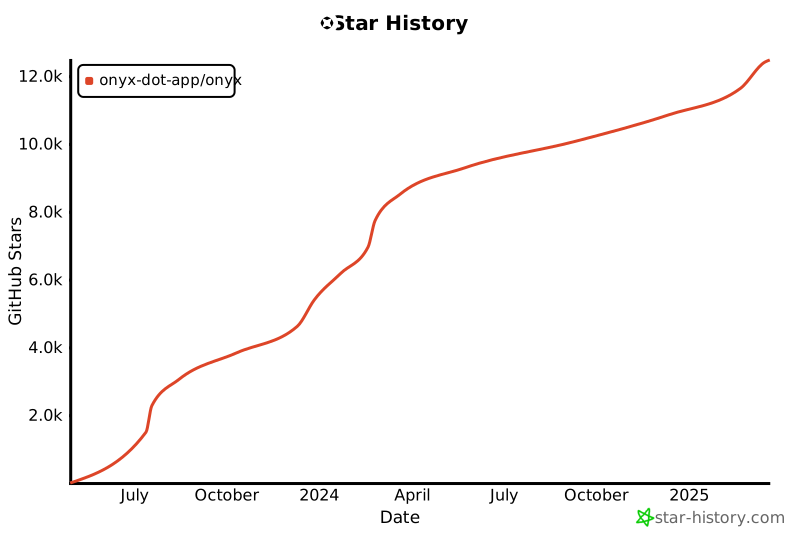](https://star-history.com/#onyx-dot-app/onyx&Date)
|
||||
|
||||
@@ -8,11 +8,9 @@ Edition features outside of personal development or testing purposes. Please rea
|
||||
founders@onyx.app for more information. Please visit https://github.com/onyx-dot-app/onyx"
|
||||
|
||||
# Default ONYX_VERSION, typically overriden during builds by GitHub Actions.
|
||||
ARG ONYX_VERSION=0.0.0-dev
|
||||
# DO_NOT_TRACK is used to disable telemetry for Unstructured
|
||||
ARG ONYX_VERSION=0.8-dev
|
||||
ENV ONYX_VERSION=${ONYX_VERSION} \
|
||||
DANSWER_RUNNING_IN_DOCKER="true" \
|
||||
DO_NOT_TRACK="true"
|
||||
DANSWER_RUNNING_IN_DOCKER="true"
|
||||
|
||||
|
||||
RUN echo "ONYX_VERSION: ${ONYX_VERSION}"
|
||||
@@ -28,16 +26,14 @@ RUN apt-get update && \
|
||||
curl \
|
||||
zip \
|
||||
ca-certificates \
|
||||
libgnutls30 \
|
||||
libblkid1 \
|
||||
libmount1 \
|
||||
libsmartcols1 \
|
||||
libuuid1 \
|
||||
libgnutls30=3.7.9-2+deb12u3 \
|
||||
libblkid1=2.38.1-5+deb12u1 \
|
||||
libmount1=2.38.1-5+deb12u1 \
|
||||
libsmartcols1=2.38.1-5+deb12u1 \
|
||||
libuuid1=2.38.1-5+deb12u1 \
|
||||
libxmlsec1-dev \
|
||||
pkg-config \
|
||||
gcc \
|
||||
nano \
|
||||
vim && \
|
||||
gcc && \
|
||||
rm -rf /var/lib/apt/lists/* && \
|
||||
apt-get clean
|
||||
|
||||
@@ -102,10 +98,8 @@ COPY ./alembic /app/alembic
|
||||
COPY ./alembic_tenants /app/alembic_tenants
|
||||
COPY ./alembic.ini /app/alembic.ini
|
||||
COPY supervisord.conf /usr/etc/supervisord.conf
|
||||
COPY ./static /app/static
|
||||
|
||||
# Escape hatch scripts
|
||||
COPY ./scripts/debugging /app/scripts/debugging
|
||||
# Escape hatch
|
||||
COPY ./scripts/force_delete_connector_by_id.py /app/scripts/force_delete_connector_by_id.py
|
||||
|
||||
# Put logo in assets
|
||||
|
||||
@@ -7,7 +7,7 @@ You can find it at https://hub.docker.com/r/onyx/onyx-model-server. For more det
|
||||
visit https://github.com/onyx-dot-app/onyx."
|
||||
|
||||
# Default ONYX_VERSION, typically overriden during builds by GitHub Actions.
|
||||
ARG ONYX_VERSION=0.0.0-dev
|
||||
ARG ONYX_VERSION=0.8-dev
|
||||
ENV ONYX_VERSION=${ONYX_VERSION} \
|
||||
DANSWER_RUNNING_IN_DOCKER="true"
|
||||
|
||||
@@ -31,8 +31,7 @@ RUN python -c "from transformers import AutoTokenizer; \
|
||||
AutoTokenizer.from_pretrained('distilbert-base-uncased'); \
|
||||
AutoTokenizer.from_pretrained('mixedbread-ai/mxbai-rerank-xsmall-v1'); \
|
||||
from huggingface_hub import snapshot_download; \
|
||||
snapshot_download(repo_id='onyx-dot-app/hybrid-intent-token-classifier'); \
|
||||
snapshot_download(repo_id='onyx-dot-app/information-content-model'); \
|
||||
snapshot_download(repo_id='danswer/hybrid-intent-token-classifier', revision='v1.0.3'); \
|
||||
snapshot_download('nomic-ai/nomic-embed-text-v1'); \
|
||||
snapshot_download('mixedbread-ai/mxbai-rerank-xsmall-v1'); \
|
||||
from sentence_transformers import SentenceTransformer; \
|
||||
|
||||
@@ -84,7 +84,7 @@ keys = console
|
||||
keys = generic
|
||||
|
||||
[logger_root]
|
||||
level = INFO
|
||||
level = WARN
|
||||
handlers = console
|
||||
qualname =
|
||||
|
||||
|
||||
@@ -25,9 +25,6 @@ from shared_configs.configs import MULTI_TENANT, POSTGRES_DEFAULT_SCHEMA
|
||||
from onyx.db.models import Base
|
||||
from celery.backends.database.session import ResultModelBase # type: ignore
|
||||
|
||||
# Make sure in alembic.ini [logger_root] level=INFO is set or most logging will be
|
||||
# hidden! (defaults to level=WARN)
|
||||
|
||||
# Alembic Config object
|
||||
config = context.config
|
||||
|
||||
@@ -39,7 +36,6 @@ if config.config_file_name is not None and config.attributes.get(
|
||||
target_metadata = [Base.metadata, ResultModelBase.metadata]
|
||||
|
||||
EXCLUDE_TABLES = {"kombu_queue", "kombu_message"}
|
||||
|
||||
logger = logging.getLogger(__name__)
|
||||
|
||||
ssl_context: ssl.SSLContext | None = None
|
||||
@@ -68,7 +64,7 @@ def include_object(
|
||||
return True
|
||||
|
||||
|
||||
def get_schema_options() -> tuple[str, bool, bool, bool]:
|
||||
def get_schema_options() -> tuple[str, bool, bool]:
|
||||
x_args_raw = context.get_x_argument()
|
||||
x_args = {}
|
||||
for arg in x_args_raw:
|
||||
@@ -80,10 +76,6 @@ def get_schema_options() -> tuple[str, bool, bool, bool]:
|
||||
create_schema = x_args.get("create_schema", "true").lower() == "true"
|
||||
upgrade_all_tenants = x_args.get("upgrade_all_tenants", "false").lower() == "true"
|
||||
|
||||
# continue on error with individual tenant
|
||||
# only applies to online migrations
|
||||
continue_on_error = x_args.get("continue", "false").lower() == "true"
|
||||
|
||||
if (
|
||||
MULTI_TENANT
|
||||
and schema_name == POSTGRES_DEFAULT_SCHEMA
|
||||
@@ -94,12 +86,14 @@ def get_schema_options() -> tuple[str, bool, bool, bool]:
|
||||
"Please specify a tenant-specific schema."
|
||||
)
|
||||
|
||||
return schema_name, create_schema, upgrade_all_tenants, continue_on_error
|
||||
return schema_name, create_schema, upgrade_all_tenants
|
||||
|
||||
|
||||
def do_run_migrations(
|
||||
connection: Connection, schema_name: str, create_schema: bool
|
||||
) -> None:
|
||||
logger.info(f"About to migrate schema: {schema_name}")
|
||||
|
||||
if create_schema:
|
||||
connection.execute(text(f'CREATE SCHEMA IF NOT EXISTS "{schema_name}"'))
|
||||
connection.execute(text("COMMIT"))
|
||||
@@ -140,12 +134,7 @@ def provide_iam_token_for_alembic(
|
||||
|
||||
|
||||
async def run_async_migrations() -> None:
|
||||
(
|
||||
schema_name,
|
||||
create_schema,
|
||||
upgrade_all_tenants,
|
||||
continue_on_error,
|
||||
) = get_schema_options()
|
||||
schema_name, create_schema, upgrade_all_tenants = get_schema_options()
|
||||
|
||||
engine = create_async_engine(
|
||||
build_connection_string(),
|
||||
@@ -162,15 +151,9 @@ async def run_async_migrations() -> None:
|
||||
|
||||
if upgrade_all_tenants:
|
||||
tenant_schemas = get_all_tenant_ids()
|
||||
|
||||
i_tenant = 0
|
||||
num_tenants = len(tenant_schemas)
|
||||
for schema in tenant_schemas:
|
||||
i_tenant += 1
|
||||
logger.info(
|
||||
f"Migrating schema: index={i_tenant} num_tenants={num_tenants} schema={schema}"
|
||||
)
|
||||
try:
|
||||
logger.info(f"Migrating schema: {schema}")
|
||||
async with engine.connect() as connection:
|
||||
await connection.run_sync(
|
||||
do_run_migrations,
|
||||
@@ -179,12 +162,7 @@ async def run_async_migrations() -> None:
|
||||
)
|
||||
except Exception as e:
|
||||
logger.error(f"Error migrating schema {schema}: {e}")
|
||||
if not continue_on_error:
|
||||
logger.error("--continue is not set, raising exception!")
|
||||
raise
|
||||
|
||||
logger.warning("--continue is set, continuing to next schema.")
|
||||
|
||||
raise
|
||||
else:
|
||||
try:
|
||||
logger.info(f"Migrating schema: {schema_name}")
|
||||
@@ -202,11 +180,7 @@ async def run_async_migrations() -> None:
|
||||
|
||||
|
||||
def run_migrations_offline() -> None:
|
||||
"""This doesn't really get used when we migrate in the cloud."""
|
||||
|
||||
logger.info("run_migrations_offline starting.")
|
||||
|
||||
schema_name, _, upgrade_all_tenants, continue_on_error = get_schema_options()
|
||||
schema_name, _, upgrade_all_tenants = get_schema_options()
|
||||
url = build_connection_string()
|
||||
|
||||
if upgrade_all_tenants:
|
||||
@@ -256,7 +230,6 @@ def run_migrations_offline() -> None:
|
||||
|
||||
|
||||
def run_migrations_online() -> None:
|
||||
logger.info("run_migrations_online starting.")
|
||||
asyncio.run(run_async_migrations())
|
||||
|
||||
|
||||
|
||||
@@ -1,27 +0,0 @@
|
||||
"""Add indexes to document__tag
|
||||
|
||||
Revision ID: 1a03d2c2856b
|
||||
Revises: 9c00a2bccb83
|
||||
Create Date: 2025-02-18 10:45:13.957807
|
||||
|
||||
"""
|
||||
from alembic import op
|
||||
|
||||
# revision identifiers, used by Alembic.
|
||||
revision = "1a03d2c2856b"
|
||||
down_revision = "9c00a2bccb83"
|
||||
branch_labels: None = None
|
||||
depends_on: None = None
|
||||
|
||||
|
||||
def upgrade() -> None:
|
||||
op.create_index(
|
||||
op.f("ix_document__tag_tag_id"),
|
||||
"document__tag",
|
||||
["tag_id"],
|
||||
unique=False,
|
||||
)
|
||||
|
||||
|
||||
def downgrade() -> None:
|
||||
op.drop_index(op.f("ix_document__tag_tag_id"), table_name="document__tag")
|
||||
@@ -1,32 +0,0 @@
|
||||
"""set built in to default
|
||||
|
||||
Revision ID: 2cdeff6d8c93
|
||||
Revises: f5437cc136c5
|
||||
Create Date: 2025-02-11 14:57:51.308775
|
||||
|
||||
"""
|
||||
from alembic import op
|
||||
|
||||
|
||||
# revision identifiers, used by Alembic.
|
||||
revision = "2cdeff6d8c93"
|
||||
down_revision = "f5437cc136c5"
|
||||
branch_labels = None
|
||||
depends_on = None
|
||||
|
||||
|
||||
def upgrade() -> None:
|
||||
# Prior to this migration / point in the codebase history,
|
||||
# built in personas were implicitly treated as default personas (with no option to change this)
|
||||
# This migration makes that explicit
|
||||
op.execute(
|
||||
"""
|
||||
UPDATE persona
|
||||
SET is_default_persona = TRUE
|
||||
WHERE builtin_persona = TRUE
|
||||
"""
|
||||
)
|
||||
|
||||
|
||||
def downgrade() -> None:
|
||||
pass
|
||||
@@ -1,36 +0,0 @@
|
||||
"""add chat session specific temperature override
|
||||
|
||||
Revision ID: 2f80c6a2550f
|
||||
Revises: 33ea50e88f24
|
||||
Create Date: 2025-01-31 10:30:27.289646
|
||||
|
||||
"""
|
||||
from alembic import op
|
||||
import sqlalchemy as sa
|
||||
|
||||
|
||||
# revision identifiers, used by Alembic.
|
||||
revision = "2f80c6a2550f"
|
||||
down_revision = "33ea50e88f24"
|
||||
branch_labels = None
|
||||
depends_on = None
|
||||
|
||||
|
||||
def upgrade() -> None:
|
||||
op.add_column(
|
||||
"chat_session", sa.Column("temperature_override", sa.Float(), nullable=True)
|
||||
)
|
||||
op.add_column(
|
||||
"user",
|
||||
sa.Column(
|
||||
"temperature_override_enabled",
|
||||
sa.Boolean(),
|
||||
nullable=False,
|
||||
server_default=sa.false(),
|
||||
),
|
||||
)
|
||||
|
||||
|
||||
def downgrade() -> None:
|
||||
op.drop_column("chat_session", "temperature_override")
|
||||
op.drop_column("user", "temperature_override_enabled")
|
||||
@@ -1,80 +0,0 @@
|
||||
"""foreign key input prompts
|
||||
|
||||
Revision ID: 33ea50e88f24
|
||||
Revises: a6df6b88ef81
|
||||
Create Date: 2025-01-29 10:54:22.141765
|
||||
|
||||
"""
|
||||
from alembic import op
|
||||
|
||||
|
||||
# revision identifiers, used by Alembic.
|
||||
revision = "33ea50e88f24"
|
||||
down_revision = "a6df6b88ef81"
|
||||
branch_labels = None
|
||||
depends_on = None
|
||||
|
||||
|
||||
def upgrade() -> None:
|
||||
# Safely drop constraints if exists
|
||||
op.execute(
|
||||
"""
|
||||
ALTER TABLE inputprompt__user
|
||||
DROP CONSTRAINT IF EXISTS inputprompt__user_input_prompt_id_fkey
|
||||
"""
|
||||
)
|
||||
op.execute(
|
||||
"""
|
||||
ALTER TABLE inputprompt__user
|
||||
DROP CONSTRAINT IF EXISTS inputprompt__user_user_id_fkey
|
||||
"""
|
||||
)
|
||||
|
||||
# Recreate with ON DELETE CASCADE
|
||||
op.create_foreign_key(
|
||||
"inputprompt__user_input_prompt_id_fkey",
|
||||
"inputprompt__user",
|
||||
"inputprompt",
|
||||
["input_prompt_id"],
|
||||
["id"],
|
||||
ondelete="CASCADE",
|
||||
)
|
||||
|
||||
op.create_foreign_key(
|
||||
"inputprompt__user_user_id_fkey",
|
||||
"inputprompt__user",
|
||||
"user",
|
||||
["user_id"],
|
||||
["id"],
|
||||
ondelete="CASCADE",
|
||||
)
|
||||
|
||||
|
||||
def downgrade() -> None:
|
||||
# Drop the new FKs with ondelete
|
||||
op.drop_constraint(
|
||||
"inputprompt__user_input_prompt_id_fkey",
|
||||
"inputprompt__user",
|
||||
type_="foreignkey",
|
||||
)
|
||||
op.drop_constraint(
|
||||
"inputprompt__user_user_id_fkey",
|
||||
"inputprompt__user",
|
||||
type_="foreignkey",
|
||||
)
|
||||
|
||||
# Recreate them without cascading
|
||||
op.create_foreign_key(
|
||||
"inputprompt__user_input_prompt_id_fkey",
|
||||
"inputprompt__user",
|
||||
"inputprompt",
|
||||
["input_prompt_id"],
|
||||
["id"],
|
||||
)
|
||||
op.create_foreign_key(
|
||||
"inputprompt__user_user_id_fkey",
|
||||
"inputprompt__user",
|
||||
"user",
|
||||
["user_id"],
|
||||
["id"],
|
||||
)
|
||||
@@ -1,51 +0,0 @@
|
||||
"""add chunk stats table
|
||||
|
||||
Revision ID: 3781a5eb12cb
|
||||
Revises: df46c75b714e
|
||||
Create Date: 2025-03-10 10:02:30.586666
|
||||
|
||||
"""
|
||||
from alembic import op
|
||||
import sqlalchemy as sa
|
||||
|
||||
# revision identifiers, used by Alembic.
|
||||
revision = "3781a5eb12cb"
|
||||
down_revision = "df46c75b714e"
|
||||
branch_labels = None
|
||||
depends_on = None
|
||||
|
||||
|
||||
def upgrade() -> None:
|
||||
op.create_table(
|
||||
"chunk_stats",
|
||||
sa.Column("id", sa.String(), primary_key=True, index=True),
|
||||
sa.Column(
|
||||
"document_id",
|
||||
sa.String(),
|
||||
sa.ForeignKey("document.id"),
|
||||
nullable=False,
|
||||
index=True,
|
||||
),
|
||||
sa.Column("chunk_in_doc_id", sa.Integer(), nullable=False),
|
||||
sa.Column("information_content_boost", sa.Float(), nullable=True),
|
||||
sa.Column(
|
||||
"last_modified",
|
||||
sa.DateTime(timezone=True),
|
||||
nullable=False,
|
||||
index=True,
|
||||
server_default=sa.func.now(),
|
||||
),
|
||||
sa.Column("last_synced", sa.DateTime(timezone=True), nullable=True, index=True),
|
||||
sa.UniqueConstraint(
|
||||
"document_id", "chunk_in_doc_id", name="uq_chunk_stats_doc_chunk"
|
||||
),
|
||||
)
|
||||
|
||||
op.create_index(
|
||||
"ix_chunk_sync_status", "chunk_stats", ["last_modified", "last_synced"]
|
||||
)
|
||||
|
||||
|
||||
def downgrade() -> None:
|
||||
op.drop_index("ix_chunk_sync_status", table_name="chunk_stats")
|
||||
op.drop_table("chunk_stats")
|
||||
@@ -1,125 +0,0 @@
|
||||
"""Update GitHub connector repo_name to repositories
|
||||
|
||||
Revision ID: 3934b1bc7b62
|
||||
Revises: b7c2b63c4a03
|
||||
Create Date: 2025-03-05 10:50:30.516962
|
||||
|
||||
"""
|
||||
from alembic import op
|
||||
import sqlalchemy as sa
|
||||
import json
|
||||
import logging
|
||||
|
||||
# revision identifiers, used by Alembic.
|
||||
revision = "3934b1bc7b62"
|
||||
down_revision = "b7c2b63c4a03"
|
||||
branch_labels = None
|
||||
depends_on = None
|
||||
|
||||
logger = logging.getLogger("alembic.runtime.migration")
|
||||
|
||||
|
||||
def upgrade() -> None:
|
||||
# Get all GitHub connectors
|
||||
conn = op.get_bind()
|
||||
|
||||
# First get all GitHub connectors
|
||||
github_connectors = conn.execute(
|
||||
sa.text(
|
||||
"""
|
||||
SELECT id, connector_specific_config
|
||||
FROM connector
|
||||
WHERE source = 'GITHUB'
|
||||
"""
|
||||
)
|
||||
).fetchall()
|
||||
|
||||
# Update each connector's config
|
||||
updated_count = 0
|
||||
for connector_id, config in github_connectors:
|
||||
try:
|
||||
if not config:
|
||||
logger.warning(f"Connector {connector_id} has no config, skipping")
|
||||
continue
|
||||
|
||||
# Parse the config if it's a string
|
||||
if isinstance(config, str):
|
||||
config = json.loads(config)
|
||||
|
||||
if "repo_name" not in config:
|
||||
continue
|
||||
|
||||
# Create new config with repositories instead of repo_name
|
||||
new_config = dict(config)
|
||||
repo_name_value = new_config.pop("repo_name")
|
||||
new_config["repositories"] = repo_name_value
|
||||
|
||||
# Update the connector with the new config
|
||||
conn.execute(
|
||||
sa.text(
|
||||
"""
|
||||
UPDATE connector
|
||||
SET connector_specific_config = :new_config
|
||||
WHERE id = :connector_id
|
||||
"""
|
||||
),
|
||||
{"connector_id": connector_id, "new_config": json.dumps(new_config)},
|
||||
)
|
||||
updated_count += 1
|
||||
except Exception as e:
|
||||
logger.error(f"Error updating connector {connector_id}: {str(e)}")
|
||||
|
||||
|
||||
def downgrade() -> None:
|
||||
# Get all GitHub connectors
|
||||
conn = op.get_bind()
|
||||
|
||||
logger.debug(
|
||||
"Starting rollback of GitHub connectors from repositories to repo_name"
|
||||
)
|
||||
|
||||
github_connectors = conn.execute(
|
||||
sa.text(
|
||||
"""
|
||||
SELECT id, connector_specific_config
|
||||
FROM connector
|
||||
WHERE source = 'GITHUB'
|
||||
"""
|
||||
)
|
||||
).fetchall()
|
||||
|
||||
logger.debug(f"Found {len(github_connectors)} GitHub connectors to rollback")
|
||||
|
||||
# Revert each GitHub connector to use repo_name instead of repositories
|
||||
reverted_count = 0
|
||||
for connector_id, config in github_connectors:
|
||||
try:
|
||||
if not config:
|
||||
continue
|
||||
|
||||
# Parse the config if it's a string
|
||||
if isinstance(config, str):
|
||||
config = json.loads(config)
|
||||
|
||||
if "repositories" not in config:
|
||||
continue
|
||||
|
||||
# Create new config with repo_name instead of repositories
|
||||
new_config = dict(config)
|
||||
repositories_value = new_config.pop("repositories")
|
||||
new_config["repo_name"] = repositories_value
|
||||
|
||||
# Update the connector with the new config
|
||||
conn.execute(
|
||||
sa.text(
|
||||
"""
|
||||
UPDATE connector
|
||||
SET connector_specific_config = :new_config
|
||||
WHERE id = :connector_id
|
||||
"""
|
||||
),
|
||||
{"new_config": json.dumps(new_config), "connector_id": connector_id},
|
||||
)
|
||||
reverted_count += 1
|
||||
except Exception as e:
|
||||
logger.error(f"Error reverting connector {connector_id}: {str(e)}")
|
||||
@@ -1,98 +0,0 @@
|
||||
"""improved index
|
||||
|
||||
Revision ID: 3bd4c84fe72f
|
||||
Revises: 8f43500ee275
|
||||
Create Date: 2025-02-26 13:07:56.217791
|
||||
|
||||
"""
|
||||
from alembic import op
|
||||
|
||||
|
||||
# revision identifiers, used by Alembic.
|
||||
revision = "3bd4c84fe72f"
|
||||
down_revision = "8f43500ee275"
|
||||
branch_labels = None
|
||||
depends_on = None
|
||||
|
||||
|
||||
# NOTE:
|
||||
# This migration addresses issues with the previous migration (8f43500ee275) which caused
|
||||
# an outage by creating an index without using CONCURRENTLY. This migration:
|
||||
#
|
||||
# 1. Creates more efficient full-text search capabilities using tsvector columns and GIN indexes
|
||||
# 2. Uses CONCURRENTLY for all index creation to prevent table locking
|
||||
# 3. Explicitly manages transactions with COMMIT statements to allow CONCURRENTLY to work
|
||||
# (see: https://www.postgresql.org/docs/9.4/sql-createindex.html#SQL-CREATEINDEX-CONCURRENTLY)
|
||||
# (see: https://github.com/sqlalchemy/alembic/issues/277)
|
||||
# 4. Adds indexes to both chat_message and chat_session tables for comprehensive search
|
||||
|
||||
|
||||
def upgrade() -> None:
|
||||
# First, drop any existing indexes to avoid conflicts
|
||||
op.execute("COMMIT")
|
||||
op.execute("DROP INDEX CONCURRENTLY IF EXISTS idx_chat_message_tsv;")
|
||||
|
||||
op.execute("COMMIT")
|
||||
op.execute("DROP INDEX CONCURRENTLY IF EXISTS idx_chat_session_desc_tsv;")
|
||||
|
||||
op.execute("COMMIT")
|
||||
op.execute("DROP INDEX IF EXISTS idx_chat_message_message_lower;")
|
||||
|
||||
# Drop existing columns if they exist
|
||||
op.execute("ALTER TABLE chat_message DROP COLUMN IF EXISTS message_tsv;")
|
||||
op.execute("ALTER TABLE chat_session DROP COLUMN IF EXISTS description_tsv;")
|
||||
|
||||
# Create a GIN index for full-text search on chat_message.message
|
||||
op.execute(
|
||||
"""
|
||||
ALTER TABLE chat_message
|
||||
ADD COLUMN message_tsv tsvector
|
||||
GENERATED ALWAYS AS (to_tsvector('english', message)) STORED;
|
||||
"""
|
||||
)
|
||||
|
||||
# Commit the current transaction before creating concurrent indexes
|
||||
op.execute("COMMIT")
|
||||
|
||||
op.execute(
|
||||
"""
|
||||
CREATE INDEX CONCURRENTLY IF NOT EXISTS idx_chat_message_tsv
|
||||
ON chat_message
|
||||
USING GIN (message_tsv)
|
||||
"""
|
||||
)
|
||||
|
||||
# Also add a stored tsvector column for chat_session.description
|
||||
op.execute(
|
||||
"""
|
||||
ALTER TABLE chat_session
|
||||
ADD COLUMN description_tsv tsvector
|
||||
GENERATED ALWAYS AS (to_tsvector('english', coalesce(description, ''))) STORED;
|
||||
"""
|
||||
)
|
||||
|
||||
# Commit again before creating the second concurrent index
|
||||
op.execute("COMMIT")
|
||||
|
||||
op.execute(
|
||||
"""
|
||||
CREATE INDEX CONCURRENTLY IF NOT EXISTS idx_chat_session_desc_tsv
|
||||
ON chat_session
|
||||
USING GIN (description_tsv)
|
||||
"""
|
||||
)
|
||||
|
||||
|
||||
def downgrade() -> None:
|
||||
# Drop the indexes first (use CONCURRENTLY for dropping too)
|
||||
op.execute("COMMIT")
|
||||
op.execute("DROP INDEX CONCURRENTLY IF EXISTS idx_chat_message_tsv;")
|
||||
|
||||
op.execute("COMMIT")
|
||||
op.execute("DROP INDEX CONCURRENTLY IF EXISTS idx_chat_session_desc_tsv;")
|
||||
|
||||
# Then drop the columns
|
||||
op.execute("ALTER TABLE chat_message DROP COLUMN IF EXISTS message_tsv;")
|
||||
op.execute("ALTER TABLE chat_session DROP COLUMN IF EXISTS description_tsv;")
|
||||
|
||||
op.execute("DROP INDEX IF EXISTS idx_chat_message_message_lower;")
|
||||
@@ -1,64 +0,0 @@
|
||||
"""lowercase_user_emails
|
||||
|
||||
Revision ID: 4d58345da04a
|
||||
Revises: f1ca58b2f2ec
|
||||
Create Date: 2025-01-29 07:48:46.784041
|
||||
|
||||
"""
|
||||
import logging
|
||||
from typing import cast
|
||||
from alembic import op
|
||||
from sqlalchemy.exc import IntegrityError
|
||||
from sqlalchemy.sql import text
|
||||
|
||||
|
||||
# revision identifiers, used by Alembic.
|
||||
revision = "4d58345da04a"
|
||||
down_revision = "f1ca58b2f2ec"
|
||||
branch_labels = None
|
||||
depends_on = None
|
||||
|
||||
logger = logging.getLogger("alembic.runtime.migration")
|
||||
|
||||
|
||||
def upgrade() -> None:
|
||||
"""Conflicts on lowercasing will result in the uppercased email getting a
|
||||
unique integer suffix when converted to lowercase."""
|
||||
|
||||
connection = op.get_bind()
|
||||
|
||||
# Fetch all user emails that are not already lowercase
|
||||
user_emails = connection.execute(
|
||||
text('SELECT id, email FROM "user" WHERE email != LOWER(email)')
|
||||
).fetchall()
|
||||
|
||||
for user_id, email in user_emails:
|
||||
email = cast(str, email)
|
||||
username, domain = email.rsplit("@", 1)
|
||||
new_email = f"{username.lower()}@{domain.lower()}"
|
||||
attempt = 1
|
||||
|
||||
while True:
|
||||
try:
|
||||
# Try updating the email
|
||||
connection.execute(
|
||||
text('UPDATE "user" SET email = :new_email WHERE id = :user_id'),
|
||||
{"new_email": new_email, "user_id": user_id},
|
||||
)
|
||||
break # Success, exit loop
|
||||
except IntegrityError:
|
||||
next_email = f"{username.lower()}_{attempt}@{domain.lower()}"
|
||||
# Email conflict occurred, append `_1`, `_2`, etc., to the username
|
||||
logger.warning(
|
||||
f"Conflict while lowercasing email: "
|
||||
f"old_email={email} "
|
||||
f"conflicting_email={new_email} "
|
||||
f"next_email={next_email}"
|
||||
)
|
||||
new_email = next_email
|
||||
attempt += 1
|
||||
|
||||
|
||||
def downgrade() -> None:
|
||||
# Cannot restore original case of emails
|
||||
pass
|
||||
@@ -5,6 +5,7 @@ Revises: 47e5bef3a1d7
|
||||
Create Date: 2024-11-06 13:15:53.302644
|
||||
|
||||
"""
|
||||
import logging
|
||||
from typing import cast
|
||||
from alembic import op
|
||||
import sqlalchemy as sa
|
||||
@@ -19,8 +20,13 @@ down_revision = "47e5bef3a1d7"
|
||||
branch_labels: None = None
|
||||
depends_on: None = None
|
||||
|
||||
# Configure logging
|
||||
logger = logging.getLogger("alembic.runtime.migration")
|
||||
logger.setLevel(logging.INFO)
|
||||
|
||||
|
||||
def upgrade() -> None:
|
||||
logger.info(f"{revision}: create_table: slack_bot")
|
||||
# Create new slack_bot table
|
||||
op.create_table(
|
||||
"slack_bot",
|
||||
@@ -57,6 +63,7 @@ def upgrade() -> None:
|
||||
)
|
||||
|
||||
# Handle existing Slack bot tokens first
|
||||
logger.info(f"{revision}: Checking for existing Slack bot.")
|
||||
bot_token = None
|
||||
app_token = None
|
||||
first_row_id = None
|
||||
@@ -64,12 +71,15 @@ def upgrade() -> None:
|
||||
try:
|
||||
tokens = cast(dict, get_kv_store().load("slack_bot_tokens_config_key"))
|
||||
except Exception:
|
||||
logger.warning("No existing Slack bot tokens found.")
|
||||
tokens = {}
|
||||
|
||||
bot_token = tokens.get("bot_token")
|
||||
app_token = tokens.get("app_token")
|
||||
|
||||
if bot_token and app_token:
|
||||
logger.info(f"{revision}: Found bot and app tokens.")
|
||||
|
||||
session = Session(bind=op.get_bind())
|
||||
new_slack_bot = SlackBot(
|
||||
name="Slack Bot (Migrated)",
|
||||
@@ -160,9 +170,10 @@ def upgrade() -> None:
|
||||
# Clean up old tokens if they existed
|
||||
try:
|
||||
if bot_token and app_token:
|
||||
logger.info(f"{revision}: Removing old bot and app tokens.")
|
||||
get_kv_store().delete("slack_bot_tokens_config_key")
|
||||
except Exception:
|
||||
pass
|
||||
logger.warning("tried to delete tokens in dynamic config but failed")
|
||||
# Rename the table
|
||||
op.rename_table(
|
||||
"slack_bot_config__standard_answer_category",
|
||||
@@ -179,6 +190,8 @@ def upgrade() -> None:
|
||||
# Drop the table with CASCADE to handle dependent objects
|
||||
op.execute("DROP TABLE slack_bot_config CASCADE")
|
||||
|
||||
logger.info(f"{revision}: Migration complete.")
|
||||
|
||||
|
||||
def downgrade() -> None:
|
||||
# Recreate the old slack_bot_config table
|
||||
@@ -260,7 +273,7 @@ def downgrade() -> None:
|
||||
}
|
||||
get_kv_store().store("slack_bot_tokens_config_key", tokens)
|
||||
except Exception:
|
||||
pass
|
||||
logger.warning("Failed to save tokens back to KV store")
|
||||
|
||||
# Drop the new tables in reverse order
|
||||
op.drop_table("slack_channel_config")
|
||||
|
||||
@@ -1,50 +0,0 @@
|
||||
"""enable contextual retrieval
|
||||
|
||||
Revision ID: 8e1ac4f39a9f
|
||||
Revises: 3781a5eb12cb
|
||||
Create Date: 2024-12-20 13:29:09.918661
|
||||
|
||||
"""
|
||||
from alembic import op
|
||||
import sqlalchemy as sa
|
||||
|
||||
|
||||
# revision identifiers, used by Alembic.
|
||||
revision = "8e1ac4f39a9f"
|
||||
down_revision = "3781a5eb12cb"
|
||||
branch_labels = None
|
||||
depends_on = None
|
||||
|
||||
|
||||
def upgrade() -> None:
|
||||
op.add_column(
|
||||
"search_settings",
|
||||
sa.Column(
|
||||
"enable_contextual_rag",
|
||||
sa.Boolean(),
|
||||
nullable=False,
|
||||
server_default="false",
|
||||
),
|
||||
)
|
||||
op.add_column(
|
||||
"search_settings",
|
||||
sa.Column(
|
||||
"contextual_rag_llm_name",
|
||||
sa.String(),
|
||||
nullable=True,
|
||||
),
|
||||
)
|
||||
op.add_column(
|
||||
"search_settings",
|
||||
sa.Column(
|
||||
"contextual_rag_llm_provider",
|
||||
sa.String(),
|
||||
nullable=True,
|
||||
),
|
||||
)
|
||||
|
||||
|
||||
def downgrade() -> None:
|
||||
op.drop_column("search_settings", "enable_contextual_rag")
|
||||
op.drop_column("search_settings", "contextual_rag_llm_name")
|
||||
op.drop_column("search_settings", "contextual_rag_llm_provider")
|
||||
@@ -1,32 +0,0 @@
|
||||
"""add index
|
||||
|
||||
Revision ID: 8f43500ee275
|
||||
Revises: da42808081e3
|
||||
Create Date: 2025-02-24 17:35:33.072714
|
||||
|
||||
"""
|
||||
from alembic import op
|
||||
|
||||
|
||||
# revision identifiers, used by Alembic.
|
||||
revision = "8f43500ee275"
|
||||
down_revision = "da42808081e3"
|
||||
branch_labels = None
|
||||
depends_on = None
|
||||
|
||||
|
||||
def upgrade() -> None:
|
||||
# Create a basic index on the lowercase message column for direct text matching
|
||||
# Limit to 1500 characters to stay well under the 2856 byte limit of btree version 4
|
||||
# op.execute(
|
||||
# """
|
||||
# CREATE INDEX idx_chat_message_message_lower
|
||||
# ON chat_message (LOWER(substring(message, 1, 1500)))
|
||||
# """
|
||||
# )
|
||||
pass
|
||||
|
||||
|
||||
def downgrade() -> None:
|
||||
# Drop the index
|
||||
op.execute("DROP INDEX IF EXISTS idx_chat_message_message_lower;")
|
||||
@@ -1,107 +0,0 @@
|
||||
"""agent_tracking
|
||||
|
||||
Revision ID: 98a5008d8711
|
||||
Revises: 2f80c6a2550f
|
||||
Create Date: 2025-01-29 17:00:00.000001
|
||||
|
||||
"""
|
||||
from alembic import op
|
||||
import sqlalchemy as sa
|
||||
from sqlalchemy.dialects import postgresql
|
||||
from sqlalchemy.dialects.postgresql import UUID
|
||||
|
||||
# revision identifiers, used by Alembic.
|
||||
revision = "98a5008d8711"
|
||||
down_revision = "2f80c6a2550f"
|
||||
branch_labels = None
|
||||
depends_on = None
|
||||
|
||||
|
||||
def upgrade() -> None:
|
||||
op.create_table(
|
||||
"agent__search_metrics",
|
||||
sa.Column("id", sa.Integer(), nullable=False),
|
||||
sa.Column("user_id", postgresql.UUID(as_uuid=True), nullable=True),
|
||||
sa.Column("persona_id", sa.Integer(), nullable=True),
|
||||
sa.Column("agent_type", sa.String(), nullable=False),
|
||||
sa.Column("start_time", sa.DateTime(timezone=True), nullable=False),
|
||||
sa.Column("base_duration_s", sa.Float(), nullable=False),
|
||||
sa.Column("full_duration_s", sa.Float(), nullable=False),
|
||||
sa.Column("base_metrics", postgresql.JSONB(), nullable=True),
|
||||
sa.Column("refined_metrics", postgresql.JSONB(), nullable=True),
|
||||
sa.Column("all_metrics", postgresql.JSONB(), nullable=True),
|
||||
sa.ForeignKeyConstraint(
|
||||
["persona_id"],
|
||||
["persona.id"],
|
||||
),
|
||||
sa.ForeignKeyConstraint(["user_id"], ["user.id"], ondelete="CASCADE"),
|
||||
sa.PrimaryKeyConstraint("id"),
|
||||
)
|
||||
|
||||
# Create sub_question table
|
||||
op.create_table(
|
||||
"agent__sub_question",
|
||||
sa.Column("id", sa.Integer, primary_key=True),
|
||||
sa.Column("primary_question_id", sa.Integer, sa.ForeignKey("chat_message.id")),
|
||||
sa.Column(
|
||||
"chat_session_id", UUID(as_uuid=True), sa.ForeignKey("chat_session.id")
|
||||
),
|
||||
sa.Column("sub_question", sa.Text),
|
||||
sa.Column(
|
||||
"time_created", sa.DateTime(timezone=True), server_default=sa.func.now()
|
||||
),
|
||||
sa.Column("sub_answer", sa.Text),
|
||||
sa.Column("sub_question_doc_results", postgresql.JSONB(), nullable=True),
|
||||
sa.Column("level", sa.Integer(), nullable=False),
|
||||
sa.Column("level_question_num", sa.Integer(), nullable=False),
|
||||
)
|
||||
|
||||
# Create sub_query table
|
||||
op.create_table(
|
||||
"agent__sub_query",
|
||||
sa.Column("id", sa.Integer, primary_key=True),
|
||||
sa.Column(
|
||||
"parent_question_id", sa.Integer, sa.ForeignKey("agent__sub_question.id")
|
||||
),
|
||||
sa.Column(
|
||||
"chat_session_id", UUID(as_uuid=True), sa.ForeignKey("chat_session.id")
|
||||
),
|
||||
sa.Column("sub_query", sa.Text),
|
||||
sa.Column(
|
||||
"time_created", sa.DateTime(timezone=True), server_default=sa.func.now()
|
||||
),
|
||||
)
|
||||
|
||||
# Create sub_query__search_doc association table
|
||||
op.create_table(
|
||||
"agent__sub_query__search_doc",
|
||||
sa.Column(
|
||||
"sub_query_id",
|
||||
sa.Integer,
|
||||
sa.ForeignKey("agent__sub_query.id"),
|
||||
primary_key=True,
|
||||
),
|
||||
sa.Column(
|
||||
"search_doc_id",
|
||||
sa.Integer,
|
||||
sa.ForeignKey("search_doc.id"),
|
||||
primary_key=True,
|
||||
),
|
||||
)
|
||||
|
||||
op.add_column(
|
||||
"chat_message",
|
||||
sa.Column(
|
||||
"refined_answer_improvement",
|
||||
sa.Boolean(),
|
||||
nullable=True,
|
||||
),
|
||||
)
|
||||
|
||||
|
||||
def downgrade() -> None:
|
||||
op.drop_column("chat_message", "refined_answer_improvement")
|
||||
op.drop_table("agent__sub_query__search_doc")
|
||||
op.drop_table("agent__sub_query")
|
||||
op.drop_table("agent__sub_question")
|
||||
op.drop_table("agent__search_metrics")
|
||||
@@ -1,43 +0,0 @@
|
||||
"""chat_message_agentic
|
||||
|
||||
Revision ID: 9c00a2bccb83
|
||||
Revises: b7a7eee5aa15
|
||||
Create Date: 2025-02-17 11:15:43.081150
|
||||
|
||||
"""
|
||||
from alembic import op
|
||||
import sqlalchemy as sa
|
||||
|
||||
|
||||
# revision identifiers, used by Alembic.
|
||||
revision = "9c00a2bccb83"
|
||||
down_revision = "b7a7eee5aa15"
|
||||
branch_labels = None
|
||||
depends_on = None
|
||||
|
||||
|
||||
def upgrade() -> None:
|
||||
# First add the column as nullable
|
||||
op.add_column("chat_message", sa.Column("is_agentic", sa.Boolean(), nullable=True))
|
||||
|
||||
# Update existing rows based on presence of SubQuestions
|
||||
op.execute(
|
||||
"""
|
||||
UPDATE chat_message
|
||||
SET is_agentic = EXISTS (
|
||||
SELECT 1
|
||||
FROM agent__sub_question
|
||||
WHERE agent__sub_question.primary_question_id = chat_message.id
|
||||
)
|
||||
WHERE is_agentic IS NULL
|
||||
"""
|
||||
)
|
||||
|
||||
# Make the column non-nullable with a default value of False
|
||||
op.alter_column(
|
||||
"chat_message", "is_agentic", nullable=False, server_default=sa.text("false")
|
||||
)
|
||||
|
||||
|
||||
def downgrade() -> None:
|
||||
op.drop_column("chat_message", "is_agentic")
|
||||
@@ -1,29 +0,0 @@
|
||||
"""remove recent assistants
|
||||
|
||||
Revision ID: a6df6b88ef81
|
||||
Revises: 4d58345da04a
|
||||
Create Date: 2025-01-29 10:25:52.790407
|
||||
|
||||
"""
|
||||
from alembic import op
|
||||
import sqlalchemy as sa
|
||||
from sqlalchemy.dialects import postgresql
|
||||
|
||||
# revision identifiers, used by Alembic.
|
||||
revision = "a6df6b88ef81"
|
||||
down_revision = "4d58345da04a"
|
||||
branch_labels = None
|
||||
depends_on = None
|
||||
|
||||
|
||||
def upgrade() -> None:
|
||||
op.drop_column("user", "recent_assistants")
|
||||
|
||||
|
||||
def downgrade() -> None:
|
||||
op.add_column(
|
||||
"user",
|
||||
sa.Column(
|
||||
"recent_assistants", postgresql.JSONB(), server_default="[]", nullable=False
|
||||
),
|
||||
)
|
||||
@@ -1,29 +0,0 @@
|
||||
"""remove inactive ccpair status on downgrade
|
||||
|
||||
Revision ID: acaab4ef4507
|
||||
Revises: b388730a2899
|
||||
Create Date: 2025-02-16 18:21:41.330212
|
||||
|
||||
"""
|
||||
from alembic import op
|
||||
from onyx.db.models import ConnectorCredentialPair
|
||||
from onyx.db.enums import ConnectorCredentialPairStatus
|
||||
from sqlalchemy import update
|
||||
|
||||
# revision identifiers, used by Alembic.
|
||||
revision = "acaab4ef4507"
|
||||
down_revision = "b388730a2899"
|
||||
branch_labels = None
|
||||
depends_on = None
|
||||
|
||||
|
||||
def upgrade() -> None:
|
||||
pass
|
||||
|
||||
|
||||
def downgrade() -> None:
|
||||
op.execute(
|
||||
update(ConnectorCredentialPair)
|
||||
.where(ConnectorCredentialPair.status == ConnectorCredentialPairStatus.INVALID)
|
||||
.values(status=ConnectorCredentialPairStatus.ACTIVE)
|
||||
)
|
||||
@@ -1,31 +0,0 @@
|
||||
"""nullable preferences
|
||||
|
||||
Revision ID: b388730a2899
|
||||
Revises: 1a03d2c2856b
|
||||
Create Date: 2025-02-17 18:49:22.643902
|
||||
|
||||
"""
|
||||
from alembic import op
|
||||
|
||||
|
||||
# revision identifiers, used by Alembic.
|
||||
revision = "b388730a2899"
|
||||
down_revision = "1a03d2c2856b"
|
||||
branch_labels = None
|
||||
depends_on = None
|
||||
|
||||
|
||||
def upgrade() -> None:
|
||||
op.alter_column("user", "temperature_override_enabled", nullable=True)
|
||||
op.alter_column("user", "auto_scroll", nullable=True)
|
||||
|
||||
|
||||
def downgrade() -> None:
|
||||
# Ensure no null values before making columns non-nullable
|
||||
op.execute(
|
||||
'UPDATE "user" SET temperature_override_enabled = false WHERE temperature_override_enabled IS NULL'
|
||||
)
|
||||
op.execute('UPDATE "user" SET auto_scroll = false WHERE auto_scroll IS NULL')
|
||||
|
||||
op.alter_column("user", "temperature_override_enabled", nullable=False)
|
||||
op.alter_column("user", "auto_scroll", nullable=False)
|
||||
@@ -1,124 +0,0 @@
|
||||
"""Add checkpointing/failure handling
|
||||
|
||||
Revision ID: b7a7eee5aa15
|
||||
Revises: f39c5794c10a
|
||||
Create Date: 2025-01-24 15:17:36.763172
|
||||
|
||||
"""
|
||||
from alembic import op
|
||||
import sqlalchemy as sa
|
||||
from sqlalchemy.dialects import postgresql
|
||||
|
||||
# revision identifiers, used by Alembic.
|
||||
revision = "b7a7eee5aa15"
|
||||
down_revision = "f39c5794c10a"
|
||||
branch_labels = None
|
||||
depends_on = None
|
||||
|
||||
|
||||
def upgrade() -> None:
|
||||
op.add_column(
|
||||
"index_attempt",
|
||||
sa.Column("checkpoint_pointer", sa.String(), nullable=True),
|
||||
)
|
||||
op.add_column(
|
||||
"index_attempt",
|
||||
sa.Column("poll_range_start", sa.DateTime(timezone=True), nullable=True),
|
||||
)
|
||||
op.add_column(
|
||||
"index_attempt",
|
||||
sa.Column("poll_range_end", sa.DateTime(timezone=True), nullable=True),
|
||||
)
|
||||
|
||||
op.create_index(
|
||||
"ix_index_attempt_cc_pair_settings_poll",
|
||||
"index_attempt",
|
||||
[
|
||||
"connector_credential_pair_id",
|
||||
"search_settings_id",
|
||||
"status",
|
||||
sa.text("time_updated DESC"),
|
||||
],
|
||||
)
|
||||
|
||||
# Drop the old IndexAttemptError table
|
||||
op.drop_index("index_attempt_id", table_name="index_attempt_errors")
|
||||
op.drop_table("index_attempt_errors")
|
||||
|
||||
# Create the new version of the table
|
||||
op.create_table(
|
||||
"index_attempt_errors",
|
||||
sa.Column("id", sa.Integer(), primary_key=True),
|
||||
sa.Column("index_attempt_id", sa.Integer(), nullable=False),
|
||||
sa.Column("connector_credential_pair_id", sa.Integer(), nullable=False),
|
||||
sa.Column("document_id", sa.String(), nullable=True),
|
||||
sa.Column("document_link", sa.String(), nullable=True),
|
||||
sa.Column("entity_id", sa.String(), nullable=True),
|
||||
sa.Column("failed_time_range_start", sa.DateTime(timezone=True), nullable=True),
|
||||
sa.Column("failed_time_range_end", sa.DateTime(timezone=True), nullable=True),
|
||||
sa.Column("failure_message", sa.Text(), nullable=False),
|
||||
sa.Column("is_resolved", sa.Boolean(), nullable=False, default=False),
|
||||
sa.Column(
|
||||
"time_created",
|
||||
sa.DateTime(timezone=True),
|
||||
server_default=sa.text("now()"),
|
||||
nullable=False,
|
||||
),
|
||||
sa.ForeignKeyConstraint(
|
||||
["index_attempt_id"],
|
||||
["index_attempt.id"],
|
||||
),
|
||||
sa.ForeignKeyConstraint(
|
||||
["connector_credential_pair_id"],
|
||||
["connector_credential_pair.id"],
|
||||
),
|
||||
)
|
||||
|
||||
|
||||
def downgrade() -> None:
|
||||
op.execute("SET lock_timeout = '5s'")
|
||||
|
||||
# try a few times to drop the table, this has been observed to fail due to other locks
|
||||
# blocking the drop
|
||||
NUM_TRIES = 10
|
||||
for i in range(NUM_TRIES):
|
||||
try:
|
||||
op.drop_table("index_attempt_errors")
|
||||
break
|
||||
except Exception as e:
|
||||
if i == NUM_TRIES - 1:
|
||||
raise e
|
||||
print(f"Error dropping table: {e}. Retrying...")
|
||||
|
||||
op.execute("SET lock_timeout = DEFAULT")
|
||||
|
||||
# Recreate the old IndexAttemptError table
|
||||
op.create_table(
|
||||
"index_attempt_errors",
|
||||
sa.Column("id", sa.Integer(), primary_key=True),
|
||||
sa.Column("index_attempt_id", sa.Integer(), nullable=True),
|
||||
sa.Column("batch", sa.Integer(), nullable=True),
|
||||
sa.Column("doc_summaries", postgresql.JSONB(), nullable=False),
|
||||
sa.Column("error_msg", sa.Text(), nullable=True),
|
||||
sa.Column("traceback", sa.Text(), nullable=True),
|
||||
sa.Column(
|
||||
"time_created",
|
||||
sa.DateTime(timezone=True),
|
||||
server_default=sa.text("now()"),
|
||||
),
|
||||
sa.ForeignKeyConstraint(
|
||||
["index_attempt_id"],
|
||||
["index_attempt.id"],
|
||||
),
|
||||
)
|
||||
|
||||
op.create_index(
|
||||
"index_attempt_id",
|
||||
"index_attempt_errors",
|
||||
["time_created"],
|
||||
)
|
||||
|
||||
op.drop_index("ix_index_attempt_cc_pair_settings_poll")
|
||||
op.drop_column("index_attempt", "checkpoint_pointer")
|
||||
op.drop_column("index_attempt", "poll_range_start")
|
||||
op.drop_column("index_attempt", "poll_range_end")
|
||||
@@ -1,55 +0,0 @@
|
||||
"""add background_reindex_enabled field
|
||||
|
||||
Revision ID: b7c2b63c4a03
|
||||
Revises: f11b408e39d3
|
||||
Create Date: 2024-03-26 12:34:56.789012
|
||||
|
||||
"""
|
||||
from alembic import op
|
||||
import sqlalchemy as sa
|
||||
|
||||
from onyx.db.enums import EmbeddingPrecision
|
||||
|
||||
|
||||
# revision identifiers, used by Alembic.
|
||||
revision = "b7c2b63c4a03"
|
||||
down_revision = "f11b408e39d3"
|
||||
branch_labels = None
|
||||
depends_on = None
|
||||
|
||||
|
||||
def upgrade() -> None:
|
||||
# Add background_reindex_enabled column with default value of True
|
||||
op.add_column(
|
||||
"search_settings",
|
||||
sa.Column(
|
||||
"background_reindex_enabled",
|
||||
sa.Boolean(),
|
||||
nullable=False,
|
||||
server_default="true",
|
||||
),
|
||||
)
|
||||
|
||||
# Add embedding_precision column with default value of FLOAT
|
||||
op.add_column(
|
||||
"search_settings",
|
||||
sa.Column(
|
||||
"embedding_precision",
|
||||
sa.Enum(EmbeddingPrecision, native_enum=False),
|
||||
nullable=False,
|
||||
server_default=EmbeddingPrecision.FLOAT.name,
|
||||
),
|
||||
)
|
||||
|
||||
# Add reduced_dimension column with default value of None
|
||||
op.add_column(
|
||||
"search_settings",
|
||||
sa.Column("reduced_dimension", sa.Integer(), nullable=True),
|
||||
)
|
||||
|
||||
|
||||
def downgrade() -> None:
|
||||
# Remove the background_reindex_enabled column
|
||||
op.drop_column("search_settings", "background_reindex_enabled")
|
||||
op.drop_column("search_settings", "embedding_precision")
|
||||
op.drop_column("search_settings", "reduced_dimension")
|
||||
@@ -1,120 +0,0 @@
|
||||
"""migrate jira connectors to new format
|
||||
|
||||
Revision ID: da42808081e3
|
||||
Revises: f13db29f3101
|
||||
Create Date: 2025-02-24 11:24:54.396040
|
||||
|
||||
"""
|
||||
from alembic import op
|
||||
import sqlalchemy as sa
|
||||
import json
|
||||
|
||||
from onyx.configs.constants import DocumentSource
|
||||
from onyx.connectors.onyx_jira.utils import extract_jira_project
|
||||
|
||||
|
||||
# revision identifiers, used by Alembic.
|
||||
revision = "da42808081e3"
|
||||
down_revision = "f13db29f3101"
|
||||
branch_labels = None
|
||||
depends_on = None
|
||||
|
||||
|
||||
def upgrade() -> None:
|
||||
# Get all Jira connectors
|
||||
conn = op.get_bind()
|
||||
|
||||
# First get all Jira connectors
|
||||
jira_connectors = conn.execute(
|
||||
sa.text(
|
||||
"""
|
||||
SELECT id, connector_specific_config
|
||||
FROM connector
|
||||
WHERE source = :source
|
||||
"""
|
||||
),
|
||||
{"source": DocumentSource.JIRA.value.upper()},
|
||||
).fetchall()
|
||||
|
||||
# Update each connector's config
|
||||
for connector_id, old_config in jira_connectors:
|
||||
if not old_config:
|
||||
continue
|
||||
|
||||
# Extract project key from URL if it exists
|
||||
new_config: dict[str, str | None] = {}
|
||||
if project_url := old_config.get("jira_project_url"):
|
||||
# Parse the URL to get base and project
|
||||
try:
|
||||
jira_base, project_key = extract_jira_project(project_url)
|
||||
new_config = {"jira_base_url": jira_base, "project_key": project_key}
|
||||
except ValueError:
|
||||
# If URL parsing fails, just use the URL as the base
|
||||
new_config = {
|
||||
"jira_base_url": project_url.split("/projects/")[0],
|
||||
"project_key": None,
|
||||
}
|
||||
else:
|
||||
# For connectors without a project URL, we need admin intervention
|
||||
# Mark these for review
|
||||
print(
|
||||
f"WARNING: Jira connector {connector_id} has no project URL configured"
|
||||
)
|
||||
continue
|
||||
|
||||
# Update the connector config
|
||||
conn.execute(
|
||||
sa.text(
|
||||
"""
|
||||
UPDATE connector
|
||||
SET connector_specific_config = :new_config
|
||||
WHERE id = :id
|
||||
"""
|
||||
),
|
||||
{"id": connector_id, "new_config": json.dumps(new_config)},
|
||||
)
|
||||
|
||||
|
||||
def downgrade() -> None:
|
||||
# Get all Jira connectors
|
||||
conn = op.get_bind()
|
||||
|
||||
# First get all Jira connectors
|
||||
jira_connectors = conn.execute(
|
||||
sa.text(
|
||||
"""
|
||||
SELECT id, connector_specific_config
|
||||
FROM connector
|
||||
WHERE source = :source
|
||||
"""
|
||||
),
|
||||
{"source": DocumentSource.JIRA.value.upper()},
|
||||
).fetchall()
|
||||
|
||||
# Update each connector's config back to the old format
|
||||
for connector_id, new_config in jira_connectors:
|
||||
if not new_config:
|
||||
continue
|
||||
|
||||
old_config = {}
|
||||
base_url = new_config.get("jira_base_url")
|
||||
project_key = new_config.get("project_key")
|
||||
|
||||
if base_url and project_key:
|
||||
old_config = {"jira_project_url": f"{base_url}/projects/{project_key}"}
|
||||
elif base_url:
|
||||
old_config = {"jira_project_url": base_url}
|
||||
else:
|
||||
continue
|
||||
|
||||
# Update the connector config
|
||||
conn.execute(
|
||||
sa.text(
|
||||
"""
|
||||
UPDATE connector
|
||||
SET connector_specific_config = :old_config
|
||||
WHERE id = :id
|
||||
"""
|
||||
),
|
||||
{"id": connector_id, "old_config": old_config},
|
||||
)
|
||||
@@ -1,36 +0,0 @@
|
||||
"""add_default_vision_provider_to_llm_provider
|
||||
|
||||
Revision ID: df46c75b714e
|
||||
Revises: 3934b1bc7b62
|
||||
Create Date: 2025-03-11 16:20:19.038945
|
||||
|
||||
"""
|
||||
from alembic import op
|
||||
import sqlalchemy as sa
|
||||
|
||||
|
||||
# revision identifiers, used by Alembic.
|
||||
revision = "df46c75b714e"
|
||||
down_revision = "3934b1bc7b62"
|
||||
branch_labels = None
|
||||
depends_on = None
|
||||
|
||||
|
||||
def upgrade() -> None:
|
||||
op.add_column(
|
||||
"llm_provider",
|
||||
sa.Column(
|
||||
"is_default_vision_provider",
|
||||
sa.Boolean(),
|
||||
nullable=True,
|
||||
server_default=sa.false(),
|
||||
),
|
||||
)
|
||||
op.add_column(
|
||||
"llm_provider", sa.Column("default_vision_model", sa.String(), nullable=True)
|
||||
)
|
||||
|
||||
|
||||
def downgrade() -> None:
|
||||
op.drop_column("llm_provider", "default_vision_model")
|
||||
op.drop_column("llm_provider", "is_default_vision_provider")
|
||||
@@ -1,80 +0,0 @@
|
||||
"""add default slack channel config
|
||||
|
||||
Revision ID: eaa3b5593925
|
||||
Revises: 98a5008d8711
|
||||
Create Date: 2025-02-03 18:07:56.552526
|
||||
|
||||
"""
|
||||
from alembic import op
|
||||
import sqlalchemy as sa
|
||||
|
||||
|
||||
# revision identifiers, used by Alembic.
|
||||
revision = "eaa3b5593925"
|
||||
down_revision = "98a5008d8711"
|
||||
branch_labels = None
|
||||
depends_on = None
|
||||
|
||||
|
||||
def upgrade() -> None:
|
||||
# Add is_default column
|
||||
op.add_column(
|
||||
"slack_channel_config",
|
||||
sa.Column("is_default", sa.Boolean(), nullable=False, server_default="false"),
|
||||
)
|
||||
|
||||
op.create_index(
|
||||
"ix_slack_channel_config_slack_bot_id_default",
|
||||
"slack_channel_config",
|
||||
["slack_bot_id", "is_default"],
|
||||
unique=True,
|
||||
postgresql_where=sa.text("is_default IS TRUE"),
|
||||
)
|
||||
|
||||
# Create default channel configs for existing slack bots without one
|
||||
conn = op.get_bind()
|
||||
slack_bots = conn.execute(sa.text("SELECT id FROM slack_bot")).fetchall()
|
||||
|
||||
for slack_bot in slack_bots:
|
||||
slack_bot_id = slack_bot[0]
|
||||
existing_default = conn.execute(
|
||||
sa.text(
|
||||
"SELECT id FROM slack_channel_config WHERE slack_bot_id = :bot_id AND is_default = TRUE"
|
||||
),
|
||||
{"bot_id": slack_bot_id},
|
||||
).fetchone()
|
||||
|
||||
if not existing_default:
|
||||
conn.execute(
|
||||
sa.text(
|
||||
"""
|
||||
INSERT INTO slack_channel_config (
|
||||
slack_bot_id, persona_id, channel_config, enable_auto_filters, is_default
|
||||
) VALUES (
|
||||
:bot_id, NULL,
|
||||
'{"channel_name": null, '
|
||||
'"respond_member_group_list": [], '
|
||||
'"answer_filters": [], '
|
||||
'"follow_up_tags": [], '
|
||||
'"respond_tag_only": true}',
|
||||
FALSE, TRUE
|
||||
)
|
||||
"""
|
||||
),
|
||||
{"bot_id": slack_bot_id},
|
||||
)
|
||||
|
||||
|
||||
def downgrade() -> None:
|
||||
# Delete default slack channel configs
|
||||
conn = op.get_bind()
|
||||
conn.execute(sa.text("DELETE FROM slack_channel_config WHERE is_default = TRUE"))
|
||||
|
||||
# Remove index
|
||||
op.drop_index(
|
||||
"ix_slack_channel_config_slack_bot_id_default",
|
||||
table_name="slack_channel_config",
|
||||
)
|
||||
|
||||
# Remove is_default column
|
||||
op.drop_column("slack_channel_config", "is_default")
|
||||
@@ -1,36 +0,0 @@
|
||||
"""force lowercase all users
|
||||
|
||||
Revision ID: f11b408e39d3
|
||||
Revises: 3bd4c84fe72f
|
||||
Create Date: 2025-02-26 17:04:55.683500
|
||||
|
||||
"""
|
||||
|
||||
|
||||
# revision identifiers, used by Alembic.
|
||||
revision = "f11b408e39d3"
|
||||
down_revision = "3bd4c84fe72f"
|
||||
branch_labels = None
|
||||
depends_on = None
|
||||
|
||||
|
||||
def upgrade() -> None:
|
||||
# 1) Convert all existing user emails to lowercase
|
||||
from alembic import op
|
||||
|
||||
op.execute(
|
||||
"""
|
||||
UPDATE "user"
|
||||
SET email = LOWER(email)
|
||||
"""
|
||||
)
|
||||
|
||||
# 2) Add a check constraint to ensure emails are always lowercase
|
||||
op.create_check_constraint("ensure_lowercase_email", "user", "email = LOWER(email)")
|
||||
|
||||
|
||||
def downgrade() -> None:
|
||||
# Drop the check constraint
|
||||
from alembic import op
|
||||
|
||||
op.drop_constraint("ensure_lowercase_email", "user", type_="check")
|
||||
@@ -1,27 +0,0 @@
|
||||
"""Add composite index for last_modified and last_synced to document
|
||||
|
||||
Revision ID: f13db29f3101
|
||||
Revises: b388730a2899
|
||||
Create Date: 2025-02-18 22:48:11.511389
|
||||
|
||||
"""
|
||||
from alembic import op
|
||||
|
||||
# revision identifiers, used by Alembic.
|
||||
revision = "f13db29f3101"
|
||||
down_revision = "acaab4ef4507"
|
||||
branch_labels: str | None = None
|
||||
depends_on: str | None = None
|
||||
|
||||
|
||||
def upgrade() -> None:
|
||||
op.create_index(
|
||||
"ix_document_sync_status",
|
||||
"document",
|
||||
["last_modified", "last_synced"],
|
||||
unique=False,
|
||||
)
|
||||
|
||||
|
||||
def downgrade() -> None:
|
||||
op.drop_index("ix_document_sync_status", table_name="document")
|
||||
@@ -1,33 +0,0 @@
|
||||
"""add passthrough auth to tool
|
||||
|
||||
Revision ID: f1ca58b2f2ec
|
||||
Revises: c7bf5721733e
|
||||
Create Date: 2024-03-19
|
||||
|
||||
"""
|
||||
from typing import Sequence, Union
|
||||
|
||||
from alembic import op
|
||||
import sqlalchemy as sa
|
||||
|
||||
|
||||
# revision identifiers, used by Alembic.
|
||||
revision: str = "f1ca58b2f2ec"
|
||||
down_revision: Union[str, None] = "c7bf5721733e"
|
||||
branch_labels: Union[str, Sequence[str], None] = None
|
||||
depends_on: Union[str, Sequence[str], None] = None
|
||||
|
||||
|
||||
def upgrade() -> None:
|
||||
# Add passthrough_auth column to tool table with default value of False
|
||||
op.add_column(
|
||||
"tool",
|
||||
sa.Column(
|
||||
"passthrough_auth", sa.Boolean(), nullable=False, server_default=sa.false()
|
||||
),
|
||||
)
|
||||
|
||||
|
||||
def downgrade() -> None:
|
||||
# Remove passthrough_auth column from tool table
|
||||
op.drop_column("tool", "passthrough_auth")
|
||||
@@ -1,40 +0,0 @@
|
||||
"""Add background errors table
|
||||
|
||||
Revision ID: f39c5794c10a
|
||||
Revises: 2cdeff6d8c93
|
||||
Create Date: 2025-02-12 17:11:14.527876
|
||||
|
||||
"""
|
||||
from alembic import op
|
||||
import sqlalchemy as sa
|
||||
|
||||
# revision identifiers, used by Alembic.
|
||||
revision = "f39c5794c10a"
|
||||
down_revision = "2cdeff6d8c93"
|
||||
branch_labels = None
|
||||
depends_on = None
|
||||
|
||||
|
||||
def upgrade() -> None:
|
||||
op.create_table(
|
||||
"background_error",
|
||||
sa.Column("id", sa.Integer(), nullable=False),
|
||||
sa.Column("message", sa.String(), nullable=False),
|
||||
sa.Column(
|
||||
"time_created",
|
||||
sa.DateTime(timezone=True),
|
||||
server_default=sa.text("now()"),
|
||||
nullable=False,
|
||||
),
|
||||
sa.Column("cc_pair_id", sa.Integer(), nullable=True),
|
||||
sa.PrimaryKeyConstraint("id"),
|
||||
sa.ForeignKeyConstraint(
|
||||
["cc_pair_id"],
|
||||
["connector_credential_pair.id"],
|
||||
ondelete="CASCADE",
|
||||
),
|
||||
)
|
||||
|
||||
|
||||
def downgrade() -> None:
|
||||
op.drop_table("background_error")
|
||||
@@ -1,53 +0,0 @@
|
||||
"""delete non-search assistants
|
||||
|
||||
Revision ID: f5437cc136c5
|
||||
Revises: eaa3b5593925
|
||||
Create Date: 2025-02-04 16:17:15.677256
|
||||
|
||||
"""
|
||||
from alembic import op
|
||||
|
||||
|
||||
# revision identifiers, used by Alembic.
|
||||
revision = "f5437cc136c5"
|
||||
down_revision = "eaa3b5593925"
|
||||
branch_labels = None
|
||||
depends_on = None
|
||||
|
||||
|
||||
def upgrade() -> None:
|
||||
pass
|
||||
|
||||
|
||||
def downgrade() -> None:
|
||||
# Fix: split the statements into multiple op.execute() calls
|
||||
op.execute(
|
||||
"""
|
||||
WITH personas_without_search AS (
|
||||
SELECT p.id
|
||||
FROM persona p
|
||||
LEFT JOIN persona__tool pt ON p.id = pt.persona_id
|
||||
LEFT JOIN tool t ON pt.tool_id = t.id
|
||||
GROUP BY p.id
|
||||
HAVING COUNT(CASE WHEN t.in_code_tool_id = 'run_search' THEN 1 END) = 0
|
||||
)
|
||||
UPDATE slack_channel_config
|
||||
SET persona_id = NULL
|
||||
WHERE is_default = TRUE AND persona_id IN (SELECT id FROM personas_without_search)
|
||||
"""
|
||||
)
|
||||
|
||||
op.execute(
|
||||
"""
|
||||
WITH personas_without_search AS (
|
||||
SELECT p.id
|
||||
FROM persona p
|
||||
LEFT JOIN persona__tool pt ON p.id = pt.persona_id
|
||||
LEFT JOIN tool t ON pt.tool_id = t.id
|
||||
GROUP BY p.id
|
||||
HAVING COUNT(CASE WHEN t.in_code_tool_id = 'run_search' THEN 1 END) = 0
|
||||
)
|
||||
DELETE FROM slack_channel_config
|
||||
WHERE is_default = FALSE AND persona_id IN (SELECT id FROM personas_without_search)
|
||||
"""
|
||||
)
|
||||
@@ -1,42 +0,0 @@
|
||||
"""lowercase multi-tenant user auth
|
||||
|
||||
Revision ID: 34e3630c7f32
|
||||
Revises: a4f6ee863c47
|
||||
Create Date: 2025-02-26 15:03:01.211894
|
||||
|
||||
"""
|
||||
from alembic import op
|
||||
|
||||
|
||||
# revision identifiers, used by Alembic.
|
||||
revision = "34e3630c7f32"
|
||||
down_revision = "a4f6ee863c47"
|
||||
branch_labels = None
|
||||
depends_on = None
|
||||
|
||||
|
||||
def upgrade() -> None:
|
||||
# 1) Convert all existing rows to lowercase
|
||||
op.execute(
|
||||
"""
|
||||
UPDATE user_tenant_mapping
|
||||
SET email = LOWER(email)
|
||||
"""
|
||||
)
|
||||
# 2) Add a check constraint so that emails cannot be written in uppercase
|
||||
op.create_check_constraint(
|
||||
"ensure_lowercase_email",
|
||||
"user_tenant_mapping",
|
||||
"email = LOWER(email)",
|
||||
schema="public",
|
||||
)
|
||||
|
||||
|
||||
def downgrade() -> None:
|
||||
# Drop the check constraint
|
||||
op.drop_constraint(
|
||||
"ensure_lowercase_email",
|
||||
"user_tenant_mapping",
|
||||
schema="public",
|
||||
type_="check",
|
||||
)
|
||||
@@ -1,33 +0,0 @@
|
||||
"""add new available tenant table
|
||||
|
||||
Revision ID: 3b45e0018bf1
|
||||
Revises: ac842f85f932
|
||||
Create Date: 2025-03-06 09:55:18.229910
|
||||
|
||||
"""
|
||||
import sqlalchemy as sa
|
||||
|
||||
from alembic import op
|
||||
|
||||
|
||||
# revision identifiers, used by Alembic.
|
||||
revision = "3b45e0018bf1"
|
||||
down_revision = "ac842f85f932"
|
||||
branch_labels = None
|
||||
depends_on = None
|
||||
|
||||
|
||||
def upgrade() -> None:
|
||||
# Create new_available_tenant table
|
||||
op.create_table(
|
||||
"available_tenant",
|
||||
sa.Column("tenant_id", sa.String(), nullable=False),
|
||||
sa.Column("alembic_version", sa.String(), nullable=False),
|
||||
sa.Column("date_created", sa.DateTime(), nullable=False),
|
||||
sa.PrimaryKeyConstraint("tenant_id"),
|
||||
)
|
||||
|
||||
|
||||
def downgrade() -> None:
|
||||
# Drop new_available_tenant table
|
||||
op.drop_table("available_tenant")
|
||||
@@ -1,51 +0,0 @@
|
||||
"""new column user tenant mapping
|
||||
|
||||
Revision ID: ac842f85f932
|
||||
Revises: 34e3630c7f32
|
||||
Create Date: 2025-03-03 13:30:14.802874
|
||||
|
||||
"""
|
||||
import sqlalchemy as sa
|
||||
|
||||
from alembic import op
|
||||
|
||||
|
||||
# revision identifiers, used by Alembic.
|
||||
revision = "ac842f85f932"
|
||||
down_revision = "34e3630c7f32"
|
||||
branch_labels = None
|
||||
depends_on = None
|
||||
|
||||
|
||||
def upgrade() -> None:
|
||||
# Add active column with default value of True
|
||||
op.add_column(
|
||||
"user_tenant_mapping",
|
||||
sa.Column(
|
||||
"active",
|
||||
sa.Boolean(),
|
||||
nullable=False,
|
||||
server_default="true",
|
||||
),
|
||||
schema="public",
|
||||
)
|
||||
|
||||
op.drop_constraint("uq_email", "user_tenant_mapping", schema="public")
|
||||
|
||||
# Create a unique index for active=true records
|
||||
# This ensures a user can only be active in one tenant at a time
|
||||
op.execute(
|
||||
"CREATE UNIQUE INDEX uq_user_active_email_idx ON public.user_tenant_mapping (email) WHERE active = true"
|
||||
)
|
||||
|
||||
|
||||
def downgrade() -> None:
|
||||
# Drop the unique index for active=true records
|
||||
op.execute("DROP INDEX IF EXISTS uq_user_active_email_idx")
|
||||
|
||||
op.create_unique_constraint(
|
||||
"uq_email", "user_tenant_mapping", ["email"], schema="public"
|
||||
)
|
||||
|
||||
# Remove the active column
|
||||
op.drop_column("user_tenant_mapping", "active", schema="public")
|
||||
@@ -93,12 +93,12 @@ def _get_access_for_documents(
|
||||
)
|
||||
|
||||
# To avoid collisions of group namings between connectors, they need to be prefixed
|
||||
access_map[document_id] = DocumentAccess.build(
|
||||
user_emails=list(non_ee_access.user_emails),
|
||||
user_groups=user_group_info.get(document_id, []),
|
||||
access_map[document_id] = DocumentAccess(
|
||||
user_emails=non_ee_access.user_emails,
|
||||
user_groups=set(user_group_info.get(document_id, [])),
|
||||
is_public=is_public_anywhere,
|
||||
external_user_emails=list(ext_u_emails),
|
||||
external_user_group_ids=list(ext_u_groups),
|
||||
external_user_emails=ext_u_emails,
|
||||
external_user_group_ids=ext_u_groups,
|
||||
)
|
||||
return access_map
|
||||
|
||||
|
||||
@@ -4,11 +4,12 @@ from ee.onyx.server.reporting.usage_export_generation import create_new_usage_re
|
||||
from onyx.background.celery.apps.primary import celery_app
|
||||
from onyx.background.task_utils import build_celery_task_wrapper
|
||||
from onyx.configs.app_configs import JOB_TIMEOUT
|
||||
from onyx.db.chat import delete_chat_session
|
||||
from onyx.db.chat import get_chat_sessions_older_than
|
||||
from onyx.db.engine import get_session_with_current_tenant
|
||||
from onyx.db.chat import delete_chat_sessions_older_than
|
||||
from onyx.db.engine import get_session_with_tenant
|
||||
from onyx.server.settings.store import load_settings
|
||||
from onyx.utils.logger import setup_logger
|
||||
from shared_configs.configs import MULTI_TENANT
|
||||
from shared_configs.contextvars import CURRENT_TENANT_ID_CONTEXTVAR
|
||||
|
||||
logger = setup_logger()
|
||||
|
||||
@@ -17,28 +18,11 @@ logger = setup_logger()
|
||||
|
||||
@build_celery_task_wrapper(name_chat_ttl_task)
|
||||
@celery_app.task(soft_time_limit=JOB_TIMEOUT)
|
||||
def perform_ttl_management_task(retention_limit_days: int, *, tenant_id: str) -> None:
|
||||
with get_session_with_current_tenant() as db_session:
|
||||
old_chat_sessions = get_chat_sessions_older_than(
|
||||
retention_limit_days, db_session
|
||||
)
|
||||
|
||||
for user_id, session_id in old_chat_sessions:
|
||||
# one session per delete so that we don't blow up if a deletion fails.
|
||||
with get_session_with_current_tenant() as db_session:
|
||||
try:
|
||||
delete_chat_session(
|
||||
user_id,
|
||||
session_id,
|
||||
db_session,
|
||||
include_deleted=True,
|
||||
hard_delete=True,
|
||||
)
|
||||
except Exception:
|
||||
logger.exception(
|
||||
"delete_chat_session exceptioned. "
|
||||
f"user_id={user_id} session_id={session_id}"
|
||||
)
|
||||
def perform_ttl_management_task(
|
||||
retention_limit_days: int, *, tenant_id: str | None
|
||||
) -> None:
|
||||
with get_session_with_tenant(tenant_id) as db_session:
|
||||
delete_chat_sessions_older_than(retention_limit_days, db_session)
|
||||
|
||||
|
||||
#####
|
||||
@@ -48,32 +32,35 @@ def perform_ttl_management_task(retention_limit_days: int, *, tenant_id: str) ->
|
||||
|
||||
@celery_app.task(
|
||||
name="check_ttl_management_task",
|
||||
ignore_result=True,
|
||||
soft_time_limit=JOB_TIMEOUT,
|
||||
)
|
||||
def check_ttl_management_task(*, tenant_id: str) -> None:
|
||||
def check_ttl_management_task(*, tenant_id: str | None) -> None:
|
||||
"""Runs periodically to check if any ttl tasks should be run and adds them
|
||||
to the queue"""
|
||||
token = None
|
||||
if MULTI_TENANT and tenant_id is not None:
|
||||
token = CURRENT_TENANT_ID_CONTEXTVAR.set(tenant_id)
|
||||
|
||||
settings = load_settings()
|
||||
retention_limit_days = settings.maximum_chat_retention_days
|
||||
with get_session_with_current_tenant() as db_session:
|
||||
with get_session_with_tenant(tenant_id) as db_session:
|
||||
if should_perform_chat_ttl_check(retention_limit_days, db_session):
|
||||
perform_ttl_management_task.apply_async(
|
||||
kwargs=dict(
|
||||
retention_limit_days=retention_limit_days, tenant_id=tenant_id
|
||||
),
|
||||
)
|
||||
if token is not None:
|
||||
CURRENT_TENANT_ID_CONTEXTVAR.reset(token)
|
||||
|
||||
|
||||
@celery_app.task(
|
||||
name="autogenerate_usage_report_task",
|
||||
ignore_result=True,
|
||||
soft_time_limit=JOB_TIMEOUT,
|
||||
)
|
||||
def autogenerate_usage_report_task(*, tenant_id: str) -> None:
|
||||
def autogenerate_usage_report_task(*, tenant_id: str | None) -> None:
|
||||
"""This generates usage report under the /admin/generate-usage/report endpoint"""
|
||||
with get_session_with_current_tenant() as db_session:
|
||||
with get_session_with_tenant(tenant_id) as db_session:
|
||||
create_new_usage_report(
|
||||
db_session=db_session,
|
||||
user_id=None,
|
||||
|
||||
@@ -2,79 +2,30 @@ from datetime import timedelta
|
||||
from typing import Any
|
||||
|
||||
from onyx.background.celery.tasks.beat_schedule import (
|
||||
beat_cloud_tasks as base_beat_system_tasks,
|
||||
cloud_tasks_to_schedule as base_cloud_tasks_to_schedule,
|
||||
)
|
||||
from onyx.background.celery.tasks.beat_schedule import BEAT_EXPIRES_DEFAULT
|
||||
from onyx.background.celery.tasks.beat_schedule import (
|
||||
beat_task_templates as base_beat_task_templates,
|
||||
tasks_to_schedule as base_tasks_to_schedule,
|
||||
)
|
||||
from onyx.background.celery.tasks.beat_schedule import generate_cloud_tasks
|
||||
from onyx.background.celery.tasks.beat_schedule import (
|
||||
get_tasks_to_schedule as base_get_tasks_to_schedule,
|
||||
)
|
||||
from onyx.configs.constants import OnyxCeleryPriority
|
||||
from onyx.configs.constants import OnyxCeleryTask
|
||||
from shared_configs.configs import MULTI_TENANT
|
||||
|
||||
ee_beat_system_tasks: list[dict] = []
|
||||
|
||||
ee_beat_task_templates: list[dict] = []
|
||||
ee_beat_task_templates.extend(
|
||||
[
|
||||
{
|
||||
"name": "autogenerate-usage-report",
|
||||
"task": OnyxCeleryTask.AUTOGENERATE_USAGE_REPORT_TASK,
|
||||
"schedule": timedelta(days=30),
|
||||
"options": {
|
||||
"priority": OnyxCeleryPriority.MEDIUM,
|
||||
"expires": BEAT_EXPIRES_DEFAULT,
|
||||
},
|
||||
},
|
||||
{
|
||||
"name": "check-ttl-management",
|
||||
"task": OnyxCeleryTask.CHECK_TTL_MANAGEMENT_TASK,
|
||||
"schedule": timedelta(hours=1),
|
||||
"options": {
|
||||
"priority": OnyxCeleryPriority.MEDIUM,
|
||||
"expires": BEAT_EXPIRES_DEFAULT,
|
||||
},
|
||||
},
|
||||
]
|
||||
)
|
||||
|
||||
ee_tasks_to_schedule: list[dict] = []
|
||||
|
||||
if not MULTI_TENANT:
|
||||
ee_tasks_to_schedule = [
|
||||
{
|
||||
"name": "autogenerate-usage-report",
|
||||
"task": OnyxCeleryTask.AUTOGENERATE_USAGE_REPORT_TASK,
|
||||
"schedule": timedelta(days=30), # TODO: change this to config flag
|
||||
"options": {
|
||||
"priority": OnyxCeleryPriority.MEDIUM,
|
||||
"expires": BEAT_EXPIRES_DEFAULT,
|
||||
},
|
||||
},
|
||||
{
|
||||
"name": "check-ttl-management",
|
||||
"task": OnyxCeleryTask.CHECK_TTL_MANAGEMENT_TASK,
|
||||
"schedule": timedelta(hours=1),
|
||||
"options": {
|
||||
"priority": OnyxCeleryPriority.MEDIUM,
|
||||
"expires": BEAT_EXPIRES_DEFAULT,
|
||||
},
|
||||
},
|
||||
]
|
||||
ee_tasks_to_schedule = [
|
||||
{
|
||||
"name": "autogenerate-usage-report",
|
||||
"task": OnyxCeleryTask.AUTOGENERATE_USAGE_REPORT_TASK,
|
||||
"schedule": timedelta(days=30), # TODO: change this to config flag
|
||||
},
|
||||
{
|
||||
"name": "check-ttl-management",
|
||||
"task": OnyxCeleryTask.CHECK_TTL_MANAGEMENT_TASK,
|
||||
"schedule": timedelta(hours=1),
|
||||
},
|
||||
]
|
||||
|
||||
|
||||
def get_cloud_tasks_to_schedule(beat_multiplier: float) -> list[dict[str, Any]]:
|
||||
beat_system_tasks = ee_beat_system_tasks + base_beat_system_tasks
|
||||
beat_task_templates = ee_beat_task_templates + base_beat_task_templates
|
||||
cloud_tasks = generate_cloud_tasks(
|
||||
beat_system_tasks, beat_task_templates, beat_multiplier
|
||||
)
|
||||
return cloud_tasks
|
||||
def get_cloud_tasks_to_schedule() -> list[dict[str, Any]]:
|
||||
return base_cloud_tasks_to_schedule
|
||||
|
||||
|
||||
def get_tasks_to_schedule() -> list[dict[str, Any]]:
|
||||
return ee_tasks_to_schedule + base_get_tasks_to_schedule()
|
||||
return ee_tasks_to_schedule + base_tasks_to_schedule
|
||||
|
||||
@@ -18,7 +18,7 @@ logger = setup_logger()
|
||||
|
||||
|
||||
def monitor_usergroup_taskset(
|
||||
tenant_id: str, key_bytes: bytes, r: Redis, db_session: Session
|
||||
tenant_id: str | None, key_bytes: bytes, r: Redis, db_session: Session
|
||||
) -> None:
|
||||
"""This function is likely to move in the worker refactor happening next."""
|
||||
fence_key = key_bytes.decode("utf-8")
|
||||
|
||||
@@ -2,6 +2,7 @@ from ee.onyx.server.query_and_chat.models import OneShotQAResponse
|
||||
from onyx.chat.models import AllCitations
|
||||
from onyx.chat.models import LLMRelevanceFilterResponse
|
||||
from onyx.chat.models import OnyxAnswerPiece
|
||||
from onyx.chat.models import OnyxContexts
|
||||
from onyx.chat.models import QADocsResponse
|
||||
from onyx.chat.models import StreamingError
|
||||
from onyx.chat.process_message import ChatPacketStream
|
||||
@@ -31,6 +32,8 @@ def gather_stream_for_answer_api(
|
||||
response.llm_selected_doc_indices = packet.llm_selected_doc_indices
|
||||
elif isinstance(packet, AllCitations):
|
||||
response.citations = packet.citations
|
||||
elif isinstance(packet, OnyxContexts):
|
||||
response.contexts = packet
|
||||
|
||||
if answer:
|
||||
response.answer = answer
|
||||
|
||||
@@ -4,20 +4,6 @@ import os
|
||||
# Applicable for OIDC Auth
|
||||
OPENID_CONFIG_URL = os.environ.get("OPENID_CONFIG_URL", "")
|
||||
|
||||
# Applicable for OIDC Auth, allows you to override the scopes that
|
||||
# are requested from the OIDC provider. Currently used when passing
|
||||
# over access tokens to tool calls and the tool needs more scopes
|
||||
OIDC_SCOPE_OVERRIDE: list[str] | None = None
|
||||
_OIDC_SCOPE_OVERRIDE = os.environ.get("OIDC_SCOPE_OVERRIDE")
|
||||
|
||||
if _OIDC_SCOPE_OVERRIDE:
|
||||
try:
|
||||
OIDC_SCOPE_OVERRIDE = [
|
||||
scope.strip() for scope in _OIDC_SCOPE_OVERRIDE.split(",")
|
||||
]
|
||||
except Exception:
|
||||
pass
|
||||
|
||||
# Applicable for SAML Auth
|
||||
SAML_CONF_DIR = os.environ.get("SAML_CONF_DIR") or "/app/ee/onyx/configs/saml_config"
|
||||
|
||||
@@ -25,10 +11,6 @@ SAML_CONF_DIR = os.environ.get("SAML_CONF_DIR") or "/app/ee/onyx/configs/saml_co
|
||||
#####
|
||||
# Auto Permission Sync
|
||||
#####
|
||||
DEFAULT_PERMISSION_DOC_SYNC_FREQUENCY = int(
|
||||
os.environ.get("DEFAULT_PERMISSION_DOC_SYNC_FREQUENCY") or 5 * 60
|
||||
)
|
||||
|
||||
# In seconds, default is 5 minutes
|
||||
CONFLUENCE_PERMISSION_GROUP_SYNC_FREQUENCY = int(
|
||||
os.environ.get("CONFLUENCE_PERMISSION_GROUP_SYNC_FREQUENCY") or 5 * 60
|
||||
@@ -43,7 +25,6 @@ CONFLUENCE_ANONYMOUS_ACCESS_IS_PUBLIC = (
|
||||
CONFLUENCE_PERMISSION_DOC_SYNC_FREQUENCY = int(
|
||||
os.environ.get("CONFLUENCE_PERMISSION_DOC_SYNC_FREQUENCY") or 5 * 60
|
||||
)
|
||||
|
||||
NUM_PERMISSION_WORKERS = int(os.environ.get("NUM_PERMISSION_WORKERS") or 2)
|
||||
|
||||
|
||||
@@ -64,26 +45,15 @@ SUPER_CLOUD_API_KEY = os.environ.get("SUPER_CLOUD_API_KEY", "api_key")
|
||||
|
||||
OAUTH_SLACK_CLIENT_ID = os.environ.get("OAUTH_SLACK_CLIENT_ID", "")
|
||||
OAUTH_SLACK_CLIENT_SECRET = os.environ.get("OAUTH_SLACK_CLIENT_SECRET", "")
|
||||
OAUTH_CONFLUENCE_CLOUD_CLIENT_ID = os.environ.get(
|
||||
"OAUTH_CONFLUENCE_CLOUD_CLIENT_ID", ""
|
||||
)
|
||||
OAUTH_CONFLUENCE_CLOUD_CLIENT_SECRET = os.environ.get(
|
||||
"OAUTH_CONFLUENCE_CLOUD_CLIENT_SECRET", ""
|
||||
)
|
||||
OAUTH_JIRA_CLOUD_CLIENT_ID = os.environ.get("OAUTH_JIRA_CLOUD_CLIENT_ID", "")
|
||||
OAUTH_JIRA_CLOUD_CLIENT_SECRET = os.environ.get("OAUTH_JIRA_CLOUD_CLIENT_SECRET", "")
|
||||
OAUTH_CONFLUENCE_CLIENT_ID = os.environ.get("OAUTH_CONFLUENCE_CLIENT_ID", "")
|
||||
OAUTH_CONFLUENCE_CLIENT_SECRET = os.environ.get("OAUTH_CONFLUENCE_CLIENT_SECRET", "")
|
||||
OAUTH_JIRA_CLIENT_ID = os.environ.get("OAUTH_JIRA_CLIENT_ID", "")
|
||||
OAUTH_JIRA_CLIENT_SECRET = os.environ.get("OAUTH_JIRA_CLIENT_SECRET", "")
|
||||
OAUTH_GOOGLE_DRIVE_CLIENT_ID = os.environ.get("OAUTH_GOOGLE_DRIVE_CLIENT_ID", "")
|
||||
OAUTH_GOOGLE_DRIVE_CLIENT_SECRET = os.environ.get(
|
||||
"OAUTH_GOOGLE_DRIVE_CLIENT_SECRET", ""
|
||||
)
|
||||
|
||||
GOOGLE_DRIVE_PERMISSION_GROUP_SYNC_FREQUENCY = int(
|
||||
os.environ.get("GOOGLE_DRIVE_PERMISSION_GROUP_SYNC_FREQUENCY") or 5 * 60
|
||||
)
|
||||
|
||||
SLACK_PERMISSION_DOC_SYNC_FREQUENCY = int(
|
||||
os.environ.get("SLACK_PERMISSION_DOC_SYNC_FREQUENCY") or 5 * 60
|
||||
)
|
||||
|
||||
# The posthog client does not accept empty API keys or hosts however it fails silently
|
||||
# when the capture is called. These defaults prevent Posthog issues from breaking the Onyx app
|
||||
@@ -93,5 +63,3 @@ POSTHOG_HOST = os.environ.get("POSTHOG_HOST") or "https://us.i.posthog.com"
|
||||
HUBSPOT_TRACKING_URL = os.environ.get("HUBSPOT_TRACKING_URL")
|
||||
|
||||
ANONYMOUS_USER_COOKIE_NAME = "onyx_anonymous_user"
|
||||
|
||||
GATED_TENANTS_KEY = "gated_tenants"
|
||||
|
||||
@@ -4,7 +4,6 @@ from sqlalchemy.orm import Session
|
||||
from onyx.configs.constants import DocumentSource
|
||||
from onyx.db.connector_credential_pair import get_connector_credential_pair
|
||||
from onyx.db.enums import AccessType
|
||||
from onyx.db.enums import ConnectorCredentialPairStatus
|
||||
from onyx.db.models import Connector
|
||||
from onyx.db.models import ConnectorCredentialPair
|
||||
from onyx.db.models import UserGroup__ConnectorCredentialPair
|
||||
@@ -36,11 +35,10 @@ def _delete_connector_credential_pair_user_groups_relationship__no_commit(
|
||||
def get_cc_pairs_by_source(
|
||||
db_session: Session,
|
||||
source_type: DocumentSource,
|
||||
access_type: AccessType | None = None,
|
||||
status: ConnectorCredentialPairStatus | None = None,
|
||||
only_sync: bool,
|
||||
) -> list[ConnectorCredentialPair]:
|
||||
"""
|
||||
Get all cc_pairs for a given source type with optional filtering by access_type and status
|
||||
Get all cc_pairs for a given source type (and optionally only sync)
|
||||
result is sorted by cc_pair id
|
||||
"""
|
||||
query = (
|
||||
@@ -50,11 +48,8 @@ def get_cc_pairs_by_source(
|
||||
.order_by(ConnectorCredentialPair.id)
|
||||
)
|
||||
|
||||
if access_type is not None:
|
||||
query = query.filter(ConnectorCredentialPair.access_type == access_type)
|
||||
|
||||
if status is not None:
|
||||
query = query.filter(ConnectorCredentialPair.status == status)
|
||||
if only_sync:
|
||||
query = query.filter(ConnectorCredentialPair.access_type == AccessType.SYNC)
|
||||
|
||||
cc_pairs = query.all()
|
||||
return cc_pairs
|
||||
|
||||
@@ -2,11 +2,8 @@ from uuid import UUID
|
||||
|
||||
from sqlalchemy.orm import Session
|
||||
|
||||
from onyx.configs.constants import NotificationType
|
||||
from onyx.db.models import Persona__User
|
||||
from onyx.db.models import Persona__UserGroup
|
||||
from onyx.db.notification import create_notification
|
||||
from onyx.server.features.persona.models import PersonaSharedNotificationData
|
||||
|
||||
|
||||
def make_persona_private(
|
||||
@@ -15,9 +12,6 @@ def make_persona_private(
|
||||
group_ids: list[int] | None,
|
||||
db_session: Session,
|
||||
) -> None:
|
||||
"""NOTE(rkuo): This function batches all updates into a single commit. If we don't
|
||||
dedupe the inputs, the commit will exception."""
|
||||
|
||||
db_session.query(Persona__User).filter(
|
||||
Persona__User.persona_id == persona_id
|
||||
).delete(synchronize_session="fetch")
|
||||
@@ -26,22 +20,11 @@ def make_persona_private(
|
||||
).delete(synchronize_session="fetch")
|
||||
|
||||
if user_ids:
|
||||
user_ids_set = set(user_ids)
|
||||
for user_id in user_ids_set:
|
||||
db_session.add(Persona__User(persona_id=persona_id, user_id=user_id))
|
||||
|
||||
create_notification(
|
||||
user_id=user_id,
|
||||
notif_type=NotificationType.PERSONA_SHARED,
|
||||
db_session=db_session,
|
||||
additional_data=PersonaSharedNotificationData(
|
||||
persona_id=persona_id,
|
||||
).model_dump(),
|
||||
)
|
||||
for user_uuid in user_ids:
|
||||
db_session.add(Persona__User(persona_id=persona_id, user_id=user_uuid))
|
||||
|
||||
if group_ids:
|
||||
group_ids_set = set(group_ids)
|
||||
for group_id in group_ids_set:
|
||||
for group_id in group_ids:
|
||||
db_session.add(
|
||||
Persona__UserGroup(persona_id=persona_id, user_group_id=group_id)
|
||||
)
|
||||
|
||||
@@ -98,9 +98,10 @@ def get_page_of_chat_sessions(
|
||||
conditions = _build_filter_conditions(start_time, end_time, feedback_filter)
|
||||
|
||||
subquery = (
|
||||
select(ChatSession.id)
|
||||
select(ChatSession.id, ChatSession.time_created)
|
||||
.filter(*conditions)
|
||||
.order_by(desc(ChatSession.time_created), ChatSession.id)
|
||||
.order_by(ChatSession.id, desc(ChatSession.time_created))
|
||||
.distinct(ChatSession.id)
|
||||
.limit(page_size)
|
||||
.offset(page_num * page_size)
|
||||
.subquery()
|
||||
@@ -117,11 +118,7 @@ def get_page_of_chat_sessions(
|
||||
ChatMessage.chat_message_feedbacks
|
||||
),
|
||||
)
|
||||
.order_by(
|
||||
desc(ChatSession.time_created),
|
||||
ChatSession.id,
|
||||
asc(ChatMessage.id), # Ensure chronological message order
|
||||
)
|
||||
.order_by(desc(ChatSession.time_created), asc(ChatMessage.id))
|
||||
)
|
||||
|
||||
return db_session.scalars(stmt).unique().all()
|
||||
@@ -134,9 +131,7 @@ def fetch_chat_sessions_eagerly_by_time(
|
||||
limit: int | None = 500,
|
||||
initial_time: datetime | None = None,
|
||||
) -> list[ChatSession]:
|
||||
"""Sorted by oldest to newest, then by message id"""
|
||||
|
||||
asc_time_order: UnaryExpression = asc(ChatSession.time_created)
|
||||
time_order: UnaryExpression = desc(ChatSession.time_created)
|
||||
message_order: UnaryExpression = asc(ChatMessage.id)
|
||||
|
||||
filters: list[ColumnElement | BinaryExpression] = [
|
||||
@@ -149,7 +144,8 @@ def fetch_chat_sessions_eagerly_by_time(
|
||||
subquery = (
|
||||
db_session.query(ChatSession.id, ChatSession.time_created)
|
||||
.filter(*filters)
|
||||
.order_by(asc_time_order)
|
||||
.order_by(ChatSession.id, time_order)
|
||||
.distinct(ChatSession.id)
|
||||
.limit(limit)
|
||||
.subquery()
|
||||
)
|
||||
@@ -165,7 +161,7 @@ def fetch_chat_sessions_eagerly_by_time(
|
||||
ChatMessage.chat_message_feedbacks
|
||||
),
|
||||
)
|
||||
.order_by(asc_time_order, message_order)
|
||||
.order_by(time_order, message_order)
|
||||
)
|
||||
|
||||
chat_sessions = query.all()
|
||||
|
||||
@@ -16,20 +16,13 @@ from onyx.db.models import UsageReport
|
||||
from onyx.file_store.file_store import get_default_file_store
|
||||
|
||||
|
||||
# Gets skeletons of all messages in the given range
|
||||
# Gets skeletons of all message
|
||||
def get_empty_chat_messages_entries__paginated(
|
||||
db_session: Session,
|
||||
period: tuple[datetime, datetime],
|
||||
limit: int | None = 500,
|
||||
initial_time: datetime | None = None,
|
||||
) -> tuple[Optional[datetime], list[ChatMessageSkeleton]]:
|
||||
"""Returns a tuple where:
|
||||
first element is the most recent timestamp out of the sessions iterated
|
||||
- this timestamp can be used to paginate forward in time
|
||||
second element is a list of messages belonging to all the sessions iterated
|
||||
|
||||
Only messages of type USER are returned
|
||||
"""
|
||||
chat_sessions = fetch_chat_sessions_eagerly_by_time(
|
||||
start=period[0],
|
||||
end=period[1],
|
||||
@@ -59,17 +52,18 @@ def get_empty_chat_messages_entries__paginated(
|
||||
if len(chat_sessions) == 0:
|
||||
return None, []
|
||||
|
||||
return chat_sessions[-1].time_created, message_skeletons
|
||||
return chat_sessions[0].time_created, message_skeletons
|
||||
|
||||
|
||||
def get_all_empty_chat_message_entries(
|
||||
db_session: Session,
|
||||
period: tuple[datetime, datetime],
|
||||
) -> Generator[list[ChatMessageSkeleton], None, None]:
|
||||
"""period is the range of time over which to fetch messages."""
|
||||
initial_time: Optional[datetime] = period[0]
|
||||
ind = 0
|
||||
while True:
|
||||
# iterate from oldest to newest
|
||||
ind += 1
|
||||
|
||||
time_created, message_skeletons = get_empty_chat_messages_entries__paginated(
|
||||
db_session,
|
||||
period,
|
||||
|
||||
@@ -218,14 +218,14 @@ def fetch_user_groups_for_user(
|
||||
return db_session.scalars(stmt).all()
|
||||
|
||||
|
||||
def construct_document_id_select_by_usergroup(
|
||||
def construct_document_select_by_usergroup(
|
||||
user_group_id: int,
|
||||
) -> Select:
|
||||
"""This returns a statement that should be executed using
|
||||
.yield_per() to minimize overhead. The primary consumers of this function
|
||||
are background processing task generators."""
|
||||
stmt = (
|
||||
select(Document.id)
|
||||
select(Document)
|
||||
.join(
|
||||
DocumentByConnectorCredentialPair,
|
||||
Document.id == DocumentByConnectorCredentialPair.id,
|
||||
@@ -424,7 +424,7 @@ def _validate_curator_status__no_commit(
|
||||
)
|
||||
|
||||
# if the user is a curator in any of their groups, set their role to CURATOR
|
||||
# otherwise, set their role to BASIC only if they were previously a CURATOR
|
||||
# otherwise, set their role to BASIC
|
||||
if curator_relationships:
|
||||
user.role = UserRole.CURATOR
|
||||
elif user.role == UserRole.CURATOR:
|
||||
@@ -631,16 +631,7 @@ def update_user_group(
|
||||
removed_users = db_session.scalars(
|
||||
select(User).where(User.id.in_(removed_user_ids)) # type: ignore
|
||||
).unique()
|
||||
|
||||
# Filter out admin and global curator users before validating curator status
|
||||
users_to_validate = [
|
||||
user
|
||||
for user in removed_users
|
||||
if user.role not in [UserRole.ADMIN, UserRole.GLOBAL_CURATOR]
|
||||
]
|
||||
|
||||
if users_to_validate:
|
||||
_validate_curator_status__no_commit(db_session, users_to_validate)
|
||||
_validate_curator_status__no_commit(db_session, list(removed_users))
|
||||
|
||||
# update "time_updated" to now
|
||||
db_user_group.time_last_modified_by_user = func.now()
|
||||
|
||||
@@ -2,7 +2,6 @@
|
||||
Rules defined here:
|
||||
https://confluence.atlassian.com/conf85/check-who-can-view-a-page-1283360557.html
|
||||
"""
|
||||
from collections.abc import Generator
|
||||
from typing import Any
|
||||
|
||||
from ee.onyx.configs.app_configs import CONFLUENCE_ANONYMOUS_ACCESS_IS_PUBLIC
|
||||
@@ -10,16 +9,11 @@ from ee.onyx.external_permissions.confluence.constants import ALL_CONF_EMAILS_GR
|
||||
from onyx.access.models import DocExternalAccess
|
||||
from onyx.access.models import ExternalAccess
|
||||
from onyx.connectors.confluence.connector import ConfluenceConnector
|
||||
from onyx.connectors.confluence.onyx_confluence import (
|
||||
get_user_email_from_username__server,
|
||||
)
|
||||
from onyx.connectors.confluence.onyx_confluence import OnyxConfluence
|
||||
from onyx.connectors.credentials_provider import OnyxDBCredentialsProvider
|
||||
from onyx.connectors.confluence.utils import get_user_email_from_username__server
|
||||
from onyx.connectors.models import SlimDocument
|
||||
from onyx.db.models import ConnectorCredentialPair
|
||||
from onyx.indexing.indexing_heartbeat import IndexingHeartbeatInterface
|
||||
from onyx.utils.logger import setup_logger
|
||||
from shared_configs.contextvars import get_current_tenant_id
|
||||
|
||||
logger = setup_logger()
|
||||
|
||||
@@ -263,19 +257,14 @@ def _fetch_all_page_restrictions(
|
||||
slim_docs: list[SlimDocument],
|
||||
space_permissions_by_space_key: dict[str, ExternalAccess],
|
||||
is_cloud: bool,
|
||||
callback: IndexingHeartbeatInterface | None,
|
||||
) -> Generator[DocExternalAccess, None, None]:
|
||||
) -> list[DocExternalAccess]:
|
||||
"""
|
||||
For all pages, if a page has restrictions, then use those restrictions.
|
||||
Otherwise, use the space's restrictions.
|
||||
"""
|
||||
document_restrictions: list[DocExternalAccess] = []
|
||||
|
||||
for slim_doc in slim_docs:
|
||||
if callback:
|
||||
if callback.should_stop():
|
||||
raise RuntimeError("confluence_doc_sync: Stop signal detected")
|
||||
|
||||
callback.progress("confluence_doc_sync:fetch_all_page_restrictions", 1)
|
||||
|
||||
if slim_doc.perm_sync_data is None:
|
||||
raise ValueError(
|
||||
f"No permission sync data found for document {slim_doc.id}"
|
||||
@@ -285,9 +274,11 @@ def _fetch_all_page_restrictions(
|
||||
confluence_client=confluence_client,
|
||||
perm_sync_data=slim_doc.perm_sync_data,
|
||||
):
|
||||
yield DocExternalAccess(
|
||||
doc_id=slim_doc.id,
|
||||
external_access=restrictions,
|
||||
document_restrictions.append(
|
||||
DocExternalAccess(
|
||||
doc_id=slim_doc.id,
|
||||
external_access=restrictions,
|
||||
)
|
||||
)
|
||||
# If there are restrictions, then we don't need to use the space's restrictions
|
||||
continue
|
||||
@@ -321,9 +312,11 @@ def _fetch_all_page_restrictions(
|
||||
continue
|
||||
|
||||
# If there are no restrictions, then use the space's restrictions
|
||||
yield DocExternalAccess(
|
||||
doc_id=slim_doc.id,
|
||||
external_access=space_permissions,
|
||||
document_restrictions.append(
|
||||
DocExternalAccess(
|
||||
doc_id=slim_doc.id,
|
||||
external_access=space_permissions,
|
||||
)
|
||||
)
|
||||
if (
|
||||
not space_permissions.is_public
|
||||
@@ -337,12 +330,12 @@ def _fetch_all_page_restrictions(
|
||||
)
|
||||
|
||||
logger.debug("Finished fetching all page restrictions for space")
|
||||
return document_restrictions
|
||||
|
||||
|
||||
def confluence_doc_sync(
|
||||
cc_pair: ConnectorCredentialPair,
|
||||
callback: IndexingHeartbeatInterface | None,
|
||||
) -> Generator[DocExternalAccess, None, None]:
|
||||
) -> list[DocExternalAccess]:
|
||||
"""
|
||||
Adds the external permissions to the documents in postgres
|
||||
if the document doesn't already exists in postgres, we create
|
||||
@@ -353,11 +346,7 @@ def confluence_doc_sync(
|
||||
confluence_connector = ConfluenceConnector(
|
||||
**cc_pair.connector.connector_specific_config
|
||||
)
|
||||
|
||||
provider = OnyxDBCredentialsProvider(
|
||||
get_current_tenant_id(), "confluence", cc_pair.credential_id
|
||||
)
|
||||
confluence_connector.set_credentials_provider(provider)
|
||||
confluence_connector.load_credentials(cc_pair.credential.credential_json)
|
||||
|
||||
is_cloud = cc_pair.connector.connector_specific_config.get("is_cloud", False)
|
||||
|
||||
@@ -368,23 +357,14 @@ def confluence_doc_sync(
|
||||
|
||||
slim_docs = []
|
||||
logger.debug("Fetching all slim documents from confluence")
|
||||
for doc_batch in confluence_connector.retrieve_all_slim_documents(
|
||||
callback=callback
|
||||
):
|
||||
for doc_batch in confluence_connector.retrieve_all_slim_documents():
|
||||
logger.debug(f"Got {len(doc_batch)} slim documents from confluence")
|
||||
if callback:
|
||||
if callback.should_stop():
|
||||
raise RuntimeError("confluence_doc_sync: Stop signal detected")
|
||||
|
||||
callback.progress("confluence_doc_sync", 1)
|
||||
|
||||
slim_docs.extend(doc_batch)
|
||||
|
||||
logger.debug("Fetching all page restrictions for space")
|
||||
yield from _fetch_all_page_restrictions(
|
||||
return _fetch_all_page_restrictions(
|
||||
confluence_client=confluence_connector.confluence_client,
|
||||
slim_docs=slim_docs,
|
||||
space_permissions_by_space_key=space_permissions_by_space_key,
|
||||
is_cloud=is_cloud,
|
||||
callback=callback,
|
||||
)
|
||||
|
||||
@@ -1,11 +1,8 @@
|
||||
from ee.onyx.db.external_perm import ExternalUserGroup
|
||||
from ee.onyx.external_permissions.confluence.constants import ALL_CONF_EMAILS_GROUP_NAME
|
||||
from onyx.background.error_logging import emit_background_error
|
||||
from onyx.connectors.confluence.onyx_confluence import (
|
||||
get_user_email_from_username__server,
|
||||
)
|
||||
from onyx.connectors.confluence.onyx_confluence import build_confluence_client
|
||||
from onyx.connectors.confluence.onyx_confluence import OnyxConfluence
|
||||
from onyx.connectors.credentials_provider import OnyxDBCredentialsProvider
|
||||
from onyx.connectors.confluence.utils import get_user_email_from_username__server
|
||||
from onyx.db.models import ConnectorCredentialPair
|
||||
from onyx.utils.logger import setup_logger
|
||||
|
||||
@@ -13,81 +10,48 @@ logger = setup_logger()
|
||||
|
||||
|
||||
def _build_group_member_email_map(
|
||||
confluence_client: OnyxConfluence, cc_pair_id: int
|
||||
confluence_client: OnyxConfluence,
|
||||
) -> dict[str, set[str]]:
|
||||
group_member_emails: dict[str, set[str]] = {}
|
||||
for user in confluence_client.paginated_cql_user_retrieval():
|
||||
logger.debug(f"Processing groups for user: {user}")
|
||||
|
||||
email = user.email
|
||||
for user_result in confluence_client.paginated_cql_user_retrieval():
|
||||
user = user_result.get("user", {})
|
||||
if not user:
|
||||
logger.warning(f"user result missing user field: {user_result}")
|
||||
continue
|
||||
email = user.get("email")
|
||||
if not email:
|
||||
# This field is only present in Confluence Server
|
||||
user_name = user.username
|
||||
user_name = user.get("username")
|
||||
# If it is present, try to get the email using a Server-specific method
|
||||
if user_name:
|
||||
email = get_user_email_from_username__server(
|
||||
confluence_client=confluence_client,
|
||||
user_name=user_name,
|
||||
)
|
||||
|
||||
if not email:
|
||||
# If we still don't have an email, skip this user
|
||||
msg = f"user result missing email field: {user}"
|
||||
if user.type == "app":
|
||||
logger.warning(msg)
|
||||
else:
|
||||
emit_background_error(msg, cc_pair_id=cc_pair_id)
|
||||
logger.error(msg)
|
||||
logger.warning(f"user result missing email field: {user_result}")
|
||||
continue
|
||||
|
||||
all_users_groups: set[str] = set()
|
||||
for group in confluence_client.paginated_groups_by_user_retrieval(user.user_id):
|
||||
for group in confluence_client.paginated_groups_by_user_retrieval(user):
|
||||
# group name uniqueness is enforced by Confluence, so we can use it as a group ID
|
||||
group_id = group["name"]
|
||||
group_member_emails.setdefault(group_id, set()).add(email)
|
||||
all_users_groups.add(group_id)
|
||||
|
||||
if not all_users_groups:
|
||||
msg = f"No groups found for user with email: {email}"
|
||||
emit_background_error(msg, cc_pair_id=cc_pair_id)
|
||||
logger.error(msg)
|
||||
else:
|
||||
logger.debug(f"Found groups {all_users_groups} for user with email {email}")
|
||||
|
||||
if not group_member_emails:
|
||||
msg = "No groups found for any users."
|
||||
emit_background_error(msg, cc_pair_id=cc_pair_id)
|
||||
logger.error(msg)
|
||||
|
||||
return group_member_emails
|
||||
|
||||
|
||||
def confluence_group_sync(
|
||||
tenant_id: str,
|
||||
cc_pair: ConnectorCredentialPair,
|
||||
) -> list[ExternalUserGroup]:
|
||||
provider = OnyxDBCredentialsProvider(tenant_id, "confluence", cc_pair.credential_id)
|
||||
is_cloud = cc_pair.connector.connector_specific_config.get("is_cloud", False)
|
||||
wiki_base: str = cc_pair.connector.connector_specific_config["wiki_base"]
|
||||
url = wiki_base.rstrip("/")
|
||||
|
||||
probe_kwargs = {
|
||||
"max_backoff_retries": 6,
|
||||
"max_backoff_seconds": 10,
|
||||
}
|
||||
|
||||
final_kwargs = {
|
||||
"max_backoff_retries": 10,
|
||||
"max_backoff_seconds": 60,
|
||||
}
|
||||
|
||||
confluence_client = OnyxConfluence(is_cloud, url, provider)
|
||||
confluence_client._probe_connection(**probe_kwargs)
|
||||
confluence_client._initialize_connection(**final_kwargs)
|
||||
confluence_client = build_confluence_client(
|
||||
credentials=cc_pair.credential.credential_json,
|
||||
is_cloud=cc_pair.connector.connector_specific_config.get("is_cloud", False),
|
||||
wiki_base=cc_pair.connector.connector_specific_config["wiki_base"],
|
||||
)
|
||||
|
||||
group_member_email_map = _build_group_member_email_map(
|
||||
confluence_client=confluence_client,
|
||||
cc_pair_id=cc_pair.id,
|
||||
)
|
||||
onyx_groups: list[ExternalUserGroup] = []
|
||||
all_found_emails = set()
|
||||
|
||||
@@ -1,4 +1,3 @@
|
||||
from collections.abc import Generator
|
||||
from datetime import datetime
|
||||
from datetime import timezone
|
||||
|
||||
@@ -7,7 +6,6 @@ from onyx.access.models import ExternalAccess
|
||||
from onyx.connectors.gmail.connector import GmailConnector
|
||||
from onyx.connectors.interfaces import GenerateSlimDocumentOutput
|
||||
from onyx.db.models import ConnectorCredentialPair
|
||||
from onyx.indexing.indexing_heartbeat import IndexingHeartbeatInterface
|
||||
from onyx.utils.logger import setup_logger
|
||||
|
||||
logger = setup_logger()
|
||||
@@ -16,7 +14,6 @@ logger = setup_logger()
|
||||
def _get_slim_doc_generator(
|
||||
cc_pair: ConnectorCredentialPair,
|
||||
gmail_connector: GmailConnector,
|
||||
callback: IndexingHeartbeatInterface | None = None,
|
||||
) -> GenerateSlimDocumentOutput:
|
||||
current_time = datetime.now(timezone.utc)
|
||||
start_time = (
|
||||
@@ -26,16 +23,13 @@ def _get_slim_doc_generator(
|
||||
)
|
||||
|
||||
return gmail_connector.retrieve_all_slim_documents(
|
||||
start=start_time,
|
||||
end=current_time.timestamp(),
|
||||
callback=callback,
|
||||
start=start_time, end=current_time.timestamp()
|
||||
)
|
||||
|
||||
|
||||
def gmail_doc_sync(
|
||||
cc_pair: ConnectorCredentialPair,
|
||||
callback: IndexingHeartbeatInterface | None,
|
||||
) -> Generator[DocExternalAccess, None, None]:
|
||||
) -> list[DocExternalAccess]:
|
||||
"""
|
||||
Adds the external permissions to the documents in postgres
|
||||
if the document doesn't already exists in postgres, we create
|
||||
@@ -45,29 +39,25 @@ def gmail_doc_sync(
|
||||
gmail_connector = GmailConnector(**cc_pair.connector.connector_specific_config)
|
||||
gmail_connector.load_credentials(cc_pair.credential.credential_json)
|
||||
|
||||
slim_doc_generator = _get_slim_doc_generator(
|
||||
cc_pair, gmail_connector, callback=callback
|
||||
)
|
||||
slim_doc_generator = _get_slim_doc_generator(cc_pair, gmail_connector)
|
||||
|
||||
document_external_access: list[DocExternalAccess] = []
|
||||
for slim_doc_batch in slim_doc_generator:
|
||||
for slim_doc in slim_doc_batch:
|
||||
if callback:
|
||||
if callback.should_stop():
|
||||
raise RuntimeError("gmail_doc_sync: Stop signal detected")
|
||||
|
||||
callback.progress("gmail_doc_sync", 1)
|
||||
|
||||
if slim_doc.perm_sync_data is None:
|
||||
logger.warning(f"No permissions found for document {slim_doc.id}")
|
||||
continue
|
||||
|
||||
if user_email := slim_doc.perm_sync_data.get("user_email"):
|
||||
ext_access = ExternalAccess(
|
||||
external_user_emails=set([user_email]),
|
||||
external_user_group_ids=set(),
|
||||
is_public=False,
|
||||
)
|
||||
yield DocExternalAccess(
|
||||
doc_id=slim_doc.id,
|
||||
external_access=ext_access,
|
||||
document_external_access.append(
|
||||
DocExternalAccess(
|
||||
doc_id=slim_doc.id,
|
||||
external_access=ext_access,
|
||||
)
|
||||
)
|
||||
|
||||
return document_external_access
|
||||
|
||||
@@ -1,4 +1,3 @@
|
||||
from collections.abc import Generator
|
||||
from datetime import datetime
|
||||
from datetime import timezone
|
||||
from typing import Any
|
||||
@@ -11,7 +10,6 @@ from onyx.connectors.google_utils.resources import get_drive_service
|
||||
from onyx.connectors.interfaces import GenerateSlimDocumentOutput
|
||||
from onyx.connectors.models import SlimDocument
|
||||
from onyx.db.models import ConnectorCredentialPair
|
||||
from onyx.indexing.indexing_heartbeat import IndexingHeartbeatInterface
|
||||
from onyx.utils.logger import setup_logger
|
||||
|
||||
logger = setup_logger()
|
||||
@@ -22,7 +20,6 @@ _PERMISSION_ID_PERMISSION_MAP: dict[str, dict[str, Any]] = {}
|
||||
def _get_slim_doc_generator(
|
||||
cc_pair: ConnectorCredentialPair,
|
||||
google_drive_connector: GoogleDriveConnector,
|
||||
callback: IndexingHeartbeatInterface | None = None,
|
||||
) -> GenerateSlimDocumentOutput:
|
||||
current_time = datetime.now(timezone.utc)
|
||||
start_time = (
|
||||
@@ -32,9 +29,7 @@ def _get_slim_doc_generator(
|
||||
)
|
||||
|
||||
return google_drive_connector.retrieve_all_slim_documents(
|
||||
start=start_time,
|
||||
end=current_time.timestamp(),
|
||||
callback=callback,
|
||||
start=start_time, end=current_time.timestamp()
|
||||
)
|
||||
|
||||
|
||||
@@ -47,33 +42,34 @@ def _fetch_permissions_for_permission_ids(
|
||||
if not permission_info or not doc_id:
|
||||
return []
|
||||
|
||||
# Check cache first for all permission IDs
|
||||
permissions = [
|
||||
_PERMISSION_ID_PERMISSION_MAP[pid]
|
||||
for pid in permission_ids
|
||||
if pid in _PERMISSION_ID_PERMISSION_MAP
|
||||
]
|
||||
|
||||
# If we found all permissions in cache, return them
|
||||
if len(permissions) == len(permission_ids):
|
||||
return permissions
|
||||
|
||||
owner_email = permission_info.get("owner_email")
|
||||
|
||||
drive_service = get_drive_service(
|
||||
creds=google_drive_connector.creds,
|
||||
user_email=(owner_email or google_drive_connector.primary_admin_email),
|
||||
)
|
||||
|
||||
# We continue on 404 or 403 because the document may not exist or the user may not have access to it
|
||||
# Otherwise, fetch all permissions and update cache
|
||||
fetched_permissions = execute_paginated_retrieval(
|
||||
retrieval_function=drive_service.permissions().list,
|
||||
list_key="permissions",
|
||||
fileId=doc_id,
|
||||
fields="permissions(id, emailAddress, type, domain)",
|
||||
supportsAllDrives=True,
|
||||
continue_on_404_or_403=True,
|
||||
)
|
||||
|
||||
permissions_for_doc_id = []
|
||||
# Update cache and return all permissions
|
||||
for permission in fetched_permissions:
|
||||
permissions_for_doc_id.append(permission)
|
||||
_PERMISSION_ID_PERMISSION_MAP[permission["id"]] = permission
|
||||
@@ -107,13 +103,7 @@ def _get_permissions_from_slim_doc(
|
||||
user_emails: set[str] = set()
|
||||
group_emails: set[str] = set()
|
||||
public = False
|
||||
skipped_permissions = 0
|
||||
|
||||
for permission in permissions_list:
|
||||
if not permission:
|
||||
skipped_permissions += 1
|
||||
continue
|
||||
|
||||
permission_type = permission["type"]
|
||||
if permission_type == "user":
|
||||
user_emails.add(permission["emailAddress"])
|
||||
@@ -130,11 +120,6 @@ def _get_permissions_from_slim_doc(
|
||||
elif permission_type == "anyone":
|
||||
public = True
|
||||
|
||||
if skipped_permissions > 0:
|
||||
logger.warning(
|
||||
f"Skipped {skipped_permissions} permissions of {len(permissions_list)} for document {slim_doc.id}"
|
||||
)
|
||||
|
||||
drive_id = permission_info.get("drive_id")
|
||||
group_ids = group_emails | ({drive_id} if drive_id is not None else set())
|
||||
|
||||
@@ -147,8 +132,7 @@ def _get_permissions_from_slim_doc(
|
||||
|
||||
def gdrive_doc_sync(
|
||||
cc_pair: ConnectorCredentialPair,
|
||||
callback: IndexingHeartbeatInterface | None,
|
||||
) -> Generator[DocExternalAccess, None, None]:
|
||||
) -> list[DocExternalAccess]:
|
||||
"""
|
||||
Adds the external permissions to the documents in postgres
|
||||
if the document doesn't already exists in postgres, we create
|
||||
@@ -162,19 +146,17 @@ def gdrive_doc_sync(
|
||||
|
||||
slim_doc_generator = _get_slim_doc_generator(cc_pair, google_drive_connector)
|
||||
|
||||
document_external_accesses = []
|
||||
for slim_doc_batch in slim_doc_generator:
|
||||
for slim_doc in slim_doc_batch:
|
||||
if callback:
|
||||
if callback.should_stop():
|
||||
raise RuntimeError("gdrive_doc_sync: Stop signal detected")
|
||||
|
||||
callback.progress("gdrive_doc_sync", 1)
|
||||
|
||||
ext_access = _get_permissions_from_slim_doc(
|
||||
google_drive_connector=google_drive_connector,
|
||||
slim_doc=slim_doc,
|
||||
)
|
||||
yield DocExternalAccess(
|
||||
external_access=ext_access,
|
||||
doc_id=slim_doc.id,
|
||||
document_external_accesses.append(
|
||||
DocExternalAccess(
|
||||
external_access=ext_access,
|
||||
doc_id=slim_doc.id,
|
||||
)
|
||||
)
|
||||
return document_external_accesses
|
||||
|
||||
@@ -119,7 +119,6 @@ def _build_onyx_groups(
|
||||
|
||||
|
||||
def gdrive_group_sync(
|
||||
tenant_id: str,
|
||||
cc_pair: ConnectorCredentialPair,
|
||||
) -> list[ExternalUserGroup]:
|
||||
# Initialize connector and build credential/service objects
|
||||
|
||||
@@ -1,5 +1,3 @@
|
||||
from collections.abc import Generator
|
||||
|
||||
from slack_sdk import WebClient
|
||||
|
||||
from ee.onyx.external_permissions.slack.utils import fetch_user_id_to_email_map
|
||||
@@ -7,15 +5,35 @@ from onyx.access.models import DocExternalAccess
|
||||
from onyx.access.models import ExternalAccess
|
||||
from onyx.connectors.slack.connector import get_channels
|
||||
from onyx.connectors.slack.connector import make_paginated_slack_api_call_w_retries
|
||||
from onyx.connectors.slack.connector import SlackConnector
|
||||
from onyx.connectors.slack.connector import SlackPollConnector
|
||||
from onyx.db.models import ConnectorCredentialPair
|
||||
from onyx.indexing.indexing_heartbeat import IndexingHeartbeatInterface
|
||||
from onyx.utils.logger import setup_logger
|
||||
|
||||
|
||||
logger = setup_logger()
|
||||
|
||||
|
||||
def _get_slack_document_ids_and_channels(
|
||||
cc_pair: ConnectorCredentialPair,
|
||||
) -> dict[str, list[str]]:
|
||||
slack_connector = SlackPollConnector(**cc_pair.connector.connector_specific_config)
|
||||
slack_connector.load_credentials(cc_pair.credential.credential_json)
|
||||
|
||||
slim_doc_generator = slack_connector.retrieve_all_slim_documents()
|
||||
|
||||
channel_doc_map: dict[str, list[str]] = {}
|
||||
for doc_metadata_batch in slim_doc_generator:
|
||||
for doc_metadata in doc_metadata_batch:
|
||||
if doc_metadata.perm_sync_data is None:
|
||||
continue
|
||||
channel_id = doc_metadata.perm_sync_data["channel_id"]
|
||||
if channel_id not in channel_doc_map:
|
||||
channel_doc_map[channel_id] = []
|
||||
channel_doc_map[channel_id].append(doc_metadata.id)
|
||||
|
||||
return channel_doc_map
|
||||
|
||||
|
||||
def _fetch_workspace_permissions(
|
||||
user_id_to_email_map: dict[str, str],
|
||||
) -> ExternalAccess:
|
||||
@@ -95,37 +113,9 @@ def _fetch_channel_permissions(
|
||||
return channel_permissions
|
||||
|
||||
|
||||
def _get_slack_document_access(
|
||||
cc_pair: ConnectorCredentialPair,
|
||||
channel_permissions: dict[str, ExternalAccess],
|
||||
callback: IndexingHeartbeatInterface | None,
|
||||
) -> Generator[DocExternalAccess, None, None]:
|
||||
slack_connector = SlackConnector(**cc_pair.connector.connector_specific_config)
|
||||
slack_connector.load_credentials(cc_pair.credential.credential_json)
|
||||
|
||||
slim_doc_generator = slack_connector.retrieve_all_slim_documents(callback=callback)
|
||||
|
||||
for doc_metadata_batch in slim_doc_generator:
|
||||
for doc_metadata in doc_metadata_batch:
|
||||
if doc_metadata.perm_sync_data is None:
|
||||
continue
|
||||
channel_id = doc_metadata.perm_sync_data["channel_id"]
|
||||
yield DocExternalAccess(
|
||||
external_access=channel_permissions[channel_id],
|
||||
doc_id=doc_metadata.id,
|
||||
)
|
||||
|
||||
if callback:
|
||||
if callback.should_stop():
|
||||
raise RuntimeError("_get_slack_document_access: Stop signal detected")
|
||||
|
||||
callback.progress("_get_slack_document_access", 1)
|
||||
|
||||
|
||||
def slack_doc_sync(
|
||||
cc_pair: ConnectorCredentialPair,
|
||||
callback: IndexingHeartbeatInterface | None,
|
||||
) -> Generator[DocExternalAccess, None, None]:
|
||||
) -> list[DocExternalAccess]:
|
||||
"""
|
||||
Adds the external permissions to the documents in postgres
|
||||
if the document doesn't already exists in postgres, we create
|
||||
@@ -136,12 +126,9 @@ def slack_doc_sync(
|
||||
token=cc_pair.credential.credential_json["slack_bot_token"]
|
||||
)
|
||||
user_id_to_email_map = fetch_user_id_to_email_map(slack_client)
|
||||
if not user_id_to_email_map:
|
||||
raise ValueError(
|
||||
"No user id to email map found. Please check to make sure that "
|
||||
"your Slack bot token has the `users:read.email` scope"
|
||||
)
|
||||
|
||||
channel_doc_map = _get_slack_document_ids_and_channels(
|
||||
cc_pair=cc_pair,
|
||||
)
|
||||
workspace_permissions = _fetch_workspace_permissions(
|
||||
user_id_to_email_map=user_id_to_email_map,
|
||||
)
|
||||
@@ -151,8 +138,18 @@ def slack_doc_sync(
|
||||
user_id_to_email_map=user_id_to_email_map,
|
||||
)
|
||||
|
||||
yield from _get_slack_document_access(
|
||||
cc_pair=cc_pair,
|
||||
channel_permissions=channel_permissions,
|
||||
callback=callback,
|
||||
)
|
||||
document_external_accesses = []
|
||||
for channel_id, ext_access in channel_permissions.items():
|
||||
doc_ids = channel_doc_map.get(channel_id)
|
||||
if not doc_ids:
|
||||
# No documents found for channel the channel_id
|
||||
continue
|
||||
|
||||
for doc_id in doc_ids:
|
||||
document_external_accesses.append(
|
||||
DocExternalAccess(
|
||||
external_access=ext_access,
|
||||
doc_id=doc_id,
|
||||
)
|
||||
)
|
||||
return document_external_accesses
|
||||
|
||||
@@ -1,10 +1,7 @@
|
||||
from collections.abc import Callable
|
||||
from collections.abc import Generator
|
||||
|
||||
from ee.onyx.configs.app_configs import CONFLUENCE_PERMISSION_DOC_SYNC_FREQUENCY
|
||||
from ee.onyx.configs.app_configs import CONFLUENCE_PERMISSION_GROUP_SYNC_FREQUENCY
|
||||
from ee.onyx.configs.app_configs import GOOGLE_DRIVE_PERMISSION_GROUP_SYNC_FREQUENCY
|
||||
from ee.onyx.configs.app_configs import SLACK_PERMISSION_DOC_SYNC_FREQUENCY
|
||||
from ee.onyx.db.external_perm import ExternalUserGroup
|
||||
from ee.onyx.external_permissions.confluence.doc_sync import confluence_doc_sync
|
||||
from ee.onyx.external_permissions.confluence.group_sync import confluence_group_sync
|
||||
@@ -18,20 +15,17 @@ from ee.onyx.external_permissions.slack.doc_sync import slack_doc_sync
|
||||
from onyx.access.models import DocExternalAccess
|
||||
from onyx.configs.constants import DocumentSource
|
||||
from onyx.db.models import ConnectorCredentialPair
|
||||
from onyx.indexing.indexing_heartbeat import IndexingHeartbeatInterface
|
||||
|
||||
# Defining the input/output types for the sync functions
|
||||
DocSyncFuncType = Callable[
|
||||
[
|
||||
ConnectorCredentialPair,
|
||||
IndexingHeartbeatInterface | None,
|
||||
],
|
||||
Generator[DocExternalAccess, None, None],
|
||||
list[DocExternalAccess],
|
||||
]
|
||||
|
||||
GroupSyncFuncType = Callable[
|
||||
[
|
||||
str,
|
||||
ConnectorCredentialPair,
|
||||
],
|
||||
list[ExternalUserGroup],
|
||||
@@ -68,13 +62,13 @@ GROUP_PERMISSIONS_IS_CC_PAIR_AGNOSTIC: set[DocumentSource] = {
|
||||
DOC_PERMISSION_SYNC_PERIODS: dict[DocumentSource, int] = {
|
||||
# Polling is not supported so we fetch all doc permissions every 5 minutes
|
||||
DocumentSource.CONFLUENCE: CONFLUENCE_PERMISSION_DOC_SYNC_FREQUENCY,
|
||||
DocumentSource.SLACK: SLACK_PERMISSION_DOC_SYNC_FREQUENCY,
|
||||
DocumentSource.SLACK: 5 * 60,
|
||||
}
|
||||
|
||||
# If nothing is specified here, we run the doc_sync every time the celery beat runs
|
||||
EXTERNAL_GROUP_SYNC_PERIODS: dict[DocumentSource, int] = {
|
||||
# Polling is not supported so we fetch all group permissions every 30 minutes
|
||||
DocumentSource.GOOGLE_DRIVE: GOOGLE_DRIVE_PERMISSION_GROUP_SYNC_FREQUENCY,
|
||||
DocumentSource.GOOGLE_DRIVE: 5 * 60,
|
||||
DocumentSource.CONFLUENCE: CONFLUENCE_PERMISSION_GROUP_SYNC_FREQUENCY,
|
||||
}
|
||||
|
||||
|
||||
@@ -1,9 +1,7 @@
|
||||
from fastapi import FastAPI
|
||||
from httpx_oauth.clients.google import GoogleOAuth2
|
||||
from httpx_oauth.clients.openid import BASE_SCOPES
|
||||
from httpx_oauth.clients.openid import OpenID
|
||||
|
||||
from ee.onyx.configs.app_configs import OIDC_SCOPE_OVERRIDE
|
||||
from ee.onyx.configs.app_configs import OPENID_CONFIG_URL
|
||||
from ee.onyx.server.analytics.api import router as analytics_router
|
||||
from ee.onyx.server.auth_check import check_ee_router_auth
|
||||
@@ -15,7 +13,7 @@ from ee.onyx.server.enterprise_settings.api import (
|
||||
)
|
||||
from ee.onyx.server.manage.standard_answer import router as standard_answer_router
|
||||
from ee.onyx.server.middleware.tenant_tracking import add_tenant_id_middleware
|
||||
from ee.onyx.server.oauth.api import router as ee_oauth_router
|
||||
from ee.onyx.server.oauth import router as oauth_router
|
||||
from ee.onyx.server.query_and_chat.chat_backend import (
|
||||
router as chat_router,
|
||||
)
|
||||
@@ -64,15 +62,7 @@ def get_application() -> FastAPI:
|
||||
add_tenant_id_middleware(application, logger)
|
||||
|
||||
if AUTH_TYPE == AuthType.CLOUD:
|
||||
# For Google OAuth, refresh tokens are requested by:
|
||||
# 1. Adding the right scopes
|
||||
# 2. Properly configuring OAuth in Google Cloud Console to allow offline access
|
||||
oauth_client = GoogleOAuth2(
|
||||
OAUTH_CLIENT_ID,
|
||||
OAUTH_CLIENT_SECRET,
|
||||
# Use standard scopes that include profile and email
|
||||
scopes=["openid", "email", "profile"],
|
||||
)
|
||||
oauth_client = GoogleOAuth2(OAUTH_CLIENT_ID, OAUTH_CLIENT_SECRET)
|
||||
include_auth_router_with_prefix(
|
||||
application,
|
||||
create_onyx_oauth_router(
|
||||
@@ -95,26 +85,10 @@ def get_application() -> FastAPI:
|
||||
)
|
||||
|
||||
if AUTH_TYPE == AuthType.OIDC:
|
||||
# Ensure we request offline_access for refresh tokens
|
||||
try:
|
||||
oidc_scopes = list(OIDC_SCOPE_OVERRIDE or BASE_SCOPES)
|
||||
if "offline_access" not in oidc_scopes:
|
||||
oidc_scopes.append("offline_access")
|
||||
except Exception as e:
|
||||
logger.warning(f"Error configuring OIDC scopes: {e}")
|
||||
# Fall back to default scopes if there's an error
|
||||
oidc_scopes = BASE_SCOPES
|
||||
|
||||
include_auth_router_with_prefix(
|
||||
application,
|
||||
create_onyx_oauth_router(
|
||||
OpenID(
|
||||
OAUTH_CLIENT_ID,
|
||||
OAUTH_CLIENT_SECRET,
|
||||
OPENID_CONFIG_URL,
|
||||
# Use the configured scopes
|
||||
base_scopes=oidc_scopes,
|
||||
),
|
||||
OpenID(OAUTH_CLIENT_ID, OAUTH_CLIENT_SECRET, OPENID_CONFIG_URL),
|
||||
auth_backend,
|
||||
USER_AUTH_SECRET,
|
||||
associate_by_email=True,
|
||||
@@ -146,7 +120,7 @@ def get_application() -> FastAPI:
|
||||
include_router_with_global_prefix_prepended(application, query_router)
|
||||
include_router_with_global_prefix_prepended(application, chat_router)
|
||||
include_router_with_global_prefix_prepended(application, standard_answer_router)
|
||||
include_router_with_global_prefix_prepended(application, ee_oauth_router)
|
||||
include_router_with_global_prefix_prepended(application, oauth_router)
|
||||
|
||||
# Enterprise-only global settings
|
||||
include_router_with_global_prefix_prepended(
|
||||
@@ -170,8 +144,4 @@ def get_application() -> FastAPI:
|
||||
# environment variable. Used to automate deployment for multiple environments.
|
||||
seed_db()
|
||||
|
||||
# for debugging discovered routes
|
||||
# for route in application.router.routes:
|
||||
# print(f"Path: {route.path}, Methods: {route.methods}")
|
||||
|
||||
return application
|
||||
|
||||
@@ -22,7 +22,7 @@ from onyx.onyxbot.slack.blocks import get_restate_blocks
|
||||
from onyx.onyxbot.slack.constants import GENERATE_ANSWER_BUTTON_ACTION_ID
|
||||
from onyx.onyxbot.slack.handlers.utils import send_team_member_message
|
||||
from onyx.onyxbot.slack.models import SlackMessageInfo
|
||||
from onyx.onyxbot.slack.utils import respond_in_thread_or_channel
|
||||
from onyx.onyxbot.slack.utils import respond_in_thread
|
||||
from onyx.onyxbot.slack.utils import update_emote_react
|
||||
from onyx.utils.logger import OnyxLoggingAdapter
|
||||
from onyx.utils.logger import setup_logger
|
||||
@@ -80,7 +80,7 @@ def oneoff_standard_answers(
|
||||
def _handle_standard_answers(
|
||||
message_info: SlackMessageInfo,
|
||||
receiver_ids: list[str] | None,
|
||||
slack_channel_config: SlackChannelConfig,
|
||||
slack_channel_config: SlackChannelConfig | None,
|
||||
prompt: Prompt | None,
|
||||
logger: OnyxLoggingAdapter,
|
||||
client: WebClient,
|
||||
@@ -94,10 +94,13 @@ def _handle_standard_answers(
|
||||
Returns True if standard answers are found to match the user's message and therefore,
|
||||
we still need to respond to the users.
|
||||
"""
|
||||
# if no channel config, then no standard answers are configured
|
||||
if not slack_channel_config:
|
||||
return False
|
||||
|
||||
slack_thread_id = message_info.thread_to_respond
|
||||
configured_standard_answer_categories = (
|
||||
slack_channel_config.standard_answer_categories
|
||||
slack_channel_config.standard_answer_categories if slack_channel_config else []
|
||||
)
|
||||
configured_standard_answers = set(
|
||||
[
|
||||
@@ -216,7 +219,7 @@ def _handle_standard_answers(
|
||||
all_blocks = restate_question_blocks + answer_blocks
|
||||
|
||||
try:
|
||||
respond_in_thread_or_channel(
|
||||
respond_in_thread(
|
||||
client=client,
|
||||
channel=message_info.channel_to_respond,
|
||||
receiver_ids=receiver_ids,
|
||||
@@ -231,7 +234,6 @@ def _handle_standard_answers(
|
||||
client=client,
|
||||
channel=message_info.channel_to_respond,
|
||||
thread_ts=slack_thread_id,
|
||||
receiver_ids=receiver_ids,
|
||||
)
|
||||
|
||||
return True
|
||||
|
||||
@@ -15,8 +15,8 @@ from sqlalchemy.orm import Session
|
||||
|
||||
from ee.onyx.server.enterprise_settings.models import AnalyticsScriptUpload
|
||||
from ee.onyx.server.enterprise_settings.models import EnterpriseSettings
|
||||
from ee.onyx.server.enterprise_settings.store import get_logo_filename
|
||||
from ee.onyx.server.enterprise_settings.store import get_logotype_filename
|
||||
from ee.onyx.server.enterprise_settings.store import _LOGO_FILENAME
|
||||
from ee.onyx.server.enterprise_settings.store import _LOGOTYPE_FILENAME
|
||||
from ee.onyx.server.enterprise_settings.store import load_analytics_script
|
||||
from ee.onyx.server.enterprise_settings.store import load_settings
|
||||
from ee.onyx.server.enterprise_settings.store import store_analytics_script
|
||||
@@ -28,7 +28,7 @@ from onyx.auth.users import get_user_manager
|
||||
from onyx.auth.users import UserManager
|
||||
from onyx.db.engine import get_session
|
||||
from onyx.db.models import User
|
||||
from onyx.file_store.file_store import PostgresBackedFileStore
|
||||
from onyx.file_store.file_store import get_default_file_store
|
||||
from onyx.utils.logger import setup_logger
|
||||
|
||||
admin_router = APIRouter(prefix="/admin/enterprise-settings")
|
||||
@@ -131,49 +131,31 @@ def put_logo(
|
||||
upload_logo(file=file, db_session=db_session, is_logotype=is_logotype)
|
||||
|
||||
|
||||
def fetch_logo_helper(db_session: Session) -> Response:
|
||||
def fetch_logo_or_logotype(is_logotype: bool, db_session: Session) -> Response:
|
||||
try:
|
||||
file_store = PostgresBackedFileStore(db_session)
|
||||
onyx_file = file_store.get_file_with_mime_type(get_logo_filename())
|
||||
if not onyx_file:
|
||||
raise ValueError("get_onyx_file returned None!")
|
||||
file_store = get_default_file_store(db_session)
|
||||
filename = _LOGOTYPE_FILENAME if is_logotype else _LOGO_FILENAME
|
||||
file_io = file_store.read_file(filename, mode="b")
|
||||
# NOTE: specifying "image/jpeg" here, but it still works for pngs
|
||||
# TODO: do this properly
|
||||
return Response(content=file_io.read(), media_type="image/jpeg")
|
||||
except Exception:
|
||||
raise HTTPException(
|
||||
status_code=404,
|
||||
detail="No logo file found",
|
||||
detail=f"No {'logotype' if is_logotype else 'logo'} file found",
|
||||
)
|
||||
else:
|
||||
return Response(content=onyx_file.data, media_type=onyx_file.mime_type)
|
||||
|
||||
|
||||
def fetch_logotype_helper(db_session: Session) -> Response:
|
||||
try:
|
||||
file_store = PostgresBackedFileStore(db_session)
|
||||
onyx_file = file_store.get_file_with_mime_type(get_logotype_filename())
|
||||
if not onyx_file:
|
||||
raise ValueError("get_onyx_file returned None!")
|
||||
except Exception:
|
||||
raise HTTPException(
|
||||
status_code=404,
|
||||
detail="No logotype file found",
|
||||
)
|
||||
else:
|
||||
return Response(content=onyx_file.data, media_type=onyx_file.mime_type)
|
||||
|
||||
|
||||
@basic_router.get("/logotype")
|
||||
def fetch_logotype(db_session: Session = Depends(get_session)) -> Response:
|
||||
return fetch_logotype_helper(db_session)
|
||||
return fetch_logo_or_logotype(is_logotype=True, db_session=db_session)
|
||||
|
||||
|
||||
@basic_router.get("/logo")
|
||||
def fetch_logo(
|
||||
is_logotype: bool = False, db_session: Session = Depends(get_session)
|
||||
) -> Response:
|
||||
if is_logotype:
|
||||
return fetch_logotype_helper(db_session)
|
||||
|
||||
return fetch_logo_helper(db_session)
|
||||
return fetch_logo_or_logotype(is_logotype=is_logotype, db_session=db_session)
|
||||
|
||||
|
||||
@admin_router.put("/custom-analytics-script")
|
||||
|
||||
@@ -13,7 +13,6 @@ from ee.onyx.server.enterprise_settings.models import EnterpriseSettings
|
||||
from onyx.configs.constants import FileOrigin
|
||||
from onyx.configs.constants import KV_CUSTOM_ANALYTICS_SCRIPT_KEY
|
||||
from onyx.configs.constants import KV_ENTERPRISE_SETTINGS_KEY
|
||||
from onyx.configs.constants import ONYX_DEFAULT_APPLICATION_NAME
|
||||
from onyx.file_store.file_store import get_default_file_store
|
||||
from onyx.key_value_store.factory import get_kv_store
|
||||
from onyx.key_value_store.interface import KvKeyNotFoundError
|
||||
@@ -22,18 +21,8 @@ from onyx.utils.logger import setup_logger
|
||||
|
||||
logger = setup_logger()
|
||||
|
||||
_LOGO_FILENAME = "__logo__"
|
||||
_LOGOTYPE_FILENAME = "__logotype__"
|
||||
|
||||
|
||||
def load_settings() -> EnterpriseSettings:
|
||||
"""Loads settings data directly from DB. This should be used primarily
|
||||
for checking what is actually in the DB, aka for editing and saving back settings.
|
||||
|
||||
Runtime settings actually used by the application should be checked with
|
||||
load_runtime_settings as defaults may be applied at runtime.
|
||||
"""
|
||||
|
||||
dynamic_config_store = get_kv_store()
|
||||
try:
|
||||
settings = EnterpriseSettings(
|
||||
@@ -47,24 +36,9 @@ def load_settings() -> EnterpriseSettings:
|
||||
|
||||
|
||||
def store_settings(settings: EnterpriseSettings) -> None:
|
||||
"""Stores settings directly to the kv store / db."""
|
||||
|
||||
get_kv_store().store(KV_ENTERPRISE_SETTINGS_KEY, settings.model_dump())
|
||||
|
||||
|
||||
def load_runtime_settings() -> EnterpriseSettings:
|
||||
"""Loads settings from DB and applies any defaults or transformations for use
|
||||
at runtime.
|
||||
|
||||
Should not be stored back to the DB.
|
||||
"""
|
||||
enterprise_settings = load_settings()
|
||||
if not enterprise_settings.application_name:
|
||||
enterprise_settings.application_name = ONYX_DEFAULT_APPLICATION_NAME
|
||||
|
||||
return enterprise_settings
|
||||
|
||||
|
||||
_CUSTOM_ANALYTICS_SECRET_KEY = os.environ.get("CUSTOM_ANALYTICS_SECRET_KEY")
|
||||
|
||||
|
||||
@@ -86,6 +60,10 @@ def store_analytics_script(analytics_script_upload: AnalyticsScriptUpload) -> No
|
||||
get_kv_store().store(KV_CUSTOM_ANALYTICS_SCRIPT_KEY, analytics_script_upload.script)
|
||||
|
||||
|
||||
_LOGO_FILENAME = "__logo__"
|
||||
_LOGOTYPE_FILENAME = "__logotype__"
|
||||
|
||||
|
||||
def is_valid_file_type(filename: str) -> bool:
|
||||
valid_extensions = (".png", ".jpg", ".jpeg")
|
||||
return filename.endswith(valid_extensions)
|
||||
@@ -138,11 +116,3 @@ def upload_logo(
|
||||
file_type=file_type,
|
||||
)
|
||||
return True
|
||||
|
||||
|
||||
def get_logo_filename() -> str:
|
||||
return _LOGO_FILENAME
|
||||
|
||||
|
||||
def get_logotype_filename() -> str:
|
||||
return _LOGOTYPE_FILENAME
|
||||
|
||||
@@ -10,7 +10,6 @@ from fastapi import Response
|
||||
from ee.onyx.auth.users import decode_anonymous_user_jwt_token
|
||||
from ee.onyx.configs.app_configs import ANONYMOUS_USER_COOKIE_NAME
|
||||
from onyx.auth.api_key import extract_tenant_from_api_key_header
|
||||
from onyx.configs.constants import TENANT_ID_COOKIE_NAME
|
||||
from onyx.db.engine import is_valid_schema_name
|
||||
from onyx.redis.redis_pool import retrieve_auth_token_data_from_redis
|
||||
from shared_configs.configs import MULTI_TENANT
|
||||
@@ -33,7 +32,7 @@ def add_tenant_id_middleware(app: FastAPI, logger: logging.LoggerAdapter) -> Non
|
||||
return await call_next(request)
|
||||
|
||||
except Exception as e:
|
||||
logger.exception(f"Error in tenant ID middleware: {str(e)}")
|
||||
logger.error(f"Error in tenant ID middleware: {str(e)}")
|
||||
raise
|
||||
|
||||
|
||||
@@ -44,12 +43,11 @@ async def _get_tenant_id_from_request(
|
||||
Attempt to extract tenant_id from:
|
||||
1) The API key header
|
||||
2) The Redis-based token (stored in Cookie: fastapiusersauth)
|
||||
3) Reset token cookie
|
||||
Fallback: POSTGRES_DEFAULT_SCHEMA
|
||||
"""
|
||||
# Check for API key
|
||||
tenant_id = extract_tenant_from_api_key_header(request)
|
||||
if tenant_id is not None:
|
||||
if tenant_id:
|
||||
return tenant_id
|
||||
|
||||
# Check for anonymous user cookie
|
||||
@@ -64,7 +62,6 @@ async def _get_tenant_id_from_request(
|
||||
|
||||
try:
|
||||
# Look up token data in Redis
|
||||
|
||||
token_data = await retrieve_auth_token_data_from_redis(request)
|
||||
|
||||
if not token_data:
|
||||
@@ -88,18 +85,8 @@ async def _get_tenant_id_from_request(
|
||||
if not is_valid_schema_name(tenant_id):
|
||||
raise HTTPException(status_code=400, detail="Invalid tenant ID format")
|
||||
|
||||
return tenant_id
|
||||
|
||||
except Exception as e:
|
||||
logger.error(f"Unexpected error in _get_tenant_id_from_request: {str(e)}")
|
||||
raise HTTPException(status_code=500, detail="Internal server error")
|
||||
|
||||
finally:
|
||||
if tenant_id:
|
||||
return tenant_id
|
||||
|
||||
# As a final step, check for explicit tenant_id cookie
|
||||
tenant_id_cookie = request.cookies.get(TENANT_ID_COOKIE_NAME)
|
||||
if tenant_id_cookie and is_valid_schema_name(tenant_id_cookie):
|
||||
return tenant_id_cookie
|
||||
|
||||
# If we've reached this point, return the default schema
|
||||
return POSTGRES_DEFAULT_SCHEMA
|
||||
|
||||
629
backend/ee/onyx/server/oauth.py
Normal file
629
backend/ee/onyx/server/oauth.py
Normal file
@@ -0,0 +1,629 @@
|
||||
import base64
|
||||
import json
|
||||
import uuid
|
||||
from typing import Any
|
||||
from typing import cast
|
||||
|
||||
import requests
|
||||
from fastapi import APIRouter
|
||||
from fastapi import Depends
|
||||
from fastapi import HTTPException
|
||||
from fastapi.responses import JSONResponse
|
||||
from pydantic import BaseModel
|
||||
from sqlalchemy.orm import Session
|
||||
|
||||
from ee.onyx.configs.app_configs import OAUTH_CONFLUENCE_CLIENT_ID
|
||||
from ee.onyx.configs.app_configs import OAUTH_CONFLUENCE_CLIENT_SECRET
|
||||
from ee.onyx.configs.app_configs import OAUTH_GOOGLE_DRIVE_CLIENT_ID
|
||||
from ee.onyx.configs.app_configs import OAUTH_GOOGLE_DRIVE_CLIENT_SECRET
|
||||
from ee.onyx.configs.app_configs import OAUTH_SLACK_CLIENT_ID
|
||||
from ee.onyx.configs.app_configs import OAUTH_SLACK_CLIENT_SECRET
|
||||
from onyx.auth.users import current_user
|
||||
from onyx.configs.app_configs import WEB_DOMAIN
|
||||
from onyx.configs.constants import DocumentSource
|
||||
from onyx.connectors.google_utils.google_auth import get_google_oauth_creds
|
||||
from onyx.connectors.google_utils.google_auth import sanitize_oauth_credentials
|
||||
from onyx.connectors.google_utils.shared_constants import (
|
||||
DB_CREDENTIALS_AUTHENTICATION_METHOD,
|
||||
)
|
||||
from onyx.connectors.google_utils.shared_constants import (
|
||||
DB_CREDENTIALS_DICT_TOKEN_KEY,
|
||||
)
|
||||
from onyx.connectors.google_utils.shared_constants import (
|
||||
DB_CREDENTIALS_PRIMARY_ADMIN_KEY,
|
||||
)
|
||||
from onyx.connectors.google_utils.shared_constants import (
|
||||
GoogleOAuthAuthenticationMethod,
|
||||
)
|
||||
from onyx.db.credentials import create_credential
|
||||
from onyx.db.engine import get_current_tenant_id
|
||||
from onyx.db.engine import get_session
|
||||
from onyx.db.models import User
|
||||
from onyx.redis.redis_pool import get_redis_client
|
||||
from onyx.server.documents.models import CredentialBase
|
||||
from onyx.utils.logger import setup_logger
|
||||
|
||||
|
||||
logger = setup_logger()
|
||||
|
||||
router = APIRouter(prefix="/oauth")
|
||||
|
||||
|
||||
class SlackOAuth:
|
||||
# https://knock.app/blog/how-to-authenticate-users-in-slack-using-oauth
|
||||
# Example: https://api.slack.com/authentication/oauth-v2#exchanging
|
||||
|
||||
class OAuthSession(BaseModel):
|
||||
"""Stored in redis to be looked up on callback"""
|
||||
|
||||
email: str
|
||||
redirect_on_success: str | None # Where to send the user if OAuth flow succeeds
|
||||
|
||||
CLIENT_ID = OAUTH_SLACK_CLIENT_ID
|
||||
CLIENT_SECRET = OAUTH_SLACK_CLIENT_SECRET
|
||||
|
||||
TOKEN_URL = "https://slack.com/api/oauth.v2.access"
|
||||
|
||||
# SCOPE is per https://docs.onyx.app/connectors/slack
|
||||
BOT_SCOPE = (
|
||||
"channels:history,"
|
||||
"channels:read,"
|
||||
"groups:history,"
|
||||
"groups:read,"
|
||||
"channels:join,"
|
||||
"im:history,"
|
||||
"users:read,"
|
||||
"users:read.email,"
|
||||
"usergroups:read"
|
||||
)
|
||||
|
||||
REDIRECT_URI = f"{WEB_DOMAIN}/admin/connectors/slack/oauth/callback"
|
||||
DEV_REDIRECT_URI = f"https://redirectmeto.com/{REDIRECT_URI}"
|
||||
|
||||
@classmethod
|
||||
def generate_oauth_url(cls, state: str) -> str:
|
||||
return cls._generate_oauth_url_helper(cls.REDIRECT_URI, state)
|
||||
|
||||
@classmethod
|
||||
def generate_dev_oauth_url(cls, state: str) -> str:
|
||||
"""dev mode workaround for localhost testing
|
||||
- https://www.nango.dev/blog/oauth-redirects-on-localhost-with-https
|
||||
"""
|
||||
|
||||
return cls._generate_oauth_url_helper(cls.DEV_REDIRECT_URI, state)
|
||||
|
||||
@classmethod
|
||||
def _generate_oauth_url_helper(cls, redirect_uri: str, state: str) -> str:
|
||||
url = (
|
||||
f"https://slack.com/oauth/v2/authorize"
|
||||
f"?client_id={cls.CLIENT_ID}"
|
||||
f"&redirect_uri={redirect_uri}"
|
||||
f"&scope={cls.BOT_SCOPE}"
|
||||
f"&state={state}"
|
||||
)
|
||||
return url
|
||||
|
||||
@classmethod
|
||||
def session_dump_json(cls, email: str, redirect_on_success: str | None) -> str:
|
||||
"""Temporary state to store in redis. to be looked up on auth response.
|
||||
Returns a json string.
|
||||
"""
|
||||
session = SlackOAuth.OAuthSession(
|
||||
email=email, redirect_on_success=redirect_on_success
|
||||
)
|
||||
return session.model_dump_json()
|
||||
|
||||
@classmethod
|
||||
def parse_session(cls, session_json: str) -> OAuthSession:
|
||||
session = SlackOAuth.OAuthSession.model_validate_json(session_json)
|
||||
return session
|
||||
|
||||
|
||||
class ConfluenceCloudOAuth:
|
||||
"""work in progress"""
|
||||
|
||||
# https://developer.atlassian.com/cloud/confluence/oauth-2-3lo-apps/
|
||||
|
||||
class OAuthSession(BaseModel):
|
||||
"""Stored in redis to be looked up on callback"""
|
||||
|
||||
email: str
|
||||
redirect_on_success: str | None # Where to send the user if OAuth flow succeeds
|
||||
|
||||
CLIENT_ID = OAUTH_CONFLUENCE_CLIENT_ID
|
||||
CLIENT_SECRET = OAUTH_CONFLUENCE_CLIENT_SECRET
|
||||
TOKEN_URL = "https://auth.atlassian.com/oauth/token"
|
||||
|
||||
# All read scopes per https://developer.atlassian.com/cloud/confluence/scopes-for-oauth-2-3LO-and-forge-apps/
|
||||
CONFLUENCE_OAUTH_SCOPE = (
|
||||
"read:confluence-props%20"
|
||||
"read:confluence-content.all%20"
|
||||
"read:confluence-content.summary%20"
|
||||
"read:confluence-content.permission%20"
|
||||
"read:confluence-user%20"
|
||||
"read:confluence-groups%20"
|
||||
"readonly:content.attachment:confluence"
|
||||
)
|
||||
|
||||
REDIRECT_URI = f"{WEB_DOMAIN}/admin/connectors/confluence/oauth/callback"
|
||||
DEV_REDIRECT_URI = f"https://redirectmeto.com/{REDIRECT_URI}"
|
||||
|
||||
# eventually for Confluence Data Center
|
||||
# oauth_url = (
|
||||
# f"http://localhost:8090/rest/oauth/v2/authorize?client_id={CONFLUENCE_OAUTH_CLIENT_ID}"
|
||||
# f"&scope={CONFLUENCE_OAUTH_SCOPE_2}"
|
||||
# f"&redirect_uri={redirectme_uri}"
|
||||
# )
|
||||
|
||||
@classmethod
|
||||
def generate_oauth_url(cls, state: str) -> str:
|
||||
return cls._generate_oauth_url_helper(cls.REDIRECT_URI, state)
|
||||
|
||||
@classmethod
|
||||
def generate_dev_oauth_url(cls, state: str) -> str:
|
||||
"""dev mode workaround for localhost testing
|
||||
- https://www.nango.dev/blog/oauth-redirects-on-localhost-with-https
|
||||
"""
|
||||
return cls._generate_oauth_url_helper(cls.DEV_REDIRECT_URI, state)
|
||||
|
||||
@classmethod
|
||||
def _generate_oauth_url_helper(cls, redirect_uri: str, state: str) -> str:
|
||||
url = (
|
||||
"https://auth.atlassian.com/authorize"
|
||||
f"?audience=api.atlassian.com"
|
||||
f"&client_id={cls.CLIENT_ID}"
|
||||
f"&redirect_uri={redirect_uri}"
|
||||
f"&scope={cls.CONFLUENCE_OAUTH_SCOPE}"
|
||||
f"&state={state}"
|
||||
"&response_type=code"
|
||||
"&prompt=consent"
|
||||
)
|
||||
return url
|
||||
|
||||
@classmethod
|
||||
def session_dump_json(cls, email: str, redirect_on_success: str | None) -> str:
|
||||
"""Temporary state to store in redis. to be looked up on auth response.
|
||||
Returns a json string.
|
||||
"""
|
||||
session = ConfluenceCloudOAuth.OAuthSession(
|
||||
email=email, redirect_on_success=redirect_on_success
|
||||
)
|
||||
return session.model_dump_json()
|
||||
|
||||
@classmethod
|
||||
def parse_session(cls, session_json: str) -> SlackOAuth.OAuthSession:
|
||||
session = SlackOAuth.OAuthSession.model_validate_json(session_json)
|
||||
return session
|
||||
|
||||
|
||||
class GoogleDriveOAuth:
|
||||
# https://developers.google.com/identity/protocols/oauth2
|
||||
# https://developers.google.com/identity/protocols/oauth2/web-server
|
||||
|
||||
class OAuthSession(BaseModel):
|
||||
"""Stored in redis to be looked up on callback"""
|
||||
|
||||
email: str
|
||||
redirect_on_success: str | None # Where to send the user if OAuth flow succeeds
|
||||
|
||||
CLIENT_ID = OAUTH_GOOGLE_DRIVE_CLIENT_ID
|
||||
CLIENT_SECRET = OAUTH_GOOGLE_DRIVE_CLIENT_SECRET
|
||||
|
||||
TOKEN_URL = "https://oauth2.googleapis.com/token"
|
||||
|
||||
# SCOPE is per https://docs.onyx.app/connectors/google-drive
|
||||
# TODO: Merge with or use google_utils.GOOGLE_SCOPES
|
||||
SCOPE = (
|
||||
"https://www.googleapis.com/auth/drive.readonly%20"
|
||||
"https://www.googleapis.com/auth/drive.metadata.readonly%20"
|
||||
"https://www.googleapis.com/auth/admin.directory.user.readonly%20"
|
||||
"https://www.googleapis.com/auth/admin.directory.group.readonly"
|
||||
)
|
||||
|
||||
REDIRECT_URI = f"{WEB_DOMAIN}/admin/connectors/google-drive/oauth/callback"
|
||||
DEV_REDIRECT_URI = f"https://redirectmeto.com/{REDIRECT_URI}"
|
||||
|
||||
@classmethod
|
||||
def generate_oauth_url(cls, state: str) -> str:
|
||||
return cls._generate_oauth_url_helper(cls.REDIRECT_URI, state)
|
||||
|
||||
@classmethod
|
||||
def generate_dev_oauth_url(cls, state: str) -> str:
|
||||
"""dev mode workaround for localhost testing
|
||||
- https://www.nango.dev/blog/oauth-redirects-on-localhost-with-https
|
||||
"""
|
||||
|
||||
return cls._generate_oauth_url_helper(cls.DEV_REDIRECT_URI, state)
|
||||
|
||||
@classmethod
|
||||
def _generate_oauth_url_helper(cls, redirect_uri: str, state: str) -> str:
|
||||
# without prompt=consent, a refresh token is only issued the first time the user approves
|
||||
url = (
|
||||
f"https://accounts.google.com/o/oauth2/v2/auth"
|
||||
f"?client_id={cls.CLIENT_ID}"
|
||||
f"&redirect_uri={redirect_uri}"
|
||||
"&response_type=code"
|
||||
f"&scope={cls.SCOPE}"
|
||||
"&access_type=offline"
|
||||
f"&state={state}"
|
||||
"&prompt=consent"
|
||||
)
|
||||
return url
|
||||
|
||||
@classmethod
|
||||
def session_dump_json(cls, email: str, redirect_on_success: str | None) -> str:
|
||||
"""Temporary state to store in redis. to be looked up on auth response.
|
||||
Returns a json string.
|
||||
"""
|
||||
session = GoogleDriveOAuth.OAuthSession(
|
||||
email=email, redirect_on_success=redirect_on_success
|
||||
)
|
||||
return session.model_dump_json()
|
||||
|
||||
@classmethod
|
||||
def parse_session(cls, session_json: str) -> OAuthSession:
|
||||
session = GoogleDriveOAuth.OAuthSession.model_validate_json(session_json)
|
||||
return session
|
||||
|
||||
|
||||
@router.post("/prepare-authorization-request")
|
||||
def prepare_authorization_request(
|
||||
connector: DocumentSource,
|
||||
redirect_on_success: str | None,
|
||||
user: User = Depends(current_user),
|
||||
tenant_id: str | None = Depends(get_current_tenant_id),
|
||||
) -> JSONResponse:
|
||||
"""Used by the frontend to generate the url for the user's browser during auth request.
|
||||
|
||||
Example: https://www.oauth.com/oauth2-servers/authorization/the-authorization-request/
|
||||
"""
|
||||
|
||||
# create random oauth state param for security and to retrieve user data later
|
||||
oauth_uuid = uuid.uuid4()
|
||||
oauth_uuid_str = str(oauth_uuid)
|
||||
|
||||
# urlsafe b64 encode the uuid for the oauth url
|
||||
oauth_state = (
|
||||
base64.urlsafe_b64encode(oauth_uuid.bytes).rstrip(b"=").decode("utf-8")
|
||||
)
|
||||
|
||||
if connector == DocumentSource.SLACK:
|
||||
oauth_url = SlackOAuth.generate_oauth_url(oauth_state)
|
||||
session = SlackOAuth.session_dump_json(
|
||||
email=user.email, redirect_on_success=redirect_on_success
|
||||
)
|
||||
elif connector == DocumentSource.GOOGLE_DRIVE:
|
||||
oauth_url = GoogleDriveOAuth.generate_oauth_url(oauth_state)
|
||||
session = GoogleDriveOAuth.session_dump_json(
|
||||
email=user.email, redirect_on_success=redirect_on_success
|
||||
)
|
||||
# elif connector == DocumentSource.CONFLUENCE:
|
||||
# oauth_url = ConfluenceCloudOAuth.generate_oauth_url(oauth_state)
|
||||
# session = ConfluenceCloudOAuth.session_dump_json(
|
||||
# email=user.email, redirect_on_success=redirect_on_success
|
||||
# )
|
||||
# elif connector == DocumentSource.JIRA:
|
||||
# oauth_url = JiraCloudOAuth.generate_dev_oauth_url(oauth_state)
|
||||
else:
|
||||
oauth_url = None
|
||||
|
||||
if not oauth_url:
|
||||
raise HTTPException(
|
||||
status_code=404,
|
||||
detail=f"The document source type {connector} does not have OAuth implemented",
|
||||
)
|
||||
|
||||
r = get_redis_client(tenant_id=tenant_id)
|
||||
|
||||
# store important session state to retrieve when the user is redirected back
|
||||
# 10 min is the max we want an oauth flow to be valid
|
||||
r.set(f"da_oauth:{oauth_uuid_str}", session, ex=600)
|
||||
|
||||
return JSONResponse(content={"url": oauth_url})
|
||||
|
||||
|
||||
@router.post("/connector/slack/callback")
|
||||
def handle_slack_oauth_callback(
|
||||
code: str,
|
||||
state: str,
|
||||
user: User = Depends(current_user),
|
||||
db_session: Session = Depends(get_session),
|
||||
tenant_id: str | None = Depends(get_current_tenant_id),
|
||||
) -> JSONResponse:
|
||||
if not SlackOAuth.CLIENT_ID or not SlackOAuth.CLIENT_SECRET:
|
||||
raise HTTPException(
|
||||
status_code=500,
|
||||
detail="Slack client ID or client secret is not configured.",
|
||||
)
|
||||
|
||||
r = get_redis_client(tenant_id=tenant_id)
|
||||
|
||||
# recover the state
|
||||
padded_state = state + "=" * (
|
||||
-len(state) % 4
|
||||
) # Add padding back (Base64 decoding requires padding)
|
||||
uuid_bytes = base64.urlsafe_b64decode(
|
||||
padded_state
|
||||
) # Decode the Base64 string back to bytes
|
||||
|
||||
# Convert bytes back to a UUID
|
||||
oauth_uuid = uuid.UUID(bytes=uuid_bytes)
|
||||
oauth_uuid_str = str(oauth_uuid)
|
||||
|
||||
r_key = f"da_oauth:{oauth_uuid_str}"
|
||||
|
||||
session_json_bytes = cast(bytes, r.get(r_key))
|
||||
if not session_json_bytes:
|
||||
raise HTTPException(
|
||||
status_code=400,
|
||||
detail=f"Slack OAuth failed - OAuth state key not found: key={r_key}",
|
||||
)
|
||||
|
||||
session_json = session_json_bytes.decode("utf-8")
|
||||
try:
|
||||
session = SlackOAuth.parse_session(session_json)
|
||||
|
||||
# Exchange the authorization code for an access token
|
||||
response = requests.post(
|
||||
SlackOAuth.TOKEN_URL,
|
||||
headers={"Content-Type": "application/x-www-form-urlencoded"},
|
||||
data={
|
||||
"client_id": SlackOAuth.CLIENT_ID,
|
||||
"client_secret": SlackOAuth.CLIENT_SECRET,
|
||||
"code": code,
|
||||
"redirect_uri": SlackOAuth.REDIRECT_URI,
|
||||
},
|
||||
)
|
||||
|
||||
response_data = response.json()
|
||||
|
||||
if not response_data.get("ok"):
|
||||
raise HTTPException(
|
||||
status_code=400,
|
||||
detail=f"Slack OAuth failed: {response_data.get('error')}",
|
||||
)
|
||||
|
||||
# Extract token and team information
|
||||
access_token: str = response_data.get("access_token")
|
||||
team_id: str = response_data.get("team", {}).get("id")
|
||||
authed_user_id: str = response_data.get("authed_user", {}).get("id")
|
||||
|
||||
credential_info = CredentialBase(
|
||||
credential_json={"slack_bot_token": access_token},
|
||||
admin_public=True,
|
||||
source=DocumentSource.SLACK,
|
||||
name="Slack OAuth",
|
||||
)
|
||||
|
||||
create_credential(credential_info, user, db_session)
|
||||
except Exception as e:
|
||||
return JSONResponse(
|
||||
status_code=500,
|
||||
content={
|
||||
"success": False,
|
||||
"message": f"An error occurred during Slack OAuth: {str(e)}",
|
||||
},
|
||||
)
|
||||
finally:
|
||||
r.delete(r_key)
|
||||
|
||||
# return the result
|
||||
return JSONResponse(
|
||||
content={
|
||||
"success": True,
|
||||
"message": "Slack OAuth completed successfully.",
|
||||
"team_id": team_id,
|
||||
"authed_user_id": authed_user_id,
|
||||
"redirect_on_success": session.redirect_on_success,
|
||||
}
|
||||
)
|
||||
|
||||
|
||||
# Work in progress
|
||||
# @router.post("/connector/confluence/callback")
|
||||
# def handle_confluence_oauth_callback(
|
||||
# code: str,
|
||||
# state: str,
|
||||
# user: User = Depends(current_user),
|
||||
# db_session: Session = Depends(get_session),
|
||||
# tenant_id: str | None = Depends(get_current_tenant_id),
|
||||
# ) -> JSONResponse:
|
||||
# if not ConfluenceCloudOAuth.CLIENT_ID or not ConfluenceCloudOAuth.CLIENT_SECRET:
|
||||
# raise HTTPException(
|
||||
# status_code=500,
|
||||
# detail="Confluence client ID or client secret is not configured."
|
||||
# )
|
||||
|
||||
# r = get_redis_client(tenant_id=tenant_id)
|
||||
|
||||
# # recover the state
|
||||
# padded_state = state + '=' * (-len(state) % 4) # Add padding back (Base64 decoding requires padding)
|
||||
# uuid_bytes = base64.urlsafe_b64decode(padded_state) # Decode the Base64 string back to bytes
|
||||
|
||||
# # Convert bytes back to a UUID
|
||||
# oauth_uuid = uuid.UUID(bytes=uuid_bytes)
|
||||
# oauth_uuid_str = str(oauth_uuid)
|
||||
|
||||
# r_key = f"da_oauth:{oauth_uuid_str}"
|
||||
|
||||
# result = r.get(r_key)
|
||||
# if not result:
|
||||
# raise HTTPException(
|
||||
# status_code=400,
|
||||
# detail=f"Confluence OAuth failed - OAuth state key not found: key={r_key}"
|
||||
# )
|
||||
|
||||
# try:
|
||||
# session = ConfluenceCloudOAuth.parse_session(result)
|
||||
|
||||
# # Exchange the authorization code for an access token
|
||||
# response = requests.post(
|
||||
# ConfluenceCloudOAuth.TOKEN_URL,
|
||||
# headers={"Content-Type": "application/x-www-form-urlencoded"},
|
||||
# data={
|
||||
# "client_id": ConfluenceCloudOAuth.CLIENT_ID,
|
||||
# "client_secret": ConfluenceCloudOAuth.CLIENT_SECRET,
|
||||
# "code": code,
|
||||
# "redirect_uri": ConfluenceCloudOAuth.DEV_REDIRECT_URI,
|
||||
# },
|
||||
# )
|
||||
|
||||
# response_data = response.json()
|
||||
|
||||
# if not response_data.get("ok"):
|
||||
# raise HTTPException(
|
||||
# status_code=400,
|
||||
# detail=f"ConfluenceCloudOAuth OAuth failed: {response_data.get('error')}"
|
||||
# )
|
||||
|
||||
# # Extract token and team information
|
||||
# access_token: str = response_data.get("access_token")
|
||||
# team_id: str = response_data.get("team", {}).get("id")
|
||||
# authed_user_id: str = response_data.get("authed_user", {}).get("id")
|
||||
|
||||
# credential_info = CredentialBase(
|
||||
# credential_json={"slack_bot_token": access_token},
|
||||
# admin_public=True,
|
||||
# source=DocumentSource.CONFLUENCE,
|
||||
# name="Confluence OAuth",
|
||||
# )
|
||||
|
||||
# logger.info(f"Slack access token: {access_token}")
|
||||
|
||||
# credential = create_credential(credential_info, user, db_session)
|
||||
|
||||
# logger.info(f"new_credential_id={credential.id}")
|
||||
# except Exception as e:
|
||||
# return JSONResponse(
|
||||
# status_code=500,
|
||||
# content={
|
||||
# "success": False,
|
||||
# "message": f"An error occurred during Slack OAuth: {str(e)}",
|
||||
# },
|
||||
# )
|
||||
# finally:
|
||||
# r.delete(r_key)
|
||||
|
||||
# # return the result
|
||||
# return JSONResponse(
|
||||
# content={
|
||||
# "success": True,
|
||||
# "message": "Slack OAuth completed successfully.",
|
||||
# "team_id": team_id,
|
||||
# "authed_user_id": authed_user_id,
|
||||
# "redirect_on_success": session.redirect_on_success,
|
||||
# }
|
||||
# )
|
||||
|
||||
|
||||
@router.post("/connector/google-drive/callback")
|
||||
def handle_google_drive_oauth_callback(
|
||||
code: str,
|
||||
state: str,
|
||||
user: User = Depends(current_user),
|
||||
db_session: Session = Depends(get_session),
|
||||
tenant_id: str | None = Depends(get_current_tenant_id),
|
||||
) -> JSONResponse:
|
||||
if not GoogleDriveOAuth.CLIENT_ID or not GoogleDriveOAuth.CLIENT_SECRET:
|
||||
raise HTTPException(
|
||||
status_code=500,
|
||||
detail="Google Drive client ID or client secret is not configured.",
|
||||
)
|
||||
|
||||
r = get_redis_client(tenant_id=tenant_id)
|
||||
|
||||
# recover the state
|
||||
padded_state = state + "=" * (
|
||||
-len(state) % 4
|
||||
) # Add padding back (Base64 decoding requires padding)
|
||||
uuid_bytes = base64.urlsafe_b64decode(
|
||||
padded_state
|
||||
) # Decode the Base64 string back to bytes
|
||||
|
||||
# Convert bytes back to a UUID
|
||||
oauth_uuid = uuid.UUID(bytes=uuid_bytes)
|
||||
oauth_uuid_str = str(oauth_uuid)
|
||||
|
||||
r_key = f"da_oauth:{oauth_uuid_str}"
|
||||
|
||||
session_json_bytes = cast(bytes, r.get(r_key))
|
||||
if not session_json_bytes:
|
||||
raise HTTPException(
|
||||
status_code=400,
|
||||
detail=f"Google Drive OAuth failed - OAuth state key not found: key={r_key}",
|
||||
)
|
||||
|
||||
session_json = session_json_bytes.decode("utf-8")
|
||||
try:
|
||||
session = GoogleDriveOAuth.parse_session(session_json)
|
||||
|
||||
# Exchange the authorization code for an access token
|
||||
response = requests.post(
|
||||
GoogleDriveOAuth.TOKEN_URL,
|
||||
headers={"Content-Type": "application/x-www-form-urlencoded"},
|
||||
data={
|
||||
"client_id": GoogleDriveOAuth.CLIENT_ID,
|
||||
"client_secret": GoogleDriveOAuth.CLIENT_SECRET,
|
||||
"code": code,
|
||||
"redirect_uri": GoogleDriveOAuth.REDIRECT_URI,
|
||||
"grant_type": "authorization_code",
|
||||
},
|
||||
)
|
||||
|
||||
response.raise_for_status()
|
||||
|
||||
authorization_response: dict[str, Any] = response.json()
|
||||
|
||||
# the connector wants us to store the json in its authorized_user_info format
|
||||
# returned from OAuthCredentials.get_authorized_user_info().
|
||||
# So refresh immediately via get_google_oauth_creds with the params filled in
|
||||
# from fields in authorization_response to get the json we need
|
||||
authorized_user_info = {}
|
||||
authorized_user_info["client_id"] = OAUTH_GOOGLE_DRIVE_CLIENT_ID
|
||||
authorized_user_info["client_secret"] = OAUTH_GOOGLE_DRIVE_CLIENT_SECRET
|
||||
authorized_user_info["refresh_token"] = authorization_response["refresh_token"]
|
||||
|
||||
token_json_str = json.dumps(authorized_user_info)
|
||||
oauth_creds = get_google_oauth_creds(
|
||||
token_json_str=token_json_str, source=DocumentSource.GOOGLE_DRIVE
|
||||
)
|
||||
if not oauth_creds:
|
||||
raise RuntimeError("get_google_oauth_creds returned None.")
|
||||
|
||||
# save off the credentials
|
||||
oauth_creds_sanitized_json_str = sanitize_oauth_credentials(oauth_creds)
|
||||
|
||||
credential_dict: dict[str, str] = {}
|
||||
credential_dict[DB_CREDENTIALS_DICT_TOKEN_KEY] = oauth_creds_sanitized_json_str
|
||||
credential_dict[DB_CREDENTIALS_PRIMARY_ADMIN_KEY] = session.email
|
||||
credential_dict[
|
||||
DB_CREDENTIALS_AUTHENTICATION_METHOD
|
||||
] = GoogleOAuthAuthenticationMethod.OAUTH_INTERACTIVE.value
|
||||
|
||||
credential_info = CredentialBase(
|
||||
credential_json=credential_dict,
|
||||
admin_public=True,
|
||||
source=DocumentSource.GOOGLE_DRIVE,
|
||||
name="OAuth (interactive)",
|
||||
)
|
||||
|
||||
create_credential(credential_info, user, db_session)
|
||||
except Exception as e:
|
||||
return JSONResponse(
|
||||
status_code=500,
|
||||
content={
|
||||
"success": False,
|
||||
"message": f"An error occurred during Google Drive OAuth: {str(e)}",
|
||||
},
|
||||
)
|
||||
finally:
|
||||
r.delete(r_key)
|
||||
|
||||
# return the result
|
||||
return JSONResponse(
|
||||
content={
|
||||
"success": True,
|
||||
"message": "Google Drive OAuth completed successfully.",
|
||||
"redirect_on_success": session.redirect_on_success,
|
||||
}
|
||||
)
|
||||
@@ -1,91 +0,0 @@
|
||||
import base64
|
||||
import uuid
|
||||
|
||||
from fastapi import Depends
|
||||
from fastapi import HTTPException
|
||||
from fastapi.responses import JSONResponse
|
||||
|
||||
from ee.onyx.server.oauth.api_router import router
|
||||
from ee.onyx.server.oauth.confluence_cloud import ConfluenceCloudOAuth
|
||||
from ee.onyx.server.oauth.google_drive import GoogleDriveOAuth
|
||||
from ee.onyx.server.oauth.slack import SlackOAuth
|
||||
from onyx.auth.users import current_admin_user
|
||||
from onyx.configs.app_configs import DEV_MODE
|
||||
from onyx.configs.constants import DocumentSource
|
||||
from onyx.db.engine import get_current_tenant_id
|
||||
from onyx.db.models import User
|
||||
from onyx.redis.redis_pool import get_redis_client
|
||||
from onyx.utils.logger import setup_logger
|
||||
|
||||
logger = setup_logger()
|
||||
|
||||
|
||||
@router.post("/prepare-authorization-request")
|
||||
def prepare_authorization_request(
|
||||
connector: DocumentSource,
|
||||
redirect_on_success: str | None,
|
||||
user: User = Depends(current_admin_user),
|
||||
tenant_id: str | None = Depends(get_current_tenant_id),
|
||||
) -> JSONResponse:
|
||||
"""Used by the frontend to generate the url for the user's browser during auth request.
|
||||
|
||||
Example: https://www.oauth.com/oauth2-servers/authorization/the-authorization-request/
|
||||
"""
|
||||
|
||||
# create random oauth state param for security and to retrieve user data later
|
||||
oauth_uuid = uuid.uuid4()
|
||||
oauth_uuid_str = str(oauth_uuid)
|
||||
|
||||
# urlsafe b64 encode the uuid for the oauth url
|
||||
oauth_state = (
|
||||
base64.urlsafe_b64encode(oauth_uuid.bytes).rstrip(b"=").decode("utf-8")
|
||||
)
|
||||
|
||||
session: str | None = None
|
||||
if connector == DocumentSource.SLACK:
|
||||
if not DEV_MODE:
|
||||
oauth_url = SlackOAuth.generate_oauth_url(oauth_state)
|
||||
else:
|
||||
oauth_url = SlackOAuth.generate_dev_oauth_url(oauth_state)
|
||||
|
||||
session = SlackOAuth.session_dump_json(
|
||||
email=user.email, redirect_on_success=redirect_on_success
|
||||
)
|
||||
elif connector == DocumentSource.CONFLUENCE:
|
||||
if not DEV_MODE:
|
||||
oauth_url = ConfluenceCloudOAuth.generate_oauth_url(oauth_state)
|
||||
else:
|
||||
oauth_url = ConfluenceCloudOAuth.generate_dev_oauth_url(oauth_state)
|
||||
session = ConfluenceCloudOAuth.session_dump_json(
|
||||
email=user.email, redirect_on_success=redirect_on_success
|
||||
)
|
||||
elif connector == DocumentSource.GOOGLE_DRIVE:
|
||||
if not DEV_MODE:
|
||||
oauth_url = GoogleDriveOAuth.generate_oauth_url(oauth_state)
|
||||
else:
|
||||
oauth_url = GoogleDriveOAuth.generate_dev_oauth_url(oauth_state)
|
||||
session = GoogleDriveOAuth.session_dump_json(
|
||||
email=user.email, redirect_on_success=redirect_on_success
|
||||
)
|
||||
else:
|
||||
oauth_url = None
|
||||
|
||||
if not oauth_url:
|
||||
raise HTTPException(
|
||||
status_code=404,
|
||||
detail=f"The document source type {connector} does not have OAuth implemented",
|
||||
)
|
||||
|
||||
if not session:
|
||||
raise HTTPException(
|
||||
status_code=500,
|
||||
detail=f"The document source type {connector} failed to generate an OAuth session.",
|
||||
)
|
||||
|
||||
r = get_redis_client(tenant_id=tenant_id)
|
||||
|
||||
# store important session state to retrieve when the user is redirected back
|
||||
# 10 min is the max we want an oauth flow to be valid
|
||||
r.set(f"da_oauth:{oauth_uuid_str}", session, ex=600)
|
||||
|
||||
return JSONResponse(content={"url": oauth_url})
|
||||
@@ -1,3 +0,0 @@
|
||||
from fastapi import APIRouter
|
||||
|
||||
router: APIRouter = APIRouter(prefix="/oauth")
|
||||
@@ -1,362 +0,0 @@
|
||||
import base64
|
||||
import uuid
|
||||
from datetime import datetime
|
||||
from datetime import timedelta
|
||||
from datetime import timezone
|
||||
from typing import Any
|
||||
from typing import cast
|
||||
|
||||
import requests
|
||||
from fastapi import Depends
|
||||
from fastapi import HTTPException
|
||||
from fastapi.responses import JSONResponse
|
||||
from pydantic import BaseModel
|
||||
from pydantic import ValidationError
|
||||
from sqlalchemy.orm import Session
|
||||
|
||||
from ee.onyx.configs.app_configs import OAUTH_CONFLUENCE_CLOUD_CLIENT_ID
|
||||
from ee.onyx.configs.app_configs import OAUTH_CONFLUENCE_CLOUD_CLIENT_SECRET
|
||||
from ee.onyx.server.oauth.api_router import router
|
||||
from onyx.auth.users import current_admin_user
|
||||
from onyx.configs.app_configs import DEV_MODE
|
||||
from onyx.configs.app_configs import WEB_DOMAIN
|
||||
from onyx.configs.constants import DocumentSource
|
||||
from onyx.connectors.confluence.utils import CONFLUENCE_OAUTH_TOKEN_URL
|
||||
from onyx.db.credentials import create_credential
|
||||
from onyx.db.credentials import fetch_credential_by_id_for_user
|
||||
from onyx.db.credentials import update_credential_json
|
||||
from onyx.db.engine import get_current_tenant_id
|
||||
from onyx.db.engine import get_session
|
||||
from onyx.db.models import User
|
||||
from onyx.redis.redis_pool import get_redis_client
|
||||
from onyx.server.documents.models import CredentialBase
|
||||
from onyx.utils.logger import setup_logger
|
||||
|
||||
logger = setup_logger()
|
||||
|
||||
|
||||
class ConfluenceCloudOAuth:
|
||||
# https://developer.atlassian.com/cloud/confluence/oauth-2-3lo-apps/
|
||||
|
||||
class OAuthSession(BaseModel):
|
||||
"""Stored in redis to be looked up on callback"""
|
||||
|
||||
email: str
|
||||
redirect_on_success: str | None # Where to send the user if OAuth flow succeeds
|
||||
|
||||
class TokenResponse(BaseModel):
|
||||
access_token: str
|
||||
expires_in: int
|
||||
token_type: str
|
||||
refresh_token: str
|
||||
scope: str
|
||||
|
||||
class AccessibleResources(BaseModel):
|
||||
id: str
|
||||
name: str
|
||||
url: str
|
||||
scopes: list[str]
|
||||
avatarUrl: str
|
||||
|
||||
CLIENT_ID = OAUTH_CONFLUENCE_CLOUD_CLIENT_ID
|
||||
CLIENT_SECRET = OAUTH_CONFLUENCE_CLOUD_CLIENT_SECRET
|
||||
TOKEN_URL = CONFLUENCE_OAUTH_TOKEN_URL
|
||||
|
||||
ACCESSIBLE_RESOURCE_URL = (
|
||||
"https://api.atlassian.com/oauth/token/accessible-resources"
|
||||
)
|
||||
|
||||
# All read scopes per https://developer.atlassian.com/cloud/confluence/scopes-for-oauth-2-3LO-and-forge-apps/
|
||||
CONFLUENCE_OAUTH_SCOPE = (
|
||||
# classic scope
|
||||
"read:confluence-space.summary%20"
|
||||
"read:confluence-props%20"
|
||||
"read:confluence-content.all%20"
|
||||
"read:confluence-content.summary%20"
|
||||
"read:confluence-content.permission%20"
|
||||
"read:confluence-user%20"
|
||||
"read:confluence-groups%20"
|
||||
"readonly:content.attachment:confluence%20"
|
||||
"search:confluence%20"
|
||||
# granular scope
|
||||
"read:attachment:confluence%20" # possibly unneeded unless calling v2 attachments api
|
||||
"read:content-details:confluence%20" # for permission sync
|
||||
"offline_access"
|
||||
)
|
||||
|
||||
REDIRECT_URI = f"{WEB_DOMAIN}/admin/connectors/confluence/oauth/callback"
|
||||
DEV_REDIRECT_URI = f"https://redirectmeto.com/{REDIRECT_URI}"
|
||||
|
||||
# eventually for Confluence Data Center
|
||||
# oauth_url = (
|
||||
# f"http://localhost:8090/rest/oauth/v2/authorize?client_id={CONFLUENCE_OAUTH_CLIENT_ID}"
|
||||
# f"&scope={CONFLUENCE_OAUTH_SCOPE_2}"
|
||||
# f"&redirect_uri={redirectme_uri}"
|
||||
# )
|
||||
|
||||
@classmethod
|
||||
def generate_oauth_url(cls, state: str) -> str:
|
||||
return cls._generate_oauth_url_helper(cls.REDIRECT_URI, state)
|
||||
|
||||
@classmethod
|
||||
def generate_dev_oauth_url(cls, state: str) -> str:
|
||||
"""dev mode workaround for localhost testing
|
||||
- https://www.nango.dev/blog/oauth-redirects-on-localhost-with-https
|
||||
"""
|
||||
return cls._generate_oauth_url_helper(cls.DEV_REDIRECT_URI, state)
|
||||
|
||||
@classmethod
|
||||
def _generate_oauth_url_helper(cls, redirect_uri: str, state: str) -> str:
|
||||
# https://developer.atlassian.com/cloud/jira/platform/oauth-2-3lo-apps/#1--direct-the-user-to-the-authorization-url-to-get-an-authorization-code
|
||||
|
||||
url = (
|
||||
"https://auth.atlassian.com/authorize"
|
||||
f"?audience=api.atlassian.com"
|
||||
f"&client_id={cls.CLIENT_ID}"
|
||||
f"&scope={cls.CONFLUENCE_OAUTH_SCOPE}"
|
||||
f"&redirect_uri={redirect_uri}"
|
||||
f"&state={state}"
|
||||
"&response_type=code"
|
||||
"&prompt=consent"
|
||||
)
|
||||
return url
|
||||
|
||||
@classmethod
|
||||
def session_dump_json(cls, email: str, redirect_on_success: str | None) -> str:
|
||||
"""Temporary state to store in redis. to be looked up on auth response.
|
||||
Returns a json string.
|
||||
"""
|
||||
session = ConfluenceCloudOAuth.OAuthSession(
|
||||
email=email, redirect_on_success=redirect_on_success
|
||||
)
|
||||
return session.model_dump_json()
|
||||
|
||||
@classmethod
|
||||
def parse_session(cls, session_json: str) -> OAuthSession:
|
||||
session = ConfluenceCloudOAuth.OAuthSession.model_validate_json(session_json)
|
||||
return session
|
||||
|
||||
@classmethod
|
||||
def generate_finalize_url(cls, credential_id: int) -> str:
|
||||
return f"{WEB_DOMAIN}/admin/connectors/confluence/oauth/finalize?credential={credential_id}"
|
||||
|
||||
|
||||
@router.post("/connector/confluence/callback")
|
||||
def confluence_oauth_callback(
|
||||
code: str,
|
||||
state: str,
|
||||
user: User = Depends(current_admin_user),
|
||||
db_session: Session = Depends(get_session),
|
||||
tenant_id: str | None = Depends(get_current_tenant_id),
|
||||
) -> JSONResponse:
|
||||
"""Handles the backend logic for the frontend page that the user is redirected to
|
||||
after visiting the oauth authorization url."""
|
||||
|
||||
if not ConfluenceCloudOAuth.CLIENT_ID or not ConfluenceCloudOAuth.CLIENT_SECRET:
|
||||
raise HTTPException(
|
||||
status_code=500,
|
||||
detail="Confluence Cloud client ID or client secret is not configured.",
|
||||
)
|
||||
|
||||
r = get_redis_client(tenant_id=tenant_id)
|
||||
|
||||
# recover the state
|
||||
padded_state = state + "=" * (
|
||||
-len(state) % 4
|
||||
) # Add padding back (Base64 decoding requires padding)
|
||||
uuid_bytes = base64.urlsafe_b64decode(
|
||||
padded_state
|
||||
) # Decode the Base64 string back to bytes
|
||||
|
||||
# Convert bytes back to a UUID
|
||||
oauth_uuid = uuid.UUID(bytes=uuid_bytes)
|
||||
oauth_uuid_str = str(oauth_uuid)
|
||||
|
||||
r_key = f"da_oauth:{oauth_uuid_str}"
|
||||
|
||||
session_json_bytes = cast(bytes, r.get(r_key))
|
||||
if not session_json_bytes:
|
||||
raise HTTPException(
|
||||
status_code=400,
|
||||
detail=f"Confluence Cloud OAuth failed - OAuth state key not found: key={r_key}",
|
||||
)
|
||||
|
||||
session_json = session_json_bytes.decode("utf-8")
|
||||
try:
|
||||
session = ConfluenceCloudOAuth.parse_session(session_json)
|
||||
|
||||
if not DEV_MODE:
|
||||
redirect_uri = ConfluenceCloudOAuth.REDIRECT_URI
|
||||
else:
|
||||
redirect_uri = ConfluenceCloudOAuth.DEV_REDIRECT_URI
|
||||
|
||||
# Exchange the authorization code for an access token
|
||||
response = requests.post(
|
||||
ConfluenceCloudOAuth.TOKEN_URL,
|
||||
headers={"Content-Type": "application/x-www-form-urlencoded"},
|
||||
data={
|
||||
"client_id": ConfluenceCloudOAuth.CLIENT_ID,
|
||||
"client_secret": ConfluenceCloudOAuth.CLIENT_SECRET,
|
||||
"code": code,
|
||||
"redirect_uri": redirect_uri,
|
||||
"grant_type": "authorization_code",
|
||||
},
|
||||
)
|
||||
|
||||
token_response: ConfluenceCloudOAuth.TokenResponse | None = None
|
||||
|
||||
try:
|
||||
token_response = ConfluenceCloudOAuth.TokenResponse.model_validate_json(
|
||||
response.text
|
||||
)
|
||||
except Exception:
|
||||
raise RuntimeError(
|
||||
"Confluence Cloud OAuth failed during code/token exchange."
|
||||
)
|
||||
|
||||
now = datetime.now(timezone.utc)
|
||||
expires_at = now + timedelta(seconds=token_response.expires_in)
|
||||
|
||||
credential_info = CredentialBase(
|
||||
credential_json={
|
||||
"confluence_access_token": token_response.access_token,
|
||||
"confluence_refresh_token": token_response.refresh_token,
|
||||
"created_at": now.isoformat(),
|
||||
"expires_at": expires_at.isoformat(),
|
||||
"expires_in": token_response.expires_in,
|
||||
"scope": token_response.scope,
|
||||
},
|
||||
admin_public=True,
|
||||
source=DocumentSource.CONFLUENCE,
|
||||
name="Confluence Cloud OAuth",
|
||||
)
|
||||
|
||||
credential = create_credential(credential_info, user, db_session)
|
||||
except Exception as e:
|
||||
return JSONResponse(
|
||||
status_code=500,
|
||||
content={
|
||||
"success": False,
|
||||
"message": f"An error occurred during Confluence Cloud OAuth: {str(e)}",
|
||||
},
|
||||
)
|
||||
finally:
|
||||
r.delete(r_key)
|
||||
|
||||
# return the result
|
||||
return JSONResponse(
|
||||
content={
|
||||
"success": True,
|
||||
"message": "Confluence Cloud OAuth completed successfully.",
|
||||
"finalize_url": ConfluenceCloudOAuth.generate_finalize_url(credential.id),
|
||||
"redirect_on_success": session.redirect_on_success,
|
||||
}
|
||||
)
|
||||
|
||||
|
||||
@router.get("/connector/confluence/accessible-resources")
|
||||
def confluence_oauth_accessible_resources(
|
||||
credential_id: int,
|
||||
user: User = Depends(current_admin_user),
|
||||
db_session: Session = Depends(get_session),
|
||||
tenant_id: str | None = Depends(get_current_tenant_id),
|
||||
) -> JSONResponse:
|
||||
"""Atlassian's API is weird and does not supply us with enough info to be in a
|
||||
usable state after authorizing. All API's require a cloud id. We have to list
|
||||
the accessible resources/sites and let the user choose which site to use."""
|
||||
|
||||
credential = fetch_credential_by_id_for_user(credential_id, user, db_session)
|
||||
if not credential:
|
||||
raise HTTPException(400, f"Credential {credential_id} not found.")
|
||||
|
||||
credential_dict = credential.credential_json
|
||||
access_token = credential_dict["confluence_access_token"]
|
||||
|
||||
try:
|
||||
# Exchange the authorization code for an access token
|
||||
response = requests.get(
|
||||
ConfluenceCloudOAuth.ACCESSIBLE_RESOURCE_URL,
|
||||
headers={
|
||||
"Authorization": f"Bearer {access_token}",
|
||||
"Accept": "application/json",
|
||||
},
|
||||
)
|
||||
|
||||
response.raise_for_status()
|
||||
accessible_resources_data = response.json()
|
||||
|
||||
# Validate the list of AccessibleResources
|
||||
try:
|
||||
accessible_resources = [
|
||||
ConfluenceCloudOAuth.AccessibleResources(**resource)
|
||||
for resource in accessible_resources_data
|
||||
]
|
||||
except ValidationError as e:
|
||||
raise RuntimeError(f"Failed to parse accessible resources: {e}")
|
||||
except Exception as e:
|
||||
return JSONResponse(
|
||||
status_code=500,
|
||||
content={
|
||||
"success": False,
|
||||
"message": f"An error occurred retrieving Confluence Cloud accessible resources: {str(e)}",
|
||||
},
|
||||
)
|
||||
|
||||
# return the result
|
||||
return JSONResponse(
|
||||
content={
|
||||
"success": True,
|
||||
"message": "Confluence Cloud get accessible resources completed successfully.",
|
||||
"accessible_resources": [
|
||||
resource.model_dump() for resource in accessible_resources
|
||||
],
|
||||
}
|
||||
)
|
||||
|
||||
|
||||
@router.post("/connector/confluence/finalize")
|
||||
def confluence_oauth_finalize(
|
||||
credential_id: int,
|
||||
cloud_id: str,
|
||||
cloud_name: str,
|
||||
cloud_url: str,
|
||||
user: User = Depends(current_admin_user),
|
||||
db_session: Session = Depends(get_session),
|
||||
tenant_id: str | None = Depends(get_current_tenant_id),
|
||||
) -> JSONResponse:
|
||||
"""Saves the info for the selected cloud site to the credential.
|
||||
This is the final step in the confluence oauth flow where after the traditional
|
||||
OAuth process, the user has to select a site to associate with the credentials.
|
||||
After this, the credential is usable."""
|
||||
|
||||
credential = fetch_credential_by_id_for_user(credential_id, user, db_session)
|
||||
if not credential:
|
||||
raise HTTPException(
|
||||
status_code=400,
|
||||
detail=f"Confluence Cloud OAuth failed - credential {credential_id} not found.",
|
||||
)
|
||||
|
||||
new_credential_json: dict[str, Any] = dict(credential.credential_json)
|
||||
new_credential_json["cloud_id"] = cloud_id
|
||||
new_credential_json["cloud_name"] = cloud_name
|
||||
new_credential_json["wiki_base"] = cloud_url
|
||||
|
||||
try:
|
||||
update_credential_json(credential_id, new_credential_json, user, db_session)
|
||||
except Exception as e:
|
||||
return JSONResponse(
|
||||
status_code=500,
|
||||
content={
|
||||
"success": False,
|
||||
"message": f"An error occurred during Confluence Cloud OAuth: {str(e)}",
|
||||
},
|
||||
)
|
||||
|
||||
# return the result
|
||||
return JSONResponse(
|
||||
content={
|
||||
"success": True,
|
||||
"message": "Confluence Cloud OAuth finalized successfully.",
|
||||
"redirect_url": f"{WEB_DOMAIN}/admin/connectors/confluence",
|
||||
}
|
||||
)
|
||||
@@ -1,229 +0,0 @@
|
||||
import base64
|
||||
import json
|
||||
import uuid
|
||||
from typing import Any
|
||||
from typing import cast
|
||||
|
||||
import requests
|
||||
from fastapi import Depends
|
||||
from fastapi import HTTPException
|
||||
from fastapi.responses import JSONResponse
|
||||
from pydantic import BaseModel
|
||||
from sqlalchemy.orm import Session
|
||||
|
||||
from ee.onyx.configs.app_configs import OAUTH_GOOGLE_DRIVE_CLIENT_ID
|
||||
from ee.onyx.configs.app_configs import OAUTH_GOOGLE_DRIVE_CLIENT_SECRET
|
||||
from ee.onyx.server.oauth.api_router import router
|
||||
from onyx.auth.users import current_admin_user
|
||||
from onyx.configs.app_configs import DEV_MODE
|
||||
from onyx.configs.app_configs import WEB_DOMAIN
|
||||
from onyx.configs.constants import DocumentSource
|
||||
from onyx.connectors.google_utils.google_auth import get_google_oauth_creds
|
||||
from onyx.connectors.google_utils.google_auth import sanitize_oauth_credentials
|
||||
from onyx.connectors.google_utils.shared_constants import (
|
||||
DB_CREDENTIALS_AUTHENTICATION_METHOD,
|
||||
)
|
||||
from onyx.connectors.google_utils.shared_constants import (
|
||||
DB_CREDENTIALS_DICT_TOKEN_KEY,
|
||||
)
|
||||
from onyx.connectors.google_utils.shared_constants import (
|
||||
DB_CREDENTIALS_PRIMARY_ADMIN_KEY,
|
||||
)
|
||||
from onyx.connectors.google_utils.shared_constants import (
|
||||
GoogleOAuthAuthenticationMethod,
|
||||
)
|
||||
from onyx.db.credentials import create_credential
|
||||
from onyx.db.engine import get_current_tenant_id
|
||||
from onyx.db.engine import get_session
|
||||
from onyx.db.models import User
|
||||
from onyx.redis.redis_pool import get_redis_client
|
||||
from onyx.server.documents.models import CredentialBase
|
||||
|
||||
|
||||
class GoogleDriveOAuth:
|
||||
# https://developers.google.com/identity/protocols/oauth2
|
||||
# https://developers.google.com/identity/protocols/oauth2/web-server
|
||||
|
||||
class OAuthSession(BaseModel):
|
||||
"""Stored in redis to be looked up on callback"""
|
||||
|
||||
email: str
|
||||
redirect_on_success: str | None # Where to send the user if OAuth flow succeeds
|
||||
|
||||
CLIENT_ID = OAUTH_GOOGLE_DRIVE_CLIENT_ID
|
||||
CLIENT_SECRET = OAUTH_GOOGLE_DRIVE_CLIENT_SECRET
|
||||
|
||||
TOKEN_URL = "https://oauth2.googleapis.com/token"
|
||||
|
||||
# SCOPE is per https://docs.danswer.dev/connectors/google-drive
|
||||
# TODO: Merge with or use google_utils.GOOGLE_SCOPES
|
||||
SCOPE = (
|
||||
"https://www.googleapis.com/auth/drive.readonly%20"
|
||||
"https://www.googleapis.com/auth/drive.metadata.readonly%20"
|
||||
"https://www.googleapis.com/auth/admin.directory.user.readonly%20"
|
||||
"https://www.googleapis.com/auth/admin.directory.group.readonly"
|
||||
)
|
||||
|
||||
REDIRECT_URI = f"{WEB_DOMAIN}/admin/connectors/google-drive/oauth/callback"
|
||||
DEV_REDIRECT_URI = f"https://redirectmeto.com/{REDIRECT_URI}"
|
||||
|
||||
@classmethod
|
||||
def generate_oauth_url(cls, state: str) -> str:
|
||||
return cls._generate_oauth_url_helper(cls.REDIRECT_URI, state)
|
||||
|
||||
@classmethod
|
||||
def generate_dev_oauth_url(cls, state: str) -> str:
|
||||
"""dev mode workaround for localhost testing
|
||||
- https://www.nango.dev/blog/oauth-redirects-on-localhost-with-https
|
||||
"""
|
||||
|
||||
return cls._generate_oauth_url_helper(cls.DEV_REDIRECT_URI, state)
|
||||
|
||||
@classmethod
|
||||
def _generate_oauth_url_helper(cls, redirect_uri: str, state: str) -> str:
|
||||
# without prompt=consent, a refresh token is only issued the first time the user approves
|
||||
url = (
|
||||
f"https://accounts.google.com/o/oauth2/v2/auth"
|
||||
f"?client_id={cls.CLIENT_ID}"
|
||||
f"&redirect_uri={redirect_uri}"
|
||||
"&response_type=code"
|
||||
f"&scope={cls.SCOPE}"
|
||||
"&access_type=offline"
|
||||
f"&state={state}"
|
||||
"&prompt=consent"
|
||||
)
|
||||
return url
|
||||
|
||||
@classmethod
|
||||
def session_dump_json(cls, email: str, redirect_on_success: str | None) -> str:
|
||||
"""Temporary state to store in redis. to be looked up on auth response.
|
||||
Returns a json string.
|
||||
"""
|
||||
session = GoogleDriveOAuth.OAuthSession(
|
||||
email=email, redirect_on_success=redirect_on_success
|
||||
)
|
||||
return session.model_dump_json()
|
||||
|
||||
@classmethod
|
||||
def parse_session(cls, session_json: str) -> OAuthSession:
|
||||
session = GoogleDriveOAuth.OAuthSession.model_validate_json(session_json)
|
||||
return session
|
||||
|
||||
|
||||
@router.post("/connector/google-drive/callback")
|
||||
def handle_google_drive_oauth_callback(
|
||||
code: str,
|
||||
state: str,
|
||||
user: User = Depends(current_admin_user),
|
||||
db_session: Session = Depends(get_session),
|
||||
tenant_id: str | None = Depends(get_current_tenant_id),
|
||||
) -> JSONResponse:
|
||||
if not GoogleDriveOAuth.CLIENT_ID or not GoogleDriveOAuth.CLIENT_SECRET:
|
||||
raise HTTPException(
|
||||
status_code=500,
|
||||
detail="Google Drive client ID or client secret is not configured.",
|
||||
)
|
||||
|
||||
r = get_redis_client(tenant_id=tenant_id)
|
||||
|
||||
# recover the state
|
||||
padded_state = state + "=" * (
|
||||
-len(state) % 4
|
||||
) # Add padding back (Base64 decoding requires padding)
|
||||
uuid_bytes = base64.urlsafe_b64decode(
|
||||
padded_state
|
||||
) # Decode the Base64 string back to bytes
|
||||
|
||||
# Convert bytes back to a UUID
|
||||
oauth_uuid = uuid.UUID(bytes=uuid_bytes)
|
||||
oauth_uuid_str = str(oauth_uuid)
|
||||
|
||||
r_key = f"da_oauth:{oauth_uuid_str}"
|
||||
|
||||
session_json_bytes = cast(bytes, r.get(r_key))
|
||||
if not session_json_bytes:
|
||||
raise HTTPException(
|
||||
status_code=400,
|
||||
detail=f"Google Drive OAuth failed - OAuth state key not found: key={r_key}",
|
||||
)
|
||||
|
||||
session_json = session_json_bytes.decode("utf-8")
|
||||
try:
|
||||
session = GoogleDriveOAuth.parse_session(session_json)
|
||||
|
||||
if not DEV_MODE:
|
||||
redirect_uri = GoogleDriveOAuth.REDIRECT_URI
|
||||
else:
|
||||
redirect_uri = GoogleDriveOAuth.DEV_REDIRECT_URI
|
||||
|
||||
# Exchange the authorization code for an access token
|
||||
response = requests.post(
|
||||
GoogleDriveOAuth.TOKEN_URL,
|
||||
headers={"Content-Type": "application/x-www-form-urlencoded"},
|
||||
data={
|
||||
"client_id": GoogleDriveOAuth.CLIENT_ID,
|
||||
"client_secret": GoogleDriveOAuth.CLIENT_SECRET,
|
||||
"code": code,
|
||||
"redirect_uri": redirect_uri,
|
||||
"grant_type": "authorization_code",
|
||||
},
|
||||
)
|
||||
|
||||
response.raise_for_status()
|
||||
|
||||
authorization_response: dict[str, Any] = response.json()
|
||||
|
||||
# the connector wants us to store the json in its authorized_user_info format
|
||||
# returned from OAuthCredentials.get_authorized_user_info().
|
||||
# So refresh immediately via get_google_oauth_creds with the params filled in
|
||||
# from fields in authorization_response to get the json we need
|
||||
authorized_user_info = {}
|
||||
authorized_user_info["client_id"] = OAUTH_GOOGLE_DRIVE_CLIENT_ID
|
||||
authorized_user_info["client_secret"] = OAUTH_GOOGLE_DRIVE_CLIENT_SECRET
|
||||
authorized_user_info["refresh_token"] = authorization_response["refresh_token"]
|
||||
|
||||
token_json_str = json.dumps(authorized_user_info)
|
||||
oauth_creds = get_google_oauth_creds(
|
||||
token_json_str=token_json_str, source=DocumentSource.GOOGLE_DRIVE
|
||||
)
|
||||
if not oauth_creds:
|
||||
raise RuntimeError("get_google_oauth_creds returned None.")
|
||||
|
||||
# save off the credentials
|
||||
oauth_creds_sanitized_json_str = sanitize_oauth_credentials(oauth_creds)
|
||||
|
||||
credential_dict: dict[str, str] = {}
|
||||
credential_dict[DB_CREDENTIALS_DICT_TOKEN_KEY] = oauth_creds_sanitized_json_str
|
||||
credential_dict[DB_CREDENTIALS_PRIMARY_ADMIN_KEY] = session.email
|
||||
credential_dict[
|
||||
DB_CREDENTIALS_AUTHENTICATION_METHOD
|
||||
] = GoogleOAuthAuthenticationMethod.OAUTH_INTERACTIVE.value
|
||||
|
||||
credential_info = CredentialBase(
|
||||
credential_json=credential_dict,
|
||||
admin_public=True,
|
||||
source=DocumentSource.GOOGLE_DRIVE,
|
||||
name="OAuth (interactive)",
|
||||
)
|
||||
|
||||
create_credential(credential_info, user, db_session)
|
||||
except Exception as e:
|
||||
return JSONResponse(
|
||||
status_code=500,
|
||||
content={
|
||||
"success": False,
|
||||
"message": f"An error occurred during Google Drive OAuth: {str(e)}",
|
||||
},
|
||||
)
|
||||
finally:
|
||||
r.delete(r_key)
|
||||
|
||||
# return the result
|
||||
return JSONResponse(
|
||||
content={
|
||||
"success": True,
|
||||
"message": "Google Drive OAuth completed successfully.",
|
||||
"finalize_url": None,
|
||||
"redirect_on_success": session.redirect_on_success,
|
||||
}
|
||||
)
|
||||
@@ -1,197 +0,0 @@
|
||||
import base64
|
||||
import uuid
|
||||
from typing import cast
|
||||
|
||||
import requests
|
||||
from fastapi import Depends
|
||||
from fastapi import HTTPException
|
||||
from fastapi.responses import JSONResponse
|
||||
from pydantic import BaseModel
|
||||
from sqlalchemy.orm import Session
|
||||
|
||||
from ee.onyx.configs.app_configs import OAUTH_SLACK_CLIENT_ID
|
||||
from ee.onyx.configs.app_configs import OAUTH_SLACK_CLIENT_SECRET
|
||||
from ee.onyx.server.oauth.api_router import router
|
||||
from onyx.auth.users import current_admin_user
|
||||
from onyx.configs.app_configs import DEV_MODE
|
||||
from onyx.configs.app_configs import WEB_DOMAIN
|
||||
from onyx.configs.constants import DocumentSource
|
||||
from onyx.db.credentials import create_credential
|
||||
from onyx.db.engine import get_current_tenant_id
|
||||
from onyx.db.engine import get_session
|
||||
from onyx.db.models import User
|
||||
from onyx.redis.redis_pool import get_redis_client
|
||||
from onyx.server.documents.models import CredentialBase
|
||||
|
||||
|
||||
class SlackOAuth:
|
||||
# https://knock.app/blog/how-to-authenticate-users-in-slack-using-oauth
|
||||
# Example: https://api.slack.com/authentication/oauth-v2#exchanging
|
||||
|
||||
class OAuthSession(BaseModel):
|
||||
"""Stored in redis to be looked up on callback"""
|
||||
|
||||
email: str
|
||||
redirect_on_success: str | None # Where to send the user if OAuth flow succeeds
|
||||
|
||||
CLIENT_ID = OAUTH_SLACK_CLIENT_ID
|
||||
CLIENT_SECRET = OAUTH_SLACK_CLIENT_SECRET
|
||||
|
||||
TOKEN_URL = "https://slack.com/api/oauth.v2.access"
|
||||
|
||||
# SCOPE is per https://docs.danswer.dev/connectors/slack
|
||||
BOT_SCOPE = (
|
||||
"channels:history,"
|
||||
"channels:read,"
|
||||
"groups:history,"
|
||||
"groups:read,"
|
||||
"channels:join,"
|
||||
"im:history,"
|
||||
"users:read,"
|
||||
"users:read.email,"
|
||||
"usergroups:read"
|
||||
)
|
||||
|
||||
REDIRECT_URI = f"{WEB_DOMAIN}/admin/connectors/slack/oauth/callback"
|
||||
DEV_REDIRECT_URI = f"https://redirectmeto.com/{REDIRECT_URI}"
|
||||
|
||||
@classmethod
|
||||
def generate_oauth_url(cls, state: str) -> str:
|
||||
return cls._generate_oauth_url_helper(cls.REDIRECT_URI, state)
|
||||
|
||||
@classmethod
|
||||
def generate_dev_oauth_url(cls, state: str) -> str:
|
||||
"""dev mode workaround for localhost testing
|
||||
- https://www.nango.dev/blog/oauth-redirects-on-localhost-with-https
|
||||
"""
|
||||
|
||||
return cls._generate_oauth_url_helper(cls.DEV_REDIRECT_URI, state)
|
||||
|
||||
@classmethod
|
||||
def _generate_oauth_url_helper(cls, redirect_uri: str, state: str) -> str:
|
||||
url = (
|
||||
f"https://slack.com/oauth/v2/authorize"
|
||||
f"?client_id={cls.CLIENT_ID}"
|
||||
f"&redirect_uri={redirect_uri}"
|
||||
f"&scope={cls.BOT_SCOPE}"
|
||||
f"&state={state}"
|
||||
)
|
||||
return url
|
||||
|
||||
@classmethod
|
||||
def session_dump_json(cls, email: str, redirect_on_success: str | None) -> str:
|
||||
"""Temporary state to store in redis. to be looked up on auth response.
|
||||
Returns a json string.
|
||||
"""
|
||||
session = SlackOAuth.OAuthSession(
|
||||
email=email, redirect_on_success=redirect_on_success
|
||||
)
|
||||
return session.model_dump_json()
|
||||
|
||||
@classmethod
|
||||
def parse_session(cls, session_json: str) -> OAuthSession:
|
||||
session = SlackOAuth.OAuthSession.model_validate_json(session_json)
|
||||
return session
|
||||
|
||||
|
||||
@router.post("/connector/slack/callback")
|
||||
def handle_slack_oauth_callback(
|
||||
code: str,
|
||||
state: str,
|
||||
user: User = Depends(current_admin_user),
|
||||
db_session: Session = Depends(get_session),
|
||||
tenant_id: str | None = Depends(get_current_tenant_id),
|
||||
) -> JSONResponse:
|
||||
if not SlackOAuth.CLIENT_ID or not SlackOAuth.CLIENT_SECRET:
|
||||
raise HTTPException(
|
||||
status_code=500,
|
||||
detail="Slack client ID or client secret is not configured.",
|
||||
)
|
||||
|
||||
r = get_redis_client(tenant_id=tenant_id)
|
||||
|
||||
# recover the state
|
||||
padded_state = state + "=" * (
|
||||
-len(state) % 4
|
||||
) # Add padding back (Base64 decoding requires padding)
|
||||
uuid_bytes = base64.urlsafe_b64decode(
|
||||
padded_state
|
||||
) # Decode the Base64 string back to bytes
|
||||
|
||||
# Convert bytes back to a UUID
|
||||
oauth_uuid = uuid.UUID(bytes=uuid_bytes)
|
||||
oauth_uuid_str = str(oauth_uuid)
|
||||
|
||||
r_key = f"da_oauth:{oauth_uuid_str}"
|
||||
|
||||
session_json_bytes = cast(bytes, r.get(r_key))
|
||||
if not session_json_bytes:
|
||||
raise HTTPException(
|
||||
status_code=400,
|
||||
detail=f"Slack OAuth failed - OAuth state key not found: key={r_key}",
|
||||
)
|
||||
|
||||
session_json = session_json_bytes.decode("utf-8")
|
||||
try:
|
||||
session = SlackOAuth.parse_session(session_json)
|
||||
|
||||
if not DEV_MODE:
|
||||
redirect_uri = SlackOAuth.REDIRECT_URI
|
||||
else:
|
||||
redirect_uri = SlackOAuth.DEV_REDIRECT_URI
|
||||
|
||||
# Exchange the authorization code for an access token
|
||||
response = requests.post(
|
||||
SlackOAuth.TOKEN_URL,
|
||||
headers={"Content-Type": "application/x-www-form-urlencoded"},
|
||||
data={
|
||||
"client_id": SlackOAuth.CLIENT_ID,
|
||||
"client_secret": SlackOAuth.CLIENT_SECRET,
|
||||
"code": code,
|
||||
"redirect_uri": redirect_uri,
|
||||
},
|
||||
)
|
||||
|
||||
response_data = response.json()
|
||||
|
||||
if not response_data.get("ok"):
|
||||
raise HTTPException(
|
||||
status_code=400,
|
||||
detail=f"Slack OAuth failed: {response_data.get('error')}",
|
||||
)
|
||||
|
||||
# Extract token and team information
|
||||
access_token: str = response_data.get("access_token")
|
||||
team_id: str = response_data.get("team", {}).get("id")
|
||||
authed_user_id: str = response_data.get("authed_user", {}).get("id")
|
||||
|
||||
credential_info = CredentialBase(
|
||||
credential_json={"slack_bot_token": access_token},
|
||||
admin_public=True,
|
||||
source=DocumentSource.SLACK,
|
||||
name="Slack OAuth",
|
||||
)
|
||||
|
||||
create_credential(credential_info, user, db_session)
|
||||
except Exception as e:
|
||||
return JSONResponse(
|
||||
status_code=500,
|
||||
content={
|
||||
"success": False,
|
||||
"message": f"An error occurred during Slack OAuth: {str(e)}",
|
||||
},
|
||||
)
|
||||
finally:
|
||||
r.delete(r_key)
|
||||
|
||||
# return the result
|
||||
return JSONResponse(
|
||||
content={
|
||||
"success": True,
|
||||
"message": "Slack OAuth completed successfully.",
|
||||
"finalize_url": None,
|
||||
"redirect_on_success": session.redirect_on_success,
|
||||
"team_id": team_id,
|
||||
"authed_user_id": authed_user_id,
|
||||
}
|
||||
)
|
||||
@@ -1,35 +1,26 @@
|
||||
import re
|
||||
from typing import cast
|
||||
|
||||
from fastapi import APIRouter
|
||||
from fastapi import Depends
|
||||
from fastapi import HTTPException
|
||||
from sqlalchemy.orm import Session
|
||||
|
||||
from ee.onyx.server.query_and_chat.models import AgentAnswer
|
||||
from ee.onyx.server.query_and_chat.models import AgentSubQuery
|
||||
from ee.onyx.server.query_and_chat.models import AgentSubQuestion
|
||||
from ee.onyx.server.query_and_chat.models import BasicCreateChatMessageRequest
|
||||
from ee.onyx.server.query_and_chat.models import (
|
||||
BasicCreateChatMessageWithHistoryRequest,
|
||||
)
|
||||
from ee.onyx.server.query_and_chat.models import ChatBasicResponse
|
||||
from ee.onyx.server.query_and_chat.models import SimpleDoc
|
||||
from onyx.auth.users import current_user
|
||||
from onyx.chat.chat_utils import combine_message_thread
|
||||
from onyx.chat.chat_utils import create_chat_chain
|
||||
from onyx.chat.models import AgentAnswerPiece
|
||||
from onyx.chat.models import AllCitations
|
||||
from onyx.chat.models import ExtendedToolResponse
|
||||
from onyx.chat.models import FinalUsedContextDocsResponse
|
||||
from onyx.chat.models import LlmDoc
|
||||
from onyx.chat.models import LLMRelevanceFilterResponse
|
||||
from onyx.chat.models import OnyxAnswerPiece
|
||||
from onyx.chat.models import QADocsResponse
|
||||
from onyx.chat.models import RefinedAnswerImprovement
|
||||
from onyx.chat.models import StreamingError
|
||||
from onyx.chat.models import SubQueryPiece
|
||||
from onyx.chat.models import SubQuestionIdentifier
|
||||
from onyx.chat.models import SubQuestionPiece
|
||||
from onyx.chat.process_message import ChatPacketStream
|
||||
from onyx.chat.process_message import stream_chat_message_objects
|
||||
from onyx.configs.chat_configs import CHAT_TARGET_CHUNK_PERCENTAGE
|
||||
@@ -55,6 +46,25 @@ logger = setup_logger()
|
||||
router = APIRouter(prefix="/chat")
|
||||
|
||||
|
||||
def _translate_doc_response_to_simple_doc(
|
||||
doc_response: QADocsResponse,
|
||||
) -> list[SimpleDoc]:
|
||||
return [
|
||||
SimpleDoc(
|
||||
id=doc.document_id,
|
||||
semantic_identifier=doc.semantic_identifier,
|
||||
link=doc.link,
|
||||
blurb=doc.blurb,
|
||||
match_highlights=[
|
||||
highlight for highlight in doc.match_highlights if highlight
|
||||
],
|
||||
source_type=doc.source_type,
|
||||
metadata=doc.metadata,
|
||||
)
|
||||
for doc in doc_response.top_documents
|
||||
]
|
||||
|
||||
|
||||
def _get_final_context_doc_indices(
|
||||
final_context_docs: list[LlmDoc] | None,
|
||||
top_docs: list[SavedSearchDoc] | None,
|
||||
@@ -79,26 +89,14 @@ def _convert_packet_stream_to_response(
|
||||
final_context_docs: list[LlmDoc] = []
|
||||
|
||||
answer = ""
|
||||
|
||||
# accumulate stream data with these dicts
|
||||
agent_sub_questions: dict[tuple[int, int], AgentSubQuestion] = {}
|
||||
agent_answers: dict[tuple[int, int], AgentAnswer] = {}
|
||||
agent_sub_queries: dict[tuple[int, int, int], AgentSubQuery] = {}
|
||||
|
||||
for packet in packets:
|
||||
if isinstance(packet, OnyxAnswerPiece) and packet.answer_piece:
|
||||
answer += packet.answer_piece
|
||||
elif isinstance(packet, QADocsResponse):
|
||||
response.top_documents = packet.top_documents
|
||||
|
||||
# This is a no-op if agent_sub_questions hasn't already been filled
|
||||
if packet.level is not None and packet.level_question_num is not None:
|
||||
id = (packet.level, packet.level_question_num)
|
||||
if id in agent_sub_questions:
|
||||
agent_sub_questions[id].document_ids = [
|
||||
saved_search_doc.document_id
|
||||
for saved_search_doc in packet.top_documents
|
||||
]
|
||||
# TODO: deprecate `simple_search_docs`
|
||||
response.simple_search_docs = _translate_doc_response_to_simple_doc(packet)
|
||||
elif isinstance(packet, StreamingError):
|
||||
response.error_msg = packet.error
|
||||
elif isinstance(packet, ChatMessageDetail):
|
||||
@@ -115,104 +113,11 @@ def _convert_packet_stream_to_response(
|
||||
citation.citation_num: citation.document_id
|
||||
for citation in packet.citations
|
||||
}
|
||||
# agentic packets
|
||||
elif isinstance(packet, SubQuestionPiece):
|
||||
if packet.level is not None and packet.level_question_num is not None:
|
||||
id = (packet.level, packet.level_question_num)
|
||||
if agent_sub_questions.get(id) is None:
|
||||
agent_sub_questions[id] = AgentSubQuestion(
|
||||
level=packet.level,
|
||||
level_question_num=packet.level_question_num,
|
||||
sub_question=packet.sub_question,
|
||||
document_ids=[],
|
||||
)
|
||||
else:
|
||||
agent_sub_questions[id].sub_question += packet.sub_question
|
||||
|
||||
elif isinstance(packet, AgentAnswerPiece):
|
||||
if packet.level is not None and packet.level_question_num is not None:
|
||||
id = (packet.level, packet.level_question_num)
|
||||
if agent_answers.get(id) is None:
|
||||
agent_answers[id] = AgentAnswer(
|
||||
level=packet.level,
|
||||
level_question_num=packet.level_question_num,
|
||||
answer=packet.answer_piece,
|
||||
answer_type=packet.answer_type,
|
||||
)
|
||||
else:
|
||||
agent_answers[id].answer += packet.answer_piece
|
||||
elif isinstance(packet, SubQueryPiece):
|
||||
if packet.level is not None and packet.level_question_num is not None:
|
||||
sub_query_id = (
|
||||
packet.level,
|
||||
packet.level_question_num,
|
||||
packet.query_id,
|
||||
)
|
||||
if agent_sub_queries.get(sub_query_id) is None:
|
||||
agent_sub_queries[sub_query_id] = AgentSubQuery(
|
||||
level=packet.level,
|
||||
level_question_num=packet.level_question_num,
|
||||
sub_query=packet.sub_query,
|
||||
query_id=packet.query_id,
|
||||
)
|
||||
else:
|
||||
agent_sub_queries[sub_query_id].sub_query += packet.sub_query
|
||||
elif isinstance(packet, ExtendedToolResponse):
|
||||
# we shouldn't get this ... it gets intercepted and translated to QADocsResponse
|
||||
logger.warning(
|
||||
"_convert_packet_stream_to_response: Unexpected chat packet type ExtendedToolResponse!"
|
||||
)
|
||||
elif isinstance(packet, RefinedAnswerImprovement):
|
||||
response.agent_refined_answer_improvement = (
|
||||
packet.refined_answer_improvement
|
||||
)
|
||||
else:
|
||||
logger.warning(
|
||||
f"_convert_packet_stream_to_response - Unrecognized chat packet: type={type(packet)}"
|
||||
)
|
||||
|
||||
response.final_context_doc_indices = _get_final_context_doc_indices(
|
||||
final_context_docs, response.top_documents
|
||||
)
|
||||
|
||||
# organize / sort agent metadata for output
|
||||
if len(agent_sub_questions) > 0:
|
||||
response.agent_sub_questions = cast(
|
||||
dict[int, list[AgentSubQuestion]],
|
||||
SubQuestionIdentifier.make_dict_by_level(agent_sub_questions),
|
||||
)
|
||||
|
||||
if len(agent_answers) > 0:
|
||||
# return the agent_level_answer from the first level or the last one depending
|
||||
# on agent_refined_answer_improvement
|
||||
response.agent_answers = cast(
|
||||
dict[int, list[AgentAnswer]],
|
||||
SubQuestionIdentifier.make_dict_by_level(agent_answers),
|
||||
)
|
||||
if response.agent_answers:
|
||||
selected_answer_level = (
|
||||
0
|
||||
if not response.agent_refined_answer_improvement
|
||||
else len(response.agent_answers) - 1
|
||||
)
|
||||
level_answers = response.agent_answers[selected_answer_level]
|
||||
for level_answer in level_answers:
|
||||
if level_answer.answer_type != "agent_level_answer":
|
||||
continue
|
||||
|
||||
answer = level_answer.answer
|
||||
break
|
||||
|
||||
if len(agent_sub_queries) > 0:
|
||||
# subqueries are often emitted with trailing whitespace ... clean it up here
|
||||
# perhaps fix at the source?
|
||||
for v in agent_sub_queries.values():
|
||||
v.sub_query = v.sub_query.strip()
|
||||
|
||||
response.agent_sub_queries = (
|
||||
AgentSubQuery.make_dict_by_level_and_question_index(agent_sub_queries)
|
||||
)
|
||||
|
||||
response.answer = answer
|
||||
if answer:
|
||||
response.answer_citationless = remove_answer_citations(answer)
|
||||
@@ -274,7 +179,6 @@ def handle_simplified_chat_message(
|
||||
chunks_below=0,
|
||||
full_doc=chat_message_req.full_doc,
|
||||
structured_response_format=chat_message_req.structured_response_format,
|
||||
use_agentic_search=chat_message_req.use_agentic_search,
|
||||
)
|
||||
|
||||
packets = stream_chat_message_objects(
|
||||
@@ -397,7 +301,6 @@ def handle_send_message_simple_with_history(
|
||||
chunks_below=0,
|
||||
full_doc=req.full_doc,
|
||||
structured_response_format=req.structured_response_format,
|
||||
use_agentic_search=req.use_agentic_search,
|
||||
)
|
||||
|
||||
packets = stream_chat_message_objects(
|
||||
|
||||
@@ -1,5 +1,3 @@
|
||||
from collections import OrderedDict
|
||||
from typing import Literal
|
||||
from uuid import UUID
|
||||
|
||||
from pydantic import BaseModel
|
||||
@@ -8,9 +6,9 @@ from pydantic import model_validator
|
||||
|
||||
from ee.onyx.server.manage.models import StandardAnswer
|
||||
from onyx.chat.models import CitationInfo
|
||||
from onyx.chat.models import OnyxContexts
|
||||
from onyx.chat.models import PersonaOverrideConfig
|
||||
from onyx.chat.models import QADocsResponse
|
||||
from onyx.chat.models import SubQuestionIdentifier
|
||||
from onyx.chat.models import ThreadMessage
|
||||
from onyx.configs.constants import DocumentSource
|
||||
from onyx.context.search.enums import LLMEvaluationType
|
||||
@@ -59,9 +57,6 @@ class BasicCreateChatMessageRequest(ChunkContext):
|
||||
# https://platform.openai.com/docs/guides/structured-outputs/introduction
|
||||
structured_response_format: dict | None = None
|
||||
|
||||
# If True, uses agentic search instead of basic search
|
||||
use_agentic_search: bool = False
|
||||
|
||||
|
||||
class BasicCreateChatMessageWithHistoryRequest(ChunkContext):
|
||||
# Last element is the new query. All previous elements are historical context
|
||||
@@ -76,8 +71,6 @@ class BasicCreateChatMessageWithHistoryRequest(ChunkContext):
|
||||
# only works if using an OpenAI model. See the following for more details:
|
||||
# https://platform.openai.com/docs/guides/structured-outputs/introduction
|
||||
structured_response_format: dict | None = None
|
||||
# If True, uses agentic search instead of basic search
|
||||
use_agentic_search: bool = False
|
||||
|
||||
|
||||
class SimpleDoc(BaseModel):
|
||||
@@ -90,64 +83,6 @@ class SimpleDoc(BaseModel):
|
||||
metadata: dict | None
|
||||
|
||||
|
||||
class AgentSubQuestion(SubQuestionIdentifier):
|
||||
sub_question: str
|
||||
document_ids: list[str]
|
||||
|
||||
|
||||
class AgentAnswer(SubQuestionIdentifier):
|
||||
answer: str
|
||||
answer_type: Literal["agent_sub_answer", "agent_level_answer"]
|
||||
|
||||
|
||||
class AgentSubQuery(SubQuestionIdentifier):
|
||||
sub_query: str
|
||||
query_id: int
|
||||
|
||||
@staticmethod
|
||||
def make_dict_by_level_and_question_index(
|
||||
original_dict: dict[tuple[int, int, int], "AgentSubQuery"]
|
||||
) -> dict[int, dict[int, list["AgentSubQuery"]]]:
|
||||
"""Takes a dict of tuple(level, question num, query_id) to sub queries.
|
||||
|
||||
returns a dict of level to dict[question num to list of query_id's]
|
||||
Ordering is asc for readability.
|
||||
"""
|
||||
# In this function, when we sort int | None, we deliberately push None to the end
|
||||
|
||||
# map entries to the level_question_dict
|
||||
level_question_dict: dict[int, dict[int, list["AgentSubQuery"]]] = {}
|
||||
for k1, obj in original_dict.items():
|
||||
level = k1[0]
|
||||
question = k1[1]
|
||||
|
||||
if level not in level_question_dict:
|
||||
level_question_dict[level] = {}
|
||||
|
||||
if question not in level_question_dict[level]:
|
||||
level_question_dict[level][question] = []
|
||||
|
||||
level_question_dict[level][question].append(obj)
|
||||
|
||||
# sort each query_id list and question_index
|
||||
for key1, obj1 in level_question_dict.items():
|
||||
for key2, value2 in obj1.items():
|
||||
# sort the query_id list of each question_index
|
||||
level_question_dict[key1][key2] = sorted(
|
||||
value2, key=lambda o: o.query_id
|
||||
)
|
||||
# sort the question_index dict of level
|
||||
level_question_dict[key1] = OrderedDict(
|
||||
sorted(level_question_dict[key1].items(), key=lambda x: (x is None, x))
|
||||
)
|
||||
|
||||
# sort the top dict of levels
|
||||
sorted_dict = OrderedDict(
|
||||
sorted(level_question_dict.items(), key=lambda x: (x is None, x))
|
||||
)
|
||||
return sorted_dict
|
||||
|
||||
|
||||
class ChatBasicResponse(BaseModel):
|
||||
# This is built piece by piece, any of these can be None as the flow could break
|
||||
answer: str | None = None
|
||||
@@ -163,14 +98,10 @@ class ChatBasicResponse(BaseModel):
|
||||
cited_documents: dict[int, str] | None = None
|
||||
|
||||
# FOR BACKWARDS COMPATIBILITY
|
||||
# TODO: deprecate both of these
|
||||
simple_search_docs: list[SimpleDoc] | None = None
|
||||
llm_chunks_indices: list[int] | None = None
|
||||
|
||||
# agentic fields
|
||||
agent_sub_questions: dict[int, list[AgentSubQuestion]] | None = None
|
||||
agent_answers: dict[int, list[AgentAnswer]] | None = None
|
||||
agent_sub_queries: dict[int, dict[int, list[AgentSubQuery]]] | None = None
|
||||
agent_refined_answer_improvement: bool | None = None
|
||||
|
||||
|
||||
class OneShotQARequest(ChunkContext):
|
||||
# Supports simplier APIs that don't deal with chat histories or message edits
|
||||
@@ -189,12 +120,9 @@ class OneShotQARequest(ChunkContext):
|
||||
# will also disable Thread-based Rewording if specified
|
||||
query_override: str | None = None
|
||||
|
||||
# If True, skips generating an AI response to the search query
|
||||
# If True, skips generative an AI response to the search query
|
||||
skip_gen_ai_answer_generation: bool = False
|
||||
|
||||
# If True, uses agentic search instead of basic search
|
||||
use_agentic_search: bool = False
|
||||
|
||||
@model_validator(mode="after")
|
||||
def check_persona_fields(self) -> "OneShotQARequest":
|
||||
if self.persona_override_config is None and self.persona_id is None:
|
||||
@@ -217,3 +145,4 @@ class OneShotQAResponse(BaseModel):
|
||||
llm_selected_doc_indices: list[int] | None = None
|
||||
error_msg: str | None = None
|
||||
chat_message_id: int | None = None
|
||||
contexts: OnyxContexts | None = None
|
||||
|
||||
@@ -83,7 +83,6 @@ def handle_search_request(
|
||||
user=user,
|
||||
llm=llm,
|
||||
fast_llm=fast_llm,
|
||||
skip_query_analysis=False,
|
||||
db_session=db_session,
|
||||
bypass_acl=False,
|
||||
)
|
||||
@@ -197,8 +196,6 @@ def get_answer_stream(
|
||||
retrieval_details=query_request.retrieval_options,
|
||||
rerank_settings=query_request.rerank_settings,
|
||||
db_session=db_session,
|
||||
use_agentic_search=query_request.use_agentic_search,
|
||||
skip_gen_ai_answer_generation=query_request.skip_gen_ai_answer_generation,
|
||||
)
|
||||
|
||||
packets = stream_chat_message_objects(
|
||||
|
||||
@@ -13,7 +13,7 @@ from sqlalchemy import select
|
||||
from sqlalchemy.orm import Session
|
||||
|
||||
from onyx.db.api_key import is_api_key_email_address
|
||||
from onyx.db.engine import get_session_with_current_tenant
|
||||
from onyx.db.engine import get_session_with_tenant
|
||||
from onyx.db.models import ChatMessage
|
||||
from onyx.db.models import ChatSession
|
||||
from onyx.db.models import TokenRateLimit
|
||||
@@ -28,21 +28,21 @@ from onyx.server.query_and_chat.token_limit import _user_is_rate_limited_by_glob
|
||||
from onyx.utils.threadpool_concurrency import run_functions_tuples_in_parallel
|
||||
|
||||
|
||||
def _check_token_rate_limits(user: User | None) -> None:
|
||||
def _check_token_rate_limits(user: User | None, tenant_id: str | None) -> None:
|
||||
if user is None:
|
||||
# Unauthenticated users are only rate limited by global settings
|
||||
_user_is_rate_limited_by_global()
|
||||
_user_is_rate_limited_by_global(tenant_id)
|
||||
|
||||
elif is_api_key_email_address(user.email):
|
||||
# API keys are only rate limited by global settings
|
||||
_user_is_rate_limited_by_global()
|
||||
_user_is_rate_limited_by_global(tenant_id)
|
||||
|
||||
else:
|
||||
run_functions_tuples_in_parallel(
|
||||
[
|
||||
(_user_is_rate_limited, (user.id,)),
|
||||
(_user_is_rate_limited_by_group, (user.id,)),
|
||||
(_user_is_rate_limited_by_global, ()),
|
||||
(_user_is_rate_limited, (user.id, tenant_id)),
|
||||
(_user_is_rate_limited_by_group, (user.id, tenant_id)),
|
||||
(_user_is_rate_limited_by_global, (tenant_id,)),
|
||||
]
|
||||
)
|
||||
|
||||
@@ -52,8 +52,8 @@ User rate limits
|
||||
"""
|
||||
|
||||
|
||||
def _user_is_rate_limited(user_id: UUID) -> None:
|
||||
with get_session_with_current_tenant() as db_session:
|
||||
def _user_is_rate_limited(user_id: UUID, tenant_id: str | None) -> None:
|
||||
with get_session_with_tenant(tenant_id) as db_session:
|
||||
user_rate_limits = fetch_all_user_token_rate_limits(
|
||||
db_session=db_session, enabled_only=True, ordered=False
|
||||
)
|
||||
@@ -93,8 +93,8 @@ User Group rate limits
|
||||
"""
|
||||
|
||||
|
||||
def _user_is_rate_limited_by_group(user_id: UUID) -> None:
|
||||
with get_session_with_current_tenant() as db_session:
|
||||
def _user_is_rate_limited_by_group(user_id: UUID, tenant_id: str | None) -> None:
|
||||
with get_session_with_tenant(tenant_id) as db_session:
|
||||
group_rate_limits = _fetch_all_user_group_rate_limits(user_id, db_session)
|
||||
|
||||
if group_rate_limits:
|
||||
|
||||
@@ -2,7 +2,6 @@ import csv
|
||||
import io
|
||||
from datetime import datetime
|
||||
from datetime import timezone
|
||||
from http import HTTPStatus
|
||||
from uuid import UUID
|
||||
|
||||
from fastapi import APIRouter
|
||||
@@ -22,10 +21,8 @@ from ee.onyx.server.query_history.models import QuestionAnswerPairSnapshot
|
||||
from onyx.auth.users import current_admin_user
|
||||
from onyx.auth.users import get_display_email
|
||||
from onyx.chat.chat_utils import create_chat_chain
|
||||
from onyx.configs.app_configs import ONYX_QUERY_HISTORY_TYPE
|
||||
from onyx.configs.constants import MessageType
|
||||
from onyx.configs.constants import QAFeedbackType
|
||||
from onyx.configs.constants import QueryHistoryType
|
||||
from onyx.configs.constants import SessionType
|
||||
from onyx.db.chat import get_chat_session_by_id
|
||||
from onyx.db.chat import get_chat_sessions_by_user
|
||||
@@ -38,8 +35,6 @@ from onyx.server.query_and_chat.models import ChatSessionsResponse
|
||||
|
||||
router = APIRouter()
|
||||
|
||||
ONYX_ANONYMIZED_EMAIL = "anonymous@anonymous.invalid"
|
||||
|
||||
|
||||
def fetch_and_process_chat_session_history(
|
||||
db_session: Session,
|
||||
@@ -48,15 +43,10 @@ def fetch_and_process_chat_session_history(
|
||||
feedback_type: QAFeedbackType | None,
|
||||
limit: int | None = 500,
|
||||
) -> list[ChatSessionSnapshot]:
|
||||
# observed to be slow a scale of 8192 sessions and 4 messages per session
|
||||
|
||||
# this is a little slow (5 seconds)
|
||||
chat_sessions = fetch_chat_sessions_eagerly_by_time(
|
||||
start=start, end=end, db_session=db_session, limit=limit
|
||||
)
|
||||
|
||||
# this is VERY slow (80 seconds) due to create_chat_chain being called
|
||||
# for each session. Needs optimizing.
|
||||
chat_session_snapshots = [
|
||||
snapshot_from_chat_session(chat_session=chat_session, db_session=db_session)
|
||||
for chat_session in chat_sessions
|
||||
@@ -117,17 +107,6 @@ def get_user_chat_sessions(
|
||||
_: User | None = Depends(current_admin_user),
|
||||
db_session: Session = Depends(get_session),
|
||||
) -> ChatSessionsResponse:
|
||||
# we specifically don't allow this endpoint if "anonymized" since
|
||||
# this is a direct query on the user id
|
||||
if ONYX_QUERY_HISTORY_TYPE in [
|
||||
QueryHistoryType.DISABLED,
|
||||
QueryHistoryType.ANONYMIZED,
|
||||
]:
|
||||
raise HTTPException(
|
||||
status_code=HTTPStatus.FORBIDDEN,
|
||||
detail="Per user query history has been disabled by the administrator.",
|
||||
)
|
||||
|
||||
try:
|
||||
chat_sessions = get_chat_sessions_by_user(
|
||||
user_id=user_id, deleted=False, db_session=db_session, limit=0
|
||||
@@ -143,7 +122,6 @@ def get_user_chat_sessions(
|
||||
name=chat.description,
|
||||
persona_id=chat.persona_id,
|
||||
time_created=chat.time_created.isoformat(),
|
||||
time_updated=chat.time_updated.isoformat(),
|
||||
shared_status=chat.shared_status,
|
||||
folder_id=chat.folder_id,
|
||||
current_alternate_model=chat.current_alternate_model,
|
||||
@@ -163,12 +141,6 @@ def get_chat_session_history(
|
||||
_: User | None = Depends(current_admin_user),
|
||||
db_session: Session = Depends(get_session),
|
||||
) -> PaginatedReturn[ChatSessionMinimal]:
|
||||
if ONYX_QUERY_HISTORY_TYPE == QueryHistoryType.DISABLED:
|
||||
raise HTTPException(
|
||||
status_code=HTTPStatus.FORBIDDEN,
|
||||
detail="Query history has been disabled by the administrator.",
|
||||
)
|
||||
|
||||
page_of_chat_sessions = get_page_of_chat_sessions(
|
||||
page_num=page_num,
|
||||
page_size=page_size,
|
||||
@@ -185,16 +157,11 @@ def get_chat_session_history(
|
||||
feedback_filter=feedback_type,
|
||||
)
|
||||
|
||||
minimal_chat_sessions: list[ChatSessionMinimal] = []
|
||||
|
||||
for chat_session in page_of_chat_sessions:
|
||||
minimal_chat_session = ChatSessionMinimal.from_chat_session(chat_session)
|
||||
if ONYX_QUERY_HISTORY_TYPE == QueryHistoryType.ANONYMIZED:
|
||||
minimal_chat_session.user_email = ONYX_ANONYMIZED_EMAIL
|
||||
minimal_chat_sessions.append(minimal_chat_session)
|
||||
|
||||
return PaginatedReturn(
|
||||
items=minimal_chat_sessions,
|
||||
items=[
|
||||
ChatSessionMinimal.from_chat_session(chat_session)
|
||||
for chat_session in page_of_chat_sessions
|
||||
],
|
||||
total_items=total_filtered_chat_sessions_count,
|
||||
)
|
||||
|
||||
@@ -205,12 +172,6 @@ def get_chat_session_admin(
|
||||
_: User | None = Depends(current_admin_user),
|
||||
db_session: Session = Depends(get_session),
|
||||
) -> ChatSessionSnapshot:
|
||||
if ONYX_QUERY_HISTORY_TYPE == QueryHistoryType.DISABLED:
|
||||
raise HTTPException(
|
||||
status_code=HTTPStatus.FORBIDDEN,
|
||||
detail="Query history has been disabled by the administrator.",
|
||||
)
|
||||
|
||||
try:
|
||||
chat_session = get_chat_session_by_id(
|
||||
chat_session_id=chat_session_id,
|
||||
@@ -232,9 +193,6 @@ def get_chat_session_admin(
|
||||
f"Could not create snapshot for chat session with id '{chat_session_id}'",
|
||||
)
|
||||
|
||||
if ONYX_QUERY_HISTORY_TYPE == QueryHistoryType.ANONYMIZED:
|
||||
snapshot.user_email = ONYX_ANONYMIZED_EMAIL
|
||||
|
||||
return snapshot
|
||||
|
||||
|
||||
@@ -245,14 +203,6 @@ def get_query_history_as_csv(
|
||||
end: datetime | None = None,
|
||||
db_session: Session = Depends(get_session),
|
||||
) -> StreamingResponse:
|
||||
if ONYX_QUERY_HISTORY_TYPE == QueryHistoryType.DISABLED:
|
||||
raise HTTPException(
|
||||
status_code=HTTPStatus.FORBIDDEN,
|
||||
detail="Query history has been disabled by the administrator.",
|
||||
)
|
||||
|
||||
# this call is very expensive and is timing out via endpoint
|
||||
# TODO: optimize call and/or generate via background task
|
||||
complete_chat_session_history = fetch_and_process_chat_session_history(
|
||||
db_session=db_session,
|
||||
start=start or datetime.fromtimestamp(0, tz=timezone.utc),
|
||||
@@ -263,9 +213,6 @@ def get_query_history_as_csv(
|
||||
|
||||
question_answer_pairs: list[QuestionAnswerPairSnapshot] = []
|
||||
for chat_session_snapshot in complete_chat_session_history:
|
||||
if ONYX_QUERY_HISTORY_TYPE == QueryHistoryType.ANONYMIZED:
|
||||
chat_session_snapshot.user_email = ONYX_ANONYMIZED_EMAIL
|
||||
|
||||
question_answer_pairs.extend(
|
||||
QuestionAnswerPairSnapshot.from_chat_session_snapshot(chat_session_snapshot)
|
||||
)
|
||||
|
||||
@@ -36,12 +36,8 @@ from onyx.utils.logger import setup_logger
|
||||
logger = setup_logger()
|
||||
router = APIRouter(prefix="/auth/saml")
|
||||
|
||||
# Define non-authenticated user roles that should be re-created during SAML login
|
||||
NON_AUTHENTICATED_ROLES = {UserRole.SLACK_USER, UserRole.EXT_PERM_USER}
|
||||
|
||||
|
||||
async def upsert_saml_user(email: str) -> User:
|
||||
logger.debug(f"Attempting to upsert SAML user with email: {email}")
|
||||
get_async_session_context = contextlib.asynccontextmanager(
|
||||
get_async_session
|
||||
) # type:ignore
|
||||
@@ -52,13 +48,9 @@ async def upsert_saml_user(email: str) -> User:
|
||||
async with get_user_db_context(session) as user_db:
|
||||
async with get_user_manager_context(user_db) as user_manager:
|
||||
try:
|
||||
user = await user_manager.get_by_email(email)
|
||||
# If user has a non-authenticated role, treat as non-existent
|
||||
if user.role in NON_AUTHENTICATED_ROLES:
|
||||
raise exceptions.UserNotExists()
|
||||
return user
|
||||
return await user_manager.get_by_email(email)
|
||||
except exceptions.UserNotExists:
|
||||
logger.info("Creating user from SAML login")
|
||||
logger.notice("Creating user from SAML login")
|
||||
|
||||
user_count = await get_user_count()
|
||||
role = UserRole.ADMIN if user_count == 0 else UserRole.BASIC
|
||||
@@ -67,10 +59,11 @@ async def upsert_saml_user(email: str) -> User:
|
||||
password = fastapi_users_pw_helper.generate()
|
||||
hashed_pass = fastapi_users_pw_helper.hash(password)
|
||||
|
||||
user = await user_manager.create(
|
||||
user: User = await user_manager.create(
|
||||
UserCreate(
|
||||
email=email,
|
||||
password=hashed_pass,
|
||||
is_verified=True,
|
||||
role=role,
|
||||
)
|
||||
)
|
||||
|
||||
@@ -1,45 +0,0 @@
|
||||
from fastapi import APIRouter
|
||||
from fastapi import Depends
|
||||
from fastapi import HTTPException
|
||||
from fastapi import Response
|
||||
|
||||
from ee.onyx.auth.users import current_cloud_superuser
|
||||
from ee.onyx.server.tenants.models import ImpersonateRequest
|
||||
from ee.onyx.server.tenants.user_mapping import get_tenant_id_for_email
|
||||
from onyx.auth.users import auth_backend
|
||||
from onyx.auth.users import get_redis_strategy
|
||||
from onyx.auth.users import User
|
||||
from onyx.db.engine import get_session_with_tenant
|
||||
from onyx.db.users import get_user_by_email
|
||||
from onyx.utils.logger import setup_logger
|
||||
|
||||
logger = setup_logger()
|
||||
|
||||
router = APIRouter(prefix="/tenants")
|
||||
|
||||
|
||||
@router.post("/impersonate")
|
||||
async def impersonate_user(
|
||||
impersonate_request: ImpersonateRequest,
|
||||
_: User = Depends(current_cloud_superuser),
|
||||
) -> Response:
|
||||
"""Allows a cloud superuser to impersonate another user by generating an impersonation JWT token"""
|
||||
tenant_id = get_tenant_id_for_email(impersonate_request.email)
|
||||
|
||||
with get_session_with_tenant(tenant_id=tenant_id) as tenant_session:
|
||||
user_to_impersonate = get_user_by_email(
|
||||
impersonate_request.email, tenant_session
|
||||
)
|
||||
if user_to_impersonate is None:
|
||||
raise HTTPException(status_code=404, detail="User not found")
|
||||
token = await get_redis_strategy().write_token(user_to_impersonate)
|
||||
|
||||
response = await auth_backend.transport.get_login_response(token)
|
||||
response.set_cookie(
|
||||
key="fastapiusersauth",
|
||||
value=token,
|
||||
httponly=True,
|
||||
secure=True,
|
||||
samesite="lax",
|
||||
)
|
||||
return response
|
||||
@@ -1,98 +0,0 @@
|
||||
from fastapi import APIRouter
|
||||
from fastapi import Depends
|
||||
from fastapi import HTTPException
|
||||
from fastapi import Response
|
||||
from sqlalchemy.exc import IntegrityError
|
||||
|
||||
from ee.onyx.auth.users import generate_anonymous_user_jwt_token
|
||||
from ee.onyx.configs.app_configs import ANONYMOUS_USER_COOKIE_NAME
|
||||
from ee.onyx.server.tenants.anonymous_user_path import get_anonymous_user_path
|
||||
from ee.onyx.server.tenants.anonymous_user_path import (
|
||||
get_tenant_id_for_anonymous_user_path,
|
||||
)
|
||||
from ee.onyx.server.tenants.anonymous_user_path import modify_anonymous_user_path
|
||||
from ee.onyx.server.tenants.anonymous_user_path import validate_anonymous_user_path
|
||||
from ee.onyx.server.tenants.models import AnonymousUserPath
|
||||
from onyx.auth.users import anonymous_user_enabled
|
||||
from onyx.auth.users import current_admin_user
|
||||
from onyx.auth.users import optional_user
|
||||
from onyx.auth.users import User
|
||||
from onyx.configs.constants import FASTAPI_USERS_AUTH_COOKIE_NAME
|
||||
from onyx.db.engine import get_session_with_shared_schema
|
||||
from onyx.utils.logger import setup_logger
|
||||
from shared_configs.contextvars import get_current_tenant_id
|
||||
|
||||
logger = setup_logger()
|
||||
|
||||
router = APIRouter(prefix="/tenants")
|
||||
|
||||
|
||||
@router.get("/anonymous-user-path")
|
||||
async def get_anonymous_user_path_api(
|
||||
_: User | None = Depends(current_admin_user),
|
||||
) -> AnonymousUserPath:
|
||||
tenant_id = get_current_tenant_id()
|
||||
|
||||
if tenant_id is None:
|
||||
raise HTTPException(status_code=404, detail="Tenant not found")
|
||||
|
||||
with get_session_with_shared_schema() as db_session:
|
||||
current_path = get_anonymous_user_path(tenant_id, db_session)
|
||||
|
||||
return AnonymousUserPath(anonymous_user_path=current_path)
|
||||
|
||||
|
||||
@router.post("/anonymous-user-path")
|
||||
async def set_anonymous_user_path_api(
|
||||
anonymous_user_path: str,
|
||||
_: User | None = Depends(current_admin_user),
|
||||
) -> None:
|
||||
tenant_id = get_current_tenant_id()
|
||||
try:
|
||||
validate_anonymous_user_path(anonymous_user_path)
|
||||
except ValueError as e:
|
||||
raise HTTPException(status_code=400, detail=str(e))
|
||||
|
||||
with get_session_with_shared_schema() as db_session:
|
||||
try:
|
||||
modify_anonymous_user_path(tenant_id, anonymous_user_path, db_session)
|
||||
except IntegrityError:
|
||||
raise HTTPException(
|
||||
status_code=409,
|
||||
detail="The anonymous user path is already in use. Please choose a different path.",
|
||||
)
|
||||
except Exception as e:
|
||||
logger.exception(f"Failed to modify anonymous user path: {str(e)}")
|
||||
raise HTTPException(
|
||||
status_code=500,
|
||||
detail="An unexpected error occurred while modifying the anonymous user path",
|
||||
)
|
||||
|
||||
|
||||
@router.post("/anonymous-user")
|
||||
async def login_as_anonymous_user(
|
||||
anonymous_user_path: str,
|
||||
_: User | None = Depends(optional_user),
|
||||
) -> Response:
|
||||
with get_session_with_shared_schema() as db_session:
|
||||
tenant_id = get_tenant_id_for_anonymous_user_path(
|
||||
anonymous_user_path, db_session
|
||||
)
|
||||
if not tenant_id:
|
||||
raise HTTPException(status_code=404, detail="Tenant not found")
|
||||
|
||||
if not anonymous_user_enabled(tenant_id=tenant_id):
|
||||
raise HTTPException(status_code=403, detail="Anonymous user is not enabled")
|
||||
|
||||
token = generate_anonymous_user_jwt_token(tenant_id)
|
||||
|
||||
response = Response()
|
||||
response.delete_cookie(FASTAPI_USERS_AUTH_COOKIE_NAME)
|
||||
response.set_cookie(
|
||||
key=ANONYMOUS_USER_COOKIE_NAME,
|
||||
value=token,
|
||||
httponly=True,
|
||||
secure=True,
|
||||
samesite="strict",
|
||||
)
|
||||
return response
|
||||
@@ -1,24 +1,250 @@
|
||||
import stripe
|
||||
from fastapi import APIRouter
|
||||
from fastapi import Depends
|
||||
from fastapi import HTTPException
|
||||
from fastapi import Response
|
||||
from sqlalchemy.exc import IntegrityError
|
||||
from sqlalchemy.orm import Session
|
||||
|
||||
from ee.onyx.server.tenants.admin_api import router as admin_router
|
||||
from ee.onyx.server.tenants.anonymous_users_api import router as anonymous_users_router
|
||||
from ee.onyx.server.tenants.billing_api import router as billing_router
|
||||
from ee.onyx.server.tenants.team_membership_api import router as team_membership_router
|
||||
from ee.onyx.server.tenants.tenant_management_api import (
|
||||
router as tenant_management_router,
|
||||
)
|
||||
from ee.onyx.server.tenants.user_invitations_api import (
|
||||
router as user_invitations_router,
|
||||
from ee.onyx.auth.users import current_cloud_superuser
|
||||
from ee.onyx.auth.users import generate_anonymous_user_jwt_token
|
||||
from ee.onyx.configs.app_configs import ANONYMOUS_USER_COOKIE_NAME
|
||||
from ee.onyx.configs.app_configs import STRIPE_SECRET_KEY
|
||||
from ee.onyx.server.tenants.access import control_plane_dep
|
||||
from ee.onyx.server.tenants.anonymous_user_path import get_anonymous_user_path
|
||||
from ee.onyx.server.tenants.anonymous_user_path import (
|
||||
get_tenant_id_for_anonymous_user_path,
|
||||
)
|
||||
from ee.onyx.server.tenants.anonymous_user_path import modify_anonymous_user_path
|
||||
from ee.onyx.server.tenants.anonymous_user_path import validate_anonymous_user_path
|
||||
from ee.onyx.server.tenants.billing import fetch_billing_information
|
||||
from ee.onyx.server.tenants.billing import fetch_tenant_stripe_information
|
||||
from ee.onyx.server.tenants.models import AnonymousUserPath
|
||||
from ee.onyx.server.tenants.models import BillingInformation
|
||||
from ee.onyx.server.tenants.models import ImpersonateRequest
|
||||
from ee.onyx.server.tenants.models import ProductGatingRequest
|
||||
from ee.onyx.server.tenants.provisioning import delete_user_from_control_plane
|
||||
from ee.onyx.server.tenants.user_mapping import get_tenant_id_for_email
|
||||
from ee.onyx.server.tenants.user_mapping import remove_all_users_from_tenant
|
||||
from ee.onyx.server.tenants.user_mapping import remove_users_from_tenant
|
||||
from onyx.auth.users import anonymous_user_enabled
|
||||
from onyx.auth.users import auth_backend
|
||||
from onyx.auth.users import current_admin_user
|
||||
from onyx.auth.users import get_redis_strategy
|
||||
from onyx.auth.users import optional_user
|
||||
from onyx.auth.users import User
|
||||
from onyx.configs.app_configs import WEB_DOMAIN
|
||||
from onyx.db.auth import get_user_count
|
||||
from onyx.db.engine import get_current_tenant_id
|
||||
from onyx.db.engine import get_session
|
||||
from onyx.db.engine import get_session_with_tenant
|
||||
from onyx.db.notification import create_notification
|
||||
from onyx.db.users import delete_user_from_db
|
||||
from onyx.db.users import get_user_by_email
|
||||
from onyx.server.manage.models import UserByEmail
|
||||
from onyx.server.settings.store import load_settings
|
||||
from onyx.server.settings.store import store_settings
|
||||
from onyx.utils.logger import setup_logger
|
||||
from shared_configs.contextvars import CURRENT_TENANT_ID_CONTEXTVAR
|
||||
|
||||
# Create a main router to include all sub-routers
|
||||
# Note: We don't add a prefix here as each router already has the /tenants prefix
|
||||
router = APIRouter()
|
||||
stripe.api_key = STRIPE_SECRET_KEY
|
||||
logger = setup_logger()
|
||||
router = APIRouter(prefix="/tenants")
|
||||
|
||||
# Include all the individual routers
|
||||
router.include_router(admin_router)
|
||||
router.include_router(anonymous_users_router)
|
||||
router.include_router(billing_router)
|
||||
router.include_router(team_membership_router)
|
||||
router.include_router(tenant_management_router)
|
||||
router.include_router(user_invitations_router)
|
||||
|
||||
@router.get("/anonymous-user-path")
|
||||
async def get_anonymous_user_path_api(
|
||||
tenant_id: str | None = Depends(get_current_tenant_id),
|
||||
_: User | None = Depends(current_admin_user),
|
||||
) -> AnonymousUserPath:
|
||||
if tenant_id is None:
|
||||
raise HTTPException(status_code=404, detail="Tenant not found")
|
||||
|
||||
with get_session_with_tenant(tenant_id=None) as db_session:
|
||||
current_path = get_anonymous_user_path(tenant_id, db_session)
|
||||
|
||||
return AnonymousUserPath(anonymous_user_path=current_path)
|
||||
|
||||
|
||||
@router.post("/anonymous-user-path")
|
||||
async def set_anonymous_user_path_api(
|
||||
anonymous_user_path: str,
|
||||
tenant_id: str = Depends(get_current_tenant_id),
|
||||
_: User | None = Depends(current_admin_user),
|
||||
) -> None:
|
||||
try:
|
||||
validate_anonymous_user_path(anonymous_user_path)
|
||||
except ValueError as e:
|
||||
raise HTTPException(status_code=400, detail=str(e))
|
||||
|
||||
with get_session_with_tenant(tenant_id=None) as db_session:
|
||||
try:
|
||||
modify_anonymous_user_path(tenant_id, anonymous_user_path, db_session)
|
||||
except IntegrityError:
|
||||
raise HTTPException(
|
||||
status_code=409,
|
||||
detail="The anonymous user path is already in use. Please choose a different path.",
|
||||
)
|
||||
except Exception as e:
|
||||
logger.exception(f"Failed to modify anonymous user path: {str(e)}")
|
||||
raise HTTPException(
|
||||
status_code=500,
|
||||
detail="An unexpected error occurred while modifying the anonymous user path",
|
||||
)
|
||||
|
||||
|
||||
@router.post("/anonymous-user")
|
||||
async def login_as_anonymous_user(
|
||||
anonymous_user_path: str,
|
||||
_: User | None = Depends(optional_user),
|
||||
) -> Response:
|
||||
with get_session_with_tenant(tenant_id=None) as db_session:
|
||||
tenant_id = get_tenant_id_for_anonymous_user_path(
|
||||
anonymous_user_path, db_session
|
||||
)
|
||||
if not tenant_id:
|
||||
raise HTTPException(status_code=404, detail="Tenant not found")
|
||||
|
||||
if not anonymous_user_enabled(tenant_id=tenant_id):
|
||||
raise HTTPException(status_code=403, detail="Anonymous user is not enabled")
|
||||
|
||||
token = generate_anonymous_user_jwt_token(tenant_id)
|
||||
|
||||
response = Response()
|
||||
response.set_cookie(
|
||||
key=ANONYMOUS_USER_COOKIE_NAME,
|
||||
value=token,
|
||||
httponly=True,
|
||||
secure=True,
|
||||
samesite="strict",
|
||||
)
|
||||
return response
|
||||
|
||||
|
||||
@router.post("/product-gating")
|
||||
def gate_product(
|
||||
product_gating_request: ProductGatingRequest, _: None = Depends(control_plane_dep)
|
||||
) -> None:
|
||||
"""
|
||||
Gating the product means that the product is not available to the tenant.
|
||||
They will be directed to the billing page.
|
||||
We gate the product when
|
||||
1) User has ended free trial without adding payment method
|
||||
2) User's card has declined
|
||||
"""
|
||||
tenant_id = product_gating_request.tenant_id
|
||||
token = CURRENT_TENANT_ID_CONTEXTVAR.set(tenant_id)
|
||||
|
||||
settings = load_settings()
|
||||
settings.product_gating = product_gating_request.product_gating
|
||||
store_settings(settings)
|
||||
|
||||
if product_gating_request.notification:
|
||||
with get_session_with_tenant(tenant_id) as db_session:
|
||||
create_notification(None, product_gating_request.notification, db_session)
|
||||
|
||||
if token is not None:
|
||||
CURRENT_TENANT_ID_CONTEXTVAR.reset(token)
|
||||
|
||||
|
||||
@router.get("/billing-information", response_model=BillingInformation)
|
||||
async def billing_information(
|
||||
_: User = Depends(current_admin_user),
|
||||
) -> BillingInformation:
|
||||
logger.info("Fetching billing information")
|
||||
return BillingInformation(
|
||||
**fetch_billing_information(CURRENT_TENANT_ID_CONTEXTVAR.get())
|
||||
)
|
||||
|
||||
|
||||
@router.post("/create-customer-portal-session")
|
||||
async def create_customer_portal_session(_: User = Depends(current_admin_user)) -> dict:
|
||||
try:
|
||||
# Fetch tenant_id and current tenant's information
|
||||
tenant_id = CURRENT_TENANT_ID_CONTEXTVAR.get()
|
||||
stripe_info = fetch_tenant_stripe_information(tenant_id)
|
||||
stripe_customer_id = stripe_info.get("stripe_customer_id")
|
||||
if not stripe_customer_id:
|
||||
raise HTTPException(status_code=400, detail="Stripe customer ID not found")
|
||||
logger.info(stripe_customer_id)
|
||||
portal_session = stripe.billing_portal.Session.create(
|
||||
customer=stripe_customer_id,
|
||||
return_url=f"{WEB_DOMAIN}/admin/cloud-settings",
|
||||
)
|
||||
logger.info(portal_session)
|
||||
return {"url": portal_session.url}
|
||||
except Exception as e:
|
||||
logger.exception("Failed to create customer portal session")
|
||||
raise HTTPException(status_code=500, detail=str(e))
|
||||
|
||||
|
||||
@router.post("/impersonate")
|
||||
async def impersonate_user(
|
||||
impersonate_request: ImpersonateRequest,
|
||||
_: User = Depends(current_cloud_superuser),
|
||||
) -> Response:
|
||||
"""Allows a cloud superuser to impersonate another user by generating an impersonation JWT token"""
|
||||
tenant_id = get_tenant_id_for_email(impersonate_request.email)
|
||||
|
||||
with get_session_with_tenant(tenant_id) as tenant_session:
|
||||
user_to_impersonate = get_user_by_email(
|
||||
impersonate_request.email, tenant_session
|
||||
)
|
||||
if user_to_impersonate is None:
|
||||
raise HTTPException(status_code=404, detail="User not found")
|
||||
token = await get_redis_strategy().write_token(user_to_impersonate)
|
||||
|
||||
response = await auth_backend.transport.get_login_response(token)
|
||||
response.set_cookie(
|
||||
key="fastapiusersauth",
|
||||
value=token,
|
||||
httponly=True,
|
||||
secure=True,
|
||||
samesite="lax",
|
||||
)
|
||||
return response
|
||||
|
||||
|
||||
@router.post("/leave-organization")
|
||||
async def leave_organization(
|
||||
user_email: UserByEmail,
|
||||
current_user: User | None = Depends(current_admin_user),
|
||||
db_session: Session = Depends(get_session),
|
||||
tenant_id: str = Depends(get_current_tenant_id),
|
||||
) -> None:
|
||||
if current_user is None or current_user.email != user_email.user_email:
|
||||
raise HTTPException(
|
||||
status_code=403, detail="You can only leave the organization as yourself"
|
||||
)
|
||||
|
||||
user_to_delete = get_user_by_email(user_email.user_email, db_session)
|
||||
if user_to_delete is None:
|
||||
raise HTTPException(status_code=404, detail="User not found")
|
||||
|
||||
num_admin_users = await get_user_count(only_admin_users=True)
|
||||
|
||||
should_delete_tenant = num_admin_users == 1
|
||||
|
||||
if should_delete_tenant:
|
||||
logger.info(
|
||||
"Last admin user is leaving the organization. Deleting tenant from control plane."
|
||||
)
|
||||
try:
|
||||
await delete_user_from_control_plane(tenant_id, user_to_delete.email)
|
||||
logger.debug("User deleted from control plane")
|
||||
except Exception as e:
|
||||
logger.exception(
|
||||
f"Failed to delete user from control plane for tenant {tenant_id}: {e}"
|
||||
)
|
||||
raise HTTPException(
|
||||
status_code=500,
|
||||
detail=f"Failed to remove user from control plane: {str(e)}",
|
||||
)
|
||||
|
||||
db_session.expunge(user_to_delete)
|
||||
delete_user_from_db(user_to_delete, db_session)
|
||||
|
||||
if should_delete_tenant:
|
||||
remove_all_users_from_tenant(tenant_id)
|
||||
else:
|
||||
remove_users_from_tenant([user_to_delete.email], tenant_id)
|
||||
|
||||
@@ -6,8 +6,6 @@ import stripe
|
||||
from ee.onyx.configs.app_configs import STRIPE_PRICE_ID
|
||||
from ee.onyx.configs.app_configs import STRIPE_SECRET_KEY
|
||||
from ee.onyx.server.tenants.access import generate_data_plane_token
|
||||
from ee.onyx.server.tenants.models import BillingInformation
|
||||
from ee.onyx.server.tenants.models import SubscriptionStatusResponse
|
||||
from onyx.configs.app_configs import CONTROL_PLANE_API_BASE_URL
|
||||
from onyx.utils.logger import setup_logger
|
||||
|
||||
@@ -16,19 +14,6 @@ stripe.api_key = STRIPE_SECRET_KEY
|
||||
logger = setup_logger()
|
||||
|
||||
|
||||
def fetch_stripe_checkout_session(tenant_id: str) -> str:
|
||||
token = generate_data_plane_token()
|
||||
headers = {
|
||||
"Authorization": f"Bearer {token}",
|
||||
"Content-Type": "application/json",
|
||||
}
|
||||
url = f"{CONTROL_PLANE_API_BASE_URL}/create-checkout-session"
|
||||
params = {"tenant_id": tenant_id}
|
||||
response = requests.post(url, headers=headers, params=params)
|
||||
response.raise_for_status()
|
||||
return response.json()["sessionId"]
|
||||
|
||||
|
||||
def fetch_tenant_stripe_information(tenant_id: str) -> dict:
|
||||
token = generate_data_plane_token()
|
||||
headers = {
|
||||
@@ -42,9 +27,7 @@ def fetch_tenant_stripe_information(tenant_id: str) -> dict:
|
||||
return response.json()
|
||||
|
||||
|
||||
def fetch_billing_information(
|
||||
tenant_id: str,
|
||||
) -> BillingInformation | SubscriptionStatusResponse:
|
||||
def fetch_billing_information(tenant_id: str) -> dict:
|
||||
logger.info("Fetching billing information")
|
||||
token = generate_data_plane_token()
|
||||
headers = {
|
||||
@@ -55,19 +38,8 @@ def fetch_billing_information(
|
||||
params = {"tenant_id": tenant_id}
|
||||
response = requests.get(url, headers=headers, params=params)
|
||||
response.raise_for_status()
|
||||
|
||||
response_data = response.json()
|
||||
|
||||
# Check if the response indicates no subscription
|
||||
if (
|
||||
isinstance(response_data, dict)
|
||||
and "subscribed" in response_data
|
||||
and not response_data["subscribed"]
|
||||
):
|
||||
return SubscriptionStatusResponse(**response_data)
|
||||
|
||||
# Otherwise, parse as BillingInformation
|
||||
return BillingInformation(**response_data)
|
||||
billing_info = response.json()
|
||||
return billing_info
|
||||
|
||||
|
||||
def register_tenant_users(tenant_id: str, number_of_users: int) -> stripe.Subscription:
|
||||
|
||||
@@ -1,96 +0,0 @@
|
||||
import stripe
|
||||
from fastapi import APIRouter
|
||||
from fastapi import Depends
|
||||
from fastapi import HTTPException
|
||||
|
||||
from ee.onyx.auth.users import current_admin_user
|
||||
from ee.onyx.configs.app_configs import STRIPE_SECRET_KEY
|
||||
from ee.onyx.server.tenants.access import control_plane_dep
|
||||
from ee.onyx.server.tenants.billing import fetch_billing_information
|
||||
from ee.onyx.server.tenants.billing import fetch_stripe_checkout_session
|
||||
from ee.onyx.server.tenants.billing import fetch_tenant_stripe_information
|
||||
from ee.onyx.server.tenants.models import BillingInformation
|
||||
from ee.onyx.server.tenants.models import ProductGatingRequest
|
||||
from ee.onyx.server.tenants.models import ProductGatingResponse
|
||||
from ee.onyx.server.tenants.models import SubscriptionSessionResponse
|
||||
from ee.onyx.server.tenants.models import SubscriptionStatusResponse
|
||||
from ee.onyx.server.tenants.product_gating import store_product_gating
|
||||
from onyx.auth.users import User
|
||||
from onyx.configs.app_configs import WEB_DOMAIN
|
||||
from onyx.utils.logger import setup_logger
|
||||
from shared_configs.contextvars import CURRENT_TENANT_ID_CONTEXTVAR
|
||||
from shared_configs.contextvars import get_current_tenant_id
|
||||
|
||||
stripe.api_key = STRIPE_SECRET_KEY
|
||||
logger = setup_logger()
|
||||
|
||||
router = APIRouter(prefix="/tenants")
|
||||
|
||||
|
||||
@router.post("/product-gating")
|
||||
def gate_product(
|
||||
product_gating_request: ProductGatingRequest, _: None = Depends(control_plane_dep)
|
||||
) -> ProductGatingResponse:
|
||||
"""
|
||||
Gating the product means that the product is not available to the tenant.
|
||||
They will be directed to the billing page.
|
||||
We gate the product when their subscription has ended.
|
||||
"""
|
||||
try:
|
||||
store_product_gating(
|
||||
product_gating_request.tenant_id, product_gating_request.application_status
|
||||
)
|
||||
return ProductGatingResponse(updated=True, error=None)
|
||||
|
||||
except Exception as e:
|
||||
logger.exception("Failed to gate product")
|
||||
return ProductGatingResponse(updated=False, error=str(e))
|
||||
|
||||
|
||||
@router.get("/billing-information")
|
||||
async def billing_information(
|
||||
_: User = Depends(current_admin_user),
|
||||
) -> BillingInformation | SubscriptionStatusResponse:
|
||||
logger.info("Fetching billing information")
|
||||
tenant_id = get_current_tenant_id()
|
||||
return fetch_billing_information(tenant_id)
|
||||
|
||||
|
||||
@router.post("/create-customer-portal-session")
|
||||
async def create_customer_portal_session(
|
||||
_: User = Depends(current_admin_user),
|
||||
) -> dict:
|
||||
tenant_id = get_current_tenant_id()
|
||||
|
||||
try:
|
||||
stripe_info = fetch_tenant_stripe_information(tenant_id)
|
||||
stripe_customer_id = stripe_info.get("stripe_customer_id")
|
||||
if not stripe_customer_id:
|
||||
raise HTTPException(status_code=400, detail="Stripe customer ID not found")
|
||||
logger.info(stripe_customer_id)
|
||||
|
||||
portal_session = stripe.billing_portal.Session.create(
|
||||
customer=stripe_customer_id,
|
||||
return_url=f"{WEB_DOMAIN}/admin/billing",
|
||||
)
|
||||
logger.info(portal_session)
|
||||
return {"url": portal_session.url}
|
||||
except Exception as e:
|
||||
logger.exception("Failed to create customer portal session")
|
||||
raise HTTPException(status_code=500, detail=str(e))
|
||||
|
||||
|
||||
@router.post("/create-subscription-session")
|
||||
async def create_subscription_session(
|
||||
_: User = Depends(current_admin_user),
|
||||
) -> SubscriptionSessionResponse:
|
||||
try:
|
||||
tenant_id = CURRENT_TENANT_ID_CONTEXTVAR.get()
|
||||
if not tenant_id:
|
||||
raise HTTPException(status_code=400, detail="Tenant ID not found")
|
||||
session_id = fetch_stripe_checkout_session(tenant_id)
|
||||
return SubscriptionSessionResponse(sessionId=session_id)
|
||||
|
||||
except Exception as e:
|
||||
logger.exception("Failed to create resubscription session")
|
||||
raise HTTPException(status_code=500, detail=str(e))
|
||||
@@ -1,8 +1,7 @@
|
||||
from datetime import datetime
|
||||
|
||||
from pydantic import BaseModel
|
||||
|
||||
from onyx.server.settings.models import ApplicationStatus
|
||||
from onyx.configs.constants import NotificationType
|
||||
from onyx.server.settings.models import GatingType
|
||||
|
||||
|
||||
class CheckoutSessionCreationRequest(BaseModel):
|
||||
@@ -16,24 +15,15 @@ class CreateTenantRequest(BaseModel):
|
||||
|
||||
class ProductGatingRequest(BaseModel):
|
||||
tenant_id: str
|
||||
application_status: ApplicationStatus
|
||||
|
||||
|
||||
class SubscriptionStatusResponse(BaseModel):
|
||||
subscribed: bool
|
||||
product_gating: GatingType
|
||||
notification: NotificationType | None = None
|
||||
|
||||
|
||||
class BillingInformation(BaseModel):
|
||||
stripe_subscription_id: str
|
||||
status: str
|
||||
current_period_start: datetime
|
||||
current_period_end: datetime
|
||||
number_of_seats: int
|
||||
cancel_at_period_end: bool
|
||||
canceled_at: datetime | None
|
||||
trial_start: datetime | None
|
||||
trial_end: datetime | None
|
||||
seats: int
|
||||
subscription_status: str
|
||||
billing_start: str
|
||||
billing_end: str
|
||||
payment_method_enabled: bool
|
||||
|
||||
|
||||
@@ -58,39 +48,3 @@ class TenantDeletionPayload(BaseModel):
|
||||
|
||||
class AnonymousUserPath(BaseModel):
|
||||
anonymous_user_path: str | None
|
||||
|
||||
|
||||
class ProductGatingResponse(BaseModel):
|
||||
updated: bool
|
||||
error: str | None
|
||||
|
||||
|
||||
class SubscriptionSessionResponse(BaseModel):
|
||||
sessionId: str
|
||||
|
||||
|
||||
class TenantByDomainResponse(BaseModel):
|
||||
tenant_id: str
|
||||
number_of_users: int
|
||||
creator_email: str
|
||||
|
||||
|
||||
class TenantByDomainRequest(BaseModel):
|
||||
email: str
|
||||
|
||||
|
||||
class RequestInviteRequest(BaseModel):
|
||||
tenant_id: str
|
||||
|
||||
|
||||
class RequestInviteResponse(BaseModel):
|
||||
success: bool
|
||||
message: str
|
||||
|
||||
|
||||
class PendingUserSnapshot(BaseModel):
|
||||
email: str
|
||||
|
||||
|
||||
class ApproveUserRequest(BaseModel):
|
||||
email: str
|
||||
|
||||
@@ -1,52 +0,0 @@
|
||||
from typing import cast
|
||||
|
||||
from ee.onyx.configs.app_configs import GATED_TENANTS_KEY
|
||||
from onyx.configs.constants import ONYX_CLOUD_TENANT_ID
|
||||
from onyx.redis.redis_pool import get_redis_client
|
||||
from onyx.redis.redis_pool import get_redis_replica_client
|
||||
from onyx.server.settings.models import ApplicationStatus
|
||||
from onyx.server.settings.store import load_settings
|
||||
from onyx.server.settings.store import store_settings
|
||||
from onyx.setup import setup_logger
|
||||
from shared_configs.contextvars import CURRENT_TENANT_ID_CONTEXTVAR
|
||||
|
||||
logger = setup_logger()
|
||||
|
||||
|
||||
def update_tenant_gating(tenant_id: str, status: ApplicationStatus) -> None:
|
||||
redis_client = get_redis_client(tenant_id=ONYX_CLOUD_TENANT_ID)
|
||||
|
||||
# Store the full status
|
||||
status_key = f"tenant:{tenant_id}:status"
|
||||
redis_client.set(status_key, status.value)
|
||||
|
||||
# Maintain the GATED_ACCESS set
|
||||
if status == ApplicationStatus.GATED_ACCESS:
|
||||
redis_client.sadd(GATED_TENANTS_KEY, tenant_id)
|
||||
else:
|
||||
redis_client.srem(GATED_TENANTS_KEY, tenant_id)
|
||||
|
||||
|
||||
def store_product_gating(tenant_id: str, application_status: ApplicationStatus) -> None:
|
||||
try:
|
||||
token = CURRENT_TENANT_ID_CONTEXTVAR.set(tenant_id)
|
||||
|
||||
settings = load_settings()
|
||||
settings.application_status = application_status
|
||||
store_settings(settings)
|
||||
|
||||
# Store gated tenant information in Redis
|
||||
update_tenant_gating(tenant_id, application_status)
|
||||
|
||||
if token is not None:
|
||||
CURRENT_TENANT_ID_CONTEXTVAR.reset(token)
|
||||
|
||||
except Exception:
|
||||
logger.exception("Failed to gate product")
|
||||
raise
|
||||
|
||||
|
||||
def get_gated_tenants() -> set[str]:
|
||||
redis_client = get_redis_replica_client(tenant_id=ONYX_CLOUD_TENANT_ID)
|
||||
gated_tenants_bytes = cast(set[bytes], redis_client.smembers(GATED_TENANTS_KEY))
|
||||
return {tenant_id.decode("utf-8") for tenant_id in gated_tenants_bytes}
|
||||
@@ -4,7 +4,6 @@ import uuid
|
||||
|
||||
import aiohttp # Async HTTP client
|
||||
import httpx
|
||||
import requests
|
||||
from fastapi import HTTPException
|
||||
from fastapi import Request
|
||||
from sqlalchemy import select
|
||||
@@ -15,7 +14,6 @@ from ee.onyx.configs.app_configs import COHERE_DEFAULT_API_KEY
|
||||
from ee.onyx.configs.app_configs import HUBSPOT_TRACKING_URL
|
||||
from ee.onyx.configs.app_configs import OPENAI_DEFAULT_API_KEY
|
||||
from ee.onyx.server.tenants.access import generate_data_plane_token
|
||||
from ee.onyx.server.tenants.models import TenantByDomainResponse
|
||||
from ee.onyx.server.tenants.models import TenantCreationPayload
|
||||
from ee.onyx.server.tenants.models import TenantDeletionPayload
|
||||
from ee.onyx.server.tenants.schema_management import create_schema_if_not_exists
|
||||
@@ -26,14 +24,12 @@ from ee.onyx.server.tenants.user_mapping import get_tenant_id_for_email
|
||||
from ee.onyx.server.tenants.user_mapping import user_owns_a_tenant
|
||||
from onyx.auth.users import exceptions
|
||||
from onyx.configs.app_configs import CONTROL_PLANE_API_BASE_URL
|
||||
from onyx.configs.app_configs import DEV_MODE
|
||||
from onyx.configs.constants import MilestoneRecordType
|
||||
from onyx.db.engine import get_session_with_shared_schema
|
||||
from onyx.db.engine import get_session_with_tenant
|
||||
from onyx.db.engine import get_sqlalchemy_engine
|
||||
from onyx.db.llm import update_default_provider
|
||||
from onyx.db.llm import upsert_cloud_embedding_provider
|
||||
from onyx.db.llm import upsert_llm_provider
|
||||
from onyx.db.models import AvailableTenant
|
||||
from onyx.db.models import IndexModelStatus
|
||||
from onyx.db.models import SearchSettings
|
||||
from onyx.db.models import UserTenantMapping
|
||||
@@ -58,76 +54,42 @@ logger = logging.getLogger(__name__)
|
||||
async def get_or_provision_tenant(
|
||||
email: str, referral_source: str | None = None, request: Request | None = None
|
||||
) -> str:
|
||||
"""
|
||||
Get existing tenant ID for an email or create a new tenant if none exists.
|
||||
This function should only be called after we have verified we want this user's tenant to exist.
|
||||
It returns the tenant ID associated with the email, creating a new tenant if necessary.
|
||||
"""
|
||||
# Early return for non-multi-tenant mode
|
||||
"""Get existing tenant ID for an email or create a new tenant if none exists."""
|
||||
if not MULTI_TENANT:
|
||||
return POSTGRES_DEFAULT_SCHEMA
|
||||
|
||||
if referral_source and request:
|
||||
await submit_to_hubspot(email, referral_source, request)
|
||||
|
||||
# First, check if the user already has a tenant
|
||||
tenant_id: str | None = None
|
||||
try:
|
||||
tenant_id = get_tenant_id_for_email(email)
|
||||
return tenant_id
|
||||
except exceptions.UserNotExists:
|
||||
# User doesn't exist, so we need to create a new tenant or assign an existing one
|
||||
pass
|
||||
|
||||
try:
|
||||
# Try to get a pre-provisioned tenant
|
||||
tenant_id = await get_available_tenant()
|
||||
|
||||
if tenant_id:
|
||||
# If we have a pre-provisioned tenant, assign it to the user
|
||||
await assign_tenant_to_user(tenant_id, email, referral_source)
|
||||
logger.info(f"Assigned pre-provisioned tenant {tenant_id} to user {email}")
|
||||
else:
|
||||
# If no pre-provisioned tenant is available, create a new one on-demand
|
||||
# If tenant does not exist and in Multi tenant mode, provision a new tenant
|
||||
try:
|
||||
tenant_id = await create_tenant(email, referral_source)
|
||||
except Exception as e:
|
||||
logger.error(f"Tenant provisioning failed: {e}")
|
||||
raise HTTPException(status_code=500, detail="Failed to provision tenant.")
|
||||
|
||||
# Notify control plane if we have created / assigned a new tenant
|
||||
if not DEV_MODE:
|
||||
await notify_control_plane(tenant_id, email, referral_source)
|
||||
return tenant_id
|
||||
|
||||
except Exception as e:
|
||||
# If we've encountered an error, log and raise an exception
|
||||
error_msg = "Failed to provision tenant"
|
||||
logger.error(error_msg, exc_info=e)
|
||||
if not tenant_id:
|
||||
raise HTTPException(
|
||||
status_code=500,
|
||||
detail="Failed to provision tenant. Please try again later.",
|
||||
status_code=401, detail="User does not belong to an organization"
|
||||
)
|
||||
|
||||
return tenant_id
|
||||
|
||||
|
||||
async def create_tenant(email: str, referral_source: str | None = None) -> str:
|
||||
"""
|
||||
Create a new tenant on-demand when no pre-provisioned tenants are available.
|
||||
This is the fallback method when we can't use a pre-provisioned tenant.
|
||||
|
||||
"""
|
||||
tenant_id = TENANT_ID_PREFIX + str(uuid.uuid4())
|
||||
logger.info(f"Creating new tenant {tenant_id} for user {email}")
|
||||
|
||||
try:
|
||||
# Provision tenant on data plane
|
||||
await provision_tenant(tenant_id, email)
|
||||
|
||||
# Notify control plane
|
||||
await notify_control_plane(tenant_id, email, referral_source)
|
||||
except Exception as e:
|
||||
logger.exception(f"Tenant provisioning failed: {str(e)}")
|
||||
# Attempt to rollback the tenant provisioning
|
||||
try:
|
||||
await rollback_tenant_provisioning(tenant_id)
|
||||
except Exception:
|
||||
logger.exception(f"Failed to rollback tenant provisioning for {tenant_id}")
|
||||
logger.error(f"Tenant provisioning failed: {e}")
|
||||
await rollback_tenant_provisioning(tenant_id)
|
||||
raise HTTPException(status_code=500, detail="Failed to provision tenant.")
|
||||
|
||||
return tenant_id
|
||||
|
||||
|
||||
@@ -140,26 +102,55 @@ async def provision_tenant(tenant_id: str, email: str) -> None:
|
||||
status_code=409, detail="User already belongs to an organization"
|
||||
)
|
||||
|
||||
logger.debug(f"Provisioning tenant {tenant_id} for user {email}")
|
||||
logger.info(f"Provisioning tenant: {tenant_id}")
|
||||
token = None
|
||||
|
||||
try:
|
||||
# Create the schema for the tenant
|
||||
if not create_schema_if_not_exists(tenant_id):
|
||||
logger.debug(f"Created schema for tenant {tenant_id}")
|
||||
logger.info(f"Created schema for tenant {tenant_id}")
|
||||
else:
|
||||
logger.debug(f"Schema already exists for tenant {tenant_id}")
|
||||
logger.info(f"Schema already exists for tenant {tenant_id}")
|
||||
|
||||
# Set up the tenant with all necessary configurations
|
||||
await setup_tenant(tenant_id)
|
||||
token = CURRENT_TENANT_ID_CONTEXTVAR.set(tenant_id)
|
||||
|
||||
# Assign the tenant to the user
|
||||
await assign_tenant_to_user(tenant_id, email)
|
||||
# Await the Alembic migrations
|
||||
await asyncio.to_thread(run_alembic_migrations, tenant_id)
|
||||
|
||||
with get_session_with_tenant(tenant_id) as db_session:
|
||||
configure_default_api_keys(db_session)
|
||||
|
||||
current_search_settings = (
|
||||
db_session.query(SearchSettings)
|
||||
.filter_by(status=IndexModelStatus.FUTURE)
|
||||
.first()
|
||||
)
|
||||
cohere_enabled = (
|
||||
current_search_settings is not None
|
||||
and current_search_settings.provider_type == EmbeddingProvider.COHERE
|
||||
)
|
||||
setup_onyx(db_session, tenant_id, cohere_enabled=cohere_enabled)
|
||||
|
||||
add_users_to_tenant([email], tenant_id)
|
||||
|
||||
with get_session_with_tenant(tenant_id) as db_session:
|
||||
create_milestone_and_report(
|
||||
user=None,
|
||||
distinct_id=tenant_id,
|
||||
event_type=MilestoneRecordType.TENANT_CREATED,
|
||||
properties={
|
||||
"email": email,
|
||||
},
|
||||
db_session=db_session,
|
||||
)
|
||||
|
||||
except Exception as e:
|
||||
logger.exception(f"Failed to create tenant {tenant_id}")
|
||||
raise HTTPException(
|
||||
status_code=500, detail=f"Failed to create tenant: {str(e)}"
|
||||
)
|
||||
finally:
|
||||
if token is not None:
|
||||
CURRENT_TENANT_ID_CONTEXTVAR.reset(token)
|
||||
|
||||
|
||||
async def notify_control_plane(
|
||||
@@ -190,87 +181,50 @@ async def notify_control_plane(
|
||||
|
||||
|
||||
async def rollback_tenant_provisioning(tenant_id: str) -> None:
|
||||
"""
|
||||
Logic to rollback tenant provisioning on data plane.
|
||||
Handles each step independently to ensure maximum cleanup even if some steps fail.
|
||||
"""
|
||||
# Logic to rollback tenant provisioning on data plane
|
||||
logger.info(f"Rolling back tenant provisioning for tenant_id: {tenant_id}")
|
||||
|
||||
# Track if any part of the rollback fails
|
||||
rollback_errors = []
|
||||
|
||||
# 1. Try to drop the tenant's schema
|
||||
try:
|
||||
# Drop the tenant's schema to rollback provisioning
|
||||
drop_schema(tenant_id)
|
||||
logger.info(f"Successfully dropped schema for tenant {tenant_id}")
|
||||
|
||||
# Remove tenant mapping
|
||||
with Session(get_sqlalchemy_engine()) as db_session:
|
||||
db_session.query(UserTenantMapping).filter(
|
||||
UserTenantMapping.tenant_id == tenant_id
|
||||
).delete()
|
||||
db_session.commit()
|
||||
except Exception as e:
|
||||
error_msg = f"Failed to drop schema for tenant {tenant_id}: {str(e)}"
|
||||
logger.error(error_msg)
|
||||
rollback_errors.append(error_msg)
|
||||
|
||||
# 2. Try to remove tenant mapping
|
||||
try:
|
||||
with get_session_with_shared_schema() as db_session:
|
||||
db_session.begin()
|
||||
try:
|
||||
db_session.query(UserTenantMapping).filter(
|
||||
UserTenantMapping.tenant_id == tenant_id
|
||||
).delete()
|
||||
db_session.commit()
|
||||
logger.info(
|
||||
f"Successfully removed user mappings for tenant {tenant_id}"
|
||||
)
|
||||
except Exception as e:
|
||||
db_session.rollback()
|
||||
raise e
|
||||
except Exception as e:
|
||||
error_msg = f"Failed to remove user mappings for tenant {tenant_id}: {str(e)}"
|
||||
logger.error(error_msg)
|
||||
rollback_errors.append(error_msg)
|
||||
|
||||
# 3. If this tenant was in the available tenants table, remove it
|
||||
try:
|
||||
with get_session_with_shared_schema() as db_session:
|
||||
db_session.begin()
|
||||
try:
|
||||
available_tenant = (
|
||||
db_session.query(AvailableTenant)
|
||||
.filter(AvailableTenant.tenant_id == tenant_id)
|
||||
.first()
|
||||
)
|
||||
|
||||
if available_tenant:
|
||||
db_session.delete(available_tenant)
|
||||
db_session.commit()
|
||||
logger.info(
|
||||
f"Removed tenant {tenant_id} from available tenants table"
|
||||
)
|
||||
except Exception as e:
|
||||
db_session.rollback()
|
||||
raise e
|
||||
except Exception as e:
|
||||
error_msg = f"Failed to remove tenant {tenant_id} from available tenants table: {str(e)}"
|
||||
logger.error(error_msg)
|
||||
rollback_errors.append(error_msg)
|
||||
|
||||
# Log summary of rollback operation
|
||||
if rollback_errors:
|
||||
logger.error(f"Tenant rollback completed with {len(rollback_errors)} errors")
|
||||
else:
|
||||
logger.info(f"Tenant rollback completed successfully for tenant {tenant_id}")
|
||||
logger.error(f"Failed to rollback tenant provisioning: {e}")
|
||||
|
||||
|
||||
def configure_default_api_keys(db_session: Session) -> None:
|
||||
if OPENAI_DEFAULT_API_KEY:
|
||||
open_provider = LLMProviderUpsertRequest(
|
||||
name="OpenAI",
|
||||
provider=OPENAI_PROVIDER_NAME,
|
||||
api_key=OPENAI_DEFAULT_API_KEY,
|
||||
default_model_name="gpt-4",
|
||||
fast_default_model_name="gpt-4o-mini",
|
||||
model_names=OPEN_AI_MODEL_NAMES,
|
||||
)
|
||||
try:
|
||||
full_provider = upsert_llm_provider(open_provider, db_session)
|
||||
update_default_provider(full_provider.id, db_session)
|
||||
except Exception as e:
|
||||
logger.error(f"Failed to configure OpenAI provider: {e}")
|
||||
else:
|
||||
logger.error(
|
||||
"OPENAI_DEFAULT_API_KEY not set, skipping OpenAI provider configuration"
|
||||
)
|
||||
|
||||
if ANTHROPIC_DEFAULT_API_KEY:
|
||||
anthropic_provider = LLMProviderUpsertRequest(
|
||||
name="Anthropic",
|
||||
provider=ANTHROPIC_PROVIDER_NAME,
|
||||
api_key=ANTHROPIC_DEFAULT_API_KEY,
|
||||
default_model_name="claude-3-7-sonnet-20250219",
|
||||
default_model_name="claude-3-5-sonnet-20241022",
|
||||
fast_default_model_name="claude-3-5-sonnet-20241022",
|
||||
model_names=ANTHROPIC_MODEL_NAMES,
|
||||
display_model_names=["claude-3-5-sonnet-20241022"],
|
||||
api_key_changed=True,
|
||||
)
|
||||
try:
|
||||
full_provider = upsert_llm_provider(anthropic_provider, db_session)
|
||||
@@ -282,27 +236,6 @@ def configure_default_api_keys(db_session: Session) -> None:
|
||||
"ANTHROPIC_DEFAULT_API_KEY not set, skipping Anthropic provider configuration"
|
||||
)
|
||||
|
||||
if OPENAI_DEFAULT_API_KEY:
|
||||
openai_provider = LLMProviderUpsertRequest(
|
||||
name="OpenAI",
|
||||
provider=OPENAI_PROVIDER_NAME,
|
||||
api_key=OPENAI_DEFAULT_API_KEY,
|
||||
default_model_name="gpt-4o",
|
||||
fast_default_model_name="gpt-4o-mini",
|
||||
model_names=OPEN_AI_MODEL_NAMES,
|
||||
display_model_names=["o1", "o3-mini", "gpt-4o", "gpt-4o-mini"],
|
||||
api_key_changed=True,
|
||||
)
|
||||
try:
|
||||
full_provider = upsert_llm_provider(openai_provider, db_session)
|
||||
update_default_provider(full_provider.id, db_session)
|
||||
except Exception as e:
|
||||
logger.error(f"Failed to configure OpenAI provider: {e}")
|
||||
else:
|
||||
logger.error(
|
||||
"OPENAI_DEFAULT_API_KEY not set, skipping OpenAI provider configuration"
|
||||
)
|
||||
|
||||
if COHERE_DEFAULT_API_KEY:
|
||||
cloud_embedding_provider = CloudEmbeddingProviderCreationRequest(
|
||||
provider_type=EmbeddingProvider.COHERE,
|
||||
@@ -412,151 +345,3 @@ async def delete_user_from_control_plane(tenant_id: str, email: str) -> None:
|
||||
raise Exception(
|
||||
f"Failed to delete tenant on control plane: {error_text}"
|
||||
)
|
||||
|
||||
|
||||
def get_tenant_by_domain_from_control_plane(
|
||||
domain: str,
|
||||
tenant_id: str,
|
||||
) -> TenantByDomainResponse | None:
|
||||
"""
|
||||
Fetches tenant information from the control plane based on the email domain.
|
||||
|
||||
Args:
|
||||
domain: The email domain to search for (e.g., "example.com")
|
||||
|
||||
Returns:
|
||||
A dictionary containing tenant information if found, None otherwise
|
||||
"""
|
||||
token = generate_data_plane_token()
|
||||
headers = {
|
||||
"Authorization": f"Bearer {token}",
|
||||
"Content-Type": "application/json",
|
||||
}
|
||||
|
||||
try:
|
||||
response = requests.get(
|
||||
f"{CONTROL_PLANE_API_BASE_URL}/tenant-by-domain",
|
||||
headers=headers,
|
||||
json={"domain": domain, "tenant_id": tenant_id},
|
||||
)
|
||||
|
||||
if response.status_code != 200:
|
||||
logger.error(f"Control plane tenant lookup failed: {response.text}")
|
||||
return None
|
||||
|
||||
response_data = response.json()
|
||||
if not response_data:
|
||||
return None
|
||||
|
||||
return TenantByDomainResponse(
|
||||
tenant_id=response_data.get("tenant_id"),
|
||||
number_of_users=response_data.get("number_of_users"),
|
||||
creator_email=response_data.get("creator_email"),
|
||||
)
|
||||
except Exception as e:
|
||||
logger.error(f"Error fetching tenant by domain: {str(e)}")
|
||||
return None
|
||||
|
||||
|
||||
async def get_available_tenant() -> str | None:
|
||||
"""
|
||||
Get an available pre-provisioned tenant from the NewAvailableTenant table.
|
||||
Returns the tenant_id if one is available, None otherwise.
|
||||
Uses row-level locking to prevent race conditions when multiple processes
|
||||
try to get an available tenant simultaneously.
|
||||
"""
|
||||
if not MULTI_TENANT:
|
||||
return None
|
||||
|
||||
with get_session_with_shared_schema() as db_session:
|
||||
try:
|
||||
db_session.begin()
|
||||
|
||||
# Get the oldest available tenant with FOR UPDATE lock to prevent race conditions
|
||||
available_tenant = (
|
||||
db_session.query(AvailableTenant)
|
||||
.order_by(AvailableTenant.date_created)
|
||||
.with_for_update(skip_locked=True) # Skip locked rows to avoid blocking
|
||||
.first()
|
||||
)
|
||||
|
||||
if available_tenant:
|
||||
tenant_id = available_tenant.tenant_id
|
||||
# Remove the tenant from the available tenants table
|
||||
db_session.delete(available_tenant)
|
||||
db_session.commit()
|
||||
logger.info(f"Using pre-provisioned tenant {tenant_id}")
|
||||
return tenant_id
|
||||
else:
|
||||
db_session.rollback()
|
||||
return None
|
||||
except Exception:
|
||||
logger.exception("Error getting available tenant")
|
||||
db_session.rollback()
|
||||
return None
|
||||
|
||||
|
||||
async def setup_tenant(tenant_id: str) -> None:
|
||||
"""
|
||||
Set up a tenant with all necessary configurations.
|
||||
This is a centralized function that handles all tenant setup logic.
|
||||
"""
|
||||
token = None
|
||||
try:
|
||||
token = CURRENT_TENANT_ID_CONTEXTVAR.set(tenant_id)
|
||||
|
||||
# Run Alembic migrations
|
||||
await asyncio.to_thread(run_alembic_migrations, tenant_id)
|
||||
|
||||
# Configure the tenant with default settings
|
||||
with get_session_with_tenant(tenant_id=tenant_id) as db_session:
|
||||
# Configure default API keys
|
||||
configure_default_api_keys(db_session)
|
||||
|
||||
# Set up Onyx with appropriate settings
|
||||
current_search_settings = (
|
||||
db_session.query(SearchSettings)
|
||||
.filter_by(status=IndexModelStatus.FUTURE)
|
||||
.first()
|
||||
)
|
||||
cohere_enabled = (
|
||||
current_search_settings is not None
|
||||
and current_search_settings.provider_type == EmbeddingProvider.COHERE
|
||||
)
|
||||
setup_onyx(db_session, tenant_id, cohere_enabled=cohere_enabled)
|
||||
|
||||
except Exception as e:
|
||||
logger.exception(f"Failed to set up tenant {tenant_id}")
|
||||
raise e
|
||||
finally:
|
||||
if token is not None:
|
||||
CURRENT_TENANT_ID_CONTEXTVAR.reset(token)
|
||||
|
||||
|
||||
async def assign_tenant_to_user(
|
||||
tenant_id: str, email: str, referral_source: str | None = None
|
||||
) -> None:
|
||||
"""
|
||||
Assign a tenant to a user and perform necessary operations.
|
||||
Uses transaction handling to ensure atomicity and includes retry logic
|
||||
for control plane notifications.
|
||||
"""
|
||||
# First, add the user to the tenant in a transaction
|
||||
|
||||
try:
|
||||
add_users_to_tenant([email], tenant_id)
|
||||
|
||||
# Create milestone record in the same transaction context as the tenant assignment
|
||||
with get_session_with_tenant(tenant_id=tenant_id) as db_session:
|
||||
create_milestone_and_report(
|
||||
user=None,
|
||||
distinct_id=tenant_id,
|
||||
event_type=MilestoneRecordType.TENANT_CREATED,
|
||||
properties={
|
||||
"email": email,
|
||||
},
|
||||
db_session=db_session,
|
||||
)
|
||||
except Exception:
|
||||
logger.exception(f"Failed to assign tenant {tenant_id} to user {email}")
|
||||
raise Exception("Failed to assign tenant to user")
|
||||
|
||||
@@ -74,21 +74,3 @@ def drop_schema(tenant_id: str) -> None:
|
||||
text("DROP SCHEMA IF EXISTS %(schema_name)s CASCADE"),
|
||||
{"schema_name": tenant_id},
|
||||
)
|
||||
|
||||
|
||||
def get_current_alembic_version(tenant_id: str) -> str:
|
||||
"""Get the current Alembic version for a tenant."""
|
||||
from alembic.runtime.migration import MigrationContext
|
||||
from sqlalchemy import text
|
||||
|
||||
engine = get_sqlalchemy_engine()
|
||||
|
||||
# Set the search path to the tenant's schema
|
||||
with engine.connect() as connection:
|
||||
connection.execute(text(f'SET search_path TO "{tenant_id}"'))
|
||||
|
||||
# Get the current version from the alembic_version table
|
||||
context = MigrationContext.configure(connection)
|
||||
current_rev = context.get_current_revision()
|
||||
|
||||
return current_rev or "head"
|
||||
|
||||
@@ -1,67 +0,0 @@
|
||||
from fastapi import APIRouter
|
||||
from fastapi import Depends
|
||||
from fastapi import HTTPException
|
||||
from sqlalchemy.orm import Session
|
||||
|
||||
from ee.onyx.server.tenants.provisioning import delete_user_from_control_plane
|
||||
from ee.onyx.server.tenants.user_mapping import remove_all_users_from_tenant
|
||||
from ee.onyx.server.tenants.user_mapping import remove_users_from_tenant
|
||||
from onyx.auth.users import current_admin_user
|
||||
from onyx.auth.users import User
|
||||
from onyx.db.auth import get_user_count
|
||||
from onyx.db.engine import get_session
|
||||
from onyx.db.users import delete_user_from_db
|
||||
from onyx.db.users import get_user_by_email
|
||||
from onyx.server.manage.models import UserByEmail
|
||||
from onyx.utils.logger import setup_logger
|
||||
from shared_configs.contextvars import get_current_tenant_id
|
||||
|
||||
logger = setup_logger()
|
||||
|
||||
router = APIRouter(prefix="/tenants")
|
||||
|
||||
|
||||
@router.post("/leave-team")
|
||||
async def leave_organization(
|
||||
user_email: UserByEmail,
|
||||
current_user: User | None = Depends(current_admin_user),
|
||||
db_session: Session = Depends(get_session),
|
||||
) -> None:
|
||||
tenant_id = get_current_tenant_id()
|
||||
|
||||
if current_user is None or current_user.email != user_email.user_email:
|
||||
raise HTTPException(
|
||||
status_code=403, detail="You can only leave the organization as yourself"
|
||||
)
|
||||
|
||||
user_to_delete = get_user_by_email(user_email.user_email, db_session)
|
||||
if user_to_delete is None:
|
||||
raise HTTPException(status_code=404, detail="User not found")
|
||||
|
||||
num_admin_users = await get_user_count(only_admin_users=True)
|
||||
|
||||
should_delete_tenant = num_admin_users == 1
|
||||
|
||||
if should_delete_tenant:
|
||||
logger.info(
|
||||
"Last admin user is leaving the organization. Deleting tenant from control plane."
|
||||
)
|
||||
try:
|
||||
await delete_user_from_control_plane(tenant_id, user_to_delete.email)
|
||||
logger.debug("User deleted from control plane")
|
||||
except Exception as e:
|
||||
logger.exception(
|
||||
f"Failed to delete user from control plane for tenant {tenant_id}: {e}"
|
||||
)
|
||||
raise HTTPException(
|
||||
status_code=500,
|
||||
detail=f"Failed to remove user from control plane: {str(e)}",
|
||||
)
|
||||
|
||||
db_session.expunge(user_to_delete)
|
||||
delete_user_from_db(user_to_delete, db_session)
|
||||
|
||||
if should_delete_tenant:
|
||||
remove_all_users_from_tenant(tenant_id)
|
||||
else:
|
||||
remove_users_from_tenant([user_to_delete.email], tenant_id)
|
||||
@@ -1,39 +0,0 @@
|
||||
from fastapi import APIRouter
|
||||
from fastapi import Depends
|
||||
|
||||
from ee.onyx.server.tenants.models import TenantByDomainResponse
|
||||
from ee.onyx.server.tenants.provisioning import get_tenant_by_domain_from_control_plane
|
||||
from onyx.auth.users import current_user
|
||||
from onyx.auth.users import User
|
||||
from onyx.utils.logger import setup_logger
|
||||
from shared_configs.contextvars import get_current_tenant_id
|
||||
|
||||
logger = setup_logger()
|
||||
|
||||
router = APIRouter(prefix="/tenants")
|
||||
|
||||
FORBIDDEN_COMMON_EMAIL_SUBSTRINGS = [
|
||||
"gmail",
|
||||
"outlook",
|
||||
"yahoo",
|
||||
"hotmail",
|
||||
"icloud",
|
||||
"msn",
|
||||
"hotmail",
|
||||
"hotmail.co.uk",
|
||||
]
|
||||
|
||||
|
||||
@router.get("/existing-team-by-domain")
|
||||
def get_existing_tenant_by_domain(
|
||||
user: User | None = Depends(current_user),
|
||||
) -> TenantByDomainResponse | None:
|
||||
if not user:
|
||||
return None
|
||||
domain = user.email.split("@")[1]
|
||||
if any(substring in domain for substring in FORBIDDEN_COMMON_EMAIL_SUBSTRINGS):
|
||||
return None
|
||||
|
||||
tenant_id = get_current_tenant_id()
|
||||
|
||||
return get_tenant_by_domain_from_control_plane(domain, tenant_id)
|
||||
@@ -1,90 +0,0 @@
|
||||
from fastapi import APIRouter
|
||||
from fastapi import Depends
|
||||
from fastapi import HTTPException
|
||||
|
||||
from ee.onyx.server.tenants.models import ApproveUserRequest
|
||||
from ee.onyx.server.tenants.models import PendingUserSnapshot
|
||||
from ee.onyx.server.tenants.models import RequestInviteRequest
|
||||
from ee.onyx.server.tenants.user_mapping import accept_user_invite
|
||||
from ee.onyx.server.tenants.user_mapping import approve_user_invite
|
||||
from ee.onyx.server.tenants.user_mapping import deny_user_invite
|
||||
from ee.onyx.server.tenants.user_mapping import invite_self_to_tenant
|
||||
from onyx.auth.invited_users import get_pending_users
|
||||
from onyx.auth.users import current_admin_user
|
||||
from onyx.auth.users import current_user
|
||||
from onyx.auth.users import User
|
||||
from onyx.utils.logger import setup_logger
|
||||
from shared_configs.contextvars import get_current_tenant_id
|
||||
|
||||
logger = setup_logger()
|
||||
|
||||
router = APIRouter(prefix="/tenants")
|
||||
|
||||
|
||||
@router.post("/users/invite/request")
|
||||
async def request_invite(
|
||||
invite_request: RequestInviteRequest,
|
||||
user: User | None = Depends(current_admin_user),
|
||||
) -> None:
|
||||
if user is None:
|
||||
raise HTTPException(status_code=401, detail="User not authenticated")
|
||||
try:
|
||||
invite_self_to_tenant(user.email, invite_request.tenant_id)
|
||||
except Exception as e:
|
||||
logger.exception(
|
||||
f"Failed to invite self to tenant {invite_request.tenant_id}: {e}"
|
||||
)
|
||||
raise HTTPException(status_code=500, detail=str(e))
|
||||
|
||||
|
||||
@router.get("/users/pending")
|
||||
def list_pending_users(
|
||||
_: User | None = Depends(current_admin_user),
|
||||
) -> list[PendingUserSnapshot]:
|
||||
pending_emails = get_pending_users()
|
||||
return [PendingUserSnapshot(email=email) for email in pending_emails]
|
||||
|
||||
|
||||
@router.post("/users/invite/approve")
|
||||
async def approve_user(
|
||||
approve_user_request: ApproveUserRequest,
|
||||
_: User | None = Depends(current_admin_user),
|
||||
) -> None:
|
||||
tenant_id = get_current_tenant_id()
|
||||
approve_user_invite(approve_user_request.email, tenant_id)
|
||||
|
||||
|
||||
@router.post("/users/invite/accept")
|
||||
async def accept_invite(
|
||||
invite_request: RequestInviteRequest,
|
||||
user: User | None = Depends(current_user),
|
||||
) -> None:
|
||||
"""
|
||||
Accept an invitation to join a tenant.
|
||||
"""
|
||||
if not user:
|
||||
raise HTTPException(status_code=401, detail="Not authenticated")
|
||||
|
||||
try:
|
||||
accept_user_invite(user.email, invite_request.tenant_id)
|
||||
except Exception as e:
|
||||
logger.exception(f"Failed to accept invite: {str(e)}")
|
||||
raise HTTPException(status_code=500, detail="Failed to accept invitation")
|
||||
|
||||
|
||||
@router.post("/users/invite/deny")
|
||||
async def deny_invite(
|
||||
invite_request: RequestInviteRequest,
|
||||
user: User | None = Depends(current_user),
|
||||
) -> None:
|
||||
"""
|
||||
Deny an invitation to join a tenant.
|
||||
"""
|
||||
if not user:
|
||||
raise HTTPException(status_code=401, detail="Not authenticated")
|
||||
|
||||
try:
|
||||
deny_user_invite(user.email, invite_request.tenant_id)
|
||||
except Exception as e:
|
||||
logger.exception(f"Failed to deny invite: {str(e)}")
|
||||
raise HTTPException(status_code=500, detail="Failed to deny invitation")
|
||||
@@ -1,63 +1,34 @@
|
||||
import logging
|
||||
|
||||
from fastapi_users import exceptions
|
||||
from sqlalchemy import select
|
||||
from sqlalchemy.orm import Session
|
||||
|
||||
from onyx.auth.invited_users import get_invited_users
|
||||
from onyx.auth.invited_users import get_pending_users
|
||||
from onyx.auth.invited_users import write_invited_users
|
||||
from onyx.auth.invited_users import write_pending_users
|
||||
from onyx.db.engine import get_session_with_shared_schema
|
||||
from onyx.db.engine import get_session_with_tenant
|
||||
from onyx.db.engine import get_sqlalchemy_engine
|
||||
from onyx.db.models import UserTenantMapping
|
||||
from onyx.server.manage.models import TenantSnapshot
|
||||
from onyx.setup import setup_logger
|
||||
from shared_configs.configs import MULTI_TENANT
|
||||
from shared_configs.configs import POSTGRES_DEFAULT_SCHEMA
|
||||
from shared_configs.contextvars import CURRENT_TENANT_ID_CONTEXTVAR
|
||||
|
||||
logger = setup_logger()
|
||||
logger = logging.getLogger(__name__)
|
||||
|
||||
|
||||
def get_tenant_id_for_email(email: str) -> str:
|
||||
if not MULTI_TENANT:
|
||||
return POSTGRES_DEFAULT_SCHEMA
|
||||
# Implement logic to get tenant_id from the mapping table
|
||||
try:
|
||||
with get_session_with_shared_schema() as db_session:
|
||||
# First try to get an active tenant
|
||||
result = db_session.execute(
|
||||
select(UserTenantMapping).where(
|
||||
UserTenantMapping.email == email,
|
||||
UserTenantMapping.active == True, # noqa: E712
|
||||
)
|
||||
)
|
||||
mapping = result.scalar_one_or_none()
|
||||
tenant_id = mapping.tenant_id if mapping else None
|
||||
|
||||
# If no active tenant found, try to get the first inactive one
|
||||
if tenant_id is None:
|
||||
result = db_session.execute(
|
||||
select(UserTenantMapping).where(
|
||||
UserTenantMapping.email == email,
|
||||
UserTenantMapping.active == False, # noqa: E712
|
||||
)
|
||||
)
|
||||
mapping = result.scalar_one_or_none()
|
||||
if mapping:
|
||||
# Mark this mapping as active
|
||||
mapping.active = True
|
||||
db_session.commit()
|
||||
tenant_id = mapping.tenant_id
|
||||
|
||||
except Exception as e:
|
||||
logger.exception(f"Error getting tenant id for email {email}: {e}")
|
||||
raise exceptions.UserNotExists()
|
||||
with Session(get_sqlalchemy_engine()) as db_session:
|
||||
result = db_session.execute(
|
||||
select(UserTenantMapping.tenant_id).where(UserTenantMapping.email == email)
|
||||
)
|
||||
tenant_id = result.scalar_one_or_none()
|
||||
if tenant_id is None:
|
||||
raise exceptions.UserNotExists()
|
||||
return tenant_id
|
||||
|
||||
|
||||
def user_owns_a_tenant(email: str) -> bool:
|
||||
with get_session_with_tenant(tenant_id=POSTGRES_DEFAULT_SCHEMA) as db_session:
|
||||
with get_session_with_tenant(POSTGRES_DEFAULT_SCHEMA) as db_session:
|
||||
result = (
|
||||
db_session.query(UserTenantMapping)
|
||||
.filter(UserTenantMapping.email == email)
|
||||
@@ -67,60 +38,17 @@ def user_owns_a_tenant(email: str) -> bool:
|
||||
|
||||
|
||||
def add_users_to_tenant(emails: list[str], tenant_id: str) -> None:
|
||||
"""
|
||||
Add users to a tenant with proper transaction handling.
|
||||
Checks if users already have a tenant mapping to avoid duplicates.
|
||||
If a user already has an active mapping to any tenant, the new mapping will be added as inactive.
|
||||
"""
|
||||
with get_session_with_tenant(tenant_id=POSTGRES_DEFAULT_SCHEMA) as db_session:
|
||||
with get_session_with_tenant(POSTGRES_DEFAULT_SCHEMA) as db_session:
|
||||
try:
|
||||
# Start a transaction
|
||||
db_session.begin()
|
||||
|
||||
for email in emails:
|
||||
# Check if the user already has a mapping to this tenant
|
||||
existing_mapping = (
|
||||
db_session.query(UserTenantMapping)
|
||||
.filter(
|
||||
UserTenantMapping.email == email,
|
||||
UserTenantMapping.tenant_id == tenant_id,
|
||||
)
|
||||
.with_for_update()
|
||||
.first()
|
||||
)
|
||||
|
||||
# If user already has an active mapping, add this one as inactive
|
||||
if not existing_mapping:
|
||||
# Check if the user already has an active mapping to any tenant
|
||||
has_active_mapping = (
|
||||
db_session.query(UserTenantMapping)
|
||||
.filter(
|
||||
UserTenantMapping.email == email,
|
||||
UserTenantMapping.active == True, # noqa: E712
|
||||
)
|
||||
.first()
|
||||
)
|
||||
|
||||
db_session.add(
|
||||
UserTenantMapping(
|
||||
email=email,
|
||||
tenant_id=tenant_id,
|
||||
active=False if has_active_mapping else True,
|
||||
)
|
||||
)
|
||||
|
||||
# Commit the transaction
|
||||
db_session.commit()
|
||||
logger.info(f"Successfully added users {emails} to tenant {tenant_id}")
|
||||
|
||||
db_session.add(UserTenantMapping(email=email, tenant_id=tenant_id))
|
||||
except Exception:
|
||||
logger.exception(f"Failed to add users to tenant {tenant_id}")
|
||||
db_session.rollback()
|
||||
raise
|
||||
db_session.commit()
|
||||
|
||||
|
||||
def remove_users_from_tenant(emails: list[str], tenant_id: str) -> None:
|
||||
with get_session_with_tenant(tenant_id=POSTGRES_DEFAULT_SCHEMA) as db_session:
|
||||
with get_session_with_tenant(POSTGRES_DEFAULT_SCHEMA) as db_session:
|
||||
try:
|
||||
mappings_to_delete = (
|
||||
db_session.query(UserTenantMapping)
|
||||
@@ -143,192 +71,8 @@ def remove_users_from_tenant(emails: list[str], tenant_id: str) -> None:
|
||||
|
||||
|
||||
def remove_all_users_from_tenant(tenant_id: str) -> None:
|
||||
with get_session_with_tenant(tenant_id=POSTGRES_DEFAULT_SCHEMA) as db_session:
|
||||
with get_session_with_tenant(POSTGRES_DEFAULT_SCHEMA) as db_session:
|
||||
db_session.query(UserTenantMapping).filter(
|
||||
UserTenantMapping.tenant_id == tenant_id
|
||||
).delete()
|
||||
db_session.commit()
|
||||
|
||||
|
||||
def invite_self_to_tenant(email: str, tenant_id: str) -> None:
|
||||
token = CURRENT_TENANT_ID_CONTEXTVAR.set(tenant_id)
|
||||
try:
|
||||
pending_users = get_pending_users()
|
||||
if email in pending_users:
|
||||
return
|
||||
write_pending_users(pending_users + [email])
|
||||
finally:
|
||||
CURRENT_TENANT_ID_CONTEXTVAR.reset(token)
|
||||
|
||||
|
||||
def approve_user_invite(email: str, tenant_id: str) -> None:
|
||||
"""
|
||||
Approve a user invite to a tenant.
|
||||
This will delete all existing records for this email and create a new mapping entry for the user in this tenant.
|
||||
"""
|
||||
with get_session_with_shared_schema() as db_session:
|
||||
# Delete all existing records for this email
|
||||
db_session.query(UserTenantMapping).filter(
|
||||
UserTenantMapping.email == email
|
||||
).delete()
|
||||
|
||||
# Create a new mapping entry for the user in this tenant
|
||||
new_mapping = UserTenantMapping(email=email, tenant_id=tenant_id, active=True)
|
||||
db_session.add(new_mapping)
|
||||
db_session.commit()
|
||||
|
||||
# Also remove the user from pending users list
|
||||
# Remove from pending users
|
||||
pending_users = get_pending_users()
|
||||
if email in pending_users:
|
||||
pending_users.remove(email)
|
||||
write_pending_users(pending_users)
|
||||
|
||||
# Add to invited users
|
||||
invited_users = get_invited_users()
|
||||
if email not in invited_users:
|
||||
invited_users.append(email)
|
||||
write_invited_users(invited_users)
|
||||
|
||||
|
||||
def accept_user_invite(email: str, tenant_id: str) -> None:
|
||||
"""
|
||||
Accept an invitation to join a tenant.
|
||||
This activates the user's mapping to the tenant.
|
||||
"""
|
||||
with get_session_with_shared_schema() as db_session:
|
||||
try:
|
||||
# First check if there's an active mapping for this user and tenant
|
||||
active_mapping = (
|
||||
db_session.query(UserTenantMapping)
|
||||
.filter(
|
||||
UserTenantMapping.email == email,
|
||||
UserTenantMapping.active == True, # noqa: E712
|
||||
)
|
||||
.first()
|
||||
)
|
||||
|
||||
# If an active mapping exists, delete it
|
||||
if active_mapping:
|
||||
db_session.delete(active_mapping)
|
||||
logger.info(
|
||||
f"Deleted existing active mapping for user {email} in tenant {tenant_id}"
|
||||
)
|
||||
|
||||
# Find the inactive mapping for this user and tenant
|
||||
mapping = (
|
||||
db_session.query(UserTenantMapping)
|
||||
.filter(
|
||||
UserTenantMapping.email == email,
|
||||
UserTenantMapping.tenant_id == tenant_id,
|
||||
UserTenantMapping.active == False, # noqa: E712
|
||||
)
|
||||
.first()
|
||||
)
|
||||
|
||||
if mapping:
|
||||
# Set all other mappings for this user to inactive
|
||||
db_session.query(UserTenantMapping).filter(
|
||||
UserTenantMapping.email == email,
|
||||
UserTenantMapping.active == True, # noqa: E712
|
||||
).update({"active": False})
|
||||
|
||||
# Activate this mapping
|
||||
mapping.active = True
|
||||
db_session.commit()
|
||||
logger.info(f"User {email} accepted invitation to tenant {tenant_id}")
|
||||
else:
|
||||
logger.warning(
|
||||
f"No invitation found for user {email} in tenant {tenant_id}"
|
||||
)
|
||||
|
||||
except Exception as e:
|
||||
db_session.rollback()
|
||||
logger.exception(
|
||||
f"Failed to accept invitation for user {email} to tenant {tenant_id}: {str(e)}"
|
||||
)
|
||||
raise
|
||||
|
||||
|
||||
def deny_user_invite(email: str, tenant_id: str) -> None:
|
||||
"""
|
||||
Deny an invitation to join a tenant.
|
||||
This removes the user's mapping to the tenant.
|
||||
"""
|
||||
with get_session_with_shared_schema() as db_session:
|
||||
# Delete the mapping for this user and tenant
|
||||
result = (
|
||||
db_session.query(UserTenantMapping)
|
||||
.filter(
|
||||
UserTenantMapping.email == email,
|
||||
UserTenantMapping.tenant_id == tenant_id,
|
||||
UserTenantMapping.active == False, # noqa: E712
|
||||
)
|
||||
.delete()
|
||||
)
|
||||
|
||||
db_session.commit()
|
||||
if result:
|
||||
logger.info(f"User {email} denied invitation to tenant {tenant_id}")
|
||||
else:
|
||||
logger.warning(
|
||||
f"No invitation found for user {email} in tenant {tenant_id}"
|
||||
)
|
||||
token = CURRENT_TENANT_ID_CONTEXTVAR.set(tenant_id)
|
||||
try:
|
||||
pending_users = get_invited_users()
|
||||
if email in pending_users:
|
||||
pending_users.remove(email)
|
||||
write_invited_users(pending_users)
|
||||
finally:
|
||||
CURRENT_TENANT_ID_CONTEXTVAR.reset(token)
|
||||
|
||||
|
||||
def get_tenant_count(tenant_id: str) -> int:
|
||||
"""
|
||||
Get the number of active users for this tenant
|
||||
"""
|
||||
with get_session_with_shared_schema() as db_session:
|
||||
# Count the number of active users for this tenant
|
||||
user_count = (
|
||||
db_session.query(UserTenantMapping)
|
||||
.filter(
|
||||
UserTenantMapping.tenant_id == tenant_id,
|
||||
UserTenantMapping.active == True, # noqa: E712
|
||||
)
|
||||
.count()
|
||||
)
|
||||
|
||||
return user_count
|
||||
|
||||
|
||||
def get_tenant_invitation(email: str) -> TenantSnapshot | None:
|
||||
"""
|
||||
Get the first tenant invitation for this user
|
||||
"""
|
||||
with get_session_with_shared_schema() as db_session:
|
||||
# Get the first tenant invitation for this user
|
||||
invitation = (
|
||||
db_session.query(UserTenantMapping)
|
||||
.filter(
|
||||
UserTenantMapping.email == email,
|
||||
UserTenantMapping.active == False, # noqa: E712
|
||||
)
|
||||
.first()
|
||||
)
|
||||
|
||||
if invitation:
|
||||
# Get the user count for this tenant
|
||||
user_count = (
|
||||
db_session.query(UserTenantMapping)
|
||||
.filter(
|
||||
UserTenantMapping.tenant_id == invitation.tenant_id,
|
||||
UserTenantMapping.active == True, # noqa: E712
|
||||
)
|
||||
.count()
|
||||
)
|
||||
return TenantSnapshot(
|
||||
tenant_id=invitation.tenant_id, number_of_users=user_count
|
||||
)
|
||||
|
||||
return None
|
||||
|
||||
@@ -58,7 +58,6 @@ class UserGroup(BaseModel):
|
||||
credential=CredentialSnapshot.from_credential_db_model(
|
||||
cc_pair_relationship.cc_pair.credential
|
||||
),
|
||||
access_type=cc_pair_relationship.cc_pair.access_type,
|
||||
)
|
||||
for cc_pair_relationship in user_group_model.cc_pair_relationships
|
||||
if cc_pair_relationship.is_current
|
||||
|
||||
@@ -3,11 +3,10 @@ from shared_configs.enums import EmbedTextType
|
||||
|
||||
|
||||
MODEL_WARM_UP_STRING = "hi " * 512
|
||||
INFORMATION_CONTENT_MODEL_WARM_UP_STRING = "hi " * 16
|
||||
DEFAULT_OPENAI_MODEL = "text-embedding-3-small"
|
||||
DEFAULT_COHERE_MODEL = "embed-english-light-v3.0"
|
||||
DEFAULT_VOYAGE_MODEL = "voyage-large-2-instruct"
|
||||
DEFAULT_VERTEX_MODEL = "text-embedding-005"
|
||||
DEFAULT_VERTEX_MODEL = "text-embedding-004"
|
||||
|
||||
|
||||
class EmbeddingModelTextType:
|
||||
@@ -29,9 +28,3 @@ class EmbeddingModelTextType:
|
||||
@staticmethod
|
||||
def get_type(provider: EmbeddingProvider, text_type: EmbedTextType) -> str:
|
||||
return EmbeddingModelTextType.PROVIDER_TEXT_TYPE_MAP[provider][text_type]
|
||||
|
||||
|
||||
class GPUStatus:
|
||||
CUDA = "cuda"
|
||||
MAC_MPS = "mps"
|
||||
NONE = "none"
|
||||
|
||||
Some files were not shown because too many files have changed in this diff Show More
Reference in New Issue
Block a user