mirror of
https://github.com/onyx-dot-app/onyx.git
synced 2026-02-17 07:45:47 +00:00
Compare commits
3 Commits
sharepoint
...
remove_see
| Author | SHA1 | Date | |
|---|---|---|---|

|
50c186c8c6 | ||
|
|
e965a602ad | ||
|
|
7fa3c9c82d |
3
.github/CODEOWNERS
vendored
3
.github/CODEOWNERS
vendored
@@ -1,3 +0,0 @@
|
||||
* @onyx-dot-app/onyx-core-team
|
||||
# Helm charts Owners
|
||||
/helm/ @justin-tahara
|
||||
26
.github/actions/custom-build-and-push/action.yml
vendored
26
.github/actions/custom-build-and-push/action.yml
vendored
@@ -25,26 +25,12 @@ inputs:
|
||||
tags:
|
||||
description: 'Image tags'
|
||||
required: true
|
||||
no-cache:
|
||||
description: 'Read from cache'
|
||||
required: false
|
||||
default: 'false'
|
||||
cache-from:
|
||||
description: 'Cache sources'
|
||||
required: false
|
||||
cache-to:
|
||||
description: 'Cache destinations'
|
||||
required: false
|
||||
outputs:
|
||||
description: 'Output destinations'
|
||||
required: false
|
||||
provenance:
|
||||
description: 'Generate provenance attestation'
|
||||
required: false
|
||||
default: 'false'
|
||||
build-args:
|
||||
description: 'Build arguments'
|
||||
required: false
|
||||
retry-wait-time:
|
||||
description: 'Time to wait before attempt 2 in seconds'
|
||||
required: false
|
||||
@@ -69,12 +55,8 @@ runs:
|
||||
push: ${{ inputs.push }}
|
||||
load: ${{ inputs.load }}
|
||||
tags: ${{ inputs.tags }}
|
||||
no-cache: ${{ inputs.no-cache }}
|
||||
cache-from: ${{ inputs.cache-from }}
|
||||
cache-to: ${{ inputs.cache-to }}
|
||||
outputs: ${{ inputs.outputs }}
|
||||
provenance: ${{ inputs.provenance }}
|
||||
build-args: ${{ inputs.build-args }}
|
||||
|
||||
- name: Wait before attempt 2
|
||||
if: steps.buildx1.outcome != 'success'
|
||||
@@ -95,12 +77,8 @@ runs:
|
||||
push: ${{ inputs.push }}
|
||||
load: ${{ inputs.load }}
|
||||
tags: ${{ inputs.tags }}
|
||||
no-cache: ${{ inputs.no-cache }}
|
||||
cache-from: ${{ inputs.cache-from }}
|
||||
cache-to: ${{ inputs.cache-to }}
|
||||
outputs: ${{ inputs.outputs }}
|
||||
provenance: ${{ inputs.provenance }}
|
||||
build-args: ${{ inputs.build-args }}
|
||||
|
||||
- name: Wait before attempt 3
|
||||
if: steps.buildx1.outcome != 'success' && steps.buildx2.outcome != 'success'
|
||||
@@ -121,12 +99,8 @@ runs:
|
||||
push: ${{ inputs.push }}
|
||||
load: ${{ inputs.load }}
|
||||
tags: ${{ inputs.tags }}
|
||||
no-cache: ${{ inputs.no-cache }}
|
||||
cache-from: ${{ inputs.cache-from }}
|
||||
cache-to: ${{ inputs.cache-to }}
|
||||
outputs: ${{ inputs.outputs }}
|
||||
provenance: ${{ inputs.provenance }}
|
||||
build-args: ${{ inputs.build-args }}
|
||||
|
||||
- name: Report failure
|
||||
if: steps.buildx1.outcome != 'success' && steps.buildx2.outcome != 'success' && steps.buildx3.outcome != 'success'
|
||||
|
||||
26
.github/pull_request_template.md
vendored
26
.github/pull_request_template.md
vendored
@@ -1,11 +1,29 @@
|
||||
## Description
|
||||
|
||||
[Provide a brief description of the changes in this PR]
|
||||
|
||||
## How Has This Been Tested?
|
||||
|
||||
## How Has This Been Tested?
|
||||
[Describe the tests you ran to verify your changes]
|
||||
|
||||
## Additional Options
|
||||
|
||||
- [ ] [Optional] Override Linear Check
|
||||
## Accepted Risk (provide if relevant)
|
||||
N/A
|
||||
|
||||
|
||||
## Related Issue(s) (provide if relevant)
|
||||
N/A
|
||||
|
||||
|
||||
## Mental Checklist:
|
||||
- All of the automated tests pass
|
||||
- All PR comments are addressed and marked resolved
|
||||
- If there are migrations, they have been rebased to latest main
|
||||
- If there are new dependencies, they are added to the requirements
|
||||
- If there are new environment variables, they are added to all of the deployment methods
|
||||
- If there are new APIs that don't require auth, they are added to PUBLIC_ENDPOINT_SPECS
|
||||
- Docker images build and basic functionalities work
|
||||
- Author has done a final read through of the PR right before merge
|
||||
|
||||
## Backporting (check the box to trigger backport action)
|
||||
Note: You have to check that the action passes, otherwise resolve the conflicts manually and tag the patches.
|
||||
- [ ] This PR should be backported (make sure to check that the backport attempt succeeds)
|
||||
|
||||
24
.github/workflows/check-lazy-imports.yml
vendored
24
.github/workflows/check-lazy-imports.yml
vendored
@@ -1,24 +0,0 @@
|
||||
name: Check Lazy Imports
|
||||
|
||||
on:
|
||||
merge_group:
|
||||
pull_request:
|
||||
branches:
|
||||
- main
|
||||
- 'release/**'
|
||||
|
||||
jobs:
|
||||
check-lazy-imports:
|
||||
runs-on: ubuntu-latest
|
||||
|
||||
steps:
|
||||
- name: Checkout code
|
||||
uses: actions/checkout@v4
|
||||
|
||||
- name: Set up Python
|
||||
uses: actions/setup-python@v4
|
||||
with:
|
||||
python-version: '3.11'
|
||||
|
||||
- name: Check lazy imports
|
||||
run: python3 backend/scripts/check_lazy_imports.py
|
||||
@@ -6,48 +6,19 @@ on:
|
||||
- "*"
|
||||
|
||||
env:
|
||||
REGISTRY_IMAGE: ${{ contains(github.ref_name, 'cloud') && 'onyxdotapp/onyx-backend-cloud' || 'onyxdotapp/onyx-backend' }}
|
||||
DEPLOYMENT: ${{ contains(github.ref_name, 'cloud') && 'cloud' || 'standalone' }}
|
||||
|
||||
# don't tag cloud images with "latest"
|
||||
LATEST_TAG: ${{ contains(github.ref_name, 'latest') && !contains(github.ref_name, 'cloud') }}
|
||||
REGISTRY_IMAGE: ${{ contains(github.ref_name, 'cloud') && 'danswer/danswer-backend-cloud' || 'danswer/danswer-backend' }}
|
||||
LATEST_TAG: ${{ contains(github.ref_name, 'latest') }}
|
||||
|
||||
jobs:
|
||||
build-and-push:
|
||||
# TODO: investigate a matrix build like the web container
|
||||
# See https://runs-on.com/runners/linux/
|
||||
runs-on:
|
||||
- runs-on
|
||||
- runner=${{ matrix.platform == 'linux/amd64' && '8cpu-linux-x64' || '8cpu-linux-arm64' }}
|
||||
- run-id=${{ github.run_id }}
|
||||
- tag=platform-${{ matrix.platform }}
|
||||
strategy:
|
||||
fail-fast: false
|
||||
matrix:
|
||||
platform:
|
||||
- linux/amd64
|
||||
- linux/arm64
|
||||
|
||||
runs-on: [runs-on, runner=8cpu-linux-x64, "run-id=${{ github.run_id }}"]
|
||||
|
||||
steps:
|
||||
- name: Prepare
|
||||
run: |
|
||||
platform=${{ matrix.platform }}
|
||||
echo "PLATFORM_PAIR=${platform//\//-}" >> $GITHUB_ENV
|
||||
|
||||
- name: Checkout code
|
||||
uses: actions/checkout@v4
|
||||
|
||||
- name: Docker meta
|
||||
id: meta
|
||||
uses: docker/metadata-action@v5
|
||||
with:
|
||||
images: ${{ env.REGISTRY_IMAGE }}
|
||||
flavor: |
|
||||
latest=false
|
||||
tags: |
|
||||
type=raw,value=${{ github.ref_name }}
|
||||
type=raw,value=${{ env.LATEST_TAG == 'true' && 'latest' || '' }}
|
||||
|
||||
- name: Set up Docker Buildx
|
||||
uses: docker/setup-buildx-action@v3
|
||||
|
||||
@@ -63,104 +34,30 @@ jobs:
|
||||
sudo apt-get install -y build-essential
|
||||
|
||||
- name: Backend Image Docker Build and Push
|
||||
id: build
|
||||
uses: docker/build-push-action@v6
|
||||
uses: docker/build-push-action@v5
|
||||
with:
|
||||
context: ./backend
|
||||
file: ./backend/Dockerfile
|
||||
platforms: ${{ matrix.platform }}
|
||||
platforms: linux/amd64,linux/arm64
|
||||
push: true
|
||||
build-args: |
|
||||
ONYX_VERSION=${{ github.ref_name }}
|
||||
labels: ${{ steps.meta.outputs.labels }}
|
||||
outputs: type=image,name=${{ env.REGISTRY_IMAGE }},push-by-digest=true,name-canonical=true,push=true
|
||||
cache-from: type=s3,prefix=cache/${{ github.repository }}/${{ env.DEPLOYMENT }}/backend-${{ env.PLATFORM_PAIR }}/,region=${{ env.RUNS_ON_AWS_REGION }},bucket=${{ env.RUNS_ON_S3_BUCKET_CACHE }}
|
||||
cache-to: type=s3,prefix=cache/${{ github.repository }}/${{ env.DEPLOYMENT }}/backend-${{ env.PLATFORM_PAIR }}/,region=${{ env.RUNS_ON_AWS_REGION }},bucket=${{ env.RUNS_ON_S3_BUCKET_CACHE }},mode=max
|
||||
|
||||
- name: Export digest
|
||||
run: |
|
||||
mkdir -p /tmp/digests
|
||||
digest="${{ steps.build.outputs.digest }}"
|
||||
touch "/tmp/digests/${digest#sha256:}"
|
||||
|
||||
- name: Upload digest
|
||||
uses: actions/upload-artifact@v4
|
||||
with:
|
||||
name: backend-digests-${{ env.PLATFORM_PAIR }}-${{ github.run_id }}
|
||||
path: /tmp/digests/*
|
||||
if-no-files-found: error
|
||||
retention-days: 1
|
||||
|
||||
merge:
|
||||
runs-on: ubuntu-latest
|
||||
needs:
|
||||
- build-and-push
|
||||
steps:
|
||||
# Needed for trivyignore
|
||||
- name: Checkout
|
||||
uses: actions/checkout@v4
|
||||
|
||||
- name: Download digests
|
||||
uses: actions/download-artifact@v4
|
||||
with:
|
||||
path: /tmp/digests
|
||||
pattern: backend-digests-*-${{ github.run_id }}
|
||||
merge-multiple: true
|
||||
|
||||
- name: Set up Docker Buildx
|
||||
uses: docker/setup-buildx-action@v3
|
||||
|
||||
- name: Docker meta
|
||||
id: meta
|
||||
uses: docker/metadata-action@v5
|
||||
with:
|
||||
images: ${{ env.REGISTRY_IMAGE }}
|
||||
flavor: |
|
||||
latest=false
|
||||
tags: |
|
||||
type=raw,value=${{ github.ref_name }}
|
||||
type=raw,value=${{ env.LATEST_TAG == 'true' && 'latest' || '' }}
|
||||
${{ env.REGISTRY_IMAGE }}:${{ github.ref_name }}
|
||||
${{ env.LATEST_TAG == 'true' && format('{0}:latest', env.REGISTRY_IMAGE) || '' }}
|
||||
build-args: |
|
||||
DANSWER_VERSION=${{ github.ref_name }}
|
||||
|
||||
- name: Login to Docker Hub
|
||||
uses: docker/login-action@v3
|
||||
with:
|
||||
username: ${{ secrets.DOCKER_USERNAME }}
|
||||
password: ${{ secrets.DOCKER_TOKEN }}
|
||||
|
||||
- name: Create manifest list and push
|
||||
working-directory: /tmp/digests
|
||||
run: |
|
||||
docker buildx imagetools create $(jq -cr '.tags | map("-t " + .) | join(" ")' <<< "$DOCKER_METADATA_OUTPUT_JSON") \
|
||||
$(printf '${{ env.REGISTRY_IMAGE }}@sha256:%s ' *)
|
||||
|
||||
- name: Inspect image
|
||||
run: |
|
||||
docker buildx imagetools inspect ${{ env.REGISTRY_IMAGE }}:${{ steps.meta.outputs.version }}
|
||||
|
||||
# trivy has their own rate limiting issues causing this action to flake
|
||||
# we worked around it by hardcoding to different db repos in env
|
||||
# can re-enable when they figure it out
|
||||
# https://github.com/aquasecurity/trivy/discussions/7538
|
||||
# https://github.com/aquasecurity/trivy-action/issues/389
|
||||
# Security: Using pinned digest (0.65.0@sha256:a22415a38938a56c379387a8163fcb0ce38b10ace73e593475d3658d578b2436)
|
||||
# Security: No Docker socket mount needed for remote registry scanning
|
||||
- name: Run Trivy vulnerability scanner
|
||||
uses: nick-fields/retry@v3
|
||||
uses: aquasecurity/trivy-action@master
|
||||
env:
|
||||
TRIVY_DB_REPOSITORY: "public.ecr.aws/aquasecurity/trivy-db:2"
|
||||
TRIVY_JAVA_DB_REPOSITORY: "public.ecr.aws/aquasecurity/trivy-java-db:1"
|
||||
with:
|
||||
timeout_minutes: 30
|
||||
max_attempts: 3
|
||||
retry_wait_seconds: 10
|
||||
command: |
|
||||
docker run --rm -v $HOME/.cache/trivy:/root/.cache/trivy \
|
||||
-v ${{ github.workspace }}/backend/.trivyignore:/tmp/.trivyignore:ro \
|
||||
-e TRIVY_DB_REPOSITORY="public.ecr.aws/aquasecurity/trivy-db:2" \
|
||||
-e TRIVY_JAVA_DB_REPOSITORY="public.ecr.aws/aquasecurity/trivy-java-db:1" \
|
||||
-e TRIVY_USERNAME="${{ secrets.DOCKER_USERNAME }}" \
|
||||
-e TRIVY_PASSWORD="${{ secrets.DOCKER_TOKEN }}" \
|
||||
aquasec/trivy@sha256:a22415a38938a56c379387a8163fcb0ce38b10ace73e593475d3658d578b2436 \
|
||||
image \
|
||||
--skip-version-check \
|
||||
--timeout 20m \
|
||||
--severity CRITICAL,HIGH \
|
||||
--ignorefile /tmp/.trivyignore \
|
||||
docker.io/${{ env.REGISTRY_IMAGE }}:${{ github.ref_name }}
|
||||
# To run locally: trivy image --severity HIGH,CRITICAL danswer/danswer-backend
|
||||
image-ref: docker.io/${{ env.REGISTRY_IMAGE }}:${{ github.ref_name }}
|
||||
severity: "CRITICAL,HIGH"
|
||||
trivyignores: ./backend/.trivyignore
|
||||
|
||||
@@ -4,12 +4,12 @@ name: Build and Push Cloud Web Image on Tag
|
||||
on:
|
||||
push:
|
||||
tags:
|
||||
- "*cloud*"
|
||||
- "*"
|
||||
|
||||
env:
|
||||
REGISTRY_IMAGE: onyxdotapp/onyx-web-server-cloud
|
||||
DEPLOYMENT: cloud
|
||||
|
||||
REGISTRY_IMAGE: danswer/danswer-web-server-cloud
|
||||
LATEST_TAG: ${{ contains(github.ref_name, 'latest') }}
|
||||
|
||||
jobs:
|
||||
build:
|
||||
runs-on:
|
||||
@@ -38,10 +38,9 @@ jobs:
|
||||
uses: docker/metadata-action@v5
|
||||
with:
|
||||
images: ${{ env.REGISTRY_IMAGE }}
|
||||
flavor: |
|
||||
latest=false
|
||||
tags: |
|
||||
type=raw,value=${{ github.ref_name }}
|
||||
type=raw,value=${{ env.REGISTRY_IMAGE }}:${{ github.ref_name }}
|
||||
type=raw,value=${{ env.LATEST_TAG == 'true' && format('{0}:latest', env.REGISTRY_IMAGE) || '' }}
|
||||
|
||||
- name: Set up Docker Buildx
|
||||
uses: docker/setup-buildx-action@v3
|
||||
@@ -54,29 +53,23 @@ jobs:
|
||||
|
||||
- name: Build and push by digest
|
||||
id: build
|
||||
uses: docker/build-push-action@v6
|
||||
uses: docker/build-push-action@v5
|
||||
with:
|
||||
context: ./web
|
||||
file: ./web/Dockerfile
|
||||
platforms: ${{ matrix.platform }}
|
||||
push: true
|
||||
build-args: |
|
||||
ONYX_VERSION=${{ github.ref_name }}
|
||||
DANSWER_VERSION=${{ github.ref_name }}
|
||||
NEXT_PUBLIC_CLOUD_ENABLED=true
|
||||
NEXT_PUBLIC_POSTHOG_KEY=${{ secrets.POSTHOG_KEY }}
|
||||
NEXT_PUBLIC_POSTHOG_HOST=${{ secrets.POSTHOG_HOST }}
|
||||
NEXT_PUBLIC_SENTRY_DSN=${{ secrets.SENTRY_DSN }}
|
||||
NEXT_PUBLIC_STRIPE_PUBLISHABLE_KEY=${{ secrets.STRIPE_PUBLISHABLE_KEY }}
|
||||
NEXT_PUBLIC_GTM_ENABLED=true
|
||||
NEXT_PUBLIC_FORGOT_PASSWORD_ENABLED=true
|
||||
NEXT_PUBLIC_INCLUDE_ERROR_POPUP_SUPPORT_LINK=true
|
||||
NODE_OPTIONS=--max-old-space-size=8192
|
||||
# needed due to weird interactions with the builds for different platforms
|
||||
no-cache: true
|
||||
labels: ${{ steps.meta.outputs.labels }}
|
||||
outputs: type=image,name=${{ env.REGISTRY_IMAGE }},push-by-digest=true,name-canonical=true,push=true
|
||||
cache-from: type=s3,prefix=cache/${{ github.repository }}/${{ env.DEPLOYMENT }}/cloudweb-${{ env.PLATFORM_PAIR }}/,region=${{ env.RUNS_ON_AWS_REGION }},bucket=${{ env.RUNS_ON_S3_BUCKET_CACHE }}
|
||||
cache-to: type=s3,prefix=cache/${{ github.repository }}/${{ env.DEPLOYMENT }}/cloudweb-${{ env.PLATFORM_PAIR }}/,region=${{ env.RUNS_ON_AWS_REGION }},bucket=${{ env.RUNS_ON_S3_BUCKET_CACHE }},mode=max
|
||||
# no-cache needed due to weird interactions with the builds for different platforms
|
||||
# NOTE(rkuo): this may not be true any more with the proper cache prefixing by architecture - currently testing with it off
|
||||
|
||||
- name: Export digest
|
||||
run: |
|
||||
@@ -87,7 +80,7 @@ jobs:
|
||||
- name: Upload digest
|
||||
uses: actions/upload-artifact@v4
|
||||
with:
|
||||
name: cloudweb-digests-${{ env.PLATFORM_PAIR }}-${{ github.run_id }}
|
||||
name: digests-${{ env.PLATFORM_PAIR }}
|
||||
path: /tmp/digests/*
|
||||
if-no-files-found: error
|
||||
retention-days: 1
|
||||
@@ -101,7 +94,7 @@ jobs:
|
||||
uses: actions/download-artifact@v4
|
||||
with:
|
||||
path: /tmp/digests
|
||||
pattern: cloudweb-digests-*-${{ github.run_id }}
|
||||
pattern: digests-*
|
||||
merge-multiple: true
|
||||
|
||||
- name: Set up Docker Buildx
|
||||
@@ -112,10 +105,6 @@ jobs:
|
||||
uses: docker/metadata-action@v5
|
||||
with:
|
||||
images: ${{ env.REGISTRY_IMAGE }}
|
||||
flavor: |
|
||||
latest=false
|
||||
tags: |
|
||||
type=raw,value=${{ github.ref_name }}
|
||||
|
||||
- name: Login to Docker Hub
|
||||
uses: docker/login-action@v3
|
||||
@@ -139,20 +128,10 @@ jobs:
|
||||
# https://github.com/aquasecurity/trivy/discussions/7538
|
||||
# https://github.com/aquasecurity/trivy-action/issues/389
|
||||
- name: Run Trivy vulnerability scanner
|
||||
uses: nick-fields/retry@v3
|
||||
uses: aquasecurity/trivy-action@master
|
||||
env:
|
||||
TRIVY_DB_REPOSITORY: "public.ecr.aws/aquasecurity/trivy-db:2"
|
||||
TRIVY_JAVA_DB_REPOSITORY: "public.ecr.aws/aquasecurity/trivy-java-db:1"
|
||||
with:
|
||||
timeout_minutes: 30
|
||||
max_attempts: 3
|
||||
retry_wait_seconds: 10
|
||||
command: |
|
||||
docker run --rm -v $HOME/.cache/trivy:/root/.cache/trivy \
|
||||
-e TRIVY_DB_REPOSITORY="public.ecr.aws/aquasecurity/trivy-db:2" \
|
||||
-e TRIVY_JAVA_DB_REPOSITORY="public.ecr.aws/aquasecurity/trivy-java-db:1" \
|
||||
-e TRIVY_USERNAME="${{ secrets.DOCKER_USERNAME }}" \
|
||||
-e TRIVY_PASSWORD="${{ secrets.DOCKER_TOKEN }}" \
|
||||
aquasec/trivy@sha256:a22415a38938a56c379387a8163fcb0ce38b10ace73e593475d3658d578b2436 \
|
||||
image \
|
||||
--skip-version-check \
|
||||
--timeout 20m \
|
||||
--severity CRITICAL,HIGH \
|
||||
docker.io/${{ env.REGISTRY_IMAGE }}:${{ github.ref_name }}
|
||||
image-ref: docker.io/${{ env.REGISTRY_IMAGE }}:${{ github.ref_name }}
|
||||
severity: "CRITICAL,HIGH"
|
||||
|
||||
@@ -6,72 +6,20 @@ on:
|
||||
- "*"
|
||||
|
||||
env:
|
||||
REGISTRY_IMAGE: ${{ contains(github.ref_name, 'cloud') && 'onyxdotapp/onyx-model-server-cloud' || 'onyxdotapp/onyx-model-server' }}
|
||||
DOCKER_BUILDKIT: 1
|
||||
BUILDKIT_PROGRESS: plain
|
||||
DEPLOYMENT: ${{ contains(github.ref_name, 'cloud') && 'cloud' || 'standalone' }}
|
||||
REGISTRY_IMAGE: ${{ contains(github.ref_name, 'cloud') && 'danswer/danswer-model-server-cloud' || 'danswer/danswer-model-server' }}
|
||||
LATEST_TAG: ${{ contains(github.ref_name, 'latest') }}
|
||||
|
||||
# don't tag cloud images with "latest"
|
||||
LATEST_TAG: ${{ contains(github.ref_name, 'latest') && !contains(github.ref_name, 'cloud') }}
|
||||
|
||||
jobs:
|
||||
build-and-push:
|
||||
# See https://runs-on.com/runners/linux/
|
||||
runs-on: [runs-on, runner=8cpu-linux-x64, "run-id=${{ github.run_id }}"]
|
||||
|
||||
# Bypassing this for now as the idea of not building is glitching
|
||||
# releases and builds that depends on everything being tagged in docker
|
||||
# 1) Preliminary job to check if the changed files are relevant
|
||||
# check_model_server_changes:
|
||||
# runs-on: ubuntu-latest
|
||||
# outputs:
|
||||
# changed: ${{ steps.check.outputs.changed }}
|
||||
# steps:
|
||||
# - name: Checkout code
|
||||
# uses: actions/checkout@v4
|
||||
#
|
||||
# - name: Check if relevant files changed
|
||||
# id: check
|
||||
# run: |
|
||||
# # Default to "false"
|
||||
# echo "changed=false" >> $GITHUB_OUTPUT
|
||||
#
|
||||
# # Compare the previous commit (github.event.before) to the current one (github.sha)
|
||||
# # If any file in backend/model_server/** or backend/Dockerfile.model_server is changed,
|
||||
# # set changed=true
|
||||
# if git diff --name-only ${{ github.event.before }} ${{ github.sha }} \
|
||||
# | grep -E '^backend/model_server/|^backend/Dockerfile.model_server'; then
|
||||
# echo "changed=true" >> $GITHUB_OUTPUT
|
||||
# fi
|
||||
|
||||
check_model_server_changes:
|
||||
runs-on: ubuntu-latest
|
||||
outputs:
|
||||
changed: "true"
|
||||
steps:
|
||||
- name: Bypass check and set output
|
||||
run: echo "changed=true" >> $GITHUB_OUTPUT
|
||||
|
||||
build-amd64:
|
||||
needs: [check_model_server_changes]
|
||||
if: needs.check_model_server_changes.outputs.changed == 'true'
|
||||
runs-on:
|
||||
[runs-on, runner=8cpu-linux-x64, "run-id=${{ github.run_id }}-amd64"]
|
||||
env:
|
||||
PLATFORM_PAIR: linux-amd64
|
||||
steps:
|
||||
- name: Checkout code
|
||||
uses: actions/checkout@v4
|
||||
|
||||
- name: System Info
|
||||
run: |
|
||||
df -h
|
||||
free -h
|
||||
docker system prune -af --volumes
|
||||
|
||||
- name: Set up Docker Buildx
|
||||
uses: docker/setup-buildx-action@v3
|
||||
with:
|
||||
driver-opts: |
|
||||
image=moby/buildkit:latest
|
||||
network=host
|
||||
|
||||
- name: Login to Docker Hub
|
||||
uses: docker/login-action@v3
|
||||
@@ -79,105 +27,29 @@ jobs:
|
||||
username: ${{ secrets.DOCKER_USERNAME }}
|
||||
password: ${{ secrets.DOCKER_TOKEN }}
|
||||
|
||||
- name: Build and Push AMD64
|
||||
uses: docker/build-push-action@v6
|
||||
- name: Model Server Image Docker Build and Push
|
||||
uses: docker/build-push-action@v5
|
||||
with:
|
||||
context: ./backend
|
||||
file: ./backend/Dockerfile.model_server
|
||||
platforms: linux/amd64
|
||||
platforms: linux/amd64,linux/arm64
|
||||
push: true
|
||||
tags: ${{ env.REGISTRY_IMAGE }}:${{ github.ref_name }}-amd64
|
||||
tags: |
|
||||
${{ env.REGISTRY_IMAGE }}:${{ github.ref_name }}
|
||||
${{ env.LATEST_TAG == 'true' && format('{0}:latest', env.REGISTRY_IMAGE) || '' }}
|
||||
build-args: |
|
||||
DANSWER_VERSION=${{ github.ref_name }}
|
||||
outputs: type=registry
|
||||
provenance: false
|
||||
cache-from: type=s3,prefix=cache/${{ github.repository }}/${{ env.DEPLOYMENT }}/model-server-${{ env.PLATFORM_PAIR }}/,region=${{ env.RUNS_ON_AWS_REGION }},bucket=${{ env.RUNS_ON_S3_BUCKET_CACHE }}
|
||||
cache-to: type=s3,prefix=cache/${{ github.repository }}/${{ env.DEPLOYMENT }}/model-server-${{ env.PLATFORM_PAIR }}/,region=${{ env.RUNS_ON_AWS_REGION }},bucket=${{ env.RUNS_ON_S3_BUCKET_CACHE }},mode=max
|
||||
# no-cache: true
|
||||
|
||||
build-arm64:
|
||||
needs: [check_model_server_changes]
|
||||
if: needs.check_model_server_changes.outputs.changed == 'true'
|
||||
runs-on:
|
||||
[runs-on, runner=8cpu-linux-arm64, "run-id=${{ github.run_id }}-arm64"]
|
||||
env:
|
||||
PLATFORM_PAIR: linux-arm64
|
||||
steps:
|
||||
- name: Checkout code
|
||||
uses: actions/checkout@v4
|
||||
|
||||
- name: System Info
|
||||
run: |
|
||||
df -h
|
||||
free -h
|
||||
docker system prune -af --volumes
|
||||
|
||||
- name: Set up Docker Buildx
|
||||
uses: docker/setup-buildx-action@v3
|
||||
with:
|
||||
driver-opts: |
|
||||
image=moby/buildkit:latest
|
||||
network=host
|
||||
|
||||
- name: Login to Docker Hub
|
||||
uses: docker/login-action@v3
|
||||
with:
|
||||
username: ${{ secrets.DOCKER_USERNAME }}
|
||||
password: ${{ secrets.DOCKER_TOKEN }}
|
||||
|
||||
- name: Build and Push ARM64
|
||||
uses: docker/build-push-action@v6
|
||||
with:
|
||||
context: ./backend
|
||||
file: ./backend/Dockerfile.model_server
|
||||
platforms: linux/arm64
|
||||
push: true
|
||||
tags: ${{ env.REGISTRY_IMAGE }}:${{ github.ref_name }}-arm64
|
||||
build-args: |
|
||||
DANSWER_VERSION=${{ github.ref_name }}
|
||||
outputs: type=registry
|
||||
provenance: false
|
||||
cache-from: type=s3,prefix=cache/${{ github.repository }}/${{ env.DEPLOYMENT }}/model-server-${{ env.PLATFORM_PAIR }}/,region=${{ env.RUNS_ON_AWS_REGION }},bucket=${{ env.RUNS_ON_S3_BUCKET_CACHE }}
|
||||
cache-to: type=s3,prefix=cache/${{ github.repository }}/${{ env.DEPLOYMENT }}/model-server-${{ env.PLATFORM_PAIR }}/,region=${{ env.RUNS_ON_AWS_REGION }},bucket=${{ env.RUNS_ON_S3_BUCKET_CACHE }},mode=max
|
||||
|
||||
merge-and-scan:
|
||||
needs: [build-amd64, build-arm64, check_model_server_changes]
|
||||
if: needs.check_model_server_changes.outputs.changed == 'true'
|
||||
runs-on: ubuntu-latest
|
||||
steps:
|
||||
- name: Login to Docker Hub
|
||||
uses: docker/login-action@v3
|
||||
with:
|
||||
username: ${{ secrets.DOCKER_USERNAME }}
|
||||
password: ${{ secrets.DOCKER_TOKEN }}
|
||||
|
||||
- name: Create and Push Multi-arch Manifest
|
||||
run: |
|
||||
docker buildx create --use
|
||||
docker buildx imagetools create -t ${{ env.REGISTRY_IMAGE }}:${{ github.ref_name }} \
|
||||
${{ env.REGISTRY_IMAGE }}:${{ github.ref_name }}-amd64 \
|
||||
${{ env.REGISTRY_IMAGE }}:${{ github.ref_name }}-arm64
|
||||
if [[ "${{ env.LATEST_TAG }}" == "true" ]]; then
|
||||
docker buildx imagetools create -t ${{ env.REGISTRY_IMAGE }}:latest \
|
||||
${{ env.REGISTRY_IMAGE }}:${{ github.ref_name }}-amd64 \
|
||||
${{ env.REGISTRY_IMAGE }}:${{ github.ref_name }}-arm64
|
||||
fi
|
||||
|
||||
# trivy has their own rate limiting issues causing this action to flake
|
||||
# we worked around it by hardcoding to different db repos in env
|
||||
# can re-enable when they figure it out
|
||||
# https://github.com/aquasecurity/trivy/discussions/7538
|
||||
# https://github.com/aquasecurity/trivy-action/issues/389
|
||||
- name: Run Trivy vulnerability scanner
|
||||
uses: nick-fields/retry@v3
|
||||
uses: aquasecurity/trivy-action@master
|
||||
env:
|
||||
TRIVY_DB_REPOSITORY: "public.ecr.aws/aquasecurity/trivy-db:2"
|
||||
TRIVY_JAVA_DB_REPOSITORY: "public.ecr.aws/aquasecurity/trivy-java-db:1"
|
||||
with:
|
||||
timeout_minutes: 30
|
||||
max_attempts: 3
|
||||
retry_wait_seconds: 10
|
||||
command: |
|
||||
docker run --rm -v $HOME/.cache/trivy:/root/.cache/trivy \
|
||||
-e TRIVY_DB_REPOSITORY="public.ecr.aws/aquasecurity/trivy-db:2" \
|
||||
-e TRIVY_JAVA_DB_REPOSITORY="public.ecr.aws/aquasecurity/trivy-java-db:1" \
|
||||
-e TRIVY_USERNAME="${{ secrets.DOCKER_USERNAME }}" \
|
||||
-e TRIVY_PASSWORD="${{ secrets.DOCKER_TOKEN }}" \
|
||||
aquasec/trivy@sha256:a22415a38938a56c379387a8163fcb0ce38b10ace73e593475d3658d578b2436 \
|
||||
image \
|
||||
--skip-version-check \
|
||||
--timeout 20m \
|
||||
--severity CRITICAL,HIGH \
|
||||
docker.io/${{ env.REGISTRY_IMAGE }}:${{ github.ref_name }}
|
||||
image-ref: docker.io/danswer/danswer-model-server:${{ github.ref_name }}
|
||||
severity: "CRITICAL,HIGH"
|
||||
|
||||
@@ -3,30 +3,14 @@ name: Build and Push Web Image on Tag
|
||||
on:
|
||||
push:
|
||||
tags:
|
||||
- "*"
|
||||
- '*'
|
||||
|
||||
env:
|
||||
REGISTRY_IMAGE: onyxdotapp/onyx-web-server
|
||||
REGISTRY_IMAGE: danswer/danswer-web-server
|
||||
LATEST_TAG: ${{ contains(github.ref_name, 'latest') }}
|
||||
DEPLOYMENT: standalone
|
||||
|
||||
|
||||
jobs:
|
||||
precheck:
|
||||
runs-on: [runs-on, runner=2cpu-linux-x64, "run-id=${{ github.run_id }}"]
|
||||
outputs:
|
||||
should-run: ${{ steps.set-output.outputs.should-run }}
|
||||
steps:
|
||||
- name: Check if tag contains "cloud"
|
||||
id: set-output
|
||||
run: |
|
||||
if [[ "${{ github.ref_name }}" == *cloud* ]]; then
|
||||
echo "should-run=false" >> "$GITHUB_OUTPUT"
|
||||
else
|
||||
echo "should-run=true" >> "$GITHUB_OUTPUT"
|
||||
fi
|
||||
build:
|
||||
needs: precheck
|
||||
if: needs.precheck.outputs.should-run == 'true'
|
||||
runs-on:
|
||||
- runs-on
|
||||
- runner=${{ matrix.platform == 'linux/amd64' && '8cpu-linux-x64' || '8cpu-linux-arm64' }}
|
||||
@@ -43,127 +27,105 @@ jobs:
|
||||
- name: Prepare
|
||||
run: |
|
||||
platform=${{ matrix.platform }}
|
||||
echo "PLATFORM_PAIR=${platform//\//-}" >> $GITHUB_ENV
|
||||
|
||||
echo "PLATFORM_PAIR=${platform//\//-}" >> $GITHUB_ENV
|
||||
|
||||
- name: Checkout
|
||||
uses: actions/checkout@v4
|
||||
|
||||
|
||||
- name: Docker meta
|
||||
id: meta
|
||||
uses: docker/metadata-action@v5
|
||||
with:
|
||||
images: ${{ env.REGISTRY_IMAGE }}
|
||||
flavor: |
|
||||
latest=false
|
||||
tags: |
|
||||
type=raw,value=${{ github.ref_name }}
|
||||
type=raw,value=${{ env.LATEST_TAG == 'true' && 'latest' || '' }}
|
||||
|
||||
type=raw,value=${{ env.REGISTRY_IMAGE }}:${{ github.ref_name }}
|
||||
type=raw,value=${{ env.LATEST_TAG == 'true' && format('{0}:latest', env.REGISTRY_IMAGE) || '' }}
|
||||
|
||||
- name: Set up Docker Buildx
|
||||
uses: docker/setup-buildx-action@v3
|
||||
|
||||
|
||||
- name: Login to Docker Hub
|
||||
uses: docker/login-action@v3
|
||||
with:
|
||||
username: ${{ secrets.DOCKER_USERNAME }}
|
||||
password: ${{ secrets.DOCKER_TOKEN }}
|
||||
|
||||
|
||||
- name: Build and push by digest
|
||||
id: build
|
||||
uses: docker/build-push-action@v6
|
||||
uses: docker/build-push-action@v5
|
||||
with:
|
||||
context: ./web
|
||||
file: ./web/Dockerfile
|
||||
platforms: ${{ matrix.platform }}
|
||||
push: true
|
||||
build-args: |
|
||||
ONYX_VERSION=${{ github.ref_name }}
|
||||
NODE_OPTIONS=--max-old-space-size=8192
|
||||
|
||||
DANSWER_VERSION=${{ github.ref_name }}
|
||||
# needed due to weird interactions with the builds for different platforms
|
||||
no-cache: true
|
||||
labels: ${{ steps.meta.outputs.labels }}
|
||||
outputs: type=image,name=${{ env.REGISTRY_IMAGE }},push-by-digest=true,name-canonical=true,push=true
|
||||
cache-from: type=s3,prefix=cache/${{ github.repository }}/${{ env.DEPLOYMENT }}/web-${{ env.PLATFORM_PAIR }}/,region=${{ env.RUNS_ON_AWS_REGION }},bucket=${{ env.RUNS_ON_S3_BUCKET_CACHE }}
|
||||
cache-to: type=s3,prefix=cache/${{ github.repository }}/${{ env.DEPLOYMENT }}/web-${{ env.PLATFORM_PAIR }}/,region=${{ env.RUNS_ON_AWS_REGION }},bucket=${{ env.RUNS_ON_S3_BUCKET_CACHE }},mode=max
|
||||
# no-cache needed due to weird interactions with the builds for different platforms
|
||||
# NOTE(rkuo): this may not be true any more with the proper cache prefixing by architecture - currently testing with it off
|
||||
|
||||
|
||||
- name: Export digest
|
||||
run: |
|
||||
mkdir -p /tmp/digests
|
||||
digest="${{ steps.build.outputs.digest }}"
|
||||
touch "/tmp/digests/${digest#sha256:}"
|
||||
|
||||
touch "/tmp/digests/${digest#sha256:}"
|
||||
|
||||
- name: Upload digest
|
||||
uses: actions/upload-artifact@v4
|
||||
with:
|
||||
name: web-digests-${{ env.PLATFORM_PAIR }}-${{ github.run_id }}
|
||||
name: digests-${{ env.PLATFORM_PAIR }}
|
||||
path: /tmp/digests/*
|
||||
if-no-files-found: error
|
||||
retention-days: 1
|
||||
|
||||
merge:
|
||||
runs-on: ubuntu-latest
|
||||
needs:
|
||||
- build
|
||||
if: needs.precheck.outputs.should-run == 'true'
|
||||
runs-on: ubuntu-latest
|
||||
steps:
|
||||
- name: Download digests
|
||||
uses: actions/download-artifact@v4
|
||||
with:
|
||||
path: /tmp/digests
|
||||
pattern: web-digests-*-${{ github.run_id }}
|
||||
pattern: digests-*
|
||||
merge-multiple: true
|
||||
|
||||
|
||||
- name: Set up Docker Buildx
|
||||
uses: docker/setup-buildx-action@v3
|
||||
|
||||
|
||||
- name: Docker meta
|
||||
id: meta
|
||||
uses: docker/metadata-action@v5
|
||||
with:
|
||||
images: ${{ env.REGISTRY_IMAGE }}
|
||||
flavor: |
|
||||
latest=false
|
||||
tags: |
|
||||
type=raw,value=${{ github.ref_name }}
|
||||
type=raw,value=${{ env.LATEST_TAG == 'true' && 'latest' || '' }}
|
||||
|
||||
|
||||
- name: Login to Docker Hub
|
||||
uses: docker/login-action@v3
|
||||
with:
|
||||
username: ${{ secrets.DOCKER_USERNAME }}
|
||||
password: ${{ secrets.DOCKER_TOKEN }}
|
||||
|
||||
|
||||
- name: Create manifest list and push
|
||||
working-directory: /tmp/digests
|
||||
run: |
|
||||
docker buildx imagetools create $(jq -cr '.tags | map("-t " + .) | join(" ")' <<< "$DOCKER_METADATA_OUTPUT_JSON") \
|
||||
$(printf '${{ env.REGISTRY_IMAGE }}@sha256:%s ' *)
|
||||
|
||||
$(printf '${{ env.REGISTRY_IMAGE }}@sha256:%s ' *)
|
||||
|
||||
- name: Inspect image
|
||||
run: |
|
||||
docker buildx imagetools inspect ${{ env.REGISTRY_IMAGE }}:${{ steps.meta.outputs.version }}
|
||||
|
||||
# trivy has their own rate limiting issues causing this action to flake
|
||||
# we worked around it by hardcoding to different db repos in env
|
||||
# can re-enable when they figure it out
|
||||
# https://github.com/aquasecurity/trivy/discussions/7538
|
||||
# https://github.com/aquasecurity/trivy-action/issues/389
|
||||
# trivy has their own rate limiting issues causing this action to flake
|
||||
# we worked around it by hardcoding to different db repos in env
|
||||
# can re-enable when they figure it out
|
||||
# https://github.com/aquasecurity/trivy/discussions/7538
|
||||
# https://github.com/aquasecurity/trivy-action/issues/389
|
||||
- name: Run Trivy vulnerability scanner
|
||||
uses: nick-fields/retry@v3
|
||||
uses: aquasecurity/trivy-action@master
|
||||
env:
|
||||
TRIVY_DB_REPOSITORY: 'public.ecr.aws/aquasecurity/trivy-db:2'
|
||||
TRIVY_JAVA_DB_REPOSITORY: 'public.ecr.aws/aquasecurity/trivy-java-db:1'
|
||||
with:
|
||||
timeout_minutes: 30
|
||||
max_attempts: 3
|
||||
retry_wait_seconds: 10
|
||||
command: |
|
||||
docker run --rm -v $HOME/.cache/trivy:/root/.cache/trivy \
|
||||
-e TRIVY_DB_REPOSITORY="public.ecr.aws/aquasecurity/trivy-db:2" \
|
||||
-e TRIVY_JAVA_DB_REPOSITORY="public.ecr.aws/aquasecurity/trivy-java-db:1" \
|
||||
-e TRIVY_USERNAME="${{ secrets.DOCKER_USERNAME }}" \
|
||||
-e TRIVY_PASSWORD="${{ secrets.DOCKER_TOKEN }}" \
|
||||
aquasec/trivy@sha256:a22415a38938a56c379387a8163fcb0ce38b10ace73e593475d3658d578b2436 \
|
||||
image \
|
||||
--skip-version-check \
|
||||
--timeout 20m \
|
||||
--severity CRITICAL,HIGH \
|
||||
docker.io/${{ env.REGISTRY_IMAGE }}:${{ github.ref_name }}
|
||||
image-ref: docker.io/${{ env.REGISTRY_IMAGE }}:${{ github.ref_name }}
|
||||
severity: 'CRITICAL,HIGH'
|
||||
|
||||
34
.github/workflows/docker-tag-latest.yml
vendored
34
.github/workflows/docker-tag-latest.yml
vendored
@@ -7,31 +7,31 @@ on:
|
||||
workflow_dispatch:
|
||||
inputs:
|
||||
version:
|
||||
description: "The version (ie v0.0.1) to tag as latest"
|
||||
description: 'The version (ie v0.0.1) to tag as latest'
|
||||
required: true
|
||||
|
||||
jobs:
|
||||
tag:
|
||||
# See https://runs-on.com/runners/linux/
|
||||
# use a lower powered instance since this just does i/o to docker hub
|
||||
runs-on: [runs-on, runner=2cpu-linux-x64, "run-id=${{ github.run_id }}"]
|
||||
runs-on: [runs-on,runner=2cpu-linux-x64,"run-id=${{ github.run_id }}"]
|
||||
steps:
|
||||
- name: Set up Docker Buildx
|
||||
uses: docker/setup-buildx-action@v1
|
||||
- name: Set up Docker Buildx
|
||||
uses: docker/setup-buildx-action@v1
|
||||
|
||||
- name: Login to Docker Hub
|
||||
uses: docker/login-action@v1
|
||||
with:
|
||||
username: ${{ secrets.DOCKER_USERNAME }}
|
||||
password: ${{ secrets.DOCKER_TOKEN }}
|
||||
- name: Login to Docker Hub
|
||||
uses: docker/login-action@v1
|
||||
with:
|
||||
username: ${{ secrets.DOCKER_USERNAME }}
|
||||
password: ${{ secrets.DOCKER_TOKEN }}
|
||||
|
||||
- name: Enable Docker CLI experimental features
|
||||
run: echo "DOCKER_CLI_EXPERIMENTAL=enabled" >> $GITHUB_ENV
|
||||
- name: Enable Docker CLI experimental features
|
||||
run: echo "DOCKER_CLI_EXPERIMENTAL=enabled" >> $GITHUB_ENV
|
||||
|
||||
- name: Pull, Tag and Push Web Server Image
|
||||
run: |
|
||||
docker buildx imagetools create -t onyxdotapp/onyx-web-server:latest onyxdotapp/onyx-web-server:${{ github.event.inputs.version }}
|
||||
- name: Pull, Tag and Push Web Server Image
|
||||
run: |
|
||||
docker buildx imagetools create -t danswer/danswer-web-server:latest danswer/danswer-web-server:${{ github.event.inputs.version }}
|
||||
|
||||
- name: Pull, Tag and Push API Server Image
|
||||
run: |
|
||||
docker buildx imagetools create -t onyxdotapp/onyx-backend:latest onyxdotapp/onyx-backend:${{ github.event.inputs.version }}
|
||||
- name: Pull, Tag and Push API Server Image
|
||||
run: |
|
||||
docker buildx imagetools create -t danswer/danswer-backend:latest danswer/danswer-backend:${{ github.event.inputs.version }}
|
||||
|
||||
50
.github/workflows/helm-chart-releases.yml
vendored
50
.github/workflows/helm-chart-releases.yml
vendored
@@ -1,50 +0,0 @@
|
||||
name: Release Onyx Helm Charts
|
||||
|
||||
on:
|
||||
push:
|
||||
branches:
|
||||
- main
|
||||
|
||||
permissions: write-all
|
||||
|
||||
jobs:
|
||||
release:
|
||||
permissions:
|
||||
contents: write
|
||||
runs-on: ubuntu-latest
|
||||
steps:
|
||||
- name: Checkout
|
||||
uses: actions/checkout@v4
|
||||
with:
|
||||
fetch-depth: 0
|
||||
|
||||
- name: Install Helm CLI
|
||||
uses: azure/setup-helm@v4
|
||||
with:
|
||||
version: v3.12.1
|
||||
|
||||
- name: Add required Helm repositories
|
||||
run: |
|
||||
helm repo add bitnami https://charts.bitnami.com/bitnami
|
||||
helm repo add onyx-vespa https://onyx-dot-app.github.io/vespa-helm-charts
|
||||
helm repo add keda https://kedacore.github.io/charts
|
||||
helm repo update
|
||||
|
||||
- name: Build chart dependencies
|
||||
run: |
|
||||
set -euo pipefail
|
||||
for chart_dir in deployment/helm/charts/*; do
|
||||
if [ -f "$chart_dir/Chart.yaml" ]; then
|
||||
echo "Building dependencies for $chart_dir"
|
||||
helm dependency build "$chart_dir"
|
||||
fi
|
||||
done
|
||||
|
||||
- name: Publish Helm charts to gh-pages
|
||||
uses: stefanprodan/helm-gh-pages@v1.7.0
|
||||
with:
|
||||
token: ${{ secrets.GITHUB_TOKEN }}
|
||||
charts_dir: deployment/helm/charts
|
||||
branch: gh-pages
|
||||
commit_username: ${{ github.actor }}
|
||||
commit_email: ${{ github.actor }}@users.noreply.github.com
|
||||
27
.github/workflows/hotfix-release-branches.yml
vendored
27
.github/workflows/hotfix-release-branches.yml
vendored
@@ -8,42 +8,43 @@ on:
|
||||
workflow_dispatch:
|
||||
inputs:
|
||||
hotfix_commit:
|
||||
description: "Hotfix commit hash"
|
||||
description: 'Hotfix commit hash'
|
||||
required: true
|
||||
hotfix_suffix:
|
||||
description: "Hotfix branch suffix (e.g. hotfix/v0.8-{suffix})"
|
||||
description: 'Hotfix branch suffix (e.g. hotfix/v0.8-{suffix})'
|
||||
required: true
|
||||
release_branch_pattern:
|
||||
description: "Release branch pattern (regex)"
|
||||
description: 'Release branch pattern (regex)'
|
||||
required: true
|
||||
default: "release/.*"
|
||||
default: 'release/.*'
|
||||
auto_merge:
|
||||
description: "Automatically merge the hotfix PRs"
|
||||
description: 'Automatically merge the hotfix PRs'
|
||||
required: true
|
||||
type: choice
|
||||
default: "true"
|
||||
default: 'true'
|
||||
options:
|
||||
- true
|
||||
- false
|
||||
|
||||
|
||||
jobs:
|
||||
hotfix_release_branches:
|
||||
permissions: write-all
|
||||
# See https://runs-on.com/runners/linux/
|
||||
# use a lower powered instance since this just does i/o to docker hub
|
||||
runs-on: [runs-on, runner=2cpu-linux-x64, "run-id=${{ github.run_id }}"]
|
||||
runs-on: [runs-on,runner=2cpu-linux-x64,"run-id=${{ github.run_id }}"]
|
||||
steps:
|
||||
|
||||
# needs RKUO_DEPLOY_KEY for write access to merge PR's
|
||||
- name: Checkout Repository
|
||||
uses: actions/checkout@v4
|
||||
with:
|
||||
ssh-key: "${{ secrets.RKUO_DEPLOY_KEY }}"
|
||||
fetch-depth: 0
|
||||
|
||||
|
||||
- name: Set up Git user
|
||||
run: |
|
||||
git config user.name "Richard Kuo [bot]"
|
||||
git config user.email "rkuo[bot]@onyx.app"
|
||||
git config user.email "rkuo[bot]@danswer.ai"
|
||||
|
||||
- name: Fetch All Branches
|
||||
run: |
|
||||
@@ -61,10 +62,10 @@ jobs:
|
||||
echo "No release branches found matching pattern '${{ github.event.inputs.release_branch_pattern }}'."
|
||||
exit 1
|
||||
fi
|
||||
|
||||
|
||||
echo "Found release branches:"
|
||||
echo "$BRANCHES"
|
||||
|
||||
|
||||
# Join the branches into a single line separated by commas
|
||||
BRANCHES_JOINED=$(echo "$BRANCHES" | tr '\n' ',' | sed 's/,$//')
|
||||
|
||||
@@ -168,4 +169,4 @@ jobs:
|
||||
echo "Failed to merge pull request #$PR_NUMBER."
|
||||
fi
|
||||
fi
|
||||
done
|
||||
done
|
||||
94
.github/workflows/nightly-scan-licenses.yml
vendored
94
.github/workflows/nightly-scan-licenses.yml
vendored
@@ -53,90 +53,24 @@ jobs:
|
||||
exclude: '(?i)^(pylint|aio[-_]*).*'
|
||||
|
||||
- name: Print report
|
||||
if: always()
|
||||
if: ${{ always() }}
|
||||
run: echo "${{ steps.license_check_report.outputs.report }}"
|
||||
|
||||
- name: Install npm dependencies
|
||||
working-directory: ./web
|
||||
run: npm ci
|
||||
|
||||
- name: Run Trivy vulnerability scanner in repo mode
|
||||
uses: aquasecurity/trivy-action@0.28.0
|
||||
with:
|
||||
scan-type: fs
|
||||
scanners: license
|
||||
format: table
|
||||
# format: sarif
|
||||
# output: trivy-results.sarif
|
||||
severity: HIGH,CRITICAL
|
||||
|
||||
# be careful enabling the sarif and upload as it may spam the security tab
|
||||
# with a huge amount of items. Work out the issues before enabling upload.
|
||||
# - name: Run Trivy vulnerability scanner in repo mode
|
||||
# if: always()
|
||||
# uses: aquasecurity/trivy-action@0.29.0
|
||||
# - name: Upload Trivy scan results to GitHub Security tab
|
||||
# uses: github/codeql-action/upload-sarif@v3
|
||||
# with:
|
||||
# scan-type: fs
|
||||
# scan-ref: .
|
||||
# scanners: license
|
||||
# format: table
|
||||
# severity: HIGH,CRITICAL
|
||||
# # format: sarif
|
||||
# # output: trivy-results.sarif
|
||||
#
|
||||
# # - name: Upload Trivy scan results to GitHub Security tab
|
||||
# # uses: github/codeql-action/upload-sarif@v3
|
||||
# # with:
|
||||
# # sarif_file: trivy-results.sarif
|
||||
|
||||
scan-trivy:
|
||||
# See https://runs-on.com/runners/linux/
|
||||
runs-on: [runs-on,runner=2cpu-linux-x64,"run-id=${{ github.run_id }}"]
|
||||
|
||||
steps:
|
||||
- name: Set up Docker Buildx
|
||||
uses: docker/setup-buildx-action@v3
|
||||
|
||||
- name: Login to Docker Hub
|
||||
uses: docker/login-action@v3
|
||||
with:
|
||||
username: ${{ secrets.DOCKER_USERNAME }}
|
||||
password: ${{ secrets.DOCKER_TOKEN }}
|
||||
|
||||
# Backend
|
||||
- name: Pull backend docker image
|
||||
run: docker pull onyxdotapp/onyx-backend:latest
|
||||
|
||||
- name: Run Trivy vulnerability scanner on backend
|
||||
uses: aquasecurity/trivy-action@0.29.0
|
||||
env:
|
||||
TRIVY_DB_REPOSITORY: 'public.ecr.aws/aquasecurity/trivy-db:2'
|
||||
TRIVY_JAVA_DB_REPOSITORY: 'public.ecr.aws/aquasecurity/trivy-java-db:1'
|
||||
with:
|
||||
image-ref: onyxdotapp/onyx-backend:latest
|
||||
scanners: license
|
||||
severity: HIGH,CRITICAL
|
||||
vuln-type: library
|
||||
exit-code: 0 # Set to 1 if we want a failed scan to fail the workflow
|
||||
|
||||
# Web server
|
||||
- name: Pull web server docker image
|
||||
run: docker pull onyxdotapp/onyx-web-server:latest
|
||||
|
||||
- name: Run Trivy vulnerability scanner on web server
|
||||
uses: aquasecurity/trivy-action@0.29.0
|
||||
env:
|
||||
TRIVY_DB_REPOSITORY: 'public.ecr.aws/aquasecurity/trivy-db:2'
|
||||
TRIVY_JAVA_DB_REPOSITORY: 'public.ecr.aws/aquasecurity/trivy-java-db:1'
|
||||
with:
|
||||
image-ref: onyxdotapp/onyx-web-server:latest
|
||||
scanners: license
|
||||
severity: HIGH,CRITICAL
|
||||
vuln-type: library
|
||||
exit-code: 0
|
||||
|
||||
# Model server
|
||||
- name: Pull model server docker image
|
||||
run: docker pull onyxdotapp/onyx-model-server:latest
|
||||
|
||||
- name: Run Trivy vulnerability scanner
|
||||
uses: aquasecurity/trivy-action@0.29.0
|
||||
env:
|
||||
TRIVY_DB_REPOSITORY: 'public.ecr.aws/aquasecurity/trivy-db:2'
|
||||
TRIVY_JAVA_DB_REPOSITORY: 'public.ecr.aws/aquasecurity/trivy-java-db:1'
|
||||
with:
|
||||
image-ref: onyxdotapp/onyx-model-server:latest
|
||||
scanners: license
|
||||
severity: HIGH,CRITICAL
|
||||
vuln-type: library
|
||||
exit-code: 0
|
||||
# sarif_file: trivy-results.sarif
|
||||
|
||||
124
.github/workflows/pr-backport-autotrigger.yml
vendored
Normal file
124
.github/workflows/pr-backport-autotrigger.yml
vendored
Normal file
@@ -0,0 +1,124 @@
|
||||
name: Backport on Merge
|
||||
|
||||
# Note this workflow does not trigger the builds, be sure to manually tag the branches to trigger the builds
|
||||
|
||||
on:
|
||||
pull_request:
|
||||
types: [closed] # Later we check for merge so only PRs that go in can get backported
|
||||
|
||||
permissions:
|
||||
contents: write
|
||||
actions: write
|
||||
|
||||
jobs:
|
||||
backport:
|
||||
if: github.event.pull_request.merged == true
|
||||
runs-on: ubuntu-latest
|
||||
env:
|
||||
GITHUB_TOKEN: ${{ secrets.YUHONG_GH_ACTIONS }}
|
||||
steps:
|
||||
- name: Checkout code
|
||||
uses: actions/checkout@v4
|
||||
with:
|
||||
ssh-key: "${{ secrets.RKUO_DEPLOY_KEY }}"
|
||||
fetch-depth: 0
|
||||
|
||||
- name: Set up Git user
|
||||
run: |
|
||||
git config user.name "Richard Kuo [bot]"
|
||||
git config user.email "rkuo[bot]@danswer.ai"
|
||||
git fetch --prune
|
||||
|
||||
- name: Check for Backport Checkbox
|
||||
id: checkbox-check
|
||||
run: |
|
||||
PR_BODY="${{ github.event.pull_request.body }}"
|
||||
if [[ "$PR_BODY" == *"[x] This PR should be backported"* ]]; then
|
||||
echo "backport=true" >> $GITHUB_OUTPUT
|
||||
else
|
||||
echo "backport=false" >> $GITHUB_OUTPUT
|
||||
fi
|
||||
|
||||
- name: List and sort release branches
|
||||
id: list-branches
|
||||
run: |
|
||||
git fetch --all --tags
|
||||
BRANCHES=$(git for-each-ref --format='%(refname:short)' refs/remotes/origin/release/* | sed 's|origin/release/||' | sort -Vr)
|
||||
BETA=$(echo "$BRANCHES" | head -n 1)
|
||||
STABLE=$(echo "$BRANCHES" | head -n 2 | tail -n 1)
|
||||
echo "beta=release/$BETA" >> $GITHUB_OUTPUT
|
||||
echo "stable=release/$STABLE" >> $GITHUB_OUTPUT
|
||||
# Fetch latest tags for beta and stable
|
||||
LATEST_BETA_TAG=$(git tag -l "v[0-9]*.[0-9]*.[0-9]*-beta.[0-9]*" | grep -E "^v[0-9]+\.[0-9]+\.[0-9]+-beta\.[0-9]+$" | grep -v -- "-cloud" | sort -Vr | head -n 1)
|
||||
LATEST_STABLE_TAG=$(git tag -l "v[0-9]*.[0-9]*.[0-9]*" | grep -E "^v[0-9]+\.[0-9]+\.[0-9]+$" | sort -Vr | head -n 1)
|
||||
|
||||
# Handle case where no beta tags exist
|
||||
if [[ -z "$LATEST_BETA_TAG" ]]; then
|
||||
NEW_BETA_TAG="v1.0.0-beta.1"
|
||||
else
|
||||
NEW_BETA_TAG=$(echo $LATEST_BETA_TAG | awk -F '[.-]' '{print $1 "." $2 "." $3 "-beta." ($NF+1)}')
|
||||
fi
|
||||
|
||||
# Increment latest stable tag
|
||||
NEW_STABLE_TAG=$(echo $LATEST_STABLE_TAG | awk -F '.' '{print $1 "." $2 "." ($3+1)}')
|
||||
echo "latest_beta_tag=$LATEST_BETA_TAG" >> $GITHUB_OUTPUT
|
||||
echo "latest_stable_tag=$LATEST_STABLE_TAG" >> $GITHUB_OUTPUT
|
||||
echo "new_beta_tag=$NEW_BETA_TAG" >> $GITHUB_OUTPUT
|
||||
echo "new_stable_tag=$NEW_STABLE_TAG" >> $GITHUB_OUTPUT
|
||||
|
||||
- name: Echo branch and tag information
|
||||
run: |
|
||||
echo "Beta branch: ${{ steps.list-branches.outputs.beta }}"
|
||||
echo "Stable branch: ${{ steps.list-branches.outputs.stable }}"
|
||||
echo "Latest beta tag: ${{ steps.list-branches.outputs.latest_beta_tag }}"
|
||||
echo "Latest stable tag: ${{ steps.list-branches.outputs.latest_stable_tag }}"
|
||||
echo "New beta tag: ${{ steps.list-branches.outputs.new_beta_tag }}"
|
||||
echo "New stable tag: ${{ steps.list-branches.outputs.new_stable_tag }}"
|
||||
|
||||
- name: Trigger Backport
|
||||
if: steps.checkbox-check.outputs.backport == 'true'
|
||||
run: |
|
||||
set -e
|
||||
echo "Backporting to beta ${{ steps.list-branches.outputs.beta }} and stable ${{ steps.list-branches.outputs.stable }}"
|
||||
|
||||
# Echo the merge commit SHA
|
||||
echo "Merge commit SHA: ${{ github.event.pull_request.merge_commit_sha }}"
|
||||
|
||||
# Fetch all history for all branches and tags
|
||||
git fetch --prune
|
||||
|
||||
# Reset and prepare the beta branch
|
||||
git checkout ${{ steps.list-branches.outputs.beta }}
|
||||
echo "Last 5 commits on beta branch:"
|
||||
git log -n 5 --pretty=format:"%H"
|
||||
echo "" # Newline for formatting
|
||||
|
||||
# Cherry-pick the merge commit from the merged PR
|
||||
git cherry-pick -m 1 ${{ github.event.pull_request.merge_commit_sha }} || {
|
||||
echo "Cherry-pick to beta failed due to conflicts."
|
||||
exit 1
|
||||
}
|
||||
|
||||
# Create new beta branch/tag
|
||||
git tag ${{ steps.list-branches.outputs.new_beta_tag }}
|
||||
# Push the changes and tag to the beta branch using PAT
|
||||
git push origin ${{ steps.list-branches.outputs.beta }}
|
||||
git push origin ${{ steps.list-branches.outputs.new_beta_tag }}
|
||||
|
||||
# Reset and prepare the stable branch
|
||||
git checkout ${{ steps.list-branches.outputs.stable }}
|
||||
echo "Last 5 commits on stable branch:"
|
||||
git log -n 5 --pretty=format:"%H"
|
||||
echo "" # Newline for formatting
|
||||
|
||||
# Cherry-pick the merge commit from the merged PR
|
||||
git cherry-pick -m 1 ${{ github.event.pull_request.merge_commit_sha }} || {
|
||||
echo "Cherry-pick to stable failed due to conflicts."
|
||||
exit 1
|
||||
}
|
||||
|
||||
# Create new stable branch/tag
|
||||
git tag ${{ steps.list-branches.outputs.new_stable_tag }}
|
||||
# Push the changes and tag to the stable branch using PAT
|
||||
git push origin ${{ steps.list-branches.outputs.stable }}
|
||||
git push origin ${{ steps.list-branches.outputs.new_stable_tag }}
|
||||
225
.github/workflows/pr-chromatic-tests.yml
vendored
Normal file
225
.github/workflows/pr-chromatic-tests.yml
vendored
Normal file
@@ -0,0 +1,225 @@
|
||||
name: Run Chromatic Tests
|
||||
concurrency:
|
||||
group: Run-Chromatic-Tests-${{ github.workflow }}-${{ github.head_ref || github.event.workflow_run.head_branch || github.run_id }}
|
||||
cancel-in-progress: true
|
||||
|
||||
on: push
|
||||
|
||||
env:
|
||||
OPENAI_API_KEY: ${{ secrets.OPENAI_API_KEY }}
|
||||
SLACK_BOT_TOKEN: ${{ secrets.SLACK_BOT_TOKEN }}
|
||||
|
||||
jobs:
|
||||
playwright-tests:
|
||||
name: Playwright Tests
|
||||
|
||||
# See https://runs-on.com/runners/linux/
|
||||
runs-on: [runs-on,runner=8cpu-linux-x64,ram=16,"run-id=${{ github.run_id }}"]
|
||||
steps:
|
||||
- name: Checkout code
|
||||
uses: actions/checkout@v4
|
||||
with:
|
||||
fetch-depth: 0
|
||||
|
||||
- name: Set up Python
|
||||
uses: actions/setup-python@v5
|
||||
with:
|
||||
python-version: '3.11'
|
||||
cache: 'pip'
|
||||
cache-dependency-path: |
|
||||
backend/requirements/default.txt
|
||||
backend/requirements/dev.txt
|
||||
backend/requirements/model_server.txt
|
||||
- run: |
|
||||
python -m pip install --upgrade pip
|
||||
pip install --retries 5 --timeout 30 -r backend/requirements/default.txt
|
||||
pip install --retries 5 --timeout 30 -r backend/requirements/dev.txt
|
||||
pip install --retries 5 --timeout 30 -r backend/requirements/model_server.txt
|
||||
|
||||
- name: Setup node
|
||||
uses: actions/setup-node@v4
|
||||
with:
|
||||
node-version: 22
|
||||
|
||||
- name: Install node dependencies
|
||||
working-directory: ./web
|
||||
run: npm ci
|
||||
|
||||
- name: Install playwright browsers
|
||||
working-directory: ./web
|
||||
run: npx playwright install --with-deps
|
||||
|
||||
- name: Set up Docker Buildx
|
||||
uses: docker/setup-buildx-action@v3
|
||||
|
||||
- name: Login to Docker Hub
|
||||
uses: docker/login-action@v3
|
||||
with:
|
||||
username: ${{ secrets.DOCKER_USERNAME }}
|
||||
password: ${{ secrets.DOCKER_TOKEN }}
|
||||
|
||||
# tag every docker image with "test" so that we can spin up the correct set
|
||||
# of images during testing
|
||||
|
||||
# we use the runs-on cache for docker builds
|
||||
# in conjunction with runs-on runners, it has better speed and unlimited caching
|
||||
# https://runs-on.com/caching/s3-cache-for-github-actions/
|
||||
# https://runs-on.com/caching/docker/
|
||||
# https://github.com/moby/buildkit#s3-cache-experimental
|
||||
|
||||
# images are built and run locally for testing purposes. Not pushed.
|
||||
|
||||
- name: Build Web Docker image
|
||||
uses: ./.github/actions/custom-build-and-push
|
||||
with:
|
||||
context: ./web
|
||||
file: ./web/Dockerfile
|
||||
platforms: linux/amd64
|
||||
tags: danswer/danswer-web-server:test
|
||||
push: false
|
||||
load: true
|
||||
cache-from: type=s3,prefix=cache/${{ github.repository }}/integration-tests/web-server/,region=${{ env.RUNS_ON_AWS_REGION }},bucket=${{ env.RUNS_ON_S3_BUCKET_CACHE }}
|
||||
cache-to: type=s3,prefix=cache/${{ github.repository }}/integration-tests/web-server/,region=${{ env.RUNS_ON_AWS_REGION }},bucket=${{ env.RUNS_ON_S3_BUCKET_CACHE }},mode=max
|
||||
|
||||
- name: Build Backend Docker image
|
||||
uses: ./.github/actions/custom-build-and-push
|
||||
with:
|
||||
context: ./backend
|
||||
file: ./backend/Dockerfile
|
||||
platforms: linux/amd64
|
||||
tags: danswer/danswer-backend:test
|
||||
push: false
|
||||
load: true
|
||||
cache-from: type=s3,prefix=cache/${{ github.repository }}/integration-tests/backend/,region=${{ env.RUNS_ON_AWS_REGION }},bucket=${{ env.RUNS_ON_S3_BUCKET_CACHE }}
|
||||
cache-to: type=s3,prefix=cache/${{ github.repository }}/integration-tests/backend/,region=${{ env.RUNS_ON_AWS_REGION }},bucket=${{ env.RUNS_ON_S3_BUCKET_CACHE }},mode=max
|
||||
|
||||
- name: Build Model Server Docker image
|
||||
uses: ./.github/actions/custom-build-and-push
|
||||
with:
|
||||
context: ./backend
|
||||
file: ./backend/Dockerfile.model_server
|
||||
platforms: linux/amd64
|
||||
tags: danswer/danswer-model-server:test
|
||||
push: false
|
||||
load: true
|
||||
cache-from: type=s3,prefix=cache/${{ github.repository }}/integration-tests/model-server/,region=${{ env.RUNS_ON_AWS_REGION }},bucket=${{ env.RUNS_ON_S3_BUCKET_CACHE }}
|
||||
cache-to: type=s3,prefix=cache/${{ github.repository }}/integration-tests/model-server/,region=${{ env.RUNS_ON_AWS_REGION }},bucket=${{ env.RUNS_ON_S3_BUCKET_CACHE }},mode=max
|
||||
|
||||
- name: Start Docker containers
|
||||
run: |
|
||||
cd deployment/docker_compose
|
||||
ENABLE_PAID_ENTERPRISE_EDITION_FEATURES=true \
|
||||
AUTH_TYPE=basic \
|
||||
REQUIRE_EMAIL_VERIFICATION=false \
|
||||
DISABLE_TELEMETRY=true \
|
||||
IMAGE_TAG=test \
|
||||
docker compose -f docker-compose.dev.yml -p danswer-stack up -d
|
||||
id: start_docker
|
||||
|
||||
- name: Wait for service to be ready
|
||||
run: |
|
||||
echo "Starting wait-for-service script..."
|
||||
|
||||
docker logs -f danswer-stack-api_server-1 &
|
||||
|
||||
start_time=$(date +%s)
|
||||
timeout=300 # 5 minutes in seconds
|
||||
|
||||
while true; do
|
||||
current_time=$(date +%s)
|
||||
elapsed_time=$((current_time - start_time))
|
||||
|
||||
if [ $elapsed_time -ge $timeout ]; then
|
||||
echo "Timeout reached. Service did not become ready in 5 minutes."
|
||||
exit 1
|
||||
fi
|
||||
|
||||
# Use curl with error handling to ignore specific exit code 56
|
||||
response=$(curl -s -o /dev/null -w "%{http_code}" http://localhost:8080/health || echo "curl_error")
|
||||
|
||||
if [ "$response" = "200" ]; then
|
||||
echo "Service is ready!"
|
||||
break
|
||||
elif [ "$response" = "curl_error" ]; then
|
||||
echo "Curl encountered an error, possibly exit code 56. Continuing to retry..."
|
||||
else
|
||||
echo "Service not ready yet (HTTP status $response). Retrying in 5 seconds..."
|
||||
fi
|
||||
|
||||
sleep 5
|
||||
done
|
||||
echo "Finished waiting for service."
|
||||
|
||||
- name: Run pytest playwright test init
|
||||
working-directory: ./backend
|
||||
env:
|
||||
PYTEST_IGNORE_SKIP: true
|
||||
run: pytest -s tests/integration/tests/playwright/test_playwright.py
|
||||
|
||||
- name: Run Playwright tests
|
||||
working-directory: ./web
|
||||
run: npx playwright test
|
||||
|
||||
- uses: actions/upload-artifact@v4
|
||||
if: always()
|
||||
with:
|
||||
# Chromatic automatically defaults to the test-results directory.
|
||||
# Replace with the path to your custom directory and adjust the CHROMATIC_ARCHIVE_LOCATION environment variable accordingly.
|
||||
name: test-results
|
||||
path: ./web/test-results
|
||||
retention-days: 30
|
||||
|
||||
# save before stopping the containers so the logs can be captured
|
||||
- name: Save Docker logs
|
||||
if: success() || failure()
|
||||
run: |
|
||||
cd deployment/docker_compose
|
||||
docker compose -f docker-compose.dev.yml -p danswer-stack logs > docker-compose.log
|
||||
mv docker-compose.log ${{ github.workspace }}/docker-compose.log
|
||||
|
||||
- name: Upload logs
|
||||
if: success() || failure()
|
||||
uses: actions/upload-artifact@v4
|
||||
with:
|
||||
name: docker-logs
|
||||
path: ${{ github.workspace }}/docker-compose.log
|
||||
|
||||
- name: Stop Docker containers
|
||||
run: |
|
||||
cd deployment/docker_compose
|
||||
docker compose -f docker-compose.dev.yml -p danswer-stack down -v
|
||||
|
||||
chromatic-tests:
|
||||
name: Chromatic Tests
|
||||
|
||||
needs: playwright-tests
|
||||
runs-on: [runs-on,runner=8cpu-linux-x64,ram=16,"run-id=${{ github.run_id }}"]
|
||||
steps:
|
||||
- name: Checkout code
|
||||
uses: actions/checkout@v4
|
||||
with:
|
||||
fetch-depth: 0
|
||||
|
||||
- name: Setup node
|
||||
uses: actions/setup-node@v4
|
||||
with:
|
||||
node-version: 22
|
||||
|
||||
- name: Install node dependencies
|
||||
working-directory: ./web
|
||||
run: npm ci
|
||||
|
||||
- name: Download Playwright test results
|
||||
uses: actions/download-artifact@v4
|
||||
with:
|
||||
name: test-results
|
||||
path: ./web/test-results
|
||||
|
||||
- name: Run Chromatic
|
||||
uses: chromaui/action@latest
|
||||
with:
|
||||
playwright: true
|
||||
projectToken: ${{ secrets.CHROMATIC_PROJECT_TOKEN }}
|
||||
workingDir: ./web
|
||||
env:
|
||||
CHROMATIC_ARCHIVE_LOCATION: ./test-results
|
||||
@@ -1,110 +0,0 @@
|
||||
name: External Dependency Unit Tests
|
||||
|
||||
on:
|
||||
merge_group:
|
||||
pull_request:
|
||||
branches: [main]
|
||||
|
||||
env:
|
||||
# AWS
|
||||
S3_AWS_ACCESS_KEY_ID: ${{ secrets.S3_AWS_ACCESS_KEY_ID }}
|
||||
S3_AWS_SECRET_ACCESS_KEY: ${{ secrets.S3_AWS_SECRET_ACCESS_KEY }}
|
||||
|
||||
# MinIO
|
||||
S3_ENDPOINT_URL: "http://localhost:9004"
|
||||
|
||||
# Confluence
|
||||
CONFLUENCE_TEST_SPACE_URL: ${{ secrets.CONFLUENCE_TEST_SPACE_URL }}
|
||||
CONFLUENCE_TEST_SPACE: ${{ secrets.CONFLUENCE_TEST_SPACE }}
|
||||
CONFLUENCE_TEST_PAGE_ID: ${{ secrets.CONFLUENCE_TEST_PAGE_ID }}
|
||||
CONFLUENCE_IS_CLOUD: ${{ secrets.CONFLUENCE_IS_CLOUD }}
|
||||
CONFLUENCE_USER_NAME: ${{ secrets.CONFLUENCE_USER_NAME }}
|
||||
CONFLUENCE_ACCESS_TOKEN: ${{ secrets.CONFLUENCE_ACCESS_TOKEN }}
|
||||
|
||||
# LLMs
|
||||
OPENAI_API_KEY: ${{ secrets.OPENAI_API_KEY }}
|
||||
ANTHROPIC_API_KEY: ${{ secrets.ANTHROPIC_API_KEY }}
|
||||
|
||||
jobs:
|
||||
discover-test-dirs:
|
||||
runs-on: ubuntu-latest
|
||||
outputs:
|
||||
test-dirs: ${{ steps.set-matrix.outputs.test-dirs }}
|
||||
steps:
|
||||
- name: Checkout code
|
||||
uses: actions/checkout@v4
|
||||
|
||||
- name: Discover test directories
|
||||
id: set-matrix
|
||||
run: |
|
||||
# Find all subdirectories in backend/tests/external_dependency_unit
|
||||
dirs=$(find backend/tests/external_dependency_unit -mindepth 1 -maxdepth 1 -type d -exec basename {} \; | sort | jq -R -s -c 'split("\n")[:-1]')
|
||||
echo "test-dirs=$dirs" >> $GITHUB_OUTPUT
|
||||
|
||||
external-dependency-unit-tests:
|
||||
needs: discover-test-dirs
|
||||
# Use larger runner with more resources for Vespa
|
||||
runs-on: [runs-on, runner=16cpu-linux-x64, "run-id=${{ github.run_id }}"]
|
||||
|
||||
strategy:
|
||||
fail-fast: false
|
||||
matrix:
|
||||
test-dir: ${{ fromJson(needs.discover-test-dirs.outputs.test-dirs) }}
|
||||
|
||||
env:
|
||||
PYTHONPATH: ./backend
|
||||
MODEL_SERVER_HOST: "disabled"
|
||||
|
||||
steps:
|
||||
- name: Checkout code
|
||||
uses: actions/checkout@v4
|
||||
|
||||
- name: Set up Python
|
||||
uses: actions/setup-python@v5
|
||||
with:
|
||||
python-version: "3.11"
|
||||
cache: "pip"
|
||||
cache-dependency-path: |
|
||||
backend/requirements/default.txt
|
||||
backend/requirements/dev.txt
|
||||
|
||||
- name: Install Dependencies
|
||||
run: |
|
||||
python -m pip install --upgrade pip
|
||||
pip install --retries 5 --timeout 30 -r backend/requirements/default.txt
|
||||
pip install --retries 5 --timeout 30 -r backend/requirements/dev.txt
|
||||
playwright install chromium
|
||||
playwright install-deps chromium
|
||||
|
||||
- name: Set up Standard Dependencies
|
||||
run: |
|
||||
cd deployment/docker_compose
|
||||
docker compose up -d minio relational_db cache index
|
||||
|
||||
- name: Wait for services
|
||||
run: |
|
||||
echo "Waiting for services to be ready..."
|
||||
sleep 30
|
||||
|
||||
# Wait for Vespa specifically
|
||||
echo "Waiting for Vespa to be ready..."
|
||||
timeout 300 bash -c 'until curl -f -s http://localhost:8081/ApplicationStatus > /dev/null 2>&1; do echo "Vespa not ready, waiting..."; sleep 10; done' || echo "Vespa timeout - continuing anyway"
|
||||
|
||||
echo "Services should be ready now"
|
||||
|
||||
- name: Run migrations
|
||||
run: |
|
||||
cd backend
|
||||
# Run migrations to head
|
||||
alembic upgrade head
|
||||
alembic heads --verbose
|
||||
|
||||
- name: Run Tests for ${{ matrix.test-dir }}
|
||||
shell: script -q -e -c "bash --noprofile --norc -eo pipefail {0}"
|
||||
run: |
|
||||
py.test \
|
||||
--durations=8 \
|
||||
-o junit_family=xunit2 \
|
||||
-xv \
|
||||
--ff \
|
||||
backend/tests/external_dependency_unit/${{ matrix.test-dir }}
|
||||
176
.github/workflows/pr-helm-chart-testing.yml
vendored
176
.github/workflows/pr-helm-chart-testing.yml
vendored
@@ -21,10 +21,10 @@ jobs:
|
||||
- name: Set up Helm
|
||||
uses: azure/setup-helm@v4.2.0
|
||||
with:
|
||||
version: v3.17.0
|
||||
version: v3.14.4
|
||||
|
||||
- name: Set up chart-testing
|
||||
uses: helm/chart-testing-action@v2.7.0
|
||||
uses: helm/chart-testing-action@v2.6.1
|
||||
|
||||
# even though we specify chart-dirs in ct.yaml, it isn't used by ct for the list-changed command...
|
||||
- name: Run chart-testing (list-changed)
|
||||
@@ -37,11 +37,22 @@ jobs:
|
||||
echo "changed=true" >> "$GITHUB_OUTPUT"
|
||||
fi
|
||||
|
||||
# uncomment to force run chart-testing
|
||||
# - name: Force run chart-testing (list-changed)
|
||||
# id: list-changed
|
||||
# run: echo "changed=true" >> $GITHUB_OUTPUT
|
||||
|
||||
# rkuo: I don't think we need python?
|
||||
# - name: Set up Python
|
||||
# uses: actions/setup-python@v5
|
||||
# with:
|
||||
# python-version: '3.11'
|
||||
# cache: 'pip'
|
||||
# cache-dependency-path: |
|
||||
# backend/requirements/default.txt
|
||||
# backend/requirements/dev.txt
|
||||
# backend/requirements/model_server.txt
|
||||
# - run: |
|
||||
# python -m pip install --upgrade pip
|
||||
# pip install --retries 5 --timeout 30 -r backend/requirements/default.txt
|
||||
# pip install --retries 5 --timeout 30 -r backend/requirements/dev.txt
|
||||
# pip install --retries 5 --timeout 30 -r backend/requirements/model_server.txt
|
||||
|
||||
# lint all charts if any changes were detected
|
||||
- name: Run chart-testing (lint)
|
||||
if: steps.list-changed.outputs.changed == 'true'
|
||||
@@ -51,156 +62,11 @@ jobs:
|
||||
|
||||
- name: Create kind cluster
|
||||
if: steps.list-changed.outputs.changed == 'true'
|
||||
uses: helm/kind-action@v1.12.0
|
||||
uses: helm/kind-action@v1.10.0
|
||||
|
||||
- name: Pre-install cluster status check
|
||||
- name: Run chart-testing (install)
|
||||
if: steps.list-changed.outputs.changed == 'true'
|
||||
run: |
|
||||
echo "=== Pre-install Cluster Status ==="
|
||||
kubectl get nodes -o wide
|
||||
kubectl get pods --all-namespaces
|
||||
kubectl get storageclass
|
||||
|
||||
- name: Add Helm repositories and update
|
||||
if: steps.list-changed.outputs.changed == 'true'
|
||||
run: |
|
||||
echo "=== Adding Helm repositories ==="
|
||||
helm repo add bitnami https://charts.bitnami.com/bitnami
|
||||
helm repo add vespa https://onyx-dot-app.github.io/vespa-helm-charts
|
||||
helm repo update
|
||||
|
||||
- name: Pre-pull critical images
|
||||
if: steps.list-changed.outputs.changed == 'true'
|
||||
run: |
|
||||
echo "=== Pre-pulling critical images to avoid timeout ==="
|
||||
# Get kind cluster name
|
||||
KIND_CLUSTER=$(kubectl config current-context | sed 's/kind-//')
|
||||
echo "Kind cluster: $KIND_CLUSTER"
|
||||
|
||||
# Pre-pull images that are likely to be used
|
||||
echo "Pre-pulling PostgreSQL image..."
|
||||
docker pull postgres:15-alpine || echo "Failed to pull postgres:15-alpine"
|
||||
kind load docker-image postgres:15-alpine --name $KIND_CLUSTER || echo "Failed to load postgres image"
|
||||
|
||||
echo "Pre-pulling Redis image..."
|
||||
docker pull redis:7-alpine || echo "Failed to pull redis:7-alpine"
|
||||
kind load docker-image redis:7-alpine --name $KIND_CLUSTER || echo "Failed to load redis image"
|
||||
|
||||
echo "Pre-pulling Onyx images..."
|
||||
docker pull docker.io/onyxdotapp/onyx-web-server:latest || echo "Failed to pull onyx web server"
|
||||
docker pull docker.io/onyxdotapp/onyx-backend:latest || echo "Failed to pull onyx backend"
|
||||
kind load docker-image docker.io/onyxdotapp/onyx-web-server:latest --name $KIND_CLUSTER || echo "Failed to load onyx web server"
|
||||
kind load docker-image docker.io/onyxdotapp/onyx-backend:latest --name $KIND_CLUSTER || echo "Failed to load onyx backend"
|
||||
|
||||
echo "=== Images loaded into Kind cluster ==="
|
||||
docker exec $KIND_CLUSTER-control-plane crictl images | grep -E "(postgres|redis|onyx)" || echo "Some images may still be loading..."
|
||||
|
||||
- name: Validate chart dependencies
|
||||
if: steps.list-changed.outputs.changed == 'true'
|
||||
run: |
|
||||
echo "=== Validating chart dependencies ==="
|
||||
cd deployment/helm/charts/onyx
|
||||
helm dependency update
|
||||
helm lint .
|
||||
|
||||
- name: Run chart-testing (install) with enhanced monitoring
|
||||
timeout-minutes: 25
|
||||
if: steps.list-changed.outputs.changed == 'true'
|
||||
run: |
|
||||
echo "=== Starting chart installation with monitoring ==="
|
||||
|
||||
# Function to monitor cluster state
|
||||
monitor_cluster() {
|
||||
while true; do
|
||||
echo "=== Cluster Status Check at $(date) ==="
|
||||
# Only show non-running pods to reduce noise
|
||||
NON_RUNNING_PODS=$(kubectl get pods --all-namespaces --field-selector=status.phase!=Running,status.phase!=Succeeded --no-headers 2>/dev/null | wc -l)
|
||||
if [ "$NON_RUNNING_PODS" -gt 0 ]; then
|
||||
echo "Non-running pods:"
|
||||
kubectl get pods --all-namespaces --field-selector=status.phase!=Running,status.phase!=Succeeded
|
||||
else
|
||||
echo "All pods running successfully"
|
||||
fi
|
||||
# Only show recent events if there are issues
|
||||
RECENT_EVENTS=$(kubectl get events --sort-by=.lastTimestamp --all-namespaces --field-selector=type!=Normal 2>/dev/null | tail -5)
|
||||
if [ -n "$RECENT_EVENTS" ]; then
|
||||
echo "Recent warnings/errors:"
|
||||
echo "$RECENT_EVENTS"
|
||||
fi
|
||||
sleep 60
|
||||
done
|
||||
}
|
||||
|
||||
# Start monitoring in background
|
||||
monitor_cluster &
|
||||
MONITOR_PID=$!
|
||||
|
||||
# Set up cleanup
|
||||
cleanup() {
|
||||
echo "=== Cleaning up monitoring process ==="
|
||||
kill $MONITOR_PID 2>/dev/null || true
|
||||
echo "=== Final cluster state ==="
|
||||
kubectl get pods --all-namespaces
|
||||
kubectl get events --all-namespaces --sort-by=.lastTimestamp | tail -20
|
||||
}
|
||||
|
||||
# Trap cleanup on exit
|
||||
trap cleanup EXIT
|
||||
|
||||
# Run the actual installation with detailed logging
|
||||
echo "=== Starting ct install ==="
|
||||
ct install --all \
|
||||
--helm-extra-set-args="\
|
||||
--set=nginx.enabled=false \
|
||||
--set=minio.enabled=false \
|
||||
--set=vespa.enabled=false \
|
||||
--set=slackbot.enabled=false \
|
||||
--set=postgresql.enabled=true \
|
||||
--set=postgresql.primary.persistence.enabled=false \
|
||||
--set=redis.enabled=true \
|
||||
--set=webserver.replicaCount=1 \
|
||||
--set=api.replicaCount=0 \
|
||||
--set=inferenceCapability.replicaCount=0 \
|
||||
--set=indexCapability.replicaCount=0 \
|
||||
--set=celery_beat.replicaCount=0 \
|
||||
--set=celery_worker_heavy.replicaCount=0 \
|
||||
--set=celery_worker_docfetching.replicaCount=0 \
|
||||
--set=celery_worker_docprocessing.replicaCount=0 \
|
||||
--set=celery_worker_light.replicaCount=0 \
|
||||
--set=celery_worker_monitoring.replicaCount=0 \
|
||||
--set=celery_worker_primary.replicaCount=0 \
|
||||
--set=celery_worker_user_files_indexing.replicaCount=0" \
|
||||
--helm-extra-args="--timeout 900s --debug" \
|
||||
--debug --config ct.yaml
|
||||
|
||||
echo "=== Installation completed successfully ==="
|
||||
kubectl get pods --all-namespaces
|
||||
|
||||
- name: Post-install verification
|
||||
if: steps.list-changed.outputs.changed == 'true'
|
||||
run: |
|
||||
echo "=== Post-install verification ==="
|
||||
kubectl get pods --all-namespaces
|
||||
kubectl get services --all-namespaces
|
||||
# Only show issues if they exist
|
||||
kubectl describe pods --all-namespaces | grep -A 5 -B 2 "Failed\|Error\|Warning" || echo "No pod issues found"
|
||||
|
||||
- name: Cleanup on failure
|
||||
if: failure() && steps.list-changed.outputs.changed == 'true'
|
||||
run: |
|
||||
echo "=== Cleanup on failure ==="
|
||||
echo "=== Final cluster state ==="
|
||||
kubectl get pods --all-namespaces
|
||||
kubectl get events --all-namespaces --sort-by=.lastTimestamp | tail -10
|
||||
|
||||
echo "=== Pod descriptions for debugging ==="
|
||||
kubectl describe pods --all-namespaces | grep -A 10 -B 3 "Failed\|Error\|Warning\|Pending" || echo "No problematic pods found"
|
||||
|
||||
echo "=== Recent logs for debugging ==="
|
||||
kubectl logs --all-namespaces --tail=50 | grep -i "error\|timeout\|failed\|pull" || echo "No error logs found"
|
||||
|
||||
echo "=== Helm releases ==="
|
||||
helm list --all-namespaces
|
||||
run: ct install --all --helm-extra-set-args="--set=nginx.enabled=false" --debug --config ct.yaml
|
||||
# the following would install only changed charts, but we only have one chart so
|
||||
# don't worry about that for now
|
||||
# run: ct install --target-branch ${{ github.event.repository.default_branch }}
|
||||
|
||||
585
.github/workflows/pr-integration-tests.yml
vendored
585
.github/workflows/pr-integration-tests.yml
vendored
@@ -8,281 +8,157 @@ on:
|
||||
pull_request:
|
||||
branches:
|
||||
- main
|
||||
- "release/**"
|
||||
- 'release/**'
|
||||
|
||||
env:
|
||||
# Private Registry Configuration
|
||||
PRIVATE_REGISTRY: experimental-registry.blacksmith.sh:5000
|
||||
PRIVATE_REGISTRY_USERNAME: ${{ secrets.PRIVATE_REGISTRY_USERNAME }}
|
||||
PRIVATE_REGISTRY_PASSWORD: ${{ secrets.PRIVATE_REGISTRY_PASSWORD }}
|
||||
|
||||
# Test Environment Variables
|
||||
OPENAI_API_KEY: ${{ secrets.OPENAI_API_KEY }}
|
||||
SLACK_BOT_TOKEN: ${{ secrets.SLACK_BOT_TOKEN }}
|
||||
CONFLUENCE_TEST_SPACE_URL: ${{ secrets.CONFLUENCE_TEST_SPACE_URL }}
|
||||
CONFLUENCE_USER_NAME: ${{ secrets.CONFLUENCE_USER_NAME }}
|
||||
CONFLUENCE_ACCESS_TOKEN: ${{ secrets.CONFLUENCE_ACCESS_TOKEN }}
|
||||
JIRA_BASE_URL: ${{ secrets.JIRA_BASE_URL }}
|
||||
JIRA_USER_EMAIL: ${{ secrets.JIRA_USER_EMAIL }}
|
||||
JIRA_API_TOKEN: ${{ secrets.JIRA_API_TOKEN }}
|
||||
PERM_SYNC_SHAREPOINT_CLIENT_ID: ${{ secrets.PERM_SYNC_SHAREPOINT_CLIENT_ID }}
|
||||
PERM_SYNC_SHAREPOINT_PRIVATE_KEY: ${{ secrets.PERM_SYNC_SHAREPOINT_PRIVATE_KEY }}
|
||||
PERM_SYNC_SHAREPOINT_CERTIFICATE_PASSWORD: ${{ secrets.PERM_SYNC_SHAREPOINT_CERTIFICATE_PASSWORD }}
|
||||
PERM_SYNC_SHAREPOINT_DIRECTORY_ID: ${{ secrets.PERM_SYNC_SHAREPOINT_DIRECTORY_ID }}
|
||||
|
||||
|
||||
jobs:
|
||||
discover-test-dirs:
|
||||
runs-on: blacksmith-2vcpu-ubuntu-2404-arm
|
||||
outputs:
|
||||
test-dirs: ${{ steps.set-matrix.outputs.test-dirs }}
|
||||
steps:
|
||||
- name: Checkout code
|
||||
uses: actions/checkout@v4
|
||||
|
||||
- name: Discover test directories
|
||||
id: set-matrix
|
||||
run: |
|
||||
# Find all leaf-level directories in both test directories
|
||||
tests_dirs=$(find backend/tests/integration/tests -mindepth 1 -maxdepth 1 -type d ! -name "__pycache__" -exec basename {} \; | sort)
|
||||
connector_dirs=$(find backend/tests/integration/connector_job_tests -mindepth 1 -maxdepth 1 -type d ! -name "__pycache__" -exec basename {} \; | sort)
|
||||
|
||||
# Create JSON array with directory info
|
||||
all_dirs=""
|
||||
for dir in $tests_dirs; do
|
||||
all_dirs="$all_dirs{\"path\":\"tests/$dir\",\"name\":\"tests-$dir\"},"
|
||||
done
|
||||
for dir in $connector_dirs; do
|
||||
all_dirs="$all_dirs{\"path\":\"connector_job_tests/$dir\",\"name\":\"connector-$dir\"},"
|
||||
done
|
||||
|
||||
# Remove trailing comma and wrap in array
|
||||
all_dirs="[${all_dirs%,}]"
|
||||
echo "test-dirs=$all_dirs" >> $GITHUB_OUTPUT
|
||||
|
||||
prepare-build:
|
||||
runs-on: blacksmith-2vcpu-ubuntu-2404-arm
|
||||
steps:
|
||||
- name: Checkout code
|
||||
uses: actions/checkout@v4
|
||||
|
||||
- name: Setup Python
|
||||
uses: actions/setup-python@v5
|
||||
with:
|
||||
python-version: "3.11"
|
||||
cache: "pip"
|
||||
cache-dependency-path: |
|
||||
backend/requirements/default.txt
|
||||
backend/requirements/dev.txt
|
||||
|
||||
- name: Install Python dependencies
|
||||
run: |
|
||||
python -m pip install --upgrade pip
|
||||
pip install --retries 5 --timeout 30 -r backend/requirements/default.txt
|
||||
pip install --retries 5 --timeout 30 -r backend/requirements/dev.txt
|
||||
|
||||
- name: Generate OpenAPI schema
|
||||
working-directory: ./backend
|
||||
env:
|
||||
PYTHONPATH: "."
|
||||
run: |
|
||||
python scripts/onyx_openapi_schema.py --filename generated/openapi.json
|
||||
|
||||
- name: Generate OpenAPI Python client
|
||||
working-directory: ./backend
|
||||
run: |
|
||||
docker run --rm \
|
||||
-v "${{ github.workspace }}/backend/generated:/local" \
|
||||
openapitools/openapi-generator-cli generate \
|
||||
-i /local/openapi.json \
|
||||
-g python \
|
||||
-o /local/onyx_openapi_client \
|
||||
--package-name onyx_openapi_client \
|
||||
--skip-validate-spec \
|
||||
--openapi-normalizer "SIMPLIFY_ONEOF_ANYOF=true,SET_OAS3_NULLABLE=true"
|
||||
|
||||
- name: Upload OpenAPI artifacts
|
||||
uses: actions/upload-artifact@v4
|
||||
with:
|
||||
name: openapi-artifacts
|
||||
path: backend/generated/
|
||||
|
||||
build-backend-image:
|
||||
runs-on: blacksmith-16vcpu-ubuntu-2404-arm
|
||||
steps:
|
||||
- name: Checkout code
|
||||
uses: actions/checkout@v4
|
||||
|
||||
- name: Login to Private Registry
|
||||
uses: docker/login-action@v3
|
||||
with:
|
||||
registry: ${{ env.PRIVATE_REGISTRY }}
|
||||
username: ${{ env.PRIVATE_REGISTRY_USERNAME }}
|
||||
password: ${{ env.PRIVATE_REGISTRY_PASSWORD }}
|
||||
|
||||
- name: Set up Docker Buildx
|
||||
uses: useblacksmith/setup-docker-builder@v1
|
||||
|
||||
- name: Build and push Backend Docker image
|
||||
uses: useblacksmith/build-push-action@v2
|
||||
with:
|
||||
context: ./backend
|
||||
file: ./backend/Dockerfile
|
||||
platforms: linux/arm64
|
||||
tags: ${{ env.PRIVATE_REGISTRY }}/integration-test-onyx-backend:test-${{ github.run_id }}
|
||||
push: true
|
||||
outputs: type=registry
|
||||
no-cache: true
|
||||
|
||||
build-model-server-image:
|
||||
runs-on: blacksmith-16vcpu-ubuntu-2404-arm
|
||||
steps:
|
||||
- name: Checkout code
|
||||
uses: actions/checkout@v4
|
||||
|
||||
- name: Login to Private Registry
|
||||
uses: docker/login-action@v3
|
||||
with:
|
||||
registry: ${{ env.PRIVATE_REGISTRY }}
|
||||
username: ${{ env.PRIVATE_REGISTRY_USERNAME }}
|
||||
password: ${{ env.PRIVATE_REGISTRY_PASSWORD }}
|
||||
|
||||
- name: Set up Docker Buildx
|
||||
uses: useblacksmith/setup-docker-builder@v1
|
||||
|
||||
- name: Build and push Model Server Docker image
|
||||
uses: useblacksmith/build-push-action@v2
|
||||
with:
|
||||
context: ./backend
|
||||
file: ./backend/Dockerfile.model_server
|
||||
platforms: linux/arm64
|
||||
tags: ${{ env.PRIVATE_REGISTRY }}/integration-test-onyx-model-server:test-${{ github.run_id }}
|
||||
push: true
|
||||
outputs: type=registry
|
||||
provenance: false
|
||||
no-cache: true
|
||||
|
||||
build-integration-image:
|
||||
needs: prepare-build
|
||||
runs-on: blacksmith-16vcpu-ubuntu-2404-arm
|
||||
steps:
|
||||
- name: Checkout code
|
||||
uses: actions/checkout@v4
|
||||
|
||||
- name: Login to Private Registry
|
||||
uses: docker/login-action@v3
|
||||
with:
|
||||
registry: ${{ env.PRIVATE_REGISTRY }}
|
||||
username: ${{ env.PRIVATE_REGISTRY_USERNAME }}
|
||||
password: ${{ env.PRIVATE_REGISTRY_PASSWORD }}
|
||||
|
||||
- name: Download OpenAPI artifacts
|
||||
uses: actions/download-artifact@v4
|
||||
with:
|
||||
name: openapi-artifacts
|
||||
path: backend/generated/
|
||||
|
||||
- name: Set up Docker Buildx
|
||||
uses: useblacksmith/setup-docker-builder@v1
|
||||
|
||||
- name: Build and push integration test Docker image
|
||||
uses: useblacksmith/build-push-action@v2
|
||||
with:
|
||||
context: ./backend
|
||||
file: ./backend/tests/integration/Dockerfile
|
||||
platforms: linux/arm64
|
||||
tags: ${{ env.PRIVATE_REGISTRY }}/integration-test-onyx-integration:test-${{ github.run_id }}
|
||||
push: true
|
||||
outputs: type=registry
|
||||
no-cache: true
|
||||
|
||||
integration-tests:
|
||||
needs:
|
||||
[
|
||||
discover-test-dirs,
|
||||
build-backend-image,
|
||||
build-model-server-image,
|
||||
build-integration-image,
|
||||
]
|
||||
runs-on: blacksmith-8vcpu-ubuntu-2404-arm
|
||||
|
||||
strategy:
|
||||
fail-fast: false
|
||||
matrix:
|
||||
test-dir: ${{ fromJson(needs.discover-test-dirs.outputs.test-dirs) }}
|
||||
|
||||
# See https://runs-on.com/runners/linux/
|
||||
runs-on: [runs-on,runner=8cpu-linux-x64,ram=16,"run-id=${{ github.run_id }}"]
|
||||
steps:
|
||||
- name: Checkout code
|
||||
uses: actions/checkout@v4
|
||||
|
||||
- name: Login to Private Registry
|
||||
uses: docker/login-action@v3
|
||||
with:
|
||||
registry: ${{ env.PRIVATE_REGISTRY }}
|
||||
username: ${{ env.PRIVATE_REGISTRY_USERNAME }}
|
||||
password: ${{ env.PRIVATE_REGISTRY_PASSWORD }}
|
||||
- name: Set up Docker Buildx
|
||||
uses: docker/setup-buildx-action@v3
|
||||
|
||||
# needed for pulling Vespa, Redis, Postgres, and Minio images
|
||||
# otherwise, we hit the "Unauthenticated users" limit
|
||||
# https://docs.docker.com/docker-hub/usage/
|
||||
- name: Login to Docker Hub
|
||||
uses: docker/login-action@v3
|
||||
with:
|
||||
username: ${{ secrets.DOCKER_USERNAME }}
|
||||
password: ${{ secrets.DOCKER_TOKEN }}
|
||||
|
||||
- name: Pull Docker images
|
||||
# tag every docker image with "test" so that we can spin up the correct set
|
||||
# of images during testing
|
||||
|
||||
# We don't need to build the Web Docker image since it's not yet used
|
||||
# in the integration tests. We have a separate action to verify that it builds
|
||||
# successfully.
|
||||
- name: Pull Web Docker image
|
||||
run: |
|
||||
# Pull all images from registry in parallel
|
||||
echo "Pulling Docker images in parallel..."
|
||||
# Pull images from private registry
|
||||
(docker pull --platform linux/arm64 ${{ env.PRIVATE_REGISTRY }}/integration-test-onyx-backend:test-${{ github.run_id }}) &
|
||||
(docker pull --platform linux/arm64 ${{ env.PRIVATE_REGISTRY }}/integration-test-onyx-model-server:test-${{ github.run_id }}) &
|
||||
(docker pull --platform linux/arm64 ${{ env.PRIVATE_REGISTRY }}/integration-test-onyx-integration:test-${{ github.run_id }}) &
|
||||
docker pull danswer/danswer-web-server:latest
|
||||
docker tag danswer/danswer-web-server:latest danswer/danswer-web-server:test
|
||||
|
||||
# Wait for all background jobs to complete
|
||||
wait
|
||||
echo "All Docker images pulled successfully"
|
||||
# we use the runs-on cache for docker builds
|
||||
# in conjunction with runs-on runners, it has better speed and unlimited caching
|
||||
# https://runs-on.com/caching/s3-cache-for-github-actions/
|
||||
# https://runs-on.com/caching/docker/
|
||||
# https://github.com/moby/buildkit#s3-cache-experimental
|
||||
|
||||
# images are built and run locally for testing purposes. Not pushed.
|
||||
- name: Build Backend Docker image
|
||||
uses: ./.github/actions/custom-build-and-push
|
||||
with:
|
||||
context: ./backend
|
||||
file: ./backend/Dockerfile
|
||||
platforms: linux/amd64
|
||||
tags: danswer/danswer-backend:test
|
||||
push: false
|
||||
load: true
|
||||
cache-from: type=s3,prefix=cache/${{ github.repository }}/integration-tests/backend/,region=${{ env.RUNS_ON_AWS_REGION }},bucket=${{ env.RUNS_ON_S3_BUCKET_CACHE }}
|
||||
cache-to: type=s3,prefix=cache/${{ github.repository }}/integration-tests/backend/,region=${{ env.RUNS_ON_AWS_REGION }},bucket=${{ env.RUNS_ON_S3_BUCKET_CACHE }},mode=max
|
||||
|
||||
# Re-tag to remove registry prefix for docker-compose
|
||||
docker tag ${{ env.PRIVATE_REGISTRY }}/integration-test-onyx-backend:test-${{ github.run_id }} onyxdotapp/onyx-backend:test
|
||||
docker tag ${{ env.PRIVATE_REGISTRY }}/integration-test-onyx-model-server:test-${{ github.run_id }} onyxdotapp/onyx-model-server:test
|
||||
docker tag ${{ env.PRIVATE_REGISTRY }}/integration-test-onyx-integration:test-${{ github.run_id }} onyxdotapp/onyx-integration:test
|
||||
- name: Build Model Server Docker image
|
||||
uses: ./.github/actions/custom-build-and-push
|
||||
with:
|
||||
context: ./backend
|
||||
file: ./backend/Dockerfile.model_server
|
||||
platforms: linux/amd64
|
||||
tags: danswer/danswer-model-server:test
|
||||
push: false
|
||||
load: true
|
||||
cache-from: type=s3,prefix=cache/${{ github.repository }}/integration-tests/model-server/,region=${{ env.RUNS_ON_AWS_REGION }},bucket=${{ env.RUNS_ON_S3_BUCKET_CACHE }}
|
||||
cache-to: type=s3,prefix=cache/${{ github.repository }}/integration-tests/model-server/,region=${{ env.RUNS_ON_AWS_REGION }},bucket=${{ env.RUNS_ON_S3_BUCKET_CACHE }},mode=max
|
||||
|
||||
- name: Build integration test Docker image
|
||||
uses: ./.github/actions/custom-build-and-push
|
||||
with:
|
||||
context: ./backend
|
||||
file: ./backend/tests/integration/Dockerfile
|
||||
platforms: linux/amd64
|
||||
tags: danswer/danswer-integration:test
|
||||
push: false
|
||||
load: true
|
||||
cache-from: type=s3,prefix=cache/${{ github.repository }}/integration-tests/integration/,region=${{ env.RUNS_ON_AWS_REGION }},bucket=${{ env.RUNS_ON_S3_BUCKET_CACHE }}
|
||||
cache-to: type=s3,prefix=cache/${{ github.repository }}/integration-tests/integration/,region=${{ env.RUNS_ON_AWS_REGION }},bucket=${{ env.RUNS_ON_S3_BUCKET_CACHE }},mode=max
|
||||
|
||||
# NOTE: Use pre-ping/null pool to reduce flakiness due to dropped connections
|
||||
# NOTE: don't need web server for integration tests
|
||||
- name: Start Docker containers
|
||||
# Start containers for multi-tenant tests
|
||||
- name: Start Docker containers for multi-tenant tests
|
||||
run: |
|
||||
cd deployment/docker_compose
|
||||
ENABLE_PAID_ENTERPRISE_EDITION_FEATURES=true \
|
||||
MULTI_TENANT=true \
|
||||
AUTH_TYPE=basic \
|
||||
REQUIRE_EMAIL_VERIFICATION=false \
|
||||
DISABLE_TELEMETRY=true \
|
||||
IMAGE_TAG=test \
|
||||
docker compose -f docker-compose.dev.yml -p danswer-stack up -d
|
||||
id: start_docker_multi_tenant
|
||||
|
||||
# In practice, `cloud` Auth type would require OAUTH credentials to be set.
|
||||
- name: Run Multi-Tenant Integration Tests
|
||||
run: |
|
||||
echo "Running integration tests..."
|
||||
docker run --rm --network danswer-stack_default \
|
||||
--name test-runner \
|
||||
-e POSTGRES_HOST=relational_db \
|
||||
-e POSTGRES_USER=postgres \
|
||||
-e POSTGRES_PASSWORD=password \
|
||||
-e POSTGRES_DB=postgres \
|
||||
-e VESPA_HOST=index \
|
||||
-e REDIS_HOST=cache \
|
||||
-e API_SERVER_HOST=api_server \
|
||||
-e OPENAI_API_KEY=${OPENAI_API_KEY} \
|
||||
-e SLACK_BOT_TOKEN=${SLACK_BOT_TOKEN} \
|
||||
-e TEST_WEB_HOSTNAME=test-runner \
|
||||
-e AUTH_TYPE=cloud \
|
||||
-e MULTI_TENANT=true \
|
||||
danswer/danswer-integration:test \
|
||||
/app/tests/integration/multitenant_tests
|
||||
continue-on-error: true
|
||||
id: run_multitenant_tests
|
||||
|
||||
- name: Check multi-tenant test results
|
||||
run: |
|
||||
if [ ${{ steps.run_tests.outcome }} == 'failure' ]; then
|
||||
echo "Integration tests failed. Exiting with error."
|
||||
exit 1
|
||||
else
|
||||
echo "All integration tests passed successfully."
|
||||
fi
|
||||
|
||||
- name: Stop multi-tenant Docker containers
|
||||
run: |
|
||||
cd deployment/docker_compose
|
||||
docker compose -f docker-compose.dev.yml -p danswer-stack down -v
|
||||
|
||||
|
||||
- name: Start Docker containers
|
||||
run: |
|
||||
cd deployment/docker_compose
|
||||
ENABLE_PAID_ENTERPRISE_EDITION_FEATURES=true \
|
||||
AUTH_TYPE=basic \
|
||||
POSTGRES_POOL_PRE_PING=true \
|
||||
POSTGRES_USE_NULL_POOL=true \
|
||||
REQUIRE_EMAIL_VERIFICATION=false \
|
||||
DISABLE_TELEMETRY=true \
|
||||
IMAGE_TAG=test \
|
||||
INTEGRATION_TESTS_MODE=true \
|
||||
CHECK_TTL_MANAGEMENT_TASK_FREQUENCY_IN_HOURS=0.001 \
|
||||
docker compose up \
|
||||
relational_db \
|
||||
index \
|
||||
cache \
|
||||
minio \
|
||||
api_server \
|
||||
inference_model_server \
|
||||
indexing_model_server \
|
||||
background \
|
||||
-d
|
||||
docker compose -f docker-compose.dev.yml -p danswer-stack up -d
|
||||
id: start_docker
|
||||
|
||||
- name: Wait for service to be ready
|
||||
run: |
|
||||
echo "Starting wait-for-service script..."
|
||||
|
||||
docker logs -f onyx-api_server-1 &
|
||||
|
||||
docker logs -f danswer-stack-api_server-1 &
|
||||
|
||||
start_time=$(date +%s)
|
||||
timeout=300 # 5 minutes in seconds
|
||||
|
||||
|
||||
while true; do
|
||||
current_time=$(date +%s)
|
||||
elapsed_time=$((current_time - start_time))
|
||||
@@ -308,229 +184,60 @@ jobs:
|
||||
done
|
||||
echo "Finished waiting for service."
|
||||
|
||||
- name: Start Mock Services
|
||||
- name: Run Standard Integration Tests
|
||||
run: |
|
||||
cd backend/tests/integration/mock_services
|
||||
docker compose -f docker-compose.mock-it-services.yml \
|
||||
-p mock-it-services-stack up -d
|
||||
|
||||
- name: Run Integration Tests for ${{ matrix.test-dir.name }}
|
||||
uses: nick-fields/retry@v3
|
||||
with:
|
||||
timeout_minutes: 20
|
||||
max_attempts: 3
|
||||
retry_wait_seconds: 10
|
||||
command: |
|
||||
echo "Running integration tests for ${{ matrix.test-dir.path }}..."
|
||||
docker run --rm --network onyx_default \
|
||||
--name test-runner \
|
||||
-e POSTGRES_HOST=relational_db \
|
||||
-e POSTGRES_USER=postgres \
|
||||
-e POSTGRES_PASSWORD=password \
|
||||
-e POSTGRES_DB=postgres \
|
||||
-e DB_READONLY_USER=db_readonly_user \
|
||||
-e DB_READONLY_PASSWORD=password \
|
||||
-e POSTGRES_POOL_PRE_PING=true \
|
||||
-e POSTGRES_USE_NULL_POOL=true \
|
||||
-e VESPA_HOST=index \
|
||||
-e REDIS_HOST=cache \
|
||||
-e API_SERVER_HOST=api_server \
|
||||
-e OPENAI_API_KEY=${OPENAI_API_KEY} \
|
||||
-e SLACK_BOT_TOKEN=${SLACK_BOT_TOKEN} \
|
||||
-e CONFLUENCE_TEST_SPACE_URL=${CONFLUENCE_TEST_SPACE_URL} \
|
||||
-e CONFLUENCE_USER_NAME=${CONFLUENCE_USER_NAME} \
|
||||
-e CONFLUENCE_ACCESS_TOKEN=${CONFLUENCE_ACCESS_TOKEN} \
|
||||
-e JIRA_BASE_URL=${JIRA_BASE_URL} \
|
||||
-e JIRA_USER_EMAIL=${JIRA_USER_EMAIL} \
|
||||
-e JIRA_API_TOKEN=${JIRA_API_TOKEN} \
|
||||
-e PERM_SYNC_SHAREPOINT_CLIENT_ID=${PERM_SYNC_SHAREPOINT_CLIENT_ID} \
|
||||
-e PERM_SYNC_SHAREPOINT_PRIVATE_KEY="${PERM_SYNC_SHAREPOINT_PRIVATE_KEY}" \
|
||||
-e PERM_SYNC_SHAREPOINT_CERTIFICATE_PASSWORD=${PERM_SYNC_SHAREPOINT_CERTIFICATE_PASSWORD} \
|
||||
-e PERM_SYNC_SHAREPOINT_DIRECTORY_ID=${PERM_SYNC_SHAREPOINT_DIRECTORY_ID} \
|
||||
-e TEST_WEB_HOSTNAME=test-runner \
|
||||
-e MOCK_CONNECTOR_SERVER_HOST=mock_connector_server \
|
||||
-e MOCK_CONNECTOR_SERVER_PORT=8001 \
|
||||
onyxdotapp/onyx-integration:test \
|
||||
/app/tests/integration/${{ matrix.test-dir.path }}
|
||||
|
||||
# ------------------------------------------------------------
|
||||
# Always gather logs BEFORE "down":
|
||||
- name: Dump API server logs
|
||||
if: always()
|
||||
run: |
|
||||
cd deployment/docker_compose
|
||||
docker compose logs --no-color api_server > $GITHUB_WORKSPACE/api_server.log || true
|
||||
|
||||
- name: Dump all-container logs (optional)
|
||||
if: always()
|
||||
run: |
|
||||
cd deployment/docker_compose
|
||||
docker compose logs --no-color > $GITHUB_WORKSPACE/docker-compose.log || true
|
||||
|
||||
- name: Upload logs
|
||||
if: always()
|
||||
uses: actions/upload-artifact@v4
|
||||
with:
|
||||
name: docker-all-logs-${{ matrix.test-dir.name }}
|
||||
path: ${{ github.workspace }}/docker-compose.log
|
||||
# ------------------------------------------------------------
|
||||
|
||||
- name: Stop Docker containers
|
||||
if: always()
|
||||
run: |
|
||||
cd deployment/docker_compose
|
||||
docker compose down -v
|
||||
|
||||
|
||||
multitenant-tests:
|
||||
needs:
|
||||
[
|
||||
build-backend-image,
|
||||
build-model-server-image,
|
||||
build-integration-image,
|
||||
]
|
||||
runs-on: blacksmith-8vcpu-ubuntu-2404-arm
|
||||
|
||||
steps:
|
||||
- name: Checkout code
|
||||
uses: actions/checkout@v4
|
||||
|
||||
- name: Login to Private Registry
|
||||
uses: docker/login-action@v3
|
||||
with:
|
||||
registry: ${{ env.PRIVATE_REGISTRY }}
|
||||
username: ${{ env.PRIVATE_REGISTRY_USERNAME }}
|
||||
password: ${{ env.PRIVATE_REGISTRY_PASSWORD }}
|
||||
|
||||
- name: Login to Docker Hub
|
||||
uses: docker/login-action@v3
|
||||
with:
|
||||
username: ${{ secrets.DOCKER_USERNAME }}
|
||||
password: ${{ secrets.DOCKER_TOKEN }}
|
||||
|
||||
- name: Pull Docker images
|
||||
run: |
|
||||
(docker pull --platform linux/arm64 ${{ env.PRIVATE_REGISTRY }}/integration-test-onyx-backend:test-${{ github.run_id }}) &
|
||||
(docker pull --platform linux/arm64 ${{ env.PRIVATE_REGISTRY }}/integration-test-onyx-model-server:test-${{ github.run_id }}) &
|
||||
(docker pull --platform linux/arm64 ${{ env.PRIVATE_REGISTRY }}/integration-test-onyx-integration:test-${{ github.run_id }}) &
|
||||
wait
|
||||
docker tag ${{ env.PRIVATE_REGISTRY }}/integration-test-onyx-backend:test-${{ github.run_id }} onyxdotapp/onyx-backend:test
|
||||
docker tag ${{ env.PRIVATE_REGISTRY }}/integration-test-onyx-model-server:test-${{ github.run_id }} onyxdotapp/onyx-model-server:test
|
||||
docker tag ${{ env.PRIVATE_REGISTRY }}/integration-test-onyx-integration:test-${{ github.run_id }} onyxdotapp/onyx-integration:test
|
||||
|
||||
- name: Start Docker containers for multi-tenant tests
|
||||
run: |
|
||||
cd deployment/docker_compose
|
||||
ENABLE_PAID_ENTERPRISE_EDITION_FEATURES=true \
|
||||
MULTI_TENANT=true \
|
||||
AUTH_TYPE=cloud \
|
||||
REQUIRE_EMAIL_VERIFICATION=false \
|
||||
DISABLE_TELEMETRY=true \
|
||||
IMAGE_TAG=test \
|
||||
DEV_MODE=true \
|
||||
docker compose -f docker-compose.multitenant-dev.yml up \
|
||||
relational_db \
|
||||
index \
|
||||
cache \
|
||||
minio \
|
||||
api_server \
|
||||
inference_model_server \
|
||||
indexing_model_server \
|
||||
background \
|
||||
-d
|
||||
id: start_docker_multi_tenant
|
||||
|
||||
- name: Wait for service to be ready (multi-tenant)
|
||||
run: |
|
||||
echo "Starting wait-for-service script for multi-tenant..."
|
||||
docker logs -f onyx-api_server-1 &
|
||||
start_time=$(date +%s)
|
||||
timeout=300
|
||||
while true; do
|
||||
current_time=$(date +%s)
|
||||
elapsed_time=$((current_time - start_time))
|
||||
if [ $elapsed_time -ge $timeout ]; then
|
||||
echo "Timeout reached. Service did not become ready in 5 minutes."
|
||||
exit 1
|
||||
fi
|
||||
response=$(curl -s -o /dev/null -w "%{http_code}" http://localhost:8080/health || echo "curl_error")
|
||||
if [ "$response" = "200" ]; then
|
||||
echo "Service is ready!"
|
||||
break
|
||||
elif [ "$response" = "curl_error" ]; then
|
||||
echo "Curl encountered an error; retrying..."
|
||||
else
|
||||
echo "Service not ready yet (HTTP $response). Retrying in 5 seconds..."
|
||||
fi
|
||||
sleep 5
|
||||
done
|
||||
echo "Finished waiting for service."
|
||||
|
||||
- name: Run Multi-Tenant Integration Tests
|
||||
run: |
|
||||
echo "Running multi-tenant integration tests..."
|
||||
docker run --rm --network onyx_default \
|
||||
echo "Running integration tests..."
|
||||
docker run --rm --network danswer-stack_default \
|
||||
--name test-runner \
|
||||
-e POSTGRES_HOST=relational_db \
|
||||
-e POSTGRES_USER=postgres \
|
||||
-e POSTGRES_PASSWORD=password \
|
||||
-e DB_READONLY_USER=db_readonly_user \
|
||||
-e DB_READONLY_PASSWORD=password \
|
||||
-e POSTGRES_DB=postgres \
|
||||
-e POSTGRES_USE_NULL_POOL=true \
|
||||
-e VESPA_HOST=index \
|
||||
-e REDIS_HOST=cache \
|
||||
-e API_SERVER_HOST=api_server \
|
||||
-e OPENAI_API_KEY=${OPENAI_API_KEY} \
|
||||
-e SLACK_BOT_TOKEN=${SLACK_BOT_TOKEN} \
|
||||
-e CONFLUENCE_TEST_SPACE_URL=${CONFLUENCE_TEST_SPACE_URL} \
|
||||
-e CONFLUENCE_USER_NAME=${CONFLUENCE_USER_NAME} \
|
||||
-e CONFLUENCE_ACCESS_TOKEN=${CONFLUENCE_ACCESS_TOKEN} \
|
||||
-e TEST_WEB_HOSTNAME=test-runner \
|
||||
-e AUTH_TYPE=cloud \
|
||||
-e MULTI_TENANT=true \
|
||||
-e SKIP_RESET=true \
|
||||
-e REQUIRE_EMAIL_VERIFICATION=false \
|
||||
-e DISABLE_TELEMETRY=true \
|
||||
-e IMAGE_TAG=test \
|
||||
-e DEV_MODE=true \
|
||||
onyxdotapp/onyx-integration:test \
|
||||
/app/tests/integration/multitenant_tests
|
||||
danswer/danswer-integration:test \
|
||||
/app/tests/integration/tests \
|
||||
/app/tests/integration/connector_job_tests
|
||||
continue-on-error: true
|
||||
id: run_tests
|
||||
|
||||
- name: Dump API server logs (multi-tenant)
|
||||
if: always()
|
||||
- name: Check test results
|
||||
run: |
|
||||
if [ ${{ steps.run_tests.outcome }} == 'failure' ]; then
|
||||
echo "Integration tests failed. Exiting with error."
|
||||
exit 1
|
||||
else
|
||||
echo "All integration tests passed successfully."
|
||||
fi
|
||||
|
||||
# save before stopping the containers so the logs can be captured
|
||||
- name: Save Docker logs
|
||||
if: success() || failure()
|
||||
run: |
|
||||
cd deployment/docker_compose
|
||||
docker compose -f docker-compose.multitenant-dev.yml logs --no-color api_server > $GITHUB_WORKSPACE/api_server_multitenant.log || true
|
||||
docker compose -f docker-compose.dev.yml -p danswer-stack logs > docker-compose.log
|
||||
mv docker-compose.log ${{ github.workspace }}/docker-compose.log
|
||||
|
||||
- name: Dump all-container logs (multi-tenant)
|
||||
if: always()
|
||||
- name: Stop Docker containers
|
||||
run: |
|
||||
cd deployment/docker_compose
|
||||
docker compose -f docker-compose.multitenant-dev.yml logs --no-color > $GITHUB_WORKSPACE/docker-compose-multitenant.log || true
|
||||
|
||||
- name: Upload logs (multi-tenant)
|
||||
if: always()
|
||||
docker compose -f docker-compose.dev.yml -p danswer-stack down -v
|
||||
|
||||
- name: Upload logs
|
||||
if: success() || failure()
|
||||
uses: actions/upload-artifact@v4
|
||||
with:
|
||||
name: docker-all-logs-multitenant
|
||||
path: ${{ github.workspace }}/docker-compose-multitenant.log
|
||||
name: docker-logs
|
||||
path: ${{ github.workspace }}/docker-compose.log
|
||||
|
||||
- name: Stop multi-tenant Docker containers
|
||||
if: always()
|
||||
- name: Stop Docker containers
|
||||
run: |
|
||||
cd deployment/docker_compose
|
||||
docker compose -f docker-compose.multitenant-dev.yml down -v
|
||||
|
||||
required:
|
||||
runs-on: blacksmith-2vcpu-ubuntu-2404-arm
|
||||
needs: [integration-tests, multitenant-tests]
|
||||
if: ${{ always() }}
|
||||
steps:
|
||||
- uses: actions/github-script@v7
|
||||
with:
|
||||
script: |
|
||||
const needs = ${{ toJSON(needs) }};
|
||||
const failed = Object.values(needs).some(n => n.result !== 'success');
|
||||
if (failed) {
|
||||
core.setFailed('One or more upstream jobs failed or were cancelled.');
|
||||
} else {
|
||||
core.notice('All required jobs succeeded.');
|
||||
}
|
||||
docker compose -f docker-compose.dev.yml -p danswer-stack down -v
|
||||
|
||||
38
.github/workflows/pr-labeler.yml
vendored
38
.github/workflows/pr-labeler.yml
vendored
@@ -1,38 +0,0 @@
|
||||
name: PR Labeler
|
||||
|
||||
on:
|
||||
pull_request_target:
|
||||
branches:
|
||||
- main
|
||||
types:
|
||||
- opened
|
||||
- reopened
|
||||
- synchronize
|
||||
- edited
|
||||
|
||||
permissions:
|
||||
contents: read
|
||||
pull-requests: write
|
||||
|
||||
jobs:
|
||||
validate_pr_title:
|
||||
runs-on: ubuntu-latest
|
||||
steps:
|
||||
- name: Check PR title for Conventional Commits
|
||||
env:
|
||||
PR_TITLE: ${{ github.event.pull_request.title }}
|
||||
run: |
|
||||
echo "PR Title: $PR_TITLE"
|
||||
if [[ ! "$PR_TITLE" =~ ^(feat|fix|docs|test|ci|refactor|perf|chore|revert|build)(\(.+\))?:\ .+ ]]; then
|
||||
echo "::error::❌ Your PR title does not follow the Conventional Commits format.
|
||||
This check ensures that all pull requests use clear, consistent titles that help automate changelogs and improve project history.
|
||||
|
||||
Please update your PR title to follow the Conventional Commits style.
|
||||
Here is a link to a blog explaining the reason why we've included the Conventional Commits style into our PR titles: https://xfuture-blog.com/working-with-conventional-commits
|
||||
|
||||
**Here are some examples of valid PR titles:**
|
||||
- feat: add user authentication
|
||||
- fix(login): handle null password error
|
||||
- docs(readme): update installation instructions"
|
||||
exit 1
|
||||
fi
|
||||
29
.github/workflows/pr-linear-check.yml
vendored
29
.github/workflows/pr-linear-check.yml
vendored
@@ -1,29 +0,0 @@
|
||||
name: Ensure PR references Linear
|
||||
|
||||
on:
|
||||
pull_request:
|
||||
types: [opened, edited, reopened, synchronize]
|
||||
|
||||
jobs:
|
||||
linear-check:
|
||||
runs-on: ubuntu-latest
|
||||
steps:
|
||||
- name: Check PR body for Linear link or override
|
||||
env:
|
||||
PR_BODY: ${{ github.event.pull_request.body }}
|
||||
run: |
|
||||
# Looking for "https://linear.app" in the body
|
||||
if echo "$PR_BODY" | grep -qE "https://linear\.app"; then
|
||||
echo "Found a Linear link. Check passed."
|
||||
exit 0
|
||||
fi
|
||||
|
||||
# Looking for a checked override: "[x] Override Linear Check"
|
||||
if echo "$PR_BODY" | grep -q "\[x\].*Override Linear Check"; then
|
||||
echo "Override box is checked. Check passed."
|
||||
exit 0
|
||||
fi
|
||||
|
||||
# Otherwise, fail the run
|
||||
echo "No Linear link or override found in the PR description."
|
||||
exit 1
|
||||
396
.github/workflows/pr-mit-integration-tests.yml
vendored
396
.github/workflows/pr-mit-integration-tests.yml
vendored
@@ -1,396 +0,0 @@
|
||||
name: Run MIT Integration Tests v2
|
||||
concurrency:
|
||||
group: Run-MIT-Integration-Tests-${{ github.workflow }}-${{ github.head_ref || github.event.workflow_run.head_branch || github.run_id }}
|
||||
cancel-in-progress: true
|
||||
|
||||
on:
|
||||
merge_group:
|
||||
types: [checks_requested]
|
||||
|
||||
env:
|
||||
# Private Registry Configuration
|
||||
PRIVATE_REGISTRY: experimental-registry.blacksmith.sh:5000
|
||||
PRIVATE_REGISTRY_USERNAME: ${{ secrets.PRIVATE_REGISTRY_USERNAME }}
|
||||
PRIVATE_REGISTRY_PASSWORD: ${{ secrets.PRIVATE_REGISTRY_PASSWORD }}
|
||||
|
||||
# Test Environment Variables
|
||||
OPENAI_API_KEY: ${{ secrets.OPENAI_API_KEY }}
|
||||
SLACK_BOT_TOKEN: ${{ secrets.SLACK_BOT_TOKEN }}
|
||||
CONFLUENCE_TEST_SPACE_URL: ${{ secrets.CONFLUENCE_TEST_SPACE_URL }}
|
||||
CONFLUENCE_USER_NAME: ${{ secrets.CONFLUENCE_USER_NAME }}
|
||||
CONFLUENCE_ACCESS_TOKEN: ${{ secrets.CONFLUENCE_ACCESS_TOKEN }}
|
||||
JIRA_BASE_URL: ${{ secrets.JIRA_BASE_URL }}
|
||||
JIRA_USER_EMAIL: ${{ secrets.JIRA_USER_EMAIL }}
|
||||
JIRA_API_TOKEN: ${{ secrets.JIRA_API_TOKEN }}
|
||||
PERM_SYNC_SHAREPOINT_CLIENT_ID: ${{ secrets.PERM_SYNC_SHAREPOINT_CLIENT_ID }}
|
||||
PERM_SYNC_SHAREPOINT_PRIVATE_KEY: ${{ secrets.PERM_SYNC_SHAREPOINT_PRIVATE_KEY }}
|
||||
PERM_SYNC_SHAREPOINT_CERTIFICATE_PASSWORD: ${{ secrets.PERM_SYNC_SHAREPOINT_CERTIFICATE_PASSWORD }}
|
||||
PERM_SYNC_SHAREPOINT_DIRECTORY_ID: ${{ secrets.PERM_SYNC_SHAREPOINT_DIRECTORY_ID }}
|
||||
|
||||
jobs:
|
||||
discover-test-dirs:
|
||||
runs-on: blacksmith-2vcpu-ubuntu-2404-arm
|
||||
outputs:
|
||||
test-dirs: ${{ steps.set-matrix.outputs.test-dirs }}
|
||||
steps:
|
||||
- name: Checkout code
|
||||
uses: actions/checkout@v4
|
||||
|
||||
- name: Discover test directories
|
||||
id: set-matrix
|
||||
run: |
|
||||
# Find all leaf-level directories in both test directories
|
||||
tests_dirs=$(find backend/tests/integration/tests -mindepth 1 -maxdepth 1 -type d ! -name "__pycache__" -exec basename {} \; | sort)
|
||||
connector_dirs=$(find backend/tests/integration/connector_job_tests -mindepth 1 -maxdepth 1 -type d ! -name "__pycache__" -exec basename {} \; | sort)
|
||||
|
||||
# Create JSON array with directory info
|
||||
all_dirs=""
|
||||
for dir in $tests_dirs; do
|
||||
all_dirs="$all_dirs{\"path\":\"tests/$dir\",\"name\":\"tests-$dir\"},"
|
||||
done
|
||||
for dir in $connector_dirs; do
|
||||
all_dirs="$all_dirs{\"path\":\"connector_job_tests/$dir\",\"name\":\"connector-$dir\"},"
|
||||
done
|
||||
|
||||
# Remove trailing comma and wrap in array
|
||||
all_dirs="[${all_dirs%,}]"
|
||||
echo "test-dirs=$all_dirs" >> $GITHUB_OUTPUT
|
||||
|
||||
prepare-build:
|
||||
runs-on: blacksmith-2vcpu-ubuntu-2404-arm
|
||||
steps:
|
||||
- name: Checkout code
|
||||
uses: actions/checkout@v4
|
||||
|
||||
- name: Setup Python
|
||||
uses: actions/setup-python@v5
|
||||
with:
|
||||
python-version: "3.11"
|
||||
cache: "pip"
|
||||
cache-dependency-path: |
|
||||
backend/requirements/default.txt
|
||||
backend/requirements/dev.txt
|
||||
|
||||
- name: Install Python dependencies
|
||||
run: |
|
||||
python -m pip install --upgrade pip
|
||||
pip install --retries 5 --timeout 30 -r backend/requirements/default.txt
|
||||
pip install --retries 5 --timeout 30 -r backend/requirements/dev.txt
|
||||
|
||||
- name: Generate OpenAPI schema
|
||||
working-directory: ./backend
|
||||
env:
|
||||
PYTHONPATH: "."
|
||||
run: |
|
||||
python scripts/onyx_openapi_schema.py --filename generated/openapi.json
|
||||
|
||||
- name: Generate OpenAPI Python client
|
||||
working-directory: ./backend
|
||||
run: |
|
||||
docker run --rm \
|
||||
-v "${{ github.workspace }}/backend/generated:/local" \
|
||||
openapitools/openapi-generator-cli generate \
|
||||
-i /local/openapi.json \
|
||||
-g python \
|
||||
-o /local/onyx_openapi_client \
|
||||
--package-name onyx_openapi_client \
|
||||
--skip-validate-spec \
|
||||
--openapi-normalizer "SIMPLIFY_ONEOF_ANYOF=true,SET_OAS3_NULLABLE=true"
|
||||
|
||||
- name: Upload OpenAPI artifacts
|
||||
uses: actions/upload-artifact@v4
|
||||
with:
|
||||
name: openapi-artifacts
|
||||
path: backend/generated/
|
||||
|
||||
build-backend-image:
|
||||
runs-on: blacksmith-16vcpu-ubuntu-2404-arm
|
||||
steps:
|
||||
- name: Checkout code
|
||||
uses: actions/checkout@v4
|
||||
|
||||
- name: Login to Private Registry
|
||||
uses: docker/login-action@v3
|
||||
with:
|
||||
registry: ${{ env.PRIVATE_REGISTRY }}
|
||||
username: ${{ env.PRIVATE_REGISTRY_USERNAME }}
|
||||
password: ${{ env.PRIVATE_REGISTRY_PASSWORD }}
|
||||
|
||||
- name: Set up Docker Buildx
|
||||
uses: useblacksmith/setup-docker-builder@v1
|
||||
|
||||
- name: Build and push Backend Docker image
|
||||
uses: useblacksmith/build-push-action@v2
|
||||
with:
|
||||
context: ./backend
|
||||
file: ./backend/Dockerfile
|
||||
platforms: linux/arm64
|
||||
tags: ${{ env.PRIVATE_REGISTRY }}/integration-test-onyx-backend:test-${{ github.run_id }}
|
||||
push: true
|
||||
outputs: type=registry
|
||||
no-cache: true
|
||||
|
||||
build-model-server-image:
|
||||
runs-on: blacksmith-16vcpu-ubuntu-2404-arm
|
||||
steps:
|
||||
- name: Checkout code
|
||||
uses: actions/checkout@v4
|
||||
|
||||
- name: Login to Private Registry
|
||||
uses: docker/login-action@v3
|
||||
with:
|
||||
registry: ${{ env.PRIVATE_REGISTRY }}
|
||||
username: ${{ env.PRIVATE_REGISTRY_USERNAME }}
|
||||
password: ${{ env.PRIVATE_REGISTRY_PASSWORD }}
|
||||
|
||||
- name: Set up Docker Buildx
|
||||
uses: useblacksmith/setup-docker-builder@v1
|
||||
|
||||
- name: Build and push Model Server Docker image
|
||||
uses: useblacksmith/build-push-action@v2
|
||||
with:
|
||||
context: ./backend
|
||||
file: ./backend/Dockerfile.model_server
|
||||
platforms: linux/arm64
|
||||
tags: ${{ env.PRIVATE_REGISTRY }}/integration-test-onyx-model-server:test-${{ github.run_id }}
|
||||
push: true
|
||||
outputs: type=registry
|
||||
provenance: false
|
||||
no-cache: true
|
||||
|
||||
build-integration-image:
|
||||
needs: prepare-build
|
||||
runs-on: blacksmith-16vcpu-ubuntu-2404-arm
|
||||
steps:
|
||||
- name: Checkout code
|
||||
uses: actions/checkout@v4
|
||||
|
||||
- name: Login to Private Registry
|
||||
uses: docker/login-action@v3
|
||||
with:
|
||||
registry: ${{ env.PRIVATE_REGISTRY }}
|
||||
username: ${{ env.PRIVATE_REGISTRY_USERNAME }}
|
||||
password: ${{ env.PRIVATE_REGISTRY_PASSWORD }}
|
||||
|
||||
- name: Download OpenAPI artifacts
|
||||
uses: actions/download-artifact@v4
|
||||
with:
|
||||
name: openapi-artifacts
|
||||
path: backend/generated/
|
||||
|
||||
- name: Set up Docker Buildx
|
||||
uses: useblacksmith/setup-docker-builder@v1
|
||||
|
||||
- name: Build and push integration test Docker image
|
||||
uses: useblacksmith/build-push-action@v2
|
||||
with:
|
||||
context: ./backend
|
||||
file: ./backend/tests/integration/Dockerfile
|
||||
platforms: linux/arm64
|
||||
tags: ${{ env.PRIVATE_REGISTRY }}/integration-test-onyx-integration:test-${{ github.run_id }}
|
||||
push: true
|
||||
outputs: type=registry
|
||||
no-cache: true
|
||||
|
||||
integration-tests-mit:
|
||||
needs:
|
||||
[
|
||||
discover-test-dirs,
|
||||
build-backend-image,
|
||||
build-model-server-image,
|
||||
build-integration-image,
|
||||
]
|
||||
# See https://docs.blacksmith.sh/blacksmith-runners/overview
|
||||
runs-on: blacksmith-8vcpu-ubuntu-2404-arm
|
||||
|
||||
strategy:
|
||||
fail-fast: false
|
||||
matrix:
|
||||
test-dir: ${{ fromJson(needs.discover-test-dirs.outputs.test-dirs) }}
|
||||
|
||||
steps:
|
||||
- name: Checkout code
|
||||
uses: actions/checkout@v4
|
||||
|
||||
- name: Login to Private Registry
|
||||
uses: docker/login-action@v3
|
||||
with:
|
||||
registry: ${{ env.PRIVATE_REGISTRY }}
|
||||
username: ${{ env.PRIVATE_REGISTRY_USERNAME }}
|
||||
password: ${{ env.PRIVATE_REGISTRY_PASSWORD }}
|
||||
|
||||
# needed for pulling Vespa, Redis, Postgres, and Minio images
|
||||
# otherwise, we hit the "Unauthenticated users" limit
|
||||
# https://docs.docker.com/docker-hub/usage/
|
||||
- name: Login to Docker Hub
|
||||
uses: docker/login-action@v3
|
||||
with:
|
||||
username: ${{ secrets.DOCKER_USERNAME }}
|
||||
password: ${{ secrets.DOCKER_TOKEN }}
|
||||
|
||||
- name: Pull Docker images
|
||||
run: |
|
||||
# Pull all images from registry in parallel
|
||||
echo "Pulling Docker images in parallel..."
|
||||
# Pull images from private registry
|
||||
(docker pull --platform linux/arm64 ${{ env.PRIVATE_REGISTRY }}/integration-test-onyx-backend:test-${{ github.run_id }}) &
|
||||
(docker pull --platform linux/arm64 ${{ env.PRIVATE_REGISTRY }}/integration-test-onyx-model-server:test-${{ github.run_id }}) &
|
||||
(docker pull --platform linux/arm64 ${{ env.PRIVATE_REGISTRY }}/integration-test-onyx-integration:test-${{ github.run_id }}) &
|
||||
|
||||
# Wait for all background jobs to complete
|
||||
wait
|
||||
echo "All Docker images pulled successfully"
|
||||
|
||||
# Re-tag to remove registry prefix for docker-compose
|
||||
docker tag ${{ env.PRIVATE_REGISTRY }}/integration-test-onyx-backend:test-${{ github.run_id }} onyxdotapp/onyx-backend:test
|
||||
docker tag ${{ env.PRIVATE_REGISTRY }}/integration-test-onyx-model-server:test-${{ github.run_id }} onyxdotapp/onyx-model-server:test
|
||||
docker tag ${{ env.PRIVATE_REGISTRY }}/integration-test-onyx-integration:test-${{ github.run_id }} onyxdotapp/onyx-integration:test
|
||||
|
||||
# NOTE: Use pre-ping/null pool to reduce flakiness due to dropped connections
|
||||
# NOTE: don't need web server for integration tests
|
||||
- name: Start Docker containers
|
||||
run: |
|
||||
cd deployment/docker_compose
|
||||
AUTH_TYPE=basic \
|
||||
POSTGRES_POOL_PRE_PING=true \
|
||||
POSTGRES_USE_NULL_POOL=true \
|
||||
REQUIRE_EMAIL_VERIFICATION=false \
|
||||
DISABLE_TELEMETRY=true \
|
||||
IMAGE_TAG=test \
|
||||
INTEGRATION_TESTS_MODE=true \
|
||||
docker compose up \
|
||||
relational_db \
|
||||
index \
|
||||
cache \
|
||||
minio \
|
||||
api_server \
|
||||
inference_model_server \
|
||||
indexing_model_server \
|
||||
background \
|
||||
-d
|
||||
id: start_docker
|
||||
|
||||
- name: Wait for service to be ready
|
||||
run: |
|
||||
echo "Starting wait-for-service script..."
|
||||
|
||||
docker logs -f onyx-api_server-1 &
|
||||
|
||||
start_time=$(date +%s)
|
||||
timeout=300 # 5 minutes in seconds
|
||||
|
||||
while true; do
|
||||
current_time=$(date +%s)
|
||||
elapsed_time=$((current_time - start_time))
|
||||
|
||||
if [ $elapsed_time -ge $timeout ]; then
|
||||
echo "Timeout reached. Service did not become ready in 5 minutes."
|
||||
exit 1
|
||||
fi
|
||||
|
||||
# Use curl with error handling to ignore specific exit code 56
|
||||
response=$(curl -s -o /dev/null -w "%{http_code}" http://localhost:8080/health || echo "curl_error")
|
||||
|
||||
if [ "$response" = "200" ]; then
|
||||
echo "Service is ready!"
|
||||
break
|
||||
elif [ "$response" = "curl_error" ]; then
|
||||
echo "Curl encountered an error, possibly exit code 56. Continuing to retry..."
|
||||
else
|
||||
echo "Service not ready yet (HTTP status $response). Retrying in 5 seconds..."
|
||||
fi
|
||||
|
||||
sleep 5
|
||||
done
|
||||
echo "Finished waiting for service."
|
||||
|
||||
- name: Start Mock Services
|
||||
run: |
|
||||
cd backend/tests/integration/mock_services
|
||||
docker compose -f docker-compose.mock-it-services.yml \
|
||||
-p mock-it-services-stack up -d
|
||||
|
||||
# NOTE: Use pre-ping/null to reduce flakiness due to dropped connections
|
||||
- name: Run Integration Tests for ${{ matrix.test-dir.name }}
|
||||
uses: nick-fields/retry@v3
|
||||
with:
|
||||
timeout_minutes: 20
|
||||
max_attempts: 3
|
||||
retry_wait_seconds: 10
|
||||
command: |
|
||||
echo "Running integration tests for ${{ matrix.test-dir.path }}..."
|
||||
docker run --rm --network onyx_default \
|
||||
--name test-runner \
|
||||
-e POSTGRES_HOST=relational_db \
|
||||
-e POSTGRES_USER=postgres \
|
||||
-e POSTGRES_PASSWORD=password \
|
||||
-e POSTGRES_DB=postgres \
|
||||
-e DB_READONLY_USER=db_readonly_user \
|
||||
-e DB_READONLY_PASSWORD=password \
|
||||
-e POSTGRES_POOL_PRE_PING=true \
|
||||
-e POSTGRES_USE_NULL_POOL=true \
|
||||
-e VESPA_HOST=index \
|
||||
-e REDIS_HOST=cache \
|
||||
-e API_SERVER_HOST=api_server \
|
||||
-e OPENAI_API_KEY=${OPENAI_API_KEY} \
|
||||
-e SLACK_BOT_TOKEN=${SLACK_BOT_TOKEN} \
|
||||
-e CONFLUENCE_TEST_SPACE_URL=${CONFLUENCE_TEST_SPACE_URL} \
|
||||
-e CONFLUENCE_USER_NAME=${CONFLUENCE_USER_NAME} \
|
||||
-e CONFLUENCE_ACCESS_TOKEN=${CONFLUENCE_ACCESS_TOKEN} \
|
||||
-e JIRA_BASE_URL=${JIRA_BASE_URL} \
|
||||
-e JIRA_USER_EMAIL=${JIRA_USER_EMAIL} \
|
||||
-e JIRA_API_TOKEN=${JIRA_API_TOKEN} \
|
||||
-e PERM_SYNC_SHAREPOINT_CLIENT_ID=${PERM_SYNC_SHAREPOINT_CLIENT_ID} \
|
||||
-e PERM_SYNC_SHAREPOINT_PRIVATE_KEY="${PERM_SYNC_SHAREPOINT_PRIVATE_KEY}" \
|
||||
-e PERM_SYNC_SHAREPOINT_CERTIFICATE_PASSWORD=${PERM_SYNC_SHAREPOINT_CERTIFICATE_PASSWORD} \
|
||||
-e PERM_SYNC_SHAREPOINT_DIRECTORY_ID=${PERM_SYNC_SHAREPOINT_DIRECTORY_ID} \
|
||||
-e TEST_WEB_HOSTNAME=test-runner \
|
||||
-e MOCK_CONNECTOR_SERVER_HOST=mock_connector_server \
|
||||
-e MOCK_CONNECTOR_SERVER_PORT=8001 \
|
||||
onyxdotapp/onyx-integration:test \
|
||||
/app/tests/integration/${{ matrix.test-dir.path }}
|
||||
|
||||
# ------------------------------------------------------------
|
||||
# Always gather logs BEFORE "down":
|
||||
- name: Dump API server logs
|
||||
if: always()
|
||||
run: |
|
||||
cd deployment/docker_compose
|
||||
docker compose logs --no-color api_server > $GITHUB_WORKSPACE/api_server.log || true
|
||||
|
||||
- name: Dump all-container logs (optional)
|
||||
if: always()
|
||||
run: |
|
||||
cd deployment/docker_compose
|
||||
docker compose logs --no-color > $GITHUB_WORKSPACE/docker-compose.log || true
|
||||
|
||||
- name: Upload logs
|
||||
if: always()
|
||||
uses: actions/upload-artifact@v4
|
||||
with:
|
||||
name: docker-all-logs-${{ matrix.test-dir.name }}
|
||||
path: ${{ github.workspace }}/docker-compose.log
|
||||
# ------------------------------------------------------------
|
||||
|
||||
- name: Stop Docker containers
|
||||
if: always()
|
||||
run: |
|
||||
cd deployment/docker_compose
|
||||
docker compose down -v
|
||||
|
||||
|
||||
required:
|
||||
runs-on: blacksmith-2vcpu-ubuntu-2404-arm
|
||||
needs: [integration-tests-mit]
|
||||
if: ${{ always() }}
|
||||
steps:
|
||||
- uses: actions/github-script@v7
|
||||
with:
|
||||
script: |
|
||||
const needs = ${{ toJSON(needs) }};
|
||||
const failed = Object.values(needs).some(n => n.result !== 'success');
|
||||
if (failed) {
|
||||
core.setFailed('One or more upstream jobs failed or were cancelled.');
|
||||
} else {
|
||||
core.notice('All required jobs succeeded.');
|
||||
}
|
||||
305
.github/workflows/pr-playwright-tests.yml
vendored
305
.github/workflows/pr-playwright-tests.yml
vendored
@@ -1,305 +0,0 @@
|
||||
name: Run Playwright Tests
|
||||
concurrency:
|
||||
group: Run-Playwright-Tests-${{ github.workflow }}-${{ github.head_ref || github.event.workflow_run.head_branch || github.run_id }}
|
||||
cancel-in-progress: true
|
||||
|
||||
on: push
|
||||
|
||||
env:
|
||||
# AWS ECR Configuration
|
||||
AWS_REGION: ${{ secrets.AWS_REGION || 'us-west-2' }}
|
||||
ECR_REGISTRY: ${{ secrets.ECR_REGISTRY }}
|
||||
AWS_ACCESS_KEY_ID: ${{ secrets.AWS_ACCESS_KEY_ID_ECR }}
|
||||
AWS_SECRET_ACCESS_KEY: ${{ secrets.AWS_SECRET_ACCESS_KEY_ECR }}
|
||||
BUILDX_NO_DEFAULT_ATTESTATIONS: 1
|
||||
|
||||
# Test Environment Variables
|
||||
OPENAI_API_KEY: ${{ secrets.OPENAI_API_KEY }}
|
||||
SLACK_BOT_TOKEN: ${{ secrets.SLACK_BOT_TOKEN }}
|
||||
GEN_AI_API_KEY: ${{ secrets.OPENAI_API_KEY }}
|
||||
EXA_API_KEY: ${{ secrets.EXA_API_KEY }}
|
||||
|
||||
# for federated slack tests
|
||||
SLACK_CLIENT_ID: ${{ secrets.SLACK_CLIENT_ID }}
|
||||
SLACK_CLIENT_SECRET: ${{ secrets.SLACK_CLIENT_SECRET }}
|
||||
|
||||
MOCK_LLM_RESPONSE: true
|
||||
|
||||
jobs:
|
||||
build-web-image:
|
||||
runs-on: blacksmith-8vcpu-ubuntu-2404-arm
|
||||
steps:
|
||||
- name: Checkout code
|
||||
uses: actions/checkout@v4
|
||||
|
||||
- name: Configure AWS credentials
|
||||
uses: aws-actions/configure-aws-credentials@v4
|
||||
with:
|
||||
aws-access-key-id: ${{ env.AWS_ACCESS_KEY_ID }}
|
||||
aws-secret-access-key: ${{ env.AWS_SECRET_ACCESS_KEY }}
|
||||
aws-region: ${{ env.AWS_REGION }}
|
||||
|
||||
- name: Login to Amazon ECR
|
||||
id: login-ecr
|
||||
uses: aws-actions/amazon-ecr-login@v2
|
||||
|
||||
- name: Set up Docker Buildx
|
||||
uses: useblacksmith/setup-docker-builder@v1
|
||||
|
||||
- name: Build and push Web Docker image
|
||||
uses: useblacksmith/build-push-action@v2
|
||||
with:
|
||||
context: ./web
|
||||
file: ./web/Dockerfile
|
||||
platforms: linux/arm64
|
||||
tags: ${{ env.ECR_REGISTRY }}/integration-test-onyx-web-server:playwright-test-${{ github.run_id }}
|
||||
provenance: false
|
||||
sbom: false
|
||||
push: true
|
||||
|
||||
build-backend-image:
|
||||
runs-on: blacksmith-8vcpu-ubuntu-2404-arm
|
||||
steps:
|
||||
- name: Checkout code
|
||||
uses: actions/checkout@v4
|
||||
|
||||
- name: Configure AWS credentials
|
||||
uses: aws-actions/configure-aws-credentials@v4
|
||||
with:
|
||||
aws-access-key-id: ${{ env.AWS_ACCESS_KEY_ID }}
|
||||
aws-secret-access-key: ${{ env.AWS_SECRET_ACCESS_KEY }}
|
||||
aws-region: ${{ env.AWS_REGION }}
|
||||
|
||||
- name: Login to Amazon ECR
|
||||
id: login-ecr
|
||||
uses: aws-actions/amazon-ecr-login@v2
|
||||
|
||||
- name: Set up Docker Buildx
|
||||
uses: useblacksmith/setup-docker-builder@v1
|
||||
|
||||
- name: Build and push Backend Docker image
|
||||
uses: useblacksmith/build-push-action@v2
|
||||
with:
|
||||
context: ./backend
|
||||
file: ./backend/Dockerfile
|
||||
platforms: linux/arm64
|
||||
tags: ${{ env.ECR_REGISTRY }}/integration-test-onyx-backend:playwright-test-${{ github.run_id }}
|
||||
provenance: false
|
||||
sbom: false
|
||||
push: true
|
||||
|
||||
build-model-server-image:
|
||||
runs-on: blacksmith-8vcpu-ubuntu-2404-arm
|
||||
steps:
|
||||
- name: Checkout code
|
||||
uses: actions/checkout@v4
|
||||
|
||||
- name: Configure AWS credentials
|
||||
uses: aws-actions/configure-aws-credentials@v4
|
||||
with:
|
||||
aws-access-key-id: ${{ env.AWS_ACCESS_KEY_ID }}
|
||||
aws-secret-access-key: ${{ env.AWS_SECRET_ACCESS_KEY }}
|
||||
aws-region: ${{ env.AWS_REGION }}
|
||||
|
||||
- name: Login to Amazon ECR
|
||||
id: login-ecr
|
||||
uses: aws-actions/amazon-ecr-login@v2
|
||||
|
||||
- name: Set up Docker Buildx
|
||||
uses: useblacksmith/setup-docker-builder@v1
|
||||
|
||||
- name: Build and push Model Server Docker image
|
||||
uses: useblacksmith/build-push-action@v2
|
||||
with:
|
||||
context: ./backend
|
||||
file: ./backend/Dockerfile.model_server
|
||||
platforms: linux/arm64
|
||||
tags: ${{ env.ECR_REGISTRY }}/integration-test-onyx-model-server:playwright-test-${{ github.run_id }}
|
||||
provenance: false
|
||||
sbom: false
|
||||
push: true
|
||||
|
||||
playwright-tests:
|
||||
needs: [build-web-image, build-backend-image, build-model-server-image]
|
||||
name: Playwright Tests
|
||||
runs-on: blacksmith-8vcpu-ubuntu-2404-arm
|
||||
steps:
|
||||
- name: Checkout code
|
||||
uses: actions/checkout@v4
|
||||
with:
|
||||
fetch-depth: 0
|
||||
|
||||
- name: Configure AWS credentials
|
||||
uses: aws-actions/configure-aws-credentials@v4
|
||||
with:
|
||||
aws-access-key-id: ${{ env.AWS_ACCESS_KEY_ID }}
|
||||
aws-secret-access-key: ${{ env.AWS_SECRET_ACCESS_KEY }}
|
||||
aws-region: ${{ env.AWS_REGION }}
|
||||
|
||||
- name: Login to Amazon ECR
|
||||
id: login-ecr
|
||||
uses: aws-actions/amazon-ecr-login@v2
|
||||
|
||||
# needed for pulling Vespa, Redis, Postgres, and Minio images
|
||||
# otherwise, we hit the "Unauthenticated users" limit
|
||||
# https://docs.docker.com/docker-hub/usage/
|
||||
- name: Login to Docker Hub
|
||||
uses: docker/login-action@v3
|
||||
with:
|
||||
username: ${{ secrets.DOCKER_USERNAME }}
|
||||
password: ${{ secrets.DOCKER_TOKEN }}
|
||||
|
||||
- name: Pull Docker images
|
||||
run: |
|
||||
# Pull all images from ECR in parallel
|
||||
echo "Pulling Docker images in parallel..."
|
||||
(docker pull ${{ env.ECR_REGISTRY }}/integration-test-onyx-web-server:playwright-test-${{ github.run_id }}) &
|
||||
(docker pull ${{ env.ECR_REGISTRY }}/integration-test-onyx-backend:playwright-test-${{ github.run_id }}) &
|
||||
(docker pull ${{ env.ECR_REGISTRY }}/integration-test-onyx-model-server:playwright-test-${{ github.run_id }}) &
|
||||
|
||||
# Wait for all background jobs to complete
|
||||
wait
|
||||
echo "All Docker images pulled successfully"
|
||||
|
||||
# Re-tag with expected names for docker-compose
|
||||
docker tag ${{ env.ECR_REGISTRY }}/integration-test-onyx-web-server:playwright-test-${{ github.run_id }} onyxdotapp/onyx-web-server:test
|
||||
docker tag ${{ env.ECR_REGISTRY }}/integration-test-onyx-backend:playwright-test-${{ github.run_id }} onyxdotapp/onyx-backend:test
|
||||
docker tag ${{ env.ECR_REGISTRY }}/integration-test-onyx-model-server:playwright-test-${{ github.run_id }} onyxdotapp/onyx-model-server:test
|
||||
|
||||
- name: Setup node
|
||||
uses: actions/setup-node@v4
|
||||
with:
|
||||
node-version: 22
|
||||
|
||||
- name: Install node dependencies
|
||||
working-directory: ./web
|
||||
run: npm ci
|
||||
|
||||
- name: Install playwright browsers
|
||||
working-directory: ./web
|
||||
run: npx playwright install --with-deps
|
||||
|
||||
- name: Start Docker containers
|
||||
run: |
|
||||
cd deployment/docker_compose
|
||||
ENABLE_PAID_ENTERPRISE_EDITION_FEATURES=true \
|
||||
AUTH_TYPE=basic \
|
||||
GEN_AI_API_KEY=${{ env.OPENAI_API_KEY }} \
|
||||
EXA_API_KEY=${{ env.EXA_API_KEY }} \
|
||||
REQUIRE_EMAIL_VERIFICATION=false \
|
||||
DISABLE_TELEMETRY=true \
|
||||
IMAGE_TAG=test \
|
||||
docker compose up -d
|
||||
id: start_docker
|
||||
|
||||
- name: Wait for service to be ready
|
||||
run: |
|
||||
echo "Starting wait-for-service script..."
|
||||
|
||||
docker logs -f onyx-api_server-1 &
|
||||
|
||||
start_time=$(date +%s)
|
||||
timeout=300 # 5 minutes in seconds
|
||||
|
||||
while true; do
|
||||
current_time=$(date +%s)
|
||||
elapsed_time=$((current_time - start_time))
|
||||
|
||||
if [ $elapsed_time -ge $timeout ]; then
|
||||
echo "Timeout reached. Service did not become ready in 5 minutes."
|
||||
exit 1
|
||||
fi
|
||||
|
||||
# Use curl with error handling to ignore specific exit code 56
|
||||
response=$(curl -s -o /dev/null -w "%{http_code}" http://localhost:8080/health || echo "curl_error")
|
||||
|
||||
if [ "$response" = "200" ]; then
|
||||
echo "Service is ready!"
|
||||
break
|
||||
elif [ "$response" = "curl_error" ]; then
|
||||
echo "Curl encountered an error, possibly exit code 56. Continuing to retry..."
|
||||
else
|
||||
echo "Service not ready yet (HTTP status $response). Retrying in 5 seconds..."
|
||||
fi
|
||||
|
||||
sleep 5
|
||||
done
|
||||
echo "Finished waiting for service."
|
||||
|
||||
- name: Run Playwright tests
|
||||
working-directory: ./web
|
||||
run: npx playwright test
|
||||
|
||||
- uses: actions/upload-artifact@v4
|
||||
if: always()
|
||||
with:
|
||||
# Chromatic automatically defaults to the test-results directory.
|
||||
# Replace with the path to your custom directory and adjust the CHROMATIC_ARCHIVE_LOCATION environment variable accordingly.
|
||||
name: test-results
|
||||
path: ./web/test-results
|
||||
retention-days: 30
|
||||
|
||||
# save before stopping the containers so the logs can be captured
|
||||
- name: Save Docker logs
|
||||
if: success() || failure()
|
||||
run: |
|
||||
cd deployment/docker_compose
|
||||
docker compose logs > docker-compose.log
|
||||
mv docker-compose.log ${{ github.workspace }}/docker-compose.log
|
||||
|
||||
- name: Upload logs
|
||||
if: success() || failure()
|
||||
uses: actions/upload-artifact@v4
|
||||
with:
|
||||
name: docker-logs
|
||||
path: ${{ github.workspace }}/docker-compose.log
|
||||
|
||||
- name: Stop Docker containers
|
||||
run: |
|
||||
cd deployment/docker_compose
|
||||
docker compose down -v
|
||||
|
||||
# NOTE: Chromatic UI diff testing is currently disabled.
|
||||
# We are using Playwright for local and CI testing without visual regression checks.
|
||||
# Chromatic may be reintroduced in the future for UI diff testing if needed.
|
||||
|
||||
# chromatic-tests:
|
||||
# name: Chromatic Tests
|
||||
|
||||
# needs: playwright-tests
|
||||
# runs-on:
|
||||
# [
|
||||
# runs-on,
|
||||
# runner=32cpu-linux-x64,
|
||||
# disk=large,
|
||||
# "run-id=${{ github.run_id }}",
|
||||
# ]
|
||||
# steps:
|
||||
# - name: Checkout code
|
||||
# uses: actions/checkout@v4
|
||||
# with:
|
||||
# fetch-depth: 0
|
||||
|
||||
# - name: Setup node
|
||||
# uses: actions/setup-node@v4
|
||||
# with:
|
||||
# node-version: 22
|
||||
|
||||
# - name: Install node dependencies
|
||||
# working-directory: ./web
|
||||
# run: npm ci
|
||||
|
||||
# - name: Download Playwright test results
|
||||
# uses: actions/download-artifact@v4
|
||||
# with:
|
||||
# name: test-results
|
||||
# path: ./web/test-results
|
||||
|
||||
# - name: Run Chromatic
|
||||
# uses: chromaui/action@latest
|
||||
# with:
|
||||
# playwright: true
|
||||
# projectToken: ${{ secrets.CHROMATIC_PROJECT_TOKEN }}
|
||||
# workingDir: ./web
|
||||
# env:
|
||||
# CHROMATIC_ARCHIVE_LOCATION: ./test-results
|
||||
27
.github/workflows/pr-python-checks.yml
vendored
27
.github/workflows/pr-python-checks.yml
vendored
@@ -31,35 +31,20 @@ jobs:
|
||||
pip install --retries 5 --timeout 30 -r backend/requirements/dev.txt
|
||||
pip install --retries 5 --timeout 30 -r backend/requirements/model_server.txt
|
||||
|
||||
- name: Generate OpenAPI schema
|
||||
working-directory: ./backend
|
||||
env:
|
||||
PYTHONPATH: "."
|
||||
run: |
|
||||
python scripts/onyx_openapi_schema.py --filename generated/openapi.json
|
||||
|
||||
- name: Generate OpenAPI Python client
|
||||
working-directory: ./backend
|
||||
run: |
|
||||
docker run --rm \
|
||||
-v "${{ github.workspace }}/backend/generated:/local" \
|
||||
openapitools/openapi-generator-cli generate \
|
||||
-i /local/openapi.json \
|
||||
-g python \
|
||||
-o /local/onyx_openapi_client \
|
||||
--package-name onyx_openapi_client \
|
||||
--skip-validate-spec \
|
||||
--openapi-normalizer "SIMPLIFY_ONEOF_ANYOF=true,SET_OAS3_NULLABLE=true"
|
||||
|
||||
- name: Run MyPy
|
||||
run: |
|
||||
cd backend
|
||||
mypy .
|
||||
|
||||
- name: Run ruff
|
||||
run: |
|
||||
cd backend
|
||||
ruff .
|
||||
|
||||
- name: Check import order with reorder-python-imports
|
||||
run: |
|
||||
cd backend
|
||||
find ./onyx -name "*.py" | xargs reorder-python-imports --py311-plus
|
||||
find ./danswer -name "*.py" | xargs reorder-python-imports --py311-plus
|
||||
|
||||
- name: Check code formatting with Black
|
||||
run: |
|
||||
|
||||
87
.github/workflows/pr-python-connector-tests.yml
vendored
87
.github/workflows/pr-python-connector-tests.yml
vendored
@@ -1,7 +1,6 @@
|
||||
name: Connector Tests
|
||||
|
||||
on:
|
||||
merge_group:
|
||||
pull_request:
|
||||
branches: [main]
|
||||
schedule:
|
||||
@@ -9,27 +8,16 @@ on:
|
||||
- cron: "0 16 * * *"
|
||||
|
||||
env:
|
||||
# AWS
|
||||
AWS_ACCESS_KEY_ID_DAILY_CONNECTOR_TESTS: ${{ secrets.AWS_ACCESS_KEY_ID_DAILY_CONNECTOR_TESTS }}
|
||||
AWS_SECRET_ACCESS_KEY_DAILY_CONNECTOR_TESTS: ${{ secrets.AWS_SECRET_ACCESS_KEY_DAILY_CONNECTOR_TESTS }}
|
||||
|
||||
# Confluence
|
||||
CONFLUENCE_TEST_SPACE_URL: ${{ secrets.CONFLUENCE_TEST_SPACE_URL }}
|
||||
CONFLUENCE_TEST_SPACE: ${{ secrets.CONFLUENCE_TEST_SPACE }}
|
||||
CONFLUENCE_TEST_PAGE_ID: ${{ secrets.CONFLUENCE_TEST_PAGE_ID }}
|
||||
CONFLUENCE_IS_CLOUD: ${{ secrets.CONFLUENCE_IS_CLOUD }}
|
||||
CONFLUENCE_TEST_PAGE_ID: ${{ secrets.CONFLUENCE_TEST_PAGE_ID }}
|
||||
CONFLUENCE_USER_NAME: ${{ secrets.CONFLUENCE_USER_NAME }}
|
||||
CONFLUENCE_ACCESS_TOKEN: ${{ secrets.CONFLUENCE_ACCESS_TOKEN }}
|
||||
|
||||
# Jira
|
||||
JIRA_BASE_URL: ${{ secrets.JIRA_BASE_URL }}
|
||||
JIRA_USER_EMAIL: ${{ secrets.JIRA_USER_EMAIL }}
|
||||
JIRA_API_TOKEN: ${{ secrets.JIRA_API_TOKEN }}
|
||||
|
||||
# Gong
|
||||
GONG_ACCESS_KEY: ${{ secrets.GONG_ACCESS_KEY }}
|
||||
GONG_ACCESS_KEY_SECRET: ${{ secrets.GONG_ACCESS_KEY_SECRET }}
|
||||
|
||||
# Google
|
||||
GOOGLE_DRIVE_SERVICE_ACCOUNT_JSON_STR: ${{ secrets.GOOGLE_DRIVE_SERVICE_ACCOUNT_JSON_STR }}
|
||||
GOOGLE_DRIVE_OAUTH_CREDENTIALS_JSON_STR_TEST_USER_1: ${{ secrets.GOOGLE_DRIVE_OAUTH_CREDENTIALS_JSON_STR_TEST_USER_1 }}
|
||||
@@ -37,69 +25,10 @@ env:
|
||||
GOOGLE_GMAIL_SERVICE_ACCOUNT_JSON_STR: ${{ secrets.GOOGLE_GMAIL_SERVICE_ACCOUNT_JSON_STR }}
|
||||
GOOGLE_GMAIL_OAUTH_CREDENTIALS_JSON_STR: ${{ secrets.GOOGLE_GMAIL_OAUTH_CREDENTIALS_JSON_STR }}
|
||||
|
||||
# Slab
|
||||
SLAB_BOT_TOKEN: ${{ secrets.SLAB_BOT_TOKEN }}
|
||||
|
||||
# Zendesk
|
||||
ZENDESK_SUBDOMAIN: ${{ secrets.ZENDESK_SUBDOMAIN }}
|
||||
ZENDESK_EMAIL: ${{ secrets.ZENDESK_EMAIL }}
|
||||
ZENDESK_TOKEN: ${{ secrets.ZENDESK_TOKEN }}
|
||||
|
||||
# Salesforce
|
||||
SF_USERNAME: ${{ secrets.SF_USERNAME }}
|
||||
SF_PASSWORD: ${{ secrets.SF_PASSWORD }}
|
||||
SF_SECURITY_TOKEN: ${{ secrets.SF_SECURITY_TOKEN }}
|
||||
|
||||
# Hubspot
|
||||
HUBSPOT_ACCESS_TOKEN: ${{ secrets.HUBSPOT_ACCESS_TOKEN }}
|
||||
|
||||
# IMAP
|
||||
IMAP_HOST: ${{ secrets.IMAP_HOST }}
|
||||
IMAP_USERNAME: ${{ secrets.IMAP_USERNAME }}
|
||||
IMAP_PASSWORD: ${{ secrets.IMAP_PASSWORD }}
|
||||
IMAP_MAILBOXES: ${{ secrets.IMAP_MAILBOXES }}
|
||||
|
||||
# Airtable
|
||||
AIRTABLE_TEST_BASE_ID: ${{ secrets.AIRTABLE_TEST_BASE_ID }}
|
||||
AIRTABLE_TEST_TABLE_ID: ${{ secrets.AIRTABLE_TEST_TABLE_ID }}
|
||||
AIRTABLE_TEST_TABLE_NAME: ${{ secrets.AIRTABLE_TEST_TABLE_NAME }}
|
||||
AIRTABLE_ACCESS_TOKEN: ${{ secrets.AIRTABLE_ACCESS_TOKEN }}
|
||||
|
||||
# Sharepoint
|
||||
SHAREPOINT_CLIENT_ID: ${{ secrets.SHAREPOINT_CLIENT_ID }}
|
||||
SHAREPOINT_CLIENT_SECRET: ${{ secrets.SHAREPOINT_CLIENT_SECRET }}
|
||||
SHAREPOINT_CLIENT_DIRECTORY_ID: ${{ secrets.SHAREPOINT_CLIENT_DIRECTORY_ID }}
|
||||
SHAREPOINT_SITE: ${{ secrets.SHAREPOINT_SITE }}
|
||||
|
||||
# Github
|
||||
ACCESS_TOKEN_GITHUB: ${{ secrets.ACCESS_TOKEN_GITHUB }}
|
||||
|
||||
# Gitlab
|
||||
GITLAB_ACCESS_TOKEN: ${{ secrets.GITLAB_ACCESS_TOKEN }}
|
||||
|
||||
# Gitbook
|
||||
GITBOOK_SPACE_ID: ${{ secrets.GITBOOK_SPACE_ID }}
|
||||
GITBOOK_API_KEY: ${{ secrets.GITBOOK_API_KEY }}
|
||||
|
||||
# Notion
|
||||
NOTION_INTEGRATION_TOKEN: ${{ secrets.NOTION_INTEGRATION_TOKEN }}
|
||||
|
||||
# Highspot
|
||||
HIGHSPOT_KEY: ${{ secrets.HIGHSPOT_KEY }}
|
||||
HIGHSPOT_SECRET: ${{ secrets.HIGHSPOT_SECRET }}
|
||||
|
||||
# Slack
|
||||
SLACK_BOT_TOKEN: ${{ secrets.SLACK_BOT_TOKEN }}
|
||||
|
||||
# Teams
|
||||
TEAMS_APPLICATION_ID: ${{ secrets.TEAMS_APPLICATION_ID }}
|
||||
TEAMS_DIRECTORY_ID: ${{ secrets.TEAMS_DIRECTORY_ID }}
|
||||
TEAMS_SECRET: ${{ secrets.TEAMS_SECRET }}
|
||||
|
||||
jobs:
|
||||
connectors-check:
|
||||
# See https://runs-on.com/runners/linux/
|
||||
runs-on: [runs-on, runner=8cpu-linux-x64, "run-id=${{ github.run_id }}"]
|
||||
runs-on: [runs-on,runner=8cpu-linux-x64,"run-id=${{ github.run_id }}"]
|
||||
|
||||
env:
|
||||
PYTHONPATH: ./backend
|
||||
@@ -122,20 +51,10 @@ jobs:
|
||||
python -m pip install --upgrade pip
|
||||
pip install --retries 5 --timeout 30 -r backend/requirements/default.txt
|
||||
pip install --retries 5 --timeout 30 -r backend/requirements/dev.txt
|
||||
playwright install chromium
|
||||
playwright install-deps chromium
|
||||
|
||||
- name: Run Tests
|
||||
shell: script -q -e -c "bash --noprofile --norc -eo pipefail {0}"
|
||||
run: |
|
||||
py.test \
|
||||
-n 8 \
|
||||
--dist loadfile \
|
||||
--durations=8 \
|
||||
-o junit_family=xunit2 \
|
||||
-xv \
|
||||
--ff \
|
||||
backend/tests/daily/connectors
|
||||
run: py.test -o junit_family=xunit2 -xv --ff backend/tests/daily/connectors
|
||||
|
||||
- name: Alert on Failure
|
||||
if: failure() && github.event_name == 'schedule'
|
||||
|
||||
97
.github/workflows/pr-python-model-tests.yml
vendored
97
.github/workflows/pr-python-model-tests.yml
vendored
@@ -1,29 +1,18 @@
|
||||
name: Model Server Tests
|
||||
name: Connector Tests
|
||||
|
||||
on:
|
||||
schedule:
|
||||
# This cron expression runs the job daily at 16:00 UTC (9am PT)
|
||||
- cron: "0 16 * * *"
|
||||
workflow_dispatch:
|
||||
inputs:
|
||||
branch:
|
||||
description: 'Branch to run the workflow on'
|
||||
required: false
|
||||
default: 'main'
|
||||
|
||||
|
||||
env:
|
||||
# Bedrock
|
||||
AWS_ACCESS_KEY_ID: ${{ secrets.AWS_ACCESS_KEY_ID }}
|
||||
AWS_SECRET_ACCESS_KEY: ${{ secrets.AWS_SECRET_ACCESS_KEY }}
|
||||
AWS_REGION_NAME: ${{ secrets.AWS_REGION_NAME }}
|
||||
|
||||
# API keys for testing
|
||||
COHERE_API_KEY: ${{ secrets.COHERE_API_KEY }}
|
||||
LITELLM_API_KEY: ${{ secrets.LITELLM_API_KEY }}
|
||||
LITELLM_API_URL: ${{ secrets.LITELLM_API_URL }}
|
||||
# OpenAI
|
||||
OPENAI_API_KEY: ${{ secrets.OPENAI_API_KEY }}
|
||||
AZURE_API_KEY: ${{ secrets.AZURE_API_KEY }}
|
||||
AZURE_API_URL: ${{ secrets.AZURE_API_URL }}
|
||||
|
||||
jobs:
|
||||
model-check:
|
||||
@@ -37,23 +26,6 @@ jobs:
|
||||
- name: Checkout code
|
||||
uses: actions/checkout@v4
|
||||
|
||||
- name: Login to Docker Hub
|
||||
uses: docker/login-action@v3
|
||||
with:
|
||||
username: ${{ secrets.DOCKER_USERNAME }}
|
||||
password: ${{ secrets.DOCKER_TOKEN }}
|
||||
|
||||
# tag every docker image with "test" so that we can spin up the correct set
|
||||
# of images during testing
|
||||
|
||||
# We don't need to build the Web Docker image since it's not yet used
|
||||
# in the integration tests. We have a separate action to verify that it builds
|
||||
# successfully.
|
||||
- name: Pull Model Server Docker image
|
||||
run: |
|
||||
docker pull onyxdotapp/onyx-model-server:latest
|
||||
docker tag onyxdotapp/onyx-model-server:latest onyxdotapp/onyx-model-server:test
|
||||
|
||||
- name: Set up Python
|
||||
uses: actions/setup-python@v5
|
||||
with:
|
||||
@@ -69,49 +41,6 @@ jobs:
|
||||
pip install --retries 5 --timeout 30 -r backend/requirements/default.txt
|
||||
pip install --retries 5 --timeout 30 -r backend/requirements/dev.txt
|
||||
|
||||
- name: Start Docker containers
|
||||
run: |
|
||||
cd deployment/docker_compose
|
||||
ENABLE_PAID_ENTERPRISE_EDITION_FEATURES=true \
|
||||
AUTH_TYPE=basic \
|
||||
REQUIRE_EMAIL_VERIFICATION=false \
|
||||
DISABLE_TELEMETRY=true \
|
||||
IMAGE_TAG=test \
|
||||
docker compose -f docker-compose.model-server-test.yml up -d indexing_model_server
|
||||
id: start_docker
|
||||
|
||||
- name: Wait for service to be ready
|
||||
run: |
|
||||
echo "Starting wait-for-service script..."
|
||||
|
||||
start_time=$(date +%s)
|
||||
timeout=300 # 5 minutes in seconds
|
||||
|
||||
while true; do
|
||||
current_time=$(date +%s)
|
||||
elapsed_time=$((current_time - start_time))
|
||||
|
||||
if [ $elapsed_time -ge $timeout ]; then
|
||||
echo "Timeout reached. Service did not become ready in 5 minutes."
|
||||
exit 1
|
||||
fi
|
||||
|
||||
# Use curl with error handling to ignore specific exit code 56
|
||||
response=$(curl -s -o /dev/null -w "%{http_code}" http://localhost:9000/api/health || echo "curl_error")
|
||||
|
||||
if [ "$response" = "200" ]; then
|
||||
echo "Service is ready!"
|
||||
break
|
||||
elif [ "$response" = "curl_error" ]; then
|
||||
echo "Curl encountered an error, possibly exit code 56. Continuing to retry..."
|
||||
else
|
||||
echo "Service not ready yet (HTTP status $response). Retrying in 5 seconds..."
|
||||
fi
|
||||
|
||||
sleep 5
|
||||
done
|
||||
echo "Finished waiting for service."
|
||||
|
||||
- name: Run Tests
|
||||
shell: script -q -e -c "bash --noprofile --norc -eo pipefail {0}"
|
||||
run: |
|
||||
@@ -127,23 +56,3 @@ jobs:
|
||||
-H 'Content-type: application/json' \
|
||||
--data '{"text":"Scheduled Model Tests failed! Check the run at: https://github.com/${{ github.repository }}/actions/runs/${{ github.run_id }}"}' \
|
||||
$SLACK_WEBHOOK
|
||||
|
||||
- name: Dump all-container logs (optional)
|
||||
if: always()
|
||||
run: |
|
||||
cd deployment/docker_compose
|
||||
docker compose -f docker-compose.model-server-test.yml logs --no-color > $GITHUB_WORKSPACE/docker-compose.log || true
|
||||
|
||||
- name: Upload logs
|
||||
if: always()
|
||||
uses: actions/upload-artifact@v4
|
||||
with:
|
||||
name: docker-all-logs
|
||||
path: ${{ github.workspace }}/docker-compose.log
|
||||
|
||||
- name: Stop Docker containers
|
||||
if: always()
|
||||
run: |
|
||||
cd deployment/docker_compose
|
||||
docker compose -f docker-compose.model-server-test.yml down -v
|
||||
|
||||
|
||||
5
.github/workflows/pr-python-tests.yml
vendored
5
.github/workflows/pr-python-tests.yml
vendored
@@ -15,9 +15,6 @@ jobs:
|
||||
env:
|
||||
PYTHONPATH: ./backend
|
||||
REDIS_CLOUD_PYTEST_PASSWORD: ${{ secrets.REDIS_CLOUD_PYTEST_PASSWORD }}
|
||||
SF_USERNAME: ${{ secrets.SF_USERNAME }}
|
||||
SF_PASSWORD: ${{ secrets.SF_PASSWORD }}
|
||||
SF_SECURITY_TOKEN: ${{ secrets.SF_SECURITY_TOKEN }}
|
||||
|
||||
steps:
|
||||
- name: Checkout code
|
||||
@@ -31,14 +28,12 @@ jobs:
|
||||
cache-dependency-path: |
|
||||
backend/requirements/default.txt
|
||||
backend/requirements/dev.txt
|
||||
backend/requirements/model_server.txt
|
||||
|
||||
- name: Install Dependencies
|
||||
run: |
|
||||
python -m pip install --upgrade pip
|
||||
pip install --retries 5 --timeout 30 -r backend/requirements/default.txt
|
||||
pip install --retries 5 --timeout 30 -r backend/requirements/dev.txt
|
||||
pip install --retries 5 --timeout 30 -r backend/requirements/model_server.txt
|
||||
|
||||
- name: Run Tests
|
||||
shell: script -q -e -c "bash --noprofile --norc -eo pipefail {0}"
|
||||
|
||||
79
.github/workflows/tag-nightly.yml
vendored
79
.github/workflows/tag-nightly.yml
vendored
@@ -2,52 +2,53 @@ name: Nightly Tag Push
|
||||
|
||||
on:
|
||||
schedule:
|
||||
- cron: "0 10 * * *" # Runs every day at 2 AM PST / 3 AM PDT / 10 AM UTC
|
||||
- cron: '0 10 * * *' # Runs every day at 2 AM PST / 3 AM PDT / 10 AM UTC
|
||||
|
||||
permissions:
|
||||
contents: write # Allows pushing tags to the repository
|
||||
contents: write # Allows pushing tags to the repository
|
||||
|
||||
jobs:
|
||||
create-and-push-tag:
|
||||
runs-on: [runs-on, runner=2cpu-linux-x64, "run-id=${{ github.run_id }}"]
|
||||
runs-on: [runs-on,runner=2cpu-linux-x64,"run-id=${{ github.run_id }}"]
|
||||
|
||||
steps:
|
||||
# actions using GITHUB_TOKEN cannot trigger another workflow, but we do want this to trigger docker pushes
|
||||
# see https://github.com/orgs/community/discussions/27028#discussioncomment-3254367 for the workaround we
|
||||
# implement here which needs an actual user's deploy key
|
||||
- name: Checkout code
|
||||
uses: actions/checkout@v4
|
||||
with:
|
||||
ssh-key: "${{ secrets.RKUO_DEPLOY_KEY }}"
|
||||
# actions using GITHUB_TOKEN cannot trigger another workflow, but we do want this to trigger docker pushes
|
||||
# see https://github.com/orgs/community/discussions/27028#discussioncomment-3254367 for the workaround we
|
||||
# implement here which needs an actual user's deploy key
|
||||
- name: Checkout code
|
||||
uses: actions/checkout@v4
|
||||
with:
|
||||
ssh-key: "${{ secrets.RKUO_DEPLOY_KEY }}"
|
||||
|
||||
- name: Set up Git user
|
||||
run: |
|
||||
git config user.name "Richard Kuo [bot]"
|
||||
git config user.email "rkuo[bot]@onyx.app"
|
||||
- name: Set up Git user
|
||||
run: |
|
||||
git config user.name "Richard Kuo [bot]"
|
||||
git config user.email "rkuo[bot]@danswer.ai"
|
||||
|
||||
- name: Check for existing nightly tag
|
||||
id: check_tag
|
||||
run: |
|
||||
if git tag --points-at HEAD --list "nightly-latest*" | grep -q .; then
|
||||
echo "A tag starting with 'nightly-latest' already exists on HEAD."
|
||||
echo "tag_exists=true" >> $GITHUB_OUTPUT
|
||||
else
|
||||
echo "No tag starting with 'nightly-latest' exists on HEAD."
|
||||
echo "tag_exists=false" >> $GITHUB_OUTPUT
|
||||
fi
|
||||
- name: Check for existing nightly tag
|
||||
id: check_tag
|
||||
run: |
|
||||
if git tag --points-at HEAD --list "nightly-latest*" | grep -q .; then
|
||||
echo "A tag starting with 'nightly-latest' already exists on HEAD."
|
||||
echo "tag_exists=true" >> $GITHUB_OUTPUT
|
||||
else
|
||||
echo "No tag starting with 'nightly-latest' exists on HEAD."
|
||||
echo "tag_exists=false" >> $GITHUB_OUTPUT
|
||||
fi
|
||||
|
||||
# don't tag again if HEAD already has a nightly-latest tag on it
|
||||
- name: Create Nightly Tag
|
||||
if: steps.check_tag.outputs.tag_exists == 'false'
|
||||
env:
|
||||
DATE: ${{ github.run_id }}
|
||||
run: |
|
||||
TAG_NAME="nightly-latest-$(date +'%Y%m%d')"
|
||||
echo "Creating tag: $TAG_NAME"
|
||||
git tag $TAG_NAME
|
||||
|
||||
# don't tag again if HEAD already has a nightly-latest tag on it
|
||||
- name: Create Nightly Tag
|
||||
if: steps.check_tag.outputs.tag_exists == 'false'
|
||||
env:
|
||||
DATE: ${{ github.run_id }}
|
||||
run: |
|
||||
TAG_NAME="nightly-latest-$(date +'%Y%m%d')"
|
||||
echo "Creating tag: $TAG_NAME"
|
||||
git tag $TAG_NAME
|
||||
|
||||
- name: Push Tag
|
||||
if: steps.check_tag.outputs.tag_exists == 'false'
|
||||
run: |
|
||||
TAG_NAME="nightly-latest-$(date +'%Y%m%d')"
|
||||
git push origin $TAG_NAME
|
||||
- name: Push Tag
|
||||
if: steps.check_tag.outputs.tag_exists == 'false'
|
||||
run: |
|
||||
TAG_NAME="nightly-latest-$(date +'%Y%m%d')"
|
||||
git push origin $TAG_NAME
|
||||
|
||||
38
.gitignore
vendored
38
.gitignore
vendored
@@ -1,42 +1,10 @@
|
||||
# editors
|
||||
.vscode
|
||||
.zed
|
||||
|
||||
# macos
|
||||
.env
|
||||
.DS_store
|
||||
|
||||
# python
|
||||
.venv
|
||||
.mypy_cache
|
||||
.idea
|
||||
|
||||
# testing
|
||||
/web/test-results/
|
||||
backend/onyx/agent_search/main/test_data.json
|
||||
backend/tests/regression/answer_quality/test_data.json
|
||||
backend/tests/regression/search_quality/eval-*
|
||||
backend/tests/regression/search_quality/search_eval_config.yaml
|
||||
backend/tests/regression/search_quality/*.json
|
||||
backend/onyx/evals/data/
|
||||
*.log
|
||||
|
||||
# secret files
|
||||
.env
|
||||
jira_test_env
|
||||
settings.json
|
||||
|
||||
# others
|
||||
/deployment/data/nginx/app.conf
|
||||
.vscode/
|
||||
*.sw?
|
||||
/backend/tests/regression/answer_quality/search_test_config.yaml
|
||||
*.egg-info
|
||||
|
||||
# Local .terraform directories
|
||||
**/.terraform/*
|
||||
|
||||
# Local .tfstate files
|
||||
*.tfstate
|
||||
*.tfstate.*
|
||||
|
||||
# Local .terraform.lock.hcl file
|
||||
.terraform.lock.hcl
|
||||
/web/test-results/
|
||||
@@ -1,8 +0,0 @@
|
||||
{
|
||||
"mcpServers": {
|
||||
"onyx-mcp": {
|
||||
"type": "http",
|
||||
"url": "http://localhost:8000/mcp"
|
||||
}
|
||||
}
|
||||
}
|
||||
@@ -1,13 +1,12 @@
|
||||
repos:
|
||||
- repo: https://github.com/psf/black
|
||||
rev: 25.1.0
|
||||
rev: 23.3.0
|
||||
hooks:
|
||||
- id: black
|
||||
language_version: python3.11
|
||||
|
||||
# this is a fork which keeps compatibility with black
|
||||
- repo: https://github.com/wimglenn/reorder-python-imports-black
|
||||
rev: v3.14.0
|
||||
- repo: https://github.com/asottile/reorder_python_imports
|
||||
rev: v3.9.0
|
||||
hooks:
|
||||
- id: reorder-python-imports
|
||||
args: ['--py311-plus', '--application-directories=backend/']
|
||||
@@ -19,14 +18,14 @@ repos:
|
||||
# These settings will remove unused imports with side effects
|
||||
# Note: The repo currently does not and should not have imports with side effects
|
||||
- repo: https://github.com/PyCQA/autoflake
|
||||
rev: v2.3.1
|
||||
rev: v2.2.0
|
||||
hooks:
|
||||
- id: autoflake
|
||||
args: [ '--remove-all-unused-imports', '--remove-unused-variables', '--in-place' , '--recursive']
|
||||
|
||||
- repo: https://github.com/astral-sh/ruff-pre-commit
|
||||
# Ruff version.
|
||||
rev: v0.11.4
|
||||
rev: v0.0.286
|
||||
hooks:
|
||||
- id: ruff
|
||||
- repo: https://github.com/pre-commit/mirrors-prettier
|
||||
@@ -37,15 +36,6 @@ repos:
|
||||
additional_dependencies:
|
||||
- prettier
|
||||
|
||||
- repo: local
|
||||
hooks:
|
||||
- id: check-lazy-imports
|
||||
name: Check lazy imports are not directly imported
|
||||
entry: python3 backend/scripts/check_lazy_imports.py
|
||||
language: system
|
||||
files: ^backend/(?!\.venv/).*\.py$
|
||||
pass_filenames: false
|
||||
|
||||
# We would like to have a mypy pre-commit hook, but due to the fact that
|
||||
# pre-commit runs in it's own isolated environment, we would need to install
|
||||
# and keep in sync all dependencies so mypy has access to the appropriate type
|
||||
|
||||
37
.vscode/env_template.txt
vendored
37
.vscode/env_template.txt
vendored
@@ -5,12 +5,10 @@
|
||||
# For local dev, often user Authentication is not needed
|
||||
AUTH_TYPE=disabled
|
||||
|
||||
# Skip warm up for dev
|
||||
SKIP_WARM_UP=True
|
||||
|
||||
# Always keep these on for Dev
|
||||
# Logs all model prompts to stdout
|
||||
LOG_ONYX_MODEL_INTERACTIONS=True
|
||||
LOG_DANSWER_MODEL_INTERACTIONS=True
|
||||
# More verbose logging
|
||||
LOG_LEVEL=debug
|
||||
|
||||
@@ -23,24 +21,20 @@ DISABLE_LLM_DOC_RELEVANCE=False
|
||||
# Useful if you want to toggle auth on/off (google_oauth/OIDC specifically)
|
||||
OAUTH_CLIENT_ID=<REPLACE THIS>
|
||||
OAUTH_CLIENT_SECRET=<REPLACE THIS>
|
||||
OPENID_CONFIG_URL=<REPLACE THIS>
|
||||
SAML_CONF_DIR=/<ABSOLUTE PATH TO ONYX>/onyx/backend/ee/onyx/configs/saml_config
|
||||
|
||||
# Generally not useful for dev, we don't generally want to set up an SMTP server for dev
|
||||
REQUIRE_EMAIL_VERIFICATION=False
|
||||
|
||||
|
||||
# Set these so if you wipe the DB, you don't end up having to go through the UI every time
|
||||
GEN_AI_API_KEY=<REPLACE THIS>
|
||||
OPENAI_API_KEY=<REPLACE THIS>
|
||||
# If answer quality isn't important for dev, use gpt-4o-mini since it's cheaper
|
||||
GEN_AI_MODEL_VERSION=gpt-4o
|
||||
FAST_GEN_AI_MODEL_VERSION=gpt-4o
|
||||
|
||||
# For Danswer Slack Bot, overrides the UI values so no need to set this up via UI every time
|
||||
# Only needed if using DanswerBot
|
||||
#ONYX_BOT_SLACK_APP_TOKEN=<REPLACE THIS>
|
||||
#ONYX_BOT_SLACK_BOT_TOKEN=<REPLACE THIS>
|
||||
#DANSWER_BOT_SLACK_APP_TOKEN=<REPLACE THIS>
|
||||
#DANSWER_BOT_SLACK_BOT_TOKEN=<REPLACE THIS>
|
||||
|
||||
|
||||
# Python stuff
|
||||
@@ -48,31 +42,10 @@ PYTHONPATH=../backend
|
||||
PYTHONUNBUFFERED=1
|
||||
|
||||
|
||||
# Internet Search
|
||||
EXA_API_KEY=<REPLACE THIS>
|
||||
# Internet Search
|
||||
BING_API_KEY=<REPLACE THIS>
|
||||
|
||||
|
||||
# Enable the full set of Danswer Enterprise Edition features
|
||||
# NOTE: DO NOT ENABLE THIS UNLESS YOU HAVE A PAID ENTERPRISE LICENSE (or if you are using this for local testing/development)
|
||||
ENABLE_PAID_ENTERPRISE_EDITION_FEATURES=False
|
||||
|
||||
# Agent Search configs # TODO: Remove give proper namings
|
||||
AGENT_RETRIEVAL_STATS=False # Note: This setting will incur substantial re-ranking effort
|
||||
AGENT_RERANKING_STATS=True
|
||||
AGENT_MAX_QUERY_RETRIEVAL_RESULTS=20
|
||||
AGENT_RERANKING_MAX_QUERY_RETRIEVAL_RESULTS=20
|
||||
|
||||
# S3 File Store Configuration (MinIO for local development)
|
||||
S3_ENDPOINT_URL=http://localhost:9004
|
||||
S3_FILE_STORE_BUCKET_NAME=onyx-file-store-bucket
|
||||
S3_AWS_ACCESS_KEY_ID=minioadmin
|
||||
S3_AWS_SECRET_ACCESS_KEY=minioadmin
|
||||
|
||||
# Show extra/uncommon connectors
|
||||
SHOW_EXTRA_CONNECTORS=True
|
||||
|
||||
# Local langsmith tracing
|
||||
LANGSMITH_TRACING="true"
|
||||
LANGSMITH_ENDPOINT="https://api.smith.langchain.com"
|
||||
LANGSMITH_API_KEY=<REPLACE_THIS>
|
||||
LANGSMITH_PROJECT=<REPLACE_THIS>
|
||||
802
.vscode/launch.template.jsonc
vendored
802
.vscode/launch.template.jsonc
vendored
@@ -6,486 +6,354 @@
|
||||
// For more information, visit: https://go.microsoft.com/fwlink/?linkid=830387
|
||||
"version": "0.2.0",
|
||||
"compounds": [
|
||||
{
|
||||
// Dummy entry used to label the group
|
||||
"name": "--- Compound ---",
|
||||
"configurations": ["--- Individual ---"],
|
||||
"presentation": {
|
||||
"group": "1"
|
||||
}
|
||||
},
|
||||
{
|
||||
"name": "Run All Onyx Services",
|
||||
"configurations": [
|
||||
"Web Server",
|
||||
"Model Server",
|
||||
"API Server",
|
||||
"Slack Bot",
|
||||
"Celery primary",
|
||||
"Celery light",
|
||||
"Celery heavy",
|
||||
"Celery docfetching",
|
||||
"Celery docprocessing",
|
||||
"Celery beat",
|
||||
"Celery monitoring"
|
||||
],
|
||||
"presentation": {
|
||||
"group": "1"
|
||||
{
|
||||
// Dummy entry used to label the group
|
||||
"name": "--- Compound ---",
|
||||
"configurations": [
|
||||
"--- Individual ---"
|
||||
],
|
||||
"presentation": {
|
||||
"group": "1",
|
||||
}
|
||||
},
|
||||
{
|
||||
"name": "Run All Danswer Services",
|
||||
"configurations": [
|
||||
"Web Server",
|
||||
"Model Server",
|
||||
"API Server",
|
||||
"Slack Bot",
|
||||
"Celery primary",
|
||||
"Celery light",
|
||||
"Celery heavy",
|
||||
"Celery indexing",
|
||||
"Celery beat",
|
||||
],
|
||||
"presentation": {
|
||||
"group": "1",
|
||||
}
|
||||
},
|
||||
"stopAll": true
|
||||
},
|
||||
{
|
||||
"name": "Web / Model / API",
|
||||
"configurations": ["Web Server", "Model Server", "API Server"],
|
||||
"presentation": {
|
||||
"group": "1"
|
||||
},
|
||||
"stopAll": true
|
||||
},
|
||||
{
|
||||
"name": "Celery (all)",
|
||||
"configurations": [
|
||||
"Celery primary",
|
||||
"Celery light",
|
||||
"Celery heavy",
|
||||
"Celery docfetching",
|
||||
"Celery docprocessing",
|
||||
"Celery beat",
|
||||
"Celery monitoring"
|
||||
],
|
||||
"presentation": {
|
||||
"group": "1"
|
||||
},
|
||||
"stopAll": true
|
||||
}
|
||||
{
|
||||
"name": "Web / Model / API",
|
||||
"configurations": [
|
||||
"Web Server",
|
||||
"Model Server",
|
||||
"API Server",
|
||||
],
|
||||
"presentation": {
|
||||
"group": "1",
|
||||
}
|
||||
},
|
||||
{
|
||||
"name": "Celery (all)",
|
||||
"configurations": [
|
||||
"Celery primary",
|
||||
"Celery light",
|
||||
"Celery heavy",
|
||||
"Celery indexing",
|
||||
"Celery beat"
|
||||
],
|
||||
"presentation": {
|
||||
"group": "1",
|
||||
}
|
||||
}
|
||||
],
|
||||
"configurations": [
|
||||
{
|
||||
// Dummy entry used to label the group
|
||||
"name": "--- Individual ---",
|
||||
"type": "node",
|
||||
"request": "launch",
|
||||
"presentation": {
|
||||
"group": "2",
|
||||
"order": 0
|
||||
}
|
||||
},
|
||||
{
|
||||
"name": "Web Server",
|
||||
"type": "node",
|
||||
"request": "launch",
|
||||
"cwd": "${workspaceRoot}/web",
|
||||
"runtimeExecutable": "npm",
|
||||
"envFile": "${workspaceFolder}/.vscode/.env",
|
||||
"runtimeArgs": ["run", "dev"],
|
||||
"presentation": {
|
||||
"group": "2"
|
||||
{
|
||||
// Dummy entry used to label the group
|
||||
"name": "--- Individual ---",
|
||||
"type": "node",
|
||||
"request": "launch",
|
||||
"presentation": {
|
||||
"group": "2",
|
||||
"order": 0
|
||||
}
|
||||
},
|
||||
{
|
||||
"name": "Web Server",
|
||||
"type": "node",
|
||||
"request": "launch",
|
||||
"cwd": "${workspaceRoot}/web",
|
||||
"runtimeExecutable": "npm",
|
||||
"envFile": "${workspaceFolder}/.vscode/.env",
|
||||
"runtimeArgs": [
|
||||
"run", "dev"
|
||||
],
|
||||
"presentation": {
|
||||
"group": "2",
|
||||
},
|
||||
"console": "integratedTerminal",
|
||||
"consoleTitle": "Web Server Console"
|
||||
},
|
||||
"console": "integratedTerminal",
|
||||
"consoleTitle": "Web Server Console"
|
||||
},
|
||||
{
|
||||
"name": "Model Server",
|
||||
"consoleName": "Model Server",
|
||||
"type": "debugpy",
|
||||
"request": "launch",
|
||||
"module": "uvicorn",
|
||||
"cwd": "${workspaceFolder}/backend",
|
||||
"envFile": "${workspaceFolder}/.vscode/.env",
|
||||
"env": {
|
||||
"LOG_LEVEL": "DEBUG",
|
||||
"PYTHONUNBUFFERED": "1"
|
||||
{
|
||||
"name": "Model Server",
|
||||
"consoleName": "Model Server",
|
||||
"type": "debugpy",
|
||||
"request": "launch",
|
||||
"module": "uvicorn",
|
||||
"cwd": "${workspaceFolder}/backend",
|
||||
"envFile": "${workspaceFolder}/.vscode/.env",
|
||||
"env": {
|
||||
"LOG_LEVEL": "DEBUG",
|
||||
"PYTHONUNBUFFERED": "1"
|
||||
},
|
||||
"args": [
|
||||
"model_server.main:app",
|
||||
"--reload",
|
||||
"--port",
|
||||
"9000"
|
||||
],
|
||||
"presentation": {
|
||||
"group": "2",
|
||||
},
|
||||
"consoleTitle": "Model Server Console"
|
||||
},
|
||||
"args": ["model_server.main:app", "--reload", "--port", "9000"],
|
||||
"presentation": {
|
||||
"group": "2"
|
||||
{
|
||||
"name": "API Server",
|
||||
"consoleName": "API Server",
|
||||
"type": "debugpy",
|
||||
"request": "launch",
|
||||
"module": "uvicorn",
|
||||
"cwd": "${workspaceFolder}/backend",
|
||||
"envFile": "${workspaceFolder}/.vscode/.env",
|
||||
"env": {
|
||||
"LOG_DANSWER_MODEL_INTERACTIONS": "True",
|
||||
"LOG_LEVEL": "DEBUG",
|
||||
"PYTHONUNBUFFERED": "1"
|
||||
},
|
||||
"args": [
|
||||
"danswer.main:app",
|
||||
"--reload",
|
||||
"--port",
|
||||
"8080"
|
||||
],
|
||||
"presentation": {
|
||||
"group": "2",
|
||||
},
|
||||
"consoleTitle": "API Server Console"
|
||||
},
|
||||
"consoleTitle": "Model Server Console"
|
||||
},
|
||||
{
|
||||
"name": "API Server",
|
||||
"consoleName": "API Server",
|
||||
"type": "debugpy",
|
||||
"request": "launch",
|
||||
"module": "uvicorn",
|
||||
"cwd": "${workspaceFolder}/backend",
|
||||
"envFile": "${workspaceFolder}/.vscode/.env",
|
||||
"env": {
|
||||
"LOG_ONYX_MODEL_INTERACTIONS": "True",
|
||||
"LOG_LEVEL": "DEBUG",
|
||||
"PYTHONUNBUFFERED": "1"
|
||||
// For the listener to access the Slack API,
|
||||
// DANSWER_BOT_SLACK_APP_TOKEN & DANSWER_BOT_SLACK_BOT_TOKEN need to be set in .env file located in the root of the project
|
||||
{
|
||||
"name": "Slack Bot",
|
||||
"consoleName": "Slack Bot",
|
||||
"type": "debugpy",
|
||||
"request": "launch",
|
||||
"program": "danswer/danswerbot/slack/listener.py",
|
||||
"cwd": "${workspaceFolder}/backend",
|
||||
"envFile": "${workspaceFolder}/.vscode/.env",
|
||||
"env": {
|
||||
"LOG_LEVEL": "DEBUG",
|
||||
"PYTHONUNBUFFERED": "1",
|
||||
"PYTHONPATH": "."
|
||||
},
|
||||
"presentation": {
|
||||
"group": "2",
|
||||
},
|
||||
"consoleTitle": "Slack Bot Console"
|
||||
},
|
||||
"args": ["onyx.main:app", "--reload", "--port", "8080"],
|
||||
"presentation": {
|
||||
"group": "2"
|
||||
{
|
||||
"name": "Celery primary",
|
||||
"type": "debugpy",
|
||||
"request": "launch",
|
||||
"module": "celery",
|
||||
"cwd": "${workspaceFolder}/backend",
|
||||
"envFile": "${workspaceFolder}/.vscode/.env",
|
||||
"env": {
|
||||
"LOG_LEVEL": "INFO",
|
||||
"PYTHONUNBUFFERED": "1",
|
||||
"PYTHONPATH": "."
|
||||
},
|
||||
"args": [
|
||||
"-A",
|
||||
"danswer.background.celery.versioned_apps.primary",
|
||||
"worker",
|
||||
"--pool=threads",
|
||||
"--concurrency=4",
|
||||
"--prefetch-multiplier=1",
|
||||
"--loglevel=INFO",
|
||||
"--hostname=primary@%n",
|
||||
"-Q",
|
||||
"celery",
|
||||
],
|
||||
"presentation": {
|
||||
"group": "2",
|
||||
},
|
||||
"consoleTitle": "Celery primary Console"
|
||||
},
|
||||
"consoleTitle": "API Server Console"
|
||||
},
|
||||
// For the listener to access the Slack API,
|
||||
// ONYX_BOT_SLACK_APP_TOKEN & ONYX_BOT_SLACK_BOT_TOKEN need to be set in .env file located in the root of the project
|
||||
{
|
||||
"name": "Slack Bot",
|
||||
"consoleName": "Slack Bot",
|
||||
"type": "debugpy",
|
||||
"request": "launch",
|
||||
"program": "onyx/onyxbot/slack/listener.py",
|
||||
"cwd": "${workspaceFolder}/backend",
|
||||
"envFile": "${workspaceFolder}/.vscode/.env",
|
||||
"env": {
|
||||
"LOG_LEVEL": "DEBUG",
|
||||
"PYTHONUNBUFFERED": "1",
|
||||
"PYTHONPATH": "."
|
||||
{
|
||||
"name": "Celery light",
|
||||
"type": "debugpy",
|
||||
"request": "launch",
|
||||
"module": "celery",
|
||||
"cwd": "${workspaceFolder}/backend",
|
||||
"envFile": "${workspaceFolder}/.vscode/.env",
|
||||
"env": {
|
||||
"LOG_LEVEL": "INFO",
|
||||
"PYTHONUNBUFFERED": "1",
|
||||
"PYTHONPATH": "."
|
||||
},
|
||||
"args": [
|
||||
"-A",
|
||||
"danswer.background.celery.versioned_apps.light",
|
||||
"worker",
|
||||
"--pool=threads",
|
||||
"--concurrency=64",
|
||||
"--prefetch-multiplier=8",
|
||||
"--loglevel=INFO",
|
||||
"--hostname=light@%n",
|
||||
"-Q",
|
||||
"vespa_metadata_sync,connector_deletion,doc_permissions_upsert",
|
||||
],
|
||||
"presentation": {
|
||||
"group": "2",
|
||||
},
|
||||
"consoleTitle": "Celery light Console"
|
||||
},
|
||||
"presentation": {
|
||||
"group": "2"
|
||||
{
|
||||
"name": "Celery heavy",
|
||||
"type": "debugpy",
|
||||
"request": "launch",
|
||||
"module": "celery",
|
||||
"cwd": "${workspaceFolder}/backend",
|
||||
"envFile": "${workspaceFolder}/.vscode/.env",
|
||||
"env": {
|
||||
"LOG_LEVEL": "INFO",
|
||||
"PYTHONUNBUFFERED": "1",
|
||||
"PYTHONPATH": "."
|
||||
},
|
||||
"args": [
|
||||
"-A",
|
||||
"danswer.background.celery.versioned_apps.heavy",
|
||||
"worker",
|
||||
"--pool=threads",
|
||||
"--concurrency=4",
|
||||
"--prefetch-multiplier=1",
|
||||
"--loglevel=INFO",
|
||||
"--hostname=heavy@%n",
|
||||
"-Q",
|
||||
"connector_pruning,connector_doc_permissions_sync,connector_external_group_sync",
|
||||
],
|
||||
"presentation": {
|
||||
"group": "2",
|
||||
},
|
||||
"consoleTitle": "Celery heavy Console"
|
||||
},
|
||||
"consoleTitle": "Slack Bot Console"
|
||||
},
|
||||
{
|
||||
"name": "Celery primary",
|
||||
"type": "debugpy",
|
||||
"request": "launch",
|
||||
"module": "celery",
|
||||
"cwd": "${workspaceFolder}/backend",
|
||||
"envFile": "${workspaceFolder}/.vscode/.env",
|
||||
"env": {
|
||||
"LOG_LEVEL": "INFO",
|
||||
"PYTHONUNBUFFERED": "1",
|
||||
"PYTHONPATH": "."
|
||||
{
|
||||
"name": "Celery indexing",
|
||||
"type": "debugpy",
|
||||
"request": "launch",
|
||||
"module": "celery",
|
||||
"cwd": "${workspaceFolder}/backend",
|
||||
"envFile": "${workspaceFolder}/.vscode/.env",
|
||||
"env": {
|
||||
"ENABLE_MULTIPASS_INDEXING": "false",
|
||||
"LOG_LEVEL": "DEBUG",
|
||||
"PYTHONUNBUFFERED": "1",
|
||||
"PYTHONPATH": "."
|
||||
},
|
||||
"args": [
|
||||
"-A",
|
||||
"danswer.background.celery.versioned_apps.indexing",
|
||||
"worker",
|
||||
"--pool=threads",
|
||||
"--concurrency=1",
|
||||
"--prefetch-multiplier=1",
|
||||
"--loglevel=INFO",
|
||||
"--hostname=indexing@%n",
|
||||
"-Q",
|
||||
"connector_indexing",
|
||||
],
|
||||
"presentation": {
|
||||
"group": "2",
|
||||
},
|
||||
"consoleTitle": "Celery indexing Console"
|
||||
},
|
||||
"args": [
|
||||
"-A",
|
||||
"onyx.background.celery.versioned_apps.primary",
|
||||
"worker",
|
||||
"--pool=threads",
|
||||
"--concurrency=4",
|
||||
"--prefetch-multiplier=1",
|
||||
"--loglevel=INFO",
|
||||
"--hostname=primary@%n",
|
||||
"-Q",
|
||||
"celery"
|
||||
],
|
||||
"presentation": {
|
||||
"group": "2"
|
||||
{
|
||||
"name": "Celery beat",
|
||||
"type": "debugpy",
|
||||
"request": "launch",
|
||||
"module": "celery",
|
||||
"cwd": "${workspaceFolder}/backend",
|
||||
"envFile": "${workspaceFolder}/.vscode/.env",
|
||||
"env": {
|
||||
"LOG_LEVEL": "DEBUG",
|
||||
"PYTHONUNBUFFERED": "1",
|
||||
"PYTHONPATH": "."
|
||||
},
|
||||
"args": [
|
||||
"-A",
|
||||
"danswer.background.celery.versioned_apps.beat",
|
||||
"beat",
|
||||
"--loglevel=INFO",
|
||||
],
|
||||
"presentation": {
|
||||
"group": "2",
|
||||
},
|
||||
"consoleTitle": "Celery beat Console"
|
||||
},
|
||||
"consoleTitle": "Celery primary Console"
|
||||
},
|
||||
{
|
||||
"name": "Celery light",
|
||||
"type": "debugpy",
|
||||
"request": "launch",
|
||||
"module": "celery",
|
||||
"cwd": "${workspaceFolder}/backend",
|
||||
"envFile": "${workspaceFolder}/.vscode/.env",
|
||||
"env": {
|
||||
"LOG_LEVEL": "INFO",
|
||||
"PYTHONUNBUFFERED": "1",
|
||||
"PYTHONPATH": "."
|
||||
{
|
||||
"name": "Pytest",
|
||||
"consoleName": "Pytest",
|
||||
"type": "debugpy",
|
||||
"request": "launch",
|
||||
"module": "pytest",
|
||||
"cwd": "${workspaceFolder}/backend",
|
||||
"envFile": "${workspaceFolder}/.vscode/.env",
|
||||
"env": {
|
||||
"LOG_LEVEL": "DEBUG",
|
||||
"PYTHONUNBUFFERED": "1",
|
||||
"PYTHONPATH": "."
|
||||
},
|
||||
"args": [
|
||||
"-v"
|
||||
// Specify a sepcific module/test to run or provide nothing to run all tests
|
||||
//"tests/unit/danswer/llm/answering/test_prune_and_merge.py"
|
||||
],
|
||||
"presentation": {
|
||||
"group": "2",
|
||||
},
|
||||
"consoleTitle": "Pytest Console"
|
||||
},
|
||||
"args": [
|
||||
"-A",
|
||||
"onyx.background.celery.versioned_apps.light",
|
||||
"worker",
|
||||
"--pool=threads",
|
||||
"--concurrency=64",
|
||||
"--prefetch-multiplier=8",
|
||||
"--loglevel=INFO",
|
||||
"--hostname=light@%n",
|
||||
"-Q",
|
||||
"vespa_metadata_sync,connector_deletion,doc_permissions_upsert,index_attempt_cleanup"
|
||||
],
|
||||
"presentation": {
|
||||
"group": "2"
|
||||
{
|
||||
// Dummy entry used to label the group
|
||||
"name": "--- Tasks ---",
|
||||
"type": "node",
|
||||
"request": "launch",
|
||||
"presentation": {
|
||||
"group": "3",
|
||||
"order": 0
|
||||
}
|
||||
},
|
||||
{
|
||||
"name": "Clear and Restart External Volumes and Containers",
|
||||
"type": "node",
|
||||
"request": "launch",
|
||||
"runtimeExecutable": "bash",
|
||||
"runtimeArgs": ["${workspaceFolder}/backend/scripts/restart_containers.sh"],
|
||||
"cwd": "${workspaceFolder}",
|
||||
"console": "integratedTerminal",
|
||||
"stopOnEntry": true,
|
||||
"presentation": {
|
||||
"group": "3",
|
||||
},
|
||||
},
|
||||
"consoleTitle": "Celery light Console"
|
||||
},
|
||||
{
|
||||
"name": "Celery heavy",
|
||||
"type": "debugpy",
|
||||
"request": "launch",
|
||||
"module": "celery",
|
||||
"cwd": "${workspaceFolder}/backend",
|
||||
"envFile": "${workspaceFolder}/.vscode/.env",
|
||||
"env": {
|
||||
"LOG_LEVEL": "INFO",
|
||||
"PYTHONUNBUFFERED": "1",
|
||||
"PYTHONPATH": "."
|
||||
{
|
||||
// Celery jobs launched through a single background script (legacy)
|
||||
// Recommend using the "Celery (all)" compound launch instead.
|
||||
"name": "Background Jobs",
|
||||
"consoleName": "Background Jobs",
|
||||
"type": "debugpy",
|
||||
"request": "launch",
|
||||
"program": "scripts/dev_run_background_jobs.py",
|
||||
"cwd": "${workspaceFolder}/backend",
|
||||
"envFile": "${workspaceFolder}/.vscode/.env",
|
||||
"env": {
|
||||
"LOG_DANSWER_MODEL_INTERACTIONS": "True",
|
||||
"LOG_LEVEL": "DEBUG",
|
||||
"PYTHONUNBUFFERED": "1",
|
||||
"PYTHONPATH": "."
|
||||
},
|
||||
},
|
||||
"args": [
|
||||
"-A",
|
||||
"onyx.background.celery.versioned_apps.heavy",
|
||||
"worker",
|
||||
"--pool=threads",
|
||||
"--concurrency=4",
|
||||
"--prefetch-multiplier=1",
|
||||
"--loglevel=INFO",
|
||||
"--hostname=heavy@%n",
|
||||
"-Q",
|
||||
"connector_pruning,connector_doc_permissions_sync,connector_external_group_sync"
|
||||
],
|
||||
"presentation": {
|
||||
"group": "2"
|
||||
},
|
||||
"consoleTitle": "Celery heavy Console"
|
||||
},
|
||||
{
|
||||
"name": "Celery docfetching",
|
||||
"type": "debugpy",
|
||||
"request": "launch",
|
||||
"module": "celery",
|
||||
"cwd": "${workspaceFolder}/backend",
|
||||
"envFile": "${workspaceFolder}/.vscode/.env",
|
||||
"env": {
|
||||
"LOG_LEVEL": "DEBUG",
|
||||
"PYTHONUNBUFFERED": "1",
|
||||
"PYTHONPATH": "."
|
||||
},
|
||||
"args": [
|
||||
"-A",
|
||||
"onyx.background.celery.versioned_apps.docfetching",
|
||||
"worker",
|
||||
"--pool=threads",
|
||||
"--concurrency=1",
|
||||
"--prefetch-multiplier=1",
|
||||
"--loglevel=INFO",
|
||||
"--hostname=docfetching@%n",
|
||||
"-Q",
|
||||
"connector_doc_fetching,user_files_indexing"
|
||||
],
|
||||
"presentation": {
|
||||
"group": "2"
|
||||
},
|
||||
"consoleTitle": "Celery docfetching Console",
|
||||
"justMyCode": false
|
||||
},
|
||||
{
|
||||
"name": "Celery docprocessing",
|
||||
"type": "debugpy",
|
||||
"request": "launch",
|
||||
"module": "celery",
|
||||
"cwd": "${workspaceFolder}/backend",
|
||||
"envFile": "${workspaceFolder}/.vscode/.env",
|
||||
"env": {
|
||||
"ENABLE_MULTIPASS_INDEXING": "false",
|
||||
"LOG_LEVEL": "DEBUG",
|
||||
"PYTHONUNBUFFERED": "1",
|
||||
"PYTHONPATH": "."
|
||||
},
|
||||
"args": [
|
||||
"-A",
|
||||
"onyx.background.celery.versioned_apps.docprocessing",
|
||||
"worker",
|
||||
"--pool=threads",
|
||||
"--concurrency=6",
|
||||
"--prefetch-multiplier=1",
|
||||
"--loglevel=INFO",
|
||||
"--hostname=docprocessing@%n",
|
||||
"-Q",
|
||||
"docprocessing"
|
||||
],
|
||||
"presentation": {
|
||||
"group": "2"
|
||||
},
|
||||
"consoleTitle": "Celery docprocessing Console",
|
||||
"justMyCode": false
|
||||
},
|
||||
{
|
||||
"name": "Celery monitoring",
|
||||
"type": "debugpy",
|
||||
"request": "launch",
|
||||
"module": "celery",
|
||||
"cwd": "${workspaceFolder}/backend",
|
||||
"envFile": "${workspaceFolder}/.vscode/.env",
|
||||
"env": {},
|
||||
"args": [
|
||||
"-A",
|
||||
"onyx.background.celery.versioned_apps.monitoring",
|
||||
"worker",
|
||||
"--pool=solo",
|
||||
"--concurrency=1",
|
||||
"--prefetch-multiplier=1",
|
||||
"--loglevel=INFO",
|
||||
"--hostname=monitoring@%n",
|
||||
"-Q",
|
||||
"monitoring"
|
||||
],
|
||||
"presentation": {
|
||||
"group": "2"
|
||||
},
|
||||
"consoleTitle": "Celery monitoring Console"
|
||||
},
|
||||
{
|
||||
"name": "Celery beat",
|
||||
"type": "debugpy",
|
||||
"request": "launch",
|
||||
"module": "celery",
|
||||
"cwd": "${workspaceFolder}/backend",
|
||||
"envFile": "${workspaceFolder}/.vscode/.env",
|
||||
"env": {
|
||||
"LOG_LEVEL": "DEBUG",
|
||||
"PYTHONUNBUFFERED": "1",
|
||||
"PYTHONPATH": "."
|
||||
},
|
||||
"args": [
|
||||
"-A",
|
||||
"onyx.background.celery.versioned_apps.beat",
|
||||
"beat",
|
||||
"--loglevel=INFO"
|
||||
],
|
||||
"presentation": {
|
||||
"group": "2"
|
||||
},
|
||||
"consoleTitle": "Celery beat Console"
|
||||
},
|
||||
{
|
||||
"name": "Pytest",
|
||||
"consoleName": "Pytest",
|
||||
"type": "debugpy",
|
||||
"request": "launch",
|
||||
"module": "pytest",
|
||||
"cwd": "${workspaceFolder}/backend",
|
||||
"envFile": "${workspaceFolder}/.vscode/.env",
|
||||
"env": {
|
||||
"LOG_LEVEL": "DEBUG",
|
||||
"PYTHONUNBUFFERED": "1",
|
||||
"PYTHONPATH": "."
|
||||
},
|
||||
"args": [
|
||||
"-v"
|
||||
// Specify a sepcific module/test to run or provide nothing to run all tests
|
||||
//"tests/unit/onyx/llm/answering/test_prune_and_merge.py"
|
||||
],
|
||||
"presentation": {
|
||||
"group": "2"
|
||||
},
|
||||
"consoleTitle": "Pytest Console"
|
||||
},
|
||||
{
|
||||
// Dummy entry used to label the group
|
||||
"name": "--- Tasks ---",
|
||||
"type": "node",
|
||||
"request": "launch",
|
||||
"presentation": {
|
||||
"group": "3",
|
||||
"order": 0
|
||||
}
|
||||
},
|
||||
{
|
||||
"name": "Clear and Restart External Volumes and Containers",
|
||||
"type": "node",
|
||||
"request": "launch",
|
||||
"runtimeExecutable": "bash",
|
||||
"runtimeArgs": [
|
||||
"${workspaceFolder}/backend/scripts/restart_containers.sh"
|
||||
],
|
||||
"cwd": "${workspaceFolder}",
|
||||
"console": "integratedTerminal",
|
||||
"stopOnEntry": true,
|
||||
"presentation": {
|
||||
"group": "3"
|
||||
}
|
||||
},
|
||||
{
|
||||
"name": "Eval CLI",
|
||||
"type": "debugpy",
|
||||
"request": "launch",
|
||||
"program": "${workspaceFolder}/backend/onyx/evals/eval_cli.py",
|
||||
"cwd": "${workspaceFolder}/backend",
|
||||
"console": "integratedTerminal",
|
||||
"justMyCode": false,
|
||||
"envFile": "${workspaceFolder}/.vscode/.env",
|
||||
"presentation": {
|
||||
"group": "3"
|
||||
},
|
||||
"env": {
|
||||
"LOG_LEVEL": "INFO",
|
||||
"PYTHONUNBUFFERED": "1",
|
||||
"PYTHONPATH": "."
|
||||
},
|
||||
"args": [
|
||||
"--verbose"
|
||||
],
|
||||
"consoleTitle": "Eval CLI Console"
|
||||
},
|
||||
{
|
||||
// Celery jobs launched through a single background script (legacy)
|
||||
// Recommend using the "Celery (all)" compound launch instead.
|
||||
"name": "Background Jobs",
|
||||
"consoleName": "Background Jobs",
|
||||
"type": "debugpy",
|
||||
"request": "launch",
|
||||
"program": "scripts/dev_run_background_jobs.py",
|
||||
"cwd": "${workspaceFolder}/backend",
|
||||
"envFile": "${workspaceFolder}/.vscode/.env",
|
||||
"env": {
|
||||
"LOG_ONYX_MODEL_INTERACTIONS": "True",
|
||||
"LOG_LEVEL": "DEBUG",
|
||||
"PYTHONUNBUFFERED": "1",
|
||||
"PYTHONPATH": "."
|
||||
}
|
||||
},
|
||||
{
|
||||
"name": "Install Python Requirements",
|
||||
"type": "node",
|
||||
"request": "launch",
|
||||
"runtimeExecutable": "bash",
|
||||
"runtimeArgs": [
|
||||
"-c",
|
||||
"pip install -r backend/requirements/default.txt && pip install -r backend/requirements/dev.txt && pip install -r backend/requirements/ee.txt && pip install -r backend/requirements/model_server.txt"
|
||||
],
|
||||
"cwd": "${workspaceFolder}",
|
||||
"console": "integratedTerminal",
|
||||
"presentation": {
|
||||
"group": "3"
|
||||
}
|
||||
},
|
||||
{
|
||||
// script to generate the openapi schema
|
||||
"name": "Onyx OpenAPI Schema Generator",
|
||||
"type": "debugpy",
|
||||
"request": "launch",
|
||||
"program": "scripts/onyx_openapi_schema.py",
|
||||
"cwd": "${workspaceFolder}/backend",
|
||||
"envFile": "${workspaceFolder}/.env",
|
||||
"env": {
|
||||
"PYTHONUNBUFFERED": "1",
|
||||
"PYTHONPATH": "."
|
||||
},
|
||||
"args": [
|
||||
"--filename",
|
||||
"generated/openapi.json"
|
||||
]
|
||||
},
|
||||
{
|
||||
// script to debug multi tenant db issues
|
||||
"name": "Onyx DB Manager (Top Chunks)",
|
||||
"type": "debugpy",
|
||||
"request": "launch",
|
||||
"program": "scripts/debugging/onyx_db.py",
|
||||
"cwd": "${workspaceFolder}/backend",
|
||||
"envFile": "${workspaceFolder}/.env",
|
||||
"env": {
|
||||
"PYTHONUNBUFFERED": "1",
|
||||
"PYTHONPATH": "."
|
||||
},
|
||||
"args": [
|
||||
"--password",
|
||||
"your_password_here",
|
||||
"--port",
|
||||
"5433",
|
||||
"--report",
|
||||
"top-chunks",
|
||||
"--filename",
|
||||
"generated/tenants_by_num_docs.csv"
|
||||
]
|
||||
},
|
||||
{
|
||||
"name": "Debug React Web App in Chrome",
|
||||
"type": "chrome",
|
||||
"request": "launch",
|
||||
"url": "http://localhost:3000",
|
||||
"webRoot": "${workspaceFolder}/web"
|
||||
}
|
||||
]
|
||||
}
|
||||
|
||||
}
|
||||
|
||||
101
.vscode/tasks.template.jsonc
vendored
101
.vscode/tasks.template.jsonc
vendored
@@ -1,101 +0,0 @@
|
||||
{
|
||||
"version": "2.0.0",
|
||||
"tasks": [
|
||||
{
|
||||
"type": "austin",
|
||||
"label": "Profile celery beat",
|
||||
"envFile": "${workspaceFolder}/.env",
|
||||
"options": {
|
||||
"cwd": "${workspaceFolder}/backend"
|
||||
},
|
||||
"command": [
|
||||
"sudo",
|
||||
"-E"
|
||||
],
|
||||
"args": [
|
||||
"celery",
|
||||
"-A",
|
||||
"onyx.background.celery.versioned_apps.beat",
|
||||
"beat",
|
||||
"--loglevel=INFO"
|
||||
]
|
||||
},
|
||||
{
|
||||
"type": "shell",
|
||||
"label": "Generate Onyx OpenAPI Python client",
|
||||
"cwd": "${workspaceFolder}/backend",
|
||||
"envFile": "${workspaceFolder}/.env",
|
||||
"options": {
|
||||
"cwd": "${workspaceFolder}/backend"
|
||||
},
|
||||
"command": [
|
||||
"openapi-generator"
|
||||
],
|
||||
"args": [
|
||||
"generate",
|
||||
"-i",
|
||||
"generated/openapi.json",
|
||||
"-g",
|
||||
"python",
|
||||
"-o",
|
||||
"generated/onyx_openapi_client",
|
||||
"--package-name",
|
||||
"onyx_openapi_client",
|
||||
]
|
||||
},
|
||||
{
|
||||
"type": "shell",
|
||||
"label": "Generate Typescript Fetch client (openapi-generator)",
|
||||
"envFile": "${workspaceFolder}/.env",
|
||||
"options": {
|
||||
"cwd": "${workspaceFolder}"
|
||||
},
|
||||
"command": [
|
||||
"openapi-generator"
|
||||
],
|
||||
"args": [
|
||||
"generate",
|
||||
"-i",
|
||||
"backend/generated/openapi.json",
|
||||
"-g",
|
||||
"typescript-fetch",
|
||||
"-o",
|
||||
"${workspaceFolder}/web/src/lib/generated/onyx_api",
|
||||
"--additional-properties=disallowAdditionalPropertiesIfNotPresent=false,legacyDiscriminatorBehavior=false,supportsES6=true",
|
||||
]
|
||||
},
|
||||
{
|
||||
"type": "shell",
|
||||
"label": "Generate TypeScript Client (openapi-ts)",
|
||||
"envFile": "${workspaceFolder}/.env",
|
||||
"options": {
|
||||
"cwd": "${workspaceFolder}/web"
|
||||
},
|
||||
"command": [
|
||||
"npx"
|
||||
],
|
||||
"args": [
|
||||
"openapi-typescript",
|
||||
"../backend/generated/openapi.json",
|
||||
"--output",
|
||||
"./src/lib/generated/onyx-schema.ts",
|
||||
]
|
||||
},
|
||||
{
|
||||
"type": "shell",
|
||||
"label": "Generate TypeScript Client (orval)",
|
||||
"envFile": "${workspaceFolder}/.env",
|
||||
"options": {
|
||||
"cwd": "${workspaceFolder}/web"
|
||||
},
|
||||
"command": [
|
||||
"npx"
|
||||
],
|
||||
"args": [
|
||||
"orval",
|
||||
"--config",
|
||||
"orval.config.js",
|
||||
]
|
||||
}
|
||||
]
|
||||
}
|
||||
295
AGENTS.md
295
AGENTS.md
@@ -1,295 +0,0 @@
|
||||
# AGENTS.md
|
||||
|
||||
This file provides guidance to Codex when working with code in this repository.
|
||||
|
||||
## KEY NOTES
|
||||
|
||||
- If you run into any missing python dependency errors, try running your command with `source backend/.venv/bin/activate` \
|
||||
to assume the python venv.
|
||||
- To make tests work, check the `.env` file at the root of the project to find an OpenAI key.
|
||||
- If using `playwright` to explore the frontend, you can usually log in with username `a@test.com` and password
|
||||
`a`. The app can be accessed at `http://localhost:3000`.
|
||||
- You should assume that all Onyx services are running. To verify, you can check the `backend/log` directory to
|
||||
make sure we see logs coming out from the relevant service.
|
||||
- To connect to the Postgres database, use: `docker exec -it onyx-relational_db-1 psql -U postgres -c "<SQL>"`
|
||||
- When making calls to the backend, always go through the frontend. E.g. make a call to `http://localhost:3000/api/persona` not `http://localhost:8080/api/persona`
|
||||
- Put ALL db operations under the `backend/onyx/db` / `backend/ee/onyx/db` directories. Don't run queries
|
||||
outside of those directories.
|
||||
|
||||
## Project Overview
|
||||
|
||||
**Onyx** (formerly Danswer) is an open-source Gen-AI and Enterprise Search platform that connects to company documents, apps, and people. It features a modular architecture with both Community Edition (MIT licensed) and Enterprise Edition offerings.
|
||||
|
||||
|
||||
### Background Workers (Celery)
|
||||
|
||||
Onyx uses Celery for asynchronous task processing with multiple specialized workers:
|
||||
|
||||
#### Worker Types
|
||||
|
||||
1. **Primary Worker** (`celery_app.py`)
|
||||
- Coordinates core background tasks and system-wide operations
|
||||
- Handles connector management, document sync, pruning, and periodic checks
|
||||
- Runs with 4 threads concurrency
|
||||
- Tasks: connector deletion, vespa sync, pruning, LLM model updates, user file sync
|
||||
|
||||
2. **Docfetching Worker** (`docfetching`)
|
||||
- Fetches documents from external data sources (connectors)
|
||||
- Spawns docprocessing tasks for each document batch
|
||||
- Implements watchdog monitoring for stuck connectors
|
||||
- Configurable concurrency (default from env)
|
||||
|
||||
3. **Docprocessing Worker** (`docprocessing`)
|
||||
- Processes fetched documents through the indexing pipeline:
|
||||
- Upserts documents to PostgreSQL
|
||||
- Chunks documents and adds contextual information
|
||||
- Embeds chunks via model server
|
||||
- Writes chunks to Vespa vector database
|
||||
- Updates document metadata
|
||||
- Configurable concurrency (default from env)
|
||||
|
||||
4. **Light Worker** (`light`)
|
||||
- Handles lightweight, fast operations
|
||||
- Tasks: vespa operations, document permissions sync, external group sync
|
||||
- Higher concurrency for quick tasks
|
||||
|
||||
5. **Heavy Worker** (`heavy`)
|
||||
- Handles resource-intensive operations
|
||||
- Primary task: document pruning operations
|
||||
- Runs with 4 threads concurrency
|
||||
|
||||
6. **KG Processing Worker** (`kg_processing`)
|
||||
- Handles Knowledge Graph processing and clustering
|
||||
- Builds relationships between documents
|
||||
- Runs clustering algorithms
|
||||
- Configurable concurrency
|
||||
|
||||
7. **Monitoring Worker** (`monitoring`)
|
||||
- System health monitoring and metrics collection
|
||||
- Monitors Celery queues, process memory, and system status
|
||||
- Single thread (monitoring doesn't need parallelism)
|
||||
- Cloud-specific monitoring tasks
|
||||
|
||||
8. **Beat Worker** (`beat`)
|
||||
- Celery's scheduler for periodic tasks
|
||||
- Uses DynamicTenantScheduler for multi-tenant support
|
||||
- Schedules tasks like:
|
||||
- Indexing checks (every 15 seconds)
|
||||
- Connector deletion checks (every 20 seconds)
|
||||
- Vespa sync checks (every 20 seconds)
|
||||
- Pruning checks (every 20 seconds)
|
||||
- KG processing (every 60 seconds)
|
||||
- Monitoring tasks (every 5 minutes)
|
||||
- Cleanup tasks (hourly)
|
||||
|
||||
#### Key Features
|
||||
|
||||
- **Thread-based Workers**: All workers use thread pools (not processes) for stability
|
||||
- **Tenant Awareness**: Multi-tenant support with per-tenant task isolation. There is a
|
||||
middleware layer that automatically finds the appropriate tenant ID when sending tasks
|
||||
via Celery Beat.
|
||||
- **Task Prioritization**: High, Medium, Low priority queues
|
||||
- **Monitoring**: Built-in heartbeat and liveness checking
|
||||
- **Failure Handling**: Automatic retry and failure recovery mechanisms
|
||||
- **Redis Coordination**: Inter-process communication via Redis
|
||||
- **PostgreSQL State**: Task state and metadata stored in PostgreSQL
|
||||
|
||||
|
||||
#### Important Notes
|
||||
|
||||
**Defining Tasks**:
|
||||
- Always use `@shared_task` rather than `@celery_app`
|
||||
- Put tasks under `background/celery/tasks/` or `ee/background/celery/tasks`
|
||||
|
||||
**Defining APIs**:
|
||||
When creating new FastAPI APIs, do NOT use the `response_model` field. Instead, just type the
|
||||
function.
|
||||
|
||||
**Testing Updates**:
|
||||
If you make any updates to a celery worker and you want to test these changes, you will need
|
||||
to ask me to restart the celery worker. There is no auto-restart on code-change mechanism.
|
||||
|
||||
### Code Quality
|
||||
```bash
|
||||
# Install and run pre-commit hooks
|
||||
pre-commit install
|
||||
pre-commit run --all-files
|
||||
```
|
||||
|
||||
NOTE: Always make sure everything is strictly typed (both in Python and Typescript).
|
||||
|
||||
## Architecture Overview
|
||||
|
||||
### Technology Stack
|
||||
- **Backend**: Python 3.11, FastAPI, SQLAlchemy, Alembic, Celery
|
||||
- **Frontend**: Next.js 15+, React 18, TypeScript, Tailwind CSS
|
||||
- **Database**: PostgreSQL with Redis caching
|
||||
- **Search**: Vespa vector database
|
||||
- **Auth**: OAuth2, SAML, multi-provider support
|
||||
- **AI/ML**: LangChain, LiteLLM, multiple embedding models
|
||||
|
||||
### Directory Structure
|
||||
|
||||
```
|
||||
backend/
|
||||
├── onyx/
|
||||
│ ├── auth/ # Authentication & authorization
|
||||
│ ├── chat/ # Chat functionality & LLM interactions
|
||||
│ ├── connectors/ # Data source connectors
|
||||
│ ├── db/ # Database models & operations
|
||||
│ ├── document_index/ # Vespa integration
|
||||
│ ├── federated_connectors/ # External search connectors
|
||||
│ ├── llm/ # LLM provider integrations
|
||||
│ └── server/ # API endpoints & routers
|
||||
├── ee/ # Enterprise Edition features
|
||||
├── alembic/ # Database migrations
|
||||
└── tests/ # Test suites
|
||||
|
||||
web/
|
||||
├── src/app/ # Next.js app router pages
|
||||
├── src/components/ # Reusable React components
|
||||
└── src/lib/ # Utilities & business logic
|
||||
```
|
||||
|
||||
## Database & Migrations
|
||||
|
||||
### Running Migrations
|
||||
```bash
|
||||
# Standard migrations
|
||||
alembic upgrade head
|
||||
|
||||
# Multi-tenant (Enterprise)
|
||||
alembic -n schema_private upgrade head
|
||||
```
|
||||
|
||||
### Creating Migrations
|
||||
```bash
|
||||
# Auto-generate migration
|
||||
alembic revision --autogenerate -m "description"
|
||||
|
||||
# Multi-tenant migration
|
||||
alembic -n schema_private revision --autogenerate -m "description"
|
||||
```
|
||||
|
||||
## Testing Strategy
|
||||
|
||||
There are 4 main types of tests within Onyx:
|
||||
|
||||
### Unit Tests
|
||||
These should not assume any Onyx/external services are available to be called.
|
||||
Interactions with the outside world should be mocked using `unittest.mock`. Generally, only
|
||||
write these for complex, isolated modules e.g. `citation_processing.py`.
|
||||
|
||||
To run them:
|
||||
|
||||
```bash
|
||||
python -m dotenv -f .vscode/.env run -- pytest -xv backend/tests/unit
|
||||
```
|
||||
|
||||
### External Dependency Unit Tests
|
||||
These tests assume that all external dependencies of Onyx are available and callable (e.g. Postgres, Redis,
|
||||
MinIO/S3, Vespa are running + OpenAI can be called + any request to the internet is fine + etc.).
|
||||
|
||||
However, the actual Onyx containers are not running and with these tests we call the function to test directly.
|
||||
We can also mock components/calls at will.
|
||||
|
||||
The goal with these tests are to minimize mocking while giving some flexibility to mock things that are flakey,
|
||||
need strictly controlled behavior, or need to have their internal behavior validated (e.g. verify a function is called
|
||||
with certain args, something that would be impossible with proper integration tests).
|
||||
|
||||
A great example of this type of test is `backend/tests/external_dependency_unit/connectors/confluence/test_confluence_group_sync.py`.
|
||||
|
||||
To run them:
|
||||
|
||||
```bash
|
||||
python -m dotenv -f .vscode/.env run -- pytest backend/tests/external_dependency_unit
|
||||
```
|
||||
|
||||
### Integration Tests
|
||||
Standard integration tests. Every test in `backend/tests/integration` runs against a real Onyx deployment. We cannot
|
||||
mock anything in these tests. Prefer writing integration tests (or External Dependency Unit Tests if mocking/internal
|
||||
verification is necessary) over any other type of test.
|
||||
|
||||
Tests are parallelized at a directory level.
|
||||
|
||||
When writing integration tests, make sure to check the root `conftest.py` for useful fixtures + the `backend/tests/integration/common_utils` directory for utilities. Prefer (if one exists), calling the appropriate Manager
|
||||
class in the utils over directly calling the APIs with a library like `requests`. Prefer using fixtures rather than
|
||||
calling the utilities directly (e.g. do NOT create admin users with
|
||||
`admin_user = UserManager.create(name="admin_user")`, instead use the `admin_user` fixture).
|
||||
|
||||
A great example of this type of test is `backend/tests/integration/dev_apis/test_simple_chat_api.py`.
|
||||
|
||||
To run them:
|
||||
|
||||
```bash
|
||||
python -m dotenv -f .vscode/.env run -- pytest backend/tests/integration
|
||||
```
|
||||
|
||||
### Playwright (E2E) Tests
|
||||
These tests are an even more complete version of the Integration Tests mentioned above. Has all services of Onyx
|
||||
running, *including* the Web Server.
|
||||
|
||||
Use these tests for anything that requires significant frontend <-> backend coordination.
|
||||
|
||||
Tests are located at `web/tests/e2e`. Tests are written in TypeScript.
|
||||
|
||||
To run them:
|
||||
|
||||
```bash
|
||||
npx playwright test <TEST_NAME>
|
||||
```
|
||||
|
||||
|
||||
## Logs
|
||||
|
||||
When (1) writing integration tests or (2) doing live tests (e.g. curl / playwright) you can get access
|
||||
to logs via the `backend/log/<service_name>_debug.log` file. All Onyx services (api_server, web_server, celery_X)
|
||||
will be tailing their logs to this file.
|
||||
|
||||
|
||||
## Security Considerations
|
||||
|
||||
- Never commit API keys or secrets to repository
|
||||
- Use encrypted credential storage for connector credentials
|
||||
- Follow RBAC patterns for new features
|
||||
- Implement proper input validation with Pydantic models
|
||||
- Use parameterized queries to prevent SQL injection
|
||||
|
||||
## AI/LLM Integration
|
||||
|
||||
- Multiple LLM providers supported via LiteLLM
|
||||
- Configurable models per feature (chat, search, embeddings)
|
||||
- Streaming support for real-time responses
|
||||
- Token management and rate limiting
|
||||
- Custom prompts and agent actions
|
||||
|
||||
## UI/UX Patterns
|
||||
|
||||
- Tailwind CSS with design system in `web/src/components/ui/`
|
||||
- Radix UI and Headless UI for accessible components
|
||||
- SWR for data fetching and caching
|
||||
- Form validation with react-hook-form
|
||||
- Error handling with popup notifications
|
||||
|
||||
## Creating a Plan
|
||||
When creating a plan in the `plans` directory, make sure to include at least these elements:
|
||||
|
||||
**Issues to Address**
|
||||
What the change is meant to do.
|
||||
|
||||
**Important Notes**
|
||||
Things you come across in your research that are important to the implementation.
|
||||
|
||||
**Implementation strategy**
|
||||
How you are going to make the changes happen. High level approach.
|
||||
|
||||
**Tests**
|
||||
What unit (use rarely), external dependency unit, integration, and playwright tests you plan to write to
|
||||
verify the correct behavior. Don't overtest. Usually, a given change only needs one type of test.
|
||||
|
||||
Do NOT include these: *Timeline*, *Rollback plan*
|
||||
|
||||
This is a minimal list - feel free to include more. Do NOT write code as part of your plan.
|
||||
Keep it high level. You can reference certain files or functions though.
|
||||
|
||||
Before writing your plan, make sure to do research. Explore the relevant sections in the codebase.
|
||||
295
CLAUDE.md
295
CLAUDE.md
@@ -1,295 +0,0 @@
|
||||
# CLAUDE.md
|
||||
|
||||
This file provides guidance to Claude Code (claude.ai/code) when working with code in this repository.
|
||||
|
||||
## KEY NOTES
|
||||
|
||||
- If you run into any missing python dependency errors, try running your command with `source backend/.venv/bin/activate` \
|
||||
to assume the python venv.
|
||||
- To make tests work, check the `.env` file at the root of the project to find an OpenAI key.
|
||||
- If using `playwright` to explore the frontend, you can usually log in with username `a@test.com` and password
|
||||
`a`. The app can be accessed at `http://localhost:3000`.
|
||||
- You should assume that all Onyx services are running. To verify, you can check the `backend/log` directory to
|
||||
make sure we see logs coming out from the relevant service.
|
||||
- To connect to the Postgres database, use: `docker exec -it onyx-relational_db-1 psql -U postgres -c "<SQL>"`
|
||||
- When making calls to the backend, always go through the frontend. E.g. make a call to `http://localhost:3000/api/persona` not `http://localhost:8080/api/persona`
|
||||
- Put ALL db operations under the `backend/onyx/db` / `backend/ee/onyx/db` directories. Don't run queries
|
||||
outside of those directories.
|
||||
|
||||
## Project Overview
|
||||
|
||||
**Onyx** (formerly Danswer) is an open-source Gen-AI and Enterprise Search platform that connects to company documents, apps, and people. It features a modular architecture with both Community Edition (MIT licensed) and Enterprise Edition offerings.
|
||||
|
||||
|
||||
### Background Workers (Celery)
|
||||
|
||||
Onyx uses Celery for asynchronous task processing with multiple specialized workers:
|
||||
|
||||
#### Worker Types
|
||||
|
||||
1. **Primary Worker** (`celery_app.py`)
|
||||
- Coordinates core background tasks and system-wide operations
|
||||
- Handles connector management, document sync, pruning, and periodic checks
|
||||
- Runs with 4 threads concurrency
|
||||
- Tasks: connector deletion, vespa sync, pruning, LLM model updates, user file sync
|
||||
|
||||
2. **Docfetching Worker** (`docfetching`)
|
||||
- Fetches documents from external data sources (connectors)
|
||||
- Spawns docprocessing tasks for each document batch
|
||||
- Implements watchdog monitoring for stuck connectors
|
||||
- Configurable concurrency (default from env)
|
||||
|
||||
3. **Docprocessing Worker** (`docprocessing`)
|
||||
- Processes fetched documents through the indexing pipeline:
|
||||
- Upserts documents to PostgreSQL
|
||||
- Chunks documents and adds contextual information
|
||||
- Embeds chunks via model server
|
||||
- Writes chunks to Vespa vector database
|
||||
- Updates document metadata
|
||||
- Configurable concurrency (default from env)
|
||||
|
||||
4. **Light Worker** (`light`)
|
||||
- Handles lightweight, fast operations
|
||||
- Tasks: vespa operations, document permissions sync, external group sync
|
||||
- Higher concurrency for quick tasks
|
||||
|
||||
5. **Heavy Worker** (`heavy`)
|
||||
- Handles resource-intensive operations
|
||||
- Primary task: document pruning operations
|
||||
- Runs with 4 threads concurrency
|
||||
|
||||
6. **KG Processing Worker** (`kg_processing`)
|
||||
- Handles Knowledge Graph processing and clustering
|
||||
- Builds relationships between documents
|
||||
- Runs clustering algorithms
|
||||
- Configurable concurrency
|
||||
|
||||
7. **Monitoring Worker** (`monitoring`)
|
||||
- System health monitoring and metrics collection
|
||||
- Monitors Celery queues, process memory, and system status
|
||||
- Single thread (monitoring doesn't need parallelism)
|
||||
- Cloud-specific monitoring tasks
|
||||
|
||||
8. **Beat Worker** (`beat`)
|
||||
- Celery's scheduler for periodic tasks
|
||||
- Uses DynamicTenantScheduler for multi-tenant support
|
||||
- Schedules tasks like:
|
||||
- Indexing checks (every 15 seconds)
|
||||
- Connector deletion checks (every 20 seconds)
|
||||
- Vespa sync checks (every 20 seconds)
|
||||
- Pruning checks (every 20 seconds)
|
||||
- KG processing (every 60 seconds)
|
||||
- Monitoring tasks (every 5 minutes)
|
||||
- Cleanup tasks (hourly)
|
||||
|
||||
#### Key Features
|
||||
|
||||
- **Thread-based Workers**: All workers use thread pools (not processes) for stability
|
||||
- **Tenant Awareness**: Multi-tenant support with per-tenant task isolation. There is a
|
||||
middleware layer that automatically finds the appropriate tenant ID when sending tasks
|
||||
via Celery Beat.
|
||||
- **Task Prioritization**: High, Medium, Low priority queues
|
||||
- **Monitoring**: Built-in heartbeat and liveness checking
|
||||
- **Failure Handling**: Automatic retry and failure recovery mechanisms
|
||||
- **Redis Coordination**: Inter-process communication via Redis
|
||||
- **PostgreSQL State**: Task state and metadata stored in PostgreSQL
|
||||
|
||||
|
||||
#### Important Notes
|
||||
|
||||
**Defining Tasks**:
|
||||
- Always use `@shared_task` rather than `@celery_app`
|
||||
- Put tasks under `background/celery/tasks/` or `ee/background/celery/tasks`
|
||||
|
||||
**Defining APIs**:
|
||||
When creating new FastAPI APIs, do NOT use the `response_model` field. Instead, just type the
|
||||
function.
|
||||
|
||||
**Testing Updates**:
|
||||
If you make any updates to a celery worker and you want to test these changes, you will need
|
||||
to ask me to restart the celery worker. There is no auto-restart on code-change mechanism.
|
||||
|
||||
### Code Quality
|
||||
```bash
|
||||
# Install and run pre-commit hooks
|
||||
pre-commit install
|
||||
pre-commit run --all-files
|
||||
```
|
||||
|
||||
NOTE: Always make sure everything is strictly typed (both in Python and Typescript).
|
||||
|
||||
## Architecture Overview
|
||||
|
||||
### Technology Stack
|
||||
- **Backend**: Python 3.11, FastAPI, SQLAlchemy, Alembic, Celery
|
||||
- **Frontend**: Next.js 15+, React 18, TypeScript, Tailwind CSS
|
||||
- **Database**: PostgreSQL with Redis caching
|
||||
- **Search**: Vespa vector database
|
||||
- **Auth**: OAuth2, SAML, multi-provider support
|
||||
- **AI/ML**: LangChain, LiteLLM, multiple embedding models
|
||||
|
||||
### Directory Structure
|
||||
|
||||
```
|
||||
backend/
|
||||
├── onyx/
|
||||
│ ├── auth/ # Authentication & authorization
|
||||
│ ├── chat/ # Chat functionality & LLM interactions
|
||||
│ ├── connectors/ # Data source connectors
|
||||
│ ├── db/ # Database models & operations
|
||||
│ ├── document_index/ # Vespa integration
|
||||
│ ├── federated_connectors/ # External search connectors
|
||||
│ ├── llm/ # LLM provider integrations
|
||||
│ └── server/ # API endpoints & routers
|
||||
├── ee/ # Enterprise Edition features
|
||||
├── alembic/ # Database migrations
|
||||
└── tests/ # Test suites
|
||||
|
||||
web/
|
||||
├── src/app/ # Next.js app router pages
|
||||
├── src/components/ # Reusable React components
|
||||
└── src/lib/ # Utilities & business logic
|
||||
```
|
||||
|
||||
## Database & Migrations
|
||||
|
||||
### Running Migrations
|
||||
```bash
|
||||
# Standard migrations
|
||||
alembic upgrade head
|
||||
|
||||
# Multi-tenant (Enterprise)
|
||||
alembic -n schema_private upgrade head
|
||||
```
|
||||
|
||||
### Creating Migrations
|
||||
```bash
|
||||
# Auto-generate migration
|
||||
alembic revision --autogenerate -m "description"
|
||||
|
||||
# Multi-tenant migration
|
||||
alembic -n schema_private revision --autogenerate -m "description"
|
||||
```
|
||||
|
||||
## Testing Strategy
|
||||
|
||||
There are 4 main types of tests within Onyx:
|
||||
|
||||
### Unit Tests
|
||||
These should not assume any Onyx/external services are available to be called.
|
||||
Interactions with the outside world should be mocked using `unittest.mock`. Generally, only
|
||||
write these for complex, isolated modules e.g. `citation_processing.py`.
|
||||
|
||||
To run them:
|
||||
|
||||
```bash
|
||||
python -m dotenv -f .vscode/.env run -- pytest -xv backend/tests/unit
|
||||
```
|
||||
|
||||
### External Dependency Unit Tests
|
||||
These tests assume that all external dependencies of Onyx are available and callable (e.g. Postgres, Redis,
|
||||
MinIO/S3, Vespa are running + OpenAI can be called + any request to the internet is fine + etc.).
|
||||
|
||||
However, the actual Onyx containers are not running and with these tests we call the function to test directly.
|
||||
We can also mock components/calls at will.
|
||||
|
||||
The goal with these tests are to minimize mocking while giving some flexibility to mock things that are flakey,
|
||||
need strictly controlled behavior, or need to have their internal behavior validated (e.g. verify a function is called
|
||||
with certain args, something that would be impossible with proper integration tests).
|
||||
|
||||
A great example of this type of test is `backend/tests/external_dependency_unit/connectors/confluence/test_confluence_group_sync.py`.
|
||||
|
||||
To run them:
|
||||
|
||||
```bash
|
||||
python -m dotenv -f .vscode/.env run -- pytest backend/tests/external_dependency_unit
|
||||
```
|
||||
|
||||
### Integration Tests
|
||||
Standard integration tests. Every test in `backend/tests/integration` runs against a real Onyx deployment. We cannot
|
||||
mock anything in these tests. Prefer writing integration tests (or External Dependency Unit Tests if mocking/internal
|
||||
verification is necessary) over any other type of test.
|
||||
|
||||
Tests are parallelized at a directory level.
|
||||
|
||||
When writing integration tests, make sure to check the root `conftest.py` for useful fixtures + the `backend/tests/integration/common_utils` directory for utilities. Prefer (if one exists), calling the appropriate Manager
|
||||
class in the utils over directly calling the APIs with a library like `requests`. Prefer using fixtures rather than
|
||||
calling the utilities directly (e.g. do NOT create admin users with
|
||||
`admin_user = UserManager.create(name="admin_user")`, instead use the `admin_user` fixture).
|
||||
|
||||
A great example of this type of test is `backend/tests/integration/dev_apis/test_simple_chat_api.py`.
|
||||
|
||||
To run them:
|
||||
|
||||
```bash
|
||||
python -m dotenv -f .vscode/.env run -- pytest backend/tests/integration
|
||||
```
|
||||
|
||||
### Playwright (E2E) Tests
|
||||
These tests are an even more complete version of the Integration Tests mentioned above. Has all services of Onyx
|
||||
running, *including* the Web Server.
|
||||
|
||||
Use these tests for anything that requires significant frontend <-> backend coordination.
|
||||
|
||||
Tests are located at `web/tests/e2e`. Tests are written in TypeScript.
|
||||
|
||||
To run them:
|
||||
|
||||
```bash
|
||||
npx playwright test <TEST_NAME>
|
||||
```
|
||||
|
||||
|
||||
## Logs
|
||||
|
||||
When (1) writing integration tests or (2) doing live tests (e.g. curl / playwright) you can get access
|
||||
to logs via the `backend/log/<service_name>_debug.log` file. All Onyx services (api_server, web_server, celery_X)
|
||||
will be tailing their logs to this file.
|
||||
|
||||
|
||||
## Security Considerations
|
||||
|
||||
- Never commit API keys or secrets to repository
|
||||
- Use encrypted credential storage for connector credentials
|
||||
- Follow RBAC patterns for new features
|
||||
- Implement proper input validation with Pydantic models
|
||||
- Use parameterized queries to prevent SQL injection
|
||||
|
||||
## AI/LLM Integration
|
||||
|
||||
- Multiple LLM providers supported via LiteLLM
|
||||
- Configurable models per feature (chat, search, embeddings)
|
||||
- Streaming support for real-time responses
|
||||
- Token management and rate limiting
|
||||
- Custom prompts and agent actions
|
||||
|
||||
## UI/UX Patterns
|
||||
|
||||
- Tailwind CSS with design system in `web/src/components/ui/`
|
||||
- Radix UI and Headless UI for accessible components
|
||||
- SWR for data fetching and caching
|
||||
- Form validation with react-hook-form
|
||||
- Error handling with popup notifications
|
||||
|
||||
## Creating a Plan
|
||||
When creating a plan in the `plans` directory, make sure to include at least these elements:
|
||||
|
||||
**Issues to Address**
|
||||
What the change is meant to do.
|
||||
|
||||
**Important Notes**
|
||||
Things you come across in your research that are important to the implementation.
|
||||
|
||||
**Implementation strategy**
|
||||
How you are going to make the changes happen. High level approach.
|
||||
|
||||
**Tests**
|
||||
What unit (use rarely), external dependency unit, integration, and playwright tests you plan to write to
|
||||
verify the correct behavior. Don't overtest. Usually, a given change only needs one type of test.
|
||||
|
||||
Do NOT include these: *Timeline*, *Rollback plan*
|
||||
|
||||
This is a minimal list - feel free to include more. Do NOT write code as part of your plan.
|
||||
Keep it high level. You can reference certain files or functions though.
|
||||
|
||||
Before writing your plan, make sure to do research. Explore the relevant sections in the codebase.
|
||||
193
CONTRIBUTING.md
193
CONTRIBUTING.md
@@ -1,38 +1,32 @@
|
||||
<!-- ONYX_METADATA={"link": "https://github.com/onyx-dot-app/onyx/blob/main/CONTRIBUTING.md"} -->
|
||||
<!-- DANSWER_METADATA={"link": "https://github.com/danswer-ai/danswer/blob/main/CONTRIBUTING.md"} -->
|
||||
|
||||
# Contributing to Onyx
|
||||
|
||||
Hey there! We are so excited that you're interested in Onyx.
|
||||
# Contributing to Danswer
|
||||
Hey there! We are so excited that you're interested in Danswer.
|
||||
|
||||
As an open source project in a rapidly changing space, we welcome all contributions.
|
||||
|
||||
|
||||
## 💃 Guidelines
|
||||
|
||||
### Contribution Opportunities
|
||||
|
||||
The [GitHub Issues](https://github.com/onyx-dot-app/onyx/issues) page is a great place to start for contribution ideas.
|
||||
|
||||
To ensure that your contribution is aligned with the project's direction, please reach out to any maintainer on the Onyx team
|
||||
via [Slack](https://join.slack.com/t/onyx-dot-app/shared_invite/zt-34lu4m7xg-TsKGO6h8PDvR5W27zTdyhA) /
|
||||
[Discord](https://discord.gg/TDJ59cGV2X) or [email](mailto:founders@onyx.app).
|
||||
The [GitHub Issues](https://github.com/danswer-ai/danswer/issues) page is a great place to start for contribution ideas.
|
||||
|
||||
Issues that have been explicitly approved by the maintainers (aligned with the direction of the project)
|
||||
will be marked with the `approved by maintainers` label.
|
||||
Issues marked `good first issue` are an especially great place to start.
|
||||
|
||||
**Connectors** to other tools are another great place to contribute. For details on how, refer to this
|
||||
[README.md](https://github.com/onyx-dot-app/onyx/blob/main/backend/onyx/connectors/README.md).
|
||||
[README.md](https://github.com/danswer-ai/danswer/blob/main/backend/danswer/connectors/README.md).
|
||||
|
||||
If you have a new/different contribution in mind, we'd love to hear about it!
|
||||
Your input is vital to making sure that Onyx moves in the right direction.
|
||||
Your input is vital to making sure that Danswer moves in the right direction.
|
||||
Before starting on implementation, please raise a GitHub issue.
|
||||
|
||||
Also, always feel free to message the founders (Chris Weaver / Yuhong Sun) on
|
||||
[Slack](https://join.slack.com/t/onyx-dot-app/shared_invite/zt-34lu4m7xg-TsKGO6h8PDvR5W27zTdyhA) /
|
||||
[Discord](https://discord.gg/TDJ59cGV2X) directly about anything at all.
|
||||
And always feel free to message us (Chris Weaver / Yuhong Sun) on
|
||||
[Slack](https://join.slack.com/t/danswer/shared_invite/zt-2lcmqw703-071hBuZBfNEOGUsLa5PXvQ) /
|
||||
[Discord](https://discord.gg/TDJ59cGV2X) directly about anything at all.
|
||||
|
||||
|
||||
### Contributing Code
|
||||
|
||||
To contribute to this project, please follow the
|
||||
["fork and pull request"](https://docs.github.com/en/get-started/quickstart/contributing-to-projects) workflow.
|
||||
When opening a pull request, mention related issues and feel free to tag relevant maintainers.
|
||||
@@ -40,75 +34,72 @@ When opening a pull request, mention related issues and feel free to tag relevan
|
||||
Before creating a pull request please make sure that the new changes conform to the formatting and linting requirements.
|
||||
See the [Formatting and Linting](#formatting-and-linting) section for how to run these checks locally.
|
||||
|
||||
### Getting Help 🙋
|
||||
|
||||
### Getting Help 🙋
|
||||
Our goal is to make contributing as easy as possible. If you run into any issues please don't hesitate to reach out.
|
||||
That way we can help future contributors and users can avoid the same issue.
|
||||
|
||||
We also have support channels and generally interesting discussions on our
|
||||
[Slack](https://join.slack.com/t/onyx-dot-app/shared_invite/zt-2twesxdr6-5iQitKZQpgq~hYIZ~dv3KA)
|
||||
and
|
||||
[Slack](https://join.slack.com/t/danswer/shared_invite/zt-2afut44lv-Rw3kSWu6_OmdAXRpCv80DQ)
|
||||
and
|
||||
[Discord](https://discord.gg/TDJ59cGV2X).
|
||||
|
||||
We would love to see you there!
|
||||
|
||||
|
||||
## Get Started 🚀
|
||||
|
||||
Onyx being a fully functional app, relies on some external software, specifically:
|
||||
|
||||
Danswer being a fully functional app, relies on some external software, specifically:
|
||||
- [Postgres](https://www.postgresql.org/) (Relational DB)
|
||||
- [Vespa](https://vespa.ai/) (Vector DB/Search Engine)
|
||||
- [Redis](https://redis.io/) (Cache)
|
||||
- [MinIO](https://min.io/) (File Store)
|
||||
- [Nginx](https://nginx.org/) (Not needed for development flows generally)
|
||||
|
||||
|
||||
> **Note:**
|
||||
> This guide provides instructions to build and run Onyx locally from source with Docker containers providing the above external software. We believe this combination is easier for
|
||||
> development purposes. If you prefer to use pre-built container images, we provide instructions on running the full Onyx stack within Docker below.
|
||||
> This guide provides instructions to build and run Danswer locally from source with Docker containers providing the above external software. We believe this combination is easier for
|
||||
> development purposes. If you prefer to use pre-built container images, we provide instructions on running the full Danswer stack within Docker below.
|
||||
|
||||
|
||||
### Local Set Up
|
||||
|
||||
Be sure to use Python version 3.11. For instructions on installing Python 3.11 on macOS, refer to the [CONTRIBUTING_MACOS.md](./CONTRIBUTING_MACOS.md) readme.
|
||||
|
||||
If using a lower version, modifications will have to be made to the code.
|
||||
If using a higher version, sometimes some libraries will not be available (i.e. we had problems with Tensorflow in the past with higher versions of python).
|
||||
|
||||
#### Backend: Python requirements
|
||||
|
||||
#### Backend: Python requirements
|
||||
Currently, we use pip and recommend creating a virtual environment.
|
||||
|
||||
For convenience here's a command for it:
|
||||
|
||||
```bash
|
||||
python -m venv .venv
|
||||
source .venv/bin/activate
|
||||
```
|
||||
|
||||
_For Windows, activate the virtual environment using Command Prompt:_
|
||||
> **Note:**
|
||||
> This virtual environment MUST NOT be set up WITHIN the danswer directory if you plan on using mypy within certain IDEs.
|
||||
> For simplicity, we recommend setting up the virtual environment outside of the danswer directory.
|
||||
|
||||
_For Windows, activate the virtual environment using Command Prompt:_
|
||||
```bash
|
||||
.venv\Scripts\activate
|
||||
```
|
||||
|
||||
If using PowerShell, the command slightly differs:
|
||||
|
||||
```powershell
|
||||
.venv\Scripts\Activate.ps1
|
||||
```
|
||||
|
||||
Install the required python dependencies:
|
||||
|
||||
```bash
|
||||
pip install -r backend/requirements/default.txt
|
||||
pip install -r backend/requirements/dev.txt
|
||||
pip install -r backend/requirements/ee.txt
|
||||
pip install -r backend/requirements/model_server.txt
|
||||
pip install -r danswer/backend/requirements/default.txt
|
||||
pip install -r danswer/backend/requirements/dev.txt
|
||||
pip install -r danswer/backend/requirements/ee.txt
|
||||
pip install -r danswer/backend/requirements/model_server.txt
|
||||
```
|
||||
|
||||
Install Playwright for Python (headless browser required by the Web Connector)
|
||||
|
||||
In the activated Python virtualenv, install Playwright for Python by running:
|
||||
|
||||
```bash
|
||||
playwright install
|
||||
```
|
||||
@@ -118,90 +109,42 @@ You may have to deactivate and reactivate your virtualenv for `playwright` to ap
|
||||
#### Frontend: Node dependencies
|
||||
|
||||
Install [Node.js and npm](https://docs.npmjs.com/downloading-and-installing-node-js-and-npm) for the frontend.
|
||||
Once the above is done, navigate to `onyx/web` run:
|
||||
|
||||
Once the above is done, navigate to `danswer/web` run:
|
||||
```bash
|
||||
npm i
|
||||
```
|
||||
|
||||
## Formatting and Linting
|
||||
|
||||
### Backend
|
||||
|
||||
For the backend, you'll need to setup pre-commit hooks (black / reorder-python-imports).
|
||||
First, install pre-commit (if you don't have it already) following the instructions
|
||||
[here](https://pre-commit.com/#installation).
|
||||
|
||||
With the virtual environment active, install the pre-commit library with:
|
||||
|
||||
```bash
|
||||
pip install pre-commit
|
||||
```
|
||||
|
||||
Then, from the `onyx/backend` directory, run:
|
||||
|
||||
```bash
|
||||
pre-commit install
|
||||
```
|
||||
|
||||
Additionally, we use `mypy` for static type checking.
|
||||
Onyx is fully type-annotated, and we want to keep it that way!
|
||||
To run the mypy checks manually, run `python -m mypy .` from the `onyx/backend` directory.
|
||||
|
||||
### Web
|
||||
|
||||
We use `prettier` for formatting. The desired version (2.8.8) will be installed via a `npm i` from the `onyx/web` directory.
|
||||
To run the formatter, use `npx prettier --write .` from the `onyx/web` directory.
|
||||
Please double check that prettier passes before creating a pull request.
|
||||
|
||||
# Running the application for development
|
||||
|
||||
## Developing using VSCode Debugger (recommended)
|
||||
|
||||
We highly recommend using VSCode debugger for development.
|
||||
See [CONTRIBUTING_VSCODE.md](./CONTRIBUTING_VSCODE.md) for more details.
|
||||
|
||||
Otherwise, you can follow the instructions below to run the application for development.
|
||||
|
||||
## Manually running the application for development
|
||||
### Docker containers for external software
|
||||
|
||||
#### Docker containers for external software
|
||||
You will need Docker installed to run these containers.
|
||||
|
||||
First navigate to `onyx/deployment/docker_compose`, then start up Postgres/Vespa/Redis/MinIO with:
|
||||
|
||||
First navigate to `danswer/deployment/docker_compose`, then start up Postgres/Vespa/Redis with:
|
||||
```bash
|
||||
docker compose up -d index relational_db cache minio
|
||||
docker compose -f docker-compose.dev.yml -p danswer-stack up -d index relational_db cache
|
||||
```
|
||||
|
||||
(index refers to Vespa, relational_db refers to Postgres, and cache refers to Redis)
|
||||
|
||||
### Running Onyx locally
|
||||
|
||||
To start the frontend, navigate to `onyx/web` and run:
|
||||
|
||||
#### Running Danswer locally
|
||||
To start the frontend, navigate to `danswer/web` and run:
|
||||
```bash
|
||||
npm run dev
|
||||
```
|
||||
|
||||
Next, start the model server which runs the local NLP models.
|
||||
Navigate to `onyx/backend` and run:
|
||||
|
||||
Navigate to `danswer/backend` and run:
|
||||
```bash
|
||||
uvicorn model_server.main:app --reload --port 9000
|
||||
```
|
||||
|
||||
_For Windows (for compatibility with both PowerShell and Command Prompt):_
|
||||
|
||||
```bash
|
||||
powershell -Command "uvicorn model_server.main:app --reload --port 9000"
|
||||
```
|
||||
|
||||
The first time running Onyx, you will need to run the DB migrations for Postgres.
|
||||
The first time running Danswer, you will need to run the DB migrations for Postgres.
|
||||
After the first time, this is no longer required unless the DB models change.
|
||||
|
||||
Navigate to `onyx/backend` and with the venv active, run:
|
||||
|
||||
Navigate to `danswer/backend` and with the venv active, run:
|
||||
```bash
|
||||
alembic upgrade head
|
||||
```
|
||||
@@ -209,24 +152,21 @@ alembic upgrade head
|
||||
Next, start the task queue which orchestrates the background jobs.
|
||||
Jobs that take more time are run async from the API server.
|
||||
|
||||
Still in `onyx/backend`, run:
|
||||
|
||||
Still in `danswer/backend`, run:
|
||||
```bash
|
||||
python ./scripts/dev_run_background_jobs.py
|
||||
```
|
||||
|
||||
To run the backend API server, navigate back to `onyx/backend` and run:
|
||||
|
||||
To run the backend API server, navigate back to `danswer/backend` and run:
|
||||
```bash
|
||||
AUTH_TYPE=disabled uvicorn onyx.main:app --reload --port 8080
|
||||
AUTH_TYPE=disabled uvicorn danswer.main:app --reload --port 8080
|
||||
```
|
||||
|
||||
_For Windows (for compatibility with both PowerShell and Command Prompt):_
|
||||
|
||||
```bash
|
||||
powershell -Command "
|
||||
$env:AUTH_TYPE='disabled'
|
||||
uvicorn onyx.main:app --reload --port 8080
|
||||
uvicorn danswer.main:app --reload --port 8080
|
||||
"
|
||||
```
|
||||
|
||||
@@ -242,32 +182,57 @@ You should now have 4 servers running:
|
||||
- Model server
|
||||
- Background jobs
|
||||
|
||||
Now, visit `http://localhost:3000` in your browser. You should see the Onyx onboarding wizard where you can connect your external LLM provider to Onyx.
|
||||
Now, visit `http://localhost:3000` in your browser. You should see the Danswer onboarding wizard where you can connect your external LLM provider to Danswer.
|
||||
|
||||
You've successfully set up a local Onyx instance! 🏁
|
||||
You've successfully set up a local Danswer instance! 🏁
|
||||
|
||||
#### Running the Onyx application in a container
|
||||
#### Running the Danswer application in a container
|
||||
|
||||
You can run the full Onyx application stack from pre-built images including all external software dependencies.
|
||||
You can run the full Danswer application stack from pre-built images including all external software dependencies.
|
||||
|
||||
Navigate to `onyx/deployment/docker_compose` and run:
|
||||
Navigate to `danswer/deployment/docker_compose` and run:
|
||||
|
||||
```bash
|
||||
docker compose up -d
|
||||
docker compose -f docker-compose.dev.yml -p danswer-stack up -d
|
||||
```
|
||||
|
||||
After Docker pulls and starts these containers, navigate to `http://localhost:3000` to use Onyx.
|
||||
After Docker pulls and starts these containers, navigate to `http://localhost:3000` to use Danswer.
|
||||
|
||||
If you want to make changes to Onyx and run those changes in Docker, you can also build a local version of the Onyx container images that incorporates your changes like so:
|
||||
If you want to make changes to Danswer and run those changes in Docker, you can also build a local version of the Danswer container images that incorporates your changes like so:
|
||||
|
||||
```bash
|
||||
docker compose up -d --build
|
||||
docker compose -f docker-compose.dev.yml -p danswer-stack up -d --build
|
||||
```
|
||||
|
||||
### Formatting and Linting
|
||||
#### Backend
|
||||
For the backend, you'll need to setup pre-commit hooks (black / reorder-python-imports).
|
||||
First, install pre-commit (if you don't have it already) following the instructions
|
||||
[here](https://pre-commit.com/#installation).
|
||||
|
||||
With the virtual environment active, install the pre-commit library with:
|
||||
```bash
|
||||
pip install pre-commit
|
||||
```
|
||||
|
||||
Then, from the `danswer/backend` directory, run:
|
||||
```bash
|
||||
pre-commit install
|
||||
```
|
||||
|
||||
Additionally, we use `mypy` for static type checking.
|
||||
Danswer is fully type-annotated, and we want to keep it that way!
|
||||
To run the mypy checks manually, run `python -m mypy .` from the `danswer/backend` directory.
|
||||
|
||||
|
||||
#### Web
|
||||
We use `prettier` for formatting. The desired version (2.8.8) will be installed via a `npm i` from the `danswer/web` directory.
|
||||
To run the formatter, use `npx prettier --write .` from the `danswer/web` directory.
|
||||
Please double check that prettier passes before creating a pull request.
|
||||
|
||||
|
||||
### Release Process
|
||||
|
||||
Onyx loosely follows the SemVer versioning standard.
|
||||
Danswer loosely follows the SemVer versioning standard.
|
||||
Major changes are released with a "minor" version bump. Currently we use patch release versions to indicate small feature changes.
|
||||
A set of Docker containers will be pushed automatically to DockerHub with every tag.
|
||||
You can see the containers [here](https://hub.docker.com/search?q=onyx%2F).
|
||||
You can see the containers [here](https://hub.docker.com/search?q=danswer%2F).
|
||||
|
||||
@@ -1,19 +1,15 @@
|
||||
## Some additional notes for Mac Users
|
||||
|
||||
The base instructions to set up the development environment are located in [CONTRIBUTING.md](https://github.com/onyx-dot-app/onyx/blob/main/CONTRIBUTING.md).
|
||||
The base instructions to set up the development environment are located in [CONTRIBUTING.md](https://github.com/danswer-ai/danswer/blob/main/CONTRIBUTING.md).
|
||||
|
||||
### Setting up Python
|
||||
|
||||
Ensure [Homebrew](https://brew.sh/) is already set up.
|
||||
|
||||
Then install python 3.11.
|
||||
|
||||
```bash
|
||||
brew install python@3.11
|
||||
```
|
||||
|
||||
Add python 3.11 to your path: add the following line to ~/.zshrc
|
||||
|
||||
```
|
||||
export PATH="$(brew --prefix)/opt/python@3.11/libexec/bin:$PATH"
|
||||
```
|
||||
@@ -21,16 +17,15 @@ export PATH="$(brew --prefix)/opt/python@3.11/libexec/bin:$PATH"
|
||||
> **Note:**
|
||||
> You will need to open a new terminal for the path change above to take effect.
|
||||
|
||||
### Setting up Docker
|
||||
|
||||
On macOS, you will need to install [Docker Desktop](https://www.docker.com/products/docker-desktop/) and
|
||||
### Setting up Docker
|
||||
On macOS, you will need to install [Docker Desktop](https://www.docker.com/products/docker-desktop/) and
|
||||
ensure it is running before continuing with the docker commands.
|
||||
|
||||
### Formatting and Linting
|
||||
|
||||
### Formatting and Linting
|
||||
MacOS will likely require you to remove some quarantine attributes on some of the hooks for them to execute properly.
|
||||
After installing pre-commit, run the following command:
|
||||
|
||||
```bash
|
||||
sudo xattr -r -d com.apple.quarantine ~/.cache/pre-commit
|
||||
```
|
||||
```
|
||||
@@ -1,29 +0,0 @@
|
||||
# VSCode Debugging Setup
|
||||
|
||||
This guide explains how to set up and use VSCode's debugging capabilities with this project.
|
||||
|
||||
## Initial Setup
|
||||
|
||||
1. **Environment Setup**:
|
||||
- Copy `.vscode/env_template.txt` to `.vscode/.env`
|
||||
- Fill in the necessary environment variables in `.vscode/.env`
|
||||
2. **launch.json**:
|
||||
- Copy `.vscode/launch.template.jsonc` to `.vscode/launch.json`
|
||||
|
||||
## Using the Debugger
|
||||
|
||||
Before starting, make sure the Docker Daemon is running.
|
||||
|
||||
1. Open the Debug view in VSCode (Cmd+Shift+D on macOS)
|
||||
2. From the dropdown at the top, select "Clear and Restart External Volumes and Containers" and press the green play button
|
||||
3. From the dropdown at the top, select "Run All Onyx Services" and press the green play button
|
||||
4. Now, you can navigate to onyx in your browser (default is http://localhost:3000) and start using the app
|
||||
5. You can set breakpoints by clicking to the left of line numbers to help debug while the app is running
|
||||
6. Use the debug toolbar to step through code, inspect variables, etc.
|
||||
|
||||
## Features
|
||||
|
||||
- Hot reload is enabled for the web server and API servers
|
||||
- Python debugging is configured with debugpy
|
||||
- Environment variables are loaded from `.vscode/.env`
|
||||
- Console output is organized in the integrated terminal with labeled tabs
|
||||
6
LICENSE
6
LICENSE
@@ -2,9 +2,9 @@ Copyright (c) 2023-present DanswerAI, Inc.
|
||||
|
||||
Portions of this software are licensed as follows:
|
||||
|
||||
- All content that resides under "ee" directories of this repository, if that directory exists, is licensed under the license defined in "backend/ee/LICENSE". Specifically all content under "backend/ee" and "web/src/app/ee" is licensed under the license defined in "backend/ee/LICENSE".
|
||||
- All third party components incorporated into the Onyx Software are licensed under the original license provided by the owner of the applicable component.
|
||||
- Content outside of the above mentioned directories or restrictions above is available under the "MIT Expat" license as defined below.
|
||||
* All content that resides under "ee" directories of this repository, if that directory exists, is licensed under the license defined in "backend/ee/LICENSE". Specifically all content under "backend/ee" and "web/src/app/ee" is licensed under the license defined in "backend/ee/LICENSE".
|
||||
* All third party components incorporated into the Danswer Software are licensed under the original license provided by the owner of the applicable component.
|
||||
* Content outside of the above mentioned directories or restrictions above is available under the "MIT Expat" license as defined below.
|
||||
|
||||
Permission is hereby granted, free of charge, to any person obtaining a copy
|
||||
of this software and associated documentation files (the "Software"), to deal
|
||||
|
||||
185
README.md
185
README.md
@@ -1,103 +1,146 @@
|
||||
<!-- DANSWER_METADATA={"link": "https://github.com/danswer-ai/danswer/blob/main/README.md"} -->
|
||||
<a name="readme-top"></a>
|
||||
|
||||
<h2 align="center">
|
||||
<a href="https://www.onyx.app/"> <img width="50%" src="https://github.com/onyx-dot-app/onyx/blob/logo/OnyxLogoCropped.jpg?raw=true)" /></a>
|
||||
<a href="https://www.danswer.ai/"> <img width="50%" src="https://github.com/danswer-owners/danswer/blob/1fabd9372d66cd54238847197c33f091a724803b/DanswerWithName.png?raw=true)" /></a>
|
||||
</h2>
|
||||
|
||||
<p align="center">Open Source AI Platform</p>
|
||||
<p align="center">
|
||||
<p align="center">Open Source Gen-AI Chat + Unified Search.</p>
|
||||
|
||||
<p align="center">
|
||||
<a href="https://discord.gg/TDJ59cGV2X" target="_blank">
|
||||
<img src="https://img.shields.io/badge/discord-join-blue.svg?logo=discord&logoColor=white" alt="Discord">
|
||||
</a>
|
||||
<a href="https://docs.onyx.app/" target="_blank">
|
||||
<img src="https://img.shields.io/badge/docs-view-blue" alt="Documentation">
|
||||
</a>
|
||||
<a href="https://docs.onyx.app/" target="_blank">
|
||||
<img src="https://img.shields.io/website?url=https://www.onyx.app&up_message=visit&up_color=blue" alt="Documentation">
|
||||
</a>
|
||||
<a href="https://github.com/onyx-dot-app/onyx/blob/main/LICENSE" target="_blank">
|
||||
<img src="https://img.shields.io/static/v1?label=license&message=MIT&color=blue" alt="License">
|
||||
</a>
|
||||
<a href="https://docs.danswer.dev/" target="_blank">
|
||||
<img src="https://img.shields.io/badge/docs-view-blue" alt="Documentation">
|
||||
</a>
|
||||
<a href="https://join.slack.com/t/danswer/shared_invite/zt-2twesxdr6-5iQitKZQpgq~hYIZ~dv3KA" target="_blank">
|
||||
<img src="https://img.shields.io/badge/slack-join-blue.svg?logo=slack" alt="Slack">
|
||||
</a>
|
||||
<a href="https://discord.gg/TDJ59cGV2X" target="_blank">
|
||||
<img src="https://img.shields.io/badge/discord-join-blue.svg?logo=discord&logoColor=white" alt="Discord">
|
||||
</a>
|
||||
<a href="https://github.com/danswer-ai/danswer/blob/main/README.md" target="_blank">
|
||||
<img src="https://img.shields.io/static/v1?label=license&message=MIT&color=blue" alt="License">
|
||||
</a>
|
||||
</p>
|
||||
|
||||
<strong>[Danswer](https://www.danswer.ai/)</strong> is the AI Assistant connected to your company's docs, apps, and people.
|
||||
Danswer provides a Chat interface and plugs into any LLM of your choice. Danswer can be deployed anywhere and for any
|
||||
scale - on a laptop, on-premise, or to cloud. Since you own the deployment, your user data and chats are fully in your
|
||||
own control. Danswer is MIT licensed and designed to be modular and easily extensible. The system also comes fully ready
|
||||
for production usage with user authentication, role management (admin/basic users), chat persistence, and a UI for
|
||||
configuring Personas (AI Assistants) and their Prompts.
|
||||
|
||||
Danswer also serves as a Unified Search across all common workplace tools such as Slack, Google Drive, Confluence, etc.
|
||||
By combining LLMs and team specific knowledge, Danswer becomes a subject matter expert for the team. Imagine ChatGPT if
|
||||
it had access to your team's unique knowledge! It enables questions such as "A customer wants feature X, is this already
|
||||
supported?" or "Where's the pull request for feature Y?"
|
||||
|
||||
<h3>Usage</h3>
|
||||
|
||||
Danswer Web App:
|
||||
|
||||
https://github.com/danswer-ai/danswer/assets/32520769/563be14c-9304-47b5-bf0a-9049c2b6f410
|
||||
|
||||
|
||||
**[Onyx](https://www.onyx.app/)** is a feature-rich, self-hostable Chat UI that works with any LLM. It is easy to deploy and can run in a completely airgapped environment.
|
||||
Or, plug Danswer into your existing Slack workflows (more integrations to come 😁):
|
||||
|
||||
Onyx comes loaded with advanced features like Agents, Web Search, RAG, MCP, Deep Research, Connectors to 40+ knowledge sources, and more.
|
||||
|
||||
> [!TIP]
|
||||
> Run Onyx with one command (or see deployment section below):
|
||||
> ```
|
||||
> curl -fsSL https://raw.githubusercontent.com/onyx-dot-app/onyx/main/deployment/docker_compose/install.sh > install.sh && chmod +x install.sh && ./install.sh
|
||||
> ```
|
||||
|
||||
****
|
||||
|
||||

|
||||
https://github.com/danswer-ai/danswer/assets/25087905/3e19739b-d178-4371-9a38-011430bdec1b
|
||||
|
||||
|
||||
For more details on the Admin UI to manage connectors and users, check out our
|
||||
<strong><a href="https://www.youtube.com/watch?v=geNzY1nbCnU">Full Video Demo</a></strong>!
|
||||
|
||||
## ⭐ Features
|
||||
- **🤖 Custom Agents:** Build AI Agents with unique instructions, knowledge and actions.
|
||||
- **🌍 Web Search:** Browse the web with Google PSE, Exa, and Serper as well as an in-house scraper or Firecrawl.
|
||||
- **🔍 RAG:** Best in class hybrid-search + knowledge graph for uploaded files and ingested documents from connectors.
|
||||
- **🔄 Connectors:** Pull knowledge, metadata, and access information from over 40 applications.
|
||||
- **🔬 Deep Research:** Get in depth answers with an agentic multi-step search.
|
||||
- **▶️ Actions & MCP:** Give AI Agents the ability to interact with external systems.
|
||||
- **💻 Code Interpreter:** Execute code to analyze data, render graphs and create files.
|
||||
- **🎨 Image Generation:** Generate images based on user prompts.
|
||||
- **👥 Collaboration:** Chat sharing, feedback gathering, user management, usage analytics, and more.
|
||||
## Deployment
|
||||
|
||||
Onyx works with all LLMs (like OpenAI, Anthropic, Gemini, etc.) and self-hosted LLMs (like Ollama, vLLM, etc.)
|
||||
Danswer can easily be run locally (even on a laptop) or deployed on a virtual machine with a single
|
||||
`docker compose` command. Checkout our [docs](https://docs.danswer.dev/quickstart) to learn more.
|
||||
|
||||
To learn more about the features, check out our [documentation](https://docs.onyx.app/welcome)!
|
||||
We also have built-in support for deployment on Kubernetes. Files for that can be found [here](https://github.com/danswer-ai/danswer/tree/main/deployment/kubernetes).
|
||||
|
||||
|
||||
|
||||
## 🚀 Deployment
|
||||
Onyx supports deployments in Docker, Kubernetes, Terraform, along with guides for major cloud providers.
|
||||
|
||||
See guides below:
|
||||
- [Docker](https://docs.onyx.app/deployment/local/docker) or [Quickstart](https://docs.onyx.app/deployment/getting_started/quickstart) (best for most users)
|
||||
- [Kubernetes](https://docs.onyx.app/deployment/local/kubernetes) (best for large teams)
|
||||
- [Terraform](https://docs.onyx.app/deployment/local/terraform) (best for teams already using Terraform)
|
||||
- Cloud specific guides (best if specifically using [AWS EKS](https://docs.onyx.app/deployment/cloud/aws/eks), [Azure VMs](https://docs.onyx.app/deployment/cloud/azure), etc.)
|
||||
|
||||
> [!TIP]
|
||||
> **To try Onyx for free without deploying, check out [Onyx Cloud](https://cloud.onyx.app/signup)**.
|
||||
|
||||
|
||||
|
||||
## 🔍 Other Notable Benefits
|
||||
Onyx is built for teams of all sizes, from individual users to the largest global enterprises.
|
||||
|
||||
- **Enterprise Search**: far more than simple RAG, Onyx has custom indexing and retrieval that remains performant and accurate for scales of up to tens of millions of documents.
|
||||
- **Security**: SSO (OIDC/SAML/OAuth2), RBAC, encryption of credentials, etc.
|
||||
- **Management UI**: different user roles such as basic, curator, and admin.
|
||||
- **Document Permissioning**: mirrors user access from external apps for RAG use cases.
|
||||
|
||||
## 💃 Main Features
|
||||
* Chat UI with the ability to select documents to chat with.
|
||||
* Create custom AI Assistants with different prompts and backing knowledge sets.
|
||||
* Connect Danswer with LLM of your choice (self-host for a fully airgapped solution).
|
||||
* Document Search + AI Answers for natural language queries.
|
||||
* Connectors to all common workplace tools like Google Drive, Confluence, Slack, etc.
|
||||
* Slack integration to get answers and search results directly in Slack.
|
||||
|
||||
|
||||
## 🚧 Roadmap
|
||||
To see ongoing and upcoming projects, check out our [roadmap](https://github.com/orgs/onyx-dot-app/projects/2)!
|
||||
* Chat/Prompt sharing with specific teammates and user groups.
|
||||
* Multimodal model support, chat with images, video etc.
|
||||
* Choosing between LLMs and parameters during chat session.
|
||||
* Tool calling and agent configurations options.
|
||||
* Organizational understanding and ability to locate and suggest experts from your team.
|
||||
|
||||
|
||||
|
||||
## 📚 Licensing
|
||||
There are two editions of Onyx:
|
||||
|
||||
- Onyx Community Edition (CE) is available freely under the MIT license.
|
||||
- Onyx Enterprise Edition (EE) includes extra features that are primarily useful for larger organizations.
|
||||
For feature details, check out [our website](https://www.onyx.app/pricing).
|
||||
## Other Notable Benefits of Danswer
|
||||
* User Authentication with document level access management.
|
||||
* Best in class Hybrid Search across all sources (BM-25 + prefix aware embedding models).
|
||||
* Admin Dashboard to configure connectors, document-sets, access, etc.
|
||||
* Custom deep learning models + learn from user feedback.
|
||||
* Easy deployment and ability to host Danswer anywhere of your choosing.
|
||||
|
||||
|
||||
## 🔌 Connectors
|
||||
Efficiently pulls the latest changes from:
|
||||
* Slack
|
||||
* GitHub
|
||||
* Google Drive
|
||||
* Confluence
|
||||
* Jira
|
||||
* Zendesk
|
||||
* Gmail
|
||||
* Notion
|
||||
* Gong
|
||||
* Slab
|
||||
* Linear
|
||||
* Productboard
|
||||
* Guru
|
||||
* Bookstack
|
||||
* Document360
|
||||
* Sharepoint
|
||||
* Hubspot
|
||||
* Local Files
|
||||
* Websites
|
||||
* And more ...
|
||||
|
||||
## 👪 Community
|
||||
Join our open source community on **[Discord](https://discord.gg/TDJ59cGV2X)**!
|
||||
## 📚 Editions
|
||||
|
||||
There are two editions of Danswer:
|
||||
|
||||
* Danswer Community Edition (CE) is available freely under the MIT Expat license. This version has ALL the core features discussed above. This is the version of Danswer you will get if you follow the Deployment guide above.
|
||||
* Danswer Enterprise Edition (EE) includes extra features that are primarily useful for larger organizations. Specifically, this includes:
|
||||
* Single Sign-On (SSO), with support for both SAML and OIDC
|
||||
* Role-based access control
|
||||
* Document permission inheritance from connected sources
|
||||
* Usage analytics and query history accessible to admins
|
||||
* Whitelabeling
|
||||
* API key authentication
|
||||
* Encryption of secrets
|
||||
* Any many more! Checkout [our website](https://www.danswer.ai/) for the latest.
|
||||
|
||||
To try the Danswer Enterprise Edition:
|
||||
|
||||
1. Checkout our [Cloud product](https://app.danswer.ai/signup).
|
||||
2. For self-hosting, contact us at [founders@danswer.ai](mailto:founders@danswer.ai) or book a call with us on our [Cal](https://cal.com/team/danswer/founders).
|
||||
|
||||
## 💡 Contributing
|
||||
Looking to contribute? Please check out the [Contribution Guide](CONTRIBUTING.md) for more details.
|
||||
|
||||
## ⭐Star History
|
||||
|
||||
[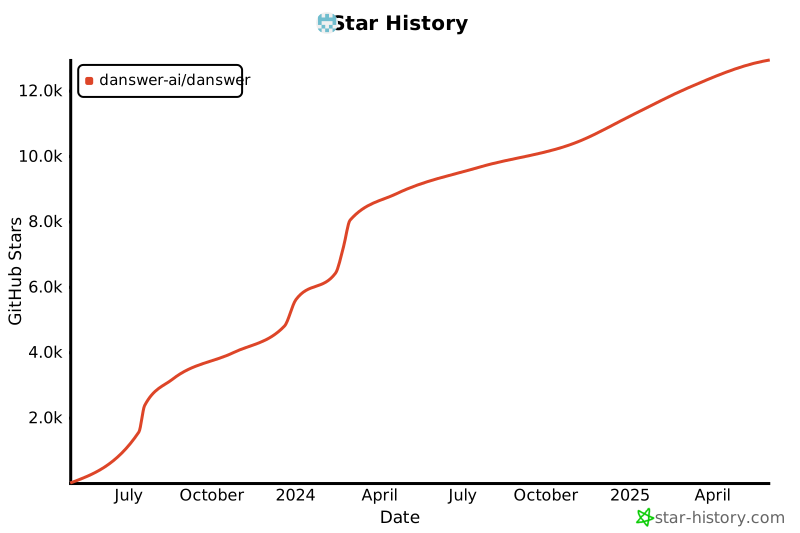](https://star-history.com/#danswer-ai/danswer&Date)
|
||||
|
||||
## ✨Contributors
|
||||
|
||||
<a href="https://github.com/danswer-ai/danswer/graphs/contributors">
|
||||
<img alt="contributors" src="https://contrib.rocks/image?repo=danswer-ai/danswer"/>
|
||||
</a>
|
||||
|
||||
<p align="right" style="font-size: 14px; color: #555; margin-top: 20px;">
|
||||
<a href="#readme-top" style="text-decoration: none; color: #007bff; font-weight: bold;">
|
||||
↑ Back to Top ↑
|
||||
</a>
|
||||
</p>
|
||||
|
||||
3
backend/.gitignore
vendored
3
backend/.gitignore
vendored
@@ -9,6 +9,3 @@ api_keys.py
|
||||
vespa-app.zip
|
||||
dynamic_config_storage/
|
||||
celerybeat-schedule*
|
||||
onyx/connectors/salesforce/data/
|
||||
.test.env
|
||||
/generated
|
||||
|
||||
@@ -1,22 +1,19 @@
|
||||
FROM python:3.11.7-slim-bookworm
|
||||
|
||||
LABEL com.danswer.maintainer="founders@onyx.app"
|
||||
LABEL com.danswer.description="This image is the web/frontend container of Onyx which \
|
||||
contains code for both the Community and Enterprise editions of Onyx. If you do not \
|
||||
LABEL com.danswer.maintainer="founders@danswer.ai"
|
||||
LABEL com.danswer.description="This image is the web/frontend container of Danswer which \
|
||||
contains code for both the Community and Enterprise editions of Danswer. If you do not \
|
||||
have a contract or agreement with DanswerAI, you are not permitted to use the Enterprise \
|
||||
Edition features outside of personal development or testing purposes. Please reach out to \
|
||||
founders@onyx.app for more information. Please visit https://github.com/onyx-dot-app/onyx"
|
||||
founders@danswer.ai for more information. Please visit https://github.com/danswer-ai/danswer"
|
||||
|
||||
# Default ONYX_VERSION, typically overriden during builds by GitHub Actions.
|
||||
ARG ONYX_VERSION=0.0.0-dev
|
||||
# DO_NOT_TRACK is used to disable telemetry for Unstructured
|
||||
ENV ONYX_VERSION=${ONYX_VERSION} \
|
||||
DANSWER_RUNNING_IN_DOCKER="true" \
|
||||
DO_NOT_TRACK="true" \
|
||||
PLAYWRIGHT_BROWSERS_PATH="/app/.cache/ms-playwright"
|
||||
# Default DANSWER_VERSION, typically overriden during builds by GitHub Actions.
|
||||
ARG DANSWER_VERSION=0.8-dev
|
||||
ENV DANSWER_VERSION=${DANSWER_VERSION} \
|
||||
DANSWER_RUNNING_IN_DOCKER="true"
|
||||
|
||||
|
||||
RUN echo "ONYX_VERSION: ${ONYX_VERSION}"
|
||||
RUN echo "DANSWER_VERSION: ${DANSWER_VERSION}"
|
||||
# Install system dependencies
|
||||
# cmake needed for psycopg (postgres)
|
||||
# libpq-dev needed for psycopg (postgres)
|
||||
@@ -29,16 +26,14 @@ RUN apt-get update && \
|
||||
curl \
|
||||
zip \
|
||||
ca-certificates \
|
||||
libgnutls30 \
|
||||
libblkid1 \
|
||||
libmount1 \
|
||||
libsmartcols1 \
|
||||
libuuid1 \
|
||||
libgnutls30=3.7.9-2+deb12u3 \
|
||||
libblkid1=2.38.1-5+deb12u1 \
|
||||
libmount1=2.38.1-5+deb12u1 \
|
||||
libsmartcols1=2.38.1-5+deb12u1 \
|
||||
libuuid1=2.38.1-5+deb12u1 \
|
||||
libxmlsec1-dev \
|
||||
pkg-config \
|
||||
gcc \
|
||||
nano \
|
||||
vim && \
|
||||
gcc && \
|
||||
rm -rf /var/lib/apt/lists/* && \
|
||||
apt-get clean
|
||||
|
||||
@@ -61,7 +56,7 @@ RUN pip install --no-cache-dir --upgrade \
|
||||
# Cleanup for CVEs and size reduction
|
||||
# https://github.com/tornadoweb/tornado/issues/3107
|
||||
# xserver-common and xvfb included by playwright installation but not needed after
|
||||
# perl-base is part of the base Python Debian image but not needed for Onyx functionality
|
||||
# perl-base is part of the base Python Debian image but not needed for Danswer functionality
|
||||
# perl-base could only be removed with --allow-remove-essential
|
||||
RUN apt-get update && \
|
||||
apt-get remove -y --allow-remove-essential \
|
||||
@@ -78,10 +73,6 @@ RUN apt-get update && \
|
||||
rm -rf /var/lib/apt/lists/* && \
|
||||
rm -f /usr/local/lib/python3.11/site-packages/tornado/test/test.key
|
||||
|
||||
# Install postgresql-client for easy manual tests
|
||||
# Install it here to avoid it being cleaned up above
|
||||
RUN apt-get update && apt-get install -y postgresql-client
|
||||
|
||||
# Pre-downloading models for setups with limited egress
|
||||
RUN python -c "from tokenizers import Tokenizer; \
|
||||
Tokenizer.from_pretrained('nomic-ai/nomic-embed-text-v1')"
|
||||
@@ -89,7 +80,7 @@ Tokenizer.from_pretrained('nomic-ai/nomic-embed-text-v1')"
|
||||
# Pre-downloading NLTK for setups with limited egress
|
||||
RUN python -c "import nltk; \
|
||||
nltk.download('stopwords', quiet=True); \
|
||||
nltk.download('punkt_tab', quiet=True);"
|
||||
nltk.download('punkt', quiet=True);"
|
||||
# nltk.download('wordnet', quiet=True); introduce this back if lemmatization is needed
|
||||
|
||||
# Set up application files
|
||||
@@ -100,16 +91,14 @@ COPY ./ee /app/ee
|
||||
COPY supervisord.conf /etc/supervisor/conf.d/supervisord.conf
|
||||
|
||||
# Set up application files
|
||||
COPY ./onyx /app/onyx
|
||||
COPY ./danswer /app/danswer
|
||||
COPY ./shared_configs /app/shared_configs
|
||||
COPY ./alembic /app/alembic
|
||||
COPY ./alembic_tenants /app/alembic_tenants
|
||||
COPY ./alembic.ini /app/alembic.ini
|
||||
COPY supervisord.conf /usr/etc/supervisord.conf
|
||||
COPY ./static /app/static
|
||||
|
||||
# Escape hatch scripts
|
||||
COPY ./scripts/debugging /app/scripts/debugging
|
||||
# Escape hatch
|
||||
COPY ./scripts/force_delete_connector_by_id.py /app/scripts/force_delete_connector_by_id.py
|
||||
|
||||
# Put logo in assets
|
||||
@@ -117,14 +106,6 @@ COPY ./assets /app/assets
|
||||
|
||||
ENV PYTHONPATH=/app
|
||||
|
||||
# Create non-root user for security best practices
|
||||
RUN groupadd -g 1001 onyx && \
|
||||
useradd -u 1001 -g onyx -m -s /bin/bash onyx && \
|
||||
chown -R onyx:onyx /app && \
|
||||
mkdir -p /var/log/onyx && \
|
||||
chmod 755 /var/log/onyx && \
|
||||
chown onyx:onyx /var/log/onyx
|
||||
|
||||
# Default command which does nothing
|
||||
# This container is used by api server and background which specify their own CMD
|
||||
CMD ["tail", "-f", "/dev/null"]
|
||||
|
||||
@@ -1,43 +1,18 @@
|
||||
FROM python:3.11.7-slim-bookworm
|
||||
|
||||
LABEL com.danswer.maintainer="founders@onyx.app"
|
||||
LABEL com.danswer.description="This image is for the Onyx model server which runs all of the \
|
||||
AI models for Onyx. This container and all the code is MIT Licensed and free for all to use. \
|
||||
You can find it at https://hub.docker.com/r/onyx/onyx-model-server. For more details, \
|
||||
visit https://github.com/onyx-dot-app/onyx."
|
||||
LABEL com.danswer.maintainer="founders@danswer.ai"
|
||||
LABEL com.danswer.description="This image is for the Danswer model server which runs all of the \
|
||||
AI models for Danswer. This container and all the code is MIT Licensed and free for all to use. \
|
||||
You can find it at https://hub.docker.com/r/danswer/danswer-model-server. For more details, \
|
||||
visit https://github.com/danswer-ai/danswer."
|
||||
|
||||
# Default ONYX_VERSION, typically overriden during builds by GitHub Actions.
|
||||
ARG ONYX_VERSION=0.0.0-dev
|
||||
ENV ONYX_VERSION=${ONYX_VERSION} \
|
||||
DANSWER_RUNNING_IN_DOCKER="true" \
|
||||
HF_HOME=/app/.cache/huggingface
|
||||
# Default DANSWER_VERSION, typically overriden during builds by GitHub Actions.
|
||||
ARG DANSWER_VERSION=0.8-dev
|
||||
ENV DANSWER_VERSION=${DANSWER_VERSION} \
|
||||
DANSWER_RUNNING_IN_DOCKER="true"
|
||||
|
||||
RUN echo "ONYX_VERSION: ${ONYX_VERSION}"
|
||||
|
||||
# Create non-root user for security best practices
|
||||
RUN mkdir -p /app && \
|
||||
groupadd -g 1001 onyx && \
|
||||
useradd -u 1001 -g onyx -m -s /bin/bash onyx && \
|
||||
chown -R onyx:onyx /app && \
|
||||
mkdir -p /var/log/onyx && \
|
||||
chmod 755 /var/log/onyx && \
|
||||
chown onyx:onyx /var/log/onyx
|
||||
|
||||
# --- add toolchain needed for Rust/Python builds (fastuuid) ---
|
||||
ENV RUSTUP_HOME=/usr/local/rustup \
|
||||
CARGO_HOME=/usr/local/cargo \
|
||||
PATH=/usr/local/cargo/bin:$PATH
|
||||
|
||||
RUN set -eux; \
|
||||
apt-get update && apt-get install -y --no-install-recommends \
|
||||
build-essential \
|
||||
pkg-config \
|
||||
curl \
|
||||
ca-certificates \
|
||||
&& rm -rf /var/lib/apt/lists/* \
|
||||
# Install latest stable Rust (supports Cargo.lock v4)
|
||||
&& curl -sSf https://sh.rustup.rs | sh -s -- -y --profile minimal --default-toolchain stable \
|
||||
&& rustc --version && cargo --version
|
||||
RUN echo "DANSWER_VERSION: ${DANSWER_VERSION}"
|
||||
|
||||
COPY ./requirements/model_server.txt /tmp/requirements.txt
|
||||
RUN pip install --no-cache-dir --upgrade \
|
||||
@@ -45,40 +20,36 @@ RUN pip install --no-cache-dir --upgrade \
|
||||
--timeout 30 \
|
||||
-r /tmp/requirements.txt
|
||||
|
||||
RUN apt-get remove -y --allow-remove-essential perl-base && \
|
||||
RUN apt-get remove -y --allow-remove-essential perl-base && \
|
||||
apt-get autoremove -y
|
||||
|
||||
# Pre-downloading models for setups with limited egress
|
||||
# Download tokenizers, distilbert for the Onyx model
|
||||
# Download tokenizers, distilbert for the Danswer model
|
||||
# Download model weights
|
||||
# Run Nomic to pull in the custom architecture and have it cached locally
|
||||
RUN python -c "from transformers import AutoTokenizer; \
|
||||
AutoTokenizer.from_pretrained('distilbert-base-uncased'); \
|
||||
AutoTokenizer.from_pretrained('mixedbread-ai/mxbai-rerank-xsmall-v1'); \
|
||||
from huggingface_hub import snapshot_download; \
|
||||
snapshot_download(repo_id='onyx-dot-app/hybrid-intent-token-classifier'); \
|
||||
snapshot_download(repo_id='onyx-dot-app/information-content-model'); \
|
||||
snapshot_download(repo_id='danswer/hybrid-intent-token-classifier', revision='v1.0.3'); \
|
||||
snapshot_download('nomic-ai/nomic-embed-text-v1'); \
|
||||
snapshot_download('mixedbread-ai/mxbai-rerank-xsmall-v1'); \
|
||||
from sentence_transformers import SentenceTransformer; \
|
||||
SentenceTransformer(model_name_or_path='nomic-ai/nomic-embed-text-v1', trust_remote_code=True);"
|
||||
|
||||
# In case the user has volumes mounted to /app/.cache/huggingface that they've downloaded while
|
||||
# running Onyx, move the current contents of the cache folder to a temporary location to ensure
|
||||
# it's preserved in order to combine with the user's cache contents
|
||||
RUN mv /app/.cache/huggingface /app/.cache/temp_huggingface && \
|
||||
chown -R onyx:onyx /app
|
||||
# In case the user has volumes mounted to /root/.cache/huggingface that they've downloaded while
|
||||
# running Danswer, don't overwrite it with the built in cache folder
|
||||
RUN mv /root/.cache/huggingface /root/.cache/temp_huggingface
|
||||
|
||||
WORKDIR /app
|
||||
|
||||
# Utils used by model server
|
||||
COPY ./onyx/utils/logger.py /app/onyx/utils/logger.py
|
||||
COPY ./onyx/utils/middleware.py /app/onyx/utils/middleware.py
|
||||
COPY ./danswer/utils/logger.py /app/danswer/utils/logger.py
|
||||
|
||||
# Place to fetch version information
|
||||
COPY ./onyx/__init__.py /app/onyx/__init__.py
|
||||
COPY ./danswer/__init__.py /app/danswer/__init__.py
|
||||
|
||||
# Shared between Onyx Backend and Model Server
|
||||
# Shared between Danswer Backend and Model Server
|
||||
COPY ./shared_configs /app/shared_configs
|
||||
|
||||
# Model Server main code
|
||||
|
||||
@@ -84,7 +84,7 @@ keys = console
|
||||
keys = generic
|
||||
|
||||
[logger_root]
|
||||
level = INFO
|
||||
level = WARN
|
||||
handlers = console
|
||||
qualname =
|
||||
|
||||
|
||||
@@ -1,63 +1,19 @@
|
||||
<!-- ONYX_METADATA={"link": "https://github.com/onyx-dot-app/onyx/blob/main/backend/alembic/README.md"} -->
|
||||
<!-- DANSWER_METADATA={"link": "https://github.com/danswer-ai/danswer/blob/main/backend/alembic/README.md"} -->
|
||||
|
||||
# Alembic DB Migrations
|
||||
|
||||
These files are for creating/updating the tables in the Relational DB (Postgres).
|
||||
Onyx migrations use a generic single-database configuration with an async dbapi.
|
||||
Danswer migrations use a generic single-database configuration with an async dbapi.
|
||||
|
||||
## To generate new migrations:
|
||||
|
||||
run from onyx/backend:
|
||||
## To generate new migrations:
|
||||
run from danswer/backend:
|
||||
`alembic revision --autogenerate -m <DESCRIPTION_OF_MIGRATION>`
|
||||
|
||||
More info can be found here: https://alembic.sqlalchemy.org/en/latest/autogenerate.html
|
||||
|
||||
## Running migrations
|
||||
|
||||
To run all un-applied migrations:
|
||||
`alembic upgrade head`
|
||||
|
||||
To undo migrations:
|
||||
`alembic downgrade -X`
|
||||
`alembic downgrade -X`
|
||||
where X is the number of migrations you want to undo from the current state
|
||||
|
||||
### Multi-tenant migrations
|
||||
|
||||
For multi-tenant deployments, you can use additional options:
|
||||
|
||||
**Upgrade all tenants:**
|
||||
```bash
|
||||
alembic -x upgrade_all_tenants=true upgrade head
|
||||
```
|
||||
|
||||
**Upgrade specific schemas:**
|
||||
```bash
|
||||
# Single schema
|
||||
alembic -x schemas=tenant_12345678-1234-1234-1234-123456789012 upgrade head
|
||||
|
||||
# Multiple schemas (comma-separated)
|
||||
alembic -x schemas=tenant_12345678-1234-1234-1234-123456789012,public,another_tenant upgrade head
|
||||
```
|
||||
|
||||
**Upgrade tenants within an alphabetical range:**
|
||||
```bash
|
||||
# Upgrade tenants 100-200 when sorted alphabetically (positions 100 to 200)
|
||||
alembic -x upgrade_all_tenants=true -x tenant_range_start=100 -x tenant_range_end=200 upgrade head
|
||||
|
||||
# Upgrade tenants starting from position 1000 alphabetically
|
||||
alembic -x upgrade_all_tenants=true -x tenant_range_start=1000 upgrade head
|
||||
|
||||
# Upgrade first 500 tenants alphabetically
|
||||
alembic -x upgrade_all_tenants=true -x tenant_range_end=500 upgrade head
|
||||
```
|
||||
|
||||
**Continue on error (for batch operations):**
|
||||
```bash
|
||||
alembic -x upgrade_all_tenants=true -x continue=true upgrade head
|
||||
```
|
||||
|
||||
The tenant range filtering works by:
|
||||
1. Sorting tenant IDs alphabetically
|
||||
2. Using 1-based position numbers (1st, 2nd, 3rd tenant, etc.)
|
||||
3. Filtering to the specified range of positions
|
||||
4. Non-tenant schemas (like 'public') are always included
|
||||
|
||||
@@ -1,230 +1,93 @@
|
||||
from typing import Any, Literal
|
||||
from onyx.db.engine.iam_auth import get_iam_auth_token
|
||||
from onyx.configs.app_configs import USE_IAM_AUTH
|
||||
from onyx.configs.app_configs import POSTGRES_HOST
|
||||
from onyx.configs.app_configs import POSTGRES_PORT
|
||||
from onyx.configs.app_configs import POSTGRES_USER
|
||||
from onyx.configs.app_configs import AWS_REGION_NAME
|
||||
from onyx.db.engine.sql_engine import build_connection_string
|
||||
from onyx.db.engine.tenant_utils import get_all_tenant_ids
|
||||
from sqlalchemy import event
|
||||
from sqlalchemy import pool
|
||||
from sqlalchemy import text
|
||||
from sqlalchemy.engine.base import Connection
|
||||
import os
|
||||
import ssl
|
||||
from typing import Any
|
||||
import asyncio
|
||||
import logging
|
||||
from logging.config import fileConfig
|
||||
import logging
|
||||
|
||||
from alembic import context
|
||||
from sqlalchemy import pool
|
||||
from sqlalchemy.ext.asyncio import create_async_engine
|
||||
from sqlalchemy.sql.schema import SchemaItem
|
||||
from onyx.configs.constants import SSL_CERT_FILE
|
||||
from shared_configs.configs import (
|
||||
MULTI_TENANT,
|
||||
POSTGRES_DEFAULT_SCHEMA,
|
||||
TENANT_ID_PREFIX,
|
||||
)
|
||||
from onyx.db.models import Base
|
||||
from celery.backends.database.session import ResultModelBase # type: ignore
|
||||
from onyx.db.engine.sql_engine import SqlEngine
|
||||
from sqlalchemy.sql import text
|
||||
|
||||
# Make sure in alembic.ini [logger_root] level=INFO is set or most logging will be
|
||||
# hidden! (defaults to level=WARN)
|
||||
from shared_configs.configs import MULTI_TENANT
|
||||
from danswer.db.engine import build_connection_string
|
||||
from danswer.db.models import Base
|
||||
from celery.backends.database.session import ResultModelBase # type: ignore
|
||||
from danswer.db.engine import get_all_tenant_ids
|
||||
from shared_configs.configs import POSTGRES_DEFAULT_SCHEMA
|
||||
|
||||
# Alembic Config object
|
||||
config = context.config
|
||||
|
||||
# Interpret the config file for Python logging.
|
||||
if config.config_file_name is not None and config.attributes.get(
|
||||
"configure_logger", True
|
||||
):
|
||||
fileConfig(config.config_file_name)
|
||||
|
||||
# Add your model's MetaData object here for 'autogenerate' support
|
||||
target_metadata = [Base.metadata, ResultModelBase.metadata]
|
||||
|
||||
EXCLUDE_TABLES = {"kombu_queue", "kombu_message"}
|
||||
|
||||
# Set up logging
|
||||
logger = logging.getLogger(__name__)
|
||||
|
||||
ssl_context: ssl.SSLContext | None = None
|
||||
if USE_IAM_AUTH:
|
||||
if not os.path.exists(SSL_CERT_FILE):
|
||||
raise FileNotFoundError(f"Expected {SSL_CERT_FILE} when USE_IAM_AUTH is true.")
|
||||
ssl_context = ssl.create_default_context(cafile=SSL_CERT_FILE)
|
||||
|
||||
|
||||
def include_object(
|
||||
object: SchemaItem,
|
||||
name: str | None,
|
||||
type_: Literal[
|
||||
"schema",
|
||||
"table",
|
||||
"column",
|
||||
"index",
|
||||
"unique_constraint",
|
||||
"foreign_key_constraint",
|
||||
],
|
||||
reflected: bool,
|
||||
compare_to: SchemaItem | None,
|
||||
object: Any, name: str, type_: str, reflected: bool, compare_to: Any
|
||||
) -> bool:
|
||||
"""
|
||||
Determines whether a database object should be included in migrations.
|
||||
Excludes specified tables from migrations.
|
||||
"""
|
||||
if type_ == "table" and name in EXCLUDE_TABLES:
|
||||
return False
|
||||
return True
|
||||
|
||||
|
||||
def filter_tenants_by_range(
|
||||
tenant_ids: list[str], start_range: int | None = None, end_range: int | None = None
|
||||
) -> list[str]:
|
||||
def get_schema_options() -> tuple[str, bool, bool]:
|
||||
"""
|
||||
Filter tenant IDs by alphabetical position range.
|
||||
|
||||
Args:
|
||||
tenant_ids: List of tenant IDs to filter
|
||||
start_range: Starting position in alphabetically sorted list (1-based, inclusive)
|
||||
end_range: Ending position in alphabetically sorted list (1-based, inclusive)
|
||||
|
||||
Returns:
|
||||
Filtered list of tenant IDs in their original order
|
||||
Parses command-line options passed via '-x' in Alembic commands.
|
||||
Recognizes 'schema', 'create_schema', and 'upgrade_all_tenants' options.
|
||||
"""
|
||||
if start_range is None and end_range is None:
|
||||
return tenant_ids
|
||||
|
||||
# Separate tenant IDs from non-tenant schemas
|
||||
tenant_schemas = [tid for tid in tenant_ids if tid.startswith(TENANT_ID_PREFIX)]
|
||||
non_tenant_schemas = [
|
||||
tid for tid in tenant_ids if not tid.startswith(TENANT_ID_PREFIX)
|
||||
]
|
||||
|
||||
# Sort tenant schemas alphabetically.
|
||||
# NOTE: can cause missed schemas if a schema is created in between workers
|
||||
# fetching of all tenant IDs. We accept this risk for now. Just re-running
|
||||
# the migration will fix the issue.
|
||||
sorted_tenant_schemas = sorted(tenant_schemas)
|
||||
|
||||
# Apply range filtering (0-based indexing)
|
||||
start_idx = start_range if start_range is not None else 0
|
||||
end_idx = end_range if end_range is not None else len(sorted_tenant_schemas)
|
||||
|
||||
# Ensure indices are within bounds
|
||||
start_idx = max(0, start_idx)
|
||||
end_idx = min(len(sorted_tenant_schemas), end_idx)
|
||||
|
||||
# Get the filtered tenant schemas
|
||||
filtered_tenant_schemas = sorted_tenant_schemas[start_idx:end_idx]
|
||||
|
||||
# Combine with non-tenant schemas and preserve original order
|
||||
filtered_tenants = []
|
||||
for tenant_id in tenant_ids:
|
||||
if tenant_id in filtered_tenant_schemas or tenant_id in non_tenant_schemas:
|
||||
filtered_tenants.append(tenant_id)
|
||||
|
||||
return filtered_tenants
|
||||
|
||||
|
||||
def get_schema_options() -> (
|
||||
tuple[bool, bool, bool, int | None, int | None, list[str] | None]
|
||||
):
|
||||
x_args_raw = context.get_x_argument()
|
||||
x_args = {}
|
||||
for arg in x_args_raw:
|
||||
if "=" in arg:
|
||||
key, value = arg.split("=", 1)
|
||||
x_args[key.strip()] = value.strip()
|
||||
else:
|
||||
raise ValueError(f"Invalid argument: {arg}")
|
||||
|
||||
for pair in arg.split(","):
|
||||
if "=" in pair:
|
||||
key, value = pair.split("=", 1)
|
||||
x_args[key.strip()] = value.strip()
|
||||
schema_name = x_args.get("schema", POSTGRES_DEFAULT_SCHEMA)
|
||||
create_schema = x_args.get("create_schema", "true").lower() == "true"
|
||||
upgrade_all_tenants = x_args.get("upgrade_all_tenants", "false").lower() == "true"
|
||||
|
||||
# continue on error with individual tenant
|
||||
# only applies to online migrations
|
||||
continue_on_error = x_args.get("continue", "false").lower() == "true"
|
||||
|
||||
# Tenant range filtering
|
||||
tenant_range_start = None
|
||||
tenant_range_end = None
|
||||
|
||||
if "tenant_range_start" in x_args:
|
||||
try:
|
||||
tenant_range_start = int(x_args["tenant_range_start"])
|
||||
except ValueError:
|
||||
raise ValueError(
|
||||
f"Invalid tenant_range_start value: {x_args['tenant_range_start']}. Must be an integer."
|
||||
)
|
||||
|
||||
if "tenant_range_end" in x_args:
|
||||
try:
|
||||
tenant_range_end = int(x_args["tenant_range_end"])
|
||||
except ValueError:
|
||||
raise ValueError(
|
||||
f"Invalid tenant_range_end value: {x_args['tenant_range_end']}. Must be an integer."
|
||||
)
|
||||
|
||||
# Validate range
|
||||
if tenant_range_start is not None and tenant_range_end is not None:
|
||||
if tenant_range_start > tenant_range_end:
|
||||
raise ValueError(
|
||||
f"tenant_range_start ({tenant_range_start}) cannot be greater than tenant_range_end ({tenant_range_end})"
|
||||
)
|
||||
|
||||
# Specific schema names filtering (replaces both schema_name and the old tenant_ids approach)
|
||||
schemas = None
|
||||
if "schemas" in x_args:
|
||||
schema_names_str = x_args["schemas"].strip()
|
||||
if schema_names_str:
|
||||
# Split by comma and strip whitespace
|
||||
schemas = [
|
||||
name.strip() for name in schema_names_str.split(",") if name.strip()
|
||||
]
|
||||
if schemas:
|
||||
logger.info(f"Specific schema names specified: {schemas}")
|
||||
|
||||
# Validate that only one method is used at a time
|
||||
range_filtering = tenant_range_start is not None or tenant_range_end is not None
|
||||
specific_filtering = schemas is not None and len(schemas) > 0
|
||||
|
||||
if range_filtering and specific_filtering:
|
||||
if (
|
||||
MULTI_TENANT
|
||||
and schema_name == POSTGRES_DEFAULT_SCHEMA
|
||||
and not upgrade_all_tenants
|
||||
):
|
||||
raise ValueError(
|
||||
"Cannot use both tenant range filtering (tenant_range_start/tenant_range_end) "
|
||||
"and specific schema filtering (schemas) at the same time. "
|
||||
"Please use only one filtering method."
|
||||
"Cannot run default migrations in public schema when multi-tenancy is enabled. "
|
||||
"Please specify a tenant-specific schema."
|
||||
)
|
||||
|
||||
if upgrade_all_tenants and specific_filtering:
|
||||
raise ValueError(
|
||||
"Cannot use both upgrade_all_tenants=true and schemas at the same time. "
|
||||
"Use either upgrade_all_tenants=true for all tenants, or schemas for specific schemas."
|
||||
)
|
||||
|
||||
# If any filtering parameters are specified, we're not doing the default single schema migration
|
||||
if range_filtering:
|
||||
upgrade_all_tenants = True
|
||||
|
||||
# Validate multi-tenant requirements
|
||||
if MULTI_TENANT and not upgrade_all_tenants and not specific_filtering:
|
||||
raise ValueError(
|
||||
"In multi-tenant mode, you must specify either upgrade_all_tenants=true "
|
||||
"or provide schemas. Cannot run default migration."
|
||||
)
|
||||
|
||||
return (
|
||||
create_schema,
|
||||
upgrade_all_tenants,
|
||||
continue_on_error,
|
||||
tenant_range_start,
|
||||
tenant_range_end,
|
||||
schemas,
|
||||
)
|
||||
return schema_name, create_schema, upgrade_all_tenants
|
||||
|
||||
|
||||
def do_run_migrations(
|
||||
connection: Connection, schema_name: str, create_schema: bool
|
||||
) -> None:
|
||||
"""
|
||||
Executes migrations in the specified schema.
|
||||
"""
|
||||
logger.info(f"About to migrate schema: {schema_name}")
|
||||
|
||||
if create_schema:
|
||||
connection.execute(text(f'CREATE SCHEMA IF NOT EXISTS "{schema_name}"'))
|
||||
connection.execute(text("COMMIT"))
|
||||
|
||||
# Set search_path to the target schema
|
||||
connection.execute(text(f'SET search_path TO "{schema_name}"'))
|
||||
|
||||
context.configure(
|
||||
@@ -242,102 +105,25 @@ def do_run_migrations(
|
||||
context.run_migrations()
|
||||
|
||||
|
||||
def provide_iam_token_for_alembic(
|
||||
dialect: Any, conn_rec: Any, cargs: Any, cparams: Any
|
||||
) -> None:
|
||||
if USE_IAM_AUTH:
|
||||
# Database connection settings
|
||||
region = AWS_REGION_NAME
|
||||
host = POSTGRES_HOST
|
||||
port = POSTGRES_PORT
|
||||
user = POSTGRES_USER
|
||||
|
||||
# Get IAM authentication token
|
||||
token = get_iam_auth_token(host, port, user, region)
|
||||
|
||||
# For Alembic / SQLAlchemy in this context, set SSL and password
|
||||
cparams["password"] = token
|
||||
cparams["ssl"] = ssl_context
|
||||
|
||||
|
||||
async def run_async_migrations() -> None:
|
||||
(
|
||||
create_schema,
|
||||
upgrade_all_tenants,
|
||||
continue_on_error,
|
||||
tenant_range_start,
|
||||
tenant_range_end,
|
||||
schemas,
|
||||
) = get_schema_options()
|
||||
|
||||
if not schemas and not MULTI_TENANT:
|
||||
schemas = [POSTGRES_DEFAULT_SCHEMA]
|
||||
|
||||
# without init_engine, subsequent engine calls fail hard intentionally
|
||||
SqlEngine.init_engine(pool_size=20, max_overflow=5)
|
||||
"""
|
||||
Determines whether to run migrations for a single schema or all schemas,
|
||||
and executes migrations accordingly.
|
||||
"""
|
||||
schema_name, create_schema, upgrade_all_tenants = get_schema_options()
|
||||
|
||||
engine = create_async_engine(
|
||||
build_connection_string(),
|
||||
poolclass=pool.NullPool,
|
||||
)
|
||||
|
||||
if USE_IAM_AUTH:
|
||||
|
||||
@event.listens_for(engine.sync_engine, "do_connect")
|
||||
def event_provide_iam_token_for_alembic(
|
||||
dialect: Any, conn_rec: Any, cargs: Any, cparams: Any
|
||||
) -> None:
|
||||
provide_iam_token_for_alembic(dialect, conn_rec, cargs, cparams)
|
||||
|
||||
if schemas:
|
||||
# Use specific schema names directly without fetching all tenants
|
||||
logger.info(f"Migrating specific schema names: {schemas}")
|
||||
|
||||
i_schema = 0
|
||||
num_schemas = len(schemas)
|
||||
for schema in schemas:
|
||||
i_schema += 1
|
||||
logger.info(
|
||||
f"Migrating schema: index={i_schema} num_schemas={num_schemas} schema={schema}"
|
||||
)
|
||||
try:
|
||||
async with engine.connect() as connection:
|
||||
await connection.run_sync(
|
||||
do_run_migrations,
|
||||
schema_name=schema,
|
||||
create_schema=create_schema,
|
||||
)
|
||||
except Exception as e:
|
||||
logger.error(f"Error migrating schema {schema}: {e}")
|
||||
if not continue_on_error:
|
||||
logger.error("--continue=true is not set, raising exception!")
|
||||
raise
|
||||
|
||||
logger.warning("--continue=true is set, continuing to next schema.")
|
||||
|
||||
elif upgrade_all_tenants:
|
||||
if upgrade_all_tenants:
|
||||
# Run migrations for all tenant schemas sequentially
|
||||
tenant_schemas = get_all_tenant_ids()
|
||||
|
||||
filtered_tenant_schemas = filter_tenants_by_range(
|
||||
tenant_schemas, tenant_range_start, tenant_range_end
|
||||
)
|
||||
|
||||
if tenant_range_start is not None or tenant_range_end is not None:
|
||||
logger.info(
|
||||
f"Filtering tenants by range: start={tenant_range_start}, end={tenant_range_end}"
|
||||
)
|
||||
logger.info(
|
||||
f"Total tenants: {len(tenant_schemas)}, Filtered tenants: {len(filtered_tenant_schemas)}"
|
||||
)
|
||||
|
||||
i_tenant = 0
|
||||
num_tenants = len(filtered_tenant_schemas)
|
||||
for schema in filtered_tenant_schemas:
|
||||
i_tenant += 1
|
||||
logger.info(
|
||||
f"Migrating schema: index={i_tenant} num_tenants={num_tenants} schema={schema}"
|
||||
)
|
||||
for schema in tenant_schemas:
|
||||
try:
|
||||
logger.info(f"Migrating schema: {schema}")
|
||||
async with engine.connect() as connection:
|
||||
await connection.run_sync(
|
||||
do_run_migrations,
|
||||
@@ -346,97 +132,37 @@ async def run_async_migrations() -> None:
|
||||
)
|
||||
except Exception as e:
|
||||
logger.error(f"Error migrating schema {schema}: {e}")
|
||||
if not continue_on_error:
|
||||
logger.error("--continue=true is not set, raising exception!")
|
||||
raise
|
||||
|
||||
logger.warning("--continue=true is set, continuing to next schema.")
|
||||
|
||||
raise
|
||||
else:
|
||||
# This should not happen in the new design since we require either
|
||||
# upgrade_all_tenants=true or schemas in multi-tenant mode
|
||||
# and for non-multi-tenant mode, we should use schemas with the default schema
|
||||
raise ValueError(
|
||||
"No migration target specified. Use either upgrade_all_tenants=true for all tenants "
|
||||
"or schemas for specific schemas."
|
||||
)
|
||||
try:
|
||||
logger.info(f"Migrating schema: {schema_name}")
|
||||
async with engine.connect() as connection:
|
||||
await connection.run_sync(
|
||||
do_run_migrations,
|
||||
schema_name=schema_name,
|
||||
create_schema=create_schema,
|
||||
)
|
||||
except Exception as e:
|
||||
logger.error(f"Error migrating schema {schema_name}: {e}")
|
||||
raise
|
||||
|
||||
await engine.dispose()
|
||||
|
||||
|
||||
def run_migrations_offline() -> None:
|
||||
"""
|
||||
NOTE(rkuo): This generates a sql script that can be used to migrate the database ...
|
||||
instead of migrating the db live via an open connection
|
||||
|
||||
Not clear on when this would be used by us or if it even works.
|
||||
|
||||
If it is offline, then why are there calls to the db engine?
|
||||
|
||||
This doesn't really get used when we migrate in the cloud."""
|
||||
|
||||
logger.info("run_migrations_offline starting.")
|
||||
|
||||
# without init_engine, subsequent engine calls fail hard intentionally
|
||||
SqlEngine.init_engine(pool_size=20, max_overflow=5)
|
||||
|
||||
(
|
||||
create_schema,
|
||||
upgrade_all_tenants,
|
||||
continue_on_error,
|
||||
tenant_range_start,
|
||||
tenant_range_end,
|
||||
schemas,
|
||||
) = get_schema_options()
|
||||
Run migrations in 'offline' mode.
|
||||
"""
|
||||
schema_name, _, upgrade_all_tenants = get_schema_options()
|
||||
url = build_connection_string()
|
||||
|
||||
if schemas:
|
||||
# Use specific schema names directly without fetching all tenants
|
||||
logger.info(f"Migrating specific schema names: {schemas}")
|
||||
|
||||
for schema in schemas:
|
||||
logger.info(f"Migrating schema: {schema}")
|
||||
context.configure(
|
||||
url=url,
|
||||
target_metadata=target_metadata, # type: ignore
|
||||
literal_binds=True,
|
||||
include_object=include_object,
|
||||
version_table_schema=schema,
|
||||
include_schemas=True,
|
||||
script_location=config.get_main_option("script_location"),
|
||||
dialect_opts={"paramstyle": "named"},
|
||||
)
|
||||
|
||||
with context.begin_transaction():
|
||||
context.run_migrations()
|
||||
|
||||
elif upgrade_all_tenants:
|
||||
if upgrade_all_tenants:
|
||||
# Run offline migrations for all tenant schemas
|
||||
engine = create_async_engine(url)
|
||||
|
||||
if USE_IAM_AUTH:
|
||||
|
||||
@event.listens_for(engine.sync_engine, "do_connect")
|
||||
def event_provide_iam_token_for_alembic_offline(
|
||||
dialect: Any, conn_rec: Any, cargs: Any, cparams: Any
|
||||
) -> None:
|
||||
provide_iam_token_for_alembic(dialect, conn_rec, cargs, cparams)
|
||||
|
||||
tenant_schemas = get_all_tenant_ids()
|
||||
engine.sync_engine.dispose()
|
||||
|
||||
filtered_tenant_schemas = filter_tenants_by_range(
|
||||
tenant_schemas, tenant_range_start, tenant_range_end
|
||||
)
|
||||
|
||||
if tenant_range_start is not None or tenant_range_end is not None:
|
||||
logger.info(
|
||||
f"Filtering tenants by range: start={tenant_range_start}, end={tenant_range_end}"
|
||||
)
|
||||
logger.info(
|
||||
f"Total tenants: {len(tenant_schemas)}, Filtered tenants: {len(filtered_tenant_schemas)}"
|
||||
)
|
||||
|
||||
for schema in filtered_tenant_schemas:
|
||||
for schema in tenant_schemas:
|
||||
logger.info(f"Migrating schema: {schema}")
|
||||
context.configure(
|
||||
url=url,
|
||||
@@ -452,15 +178,26 @@ def run_migrations_offline() -> None:
|
||||
with context.begin_transaction():
|
||||
context.run_migrations()
|
||||
else:
|
||||
# This should not happen in the new design
|
||||
raise ValueError(
|
||||
"No migration target specified. Use either upgrade_all_tenants=true for all tenants "
|
||||
"or schemas for specific schemas."
|
||||
logger.info(f"Migrating schema: {schema_name}")
|
||||
context.configure(
|
||||
url=url,
|
||||
target_metadata=target_metadata, # type: ignore
|
||||
literal_binds=True,
|
||||
include_object=include_object,
|
||||
version_table_schema=schema_name,
|
||||
include_schemas=True,
|
||||
script_location=config.get_main_option("script_location"),
|
||||
dialect_opts={"paramstyle": "named"},
|
||||
)
|
||||
|
||||
with context.begin_transaction():
|
||||
context.run_migrations()
|
||||
|
||||
|
||||
def run_migrations_online() -> None:
|
||||
logger.info("run_migrations_online starting.")
|
||||
"""
|
||||
Runs migrations in 'online' mode using an asynchronous engine.
|
||||
"""
|
||||
asyncio.run(run_async_migrations())
|
||||
|
||||
|
||||
|
||||
@@ -1,30 +0,0 @@
|
||||
"""add shortcut option for users
|
||||
|
||||
Revision ID: 027381bce97c
|
||||
Revises: 6fc7886d665d
|
||||
Create Date: 2025-01-14 12:14:00.814390
|
||||
|
||||
"""
|
||||
|
||||
from alembic import op
|
||||
import sqlalchemy as sa
|
||||
|
||||
|
||||
# revision identifiers, used by Alembic.
|
||||
revision = "027381bce97c"
|
||||
down_revision = "6fc7886d665d"
|
||||
branch_labels = None
|
||||
depends_on = None
|
||||
|
||||
|
||||
def upgrade() -> None:
|
||||
op.add_column(
|
||||
"user",
|
||||
sa.Column(
|
||||
"shortcut_enabled", sa.Boolean(), nullable=False, server_default="false"
|
||||
),
|
||||
)
|
||||
|
||||
|
||||
def downgrade() -> None:
|
||||
op.drop_column("user", "shortcut_enabled")
|
||||
@@ -1,121 +0,0 @@
|
||||
"""rework-kg-config
|
||||
|
||||
Revision ID: 03bf8be6b53a
|
||||
Revises: 65bc6e0f8500
|
||||
Create Date: 2025-06-16 10:52:34.815335
|
||||
|
||||
"""
|
||||
|
||||
import json
|
||||
|
||||
|
||||
from datetime import datetime
|
||||
from datetime import timedelta
|
||||
from sqlalchemy.dialects import postgresql
|
||||
from sqlalchemy import text
|
||||
from alembic import op
|
||||
import sqlalchemy as sa
|
||||
|
||||
|
||||
# revision identifiers, used by Alembic.
|
||||
revision = "03bf8be6b53a"
|
||||
down_revision = "65bc6e0f8500"
|
||||
branch_labels = None
|
||||
depends_on = None
|
||||
|
||||
|
||||
def upgrade() -> None:
|
||||
# get current config
|
||||
current_configs = (
|
||||
op.get_bind()
|
||||
.execute(text("SELECT kg_variable_name, kg_variable_values FROM kg_config"))
|
||||
.all()
|
||||
)
|
||||
current_config_dict = {
|
||||
config.kg_variable_name: (
|
||||
config.kg_variable_values[0]
|
||||
if config.kg_variable_name
|
||||
not in ("KG_VENDOR_DOMAINS", "KG_IGNORE_EMAIL_DOMAINS")
|
||||
else config.kg_variable_values
|
||||
)
|
||||
for config in current_configs
|
||||
if config.kg_variable_values
|
||||
}
|
||||
|
||||
# not using the KGConfigSettings model here in case it changes in the future
|
||||
kg_config_settings = json.dumps(
|
||||
{
|
||||
"KG_EXPOSED": current_config_dict.get("KG_EXPOSED", False),
|
||||
"KG_ENABLED": current_config_dict.get("KG_ENABLED", False),
|
||||
"KG_VENDOR": current_config_dict.get("KG_VENDOR", None),
|
||||
"KG_VENDOR_DOMAINS": current_config_dict.get("KG_VENDOR_DOMAINS", []),
|
||||
"KG_IGNORE_EMAIL_DOMAINS": current_config_dict.get(
|
||||
"KG_IGNORE_EMAIL_DOMAINS", []
|
||||
),
|
||||
"KG_COVERAGE_START": current_config_dict.get(
|
||||
"KG_COVERAGE_START",
|
||||
(datetime.now() - timedelta(days=90)).strftime("%Y-%m-%d"),
|
||||
),
|
||||
"KG_MAX_COVERAGE_DAYS": current_config_dict.get("KG_MAX_COVERAGE_DAYS", 90),
|
||||
"KG_MAX_PARENT_RECURSION_DEPTH": current_config_dict.get(
|
||||
"KG_MAX_PARENT_RECURSION_DEPTH", 2
|
||||
),
|
||||
"KG_BETA_PERSONA_ID": current_config_dict.get("KG_BETA_PERSONA_ID", None),
|
||||
}
|
||||
)
|
||||
op.execute(
|
||||
f"INSERT INTO key_value_store (key, value) VALUES ('kg_config', '{kg_config_settings}')"
|
||||
)
|
||||
|
||||
# drop kg config table
|
||||
op.drop_table("kg_config")
|
||||
|
||||
|
||||
def downgrade() -> None:
|
||||
# get current config
|
||||
current_config_dict = {
|
||||
"KG_EXPOSED": False,
|
||||
"KG_ENABLED": False,
|
||||
"KG_VENDOR": [],
|
||||
"KG_VENDOR_DOMAINS": [],
|
||||
"KG_IGNORE_EMAIL_DOMAINS": [],
|
||||
"KG_COVERAGE_START": (datetime.now() - timedelta(days=90)).strftime("%Y-%m-%d"),
|
||||
"KG_MAX_COVERAGE_DAYS": 90,
|
||||
"KG_MAX_PARENT_RECURSION_DEPTH": 2,
|
||||
}
|
||||
current_configs = (
|
||||
op.get_bind()
|
||||
.execute(text("SELECT value FROM key_value_store WHERE key = 'kg_config'"))
|
||||
.one_or_none()
|
||||
)
|
||||
if current_configs is not None:
|
||||
current_config_dict.update(current_configs[0])
|
||||
insert_values = [
|
||||
{
|
||||
"kg_variable_name": name,
|
||||
"kg_variable_values": (
|
||||
[str(val).lower() if isinstance(val, bool) else str(val)]
|
||||
if not isinstance(val, list)
|
||||
else val
|
||||
),
|
||||
}
|
||||
for name, val in current_config_dict.items()
|
||||
]
|
||||
|
||||
op.create_table(
|
||||
"kg_config",
|
||||
sa.Column("id", sa.Integer(), primary_key=True, nullable=False, index=True),
|
||||
sa.Column("kg_variable_name", sa.String(), nullable=False, index=True),
|
||||
sa.Column("kg_variable_values", postgresql.ARRAY(sa.String()), nullable=False),
|
||||
sa.UniqueConstraint("kg_variable_name", name="uq_kg_config_variable_name"),
|
||||
)
|
||||
op.bulk_insert(
|
||||
sa.table(
|
||||
"kg_config",
|
||||
sa.column("kg_variable_name", sa.String),
|
||||
sa.column("kg_variable_values", postgresql.ARRAY(sa.String)),
|
||||
),
|
||||
insert_values,
|
||||
)
|
||||
|
||||
op.execute("DELETE FROM key_value_store WHERE key = 'kg_config'")
|
||||
@@ -1,72 +0,0 @@
|
||||
"""add federated connector tables
|
||||
|
||||
Revision ID: 0816326d83aa
|
||||
Revises: 12635f6655b7
|
||||
Create Date: 2025-06-29 14:09:45.109518
|
||||
|
||||
"""
|
||||
|
||||
from alembic import op
|
||||
import sqlalchemy as sa
|
||||
from sqlalchemy.dialects import postgresql
|
||||
|
||||
|
||||
# revision identifiers, used by Alembic.
|
||||
revision = "0816326d83aa"
|
||||
down_revision = "12635f6655b7"
|
||||
branch_labels = None
|
||||
depends_on = None
|
||||
|
||||
|
||||
def upgrade() -> None:
|
||||
# Create federated_connector table
|
||||
op.create_table(
|
||||
"federated_connector",
|
||||
sa.Column("id", sa.Integer(), nullable=False),
|
||||
sa.Column("source", sa.String(), nullable=False),
|
||||
sa.Column("credentials", sa.LargeBinary(), nullable=False),
|
||||
sa.PrimaryKeyConstraint("id"),
|
||||
)
|
||||
|
||||
# Create federated_connector_oauth_token table
|
||||
op.create_table(
|
||||
"federated_connector_oauth_token",
|
||||
sa.Column("id", sa.Integer(), nullable=False),
|
||||
sa.Column("federated_connector_id", sa.Integer(), nullable=False),
|
||||
sa.Column("user_id", postgresql.UUID(as_uuid=True), nullable=False),
|
||||
sa.Column("token", sa.LargeBinary(), nullable=False),
|
||||
sa.Column("expires_at", sa.DateTime(), nullable=True),
|
||||
sa.ForeignKeyConstraint(
|
||||
["federated_connector_id"], ["federated_connector.id"], ondelete="CASCADE"
|
||||
),
|
||||
sa.ForeignKeyConstraint(["user_id"], ["user.id"], ondelete="CASCADE"),
|
||||
sa.PrimaryKeyConstraint("id"),
|
||||
)
|
||||
|
||||
# Create federated_connector__document_set table
|
||||
op.create_table(
|
||||
"federated_connector__document_set",
|
||||
sa.Column("id", sa.Integer(), nullable=False),
|
||||
sa.Column("federated_connector_id", sa.Integer(), nullable=False),
|
||||
sa.Column("document_set_id", sa.Integer(), nullable=False),
|
||||
sa.Column("entities", postgresql.JSONB(), nullable=False),
|
||||
sa.ForeignKeyConstraint(
|
||||
["federated_connector_id"], ["federated_connector.id"], ondelete="CASCADE"
|
||||
),
|
||||
sa.ForeignKeyConstraint(
|
||||
["document_set_id"], ["document_set.id"], ondelete="CASCADE"
|
||||
),
|
||||
sa.PrimaryKeyConstraint("id"),
|
||||
sa.UniqueConstraint(
|
||||
"federated_connector_id",
|
||||
"document_set_id",
|
||||
name="uq_federated_connector_document_set",
|
||||
),
|
||||
)
|
||||
|
||||
|
||||
def downgrade() -> None:
|
||||
# Drop tables in reverse order due to foreign key dependencies
|
||||
op.drop_table("federated_connector__document_set")
|
||||
op.drop_table("federated_connector_oauth_token")
|
||||
op.drop_table("federated_connector")
|
||||
@@ -5,7 +5,6 @@ Revises: 8a87bd6ec550
|
||||
Create Date: 2024-07-23 11:12:39.462397
|
||||
|
||||
"""
|
||||
|
||||
from alembic import op
|
||||
import sqlalchemy as sa
|
||||
|
||||
|
||||
@@ -5,7 +5,6 @@ Revises: 5f4b8568a221
|
||||
Create Date: 2024-03-02 23:23:49.960309
|
||||
|
||||
"""
|
||||
|
||||
from alembic import op
|
||||
import sqlalchemy as sa
|
||||
from sqlalchemy.dialects import postgresql
|
||||
|
||||
@@ -5,14 +5,13 @@ Revises: 570282d33c49
|
||||
Create Date: 2024-05-05 19:30:34.317972
|
||||
|
||||
"""
|
||||
|
||||
from alembic import op
|
||||
import sqlalchemy as sa
|
||||
from sqlalchemy.sql import table
|
||||
from sqlalchemy.dialects import postgresql
|
||||
import json
|
||||
|
||||
from onyx.utils.encryption import encrypt_string_to_bytes
|
||||
from danswer.utils.encryption import encrypt_string_to_bytes
|
||||
|
||||
# revision identifiers, used by Alembic.
|
||||
revision = "0a98909f2757"
|
||||
|
||||
@@ -5,7 +5,6 @@ Revises: 52a219fb5233
|
||||
Create Date: 2024-09-10 15:03:48.233926
|
||||
|
||||
"""
|
||||
|
||||
from alembic import op
|
||||
import sqlalchemy as sa
|
||||
|
||||
|
||||
@@ -1,37 +0,0 @@
|
||||
"""add index to index_attempt.time_created
|
||||
|
||||
Revision ID: 0f7ff6d75b57
|
||||
Revises: 369644546676
|
||||
Create Date: 2025-01-10 14:01:14.067144
|
||||
|
||||
"""
|
||||
|
||||
from alembic import op
|
||||
|
||||
# revision identifiers, used by Alembic.
|
||||
revision = "0f7ff6d75b57"
|
||||
down_revision = "fec3db967bf7"
|
||||
branch_labels: None = None
|
||||
depends_on: None = None
|
||||
|
||||
|
||||
def upgrade() -> None:
|
||||
op.create_index(
|
||||
op.f("ix_index_attempt_status"),
|
||||
"index_attempt",
|
||||
["status"],
|
||||
unique=False,
|
||||
)
|
||||
|
||||
op.create_index(
|
||||
op.f("ix_index_attempt_time_created"),
|
||||
"index_attempt",
|
||||
["time_created"],
|
||||
unique=False,
|
||||
)
|
||||
|
||||
|
||||
def downgrade() -> None:
|
||||
op.drop_index(op.f("ix_index_attempt_time_created"), table_name="index_attempt")
|
||||
|
||||
op.drop_index(op.f("ix_index_attempt_status"), table_name="index_attempt")
|
||||
@@ -1,596 +0,0 @@
|
||||
"""drive-canonical-ids
|
||||
|
||||
Revision ID: 12635f6655b7
|
||||
Revises: 58c50ef19f08
|
||||
Create Date: 2025-06-20 14:44:54.241159
|
||||
|
||||
"""
|
||||
|
||||
from alembic import op
|
||||
import sqlalchemy as sa
|
||||
from urllib.parse import urlparse, urlunparse
|
||||
from httpx import HTTPStatusError
|
||||
import httpx
|
||||
from onyx.document_index.factory import get_default_document_index
|
||||
from onyx.db.search_settings import SearchSettings
|
||||
from onyx.document_index.vespa.shared_utils.utils import get_vespa_http_client
|
||||
from onyx.document_index.vespa.shared_utils.utils import (
|
||||
replace_invalid_doc_id_characters,
|
||||
)
|
||||
from onyx.document_index.vespa_constants import DOCUMENT_ID_ENDPOINT
|
||||
from onyx.utils.logger import setup_logger
|
||||
import os
|
||||
|
||||
logger = setup_logger()
|
||||
|
||||
# revision identifiers, used by Alembic.
|
||||
revision = "12635f6655b7"
|
||||
down_revision = "58c50ef19f08"
|
||||
branch_labels = None
|
||||
depends_on = None
|
||||
|
||||
SKIP_CANON_DRIVE_IDS = os.environ.get("SKIP_CANON_DRIVE_IDS", "true").lower() == "true"
|
||||
|
||||
|
||||
def active_search_settings() -> tuple[SearchSettings, SearchSettings | None]:
|
||||
result = op.get_bind().execute(
|
||||
sa.text(
|
||||
"""
|
||||
SELECT * FROM search_settings WHERE status = 'PRESENT' ORDER BY id DESC LIMIT 1
|
||||
"""
|
||||
)
|
||||
)
|
||||
search_settings_fetch = result.fetchall()
|
||||
search_settings = (
|
||||
SearchSettings(**search_settings_fetch[0]._asdict())
|
||||
if search_settings_fetch
|
||||
else None
|
||||
)
|
||||
|
||||
result2 = op.get_bind().execute(
|
||||
sa.text(
|
||||
"""
|
||||
SELECT * FROM search_settings WHERE status = 'FUTURE' ORDER BY id DESC LIMIT 1
|
||||
"""
|
||||
)
|
||||
)
|
||||
search_settings_future_fetch = result2.fetchall()
|
||||
search_settings_future = (
|
||||
SearchSettings(**search_settings_future_fetch[0]._asdict())
|
||||
if search_settings_future_fetch
|
||||
else None
|
||||
)
|
||||
|
||||
if not isinstance(search_settings, SearchSettings):
|
||||
raise RuntimeError(
|
||||
"current search settings is of type " + str(type(search_settings))
|
||||
)
|
||||
if (
|
||||
not isinstance(search_settings_future, SearchSettings)
|
||||
and search_settings_future is not None
|
||||
):
|
||||
raise RuntimeError(
|
||||
"future search settings is of type " + str(type(search_settings_future))
|
||||
)
|
||||
|
||||
return search_settings, search_settings_future
|
||||
|
||||
|
||||
def normalize_google_drive_url(url: str) -> str:
|
||||
"""Remove query parameters from Google Drive URLs to create canonical document IDs.
|
||||
NOTE: copied from drive doc_conversion.py
|
||||
"""
|
||||
parsed_url = urlparse(url)
|
||||
parsed_url = parsed_url._replace(query="")
|
||||
spl_path = parsed_url.path.split("/")
|
||||
if spl_path and (spl_path[-1] in ["edit", "view", "preview"]):
|
||||
spl_path.pop()
|
||||
parsed_url = parsed_url._replace(path="/".join(spl_path))
|
||||
# Remove query parameters and reconstruct URL
|
||||
return urlunparse(parsed_url)
|
||||
|
||||
|
||||
def get_google_drive_documents_from_database() -> list[dict]:
|
||||
"""Get all Google Drive documents from the database."""
|
||||
bind = op.get_bind()
|
||||
result = bind.execute(
|
||||
sa.text(
|
||||
"""
|
||||
SELECT d.id
|
||||
FROM document d
|
||||
JOIN document_by_connector_credential_pair dcc ON d.id = dcc.id
|
||||
JOIN connector_credential_pair cc ON dcc.connector_id = cc.connector_id
|
||||
AND dcc.credential_id = cc.credential_id
|
||||
JOIN connector c ON cc.connector_id = c.id
|
||||
WHERE c.source = 'GOOGLE_DRIVE'
|
||||
"""
|
||||
)
|
||||
)
|
||||
|
||||
documents = []
|
||||
for row in result:
|
||||
documents.append({"document_id": row.id})
|
||||
|
||||
return documents
|
||||
|
||||
|
||||
def update_document_id_in_database(
|
||||
old_doc_id: str, new_doc_id: str, index_name: str
|
||||
) -> None:
|
||||
"""Update document IDs in all relevant database tables using copy-and-swap approach."""
|
||||
bind = op.get_bind()
|
||||
|
||||
# print(f"Updating database tables for document {old_doc_id} -> {new_doc_id}")
|
||||
|
||||
# Check if new document ID already exists
|
||||
result = bind.execute(
|
||||
sa.text("SELECT COUNT(*) FROM document WHERE id = :new_id"),
|
||||
{"new_id": new_doc_id},
|
||||
)
|
||||
row = result.fetchone()
|
||||
if row and row[0] > 0:
|
||||
# print(f"Document with ID {new_doc_id} already exists, deleting old one")
|
||||
delete_document_from_db(old_doc_id, index_name)
|
||||
return
|
||||
|
||||
# Step 1: Create a new document row with the new ID (copy all fields from old row)
|
||||
# Use a conservative approach to handle columns that might not exist in all installations
|
||||
try:
|
||||
bind.execute(
|
||||
sa.text(
|
||||
"""
|
||||
INSERT INTO document (id, from_ingestion_api, boost, hidden, semantic_id,
|
||||
link, doc_updated_at, primary_owners, secondary_owners,
|
||||
external_user_emails, external_user_group_ids, is_public,
|
||||
chunk_count, last_modified, last_synced, kg_stage, kg_processing_time)
|
||||
SELECT :new_id, from_ingestion_api, boost, hidden, semantic_id,
|
||||
link, doc_updated_at, primary_owners, secondary_owners,
|
||||
external_user_emails, external_user_group_ids, is_public,
|
||||
chunk_count, last_modified, last_synced, kg_stage, kg_processing_time
|
||||
FROM document
|
||||
WHERE id = :old_id
|
||||
"""
|
||||
),
|
||||
{"new_id": new_doc_id, "old_id": old_doc_id},
|
||||
)
|
||||
# print(f"Successfully updated database tables for document {old_doc_id} -> {new_doc_id}")
|
||||
except Exception as e:
|
||||
# If the full INSERT fails, try a more basic version with only core columns
|
||||
logger.warning(f"Full INSERT failed, trying basic version: {e}")
|
||||
bind.execute(
|
||||
sa.text(
|
||||
"""
|
||||
INSERT INTO document (id, from_ingestion_api, boost, hidden, semantic_id,
|
||||
link, doc_updated_at, primary_owners, secondary_owners)
|
||||
SELECT :new_id, from_ingestion_api, boost, hidden, semantic_id,
|
||||
link, doc_updated_at, primary_owners, secondary_owners
|
||||
FROM document
|
||||
WHERE id = :old_id
|
||||
"""
|
||||
),
|
||||
{"new_id": new_doc_id, "old_id": old_doc_id},
|
||||
)
|
||||
|
||||
# Step 2: Update all foreign key references to point to the new ID
|
||||
|
||||
# Update document_by_connector_credential_pair table
|
||||
bind.execute(
|
||||
sa.text(
|
||||
"UPDATE document_by_connector_credential_pair SET id = :new_id WHERE id = :old_id"
|
||||
),
|
||||
{"new_id": new_doc_id, "old_id": old_doc_id},
|
||||
)
|
||||
# print(f"Successfully updated document_by_connector_credential_pair table for document {old_doc_id} -> {new_doc_id}")
|
||||
|
||||
# Update search_doc table (stores search results for chat replay)
|
||||
# This is critical for agent functionality
|
||||
bind.execute(
|
||||
sa.text(
|
||||
"UPDATE search_doc SET document_id = :new_id WHERE document_id = :old_id"
|
||||
),
|
||||
{"new_id": new_doc_id, "old_id": old_doc_id},
|
||||
)
|
||||
# print(f"Successfully updated search_doc table for document {old_doc_id} -> {new_doc_id}")
|
||||
# Update document_retrieval_feedback table (user feedback on documents)
|
||||
bind.execute(
|
||||
sa.text(
|
||||
"UPDATE document_retrieval_feedback SET document_id = :new_id WHERE document_id = :old_id"
|
||||
),
|
||||
{"new_id": new_doc_id, "old_id": old_doc_id},
|
||||
)
|
||||
# print(f"Successfully updated document_retrieval_feedback table for document {old_doc_id} -> {new_doc_id}")
|
||||
# Update document__tag table (document-tag relationships)
|
||||
bind.execute(
|
||||
sa.text(
|
||||
"UPDATE document__tag SET document_id = :new_id WHERE document_id = :old_id"
|
||||
),
|
||||
{"new_id": new_doc_id, "old_id": old_doc_id},
|
||||
)
|
||||
# print(f"Successfully updated document__tag table for document {old_doc_id} -> {new_doc_id}")
|
||||
# Update user_file table (user uploaded files linked to documents)
|
||||
bind.execute(
|
||||
sa.text(
|
||||
"UPDATE user_file SET document_id = :new_id WHERE document_id = :old_id"
|
||||
),
|
||||
{"new_id": new_doc_id, "old_id": old_doc_id},
|
||||
)
|
||||
# print(f"Successfully updated user_file table for document {old_doc_id} -> {new_doc_id}")
|
||||
# Update KG and chunk_stats tables (these may not exist in all installations)
|
||||
try:
|
||||
# Update kg_entity table
|
||||
bind.execute(
|
||||
sa.text(
|
||||
"UPDATE kg_entity SET document_id = :new_id WHERE document_id = :old_id"
|
||||
),
|
||||
{"new_id": new_doc_id, "old_id": old_doc_id},
|
||||
)
|
||||
# print(f"Successfully updated kg_entity table for document {old_doc_id} -> {new_doc_id}")
|
||||
# Update kg_entity_extraction_staging table
|
||||
bind.execute(
|
||||
sa.text(
|
||||
"UPDATE kg_entity_extraction_staging SET document_id = :new_id WHERE document_id = :old_id"
|
||||
),
|
||||
{"new_id": new_doc_id, "old_id": old_doc_id},
|
||||
)
|
||||
# print(f"Successfully updated kg_entity_extraction_staging table for document {old_doc_id} -> {new_doc_id}")
|
||||
# Update kg_relationship table
|
||||
bind.execute(
|
||||
sa.text(
|
||||
"UPDATE kg_relationship SET source_document = :new_id WHERE source_document = :old_id"
|
||||
),
|
||||
{"new_id": new_doc_id, "old_id": old_doc_id},
|
||||
)
|
||||
# print(f"Successfully updated kg_relationship table for document {old_doc_id} -> {new_doc_id}")
|
||||
# Update kg_relationship_extraction_staging table
|
||||
bind.execute(
|
||||
sa.text(
|
||||
"UPDATE kg_relationship_extraction_staging SET source_document = :new_id WHERE source_document = :old_id"
|
||||
),
|
||||
{"new_id": new_doc_id, "old_id": old_doc_id},
|
||||
)
|
||||
# print(f"Successfully updated kg_relationship_extraction_staging table for document {old_doc_id} -> {new_doc_id}")
|
||||
# Update chunk_stats table
|
||||
bind.execute(
|
||||
sa.text(
|
||||
"UPDATE chunk_stats SET document_id = :new_id WHERE document_id = :old_id"
|
||||
),
|
||||
{"new_id": new_doc_id, "old_id": old_doc_id},
|
||||
)
|
||||
# print(f"Successfully updated chunk_stats table for document {old_doc_id} -> {new_doc_id}")
|
||||
# Update chunk_stats ID field which includes document_id
|
||||
bind.execute(
|
||||
sa.text(
|
||||
"""
|
||||
UPDATE chunk_stats
|
||||
SET id = REPLACE(id, :old_id, :new_id)
|
||||
WHERE id LIKE :old_id_pattern
|
||||
"""
|
||||
),
|
||||
{
|
||||
"new_id": new_doc_id,
|
||||
"old_id": old_doc_id,
|
||||
"old_id_pattern": f"{old_doc_id}__%",
|
||||
},
|
||||
)
|
||||
# print(f"Successfully updated chunk_stats ID field for document {old_doc_id} -> {new_doc_id}")
|
||||
except Exception as e:
|
||||
logger.warning(f"Some KG/chunk tables may not exist or failed to update: {e}")
|
||||
|
||||
# Step 3: Delete the old document row (this should now be safe since all FKs point to new row)
|
||||
bind.execute(
|
||||
sa.text("DELETE FROM document WHERE id = :old_id"), {"old_id": old_doc_id}
|
||||
)
|
||||
# print(f"Successfully deleted document {old_doc_id} from database")
|
||||
|
||||
|
||||
def _visit_chunks(
|
||||
*,
|
||||
http_client: httpx.Client,
|
||||
index_name: str,
|
||||
selection: str,
|
||||
continuation: str | None = None,
|
||||
) -> tuple[list[dict], str | None]:
|
||||
"""Helper that calls the /document/v1 visit API once and returns (docs, next_token)."""
|
||||
|
||||
# Use the same URL as the document API, but with visit-specific params
|
||||
base_url = DOCUMENT_ID_ENDPOINT.format(index_name=index_name)
|
||||
|
||||
params: dict[str, str] = {
|
||||
"selection": selection,
|
||||
"wantedDocumentCount": "1000",
|
||||
}
|
||||
if continuation:
|
||||
params["continuation"] = continuation
|
||||
|
||||
# print(f"Visiting chunks for selection '{selection}' with params {params}")
|
||||
resp = http_client.get(base_url, params=params, timeout=None)
|
||||
# print(f"Visited chunks for document {selection}")
|
||||
resp.raise_for_status()
|
||||
|
||||
payload = resp.json()
|
||||
return payload.get("documents", []), payload.get("continuation")
|
||||
|
||||
|
||||
def delete_document_chunks_from_vespa(index_name: str, doc_id: str) -> None:
|
||||
"""Delete all chunks for *doc_id* from Vespa using continuation-token paging (no offset)."""
|
||||
|
||||
total_deleted = 0
|
||||
# Use exact match instead of contains - Document Selector Language doesn't support contains
|
||||
selection = f'{index_name}.document_id=="{doc_id}"'
|
||||
|
||||
with get_vespa_http_client() as http_client:
|
||||
continuation: str | None = None
|
||||
while True:
|
||||
docs, continuation = _visit_chunks(
|
||||
http_client=http_client,
|
||||
index_name=index_name,
|
||||
selection=selection,
|
||||
continuation=continuation,
|
||||
)
|
||||
|
||||
if not docs:
|
||||
break
|
||||
|
||||
for doc in docs:
|
||||
vespa_full_id = doc.get("id")
|
||||
if not vespa_full_id:
|
||||
continue
|
||||
|
||||
vespa_doc_uuid = vespa_full_id.split("::")[-1]
|
||||
delete_url = f"{DOCUMENT_ID_ENDPOINT.format(index_name=index_name)}/{vespa_doc_uuid}"
|
||||
|
||||
try:
|
||||
resp = http_client.delete(delete_url)
|
||||
resp.raise_for_status()
|
||||
total_deleted += 1
|
||||
except Exception as e:
|
||||
print(f"Failed to delete chunk {vespa_doc_uuid}: {e}")
|
||||
|
||||
if not continuation:
|
||||
break
|
||||
|
||||
|
||||
def update_document_id_in_vespa(
|
||||
index_name: str, old_doc_id: str, new_doc_id: str
|
||||
) -> None:
|
||||
"""Update all chunks' document_id field from *old_doc_id* to *new_doc_id* using continuation paging."""
|
||||
|
||||
clean_new_doc_id = replace_invalid_doc_id_characters(new_doc_id)
|
||||
|
||||
# Use exact match instead of contains - Document Selector Language doesn't support contains
|
||||
selection = f'{index_name}.document_id=="{old_doc_id}"'
|
||||
|
||||
with get_vespa_http_client() as http_client:
|
||||
continuation: str | None = None
|
||||
while True:
|
||||
# print(f"Visiting chunks for document {old_doc_id} -> {new_doc_id}")
|
||||
docs, continuation = _visit_chunks(
|
||||
http_client=http_client,
|
||||
index_name=index_name,
|
||||
selection=selection,
|
||||
continuation=continuation,
|
||||
)
|
||||
|
||||
if not docs:
|
||||
break
|
||||
|
||||
for doc in docs:
|
||||
vespa_full_id = doc.get("id")
|
||||
if not vespa_full_id:
|
||||
continue
|
||||
|
||||
vespa_doc_uuid = vespa_full_id.split("::")[-1]
|
||||
vespa_url = f"{DOCUMENT_ID_ENDPOINT.format(index_name=index_name)}/{vespa_doc_uuid}"
|
||||
|
||||
update_request = {
|
||||
"fields": {"document_id": {"assign": clean_new_doc_id}}
|
||||
}
|
||||
|
||||
try:
|
||||
resp = http_client.put(vespa_url, json=update_request)
|
||||
resp.raise_for_status()
|
||||
except Exception as e:
|
||||
print(f"Failed to update chunk {vespa_doc_uuid}: {e}")
|
||||
raise
|
||||
|
||||
if not continuation:
|
||||
break
|
||||
|
||||
|
||||
def delete_document_from_db(current_doc_id: str, index_name: str) -> None:
|
||||
# Delete all foreign key references first, then delete the document
|
||||
try:
|
||||
bind = op.get_bind()
|
||||
|
||||
# Delete from agent-related tables first (order matters due to foreign keys)
|
||||
# Delete from agent__sub_query__search_doc first since it references search_doc
|
||||
bind.execute(
|
||||
sa.text(
|
||||
"""
|
||||
DELETE FROM agent__sub_query__search_doc
|
||||
WHERE search_doc_id IN (
|
||||
SELECT id FROM search_doc WHERE document_id = :doc_id
|
||||
)
|
||||
"""
|
||||
),
|
||||
{"doc_id": current_doc_id},
|
||||
)
|
||||
|
||||
# Delete from chat_message__search_doc
|
||||
bind.execute(
|
||||
sa.text(
|
||||
"""
|
||||
DELETE FROM chat_message__search_doc
|
||||
WHERE search_doc_id IN (
|
||||
SELECT id FROM search_doc WHERE document_id = :doc_id
|
||||
)
|
||||
"""
|
||||
),
|
||||
{"doc_id": current_doc_id},
|
||||
)
|
||||
|
||||
# Now we can safely delete from search_doc
|
||||
bind.execute(
|
||||
sa.text("DELETE FROM search_doc WHERE document_id = :doc_id"),
|
||||
{"doc_id": current_doc_id},
|
||||
)
|
||||
|
||||
# Delete from document_by_connector_credential_pair
|
||||
bind.execute(
|
||||
sa.text(
|
||||
"DELETE FROM document_by_connector_credential_pair WHERE id = :doc_id"
|
||||
),
|
||||
{"doc_id": current_doc_id},
|
||||
)
|
||||
|
||||
# Delete from other tables that reference this document
|
||||
bind.execute(
|
||||
sa.text(
|
||||
"DELETE FROM document_retrieval_feedback WHERE document_id = :doc_id"
|
||||
),
|
||||
{"doc_id": current_doc_id},
|
||||
)
|
||||
|
||||
bind.execute(
|
||||
sa.text("DELETE FROM document__tag WHERE document_id = :doc_id"),
|
||||
{"doc_id": current_doc_id},
|
||||
)
|
||||
|
||||
bind.execute(
|
||||
sa.text("DELETE FROM user_file WHERE document_id = :doc_id"),
|
||||
{"doc_id": current_doc_id},
|
||||
)
|
||||
|
||||
# Delete from KG tables if they exist
|
||||
try:
|
||||
bind.execute(
|
||||
sa.text("DELETE FROM kg_entity WHERE document_id = :doc_id"),
|
||||
{"doc_id": current_doc_id},
|
||||
)
|
||||
|
||||
bind.execute(
|
||||
sa.text(
|
||||
"DELETE FROM kg_entity_extraction_staging WHERE document_id = :doc_id"
|
||||
),
|
||||
{"doc_id": current_doc_id},
|
||||
)
|
||||
|
||||
bind.execute(
|
||||
sa.text("DELETE FROM kg_relationship WHERE source_document = :doc_id"),
|
||||
{"doc_id": current_doc_id},
|
||||
)
|
||||
|
||||
bind.execute(
|
||||
sa.text(
|
||||
"DELETE FROM kg_relationship_extraction_staging WHERE source_document = :doc_id"
|
||||
),
|
||||
{"doc_id": current_doc_id},
|
||||
)
|
||||
|
||||
bind.execute(
|
||||
sa.text("DELETE FROM chunk_stats WHERE document_id = :doc_id"),
|
||||
{"doc_id": current_doc_id},
|
||||
)
|
||||
|
||||
bind.execute(
|
||||
sa.text("DELETE FROM chunk_stats WHERE id LIKE :doc_id_pattern"),
|
||||
{"doc_id_pattern": f"{current_doc_id}__%"},
|
||||
)
|
||||
|
||||
except Exception as e:
|
||||
logger.warning(
|
||||
f"Some KG/chunk tables may not exist or failed to delete from: {e}"
|
||||
)
|
||||
|
||||
# Finally delete the document itself
|
||||
bind.execute(
|
||||
sa.text("DELETE FROM document WHERE id = :doc_id"),
|
||||
{"doc_id": current_doc_id},
|
||||
)
|
||||
|
||||
# Delete chunks from vespa
|
||||
delete_document_chunks_from_vespa(index_name, current_doc_id)
|
||||
|
||||
except Exception as e:
|
||||
print(f"Failed to delete duplicate document {current_doc_id}: {e}")
|
||||
# Continue with other documents instead of failing the entire migration
|
||||
|
||||
|
||||
def upgrade() -> None:
|
||||
if SKIP_CANON_DRIVE_IDS:
|
||||
return
|
||||
current_search_settings, future_search_settings = active_search_settings()
|
||||
document_index = get_default_document_index(
|
||||
current_search_settings,
|
||||
future_search_settings,
|
||||
)
|
||||
|
||||
# Get the index name
|
||||
if hasattr(document_index, "index_name"):
|
||||
index_name = document_index.index_name
|
||||
else:
|
||||
# Default index name if we can't get it from the document_index
|
||||
index_name = "danswer_index"
|
||||
|
||||
# Get all Google Drive documents from the database (this is faster and more reliable)
|
||||
gdrive_documents = get_google_drive_documents_from_database()
|
||||
|
||||
if not gdrive_documents:
|
||||
return
|
||||
|
||||
# Track normalized document IDs to detect duplicates
|
||||
all_normalized_doc_ids = set()
|
||||
updated_count = 0
|
||||
|
||||
for doc_info in gdrive_documents:
|
||||
current_doc_id = doc_info["document_id"]
|
||||
normalized_doc_id = normalize_google_drive_url(current_doc_id)
|
||||
|
||||
print(f"Processing document {current_doc_id} -> {normalized_doc_id}")
|
||||
# Check for duplicates
|
||||
if normalized_doc_id in all_normalized_doc_ids:
|
||||
# print(f"Deleting duplicate document {current_doc_id}")
|
||||
delete_document_from_db(current_doc_id, index_name)
|
||||
continue
|
||||
|
||||
all_normalized_doc_ids.add(normalized_doc_id)
|
||||
|
||||
# If the document ID already doesn't have query parameters, skip it
|
||||
if current_doc_id == normalized_doc_id:
|
||||
# print(f"Skipping document {current_doc_id} -> {normalized_doc_id} because it already has no query parameters")
|
||||
continue
|
||||
|
||||
try:
|
||||
# Update both database and Vespa in order
|
||||
# Database first to ensure consistency
|
||||
update_document_id_in_database(
|
||||
current_doc_id, normalized_doc_id, index_name
|
||||
)
|
||||
|
||||
# For Vespa, we can now use the original document IDs since we're using contains matching
|
||||
update_document_id_in_vespa(index_name, current_doc_id, normalized_doc_id)
|
||||
updated_count += 1
|
||||
# print(f"Finished updating document {current_doc_id} -> {normalized_doc_id}")
|
||||
except Exception as e:
|
||||
print(f"Failed to update document {current_doc_id}: {e}")
|
||||
|
||||
if isinstance(e, HTTPStatusError):
|
||||
print(f"HTTPStatusError: {e}")
|
||||
print(f"Response: {e.response.text}")
|
||||
print(f"Status: {e.response.status_code}")
|
||||
print(f"Headers: {e.response.headers}")
|
||||
print(f"Request: {e.request.url}")
|
||||
print(f"Request headers: {e.request.headers}")
|
||||
# Note: Rollback is complex with copy-and-swap approach since the old document is already deleted
|
||||
# In case of failure, manual intervention may be required
|
||||
# Continue with other documents instead of failing the entire migration
|
||||
continue
|
||||
|
||||
logger.info(f"Migration complete. Updated {updated_count} Google Drive documents")
|
||||
|
||||
|
||||
def downgrade() -> None:
|
||||
# this is a one way migration, so no downgrade.
|
||||
# It wouldn't make sense to store the extra query parameters
|
||||
# and duplicate documents to allow a reversal.
|
||||
pass
|
||||
@@ -1,15 +1,14 @@
|
||||
"""Introduce Onyx APIs
|
||||
"""Introduce Danswer APIs
|
||||
|
||||
Revision ID: 15326fcec57e
|
||||
Revises: 77d07dffae64
|
||||
Create Date: 2023-11-11 20:51:24.228999
|
||||
|
||||
"""
|
||||
|
||||
from alembic import op
|
||||
import sqlalchemy as sa
|
||||
|
||||
from onyx.configs.constants import DocumentSource
|
||||
from danswer.configs.constants import DocumentSource
|
||||
|
||||
# revision identifiers, used by Alembic.
|
||||
revision = "15326fcec57e"
|
||||
@@ -5,7 +5,6 @@ Revises: e50154680a5c
|
||||
Create Date: 2024-03-19 15:30:44.425436
|
||||
|
||||
"""
|
||||
|
||||
from alembic import op
|
||||
import sqlalchemy as sa
|
||||
from sqlalchemy.dialects import postgresql
|
||||
|
||||
@@ -5,7 +5,6 @@ Revises: 4ee1287bd26a
|
||||
Create Date: 2024-11-21 11:49:04.488677
|
||||
|
||||
"""
|
||||
|
||||
from alembic import op
|
||||
import sqlalchemy as sa
|
||||
from sqlalchemy.dialects import postgresql
|
||||
|
||||
@@ -1,28 +0,0 @@
|
||||
"""Add indexes to document__tag
|
||||
|
||||
Revision ID: 1a03d2c2856b
|
||||
Revises: 9c00a2bccb83
|
||||
Create Date: 2025-02-18 10:45:13.957807
|
||||
|
||||
"""
|
||||
|
||||
from alembic import op
|
||||
|
||||
# revision identifiers, used by Alembic.
|
||||
revision = "1a03d2c2856b"
|
||||
down_revision = "9c00a2bccb83"
|
||||
branch_labels: None = None
|
||||
depends_on: None = None
|
||||
|
||||
|
||||
def upgrade() -> None:
|
||||
op.create_index(
|
||||
op.f("ix_document__tag_tag_id"),
|
||||
"document__tag",
|
||||
["tag_id"],
|
||||
unique=False,
|
||||
)
|
||||
|
||||
|
||||
def downgrade() -> None:
|
||||
op.drop_index(op.f("ix_document__tag_tag_id"), table_name="document__tag")
|
||||
@@ -5,7 +5,6 @@ Revises: 6756efa39ada
|
||||
Create Date: 2024-10-15 19:26:44.071259
|
||||
|
||||
"""
|
||||
|
||||
from alembic import op
|
||||
import sqlalchemy as sa
|
||||
from sqlalchemy.dialects import postgresql
|
||||
|
||||
@@ -5,7 +5,6 @@ Revises: 35e6853a51d5
|
||||
Create Date: 2024-09-18 11:48:59.418726
|
||||
|
||||
"""
|
||||
|
||||
from alembic import op
|
||||
|
||||
|
||||
|
||||
@@ -10,7 +10,7 @@ from alembic import op
|
||||
import sqlalchemy as sa
|
||||
from sqlalchemy.dialects import postgresql
|
||||
|
||||
from onyx.configs.chat_configs import NUM_POSTPROCESSED_RESULTS
|
||||
from danswer.configs.chat_configs import NUM_POSTPROCESSED_RESULTS
|
||||
|
||||
# revision identifiers, used by Alembic.
|
||||
revision = "1f60f60c3401"
|
||||
|
||||
@@ -5,7 +5,6 @@ Revises: 5fc1f54cc252
|
||||
Create Date: 2024-08-10 11:13:36.070790
|
||||
|
||||
"""
|
||||
|
||||
from alembic import op
|
||||
import sqlalchemy as sa
|
||||
|
||||
|
||||
@@ -1,45 +0,0 @@
|
||||
"""Add foreign key to user__external_user_group_id
|
||||
|
||||
Revision ID: 238b84885828
|
||||
Revises: a7688ab35c45
|
||||
Create Date: 2025-05-19 17:15:33.424584
|
||||
|
||||
"""
|
||||
|
||||
from alembic import op
|
||||
|
||||
|
||||
# revision identifiers, used by Alembic.
|
||||
revision = "238b84885828"
|
||||
down_revision = "a7688ab35c45"
|
||||
branch_labels = None
|
||||
depends_on = None
|
||||
|
||||
|
||||
def upgrade() -> None:
|
||||
# First, clean up any entries that don't have a valid cc_pair_id
|
||||
op.execute(
|
||||
"""
|
||||
DELETE FROM user__external_user_group_id
|
||||
WHERE cc_pair_id NOT IN (SELECT id FROM connector_credential_pair)
|
||||
"""
|
||||
)
|
||||
|
||||
# Add foreign key constraint with cascade delete
|
||||
op.create_foreign_key(
|
||||
"fk_user__external_user_group_id_cc_pair_id",
|
||||
"user__external_user_group_id",
|
||||
"connector_credential_pair",
|
||||
["cc_pair_id"],
|
||||
["id"],
|
||||
ondelete="CASCADE",
|
||||
)
|
||||
|
||||
|
||||
def downgrade() -> None:
|
||||
# Drop the foreign key constraint
|
||||
op.drop_constraint(
|
||||
"fk_user__external_user_group_id_cc_pair_id",
|
||||
"user__external_user_group_id",
|
||||
type_="foreignkey",
|
||||
)
|
||||
@@ -5,7 +5,6 @@ Revises: bc9771dccadf
|
||||
Create Date: 2024-06-27 16:04:51.480437
|
||||
|
||||
"""
|
||||
|
||||
from alembic import op
|
||||
import sqlalchemy as sa
|
||||
|
||||
|
||||
@@ -5,7 +5,6 @@ Revises: 6d387b3196c2
|
||||
Create Date: 2023-05-05 15:49:35.716016
|
||||
|
||||
"""
|
||||
|
||||
import fastapi_users_db_sqlalchemy
|
||||
import sqlalchemy as sa
|
||||
from alembic import op
|
||||
|
||||
@@ -5,7 +5,6 @@ Revises: 2daa494a0851
|
||||
Create Date: 2024-11-12 13:23:29.858995
|
||||
|
||||
"""
|
||||
|
||||
from alembic import op
|
||||
import sqlalchemy as sa
|
||||
from sqlalchemy.dialects import postgresql
|
||||
|
||||
@@ -5,7 +5,6 @@ Revises: 2666d766cb9b
|
||||
Create Date: 2023-05-24 18:45:17.244495
|
||||
|
||||
"""
|
||||
|
||||
import fastapi_users_db_sqlalchemy
|
||||
import sqlalchemy as sa
|
||||
from alembic import op
|
||||
@@ -144,34 +143,27 @@ def upgrade() -> None:
|
||||
|
||||
def downgrade() -> None:
|
||||
op.execute("TRUNCATE TABLE index_attempt")
|
||||
conn = op.get_bind()
|
||||
inspector = sa.inspect(conn)
|
||||
existing_columns = {col["name"] for col in inspector.get_columns("index_attempt")}
|
||||
|
||||
if "input_type" not in existing_columns:
|
||||
op.add_column(
|
||||
"index_attempt",
|
||||
sa.Column("input_type", sa.VARCHAR(), autoincrement=False, nullable=False),
|
||||
)
|
||||
|
||||
if "source" not in existing_columns:
|
||||
op.add_column(
|
||||
"index_attempt",
|
||||
sa.Column("source", sa.VARCHAR(), autoincrement=False, nullable=False),
|
||||
)
|
||||
|
||||
if "connector_specific_config" not in existing_columns:
|
||||
op.add_column(
|
||||
"index_attempt",
|
||||
sa.Column(
|
||||
"connector_specific_config",
|
||||
postgresql.JSONB(astext_type=sa.Text()),
|
||||
autoincrement=False,
|
||||
nullable=False,
|
||||
),
|
||||
)
|
||||
op.add_column(
|
||||
"index_attempt",
|
||||
sa.Column("input_type", sa.VARCHAR(), autoincrement=False, nullable=False),
|
||||
)
|
||||
op.add_column(
|
||||
"index_attempt",
|
||||
sa.Column("source", sa.VARCHAR(), autoincrement=False, nullable=False),
|
||||
)
|
||||
op.add_column(
|
||||
"index_attempt",
|
||||
sa.Column(
|
||||
"connector_specific_config",
|
||||
postgresql.JSONB(astext_type=sa.Text()),
|
||||
autoincrement=False,
|
||||
nullable=False,
|
||||
),
|
||||
)
|
||||
|
||||
# Check if the constraint exists before dropping
|
||||
conn = op.get_bind()
|
||||
inspector = sa.inspect(conn)
|
||||
constraints = inspector.get_foreign_keys("index_attempt")
|
||||
|
||||
if any(
|
||||
@@ -190,12 +182,8 @@ def downgrade() -> None:
|
||||
"fk_index_attempt_connector_id", "index_attempt", type_="foreignkey"
|
||||
)
|
||||
|
||||
if "credential_id" in existing_columns:
|
||||
op.drop_column("index_attempt", "credential_id")
|
||||
|
||||
if "connector_id" in existing_columns:
|
||||
op.drop_column("index_attempt", "connector_id")
|
||||
|
||||
op.execute("DROP TABLE IF EXISTS connector_credential_pair CASCADE")
|
||||
op.execute("DROP TABLE IF EXISTS credential CASCADE")
|
||||
op.execute("DROP TABLE IF EXISTS connector CASCADE")
|
||||
op.drop_column("index_attempt", "credential_id")
|
||||
op.drop_column("index_attempt", "connector_id")
|
||||
op.drop_table("connector_credential_pair")
|
||||
op.drop_table("credential")
|
||||
op.drop_table("connector")
|
||||
|
||||
@@ -1,25 +0,0 @@
|
||||
"""add chunk count to document
|
||||
|
||||
Revision ID: 2955778aa44c
|
||||
Revises: c0aab6edb6dd
|
||||
Create Date: 2025-01-04 11:39:43.268612
|
||||
|
||||
"""
|
||||
|
||||
from alembic import op
|
||||
import sqlalchemy as sa
|
||||
|
||||
|
||||
# revision identifiers, used by Alembic.
|
||||
revision = "2955778aa44c"
|
||||
down_revision = "c0aab6edb6dd"
|
||||
branch_labels = None
|
||||
depends_on = None
|
||||
|
||||
|
||||
def upgrade() -> None:
|
||||
op.add_column("document", sa.Column("chunk_count", sa.Integer(), nullable=True))
|
||||
|
||||
|
||||
def downgrade() -> None:
|
||||
op.drop_column("document", "chunk_count")
|
||||
@@ -1,33 +0,0 @@
|
||||
"""set built in to default
|
||||
|
||||
Revision ID: 2cdeff6d8c93
|
||||
Revises: f5437cc136c5
|
||||
Create Date: 2025-02-11 14:57:51.308775
|
||||
|
||||
"""
|
||||
|
||||
from alembic import op
|
||||
|
||||
|
||||
# revision identifiers, used by Alembic.
|
||||
revision = "2cdeff6d8c93"
|
||||
down_revision = "f5437cc136c5"
|
||||
branch_labels = None
|
||||
depends_on = None
|
||||
|
||||
|
||||
def upgrade() -> None:
|
||||
# Prior to this migration / point in the codebase history,
|
||||
# built in personas were implicitly treated as default personas (with no option to change this)
|
||||
# This migration makes that explicit
|
||||
op.execute(
|
||||
"""
|
||||
UPDATE persona
|
||||
SET is_default_persona = TRUE
|
||||
WHERE builtin_persona = TRUE
|
||||
"""
|
||||
)
|
||||
|
||||
|
||||
def downgrade() -> None:
|
||||
pass
|
||||
@@ -5,7 +5,6 @@ Revises: 4b08d97e175a
|
||||
Create Date: 2024-08-21 19:15:15.762948
|
||||
|
||||
"""
|
||||
|
||||
from alembic import op
|
||||
import sqlalchemy as sa
|
||||
|
||||
|
||||
@@ -5,7 +5,6 @@ Revises: c0fd6e4da83a
|
||||
Create Date: 2024-11-11 10:57:22.991157
|
||||
|
||||
"""
|
||||
|
||||
from alembic import op
|
||||
import sqlalchemy as sa
|
||||
|
||||
|
||||
@@ -1,37 +0,0 @@
|
||||
"""add chat session specific temperature override
|
||||
|
||||
Revision ID: 2f80c6a2550f
|
||||
Revises: 33ea50e88f24
|
||||
Create Date: 2025-01-31 10:30:27.289646
|
||||
|
||||
"""
|
||||
|
||||
from alembic import op
|
||||
import sqlalchemy as sa
|
||||
|
||||
|
||||
# revision identifiers, used by Alembic.
|
||||
revision = "2f80c6a2550f"
|
||||
down_revision = "33ea50e88f24"
|
||||
branch_labels = None
|
||||
depends_on = None
|
||||
|
||||
|
||||
def upgrade() -> None:
|
||||
op.add_column(
|
||||
"chat_session", sa.Column("temperature_override", sa.Float(), nullable=True)
|
||||
)
|
||||
op.add_column(
|
||||
"user",
|
||||
sa.Column(
|
||||
"temperature_override_enabled",
|
||||
sa.Boolean(),
|
||||
nullable=False,
|
||||
server_default=sa.false(),
|
||||
),
|
||||
)
|
||||
|
||||
|
||||
def downgrade() -> None:
|
||||
op.drop_column("chat_session", "temperature_override")
|
||||
op.drop_column("user", "temperature_override_enabled")
|
||||
@@ -1,115 +0,0 @@
|
||||
"""add_indexing_coordination
|
||||
|
||||
Revision ID: 2f95e36923e6
|
||||
Revises: 0816326d83aa
|
||||
Create Date: 2025-07-10 16:17:57.762182
|
||||
|
||||
"""
|
||||
|
||||
from alembic import op
|
||||
import sqlalchemy as sa
|
||||
|
||||
|
||||
# revision identifiers, used by Alembic.
|
||||
revision = "2f95e36923e6"
|
||||
down_revision = "0816326d83aa"
|
||||
branch_labels = None
|
||||
depends_on = None
|
||||
|
||||
|
||||
def upgrade() -> None:
|
||||
# Add database-based coordination fields (replacing Redis fencing)
|
||||
op.add_column(
|
||||
"index_attempt", sa.Column("celery_task_id", sa.String(), nullable=True)
|
||||
)
|
||||
op.add_column(
|
||||
"index_attempt",
|
||||
sa.Column(
|
||||
"cancellation_requested",
|
||||
sa.Boolean(),
|
||||
nullable=False,
|
||||
server_default="false",
|
||||
),
|
||||
)
|
||||
|
||||
# Add batch coordination fields (replacing FileStore state)
|
||||
op.add_column(
|
||||
"index_attempt", sa.Column("total_batches", sa.Integer(), nullable=True)
|
||||
)
|
||||
op.add_column(
|
||||
"index_attempt",
|
||||
sa.Column(
|
||||
"completed_batches", sa.Integer(), nullable=False, server_default="0"
|
||||
),
|
||||
)
|
||||
op.add_column(
|
||||
"index_attempt",
|
||||
sa.Column(
|
||||
"total_failures_batch_level",
|
||||
sa.Integer(),
|
||||
nullable=False,
|
||||
server_default="0",
|
||||
),
|
||||
)
|
||||
op.add_column(
|
||||
"index_attempt",
|
||||
sa.Column("total_chunks", sa.Integer(), nullable=False, server_default="0"),
|
||||
)
|
||||
|
||||
# Progress tracking for stall detection
|
||||
op.add_column(
|
||||
"index_attempt",
|
||||
sa.Column("last_progress_time", sa.DateTime(timezone=True), nullable=True),
|
||||
)
|
||||
op.add_column(
|
||||
"index_attempt",
|
||||
sa.Column(
|
||||
"last_batches_completed_count",
|
||||
sa.Integer(),
|
||||
nullable=False,
|
||||
server_default="0",
|
||||
),
|
||||
)
|
||||
|
||||
# Heartbeat tracking for worker liveness detection
|
||||
op.add_column(
|
||||
"index_attempt",
|
||||
sa.Column(
|
||||
"heartbeat_counter", sa.Integer(), nullable=False, server_default="0"
|
||||
),
|
||||
)
|
||||
op.add_column(
|
||||
"index_attempt",
|
||||
sa.Column(
|
||||
"last_heartbeat_value", sa.Integer(), nullable=False, server_default="0"
|
||||
),
|
||||
)
|
||||
op.add_column(
|
||||
"index_attempt",
|
||||
sa.Column("last_heartbeat_time", sa.DateTime(timezone=True), nullable=True),
|
||||
)
|
||||
|
||||
# Add index for coordination queries
|
||||
op.create_index(
|
||||
"ix_index_attempt_active_coordination",
|
||||
"index_attempt",
|
||||
["connector_credential_pair_id", "search_settings_id", "status"],
|
||||
)
|
||||
|
||||
|
||||
def downgrade() -> None:
|
||||
# Remove the new index
|
||||
op.drop_index("ix_index_attempt_active_coordination", table_name="index_attempt")
|
||||
|
||||
# Remove the new columns
|
||||
op.drop_column("index_attempt", "last_batches_completed_count")
|
||||
op.drop_column("index_attempt", "last_progress_time")
|
||||
op.drop_column("index_attempt", "last_heartbeat_time")
|
||||
op.drop_column("index_attempt", "last_heartbeat_value")
|
||||
op.drop_column("index_attempt", "heartbeat_counter")
|
||||
op.drop_column("index_attempt", "total_chunks")
|
||||
op.drop_column("index_attempt", "total_failures_batch_level")
|
||||
op.drop_column("index_attempt", "completed_batches")
|
||||
op.drop_column("index_attempt", "total_batches")
|
||||
op.drop_column("index_attempt", "cancellation_requested")
|
||||
op.drop_column("index_attempt", "celery_task_id")
|
||||
@@ -5,7 +5,6 @@ Revises: 7f99be1cb9f5
|
||||
Create Date: 2023-10-16 23:21:01.283424
|
||||
|
||||
"""
|
||||
|
||||
from alembic import op
|
||||
import sqlalchemy as sa
|
||||
|
||||
|
||||
@@ -5,7 +5,6 @@ Revises: 91ffac7e65b3
|
||||
Create Date: 2024-07-24 21:29:31.784562
|
||||
|
||||
"""
|
||||
|
||||
import random
|
||||
from alembic import op
|
||||
import sqlalchemy as sa
|
||||
|
||||
@@ -5,7 +5,6 @@ Revises: 5b29123cd710
|
||||
Create Date: 2024-11-01 12:51:01.535003
|
||||
|
||||
"""
|
||||
|
||||
from alembic import op
|
||||
import sqlalchemy as sa
|
||||
|
||||
|
||||
@@ -1,81 +0,0 @@
|
||||
"""foreign key input prompts
|
||||
|
||||
Revision ID: 33ea50e88f24
|
||||
Revises: a6df6b88ef81
|
||||
Create Date: 2025-01-29 10:54:22.141765
|
||||
|
||||
"""
|
||||
|
||||
from alembic import op
|
||||
|
||||
|
||||
# revision identifiers, used by Alembic.
|
||||
revision = "33ea50e88f24"
|
||||
down_revision = "a6df6b88ef81"
|
||||
branch_labels = None
|
||||
depends_on = None
|
||||
|
||||
|
||||
def upgrade() -> None:
|
||||
# Safely drop constraints if exists
|
||||
op.execute(
|
||||
"""
|
||||
ALTER TABLE inputprompt__user
|
||||
DROP CONSTRAINT IF EXISTS inputprompt__user_input_prompt_id_fkey
|
||||
"""
|
||||
)
|
||||
op.execute(
|
||||
"""
|
||||
ALTER TABLE inputprompt__user
|
||||
DROP CONSTRAINT IF EXISTS inputprompt__user_user_id_fkey
|
||||
"""
|
||||
)
|
||||
|
||||
# Recreate with ON DELETE CASCADE
|
||||
op.create_foreign_key(
|
||||
"inputprompt__user_input_prompt_id_fkey",
|
||||
"inputprompt__user",
|
||||
"inputprompt",
|
||||
["input_prompt_id"],
|
||||
["id"],
|
||||
ondelete="CASCADE",
|
||||
)
|
||||
|
||||
op.create_foreign_key(
|
||||
"inputprompt__user_user_id_fkey",
|
||||
"inputprompt__user",
|
||||
"user",
|
||||
["user_id"],
|
||||
["id"],
|
||||
ondelete="CASCADE",
|
||||
)
|
||||
|
||||
|
||||
def downgrade() -> None:
|
||||
# Drop the new FKs with ondelete
|
||||
op.drop_constraint(
|
||||
"inputprompt__user_input_prompt_id_fkey",
|
||||
"inputprompt__user",
|
||||
type_="foreignkey",
|
||||
)
|
||||
op.drop_constraint(
|
||||
"inputprompt__user_user_id_fkey",
|
||||
"inputprompt__user",
|
||||
type_="foreignkey",
|
||||
)
|
||||
|
||||
# Recreate them without cascading
|
||||
op.create_foreign_key(
|
||||
"inputprompt__user_input_prompt_id_fkey",
|
||||
"inputprompt__user",
|
||||
"inputprompt",
|
||||
["input_prompt_id"],
|
||||
["id"],
|
||||
)
|
||||
op.create_foreign_key(
|
||||
"inputprompt__user_user_id_fkey",
|
||||
"inputprompt__user",
|
||||
"user",
|
||||
["user_id"],
|
||||
["id"],
|
||||
)
|
||||
@@ -5,7 +5,6 @@ Revises: ee3f4b47fad5
|
||||
Create Date: 2024-08-15 22:37:08.397052
|
||||
|
||||
"""
|
||||
|
||||
from alembic import op
|
||||
import sqlalchemy as sa
|
||||
|
||||
|
||||
@@ -1,122 +0,0 @@
|
||||
"""properly_cascade
|
||||
|
||||
Revision ID: 35e518e0ddf4
|
||||
Revises: 91a0a4d62b14
|
||||
Create Date: 2024-09-20 21:24:04.891018
|
||||
|
||||
"""
|
||||
|
||||
from alembic import op
|
||||
|
||||
|
||||
# revision identifiers, used by Alembic.
|
||||
revision = "35e518e0ddf4"
|
||||
down_revision = "91a0a4d62b14"
|
||||
branch_labels = None
|
||||
depends_on = None
|
||||
|
||||
|
||||
def upgrade() -> None:
|
||||
# Update chat_message foreign key constraint
|
||||
op.drop_constraint(
|
||||
"chat_message_chat_session_id_fkey", "chat_message", type_="foreignkey"
|
||||
)
|
||||
op.create_foreign_key(
|
||||
"chat_message_chat_session_id_fkey",
|
||||
"chat_message",
|
||||
"chat_session",
|
||||
["chat_session_id"],
|
||||
["id"],
|
||||
ondelete="CASCADE",
|
||||
)
|
||||
|
||||
# Update chat_message__search_doc foreign key constraints
|
||||
op.drop_constraint(
|
||||
"chat_message__search_doc_chat_message_id_fkey",
|
||||
"chat_message__search_doc",
|
||||
type_="foreignkey",
|
||||
)
|
||||
op.drop_constraint(
|
||||
"chat_message__search_doc_search_doc_id_fkey",
|
||||
"chat_message__search_doc",
|
||||
type_="foreignkey",
|
||||
)
|
||||
|
||||
op.create_foreign_key(
|
||||
"chat_message__search_doc_chat_message_id_fkey",
|
||||
"chat_message__search_doc",
|
||||
"chat_message",
|
||||
["chat_message_id"],
|
||||
["id"],
|
||||
ondelete="CASCADE",
|
||||
)
|
||||
op.create_foreign_key(
|
||||
"chat_message__search_doc_search_doc_id_fkey",
|
||||
"chat_message__search_doc",
|
||||
"search_doc",
|
||||
["search_doc_id"],
|
||||
["id"],
|
||||
ondelete="CASCADE",
|
||||
)
|
||||
|
||||
# Add CASCADE delete for tool_call foreign key
|
||||
op.drop_constraint("tool_call_message_id_fkey", "tool_call", type_="foreignkey")
|
||||
op.create_foreign_key(
|
||||
"tool_call_message_id_fkey",
|
||||
"tool_call",
|
||||
"chat_message",
|
||||
["message_id"],
|
||||
["id"],
|
||||
ondelete="CASCADE",
|
||||
)
|
||||
|
||||
|
||||
def downgrade() -> None:
|
||||
# Revert chat_message foreign key constraint
|
||||
op.drop_constraint(
|
||||
"chat_message_chat_session_id_fkey", "chat_message", type_="foreignkey"
|
||||
)
|
||||
op.create_foreign_key(
|
||||
"chat_message_chat_session_id_fkey",
|
||||
"chat_message",
|
||||
"chat_session",
|
||||
["chat_session_id"],
|
||||
["id"],
|
||||
)
|
||||
|
||||
# Revert chat_message__search_doc foreign key constraints
|
||||
op.drop_constraint(
|
||||
"chat_message__search_doc_chat_message_id_fkey",
|
||||
"chat_message__search_doc",
|
||||
type_="foreignkey",
|
||||
)
|
||||
op.drop_constraint(
|
||||
"chat_message__search_doc_search_doc_id_fkey",
|
||||
"chat_message__search_doc",
|
||||
type_="foreignkey",
|
||||
)
|
||||
|
||||
op.create_foreign_key(
|
||||
"chat_message__search_doc_chat_message_id_fkey",
|
||||
"chat_message__search_doc",
|
||||
"chat_message",
|
||||
["chat_message_id"],
|
||||
["id"],
|
||||
)
|
||||
op.create_foreign_key(
|
||||
"chat_message__search_doc_search_doc_id_fkey",
|
||||
"chat_message__search_doc",
|
||||
"search_doc",
|
||||
["search_doc_id"],
|
||||
["id"],
|
||||
)
|
||||
|
||||
# Revert tool_call foreign key constraint
|
||||
op.drop_constraint("tool_call_message_id_fkey", "tool_call", type_="foreignkey")
|
||||
op.create_foreign_key(
|
||||
"tool_call_message_id_fkey",
|
||||
"tool_call",
|
||||
"chat_message",
|
||||
["message_id"],
|
||||
["id"],
|
||||
)
|
||||
@@ -5,7 +5,6 @@ Revises: c99d76fcd298
|
||||
Create Date: 2024-09-13 13:20:32.885317
|
||||
|
||||
"""
|
||||
|
||||
from alembic import op
|
||||
import sqlalchemy as sa
|
||||
from sqlalchemy.dialects import postgresql
|
||||
|
||||
@@ -1,36 +0,0 @@
|
||||
"""add composite index for index attempt time updated
|
||||
|
||||
Revision ID: 369644546676
|
||||
Revises: 2955778aa44c
|
||||
Create Date: 2025-01-08 15:38:17.224380
|
||||
|
||||
"""
|
||||
|
||||
from alembic import op
|
||||
from sqlalchemy import text
|
||||
|
||||
# revision identifiers, used by Alembic.
|
||||
revision = "369644546676"
|
||||
down_revision = "2955778aa44c"
|
||||
branch_labels: None = None
|
||||
depends_on: None = None
|
||||
|
||||
|
||||
def upgrade() -> None:
|
||||
op.create_index(
|
||||
"ix_index_attempt_ccpair_search_settings_time_updated",
|
||||
"index_attempt",
|
||||
[
|
||||
"connector_credential_pair_id",
|
||||
"search_settings_id",
|
||||
text("time_updated DESC"),
|
||||
],
|
||||
unique=False,
|
||||
)
|
||||
|
||||
|
||||
def downgrade() -> None:
|
||||
op.drop_index(
|
||||
"ix_index_attempt_ccpair_search_settings_time_updated",
|
||||
table_name="index_attempt",
|
||||
)
|
||||
@@ -1,136 +0,0 @@
|
||||
"""update_kg_trigger_functions
|
||||
|
||||
Revision ID: 36e9220ab794
|
||||
Revises: c9e2cd766c29
|
||||
Create Date: 2025-06-22 17:33:25.833733
|
||||
|
||||
"""
|
||||
|
||||
from alembic import op
|
||||
from sqlalchemy.orm import Session
|
||||
from sqlalchemy import text
|
||||
from shared_configs.configs import POSTGRES_DEFAULT_SCHEMA
|
||||
|
||||
# revision identifiers, used by Alembic.
|
||||
revision = "36e9220ab794"
|
||||
down_revision = "c9e2cd766c29"
|
||||
branch_labels = None
|
||||
depends_on = None
|
||||
|
||||
|
||||
def _get_tenant_contextvar(session: Session) -> str:
|
||||
"""Get the current schema for the migration"""
|
||||
current_tenant = session.execute(text("SELECT current_schema()")).scalar()
|
||||
if isinstance(current_tenant, str):
|
||||
return current_tenant
|
||||
else:
|
||||
raise ValueError("Current tenant is not a string")
|
||||
|
||||
|
||||
def upgrade() -> None:
|
||||
|
||||
bind = op.get_bind()
|
||||
session = Session(bind=bind)
|
||||
|
||||
# Create kg_entity trigger to update kg_entity.name and its trigrams
|
||||
tenant_id = _get_tenant_contextvar(session)
|
||||
alphanum_pattern = r"[^a-z0-9]+"
|
||||
truncate_length = 1000
|
||||
function = "update_kg_entity_name"
|
||||
op.execute(
|
||||
text(
|
||||
f"""
|
||||
CREATE OR REPLACE FUNCTION "{tenant_id}".{function}()
|
||||
RETURNS TRIGGER AS $$
|
||||
DECLARE
|
||||
name text;
|
||||
cleaned_name text;
|
||||
BEGIN
|
||||
-- Set name to semantic_id if document_id is not NULL
|
||||
IF NEW.document_id IS NOT NULL THEN
|
||||
SELECT lower(semantic_id) INTO name
|
||||
FROM "{tenant_id}".document
|
||||
WHERE id = NEW.document_id;
|
||||
ELSE
|
||||
name = lower(NEW.name);
|
||||
END IF;
|
||||
|
||||
-- Clean name and truncate if too long
|
||||
cleaned_name = regexp_replace(
|
||||
name,
|
||||
'{alphanum_pattern}', '', 'g'
|
||||
);
|
||||
IF length(cleaned_name) > {truncate_length} THEN
|
||||
cleaned_name = left(cleaned_name, {truncate_length});
|
||||
END IF;
|
||||
|
||||
-- Set name and name trigrams
|
||||
NEW.name = name;
|
||||
NEW.name_trigrams = {POSTGRES_DEFAULT_SCHEMA}.show_trgm(cleaned_name);
|
||||
RETURN NEW;
|
||||
END;
|
||||
$$ LANGUAGE plpgsql;
|
||||
"""
|
||||
)
|
||||
)
|
||||
trigger = f"{function}_trigger"
|
||||
op.execute(f'DROP TRIGGER IF EXISTS {trigger} ON "{tenant_id}".kg_entity')
|
||||
op.execute(
|
||||
f"""
|
||||
CREATE TRIGGER {trigger}
|
||||
BEFORE INSERT OR UPDATE OF name
|
||||
ON "{tenant_id}".kg_entity
|
||||
FOR EACH ROW
|
||||
EXECUTE FUNCTION "{tenant_id}".{function}();
|
||||
"""
|
||||
)
|
||||
|
||||
# Create kg_entity trigger to update kg_entity.name and its trigrams
|
||||
function = "update_kg_entity_name_from_doc"
|
||||
op.execute(
|
||||
text(
|
||||
f"""
|
||||
CREATE OR REPLACE FUNCTION "{tenant_id}".{function}()
|
||||
RETURNS TRIGGER AS $$
|
||||
DECLARE
|
||||
doc_name text;
|
||||
cleaned_name text;
|
||||
BEGIN
|
||||
doc_name = lower(NEW.semantic_id);
|
||||
|
||||
-- Clean name and truncate if too long
|
||||
cleaned_name = regexp_replace(
|
||||
doc_name,
|
||||
'{alphanum_pattern}', '', 'g'
|
||||
);
|
||||
IF length(cleaned_name) > {truncate_length} THEN
|
||||
cleaned_name = left(cleaned_name, {truncate_length});
|
||||
END IF;
|
||||
|
||||
-- Set name and name trigrams for all entities referencing this document
|
||||
UPDATE "{tenant_id}".kg_entity
|
||||
SET
|
||||
name = doc_name,
|
||||
name_trigrams = {POSTGRES_DEFAULT_SCHEMA}.show_trgm(cleaned_name)
|
||||
WHERE document_id = NEW.id;
|
||||
RETURN NEW;
|
||||
END;
|
||||
$$ LANGUAGE plpgsql;
|
||||
"""
|
||||
)
|
||||
)
|
||||
trigger = f"{function}_trigger"
|
||||
op.execute(f'DROP TRIGGER IF EXISTS {trigger} ON "{tenant_id}".document')
|
||||
op.execute(
|
||||
f"""
|
||||
CREATE TRIGGER {trigger}
|
||||
AFTER UPDATE OF semantic_id
|
||||
ON "{tenant_id}".document
|
||||
FOR EACH ROW
|
||||
EXECUTE FUNCTION "{tenant_id}".{function}();
|
||||
"""
|
||||
)
|
||||
|
||||
|
||||
def downgrade() -> None:
|
||||
pass
|
||||
@@ -1,52 +0,0 @@
|
||||
"""add chunk stats table
|
||||
|
||||
Revision ID: 3781a5eb12cb
|
||||
Revises: df46c75b714e
|
||||
Create Date: 2025-03-10 10:02:30.586666
|
||||
|
||||
"""
|
||||
|
||||
from alembic import op
|
||||
import sqlalchemy as sa
|
||||
|
||||
# revision identifiers, used by Alembic.
|
||||
revision = "3781a5eb12cb"
|
||||
down_revision = "df46c75b714e"
|
||||
branch_labels = None
|
||||
depends_on = None
|
||||
|
||||
|
||||
def upgrade() -> None:
|
||||
op.create_table(
|
||||
"chunk_stats",
|
||||
sa.Column("id", sa.String(), primary_key=True, index=True),
|
||||
sa.Column(
|
||||
"document_id",
|
||||
sa.String(),
|
||||
sa.ForeignKey("document.id"),
|
||||
nullable=False,
|
||||
index=True,
|
||||
),
|
||||
sa.Column("chunk_in_doc_id", sa.Integer(), nullable=False),
|
||||
sa.Column("information_content_boost", sa.Float(), nullable=True),
|
||||
sa.Column(
|
||||
"last_modified",
|
||||
sa.DateTime(timezone=True),
|
||||
nullable=False,
|
||||
index=True,
|
||||
server_default=sa.func.now(),
|
||||
),
|
||||
sa.Column("last_synced", sa.DateTime(timezone=True), nullable=True, index=True),
|
||||
sa.UniqueConstraint(
|
||||
"document_id", "chunk_in_doc_id", name="uq_chunk_stats_doc_chunk"
|
||||
),
|
||||
)
|
||||
|
||||
op.create_index(
|
||||
"ix_chunk_sync_status", "chunk_stats", ["last_modified", "last_synced"]
|
||||
)
|
||||
|
||||
|
||||
def downgrade() -> None:
|
||||
op.drop_index("ix_chunk_sync_status", table_name="chunk_stats")
|
||||
op.drop_table("chunk_stats")
|
||||
@@ -5,7 +5,6 @@ Revises: f1c6478c3fd8
|
||||
Create Date: 2024-05-11 16:11:23.718084
|
||||
|
||||
"""
|
||||
|
||||
from alembic import op
|
||||
import sqlalchemy as sa
|
||||
|
||||
|
||||
@@ -5,7 +5,6 @@ Revises: 776b3bbe9092
|
||||
Create Date: 2024-03-27 19:41:29.073594
|
||||
|
||||
"""
|
||||
|
||||
from alembic import op
|
||||
import sqlalchemy as sa
|
||||
|
||||
|
||||
@@ -1,126 +0,0 @@
|
||||
"""Update GitHub connector repo_name to repositories
|
||||
|
||||
Revision ID: 3934b1bc7b62
|
||||
Revises: b7c2b63c4a03
|
||||
Create Date: 2025-03-05 10:50:30.516962
|
||||
|
||||
"""
|
||||
|
||||
from alembic import op
|
||||
import sqlalchemy as sa
|
||||
import json
|
||||
import logging
|
||||
|
||||
# revision identifiers, used by Alembic.
|
||||
revision = "3934b1bc7b62"
|
||||
down_revision = "b7c2b63c4a03"
|
||||
branch_labels = None
|
||||
depends_on = None
|
||||
|
||||
logger = logging.getLogger("alembic.runtime.migration")
|
||||
|
||||
|
||||
def upgrade() -> None:
|
||||
# Get all GitHub connectors
|
||||
conn = op.get_bind()
|
||||
|
||||
# First get all GitHub connectors
|
||||
github_connectors = conn.execute(
|
||||
sa.text(
|
||||
"""
|
||||
SELECT id, connector_specific_config
|
||||
FROM connector
|
||||
WHERE source = 'GITHUB'
|
||||
"""
|
||||
)
|
||||
).fetchall()
|
||||
|
||||
# Update each connector's config
|
||||
updated_count = 0
|
||||
for connector_id, config in github_connectors:
|
||||
try:
|
||||
if not config:
|
||||
logger.warning(f"Connector {connector_id} has no config, skipping")
|
||||
continue
|
||||
|
||||
# Parse the config if it's a string
|
||||
if isinstance(config, str):
|
||||
config = json.loads(config)
|
||||
|
||||
if "repo_name" not in config:
|
||||
continue
|
||||
|
||||
# Create new config with repositories instead of repo_name
|
||||
new_config = dict(config)
|
||||
repo_name_value = new_config.pop("repo_name")
|
||||
new_config["repositories"] = repo_name_value
|
||||
|
||||
# Update the connector with the new config
|
||||
conn.execute(
|
||||
sa.text(
|
||||
"""
|
||||
UPDATE connector
|
||||
SET connector_specific_config = :new_config
|
||||
WHERE id = :connector_id
|
||||
"""
|
||||
),
|
||||
{"connector_id": connector_id, "new_config": json.dumps(new_config)},
|
||||
)
|
||||
updated_count += 1
|
||||
except Exception as e:
|
||||
logger.error(f"Error updating connector {connector_id}: {str(e)}")
|
||||
|
||||
|
||||
def downgrade() -> None:
|
||||
# Get all GitHub connectors
|
||||
conn = op.get_bind()
|
||||
|
||||
logger.debug(
|
||||
"Starting rollback of GitHub connectors from repositories to repo_name"
|
||||
)
|
||||
|
||||
github_connectors = conn.execute(
|
||||
sa.text(
|
||||
"""
|
||||
SELECT id, connector_specific_config
|
||||
FROM connector
|
||||
WHERE source = 'GITHUB'
|
||||
"""
|
||||
)
|
||||
).fetchall()
|
||||
|
||||
logger.debug(f"Found {len(github_connectors)} GitHub connectors to rollback")
|
||||
|
||||
# Revert each GitHub connector to use repo_name instead of repositories
|
||||
reverted_count = 0
|
||||
for connector_id, config in github_connectors:
|
||||
try:
|
||||
if not config:
|
||||
continue
|
||||
|
||||
# Parse the config if it's a string
|
||||
if isinstance(config, str):
|
||||
config = json.loads(config)
|
||||
|
||||
if "repositories" not in config:
|
||||
continue
|
||||
|
||||
# Create new config with repo_name instead of repositories
|
||||
new_config = dict(config)
|
||||
repositories_value = new_config.pop("repositories")
|
||||
new_config["repo_name"] = repositories_value
|
||||
|
||||
# Update the connector with the new config
|
||||
conn.execute(
|
||||
sa.text(
|
||||
"""
|
||||
UPDATE connector
|
||||
SET connector_specific_config = :new_config
|
||||
WHERE id = :connector_id
|
||||
"""
|
||||
),
|
||||
{"new_config": json.dumps(new_config), "connector_id": connector_id},
|
||||
)
|
||||
reverted_count += 1
|
||||
except Exception as e:
|
||||
logger.error(f"Error reverting connector {connector_id}: {str(e)}")
|
||||
@@ -5,7 +5,6 @@ Revises: e0a68a81d434
|
||||
Create Date: 2023-10-05 18:47:09.582849
|
||||
|
||||
"""
|
||||
|
||||
from alembic import op
|
||||
import sqlalchemy as sa
|
||||
|
||||
|
||||
@@ -1,82 +0,0 @@
|
||||
"""improved index
|
||||
|
||||
Revision ID: 3bd4c84fe72f
|
||||
Revises: 8f43500ee275
|
||||
Create Date: 2025-02-26 13:07:56.217791
|
||||
|
||||
"""
|
||||
|
||||
from alembic import op
|
||||
|
||||
|
||||
# revision identifiers, used by Alembic.
|
||||
revision = "3bd4c84fe72f"
|
||||
down_revision = "8f43500ee275"
|
||||
branch_labels = None
|
||||
depends_on = None
|
||||
|
||||
|
||||
# NOTE:
|
||||
# This migration addresses issues with the previous migration (8f43500ee275) which caused
|
||||
# an outage by creating an index without using CONCURRENTLY. This migration:
|
||||
#
|
||||
# 1. Creates more efficient full-text search capabilities using tsvector columns and GIN indexes
|
||||
# 2. Adds indexes to both chat_message and chat_session tables for comprehensive search
|
||||
# 3. Note: CONCURRENTLY was removed due to operational issues
|
||||
|
||||
|
||||
def upgrade() -> None:
|
||||
# First, drop any existing indexes to avoid conflicts
|
||||
op.execute("DROP INDEX IF EXISTS idx_chat_message_tsv;")
|
||||
op.execute("DROP INDEX IF EXISTS idx_chat_session_desc_tsv;")
|
||||
op.execute("DROP INDEX IF EXISTS idx_chat_message_message_lower;")
|
||||
|
||||
# Drop existing columns if they exist
|
||||
op.execute("ALTER TABLE chat_message DROP COLUMN IF EXISTS message_tsv;")
|
||||
op.execute("ALTER TABLE chat_session DROP COLUMN IF EXISTS description_tsv;")
|
||||
|
||||
# Create a GIN index for full-text search on chat_message.message
|
||||
op.execute(
|
||||
"""
|
||||
ALTER TABLE chat_message
|
||||
ADD COLUMN message_tsv tsvector
|
||||
GENERATED ALWAYS AS (to_tsvector('english', message)) STORED;
|
||||
"""
|
||||
)
|
||||
|
||||
op.execute(
|
||||
"""
|
||||
CREATE INDEX IF NOT EXISTS idx_chat_message_tsv
|
||||
ON chat_message
|
||||
USING GIN (message_tsv)
|
||||
"""
|
||||
)
|
||||
|
||||
# Also add a stored tsvector column for chat_session.description
|
||||
op.execute(
|
||||
"""
|
||||
ALTER TABLE chat_session
|
||||
ADD COLUMN description_tsv tsvector
|
||||
GENERATED ALWAYS AS (to_tsvector('english', coalesce(description, ''))) STORED;
|
||||
"""
|
||||
)
|
||||
|
||||
op.execute(
|
||||
"""
|
||||
CREATE INDEX IF NOT EXISTS idx_chat_session_desc_tsv
|
||||
ON chat_session
|
||||
USING GIN (description_tsv)
|
||||
"""
|
||||
)
|
||||
|
||||
|
||||
def downgrade() -> None:
|
||||
# Drop the indexes first
|
||||
op.execute("DROP INDEX IF EXISTS idx_chat_message_tsv;")
|
||||
op.execute("DROP INDEX IF EXISTS idx_chat_session_desc_tsv;")
|
||||
|
||||
# Then drop the columns
|
||||
op.execute("ALTER TABLE chat_message DROP COLUMN IF EXISTS message_tsv;")
|
||||
op.execute("ALTER TABLE chat_session DROP COLUMN IF EXISTS description_tsv;")
|
||||
|
||||
op.execute("DROP INDEX IF EXISTS idx_chat_message_message_lower;")
|
||||
@@ -5,7 +5,6 @@ Revises: 27c6ecc08586
|
||||
Create Date: 2023-06-14 23:45:51.760440
|
||||
|
||||
"""
|
||||
|
||||
import sqlalchemy as sa
|
||||
from alembic import op
|
||||
|
||||
|
||||
@@ -1,60 +0,0 @@
|
||||
"""add back input prompts
|
||||
|
||||
Revision ID: 3c6531f32351
|
||||
Revises: aeda5f2df4f6
|
||||
Create Date: 2025-01-13 12:49:51.705235
|
||||
|
||||
"""
|
||||
|
||||
from alembic import op
|
||||
import sqlalchemy as sa
|
||||
import fastapi_users_db_sqlalchemy
|
||||
|
||||
# revision identifiers, used by Alembic.
|
||||
revision = "3c6531f32351"
|
||||
down_revision = "aeda5f2df4f6"
|
||||
branch_labels = None
|
||||
depends_on = None
|
||||
|
||||
|
||||
def upgrade() -> None:
|
||||
op.create_table(
|
||||
"inputprompt",
|
||||
sa.Column("id", sa.Integer(), autoincrement=True, nullable=False),
|
||||
sa.Column("prompt", sa.String(), nullable=False),
|
||||
sa.Column("content", sa.String(), nullable=False),
|
||||
sa.Column("active", sa.Boolean(), nullable=False),
|
||||
sa.Column("is_public", sa.Boolean(), nullable=False),
|
||||
sa.Column(
|
||||
"user_id",
|
||||
fastapi_users_db_sqlalchemy.generics.GUID(),
|
||||
nullable=True,
|
||||
),
|
||||
sa.ForeignKeyConstraint(
|
||||
["user_id"],
|
||||
["user.id"],
|
||||
),
|
||||
sa.PrimaryKeyConstraint("id"),
|
||||
)
|
||||
op.create_table(
|
||||
"inputprompt__user",
|
||||
sa.Column("input_prompt_id", sa.Integer(), nullable=False),
|
||||
sa.Column(
|
||||
"user_id", fastapi_users_db_sqlalchemy.generics.GUID(), nullable=False
|
||||
),
|
||||
sa.Column("disabled", sa.Boolean(), nullable=False, default=False),
|
||||
sa.ForeignKeyConstraint(
|
||||
["input_prompt_id"],
|
||||
["inputprompt.id"],
|
||||
),
|
||||
sa.ForeignKeyConstraint(
|
||||
["user_id"],
|
||||
["user.id"],
|
||||
),
|
||||
sa.PrimaryKeyConstraint("input_prompt_id", "user_id"),
|
||||
)
|
||||
|
||||
|
||||
def downgrade() -> None:
|
||||
op.drop_table("inputprompt__user")
|
||||
op.drop_table("inputprompt")
|
||||
@@ -1,30 +0,0 @@
|
||||
"""add_doc_metadata_field_in_document_model
|
||||
|
||||
Revision ID: 3fc5d75723b3
|
||||
Revises: 2f95e36923e6
|
||||
Create Date: 2025-07-28 18:45:37.985406
|
||||
|
||||
"""
|
||||
|
||||
from alembic import op
|
||||
import sqlalchemy as sa
|
||||
from sqlalchemy.dialects import postgresql
|
||||
|
||||
# revision identifiers, used by Alembic.
|
||||
revision = "3fc5d75723b3"
|
||||
down_revision = "2f95e36923e6"
|
||||
branch_labels = None
|
||||
depends_on = None
|
||||
|
||||
|
||||
def upgrade() -> None:
|
||||
op.add_column(
|
||||
"document",
|
||||
sa.Column(
|
||||
"doc_metadata", postgresql.JSONB(astext_type=sa.Text()), nullable=True
|
||||
),
|
||||
)
|
||||
|
||||
|
||||
def downgrade() -> None:
|
||||
op.drop_column("document", "doc_metadata")
|
||||
@@ -5,7 +5,6 @@ Revises: 703313b75876
|
||||
Create Date: 2024-04-13 18:07:29.153817
|
||||
|
||||
"""
|
||||
|
||||
from alembic import op
|
||||
import sqlalchemy as sa
|
||||
from sqlalchemy.dialects import postgresql
|
||||
|
||||
@@ -5,7 +5,6 @@ Revises: e1392f05e840
|
||||
Create Date: 2024-08-01 12:38:54.466081
|
||||
|
||||
"""
|
||||
|
||||
from alembic import op
|
||||
|
||||
# revision identifiers, used by Alembic.
|
||||
|
||||
@@ -5,7 +5,6 @@ Revises: d716b0791ddd
|
||||
Create Date: 2024-06-28 20:01:05.927647
|
||||
|
||||
"""
|
||||
|
||||
from alembic import op
|
||||
import sqlalchemy as sa
|
||||
|
||||
|
||||
@@ -5,7 +5,6 @@ Revises: c18cdf4b497e
|
||||
Create Date: 2024-06-18 20:46:09.095034
|
||||
|
||||
"""
|
||||
|
||||
from alembic import op
|
||||
import sqlalchemy as sa
|
||||
|
||||
|
||||
@@ -5,7 +5,6 @@ Revises: 3c5e35aa9af0
|
||||
Create Date: 2023-07-18 17:33:40.365034
|
||||
|
||||
"""
|
||||
|
||||
from alembic import op
|
||||
import sqlalchemy as sa
|
||||
|
||||
|
||||
@@ -5,7 +5,6 @@ Revises: 9d97fecfab7f
|
||||
Create Date: 2023-10-27 11:38:33.803145
|
||||
|
||||
"""
|
||||
|
||||
from alembic import op
|
||||
from sqlalchemy import String
|
||||
|
||||
@@ -18,7 +17,7 @@ depends_on: None = None
|
||||
|
||||
def upgrade() -> None:
|
||||
# At this point, we directly changed some previous migrations,
|
||||
# https://github.com/onyx-dot-app/onyx/pull/637
|
||||
# https://github.com/danswer-ai/danswer/pull/637
|
||||
# Due to using Postgres native Enums, it caused some complications for first time users.
|
||||
# To remove those complications, all Enums are only handled application side moving forward.
|
||||
# This migration exists to ensure that existing users don't run into upgrade issues.
|
||||
|
||||
@@ -5,7 +5,6 @@ Revises: f32615f71aeb
|
||||
Create Date: 2024-09-23 12:58:03.894038
|
||||
|
||||
"""
|
||||
|
||||
from alembic import op
|
||||
|
||||
# revision identifiers, used by Alembic.
|
||||
|
||||
@@ -5,7 +5,6 @@ Revises: e91df4e935ef
|
||||
Create Date: 2024-03-20 18:53:32.461518
|
||||
|
||||
"""
|
||||
|
||||
from alembic import op
|
||||
import sqlalchemy as sa
|
||||
|
||||
|
||||
Some files were not shown because too many files have changed in this diff Show More
Reference in New Issue
Block a user