mirror of
https://github.com/onyx-dot-app/onyx.git
synced 2026-02-18 00:05:47 +00:00
Compare commits
10 Commits
initial_im
...
individual
| Author | SHA1 | Date | |
|---|---|---|---|

|
7632ed6015 | ||
|
|
2581256462 | ||
|
|
a4415ba912 | ||
|
|
0e42bb6457 | ||
|
|
41ec9b2330 | ||
|
|
9e4e848b98 | ||
|
|
1407652e3b | ||
|
|
2758ff7efd | ||
|
|
0718d5740b | ||
|
|
922f3487fb |
@@ -3,61 +3,61 @@ name: Build and Push Backend Image on Tag
|
||||
on:
|
||||
push:
|
||||
tags:
|
||||
- "*"
|
||||
- '*'
|
||||
|
||||
env:
|
||||
REGISTRY_IMAGE: ${{ contains(github.ref_name, 'cloud') && 'danswer/danswer-backend-cloud' || 'danswer/danswer-backend' }}
|
||||
REGISTRY_IMAGE: danswer/danswer-backend
|
||||
LATEST_TAG: ${{ contains(github.ref_name, 'latest') }}
|
||||
|
||||
|
||||
jobs:
|
||||
build-and-push:
|
||||
# TODO: investigate a matrix build like the web container
|
||||
# TODO: investigate a matrix build like the web container
|
||||
# See https://runs-on.com/runners/linux/
|
||||
runs-on: [runs-on, runner=8cpu-linux-x64, "run-id=${{ github.run_id }}"]
|
||||
runs-on: [runs-on,runner=8cpu-linux-x64,"run-id=${{ github.run_id }}"]
|
||||
|
||||
steps:
|
||||
- name: Checkout code
|
||||
uses: actions/checkout@v4
|
||||
- name: Checkout code
|
||||
uses: actions/checkout@v4
|
||||
|
||||
- name: Set up Docker Buildx
|
||||
uses: docker/setup-buildx-action@v3
|
||||
- name: Set up Docker Buildx
|
||||
uses: docker/setup-buildx-action@v3
|
||||
|
||||
- name: Login to Docker Hub
|
||||
uses: docker/login-action@v3
|
||||
with:
|
||||
username: ${{ secrets.DOCKER_USERNAME }}
|
||||
password: ${{ secrets.DOCKER_TOKEN }}
|
||||
- name: Login to Docker Hub
|
||||
uses: docker/login-action@v3
|
||||
with:
|
||||
username: ${{ secrets.DOCKER_USERNAME }}
|
||||
password: ${{ secrets.DOCKER_TOKEN }}
|
||||
|
||||
- name: Install build-essential
|
||||
run: |
|
||||
sudo apt-get update
|
||||
sudo apt-get install -y build-essential
|
||||
- name: Install build-essential
|
||||
run: |
|
||||
sudo apt-get update
|
||||
sudo apt-get install -y build-essential
|
||||
|
||||
- name: Backend Image Docker Build and Push
|
||||
uses: docker/build-push-action@v5
|
||||
with:
|
||||
context: ./backend
|
||||
file: ./backend/Dockerfile
|
||||
platforms: linux/amd64,linux/arm64
|
||||
push: true
|
||||
tags: |
|
||||
${{ env.REGISTRY_IMAGE }}:${{ github.ref_name }}
|
||||
${{ env.LATEST_TAG == 'true' && format('{0}:latest', env.REGISTRY_IMAGE) || '' }}
|
||||
build-args: |
|
||||
DANSWER_VERSION=${{ github.ref_name }}
|
||||
|
||||
- name: Backend Image Docker Build and Push
|
||||
uses: docker/build-push-action@v5
|
||||
with:
|
||||
context: ./backend
|
||||
file: ./backend/Dockerfile
|
||||
platforms: linux/amd64,linux/arm64
|
||||
push: true
|
||||
tags: |
|
||||
${{ env.REGISTRY_IMAGE }}:${{ github.ref_name }}
|
||||
${{ env.LATEST_TAG == 'true' && format('{0}:latest', env.REGISTRY_IMAGE) || '' }}
|
||||
build-args: |
|
||||
DANSWER_VERSION=${{ github.ref_name }}
|
||||
|
||||
# trivy has their own rate limiting issues causing this action to flake
|
||||
# we worked around it by hardcoding to different db repos in env
|
||||
# can re-enable when they figure it out
|
||||
# https://github.com/aquasecurity/trivy/discussions/7538
|
||||
# https://github.com/aquasecurity/trivy-action/issues/389
|
||||
- name: Run Trivy vulnerability scanner
|
||||
uses: aquasecurity/trivy-action@master
|
||||
env:
|
||||
TRIVY_DB_REPOSITORY: "public.ecr.aws/aquasecurity/trivy-db:2"
|
||||
TRIVY_JAVA_DB_REPOSITORY: "public.ecr.aws/aquasecurity/trivy-java-db:1"
|
||||
with:
|
||||
# To run locally: trivy image --severity HIGH,CRITICAL danswer/danswer-backend
|
||||
image-ref: docker.io/${{ env.REGISTRY_IMAGE }}:${{ github.ref_name }}
|
||||
severity: "CRITICAL,HIGH"
|
||||
trivyignores: ./backend/.trivyignore
|
||||
# trivy has their own rate limiting issues causing this action to flake
|
||||
# we worked around it by hardcoding to different db repos in env
|
||||
# can re-enable when they figure it out
|
||||
# https://github.com/aquasecurity/trivy/discussions/7538
|
||||
# https://github.com/aquasecurity/trivy-action/issues/389
|
||||
- name: Run Trivy vulnerability scanner
|
||||
uses: aquasecurity/trivy-action@master
|
||||
env:
|
||||
TRIVY_DB_REPOSITORY: 'public.ecr.aws/aquasecurity/trivy-db:2'
|
||||
TRIVY_JAVA_DB_REPOSITORY: 'public.ecr.aws/aquasecurity/trivy-java-db:1'
|
||||
with:
|
||||
# To run locally: trivy image --severity HIGH,CRITICAL danswer/danswer-backend
|
||||
image-ref: docker.io/${{ env.REGISTRY_IMAGE }}:${{ github.ref_name }}
|
||||
severity: 'CRITICAL,HIGH'
|
||||
trivyignores: ./backend/.trivyignore
|
||||
|
||||
@@ -4,12 +4,12 @@ name: Build and Push Cloud Web Image on Tag
|
||||
on:
|
||||
push:
|
||||
tags:
|
||||
- "*"
|
||||
- '*'
|
||||
|
||||
env:
|
||||
REGISTRY_IMAGE: danswer/danswer-web-server-cloud
|
||||
REGISTRY_IMAGE: danswer/danswer-cloud-web-server
|
||||
LATEST_TAG: ${{ contains(github.ref_name, 'latest') }}
|
||||
|
||||
|
||||
jobs:
|
||||
build:
|
||||
runs-on:
|
||||
@@ -28,11 +28,11 @@ jobs:
|
||||
- name: Prepare
|
||||
run: |
|
||||
platform=${{ matrix.platform }}
|
||||
echo "PLATFORM_PAIR=${platform//\//-}" >> $GITHUB_ENV
|
||||
|
||||
echo "PLATFORM_PAIR=${platform//\//-}" >> $GITHUB_ENV
|
||||
|
||||
- name: Checkout
|
||||
uses: actions/checkout@v4
|
||||
|
||||
|
||||
- name: Docker meta
|
||||
id: meta
|
||||
uses: docker/metadata-action@v5
|
||||
@@ -41,16 +41,16 @@ jobs:
|
||||
tags: |
|
||||
type=raw,value=${{ env.REGISTRY_IMAGE }}:${{ github.ref_name }}
|
||||
type=raw,value=${{ env.LATEST_TAG == 'true' && format('{0}:latest', env.REGISTRY_IMAGE) || '' }}
|
||||
|
||||
|
||||
- name: Set up Docker Buildx
|
||||
uses: docker/setup-buildx-action@v3
|
||||
|
||||
|
||||
- name: Login to Docker Hub
|
||||
uses: docker/login-action@v3
|
||||
with:
|
||||
username: ${{ secrets.DOCKER_USERNAME }}
|
||||
password: ${{ secrets.DOCKER_TOKEN }}
|
||||
|
||||
|
||||
- name: Build and push by digest
|
||||
id: build
|
||||
uses: docker/build-push-action@v5
|
||||
@@ -65,18 +65,17 @@ jobs:
|
||||
NEXT_PUBLIC_POSTHOG_KEY=${{ secrets.POSTHOG_KEY }}
|
||||
NEXT_PUBLIC_POSTHOG_HOST=${{ secrets.POSTHOG_HOST }}
|
||||
NEXT_PUBLIC_SENTRY_DSN=${{ secrets.SENTRY_DSN }}
|
||||
NEXT_PUBLIC_GTM_ENABLED=true
|
||||
# needed due to weird interactions with the builds for different platforms
|
||||
# needed due to weird interactions with the builds for different platforms
|
||||
no-cache: true
|
||||
labels: ${{ steps.meta.outputs.labels }}
|
||||
outputs: type=image,name=${{ env.REGISTRY_IMAGE }},push-by-digest=true,name-canonical=true,push=true
|
||||
|
||||
|
||||
- name: Export digest
|
||||
run: |
|
||||
mkdir -p /tmp/digests
|
||||
digest="${{ steps.build.outputs.digest }}"
|
||||
touch "/tmp/digests/${digest#sha256:}"
|
||||
|
||||
touch "/tmp/digests/${digest#sha256:}"
|
||||
|
||||
- name: Upload digest
|
||||
uses: actions/upload-artifact@v4
|
||||
with:
|
||||
@@ -96,42 +95,42 @@ jobs:
|
||||
path: /tmp/digests
|
||||
pattern: digests-*
|
||||
merge-multiple: true
|
||||
|
||||
|
||||
- name: Set up Docker Buildx
|
||||
uses: docker/setup-buildx-action@v3
|
||||
|
||||
|
||||
- name: Docker meta
|
||||
id: meta
|
||||
uses: docker/metadata-action@v5
|
||||
with:
|
||||
images: ${{ env.REGISTRY_IMAGE }}
|
||||
|
||||
|
||||
- name: Login to Docker Hub
|
||||
uses: docker/login-action@v3
|
||||
with:
|
||||
username: ${{ secrets.DOCKER_USERNAME }}
|
||||
password: ${{ secrets.DOCKER_TOKEN }}
|
||||
|
||||
|
||||
- name: Create manifest list and push
|
||||
working-directory: /tmp/digests
|
||||
run: |
|
||||
docker buildx imagetools create $(jq -cr '.tags | map("-t " + .) | join(" ")' <<< "$DOCKER_METADATA_OUTPUT_JSON") \
|
||||
$(printf '${{ env.REGISTRY_IMAGE }}@sha256:%s ' *)
|
||||
|
||||
$(printf '${{ env.REGISTRY_IMAGE }}@sha256:%s ' *)
|
||||
|
||||
- name: Inspect image
|
||||
run: |
|
||||
docker buildx imagetools inspect ${{ env.REGISTRY_IMAGE }}:${{ steps.meta.outputs.version }}
|
||||
|
||||
# trivy has their own rate limiting issues causing this action to flake
|
||||
# we worked around it by hardcoding to different db repos in env
|
||||
# can re-enable when they figure it out
|
||||
# https://github.com/aquasecurity/trivy/discussions/7538
|
||||
# https://github.com/aquasecurity/trivy-action/issues/389
|
||||
# trivy has their own rate limiting issues causing this action to flake
|
||||
# we worked around it by hardcoding to different db repos in env
|
||||
# can re-enable when they figure it out
|
||||
# https://github.com/aquasecurity/trivy/discussions/7538
|
||||
# https://github.com/aquasecurity/trivy-action/issues/389
|
||||
- name: Run Trivy vulnerability scanner
|
||||
uses: aquasecurity/trivy-action@master
|
||||
env:
|
||||
TRIVY_DB_REPOSITORY: "public.ecr.aws/aquasecurity/trivy-db:2"
|
||||
TRIVY_JAVA_DB_REPOSITORY: "public.ecr.aws/aquasecurity/trivy-java-db:1"
|
||||
TRIVY_DB_REPOSITORY: 'public.ecr.aws/aquasecurity/trivy-db:2'
|
||||
TRIVY_JAVA_DB_REPOSITORY: 'public.ecr.aws/aquasecurity/trivy-java-db:1'
|
||||
with:
|
||||
image-ref: docker.io/${{ env.REGISTRY_IMAGE }}:${{ github.ref_name }}
|
||||
severity: "CRITICAL,HIGH"
|
||||
severity: 'CRITICAL,HIGH'
|
||||
|
||||
@@ -3,53 +3,53 @@ name: Build and Push Model Server Image on Tag
|
||||
on:
|
||||
push:
|
||||
tags:
|
||||
- "*"
|
||||
- '*'
|
||||
|
||||
env:
|
||||
REGISTRY_IMAGE: ${{ contains(github.ref_name, 'cloud') && 'danswer/danswer-model-server-cloud' || 'danswer/danswer-model-server' }}
|
||||
REGISTRY_IMAGE: danswer/danswer-model-server
|
||||
LATEST_TAG: ${{ contains(github.ref_name, 'latest') }}
|
||||
|
||||
|
||||
jobs:
|
||||
build-and-push:
|
||||
# See https://runs-on.com/runners/linux/
|
||||
runs-on: [runs-on, runner=8cpu-linux-x64, "run-id=${{ github.run_id }}"]
|
||||
runs-on: [runs-on,runner=8cpu-linux-x64,"run-id=${{ github.run_id }}"]
|
||||
|
||||
steps:
|
||||
- name: Checkout code
|
||||
uses: actions/checkout@v4
|
||||
- name: Checkout code
|
||||
uses: actions/checkout@v4
|
||||
|
||||
- name: Set up Docker Buildx
|
||||
uses: docker/setup-buildx-action@v3
|
||||
- name: Set up Docker Buildx
|
||||
uses: docker/setup-buildx-action@v3
|
||||
|
||||
- name: Login to Docker Hub
|
||||
uses: docker/login-action@v3
|
||||
with:
|
||||
username: ${{ secrets.DOCKER_USERNAME }}
|
||||
password: ${{ secrets.DOCKER_TOKEN }}
|
||||
- name: Login to Docker Hub
|
||||
uses: docker/login-action@v3
|
||||
with:
|
||||
username: ${{ secrets.DOCKER_USERNAME }}
|
||||
password: ${{ secrets.DOCKER_TOKEN }}
|
||||
|
||||
- name: Model Server Image Docker Build and Push
|
||||
uses: docker/build-push-action@v5
|
||||
with:
|
||||
context: ./backend
|
||||
file: ./backend/Dockerfile.model_server
|
||||
platforms: linux/amd64,linux/arm64
|
||||
push: true
|
||||
tags: |
|
||||
${{ env.REGISTRY_IMAGE }}:${{ github.ref_name }}
|
||||
${{ env.LATEST_TAG == 'true' && format('{0}:latest', env.REGISTRY_IMAGE) || '' }}
|
||||
build-args: |
|
||||
DANSWER_VERSION=${{ github.ref_name }}
|
||||
- name: Model Server Image Docker Build and Push
|
||||
uses: docker/build-push-action@v5
|
||||
with:
|
||||
context: ./backend
|
||||
file: ./backend/Dockerfile.model_server
|
||||
platforms: linux/amd64,linux/arm64
|
||||
push: true
|
||||
tags: |
|
||||
${{ env.REGISTRY_IMAGE }}:${{ github.ref_name }}
|
||||
${{ env.LATEST_TAG == 'true' && format('{0}:latest', env.REGISTRY_IMAGE) || '' }}
|
||||
build-args: |
|
||||
DANSWER_VERSION=${{ github.ref_name }}
|
||||
|
||||
# trivy has their own rate limiting issues causing this action to flake
|
||||
# we worked around it by hardcoding to different db repos in env
|
||||
# can re-enable when they figure it out
|
||||
# https://github.com/aquasecurity/trivy/discussions/7538
|
||||
# https://github.com/aquasecurity/trivy-action/issues/389
|
||||
- name: Run Trivy vulnerability scanner
|
||||
uses: aquasecurity/trivy-action@master
|
||||
env:
|
||||
TRIVY_DB_REPOSITORY: "public.ecr.aws/aquasecurity/trivy-db:2"
|
||||
TRIVY_JAVA_DB_REPOSITORY: "public.ecr.aws/aquasecurity/trivy-java-db:1"
|
||||
with:
|
||||
image-ref: docker.io/danswer/danswer-model-server:${{ github.ref_name }}
|
||||
severity: "CRITICAL,HIGH"
|
||||
# trivy has their own rate limiting issues causing this action to flake
|
||||
# we worked around it by hardcoding to different db repos in env
|
||||
# can re-enable when they figure it out
|
||||
# https://github.com/aquasecurity/trivy/discussions/7538
|
||||
# https://github.com/aquasecurity/trivy-action/issues/389
|
||||
- name: Run Trivy vulnerability scanner
|
||||
uses: aquasecurity/trivy-action@master
|
||||
env:
|
||||
TRIVY_DB_REPOSITORY: 'public.ecr.aws/aquasecurity/trivy-db:2'
|
||||
TRIVY_JAVA_DB_REPOSITORY: 'public.ecr.aws/aquasecurity/trivy-java-db:1'
|
||||
with:
|
||||
image-ref: docker.io/danswer/danswer-model-server:${{ github.ref_name }}
|
||||
severity: 'CRITICAL,HIGH'
|
||||
|
||||
76
.github/workflows/nightly-scan-licenses.yml
vendored
76
.github/workflows/nightly-scan-licenses.yml
vendored
@@ -1,76 +0,0 @@
|
||||
# Scan for problematic software licenses
|
||||
|
||||
# trivy has their own rate limiting issues causing this action to flake
|
||||
# we worked around it by hardcoding to different db repos in env
|
||||
# can re-enable when they figure it out
|
||||
# https://github.com/aquasecurity/trivy/discussions/7538
|
||||
# https://github.com/aquasecurity/trivy-action/issues/389
|
||||
|
||||
name: 'Nightly - Scan licenses'
|
||||
on:
|
||||
# schedule:
|
||||
# - cron: '0 14 * * *' # Runs every day at 6 AM PST / 7 AM PDT / 2 PM UTC
|
||||
workflow_dispatch: # Allows manual triggering
|
||||
|
||||
permissions:
|
||||
actions: read
|
||||
contents: read
|
||||
security-events: write
|
||||
|
||||
jobs:
|
||||
scan-licenses:
|
||||
# See https://runs-on.com/runners/linux/
|
||||
runs-on: [runs-on,runner=2cpu-linux-x64,"run-id=${{ github.run_id }}"]
|
||||
|
||||
steps:
|
||||
- name: Checkout code
|
||||
uses: actions/checkout@v4
|
||||
|
||||
- name: Set up Python
|
||||
uses: actions/setup-python@v5
|
||||
with:
|
||||
python-version: '3.11'
|
||||
cache: 'pip'
|
||||
cache-dependency-path: |
|
||||
backend/requirements/default.txt
|
||||
backend/requirements/dev.txt
|
||||
backend/requirements/model_server.txt
|
||||
|
||||
- name: Get explicit and transitive dependencies
|
||||
run: |
|
||||
python -m pip install --upgrade pip
|
||||
pip install --retries 5 --timeout 30 -r backend/requirements/default.txt
|
||||
pip install --retries 5 --timeout 30 -r backend/requirements/dev.txt
|
||||
pip install --retries 5 --timeout 30 -r backend/requirements/model_server.txt
|
||||
pip freeze > requirements-all.txt
|
||||
|
||||
- name: Check python
|
||||
id: license_check_report
|
||||
uses: pilosus/action-pip-license-checker@v2
|
||||
with:
|
||||
requirements: 'requirements-all.txt'
|
||||
fail: 'Copyleft'
|
||||
exclude: '(?i)^(pylint|aio[-_]*).*'
|
||||
|
||||
- name: Print report
|
||||
if: ${{ always() }}
|
||||
run: echo "${{ steps.license_check_report.outputs.report }}"
|
||||
|
||||
- name: Install npm dependencies
|
||||
working-directory: ./web
|
||||
run: npm ci
|
||||
|
||||
- name: Run Trivy vulnerability scanner in repo mode
|
||||
uses: aquasecurity/trivy-action@0.28.0
|
||||
with:
|
||||
scan-type: fs
|
||||
scanners: license
|
||||
format: table
|
||||
# format: sarif
|
||||
# output: trivy-results.sarif
|
||||
severity: HIGH,CRITICAL
|
||||
|
||||
# - name: Upload Trivy scan results to GitHub Security tab
|
||||
# uses: github/codeql-action/upload-sarif@v3
|
||||
# with:
|
||||
# sarif_file: trivy-results.sarif
|
||||
@@ -13,10 +13,7 @@ on:
|
||||
env:
|
||||
OPENAI_API_KEY: ${{ secrets.OPENAI_API_KEY }}
|
||||
SLACK_BOT_TOKEN: ${{ secrets.SLACK_BOT_TOKEN }}
|
||||
CONFLUENCE_TEST_SPACE_URL: ${{ secrets.CONFLUENCE_TEST_SPACE_URL }}
|
||||
CONFLUENCE_USER_NAME: ${{ secrets.CONFLUENCE_USER_NAME }}
|
||||
CONFLUENCE_ACCESS_TOKEN: ${{ secrets.CONFLUENCE_ACCESS_TOKEN }}
|
||||
|
||||
|
||||
jobs:
|
||||
integration-tests:
|
||||
# See https://runs-on.com/runners/linux/
|
||||
@@ -198,13 +195,9 @@ jobs:
|
||||
-e API_SERVER_HOST=api_server \
|
||||
-e OPENAI_API_KEY=${OPENAI_API_KEY} \
|
||||
-e SLACK_BOT_TOKEN=${SLACK_BOT_TOKEN} \
|
||||
-e CONFLUENCE_TEST_SPACE_URL=${CONFLUENCE_TEST_SPACE_URL} \
|
||||
-e CONFLUENCE_USER_NAME=${CONFLUENCE_USER_NAME} \
|
||||
-e CONFLUENCE_ACCESS_TOKEN=${CONFLUENCE_ACCESS_TOKEN} \
|
||||
-e TEST_WEB_HOSTNAME=test-runner \
|
||||
danswer/danswer-integration:test \
|
||||
/app/tests/integration/tests \
|
||||
/app/tests/integration/connector_job_tests
|
||||
/app/tests/integration/tests
|
||||
continue-on-error: true
|
||||
id: run_tests
|
||||
|
||||
@@ -217,18 +210,17 @@ jobs:
|
||||
echo "All integration tests passed successfully."
|
||||
fi
|
||||
|
||||
# save before stopping the containers so the logs can be captured
|
||||
- name: Stop Docker containers
|
||||
run: |
|
||||
cd deployment/docker_compose
|
||||
docker compose -f docker-compose.dev.yml -p danswer-stack down -v
|
||||
|
||||
- name: Save Docker logs
|
||||
if: success() || failure()
|
||||
run: |
|
||||
cd deployment/docker_compose
|
||||
docker compose -f docker-compose.dev.yml -p danswer-stack logs > docker-compose.log
|
||||
mv docker-compose.log ${{ github.workspace }}/docker-compose.log
|
||||
|
||||
- name: Stop Docker containers
|
||||
run: |
|
||||
cd deployment/docker_compose
|
||||
docker compose -f docker-compose.dev.yml -p danswer-stack down -v
|
||||
|
||||
- name: Upload logs
|
||||
if: success() || failure()
|
||||
225
.github/workflows/pr-chromatic-tests.yml
vendored
225
.github/workflows/pr-chromatic-tests.yml
vendored
@@ -1,225 +0,0 @@
|
||||
name: Run Chromatic Tests
|
||||
concurrency:
|
||||
group: Run-Chromatic-Tests-${{ github.workflow }}-${{ github.head_ref || github.event.workflow_run.head_branch || github.run_id }}
|
||||
cancel-in-progress: true
|
||||
|
||||
on: push
|
||||
|
||||
env:
|
||||
OPENAI_API_KEY: ${{ secrets.OPENAI_API_KEY }}
|
||||
SLACK_BOT_TOKEN: ${{ secrets.SLACK_BOT_TOKEN }}
|
||||
|
||||
jobs:
|
||||
playwright-tests:
|
||||
name: Playwright Tests
|
||||
|
||||
# See https://runs-on.com/runners/linux/
|
||||
runs-on: [runs-on,runner=8cpu-linux-x64,ram=16,"run-id=${{ github.run_id }}"]
|
||||
steps:
|
||||
- name: Checkout code
|
||||
uses: actions/checkout@v4
|
||||
with:
|
||||
fetch-depth: 0
|
||||
|
||||
- name: Set up Python
|
||||
uses: actions/setup-python@v5
|
||||
with:
|
||||
python-version: '3.11'
|
||||
cache: 'pip'
|
||||
cache-dependency-path: |
|
||||
backend/requirements/default.txt
|
||||
backend/requirements/dev.txt
|
||||
backend/requirements/model_server.txt
|
||||
- run: |
|
||||
python -m pip install --upgrade pip
|
||||
pip install --retries 5 --timeout 30 -r backend/requirements/default.txt
|
||||
pip install --retries 5 --timeout 30 -r backend/requirements/dev.txt
|
||||
pip install --retries 5 --timeout 30 -r backend/requirements/model_server.txt
|
||||
|
||||
- name: Setup node
|
||||
uses: actions/setup-node@v4
|
||||
with:
|
||||
node-version: 22
|
||||
|
||||
- name: Install node dependencies
|
||||
working-directory: ./web
|
||||
run: npm ci
|
||||
|
||||
- name: Install playwright browsers
|
||||
working-directory: ./web
|
||||
run: npx playwright install --with-deps
|
||||
|
||||
- name: Set up Docker Buildx
|
||||
uses: docker/setup-buildx-action@v3
|
||||
|
||||
- name: Login to Docker Hub
|
||||
uses: docker/login-action@v3
|
||||
with:
|
||||
username: ${{ secrets.DOCKER_USERNAME }}
|
||||
password: ${{ secrets.DOCKER_TOKEN }}
|
||||
|
||||
# tag every docker image with "test" so that we can spin up the correct set
|
||||
# of images during testing
|
||||
|
||||
# we use the runs-on cache for docker builds
|
||||
# in conjunction with runs-on runners, it has better speed and unlimited caching
|
||||
# https://runs-on.com/caching/s3-cache-for-github-actions/
|
||||
# https://runs-on.com/caching/docker/
|
||||
# https://github.com/moby/buildkit#s3-cache-experimental
|
||||
|
||||
# images are built and run locally for testing purposes. Not pushed.
|
||||
|
||||
- name: Build Web Docker image
|
||||
uses: ./.github/actions/custom-build-and-push
|
||||
with:
|
||||
context: ./web
|
||||
file: ./web/Dockerfile
|
||||
platforms: linux/amd64
|
||||
tags: danswer/danswer-web-server:test
|
||||
push: false
|
||||
load: true
|
||||
cache-from: type=s3,prefix=cache/${{ github.repository }}/integration-tests/web-server/,region=${{ env.RUNS_ON_AWS_REGION }},bucket=${{ env.RUNS_ON_S3_BUCKET_CACHE }}
|
||||
cache-to: type=s3,prefix=cache/${{ github.repository }}/integration-tests/web-server/,region=${{ env.RUNS_ON_AWS_REGION }},bucket=${{ env.RUNS_ON_S3_BUCKET_CACHE }},mode=max
|
||||
|
||||
- name: Build Backend Docker image
|
||||
uses: ./.github/actions/custom-build-and-push
|
||||
with:
|
||||
context: ./backend
|
||||
file: ./backend/Dockerfile
|
||||
platforms: linux/amd64
|
||||
tags: danswer/danswer-backend:test
|
||||
push: false
|
||||
load: true
|
||||
cache-from: type=s3,prefix=cache/${{ github.repository }}/integration-tests/backend/,region=${{ env.RUNS_ON_AWS_REGION }},bucket=${{ env.RUNS_ON_S3_BUCKET_CACHE }}
|
||||
cache-to: type=s3,prefix=cache/${{ github.repository }}/integration-tests/backend/,region=${{ env.RUNS_ON_AWS_REGION }},bucket=${{ env.RUNS_ON_S3_BUCKET_CACHE }},mode=max
|
||||
|
||||
- name: Build Model Server Docker image
|
||||
uses: ./.github/actions/custom-build-and-push
|
||||
with:
|
||||
context: ./backend
|
||||
file: ./backend/Dockerfile.model_server
|
||||
platforms: linux/amd64
|
||||
tags: danswer/danswer-model-server:test
|
||||
push: false
|
||||
load: true
|
||||
cache-from: type=s3,prefix=cache/${{ github.repository }}/integration-tests/model-server/,region=${{ env.RUNS_ON_AWS_REGION }},bucket=${{ env.RUNS_ON_S3_BUCKET_CACHE }}
|
||||
cache-to: type=s3,prefix=cache/${{ github.repository }}/integration-tests/model-server/,region=${{ env.RUNS_ON_AWS_REGION }},bucket=${{ env.RUNS_ON_S3_BUCKET_CACHE }},mode=max
|
||||
|
||||
- name: Start Docker containers
|
||||
run: |
|
||||
cd deployment/docker_compose
|
||||
ENABLE_PAID_ENTERPRISE_EDITION_FEATURES=true \
|
||||
AUTH_TYPE=basic \
|
||||
REQUIRE_EMAIL_VERIFICATION=false \
|
||||
DISABLE_TELEMETRY=true \
|
||||
IMAGE_TAG=test \
|
||||
docker compose -f docker-compose.dev.yml -p danswer-stack up -d
|
||||
id: start_docker
|
||||
|
||||
- name: Wait for service to be ready
|
||||
run: |
|
||||
echo "Starting wait-for-service script..."
|
||||
|
||||
docker logs -f danswer-stack-api_server-1 &
|
||||
|
||||
start_time=$(date +%s)
|
||||
timeout=300 # 5 minutes in seconds
|
||||
|
||||
while true; do
|
||||
current_time=$(date +%s)
|
||||
elapsed_time=$((current_time - start_time))
|
||||
|
||||
if [ $elapsed_time -ge $timeout ]; then
|
||||
echo "Timeout reached. Service did not become ready in 5 minutes."
|
||||
exit 1
|
||||
fi
|
||||
|
||||
# Use curl with error handling to ignore specific exit code 56
|
||||
response=$(curl -s -o /dev/null -w "%{http_code}" http://localhost:8080/health || echo "curl_error")
|
||||
|
||||
if [ "$response" = "200" ]; then
|
||||
echo "Service is ready!"
|
||||
break
|
||||
elif [ "$response" = "curl_error" ]; then
|
||||
echo "Curl encountered an error, possibly exit code 56. Continuing to retry..."
|
||||
else
|
||||
echo "Service not ready yet (HTTP status $response). Retrying in 5 seconds..."
|
||||
fi
|
||||
|
||||
sleep 5
|
||||
done
|
||||
echo "Finished waiting for service."
|
||||
|
||||
- name: Run pytest playwright test init
|
||||
working-directory: ./backend
|
||||
env:
|
||||
PYTEST_IGNORE_SKIP: true
|
||||
run: pytest -s tests/integration/tests/playwright/test_playwright.py
|
||||
|
||||
- name: Run Playwright tests
|
||||
working-directory: ./web
|
||||
run: npx playwright test
|
||||
|
||||
- uses: actions/upload-artifact@v4
|
||||
if: always()
|
||||
with:
|
||||
# Chromatic automatically defaults to the test-results directory.
|
||||
# Replace with the path to your custom directory and adjust the CHROMATIC_ARCHIVE_LOCATION environment variable accordingly.
|
||||
name: test-results
|
||||
path: ./web/test-results
|
||||
retention-days: 30
|
||||
|
||||
# save before stopping the containers so the logs can be captured
|
||||
- name: Save Docker logs
|
||||
if: success() || failure()
|
||||
run: |
|
||||
cd deployment/docker_compose
|
||||
docker compose -f docker-compose.dev.yml -p danswer-stack logs > docker-compose.log
|
||||
mv docker-compose.log ${{ github.workspace }}/docker-compose.log
|
||||
|
||||
- name: Upload logs
|
||||
if: success() || failure()
|
||||
uses: actions/upload-artifact@v4
|
||||
with:
|
||||
name: docker-logs
|
||||
path: ${{ github.workspace }}/docker-compose.log
|
||||
|
||||
- name: Stop Docker containers
|
||||
run: |
|
||||
cd deployment/docker_compose
|
||||
docker compose -f docker-compose.dev.yml -p danswer-stack down -v
|
||||
|
||||
chromatic-tests:
|
||||
name: Chromatic Tests
|
||||
|
||||
needs: playwright-tests
|
||||
runs-on: [runs-on,runner=8cpu-linux-x64,ram=16,"run-id=${{ github.run_id }}"]
|
||||
steps:
|
||||
- name: Checkout code
|
||||
uses: actions/checkout@v4
|
||||
with:
|
||||
fetch-depth: 0
|
||||
|
||||
- name: Setup node
|
||||
uses: actions/setup-node@v4
|
||||
with:
|
||||
node-version: 22
|
||||
|
||||
- name: Install node dependencies
|
||||
working-directory: ./web
|
||||
run: npm ci
|
||||
|
||||
- name: Download Playwright test results
|
||||
uses: actions/download-artifact@v4
|
||||
with:
|
||||
name: test-results
|
||||
path: ./web/test-results
|
||||
|
||||
- name: Run Chromatic
|
||||
uses: chromaui/action@latest
|
||||
with:
|
||||
playwright: true
|
||||
projectToken: ${{ secrets.CHROMATIC_PROJECT_TOKEN }}
|
||||
workingDir: ./web
|
||||
env:
|
||||
CHROMATIC_ARCHIVE_LOCATION: ./test-results
|
||||
72
.github/workflows/pr-helm-chart-testing.yml
vendored
72
.github/workflows/pr-helm-chart-testing.yml
vendored
@@ -1,72 +0,0 @@
|
||||
name: Helm - Lint and Test Charts
|
||||
|
||||
on:
|
||||
merge_group:
|
||||
pull_request:
|
||||
branches: [ main ]
|
||||
workflow_dispatch: # Allows manual triggering
|
||||
|
||||
jobs:
|
||||
helm-chart-check:
|
||||
# See https://runs-on.com/runners/linux/
|
||||
runs-on: [runs-on,runner=8cpu-linux-x64,hdd=256,"run-id=${{ github.run_id }}"]
|
||||
|
||||
# fetch-depth 0 is required for helm/chart-testing-action
|
||||
steps:
|
||||
- name: Checkout code
|
||||
uses: actions/checkout@v4
|
||||
with:
|
||||
fetch-depth: 0
|
||||
|
||||
- name: Set up Helm
|
||||
uses: azure/setup-helm@v4.2.0
|
||||
with:
|
||||
version: v3.14.4
|
||||
|
||||
- name: Set up chart-testing
|
||||
uses: helm/chart-testing-action@v2.6.1
|
||||
|
||||
# even though we specify chart-dirs in ct.yaml, it isn't used by ct for the list-changed command...
|
||||
- name: Run chart-testing (list-changed)
|
||||
id: list-changed
|
||||
run: |
|
||||
echo "default_branch: ${{ github.event.repository.default_branch }}"
|
||||
changed=$(ct list-changed --remote origin --target-branch ${{ github.event.repository.default_branch }} --chart-dirs deployment/helm/charts)
|
||||
echo "list-changed output: $changed"
|
||||
if [[ -n "$changed" ]]; then
|
||||
echo "changed=true" >> "$GITHUB_OUTPUT"
|
||||
fi
|
||||
|
||||
# rkuo: I don't think we need python?
|
||||
# - name: Set up Python
|
||||
# uses: actions/setup-python@v5
|
||||
# with:
|
||||
# python-version: '3.11'
|
||||
# cache: 'pip'
|
||||
# cache-dependency-path: |
|
||||
# backend/requirements/default.txt
|
||||
# backend/requirements/dev.txt
|
||||
# backend/requirements/model_server.txt
|
||||
# - run: |
|
||||
# python -m pip install --upgrade pip
|
||||
# pip install --retries 5 --timeout 30 -r backend/requirements/default.txt
|
||||
# pip install --retries 5 --timeout 30 -r backend/requirements/dev.txt
|
||||
# pip install --retries 5 --timeout 30 -r backend/requirements/model_server.txt
|
||||
|
||||
# lint all charts if any changes were detected
|
||||
- name: Run chart-testing (lint)
|
||||
if: steps.list-changed.outputs.changed == 'true'
|
||||
run: ct lint --config ct.yaml --all
|
||||
# the following would lint only changed charts, but linting isn't expensive
|
||||
# run: ct lint --config ct.yaml --target-branch ${{ github.event.repository.default_branch }}
|
||||
|
||||
- name: Create kind cluster
|
||||
if: steps.list-changed.outputs.changed == 'true'
|
||||
uses: helm/kind-action@v1.10.0
|
||||
|
||||
- name: Run chart-testing (install)
|
||||
if: steps.list-changed.outputs.changed == 'true'
|
||||
run: ct install --all --helm-extra-set-args="--set=nginx.enabled=false" --debug --config ct.yaml
|
||||
# the following would install only changed charts, but we only have one chart so
|
||||
# don't worry about that for now
|
||||
# run: ct install --target-branch ${{ github.event.repository.default_branch }}
|
||||
68
.github/workflows/pr-helm-chart-testing.yml.disabled.txt
vendored
Normal file
68
.github/workflows/pr-helm-chart-testing.yml.disabled.txt
vendored
Normal file
@@ -0,0 +1,68 @@
|
||||
# This workflow is intentionally disabled while we're still working on it
|
||||
# It's close to ready, but a race condition needs to be fixed with
|
||||
# API server and Vespa startup, and it needs to have a way to build/test against
|
||||
# local containers
|
||||
|
||||
name: Helm - Lint and Test Charts
|
||||
|
||||
on:
|
||||
merge_group:
|
||||
pull_request:
|
||||
branches: [ main ]
|
||||
|
||||
jobs:
|
||||
lint-test:
|
||||
# See https://runs-on.com/runners/linux/
|
||||
runs-on: [runs-on,runner=8cpu-linux-x64,hdd=256,"run-id=${{ github.run_id }}"]
|
||||
|
||||
# fetch-depth 0 is required for helm/chart-testing-action
|
||||
steps:
|
||||
- name: Checkout code
|
||||
uses: actions/checkout@v3
|
||||
with:
|
||||
fetch-depth: 0
|
||||
|
||||
- name: Set up Helm
|
||||
uses: azure/setup-helm@v4.2.0
|
||||
with:
|
||||
version: v3.14.4
|
||||
|
||||
- name: Set up Python
|
||||
uses: actions/setup-python@v4
|
||||
with:
|
||||
python-version: '3.11'
|
||||
cache: 'pip'
|
||||
cache-dependency-path: |
|
||||
backend/requirements/default.txt
|
||||
backend/requirements/dev.txt
|
||||
backend/requirements/model_server.txt
|
||||
- run: |
|
||||
python -m pip install --upgrade pip
|
||||
pip install --retries 5 --timeout 30 -r backend/requirements/default.txt
|
||||
pip install --retries 5 --timeout 30 -r backend/requirements/dev.txt
|
||||
pip install --retries 5 --timeout 30 -r backend/requirements/model_server.txt
|
||||
|
||||
- name: Set up chart-testing
|
||||
uses: helm/chart-testing-action@v2.6.1
|
||||
|
||||
- name: Run chart-testing (list-changed)
|
||||
id: list-changed
|
||||
run: |
|
||||
changed=$(ct list-changed --target-branch ${{ github.event.repository.default_branch }})
|
||||
if [[ -n "$changed" ]]; then
|
||||
echo "changed=true" >> "$GITHUB_OUTPUT"
|
||||
fi
|
||||
|
||||
- name: Run chart-testing (lint)
|
||||
# if: steps.list-changed.outputs.changed == 'true'
|
||||
run: ct lint --all --config ct.yaml --target-branch ${{ github.event.repository.default_branch }}
|
||||
|
||||
- name: Create kind cluster
|
||||
# if: steps.list-changed.outputs.changed == 'true'
|
||||
uses: helm/kind-action@v1.10.0
|
||||
|
||||
- name: Run chart-testing (install)
|
||||
# if: steps.list-changed.outputs.changed == 'true'
|
||||
run: ct install --all --config ct.yaml
|
||||
# run: ct install --target-branch ${{ github.event.repository.default_branch }}
|
||||
|
||||
@@ -18,14 +18,6 @@ env:
|
||||
# Jira
|
||||
JIRA_USER_EMAIL: ${{ secrets.JIRA_USER_EMAIL }}
|
||||
JIRA_API_TOKEN: ${{ secrets.JIRA_API_TOKEN }}
|
||||
# Google
|
||||
GOOGLE_DRIVE_SERVICE_ACCOUNT_JSON_STR: ${{ secrets.GOOGLE_DRIVE_SERVICE_ACCOUNT_JSON_STR }}
|
||||
GOOGLE_DRIVE_OAUTH_CREDENTIALS_JSON_STR_TEST_USER_1: ${{ secrets.GOOGLE_DRIVE_OAUTH_CREDENTIALS_JSON_STR_TEST_USER_1 }}
|
||||
GOOGLE_DRIVE_OAUTH_CREDENTIALS_JSON_STR: ${{ secrets.GOOGLE_DRIVE_OAUTH_CREDENTIALS_JSON_STR }}
|
||||
GOOGLE_GMAIL_SERVICE_ACCOUNT_JSON_STR: ${{ secrets.GOOGLE_GMAIL_SERVICE_ACCOUNT_JSON_STR }}
|
||||
GOOGLE_GMAIL_OAUTH_CREDENTIALS_JSON_STR: ${{ secrets.GOOGLE_GMAIL_OAUTH_CREDENTIALS_JSON_STR }}
|
||||
# Slab
|
||||
SLAB_BOT_TOKEN: ${{ secrets.SLAB_BOT_TOKEN }}
|
||||
|
||||
jobs:
|
||||
connectors-check:
|
||||
|
||||
2
.github/workflows/pr-python-model-tests.yml
vendored
2
.github/workflows/pr-python-model-tests.yml
vendored
@@ -15,7 +15,7 @@ env:
|
||||
OPENAI_API_KEY: ${{ secrets.OPENAI_API_KEY }}
|
||||
|
||||
jobs:
|
||||
model-check:
|
||||
connectors-check:
|
||||
# See https://runs-on.com/runners/linux/
|
||||
runs-on: [runs-on,runner=8cpu-linux-x64,"run-id=${{ github.run_id }}"]
|
||||
|
||||
|
||||
1
.gitignore
vendored
1
.gitignore
vendored
@@ -7,4 +7,3 @@
|
||||
.vscode/
|
||||
*.sw?
|
||||
/backend/tests/regression/answer_quality/search_test_config.yaml
|
||||
/web/test-results/
|
||||
4
.vscode/launch.template.jsonc
vendored
4
.vscode/launch.template.jsonc
vendored
@@ -203,7 +203,7 @@
|
||||
"--loglevel=INFO",
|
||||
"--hostname=light@%n",
|
||||
"-Q",
|
||||
"vespa_metadata_sync,connector_deletion,doc_permissions_upsert",
|
||||
"vespa_metadata_sync,connector_deletion",
|
||||
],
|
||||
"presentation": {
|
||||
"group": "2",
|
||||
@@ -232,7 +232,7 @@
|
||||
"--loglevel=INFO",
|
||||
"--hostname=heavy@%n",
|
||||
"-Q",
|
||||
"connector_pruning,connector_doc_permissions_sync,connector_external_group_sync",
|
||||
"connector_pruning",
|
||||
],
|
||||
"presentation": {
|
||||
"group": "2",
|
||||
|
||||
@@ -32,7 +32,7 @@ To contribute to this project, please follow the
|
||||
When opening a pull request, mention related issues and feel free to tag relevant maintainers.
|
||||
|
||||
Before creating a pull request please make sure that the new changes conform to the formatting and linting requirements.
|
||||
See the [Formatting and Linting](#formatting-and-linting) section for how to run these checks locally.
|
||||
See the [Formatting and Linting](#-formatting-and-linting) section for how to run these checks locally.
|
||||
|
||||
|
||||
### Getting Help 🙋
|
||||
|
||||
19
README.md
19
README.md
@@ -1,5 +1,4 @@
|
||||
<!-- DANSWER_METADATA={"link": "https://github.com/danswer-ai/danswer/blob/main/README.md"} -->
|
||||
<a name="readme-top"></a>
|
||||
|
||||
<h2 align="center">
|
||||
<a href="https://www.danswer.ai/"> <img width="50%" src="https://github.com/danswer-owners/danswer/blob/1fabd9372d66cd54238847197c33f091a724803b/DanswerWithName.png?raw=true)" /></a>
|
||||
@@ -12,7 +11,7 @@
|
||||
<a href="https://docs.danswer.dev/" target="_blank">
|
||||
<img src="https://img.shields.io/badge/docs-view-blue" alt="Documentation">
|
||||
</a>
|
||||
<a href="https://join.slack.com/t/danswer/shared_invite/zt-2twesxdr6-5iQitKZQpgq~hYIZ~dv3KA" target="_blank">
|
||||
<a href="https://join.slack.com/t/danswer/shared_invite/zt-2lcmqw703-071hBuZBfNEOGUsLa5PXvQ" target="_blank">
|
||||
<img src="https://img.shields.io/badge/slack-join-blue.svg?logo=slack" alt="Slack">
|
||||
</a>
|
||||
<a href="https://discord.gg/TDJ59cGV2X" target="_blank">
|
||||
@@ -128,19 +127,3 @@ To try the Danswer Enterprise Edition:
|
||||
|
||||
## 💡 Contributing
|
||||
Looking to contribute? Please check out the [Contribution Guide](CONTRIBUTING.md) for more details.
|
||||
|
||||
## ⭐Star History
|
||||
|
||||
[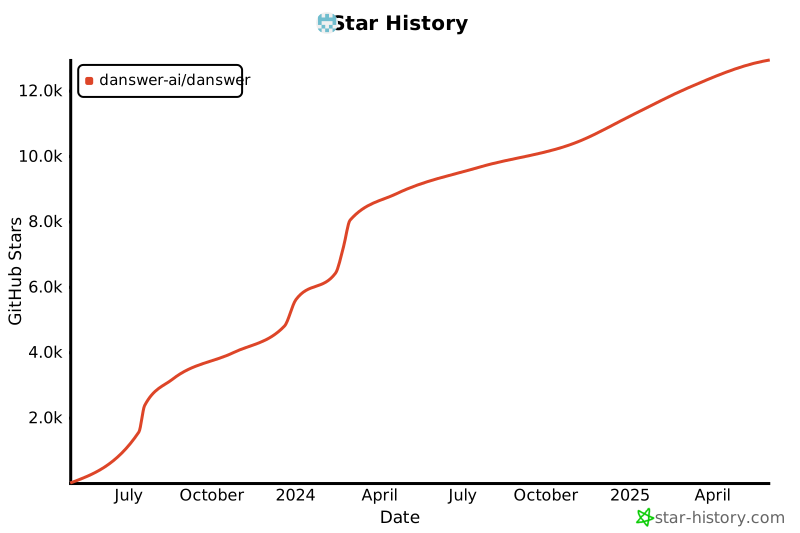](https://star-history.com/#danswer-ai/danswer&Date)
|
||||
|
||||
## ✨Contributors
|
||||
|
||||
<a href="https://github.com/danswer-ai/danswer/graphs/contributors">
|
||||
<img alt="contributors" src="https://contrib.rocks/image?repo=danswer-ai/danswer"/>
|
||||
</a>
|
||||
|
||||
<p align="right" style="font-size: 14px; color: #555; margin-top: 20px;">
|
||||
<a href="#readme-top" style="text-decoration: none; color: #007bff; font-weight: bold;">
|
||||
↑ Back to Top ↑
|
||||
</a>
|
||||
</p>
|
||||
|
||||
@@ -12,6 +12,7 @@ ARG DANSWER_VERSION=0.8-dev
|
||||
ENV DANSWER_VERSION=${DANSWER_VERSION} \
|
||||
DANSWER_RUNNING_IN_DOCKER="true"
|
||||
|
||||
ARG CA_CERT_CONTENT=""
|
||||
|
||||
RUN echo "DANSWER_VERSION: ${DANSWER_VERSION}"
|
||||
# Install system dependencies
|
||||
@@ -38,6 +39,15 @@ RUN apt-get update && \
|
||||
apt-get clean
|
||||
|
||||
|
||||
# Conditionally write the CA certificate and update certificates
|
||||
RUN if [ -n "$CA_CERT_CONTENT" ]; then \
|
||||
echo "Adding custom CA certificate"; \
|
||||
echo "$CA_CERT_CONTENT" > /usr/local/share/ca-certificates/my-ca.crt && \
|
||||
chmod 644 /usr/local/share/ca-certificates/my-ca.crt && \
|
||||
update-ca-certificates; \
|
||||
else \
|
||||
echo "No custom CA certificate provided"; \
|
||||
fi
|
||||
|
||||
# Install Python dependencies
|
||||
# Remove py which is pulled in by retry, py is not needed and is a CVE
|
||||
@@ -73,11 +83,11 @@ RUN apt-get update && \
|
||||
rm -rf /var/lib/apt/lists/* && \
|
||||
rm -f /usr/local/lib/python3.11/site-packages/tornado/test/test.key
|
||||
|
||||
|
||||
# Pre-downloading models for setups with limited egress
|
||||
RUN python -c "from tokenizers import Tokenizer; \
|
||||
Tokenizer.from_pretrained('nomic-ai/nomic-embed-text-v1')"
|
||||
|
||||
|
||||
# Pre-downloading NLTK for setups with limited egress
|
||||
RUN python -c "import nltk; \
|
||||
nltk.download('stopwords', quiet=True); \
|
||||
|
||||
@@ -1,5 +1,5 @@
|
||||
from sqlalchemy.engine.base import Connection
|
||||
from typing import Literal
|
||||
from typing import Any
|
||||
import asyncio
|
||||
from logging.config import fileConfig
|
||||
import logging
|
||||
@@ -8,7 +8,6 @@ from alembic import context
|
||||
from sqlalchemy import pool
|
||||
from sqlalchemy.ext.asyncio import create_async_engine
|
||||
from sqlalchemy.sql import text
|
||||
from sqlalchemy.sql.schema import SchemaItem
|
||||
|
||||
from shared_configs.configs import MULTI_TENANT
|
||||
from danswer.db.engine import build_connection_string
|
||||
@@ -36,18 +35,7 @@ logger = logging.getLogger(__name__)
|
||||
|
||||
|
||||
def include_object(
|
||||
object: SchemaItem,
|
||||
name: str | None,
|
||||
type_: Literal[
|
||||
"schema",
|
||||
"table",
|
||||
"column",
|
||||
"index",
|
||||
"unique_constraint",
|
||||
"foreign_key_constraint",
|
||||
],
|
||||
reflected: bool,
|
||||
compare_to: SchemaItem | None,
|
||||
object: Any, name: str, type_: str, reflected: bool, compare_to: Any
|
||||
) -> bool:
|
||||
"""
|
||||
Determines whether a database object should be included in migrations.
|
||||
|
||||
@@ -1,59 +0,0 @@
|
||||
"""display custom llm models
|
||||
|
||||
Revision ID: 177de57c21c9
|
||||
Revises: 4ee1287bd26a
|
||||
Create Date: 2024-11-21 11:49:04.488677
|
||||
|
||||
"""
|
||||
from alembic import op
|
||||
import sqlalchemy as sa
|
||||
from sqlalchemy.dialects import postgresql
|
||||
from sqlalchemy import and_
|
||||
|
||||
revision = "177de57c21c9"
|
||||
down_revision = "4ee1287bd26a"
|
||||
branch_labels = None
|
||||
depends_on = None
|
||||
depends_on = None
|
||||
|
||||
|
||||
def upgrade() -> None:
|
||||
conn = op.get_bind()
|
||||
llm_provider = sa.table(
|
||||
"llm_provider",
|
||||
sa.column("id", sa.Integer),
|
||||
sa.column("provider", sa.String),
|
||||
sa.column("model_names", postgresql.ARRAY(sa.String)),
|
||||
sa.column("display_model_names", postgresql.ARRAY(sa.String)),
|
||||
)
|
||||
|
||||
excluded_providers = ["openai", "bedrock", "anthropic", "azure"]
|
||||
|
||||
providers_to_update = sa.select(
|
||||
llm_provider.c.id,
|
||||
llm_provider.c.model_names,
|
||||
llm_provider.c.display_model_names,
|
||||
).where(
|
||||
and_(
|
||||
~llm_provider.c.provider.in_(excluded_providers),
|
||||
llm_provider.c.model_names.isnot(None),
|
||||
)
|
||||
)
|
||||
|
||||
results = conn.execute(providers_to_update).fetchall()
|
||||
|
||||
for provider_id, model_names, display_model_names in results:
|
||||
if display_model_names is None:
|
||||
display_model_names = []
|
||||
|
||||
combined_model_names = list(set(display_model_names + model_names))
|
||||
update_stmt = (
|
||||
llm_provider.update()
|
||||
.where(llm_provider.c.id == provider_id)
|
||||
.values(display_model_names=combined_model_names)
|
||||
)
|
||||
conn.execute(update_stmt)
|
||||
|
||||
|
||||
def downgrade() -> None:
|
||||
pass
|
||||
@@ -1,68 +0,0 @@
|
||||
"""default chosen assistants to none
|
||||
|
||||
Revision ID: 26b931506ecb
|
||||
Revises: 2daa494a0851
|
||||
Create Date: 2024-11-12 13:23:29.858995
|
||||
|
||||
"""
|
||||
from alembic import op
|
||||
import sqlalchemy as sa
|
||||
from sqlalchemy.dialects import postgresql
|
||||
|
||||
# revision identifiers, used by Alembic.
|
||||
revision = "26b931506ecb"
|
||||
down_revision = "2daa494a0851"
|
||||
branch_labels = None
|
||||
depends_on = None
|
||||
|
||||
|
||||
def upgrade() -> None:
|
||||
op.add_column(
|
||||
"user", sa.Column("chosen_assistants_new", postgresql.JSONB(), nullable=True)
|
||||
)
|
||||
|
||||
op.execute(
|
||||
"""
|
||||
UPDATE "user"
|
||||
SET chosen_assistants_new =
|
||||
CASE
|
||||
WHEN chosen_assistants = '[-2, -1, 0]' THEN NULL
|
||||
ELSE chosen_assistants
|
||||
END
|
||||
"""
|
||||
)
|
||||
|
||||
op.drop_column("user", "chosen_assistants")
|
||||
|
||||
op.alter_column(
|
||||
"user", "chosen_assistants_new", new_column_name="chosen_assistants"
|
||||
)
|
||||
|
||||
|
||||
def downgrade() -> None:
|
||||
op.add_column(
|
||||
"user",
|
||||
sa.Column(
|
||||
"chosen_assistants_old",
|
||||
postgresql.JSONB(),
|
||||
nullable=False,
|
||||
server_default="[-2, -1, 0]",
|
||||
),
|
||||
)
|
||||
|
||||
op.execute(
|
||||
"""
|
||||
UPDATE "user"
|
||||
SET chosen_assistants_old =
|
||||
CASE
|
||||
WHEN chosen_assistants IS NULL THEN '[-2, -1, 0]'::jsonb
|
||||
ELSE chosen_assistants
|
||||
END
|
||||
"""
|
||||
)
|
||||
|
||||
op.drop_column("user", "chosen_assistants")
|
||||
|
||||
op.alter_column(
|
||||
"user", "chosen_assistants_old", new_column_name="chosen_assistants"
|
||||
)
|
||||
@@ -1,30 +0,0 @@
|
||||
"""add-group-sync-time
|
||||
|
||||
Revision ID: 2daa494a0851
|
||||
Revises: c0fd6e4da83a
|
||||
Create Date: 2024-11-11 10:57:22.991157
|
||||
|
||||
"""
|
||||
from alembic import op
|
||||
import sqlalchemy as sa
|
||||
|
||||
# revision identifiers, used by Alembic.
|
||||
revision = "2daa494a0851"
|
||||
down_revision = "c0fd6e4da83a"
|
||||
branch_labels = None
|
||||
depends_on = None
|
||||
|
||||
|
||||
def upgrade() -> None:
|
||||
op.add_column(
|
||||
"connector_credential_pair",
|
||||
sa.Column(
|
||||
"last_time_external_group_sync",
|
||||
sa.DateTime(timezone=True),
|
||||
nullable=True,
|
||||
),
|
||||
)
|
||||
|
||||
|
||||
def downgrade() -> None:
|
||||
op.drop_column("connector_credential_pair", "last_time_external_group_sync")
|
||||
@@ -1,50 +0,0 @@
|
||||
"""single tool call per message
|
||||
|
||||
Revision ID: 33cb72ea4d80
|
||||
Revises: 5b29123cd710
|
||||
Create Date: 2024-11-01 12:51:01.535003
|
||||
|
||||
"""
|
||||
from alembic import op
|
||||
import sqlalchemy as sa
|
||||
|
||||
|
||||
# revision identifiers, used by Alembic.
|
||||
revision = "33cb72ea4d80"
|
||||
down_revision = "5b29123cd710"
|
||||
branch_labels = None
|
||||
depends_on = None
|
||||
|
||||
|
||||
def upgrade() -> None:
|
||||
# Step 1: Delete extraneous ToolCall entries
|
||||
# Keep only the ToolCall with the smallest 'id' for each 'message_id'
|
||||
op.execute(
|
||||
sa.text(
|
||||
"""
|
||||
DELETE FROM tool_call
|
||||
WHERE id NOT IN (
|
||||
SELECT MIN(id)
|
||||
FROM tool_call
|
||||
WHERE message_id IS NOT NULL
|
||||
GROUP BY message_id
|
||||
);
|
||||
"""
|
||||
)
|
||||
)
|
||||
|
||||
# Step 2: Add a unique constraint on message_id
|
||||
op.create_unique_constraint(
|
||||
constraint_name="uq_tool_call_message_id",
|
||||
table_name="tool_call",
|
||||
columns=["message_id"],
|
||||
)
|
||||
|
||||
|
||||
def downgrade() -> None:
|
||||
# Step 1: Drop the unique constraint on message_id
|
||||
op.drop_constraint(
|
||||
constraint_name="uq_tool_call_message_id",
|
||||
table_name="tool_call",
|
||||
type_="unique",
|
||||
)
|
||||
@@ -1,45 +0,0 @@
|
||||
"""add persona categories
|
||||
|
||||
Revision ID: 47e5bef3a1d7
|
||||
Revises: dfbe9e93d3c7
|
||||
Create Date: 2024-11-05 18:55:02.221064
|
||||
|
||||
"""
|
||||
from alembic import op
|
||||
import sqlalchemy as sa
|
||||
|
||||
|
||||
# revision identifiers, used by Alembic.
|
||||
revision = "47e5bef3a1d7"
|
||||
down_revision = "dfbe9e93d3c7"
|
||||
branch_labels = None
|
||||
depends_on = None
|
||||
|
||||
|
||||
def upgrade() -> None:
|
||||
# Create the persona_category table
|
||||
op.create_table(
|
||||
"persona_category",
|
||||
sa.Column("id", sa.Integer(), nullable=False),
|
||||
sa.Column("name", sa.String(), nullable=False),
|
||||
sa.Column("description", sa.String(), nullable=True),
|
||||
sa.PrimaryKeyConstraint("id"),
|
||||
sa.UniqueConstraint("name"),
|
||||
)
|
||||
|
||||
# Add category_id to persona table
|
||||
op.add_column("persona", sa.Column("category_id", sa.Integer(), nullable=True))
|
||||
op.create_foreign_key(
|
||||
"fk_persona_category",
|
||||
"persona",
|
||||
"persona_category",
|
||||
["category_id"],
|
||||
["id"],
|
||||
ondelete="SET NULL",
|
||||
)
|
||||
|
||||
|
||||
def downgrade() -> None:
|
||||
op.drop_constraint("fk_persona_category", "persona", type_="foreignkey")
|
||||
op.drop_column("persona", "category_id")
|
||||
op.drop_table("persona_category")
|
||||
@@ -1,280 +0,0 @@
|
||||
"""add_multiple_slack_bot_support
|
||||
|
||||
Revision ID: 4ee1287bd26a
|
||||
Revises: 47e5bef3a1d7
|
||||
Create Date: 2024-11-06 13:15:53.302644
|
||||
|
||||
"""
|
||||
import logging
|
||||
from typing import cast
|
||||
from alembic import op
|
||||
import sqlalchemy as sa
|
||||
from sqlalchemy.orm import Session
|
||||
from danswer.key_value_store.factory import get_kv_store
|
||||
from danswer.db.models import SlackBot
|
||||
from sqlalchemy.dialects import postgresql
|
||||
|
||||
# revision identifiers, used by Alembic.
|
||||
revision = "4ee1287bd26a"
|
||||
down_revision = "47e5bef3a1d7"
|
||||
branch_labels: None = None
|
||||
depends_on: None = None
|
||||
|
||||
# Configure logging
|
||||
logger = logging.getLogger("alembic.runtime.migration")
|
||||
logger.setLevel(logging.INFO)
|
||||
|
||||
|
||||
def upgrade() -> None:
|
||||
logger.info(f"{revision}: create_table: slack_bot")
|
||||
# Create new slack_bot table
|
||||
op.create_table(
|
||||
"slack_bot",
|
||||
sa.Column("id", sa.Integer(), nullable=False),
|
||||
sa.Column("name", sa.String(), nullable=False),
|
||||
sa.Column("enabled", sa.Boolean(), nullable=False, server_default="true"),
|
||||
sa.Column("bot_token", sa.LargeBinary(), nullable=False),
|
||||
sa.Column("app_token", sa.LargeBinary(), nullable=False),
|
||||
sa.PrimaryKeyConstraint("id"),
|
||||
sa.UniqueConstraint("bot_token"),
|
||||
sa.UniqueConstraint("app_token"),
|
||||
)
|
||||
|
||||
# # Create new slack_channel_config table
|
||||
op.create_table(
|
||||
"slack_channel_config",
|
||||
sa.Column("id", sa.Integer(), nullable=False),
|
||||
sa.Column("slack_bot_id", sa.Integer(), nullable=True),
|
||||
sa.Column("persona_id", sa.Integer(), nullable=True),
|
||||
sa.Column("channel_config", postgresql.JSONB(), nullable=False),
|
||||
sa.Column("response_type", sa.String(), nullable=False),
|
||||
sa.Column(
|
||||
"enable_auto_filters", sa.Boolean(), nullable=False, server_default="false"
|
||||
),
|
||||
sa.ForeignKeyConstraint(
|
||||
["slack_bot_id"],
|
||||
["slack_bot.id"],
|
||||
),
|
||||
sa.ForeignKeyConstraint(
|
||||
["persona_id"],
|
||||
["persona.id"],
|
||||
),
|
||||
sa.PrimaryKeyConstraint("id"),
|
||||
)
|
||||
|
||||
# Handle existing Slack bot tokens first
|
||||
logger.info(f"{revision}: Checking for existing Slack bot.")
|
||||
bot_token = None
|
||||
app_token = None
|
||||
first_row_id = None
|
||||
|
||||
try:
|
||||
tokens = cast(dict, get_kv_store().load("slack_bot_tokens_config_key"))
|
||||
except Exception:
|
||||
logger.warning("No existing Slack bot tokens found.")
|
||||
tokens = {}
|
||||
|
||||
bot_token = tokens.get("bot_token")
|
||||
app_token = tokens.get("app_token")
|
||||
|
||||
if bot_token and app_token:
|
||||
logger.info(f"{revision}: Found bot and app tokens.")
|
||||
|
||||
session = Session(bind=op.get_bind())
|
||||
new_slack_bot = SlackBot(
|
||||
name="Slack Bot (Migrated)",
|
||||
enabled=True,
|
||||
bot_token=bot_token,
|
||||
app_token=app_token,
|
||||
)
|
||||
session.add(new_slack_bot)
|
||||
session.commit()
|
||||
first_row_id = new_slack_bot.id
|
||||
|
||||
# Create a default bot if none exists
|
||||
# This is in case there are no slack tokens but there are channels configured
|
||||
op.execute(
|
||||
sa.text(
|
||||
"""
|
||||
INSERT INTO slack_bot (name, enabled, bot_token, app_token)
|
||||
SELECT 'Default Bot', true, '', ''
|
||||
WHERE NOT EXISTS (SELECT 1 FROM slack_bot)
|
||||
RETURNING id;
|
||||
"""
|
||||
)
|
||||
)
|
||||
|
||||
# Get the bot ID to use (either from existing migration or newly created)
|
||||
bot_id_query = sa.text(
|
||||
"""
|
||||
SELECT COALESCE(
|
||||
:first_row_id,
|
||||
(SELECT id FROM slack_bot ORDER BY id ASC LIMIT 1)
|
||||
) as bot_id;
|
||||
"""
|
||||
)
|
||||
result = op.get_bind().execute(bot_id_query, {"first_row_id": first_row_id})
|
||||
bot_id = result.scalar()
|
||||
|
||||
# CTE (Common Table Expression) that transforms the old slack_bot_config table data
|
||||
# This splits up the channel_names into their own rows
|
||||
channel_names_cte = """
|
||||
WITH channel_names AS (
|
||||
SELECT
|
||||
sbc.id as config_id,
|
||||
sbc.persona_id,
|
||||
sbc.response_type,
|
||||
sbc.enable_auto_filters,
|
||||
jsonb_array_elements_text(sbc.channel_config->'channel_names') as channel_name,
|
||||
sbc.channel_config->>'respond_tag_only' as respond_tag_only,
|
||||
sbc.channel_config->>'respond_to_bots' as respond_to_bots,
|
||||
sbc.channel_config->'respond_member_group_list' as respond_member_group_list,
|
||||
sbc.channel_config->'answer_filters' as answer_filters,
|
||||
sbc.channel_config->'follow_up_tags' as follow_up_tags
|
||||
FROM slack_bot_config sbc
|
||||
)
|
||||
"""
|
||||
|
||||
# Insert the channel names into the new slack_channel_config table
|
||||
insert_statement = """
|
||||
INSERT INTO slack_channel_config (
|
||||
slack_bot_id,
|
||||
persona_id,
|
||||
channel_config,
|
||||
response_type,
|
||||
enable_auto_filters
|
||||
)
|
||||
SELECT
|
||||
:bot_id,
|
||||
channel_name.persona_id,
|
||||
jsonb_build_object(
|
||||
'channel_name', channel_name.channel_name,
|
||||
'respond_tag_only',
|
||||
COALESCE((channel_name.respond_tag_only)::boolean, false),
|
||||
'respond_to_bots',
|
||||
COALESCE((channel_name.respond_to_bots)::boolean, false),
|
||||
'respond_member_group_list',
|
||||
COALESCE(channel_name.respond_member_group_list, '[]'::jsonb),
|
||||
'answer_filters',
|
||||
COALESCE(channel_name.answer_filters, '[]'::jsonb),
|
||||
'follow_up_tags',
|
||||
COALESCE(channel_name.follow_up_tags, '[]'::jsonb)
|
||||
),
|
||||
channel_name.response_type,
|
||||
channel_name.enable_auto_filters
|
||||
FROM channel_names channel_name;
|
||||
"""
|
||||
|
||||
op.execute(sa.text(channel_names_cte + insert_statement).bindparams(bot_id=bot_id))
|
||||
|
||||
# Clean up old tokens if they existed
|
||||
try:
|
||||
if bot_token and app_token:
|
||||
logger.info(f"{revision}: Removing old bot and app tokens.")
|
||||
get_kv_store().delete("slack_bot_tokens_config_key")
|
||||
except Exception:
|
||||
logger.warning("tried to delete tokens in dynamic config but failed")
|
||||
# Rename the table
|
||||
op.rename_table(
|
||||
"slack_bot_config__standard_answer_category",
|
||||
"slack_channel_config__standard_answer_category",
|
||||
)
|
||||
|
||||
# Rename the column
|
||||
op.alter_column(
|
||||
"slack_channel_config__standard_answer_category",
|
||||
"slack_bot_config_id",
|
||||
new_column_name="slack_channel_config_id",
|
||||
)
|
||||
|
||||
# Drop the table with CASCADE to handle dependent objects
|
||||
op.execute("DROP TABLE slack_bot_config CASCADE")
|
||||
|
||||
logger.info(f"{revision}: Migration complete.")
|
||||
|
||||
|
||||
def downgrade() -> None:
|
||||
# Recreate the old slack_bot_config table
|
||||
op.create_table(
|
||||
"slack_bot_config",
|
||||
sa.Column("id", sa.Integer(), nullable=False),
|
||||
sa.Column("persona_id", sa.Integer(), nullable=True),
|
||||
sa.Column("channel_config", postgresql.JSONB(), nullable=False),
|
||||
sa.Column("response_type", sa.String(), nullable=False),
|
||||
sa.Column("enable_auto_filters", sa.Boolean(), nullable=False),
|
||||
sa.ForeignKeyConstraint(
|
||||
["persona_id"],
|
||||
["persona.id"],
|
||||
),
|
||||
sa.PrimaryKeyConstraint("id"),
|
||||
)
|
||||
|
||||
# Migrate data back to the old format
|
||||
# Group by persona_id to combine channel names back into arrays
|
||||
op.execute(
|
||||
sa.text(
|
||||
"""
|
||||
INSERT INTO slack_bot_config (
|
||||
persona_id,
|
||||
channel_config,
|
||||
response_type,
|
||||
enable_auto_filters
|
||||
)
|
||||
SELECT DISTINCT ON (persona_id)
|
||||
persona_id,
|
||||
jsonb_build_object(
|
||||
'channel_names', (
|
||||
SELECT jsonb_agg(c.channel_config->>'channel_name')
|
||||
FROM slack_channel_config c
|
||||
WHERE c.persona_id = scc.persona_id
|
||||
),
|
||||
'respond_tag_only', (channel_config->>'respond_tag_only')::boolean,
|
||||
'respond_to_bots', (channel_config->>'respond_to_bots')::boolean,
|
||||
'respond_member_group_list', channel_config->'respond_member_group_list',
|
||||
'answer_filters', channel_config->'answer_filters',
|
||||
'follow_up_tags', channel_config->'follow_up_tags'
|
||||
),
|
||||
response_type,
|
||||
enable_auto_filters
|
||||
FROM slack_channel_config scc
|
||||
WHERE persona_id IS NOT NULL;
|
||||
"""
|
||||
)
|
||||
)
|
||||
|
||||
# Rename the table back
|
||||
op.rename_table(
|
||||
"slack_channel_config__standard_answer_category",
|
||||
"slack_bot_config__standard_answer_category",
|
||||
)
|
||||
|
||||
# Rename the column back
|
||||
op.alter_column(
|
||||
"slack_bot_config__standard_answer_category",
|
||||
"slack_channel_config_id",
|
||||
new_column_name="slack_bot_config_id",
|
||||
)
|
||||
|
||||
# Try to save the first bot's tokens back to KV store
|
||||
try:
|
||||
first_bot = (
|
||||
op.get_bind()
|
||||
.execute(
|
||||
sa.text(
|
||||
"SELECT bot_token, app_token FROM slack_bot ORDER BY id LIMIT 1"
|
||||
)
|
||||
)
|
||||
.first()
|
||||
)
|
||||
if first_bot and first_bot.bot_token and first_bot.app_token:
|
||||
tokens = {
|
||||
"bot_token": first_bot.bot_token,
|
||||
"app_token": first_bot.app_token,
|
||||
}
|
||||
get_kv_store().store("slack_bot_tokens_config_key", tokens)
|
||||
except Exception:
|
||||
logger.warning("Failed to save tokens back to KV store")
|
||||
|
||||
# Drop the new tables in reverse order
|
||||
op.drop_table("slack_channel_config")
|
||||
op.drop_table("slack_bot")
|
||||
@@ -1,70 +0,0 @@
|
||||
"""nullable search settings for historic index attempts
|
||||
|
||||
Revision ID: 5b29123cd710
|
||||
Revises: 949b4a92a401
|
||||
Create Date: 2024-10-30 19:37:59.630704
|
||||
|
||||
"""
|
||||
from alembic import op
|
||||
import sqlalchemy as sa
|
||||
|
||||
|
||||
# revision identifiers, used by Alembic.
|
||||
revision = "5b29123cd710"
|
||||
down_revision = "949b4a92a401"
|
||||
branch_labels = None
|
||||
depends_on = None
|
||||
|
||||
|
||||
def upgrade() -> None:
|
||||
# Drop the existing foreign key constraint
|
||||
op.drop_constraint(
|
||||
"fk_index_attempt_search_settings", "index_attempt", type_="foreignkey"
|
||||
)
|
||||
|
||||
# Modify the column to be nullable
|
||||
op.alter_column(
|
||||
"index_attempt", "search_settings_id", existing_type=sa.INTEGER(), nullable=True
|
||||
)
|
||||
|
||||
# Add back the foreign key with ON DELETE SET NULL
|
||||
op.create_foreign_key(
|
||||
"fk_index_attempt_search_settings",
|
||||
"index_attempt",
|
||||
"search_settings",
|
||||
["search_settings_id"],
|
||||
["id"],
|
||||
ondelete="SET NULL",
|
||||
)
|
||||
|
||||
|
||||
def downgrade() -> None:
|
||||
# Warning: This will delete all index attempts that don't have search settings
|
||||
op.execute(
|
||||
"""
|
||||
DELETE FROM index_attempt
|
||||
WHERE search_settings_id IS NULL
|
||||
"""
|
||||
)
|
||||
|
||||
# Drop foreign key constraint
|
||||
op.drop_constraint(
|
||||
"fk_index_attempt_search_settings", "index_attempt", type_="foreignkey"
|
||||
)
|
||||
|
||||
# Modify the column to be not nullable
|
||||
op.alter_column(
|
||||
"index_attempt",
|
||||
"search_settings_id",
|
||||
existing_type=sa.INTEGER(),
|
||||
nullable=False,
|
||||
)
|
||||
|
||||
# Add back the foreign key without ON DELETE SET NULL
|
||||
op.create_foreign_key(
|
||||
"fk_index_attempt_search_settings",
|
||||
"index_attempt",
|
||||
"search_settings",
|
||||
["search_settings_id"],
|
||||
["id"],
|
||||
)
|
||||
@@ -1,45 +0,0 @@
|
||||
"""remove default bot
|
||||
|
||||
Revision ID: 6d562f86c78b
|
||||
Revises: 177de57c21c9
|
||||
Create Date: 2024-11-22 11:51:29.331336
|
||||
|
||||
"""
|
||||
from alembic import op
|
||||
import sqlalchemy as sa
|
||||
|
||||
# revision identifiers, used by Alembic.
|
||||
revision = "6d562f86c78b"
|
||||
down_revision = "177de57c21c9"
|
||||
branch_labels = None
|
||||
depends_on = None
|
||||
|
||||
|
||||
def upgrade() -> None:
|
||||
op.execute(
|
||||
sa.text(
|
||||
"""
|
||||
DELETE FROM slack_bot
|
||||
WHERE name = 'Default Bot'
|
||||
AND bot_token = ''
|
||||
AND app_token = ''
|
||||
AND NOT EXISTS (
|
||||
SELECT 1 FROM slack_channel_config
|
||||
WHERE slack_channel_config.slack_bot_id = slack_bot.id
|
||||
)
|
||||
"""
|
||||
)
|
||||
)
|
||||
|
||||
|
||||
def downgrade() -> None:
|
||||
op.execute(
|
||||
sa.text(
|
||||
"""
|
||||
INSERT INTO slack_bot (name, enabled, bot_token, app_token)
|
||||
SELECT 'Default Bot', true, '', ''
|
||||
WHERE NOT EXISTS (SELECT 1 FROM slack_bot)
|
||||
RETURNING id;
|
||||
"""
|
||||
)
|
||||
)
|
||||
@@ -9,8 +9,8 @@ from alembic import op
|
||||
import sqlalchemy as sa
|
||||
|
||||
from danswer.db.models import IndexModelStatus
|
||||
from danswer.context.search.enums import RecencyBiasSetting
|
||||
from danswer.context.search.enums import SearchType
|
||||
from danswer.search.enums import RecencyBiasSetting
|
||||
from danswer.search.enums import SearchType
|
||||
|
||||
# revision identifiers, used by Alembic.
|
||||
revision = "776b3bbe9092"
|
||||
|
||||
@@ -1,35 +0,0 @@
|
||||
"""add web ui option to slack config
|
||||
|
||||
Revision ID: 93560ba1b118
|
||||
Revises: 6d562f86c78b
|
||||
Create Date: 2024-11-24 06:36:17.490612
|
||||
|
||||
"""
|
||||
from alembic import op
|
||||
|
||||
# revision identifiers, used by Alembic.
|
||||
revision = "93560ba1b118"
|
||||
down_revision = "6d562f86c78b"
|
||||
branch_labels = None
|
||||
depends_on = None
|
||||
|
||||
|
||||
def upgrade() -> None:
|
||||
# Add show_continue_in_web_ui with default False to all existing channel_configs
|
||||
op.execute(
|
||||
"""
|
||||
UPDATE slack_channel_config
|
||||
SET channel_config = channel_config || '{"show_continue_in_web_ui": false}'::jsonb
|
||||
WHERE NOT channel_config ? 'show_continue_in_web_ui'
|
||||
"""
|
||||
)
|
||||
|
||||
|
||||
def downgrade() -> None:
|
||||
# Remove show_continue_in_web_ui from all channel_configs
|
||||
op.execute(
|
||||
"""
|
||||
UPDATE slack_channel_config
|
||||
SET channel_config = channel_config - 'show_continue_in_web_ui'
|
||||
"""
|
||||
)
|
||||
@@ -7,7 +7,6 @@ Create Date: 2024-10-26 13:06:06.937969
|
||||
"""
|
||||
from alembic import op
|
||||
from sqlalchemy.orm import Session
|
||||
from sqlalchemy import text
|
||||
|
||||
# Import your models and constants
|
||||
from danswer.db.models import (
|
||||
@@ -16,6 +15,7 @@ from danswer.db.models import (
|
||||
Credential,
|
||||
IndexAttempt,
|
||||
)
|
||||
from danswer.configs.constants import DocumentSource
|
||||
|
||||
|
||||
# revision identifiers, used by Alembic.
|
||||
@@ -30,11 +30,13 @@ def upgrade() -> None:
|
||||
bind = op.get_bind()
|
||||
session = Session(bind=bind)
|
||||
|
||||
# Get connectors using raw SQL
|
||||
result = bind.execute(
|
||||
text("SELECT id FROM connector WHERE source = 'requesttracker'")
|
||||
connectors_to_delete = (
|
||||
session.query(Connector)
|
||||
.filter(Connector.source == DocumentSource.REQUESTTRACKER)
|
||||
.all()
|
||||
)
|
||||
connector_ids = [row[0] for row in result]
|
||||
|
||||
connector_ids = [connector.id for connector in connectors_to_delete]
|
||||
|
||||
if connector_ids:
|
||||
cc_pairs_to_delete = (
|
||||
|
||||
@@ -1,30 +0,0 @@
|
||||
"""add creator to cc pair
|
||||
|
||||
Revision ID: 9cf5c00f72fe
|
||||
Revises: 26b931506ecb
|
||||
Create Date: 2024-11-12 15:16:42.682902
|
||||
|
||||
"""
|
||||
from alembic import op
|
||||
import sqlalchemy as sa
|
||||
|
||||
# revision identifiers, used by Alembic.
|
||||
revision = "9cf5c00f72fe"
|
||||
down_revision = "26b931506ecb"
|
||||
branch_labels = None
|
||||
depends_on = None
|
||||
|
||||
|
||||
def upgrade() -> None:
|
||||
op.add_column(
|
||||
"connector_credential_pair",
|
||||
sa.Column(
|
||||
"creator_id",
|
||||
sa.UUID(as_uuid=True),
|
||||
nullable=True,
|
||||
),
|
||||
)
|
||||
|
||||
|
||||
def downgrade() -> None:
|
||||
op.drop_column("connector_credential_pair", "creator_id")
|
||||
@@ -1,36 +0,0 @@
|
||||
"""Combine Search and Chat
|
||||
|
||||
Revision ID: 9f696734098f
|
||||
Revises: a8c2065484e6
|
||||
Create Date: 2024-11-27 15:32:19.694972
|
||||
|
||||
"""
|
||||
from alembic import op
|
||||
import sqlalchemy as sa
|
||||
|
||||
# revision identifiers, used by Alembic.
|
||||
revision = "9f696734098f"
|
||||
down_revision = "a8c2065484e6"
|
||||
branch_labels = None
|
||||
depends_on = None
|
||||
|
||||
|
||||
def upgrade() -> None:
|
||||
op.alter_column("chat_session", "description", nullable=True)
|
||||
op.drop_column("chat_session", "one_shot")
|
||||
op.drop_column("slack_channel_config", "response_type")
|
||||
|
||||
|
||||
def downgrade() -> None:
|
||||
op.execute("UPDATE chat_session SET description = '' WHERE description IS NULL")
|
||||
op.alter_column("chat_session", "description", nullable=False)
|
||||
op.add_column(
|
||||
"chat_session",
|
||||
sa.Column("one_shot", sa.Boolean(), nullable=False, server_default=sa.false()),
|
||||
)
|
||||
op.add_column(
|
||||
"slack_channel_config",
|
||||
sa.Column(
|
||||
"response_type", sa.String(), nullable=False, server_default="citations"
|
||||
),
|
||||
)
|
||||
@@ -1,27 +0,0 @@
|
||||
"""add auto scroll to user model
|
||||
|
||||
Revision ID: a8c2065484e6
|
||||
Revises: abe7378b8217
|
||||
Create Date: 2024-11-22 17:34:09.690295
|
||||
|
||||
"""
|
||||
from alembic import op
|
||||
import sqlalchemy as sa
|
||||
|
||||
|
||||
# revision identifiers, used by Alembic.
|
||||
revision = "a8c2065484e6"
|
||||
down_revision = "abe7378b8217"
|
||||
branch_labels = None
|
||||
depends_on = None
|
||||
|
||||
|
||||
def upgrade() -> None:
|
||||
op.add_column(
|
||||
"user",
|
||||
sa.Column("auto_scroll", sa.Boolean(), nullable=True, server_default=None),
|
||||
)
|
||||
|
||||
|
||||
def downgrade() -> None:
|
||||
op.drop_column("user", "auto_scroll")
|
||||
@@ -1,30 +0,0 @@
|
||||
"""add indexing trigger to cc_pair
|
||||
|
||||
Revision ID: abe7378b8217
|
||||
Revises: 6d562f86c78b
|
||||
Create Date: 2024-11-26 19:09:53.481171
|
||||
|
||||
"""
|
||||
from alembic import op
|
||||
import sqlalchemy as sa
|
||||
|
||||
# revision identifiers, used by Alembic.
|
||||
revision = "abe7378b8217"
|
||||
down_revision = "93560ba1b118"
|
||||
branch_labels = None
|
||||
depends_on = None
|
||||
|
||||
|
||||
def upgrade() -> None:
|
||||
op.add_column(
|
||||
"connector_credential_pair",
|
||||
sa.Column(
|
||||
"indexing_trigger",
|
||||
sa.Enum("UPDATE", "REINDEX", name="indexingmode", native_enum=False),
|
||||
nullable=True,
|
||||
),
|
||||
)
|
||||
|
||||
|
||||
def downgrade() -> None:
|
||||
op.drop_column("connector_credential_pair", "indexing_trigger")
|
||||
@@ -288,15 +288,6 @@ def upgrade() -> None:
|
||||
|
||||
|
||||
def downgrade() -> None:
|
||||
# NOTE: you will lose all chat history. This is to satisfy the non-nullable constraints
|
||||
# below
|
||||
op.execute("DELETE FROM chat_feedback")
|
||||
op.execute("DELETE FROM chat_message__search_doc")
|
||||
op.execute("DELETE FROM document_retrieval_feedback")
|
||||
op.execute("DELETE FROM document_retrieval_feedback")
|
||||
op.execute("DELETE FROM chat_message")
|
||||
op.execute("DELETE FROM chat_session")
|
||||
|
||||
op.drop_constraint(
|
||||
"chat_feedback__chat_message_fk", "chat_feedback", type_="foreignkey"
|
||||
)
|
||||
|
||||
@@ -1,48 +0,0 @@
|
||||
"""remove description from starter messages
|
||||
|
||||
Revision ID: b72ed7a5db0e
|
||||
Revises: 33cb72ea4d80
|
||||
Create Date: 2024-11-03 15:55:28.944408
|
||||
|
||||
"""
|
||||
from alembic import op
|
||||
import sqlalchemy as sa
|
||||
|
||||
|
||||
# revision identifiers, used by Alembic.
|
||||
revision = "b72ed7a5db0e"
|
||||
down_revision = "33cb72ea4d80"
|
||||
branch_labels = None
|
||||
depends_on = None
|
||||
|
||||
|
||||
def upgrade() -> None:
|
||||
op.execute(
|
||||
sa.text(
|
||||
"""
|
||||
UPDATE persona
|
||||
SET starter_messages = (
|
||||
SELECT jsonb_agg(elem - 'description')
|
||||
FROM jsonb_array_elements(starter_messages) elem
|
||||
)
|
||||
WHERE starter_messages IS NOT NULL
|
||||
AND jsonb_typeof(starter_messages) = 'array'
|
||||
"""
|
||||
)
|
||||
)
|
||||
|
||||
|
||||
def downgrade() -> None:
|
||||
op.execute(
|
||||
sa.text(
|
||||
"""
|
||||
UPDATE persona
|
||||
SET starter_messages = (
|
||||
SELECT jsonb_agg(elem || '{"description": ""}')
|
||||
FROM jsonb_array_elements(starter_messages) elem
|
||||
)
|
||||
WHERE starter_messages IS NOT NULL
|
||||
AND jsonb_typeof(starter_messages) = 'array'
|
||||
"""
|
||||
)
|
||||
)
|
||||
@@ -1,29 +0,0 @@
|
||||
"""add recent assistants
|
||||
|
||||
Revision ID: c0fd6e4da83a
|
||||
Revises: b72ed7a5db0e
|
||||
Create Date: 2024-11-03 17:28:54.916618
|
||||
|
||||
"""
|
||||
from alembic import op
|
||||
import sqlalchemy as sa
|
||||
from sqlalchemy.dialects import postgresql
|
||||
|
||||
# revision identifiers, used by Alembic.
|
||||
revision = "c0fd6e4da83a"
|
||||
down_revision = "b72ed7a5db0e"
|
||||
branch_labels = None
|
||||
depends_on = None
|
||||
|
||||
|
||||
def upgrade() -> None:
|
||||
op.add_column(
|
||||
"user",
|
||||
sa.Column(
|
||||
"recent_assistants", postgresql.JSONB(), server_default="[]", nullable=False
|
||||
),
|
||||
)
|
||||
|
||||
|
||||
def downgrade() -> None:
|
||||
op.drop_column("user", "recent_assistants")
|
||||
@@ -23,56 +23,6 @@ def upgrade() -> None:
|
||||
|
||||
|
||||
def downgrade() -> None:
|
||||
# Delete chat messages and feedback first since they reference chat sessions
|
||||
# Get chat messages from sessions with null persona_id
|
||||
chat_messages_query = """
|
||||
SELECT id
|
||||
FROM chat_message
|
||||
WHERE chat_session_id IN (
|
||||
SELECT id
|
||||
FROM chat_session
|
||||
WHERE persona_id IS NULL
|
||||
)
|
||||
"""
|
||||
|
||||
# Delete dependent records first
|
||||
op.execute(
|
||||
f"""
|
||||
DELETE FROM document_retrieval_feedback
|
||||
WHERE chat_message_id IN (
|
||||
{chat_messages_query}
|
||||
)
|
||||
"""
|
||||
)
|
||||
op.execute(
|
||||
f"""
|
||||
DELETE FROM chat_message__search_doc
|
||||
WHERE chat_message_id IN (
|
||||
{chat_messages_query}
|
||||
)
|
||||
"""
|
||||
)
|
||||
|
||||
# Delete chat messages
|
||||
op.execute(
|
||||
"""
|
||||
DELETE FROM chat_message
|
||||
WHERE chat_session_id IN (
|
||||
SELECT id
|
||||
FROM chat_session
|
||||
WHERE persona_id IS NULL
|
||||
)
|
||||
"""
|
||||
)
|
||||
|
||||
# Now we can safely delete the chat sessions
|
||||
op.execute(
|
||||
"""
|
||||
DELETE FROM chat_session
|
||||
WHERE persona_id IS NULL
|
||||
"""
|
||||
)
|
||||
|
||||
op.alter_column(
|
||||
"chat_session",
|
||||
"persona_id",
|
||||
|
||||
@@ -1,42 +0,0 @@
|
||||
"""extended_role_for_non_web
|
||||
|
||||
Revision ID: dfbe9e93d3c7
|
||||
Revises: 9cf5c00f72fe
|
||||
Create Date: 2024-11-16 07:54:18.727906
|
||||
|
||||
"""
|
||||
from alembic import op
|
||||
import sqlalchemy as sa
|
||||
|
||||
# revision identifiers, used by Alembic.
|
||||
revision = "dfbe9e93d3c7"
|
||||
down_revision = "9cf5c00f72fe"
|
||||
branch_labels = None
|
||||
depends_on = None
|
||||
|
||||
|
||||
def upgrade() -> None:
|
||||
op.execute(
|
||||
"""
|
||||
UPDATE "user"
|
||||
SET role = 'EXT_PERM_USER'
|
||||
WHERE has_web_login = false
|
||||
"""
|
||||
)
|
||||
op.drop_column("user", "has_web_login")
|
||||
|
||||
|
||||
def downgrade() -> None:
|
||||
op.add_column(
|
||||
"user",
|
||||
sa.Column("has_web_login", sa.Boolean(), nullable=False, server_default="true"),
|
||||
)
|
||||
|
||||
op.execute(
|
||||
"""
|
||||
UPDATE "user"
|
||||
SET has_web_login = false,
|
||||
role = 'BASIC'
|
||||
WHERE role IN ('SLACK_USER', 'EXT_PERM_USER')
|
||||
"""
|
||||
)
|
||||
@@ -1,6 +1,5 @@
|
||||
import asyncio
|
||||
from logging.config import fileConfig
|
||||
from typing import Literal
|
||||
|
||||
from sqlalchemy import pool
|
||||
from sqlalchemy.engine import Connection
|
||||
@@ -38,15 +37,8 @@ EXCLUDE_TABLES = {"kombu_queue", "kombu_message"}
|
||||
|
||||
def include_object(
|
||||
object: SchemaItem,
|
||||
name: str | None,
|
||||
type_: Literal[
|
||||
"schema",
|
||||
"table",
|
||||
"column",
|
||||
"index",
|
||||
"unique_constraint",
|
||||
"foreign_key_constraint",
|
||||
],
|
||||
name: str,
|
||||
type_: str,
|
||||
reflected: bool,
|
||||
compare_to: SchemaItem | None,
|
||||
) -> bool:
|
||||
|
||||
@@ -16,46 +16,6 @@ class ExternalAccess:
|
||||
is_public: bool
|
||||
|
||||
|
||||
@dataclass(frozen=True)
|
||||
class DocExternalAccess:
|
||||
"""
|
||||
This is just a class to wrap the external access and the document ID
|
||||
together. It's used for syncing document permissions to Redis.
|
||||
"""
|
||||
|
||||
external_access: ExternalAccess
|
||||
# The document ID
|
||||
doc_id: str
|
||||
|
||||
def to_dict(self) -> dict:
|
||||
return {
|
||||
"external_access": {
|
||||
"external_user_emails": list(self.external_access.external_user_emails),
|
||||
"external_user_group_ids": list(
|
||||
self.external_access.external_user_group_ids
|
||||
),
|
||||
"is_public": self.external_access.is_public,
|
||||
},
|
||||
"doc_id": self.doc_id,
|
||||
}
|
||||
|
||||
@classmethod
|
||||
def from_dict(cls, data: dict) -> "DocExternalAccess":
|
||||
external_access = ExternalAccess(
|
||||
external_user_emails=set(
|
||||
data["external_access"].get("external_user_emails", [])
|
||||
),
|
||||
external_user_group_ids=set(
|
||||
data["external_access"].get("external_user_group_ids", [])
|
||||
),
|
||||
is_public=data["external_access"]["is_public"],
|
||||
)
|
||||
return cls(
|
||||
external_access=external_access,
|
||||
doc_id=data["doc_id"],
|
||||
)
|
||||
|
||||
|
||||
@dataclass(frozen=True)
|
||||
class DocumentAccess(ExternalAccess):
|
||||
# User emails for Danswer users, None indicates admin
|
||||
|
||||
@@ -1,42 +0,0 @@
|
||||
from collections.abc import Hashable
|
||||
from typing import Union
|
||||
|
||||
from langgraph.types import Send
|
||||
|
||||
from danswer.agent_search.core_qa_graph.states import BaseQAState
|
||||
from danswer.agent_search.primary_graph.states import RetrieverState
|
||||
from danswer.agent_search.primary_graph.states import VerifierState
|
||||
|
||||
|
||||
def sub_continue_to_verifier(state: BaseQAState) -> Union[Hashable, list[Hashable]]:
|
||||
# Routes each de-douped retrieved doc to the verifier step - in parallel
|
||||
# Notice the 'Send()' API that takes care of the parallelization
|
||||
|
||||
return [
|
||||
Send(
|
||||
"sub_verifier",
|
||||
VerifierState(
|
||||
document=doc,
|
||||
#question=state["original_question"],
|
||||
question=state["sub_question_str"],
|
||||
graph_start_time=state["graph_start_time"],
|
||||
),
|
||||
)
|
||||
for doc in state["sub_question_deduped_retrieval_docs"]
|
||||
]
|
||||
|
||||
|
||||
def sub_continue_to_retrieval(state: BaseQAState) -> Union[Hashable, list[Hashable]]:
|
||||
# Routes re-written queries to the (parallel) retrieval steps
|
||||
# Notice the 'Send()' API that takes care of the parallelization
|
||||
rewritten_queries = state["sub_question_search_queries"].rewritten_queries + [state["sub_question_str"]]
|
||||
return [
|
||||
Send(
|
||||
"sub_custom_retrieve",
|
||||
RetrieverState(
|
||||
rewritten_query=query,
|
||||
graph_start_time=state["graph_start_time"],
|
||||
),
|
||||
)
|
||||
for query in rewritten_queries
|
||||
]
|
||||
@@ -1,132 +0,0 @@
|
||||
from langgraph.graph import END
|
||||
from langgraph.graph import START
|
||||
from langgraph.graph import StateGraph
|
||||
|
||||
from danswer.agent_search.core_qa_graph.edges import sub_continue_to_retrieval
|
||||
from danswer.agent_search.core_qa_graph.edges import sub_continue_to_verifier
|
||||
from danswer.agent_search.core_qa_graph.nodes.combine_retrieved_docs import (
|
||||
sub_combine_retrieved_docs,
|
||||
)
|
||||
from danswer.agent_search.core_qa_graph.nodes.custom_retrieve import (
|
||||
sub_custom_retrieve,
|
||||
)
|
||||
from danswer.agent_search.core_qa_graph.nodes.dummy import sub_dummy
|
||||
from danswer.agent_search.core_qa_graph.nodes.final_format import (
|
||||
sub_final_format,
|
||||
)
|
||||
from danswer.agent_search.core_qa_graph.nodes.generate import sub_generate
|
||||
from danswer.agent_search.core_qa_graph.nodes.qa_check import sub_qa_check
|
||||
from danswer.agent_search.core_qa_graph.nodes.rewrite import sub_rewrite
|
||||
from danswer.agent_search.core_qa_graph.nodes.verifier import sub_verifier
|
||||
from danswer.agent_search.core_qa_graph.states import BaseQAOutputState
|
||||
from danswer.agent_search.core_qa_graph.states import BaseQAState
|
||||
from danswer.agent_search.core_qa_graph.states import CoreQAInputState
|
||||
|
||||
|
||||
def build_core_qa_graph() -> StateGraph:
|
||||
sub_answers_initial = StateGraph(
|
||||
state_schema=BaseQAState,
|
||||
output=BaseQAOutputState,
|
||||
)
|
||||
|
||||
### Add nodes ###
|
||||
sub_answers_initial.add_node(node="sub_dummy", action=sub_dummy)
|
||||
sub_answers_initial.add_node(node="sub_rewrite", action=sub_rewrite)
|
||||
sub_answers_initial.add_node(
|
||||
node="sub_custom_retrieve",
|
||||
action=sub_custom_retrieve,
|
||||
)
|
||||
sub_answers_initial.add_node(
|
||||
node="sub_combine_retrieved_docs",
|
||||
action=sub_combine_retrieved_docs,
|
||||
)
|
||||
sub_answers_initial.add_node(
|
||||
node="sub_verifier",
|
||||
action=sub_verifier,
|
||||
)
|
||||
sub_answers_initial.add_node(
|
||||
node="sub_generate",
|
||||
action=sub_generate,
|
||||
)
|
||||
sub_answers_initial.add_node(
|
||||
node="sub_qa_check",
|
||||
action=sub_qa_check,
|
||||
)
|
||||
sub_answers_initial.add_node(
|
||||
node="sub_final_format",
|
||||
action=sub_final_format,
|
||||
)
|
||||
|
||||
### Add edges ###
|
||||
sub_answers_initial.add_edge(START, "sub_dummy")
|
||||
sub_answers_initial.add_edge("sub_dummy", "sub_rewrite")
|
||||
|
||||
sub_answers_initial.add_conditional_edges(
|
||||
source="sub_rewrite",
|
||||
path=sub_continue_to_retrieval,
|
||||
)
|
||||
|
||||
sub_answers_initial.add_edge(
|
||||
start_key="sub_custom_retrieve",
|
||||
end_key="sub_combine_retrieved_docs",
|
||||
)
|
||||
|
||||
sub_answers_initial.add_conditional_edges(
|
||||
source="sub_combine_retrieved_docs",
|
||||
path=sub_continue_to_verifier,
|
||||
path_map=["sub_verifier"],
|
||||
)
|
||||
|
||||
sub_answers_initial.add_edge(
|
||||
start_key="sub_verifier",
|
||||
end_key="sub_generate",
|
||||
)
|
||||
|
||||
sub_answers_initial.add_edge(
|
||||
start_key="sub_generate",
|
||||
end_key="sub_qa_check",
|
||||
)
|
||||
|
||||
sub_answers_initial.add_edge(
|
||||
start_key="sub_qa_check",
|
||||
end_key="sub_final_format",
|
||||
)
|
||||
|
||||
sub_answers_initial.add_edge(
|
||||
start_key="sub_final_format",
|
||||
end_key=END,
|
||||
)
|
||||
# sub_answers_graph = sub_answers_initial.compile()
|
||||
return sub_answers_initial
|
||||
|
||||
|
||||
if __name__ == "__main__":
|
||||
# q = "Whose music is kind of hard to easily enjoy?"
|
||||
# q = "What is voice leading?"
|
||||
# q = "What are the types of motions in music?"
|
||||
# q = "What are key elements of music theory?"
|
||||
# q = "How can I best understand music theory using voice leading?"
|
||||
q = "What makes good music?"
|
||||
# q = "types of motions in music"
|
||||
# q = "What is the relationship between music and physics?"
|
||||
# q = "Can you compare various grunge styles?"
|
||||
# q = "Why is quantum gravity so hard?"
|
||||
|
||||
inputs = CoreQAInputState(
|
||||
original_question=q,
|
||||
sub_question_str=q,
|
||||
)
|
||||
sub_answers_graph = build_core_qa_graph()
|
||||
compiled_sub_answers = sub_answers_graph.compile()
|
||||
output = compiled_sub_answers.invoke(inputs)
|
||||
print("\nOUTPUT:")
|
||||
print(output.keys())
|
||||
for key, value in output.items():
|
||||
if key in [
|
||||
"sub_question_answer",
|
||||
"sub_question_str",
|
||||
"sub_qas",
|
||||
"initial_sub_qas",
|
||||
"sub_question_answer",
|
||||
]:
|
||||
print(f"{key}: {value}")
|
||||
@@ -1,36 +0,0 @@
|
||||
from datetime import datetime
|
||||
from typing import Any
|
||||
|
||||
from danswer.agent_search.core_qa_graph.states import BaseQAState
|
||||
from danswer.agent_search.shared_graph_utils.utils import generate_log_message
|
||||
from danswer.context.search.models import InferenceSection
|
||||
|
||||
|
||||
def sub_combine_retrieved_docs(state: BaseQAState) -> dict[str, Any]:
|
||||
"""
|
||||
Dedupe the retrieved docs.
|
||||
"""
|
||||
node_start_time = datetime.now()
|
||||
|
||||
sub_question_base_retrieval_docs = state["sub_question_base_retrieval_docs"]
|
||||
|
||||
print(f"Number of docs from steps: {len(sub_question_base_retrieval_docs)}")
|
||||
dedupe_docs: list[InferenceSection] = []
|
||||
for base_retrieval_doc in sub_question_base_retrieval_docs:
|
||||
if not any(
|
||||
base_retrieval_doc.center_chunk.chunk_id == doc.center_chunk.chunk_id
|
||||
for doc in dedupe_docs
|
||||
):
|
||||
dedupe_docs.append(base_retrieval_doc)
|
||||
|
||||
print(f"Number of deduped docs: {len(dedupe_docs)}")
|
||||
|
||||
|
||||
return {
|
||||
"sub_question_deduped_retrieval_docs": dedupe_docs,
|
||||
"log_messages": generate_log_message(
|
||||
message="sub - combine_retrieved_docs (dedupe)",
|
||||
node_start_time=node_start_time,
|
||||
graph_start_time=state["graph_start_time"],
|
||||
),
|
||||
}
|
||||
@@ -1,66 +0,0 @@
|
||||
import datetime
|
||||
from typing import Any
|
||||
|
||||
from danswer.agent_search.primary_graph.states import RetrieverState
|
||||
from danswer.agent_search.shared_graph_utils.utils import generate_log_message
|
||||
from danswer.context.search.models import InferenceSection
|
||||
from danswer.context.search.models import SearchRequest
|
||||
from danswer.context.search.pipeline import SearchPipeline
|
||||
from danswer.db.engine import get_session_context_manager
|
||||
from danswer.llm.factory import get_default_llms
|
||||
|
||||
|
||||
def sub_custom_retrieve(state: RetrieverState) -> dict[str, Any]:
|
||||
"""
|
||||
Retrieve documents
|
||||
|
||||
Args:
|
||||
state (dict): The current graph state
|
||||
|
||||
Returns:
|
||||
state (dict): New key added to state, documents, that contains retrieved documents
|
||||
"""
|
||||
print("---RETRIEVE SUB---")
|
||||
|
||||
node_start_time = datetime.datetime.now()
|
||||
|
||||
rewritten_query = state["rewritten_query"]
|
||||
|
||||
# Retrieval
|
||||
# TODO: add the actual retrieval, probably from search_tool.run()
|
||||
documents: list[InferenceSection] = []
|
||||
llm, fast_llm = get_default_llms()
|
||||
with get_session_context_manager() as db_session:
|
||||
documents = SearchPipeline(
|
||||
search_request=SearchRequest(
|
||||
query=rewritten_query,
|
||||
),
|
||||
user=None,
|
||||
llm=llm,
|
||||
fast_llm=fast_llm,
|
||||
db_session=db_session,
|
||||
)
|
||||
|
||||
reranked_docs = documents.reranked_sections
|
||||
|
||||
# initial metric to measure fit TODO: implement metric properly
|
||||
|
||||
top_1_score = reranked_docs[0].center_chunk.score
|
||||
top_5_score = sum([doc.center_chunk.score for doc in reranked_docs[:5]]) / 5
|
||||
top_10_score = sum([doc.center_chunk.score for doc in reranked_docs[:10]]) / 10
|
||||
|
||||
fit_score = 1/3 * (top_1_score + top_5_score + top_10_score)
|
||||
|
||||
chunk_ids = {'query': rewritten_query,
|
||||
'chunk_ids': [doc.center_chunk.chunk_id for doc in reranked_docs]}
|
||||
|
||||
|
||||
return {
|
||||
"sub_question_base_retrieval_docs": reranked_docs,
|
||||
"sub_chunk_ids": [chunk_ids],
|
||||
"log_messages": generate_log_message(
|
||||
message=f"sub - custom_retrieve, fit_score: {fit_score}",
|
||||
node_start_time=node_start_time,
|
||||
graph_start_time=state["graph_start_time"],
|
||||
),
|
||||
}
|
||||
@@ -1,24 +0,0 @@
|
||||
import datetime
|
||||
from typing import Any
|
||||
|
||||
from danswer.agent_search.core_qa_graph.states import BaseQAState
|
||||
from danswer.agent_search.shared_graph_utils.utils import generate_log_message
|
||||
|
||||
|
||||
def sub_dummy(state: BaseQAState) -> dict[str, Any]:
|
||||
"""
|
||||
Dummy step
|
||||
"""
|
||||
|
||||
print("---Sub Dummy---")
|
||||
|
||||
node_start_time = datetime.datetime.now()
|
||||
|
||||
return {
|
||||
"graph_start_time": node_start_time,
|
||||
"log_messages": generate_log_message(
|
||||
message="sub - dummy",
|
||||
node_start_time=node_start_time,
|
||||
graph_start_time=node_start_time,
|
||||
),
|
||||
}
|
||||
@@ -1,22 +0,0 @@
|
||||
from typing import Any
|
||||
|
||||
from danswer.agent_search.core_qa_graph.states import BaseQAState
|
||||
|
||||
|
||||
def sub_final_format(state: BaseQAState) -> dict[str, Any]:
|
||||
"""
|
||||
Create the final output for the QA subgraph
|
||||
"""
|
||||
|
||||
print("---BASE FINAL FORMAT---")
|
||||
|
||||
return {
|
||||
"sub_qas": [
|
||||
{
|
||||
"sub_question": state["sub_question_str"],
|
||||
"sub_answer": state["sub_question_answer"],
|
||||
"sub_answer_check": state["sub_question_answer_check"],
|
||||
}
|
||||
],
|
||||
"log_messages": state["log_messages"],
|
||||
}
|
||||
@@ -1,91 +0,0 @@
|
||||
from datetime import datetime
|
||||
from typing import Any
|
||||
|
||||
from langchain_core.messages import HumanMessage
|
||||
from langchain_core.messages import merge_message_runs
|
||||
|
||||
from danswer.agent_search.core_qa_graph.states import BaseQAState
|
||||
from danswer.agent_search.shared_graph_utils.prompts import BASE_RAG_PROMPT
|
||||
from danswer.agent_search.shared_graph_utils.utils import format_docs
|
||||
from danswer.agent_search.shared_graph_utils.utils import generate_log_message
|
||||
from danswer.llm.factory import get_default_llms
|
||||
|
||||
|
||||
def sub_generate(state: BaseQAState) -> dict[str, Any]:
|
||||
"""
|
||||
Generate answer
|
||||
|
||||
Args:
|
||||
state (messages): The current state
|
||||
|
||||
Returns:
|
||||
dict: The updated state with re-phrased question
|
||||
"""
|
||||
print("---GENERATE---")
|
||||
|
||||
# Create sub-query results
|
||||
|
||||
verified_chunks = [chunk.center_chunk.chunk_id for chunk in state["sub_question_verified_retrieval_docs"]]
|
||||
result_dict = {}
|
||||
|
||||
chunk_id_dicts = state["sub_chunk_ids"]
|
||||
expanded_chunks = []
|
||||
original_chunks = []
|
||||
|
||||
for chunk_id_dict in chunk_id_dicts:
|
||||
sub_question = chunk_id_dict['query']
|
||||
verified_sq_chunks = [chunk_id for chunk_id in chunk_id_dict['chunk_ids'] if chunk_id in verified_chunks]
|
||||
|
||||
if sub_question != state["original_question"]:
|
||||
expanded_chunks += verified_sq_chunks
|
||||
else:
|
||||
result_dict['ORIGINAL'] = len(verified_sq_chunks)
|
||||
original_chunks += verified_sq_chunks
|
||||
result_dict[sub_question[:30]] = len(verified_sq_chunks)
|
||||
|
||||
expansion_chunks = set(expanded_chunks)
|
||||
num_expansion_chunks = sum([1 for chunk_id in expansion_chunks if chunk_id in verified_chunks])
|
||||
num_original_relevant_chunks = len(original_chunks)
|
||||
num_missed_relevant_chunks = sum([1 for chunk_id in original_chunks if chunk_id not in expansion_chunks])
|
||||
num_gained_relevant_chunks = sum([1 for chunk_id in expansion_chunks if chunk_id not in original_chunks])
|
||||
result_dict['expansion_chunks'] = num_expansion_chunks
|
||||
|
||||
|
||||
|
||||
print(result_dict)
|
||||
|
||||
node_start_time = datetime.now()
|
||||
|
||||
question = state["sub_question_str"]
|
||||
docs = state["sub_question_verified_retrieval_docs"]
|
||||
|
||||
print(f"Number of verified retrieval docs: {len(docs)}")
|
||||
|
||||
# Only take the top 10 docs.
|
||||
# TODO: Make this dynamic or use config param?
|
||||
top_10_docs = docs[-10:]
|
||||
|
||||
msg = [
|
||||
HumanMessage(
|
||||
content=BASE_RAG_PROMPT.format(question=question, context=format_docs(top_10_docs))
|
||||
)
|
||||
]
|
||||
|
||||
# Grader
|
||||
_, fast_llm = get_default_llms()
|
||||
response = list(
|
||||
fast_llm.stream(
|
||||
prompt=msg,
|
||||
# structured_response_format=None,
|
||||
)
|
||||
)
|
||||
|
||||
answer_str = merge_message_runs(response, chunk_separator="")[0].content
|
||||
return {
|
||||
"sub_question_answer": answer_str,
|
||||
"log_messages": generate_log_message(
|
||||
message="base - generate",
|
||||
node_start_time=node_start_time,
|
||||
graph_start_time=state["graph_start_time"],
|
||||
),
|
||||
}
|
||||
@@ -1,51 +0,0 @@
|
||||
import datetime
|
||||
from typing import Any
|
||||
|
||||
from langchain_core.messages import HumanMessage
|
||||
from langchain_core.messages import merge_message_runs
|
||||
|
||||
from danswer.agent_search.core_qa_graph.states import BaseQAState
|
||||
from danswer.agent_search.shared_graph_utils.prompts import BASE_CHECK_PROMPT
|
||||
from danswer.agent_search.shared_graph_utils.utils import generate_log_message
|
||||
from danswer.llm.factory import get_default_llms
|
||||
|
||||
|
||||
def sub_qa_check(state: BaseQAState) -> dict[str, Any]:
|
||||
"""
|
||||
Check if the sub-question answer is satisfactory.
|
||||
|
||||
Args:
|
||||
state: The current SubQAState containing the sub-question and its answer
|
||||
|
||||
Returns:
|
||||
dict containing the check result and log message
|
||||
"""
|
||||
node_start_time = datetime.datetime.now()
|
||||
|
||||
msg = [
|
||||
HumanMessage(
|
||||
content=BASE_CHECK_PROMPT.format(
|
||||
question=state["sub_question_str"],
|
||||
base_answer=state["sub_question_answer"],
|
||||
)
|
||||
)
|
||||
]
|
||||
|
||||
_, fast_llm = get_default_llms()
|
||||
response = list(
|
||||
fast_llm.stream(
|
||||
prompt=msg,
|
||||
# structured_response_format=None,
|
||||
)
|
||||
)
|
||||
|
||||
response_str = merge_message_runs(response, chunk_separator="")[0].content
|
||||
|
||||
return {
|
||||
"sub_question_answer_check": response_str,
|
||||
"base_answer_messages": generate_log_message(
|
||||
message="sub - qa_check",
|
||||
node_start_time=node_start_time,
|
||||
graph_start_time=state["graph_start_time"],
|
||||
),
|
||||
}
|
||||
@@ -1,74 +0,0 @@
|
||||
import datetime
|
||||
from typing import Any
|
||||
|
||||
from langchain_core.messages import HumanMessage
|
||||
from langchain_core.messages import merge_message_runs
|
||||
|
||||
from danswer.agent_search.core_qa_graph.states import BaseQAState
|
||||
from danswer.agent_search.shared_graph_utils.models import RewrittenQueries
|
||||
from danswer.agent_search.shared_graph_utils.prompts import (
|
||||
REWRITE_PROMPT_MULTI_ORIGINAL,
|
||||
)
|
||||
from danswer.agent_search.shared_graph_utils.utils import generate_log_message
|
||||
from danswer.llm.factory import get_default_llms
|
||||
|
||||
|
||||
def sub_rewrite(state: BaseQAState) -> dict[str, Any]:
|
||||
"""
|
||||
Transform the initial question into more suitable search queries.
|
||||
|
||||
Args:
|
||||
state (messages): The current state
|
||||
|
||||
Returns:
|
||||
dict: The updated state with re-phrased question
|
||||
"""
|
||||
|
||||
print("---SUB TRANSFORM QUERY---")
|
||||
|
||||
node_start_time = datetime.datetime.now()
|
||||
|
||||
# messages = state["base_answer_messages"]
|
||||
question = state["sub_question_str"]
|
||||
|
||||
msg = [
|
||||
HumanMessage(
|
||||
content=REWRITE_PROMPT_MULTI_ORIGINAL.format(question=question),
|
||||
)
|
||||
]
|
||||
|
||||
"""
|
||||
msg = [
|
||||
HumanMessage(
|
||||
content=REWRITE_PROMPT_MULTI.format(question=question),
|
||||
)
|
||||
]
|
||||
"""
|
||||
|
||||
_, fast_llm = get_default_llms()
|
||||
llm_response_list = list(
|
||||
fast_llm.stream(
|
||||
prompt=msg,
|
||||
# structured_response_format={"type": "json_object", "schema": RewrittenQueries.model_json_schema()},
|
||||
# structured_response_format=RewrittenQueries.model_json_schema(),
|
||||
)
|
||||
)
|
||||
llm_response = merge_message_runs(llm_response_list, chunk_separator="")[0].content
|
||||
|
||||
print(f"llm_response: {llm_response}")
|
||||
|
||||
rewritten_queries = llm_response.split("--")
|
||||
# rewritten_queries = [llm_response.split("\n")[0]]
|
||||
|
||||
print(f"rewritten_queries: {rewritten_queries}")
|
||||
|
||||
rewritten_queries = RewrittenQueries(rewritten_queries=rewritten_queries)
|
||||
|
||||
return {
|
||||
"sub_question_search_queries": rewritten_queries,
|
||||
"log_messages": generate_log_message(
|
||||
message="sub - rewrite",
|
||||
node_start_time=node_start_time,
|
||||
graph_start_time=state["graph_start_time"],
|
||||
),
|
||||
}
|
||||
@@ -1,64 +0,0 @@
|
||||
import datetime
|
||||
from typing import Any
|
||||
|
||||
from langchain_core.messages import HumanMessage
|
||||
from langchain_core.messages import merge_message_runs
|
||||
|
||||
from danswer.agent_search.primary_graph.states import VerifierState
|
||||
from danswer.agent_search.shared_graph_utils.models import BinaryDecision
|
||||
from danswer.agent_search.shared_graph_utils.prompts import VERIFIER_PROMPT
|
||||
from danswer.agent_search.shared_graph_utils.utils import generate_log_message
|
||||
from danswer.llm.factory import get_default_llms
|
||||
|
||||
|
||||
def sub_verifier(state: VerifierState) -> dict[str, Any]:
|
||||
"""
|
||||
Check whether the document is relevant for the original user question
|
||||
|
||||
Args:
|
||||
state (VerifierState): The current state
|
||||
|
||||
Returns:
|
||||
dict: ict: The updated state with the final decision
|
||||
"""
|
||||
|
||||
# print("---VERIFY QUTPUT---")
|
||||
node_start_time = datetime.datetime.now()
|
||||
|
||||
question = state["question"]
|
||||
document_content = state["document"].combined_content
|
||||
|
||||
msg = [
|
||||
HumanMessage(
|
||||
content=VERIFIER_PROMPT.format(
|
||||
question=question, document_content=document_content
|
||||
)
|
||||
)
|
||||
]
|
||||
|
||||
# Grader
|
||||
llm, fast_llm = get_default_llms()
|
||||
response = list(
|
||||
llm.stream(
|
||||
prompt=msg,
|
||||
# structured_response_format=BinaryDecision.model_json_schema(),
|
||||
)
|
||||
)
|
||||
|
||||
response_string = merge_message_runs(response, chunk_separator="")[0].content
|
||||
# Convert string response to proper dictionary format
|
||||
decision_dict = {"decision": response_string.lower()}
|
||||
formatted_response = BinaryDecision.model_validate(decision_dict)
|
||||
|
||||
print(f"Verification end time: {datetime.datetime.now()}")
|
||||
|
||||
return {
|
||||
"sub_question_verified_retrieval_docs": [state["document"]]
|
||||
if formatted_response.decision == "yes"
|
||||
else [],
|
||||
"log_messages": generate_log_message(
|
||||
message=f"sub - verifier: {formatted_response.decision}",
|
||||
node_start_time=node_start_time,
|
||||
graph_start_time=state["graph_start_time"],
|
||||
),
|
||||
}
|
||||
@@ -1,90 +0,0 @@
|
||||
import operator
|
||||
from collections.abc import Sequence
|
||||
from datetime import datetime
|
||||
from typing import Annotated
|
||||
from typing import TypedDict
|
||||
|
||||
from langchain_core.messages import BaseMessage
|
||||
from langgraph.graph.message import add_messages
|
||||
|
||||
from danswer.agent_search.shared_graph_utils.models import RewrittenQueries
|
||||
from danswer.context.search.models import InferenceSection
|
||||
from danswer.llm.interfaces import LLM
|
||||
|
||||
|
||||
class SubQuestionRetrieverState(TypedDict):
|
||||
# The state for the parallel Retrievers. They each need to see only one query
|
||||
sub_question_rewritten_query: str
|
||||
|
||||
|
||||
class SubQuestionVerifierState(TypedDict):
|
||||
# The state for the parallel verification step. Each node execution need to see only one question/doc pair
|
||||
sub_question_document: InferenceSection
|
||||
sub_question: str
|
||||
|
||||
|
||||
class CoreQAInputState(TypedDict):
|
||||
sub_question_str: str
|
||||
original_question: str
|
||||
|
||||
|
||||
class BaseQAState(TypedDict):
|
||||
# The 'core SubQuestion' state.
|
||||
original_question: str
|
||||
graph_start_time: datetime
|
||||
# start time for parallel initial sub-questionn thread
|
||||
sub_query_start_time: datetime
|
||||
sub_question_rewritten_queries: list[str]
|
||||
sub_question_str: str
|
||||
sub_question_search_queries: RewrittenQueries
|
||||
sub_question_nr: int
|
||||
sub_chunk_ids: Annotated[Sequence[dict], operator.add]
|
||||
sub_question_base_retrieval_docs: Annotated[
|
||||
Sequence[InferenceSection], operator.add
|
||||
]
|
||||
sub_question_deduped_retrieval_docs: Annotated[
|
||||
Sequence[InferenceSection], operator.add
|
||||
]
|
||||
sub_question_verified_retrieval_docs: Annotated[
|
||||
Sequence[InferenceSection], operator.add
|
||||
]
|
||||
sub_question_reranked_retrieval_docs: Annotated[
|
||||
Sequence[InferenceSection], operator.add
|
||||
]
|
||||
sub_question_top_chunks: Annotated[Sequence[dict], operator.add]
|
||||
sub_question_answer: str
|
||||
sub_question_answer_check: str
|
||||
log_messages: Annotated[Sequence[BaseMessage], add_messages]
|
||||
sub_qas: Annotated[Sequence[dict], operator.add]
|
||||
# Answers sent back to core
|
||||
initial_sub_qas: Annotated[Sequence[dict], operator.add]
|
||||
primary_llm: LLM
|
||||
fast_llm: LLM
|
||||
|
||||
|
||||
class BaseQAOutputState(TypedDict):
|
||||
# The 'SubQuestion' output state. Removes all the intermediate states
|
||||
sub_question_rewritten_queries: list[str]
|
||||
sub_question_str: str
|
||||
sub_question_search_queries: list[str]
|
||||
sub_question_nr: int
|
||||
# Answers sent back to core
|
||||
sub_qas: Annotated[Sequence[dict], operator.add]
|
||||
# Answers sent back to core
|
||||
initial_sub_qas: Annotated[Sequence[dict], operator.add]
|
||||
sub_question_base_retrieval_docs: Annotated[
|
||||
Sequence[InferenceSection], operator.add
|
||||
]
|
||||
sub_question_deduped_retrieval_docs: Annotated[
|
||||
Sequence[InferenceSection], operator.add
|
||||
]
|
||||
sub_question_verified_retrieval_docs: Annotated[
|
||||
Sequence[InferenceSection], operator.add
|
||||
]
|
||||
sub_question_reranked_retrieval_docs: Annotated[
|
||||
Sequence[InferenceSection], operator.add
|
||||
]
|
||||
sub_question_top_chunks: Annotated[Sequence[dict], operator.add]
|
||||
sub_question_answer: str
|
||||
sub_question_answer_check: str
|
||||
log_messages: Annotated[Sequence[BaseMessage], add_messages]
|
||||
@@ -1,46 +0,0 @@
|
||||
from collections.abc import Hashable
|
||||
from typing import Union
|
||||
|
||||
from langgraph.types import Send
|
||||
|
||||
from danswer.agent_search.deep_qa_graph.states import ResearchQAState
|
||||
from danswer.agent_search.primary_graph.states import RetrieverState
|
||||
from danswer.agent_search.primary_graph.states import VerifierState
|
||||
|
||||
|
||||
def sub_continue_to_verifier(state: ResearchQAState) -> Union[Hashable, list[Hashable]]:
|
||||
# Routes each de-douped retrieved doc to the verifier step - in parallel
|
||||
# Notice the 'Send()' API that takes care of the parallelization
|
||||
|
||||
return [
|
||||
Send(
|
||||
"sub_verifier",
|
||||
VerifierState(
|
||||
document=doc,
|
||||
question=state["sub_question"],
|
||||
primary_llm=state["primary_llm"],
|
||||
fast_llm=state["fast_llm"],
|
||||
graph_start_time=state["graph_start_time"],
|
||||
),
|
||||
)
|
||||
for doc in state["sub_question_base_retrieval_docs"]
|
||||
]
|
||||
|
||||
|
||||
def sub_continue_to_retrieval(
|
||||
state: ResearchQAState,
|
||||
) -> Union[Hashable, list[Hashable]]:
|
||||
# Routes re-written queries to the (parallel) retrieval steps
|
||||
# Notice the 'Send()' API that takes care of the parallelization
|
||||
return [
|
||||
Send(
|
||||
"sub_custom_retrieve",
|
||||
RetrieverState(
|
||||
rewritten_query=query,
|
||||
primary_llm=state["primary_llm"],
|
||||
fast_llm=state["fast_llm"],
|
||||
graph_start_time=state["graph_start_time"],
|
||||
),
|
||||
)
|
||||
for query in state["sub_question_rewritten_queries"]
|
||||
]
|
||||
@@ -1,93 +0,0 @@
|
||||
from langgraph.graph import END
|
||||
from langgraph.graph import START
|
||||
from langgraph.graph import StateGraph
|
||||
|
||||
from danswer.agent_search.deep_qa_graph.edges import sub_continue_to_retrieval
|
||||
from danswer.agent_search.deep_qa_graph.edges import sub_continue_to_verifier
|
||||
from danswer.agent_search.deep_qa_graph.nodes.combine_retrieved_docs import (
|
||||
sub_combine_retrieved_docs,
|
||||
)
|
||||
from danswer.agent_search.deep_qa_graph.nodes.custom_retrieve import sub_custom_retrieve
|
||||
from danswer.agent_search.deep_qa_graph.nodes.dummy import sub_dummy
|
||||
from danswer.agent_search.deep_qa_graph.nodes.final_format import sub_final_format
|
||||
from danswer.agent_search.deep_qa_graph.nodes.generate import sub_generate
|
||||
from danswer.agent_search.deep_qa_graph.nodes.qa_check import sub_qa_check
|
||||
from danswer.agent_search.deep_qa_graph.nodes.verifier import sub_verifier
|
||||
from danswer.agent_search.deep_qa_graph.states import ResearchQAOutputState
|
||||
from danswer.agent_search.deep_qa_graph.states import ResearchQAState
|
||||
|
||||
|
||||
def build_deep_qa_graph() -> StateGraph:
|
||||
# Define the nodes we will cycle between
|
||||
sub_answers = StateGraph(state_schema=ResearchQAState, output=ResearchQAOutputState)
|
||||
|
||||
### Add Nodes ###
|
||||
|
||||
# Dummy node for initial processing
|
||||
sub_answers.add_node(node="sub_dummy", action=sub_dummy)
|
||||
|
||||
# The retrieval step
|
||||
sub_answers.add_node(node="sub_custom_retrieve", action=sub_custom_retrieve)
|
||||
|
||||
# The dedupe step
|
||||
sub_answers.add_node(
|
||||
node="sub_combine_retrieved_docs", action=sub_combine_retrieved_docs
|
||||
)
|
||||
|
||||
# Verifying retrieved information
|
||||
sub_answers.add_node(node="sub_verifier", action=sub_verifier)
|
||||
|
||||
# Generating the response
|
||||
sub_answers.add_node(node="sub_generate", action=sub_generate)
|
||||
|
||||
# Checking the quality of the answer
|
||||
sub_answers.add_node(node="sub_qa_check", action=sub_qa_check)
|
||||
|
||||
# Final formatting of the response
|
||||
sub_answers.add_node(node="sub_final_format", action=sub_final_format)
|
||||
|
||||
### Add Edges ###
|
||||
|
||||
# Generate multiple sub-questions
|
||||
sub_answers.add_edge(start_key=START, end_key="sub_rewrite")
|
||||
|
||||
# For each sub-question, perform a retrieval in parallel
|
||||
sub_answers.add_conditional_edges(
|
||||
source="sub_rewrite",
|
||||
path=sub_continue_to_retrieval,
|
||||
path_map=["sub_custom_retrieve"],
|
||||
)
|
||||
|
||||
# Combine the retrieved docs for each sub-question from the parallel retrievals
|
||||
sub_answers.add_edge(
|
||||
start_key="sub_custom_retrieve", end_key="sub_combine_retrieved_docs"
|
||||
)
|
||||
|
||||
# Go over all of the combined retrieved docs and verify them against the original question
|
||||
sub_answers.add_conditional_edges(
|
||||
source="sub_combine_retrieved_docs",
|
||||
path=sub_continue_to_verifier,
|
||||
path_map=["sub_verifier"],
|
||||
)
|
||||
|
||||
# Generate an answer for each verified retrieved doc
|
||||
sub_answers.add_edge(start_key="sub_verifier", end_key="sub_generate")
|
||||
|
||||
# Check the quality of the answer
|
||||
sub_answers.add_edge(start_key="sub_generate", end_key="sub_qa_check")
|
||||
|
||||
sub_answers.add_edge(start_key="sub_qa_check", end_key="sub_final_format")
|
||||
|
||||
sub_answers.add_edge(start_key="sub_final_format", end_key=END)
|
||||
|
||||
return sub_answers
|
||||
|
||||
|
||||
if __name__ == "__main__":
|
||||
# TODO: add the actual question
|
||||
inputs = {"sub_question": "Whose music is kind of hard to easily enjoy?"}
|
||||
sub_answers_graph = build_deep_qa_graph()
|
||||
compiled_sub_answers = sub_answers_graph.compile()
|
||||
output = compiled_sub_answers.invoke(inputs)
|
||||
print("\nOUTPUT:")
|
||||
print(output)
|
||||
@@ -1,31 +0,0 @@
|
||||
from datetime import datetime
|
||||
from typing import Any
|
||||
|
||||
from danswer.agent_search.deep_qa_graph.states import ResearchQAState
|
||||
from danswer.agent_search.shared_graph_utils.utils import generate_log_message
|
||||
|
||||
|
||||
def sub_combine_retrieved_docs(state: ResearchQAState) -> dict[str, Any]:
|
||||
"""
|
||||
Dedupe the retrieved docs.
|
||||
"""
|
||||
node_start_time = datetime.now()
|
||||
|
||||
sub_question_base_retrieval_docs = state["sub_question_base_retrieval_docs"]
|
||||
|
||||
print(f"Number of docs from steps: {len(sub_question_base_retrieval_docs)}")
|
||||
dedupe_docs = []
|
||||
for base_retrieval_doc in sub_question_base_retrieval_docs:
|
||||
if base_retrieval_doc not in dedupe_docs:
|
||||
dedupe_docs.append(base_retrieval_doc)
|
||||
|
||||
print(f"Number of deduped docs: {len(dedupe_docs)}")
|
||||
|
||||
return {
|
||||
"sub_question_deduped_retrieval_docs": dedupe_docs,
|
||||
"log_messages": generate_log_message(
|
||||
message="sub - combine_retrieved_docs (dedupe)",
|
||||
node_start_time=node_start_time,
|
||||
graph_start_time=state["graph_start_time"],
|
||||
),
|
||||
}
|
||||
@@ -1,33 +0,0 @@
|
||||
from datetime import datetime
|
||||
from typing import Any
|
||||
|
||||
from danswer.agent_search.primary_graph.states import RetrieverState
|
||||
from danswer.agent_search.shared_graph_utils.utils import generate_log_message
|
||||
from danswer.context.search.models import InferenceSection
|
||||
|
||||
|
||||
def sub_custom_retrieve(state: RetrieverState) -> dict[str, Any]:
|
||||
"""
|
||||
Retrieve documents
|
||||
|
||||
Args:
|
||||
state (dict): The current graph state
|
||||
|
||||
Returns:
|
||||
state (dict): New key added to state, documents, that contains retrieved documents
|
||||
"""
|
||||
print("---RETRIEVE SUB---")
|
||||
node_start_time = datetime.now()
|
||||
|
||||
# Retrieval
|
||||
# TODO: add the actual retrieval, probably from search_tool.run()
|
||||
documents: list[InferenceSection] = []
|
||||
|
||||
return {
|
||||
"sub_question_base_retrieval_docs": documents,
|
||||
"log_messages": generate_log_message(
|
||||
message="sub - custom_retrieve",
|
||||
node_start_time=node_start_time,
|
||||
graph_start_time=state["graph_start_time"],
|
||||
),
|
||||
}
|
||||
@@ -1,21 +0,0 @@
|
||||
from datetime import datetime
|
||||
from typing import Any
|
||||
|
||||
from danswer.agent_search.core_qa_graph.states import BaseQAState
|
||||
from danswer.agent_search.shared_graph_utils.utils import generate_log_message
|
||||
|
||||
|
||||
def sub_dummy(state: BaseQAState) -> dict[str, Any]:
|
||||
"""
|
||||
Dummy step
|
||||
"""
|
||||
|
||||
print("---Sub Dummy---")
|
||||
|
||||
return {
|
||||
"log_messages": generate_log_message(
|
||||
message="sub - dummy",
|
||||
node_start_time=datetime.now(),
|
||||
graph_start_time=state["graph_start_time"],
|
||||
),
|
||||
}
|
||||
@@ -1,31 +0,0 @@
|
||||
from datetime import datetime
|
||||
from typing import Any
|
||||
|
||||
from danswer.agent_search.deep_qa_graph.states import ResearchQAState
|
||||
from danswer.agent_search.shared_graph_utils.utils import generate_log_message
|
||||
|
||||
|
||||
def sub_final_format(state: ResearchQAState) -> dict[str, Any]:
|
||||
"""
|
||||
Create the final output for the QA subgraph
|
||||
"""
|
||||
|
||||
print("---SUB FINAL FORMAT---")
|
||||
node_start_time = datetime.now()
|
||||
|
||||
return {
|
||||
# TODO: Type this
|
||||
"sub_qas": [
|
||||
{
|
||||
"sub_question": state["sub_question"],
|
||||
"sub_answer": state["sub_question_answer"],
|
||||
"sub_question_nr": state["sub_question_nr"],
|
||||
"sub_answer_check": state["sub_question_answer_check"],
|
||||
}
|
||||
],
|
||||
"log_messages": generate_log_message(
|
||||
message="sub - final format",
|
||||
node_start_time=node_start_time,
|
||||
graph_start_time=state["graph_start_time"],
|
||||
),
|
||||
}
|
||||
@@ -1,56 +0,0 @@
|
||||
from datetime import datetime
|
||||
from typing import Any
|
||||
|
||||
from langchain_core.messages import HumanMessage
|
||||
from langchain_core.messages import merge_message_runs
|
||||
|
||||
from danswer.agent_search.deep_qa_graph.states import ResearchQAState
|
||||
from danswer.agent_search.shared_graph_utils.prompts import BASE_RAG_PROMPT
|
||||
from danswer.agent_search.shared_graph_utils.utils import format_docs
|
||||
from danswer.agent_search.shared_graph_utils.utils import generate_log_message
|
||||
|
||||
|
||||
def sub_generate(state: ResearchQAState) -> dict[str, Any]:
|
||||
"""
|
||||
Generate answer
|
||||
|
||||
Args:
|
||||
state (messages): The current state
|
||||
|
||||
Returns:
|
||||
dict: The updated state with re-phrased question
|
||||
"""
|
||||
print("---SUB GENERATE---")
|
||||
node_start_time = datetime.now()
|
||||
|
||||
question = state["sub_question"]
|
||||
docs = state["sub_question_verified_retrieval_docs"]
|
||||
|
||||
print(f"Number of verified retrieval docs for sub-question: {len(docs)}")
|
||||
|
||||
msg = [
|
||||
HumanMessage(
|
||||
content=BASE_RAG_PROMPT.format(question=question, context=format_docs(docs))
|
||||
)
|
||||
]
|
||||
|
||||
# Grader
|
||||
if len(docs) > 0:
|
||||
model = state["fast_llm"]
|
||||
response = list(
|
||||
model.stream(
|
||||
prompt=msg,
|
||||
)
|
||||
)
|
||||
response_str = merge_message_runs(response, chunk_separator="")[0].content
|
||||
else:
|
||||
response_str = ""
|
||||
|
||||
return {
|
||||
"sub_question_answer": response_str,
|
||||
"log_messages": generate_log_message(
|
||||
message="sub - generate",
|
||||
node_start_time=node_start_time,
|
||||
graph_start_time=state["graph_start_time"],
|
||||
),
|
||||
}
|
||||
@@ -1,57 +0,0 @@
|
||||
import json
|
||||
from datetime import datetime
|
||||
from typing import Any
|
||||
|
||||
from langchain_core.messages import HumanMessage
|
||||
|
||||
from danswer.agent_search.deep_qa_graph.prompts import SUB_CHECK_PROMPT
|
||||
from danswer.agent_search.deep_qa_graph.states import ResearchQAState
|
||||
from danswer.agent_search.shared_graph_utils.models import BinaryDecision
|
||||
from danswer.agent_search.shared_graph_utils.utils import generate_log_message
|
||||
|
||||
|
||||
def sub_qa_check(state: ResearchQAState) -> dict[str, Any]:
|
||||
"""
|
||||
Check whether the final output satisfies the original user question
|
||||
|
||||
Args:
|
||||
state (messages): The current state
|
||||
|
||||
Returns:
|
||||
dict: The updated state with the final decision
|
||||
"""
|
||||
|
||||
print("---CHECK SUB QUTPUT---")
|
||||
node_start_time = datetime.now()
|
||||
|
||||
sub_answer = state["sub_question_answer"]
|
||||
sub_question = state["sub_question"]
|
||||
|
||||
msg = [
|
||||
HumanMessage(
|
||||
content=SUB_CHECK_PROMPT.format(
|
||||
sub_question=sub_question, sub_answer=sub_answer
|
||||
)
|
||||
)
|
||||
]
|
||||
|
||||
# Grader
|
||||
model = state["fast_llm"]
|
||||
response = list(
|
||||
model.stream(
|
||||
prompt=msg,
|
||||
structured_response_format=BinaryDecision.model_json_schema(),
|
||||
)
|
||||
)
|
||||
|
||||
raw_response = json.loads(response[0].pretty_repr())
|
||||
formatted_response = BinaryDecision.model_validate(raw_response)
|
||||
|
||||
return {
|
||||
"sub_question_answer_check": formatted_response.decision,
|
||||
"log_messages": generate_log_message(
|
||||
message=f"sub - qa check: {formatted_response.decision}",
|
||||
node_start_time=node_start_time,
|
||||
graph_start_time=state["graph_start_time"],
|
||||
),
|
||||
}
|
||||
@@ -1,64 +0,0 @@
|
||||
import json
|
||||
from datetime import datetime
|
||||
from typing import Any
|
||||
|
||||
from langchain_core.messages import HumanMessage
|
||||
|
||||
from danswer.agent_search.deep_qa_graph.states import ResearchQAState
|
||||
from danswer.agent_search.shared_graph_utils.models import RewrittenQueries
|
||||
from danswer.agent_search.shared_graph_utils.prompts import REWRITE_PROMPT_MULTI
|
||||
from danswer.agent_search.shared_graph_utils.utils import generate_log_message
|
||||
from danswer.llm.interfaces import LLM
|
||||
|
||||
|
||||
def sub_rewrite(state: ResearchQAState) -> dict[str, Any]:
|
||||
"""
|
||||
Transform the initial question into more suitable search queries.
|
||||
|
||||
Args:
|
||||
state (messages): The current state
|
||||
|
||||
Returns:
|
||||
dict: The updated state with re-phrased question
|
||||
"""
|
||||
|
||||
print("---SUB TRANSFORM QUERY---")
|
||||
node_start_time = datetime.now()
|
||||
|
||||
question = state["sub_question"]
|
||||
|
||||
msg = [
|
||||
HumanMessage(
|
||||
content=REWRITE_PROMPT_MULTI.format(question=question),
|
||||
)
|
||||
]
|
||||
fast_llm: LLM = state["fast_llm"]
|
||||
llm_response = list(
|
||||
fast_llm.stream(
|
||||
prompt=msg,
|
||||
structured_response_format=RewrittenQueries.model_json_schema(),
|
||||
)
|
||||
)
|
||||
|
||||
# Get the rewritten queries in a defined format
|
||||
rewritten_queries: RewrittenQueries = json.loads(llm_response[0].pretty_repr())
|
||||
|
||||
print(f"rewritten_queries: {rewritten_queries}")
|
||||
|
||||
rewritten_queries = RewrittenQueries(
|
||||
rewritten_queries=[
|
||||
"music hard to listen to",
|
||||
"Music that is not fun or pleasant",
|
||||
]
|
||||
)
|
||||
|
||||
print(f"hardcoded rewritten_queries: {rewritten_queries}")
|
||||
|
||||
return {
|
||||
"sub_question_rewritten_queries": rewritten_queries,
|
||||
"log_messages": generate_log_message(
|
||||
message="sub - rewrite",
|
||||
node_start_time=node_start_time,
|
||||
graph_start_time=state["graph_start_time"],
|
||||
),
|
||||
}
|
||||
@@ -1,59 +0,0 @@
|
||||
import json
|
||||
from datetime import datetime
|
||||
from typing import Any
|
||||
|
||||
from langchain_core.messages import HumanMessage
|
||||
|
||||
from danswer.agent_search.primary_graph.states import VerifierState
|
||||
from danswer.agent_search.shared_graph_utils.models import BinaryDecision
|
||||
from danswer.agent_search.shared_graph_utils.prompts import VERIFIER_PROMPT
|
||||
from danswer.agent_search.shared_graph_utils.utils import generate_log_message
|
||||
|
||||
|
||||
def sub_verifier(state: VerifierState) -> dict[str, Any]:
|
||||
"""
|
||||
Check whether the document is relevant for the original user question
|
||||
|
||||
Args:
|
||||
state (VerifierState): The current state
|
||||
|
||||
Returns:
|
||||
dict: ict: The updated state with the final decision
|
||||
"""
|
||||
|
||||
print("---SUB VERIFY QUTPUT---")
|
||||
node_start_time = datetime.now()
|
||||
|
||||
question = state["question"]
|
||||
document_content = state["document"].combined_content
|
||||
|
||||
msg = [
|
||||
HumanMessage(
|
||||
content=VERIFIER_PROMPT.format(
|
||||
question=question, document_content=document_content
|
||||
)
|
||||
)
|
||||
]
|
||||
|
||||
# Grader
|
||||
model = state["fast_llm"]
|
||||
response = list(
|
||||
model.stream(
|
||||
prompt=msg,
|
||||
structured_response_format=BinaryDecision.model_json_schema(),
|
||||
)
|
||||
)
|
||||
|
||||
raw_response = json.loads(response[0].pretty_repr())
|
||||
formatted_response = BinaryDecision.model_validate(raw_response)
|
||||
|
||||
return {
|
||||
"deduped_retrieval_docs": [state["document"]]
|
||||
if formatted_response.decision == "yes"
|
||||
else [],
|
||||
"log_messages": generate_log_message(
|
||||
message=f"core - verifier: {formatted_response.decision}",
|
||||
node_start_time=node_start_time,
|
||||
graph_start_time=state["graph_start_time"],
|
||||
),
|
||||
}
|
||||
@@ -1,13 +0,0 @@
|
||||
SUB_CHECK_PROMPT = """ \n
|
||||
Please check whether the suggested answer seems to address the original question.
|
||||
|
||||
Please only answer with 'yes' or 'no' \n
|
||||
Here is the initial question:
|
||||
\n ------- \n
|
||||
{question}
|
||||
\n ------- \n
|
||||
Here is the proposed answer:
|
||||
\n ------- \n
|
||||
{base_answer}
|
||||
\n ------- \n
|
||||
Please answer with yes or no:"""
|
||||
@@ -1,64 +0,0 @@
|
||||
import operator
|
||||
from collections.abc import Sequence
|
||||
from datetime import datetime
|
||||
from typing import Annotated
|
||||
from typing import TypedDict
|
||||
|
||||
from langchain_core.messages import BaseMessage
|
||||
from langgraph.graph.message import add_messages
|
||||
|
||||
from danswer.context.search.models import InferenceSection
|
||||
from danswer.llm.interfaces import LLM
|
||||
|
||||
|
||||
class ResearchQAState(TypedDict):
|
||||
# The 'core SubQuestion' state.
|
||||
original_question: str
|
||||
graph_start_time: datetime
|
||||
sub_question_rewritten_queries: list[str]
|
||||
sub_question: str
|
||||
sub_question_nr: int
|
||||
sub_question_base_retrieval_docs: Annotated[
|
||||
Sequence[InferenceSection], operator.add
|
||||
]
|
||||
sub_question_deduped_retrieval_docs: Annotated[
|
||||
Sequence[InferenceSection], operator.add
|
||||
]
|
||||
sub_question_verified_retrieval_docs: Annotated[
|
||||
Sequence[InferenceSection], operator.add
|
||||
]
|
||||
sub_question_reranked_retrieval_docs: Annotated[
|
||||
Sequence[InferenceSection], operator.add
|
||||
]
|
||||
sub_question_top_chunks: Annotated[Sequence[dict], operator.add]
|
||||
sub_question_answer: str
|
||||
sub_question_answer_check: str
|
||||
log_messages: Annotated[Sequence[BaseMessage], add_messages]
|
||||
sub_qas: Annotated[Sequence[dict], operator.add]
|
||||
primary_llm: LLM
|
||||
fast_llm: LLM
|
||||
|
||||
|
||||
class ResearchQAOutputState(TypedDict):
|
||||
# The 'SubQuestion' output state. Removes all the intermediate states
|
||||
sub_question_rewritten_queries: list[str]
|
||||
sub_question: str
|
||||
sub_question_nr: int
|
||||
# Answers sent back to core
|
||||
sub_qas: Annotated[Sequence[dict], operator.add]
|
||||
sub_question_base_retrieval_docs: Annotated[
|
||||
Sequence[InferenceSection], operator.add
|
||||
]
|
||||
sub_question_deduped_retrieval_docs: Annotated[
|
||||
Sequence[InferenceSection], operator.add
|
||||
]
|
||||
sub_question_verified_retrieval_docs: Annotated[
|
||||
Sequence[InferenceSection], operator.add
|
||||
]
|
||||
sub_question_reranked_retrieval_docs: Annotated[
|
||||
Sequence[InferenceSection], operator.add
|
||||
]
|
||||
sub_question_top_chunks: Annotated[Sequence[dict], operator.add]
|
||||
sub_question_answer: str
|
||||
sub_question_answer_check: str
|
||||
log_messages: Annotated[Sequence[BaseMessage], add_messages]
|
||||
@@ -1,75 +0,0 @@
|
||||
from collections.abc import Hashable
|
||||
from typing import Union
|
||||
|
||||
from langchain_core.messages import HumanMessage
|
||||
from langgraph.types import Send
|
||||
|
||||
from danswer.agent_search.core_qa_graph.states import BaseQAState
|
||||
from danswer.agent_search.deep_qa_graph.states import ResearchQAState
|
||||
from danswer.agent_search.primary_graph.states import QAState
|
||||
from danswer.agent_search.shared_graph_utils.prompts import BASE_CHECK_PROMPT
|
||||
|
||||
|
||||
def continue_to_initial_sub_questions(
|
||||
state: QAState,
|
||||
) -> Union[Hashable, list[Hashable]]:
|
||||
# Routes re-written queries to the (parallel) retrieval steps
|
||||
# Notice the 'Send()' API that takes care of the parallelization
|
||||
return [
|
||||
Send(
|
||||
"sub_answers_graph_initial",
|
||||
BaseQAState(
|
||||
sub_question_str=initial_sub_question["sub_question_str"],
|
||||
sub_question_search_queries=initial_sub_question[
|
||||
"sub_question_search_queries"
|
||||
],
|
||||
sub_question_nr=initial_sub_question["sub_question_nr"],
|
||||
primary_llm=state["primary_llm"],
|
||||
fast_llm=state["fast_llm"],
|
||||
graph_start_time=state["graph_start_time"],
|
||||
),
|
||||
)
|
||||
for initial_sub_question in state["initial_sub_questions"]
|
||||
]
|
||||
|
||||
|
||||
def continue_to_answer_sub_questions(state: QAState) -> Union[Hashable, list[Hashable]]:
|
||||
# Routes re-written queries to the (parallel) retrieval steps
|
||||
# Notice the 'Send()' API that takes care of the parallelization
|
||||
return [
|
||||
Send(
|
||||
"sub_answers_graph",
|
||||
ResearchQAState(
|
||||
sub_question=sub_question["sub_question_str"],
|
||||
sub_question_nr=sub_question["sub_question_nr"],
|
||||
graph_start_time=state["graph_start_time"],
|
||||
primary_llm=state["primary_llm"],
|
||||
fast_llm=state["fast_llm"],
|
||||
),
|
||||
)
|
||||
for sub_question in state["sub_questions"]
|
||||
]
|
||||
|
||||
|
||||
def continue_to_deep_answer(state: QAState) -> Union[Hashable, list[Hashable]]:
|
||||
print("---GO TO DEEP ANSWER OR END---")
|
||||
|
||||
base_answer = state["base_answer"]
|
||||
|
||||
question = state["original_question"]
|
||||
|
||||
BASE_CHECK_MESSAGE = [
|
||||
HumanMessage(
|
||||
content=BASE_CHECK_PROMPT.format(question=question, base_answer=base_answer)
|
||||
)
|
||||
]
|
||||
|
||||
model = state["fast_llm"]
|
||||
response = model.invoke(BASE_CHECK_MESSAGE)
|
||||
|
||||
print(f"CAN WE CONTINUE W/O GENERATING A DEEP ANSWER? - {response.pretty_repr()}")
|
||||
|
||||
if response.pretty_repr() == "no":
|
||||
return "decompose"
|
||||
else:
|
||||
return "end"
|
||||
@@ -1,171 +0,0 @@
|
||||
from langgraph.graph import END
|
||||
from langgraph.graph import START
|
||||
from langgraph.graph import StateGraph
|
||||
|
||||
from danswer.agent_search.core_qa_graph.graph_builder import build_core_qa_graph
|
||||
from danswer.agent_search.deep_qa_graph.graph_builder import build_deep_qa_graph
|
||||
from danswer.agent_search.primary_graph.edges import continue_to_answer_sub_questions
|
||||
from danswer.agent_search.primary_graph.edges import continue_to_deep_answer
|
||||
from danswer.agent_search.primary_graph.edges import continue_to_initial_sub_questions
|
||||
from danswer.agent_search.primary_graph.nodes.base_wait import base_wait
|
||||
from danswer.agent_search.primary_graph.nodes.combine_retrieved_docs import (
|
||||
combine_retrieved_docs,
|
||||
)
|
||||
from danswer.agent_search.primary_graph.nodes.custom_retrieve import custom_retrieve
|
||||
from danswer.agent_search.primary_graph.nodes.decompose import decompose
|
||||
from danswer.agent_search.primary_graph.nodes.deep_answer_generation import (
|
||||
deep_answer_generation,
|
||||
)
|
||||
from danswer.agent_search.primary_graph.nodes.dummy_start import dummy_start
|
||||
from danswer.agent_search.primary_graph.nodes.entity_term_extraction import (
|
||||
entity_term_extraction,
|
||||
)
|
||||
from danswer.agent_search.primary_graph.nodes.final_stuff import final_stuff
|
||||
from danswer.agent_search.primary_graph.nodes.generate_initial import generate_initial
|
||||
from danswer.agent_search.primary_graph.nodes.main_decomp_base import main_decomp_base
|
||||
from danswer.agent_search.primary_graph.nodes.rewrite import rewrite
|
||||
from danswer.agent_search.primary_graph.nodes.sub_qa_level_aggregator import (
|
||||
sub_qa_level_aggregator,
|
||||
)
|
||||
from danswer.agent_search.primary_graph.nodes.sub_qa_manager import sub_qa_manager
|
||||
from danswer.agent_search.primary_graph.nodes.verifier import verifier
|
||||
from danswer.agent_search.primary_graph.states import QAState
|
||||
|
||||
|
||||
def build_core_graph() -> StateGraph:
|
||||
# Define the nodes we will cycle between
|
||||
core_answer_graph = StateGraph(state_schema=QAState)
|
||||
|
||||
### Add Nodes ###
|
||||
core_answer_graph.add_node(node="dummy_start",
|
||||
action=dummy_start)
|
||||
|
||||
# Re-writing the question
|
||||
core_answer_graph.add_node(node="rewrite",
|
||||
action=rewrite)
|
||||
|
||||
# The retrieval step
|
||||
core_answer_graph.add_node(node="custom_retrieve",
|
||||
action=custom_retrieve)
|
||||
|
||||
# Combine and dedupe retrieved docs.
|
||||
core_answer_graph.add_node(
|
||||
node="combine_retrieved_docs",
|
||||
action=combine_retrieved_docs
|
||||
)
|
||||
|
||||
# Extract entities, terms and relationships
|
||||
core_answer_graph.add_node(
|
||||
node="entity_term_extraction",
|
||||
action=entity_term_extraction
|
||||
)
|
||||
|
||||
# Verifying that a retrieved doc is relevant
|
||||
core_answer_graph.add_node(node="verifier",
|
||||
action=verifier)
|
||||
|
||||
# Initial question decomposition
|
||||
core_answer_graph.add_node(node="main_decomp_base",
|
||||
action=main_decomp_base)
|
||||
|
||||
# Build the base QA sub-graph and compile it
|
||||
compiled_core_qa_graph = build_core_qa_graph().compile()
|
||||
# Add the compiled base QA sub-graph as a node to the core graph
|
||||
core_answer_graph.add_node(
|
||||
node="sub_answers_graph_initial",
|
||||
action=compiled_core_qa_graph
|
||||
)
|
||||
|
||||
# Checking whether the initial answer is in the ballpark
|
||||
core_answer_graph.add_node(node="base_wait",
|
||||
action=base_wait)
|
||||
|
||||
# Decompose the question into sub-questions
|
||||
core_answer_graph.add_node(node="decompose",
|
||||
action=decompose)
|
||||
|
||||
# Manage the sub-questions
|
||||
core_answer_graph.add_node(node="sub_qa_manager",
|
||||
action=sub_qa_manager)
|
||||
|
||||
# Build the research QA sub-graph and compile it
|
||||
compiled_deep_qa_graph = build_deep_qa_graph().compile()
|
||||
# Add the compiled research QA sub-graph as a node to the core graph
|
||||
core_answer_graph.add_node(node="sub_answers_graph",
|
||||
action=compiled_deep_qa_graph)
|
||||
|
||||
# Aggregate the sub-questions
|
||||
core_answer_graph.add_node(
|
||||
node="sub_qa_level_aggregator",
|
||||
action=sub_qa_level_aggregator
|
||||
)
|
||||
|
||||
# aggregate sub questions and answers
|
||||
core_answer_graph.add_node(
|
||||
node="deep_answer_generation",
|
||||
action=deep_answer_generation
|
||||
)
|
||||
|
||||
# A final clean-up step
|
||||
core_answer_graph.add_node(node="final_stuff",
|
||||
action=final_stuff)
|
||||
|
||||
# Generating a response after we know the documents are relevant
|
||||
core_answer_graph.add_node(node="generate_initial",
|
||||
action=generate_initial)
|
||||
|
||||
### Add Edges ###
|
||||
|
||||
# start the initial sub-question decomposition
|
||||
core_answer_graph.add_edge(start_key=START,
|
||||
end_key="main_decomp_base")
|
||||
|
||||
core_answer_graph.add_conditional_edges(
|
||||
source="main_decomp_base",
|
||||
path=continue_to_initial_sub_questions,
|
||||
)
|
||||
|
||||
# use the retrieved information to generate the answer
|
||||
core_answer_graph.add_edge(
|
||||
start_key=["verifier", "sub_answers_graph_initial"],
|
||||
end_key="generate_initial"
|
||||
)
|
||||
core_answer_graph.add_edge(start_key="generate_initial",
|
||||
end_key="base_wait")
|
||||
|
||||
core_answer_graph.add_conditional_edges(
|
||||
source="base_wait",
|
||||
path=continue_to_deep_answer,
|
||||
path_map={"decompose": "entity_term_extraction", "end": "final_stuff"},
|
||||
)
|
||||
|
||||
core_answer_graph.add_edge(start_key="entity_term_extraction", end_key="decompose")
|
||||
|
||||
core_answer_graph.add_edge(start_key="decompose",
|
||||
end_key="sub_qa_manager")
|
||||
core_answer_graph.add_conditional_edges(
|
||||
source="sub_qa_manager",
|
||||
path=continue_to_answer_sub_questions,
|
||||
)
|
||||
|
||||
core_answer_graph.add_edge(
|
||||
start_key="sub_answers_graph",
|
||||
end_key="sub_qa_level_aggregator"
|
||||
)
|
||||
|
||||
core_answer_graph.add_edge(
|
||||
start_key="sub_qa_level_aggregator",
|
||||
end_key="deep_answer_generation"
|
||||
)
|
||||
|
||||
core_answer_graph.add_edge(
|
||||
start_key="deep_answer_generation",
|
||||
end_key="final_stuff"
|
||||
)
|
||||
|
||||
core_answer_graph.add_edge(start_key="final_stuff",
|
||||
end_key=END)
|
||||
|
||||
core_answer_graph.compile()
|
||||
|
||||
return core_answer_graph
|
||||
@@ -1,27 +0,0 @@
|
||||
from datetime import datetime
|
||||
from typing import Any
|
||||
|
||||
from danswer.agent_search.primary_graph.states import QAState
|
||||
from danswer.agent_search.shared_graph_utils.utils import generate_log_message
|
||||
|
||||
|
||||
def base_wait(state: QAState) -> dict[str, Any]:
|
||||
"""
|
||||
Ensures that all required steps are completed before proceeding to the next step
|
||||
|
||||
Args:
|
||||
state (messages): The current state
|
||||
|
||||
Returns:
|
||||
dict: {} (no operation, just logging)
|
||||
"""
|
||||
|
||||
print("---Base Wait ---")
|
||||
node_start_time = datetime.now()
|
||||
return {
|
||||
"log_messages": generate_log_message(
|
||||
message="core - base_wait",
|
||||
node_start_time=node_start_time,
|
||||
graph_start_time=state["graph_start_time"],
|
||||
),
|
||||
}
|
||||
@@ -1,36 +0,0 @@
|
||||
from collections.abc import Sequence
|
||||
from datetime import datetime
|
||||
from typing import Any
|
||||
|
||||
from danswer.agent_search.primary_graph.states import QAState
|
||||
from danswer.agent_search.shared_graph_utils.utils import generate_log_message
|
||||
from danswer.context.search.models import InferenceSection
|
||||
|
||||
|
||||
def combine_retrieved_docs(state: QAState) -> dict[str, Any]:
|
||||
"""
|
||||
Dedupe the retrieved docs.
|
||||
"""
|
||||
node_start_time = datetime.now()
|
||||
|
||||
base_retrieval_docs: Sequence[InferenceSection] = state["base_retrieval_docs"]
|
||||
|
||||
print(f"Number of docs from steps: {len(base_retrieval_docs)}")
|
||||
dedupe_docs: list[InferenceSection] = []
|
||||
for base_retrieval_doc in base_retrieval_docs:
|
||||
if not any(
|
||||
base_retrieval_doc.center_chunk.document_id == doc.center_chunk.document_id
|
||||
for doc in dedupe_docs
|
||||
):
|
||||
dedupe_docs.append(base_retrieval_doc)
|
||||
|
||||
print(f"Number of deduped docs: {len(dedupe_docs)}")
|
||||
|
||||
return {
|
||||
"deduped_retrieval_docs": dedupe_docs,
|
||||
"log_messages": generate_log_message(
|
||||
message="core - combine_retrieved_docs (dedupe)",
|
||||
node_start_time=node_start_time,
|
||||
graph_start_time=state["graph_start_time"],
|
||||
),
|
||||
}
|
||||
@@ -1,52 +0,0 @@
|
||||
from datetime import datetime
|
||||
from typing import Any
|
||||
|
||||
from danswer.agent_search.primary_graph.states import RetrieverState
|
||||
from danswer.agent_search.shared_graph_utils.utils import generate_log_message
|
||||
from danswer.context.search.models import InferenceSection
|
||||
from danswer.context.search.models import SearchRequest
|
||||
from danswer.context.search.pipeline import SearchPipeline
|
||||
from danswer.db.engine import get_session_context_manager
|
||||
from danswer.llm.factory import get_default_llms
|
||||
|
||||
|
||||
def custom_retrieve(state: RetrieverState) -> dict[str, Any]:
|
||||
"""
|
||||
Retrieve documents
|
||||
|
||||
Args:
|
||||
retriever_state (dict): The current graph state
|
||||
|
||||
Returns:
|
||||
state (dict): New key added to state, documents, that contains retrieved documents
|
||||
"""
|
||||
print("---RETRIEVE---")
|
||||
|
||||
node_start_time = datetime.now()
|
||||
|
||||
query = state["rewritten_query"]
|
||||
|
||||
# Retrieval
|
||||
# TODO: add the actual retrieval, probably from search_tool.run()
|
||||
llm, fast_llm = get_default_llms()
|
||||
with get_session_context_manager() as db_session:
|
||||
top_sections = SearchPipeline(
|
||||
search_request=SearchRequest(
|
||||
query=query,
|
||||
),
|
||||
user=None,
|
||||
llm=llm,
|
||||
fast_llm=fast_llm,
|
||||
db_session=db_session,
|
||||
).reranked_sections
|
||||
print(len(top_sections))
|
||||
documents: list[InferenceSection] = []
|
||||
|
||||
return {
|
||||
"base_retrieval_docs": documents,
|
||||
"log_messages": generate_log_message(
|
||||
message="core - custom_retrieve",
|
||||
node_start_time=node_start_time,
|
||||
graph_start_time=state["graph_start_time"],
|
||||
),
|
||||
}
|
||||
@@ -1,78 +0,0 @@
|
||||
import json
|
||||
import re
|
||||
from datetime import datetime
|
||||
from typing import Any
|
||||
|
||||
from langchain_core.messages import HumanMessage
|
||||
|
||||
from danswer.agent_search.primary_graph.states import QAState
|
||||
from danswer.agent_search.shared_graph_utils.prompts import DEEP_DECOMPOSE_PROMPT
|
||||
from danswer.agent_search.shared_graph_utils.utils import format_entity_term_extraction
|
||||
from danswer.agent_search.shared_graph_utils.utils import generate_log_message
|
||||
|
||||
|
||||
def decompose(state: QAState) -> dict[str, Any]:
|
||||
""" """
|
||||
|
||||
node_start_time = datetime.now()
|
||||
|
||||
question = state["original_question"]
|
||||
base_answer = state["base_answer"]
|
||||
|
||||
# get the entity term extraction dict and properly format it
|
||||
entity_term_extraction_dict = state["retrieved_entities_relationships"][
|
||||
"retrieved_entities_relationships"
|
||||
]
|
||||
|
||||
entity_term_extraction_str = format_entity_term_extraction(
|
||||
entity_term_extraction_dict
|
||||
)
|
||||
|
||||
initial_question_answers = state["initial_sub_qas"]
|
||||
|
||||
addressed_question_list = [
|
||||
x["sub_question"]
|
||||
for x in initial_question_answers
|
||||
if x["sub_answer_check"] == "yes"
|
||||
]
|
||||
failed_question_list = [
|
||||
x["sub_question"]
|
||||
for x in initial_question_answers
|
||||
if x["sub_answer_check"] == "no"
|
||||
]
|
||||
|
||||
msg = [
|
||||
HumanMessage(
|
||||
content=DEEP_DECOMPOSE_PROMPT.format(
|
||||
question=question,
|
||||
entity_term_extraction_str=entity_term_extraction_str,
|
||||
base_answer=base_answer,
|
||||
answered_sub_questions="\n - ".join(addressed_question_list),
|
||||
failed_sub_questions="\n - ".join(failed_question_list),
|
||||
),
|
||||
)
|
||||
]
|
||||
|
||||
# Grader
|
||||
model = state["fast_llm"]
|
||||
response = model.invoke(msg)
|
||||
|
||||
cleaned_response = re.sub(r"```json\n|\n```", "", response.pretty_repr())
|
||||
parsed_response = json.loads(cleaned_response)
|
||||
|
||||
sub_questions_dict = {}
|
||||
for sub_question_nr, sub_question_dict in enumerate(
|
||||
parsed_response["sub_questions"]
|
||||
):
|
||||
sub_question_dict["answered"] = False
|
||||
sub_question_dict["verified"] = False
|
||||
sub_questions_dict[sub_question_nr] = sub_question_dict
|
||||
|
||||
return {
|
||||
"decomposed_sub_questions_dict": sub_questions_dict,
|
||||
"log_messages": generate_log_message(
|
||||
message="deep - decompose",
|
||||
node_start_time=node_start_time,
|
||||
graph_start_time=state["graph_start_time"],
|
||||
),
|
||||
}
|
||||
@@ -1,61 +0,0 @@
|
||||
from datetime import datetime
|
||||
from typing import Any
|
||||
|
||||
from langchain_core.messages import HumanMessage
|
||||
|
||||
from danswer.agent_search.primary_graph.states import QAState
|
||||
from danswer.agent_search.shared_graph_utils.prompts import COMBINED_CONTEXT
|
||||
from danswer.agent_search.shared_graph_utils.prompts import MODIFIED_RAG_PROMPT
|
||||
from danswer.agent_search.shared_graph_utils.utils import format_docs
|
||||
from danswer.agent_search.shared_graph_utils.utils import generate_log_message
|
||||
from danswer.agent_search.shared_graph_utils.utils import normalize_whitespace
|
||||
|
||||
|
||||
# aggregate sub questions and answers
|
||||
def deep_answer_generation(state: QAState) -> dict[str, Any]:
|
||||
"""
|
||||
Generate answer
|
||||
|
||||
Args:
|
||||
state (messages): The current state
|
||||
|
||||
Returns:
|
||||
dict: The updated state with re-phrased question
|
||||
"""
|
||||
print("---DEEP GENERATE---")
|
||||
|
||||
node_start_time = datetime.now()
|
||||
|
||||
question = state["original_question"]
|
||||
docs = state["deduped_retrieval_docs"]
|
||||
|
||||
deep_answer_context = state["core_answer_dynamic_context"]
|
||||
|
||||
print(f"Number of verified retrieval docs - deep: {len(docs)}")
|
||||
|
||||
combined_context = normalize_whitespace(
|
||||
COMBINED_CONTEXT.format(
|
||||
deep_answer_context=deep_answer_context, formated_docs=format_docs(docs)
|
||||
)
|
||||
)
|
||||
|
||||
msg = [
|
||||
HumanMessage(
|
||||
content=MODIFIED_RAG_PROMPT.format(
|
||||
question=question, combined_context=combined_context
|
||||
)
|
||||
)
|
||||
]
|
||||
|
||||
# Grader
|
||||
model = state["fast_llm"]
|
||||
response = model.invoke(msg)
|
||||
|
||||
return {
|
||||
"deep_answer": response.content,
|
||||
"log_messages": generate_log_message(
|
||||
message="deep - deep answer generation",
|
||||
node_start_time=node_start_time,
|
||||
graph_start_time=state["graph_start_time"],
|
||||
),
|
||||
}
|
||||
@@ -1,11 +0,0 @@
|
||||
from datetime import datetime
|
||||
from typing import Any
|
||||
|
||||
from danswer.agent_search.primary_graph.states import QAState
|
||||
|
||||
|
||||
def dummy_start(state: QAState) -> dict[str, Any]:
|
||||
"""
|
||||
Dummy node to set the start time
|
||||
"""
|
||||
return {"start_time": datetime.now()}
|
||||
@@ -1,51 +0,0 @@
|
||||
import json
|
||||
import re
|
||||
from datetime import datetime
|
||||
from typing import Any
|
||||
|
||||
from langchain_core.messages import HumanMessage
|
||||
from langchain_core.messages import merge_message_runs
|
||||
|
||||
from danswer.agent_search.primary_graph.prompts import ENTITY_TERM_PROMPT
|
||||
from danswer.agent_search.primary_graph.states import QAState
|
||||
from danswer.agent_search.shared_graph_utils.utils import format_docs
|
||||
from danswer.agent_search.shared_graph_utils.utils import generate_log_message
|
||||
from danswer.llm.factory import get_default_llms
|
||||
|
||||
|
||||
def entity_term_extraction(state: QAState) -> dict[str, Any]:
|
||||
"""Extract entities and terms from the question and context"""
|
||||
node_start_time = datetime.now()
|
||||
|
||||
question = state["original_question"]
|
||||
docs = state["deduped_retrieval_docs"]
|
||||
|
||||
doc_context = format_docs(docs)
|
||||
|
||||
msg = [
|
||||
HumanMessage(
|
||||
content=ENTITY_TERM_PROMPT.format(question=question, context=doc_context),
|
||||
)
|
||||
]
|
||||
_, fast_llm = get_default_llms()
|
||||
# Grader
|
||||
llm_response_list = list(
|
||||
fast_llm.stream(
|
||||
prompt=msg,
|
||||
# structured_response_format={"type": "json_object", "schema": RewrittenQueries.model_json_schema()},
|
||||
# structured_response_format=RewrittenQueries.model_json_schema(),
|
||||
)
|
||||
)
|
||||
llm_response = merge_message_runs(llm_response_list, chunk_separator="")[0].content
|
||||
|
||||
cleaned_response = re.sub(r"```json\n|\n```", "", llm_response)
|
||||
parsed_response = json.loads(cleaned_response)
|
||||
|
||||
return {
|
||||
"retrieved_entities_relationships": parsed_response,
|
||||
"log_messages": generate_log_message(
|
||||
message="deep - entity term extraction",
|
||||
node_start_time=node_start_time,
|
||||
graph_start_time=state["graph_start_time"],
|
||||
),
|
||||
}
|
||||
@@ -1,85 +0,0 @@
|
||||
from datetime import datetime
|
||||
from typing import Any
|
||||
|
||||
from danswer.agent_search.primary_graph.states import QAState
|
||||
from danswer.agent_search.shared_graph_utils.utils import generate_log_message
|
||||
|
||||
|
||||
def final_stuff(state: QAState) -> dict[str, Any]:
|
||||
"""
|
||||
Invokes the agent model to generate a response based on the current state. Given
|
||||
the question, it will decide to retrieve using the retriever tool, or simply end.
|
||||
|
||||
Args:
|
||||
state (messages): The current state
|
||||
|
||||
Returns:
|
||||
dict: The updated state with the agent response appended to messages
|
||||
"""
|
||||
print("---FINAL---")
|
||||
node_start_time = datetime.now()
|
||||
|
||||
messages = state["log_messages"]
|
||||
time_ordered_messages = [x.pretty_repr() for x in messages]
|
||||
time_ordered_messages.sort()
|
||||
|
||||
print("Message Log:")
|
||||
print("\n".join(time_ordered_messages))
|
||||
|
||||
initial_sub_qas = state["initial_sub_qas"]
|
||||
initial_sub_qa_list = []
|
||||
for initial_sub_qa in initial_sub_qas:
|
||||
if initial_sub_qa["sub_answer_check"] == "yes":
|
||||
initial_sub_qa_list.append(
|
||||
f' Question:\n {initial_sub_qa["sub_question"]}\n --\n Answer:\n {initial_sub_qa["sub_answer"]}\n -----'
|
||||
)
|
||||
|
||||
initial_sub_qa_context = "\n".join(initial_sub_qa_list)
|
||||
|
||||
log_message = generate_log_message(
|
||||
message="all - final_stuff",
|
||||
node_start_time=node_start_time,
|
||||
graph_start_time=state["graph_start_time"],
|
||||
)
|
||||
|
||||
print(log_message)
|
||||
print("--------------------------------")
|
||||
|
||||
base_answer = state["base_answer"]
|
||||
|
||||
print(f"Final Base Answer:\n{base_answer}")
|
||||
print("--------------------------------")
|
||||
print(f"Initial Answered Sub Questions:\n{initial_sub_qa_context}")
|
||||
print("--------------------------------")
|
||||
|
||||
if not state.get("deep_answer"):
|
||||
print("No Deep Answer was required")
|
||||
return {
|
||||
"log_messages": log_message,
|
||||
}
|
||||
|
||||
deep_answer = state["deep_answer"]
|
||||
sub_qas = state["sub_qas"]
|
||||
sub_qa_list = []
|
||||
for sub_qa in sub_qas:
|
||||
if sub_qa["sub_answer_check"] == "yes":
|
||||
sub_qa_list.append(
|
||||
f' Question:\n {sub_qa["sub_question"]}\n --\n Answer:\n {sub_qa["sub_answer"]}\n -----'
|
||||
)
|
||||
|
||||
sub_qa_context = "\n".join(sub_qa_list)
|
||||
|
||||
print(f"Final Base Answer:\n{base_answer}")
|
||||
print("--------------------------------")
|
||||
print(f"Final Deep Answer:\n{deep_answer}")
|
||||
print("--------------------------------")
|
||||
print("Sub Questions and Answers:")
|
||||
print(sub_qa_context)
|
||||
|
||||
return {
|
||||
"log_messages": generate_log_message(
|
||||
message="all - final_stuff",
|
||||
node_start_time=node_start_time,
|
||||
graph_start_time=state["graph_start_time"],
|
||||
),
|
||||
}
|
||||
@@ -1,52 +0,0 @@
|
||||
from datetime import datetime
|
||||
from typing import Any
|
||||
|
||||
from langchain_core.messages import HumanMessage
|
||||
|
||||
from danswer.agent_search.primary_graph.states import QAState
|
||||
from danswer.agent_search.shared_graph_utils.prompts import BASE_RAG_PROMPT
|
||||
from danswer.agent_search.shared_graph_utils.utils import format_docs
|
||||
from danswer.agent_search.shared_graph_utils.utils import generate_log_message
|
||||
|
||||
|
||||
def generate(state: QAState) -> dict[str, Any]:
|
||||
"""
|
||||
Generate answer
|
||||
|
||||
Args:
|
||||
state (messages): The current state
|
||||
|
||||
Returns:
|
||||
dict: The updated state with re-phrased question
|
||||
"""
|
||||
print("---GENERATE---")
|
||||
node_start_time = datetime.now()
|
||||
|
||||
question = state["original_question"]
|
||||
docs = state["deduped_retrieval_docs"]
|
||||
|
||||
print(f"Number of verified retrieval docs: {len(docs)}")
|
||||
|
||||
msg = [
|
||||
HumanMessage(
|
||||
content=BASE_RAG_PROMPT.format(question=question, context=format_docs(docs))
|
||||
)
|
||||
]
|
||||
|
||||
# Grader
|
||||
llm = state["fast_llm"]
|
||||
response = list(
|
||||
llm.stream(
|
||||
prompt=msg,
|
||||
structured_response_format=None,
|
||||
)
|
||||
)
|
||||
|
||||
return {
|
||||
"base_answer": response[0].pretty_repr(),
|
||||
"log_messages": generate_log_message(
|
||||
message="core - generate",
|
||||
node_start_time=node_start_time,
|
||||
graph_start_time=state["graph_start_time"],
|
||||
),
|
||||
}
|
||||
@@ -1,72 +0,0 @@
|
||||
from datetime import datetime
|
||||
from typing import Any
|
||||
|
||||
from langchain_core.messages import HumanMessage
|
||||
|
||||
from danswer.agent_search.primary_graph.prompts import INITIAL_RAG_PROMPT
|
||||
from danswer.agent_search.primary_graph.states import QAState
|
||||
from danswer.agent_search.shared_graph_utils.utils import format_docs
|
||||
from danswer.agent_search.shared_graph_utils.utils import generate_log_message
|
||||
|
||||
|
||||
def generate_initial(state: QAState) -> dict[str, Any]:
|
||||
"""
|
||||
Generate answer
|
||||
|
||||
Args:
|
||||
state (messages): The current state
|
||||
|
||||
Returns:
|
||||
dict: The updated state with re-phrased question
|
||||
"""
|
||||
print("---GENERATE INITIAL---")
|
||||
node_start_time = datetime.now()
|
||||
|
||||
question = state["original_question"]
|
||||
docs = state["deduped_retrieval_docs"]
|
||||
print(f"Number of verified retrieval docs - base: {len(docs)}")
|
||||
|
||||
sub_question_answers = state["initial_sub_qas"]
|
||||
|
||||
sub_question_answers_list = []
|
||||
|
||||
_SUB_QUESTION_ANSWER_TEMPLATE = """
|
||||
Sub-Question:\n - {sub_question}\n --\nAnswer:\n - {sub_answer}\n\n
|
||||
"""
|
||||
for sub_question_answer_dict in sub_question_answers:
|
||||
if (
|
||||
sub_question_answer_dict["sub_answer_check"] == "yes"
|
||||
and len(sub_question_answer_dict["sub_answer"]) > 0
|
||||
and sub_question_answer_dict["sub_answer"] != "I don't know"
|
||||
):
|
||||
sub_question_answers_list.append(
|
||||
_SUB_QUESTION_ANSWER_TEMPLATE.format(
|
||||
sub_question=sub_question_answer_dict["sub_question"],
|
||||
sub_answer=sub_question_answer_dict["sub_answer"],
|
||||
)
|
||||
)
|
||||
|
||||
sub_question_answer_str = "\n\n------\n\n".join(sub_question_answers_list)
|
||||
|
||||
msg = [
|
||||
HumanMessage(
|
||||
content=INITIAL_RAG_PROMPT.format(
|
||||
question=question,
|
||||
context=format_docs(docs),
|
||||
answered_sub_questions=sub_question_answer_str,
|
||||
)
|
||||
)
|
||||
]
|
||||
|
||||
# Grader
|
||||
model = state["fast_llm"]
|
||||
response = model.invoke(msg)
|
||||
|
||||
return {
|
||||
"base_answer": response.pretty_repr(),
|
||||
"log_messages": generate_log_message(
|
||||
message="core - generate initial",
|
||||
node_start_time=node_start_time,
|
||||
graph_start_time=state["graph_start_time"],
|
||||
),
|
||||
}
|
||||
@@ -1,64 +0,0 @@
|
||||
from datetime import datetime
|
||||
from typing import Any
|
||||
|
||||
from langchain_core.messages import HumanMessage
|
||||
|
||||
from danswer.agent_search.primary_graph.prompts import INITIAL_DECOMPOSITION_PROMPT
|
||||
from danswer.agent_search.primary_graph.states import QAState
|
||||
from danswer.agent_search.shared_graph_utils.utils import clean_and_parse_list_string
|
||||
from danswer.agent_search.shared_graph_utils.utils import generate_log_message
|
||||
|
||||
|
||||
def main_decomp_base(state: QAState) -> dict[str, Any]:
|
||||
"""
|
||||
Perform an initial question decomposition, incl. one search term
|
||||
|
||||
Args:
|
||||
state (messages): The current state
|
||||
|
||||
Returns:
|
||||
dict: The updated state with initial decomposition
|
||||
"""
|
||||
|
||||
print("---INITIAL DECOMP---")
|
||||
node_start_time = datetime.now()
|
||||
|
||||
question = state["original_question"]
|
||||
|
||||
msg = [
|
||||
HumanMessage(
|
||||
content=INITIAL_DECOMPOSITION_PROMPT.format(question=question),
|
||||
)
|
||||
]
|
||||
|
||||
# Get the rewritten queries in a defined format
|
||||
model = state["fast_llm"]
|
||||
response = model.invoke(msg)
|
||||
|
||||
content = response.pretty_repr()
|
||||
list_of_subquestions = clean_and_parse_list_string(content)
|
||||
|
||||
decomp_list = []
|
||||
|
||||
for sub_question_nr, sub_question in enumerate(list_of_subquestions):
|
||||
sub_question_str = sub_question["sub_question"].strip()
|
||||
# temporarily
|
||||
sub_question_search_queries = [sub_question["search_term"]]
|
||||
|
||||
decomp_list.append(
|
||||
{
|
||||
"sub_question_str": sub_question_str,
|
||||
"sub_question_search_queries": sub_question_search_queries,
|
||||
"sub_question_nr": sub_question_nr,
|
||||
}
|
||||
)
|
||||
|
||||
return {
|
||||
"initial_sub_questions": decomp_list,
|
||||
"sub_query_start_time": node_start_time,
|
||||
"log_messages": generate_log_message(
|
||||
message="core - initial decomp",
|
||||
node_start_time=node_start_time,
|
||||
graph_start_time=state["graph_start_time"],
|
||||
),
|
||||
}
|
||||
@@ -1,55 +0,0 @@
|
||||
import json
|
||||
from datetime import datetime
|
||||
from typing import Any
|
||||
|
||||
from langchain_core.messages import HumanMessage
|
||||
|
||||
from danswer.agent_search.primary_graph.states import QAState
|
||||
from danswer.agent_search.shared_graph_utils.models import RewrittenQueries
|
||||
from danswer.agent_search.shared_graph_utils.prompts import REWRITE_PROMPT_MULTI
|
||||
from danswer.agent_search.shared_graph_utils.utils import generate_log_message
|
||||
|
||||
|
||||
def rewrite(state: QAState) -> dict[str, Any]:
|
||||
"""
|
||||
Transform the initial question into more suitable search queries.
|
||||
|
||||
Args:
|
||||
qa_state (messages): The current state
|
||||
|
||||
Returns:
|
||||
dict: The updated state with re-phrased question
|
||||
"""
|
||||
print("---STARTING GRAPH---")
|
||||
graph_start_time = datetime.now()
|
||||
|
||||
print("---TRANSFORM QUERY---")
|
||||
node_start_time = datetime.now()
|
||||
|
||||
question = state["original_question"]
|
||||
|
||||
msg = [
|
||||
HumanMessage(
|
||||
content=REWRITE_PROMPT_MULTI.format(question=question),
|
||||
)
|
||||
]
|
||||
|
||||
# Get the rewritten queries in a defined format
|
||||
fast_llm = state["fast_llm"]
|
||||
llm_response = list(
|
||||
fast_llm.stream(
|
||||
prompt=msg,
|
||||
structured_response_format=RewrittenQueries.model_json_schema(),
|
||||
)
|
||||
)
|
||||
|
||||
formatted_response: RewrittenQueries = json.loads(llm_response[0].pretty_repr())
|
||||
|
||||
return {
|
||||
"rewritten_queries": formatted_response.rewritten_queries,
|
||||
"log_messages": generate_log_message(
|
||||
message="core - rewrite",
|
||||
node_start_time=node_start_time,
|
||||
graph_start_time=graph_start_time,
|
||||
),
|
||||
}
|
||||
@@ -1,39 +0,0 @@
|
||||
from datetime import datetime
|
||||
from typing import Any
|
||||
|
||||
from danswer.agent_search.primary_graph.states import QAState
|
||||
from danswer.agent_search.shared_graph_utils.utils import generate_log_message
|
||||
|
||||
|
||||
# aggregate sub questions and answers
|
||||
def sub_qa_level_aggregator(state: QAState) -> dict[str, Any]:
|
||||
sub_qas = state["sub_qas"]
|
||||
|
||||
node_start_time = datetime.now()
|
||||
|
||||
dynamic_context_list = [
|
||||
"Below you will find useful information to answer the original question:"
|
||||
]
|
||||
checked_sub_qas = []
|
||||
|
||||
for core_answer_sub_qa in sub_qas:
|
||||
question = core_answer_sub_qa["sub_question"]
|
||||
answer = core_answer_sub_qa["sub_answer"]
|
||||
verified = core_answer_sub_qa["sub_answer_check"]
|
||||
|
||||
if verified == "yes":
|
||||
dynamic_context_list.append(
|
||||
f"Question:\n{question}\n\nAnswer:\n{answer}\n\n---\n\n"
|
||||
)
|
||||
checked_sub_qas.append({"sub_question": question, "sub_answer": answer})
|
||||
dynamic_context = "\n".join(dynamic_context_list)
|
||||
|
||||
return {
|
||||
"core_answer_dynamic_context": dynamic_context,
|
||||
"checked_sub_qas": checked_sub_qas,
|
||||
"log_messages": generate_log_message(
|
||||
message="deep - sub qa level aggregator",
|
||||
node_start_time=node_start_time,
|
||||
graph_start_time=state["graph_start_time"],
|
||||
),
|
||||
}
|
||||
@@ -1,28 +0,0 @@
|
||||
from datetime import datetime
|
||||
from typing import Any
|
||||
|
||||
from danswer.agent_search.primary_graph.states import QAState
|
||||
from danswer.agent_search.shared_graph_utils.utils import generate_log_message
|
||||
|
||||
|
||||
def sub_qa_manager(state: QAState) -> dict[str, Any]:
|
||||
""" """
|
||||
|
||||
node_start_time = datetime.now()
|
||||
|
||||
sub_questions_dict = state["decomposed_sub_questions_dict"]
|
||||
|
||||
sub_questions = {}
|
||||
|
||||
for sub_question_nr, sub_question_dict in sub_questions_dict.items():
|
||||
sub_questions[sub_question_nr] = sub_question_dict["sub_question"]
|
||||
|
||||
return {
|
||||
"sub_questions": sub_questions,
|
||||
"num_new_question_iterations": 0,
|
||||
"log_messages": generate_log_message(
|
||||
message="deep - sub qa manager",
|
||||
node_start_time=node_start_time,
|
||||
graph_start_time=state["graph_start_time"],
|
||||
),
|
||||
}
|
||||
@@ -1,59 +0,0 @@
|
||||
import json
|
||||
from datetime import datetime
|
||||
from typing import Any
|
||||
|
||||
from langchain_core.messages import HumanMessage
|
||||
|
||||
from danswer.agent_search.primary_graph.states import VerifierState
|
||||
from danswer.agent_search.shared_graph_utils.models import BinaryDecision
|
||||
from danswer.agent_search.shared_graph_utils.prompts import VERIFIER_PROMPT
|
||||
from danswer.agent_search.shared_graph_utils.utils import generate_log_message
|
||||
|
||||
|
||||
def verifier(state: VerifierState) -> dict[str, Any]:
|
||||
"""
|
||||
Check whether the document is relevant for the original user question
|
||||
|
||||
Args:
|
||||
state (VerifierState): The current state
|
||||
|
||||
Returns:
|
||||
dict: ict: The updated state with the final decision
|
||||
"""
|
||||
|
||||
print("---VERIFY QUTPUT---")
|
||||
node_start_time = datetime.now()
|
||||
|
||||
question = state["question"]
|
||||
document_content = state["document"].combined_content
|
||||
|
||||
msg = [
|
||||
HumanMessage(
|
||||
content=VERIFIER_PROMPT.format(
|
||||
question=question, document_content=document_content
|
||||
)
|
||||
)
|
||||
]
|
||||
|
||||
# Grader
|
||||
llm = state["fast_llm"]
|
||||
response = list(
|
||||
llm.stream(
|
||||
prompt=msg,
|
||||
structured_response_format=BinaryDecision.model_json_schema(),
|
||||
)
|
||||
)
|
||||
|
||||
raw_response = json.loads(response[0].pretty_repr())
|
||||
formatted_response = BinaryDecision.model_validate(raw_response)
|
||||
|
||||
return {
|
||||
"deduped_retrieval_docs": [state["document"]]
|
||||
if formatted_response.decision == "yes"
|
||||
else [],
|
||||
"log_messages": generate_log_message(
|
||||
message=f"core - verifier: {formatted_response.decision}",
|
||||
node_start_time=node_start_time,
|
||||
graph_start_time=state["graph_start_time"],
|
||||
),
|
||||
}
|
||||
@@ -1,86 +0,0 @@
|
||||
INITIAL_DECOMPOSITION_PROMPT = """ \n
|
||||
Please decompose an initial user question into not more than 4 appropriate sub-questions that help to
|
||||
answer the original question. The purpose for this decomposition is to isolate individulal entities
|
||||
(i.e., 'compare sales of company A and company B' -> 'what are sales for company A' + 'what are sales
|
||||
for company B'), split ambiguous terms (i.e., 'what is our success with company A' -> 'what are our
|
||||
sales with company A' + 'what is our market share with company A' + 'is company A a reference customer
|
||||
for us'), etc. Each sub-question should be realistically be answerable by a good RAG system. \n
|
||||
|
||||
For each sub-question, please also create one search term that can be used to retrieve relevant
|
||||
documents from a document store.
|
||||
|
||||
Here is the initial question:
|
||||
\n ------- \n
|
||||
{question}
|
||||
\n ------- \n
|
||||
|
||||
Please formulate your answer as a list of json objects with the following format:
|
||||
|
||||
[{{"sub_question": <sub-question>, "search_term": <search term>}}, ...]
|
||||
|
||||
Answer:
|
||||
"""
|
||||
|
||||
INITIAL_RAG_PROMPT = """ \n
|
||||
You are an assistant for question-answering tasks. Use the information provided below - and only the
|
||||
provided information - to answer the provided question.
|
||||
|
||||
The information provided below consists of:
|
||||
1) a number of answered sub-questions - these are very important(!) and definitely should be
|
||||
considered to answer the question.
|
||||
2) a number of documents that were also deemed relevant for the question.
|
||||
|
||||
If you don't know the answer or if the provided information is empty or insufficient, just say
|
||||
"I don't know". Do not use your internal knowledge!
|
||||
|
||||
Again, only use the provided informationand do not use your internal knowledge! It is a matter of life
|
||||
and death that you do NOT use your internal knowledge, just the provided information!
|
||||
|
||||
Try to keep your answer concise.
|
||||
|
||||
And here is the question and the provided information:
|
||||
\n
|
||||
\nQuestion:\n {question}
|
||||
|
||||
\nAnswered Sub-questions:\n {answered_sub_questions}
|
||||
|
||||
\nContext:\n {context} \n\n
|
||||
\n\n
|
||||
|
||||
Answer:"""
|
||||
|
||||
ENTITY_TERM_PROMPT = """ \n
|
||||
Based on the original question and the context retieved from a dataset, please generate a list of
|
||||
entities (e.g. companies, organizations, industries, products, locations, etc.), terms and concepts
|
||||
(e.g. sales, revenue, etc.) that are relevant for the question, plus their relations to each other.
|
||||
|
||||
\n\n
|
||||
Here is the original question:
|
||||
\n ------- \n
|
||||
{question}
|
||||
\n ------- \n
|
||||
And here is the context retrieved:
|
||||
\n ------- \n
|
||||
{context}
|
||||
\n ------- \n
|
||||
|
||||
Please format your answer as a json object in the following format:
|
||||
|
||||
{{"retrieved_entities_relationships": {{
|
||||
"entities": [{{
|
||||
"entity_name": <assign a name for the entity>,
|
||||
"entity_type": <specify a short type name for the entity, such as 'company', 'location',...>
|
||||
}}],
|
||||
"relationships": [{{
|
||||
"name": <assign a name for the relationship>,
|
||||
"type": <specify a short type name for the relationship, such as 'sales_to', 'is_location_of',...>,
|
||||
"entities": [<related entity name 1>, <related entity name 2>]
|
||||
}}],
|
||||
"terms": [{{
|
||||
"term_name": <assign a name for the term>,
|
||||
"term_type": <specify a short type name for the term, such as 'revenue', 'market_share',...>,
|
||||
"similar_to": <list terms that are similar to this term>
|
||||
}}]
|
||||
}}
|
||||
}}
|
||||
"""
|
||||
@@ -1,73 +0,0 @@
|
||||
import operator
|
||||
from collections.abc import Sequence
|
||||
from datetime import datetime
|
||||
from typing import Annotated
|
||||
from typing import TypedDict
|
||||
|
||||
from langchain_core.messages import BaseMessage
|
||||
from langgraph.graph.message import add_messages
|
||||
|
||||
from danswer.agent_search.shared_graph_utils.models import RewrittenQueries
|
||||
from danswer.context.search.models import InferenceSection
|
||||
|
||||
|
||||
class QAState(TypedDict):
|
||||
# The 'main' state of the answer graph
|
||||
original_question: str
|
||||
graph_start_time: datetime
|
||||
# start time for parallel initial sub-questionn thread
|
||||
sub_query_start_time: datetime
|
||||
log_messages: Annotated[Sequence[BaseMessage], add_messages]
|
||||
rewritten_queries: RewrittenQueries
|
||||
sub_questions: list[dict]
|
||||
initial_sub_questions: list[dict]
|
||||
ranked_subquestion_ids: list[int]
|
||||
decomposed_sub_questions_dict: dict
|
||||
rejected_sub_questions: Annotated[list[str], operator.add]
|
||||
rejected_sub_questions_handled: bool
|
||||
sub_qas: Annotated[Sequence[dict], operator.add]
|
||||
initial_sub_qas: Annotated[Sequence[dict], operator.add]
|
||||
checked_sub_qas: Annotated[Sequence[dict], operator.add]
|
||||
base_retrieval_docs: Annotated[Sequence[InferenceSection], operator.add]
|
||||
deduped_retrieval_docs: Annotated[Sequence[InferenceSection], operator.add]
|
||||
reranked_retrieval_docs: Annotated[Sequence[InferenceSection], operator.add]
|
||||
retrieved_entities_relationships: dict
|
||||
questions_context: list[dict]
|
||||
qa_level: int
|
||||
top_chunks: list[InferenceSection]
|
||||
sub_question_top_chunks: Annotated[Sequence[dict], operator.add]
|
||||
num_new_question_iterations: int
|
||||
core_answer_dynamic_context: str
|
||||
dynamic_context: str
|
||||
initial_base_answer: str
|
||||
base_answer: str
|
||||
deep_answer: str
|
||||
|
||||
|
||||
class QAOuputState(TypedDict):
|
||||
# The 'main' output state of the answer graph. Removes all the intermediate states
|
||||
original_question: str
|
||||
log_messages: Annotated[Sequence[BaseMessage], add_messages]
|
||||
sub_questions: list[dict]
|
||||
sub_qas: Annotated[Sequence[dict], operator.add]
|
||||
initial_sub_qas: Annotated[Sequence[dict], operator.add]
|
||||
checked_sub_qas: Annotated[Sequence[dict], operator.add]
|
||||
reranked_retrieval_docs: Annotated[Sequence[InferenceSection], operator.add]
|
||||
retrieved_entities_relationships: dict
|
||||
top_chunks: list[InferenceSection]
|
||||
sub_question_top_chunks: Annotated[Sequence[dict], operator.add]
|
||||
base_answer: str
|
||||
deep_answer: str
|
||||
|
||||
|
||||
class RetrieverState(TypedDict):
|
||||
# The state for the parallel Retrievers. They each need to see only one query
|
||||
rewritten_query: str
|
||||
graph_start_time: datetime
|
||||
|
||||
|
||||
class VerifierState(TypedDict):
|
||||
# The state for the parallel verification step. Each node execution need to see only one question/doc pair
|
||||
document: InferenceSection
|
||||
question: str
|
||||
graph_start_time: datetime
|
||||
@@ -1,22 +0,0 @@
|
||||
from danswer.agent_search.primary_graph.graph_builder import build_core_graph
|
||||
from danswer.llm.answering.answer import AnswerStream
|
||||
from danswer.llm.interfaces import LLM
|
||||
from danswer.tools.tool import Tool
|
||||
|
||||
|
||||
def run_graph(
|
||||
query: str,
|
||||
llm: LLM,
|
||||
tools: list[Tool],
|
||||
) -> AnswerStream:
|
||||
graph = build_core_graph()
|
||||
|
||||
inputs = {
|
||||
"original_question": query,
|
||||
"messages": [],
|
||||
"tools": tools,
|
||||
"llm": llm,
|
||||
}
|
||||
compiled_graph = graph.compile()
|
||||
output = compiled_graph.invoke(input=inputs)
|
||||
yield from output
|
||||
@@ -1,16 +0,0 @@
|
||||
from typing import Literal
|
||||
|
||||
from pydantic import BaseModel
|
||||
|
||||
|
||||
# Pydantic models for structured outputs
|
||||
class RewrittenQueries(BaseModel):
|
||||
rewritten_queries: list[str]
|
||||
|
||||
|
||||
class BinaryDecision(BaseModel):
|
||||
decision: Literal["yes", "no"]
|
||||
|
||||
|
||||
class SubQuestions(BaseModel):
|
||||
sub_questions: list[str]
|
||||
@@ -1,342 +0,0 @@
|
||||
REWRITE_PROMPT_MULTI_ORIGINAL = """ \n
|
||||
Please convert an initial user question into a 2-3 more appropriate short and pointed search queries for retrievel from a
|
||||
document store. Particularly, try to think about resolving ambiguities and make the search queries more specific,
|
||||
enabling the system to search more broadly.
|
||||
Also, try to make the search queries not redundant, i.e. not too similar! \n\n
|
||||
Here is the initial question:
|
||||
\n ------- \n
|
||||
{question}
|
||||
\n ------- \n
|
||||
|
||||
Formulate the queries separated by '--' (Do not say 'Query 1: ...', just write the querytext): """
|
||||
|
||||
|
||||
REWRITE_PROMPT_MULTI = """ \n
|
||||
Please create a list of 2-3 sample documents that could answer an original question. Each document
|
||||
should be about as long as the original question. \n
|
||||
Here is the initial question:
|
||||
\n ------- \n
|
||||
{question}
|
||||
\n ------- \n
|
||||
|
||||
Formulate the sample documents separated by '--' (Do not say 'Document 1: ...', just write the text): """
|
||||
|
||||
BASE_RAG_PROMPT = """ \n
|
||||
You are an assistant for question-answering tasks. Use the context provided below - and only the
|
||||
provided context - to answer the question. If you don't know the answer or if the provided context is
|
||||
empty, just say "I don't know". Do not use your internal knowledge!
|
||||
|
||||
Again, only use the provided context and do not use your internal knowledge! If you cannot answer the
|
||||
question based on the context, say "I don't know". It is a matter of life and death that you do NOT
|
||||
use your internal knowledge, just the provided information!
|
||||
|
||||
Use three sentences maximum and keep the answer concise.
|
||||
answer concise.\nQuestion:\n {question} \nContext:\n {context} \n\n
|
||||
\n\n
|
||||
Answer:"""
|
||||
|
||||
BASE_CHECK_PROMPT = """ \n
|
||||
Please check whether 1) the suggested answer seems to fully address the original question AND 2)the
|
||||
original question requests a simple, factual answer, and there are no ambiguities, judgements,
|
||||
aggregations, or any other complications that may require extra context. (I.e., if the question is
|
||||
somewhat addressed, but the answer would benefit from more context, then answer with 'no'.)
|
||||
|
||||
Please only answer with 'yes' or 'no' \n
|
||||
Here is the initial question:
|
||||
\n ------- \n
|
||||
{question}
|
||||
\n ------- \n
|
||||
Here is the proposed answer:
|
||||
\n ------- \n
|
||||
{base_answer}
|
||||
\n ------- \n
|
||||
Please answer with yes or no:"""
|
||||
|
||||
VERIFIER_PROMPT = """ \n
|
||||
Please check whether the document seems to be relevant for the answer of the original question. Please
|
||||
only answer with 'yes' or 'no' \n
|
||||
Here is the initial question:
|
||||
\n ------- \n
|
||||
{question}
|
||||
\n ------- \n
|
||||
Here is the document text:
|
||||
\n ------- \n
|
||||
{document_content}
|
||||
\n ------- \n
|
||||
Please answer with yes or no:"""
|
||||
|
||||
INITIAL_DECOMPOSITION_PROMPT_BASIC = """ \n
|
||||
Please decompose an initial user question into not more than 4 appropriate sub-questions that help to
|
||||
answer the original question. The purpose for this decomposition is to isolate individulal entities
|
||||
(i.e., 'compare sales of company A and company B' -> 'what are sales for company A' + 'what are sales
|
||||
for company B'), split ambiguous terms (i.e., 'what is our success with company A' -> 'what are our
|
||||
sales with company A' + 'what is our market share with company A' + 'is company A a reference customer
|
||||
for us'), etc. Each sub-question should be realistically be answerable by a good RAG system. \n
|
||||
|
||||
Here is the initial question:
|
||||
\n ------- \n
|
||||
{question}
|
||||
\n ------- \n
|
||||
|
||||
Please formulate your answer as a list of subquestions:
|
||||
|
||||
Answer:
|
||||
"""
|
||||
|
||||
REWRITE_PROMPT_SINGLE = """ \n
|
||||
Please convert an initial user question into a more appropriate search query for retrievel from a
|
||||
document store. \n
|
||||
Here is the initial question:
|
||||
\n ------- \n
|
||||
{question}
|
||||
\n ------- \n
|
||||
|
||||
Formulate the query: """
|
||||
|
||||
MODIFIED_RAG_PROMPT = """You are an assistant for question-answering tasks. Use the context provided below
|
||||
- and only this context - to answer the question. If you don't know the answer, just say "I don't know".
|
||||
Use three sentences maximum and keep the answer concise.
|
||||
Pay also particular attention to the sub-questions and their answers, at least it may enrich the answer.
|
||||
Again, only use the provided context and do not use your internal knowledge! If you cannot answer the
|
||||
question based on the context, say "I don't know". It is a matter of life and death that you do NOT
|
||||
use your internal knowledge, just the provided information!
|
||||
|
||||
\nQuestion: {question}
|
||||
\nContext: {combined_context} \n
|
||||
|
||||
Answer:"""
|
||||
|
||||
ORIG_DEEP_DECOMPOSE_PROMPT = """ \n
|
||||
An initial user question needs to be answered. An initial answer has been provided but it wasn't quite
|
||||
good enough. Also, some sub-questions had been answered and this information has been used to provide
|
||||
the initial answer. Some other subquestions may have been suggested based on little knowledge, but they
|
||||
were not directly answerable. Also, some entities, relationships and terms are givenm to you so that
|
||||
you have an idea of how the avaiolable data looks like.
|
||||
|
||||
Your role is to generate 3-5 new sub-questions that would help to answer the initial question,
|
||||
considering:
|
||||
|
||||
1) The initial question
|
||||
2) The initial answer that was found to be unsatisfactory
|
||||
3) The sub-questions that were answered
|
||||
4) The sub-questions that were suggested but not answered
|
||||
5) The entities, relationships and terms that were extracted from the context
|
||||
|
||||
The individual questions should be answerable by a good RAG system.
|
||||
So a good idea would be to use the sub-questions to resolve ambiguities and/or to separate the
|
||||
question for different entities that may be involved in the original question, but in a way that does
|
||||
not duplicate questions that were already tried.
|
||||
|
||||
Additional Guidelines:
|
||||
- The sub-questions should be specific to the question and provide richer context for the question,
|
||||
resolve ambiguities, or address shortcoming of the initial answer
|
||||
- Each sub-question - when answered - should be relevant for the answer to the original question
|
||||
- The sub-questions should be free from comparisions, ambiguities,judgements, aggregations, or any
|
||||
other complications that may require extra context.
|
||||
- The sub-questions MUST have the full context of the original question so that it can be executed by
|
||||
a RAG system independently without the original question available
|
||||
(Example:
|
||||
- initial question: "What is the capital of France?"
|
||||
- bad sub-question: "What is the name of the river there?"
|
||||
- good sub-question: "What is the name of the river that flows through Paris?"
|
||||
- For each sub-question, please provide a short explanation for why it is a good sub-question. So
|
||||
generate a list of dictionaries with the following format:
|
||||
[{{"sub_question": <sub-question>, "explanation": <explanation>, "search_term": <rewrite the
|
||||
sub-question using as a search phrase for the document store>}}, ...]
|
||||
|
||||
\n\n
|
||||
Here is the initial question:
|
||||
\n ------- \n
|
||||
{question}
|
||||
\n ------- \n
|
||||
|
||||
Here is the initial sub-optimal answer:
|
||||
\n ------- \n
|
||||
{base_answer}
|
||||
\n ------- \n
|
||||
|
||||
Here are the sub-questions that were answered:
|
||||
\n ------- \n
|
||||
{answered_sub_questions}
|
||||
\n ------- \n
|
||||
|
||||
Here are the sub-questions that were suggested but not answered:
|
||||
\n ------- \n
|
||||
{failed_sub_questions}
|
||||
\n ------- \n
|
||||
|
||||
And here are the entities, relationships and terms extracted from the context:
|
||||
\n ------- \n
|
||||
{entity_term_extraction_str}
|
||||
\n ------- \n
|
||||
|
||||
Please generate the list of good, fully contextualized sub-questions that would help to address the
|
||||
main question. Again, please find questions that are NOT overlapping too much with the already answered
|
||||
sub-questions or those that already were suggested and failed.
|
||||
In other words - what can we try in addition to what has been tried so far?
|
||||
|
||||
Please think through it step by step and then generate the list of json dictionaries with the following
|
||||
format:
|
||||
|
||||
{{"sub_questions": [{{"sub_question": <sub-question>,
|
||||
"explanation": <explanation>,
|
||||
"search_term": <rewrite the sub-question using as a search phrase for the document store>}},
|
||||
...]}} """
|
||||
|
||||
DEEP_DECOMPOSE_PROMPT = """ \n
|
||||
An initial user question needs to be answered. An initial answer has been provided but it wasn't quite
|
||||
good enough. Also, some sub-questions had been answered and this information has been used to provide
|
||||
the initial answer. Some other subquestions may have been suggested based on little knowledge, but they
|
||||
were not directly answerable. Also, some entities, relationships and terms are givenm to you so that
|
||||
you have an idea of how the avaiolable data looks like.
|
||||
|
||||
Your role is to generate 4-6 new sub-questions that would help to answer the initial question,
|
||||
considering:
|
||||
|
||||
1) The initial question
|
||||
2) The initial answer that was found to be unsatisfactory
|
||||
3) The sub-questions that were answered
|
||||
4) The sub-questions that were suggested but not answered
|
||||
5) The entities, relationships and terms that were extracted from the context
|
||||
|
||||
The individual questions should be answerable by a good RAG system.
|
||||
So a good idea would be to use the sub-questions to resolve ambiguities and/or to separate the
|
||||
question for different entities that may be involved in the original question, but in a way that does
|
||||
not duplicate questions that were already tried.
|
||||
|
||||
Additional Guidelines:
|
||||
- The sub-questions should be specific to the question and provide richer context for the question,
|
||||
resolve ambiguities, or address shortcoming of the initial answer
|
||||
- Each sub-question - when answered - should be relevant for the answer to the original question
|
||||
- The sub-questions should be free from comparisions, ambiguities,judgements, aggregations, or any
|
||||
other complications that may require extra context.
|
||||
- The sub-questions MUST have the full context of the original question so that it can be executed by
|
||||
a RAG system independently without the original question available
|
||||
(Example:
|
||||
- initial question: "What is the capital of France?"
|
||||
- bad sub-question: "What is the name of the river there?"
|
||||
- good sub-question: "What is the name of the river that flows through Paris?"
|
||||
- For each sub-question, please also provide a search term that can be used to retrieve relevant
|
||||
documents from a document store.
|
||||
\n\n
|
||||
Here is the initial question:
|
||||
\n ------- \n
|
||||
{question}
|
||||
\n ------- \n
|
||||
|
||||
Here is the initial sub-optimal answer:
|
||||
\n ------- \n
|
||||
{base_answer}
|
||||
\n ------- \n
|
||||
|
||||
Here are the sub-questions that were answered:
|
||||
\n ------- \n
|
||||
{answered_sub_questions}
|
||||
\n ------- \n
|
||||
|
||||
Here are the sub-questions that were suggested but not answered:
|
||||
\n ------- \n
|
||||
{failed_sub_questions}
|
||||
\n ------- \n
|
||||
|
||||
And here are the entities, relationships and terms extracted from the context:
|
||||
\n ------- \n
|
||||
{entity_term_extraction_str}
|
||||
\n ------- \n
|
||||
|
||||
Please generate the list of good, fully contextualized sub-questions that would help to address the
|
||||
main question. Again, please find questions that are NOT overlapping too much with the already answered
|
||||
sub-questions or those that already were suggested and failed.
|
||||
In other words - what can we try in addition to what has been tried so far?
|
||||
|
||||
Generate the list of json dictionaries with the following format:
|
||||
|
||||
{{"sub_questions": [{{"sub_question": <sub-question>,
|
||||
"search_term": <rewrite the sub-question using as a search phrase for the document store>}},
|
||||
...]}} """
|
||||
|
||||
DECOMPOSE_PROMPT = """ \n
|
||||
For an initial user question, please generate at 5-10 individual sub-questions whose answers would help
|
||||
\n to answer the initial question. The individual questions should be answerable by a good RAG system.
|
||||
So a good idea would be to \n use the sub-questions to resolve ambiguities and/or to separate the
|
||||
question for different entities that may be involved in the original question.
|
||||
|
||||
In order to arrive at meaningful sub-questions, please also consider the context retrieved from the
|
||||
document store, expressed as entities, relationships and terms. You can also think about the types
|
||||
mentioned in brackets
|
||||
|
||||
Guidelines:
|
||||
- The sub-questions should be specific to the question and provide richer context for the question,
|
||||
and or resolve ambiguities
|
||||
- Each sub-question - when answered - should be relevant for the answer to the original question
|
||||
- The sub-questions should be free from comparisions, ambiguities,judgements, aggregations, or any
|
||||
other complications that may require extra context.
|
||||
- The sub-questions MUST have the full context of the original question so that it can be executed by
|
||||
a RAG system independently without the original question available
|
||||
(Example:
|
||||
- initial question: "What is the capital of France?"
|
||||
- bad sub-question: "What is the name of the river there?"
|
||||
- good sub-question: "What is the name of the river that flows through Paris?"
|
||||
- For each sub-question, please provide a short explanation for why it is a good sub-question. So
|
||||
generate a list of dictionaries with the following format:
|
||||
[{{"sub_question": <sub-question>, "explanation": <explanation>, "search_term": <rewrite the
|
||||
sub-question using as a search phrase for the document store>}}, ...]
|
||||
|
||||
\n\n
|
||||
Here is the initial question:
|
||||
\n ------- \n
|
||||
{question}
|
||||
\n ------- \n
|
||||
|
||||
And here are the entities, relationships and terms extracted from the context:
|
||||
\n ------- \n
|
||||
{entity_term_extraction_str}
|
||||
\n ------- \n
|
||||
|
||||
Please generate the list of good, fully contextualized sub-questions that would help to address the
|
||||
main question. Don't be too specific unless the original question is specific.
|
||||
Please think through it step by step and then generate the list of json dictionaries with the following
|
||||
format:
|
||||
{{"sub_questions": [{{"sub_question": <sub-question>,
|
||||
"explanation": <explanation>,
|
||||
"search_term": <rewrite the sub-question using as a search phrase for the document store>}},
|
||||
...]}} """
|
||||
|
||||
#### Consolidations
|
||||
COMBINED_CONTEXT = """-------
|
||||
Below you will find useful information to answer the original question. First, you see a number of
|
||||
sub-questions with their answers. This information should be considered to be more focussed and
|
||||
somewhat more specific to the original question as it tries to contextualized facts.
|
||||
After that will see the documents that were considered to be relevant to answer the original question.
|
||||
|
||||
Here are the sub-questions and their answers:
|
||||
\n\n {deep_answer_context} \n\n
|
||||
\n\n Here are the documents that were considered to be relevant to answer the original question:
|
||||
\n\n {formated_docs} \n\n
|
||||
----------------
|
||||
"""
|
||||
|
||||
SUB_QUESTION_EXPLANATION_RANKER_PROMPT = """-------
|
||||
Below you will find a question that we ultimately want to answer (the original question) and a list of
|
||||
motivations in arbitrary order for generated sub-questions that are supposed to help us answering the
|
||||
original question. The motivations are formatted as <motivation number>: <motivation explanation>.
|
||||
(Again, the numbering is arbitrary and does not necessarily mean that 1 is the most relevant
|
||||
motivation and 2 is less relevant.)
|
||||
|
||||
Please rank the motivations in order of relevance for answering the original question. Also, try to
|
||||
ensure that the top questions do not duplicate too much, i.e. that they are not too similar.
|
||||
Ultimately, create a list with the motivation numbers where the number of the most relevant
|
||||
motivations comes first.
|
||||
|
||||
Here is the original question:
|
||||
\n\n {original_question} \n\n
|
||||
\n\n Here is the list of sub-question motivations:
|
||||
\n\n {sub_question_explanations} \n\n
|
||||
----------------
|
||||
|
||||
Please think step by step and then generate the ranked list of motivations.
|
||||
|
||||
Please format your answer as a json object in the following format:
|
||||
{{"reasonning": <explain your reasoning for the ranking>,
|
||||
"ranked_motivations": <ranked list of motivation numbers>}}
|
||||
"""
|
||||
@@ -1,91 +0,0 @@
|
||||
import ast
|
||||
import json
|
||||
import re
|
||||
from collections.abc import Sequence
|
||||
from datetime import datetime
|
||||
from datetime import timedelta
|
||||
from typing import Any
|
||||
|
||||
from danswer.context.search.models import InferenceSection
|
||||
|
||||
|
||||
def normalize_whitespace(text: str) -> str:
|
||||
"""Normalize whitespace in text to single spaces and strip leading/trailing whitespace."""
|
||||
import re
|
||||
|
||||
return re.sub(r"\s+", " ", text.strip())
|
||||
|
||||
|
||||
# Post-processing
|
||||
def format_docs(docs: Sequence[InferenceSection]) -> str:
|
||||
return "\n\n".join(doc.combined_content for doc in docs)
|
||||
|
||||
|
||||
def clean_and_parse_list_string(json_string: str) -> list[dict]:
|
||||
# Remove markdown code block markers and any newline prefixes
|
||||
cleaned_string = re.sub(r"```json\n|\n```", "", json_string)
|
||||
cleaned_string = cleaned_string.replace("\\n", " ").replace("\n", " ")
|
||||
cleaned_string = " ".join(cleaned_string.split())
|
||||
# Parse the cleaned string into a Python dictionary
|
||||
return ast.literal_eval(cleaned_string)
|
||||
|
||||
|
||||
def clean_and_parse_json_string(json_string: str) -> dict[str, Any]:
|
||||
# Remove markdown code block markers and any newline prefixes
|
||||
cleaned_string = re.sub(r"```json\n|\n```", "", json_string)
|
||||
cleaned_string = cleaned_string.replace("\\n", " ").replace("\n", " ")
|
||||
cleaned_string = " ".join(cleaned_string.split())
|
||||
# Parse the cleaned string into a Python dictionary
|
||||
return json.loads(cleaned_string)
|
||||
|
||||
|
||||
def format_entity_term_extraction(entity_term_extraction_dict: dict[str, Any]) -> str:
|
||||
entities = entity_term_extraction_dict["entities"]
|
||||
terms = entity_term_extraction_dict["terms"]
|
||||
relationships = entity_term_extraction_dict["relationships"]
|
||||
|
||||
entity_strs = ["\nEntities:\n"]
|
||||
for entity in entities:
|
||||
entity_str = f"{entity['entity_name']} ({entity['entity_type']})"
|
||||
entity_strs.append(entity_str)
|
||||
|
||||
entity_str = "\n - ".join(entity_strs)
|
||||
|
||||
relationship_strs = ["\n\nRelationships:\n"]
|
||||
for relationship in relationships:
|
||||
relationship_str = f"{relationship['name']} ({relationship['type']}): {relationship['entities']}"
|
||||
relationship_strs.append(relationship_str)
|
||||
|
||||
relationship_str = "\n - ".join(relationship_strs)
|
||||
|
||||
term_strs = ["\n\nTerms:\n"]
|
||||
for term in terms:
|
||||
term_str = f"{term['term_name']} ({term['term_type']}): similar to {term['similar_to']}"
|
||||
term_strs.append(term_str)
|
||||
|
||||
term_str = "\n - ".join(term_strs)
|
||||
|
||||
return "\n".join(entity_strs + relationship_strs + term_strs)
|
||||
|
||||
|
||||
def _format_time_delta(time: timedelta) -> str:
|
||||
seconds_from_start = f"{((time).seconds):03d}"
|
||||
microseconds_from_start = f"{((time).microseconds):06d}"
|
||||
return f"{seconds_from_start}.{microseconds_from_start}"
|
||||
|
||||
|
||||
def generate_log_message(
|
||||
message: str,
|
||||
node_start_time: datetime,
|
||||
graph_start_time: datetime | None = None,
|
||||
) -> str:
|
||||
current_time = datetime.now()
|
||||
|
||||
if graph_start_time is not None:
|
||||
graph_time_str = _format_time_delta(current_time - graph_start_time)
|
||||
else:
|
||||
graph_time_str = "N/A"
|
||||
|
||||
node_time_str = _format_time_delta(current_time - node_start_time)
|
||||
|
||||
return f"{graph_time_str} ({node_time_str} s): {message}"
|
||||
@@ -2,8 +2,8 @@ from typing import cast
|
||||
|
||||
from danswer.configs.constants import KV_USER_STORE_KEY
|
||||
from danswer.key_value_store.factory import get_kv_store
|
||||
from danswer.key_value_store.interface import JSON_ro
|
||||
from danswer.key_value_store.interface import KvKeyNotFoundError
|
||||
from danswer.utils.special_types import JSON_ro
|
||||
|
||||
|
||||
def get_invited_users() -> list[str]:
|
||||
|
||||
@@ -23,9 +23,7 @@ def load_no_auth_user_preferences(store: KeyValueStore) -> UserPreferences:
|
||||
)
|
||||
return UserPreferences(**preferences_data)
|
||||
except KvKeyNotFoundError:
|
||||
return UserPreferences(
|
||||
chosen_assistants=None, default_model=None, auto_scroll=True
|
||||
)
|
||||
return UserPreferences(chosen_assistants=None, default_model=None)
|
||||
|
||||
|
||||
def fetch_no_auth_user(store: KeyValueStore) -> UserInfo:
|
||||
|
||||
@@ -13,24 +13,12 @@ class UserRole(str, Enum):
|
||||
groups they are curators of
|
||||
- Global Curator can perform admin actions
|
||||
for all groups they are a member of
|
||||
- Limited can access a limited set of basic api endpoints
|
||||
- Slack are users that have used danswer via slack but dont have a web login
|
||||
- External permissioned users that have been picked up during the external permissions sync process but don't have a web login
|
||||
"""
|
||||
|
||||
LIMITED = "limited"
|
||||
BASIC = "basic"
|
||||
ADMIN = "admin"
|
||||
CURATOR = "curator"
|
||||
GLOBAL_CURATOR = "global_curator"
|
||||
SLACK_USER = "slack_user"
|
||||
EXT_PERM_USER = "ext_perm_user"
|
||||
|
||||
def is_web_login(self) -> bool:
|
||||
return self not in [
|
||||
UserRole.SLACK_USER,
|
||||
UserRole.EXT_PERM_USER,
|
||||
]
|
||||
|
||||
|
||||
class UserStatus(str, Enum):
|
||||
@@ -45,8 +33,10 @@ class UserRead(schemas.BaseUser[uuid.UUID]):
|
||||
|
||||
class UserCreate(schemas.BaseUserCreate):
|
||||
role: UserRole = UserRole.BASIC
|
||||
has_web_login: bool | None = True
|
||||
tenant_id: str | None = None
|
||||
|
||||
|
||||
class UserUpdate(schemas.BaseUserUpdate):
|
||||
role: UserRole
|
||||
has_web_login: bool | None = True
|
||||
|
||||
@@ -48,10 +48,11 @@ from httpx_oauth.integrations.fastapi import OAuth2AuthorizeCallback
|
||||
from httpx_oauth.oauth2 import BaseOAuth2
|
||||
from httpx_oauth.oauth2 import OAuth2Token
|
||||
from pydantic import BaseModel
|
||||
from sqlalchemy import select
|
||||
from sqlalchemy import text
|
||||
from sqlalchemy.ext.asyncio import AsyncSession
|
||||
from sqlalchemy.orm import attributes
|
||||
from sqlalchemy.orm import Session
|
||||
|
||||
from danswer.auth.api_key import get_hashed_api_key_from_request
|
||||
from danswer.auth.invited_users import get_invited_users
|
||||
from danswer.auth.schemas import UserCreate
|
||||
from danswer.auth.schemas import UserRole
|
||||
@@ -74,28 +75,28 @@ from danswer.configs.constants import AuthType
|
||||
from danswer.configs.constants import DANSWER_API_KEY_DUMMY_EMAIL_DOMAIN
|
||||
from danswer.configs.constants import DANSWER_API_KEY_PREFIX
|
||||
from danswer.configs.constants import UNNAMED_KEY_PLACEHOLDER
|
||||
from danswer.db.api_key import fetch_user_for_api_key
|
||||
from danswer.db.auth import get_access_token_db
|
||||
from danswer.db.auth import get_default_admin_user_emails
|
||||
from danswer.db.auth import get_user_count
|
||||
from danswer.db.auth import get_user_db
|
||||
from danswer.db.auth import SQLAlchemyUserAdminDB
|
||||
from danswer.db.engine import get_async_session
|
||||
from danswer.db.engine import get_async_session_with_tenant
|
||||
from danswer.db.engine import get_session
|
||||
from danswer.db.engine import get_session_with_tenant
|
||||
from danswer.db.engine import get_sqlalchemy_engine
|
||||
from danswer.db.models import AccessToken
|
||||
from danswer.db.models import OAuthAccount
|
||||
from danswer.db.models import User
|
||||
from danswer.db.models import UserTenantMapping
|
||||
from danswer.db.users import get_user_by_email
|
||||
from danswer.server.utils import BasicAuthenticationError
|
||||
from danswer.utils.logger import setup_logger
|
||||
from danswer.utils.telemetry import optional_telemetry
|
||||
from danswer.utils.telemetry import RecordType
|
||||
from danswer.utils.variable_functionality import fetch_ee_implementation_or_noop
|
||||
from danswer.utils.variable_functionality import fetch_versioned_implementation
|
||||
from shared_configs.configs import async_return_default_schema
|
||||
from shared_configs.configs import CURRENT_TENANT_ID_CONTEXTVAR
|
||||
from shared_configs.configs import MULTI_TENANT
|
||||
from shared_configs.contextvars import CURRENT_TENANT_ID_CONTEXTVAR
|
||||
from shared_configs.configs import POSTGRES_DEFAULT_SCHEMA
|
||||
|
||||
|
||||
logger = setup_logger()
|
||||
|
||||
@@ -189,6 +190,20 @@ def verify_email_domain(email: str) -> None:
|
||||
)
|
||||
|
||||
|
||||
def get_tenant_id_for_email(email: str) -> str:
|
||||
if not MULTI_TENANT:
|
||||
return POSTGRES_DEFAULT_SCHEMA
|
||||
# Implement logic to get tenant_id from the mapping table
|
||||
with Session(get_sqlalchemy_engine()) as db_session:
|
||||
result = db_session.execute(
|
||||
select(UserTenantMapping.tenant_id).where(UserTenantMapping.email == email)
|
||||
)
|
||||
tenant_id = result.scalar_one_or_none()
|
||||
if tenant_id is None:
|
||||
raise exceptions.UserNotExists()
|
||||
return tenant_id
|
||||
|
||||
|
||||
def send_user_verification_email(
|
||||
user_email: str,
|
||||
token: str,
|
||||
@@ -217,26 +232,25 @@ class UserManager(UUIDIDMixin, BaseUserManager[User, uuid.UUID]):
|
||||
reset_password_token_secret = USER_AUTH_SECRET
|
||||
verification_token_secret = USER_AUTH_SECRET
|
||||
|
||||
user_db: SQLAlchemyUserDatabase[User, uuid.UUID]
|
||||
|
||||
async def create(
|
||||
self,
|
||||
user_create: schemas.UC | UserCreate,
|
||||
safe: bool = False,
|
||||
request: Optional[Request] = None,
|
||||
) -> User:
|
||||
referral_source = None
|
||||
if request is not None:
|
||||
referral_source = request.cookies.get("referral_source", None)
|
||||
try:
|
||||
tenant_id = (
|
||||
get_tenant_id_for_email(user_create.email)
|
||||
if MULTI_TENANT
|
||||
else POSTGRES_DEFAULT_SCHEMA
|
||||
)
|
||||
except exceptions.UserNotExists:
|
||||
raise HTTPException(status_code=401, detail="User not found")
|
||||
|
||||
tenant_id = await fetch_ee_implementation_or_noop(
|
||||
"danswer.server.tenants.provisioning",
|
||||
"get_or_create_tenant_id",
|
||||
async_return_default_schema,
|
||||
)(
|
||||
email=user_create.email,
|
||||
referral_source=referral_source,
|
||||
)
|
||||
if not tenant_id:
|
||||
raise HTTPException(
|
||||
status_code=401, detail="User does not belong to an organization"
|
||||
)
|
||||
|
||||
async with get_async_session_with_tenant(tenant_id) as db_session:
|
||||
token = CURRENT_TENANT_ID_CONTEXTVAR.set(tenant_id)
|
||||
@@ -244,9 +258,7 @@ class UserManager(UUIDIDMixin, BaseUserManager[User, uuid.UUID]):
|
||||
verify_email_is_invited(user_create.email)
|
||||
verify_email_domain(user_create.email)
|
||||
if MULTI_TENANT:
|
||||
tenant_user_db = SQLAlchemyUserAdminDB[User, uuid.UUID](
|
||||
db_session, User, OAuthAccount
|
||||
)
|
||||
tenant_user_db = SQLAlchemyUserAdminDB(db_session, User, OAuthAccount)
|
||||
self.user_db = tenant_user_db
|
||||
self.database = tenant_user_db
|
||||
|
||||
@@ -259,15 +271,20 @@ class UserManager(UUIDIDMixin, BaseUserManager[User, uuid.UUID]):
|
||||
user_create.role = UserRole.ADMIN
|
||||
else:
|
||||
user_create.role = UserRole.BASIC
|
||||
|
||||
user = None
|
||||
try:
|
||||
user = await super().create(user_create, safe=safe, request=request) # type: ignore
|
||||
except exceptions.UserAlreadyExists:
|
||||
user = await self.get_by_email(user_create.email)
|
||||
# Handle case where user has used product outside of web and is now creating an account through web
|
||||
if not user.role.is_web_login() and user_create.role.is_web_login():
|
||||
if (
|
||||
not user.has_web_login
|
||||
and hasattr(user_create, "has_web_login")
|
||||
and user_create.has_web_login
|
||||
):
|
||||
user_update = UserUpdate(
|
||||
password=user_create.password,
|
||||
has_web_login=True,
|
||||
role=user_create.role,
|
||||
is_verified=user_create.is_verified,
|
||||
)
|
||||
@@ -275,13 +292,11 @@ class UserManager(UUIDIDMixin, BaseUserManager[User, uuid.UUID]):
|
||||
else:
|
||||
raise exceptions.UserAlreadyExists()
|
||||
|
||||
finally:
|
||||
CURRENT_TENANT_ID_CONTEXTVAR.reset(token)
|
||||
|
||||
CURRENT_TENANT_ID_CONTEXTVAR.reset(token)
|
||||
return user
|
||||
|
||||
async def oauth_callback(
|
||||
self,
|
||||
self: "BaseUserManager[models.UOAP, models.ID]",
|
||||
oauth_name: str,
|
||||
access_token: str,
|
||||
account_id: str,
|
||||
@@ -292,24 +307,20 @@ class UserManager(UUIDIDMixin, BaseUserManager[User, uuid.UUID]):
|
||||
*,
|
||||
associate_by_email: bool = False,
|
||||
is_verified_by_default: bool = False,
|
||||
) -> User:
|
||||
referral_source = None
|
||||
if request:
|
||||
referral_source = getattr(request.state, "referral_source", None)
|
||||
|
||||
tenant_id = await fetch_ee_implementation_or_noop(
|
||||
"danswer.server.tenants.provisioning",
|
||||
"get_or_create_tenant_id",
|
||||
async_return_default_schema,
|
||||
)(
|
||||
email=account_email,
|
||||
referral_source=referral_source,
|
||||
)
|
||||
) -> models.UOAP:
|
||||
# Get tenant_id from mapping table
|
||||
try:
|
||||
tenant_id = (
|
||||
get_tenant_id_for_email(account_email)
|
||||
if MULTI_TENANT
|
||||
else POSTGRES_DEFAULT_SCHEMA
|
||||
)
|
||||
except exceptions.UserNotExists:
|
||||
raise HTTPException(status_code=401, detail="User not found")
|
||||
|
||||
if not tenant_id:
|
||||
raise HTTPException(status_code=401, detail="User not found")
|
||||
|
||||
# Proceed with the tenant context
|
||||
token = None
|
||||
async with get_async_session_with_tenant(tenant_id) as db_session:
|
||||
token = CURRENT_TENANT_ID_CONTEXTVAR.set(tenant_id)
|
||||
@@ -318,11 +329,9 @@ class UserManager(UUIDIDMixin, BaseUserManager[User, uuid.UUID]):
|
||||
verify_email_domain(account_email)
|
||||
|
||||
if MULTI_TENANT:
|
||||
tenant_user_db = SQLAlchemyUserAdminDB[User, uuid.UUID](
|
||||
db_session, User, OAuthAccount
|
||||
)
|
||||
tenant_user_db = SQLAlchemyUserAdminDB(db_session, User, OAuthAccount)
|
||||
self.user_db = tenant_user_db
|
||||
self.database = tenant_user_db
|
||||
self.database = tenant_user_db # type: ignore
|
||||
|
||||
oauth_account_dict = {
|
||||
"oauth_name": oauth_name,
|
||||
@@ -362,9 +371,9 @@ class UserManager(UUIDIDMixin, BaseUserManager[User, uuid.UUID]):
|
||||
# Explicitly set the Postgres schema for this session to ensure
|
||||
# OAuth account creation happens in the correct tenant schema
|
||||
await db_session.execute(text(f'SET search_path = "{tenant_id}"'))
|
||||
|
||||
# Add OAuth account
|
||||
await self.user_db.add_oauth_account(user, oauth_account_dict)
|
||||
user = await self.user_db.add_oauth_account(
|
||||
user, oauth_account_dict
|
||||
)
|
||||
await self.on_after_register(user, request)
|
||||
|
||||
else:
|
||||
@@ -374,11 +383,7 @@ class UserManager(UUIDIDMixin, BaseUserManager[User, uuid.UUID]):
|
||||
and existing_oauth_account.oauth_name == oauth_name
|
||||
):
|
||||
user = await self.user_db.update_oauth_account(
|
||||
user,
|
||||
# NOTE: OAuthAccount DOES implement the OAuthAccountProtocol
|
||||
# but the type checker doesn't know that :(
|
||||
existing_oauth_account, # type: ignore
|
||||
oauth_account_dict,
|
||||
user, existing_oauth_account, oauth_account_dict
|
||||
)
|
||||
|
||||
# NOTE: Most IdPs have very short expiry times, and we don't want to force the user to
|
||||
@@ -391,15 +396,16 @@ class UserManager(UUIDIDMixin, BaseUserManager[User, uuid.UUID]):
|
||||
)
|
||||
|
||||
# Handle case where user has used product outside of web and is now creating an account through web
|
||||
if not user.role.is_web_login():
|
||||
if not user.has_web_login: # type: ignore
|
||||
await self.user_db.update(
|
||||
user,
|
||||
{
|
||||
"is_verified": is_verified_by_default,
|
||||
"role": UserRole.BASIC,
|
||||
"has_web_login": True,
|
||||
},
|
||||
)
|
||||
user.is_verified = is_verified_by_default
|
||||
user.has_web_login = True # type: ignore
|
||||
|
||||
# this is needed if an organization goes from `TRACK_EXTERNAL_IDP_EXPIRY=true` to `false`
|
||||
# otherwise, the oidc expiry will always be old, and the user will never be able to login
|
||||
@@ -447,13 +453,7 @@ class UserManager(UUIDIDMixin, BaseUserManager[User, uuid.UUID]):
|
||||
email = credentials.username
|
||||
|
||||
# Get tenant_id from mapping table
|
||||
tenant_id = await fetch_ee_implementation_or_noop(
|
||||
"danswer.server.tenants.provisioning",
|
||||
"get_or_create_tenant_id",
|
||||
async_return_default_schema,
|
||||
)(
|
||||
email=email,
|
||||
)
|
||||
tenant_id = get_tenant_id_for_email(email)
|
||||
if not tenant_id:
|
||||
# User not found in mapping
|
||||
self.password_helper.hash(credentials.password)
|
||||
@@ -474,8 +474,11 @@ class UserManager(UUIDIDMixin, BaseUserManager[User, uuid.UUID]):
|
||||
self.password_helper.hash(credentials.password)
|
||||
return None
|
||||
|
||||
if not user.role.is_web_login():
|
||||
raise BasicAuthenticationError(
|
||||
has_web_login = attributes.get_attribute(user, "has_web_login")
|
||||
|
||||
if not has_web_login:
|
||||
raise HTTPException(
|
||||
status_code=status.HTTP_403_FORBIDDEN,
|
||||
detail="NO_WEB_LOGIN_AND_HAS_NO_PASSWORD",
|
||||
)
|
||||
|
||||
@@ -507,30 +510,19 @@ cookie_transport = CookieTransport(
|
||||
|
||||
# This strategy is used to add tenant_id to the JWT token
|
||||
class TenantAwareJWTStrategy(JWTStrategy):
|
||||
async def _create_token_data(self, user: User, impersonate: bool = False) -> dict:
|
||||
tenant_id = await fetch_ee_implementation_or_noop(
|
||||
"danswer.server.tenants.provisioning",
|
||||
"get_or_create_tenant_id",
|
||||
async_return_default_schema,
|
||||
)(
|
||||
email=user.email,
|
||||
)
|
||||
|
||||
async def write_token(self, user: User) -> str:
|
||||
tenant_id = get_tenant_id_for_email(user.email)
|
||||
data = {
|
||||
"sub": str(user.id),
|
||||
"aud": self.token_audience,
|
||||
"tenant_id": tenant_id,
|
||||
}
|
||||
return data
|
||||
|
||||
async def write_token(self, user: User) -> str:
|
||||
data = await self._create_token_data(user)
|
||||
return generate_jwt(
|
||||
data, self.encode_key, self.lifetime_seconds, algorithm=self.algorithm
|
||||
)
|
||||
|
||||
|
||||
def get_jwt_strategy() -> TenantAwareJWTStrategy:
|
||||
def get_jwt_strategy() -> JWTStrategy:
|
||||
return TenantAwareJWTStrategy(
|
||||
secret=USER_AUTH_SECRET,
|
||||
lifetime_seconds=SESSION_EXPIRE_TIME_SECONDS,
|
||||
@@ -605,7 +597,7 @@ optional_fastapi_current_user = fastapi_users.current_user(active=True, optional
|
||||
async def optional_user_(
|
||||
request: Request,
|
||||
user: User | None,
|
||||
async_db_session: AsyncSession,
|
||||
db_session: Session,
|
||||
) -> User | None:
|
||||
"""NOTE: `request` and `db_session` are not used here, but are included
|
||||
for the EE version of this function."""
|
||||
@@ -614,21 +606,13 @@ async def optional_user_(
|
||||
|
||||
async def optional_user(
|
||||
request: Request,
|
||||
async_db_session: AsyncSession = Depends(get_async_session),
|
||||
db_session: Session = Depends(get_session),
|
||||
user: User | None = Depends(optional_fastapi_current_user),
|
||||
) -> User | None:
|
||||
versioned_fetch_user = fetch_versioned_implementation(
|
||||
"danswer.auth.users", "optional_user_"
|
||||
)
|
||||
user = await versioned_fetch_user(request, user, async_db_session)
|
||||
|
||||
# check if an API key is present
|
||||
if user is None:
|
||||
hashed_api_key = get_hashed_api_key_from_request(request)
|
||||
if hashed_api_key:
|
||||
user = await fetch_user_for_api_key(hashed_api_key, async_db_session)
|
||||
|
||||
return user
|
||||
return await versioned_fetch_user(request, user, db_session)
|
||||
|
||||
|
||||
async def double_check_user(
|
||||
@@ -640,12 +624,14 @@ async def double_check_user(
|
||||
return None
|
||||
|
||||
if user is None:
|
||||
raise BasicAuthenticationError(
|
||||
raise HTTPException(
|
||||
status_code=status.HTTP_403_FORBIDDEN,
|
||||
detail="Access denied. User is not authenticated.",
|
||||
)
|
||||
|
||||
if user_needs_to_be_verified() and not user.is_verified:
|
||||
raise BasicAuthenticationError(
|
||||
raise HTTPException(
|
||||
status_code=status.HTTP_403_FORBIDDEN,
|
||||
detail="Access denied. User is not verified.",
|
||||
)
|
||||
|
||||
@@ -654,7 +640,8 @@ async def double_check_user(
|
||||
and user.oidc_expiry < datetime.now(timezone.utc)
|
||||
and not include_expired
|
||||
):
|
||||
raise BasicAuthenticationError(
|
||||
raise HTTPException(
|
||||
status_code=status.HTTP_403_FORBIDDEN,
|
||||
detail="Access denied. User's OIDC token has expired.",
|
||||
)
|
||||
|
||||
@@ -667,24 +654,10 @@ async def current_user_with_expired_token(
|
||||
return await double_check_user(user, include_expired=True)
|
||||
|
||||
|
||||
async def current_limited_user(
|
||||
user: User | None = Depends(optional_user),
|
||||
) -> User | None:
|
||||
return await double_check_user(user)
|
||||
|
||||
|
||||
async def current_user(
|
||||
user: User | None = Depends(optional_user),
|
||||
) -> User | None:
|
||||
user = await double_check_user(user)
|
||||
if not user:
|
||||
return None
|
||||
|
||||
if user.role == UserRole.LIMITED:
|
||||
raise BasicAuthenticationError(
|
||||
detail="Access denied. User role is LIMITED. BASIC or higher permissions are required.",
|
||||
)
|
||||
return user
|
||||
return await double_check_user(user)
|
||||
|
||||
|
||||
async def current_curator_or_admin_user(
|
||||
@@ -694,13 +667,15 @@ async def current_curator_or_admin_user(
|
||||
return None
|
||||
|
||||
if not user or not hasattr(user, "role"):
|
||||
raise BasicAuthenticationError(
|
||||
raise HTTPException(
|
||||
status_code=status.HTTP_403_FORBIDDEN,
|
||||
detail="Access denied. User is not authenticated or lacks role information.",
|
||||
)
|
||||
|
||||
allowed_roles = {UserRole.GLOBAL_CURATOR, UserRole.CURATOR, UserRole.ADMIN}
|
||||
if user.role not in allowed_roles:
|
||||
raise BasicAuthenticationError(
|
||||
raise HTTPException(
|
||||
status_code=status.HTTP_403_FORBIDDEN,
|
||||
detail="Access denied. User is not a curator or admin.",
|
||||
)
|
||||
|
||||
@@ -712,7 +687,8 @@ async def current_admin_user(user: User | None = Depends(current_user)) -> User
|
||||
return None
|
||||
|
||||
if not user or not hasattr(user, "role") or user.role != UserRole.ADMIN:
|
||||
raise BasicAuthenticationError(
|
||||
raise HTTPException(
|
||||
status_code=status.HTTP_403_FORBIDDEN,
|
||||
detail="Access denied. User must be an admin to perform this action.",
|
||||
)
|
||||
|
||||
@@ -740,6 +716,8 @@ def generate_state_token(
|
||||
|
||||
|
||||
# refer to https://github.com/fastapi-users/fastapi-users/blob/42ddc241b965475390e2bce887b084152ae1a2cd/fastapi_users/fastapi_users.py#L91
|
||||
|
||||
|
||||
def create_danswer_oauth_router(
|
||||
oauth_client: BaseOAuth2,
|
||||
backend: AuthenticationBackend,
|
||||
@@ -789,22 +767,15 @@ def get_oauth_router(
|
||||
response_model=OAuth2AuthorizeResponse,
|
||||
)
|
||||
async def authorize(
|
||||
request: Request,
|
||||
scopes: List[str] = Query(None),
|
||||
request: Request, scopes: List[str] = Query(None)
|
||||
) -> OAuth2AuthorizeResponse:
|
||||
referral_source = request.cookies.get("referral_source", None)
|
||||
|
||||
if redirect_url is not None:
|
||||
authorize_redirect_url = redirect_url
|
||||
else:
|
||||
authorize_redirect_url = str(request.url_for(callback_route_name))
|
||||
|
||||
next_url = request.query_params.get("next", "/")
|
||||
|
||||
state_data: Dict[str, str] = {
|
||||
"next_url": next_url,
|
||||
"referral_source": referral_source or "default_referral",
|
||||
}
|
||||
state_data: Dict[str, str] = {"next_url": next_url}
|
||||
state = generate_state_token(state_data, state_secret)
|
||||
authorization_url = await oauth_client.get_authorization_url(
|
||||
authorize_redirect_url,
|
||||
@@ -863,11 +834,8 @@ def get_oauth_router(
|
||||
raise HTTPException(status_code=status.HTTP_400_BAD_REQUEST)
|
||||
|
||||
next_url = state_data.get("next_url", "/")
|
||||
referral_source = state_data.get("referral_source", None)
|
||||
|
||||
request.state.referral_source = referral_source
|
||||
|
||||
# Proceed to authenticate or create the user
|
||||
# Authenticate user
|
||||
try:
|
||||
user = await user_manager.oauth_callback(
|
||||
oauth_client.name,
|
||||
@@ -909,25 +877,7 @@ def get_oauth_router(
|
||||
redirect_response.status_code = response.status_code
|
||||
if hasattr(response, "media_type"):
|
||||
redirect_response.media_type = response.media_type
|
||||
|
||||
return redirect_response
|
||||
|
||||
return router
|
||||
|
||||
|
||||
async def api_key_dep(
|
||||
request: Request, async_db_session: AsyncSession = Depends(get_async_session)
|
||||
) -> User | None:
|
||||
if AUTH_TYPE == AuthType.DISABLED:
|
||||
return None
|
||||
|
||||
hashed_api_key = get_hashed_api_key_from_request(request)
|
||||
if not hashed_api_key:
|
||||
raise HTTPException(status_code=401, detail="Missing API key")
|
||||
|
||||
if hashed_api_key:
|
||||
user = await fetch_user_for_api_key(hashed_api_key, async_db_session)
|
||||
|
||||
if user is None:
|
||||
raise HTTPException(status_code=401, detail="Invalid API key")
|
||||
|
||||
return user
|
||||
|
||||
@@ -3,7 +3,6 @@ import multiprocessing
|
||||
import time
|
||||
from typing import Any
|
||||
|
||||
import requests
|
||||
import sentry_sdk
|
||||
from celery import Task
|
||||
from celery.app import trace
|
||||
@@ -11,26 +10,17 @@ from celery.exceptions import WorkerShutdown
|
||||
from celery.states import READY_STATES
|
||||
from celery.utils.log import get_task_logger
|
||||
from celery.worker import strategy # type: ignore
|
||||
from redis.lock import Lock as RedisLock
|
||||
from sentry_sdk.integrations.celery import CeleryIntegration
|
||||
from sqlalchemy import text
|
||||
from sqlalchemy.orm import Session
|
||||
|
||||
from danswer.background.celery.apps.task_formatters import CeleryTaskColoredFormatter
|
||||
from danswer.background.celery.apps.task_formatters import CeleryTaskPlainFormatter
|
||||
from danswer.background.celery.celery_redis import RedisConnectorCredentialPair
|
||||
from danswer.background.celery.celery_redis import RedisConnectorDeletion
|
||||
from danswer.background.celery.celery_redis import RedisConnectorPruning
|
||||
from danswer.background.celery.celery_redis import RedisDocumentSet
|
||||
from danswer.background.celery.celery_redis import RedisUserGroup
|
||||
from danswer.background.celery.celery_utils import celery_is_worker_primary
|
||||
from danswer.configs.constants import DanswerRedisLocks
|
||||
from danswer.db.engine import get_sqlalchemy_engine
|
||||
from danswer.document_index.vespa_constants import VESPA_CONFIG_SERVER_URL
|
||||
from danswer.redis.redis_connector import RedisConnector
|
||||
from danswer.redis.redis_connector_credential_pair import RedisConnectorCredentialPair
|
||||
from danswer.redis.redis_connector_delete import RedisConnectorDelete
|
||||
from danswer.redis.redis_connector_doc_perm_sync import RedisConnectorPermissionSync
|
||||
from danswer.redis.redis_connector_ext_group_sync import RedisConnectorExternalGroupSync
|
||||
from danswer.redis.redis_connector_prune import RedisConnectorPrune
|
||||
from danswer.redis.redis_document_set import RedisDocumentSet
|
||||
from danswer.redis.redis_pool import get_redis_client
|
||||
from danswer.redis.redis_usergroup import RedisUserGroup
|
||||
from danswer.utils.logger import ColoredFormatter
|
||||
from danswer.utils.logger import PlainFormatter
|
||||
from danswer.utils.logger import setup_logger
|
||||
@@ -116,43 +106,29 @@ def on_task_postrun(
|
||||
if task_id.startswith(RedisDocumentSet.PREFIX):
|
||||
document_set_id = RedisDocumentSet.get_id_from_task_id(task_id)
|
||||
if document_set_id is not None:
|
||||
rds = RedisDocumentSet(tenant_id, int(document_set_id))
|
||||
rds = RedisDocumentSet(int(document_set_id))
|
||||
r.srem(rds.taskset_key, task_id)
|
||||
return
|
||||
|
||||
if task_id.startswith(RedisUserGroup.PREFIX):
|
||||
usergroup_id = RedisUserGroup.get_id_from_task_id(task_id)
|
||||
if usergroup_id is not None:
|
||||
rug = RedisUserGroup(tenant_id, int(usergroup_id))
|
||||
rug = RedisUserGroup(int(usergroup_id))
|
||||
r.srem(rug.taskset_key, task_id)
|
||||
return
|
||||
|
||||
if task_id.startswith(RedisConnectorDelete.PREFIX):
|
||||
cc_pair_id = RedisConnector.get_id_from_task_id(task_id)
|
||||
if task_id.startswith(RedisConnectorDeletion.PREFIX):
|
||||
cc_pair_id = RedisConnectorDeletion.get_id_from_task_id(task_id)
|
||||
if cc_pair_id is not None:
|
||||
RedisConnectorDelete.remove_from_taskset(int(cc_pair_id), task_id, r)
|
||||
rcd = RedisConnectorDeletion(int(cc_pair_id))
|
||||
r.srem(rcd.taskset_key, task_id)
|
||||
return
|
||||
|
||||
if task_id.startswith(RedisConnectorPrune.SUBTASK_PREFIX):
|
||||
cc_pair_id = RedisConnector.get_id_from_task_id(task_id)
|
||||
if task_id.startswith(RedisConnectorPruning.SUBTASK_PREFIX):
|
||||
cc_pair_id = RedisConnectorPruning.get_id_from_task_id(task_id)
|
||||
if cc_pair_id is not None:
|
||||
RedisConnectorPrune.remove_from_taskset(int(cc_pair_id), task_id, r)
|
||||
return
|
||||
|
||||
if task_id.startswith(RedisConnectorPermissionSync.SUBTASK_PREFIX):
|
||||
cc_pair_id = RedisConnector.get_id_from_task_id(task_id)
|
||||
if cc_pair_id is not None:
|
||||
RedisConnectorPermissionSync.remove_from_taskset(
|
||||
int(cc_pair_id), task_id, r
|
||||
)
|
||||
return
|
||||
|
||||
if task_id.startswith(RedisConnectorExternalGroupSync.SUBTASK_PREFIX):
|
||||
cc_pair_id = RedisConnector.get_id_from_task_id(task_id)
|
||||
if cc_pair_id is not None:
|
||||
RedisConnectorExternalGroupSync.remove_from_taskset(
|
||||
int(cc_pair_id), task_id, r
|
||||
)
|
||||
rcp = RedisConnectorPruning(int(cc_pair_id))
|
||||
r.srem(rcp.taskset_key, task_id)
|
||||
return
|
||||
|
||||
|
||||
@@ -162,154 +138,27 @@ def on_celeryd_init(sender: Any = None, conf: Any = None, **kwargs: Any) -> None
|
||||
|
||||
|
||||
def wait_for_redis(sender: Any, **kwargs: Any) -> None:
|
||||
"""Waits for redis to become ready subject to a hardcoded timeout.
|
||||
Will raise WorkerShutdown to kill the celery worker if the timeout is reached."""
|
||||
|
||||
r = get_redis_client(tenant_id=None)
|
||||
|
||||
WAIT_INTERVAL = 5
|
||||
WAIT_LIMIT = 60
|
||||
|
||||
ready = False
|
||||
time_start = time.monotonic()
|
||||
logger.info("Redis: Readiness probe starting.")
|
||||
logger.info("Redis: Readiness check starting.")
|
||||
while True:
|
||||
try:
|
||||
if r.ping():
|
||||
ready = True
|
||||
break
|
||||
except Exception:
|
||||
pass
|
||||
|
||||
time_elapsed = time.monotonic() - time_start
|
||||
if time_elapsed > WAIT_LIMIT:
|
||||
break
|
||||
|
||||
logger.info(
|
||||
f"Redis: Readiness probe ongoing. elapsed={time_elapsed:.1f} timeout={WAIT_LIMIT:.1f}"
|
||||
)
|
||||
|
||||
time.sleep(WAIT_INTERVAL)
|
||||
|
||||
if not ready:
|
||||
msg = (
|
||||
f"Redis: Readiness probe did not succeed within the timeout "
|
||||
f"({WAIT_LIMIT} seconds). Exiting..."
|
||||
)
|
||||
logger.error(msg)
|
||||
raise WorkerShutdown(msg)
|
||||
|
||||
logger.info("Redis: Readiness probe succeeded. Continuing...")
|
||||
return
|
||||
|
||||
|
||||
def wait_for_db(sender: Any, **kwargs: Any) -> None:
|
||||
"""Waits for the db to become ready subject to a hardcoded timeout.
|
||||
Will raise WorkerShutdown to kill the celery worker if the timeout is reached."""
|
||||
|
||||
WAIT_INTERVAL = 5
|
||||
WAIT_LIMIT = 60
|
||||
|
||||
ready = False
|
||||
time_start = time.monotonic()
|
||||
logger.info("Database: Readiness probe starting.")
|
||||
while True:
|
||||
try:
|
||||
with Session(get_sqlalchemy_engine()) as db_session:
|
||||
result = db_session.execute(text("SELECT NOW()")).scalar()
|
||||
if result:
|
||||
ready = True
|
||||
break
|
||||
except Exception:
|
||||
pass
|
||||
|
||||
time_elapsed = time.monotonic() - time_start
|
||||
if time_elapsed > WAIT_LIMIT:
|
||||
break
|
||||
|
||||
logger.info(
|
||||
f"Database: Readiness probe ongoing. elapsed={time_elapsed:.1f} timeout={WAIT_LIMIT:.1f}"
|
||||
)
|
||||
|
||||
time.sleep(WAIT_INTERVAL)
|
||||
|
||||
if not ready:
|
||||
msg = (
|
||||
f"Database: Readiness probe did not succeed within the timeout "
|
||||
f"({WAIT_LIMIT} seconds). Exiting..."
|
||||
)
|
||||
logger.error(msg)
|
||||
raise WorkerShutdown(msg)
|
||||
|
||||
logger.info("Database: Readiness probe succeeded. Continuing...")
|
||||
return
|
||||
|
||||
|
||||
def wait_for_vespa(sender: Any, **kwargs: Any) -> None:
|
||||
"""Waits for Vespa to become ready subject to a hardcoded timeout.
|
||||
Will raise WorkerShutdown to kill the celery worker if the timeout is reached."""
|
||||
|
||||
WAIT_INTERVAL = 5
|
||||
WAIT_LIMIT = 60
|
||||
|
||||
ready = False
|
||||
time_start = time.monotonic()
|
||||
logger.info("Vespa: Readiness probe starting.")
|
||||
while True:
|
||||
try:
|
||||
response = requests.get(f"{VESPA_CONFIG_SERVER_URL}/state/v1/health")
|
||||
response.raise_for_status()
|
||||
|
||||
response_dict = response.json()
|
||||
if response_dict["status"]["code"] == "up":
|
||||
ready = True
|
||||
break
|
||||
except Exception:
|
||||
pass
|
||||
|
||||
time_elapsed = time.monotonic() - time_start
|
||||
if time_elapsed > WAIT_LIMIT:
|
||||
break
|
||||
|
||||
logger.info(
|
||||
f"Vespa: Readiness probe ongoing. elapsed={time_elapsed:.1f} timeout={WAIT_LIMIT:.1f}"
|
||||
)
|
||||
|
||||
time.sleep(WAIT_INTERVAL)
|
||||
|
||||
if not ready:
|
||||
msg = (
|
||||
f"Vespa: Readiness probe did not succeed within the timeout "
|
||||
f"({WAIT_LIMIT} seconds). Exiting..."
|
||||
)
|
||||
logger.error(msg)
|
||||
raise WorkerShutdown(msg)
|
||||
|
||||
logger.info("Vespa: Readiness probe succeeded. Continuing...")
|
||||
return
|
||||
|
||||
|
||||
def on_secondary_worker_init(sender: Any, **kwargs: Any) -> None:
|
||||
logger.info("Running as a secondary celery worker.")
|
||||
|
||||
# Set up variables for waiting on primary worker
|
||||
WAIT_INTERVAL = 5
|
||||
WAIT_LIMIT = 60
|
||||
r = get_redis_client(tenant_id=None)
|
||||
time_start = time.monotonic()
|
||||
|
||||
logger.info("Waiting for primary worker to be ready...")
|
||||
while True:
|
||||
if r.exists(DanswerRedisLocks.PRIMARY_WORKER):
|
||||
break
|
||||
|
||||
time_elapsed = time.monotonic() - time_start
|
||||
logger.info(
|
||||
f"Primary worker is not ready yet. elapsed={time_elapsed:.1f} timeout={WAIT_LIMIT:.1f}"
|
||||
f"Redis: Ping failed. elapsed={time_elapsed:.1f} timeout={WAIT_LIMIT:.1f}"
|
||||
)
|
||||
if time_elapsed > WAIT_LIMIT:
|
||||
msg = (
|
||||
f"Primary worker was not ready within the timeout. "
|
||||
f"Redis: Readiness check did not succeed within the timeout "
|
||||
f"({WAIT_LIMIT} seconds). Exiting..."
|
||||
)
|
||||
logger.error(msg)
|
||||
@@ -317,7 +166,14 @@ def on_secondary_worker_init(sender: Any, **kwargs: Any) -> None:
|
||||
|
||||
time.sleep(WAIT_INTERVAL)
|
||||
|
||||
logger.info("Wait for primary worker completed successfully. Continuing...")
|
||||
logger.info("Redis: Readiness check succeeded. Continuing...")
|
||||
return
|
||||
|
||||
|
||||
def on_secondary_worker_init(sender: Any, **kwargs: Any) -> None:
|
||||
logger.info("Running as a secondary celery worker.")
|
||||
logger.info("Waiting for all tenant primary workers to be ready...")
|
||||
|
||||
return
|
||||
|
||||
|
||||
@@ -329,20 +185,26 @@ def on_worker_shutdown(sender: Any, **kwargs: Any) -> None:
|
||||
if not celery_is_worker_primary(sender):
|
||||
return
|
||||
|
||||
if not sender.primary_worker_lock:
|
||||
if not hasattr(sender, "primary_worker_locks"):
|
||||
return
|
||||
|
||||
logger.info("Releasing primary worker lock.")
|
||||
lock: RedisLock = sender.primary_worker_lock
|
||||
try:
|
||||
if lock.owned():
|
||||
try:
|
||||
lock.release()
|
||||
sender.primary_worker_lock = None
|
||||
except Exception:
|
||||
logger.exception("Failed to release primary worker lock")
|
||||
except Exception:
|
||||
logger.exception("Failed to check if primary worker lock is owned")
|
||||
for tenant_id, lock in sender.primary_worker_locks.items():
|
||||
try:
|
||||
if lock and lock.owned():
|
||||
logger.debug(f"Attempting to release lock for tenant {tenant_id}")
|
||||
try:
|
||||
lock.release()
|
||||
logger.debug(f"Successfully released lock for tenant {tenant_id}")
|
||||
except Exception as e:
|
||||
logger.error(
|
||||
f"Failed to release lock for tenant {tenant_id}. Error: {str(e)}"
|
||||
)
|
||||
finally:
|
||||
sender.primary_worker_locks[tenant_id] = None
|
||||
except Exception as e:
|
||||
logger.error(
|
||||
f"Error checking lock status for tenant {tenant_id}. Error: {str(e)}"
|
||||
)
|
||||
|
||||
|
||||
def on_setup_logging(
|
||||
|
||||
@@ -12,10 +12,9 @@ from danswer.db.engine import get_all_tenant_ids
|
||||
from danswer.db.engine import SqlEngine
|
||||
from danswer.utils.logger import setup_logger
|
||||
from danswer.utils.variable_functionality import fetch_versioned_implementation
|
||||
from shared_configs.configs import IGNORED_SYNCING_TENANT_LIST
|
||||
from shared_configs.configs import MULTI_TENANT
|
||||
|
||||
logger = setup_logger(__name__)
|
||||
logger = setup_logger()
|
||||
|
||||
|
||||
celery_app = Celery(__name__)
|
||||
celery_app.config_from_object("danswer.background.celery.configs.beat")
|
||||
@@ -23,128 +22,87 @@ celery_app.config_from_object("danswer.background.celery.configs.beat")
|
||||
|
||||
class DynamicTenantScheduler(PersistentScheduler):
|
||||
def __init__(self, *args: Any, **kwargs: Any) -> None:
|
||||
logger.info("Initializing DynamicTenantScheduler")
|
||||
super().__init__(*args, **kwargs)
|
||||
self._reload_interval = timedelta(minutes=2)
|
||||
self._last_reload = self.app.now() - self._reload_interval
|
||||
# Let the parent class handle store initialization
|
||||
self.setup_schedule()
|
||||
super(DynamicTenantScheduler, self).__init__(*args, **kwargs)
|
||||
self._last_reload = self.app.now()
|
||||
self._reload_interval = timedelta(minutes=1)
|
||||
self._update_tenant_tasks()
|
||||
logger.info(f"Set reload interval to {self._reload_interval}")
|
||||
|
||||
def setup_schedule(self) -> None:
|
||||
logger.info("Setting up initial schedule")
|
||||
super().setup_schedule()
|
||||
logger.info("Initial schedule setup complete")
|
||||
super(DynamicTenantScheduler, self).setup_schedule()
|
||||
|
||||
def tick(self) -> float:
|
||||
retval = super().tick()
|
||||
retval = super(DynamicTenantScheduler, self).tick()
|
||||
now = self.app.now()
|
||||
if (
|
||||
self._last_reload is None
|
||||
or (now - self._last_reload) > self._reload_interval
|
||||
):
|
||||
logger.info("Reload interval reached, initiating tenant task update")
|
||||
logger.info("Reloading schedule to check for new tenants...")
|
||||
self._update_tenant_tasks()
|
||||
self._last_reload = now
|
||||
logger.info("Tenant task update completed, reset reload timer")
|
||||
return retval
|
||||
|
||||
def _update_tenant_tasks(self) -> None:
|
||||
logger.info("Starting tenant task update process")
|
||||
logger.info("Checking for tenant task updates...")
|
||||
try:
|
||||
logger.info("Fetching all tenant IDs")
|
||||
tenant_ids = get_all_tenant_ids()
|
||||
logger.info(f"Found {len(tenant_ids)} tenants")
|
||||
|
||||
logger.info("Fetching tasks to schedule")
|
||||
tasks_to_schedule = fetch_versioned_implementation(
|
||||
"danswer.background.celery.tasks.beat_schedule", "get_tasks_to_schedule"
|
||||
"danswer.background.celery.tasks.tasks", "get_tasks_to_schedule"
|
||||
)
|
||||
|
||||
new_beat_schedule: dict[str, dict[str, Any]] = {}
|
||||
|
||||
current_schedule = self.schedule.items()
|
||||
current_schedule = getattr(self, "_store", {"entries": {}}).get(
|
||||
"entries", {}
|
||||
)
|
||||
|
||||
existing_tenants = set()
|
||||
for task_name, _ in current_schedule:
|
||||
for task_name in current_schedule.keys():
|
||||
if "-" in task_name:
|
||||
existing_tenants.add(task_name.split("-")[-1])
|
||||
logger.info(f"Found {len(existing_tenants)} existing tenants in schedule")
|
||||
|
||||
for tenant_id in tenant_ids:
|
||||
if (
|
||||
IGNORED_SYNCING_TENANT_LIST
|
||||
and tenant_id in IGNORED_SYNCING_TENANT_LIST
|
||||
):
|
||||
logger.info(
|
||||
f"Skipping tenant {tenant_id} as it is in the ignored syncing list"
|
||||
)
|
||||
continue
|
||||
|
||||
if tenant_id not in existing_tenants:
|
||||
logger.info(f"Processing new tenant: {tenant_id}")
|
||||
logger.info(f"Found new tenant: {tenant_id}")
|
||||
|
||||
for task in tasks_to_schedule():
|
||||
task_name = f"{task['name']}-{tenant_id}"
|
||||
logger.debug(f"Creating task configuration for {task_name}")
|
||||
new_task = {
|
||||
"task": task["task"],
|
||||
"schedule": task["schedule"],
|
||||
"kwargs": {"tenant_id": tenant_id},
|
||||
}
|
||||
if options := task.get("options"):
|
||||
logger.debug(f"Adding options to task {task_name}: {options}")
|
||||
new_task["options"] = options
|
||||
new_beat_schedule[task_name] = new_task
|
||||
|
||||
if self._should_update_schedule(current_schedule, new_beat_schedule):
|
||||
logger.info(
|
||||
"Schedule update required",
|
||||
"Updating schedule",
|
||||
extra={
|
||||
"new_tasks": len(new_beat_schedule),
|
||||
"current_tasks": len(current_schedule),
|
||||
},
|
||||
)
|
||||
|
||||
# Create schedule entries
|
||||
entries = {}
|
||||
for name, entry in new_beat_schedule.items():
|
||||
entries[name] = self.Entry(
|
||||
name=name,
|
||||
app=self.app,
|
||||
task=entry["task"],
|
||||
schedule=entry["schedule"],
|
||||
options=entry.get("options", {}),
|
||||
kwargs=entry.get("kwargs", {}),
|
||||
)
|
||||
|
||||
# Update the schedule using the scheduler's methods
|
||||
self.schedule.clear()
|
||||
self.schedule.update(entries)
|
||||
|
||||
# Ensure changes are persisted
|
||||
self.sync()
|
||||
|
||||
logger.info("Schedule update completed successfully")
|
||||
if not hasattr(self, "_store"):
|
||||
self._store: dict[str, dict] = {"entries": {}}
|
||||
self.update_from_dict(new_beat_schedule)
|
||||
logger.info("Tenant tasks updated successfully")
|
||||
else:
|
||||
logger.info("Schedule is up to date, no changes needed")
|
||||
logger.debug("No schedule updates needed")
|
||||
|
||||
except (AttributeError, KeyError):
|
||||
logger.exception("Failed to process task configuration")
|
||||
except Exception:
|
||||
logger.exception("Unexpected error updating tenant tasks")
|
||||
logger.exception("Error processing task configuration:")
|
||||
except Exception as e:
|
||||
logger.exception("Unexpected error updating tenant tasks: %s", str(e))
|
||||
|
||||
def _should_update_schedule(
|
||||
self, current_schedule: dict, new_schedule: dict
|
||||
) -> bool:
|
||||
"""Compare schedules to determine if an update is needed."""
|
||||
logger.debug("Comparing current and new schedules")
|
||||
current_tasks = set(name for name, _ in current_schedule)
|
||||
current_tasks = set(current_schedule.keys())
|
||||
new_tasks = set(new_schedule.keys())
|
||||
needs_update = current_tasks != new_tasks
|
||||
logger.debug(f"Schedule update needed: {needs_update}")
|
||||
return needs_update
|
||||
return current_tasks != new_tasks
|
||||
|
||||
|
||||
@beat_init.connect
|
||||
@@ -154,11 +112,6 @@ def on_beat_init(sender: Any, **kwargs: Any) -> None:
|
||||
# Celery beat shouldn't touch the db at all. But just setting a low minimum here.
|
||||
SqlEngine.set_app_name(POSTGRES_CELERY_BEAT_APP_NAME)
|
||||
SqlEngine.init_engine(pool_size=2, max_overflow=0)
|
||||
|
||||
# Startup checks are not needed in multi-tenant case
|
||||
if MULTI_TENANT:
|
||||
return
|
||||
|
||||
app_base.wait_for_redis(sender, **kwargs)
|
||||
|
||||
|
||||
|
||||
@@ -13,7 +13,6 @@ import danswer.background.celery.apps.app_base as app_base
|
||||
from danswer.configs.constants import POSTGRES_CELERY_WORKER_HEAVY_APP_NAME
|
||||
from danswer.db.engine import SqlEngine
|
||||
from danswer.utils.logger import setup_logger
|
||||
from shared_configs.configs import MULTI_TENANT
|
||||
|
||||
|
||||
logger = setup_logger()
|
||||
@@ -61,13 +60,7 @@ def on_worker_init(sender: Any, **kwargs: Any) -> None:
|
||||
SqlEngine.set_app_name(POSTGRES_CELERY_WORKER_HEAVY_APP_NAME)
|
||||
SqlEngine.init_engine(pool_size=4, max_overflow=12)
|
||||
|
||||
# Startup checks are not needed in multi-tenant case
|
||||
if MULTI_TENANT:
|
||||
return
|
||||
|
||||
app_base.wait_for_redis(sender, **kwargs)
|
||||
app_base.wait_for_db(sender, **kwargs)
|
||||
app_base.wait_for_vespa(sender, **kwargs)
|
||||
app_base.on_secondary_worker_init(sender, **kwargs)
|
||||
|
||||
|
||||
@@ -91,7 +84,5 @@ def on_setup_logging(
|
||||
celery_app.autodiscover_tasks(
|
||||
[
|
||||
"danswer.background.celery.tasks.pruning",
|
||||
"danswer.background.celery.tasks.doc_permission_syncing",
|
||||
"danswer.background.celery.tasks.external_group_syncing",
|
||||
]
|
||||
)
|
||||
|
||||
@@ -6,7 +6,6 @@ from celery import signals
|
||||
from celery import Task
|
||||
from celery.signals import celeryd_init
|
||||
from celery.signals import worker_init
|
||||
from celery.signals import worker_process_init
|
||||
from celery.signals import worker_ready
|
||||
from celery.signals import worker_shutdown
|
||||
|
||||
@@ -14,7 +13,6 @@ import danswer.background.celery.apps.app_base as app_base
|
||||
from danswer.configs.constants import POSTGRES_CELERY_WORKER_INDEXING_APP_NAME
|
||||
from danswer.db.engine import SqlEngine
|
||||
from danswer.utils.logger import setup_logger
|
||||
from shared_configs.configs import MULTI_TENANT
|
||||
|
||||
|
||||
logger = setup_logger()
|
||||
@@ -60,15 +58,9 @@ def on_worker_init(sender: Any, **kwargs: Any) -> None:
|
||||
logger.info(f"Multiprocessing start method: {multiprocessing.get_start_method()}")
|
||||
|
||||
SqlEngine.set_app_name(POSTGRES_CELERY_WORKER_INDEXING_APP_NAME)
|
||||
SqlEngine.init_engine(pool_size=sender.concurrency, max_overflow=sender.concurrency)
|
||||
|
||||
# Startup checks are not needed in multi-tenant case
|
||||
if MULTI_TENANT:
|
||||
return
|
||||
SqlEngine.init_engine(pool_size=8, max_overflow=0)
|
||||
|
||||
app_base.wait_for_redis(sender, **kwargs)
|
||||
app_base.wait_for_db(sender, **kwargs)
|
||||
app_base.wait_for_vespa(sender, **kwargs)
|
||||
app_base.on_secondary_worker_init(sender, **kwargs)
|
||||
|
||||
|
||||
@@ -82,11 +74,6 @@ def on_worker_shutdown(sender: Any, **kwargs: Any) -> None:
|
||||
app_base.on_worker_shutdown(sender, **kwargs)
|
||||
|
||||
|
||||
@worker_process_init.connect
|
||||
def init_worker(**kwargs: Any) -> None:
|
||||
SqlEngine.reset_engine()
|
||||
|
||||
|
||||
@signals.setup_logging.connect
|
||||
def on_setup_logging(
|
||||
loglevel: Any, logfile: Any, format: Any, colorize: Any, **kwargs: Any
|
||||
|
||||
@@ -13,7 +13,6 @@ import danswer.background.celery.apps.app_base as app_base
|
||||
from danswer.configs.constants import POSTGRES_CELERY_WORKER_LIGHT_APP_NAME
|
||||
from danswer.db.engine import SqlEngine
|
||||
from danswer.utils.logger import setup_logger
|
||||
from shared_configs.configs import MULTI_TENANT
|
||||
|
||||
|
||||
logger = setup_logger()
|
||||
@@ -60,13 +59,8 @@ def on_worker_init(sender: Any, **kwargs: Any) -> None:
|
||||
|
||||
SqlEngine.set_app_name(POSTGRES_CELERY_WORKER_LIGHT_APP_NAME)
|
||||
SqlEngine.init_engine(pool_size=sender.concurrency, max_overflow=8)
|
||||
# Startup checks are not needed in multi-tenant case
|
||||
if MULTI_TENANT:
|
||||
return
|
||||
|
||||
app_base.wait_for_redis(sender, **kwargs)
|
||||
app_base.wait_for_db(sender, **kwargs)
|
||||
app_base.wait_for_vespa(sender, **kwargs)
|
||||
app_base.on_secondary_worker_init(sender, **kwargs)
|
||||
|
||||
|
||||
@@ -91,7 +85,5 @@ celery_app.autodiscover_tasks(
|
||||
[
|
||||
"danswer.background.celery.tasks.shared",
|
||||
"danswer.background.celery.tasks.vespa",
|
||||
"danswer.background.celery.tasks.connector_deletion",
|
||||
"danswer.background.celery.tasks.doc_permission_syncing",
|
||||
]
|
||||
)
|
||||
|
||||
@@ -1,43 +1,26 @@
|
||||
import multiprocessing
|
||||
from typing import Any
|
||||
from typing import cast
|
||||
|
||||
from celery import bootsteps # type: ignore
|
||||
from celery import Celery
|
||||
from celery import signals
|
||||
from celery import Task
|
||||
from celery.exceptions import WorkerShutdown
|
||||
from celery.signals import celeryd_init
|
||||
from celery.signals import worker_init
|
||||
from celery.signals import worker_ready
|
||||
from celery.signals import worker_shutdown
|
||||
from redis.lock import Lock as RedisLock
|
||||
|
||||
import danswer.background.celery.apps.app_base as app_base
|
||||
from danswer.background.celery.apps.app_base import task_logger
|
||||
from danswer.background.celery.celery_utils import celery_is_worker_primary
|
||||
from danswer.background.celery.tasks.indexing.tasks import (
|
||||
get_unfenced_index_attempt_ids,
|
||||
)
|
||||
from danswer.configs.constants import CELERY_PRIMARY_WORKER_LOCK_TIMEOUT
|
||||
from danswer.configs.constants import DanswerRedisLocks
|
||||
from danswer.configs.constants import POSTGRES_CELERY_WORKER_PRIMARY_APP_NAME
|
||||
from danswer.db.engine import get_session_with_default_tenant
|
||||
from danswer.db.engine import get_all_tenant_ids
|
||||
from danswer.db.engine import SqlEngine
|
||||
from danswer.db.index_attempt import get_index_attempt
|
||||
from danswer.db.index_attempt import mark_attempt_canceled
|
||||
from danswer.redis.redis_connector_credential_pair import RedisConnectorCredentialPair
|
||||
from danswer.redis.redis_connector_delete import RedisConnectorDelete
|
||||
from danswer.redis.redis_connector_doc_perm_sync import RedisConnectorPermissionSync
|
||||
from danswer.redis.redis_connector_ext_group_sync import RedisConnectorExternalGroupSync
|
||||
from danswer.redis.redis_connector_index import RedisConnectorIndex
|
||||
from danswer.redis.redis_connector_prune import RedisConnectorPrune
|
||||
from danswer.redis.redis_connector_stop import RedisConnectorStop
|
||||
from danswer.redis.redis_document_set import RedisDocumentSet
|
||||
from danswer.redis.redis_pool import get_redis_client
|
||||
from danswer.redis.redis_usergroup import RedisUserGroup
|
||||
from danswer.utils.logger import setup_logger
|
||||
from shared_configs.configs import MULTI_TENANT
|
||||
|
||||
|
||||
logger = setup_logger()
|
||||
|
||||
@@ -84,98 +67,11 @@ def on_worker_init(sender: Any, **kwargs: Any) -> None:
|
||||
SqlEngine.set_app_name(POSTGRES_CELERY_WORKER_PRIMARY_APP_NAME)
|
||||
SqlEngine.init_engine(pool_size=8, max_overflow=0)
|
||||
|
||||
# Startup checks are not needed in multi-tenant case
|
||||
if MULTI_TENANT:
|
||||
return
|
||||
|
||||
app_base.wait_for_redis(sender, **kwargs)
|
||||
app_base.wait_for_db(sender, **kwargs)
|
||||
app_base.wait_for_vespa(sender, **kwargs)
|
||||
|
||||
logger.info("Running as the primary celery worker.")
|
||||
|
||||
# This is singleton work that should be done on startup exactly once
|
||||
# by the primary worker. This is unnecessary in the multi tenant scenario
|
||||
r = get_redis_client(tenant_id=None)
|
||||
|
||||
# Log the role and slave count - being connected to a slave or slave count > 0 could be problematic
|
||||
info: dict[str, Any] = cast(dict, r.info("replication"))
|
||||
role: str = cast(str, info.get("role"))
|
||||
connected_slaves: int = info.get("connected_slaves", 0)
|
||||
|
||||
logger.info(
|
||||
f"Redis INFO REPLICATION: role={role} connected_slaves={connected_slaves}"
|
||||
)
|
||||
|
||||
# For the moment, we're assuming that we are the only primary worker
|
||||
# that should be running.
|
||||
# TODO: maybe check for or clean up another zombie primary worker if we detect it
|
||||
r.delete(DanswerRedisLocks.PRIMARY_WORKER)
|
||||
|
||||
# this process wide lock is taken to help other workers start up in order.
|
||||
# it is planned to use this lock to enforce singleton behavior on the primary
|
||||
# worker, since the primary worker does redis cleanup on startup, but this isn't
|
||||
# implemented yet.
|
||||
|
||||
# set thread_local=False since we don't control what thread the periodic task might
|
||||
# reacquire the lock with
|
||||
lock: RedisLock = r.lock(
|
||||
DanswerRedisLocks.PRIMARY_WORKER,
|
||||
timeout=CELERY_PRIMARY_WORKER_LOCK_TIMEOUT,
|
||||
thread_local=False,
|
||||
)
|
||||
|
||||
logger.info("Primary worker lock: Acquire starting.")
|
||||
acquired = lock.acquire(blocking_timeout=CELERY_PRIMARY_WORKER_LOCK_TIMEOUT / 2)
|
||||
if acquired:
|
||||
logger.info("Primary worker lock: Acquire succeeded.")
|
||||
else:
|
||||
logger.error("Primary worker lock: Acquire failed!")
|
||||
raise WorkerShutdown("Primary worker lock could not be acquired!")
|
||||
|
||||
# tacking on our own user data to the sender
|
||||
sender.primary_worker_lock = lock
|
||||
|
||||
# As currently designed, when this worker starts as "primary", we reinitialize redis
|
||||
# to a clean state (for our purposes, anyway)
|
||||
r.delete(DanswerRedisLocks.CHECK_VESPA_SYNC_BEAT_LOCK)
|
||||
r.delete(DanswerRedisLocks.MONITOR_VESPA_SYNC_BEAT_LOCK)
|
||||
|
||||
r.delete(RedisConnectorCredentialPair.get_taskset_key())
|
||||
r.delete(RedisConnectorCredentialPair.get_fence_key())
|
||||
|
||||
RedisDocumentSet.reset_all(r)
|
||||
|
||||
RedisUserGroup.reset_all(r)
|
||||
|
||||
RedisConnectorDelete.reset_all(r)
|
||||
|
||||
RedisConnectorPrune.reset_all(r)
|
||||
|
||||
RedisConnectorIndex.reset_all(r)
|
||||
|
||||
RedisConnectorStop.reset_all(r)
|
||||
|
||||
RedisConnectorPermissionSync.reset_all(r)
|
||||
|
||||
RedisConnectorExternalGroupSync.reset_all(r)
|
||||
|
||||
# mark orphaned index attempts as failed
|
||||
with get_session_with_default_tenant() as db_session:
|
||||
unfenced_attempt_ids = get_unfenced_index_attempt_ids(db_session, r)
|
||||
for attempt_id in unfenced_attempt_ids:
|
||||
attempt = get_index_attempt(db_session, attempt_id)
|
||||
if not attempt:
|
||||
continue
|
||||
|
||||
failure_reason = (
|
||||
f"Canceling leftover index attempt found on startup: "
|
||||
f"index_attempt={attempt.id} "
|
||||
f"cc_pair={attempt.connector_credential_pair_id} "
|
||||
f"search_settings={attempt.search_settings_id}"
|
||||
)
|
||||
logger.warning(failure_reason)
|
||||
mark_attempt_canceled(attempt.id, db_session, failure_reason)
|
||||
sender.primary_worker_locks = {}
|
||||
|
||||
|
||||
@worker_ready.connect
|
||||
@@ -228,36 +124,52 @@ class HubPeriodicTask(bootsteps.StartStopStep):
|
||||
if not celery_is_worker_primary(worker):
|
||||
return
|
||||
|
||||
if not hasattr(worker, "primary_worker_lock"):
|
||||
if not hasattr(worker, "primary_worker_locks"):
|
||||
return
|
||||
|
||||
lock: RedisLock = worker.primary_worker_lock
|
||||
# Retrieve all tenant IDs
|
||||
tenant_ids = get_all_tenant_ids()
|
||||
|
||||
r = get_redis_client(tenant_id=None)
|
||||
for tenant_id in tenant_ids:
|
||||
lock = worker.primary_worker_locks.get(tenant_id)
|
||||
if not lock:
|
||||
continue # Skip if no lock for this tenant
|
||||
|
||||
if lock.owned():
|
||||
task_logger.debug("Reacquiring primary worker lock.")
|
||||
lock.reacquire()
|
||||
else:
|
||||
task_logger.warning(
|
||||
"Full acquisition of primary worker lock. "
|
||||
"Reasons could be worker restart or lock expiration."
|
||||
)
|
||||
lock = r.lock(
|
||||
DanswerRedisLocks.PRIMARY_WORKER,
|
||||
timeout=CELERY_PRIMARY_WORKER_LOCK_TIMEOUT,
|
||||
)
|
||||
r = get_redis_client(tenant_id=tenant_id)
|
||||
|
||||
task_logger.info("Primary worker lock: Acquire starting.")
|
||||
acquired = lock.acquire(
|
||||
blocking_timeout=CELERY_PRIMARY_WORKER_LOCK_TIMEOUT / 2
|
||||
)
|
||||
if acquired:
|
||||
task_logger.info("Primary worker lock: Acquire succeeded.")
|
||||
worker.primary_worker_lock = lock
|
||||
if lock.owned():
|
||||
task_logger.debug(
|
||||
f"Reacquiring primary worker lock for tenant {tenant_id}."
|
||||
)
|
||||
lock.reacquire()
|
||||
else:
|
||||
task_logger.error("Primary worker lock: Acquire failed!")
|
||||
raise TimeoutError("Primary worker lock could not be acquired!")
|
||||
task_logger.warning(
|
||||
f"Full acquisition of primary worker lock for tenant {tenant_id}. "
|
||||
"Reasons could be worker restart or lock expiration."
|
||||
)
|
||||
lock = r.lock(
|
||||
DanswerRedisLocks.PRIMARY_WORKER,
|
||||
timeout=CELERY_PRIMARY_WORKER_LOCK_TIMEOUT,
|
||||
)
|
||||
|
||||
task_logger.info(
|
||||
f"Primary worker lock for tenant {tenant_id}: Acquire starting."
|
||||
)
|
||||
acquired = lock.acquire(
|
||||
blocking_timeout=CELERY_PRIMARY_WORKER_LOCK_TIMEOUT / 2
|
||||
)
|
||||
if acquired:
|
||||
task_logger.info(
|
||||
f"Primary worker lock for tenant {tenant_id}: Acquire succeeded."
|
||||
)
|
||||
worker.primary_worker_locks[tenant_id] = lock
|
||||
else:
|
||||
task_logger.error(
|
||||
f"Primary worker lock for tenant {tenant_id}: Acquire failed!"
|
||||
)
|
||||
raise TimeoutError(
|
||||
f"Primary worker lock for tenant {tenant_id} could not be acquired!"
|
||||
)
|
||||
|
||||
except Exception:
|
||||
task_logger.exception("Periodic task failed.")
|
||||
@@ -276,8 +188,6 @@ celery_app.autodiscover_tasks(
|
||||
"danswer.background.celery.tasks.connector_deletion",
|
||||
"danswer.background.celery.tasks.indexing",
|
||||
"danswer.background.celery.tasks.periodic",
|
||||
"danswer.background.celery.tasks.doc_permission_syncing",
|
||||
"danswer.background.celery.tasks.external_group_syncing",
|
||||
"danswer.background.celery.tasks.pruning",
|
||||
"danswer.background.celery.tasks.shared",
|
||||
"danswer.background.celery.tasks.vespa",
|
||||
|
||||
@@ -1,10 +1,568 @@
|
||||
# These are helper objects for tracking the keys we need to write in redis
|
||||
import time
|
||||
from abc import ABC
|
||||
from abc import abstractmethod
|
||||
from typing import cast
|
||||
from uuid import uuid4
|
||||
|
||||
import redis
|
||||
from celery import Celery
|
||||
from redis import Redis
|
||||
from sqlalchemy.orm import Session
|
||||
|
||||
from danswer.background.celery.configs.base import CELERY_SEPARATOR
|
||||
from danswer.configs.constants import CELERY_VESPA_SYNC_BEAT_LOCK_TIMEOUT
|
||||
from danswer.configs.constants import DanswerCeleryPriority
|
||||
from danswer.configs.constants import DanswerCeleryQueues
|
||||
from danswer.db.connector_credential_pair import get_connector_credential_pair_from_id
|
||||
from danswer.db.document import construct_document_select_for_connector_credential_pair
|
||||
from danswer.db.document import (
|
||||
construct_document_select_for_connector_credential_pair_by_needs_sync,
|
||||
)
|
||||
from danswer.db.document_set import construct_document_select_by_docset
|
||||
from danswer.utils.variable_functionality import fetch_versioned_implementation
|
||||
from danswer.utils.variable_functionality import global_version
|
||||
|
||||
|
||||
class RedisObjectHelper(ABC):
|
||||
PREFIX = "base"
|
||||
FENCE_PREFIX = PREFIX + "_fence"
|
||||
TASKSET_PREFIX = PREFIX + "_taskset"
|
||||
|
||||
def __init__(self, id: str):
|
||||
self._id: str = id
|
||||
|
||||
@property
|
||||
def task_id_prefix(self) -> str:
|
||||
return f"{self.PREFIX}_{self._id}"
|
||||
|
||||
@property
|
||||
def fence_key(self) -> str:
|
||||
# example: documentset_fence_1
|
||||
return f"{self.FENCE_PREFIX}_{self._id}"
|
||||
|
||||
@property
|
||||
def taskset_key(self) -> str:
|
||||
# example: documentset_taskset_1
|
||||
return f"{self.TASKSET_PREFIX}_{self._id}"
|
||||
|
||||
@staticmethod
|
||||
def get_id_from_fence_key(key: str) -> str | None:
|
||||
"""
|
||||
Extracts the object ID from a fence key in the format `PREFIX_fence_X`.
|
||||
|
||||
Args:
|
||||
key (str): The fence key string.
|
||||
|
||||
Returns:
|
||||
Optional[int]: The extracted ID if the key is in the correct format, otherwise None.
|
||||
"""
|
||||
parts = key.split("_")
|
||||
if len(parts) != 3:
|
||||
return None
|
||||
|
||||
object_id = parts[2]
|
||||
return object_id
|
||||
|
||||
@staticmethod
|
||||
def get_id_from_task_id(task_id: str) -> str | None:
|
||||
"""
|
||||
Extracts the object ID from a task ID string.
|
||||
|
||||
This method assumes the task ID is formatted as `prefix_objectid_suffix`, where:
|
||||
- `prefix` is an arbitrary string (e.g., the name of the task or entity),
|
||||
- `objectid` is the ID you want to extract,
|
||||
- `suffix` is another arbitrary string (e.g., a UUID).
|
||||
|
||||
Example:
|
||||
If the input `task_id` is `documentset_1_cbfdc96a-80ca-4312-a242-0bb68da3c1dc`,
|
||||
this method will return the string `"1"`.
|
||||
|
||||
Args:
|
||||
task_id (str): The task ID string from which to extract the object ID.
|
||||
|
||||
Returns:
|
||||
str | None: The extracted object ID if the task ID is in the correct format, otherwise None.
|
||||
"""
|
||||
# example: task_id=documentset_1_cbfdc96a-80ca-4312-a242-0bb68da3c1dc
|
||||
parts = task_id.split("_")
|
||||
if len(parts) != 3:
|
||||
return None
|
||||
|
||||
object_id = parts[1]
|
||||
return object_id
|
||||
|
||||
@abstractmethod
|
||||
def generate_tasks(
|
||||
self,
|
||||
celery_app: Celery,
|
||||
db_session: Session,
|
||||
redis_client: Redis,
|
||||
lock: redis.lock.Lock,
|
||||
tenant_id: str | None,
|
||||
) -> int | None:
|
||||
pass
|
||||
|
||||
|
||||
class RedisDocumentSet(RedisObjectHelper):
|
||||
PREFIX = "documentset"
|
||||
FENCE_PREFIX = PREFIX + "_fence"
|
||||
TASKSET_PREFIX = PREFIX + "_taskset"
|
||||
|
||||
def __init__(self, id: int) -> None:
|
||||
super().__init__(str(id))
|
||||
|
||||
def generate_tasks(
|
||||
self,
|
||||
celery_app: Celery,
|
||||
db_session: Session,
|
||||
redis_client: Redis,
|
||||
lock: redis.lock.Lock,
|
||||
tenant_id: str | None,
|
||||
) -> int | None:
|
||||
last_lock_time = time.monotonic()
|
||||
|
||||
async_results = []
|
||||
stmt = construct_document_select_by_docset(int(self._id), current_only=False)
|
||||
for doc in db_session.scalars(stmt).yield_per(1):
|
||||
current_time = time.monotonic()
|
||||
if current_time - last_lock_time >= (
|
||||
CELERY_VESPA_SYNC_BEAT_LOCK_TIMEOUT / 4
|
||||
):
|
||||
lock.reacquire()
|
||||
last_lock_time = current_time
|
||||
|
||||
# celery's default task id format is "dd32ded3-00aa-4884-8b21-42f8332e7fac"
|
||||
# the key for the result is "celery-task-meta-dd32ded3-00aa-4884-8b21-42f8332e7fac"
|
||||
# we prefix the task id so it's easier to keep track of who created the task
|
||||
# aka "documentset_1_6dd32ded3-00aa-4884-8b21-42f8332e7fac"
|
||||
custom_task_id = f"{self.task_id_prefix}_{uuid4()}"
|
||||
|
||||
# add to the set BEFORE creating the task.
|
||||
redis_client.sadd(self.taskset_key, custom_task_id)
|
||||
|
||||
result = celery_app.send_task(
|
||||
"vespa_metadata_sync_task",
|
||||
kwargs=dict(document_id=doc.id, tenant_id=tenant_id),
|
||||
queue=DanswerCeleryQueues.VESPA_METADATA_SYNC,
|
||||
task_id=custom_task_id,
|
||||
priority=DanswerCeleryPriority.LOW,
|
||||
)
|
||||
|
||||
async_results.append(result)
|
||||
|
||||
return len(async_results)
|
||||
|
||||
|
||||
class RedisUserGroup(RedisObjectHelper):
|
||||
PREFIX = "usergroup"
|
||||
FENCE_PREFIX = PREFIX + "_fence"
|
||||
TASKSET_PREFIX = PREFIX + "_taskset"
|
||||
|
||||
def __init__(self, id: int) -> None:
|
||||
super().__init__(str(id))
|
||||
|
||||
def generate_tasks(
|
||||
self,
|
||||
celery_app: Celery,
|
||||
db_session: Session,
|
||||
redis_client: Redis,
|
||||
lock: redis.lock.Lock,
|
||||
tenant_id: str | None,
|
||||
) -> int | None:
|
||||
last_lock_time = time.monotonic()
|
||||
|
||||
async_results = []
|
||||
|
||||
if not global_version.is_ee_version():
|
||||
return 0
|
||||
|
||||
try:
|
||||
construct_document_select_by_usergroup = fetch_versioned_implementation(
|
||||
"danswer.db.user_group",
|
||||
"construct_document_select_by_usergroup",
|
||||
)
|
||||
except ModuleNotFoundError:
|
||||
return 0
|
||||
|
||||
stmt = construct_document_select_by_usergroup(int(self._id))
|
||||
for doc in db_session.scalars(stmt).yield_per(1):
|
||||
current_time = time.monotonic()
|
||||
if current_time - last_lock_time >= (
|
||||
CELERY_VESPA_SYNC_BEAT_LOCK_TIMEOUT / 4
|
||||
):
|
||||
lock.reacquire()
|
||||
last_lock_time = current_time
|
||||
|
||||
# celery's default task id format is "dd32ded3-00aa-4884-8b21-42f8332e7fac"
|
||||
# the key for the result is "celery-task-meta-dd32ded3-00aa-4884-8b21-42f8332e7fac"
|
||||
# we prefix the task id so it's easier to keep track of who created the task
|
||||
# aka "documentset_1_6dd32ded3-00aa-4884-8b21-42f8332e7fac"
|
||||
custom_task_id = f"{self.task_id_prefix}_{uuid4()}"
|
||||
|
||||
# add to the set BEFORE creating the task.
|
||||
redis_client.sadd(self.taskset_key, custom_task_id)
|
||||
|
||||
result = celery_app.send_task(
|
||||
"vespa_metadata_sync_task",
|
||||
kwargs=dict(document_id=doc.id, tenant_id=tenant_id),
|
||||
queue=DanswerCeleryQueues.VESPA_METADATA_SYNC,
|
||||
task_id=custom_task_id,
|
||||
priority=DanswerCeleryPriority.LOW,
|
||||
)
|
||||
|
||||
async_results.append(result)
|
||||
|
||||
return len(async_results)
|
||||
|
||||
|
||||
class RedisConnectorCredentialPair(RedisObjectHelper):
|
||||
"""This class is used to scan documents by cc_pair in the db and collect them into
|
||||
a unified set for syncing.
|
||||
|
||||
It differs from the other redis helpers in that the taskset used spans
|
||||
all connectors and is not per connector."""
|
||||
|
||||
PREFIX = "connectorsync"
|
||||
FENCE_PREFIX = PREFIX + "_fence"
|
||||
TASKSET_PREFIX = PREFIX + "_taskset"
|
||||
|
||||
def __init__(self, id: int) -> None:
|
||||
super().__init__(str(id))
|
||||
|
||||
@classmethod
|
||||
def get_fence_key(cls) -> str:
|
||||
return RedisConnectorCredentialPair.FENCE_PREFIX
|
||||
|
||||
@classmethod
|
||||
def get_taskset_key(cls) -> str:
|
||||
return RedisConnectorCredentialPair.TASKSET_PREFIX
|
||||
|
||||
@property
|
||||
def taskset_key(self) -> str:
|
||||
"""Notice that this is intentionally reusing the same taskset for all
|
||||
connector syncs"""
|
||||
# example: connector_taskset
|
||||
return f"{self.TASKSET_PREFIX}"
|
||||
|
||||
def generate_tasks(
|
||||
self,
|
||||
celery_app: Celery,
|
||||
db_session: Session,
|
||||
redis_client: Redis,
|
||||
lock: redis.lock.Lock,
|
||||
tenant_id: str | None,
|
||||
) -> int | None:
|
||||
last_lock_time = time.monotonic()
|
||||
|
||||
async_results = []
|
||||
cc_pair = get_connector_credential_pair_from_id(int(self._id), db_session)
|
||||
if not cc_pair:
|
||||
return None
|
||||
|
||||
stmt = construct_document_select_for_connector_credential_pair_by_needs_sync(
|
||||
cc_pair.connector_id, cc_pair.credential_id
|
||||
)
|
||||
for doc in db_session.scalars(stmt).yield_per(1):
|
||||
current_time = time.monotonic()
|
||||
if current_time - last_lock_time >= (
|
||||
CELERY_VESPA_SYNC_BEAT_LOCK_TIMEOUT / 4
|
||||
):
|
||||
lock.reacquire()
|
||||
last_lock_time = current_time
|
||||
|
||||
# celery's default task id format is "dd32ded3-00aa-4884-8b21-42f8332e7fac"
|
||||
# the key for the result is "celery-task-meta-dd32ded3-00aa-4884-8b21-42f8332e7fac"
|
||||
# we prefix the task id so it's easier to keep track of who created the task
|
||||
# aka "documentset_1_6dd32ded3-00aa-4884-8b21-42f8332e7fac"
|
||||
custom_task_id = f"{self.task_id_prefix}_{uuid4()}"
|
||||
|
||||
# add to the tracking taskset in redis BEFORE creating the celery task.
|
||||
# note that for the moment we are using a single taskset key, not differentiated by cc_pair id
|
||||
redis_client.sadd(
|
||||
RedisConnectorCredentialPair.get_taskset_key(), custom_task_id
|
||||
)
|
||||
|
||||
# Priority on sync's triggered by new indexing should be medium
|
||||
result = celery_app.send_task(
|
||||
"vespa_metadata_sync_task",
|
||||
kwargs=dict(document_id=doc.id, tenant_id=tenant_id),
|
||||
queue=DanswerCeleryQueues.VESPA_METADATA_SYNC,
|
||||
task_id=custom_task_id,
|
||||
priority=DanswerCeleryPriority.MEDIUM,
|
||||
)
|
||||
|
||||
async_results.append(result)
|
||||
|
||||
return len(async_results)
|
||||
|
||||
|
||||
class RedisConnectorDeletion(RedisObjectHelper):
|
||||
PREFIX = "connectordeletion"
|
||||
FENCE_PREFIX = PREFIX + "_fence"
|
||||
TASKSET_PREFIX = PREFIX + "_taskset"
|
||||
|
||||
def __init__(self, id: int) -> None:
|
||||
super().__init__(str(id))
|
||||
|
||||
def generate_tasks(
|
||||
self,
|
||||
celery_app: Celery,
|
||||
db_session: Session,
|
||||
redis_client: Redis,
|
||||
lock: redis.lock.Lock,
|
||||
tenant_id: str | None,
|
||||
) -> int | None:
|
||||
"""Returns None if the cc_pair doesn't exist.
|
||||
Otherwise, returns an int with the number of generated tasks."""
|
||||
last_lock_time = time.monotonic()
|
||||
|
||||
async_results = []
|
||||
cc_pair = get_connector_credential_pair_from_id(int(self._id), db_session)
|
||||
if not cc_pair:
|
||||
return None
|
||||
|
||||
stmt = construct_document_select_for_connector_credential_pair(
|
||||
cc_pair.connector_id, cc_pair.credential_id
|
||||
)
|
||||
for doc in db_session.scalars(stmt).yield_per(1):
|
||||
current_time = time.monotonic()
|
||||
if current_time - last_lock_time >= (
|
||||
CELERY_VESPA_SYNC_BEAT_LOCK_TIMEOUT / 4
|
||||
):
|
||||
lock.reacquire()
|
||||
last_lock_time = current_time
|
||||
|
||||
# celery's default task id format is "dd32ded3-00aa-4884-8b21-42f8332e7fac"
|
||||
# the actual redis key is "celery-task-meta-dd32ded3-00aa-4884-8b21-42f8332e7fac"
|
||||
# we prefix the task id so it's easier to keep track of who created the task
|
||||
# aka "documentset_1_6dd32ded3-00aa-4884-8b21-42f8332e7fac"
|
||||
custom_task_id = f"{self.task_id_prefix}_{uuid4()}"
|
||||
|
||||
# add to the tracking taskset in redis BEFORE creating the celery task.
|
||||
# note that for the moment we are using a single taskset key, not differentiated by cc_pair id
|
||||
redis_client.sadd(self.taskset_key, custom_task_id)
|
||||
|
||||
# Priority on sync's triggered by new indexing should be medium
|
||||
result = celery_app.send_task(
|
||||
"document_by_cc_pair_cleanup_task",
|
||||
kwargs=dict(
|
||||
document_id=doc.id,
|
||||
connector_id=cc_pair.connector_id,
|
||||
credential_id=cc_pair.credential_id,
|
||||
tenant_id=tenant_id,
|
||||
),
|
||||
queue=DanswerCeleryQueues.CONNECTOR_DELETION,
|
||||
task_id=custom_task_id,
|
||||
priority=DanswerCeleryPriority.MEDIUM,
|
||||
)
|
||||
|
||||
async_results.append(result)
|
||||
|
||||
return len(async_results)
|
||||
|
||||
|
||||
class RedisConnectorPruning(RedisObjectHelper):
|
||||
"""Celery will kick off a long running generator task to crawl the connector and
|
||||
find any missing docs, which will each then get a new cleanup task. The progress of
|
||||
those tasks will then be monitored to completion.
|
||||
|
||||
Example rough happy path order:
|
||||
Check connectorpruning_fence_1
|
||||
Send generator task with id connectorpruning+generator_1_{uuid}
|
||||
|
||||
generator runs connector with callbacks that increment connectorpruning_generator_progress_1
|
||||
generator creates many subtasks with id connectorpruning+sub_1_{uuid}
|
||||
in taskset connectorpruning_taskset_1
|
||||
on completion, generator sets connectorpruning_generator_complete_1
|
||||
|
||||
celery postrun removes subtasks from taskset
|
||||
monitor beat task cleans up when taskset reaches 0 items
|
||||
"""
|
||||
|
||||
PREFIX = "connectorpruning"
|
||||
FENCE_PREFIX = PREFIX + "_fence" # a fence for the entire pruning process
|
||||
GENERATOR_TASK_PREFIX = PREFIX + "+generator"
|
||||
|
||||
TASKSET_PREFIX = PREFIX + "_taskset" # stores a list of prune tasks id's
|
||||
SUBTASK_PREFIX = PREFIX + "+sub"
|
||||
|
||||
GENERATOR_PROGRESS_PREFIX = (
|
||||
PREFIX + "_generator_progress"
|
||||
) # a signal that contains generator progress
|
||||
GENERATOR_COMPLETE_PREFIX = (
|
||||
PREFIX + "_generator_complete"
|
||||
) # a signal that the generator has finished
|
||||
|
||||
def __init__(self, id: int) -> None:
|
||||
super().__init__(str(id))
|
||||
self.documents_to_prune: set[str] = set()
|
||||
|
||||
@property
|
||||
def generator_task_id_prefix(self) -> str:
|
||||
return f"{self.GENERATOR_TASK_PREFIX}_{self._id}"
|
||||
|
||||
@property
|
||||
def generator_progress_key(self) -> str:
|
||||
# example: connectorpruning_generator_progress_1
|
||||
return f"{self.GENERATOR_PROGRESS_PREFIX}_{self._id}"
|
||||
|
||||
@property
|
||||
def generator_complete_key(self) -> str:
|
||||
# example: connectorpruning_generator_complete_1
|
||||
return f"{self.GENERATOR_COMPLETE_PREFIX}_{self._id}"
|
||||
|
||||
@property
|
||||
def subtask_id_prefix(self) -> str:
|
||||
return f"{self.SUBTASK_PREFIX}_{self._id}"
|
||||
|
||||
def generate_tasks(
|
||||
self,
|
||||
celery_app: Celery,
|
||||
db_session: Session,
|
||||
redis_client: Redis,
|
||||
lock: redis.lock.Lock | None,
|
||||
tenant_id: str | None,
|
||||
) -> int | None:
|
||||
last_lock_time = time.monotonic()
|
||||
|
||||
async_results = []
|
||||
cc_pair = get_connector_credential_pair_from_id(int(self._id), db_session)
|
||||
if not cc_pair:
|
||||
return None
|
||||
|
||||
for doc_id in self.documents_to_prune:
|
||||
current_time = time.monotonic()
|
||||
if lock and current_time - last_lock_time >= (
|
||||
CELERY_VESPA_SYNC_BEAT_LOCK_TIMEOUT / 4
|
||||
):
|
||||
lock.reacquire()
|
||||
last_lock_time = current_time
|
||||
|
||||
# celery's default task id format is "dd32ded3-00aa-4884-8b21-42f8332e7fac"
|
||||
# the actual redis key is "celery-task-meta-dd32ded3-00aa-4884-8b21-42f8332e7fac"
|
||||
# we prefix the task id so it's easier to keep track of who created the task
|
||||
# aka "documentset_1_6dd32ded3-00aa-4884-8b21-42f8332e7fac"
|
||||
custom_task_id = f"{self.subtask_id_prefix}_{uuid4()}"
|
||||
|
||||
# add to the tracking taskset in redis BEFORE creating the celery task.
|
||||
# note that for the moment we are using a single taskset key, not differentiated by cc_pair id
|
||||
redis_client.sadd(self.taskset_key, custom_task_id)
|
||||
|
||||
# Priority on sync's triggered by new indexing should be medium
|
||||
result = celery_app.send_task(
|
||||
"document_by_cc_pair_cleanup_task",
|
||||
kwargs=dict(
|
||||
document_id=doc_id,
|
||||
connector_id=cc_pair.connector_id,
|
||||
credential_id=cc_pair.credential_id,
|
||||
tenant_id=tenant_id,
|
||||
),
|
||||
queue=DanswerCeleryQueues.CONNECTOR_DELETION,
|
||||
task_id=custom_task_id,
|
||||
priority=DanswerCeleryPriority.MEDIUM,
|
||||
)
|
||||
|
||||
async_results.append(result)
|
||||
|
||||
return len(async_results)
|
||||
|
||||
def is_pruning(self, redis_client: Redis) -> bool:
|
||||
"""A single example of a helper method being refactored into the redis helper"""
|
||||
if redis_client.exists(self.fence_key):
|
||||
return True
|
||||
|
||||
return False
|
||||
|
||||
|
||||
class RedisConnectorIndexing(RedisObjectHelper):
|
||||
"""Celery will kick off a long running indexing task to crawl the connector and
|
||||
find any new or updated docs docs, which will each then get a new sync task or be
|
||||
indexed inline.
|
||||
|
||||
ID should be a concatenation of cc_pair_id and search_setting_id, delimited by "/".
|
||||
e.g. "2/5"
|
||||
"""
|
||||
|
||||
PREFIX = "connectorindexing"
|
||||
FENCE_PREFIX = PREFIX + "_fence" # a fence for the entire indexing process
|
||||
GENERATOR_TASK_PREFIX = PREFIX + "+generator"
|
||||
|
||||
TASKSET_PREFIX = PREFIX + "_taskset" # stores a list of prune tasks id's
|
||||
SUBTASK_PREFIX = PREFIX + "+sub"
|
||||
|
||||
GENERATOR_LOCK_PREFIX = "da_lock:indexing"
|
||||
GENERATOR_PROGRESS_PREFIX = (
|
||||
PREFIX + "_generator_progress"
|
||||
) # a signal that contains generator progress
|
||||
GENERATOR_COMPLETE_PREFIX = (
|
||||
PREFIX + "_generator_complete"
|
||||
) # a signal that the generator has finished
|
||||
|
||||
def __init__(self, cc_pair_id: int, search_settings_id: int) -> None:
|
||||
super().__init__(f"{cc_pair_id}/{search_settings_id}")
|
||||
|
||||
@property
|
||||
def generator_lock_key(self) -> str:
|
||||
return f"{self.GENERATOR_LOCK_PREFIX}_{self._id}"
|
||||
|
||||
@property
|
||||
def generator_task_id_prefix(self) -> str:
|
||||
return f"{self.GENERATOR_TASK_PREFIX}_{self._id}"
|
||||
|
||||
@property
|
||||
def generator_progress_key(self) -> str:
|
||||
# example: connectorpruning_generator_progress_1
|
||||
return f"{self.GENERATOR_PROGRESS_PREFIX}_{self._id}"
|
||||
|
||||
@property
|
||||
def generator_complete_key(self) -> str:
|
||||
# example: connectorpruning_generator_complete_1
|
||||
return f"{self.GENERATOR_COMPLETE_PREFIX}_{self._id}"
|
||||
|
||||
@property
|
||||
def subtask_id_prefix(self) -> str:
|
||||
return f"{self.SUBTASK_PREFIX}_{self._id}"
|
||||
|
||||
def generate_tasks(
|
||||
self,
|
||||
celery_app: Celery,
|
||||
db_session: Session,
|
||||
redis_client: Redis,
|
||||
lock: redis.lock.Lock | None,
|
||||
tenant_id: str | None,
|
||||
) -> int | None:
|
||||
return None
|
||||
|
||||
def is_indexing(self, redis_client: Redis) -> bool:
|
||||
"""A single example of a helper method being refactored into the redis helper"""
|
||||
if redis_client.exists(self.fence_key):
|
||||
return True
|
||||
|
||||
return False
|
||||
|
||||
|
||||
class RedisConnectorStop(RedisObjectHelper):
|
||||
"""Used to signal any running tasks for a connector to stop. We should refactor
|
||||
connector related redis helpers into a single class.
|
||||
"""
|
||||
|
||||
PREFIX = "connectorstop"
|
||||
FENCE_PREFIX = PREFIX + "_fence" # a fence for the entire indexing process
|
||||
TASKSET_PREFIX = PREFIX + "_taskset" # stores a list of prune tasks id's
|
||||
|
||||
def __init__(self, id: int) -> None:
|
||||
super().__init__(str(id))
|
||||
|
||||
def generate_tasks(
|
||||
self,
|
||||
celery_app: Celery,
|
||||
db_session: Session,
|
||||
redis_client: Redis,
|
||||
lock: redis.lock.Lock | None,
|
||||
tenant_id: str | None,
|
||||
) -> int | None:
|
||||
return None
|
||||
|
||||
|
||||
def celery_get_queue_length(queue: str, r: Redis) -> int:
|
||||
|
||||
@@ -4,6 +4,8 @@ from typing import Any
|
||||
|
||||
from sqlalchemy.orm import Session
|
||||
|
||||
from danswer.background.celery.celery_redis import RedisConnectorDeletion
|
||||
from danswer.background.indexing.run_indexing import RunIndexingCallbackInterface
|
||||
from danswer.configs.app_configs import MAX_PRUNING_DOCUMENT_RETRIEVAL_PER_MINUTE
|
||||
from danswer.connectors.cross_connector_utils.rate_limit_wrapper import (
|
||||
rate_limit_builder,
|
||||
@@ -16,8 +18,7 @@ from danswer.connectors.models import Document
|
||||
from danswer.db.connector_credential_pair import get_connector_credential_pair
|
||||
from danswer.db.enums import TaskStatus
|
||||
from danswer.db.models import TaskQueueState
|
||||
from danswer.indexing.indexing_heartbeat import IndexingHeartbeatInterface
|
||||
from danswer.redis.redis_connector import RedisConnector
|
||||
from danswer.redis.redis_pool import get_redis_client
|
||||
from danswer.server.documents.models import DeletionAttemptSnapshot
|
||||
from danswer.utils.logger import setup_logger
|
||||
|
||||
@@ -40,14 +41,14 @@ def _get_deletion_status(
|
||||
if not cc_pair:
|
||||
return None
|
||||
|
||||
redis_connector = RedisConnector(tenant_id, cc_pair.id)
|
||||
if not redis_connector.delete.fenced:
|
||||
rcd = RedisConnectorDeletion(cc_pair.id)
|
||||
|
||||
r = get_redis_client(tenant_id=tenant_id)
|
||||
if not r.exists(rcd.fence_key):
|
||||
return None
|
||||
|
||||
return TaskQueueState(
|
||||
task_id="",
|
||||
task_name=redis_connector.delete.fence_key,
|
||||
status=TaskStatus.STARTED,
|
||||
task_id="", task_name=rcd.fence_key, status=TaskStatus.STARTED
|
||||
)
|
||||
|
||||
|
||||
@@ -78,10 +79,10 @@ def document_batch_to_ids(
|
||||
|
||||
def extract_ids_from_runnable_connector(
|
||||
runnable_connector: BaseConnector,
|
||||
callback: IndexingHeartbeatInterface | None = None,
|
||||
callback: RunIndexingCallbackInterface | None = None,
|
||||
) -> set[str]:
|
||||
"""
|
||||
If the SlimConnector hasnt been implemented for the given connector, just pull
|
||||
If the PruneConnector hasnt been implemented for the given connector, just pull
|
||||
all docs using the load_from_state and grab out the IDs.
|
||||
|
||||
Optionally, a callback can be passed to handle the length of each document batch.
|
||||
@@ -111,15 +112,10 @@ def extract_ids_from_runnable_connector(
|
||||
for doc_batch in doc_batch_generator:
|
||||
if callback:
|
||||
if callback.should_stop():
|
||||
raise RuntimeError(
|
||||
"extract_ids_from_runnable_connector: Stop signal detected"
|
||||
)
|
||||
|
||||
raise RuntimeError("Stop signal received")
|
||||
callback.progress(len(doc_batch))
|
||||
all_connector_doc_ids.update(doc_batch_processing_func(doc_batch))
|
||||
|
||||
if callback:
|
||||
callback.progress("extract_ids_from_runnable_connector", len(doc_batch))
|
||||
|
||||
return all_connector_doc_ids
|
||||
|
||||
|
||||
|
||||
@@ -1,61 +0,0 @@
|
||||
from datetime import timedelta
|
||||
from typing import Any
|
||||
|
||||
from danswer.configs.constants import DanswerCeleryPriority
|
||||
from danswer.configs.constants import DanswerCeleryTask
|
||||
|
||||
|
||||
tasks_to_schedule = [
|
||||
{
|
||||
"name": "check-for-vespa-sync",
|
||||
"task": DanswerCeleryTask.CHECK_FOR_VESPA_SYNC_TASK,
|
||||
"schedule": timedelta(seconds=20),
|
||||
"options": {"priority": DanswerCeleryPriority.HIGH},
|
||||
},
|
||||
{
|
||||
"name": "check-for-connector-deletion",
|
||||
"task": DanswerCeleryTask.CHECK_FOR_CONNECTOR_DELETION,
|
||||
"schedule": timedelta(seconds=20),
|
||||
"options": {"priority": DanswerCeleryPriority.HIGH},
|
||||
},
|
||||
{
|
||||
"name": "check-for-indexing",
|
||||
"task": DanswerCeleryTask.CHECK_FOR_INDEXING,
|
||||
"schedule": timedelta(seconds=15),
|
||||
"options": {"priority": DanswerCeleryPriority.HIGH},
|
||||
},
|
||||
{
|
||||
"name": "check-for-prune",
|
||||
"task": DanswerCeleryTask.CHECK_FOR_PRUNING,
|
||||
"schedule": timedelta(seconds=15),
|
||||
"options": {"priority": DanswerCeleryPriority.HIGH},
|
||||
},
|
||||
{
|
||||
"name": "kombu-message-cleanup",
|
||||
"task": DanswerCeleryTask.KOMBU_MESSAGE_CLEANUP_TASK,
|
||||
"schedule": timedelta(seconds=3600),
|
||||
"options": {"priority": DanswerCeleryPriority.LOWEST},
|
||||
},
|
||||
{
|
||||
"name": "monitor-vespa-sync",
|
||||
"task": DanswerCeleryTask.MONITOR_VESPA_SYNC,
|
||||
"schedule": timedelta(seconds=5),
|
||||
"options": {"priority": DanswerCeleryPriority.HIGH},
|
||||
},
|
||||
{
|
||||
"name": "check-for-doc-permissions-sync",
|
||||
"task": DanswerCeleryTask.CHECK_FOR_DOC_PERMISSIONS_SYNC,
|
||||
"schedule": timedelta(seconds=30),
|
||||
"options": {"priority": DanswerCeleryPriority.HIGH},
|
||||
},
|
||||
{
|
||||
"name": "check-for-external-group-sync",
|
||||
"task": DanswerCeleryTask.CHECK_FOR_EXTERNAL_GROUP_SYNC,
|
||||
"schedule": timedelta(seconds=20),
|
||||
"options": {"priority": DanswerCeleryPriority.HIGH},
|
||||
},
|
||||
]
|
||||
|
||||
|
||||
def get_tasks_to_schedule() -> list[dict[str, Any]]:
|
||||
return tasks_to_schedule
|
||||
@@ -1,25 +1,30 @@
|
||||
from datetime import datetime
|
||||
from datetime import timezone
|
||||
|
||||
import redis
|
||||
from celery import Celery
|
||||
from celery import shared_task
|
||||
from celery import Task
|
||||
from celery.exceptions import SoftTimeLimitExceeded
|
||||
from redis.lock import Lock as RedisLock
|
||||
from redis import Redis
|
||||
from sqlalchemy.orm import Session
|
||||
|
||||
from danswer.background.celery.apps.app_base import task_logger
|
||||
from danswer.background.celery.celery_redis import RedisConnectorDeletion
|
||||
from danswer.background.celery.celery_redis import RedisConnectorIndexing
|
||||
from danswer.background.celery.celery_redis import RedisConnectorPruning
|
||||
from danswer.background.celery.celery_redis import RedisConnectorStop
|
||||
from danswer.background.celery.tasks.shared.RedisConnectorDeletionFenceData import (
|
||||
RedisConnectorDeletionFenceData,
|
||||
)
|
||||
from danswer.configs.app_configs import JOB_TIMEOUT
|
||||
from danswer.configs.constants import CELERY_VESPA_SYNC_BEAT_LOCK_TIMEOUT
|
||||
from danswer.configs.constants import DanswerCeleryTask
|
||||
from danswer.configs.constants import DanswerRedisLocks
|
||||
from danswer.db.connector_credential_pair import get_connector_credential_pair_from_id
|
||||
from danswer.db.connector_credential_pair import get_connector_credential_pairs
|
||||
from danswer.db.engine import get_session_with_tenant
|
||||
from danswer.db.enums import ConnectorCredentialPairStatus
|
||||
from danswer.db.search_settings import get_all_search_settings
|
||||
from danswer.redis.redis_connector import RedisConnector
|
||||
from danswer.redis.redis_connector_delete import RedisConnectorDeletePayload
|
||||
from danswer.redis.redis_pool import get_redis_client
|
||||
|
||||
|
||||
@@ -29,7 +34,7 @@ class TaskDependencyError(RuntimeError):
|
||||
|
||||
|
||||
@shared_task(
|
||||
name=DanswerCeleryTask.CHECK_FOR_CONNECTOR_DELETION,
|
||||
name="check_for_connector_deletion_task",
|
||||
soft_time_limit=JOB_TIMEOUT,
|
||||
trail=False,
|
||||
bind=True,
|
||||
@@ -37,7 +42,7 @@ class TaskDependencyError(RuntimeError):
|
||||
def check_for_connector_deletion_task(self: Task, *, tenant_id: str | None) -> None:
|
||||
r = get_redis_client(tenant_id=tenant_id)
|
||||
|
||||
lock_beat: RedisLock = r.lock(
|
||||
lock_beat = r.lock(
|
||||
DanswerRedisLocks.CHECK_CONNECTOR_DELETION_BEAT_LOCK,
|
||||
timeout=CELERY_VESPA_SYNC_BEAT_LOCK_TIMEOUT,
|
||||
)
|
||||
@@ -57,19 +62,19 @@ def check_for_connector_deletion_task(self: Task, *, tenant_id: str | None) -> N
|
||||
# try running cleanup on the cc_pair_ids
|
||||
for cc_pair_id in cc_pair_ids:
|
||||
with get_session_with_tenant(tenant_id) as db_session:
|
||||
redis_connector = RedisConnector(tenant_id, cc_pair_id)
|
||||
rcs = RedisConnectorStop(cc_pair_id)
|
||||
try:
|
||||
try_generate_document_cc_pair_cleanup_tasks(
|
||||
self.app, cc_pair_id, db_session, lock_beat, tenant_id
|
||||
self.app, cc_pair_id, db_session, r, lock_beat, tenant_id
|
||||
)
|
||||
except TaskDependencyError as e:
|
||||
# this means we wanted to start deleting but dependent tasks were running
|
||||
# Leave a stop signal to clear indexing and pruning tasks more quickly
|
||||
task_logger.info(str(e))
|
||||
redis_connector.stop.set_fence(True)
|
||||
r.set(rcs.fence_key, cc_pair_id)
|
||||
else:
|
||||
# clear the stop signal if it exists ... no longer needed
|
||||
redis_connector.stop.set_fence(False)
|
||||
r.delete(rcs.fence_key)
|
||||
|
||||
except SoftTimeLimitExceeded:
|
||||
task_logger.info(
|
||||
@@ -86,7 +91,8 @@ def try_generate_document_cc_pair_cleanup_tasks(
|
||||
app: Celery,
|
||||
cc_pair_id: int,
|
||||
db_session: Session,
|
||||
lock_beat: RedisLock,
|
||||
r: Redis,
|
||||
lock_beat: redis.lock.Lock,
|
||||
tenant_id: str | None,
|
||||
) -> int | None:
|
||||
"""Returns an int if syncing is needed. The int represents the number of sync tasks generated.
|
||||
@@ -100,10 +106,10 @@ def try_generate_document_cc_pair_cleanup_tasks(
|
||||
|
||||
lock_beat.reacquire()
|
||||
|
||||
redis_connector = RedisConnector(tenant_id, cc_pair_id)
|
||||
rcd = RedisConnectorDeletion(cc_pair_id)
|
||||
|
||||
# don't generate sync tasks if tasks are still pending
|
||||
if redis_connector.delete.fenced:
|
||||
if r.exists(rcd.fence_key):
|
||||
return None
|
||||
|
||||
# we need to load the state of the object inside the fence
|
||||
@@ -117,55 +123,47 @@ def try_generate_document_cc_pair_cleanup_tasks(
|
||||
return None
|
||||
|
||||
# set a basic fence to start
|
||||
fence_payload = RedisConnectorDeletePayload(
|
||||
fence_value = RedisConnectorDeletionFenceData(
|
||||
num_tasks=None,
|
||||
submitted=datetime.now(timezone.utc),
|
||||
)
|
||||
|
||||
redis_connector.delete.set_fence(fence_payload)
|
||||
r.set(rcd.fence_key, fence_value.model_dump_json())
|
||||
|
||||
try:
|
||||
# do not proceed if connector indexing or connector pruning are running
|
||||
search_settings_list = get_all_search_settings(db_session)
|
||||
for search_settings in search_settings_list:
|
||||
redis_connector_index = redis_connector.new_index(search_settings.id)
|
||||
if redis_connector_index.fenced:
|
||||
rci = RedisConnectorIndexing(cc_pair_id, search_settings.id)
|
||||
if r.get(rci.fence_key):
|
||||
raise TaskDependencyError(
|
||||
f"Connector deletion - Delayed (indexing in progress): "
|
||||
f"cc_pair={cc_pair_id} "
|
||||
f"search_settings={search_settings.id}"
|
||||
)
|
||||
|
||||
if redis_connector.prune.fenced:
|
||||
rcp = RedisConnectorPruning(cc_pair_id)
|
||||
if r.get(rcp.fence_key):
|
||||
raise TaskDependencyError(
|
||||
f"Connector deletion - Delayed (pruning in progress): "
|
||||
f"cc_pair={cc_pair_id}"
|
||||
)
|
||||
|
||||
if redis_connector.permissions.fenced:
|
||||
raise TaskDependencyError(
|
||||
f"Connector deletion - Delayed (permissions in progress): "
|
||||
f"cc_pair={cc_pair_id}"
|
||||
)
|
||||
|
||||
# add tasks to celery and build up the task set to monitor in redis
|
||||
redis_connector.delete.taskset_clear()
|
||||
r.delete(rcd.taskset_key)
|
||||
|
||||
# Add all documents that need to be updated into the queue
|
||||
task_logger.info(
|
||||
f"RedisConnectorDeletion.generate_tasks starting. cc_pair={cc_pair_id}"
|
||||
)
|
||||
tasks_generated = redis_connector.delete.generate_tasks(
|
||||
app, db_session, lock_beat
|
||||
)
|
||||
tasks_generated = rcd.generate_tasks(app, db_session, r, lock_beat, tenant_id)
|
||||
if tasks_generated is None:
|
||||
raise ValueError("RedisConnectorDeletion.generate_tasks returned None")
|
||||
except TaskDependencyError:
|
||||
redis_connector.delete.set_fence(None)
|
||||
r.delete(rcd.fence_key)
|
||||
raise
|
||||
except Exception:
|
||||
task_logger.exception("Unexpected exception")
|
||||
redis_connector.delete.set_fence(None)
|
||||
r.delete(rcd.fence_key)
|
||||
return None
|
||||
else:
|
||||
# Currently we are allowing the sync to proceed with 0 tasks.
|
||||
@@ -180,7 +178,7 @@ def try_generate_document_cc_pair_cleanup_tasks(
|
||||
)
|
||||
|
||||
# set this only after all tasks have been added
|
||||
fence_payload.num_tasks = tasks_generated
|
||||
redis_connector.delete.set_fence(fence_payload)
|
||||
fence_value.num_tasks = tasks_generated
|
||||
r.set(rcd.fence_key, fence_value.model_dump_json())
|
||||
|
||||
return tasks_generated
|
||||
|
||||
@@ -1,345 +0,0 @@
|
||||
from datetime import datetime
|
||||
from datetime import timedelta
|
||||
from datetime import timezone
|
||||
from uuid import uuid4
|
||||
|
||||
from celery import Celery
|
||||
from celery import shared_task
|
||||
from celery import Task
|
||||
from celery.exceptions import SoftTimeLimitExceeded
|
||||
from redis import Redis
|
||||
from redis.lock import Lock as RedisLock
|
||||
|
||||
from danswer.access.models import DocExternalAccess
|
||||
from danswer.background.celery.apps.app_base import task_logger
|
||||
from danswer.configs.app_configs import JOB_TIMEOUT
|
||||
from danswer.configs.constants import CELERY_PERMISSIONS_SYNC_LOCK_TIMEOUT
|
||||
from danswer.configs.constants import CELERY_VESPA_SYNC_BEAT_LOCK_TIMEOUT
|
||||
from danswer.configs.constants import DANSWER_REDIS_FUNCTION_LOCK_PREFIX
|
||||
from danswer.configs.constants import DanswerCeleryPriority
|
||||
from danswer.configs.constants import DanswerCeleryQueues
|
||||
from danswer.configs.constants import DanswerCeleryTask
|
||||
from danswer.configs.constants import DanswerRedisLocks
|
||||
from danswer.configs.constants import DocumentSource
|
||||
from danswer.db.connector_credential_pair import get_connector_credential_pair_from_id
|
||||
from danswer.db.document import upsert_document_by_connector_credential_pair
|
||||
from danswer.db.engine import get_session_with_tenant
|
||||
from danswer.db.enums import AccessType
|
||||
from danswer.db.enums import ConnectorCredentialPairStatus
|
||||
from danswer.db.models import ConnectorCredentialPair
|
||||
from danswer.db.users import batch_add_ext_perm_user_if_not_exists
|
||||
from danswer.redis.redis_connector import RedisConnector
|
||||
from danswer.redis.redis_connector_doc_perm_sync import (
|
||||
RedisConnectorPermissionSyncPayload,
|
||||
)
|
||||
from danswer.redis.redis_pool import get_redis_client
|
||||
from danswer.utils.logger import doc_permission_sync_ctx
|
||||
from danswer.utils.logger import setup_logger
|
||||
from ee.danswer.db.connector_credential_pair import get_all_auto_sync_cc_pairs
|
||||
from ee.danswer.db.document import upsert_document_external_perms
|
||||
from ee.danswer.external_permissions.sync_params import DOC_PERMISSION_SYNC_PERIODS
|
||||
from ee.danswer.external_permissions.sync_params import DOC_PERMISSIONS_FUNC_MAP
|
||||
|
||||
logger = setup_logger()
|
||||
|
||||
|
||||
DOCUMENT_PERMISSIONS_UPDATE_MAX_RETRIES = 3
|
||||
|
||||
|
||||
# 5 seconds more than RetryDocumentIndex STOP_AFTER+MAX_WAIT
|
||||
LIGHT_SOFT_TIME_LIMIT = 105
|
||||
LIGHT_TIME_LIMIT = LIGHT_SOFT_TIME_LIMIT + 15
|
||||
|
||||
|
||||
def _is_external_doc_permissions_sync_due(cc_pair: ConnectorCredentialPair) -> bool:
|
||||
"""Returns boolean indicating if external doc permissions sync is due."""
|
||||
|
||||
if cc_pair.access_type != AccessType.SYNC:
|
||||
return False
|
||||
|
||||
# skip doc permissions sync if not active
|
||||
if cc_pair.status != ConnectorCredentialPairStatus.ACTIVE:
|
||||
return False
|
||||
|
||||
if cc_pair.status == ConnectorCredentialPairStatus.DELETING:
|
||||
return False
|
||||
|
||||
# If the last sync is None, it has never been run so we run the sync
|
||||
last_perm_sync = cc_pair.last_time_perm_sync
|
||||
if last_perm_sync is None:
|
||||
return True
|
||||
|
||||
source_sync_period = DOC_PERMISSION_SYNC_PERIODS.get(cc_pair.connector.source)
|
||||
|
||||
# If RESTRICTED_FETCH_PERIOD[source] is None, we always run the sync.
|
||||
if not source_sync_period:
|
||||
return True
|
||||
|
||||
# If the last sync is greater than the full fetch period, we run the sync
|
||||
next_sync = last_perm_sync + timedelta(seconds=source_sync_period)
|
||||
if datetime.now(timezone.utc) >= next_sync:
|
||||
return True
|
||||
|
||||
return False
|
||||
|
||||
|
||||
@shared_task(
|
||||
name=DanswerCeleryTask.CHECK_FOR_DOC_PERMISSIONS_SYNC,
|
||||
soft_time_limit=JOB_TIMEOUT,
|
||||
bind=True,
|
||||
)
|
||||
def check_for_doc_permissions_sync(self: Task, *, tenant_id: str | None) -> None:
|
||||
r = get_redis_client(tenant_id=tenant_id)
|
||||
|
||||
lock_beat = r.lock(
|
||||
DanswerRedisLocks.CHECK_CONNECTOR_DOC_PERMISSIONS_SYNC_BEAT_LOCK,
|
||||
timeout=CELERY_VESPA_SYNC_BEAT_LOCK_TIMEOUT,
|
||||
)
|
||||
|
||||
try:
|
||||
# these tasks should never overlap
|
||||
if not lock_beat.acquire(blocking=False):
|
||||
return
|
||||
|
||||
# get all cc pairs that need to be synced
|
||||
cc_pair_ids_to_sync: list[int] = []
|
||||
with get_session_with_tenant(tenant_id) as db_session:
|
||||
cc_pairs = get_all_auto_sync_cc_pairs(db_session)
|
||||
|
||||
for cc_pair in cc_pairs:
|
||||
if _is_external_doc_permissions_sync_due(cc_pair):
|
||||
cc_pair_ids_to_sync.append(cc_pair.id)
|
||||
|
||||
for cc_pair_id in cc_pair_ids_to_sync:
|
||||
tasks_created = try_creating_permissions_sync_task(
|
||||
self.app, cc_pair_id, r, tenant_id
|
||||
)
|
||||
if not tasks_created:
|
||||
continue
|
||||
|
||||
task_logger.info(f"Doc permissions sync queued: cc_pair={cc_pair_id}")
|
||||
except SoftTimeLimitExceeded:
|
||||
task_logger.info(
|
||||
"Soft time limit exceeded, task is being terminated gracefully."
|
||||
)
|
||||
except Exception:
|
||||
task_logger.exception(f"Unexpected exception: tenant={tenant_id}")
|
||||
finally:
|
||||
if lock_beat.owned():
|
||||
lock_beat.release()
|
||||
|
||||
|
||||
def try_creating_permissions_sync_task(
|
||||
app: Celery,
|
||||
cc_pair_id: int,
|
||||
r: Redis,
|
||||
tenant_id: str | None,
|
||||
) -> int | None:
|
||||
"""Returns an int if syncing is needed. The int represents the number of sync tasks generated.
|
||||
Returns None if no syncing is required."""
|
||||
redis_connector = RedisConnector(tenant_id, cc_pair_id)
|
||||
|
||||
LOCK_TIMEOUT = 30
|
||||
|
||||
lock: RedisLock = r.lock(
|
||||
DANSWER_REDIS_FUNCTION_LOCK_PREFIX + "try_generate_permissions_sync_tasks",
|
||||
timeout=LOCK_TIMEOUT,
|
||||
)
|
||||
|
||||
acquired = lock.acquire(blocking_timeout=LOCK_TIMEOUT / 2)
|
||||
if not acquired:
|
||||
return None
|
||||
|
||||
try:
|
||||
if redis_connector.permissions.fenced:
|
||||
return None
|
||||
|
||||
if redis_connector.delete.fenced:
|
||||
return None
|
||||
|
||||
if redis_connector.prune.fenced:
|
||||
return None
|
||||
|
||||
redis_connector.permissions.generator_clear()
|
||||
redis_connector.permissions.taskset_clear()
|
||||
|
||||
custom_task_id = f"{redis_connector.permissions.generator_task_key}_{uuid4()}"
|
||||
|
||||
result = app.send_task(
|
||||
DanswerCeleryTask.CONNECTOR_PERMISSION_SYNC_GENERATOR_TASK,
|
||||
kwargs=dict(
|
||||
cc_pair_id=cc_pair_id,
|
||||
tenant_id=tenant_id,
|
||||
),
|
||||
queue=DanswerCeleryQueues.CONNECTOR_DOC_PERMISSIONS_SYNC,
|
||||
task_id=custom_task_id,
|
||||
priority=DanswerCeleryPriority.HIGH,
|
||||
)
|
||||
|
||||
# set a basic fence to start
|
||||
payload = RedisConnectorPermissionSyncPayload(
|
||||
started=None, celery_task_id=result.id
|
||||
)
|
||||
|
||||
redis_connector.permissions.set_fence(payload)
|
||||
except Exception:
|
||||
task_logger.exception(f"Unexpected exception: cc_pair={cc_pair_id}")
|
||||
return None
|
||||
finally:
|
||||
if lock.owned():
|
||||
lock.release()
|
||||
|
||||
return 1
|
||||
|
||||
|
||||
@shared_task(
|
||||
name=DanswerCeleryTask.CONNECTOR_PERMISSION_SYNC_GENERATOR_TASK,
|
||||
acks_late=False,
|
||||
soft_time_limit=JOB_TIMEOUT,
|
||||
track_started=True,
|
||||
trail=False,
|
||||
bind=True,
|
||||
)
|
||||
def connector_permission_sync_generator_task(
|
||||
self: Task,
|
||||
cc_pair_id: int,
|
||||
tenant_id: str | None,
|
||||
) -> None:
|
||||
"""
|
||||
Permission sync task that handles document permission syncing for a given connector credential pair
|
||||
This task assumes that the task has already been properly fenced
|
||||
"""
|
||||
|
||||
doc_permission_sync_ctx_dict = doc_permission_sync_ctx.get()
|
||||
doc_permission_sync_ctx_dict["cc_pair_id"] = cc_pair_id
|
||||
doc_permission_sync_ctx_dict["request_id"] = self.request.id
|
||||
doc_permission_sync_ctx.set(doc_permission_sync_ctx_dict)
|
||||
|
||||
redis_connector = RedisConnector(tenant_id, cc_pair_id)
|
||||
|
||||
r = get_redis_client(tenant_id=tenant_id)
|
||||
|
||||
lock = r.lock(
|
||||
DanswerRedisLocks.CONNECTOR_DOC_PERMISSIONS_SYNC_LOCK_PREFIX
|
||||
+ f"_{redis_connector.id}",
|
||||
timeout=CELERY_PERMISSIONS_SYNC_LOCK_TIMEOUT,
|
||||
)
|
||||
|
||||
acquired = lock.acquire(blocking=False)
|
||||
if not acquired:
|
||||
task_logger.warning(
|
||||
f"Permission sync task already running, exiting...: cc_pair={cc_pair_id}"
|
||||
)
|
||||
return None
|
||||
|
||||
try:
|
||||
with get_session_with_tenant(tenant_id) as db_session:
|
||||
cc_pair = get_connector_credential_pair_from_id(cc_pair_id, db_session)
|
||||
if cc_pair is None:
|
||||
raise ValueError(
|
||||
f"No connector credential pair found for id: {cc_pair_id}"
|
||||
)
|
||||
|
||||
source_type = cc_pair.connector.source
|
||||
|
||||
doc_sync_func = DOC_PERMISSIONS_FUNC_MAP.get(source_type)
|
||||
if doc_sync_func is None:
|
||||
raise ValueError(
|
||||
f"No doc sync func found for {source_type} with cc_pair={cc_pair_id}"
|
||||
)
|
||||
|
||||
logger.info(f"Syncing docs for {source_type} with cc_pair={cc_pair_id}")
|
||||
|
||||
payload = redis_connector.permissions.payload
|
||||
if not payload:
|
||||
raise ValueError(f"No fence payload found: cc_pair={cc_pair_id}")
|
||||
|
||||
payload.started = datetime.now(timezone.utc)
|
||||
redis_connector.permissions.set_fence(payload)
|
||||
|
||||
document_external_accesses: list[DocExternalAccess] = doc_sync_func(cc_pair)
|
||||
|
||||
task_logger.info(
|
||||
f"RedisConnector.permissions.generate_tasks starting. cc_pair={cc_pair_id}"
|
||||
)
|
||||
tasks_generated = redis_connector.permissions.generate_tasks(
|
||||
celery_app=self.app,
|
||||
lock=lock,
|
||||
new_permissions=document_external_accesses,
|
||||
source_string=source_type,
|
||||
connector_id=cc_pair.connector.id,
|
||||
credential_id=cc_pair.credential.id,
|
||||
)
|
||||
if tasks_generated is None:
|
||||
return None
|
||||
|
||||
task_logger.info(
|
||||
f"RedisConnector.permissions.generate_tasks finished. "
|
||||
f"cc_pair={cc_pair_id} tasks_generated={tasks_generated}"
|
||||
)
|
||||
|
||||
redis_connector.permissions.generator_complete = tasks_generated
|
||||
|
||||
except Exception as e:
|
||||
task_logger.exception(f"Failed to run permission sync: cc_pair={cc_pair_id}")
|
||||
|
||||
redis_connector.permissions.generator_clear()
|
||||
redis_connector.permissions.taskset_clear()
|
||||
redis_connector.permissions.set_fence(None)
|
||||
raise e
|
||||
finally:
|
||||
if lock.owned():
|
||||
lock.release()
|
||||
|
||||
|
||||
@shared_task(
|
||||
name=DanswerCeleryTask.UPDATE_EXTERNAL_DOCUMENT_PERMISSIONS_TASK,
|
||||
soft_time_limit=LIGHT_SOFT_TIME_LIMIT,
|
||||
time_limit=LIGHT_TIME_LIMIT,
|
||||
max_retries=DOCUMENT_PERMISSIONS_UPDATE_MAX_RETRIES,
|
||||
bind=True,
|
||||
)
|
||||
def update_external_document_permissions_task(
|
||||
self: Task,
|
||||
tenant_id: str | None,
|
||||
serialized_doc_external_access: dict,
|
||||
source_string: str,
|
||||
connector_id: int,
|
||||
credential_id: int,
|
||||
) -> bool:
|
||||
document_external_access = DocExternalAccess.from_dict(
|
||||
serialized_doc_external_access
|
||||
)
|
||||
doc_id = document_external_access.doc_id
|
||||
external_access = document_external_access.external_access
|
||||
try:
|
||||
with get_session_with_tenant(tenant_id) as db_session:
|
||||
# Add the users to the DB if they don't exist
|
||||
batch_add_ext_perm_user_if_not_exists(
|
||||
db_session=db_session,
|
||||
emails=list(external_access.external_user_emails),
|
||||
)
|
||||
# Then we upsert the document's external permissions in postgres
|
||||
created_new_doc = upsert_document_external_perms(
|
||||
db_session=db_session,
|
||||
doc_id=doc_id,
|
||||
external_access=external_access,
|
||||
source_type=DocumentSource(source_string),
|
||||
)
|
||||
|
||||
if created_new_doc:
|
||||
# If a new document was created, we associate it with the cc_pair
|
||||
upsert_document_by_connector_credential_pair(
|
||||
db_session=db_session,
|
||||
connector_id=connector_id,
|
||||
credential_id=credential_id,
|
||||
document_ids=[doc_id],
|
||||
)
|
||||
|
||||
logger.debug(
|
||||
f"Successfully synced postgres document permissions for {doc_id}"
|
||||
)
|
||||
return True
|
||||
except Exception:
|
||||
logger.exception("Error Syncing Document Permissions")
|
||||
return False
|
||||
@@ -1,298 +0,0 @@
|
||||
from datetime import datetime
|
||||
from datetime import timedelta
|
||||
from datetime import timezone
|
||||
from uuid import uuid4
|
||||
|
||||
from celery import Celery
|
||||
from celery import shared_task
|
||||
from celery import Task
|
||||
from celery.exceptions import SoftTimeLimitExceeded
|
||||
from redis import Redis
|
||||
from redis.lock import Lock as RedisLock
|
||||
|
||||
from danswer.background.celery.apps.app_base import task_logger
|
||||
from danswer.configs.app_configs import JOB_TIMEOUT
|
||||
from danswer.configs.constants import CELERY_EXTERNAL_GROUP_SYNC_LOCK_TIMEOUT
|
||||
from danswer.configs.constants import CELERY_VESPA_SYNC_BEAT_LOCK_TIMEOUT
|
||||
from danswer.configs.constants import DANSWER_REDIS_FUNCTION_LOCK_PREFIX
|
||||
from danswer.configs.constants import DanswerCeleryPriority
|
||||
from danswer.configs.constants import DanswerCeleryQueues
|
||||
from danswer.configs.constants import DanswerCeleryTask
|
||||
from danswer.configs.constants import DanswerRedisLocks
|
||||
from danswer.db.connector import mark_cc_pair_as_external_group_synced
|
||||
from danswer.db.connector_credential_pair import get_connector_credential_pair_from_id
|
||||
from danswer.db.engine import get_session_with_tenant
|
||||
from danswer.db.enums import AccessType
|
||||
from danswer.db.enums import ConnectorCredentialPairStatus
|
||||
from danswer.db.models import ConnectorCredentialPair
|
||||
from danswer.redis.redis_connector import RedisConnector
|
||||
from danswer.redis.redis_connector_ext_group_sync import (
|
||||
RedisConnectorExternalGroupSyncPayload,
|
||||
)
|
||||
from danswer.redis.redis_pool import get_redis_client
|
||||
from danswer.utils.logger import setup_logger
|
||||
from ee.danswer.db.connector_credential_pair import get_all_auto_sync_cc_pairs
|
||||
from ee.danswer.db.connector_credential_pair import get_cc_pairs_by_source
|
||||
from ee.danswer.db.external_perm import ExternalUserGroup
|
||||
from ee.danswer.db.external_perm import replace_user__ext_group_for_cc_pair
|
||||
from ee.danswer.external_permissions.sync_params import EXTERNAL_GROUP_SYNC_PERIODS
|
||||
from ee.danswer.external_permissions.sync_params import GROUP_PERMISSIONS_FUNC_MAP
|
||||
from ee.danswer.external_permissions.sync_params import (
|
||||
GROUP_PERMISSIONS_IS_CC_PAIR_AGNOSTIC,
|
||||
)
|
||||
|
||||
logger = setup_logger()
|
||||
|
||||
|
||||
EXTERNAL_GROUPS_UPDATE_MAX_RETRIES = 3
|
||||
|
||||
|
||||
# 5 seconds more than RetryDocumentIndex STOP_AFTER+MAX_WAIT
|
||||
LIGHT_SOFT_TIME_LIMIT = 105
|
||||
LIGHT_TIME_LIMIT = LIGHT_SOFT_TIME_LIMIT + 15
|
||||
|
||||
|
||||
def _is_external_group_sync_due(cc_pair: ConnectorCredentialPair) -> bool:
|
||||
"""Returns boolean indicating if external group sync is due."""
|
||||
|
||||
if cc_pair.access_type != AccessType.SYNC:
|
||||
return False
|
||||
|
||||
# skip external group sync if not active
|
||||
if cc_pair.status != ConnectorCredentialPairStatus.ACTIVE:
|
||||
return False
|
||||
|
||||
if cc_pair.status == ConnectorCredentialPairStatus.DELETING:
|
||||
return False
|
||||
|
||||
# If there is not group sync function for the connector, we don't run the sync
|
||||
# This is fine because all sources dont necessarily have a concept of groups
|
||||
if not GROUP_PERMISSIONS_FUNC_MAP.get(cc_pair.connector.source):
|
||||
return False
|
||||
|
||||
# If the last sync is None, it has never been run so we run the sync
|
||||
last_ext_group_sync = cc_pair.last_time_external_group_sync
|
||||
if last_ext_group_sync is None:
|
||||
return True
|
||||
|
||||
source_sync_period = EXTERNAL_GROUP_SYNC_PERIODS.get(cc_pair.connector.source)
|
||||
|
||||
# If EXTERNAL_GROUP_SYNC_PERIODS is None, we always run the sync.
|
||||
if not source_sync_period:
|
||||
return True
|
||||
|
||||
# If the last sync is greater than the full fetch period, we run the sync
|
||||
next_sync = last_ext_group_sync + timedelta(seconds=source_sync_period)
|
||||
if datetime.now(timezone.utc) >= next_sync:
|
||||
return True
|
||||
|
||||
return False
|
||||
|
||||
|
||||
@shared_task(
|
||||
name=DanswerCeleryTask.CHECK_FOR_EXTERNAL_GROUP_SYNC,
|
||||
soft_time_limit=JOB_TIMEOUT,
|
||||
bind=True,
|
||||
)
|
||||
def check_for_external_group_sync(self: Task, *, tenant_id: str | None) -> None:
|
||||
r = get_redis_client(tenant_id=tenant_id)
|
||||
|
||||
lock_beat = r.lock(
|
||||
DanswerRedisLocks.CHECK_CONNECTOR_EXTERNAL_GROUP_SYNC_BEAT_LOCK,
|
||||
timeout=CELERY_VESPA_SYNC_BEAT_LOCK_TIMEOUT,
|
||||
)
|
||||
|
||||
try:
|
||||
# these tasks should never overlap
|
||||
if not lock_beat.acquire(blocking=False):
|
||||
return
|
||||
|
||||
cc_pair_ids_to_sync: list[int] = []
|
||||
with get_session_with_tenant(tenant_id) as db_session:
|
||||
cc_pairs = get_all_auto_sync_cc_pairs(db_session)
|
||||
|
||||
# We only want to sync one cc_pair per source type in
|
||||
# GROUP_PERMISSIONS_IS_CC_PAIR_AGNOSTIC
|
||||
for source in GROUP_PERMISSIONS_IS_CC_PAIR_AGNOSTIC:
|
||||
# These are ordered by cc_pair id so the first one is the one we want
|
||||
cc_pairs_to_dedupe = get_cc_pairs_by_source(
|
||||
db_session, source, only_sync=True
|
||||
)
|
||||
# We only want to sync one cc_pair per source type
|
||||
# in GROUP_PERMISSIONS_IS_CC_PAIR_AGNOSTIC so we dedupe here
|
||||
for cc_pair_to_remove in cc_pairs_to_dedupe[1:]:
|
||||
cc_pairs = [
|
||||
cc_pair
|
||||
for cc_pair in cc_pairs
|
||||
if cc_pair.id != cc_pair_to_remove.id
|
||||
]
|
||||
|
||||
for cc_pair in cc_pairs:
|
||||
if _is_external_group_sync_due(cc_pair):
|
||||
cc_pair_ids_to_sync.append(cc_pair.id)
|
||||
|
||||
for cc_pair_id in cc_pair_ids_to_sync:
|
||||
tasks_created = try_creating_external_group_sync_task(
|
||||
self.app, cc_pair_id, r, tenant_id
|
||||
)
|
||||
if not tasks_created:
|
||||
continue
|
||||
|
||||
task_logger.info(f"External group sync queued: cc_pair={cc_pair_id}")
|
||||
except SoftTimeLimitExceeded:
|
||||
task_logger.info(
|
||||
"Soft time limit exceeded, task is being terminated gracefully."
|
||||
)
|
||||
except Exception:
|
||||
task_logger.exception(f"Unexpected exception: tenant={tenant_id}")
|
||||
finally:
|
||||
if lock_beat.owned():
|
||||
lock_beat.release()
|
||||
|
||||
|
||||
def try_creating_external_group_sync_task(
|
||||
app: Celery,
|
||||
cc_pair_id: int,
|
||||
r: Redis,
|
||||
tenant_id: str | None,
|
||||
) -> int | None:
|
||||
"""Returns an int if syncing is needed. The int represents the number of sync tasks generated.
|
||||
Returns None if no syncing is required."""
|
||||
redis_connector = RedisConnector(tenant_id, cc_pair_id)
|
||||
|
||||
LOCK_TIMEOUT = 30
|
||||
|
||||
lock = r.lock(
|
||||
DANSWER_REDIS_FUNCTION_LOCK_PREFIX + "try_generate_external_group_sync_tasks",
|
||||
timeout=LOCK_TIMEOUT,
|
||||
)
|
||||
|
||||
acquired = lock.acquire(blocking_timeout=LOCK_TIMEOUT / 2)
|
||||
if not acquired:
|
||||
return None
|
||||
|
||||
try:
|
||||
# Dont kick off a new sync if the previous one is still running
|
||||
if redis_connector.external_group_sync.fenced:
|
||||
return None
|
||||
|
||||
redis_connector.external_group_sync.generator_clear()
|
||||
redis_connector.external_group_sync.taskset_clear()
|
||||
|
||||
custom_task_id = f"{redis_connector.external_group_sync.taskset_key}_{uuid4()}"
|
||||
|
||||
result = app.send_task(
|
||||
DanswerCeleryTask.CONNECTOR_EXTERNAL_GROUP_SYNC_GENERATOR_TASK,
|
||||
kwargs=dict(
|
||||
cc_pair_id=cc_pair_id,
|
||||
tenant_id=tenant_id,
|
||||
),
|
||||
queue=DanswerCeleryQueues.CONNECTOR_EXTERNAL_GROUP_SYNC,
|
||||
task_id=custom_task_id,
|
||||
priority=DanswerCeleryPriority.HIGH,
|
||||
)
|
||||
|
||||
payload = RedisConnectorExternalGroupSyncPayload(
|
||||
started=datetime.now(timezone.utc),
|
||||
celery_task_id=result.id,
|
||||
)
|
||||
|
||||
redis_connector.external_group_sync.set_fence(payload)
|
||||
|
||||
except Exception:
|
||||
task_logger.exception(
|
||||
f"Unexpected exception while trying to create external group sync task: cc_pair={cc_pair_id}"
|
||||
)
|
||||
return None
|
||||
finally:
|
||||
if lock.owned():
|
||||
lock.release()
|
||||
|
||||
return 1
|
||||
|
||||
|
||||
@shared_task(
|
||||
name=DanswerCeleryTask.CONNECTOR_EXTERNAL_GROUP_SYNC_GENERATOR_TASK,
|
||||
acks_late=False,
|
||||
soft_time_limit=JOB_TIMEOUT,
|
||||
track_started=True,
|
||||
trail=False,
|
||||
bind=True,
|
||||
)
|
||||
def connector_external_group_sync_generator_task(
|
||||
self: Task,
|
||||
cc_pair_id: int,
|
||||
tenant_id: str | None,
|
||||
) -> None:
|
||||
"""
|
||||
Permission sync task that handles external group syncing for a given connector credential pair
|
||||
This task assumes that the task has already been properly fenced
|
||||
"""
|
||||
|
||||
redis_connector = RedisConnector(tenant_id, cc_pair_id)
|
||||
|
||||
r = get_redis_client(tenant_id=tenant_id)
|
||||
|
||||
lock: RedisLock = r.lock(
|
||||
DanswerRedisLocks.CONNECTOR_EXTERNAL_GROUP_SYNC_LOCK_PREFIX
|
||||
+ f"_{redis_connector.id}",
|
||||
timeout=CELERY_EXTERNAL_GROUP_SYNC_LOCK_TIMEOUT,
|
||||
)
|
||||
|
||||
try:
|
||||
acquired = lock.acquire(blocking=False)
|
||||
if not acquired:
|
||||
task_logger.warning(
|
||||
f"External group sync task already running, exiting...: cc_pair={cc_pair_id}"
|
||||
)
|
||||
return None
|
||||
|
||||
with get_session_with_tenant(tenant_id) as db_session:
|
||||
cc_pair = get_connector_credential_pair_from_id(cc_pair_id, db_session)
|
||||
if cc_pair is None:
|
||||
raise ValueError(
|
||||
f"No connector credential pair found for id: {cc_pair_id}"
|
||||
)
|
||||
|
||||
source_type = cc_pair.connector.source
|
||||
|
||||
ext_group_sync_func = GROUP_PERMISSIONS_FUNC_MAP.get(source_type)
|
||||
if ext_group_sync_func is None:
|
||||
raise ValueError(
|
||||
f"No external group sync func found for {source_type} for cc_pair: {cc_pair_id}"
|
||||
)
|
||||
|
||||
logger.info(
|
||||
f"Syncing external groups for {source_type} for cc_pair: {cc_pair_id}"
|
||||
)
|
||||
|
||||
external_user_groups: list[ExternalUserGroup] = ext_group_sync_func(cc_pair)
|
||||
|
||||
logger.info(
|
||||
f"Syncing {len(external_user_groups)} external user groups for {source_type}"
|
||||
)
|
||||
|
||||
replace_user__ext_group_for_cc_pair(
|
||||
db_session=db_session,
|
||||
cc_pair_id=cc_pair.id,
|
||||
group_defs=external_user_groups,
|
||||
source=cc_pair.connector.source,
|
||||
)
|
||||
logger.info(
|
||||
f"Synced {len(external_user_groups)} external user groups for {source_type}"
|
||||
)
|
||||
|
||||
mark_cc_pair_as_external_group_synced(db_session, cc_pair.id)
|
||||
except Exception as e:
|
||||
task_logger.exception(
|
||||
f"Failed to run external group sync: cc_pair={cc_pair_id}"
|
||||
)
|
||||
|
||||
redis_connector.external_group_sync.generator_clear()
|
||||
redis_connector.external_group_sync.taskset_clear()
|
||||
raise e
|
||||
finally:
|
||||
# we always want to clear the fence after the task is done or failed so it doesn't get stuck
|
||||
redis_connector.external_group_sync.set_fence(None)
|
||||
if lock.owned():
|
||||
lock.release()
|
||||
Some files were not shown because too many files have changed in this diff Show More
Reference in New Issue
Block a user