mirror of
https://github.com/onyx-dot-app/onyx.git
synced 2026-02-17 15:55:45 +00:00
Compare commits
23 Commits
| Author | SHA1 | Date | |
|---|---|---|---|

|
f47d6798e1 | ||
|
|
8f67f1715c | ||
|
|
3b365509e2 | ||
|
|
022cbdfccf | ||
|
|
ebec6f6b10 | ||
|
|
1cad9c7b3d | ||
|
|
b4e975013c | ||
|
|
dd26f92206 | ||
|
|
4d00ec45ad | ||
|
|
1a81c67a67 | ||
|
|
04f965e656 | ||
|
|
277d37e0ee | ||
|
|
3cd260131b | ||
|
|
ad21ee0e9a | ||
|
|
c7dc0e9af0 | ||
|
|
75c5de802b | ||
|
|
c39f590d0d | ||
|
|
82a9fda846 | ||
|
|
842d4ab2a8 | ||
|
|
cddcec4ea4 | ||
|
|
09dd7b424c | ||
|
|
a2fd8d5e0a | ||
|
|
802dc00f78 |
30
.github/pull_request_template.md
vendored
30
.github/pull_request_template.md
vendored
@@ -6,24 +6,20 @@
|
||||
[Describe the tests you ran to verify your changes]
|
||||
|
||||
|
||||
## Accepted Risk (provide if relevant)
|
||||
N/A
|
||||
## Accepted Risk
|
||||
[Any know risks or failure modes to point out to reviewers]
|
||||
|
||||
|
||||
## Related Issue(s) (provide if relevant)
|
||||
N/A
|
||||
## Related Issue(s)
|
||||
[If applicable, link to the issue(s) this PR addresses]
|
||||
|
||||
|
||||
## Mental Checklist:
|
||||
- All of the automated tests pass
|
||||
- All PR comments are addressed and marked resolved
|
||||
- If there are migrations, they have been rebased to latest main
|
||||
- If there are new dependencies, they are added to the requirements
|
||||
- If there are new environment variables, they are added to all of the deployment methods
|
||||
- If there are new APIs that don't require auth, they are added to PUBLIC_ENDPOINT_SPECS
|
||||
- Docker images build and basic functionalities work
|
||||
- Author has done a final read through of the PR right before merge
|
||||
|
||||
## Backporting (check the box to trigger backport action)
|
||||
Note: You have to check that the action passes, otherwise resolve the conflicts manually and tag the patches.
|
||||
- [ ] This PR should be backported (make sure to check that the backport attempt succeeds)
|
||||
## Checklist:
|
||||
- [ ] All of the automated tests pass
|
||||
- [ ] All PR comments are addressed and marked resolved
|
||||
- [ ] If there are migrations, they have been rebased to latest main
|
||||
- [ ] If there are new dependencies, they are added to the requirements
|
||||
- [ ] If there are new environment variables, they are added to all of the deployment methods
|
||||
- [ ] If there are new APIs that don't require auth, they are added to PUBLIC_ENDPOINT_SPECS
|
||||
- [ ] Docker images build and basic functionalities work
|
||||
- [ ] Author has done a final read through of the PR right before merge
|
||||
|
||||
@@ -3,61 +3,61 @@ name: Build and Push Backend Image on Tag
|
||||
on:
|
||||
push:
|
||||
tags:
|
||||
- "*"
|
||||
- '*'
|
||||
|
||||
env:
|
||||
REGISTRY_IMAGE: ${{ contains(github.ref_name, 'cloud') && 'danswer/danswer-backend-cloud' || 'danswer/danswer-backend' }}
|
||||
REGISTRY_IMAGE: danswer/danswer-backend
|
||||
LATEST_TAG: ${{ contains(github.ref_name, 'latest') }}
|
||||
|
||||
|
||||
jobs:
|
||||
build-and-push:
|
||||
# TODO: investigate a matrix build like the web container
|
||||
# TODO: investigate a matrix build like the web container
|
||||
# See https://runs-on.com/runners/linux/
|
||||
runs-on: [runs-on, runner=8cpu-linux-x64, "run-id=${{ github.run_id }}"]
|
||||
runs-on: [runs-on,runner=8cpu-linux-x64,"run-id=${{ github.run_id }}"]
|
||||
|
||||
steps:
|
||||
- name: Checkout code
|
||||
uses: actions/checkout@v4
|
||||
- name: Checkout code
|
||||
uses: actions/checkout@v4
|
||||
|
||||
- name: Set up Docker Buildx
|
||||
uses: docker/setup-buildx-action@v3
|
||||
- name: Set up Docker Buildx
|
||||
uses: docker/setup-buildx-action@v3
|
||||
|
||||
- name: Login to Docker Hub
|
||||
uses: docker/login-action@v3
|
||||
with:
|
||||
username: ${{ secrets.DOCKER_USERNAME }}
|
||||
password: ${{ secrets.DOCKER_TOKEN }}
|
||||
- name: Login to Docker Hub
|
||||
uses: docker/login-action@v3
|
||||
with:
|
||||
username: ${{ secrets.DOCKER_USERNAME }}
|
||||
password: ${{ secrets.DOCKER_TOKEN }}
|
||||
|
||||
- name: Install build-essential
|
||||
run: |
|
||||
sudo apt-get update
|
||||
sudo apt-get install -y build-essential
|
||||
- name: Install build-essential
|
||||
run: |
|
||||
sudo apt-get update
|
||||
sudo apt-get install -y build-essential
|
||||
|
||||
- name: Backend Image Docker Build and Push
|
||||
uses: docker/build-push-action@v5
|
||||
with:
|
||||
context: ./backend
|
||||
file: ./backend/Dockerfile
|
||||
platforms: linux/amd64,linux/arm64
|
||||
push: true
|
||||
tags: |
|
||||
${{ env.REGISTRY_IMAGE }}:${{ github.ref_name }}
|
||||
${{ env.LATEST_TAG == 'true' && format('{0}:latest', env.REGISTRY_IMAGE) || '' }}
|
||||
build-args: |
|
||||
DANSWER_VERSION=${{ github.ref_name }}
|
||||
|
||||
- name: Backend Image Docker Build and Push
|
||||
uses: docker/build-push-action@v5
|
||||
with:
|
||||
context: ./backend
|
||||
file: ./backend/Dockerfile
|
||||
platforms: linux/amd64,linux/arm64
|
||||
push: true
|
||||
tags: |
|
||||
${{ env.REGISTRY_IMAGE }}:${{ github.ref_name }}
|
||||
${{ env.LATEST_TAG == 'true' && format('{0}:latest', env.REGISTRY_IMAGE) || '' }}
|
||||
build-args: |
|
||||
DANSWER_VERSION=${{ github.ref_name }}
|
||||
|
||||
# trivy has their own rate limiting issues causing this action to flake
|
||||
# we worked around it by hardcoding to different db repos in env
|
||||
# can re-enable when they figure it out
|
||||
# https://github.com/aquasecurity/trivy/discussions/7538
|
||||
# https://github.com/aquasecurity/trivy-action/issues/389
|
||||
- name: Run Trivy vulnerability scanner
|
||||
uses: aquasecurity/trivy-action@master
|
||||
env:
|
||||
TRIVY_DB_REPOSITORY: "public.ecr.aws/aquasecurity/trivy-db:2"
|
||||
TRIVY_JAVA_DB_REPOSITORY: "public.ecr.aws/aquasecurity/trivy-java-db:1"
|
||||
with:
|
||||
# To run locally: trivy image --severity HIGH,CRITICAL danswer/danswer-backend
|
||||
image-ref: docker.io/${{ env.REGISTRY_IMAGE }}:${{ github.ref_name }}
|
||||
severity: "CRITICAL,HIGH"
|
||||
trivyignores: ./backend/.trivyignore
|
||||
# trivy has their own rate limiting issues causing this action to flake
|
||||
# we worked around it by hardcoding to different db repos in env
|
||||
# can re-enable when they figure it out
|
||||
# https://github.com/aquasecurity/trivy/discussions/7538
|
||||
# https://github.com/aquasecurity/trivy-action/issues/389
|
||||
- name: Run Trivy vulnerability scanner
|
||||
uses: aquasecurity/trivy-action@master
|
||||
env:
|
||||
TRIVY_DB_REPOSITORY: 'public.ecr.aws/aquasecurity/trivy-db:2'
|
||||
TRIVY_JAVA_DB_REPOSITORY: 'public.ecr.aws/aquasecurity/trivy-java-db:1'
|
||||
with:
|
||||
# To run locally: trivy image --severity HIGH,CRITICAL danswer/danswer-backend
|
||||
image-ref: docker.io/${{ env.REGISTRY_IMAGE }}:${{ github.ref_name }}
|
||||
severity: 'CRITICAL,HIGH'
|
||||
trivyignores: ./backend/.trivyignore
|
||||
|
||||
@@ -1,137 +0,0 @@
|
||||
name: Build and Push Cloud Web Image on Tag
|
||||
# Identical to the web container build, but with correct image tag and build args
|
||||
|
||||
on:
|
||||
push:
|
||||
tags:
|
||||
- "*"
|
||||
|
||||
env:
|
||||
REGISTRY_IMAGE: danswer/danswer-web-server-cloud
|
||||
LATEST_TAG: ${{ contains(github.ref_name, 'latest') }}
|
||||
|
||||
jobs:
|
||||
build:
|
||||
runs-on:
|
||||
- runs-on
|
||||
- runner=${{ matrix.platform == 'linux/amd64' && '8cpu-linux-x64' || '8cpu-linux-arm64' }}
|
||||
- run-id=${{ github.run_id }}
|
||||
- tag=platform-${{ matrix.platform }}
|
||||
strategy:
|
||||
fail-fast: false
|
||||
matrix:
|
||||
platform:
|
||||
- linux/amd64
|
||||
- linux/arm64
|
||||
|
||||
steps:
|
||||
- name: Prepare
|
||||
run: |
|
||||
platform=${{ matrix.platform }}
|
||||
echo "PLATFORM_PAIR=${platform//\//-}" >> $GITHUB_ENV
|
||||
|
||||
- name: Checkout
|
||||
uses: actions/checkout@v4
|
||||
|
||||
- name: Docker meta
|
||||
id: meta
|
||||
uses: docker/metadata-action@v5
|
||||
with:
|
||||
images: ${{ env.REGISTRY_IMAGE }}
|
||||
tags: |
|
||||
type=raw,value=${{ env.REGISTRY_IMAGE }}:${{ github.ref_name }}
|
||||
type=raw,value=${{ env.LATEST_TAG == 'true' && format('{0}:latest', env.REGISTRY_IMAGE) || '' }}
|
||||
|
||||
- name: Set up Docker Buildx
|
||||
uses: docker/setup-buildx-action@v3
|
||||
|
||||
- name: Login to Docker Hub
|
||||
uses: docker/login-action@v3
|
||||
with:
|
||||
username: ${{ secrets.DOCKER_USERNAME }}
|
||||
password: ${{ secrets.DOCKER_TOKEN }}
|
||||
|
||||
- name: Build and push by digest
|
||||
id: build
|
||||
uses: docker/build-push-action@v5
|
||||
with:
|
||||
context: ./web
|
||||
file: ./web/Dockerfile
|
||||
platforms: ${{ matrix.platform }}
|
||||
push: true
|
||||
build-args: |
|
||||
DANSWER_VERSION=${{ github.ref_name }}
|
||||
NEXT_PUBLIC_CLOUD_ENABLED=true
|
||||
NEXT_PUBLIC_POSTHOG_KEY=${{ secrets.POSTHOG_KEY }}
|
||||
NEXT_PUBLIC_POSTHOG_HOST=${{ secrets.POSTHOG_HOST }}
|
||||
NEXT_PUBLIC_SENTRY_DSN=${{ secrets.SENTRY_DSN }}
|
||||
NEXT_PUBLIC_GTM_ENABLED=true
|
||||
# needed due to weird interactions with the builds for different platforms
|
||||
no-cache: true
|
||||
labels: ${{ steps.meta.outputs.labels }}
|
||||
outputs: type=image,name=${{ env.REGISTRY_IMAGE }},push-by-digest=true,name-canonical=true,push=true
|
||||
|
||||
- name: Export digest
|
||||
run: |
|
||||
mkdir -p /tmp/digests
|
||||
digest="${{ steps.build.outputs.digest }}"
|
||||
touch "/tmp/digests/${digest#sha256:}"
|
||||
|
||||
- name: Upload digest
|
||||
uses: actions/upload-artifact@v4
|
||||
with:
|
||||
name: digests-${{ env.PLATFORM_PAIR }}
|
||||
path: /tmp/digests/*
|
||||
if-no-files-found: error
|
||||
retention-days: 1
|
||||
|
||||
merge:
|
||||
runs-on: ubuntu-latest
|
||||
needs:
|
||||
- build
|
||||
steps:
|
||||
- name: Download digests
|
||||
uses: actions/download-artifact@v4
|
||||
with:
|
||||
path: /tmp/digests
|
||||
pattern: digests-*
|
||||
merge-multiple: true
|
||||
|
||||
- name: Set up Docker Buildx
|
||||
uses: docker/setup-buildx-action@v3
|
||||
|
||||
- name: Docker meta
|
||||
id: meta
|
||||
uses: docker/metadata-action@v5
|
||||
with:
|
||||
images: ${{ env.REGISTRY_IMAGE }}
|
||||
|
||||
- name: Login to Docker Hub
|
||||
uses: docker/login-action@v3
|
||||
with:
|
||||
username: ${{ secrets.DOCKER_USERNAME }}
|
||||
password: ${{ secrets.DOCKER_TOKEN }}
|
||||
|
||||
- name: Create manifest list and push
|
||||
working-directory: /tmp/digests
|
||||
run: |
|
||||
docker buildx imagetools create $(jq -cr '.tags | map("-t " + .) | join(" ")' <<< "$DOCKER_METADATA_OUTPUT_JSON") \
|
||||
$(printf '${{ env.REGISTRY_IMAGE }}@sha256:%s ' *)
|
||||
|
||||
- name: Inspect image
|
||||
run: |
|
||||
docker buildx imagetools inspect ${{ env.REGISTRY_IMAGE }}:${{ steps.meta.outputs.version }}
|
||||
|
||||
# trivy has their own rate limiting issues causing this action to flake
|
||||
# we worked around it by hardcoding to different db repos in env
|
||||
# can re-enable when they figure it out
|
||||
# https://github.com/aquasecurity/trivy/discussions/7538
|
||||
# https://github.com/aquasecurity/trivy-action/issues/389
|
||||
- name: Run Trivy vulnerability scanner
|
||||
uses: aquasecurity/trivy-action@master
|
||||
env:
|
||||
TRIVY_DB_REPOSITORY: "public.ecr.aws/aquasecurity/trivy-db:2"
|
||||
TRIVY_JAVA_DB_REPOSITORY: "public.ecr.aws/aquasecurity/trivy-java-db:1"
|
||||
with:
|
||||
image-ref: docker.io/${{ env.REGISTRY_IMAGE }}:${{ github.ref_name }}
|
||||
severity: "CRITICAL,HIGH"
|
||||
@@ -3,53 +3,53 @@ name: Build and Push Model Server Image on Tag
|
||||
on:
|
||||
push:
|
||||
tags:
|
||||
- "*"
|
||||
- '*'
|
||||
|
||||
env:
|
||||
REGISTRY_IMAGE: ${{ contains(github.ref_name, 'cloud') && 'danswer/danswer-model-server-cloud' || 'danswer/danswer-model-server' }}
|
||||
REGISTRY_IMAGE: danswer/danswer-model-server
|
||||
LATEST_TAG: ${{ contains(github.ref_name, 'latest') }}
|
||||
|
||||
|
||||
jobs:
|
||||
build-and-push:
|
||||
# See https://runs-on.com/runners/linux/
|
||||
runs-on: [runs-on, runner=8cpu-linux-x64, "run-id=${{ github.run_id }}"]
|
||||
runs-on: [runs-on,runner=8cpu-linux-x64,"run-id=${{ github.run_id }}"]
|
||||
|
||||
steps:
|
||||
- name: Checkout code
|
||||
uses: actions/checkout@v4
|
||||
- name: Checkout code
|
||||
uses: actions/checkout@v4
|
||||
|
||||
- name: Set up Docker Buildx
|
||||
uses: docker/setup-buildx-action@v3
|
||||
- name: Set up Docker Buildx
|
||||
uses: docker/setup-buildx-action@v3
|
||||
|
||||
- name: Login to Docker Hub
|
||||
uses: docker/login-action@v3
|
||||
with:
|
||||
username: ${{ secrets.DOCKER_USERNAME }}
|
||||
password: ${{ secrets.DOCKER_TOKEN }}
|
||||
- name: Login to Docker Hub
|
||||
uses: docker/login-action@v3
|
||||
with:
|
||||
username: ${{ secrets.DOCKER_USERNAME }}
|
||||
password: ${{ secrets.DOCKER_TOKEN }}
|
||||
|
||||
- name: Model Server Image Docker Build and Push
|
||||
uses: docker/build-push-action@v5
|
||||
with:
|
||||
context: ./backend
|
||||
file: ./backend/Dockerfile.model_server
|
||||
platforms: linux/amd64,linux/arm64
|
||||
push: true
|
||||
tags: |
|
||||
${{ env.REGISTRY_IMAGE }}:${{ github.ref_name }}
|
||||
${{ env.LATEST_TAG == 'true' && format('{0}:latest', env.REGISTRY_IMAGE) || '' }}
|
||||
build-args: |
|
||||
DANSWER_VERSION=${{ github.ref_name }}
|
||||
- name: Model Server Image Docker Build and Push
|
||||
uses: docker/build-push-action@v5
|
||||
with:
|
||||
context: ./backend
|
||||
file: ./backend/Dockerfile.model_server
|
||||
platforms: linux/amd64,linux/arm64
|
||||
push: true
|
||||
tags: |
|
||||
${{ env.REGISTRY_IMAGE }}:${{ github.ref_name }}
|
||||
${{ env.LATEST_TAG == 'true' && format('{0}:latest', env.REGISTRY_IMAGE) || '' }}
|
||||
build-args: |
|
||||
DANSWER_VERSION=${{ github.ref_name }}
|
||||
|
||||
# trivy has their own rate limiting issues causing this action to flake
|
||||
# we worked around it by hardcoding to different db repos in env
|
||||
# can re-enable when they figure it out
|
||||
# https://github.com/aquasecurity/trivy/discussions/7538
|
||||
# https://github.com/aquasecurity/trivy-action/issues/389
|
||||
- name: Run Trivy vulnerability scanner
|
||||
uses: aquasecurity/trivy-action@master
|
||||
env:
|
||||
TRIVY_DB_REPOSITORY: "public.ecr.aws/aquasecurity/trivy-db:2"
|
||||
TRIVY_JAVA_DB_REPOSITORY: "public.ecr.aws/aquasecurity/trivy-java-db:1"
|
||||
with:
|
||||
image-ref: docker.io/danswer/danswer-model-server:${{ github.ref_name }}
|
||||
severity: "CRITICAL,HIGH"
|
||||
# trivy has their own rate limiting issues causing this action to flake
|
||||
# we worked around it by hardcoding to different db repos in env
|
||||
# can re-enable when they figure it out
|
||||
# https://github.com/aquasecurity/trivy/discussions/7538
|
||||
# https://github.com/aquasecurity/trivy-action/issues/389
|
||||
- name: Run Trivy vulnerability scanner
|
||||
uses: aquasecurity/trivy-action@master
|
||||
env:
|
||||
TRIVY_DB_REPOSITORY: 'public.ecr.aws/aquasecurity/trivy-db:2'
|
||||
TRIVY_JAVA_DB_REPOSITORY: 'public.ecr.aws/aquasecurity/trivy-java-db:1'
|
||||
with:
|
||||
image-ref: docker.io/danswer/danswer-model-server:${{ github.ref_name }}
|
||||
severity: 'CRITICAL,HIGH'
|
||||
|
||||
23
.github/workflows/nightly-close-stale-issues.yml
vendored
23
.github/workflows/nightly-close-stale-issues.yml
vendored
@@ -1,23 +0,0 @@
|
||||
name: 'Nightly - Close stale issues and PRs'
|
||||
on:
|
||||
schedule:
|
||||
- cron: '0 11 * * *' # Runs every day at 3 AM PST / 4 AM PDT / 11 AM UTC
|
||||
|
||||
permissions:
|
||||
# contents: write # only for delete-branch option
|
||||
issues: write
|
||||
pull-requests: write
|
||||
|
||||
jobs:
|
||||
stale:
|
||||
runs-on: ubuntu-latest
|
||||
steps:
|
||||
- uses: actions/stale@v9
|
||||
with:
|
||||
stale-issue-message: 'This issue is stale because it has been open 75 days with no activity. Remove stale label or comment or this will be closed in 15 days.'
|
||||
stale-pr-message: 'This PR is stale because it has been open 75 days with no activity. Remove stale label or comment or this will be closed in 15 days.'
|
||||
close-issue-message: 'This issue was closed because it has been stalled for 90 days with no activity.'
|
||||
close-pr-message: 'This PR was closed because it has been stalled for 90 days with no activity.'
|
||||
days-before-stale: 75
|
||||
# days-before-close: 90 # uncomment after we test stale behavior
|
||||
|
||||
76
.github/workflows/nightly-scan-licenses.yml
vendored
76
.github/workflows/nightly-scan-licenses.yml
vendored
@@ -1,76 +0,0 @@
|
||||
# Scan for problematic software licenses
|
||||
|
||||
# trivy has their own rate limiting issues causing this action to flake
|
||||
# we worked around it by hardcoding to different db repos in env
|
||||
# can re-enable when they figure it out
|
||||
# https://github.com/aquasecurity/trivy/discussions/7538
|
||||
# https://github.com/aquasecurity/trivy-action/issues/389
|
||||
|
||||
name: 'Nightly - Scan licenses'
|
||||
on:
|
||||
# schedule:
|
||||
# - cron: '0 14 * * *' # Runs every day at 6 AM PST / 7 AM PDT / 2 PM UTC
|
||||
workflow_dispatch: # Allows manual triggering
|
||||
|
||||
permissions:
|
||||
actions: read
|
||||
contents: read
|
||||
security-events: write
|
||||
|
||||
jobs:
|
||||
scan-licenses:
|
||||
# See https://runs-on.com/runners/linux/
|
||||
runs-on: [runs-on,runner=2cpu-linux-x64,"run-id=${{ github.run_id }}"]
|
||||
|
||||
steps:
|
||||
- name: Checkout code
|
||||
uses: actions/checkout@v4
|
||||
|
||||
- name: Set up Python
|
||||
uses: actions/setup-python@v5
|
||||
with:
|
||||
python-version: '3.11'
|
||||
cache: 'pip'
|
||||
cache-dependency-path: |
|
||||
backend/requirements/default.txt
|
||||
backend/requirements/dev.txt
|
||||
backend/requirements/model_server.txt
|
||||
|
||||
- name: Get explicit and transitive dependencies
|
||||
run: |
|
||||
python -m pip install --upgrade pip
|
||||
pip install --retries 5 --timeout 30 -r backend/requirements/default.txt
|
||||
pip install --retries 5 --timeout 30 -r backend/requirements/dev.txt
|
||||
pip install --retries 5 --timeout 30 -r backend/requirements/model_server.txt
|
||||
pip freeze > requirements-all.txt
|
||||
|
||||
- name: Check python
|
||||
id: license_check_report
|
||||
uses: pilosus/action-pip-license-checker@v2
|
||||
with:
|
||||
requirements: 'requirements-all.txt'
|
||||
fail: 'Copyleft'
|
||||
exclude: '(?i)^(pylint|aio[-_]*).*'
|
||||
|
||||
- name: Print report
|
||||
if: ${{ always() }}
|
||||
run: echo "${{ steps.license_check_report.outputs.report }}"
|
||||
|
||||
- name: Install npm dependencies
|
||||
working-directory: ./web
|
||||
run: npm ci
|
||||
|
||||
- name: Run Trivy vulnerability scanner in repo mode
|
||||
uses: aquasecurity/trivy-action@0.28.0
|
||||
with:
|
||||
scan-type: fs
|
||||
scanners: license
|
||||
format: table
|
||||
# format: sarif
|
||||
# output: trivy-results.sarif
|
||||
severity: HIGH,CRITICAL
|
||||
|
||||
# - name: Upload Trivy scan results to GitHub Security tab
|
||||
# uses: github/codeql-action/upload-sarif@v3
|
||||
# with:
|
||||
# sarif_file: trivy-results.sarif
|
||||
@@ -13,10 +13,7 @@ on:
|
||||
env:
|
||||
OPENAI_API_KEY: ${{ secrets.OPENAI_API_KEY }}
|
||||
SLACK_BOT_TOKEN: ${{ secrets.SLACK_BOT_TOKEN }}
|
||||
CONFLUENCE_TEST_SPACE_URL: ${{ secrets.CONFLUENCE_TEST_SPACE_URL }}
|
||||
CONFLUENCE_USER_NAME: ${{ secrets.CONFLUENCE_USER_NAME }}
|
||||
CONFLUENCE_ACCESS_TOKEN: ${{ secrets.CONFLUENCE_ACCESS_TOKEN }}
|
||||
|
||||
|
||||
jobs:
|
||||
integration-tests:
|
||||
# See https://runs-on.com/runners/linux/
|
||||
@@ -75,7 +72,7 @@ jobs:
|
||||
load: true
|
||||
cache-from: type=s3,prefix=cache/${{ github.repository }}/integration-tests/model-server/,region=${{ env.RUNS_ON_AWS_REGION }},bucket=${{ env.RUNS_ON_S3_BUCKET_CACHE }}
|
||||
cache-to: type=s3,prefix=cache/${{ github.repository }}/integration-tests/model-server/,region=${{ env.RUNS_ON_AWS_REGION }},bucket=${{ env.RUNS_ON_S3_BUCKET_CACHE }},mode=max
|
||||
|
||||
|
||||
- name: Build integration test Docker image
|
||||
uses: ./.github/actions/custom-build-and-push
|
||||
with:
|
||||
@@ -88,58 +85,7 @@ jobs:
|
||||
cache-from: type=s3,prefix=cache/${{ github.repository }}/integration-tests/integration/,region=${{ env.RUNS_ON_AWS_REGION }},bucket=${{ env.RUNS_ON_S3_BUCKET_CACHE }}
|
||||
cache-to: type=s3,prefix=cache/${{ github.repository }}/integration-tests/integration/,region=${{ env.RUNS_ON_AWS_REGION }},bucket=${{ env.RUNS_ON_S3_BUCKET_CACHE }},mode=max
|
||||
|
||||
# Start containers for multi-tenant tests
|
||||
- name: Start Docker containers for multi-tenant tests
|
||||
run: |
|
||||
cd deployment/docker_compose
|
||||
ENABLE_PAID_ENTERPRISE_EDITION_FEATURES=true \
|
||||
MULTI_TENANT=true \
|
||||
AUTH_TYPE=basic \
|
||||
REQUIRE_EMAIL_VERIFICATION=false \
|
||||
DISABLE_TELEMETRY=true \
|
||||
IMAGE_TAG=test \
|
||||
docker compose -f docker-compose.dev.yml -p danswer-stack up -d
|
||||
id: start_docker_multi_tenant
|
||||
|
||||
# In practice, `cloud` Auth type would require OAUTH credentials to be set.
|
||||
- name: Run Multi-Tenant Integration Tests
|
||||
run: |
|
||||
echo "Running integration tests..."
|
||||
docker run --rm --network danswer-stack_default \
|
||||
--name test-runner \
|
||||
-e POSTGRES_HOST=relational_db \
|
||||
-e POSTGRES_USER=postgres \
|
||||
-e POSTGRES_PASSWORD=password \
|
||||
-e POSTGRES_DB=postgres \
|
||||
-e VESPA_HOST=index \
|
||||
-e REDIS_HOST=cache \
|
||||
-e API_SERVER_HOST=api_server \
|
||||
-e OPENAI_API_KEY=${OPENAI_API_KEY} \
|
||||
-e SLACK_BOT_TOKEN=${SLACK_BOT_TOKEN} \
|
||||
-e TEST_WEB_HOSTNAME=test-runner \
|
||||
-e AUTH_TYPE=cloud \
|
||||
-e MULTI_TENANT=true \
|
||||
danswer/danswer-integration:test \
|
||||
/app/tests/integration/multitenant_tests
|
||||
continue-on-error: true
|
||||
id: run_multitenant_tests
|
||||
|
||||
- name: Check multi-tenant test results
|
||||
run: |
|
||||
if [ ${{ steps.run_tests.outcome }} == 'failure' ]; then
|
||||
echo "Integration tests failed. Exiting with error."
|
||||
exit 1
|
||||
else
|
||||
echo "All integration tests passed successfully."
|
||||
fi
|
||||
|
||||
- name: Stop multi-tenant Docker containers
|
||||
run: |
|
||||
cd deployment/docker_compose
|
||||
docker compose -f docker-compose.dev.yml -p danswer-stack down -v
|
||||
|
||||
|
||||
- name: Start Docker containers
|
||||
- name: Start Docker containers
|
||||
run: |
|
||||
cd deployment/docker_compose
|
||||
ENABLE_PAID_ENTERPRISE_EDITION_FEATURES=true \
|
||||
@@ -184,7 +130,7 @@ jobs:
|
||||
done
|
||||
echo "Finished waiting for service."
|
||||
|
||||
- name: Run Standard Integration Tests
|
||||
- name: Run integration tests
|
||||
run: |
|
||||
echo "Running integration tests..."
|
||||
docker run --rm --network danswer-stack_default \
|
||||
@@ -198,13 +144,8 @@ jobs:
|
||||
-e API_SERVER_HOST=api_server \
|
||||
-e OPENAI_API_KEY=${OPENAI_API_KEY} \
|
||||
-e SLACK_BOT_TOKEN=${SLACK_BOT_TOKEN} \
|
||||
-e CONFLUENCE_TEST_SPACE_URL=${CONFLUENCE_TEST_SPACE_URL} \
|
||||
-e CONFLUENCE_USER_NAME=${CONFLUENCE_USER_NAME} \
|
||||
-e CONFLUENCE_ACCESS_TOKEN=${CONFLUENCE_ACCESS_TOKEN} \
|
||||
-e TEST_WEB_HOSTNAME=test-runner \
|
||||
danswer/danswer-integration:test \
|
||||
/app/tests/integration/tests \
|
||||
/app/tests/integration/connector_job_tests
|
||||
danswer/danswer-integration:test
|
||||
continue-on-error: true
|
||||
id: run_tests
|
||||
|
||||
@@ -217,18 +158,12 @@ jobs:
|
||||
echo "All integration tests passed successfully."
|
||||
fi
|
||||
|
||||
# save before stopping the containers so the logs can be captured
|
||||
- name: Save Docker logs
|
||||
if: success() || failure()
|
||||
run: |
|
||||
cd deployment/docker_compose
|
||||
docker compose -f docker-compose.dev.yml -p danswer-stack logs > docker-compose.log
|
||||
mv docker-compose.log ${{ github.workspace }}/docker-compose.log
|
||||
|
||||
- name: Stop Docker containers
|
||||
run: |
|
||||
cd deployment/docker_compose
|
||||
docker compose -f docker-compose.dev.yml -p danswer-stack down -v
|
||||
|
||||
- name: Upload logs
|
||||
if: success() || failure()
|
||||
124
.github/workflows/pr-backport-autotrigger.yml
vendored
124
.github/workflows/pr-backport-autotrigger.yml
vendored
@@ -1,124 +0,0 @@
|
||||
name: Backport on Merge
|
||||
|
||||
# Note this workflow does not trigger the builds, be sure to manually tag the branches to trigger the builds
|
||||
|
||||
on:
|
||||
pull_request:
|
||||
types: [closed] # Later we check for merge so only PRs that go in can get backported
|
||||
|
||||
permissions:
|
||||
contents: write
|
||||
actions: write
|
||||
|
||||
jobs:
|
||||
backport:
|
||||
if: github.event.pull_request.merged == true
|
||||
runs-on: ubuntu-latest
|
||||
env:
|
||||
GITHUB_TOKEN: ${{ secrets.YUHONG_GH_ACTIONS }}
|
||||
steps:
|
||||
- name: Checkout code
|
||||
uses: actions/checkout@v4
|
||||
with:
|
||||
ssh-key: "${{ secrets.RKUO_DEPLOY_KEY }}"
|
||||
fetch-depth: 0
|
||||
|
||||
- name: Set up Git user
|
||||
run: |
|
||||
git config user.name "Richard Kuo [bot]"
|
||||
git config user.email "rkuo[bot]@danswer.ai"
|
||||
git fetch --prune
|
||||
|
||||
- name: Check for Backport Checkbox
|
||||
id: checkbox-check
|
||||
run: |
|
||||
PR_BODY="${{ github.event.pull_request.body }}"
|
||||
if [[ "$PR_BODY" == *"[x] This PR should be backported"* ]]; then
|
||||
echo "backport=true" >> $GITHUB_OUTPUT
|
||||
else
|
||||
echo "backport=false" >> $GITHUB_OUTPUT
|
||||
fi
|
||||
|
||||
- name: List and sort release branches
|
||||
id: list-branches
|
||||
run: |
|
||||
git fetch --all --tags
|
||||
BRANCHES=$(git for-each-ref --format='%(refname:short)' refs/remotes/origin/release/* | sed 's|origin/release/||' | sort -Vr)
|
||||
BETA=$(echo "$BRANCHES" | head -n 1)
|
||||
STABLE=$(echo "$BRANCHES" | head -n 2 | tail -n 1)
|
||||
echo "beta=release/$BETA" >> $GITHUB_OUTPUT
|
||||
echo "stable=release/$STABLE" >> $GITHUB_OUTPUT
|
||||
# Fetch latest tags for beta and stable
|
||||
LATEST_BETA_TAG=$(git tag -l "v[0-9]*.[0-9]*.[0-9]*-beta.[0-9]*" | grep -E "^v[0-9]+\.[0-9]+\.[0-9]+-beta\.[0-9]+$" | grep -v -- "-cloud" | sort -Vr | head -n 1)
|
||||
LATEST_STABLE_TAG=$(git tag -l "v[0-9]*.[0-9]*.[0-9]*" | grep -E "^v[0-9]+\.[0-9]+\.[0-9]+$" | sort -Vr | head -n 1)
|
||||
|
||||
# Handle case where no beta tags exist
|
||||
if [[ -z "$LATEST_BETA_TAG" ]]; then
|
||||
NEW_BETA_TAG="v1.0.0-beta.1"
|
||||
else
|
||||
NEW_BETA_TAG=$(echo $LATEST_BETA_TAG | awk -F '[.-]' '{print $1 "." $2 "." $3 "-beta." ($NF+1)}')
|
||||
fi
|
||||
|
||||
# Increment latest stable tag
|
||||
NEW_STABLE_TAG=$(echo $LATEST_STABLE_TAG | awk -F '.' '{print $1 "." $2 "." ($3+1)}')
|
||||
echo "latest_beta_tag=$LATEST_BETA_TAG" >> $GITHUB_OUTPUT
|
||||
echo "latest_stable_tag=$LATEST_STABLE_TAG" >> $GITHUB_OUTPUT
|
||||
echo "new_beta_tag=$NEW_BETA_TAG" >> $GITHUB_OUTPUT
|
||||
echo "new_stable_tag=$NEW_STABLE_TAG" >> $GITHUB_OUTPUT
|
||||
|
||||
- name: Echo branch and tag information
|
||||
run: |
|
||||
echo "Beta branch: ${{ steps.list-branches.outputs.beta }}"
|
||||
echo "Stable branch: ${{ steps.list-branches.outputs.stable }}"
|
||||
echo "Latest beta tag: ${{ steps.list-branches.outputs.latest_beta_tag }}"
|
||||
echo "Latest stable tag: ${{ steps.list-branches.outputs.latest_stable_tag }}"
|
||||
echo "New beta tag: ${{ steps.list-branches.outputs.new_beta_tag }}"
|
||||
echo "New stable tag: ${{ steps.list-branches.outputs.new_stable_tag }}"
|
||||
|
||||
- name: Trigger Backport
|
||||
if: steps.checkbox-check.outputs.backport == 'true'
|
||||
run: |
|
||||
set -e
|
||||
echo "Backporting to beta ${{ steps.list-branches.outputs.beta }} and stable ${{ steps.list-branches.outputs.stable }}"
|
||||
|
||||
# Echo the merge commit SHA
|
||||
echo "Merge commit SHA: ${{ github.event.pull_request.merge_commit_sha }}"
|
||||
|
||||
# Fetch all history for all branches and tags
|
||||
git fetch --prune
|
||||
|
||||
# Reset and prepare the beta branch
|
||||
git checkout ${{ steps.list-branches.outputs.beta }}
|
||||
echo "Last 5 commits on beta branch:"
|
||||
git log -n 5 --pretty=format:"%H"
|
||||
echo "" # Newline for formatting
|
||||
|
||||
# Cherry-pick the merge commit from the merged PR
|
||||
git cherry-pick -m 1 ${{ github.event.pull_request.merge_commit_sha }} || {
|
||||
echo "Cherry-pick to beta failed due to conflicts."
|
||||
exit 1
|
||||
}
|
||||
|
||||
# Create new beta branch/tag
|
||||
git tag ${{ steps.list-branches.outputs.new_beta_tag }}
|
||||
# Push the changes and tag to the beta branch using PAT
|
||||
git push origin ${{ steps.list-branches.outputs.beta }}
|
||||
git push origin ${{ steps.list-branches.outputs.new_beta_tag }}
|
||||
|
||||
# Reset and prepare the stable branch
|
||||
git checkout ${{ steps.list-branches.outputs.stable }}
|
||||
echo "Last 5 commits on stable branch:"
|
||||
git log -n 5 --pretty=format:"%H"
|
||||
echo "" # Newline for formatting
|
||||
|
||||
# Cherry-pick the merge commit from the merged PR
|
||||
git cherry-pick -m 1 ${{ github.event.pull_request.merge_commit_sha }} || {
|
||||
echo "Cherry-pick to stable failed due to conflicts."
|
||||
exit 1
|
||||
}
|
||||
|
||||
# Create new stable branch/tag
|
||||
git tag ${{ steps.list-branches.outputs.new_stable_tag }}
|
||||
# Push the changes and tag to the stable branch using PAT
|
||||
git push origin ${{ steps.list-branches.outputs.stable }}
|
||||
git push origin ${{ steps.list-branches.outputs.new_stable_tag }}
|
||||
225
.github/workflows/pr-chromatic-tests.yml
vendored
225
.github/workflows/pr-chromatic-tests.yml
vendored
@@ -1,225 +0,0 @@
|
||||
name: Run Chromatic Tests
|
||||
concurrency:
|
||||
group: Run-Chromatic-Tests-${{ github.workflow }}-${{ github.head_ref || github.event.workflow_run.head_branch || github.run_id }}
|
||||
cancel-in-progress: true
|
||||
|
||||
on: push
|
||||
|
||||
env:
|
||||
OPENAI_API_KEY: ${{ secrets.OPENAI_API_KEY }}
|
||||
SLACK_BOT_TOKEN: ${{ secrets.SLACK_BOT_TOKEN }}
|
||||
|
||||
jobs:
|
||||
playwright-tests:
|
||||
name: Playwright Tests
|
||||
|
||||
# See https://runs-on.com/runners/linux/
|
||||
runs-on: [runs-on,runner=8cpu-linux-x64,ram=16,"run-id=${{ github.run_id }}"]
|
||||
steps:
|
||||
- name: Checkout code
|
||||
uses: actions/checkout@v4
|
||||
with:
|
||||
fetch-depth: 0
|
||||
|
||||
- name: Set up Python
|
||||
uses: actions/setup-python@v5
|
||||
with:
|
||||
python-version: '3.11'
|
||||
cache: 'pip'
|
||||
cache-dependency-path: |
|
||||
backend/requirements/default.txt
|
||||
backend/requirements/dev.txt
|
||||
backend/requirements/model_server.txt
|
||||
- run: |
|
||||
python -m pip install --upgrade pip
|
||||
pip install --retries 5 --timeout 30 -r backend/requirements/default.txt
|
||||
pip install --retries 5 --timeout 30 -r backend/requirements/dev.txt
|
||||
pip install --retries 5 --timeout 30 -r backend/requirements/model_server.txt
|
||||
|
||||
- name: Setup node
|
||||
uses: actions/setup-node@v4
|
||||
with:
|
||||
node-version: 22
|
||||
|
||||
- name: Install node dependencies
|
||||
working-directory: ./web
|
||||
run: npm ci
|
||||
|
||||
- name: Install playwright browsers
|
||||
working-directory: ./web
|
||||
run: npx playwright install --with-deps
|
||||
|
||||
- name: Set up Docker Buildx
|
||||
uses: docker/setup-buildx-action@v3
|
||||
|
||||
- name: Login to Docker Hub
|
||||
uses: docker/login-action@v3
|
||||
with:
|
||||
username: ${{ secrets.DOCKER_USERNAME }}
|
||||
password: ${{ secrets.DOCKER_TOKEN }}
|
||||
|
||||
# tag every docker image with "test" so that we can spin up the correct set
|
||||
# of images during testing
|
||||
|
||||
# we use the runs-on cache for docker builds
|
||||
# in conjunction with runs-on runners, it has better speed and unlimited caching
|
||||
# https://runs-on.com/caching/s3-cache-for-github-actions/
|
||||
# https://runs-on.com/caching/docker/
|
||||
# https://github.com/moby/buildkit#s3-cache-experimental
|
||||
|
||||
# images are built and run locally for testing purposes. Not pushed.
|
||||
|
||||
- name: Build Web Docker image
|
||||
uses: ./.github/actions/custom-build-and-push
|
||||
with:
|
||||
context: ./web
|
||||
file: ./web/Dockerfile
|
||||
platforms: linux/amd64
|
||||
tags: danswer/danswer-web-server:test
|
||||
push: false
|
||||
load: true
|
||||
cache-from: type=s3,prefix=cache/${{ github.repository }}/integration-tests/web-server/,region=${{ env.RUNS_ON_AWS_REGION }},bucket=${{ env.RUNS_ON_S3_BUCKET_CACHE }}
|
||||
cache-to: type=s3,prefix=cache/${{ github.repository }}/integration-tests/web-server/,region=${{ env.RUNS_ON_AWS_REGION }},bucket=${{ env.RUNS_ON_S3_BUCKET_CACHE }},mode=max
|
||||
|
||||
- name: Build Backend Docker image
|
||||
uses: ./.github/actions/custom-build-and-push
|
||||
with:
|
||||
context: ./backend
|
||||
file: ./backend/Dockerfile
|
||||
platforms: linux/amd64
|
||||
tags: danswer/danswer-backend:test
|
||||
push: false
|
||||
load: true
|
||||
cache-from: type=s3,prefix=cache/${{ github.repository }}/integration-tests/backend/,region=${{ env.RUNS_ON_AWS_REGION }},bucket=${{ env.RUNS_ON_S3_BUCKET_CACHE }}
|
||||
cache-to: type=s3,prefix=cache/${{ github.repository }}/integration-tests/backend/,region=${{ env.RUNS_ON_AWS_REGION }},bucket=${{ env.RUNS_ON_S3_BUCKET_CACHE }},mode=max
|
||||
|
||||
- name: Build Model Server Docker image
|
||||
uses: ./.github/actions/custom-build-and-push
|
||||
with:
|
||||
context: ./backend
|
||||
file: ./backend/Dockerfile.model_server
|
||||
platforms: linux/amd64
|
||||
tags: danswer/danswer-model-server:test
|
||||
push: false
|
||||
load: true
|
||||
cache-from: type=s3,prefix=cache/${{ github.repository }}/integration-tests/model-server/,region=${{ env.RUNS_ON_AWS_REGION }},bucket=${{ env.RUNS_ON_S3_BUCKET_CACHE }}
|
||||
cache-to: type=s3,prefix=cache/${{ github.repository }}/integration-tests/model-server/,region=${{ env.RUNS_ON_AWS_REGION }},bucket=${{ env.RUNS_ON_S3_BUCKET_CACHE }},mode=max
|
||||
|
||||
- name: Start Docker containers
|
||||
run: |
|
||||
cd deployment/docker_compose
|
||||
ENABLE_PAID_ENTERPRISE_EDITION_FEATURES=true \
|
||||
AUTH_TYPE=basic \
|
||||
REQUIRE_EMAIL_VERIFICATION=false \
|
||||
DISABLE_TELEMETRY=true \
|
||||
IMAGE_TAG=test \
|
||||
docker compose -f docker-compose.dev.yml -p danswer-stack up -d
|
||||
id: start_docker
|
||||
|
||||
- name: Wait for service to be ready
|
||||
run: |
|
||||
echo "Starting wait-for-service script..."
|
||||
|
||||
docker logs -f danswer-stack-api_server-1 &
|
||||
|
||||
start_time=$(date +%s)
|
||||
timeout=300 # 5 minutes in seconds
|
||||
|
||||
while true; do
|
||||
current_time=$(date +%s)
|
||||
elapsed_time=$((current_time - start_time))
|
||||
|
||||
if [ $elapsed_time -ge $timeout ]; then
|
||||
echo "Timeout reached. Service did not become ready in 5 minutes."
|
||||
exit 1
|
||||
fi
|
||||
|
||||
# Use curl with error handling to ignore specific exit code 56
|
||||
response=$(curl -s -o /dev/null -w "%{http_code}" http://localhost:8080/health || echo "curl_error")
|
||||
|
||||
if [ "$response" = "200" ]; then
|
||||
echo "Service is ready!"
|
||||
break
|
||||
elif [ "$response" = "curl_error" ]; then
|
||||
echo "Curl encountered an error, possibly exit code 56. Continuing to retry..."
|
||||
else
|
||||
echo "Service not ready yet (HTTP status $response). Retrying in 5 seconds..."
|
||||
fi
|
||||
|
||||
sleep 5
|
||||
done
|
||||
echo "Finished waiting for service."
|
||||
|
||||
- name: Run pytest playwright test init
|
||||
working-directory: ./backend
|
||||
env:
|
||||
PYTEST_IGNORE_SKIP: true
|
||||
run: pytest -s tests/integration/tests/playwright/test_playwright.py
|
||||
|
||||
- name: Run Playwright tests
|
||||
working-directory: ./web
|
||||
run: npx playwright test
|
||||
|
||||
- uses: actions/upload-artifact@v4
|
||||
if: always()
|
||||
with:
|
||||
# Chromatic automatically defaults to the test-results directory.
|
||||
# Replace with the path to your custom directory and adjust the CHROMATIC_ARCHIVE_LOCATION environment variable accordingly.
|
||||
name: test-results
|
||||
path: ./web/test-results
|
||||
retention-days: 30
|
||||
|
||||
# save before stopping the containers so the logs can be captured
|
||||
- name: Save Docker logs
|
||||
if: success() || failure()
|
||||
run: |
|
||||
cd deployment/docker_compose
|
||||
docker compose -f docker-compose.dev.yml -p danswer-stack logs > docker-compose.log
|
||||
mv docker-compose.log ${{ github.workspace }}/docker-compose.log
|
||||
|
||||
- name: Upload logs
|
||||
if: success() || failure()
|
||||
uses: actions/upload-artifact@v4
|
||||
with:
|
||||
name: docker-logs
|
||||
path: ${{ github.workspace }}/docker-compose.log
|
||||
|
||||
- name: Stop Docker containers
|
||||
run: |
|
||||
cd deployment/docker_compose
|
||||
docker compose -f docker-compose.dev.yml -p danswer-stack down -v
|
||||
|
||||
chromatic-tests:
|
||||
name: Chromatic Tests
|
||||
|
||||
needs: playwright-tests
|
||||
runs-on: [runs-on,runner=8cpu-linux-x64,ram=16,"run-id=${{ github.run_id }}"]
|
||||
steps:
|
||||
- name: Checkout code
|
||||
uses: actions/checkout@v4
|
||||
with:
|
||||
fetch-depth: 0
|
||||
|
||||
- name: Setup node
|
||||
uses: actions/setup-node@v4
|
||||
with:
|
||||
node-version: 22
|
||||
|
||||
- name: Install node dependencies
|
||||
working-directory: ./web
|
||||
run: npm ci
|
||||
|
||||
- name: Download Playwright test results
|
||||
uses: actions/download-artifact@v4
|
||||
with:
|
||||
name: test-results
|
||||
path: ./web/test-results
|
||||
|
||||
- name: Run Chromatic
|
||||
uses: chromaui/action@latest
|
||||
with:
|
||||
playwright: true
|
||||
projectToken: ${{ secrets.CHROMATIC_PROJECT_TOKEN }}
|
||||
workingDir: ./web
|
||||
env:
|
||||
CHROMATIC_ARCHIVE_LOCATION: ./test-results
|
||||
72
.github/workflows/pr-helm-chart-testing.yml
vendored
72
.github/workflows/pr-helm-chart-testing.yml
vendored
@@ -1,72 +0,0 @@
|
||||
name: Helm - Lint and Test Charts
|
||||
|
||||
on:
|
||||
merge_group:
|
||||
pull_request:
|
||||
branches: [ main ]
|
||||
workflow_dispatch: # Allows manual triggering
|
||||
|
||||
jobs:
|
||||
helm-chart-check:
|
||||
# See https://runs-on.com/runners/linux/
|
||||
runs-on: [runs-on,runner=8cpu-linux-x64,hdd=256,"run-id=${{ github.run_id }}"]
|
||||
|
||||
# fetch-depth 0 is required for helm/chart-testing-action
|
||||
steps:
|
||||
- name: Checkout code
|
||||
uses: actions/checkout@v4
|
||||
with:
|
||||
fetch-depth: 0
|
||||
|
||||
- name: Set up Helm
|
||||
uses: azure/setup-helm@v4.2.0
|
||||
with:
|
||||
version: v3.14.4
|
||||
|
||||
- name: Set up chart-testing
|
||||
uses: helm/chart-testing-action@v2.6.1
|
||||
|
||||
# even though we specify chart-dirs in ct.yaml, it isn't used by ct for the list-changed command...
|
||||
- name: Run chart-testing (list-changed)
|
||||
id: list-changed
|
||||
run: |
|
||||
echo "default_branch: ${{ github.event.repository.default_branch }}"
|
||||
changed=$(ct list-changed --remote origin --target-branch ${{ github.event.repository.default_branch }} --chart-dirs deployment/helm/charts)
|
||||
echo "list-changed output: $changed"
|
||||
if [[ -n "$changed" ]]; then
|
||||
echo "changed=true" >> "$GITHUB_OUTPUT"
|
||||
fi
|
||||
|
||||
# rkuo: I don't think we need python?
|
||||
# - name: Set up Python
|
||||
# uses: actions/setup-python@v5
|
||||
# with:
|
||||
# python-version: '3.11'
|
||||
# cache: 'pip'
|
||||
# cache-dependency-path: |
|
||||
# backend/requirements/default.txt
|
||||
# backend/requirements/dev.txt
|
||||
# backend/requirements/model_server.txt
|
||||
# - run: |
|
||||
# python -m pip install --upgrade pip
|
||||
# pip install --retries 5 --timeout 30 -r backend/requirements/default.txt
|
||||
# pip install --retries 5 --timeout 30 -r backend/requirements/dev.txt
|
||||
# pip install --retries 5 --timeout 30 -r backend/requirements/model_server.txt
|
||||
|
||||
# lint all charts if any changes were detected
|
||||
- name: Run chart-testing (lint)
|
||||
if: steps.list-changed.outputs.changed == 'true'
|
||||
run: ct lint --config ct.yaml --all
|
||||
# the following would lint only changed charts, but linting isn't expensive
|
||||
# run: ct lint --config ct.yaml --target-branch ${{ github.event.repository.default_branch }}
|
||||
|
||||
- name: Create kind cluster
|
||||
if: steps.list-changed.outputs.changed == 'true'
|
||||
uses: helm/kind-action@v1.10.0
|
||||
|
||||
- name: Run chart-testing (install)
|
||||
if: steps.list-changed.outputs.changed == 'true'
|
||||
run: ct install --all --helm-extra-set-args="--set=nginx.enabled=false" --debug --config ct.yaml
|
||||
# the following would install only changed charts, but we only have one chart so
|
||||
# don't worry about that for now
|
||||
# run: ct install --target-branch ${{ github.event.repository.default_branch }}
|
||||
68
.github/workflows/pr-helm-chart-testing.yml.disabled.txt
vendored
Normal file
68
.github/workflows/pr-helm-chart-testing.yml.disabled.txt
vendored
Normal file
@@ -0,0 +1,68 @@
|
||||
# This workflow is intentionally disabled while we're still working on it
|
||||
# It's close to ready, but a race condition needs to be fixed with
|
||||
# API server and Vespa startup, and it needs to have a way to build/test against
|
||||
# local containers
|
||||
|
||||
name: Helm - Lint and Test Charts
|
||||
|
||||
on:
|
||||
merge_group:
|
||||
pull_request:
|
||||
branches: [ main ]
|
||||
|
||||
jobs:
|
||||
lint-test:
|
||||
# See https://runs-on.com/runners/linux/
|
||||
runs-on: [runs-on,runner=8cpu-linux-x64,hdd=256,"run-id=${{ github.run_id }}"]
|
||||
|
||||
# fetch-depth 0 is required for helm/chart-testing-action
|
||||
steps:
|
||||
- name: Checkout code
|
||||
uses: actions/checkout@v3
|
||||
with:
|
||||
fetch-depth: 0
|
||||
|
||||
- name: Set up Helm
|
||||
uses: azure/setup-helm@v4.2.0
|
||||
with:
|
||||
version: v3.14.4
|
||||
|
||||
- name: Set up Python
|
||||
uses: actions/setup-python@v4
|
||||
with:
|
||||
python-version: '3.11'
|
||||
cache: 'pip'
|
||||
cache-dependency-path: |
|
||||
backend/requirements/default.txt
|
||||
backend/requirements/dev.txt
|
||||
backend/requirements/model_server.txt
|
||||
- run: |
|
||||
python -m pip install --upgrade pip
|
||||
pip install --retries 5 --timeout 30 -r backend/requirements/default.txt
|
||||
pip install --retries 5 --timeout 30 -r backend/requirements/dev.txt
|
||||
pip install --retries 5 --timeout 30 -r backend/requirements/model_server.txt
|
||||
|
||||
- name: Set up chart-testing
|
||||
uses: helm/chart-testing-action@v2.6.1
|
||||
|
||||
- name: Run chart-testing (list-changed)
|
||||
id: list-changed
|
||||
run: |
|
||||
changed=$(ct list-changed --target-branch ${{ github.event.repository.default_branch }})
|
||||
if [[ -n "$changed" ]]; then
|
||||
echo "changed=true" >> "$GITHUB_OUTPUT"
|
||||
fi
|
||||
|
||||
- name: Run chart-testing (lint)
|
||||
# if: steps.list-changed.outputs.changed == 'true'
|
||||
run: ct lint --all --config ct.yaml --target-branch ${{ github.event.repository.default_branch }}
|
||||
|
||||
- name: Create kind cluster
|
||||
# if: steps.list-changed.outputs.changed == 'true'
|
||||
uses: helm/kind-action@v1.10.0
|
||||
|
||||
- name: Run chart-testing (install)
|
||||
# if: steps.list-changed.outputs.changed == 'true'
|
||||
run: ct install --all --config ct.yaml
|
||||
# run: ct install --target-branch ${{ github.event.repository.default_branch }}
|
||||
|
||||
@@ -18,14 +18,6 @@ env:
|
||||
# Jira
|
||||
JIRA_USER_EMAIL: ${{ secrets.JIRA_USER_EMAIL }}
|
||||
JIRA_API_TOKEN: ${{ secrets.JIRA_API_TOKEN }}
|
||||
# Google
|
||||
GOOGLE_DRIVE_SERVICE_ACCOUNT_JSON_STR: ${{ secrets.GOOGLE_DRIVE_SERVICE_ACCOUNT_JSON_STR }}
|
||||
GOOGLE_DRIVE_OAUTH_CREDENTIALS_JSON_STR_TEST_USER_1: ${{ secrets.GOOGLE_DRIVE_OAUTH_CREDENTIALS_JSON_STR_TEST_USER_1 }}
|
||||
GOOGLE_DRIVE_OAUTH_CREDENTIALS_JSON_STR: ${{ secrets.GOOGLE_DRIVE_OAUTH_CREDENTIALS_JSON_STR }}
|
||||
GOOGLE_GMAIL_SERVICE_ACCOUNT_JSON_STR: ${{ secrets.GOOGLE_GMAIL_SERVICE_ACCOUNT_JSON_STR }}
|
||||
GOOGLE_GMAIL_OAUTH_CREDENTIALS_JSON_STR: ${{ secrets.GOOGLE_GMAIL_OAUTH_CREDENTIALS_JSON_STR }}
|
||||
# Slab
|
||||
SLAB_BOT_TOKEN: ${{ secrets.SLAB_BOT_TOKEN }}
|
||||
|
||||
jobs:
|
||||
connectors-check:
|
||||
|
||||
2
.github/workflows/pr-python-model-tests.yml
vendored
2
.github/workflows/pr-python-model-tests.yml
vendored
@@ -15,7 +15,7 @@ env:
|
||||
OPENAI_API_KEY: ${{ secrets.OPENAI_API_KEY }}
|
||||
|
||||
jobs:
|
||||
model-check:
|
||||
connectors-check:
|
||||
# See https://runs-on.com/runners/linux/
|
||||
runs-on: [runs-on,runner=8cpu-linux-x64,"run-id=${{ github.run_id }}"]
|
||||
|
||||
|
||||
1
.gitignore
vendored
1
.gitignore
vendored
@@ -7,4 +7,3 @@
|
||||
.vscode/
|
||||
*.sw?
|
||||
/backend/tests/regression/answer_quality/search_test_config.yaml
|
||||
/web/test-results/
|
||||
300
.vscode/launch.template.jsonc
vendored
300
.vscode/launch.template.jsonc
vendored
@@ -6,69 +6,19 @@
|
||||
// For more information, visit: https://go.microsoft.com/fwlink/?linkid=830387
|
||||
"version": "0.2.0",
|
||||
"compounds": [
|
||||
{
|
||||
// Dummy entry used to label the group
|
||||
"name": "--- Compound ---",
|
||||
"configurations": [
|
||||
"--- Individual ---"
|
||||
],
|
||||
"presentation": {
|
||||
"group": "1",
|
||||
}
|
||||
},
|
||||
{
|
||||
"name": "Run All Danswer Services",
|
||||
"configurations": [
|
||||
"Web Server",
|
||||
"Model Server",
|
||||
"API Server",
|
||||
"Slack Bot",
|
||||
"Celery primary",
|
||||
"Celery light",
|
||||
"Celery heavy",
|
||||
"Celery indexing",
|
||||
"Celery beat",
|
||||
],
|
||||
"presentation": {
|
||||
"group": "1",
|
||||
}
|
||||
},
|
||||
{
|
||||
"name": "Web / Model / API",
|
||||
"configurations": [
|
||||
"Web Server",
|
||||
"Model Server",
|
||||
"API Server",
|
||||
],
|
||||
"presentation": {
|
||||
"group": "1",
|
||||
}
|
||||
},
|
||||
{
|
||||
"name": "Celery (all)",
|
||||
"configurations": [
|
||||
"Celery primary",
|
||||
"Celery light",
|
||||
"Celery heavy",
|
||||
"Celery indexing",
|
||||
"Celery beat"
|
||||
],
|
||||
"presentation": {
|
||||
"group": "1",
|
||||
}
|
||||
}
|
||||
"Indexing",
|
||||
"Background Jobs",
|
||||
"Slack Bot"
|
||||
]
|
||||
}
|
||||
],
|
||||
"configurations": [
|
||||
{
|
||||
// Dummy entry used to label the group
|
||||
"name": "--- Individual ---",
|
||||
"type": "node",
|
||||
"request": "launch",
|
||||
"presentation": {
|
||||
"group": "2",
|
||||
"order": 0
|
||||
}
|
||||
},
|
||||
{
|
||||
"name": "Web Server",
|
||||
"type": "node",
|
||||
@@ -79,11 +29,7 @@
|
||||
"runtimeArgs": [
|
||||
"run", "dev"
|
||||
],
|
||||
"presentation": {
|
||||
"group": "2",
|
||||
},
|
||||
"console": "integratedTerminal",
|
||||
"consoleTitle": "Web Server Console"
|
||||
"console": "integratedTerminal"
|
||||
},
|
||||
{
|
||||
"name": "Model Server",
|
||||
@@ -102,11 +48,7 @@
|
||||
"--reload",
|
||||
"--port",
|
||||
"9000"
|
||||
],
|
||||
"presentation": {
|
||||
"group": "2",
|
||||
},
|
||||
"consoleTitle": "Model Server Console"
|
||||
]
|
||||
},
|
||||
{
|
||||
"name": "API Server",
|
||||
@@ -126,13 +68,43 @@
|
||||
"--reload",
|
||||
"--port",
|
||||
"8080"
|
||||
],
|
||||
"presentation": {
|
||||
"group": "2",
|
||||
},
|
||||
"consoleTitle": "API Server Console"
|
||||
]
|
||||
},
|
||||
// For the listener to access the Slack API,
|
||||
{
|
||||
"name": "Indexing",
|
||||
"consoleName": "Indexing",
|
||||
"type": "debugpy",
|
||||
"request": "launch",
|
||||
"program": "danswer/background/update.py",
|
||||
"cwd": "${workspaceFolder}/backend",
|
||||
"envFile": "${workspaceFolder}/.vscode/.env",
|
||||
"env": {
|
||||
"ENABLE_MULTIPASS_INDEXING": "false",
|
||||
"LOG_LEVEL": "DEBUG",
|
||||
"PYTHONUNBUFFERED": "1",
|
||||
"PYTHONPATH": "."
|
||||
}
|
||||
},
|
||||
// Celery and all async jobs, usually would include indexing as well but this is handled separately above for dev
|
||||
{
|
||||
"name": "Background Jobs",
|
||||
"consoleName": "Background Jobs",
|
||||
"type": "debugpy",
|
||||
"request": "launch",
|
||||
"program": "scripts/dev_run_background_jobs.py",
|
||||
"cwd": "${workspaceFolder}/backend",
|
||||
"envFile": "${workspaceFolder}/.vscode/.env",
|
||||
"env": {
|
||||
"LOG_DANSWER_MODEL_INTERACTIONS": "True",
|
||||
"LOG_LEVEL": "DEBUG",
|
||||
"PYTHONUNBUFFERED": "1",
|
||||
"PYTHONPATH": "."
|
||||
},
|
||||
"args": [
|
||||
"--no-indexing"
|
||||
]
|
||||
},
|
||||
// For the listner to access the Slack API,
|
||||
// DANSWER_BOT_SLACK_APP_TOKEN & DANSWER_BOT_SLACK_BOT_TOKEN need to be set in .env file located in the root of the project
|
||||
{
|
||||
"name": "Slack Bot",
|
||||
@@ -146,151 +118,7 @@
|
||||
"LOG_LEVEL": "DEBUG",
|
||||
"PYTHONUNBUFFERED": "1",
|
||||
"PYTHONPATH": "."
|
||||
},
|
||||
"presentation": {
|
||||
"group": "2",
|
||||
},
|
||||
"consoleTitle": "Slack Bot Console"
|
||||
},
|
||||
{
|
||||
"name": "Celery primary",
|
||||
"type": "debugpy",
|
||||
"request": "launch",
|
||||
"module": "celery",
|
||||
"cwd": "${workspaceFolder}/backend",
|
||||
"envFile": "${workspaceFolder}/.vscode/.env",
|
||||
"env": {
|
||||
"LOG_LEVEL": "INFO",
|
||||
"PYTHONUNBUFFERED": "1",
|
||||
"PYTHONPATH": "."
|
||||
},
|
||||
"args": [
|
||||
"-A",
|
||||
"danswer.background.celery.versioned_apps.primary",
|
||||
"worker",
|
||||
"--pool=threads",
|
||||
"--concurrency=4",
|
||||
"--prefetch-multiplier=1",
|
||||
"--loglevel=INFO",
|
||||
"--hostname=primary@%n",
|
||||
"-Q",
|
||||
"celery",
|
||||
],
|
||||
"presentation": {
|
||||
"group": "2",
|
||||
},
|
||||
"consoleTitle": "Celery primary Console"
|
||||
},
|
||||
{
|
||||
"name": "Celery light",
|
||||
"type": "debugpy",
|
||||
"request": "launch",
|
||||
"module": "celery",
|
||||
"cwd": "${workspaceFolder}/backend",
|
||||
"envFile": "${workspaceFolder}/.vscode/.env",
|
||||
"env": {
|
||||
"LOG_LEVEL": "INFO",
|
||||
"PYTHONUNBUFFERED": "1",
|
||||
"PYTHONPATH": "."
|
||||
},
|
||||
"args": [
|
||||
"-A",
|
||||
"danswer.background.celery.versioned_apps.light",
|
||||
"worker",
|
||||
"--pool=threads",
|
||||
"--concurrency=64",
|
||||
"--prefetch-multiplier=8",
|
||||
"--loglevel=INFO",
|
||||
"--hostname=light@%n",
|
||||
"-Q",
|
||||
"vespa_metadata_sync,connector_deletion,doc_permissions_upsert",
|
||||
],
|
||||
"presentation": {
|
||||
"group": "2",
|
||||
},
|
||||
"consoleTitle": "Celery light Console"
|
||||
},
|
||||
{
|
||||
"name": "Celery heavy",
|
||||
"type": "debugpy",
|
||||
"request": "launch",
|
||||
"module": "celery",
|
||||
"cwd": "${workspaceFolder}/backend",
|
||||
"envFile": "${workspaceFolder}/.vscode/.env",
|
||||
"env": {
|
||||
"LOG_LEVEL": "INFO",
|
||||
"PYTHONUNBUFFERED": "1",
|
||||
"PYTHONPATH": "."
|
||||
},
|
||||
"args": [
|
||||
"-A",
|
||||
"danswer.background.celery.versioned_apps.heavy",
|
||||
"worker",
|
||||
"--pool=threads",
|
||||
"--concurrency=4",
|
||||
"--prefetch-multiplier=1",
|
||||
"--loglevel=INFO",
|
||||
"--hostname=heavy@%n",
|
||||
"-Q",
|
||||
"connector_pruning,connector_doc_permissions_sync,connector_external_group_sync",
|
||||
],
|
||||
"presentation": {
|
||||
"group": "2",
|
||||
},
|
||||
"consoleTitle": "Celery heavy Console"
|
||||
},
|
||||
{
|
||||
"name": "Celery indexing",
|
||||
"type": "debugpy",
|
||||
"request": "launch",
|
||||
"module": "celery",
|
||||
"cwd": "${workspaceFolder}/backend",
|
||||
"envFile": "${workspaceFolder}/.vscode/.env",
|
||||
"env": {
|
||||
"ENABLE_MULTIPASS_INDEXING": "false",
|
||||
"LOG_LEVEL": "DEBUG",
|
||||
"PYTHONUNBUFFERED": "1",
|
||||
"PYTHONPATH": "."
|
||||
},
|
||||
"args": [
|
||||
"-A",
|
||||
"danswer.background.celery.versioned_apps.indexing",
|
||||
"worker",
|
||||
"--pool=threads",
|
||||
"--concurrency=1",
|
||||
"--prefetch-multiplier=1",
|
||||
"--loglevel=INFO",
|
||||
"--hostname=indexing@%n",
|
||||
"-Q",
|
||||
"connector_indexing",
|
||||
],
|
||||
"presentation": {
|
||||
"group": "2",
|
||||
},
|
||||
"consoleTitle": "Celery indexing Console"
|
||||
},
|
||||
{
|
||||
"name": "Celery beat",
|
||||
"type": "debugpy",
|
||||
"request": "launch",
|
||||
"module": "celery",
|
||||
"cwd": "${workspaceFolder}/backend",
|
||||
"envFile": "${workspaceFolder}/.vscode/.env",
|
||||
"env": {
|
||||
"LOG_LEVEL": "DEBUG",
|
||||
"PYTHONUNBUFFERED": "1",
|
||||
"PYTHONPATH": "."
|
||||
},
|
||||
"args": [
|
||||
"-A",
|
||||
"danswer.background.celery.versioned_apps.beat",
|
||||
"beat",
|
||||
"--loglevel=INFO",
|
||||
],
|
||||
"presentation": {
|
||||
"group": "2",
|
||||
},
|
||||
"consoleTitle": "Celery beat Console"
|
||||
}
|
||||
},
|
||||
{
|
||||
"name": "Pytest",
|
||||
@@ -309,22 +137,8 @@
|
||||
"-v"
|
||||
// Specify a sepcific module/test to run or provide nothing to run all tests
|
||||
//"tests/unit/danswer/llm/answering/test_prune_and_merge.py"
|
||||
],
|
||||
"presentation": {
|
||||
"group": "2",
|
||||
},
|
||||
"consoleTitle": "Pytest Console"
|
||||
]
|
||||
},
|
||||
{
|
||||
// Dummy entry used to label the group
|
||||
"name": "--- Tasks ---",
|
||||
"type": "node",
|
||||
"request": "launch",
|
||||
"presentation": {
|
||||
"group": "3",
|
||||
"order": 0
|
||||
}
|
||||
},
|
||||
{
|
||||
"name": "Clear and Restart External Volumes and Containers",
|
||||
"type": "node",
|
||||
@@ -333,27 +147,7 @@
|
||||
"runtimeArgs": ["${workspaceFolder}/backend/scripts/restart_containers.sh"],
|
||||
"cwd": "${workspaceFolder}",
|
||||
"console": "integratedTerminal",
|
||||
"stopOnEntry": true,
|
||||
"presentation": {
|
||||
"group": "3",
|
||||
},
|
||||
},
|
||||
{
|
||||
// Celery jobs launched through a single background script (legacy)
|
||||
// Recommend using the "Celery (all)" compound launch instead.
|
||||
"name": "Background Jobs",
|
||||
"consoleName": "Background Jobs",
|
||||
"type": "debugpy",
|
||||
"request": "launch",
|
||||
"program": "scripts/dev_run_background_jobs.py",
|
||||
"cwd": "${workspaceFolder}/backend",
|
||||
"envFile": "${workspaceFolder}/.vscode/.env",
|
||||
"env": {
|
||||
"LOG_DANSWER_MODEL_INTERACTIONS": "True",
|
||||
"LOG_LEVEL": "DEBUG",
|
||||
"PYTHONUNBUFFERED": "1",
|
||||
"PYTHONPATH": "."
|
||||
},
|
||||
},
|
||||
"stopOnEntry": true
|
||||
}
|
||||
]
|
||||
}
|
||||
|
||||
@@ -32,7 +32,7 @@ To contribute to this project, please follow the
|
||||
When opening a pull request, mention related issues and feel free to tag relevant maintainers.
|
||||
|
||||
Before creating a pull request please make sure that the new changes conform to the formatting and linting requirements.
|
||||
See the [Formatting and Linting](#formatting-and-linting) section for how to run these checks locally.
|
||||
See the [Formatting and Linting](#-formatting-and-linting) section for how to run these checks locally.
|
||||
|
||||
|
||||
### Getting Help 🙋
|
||||
|
||||
21
README.md
21
README.md
@@ -1,5 +1,4 @@
|
||||
<!-- DANSWER_METADATA={"link": "https://github.com/danswer-ai/danswer/blob/main/README.md"} -->
|
||||
<a name="readme-top"></a>
|
||||
|
||||
<h2 align="center">
|
||||
<a href="https://www.danswer.ai/"> <img width="50%" src="https://github.com/danswer-owners/danswer/blob/1fabd9372d66cd54238847197c33f091a724803b/DanswerWithName.png?raw=true)" /></a>
|
||||
@@ -12,7 +11,7 @@
|
||||
<a href="https://docs.danswer.dev/" target="_blank">
|
||||
<img src="https://img.shields.io/badge/docs-view-blue" alt="Documentation">
|
||||
</a>
|
||||
<a href="https://join.slack.com/t/danswer/shared_invite/zt-2twesxdr6-5iQitKZQpgq~hYIZ~dv3KA" target="_blank">
|
||||
<a href="https://join.slack.com/t/danswer/shared_invite/zt-2lcmqw703-071hBuZBfNEOGUsLa5PXvQ" target="_blank">
|
||||
<img src="https://img.shields.io/badge/slack-join-blue.svg?logo=slack" alt="Slack">
|
||||
</a>
|
||||
<a href="https://discord.gg/TDJ59cGV2X" target="_blank">
|
||||
@@ -69,7 +68,7 @@ We also have built-in support for deployment on Kubernetes. Files for that can b
|
||||
|
||||
## 🚧 Roadmap
|
||||
* Chat/Prompt sharing with specific teammates and user groups.
|
||||
* Multimodal model support, chat with images, video etc.
|
||||
* Multi-Model model support, chat with images, video etc.
|
||||
* Choosing between LLMs and parameters during chat session.
|
||||
* Tool calling and agent configurations options.
|
||||
* Organizational understanding and ability to locate and suggest experts from your team.
|
||||
@@ -128,19 +127,3 @@ To try the Danswer Enterprise Edition:
|
||||
|
||||
## 💡 Contributing
|
||||
Looking to contribute? Please check out the [Contribution Guide](CONTRIBUTING.md) for more details.
|
||||
|
||||
## ⭐Star History
|
||||
|
||||
[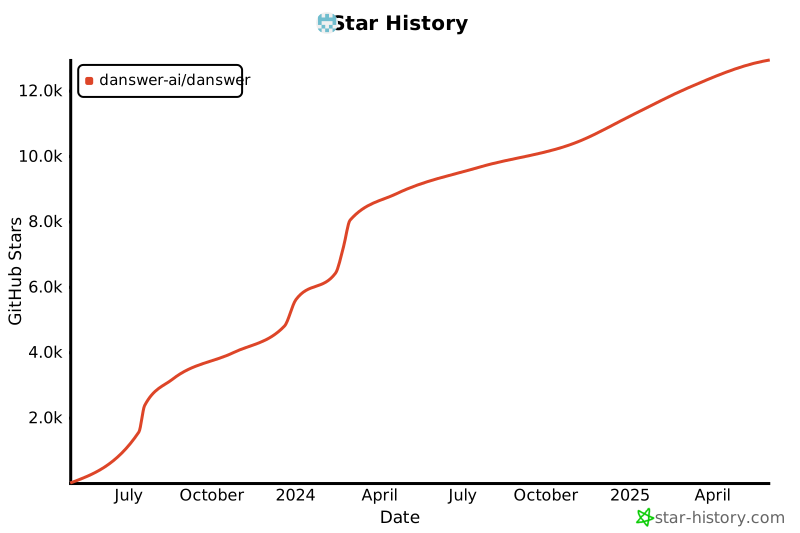](https://star-history.com/#danswer-ai/danswer&Date)
|
||||
|
||||
## ✨Contributors
|
||||
|
||||
<a href="https://github.com/danswer-ai/danswer/graphs/contributors">
|
||||
<img alt="contributors" src="https://contrib.rocks/image?repo=danswer-ai/danswer"/>
|
||||
</a>
|
||||
|
||||
<p align="right" style="font-size: 14px; color: #555; margin-top: 20px;">
|
||||
<a href="#readme-top" style="text-decoration: none; color: #007bff; font-weight: bold;">
|
||||
↑ Back to Top ↑
|
||||
</a>
|
||||
</p>
|
||||
|
||||
@@ -12,6 +12,7 @@ ARG DANSWER_VERSION=0.8-dev
|
||||
ENV DANSWER_VERSION=${DANSWER_VERSION} \
|
||||
DANSWER_RUNNING_IN_DOCKER="true"
|
||||
|
||||
ARG CA_CERT_CONTENT=""
|
||||
|
||||
RUN echo "DANSWER_VERSION: ${DANSWER_VERSION}"
|
||||
# Install system dependencies
|
||||
@@ -38,6 +39,15 @@ RUN apt-get update && \
|
||||
apt-get clean
|
||||
|
||||
|
||||
# Conditionally write the CA certificate and update certificates
|
||||
RUN if [ -n "$CA_CERT_CONTENT" ]; then \
|
||||
echo "Adding custom CA certificate"; \
|
||||
echo "$CA_CERT_CONTENT" > /usr/local/share/ca-certificates/my-ca.crt && \
|
||||
chmod 644 /usr/local/share/ca-certificates/my-ca.crt && \
|
||||
update-ca-certificates; \
|
||||
else \
|
||||
echo "No custom CA certificate provided"; \
|
||||
fi
|
||||
|
||||
# Install Python dependencies
|
||||
# Remove py which is pulled in by retry, py is not needed and is a CVE
|
||||
@@ -73,11 +83,11 @@ RUN apt-get update && \
|
||||
rm -rf /var/lib/apt/lists/* && \
|
||||
rm -f /usr/local/lib/python3.11/site-packages/tornado/test/test.key
|
||||
|
||||
|
||||
# Pre-downloading models for setups with limited egress
|
||||
RUN python -c "from tokenizers import Tokenizer; \
|
||||
Tokenizer.from_pretrained('nomic-ai/nomic-embed-text-v1')"
|
||||
|
||||
|
||||
# Pre-downloading NLTK for setups with limited egress
|
||||
RUN python -c "import nltk; \
|
||||
nltk.download('stopwords', quiet=True); \
|
||||
|
||||
@@ -9,12 +9,11 @@ from sqlalchemy import pool
|
||||
from sqlalchemy.ext.asyncio import create_async_engine
|
||||
from sqlalchemy.sql import text
|
||||
|
||||
from shared_configs.configs import MULTI_TENANT
|
||||
from danswer.configs.app_configs import MULTI_TENANT
|
||||
from danswer.db.engine import build_connection_string
|
||||
from danswer.db.models import Base
|
||||
from celery.backends.database.session import ResultModelBase # type: ignore
|
||||
from danswer.db.engine import get_all_tenant_ids
|
||||
from shared_configs.configs import POSTGRES_DEFAULT_SCHEMA
|
||||
from danswer.background.celery.celery_app import get_all_tenant_ids
|
||||
|
||||
# Alembic Config object
|
||||
config = context.config
|
||||
@@ -58,15 +57,11 @@ def get_schema_options() -> tuple[str, bool, bool]:
|
||||
if "=" in pair:
|
||||
key, value = pair.split("=", 1)
|
||||
x_args[key.strip()] = value.strip()
|
||||
schema_name = x_args.get("schema", POSTGRES_DEFAULT_SCHEMA)
|
||||
schema_name = x_args.get("schema", "public")
|
||||
create_schema = x_args.get("create_schema", "true").lower() == "true"
|
||||
upgrade_all_tenants = x_args.get("upgrade_all_tenants", "false").lower() == "true"
|
||||
|
||||
if (
|
||||
MULTI_TENANT
|
||||
and schema_name == POSTGRES_DEFAULT_SCHEMA
|
||||
and not upgrade_all_tenants
|
||||
):
|
||||
if MULTI_TENANT and schema_name == "public":
|
||||
raise ValueError(
|
||||
"Cannot run default migrations in public schema when multi-tenancy is enabled. "
|
||||
"Please specify a tenant-specific schema."
|
||||
|
||||
@@ -1,59 +0,0 @@
|
||||
"""display custom llm models
|
||||
|
||||
Revision ID: 177de57c21c9
|
||||
Revises: 4ee1287bd26a
|
||||
Create Date: 2024-11-21 11:49:04.488677
|
||||
|
||||
"""
|
||||
from alembic import op
|
||||
import sqlalchemy as sa
|
||||
from sqlalchemy.dialects import postgresql
|
||||
from sqlalchemy import and_
|
||||
|
||||
revision = "177de57c21c9"
|
||||
down_revision = "4ee1287bd26a"
|
||||
branch_labels = None
|
||||
depends_on = None
|
||||
depends_on = None
|
||||
|
||||
|
||||
def upgrade() -> None:
|
||||
conn = op.get_bind()
|
||||
llm_provider = sa.table(
|
||||
"llm_provider",
|
||||
sa.column("id", sa.Integer),
|
||||
sa.column("provider", sa.String),
|
||||
sa.column("model_names", postgresql.ARRAY(sa.String)),
|
||||
sa.column("display_model_names", postgresql.ARRAY(sa.String)),
|
||||
)
|
||||
|
||||
excluded_providers = ["openai", "bedrock", "anthropic", "azure"]
|
||||
|
||||
providers_to_update = sa.select(
|
||||
llm_provider.c.id,
|
||||
llm_provider.c.model_names,
|
||||
llm_provider.c.display_model_names,
|
||||
).where(
|
||||
and_(
|
||||
~llm_provider.c.provider.in_(excluded_providers),
|
||||
llm_provider.c.model_names.isnot(None),
|
||||
)
|
||||
)
|
||||
|
||||
results = conn.execute(providers_to_update).fetchall()
|
||||
|
||||
for provider_id, model_names, display_model_names in results:
|
||||
if display_model_names is None:
|
||||
display_model_names = []
|
||||
|
||||
combined_model_names = list(set(display_model_names + model_names))
|
||||
update_stmt = (
|
||||
llm_provider.update()
|
||||
.where(llm_provider.c.id == provider_id)
|
||||
.values(display_model_names=combined_model_names)
|
||||
)
|
||||
conn.execute(update_stmt)
|
||||
|
||||
|
||||
def downgrade() -> None:
|
||||
pass
|
||||
@@ -1,68 +0,0 @@
|
||||
"""default chosen assistants to none
|
||||
|
||||
Revision ID: 26b931506ecb
|
||||
Revises: 2daa494a0851
|
||||
Create Date: 2024-11-12 13:23:29.858995
|
||||
|
||||
"""
|
||||
from alembic import op
|
||||
import sqlalchemy as sa
|
||||
from sqlalchemy.dialects import postgresql
|
||||
|
||||
# revision identifiers, used by Alembic.
|
||||
revision = "26b931506ecb"
|
||||
down_revision = "2daa494a0851"
|
||||
branch_labels = None
|
||||
depends_on = None
|
||||
|
||||
|
||||
def upgrade() -> None:
|
||||
op.add_column(
|
||||
"user", sa.Column("chosen_assistants_new", postgresql.JSONB(), nullable=True)
|
||||
)
|
||||
|
||||
op.execute(
|
||||
"""
|
||||
UPDATE "user"
|
||||
SET chosen_assistants_new =
|
||||
CASE
|
||||
WHEN chosen_assistants = '[-2, -1, 0]' THEN NULL
|
||||
ELSE chosen_assistants
|
||||
END
|
||||
"""
|
||||
)
|
||||
|
||||
op.drop_column("user", "chosen_assistants")
|
||||
|
||||
op.alter_column(
|
||||
"user", "chosen_assistants_new", new_column_name="chosen_assistants"
|
||||
)
|
||||
|
||||
|
||||
def downgrade() -> None:
|
||||
op.add_column(
|
||||
"user",
|
||||
sa.Column(
|
||||
"chosen_assistants_old",
|
||||
postgresql.JSONB(),
|
||||
nullable=False,
|
||||
server_default="[-2, -1, 0]",
|
||||
),
|
||||
)
|
||||
|
||||
op.execute(
|
||||
"""
|
||||
UPDATE "user"
|
||||
SET chosen_assistants_old =
|
||||
CASE
|
||||
WHEN chosen_assistants IS NULL THEN '[-2, -1, 0]'::jsonb
|
||||
ELSE chosen_assistants
|
||||
END
|
||||
"""
|
||||
)
|
||||
|
||||
op.drop_column("user", "chosen_assistants")
|
||||
|
||||
op.alter_column(
|
||||
"user", "chosen_assistants_old", new_column_name="chosen_assistants"
|
||||
)
|
||||
@@ -1,30 +0,0 @@
|
||||
"""add-group-sync-time
|
||||
|
||||
Revision ID: 2daa494a0851
|
||||
Revises: c0fd6e4da83a
|
||||
Create Date: 2024-11-11 10:57:22.991157
|
||||
|
||||
"""
|
||||
from alembic import op
|
||||
import sqlalchemy as sa
|
||||
|
||||
# revision identifiers, used by Alembic.
|
||||
revision = "2daa494a0851"
|
||||
down_revision = "c0fd6e4da83a"
|
||||
branch_labels = None
|
||||
depends_on = None
|
||||
|
||||
|
||||
def upgrade() -> None:
|
||||
op.add_column(
|
||||
"connector_credential_pair",
|
||||
sa.Column(
|
||||
"last_time_external_group_sync",
|
||||
sa.DateTime(timezone=True),
|
||||
nullable=True,
|
||||
),
|
||||
)
|
||||
|
||||
|
||||
def downgrade() -> None:
|
||||
op.drop_column("connector_credential_pair", "last_time_external_group_sync")
|
||||
@@ -1,50 +0,0 @@
|
||||
"""single tool call per message
|
||||
|
||||
Revision ID: 33cb72ea4d80
|
||||
Revises: 5b29123cd710
|
||||
Create Date: 2024-11-01 12:51:01.535003
|
||||
|
||||
"""
|
||||
from alembic import op
|
||||
import sqlalchemy as sa
|
||||
|
||||
|
||||
# revision identifiers, used by Alembic.
|
||||
revision = "33cb72ea4d80"
|
||||
down_revision = "5b29123cd710"
|
||||
branch_labels = None
|
||||
depends_on = None
|
||||
|
||||
|
||||
def upgrade() -> None:
|
||||
# Step 1: Delete extraneous ToolCall entries
|
||||
# Keep only the ToolCall with the smallest 'id' for each 'message_id'
|
||||
op.execute(
|
||||
sa.text(
|
||||
"""
|
||||
DELETE FROM tool_call
|
||||
WHERE id NOT IN (
|
||||
SELECT MIN(id)
|
||||
FROM tool_call
|
||||
WHERE message_id IS NOT NULL
|
||||
GROUP BY message_id
|
||||
);
|
||||
"""
|
||||
)
|
||||
)
|
||||
|
||||
# Step 2: Add a unique constraint on message_id
|
||||
op.create_unique_constraint(
|
||||
constraint_name="uq_tool_call_message_id",
|
||||
table_name="tool_call",
|
||||
columns=["message_id"],
|
||||
)
|
||||
|
||||
|
||||
def downgrade() -> None:
|
||||
# Step 1: Drop the unique constraint on message_id
|
||||
op.drop_constraint(
|
||||
constraint_name="uq_tool_call_message_id",
|
||||
table_name="tool_call",
|
||||
type_="unique",
|
||||
)
|
||||
@@ -1,45 +0,0 @@
|
||||
"""add persona categories
|
||||
|
||||
Revision ID: 47e5bef3a1d7
|
||||
Revises: dfbe9e93d3c7
|
||||
Create Date: 2024-11-05 18:55:02.221064
|
||||
|
||||
"""
|
||||
from alembic import op
|
||||
import sqlalchemy as sa
|
||||
|
||||
|
||||
# revision identifiers, used by Alembic.
|
||||
revision = "47e5bef3a1d7"
|
||||
down_revision = "dfbe9e93d3c7"
|
||||
branch_labels = None
|
||||
depends_on = None
|
||||
|
||||
|
||||
def upgrade() -> None:
|
||||
# Create the persona_category table
|
||||
op.create_table(
|
||||
"persona_category",
|
||||
sa.Column("id", sa.Integer(), nullable=False),
|
||||
sa.Column("name", sa.String(), nullable=False),
|
||||
sa.Column("description", sa.String(), nullable=True),
|
||||
sa.PrimaryKeyConstraint("id"),
|
||||
sa.UniqueConstraint("name"),
|
||||
)
|
||||
|
||||
# Add category_id to persona table
|
||||
op.add_column("persona", sa.Column("category_id", sa.Integer(), nullable=True))
|
||||
op.create_foreign_key(
|
||||
"fk_persona_category",
|
||||
"persona",
|
||||
"persona_category",
|
||||
["category_id"],
|
||||
["id"],
|
||||
ondelete="SET NULL",
|
||||
)
|
||||
|
||||
|
||||
def downgrade() -> None:
|
||||
op.drop_constraint("fk_persona_category", "persona", type_="foreignkey")
|
||||
op.drop_column("persona", "category_id")
|
||||
op.drop_table("persona_category")
|
||||
@@ -1,280 +0,0 @@
|
||||
"""add_multiple_slack_bot_support
|
||||
|
||||
Revision ID: 4ee1287bd26a
|
||||
Revises: 47e5bef3a1d7
|
||||
Create Date: 2024-11-06 13:15:53.302644
|
||||
|
||||
"""
|
||||
import logging
|
||||
from typing import cast
|
||||
from alembic import op
|
||||
import sqlalchemy as sa
|
||||
from sqlalchemy.orm import Session
|
||||
from danswer.key_value_store.factory import get_kv_store
|
||||
from danswer.db.models import SlackBot
|
||||
from sqlalchemy.dialects import postgresql
|
||||
|
||||
# revision identifiers, used by Alembic.
|
||||
revision = "4ee1287bd26a"
|
||||
down_revision = "47e5bef3a1d7"
|
||||
branch_labels: None = None
|
||||
depends_on: None = None
|
||||
|
||||
# Configure logging
|
||||
logger = logging.getLogger("alembic.runtime.migration")
|
||||
logger.setLevel(logging.INFO)
|
||||
|
||||
|
||||
def upgrade() -> None:
|
||||
logger.info(f"{revision}: create_table: slack_bot")
|
||||
# Create new slack_bot table
|
||||
op.create_table(
|
||||
"slack_bot",
|
||||
sa.Column("id", sa.Integer(), nullable=False),
|
||||
sa.Column("name", sa.String(), nullable=False),
|
||||
sa.Column("enabled", sa.Boolean(), nullable=False, server_default="true"),
|
||||
sa.Column("bot_token", sa.LargeBinary(), nullable=False),
|
||||
sa.Column("app_token", sa.LargeBinary(), nullable=False),
|
||||
sa.PrimaryKeyConstraint("id"),
|
||||
sa.UniqueConstraint("bot_token"),
|
||||
sa.UniqueConstraint("app_token"),
|
||||
)
|
||||
|
||||
# # Create new slack_channel_config table
|
||||
op.create_table(
|
||||
"slack_channel_config",
|
||||
sa.Column("id", sa.Integer(), nullable=False),
|
||||
sa.Column("slack_bot_id", sa.Integer(), nullable=True),
|
||||
sa.Column("persona_id", sa.Integer(), nullable=True),
|
||||
sa.Column("channel_config", postgresql.JSONB(), nullable=False),
|
||||
sa.Column("response_type", sa.String(), nullable=False),
|
||||
sa.Column(
|
||||
"enable_auto_filters", sa.Boolean(), nullable=False, server_default="false"
|
||||
),
|
||||
sa.ForeignKeyConstraint(
|
||||
["slack_bot_id"],
|
||||
["slack_bot.id"],
|
||||
),
|
||||
sa.ForeignKeyConstraint(
|
||||
["persona_id"],
|
||||
["persona.id"],
|
||||
),
|
||||
sa.PrimaryKeyConstraint("id"),
|
||||
)
|
||||
|
||||
# Handle existing Slack bot tokens first
|
||||
logger.info(f"{revision}: Checking for existing Slack bot.")
|
||||
bot_token = None
|
||||
app_token = None
|
||||
first_row_id = None
|
||||
|
||||
try:
|
||||
tokens = cast(dict, get_kv_store().load("slack_bot_tokens_config_key"))
|
||||
except Exception:
|
||||
logger.warning("No existing Slack bot tokens found.")
|
||||
tokens = {}
|
||||
|
||||
bot_token = tokens.get("bot_token")
|
||||
app_token = tokens.get("app_token")
|
||||
|
||||
if bot_token and app_token:
|
||||
logger.info(f"{revision}: Found bot and app tokens.")
|
||||
|
||||
session = Session(bind=op.get_bind())
|
||||
new_slack_bot = SlackBot(
|
||||
name="Slack Bot (Migrated)",
|
||||
enabled=True,
|
||||
bot_token=bot_token,
|
||||
app_token=app_token,
|
||||
)
|
||||
session.add(new_slack_bot)
|
||||
session.commit()
|
||||
first_row_id = new_slack_bot.id
|
||||
|
||||
# Create a default bot if none exists
|
||||
# This is in case there are no slack tokens but there are channels configured
|
||||
op.execute(
|
||||
sa.text(
|
||||
"""
|
||||
INSERT INTO slack_bot (name, enabled, bot_token, app_token)
|
||||
SELECT 'Default Bot', true, '', ''
|
||||
WHERE NOT EXISTS (SELECT 1 FROM slack_bot)
|
||||
RETURNING id;
|
||||
"""
|
||||
)
|
||||
)
|
||||
|
||||
# Get the bot ID to use (either from existing migration or newly created)
|
||||
bot_id_query = sa.text(
|
||||
"""
|
||||
SELECT COALESCE(
|
||||
:first_row_id,
|
||||
(SELECT id FROM slack_bot ORDER BY id ASC LIMIT 1)
|
||||
) as bot_id;
|
||||
"""
|
||||
)
|
||||
result = op.get_bind().execute(bot_id_query, {"first_row_id": first_row_id})
|
||||
bot_id = result.scalar()
|
||||
|
||||
# CTE (Common Table Expression) that transforms the old slack_bot_config table data
|
||||
# This splits up the channel_names into their own rows
|
||||
channel_names_cte = """
|
||||
WITH channel_names AS (
|
||||
SELECT
|
||||
sbc.id as config_id,
|
||||
sbc.persona_id,
|
||||
sbc.response_type,
|
||||
sbc.enable_auto_filters,
|
||||
jsonb_array_elements_text(sbc.channel_config->'channel_names') as channel_name,
|
||||
sbc.channel_config->>'respond_tag_only' as respond_tag_only,
|
||||
sbc.channel_config->>'respond_to_bots' as respond_to_bots,
|
||||
sbc.channel_config->'respond_member_group_list' as respond_member_group_list,
|
||||
sbc.channel_config->'answer_filters' as answer_filters,
|
||||
sbc.channel_config->'follow_up_tags' as follow_up_tags
|
||||
FROM slack_bot_config sbc
|
||||
)
|
||||
"""
|
||||
|
||||
# Insert the channel names into the new slack_channel_config table
|
||||
insert_statement = """
|
||||
INSERT INTO slack_channel_config (
|
||||
slack_bot_id,
|
||||
persona_id,
|
||||
channel_config,
|
||||
response_type,
|
||||
enable_auto_filters
|
||||
)
|
||||
SELECT
|
||||
:bot_id,
|
||||
channel_name.persona_id,
|
||||
jsonb_build_object(
|
||||
'channel_name', channel_name.channel_name,
|
||||
'respond_tag_only',
|
||||
COALESCE((channel_name.respond_tag_only)::boolean, false),
|
||||
'respond_to_bots',
|
||||
COALESCE((channel_name.respond_to_bots)::boolean, false),
|
||||
'respond_member_group_list',
|
||||
COALESCE(channel_name.respond_member_group_list, '[]'::jsonb),
|
||||
'answer_filters',
|
||||
COALESCE(channel_name.answer_filters, '[]'::jsonb),
|
||||
'follow_up_tags',
|
||||
COALESCE(channel_name.follow_up_tags, '[]'::jsonb)
|
||||
),
|
||||
channel_name.response_type,
|
||||
channel_name.enable_auto_filters
|
||||
FROM channel_names channel_name;
|
||||
"""
|
||||
|
||||
op.execute(sa.text(channel_names_cte + insert_statement).bindparams(bot_id=bot_id))
|
||||
|
||||
# Clean up old tokens if they existed
|
||||
try:
|
||||
if bot_token and app_token:
|
||||
logger.info(f"{revision}: Removing old bot and app tokens.")
|
||||
get_kv_store().delete("slack_bot_tokens_config_key")
|
||||
except Exception:
|
||||
logger.warning("tried to delete tokens in dynamic config but failed")
|
||||
# Rename the table
|
||||
op.rename_table(
|
||||
"slack_bot_config__standard_answer_category",
|
||||
"slack_channel_config__standard_answer_category",
|
||||
)
|
||||
|
||||
# Rename the column
|
||||
op.alter_column(
|
||||
"slack_channel_config__standard_answer_category",
|
||||
"slack_bot_config_id",
|
||||
new_column_name="slack_channel_config_id",
|
||||
)
|
||||
|
||||
# Drop the table with CASCADE to handle dependent objects
|
||||
op.execute("DROP TABLE slack_bot_config CASCADE")
|
||||
|
||||
logger.info(f"{revision}: Migration complete.")
|
||||
|
||||
|
||||
def downgrade() -> None:
|
||||
# Recreate the old slack_bot_config table
|
||||
op.create_table(
|
||||
"slack_bot_config",
|
||||
sa.Column("id", sa.Integer(), nullable=False),
|
||||
sa.Column("persona_id", sa.Integer(), nullable=True),
|
||||
sa.Column("channel_config", postgresql.JSONB(), nullable=False),
|
||||
sa.Column("response_type", sa.String(), nullable=False),
|
||||
sa.Column("enable_auto_filters", sa.Boolean(), nullable=False),
|
||||
sa.ForeignKeyConstraint(
|
||||
["persona_id"],
|
||||
["persona.id"],
|
||||
),
|
||||
sa.PrimaryKeyConstraint("id"),
|
||||
)
|
||||
|
||||
# Migrate data back to the old format
|
||||
# Group by persona_id to combine channel names back into arrays
|
||||
op.execute(
|
||||
sa.text(
|
||||
"""
|
||||
INSERT INTO slack_bot_config (
|
||||
persona_id,
|
||||
channel_config,
|
||||
response_type,
|
||||
enable_auto_filters
|
||||
)
|
||||
SELECT DISTINCT ON (persona_id)
|
||||
persona_id,
|
||||
jsonb_build_object(
|
||||
'channel_names', (
|
||||
SELECT jsonb_agg(c.channel_config->>'channel_name')
|
||||
FROM slack_channel_config c
|
||||
WHERE c.persona_id = scc.persona_id
|
||||
),
|
||||
'respond_tag_only', (channel_config->>'respond_tag_only')::boolean,
|
||||
'respond_to_bots', (channel_config->>'respond_to_bots')::boolean,
|
||||
'respond_member_group_list', channel_config->'respond_member_group_list',
|
||||
'answer_filters', channel_config->'answer_filters',
|
||||
'follow_up_tags', channel_config->'follow_up_tags'
|
||||
),
|
||||
response_type,
|
||||
enable_auto_filters
|
||||
FROM slack_channel_config scc
|
||||
WHERE persona_id IS NOT NULL;
|
||||
"""
|
||||
)
|
||||
)
|
||||
|
||||
# Rename the table back
|
||||
op.rename_table(
|
||||
"slack_channel_config__standard_answer_category",
|
||||
"slack_bot_config__standard_answer_category",
|
||||
)
|
||||
|
||||
# Rename the column back
|
||||
op.alter_column(
|
||||
"slack_bot_config__standard_answer_category",
|
||||
"slack_channel_config_id",
|
||||
new_column_name="slack_bot_config_id",
|
||||
)
|
||||
|
||||
# Try to save the first bot's tokens back to KV store
|
||||
try:
|
||||
first_bot = (
|
||||
op.get_bind()
|
||||
.execute(
|
||||
sa.text(
|
||||
"SELECT bot_token, app_token FROM slack_bot ORDER BY id LIMIT 1"
|
||||
)
|
||||
)
|
||||
.first()
|
||||
)
|
||||
if first_bot and first_bot.bot_token and first_bot.app_token:
|
||||
tokens = {
|
||||
"bot_token": first_bot.bot_token,
|
||||
"app_token": first_bot.app_token,
|
||||
}
|
||||
get_kv_store().store("slack_bot_tokens_config_key", tokens)
|
||||
except Exception:
|
||||
logger.warning("Failed to save tokens back to KV store")
|
||||
|
||||
# Drop the new tables in reverse order
|
||||
op.drop_table("slack_channel_config")
|
||||
op.drop_table("slack_bot")
|
||||
@@ -1,70 +0,0 @@
|
||||
"""nullable search settings for historic index attempts
|
||||
|
||||
Revision ID: 5b29123cd710
|
||||
Revises: 949b4a92a401
|
||||
Create Date: 2024-10-30 19:37:59.630704
|
||||
|
||||
"""
|
||||
from alembic import op
|
||||
import sqlalchemy as sa
|
||||
|
||||
|
||||
# revision identifiers, used by Alembic.
|
||||
revision = "5b29123cd710"
|
||||
down_revision = "949b4a92a401"
|
||||
branch_labels = None
|
||||
depends_on = None
|
||||
|
||||
|
||||
def upgrade() -> None:
|
||||
# Drop the existing foreign key constraint
|
||||
op.drop_constraint(
|
||||
"fk_index_attempt_search_settings", "index_attempt", type_="foreignkey"
|
||||
)
|
||||
|
||||
# Modify the column to be nullable
|
||||
op.alter_column(
|
||||
"index_attempt", "search_settings_id", existing_type=sa.INTEGER(), nullable=True
|
||||
)
|
||||
|
||||
# Add back the foreign key with ON DELETE SET NULL
|
||||
op.create_foreign_key(
|
||||
"fk_index_attempt_search_settings",
|
||||
"index_attempt",
|
||||
"search_settings",
|
||||
["search_settings_id"],
|
||||
["id"],
|
||||
ondelete="SET NULL",
|
||||
)
|
||||
|
||||
|
||||
def downgrade() -> None:
|
||||
# Warning: This will delete all index attempts that don't have search settings
|
||||
op.execute(
|
||||
"""
|
||||
DELETE FROM index_attempt
|
||||
WHERE search_settings_id IS NULL
|
||||
"""
|
||||
)
|
||||
|
||||
# Drop foreign key constraint
|
||||
op.drop_constraint(
|
||||
"fk_index_attempt_search_settings", "index_attempt", type_="foreignkey"
|
||||
)
|
||||
|
||||
# Modify the column to be not nullable
|
||||
op.alter_column(
|
||||
"index_attempt",
|
||||
"search_settings_id",
|
||||
existing_type=sa.INTEGER(),
|
||||
nullable=False,
|
||||
)
|
||||
|
||||
# Add back the foreign key without ON DELETE SET NULL
|
||||
op.create_foreign_key(
|
||||
"fk_index_attempt_search_settings",
|
||||
"index_attempt",
|
||||
"search_settings",
|
||||
["search_settings_id"],
|
||||
["id"],
|
||||
)
|
||||
@@ -1,9 +1,7 @@
|
||||
"""Migrate chat_session and chat_message tables to use UUID primary keys
|
||||
|
||||
"""
|
||||
Revision ID: 6756efa39ada
|
||||
Revises: 5d12a446f5c0
|
||||
Create Date: 2024-10-15 17:47:44.108537
|
||||
|
||||
"""
|
||||
from alembic import op
|
||||
import sqlalchemy as sa
|
||||
@@ -14,6 +12,8 @@ branch_labels = None
|
||||
depends_on = None
|
||||
|
||||
"""
|
||||
Migrate chat_session and chat_message tables to use UUID primary keys.
|
||||
|
||||
This script:
|
||||
1. Adds UUID columns to chat_session and chat_message
|
||||
2. Populates new columns with UUIDs
|
||||
|
||||
@@ -1,45 +0,0 @@
|
||||
"""remove default bot
|
||||
|
||||
Revision ID: 6d562f86c78b
|
||||
Revises: 177de57c21c9
|
||||
Create Date: 2024-11-22 11:51:29.331336
|
||||
|
||||
"""
|
||||
from alembic import op
|
||||
import sqlalchemy as sa
|
||||
|
||||
# revision identifiers, used by Alembic.
|
||||
revision = "6d562f86c78b"
|
||||
down_revision = "177de57c21c9"
|
||||
branch_labels = None
|
||||
depends_on = None
|
||||
|
||||
|
||||
def upgrade() -> None:
|
||||
op.execute(
|
||||
sa.text(
|
||||
"""
|
||||
DELETE FROM slack_bot
|
||||
WHERE name = 'Default Bot'
|
||||
AND bot_token = ''
|
||||
AND app_token = ''
|
||||
AND NOT EXISTS (
|
||||
SELECT 1 FROM slack_channel_config
|
||||
WHERE slack_channel_config.slack_bot_id = slack_bot.id
|
||||
)
|
||||
"""
|
||||
)
|
||||
)
|
||||
|
||||
|
||||
def downgrade() -> None:
|
||||
op.execute(
|
||||
sa.text(
|
||||
"""
|
||||
INSERT INTO slack_bot (name, enabled, bot_token, app_token)
|
||||
SELECT 'Default Bot', true, '', ''
|
||||
WHERE NOT EXISTS (SELECT 1 FROM slack_bot)
|
||||
RETURNING id;
|
||||
"""
|
||||
)
|
||||
)
|
||||
@@ -9,8 +9,8 @@ from alembic import op
|
||||
import sqlalchemy as sa
|
||||
|
||||
from danswer.db.models import IndexModelStatus
|
||||
from danswer.context.search.enums import RecencyBiasSetting
|
||||
from danswer.context.search.enums import SearchType
|
||||
from danswer.search.enums import RecencyBiasSetting
|
||||
from danswer.search.enums import SearchType
|
||||
|
||||
# revision identifiers, used by Alembic.
|
||||
revision = "776b3bbe9092"
|
||||
|
||||
@@ -1,35 +0,0 @@
|
||||
"""add web ui option to slack config
|
||||
|
||||
Revision ID: 93560ba1b118
|
||||
Revises: 6d562f86c78b
|
||||
Create Date: 2024-11-24 06:36:17.490612
|
||||
|
||||
"""
|
||||
from alembic import op
|
||||
|
||||
# revision identifiers, used by Alembic.
|
||||
revision = "93560ba1b118"
|
||||
down_revision = "6d562f86c78b"
|
||||
branch_labels = None
|
||||
depends_on = None
|
||||
|
||||
|
||||
def upgrade() -> None:
|
||||
# Add show_continue_in_web_ui with default False to all existing channel_configs
|
||||
op.execute(
|
||||
"""
|
||||
UPDATE slack_channel_config
|
||||
SET channel_config = channel_config || '{"show_continue_in_web_ui": false}'::jsonb
|
||||
WHERE NOT channel_config ? 'show_continue_in_web_ui'
|
||||
"""
|
||||
)
|
||||
|
||||
|
||||
def downgrade() -> None:
|
||||
# Remove show_continue_in_web_ui from all channel_configs
|
||||
op.execute(
|
||||
"""
|
||||
UPDATE slack_channel_config
|
||||
SET channel_config = channel_config - 'show_continue_in_web_ui'
|
||||
"""
|
||||
)
|
||||
@@ -1,72 +0,0 @@
|
||||
"""remove rt
|
||||
|
||||
Revision ID: 949b4a92a401
|
||||
Revises: 1b10e1fda030
|
||||
Create Date: 2024-10-26 13:06:06.937969
|
||||
|
||||
"""
|
||||
from alembic import op
|
||||
from sqlalchemy.orm import Session
|
||||
from sqlalchemy import text
|
||||
|
||||
# Import your models and constants
|
||||
from danswer.db.models import (
|
||||
Connector,
|
||||
ConnectorCredentialPair,
|
||||
Credential,
|
||||
IndexAttempt,
|
||||
)
|
||||
|
||||
|
||||
# revision identifiers, used by Alembic.
|
||||
revision = "949b4a92a401"
|
||||
down_revision = "1b10e1fda030"
|
||||
branch_labels = None
|
||||
depends_on = None
|
||||
|
||||
|
||||
def upgrade() -> None:
|
||||
# Deletes all RequestTracker connectors and associated data
|
||||
bind = op.get_bind()
|
||||
session = Session(bind=bind)
|
||||
|
||||
# Get connectors using raw SQL
|
||||
result = bind.execute(
|
||||
text("SELECT id FROM connector WHERE source = 'requesttracker'")
|
||||
)
|
||||
connector_ids = [row[0] for row in result]
|
||||
|
||||
if connector_ids:
|
||||
cc_pairs_to_delete = (
|
||||
session.query(ConnectorCredentialPair)
|
||||
.filter(ConnectorCredentialPair.connector_id.in_(connector_ids))
|
||||
.all()
|
||||
)
|
||||
|
||||
cc_pair_ids = [cc_pair.id for cc_pair in cc_pairs_to_delete]
|
||||
|
||||
if cc_pair_ids:
|
||||
session.query(IndexAttempt).filter(
|
||||
IndexAttempt.connector_credential_pair_id.in_(cc_pair_ids)
|
||||
).delete(synchronize_session=False)
|
||||
|
||||
session.query(ConnectorCredentialPair).filter(
|
||||
ConnectorCredentialPair.id.in_(cc_pair_ids)
|
||||
).delete(synchronize_session=False)
|
||||
|
||||
credential_ids = [cc_pair.credential_id for cc_pair in cc_pairs_to_delete]
|
||||
if credential_ids:
|
||||
session.query(Credential).filter(Credential.id.in_(credential_ids)).delete(
|
||||
synchronize_session=False
|
||||
)
|
||||
|
||||
session.query(Connector).filter(Connector.id.in_(connector_ids)).delete(
|
||||
synchronize_session=False
|
||||
)
|
||||
|
||||
session.commit()
|
||||
|
||||
|
||||
def downgrade() -> None:
|
||||
# No-op downgrade as we cannot restore deleted data
|
||||
pass
|
||||
@@ -1,30 +0,0 @@
|
||||
"""add creator to cc pair
|
||||
|
||||
Revision ID: 9cf5c00f72fe
|
||||
Revises: 26b931506ecb
|
||||
Create Date: 2024-11-12 15:16:42.682902
|
||||
|
||||
"""
|
||||
from alembic import op
|
||||
import sqlalchemy as sa
|
||||
|
||||
# revision identifiers, used by Alembic.
|
||||
revision = "9cf5c00f72fe"
|
||||
down_revision = "26b931506ecb"
|
||||
branch_labels = None
|
||||
depends_on = None
|
||||
|
||||
|
||||
def upgrade() -> None:
|
||||
op.add_column(
|
||||
"connector_credential_pair",
|
||||
sa.Column(
|
||||
"creator_id",
|
||||
sa.UUID(as_uuid=True),
|
||||
nullable=True,
|
||||
),
|
||||
)
|
||||
|
||||
|
||||
def downgrade() -> None:
|
||||
op.drop_column("connector_credential_pair", "creator_id")
|
||||
@@ -1,27 +0,0 @@
|
||||
"""add auto scroll to user model
|
||||
|
||||
Revision ID: a8c2065484e6
|
||||
Revises: abe7378b8217
|
||||
Create Date: 2024-11-22 17:34:09.690295
|
||||
|
||||
"""
|
||||
from alembic import op
|
||||
import sqlalchemy as sa
|
||||
|
||||
|
||||
# revision identifiers, used by Alembic.
|
||||
revision = "a8c2065484e6"
|
||||
down_revision = "abe7378b8217"
|
||||
branch_labels = None
|
||||
depends_on = None
|
||||
|
||||
|
||||
def upgrade() -> None:
|
||||
op.add_column(
|
||||
"user",
|
||||
sa.Column("auto_scroll", sa.Boolean(), nullable=True, server_default=None),
|
||||
)
|
||||
|
||||
|
||||
def downgrade() -> None:
|
||||
op.drop_column("user", "auto_scroll")
|
||||
@@ -1,30 +0,0 @@
|
||||
"""add indexing trigger to cc_pair
|
||||
|
||||
Revision ID: abe7378b8217
|
||||
Revises: 6d562f86c78b
|
||||
Create Date: 2024-11-26 19:09:53.481171
|
||||
|
||||
"""
|
||||
from alembic import op
|
||||
import sqlalchemy as sa
|
||||
|
||||
# revision identifiers, used by Alembic.
|
||||
revision = "abe7378b8217"
|
||||
down_revision = "93560ba1b118"
|
||||
branch_labels = None
|
||||
depends_on = None
|
||||
|
||||
|
||||
def upgrade() -> None:
|
||||
op.add_column(
|
||||
"connector_credential_pair",
|
||||
sa.Column(
|
||||
"indexing_trigger",
|
||||
sa.Enum("UPDATE", "REINDEX", name="indexingmode", native_enum=False),
|
||||
nullable=True,
|
||||
),
|
||||
)
|
||||
|
||||
|
||||
def downgrade() -> None:
|
||||
op.drop_column("connector_credential_pair", "indexing_trigger")
|
||||
@@ -31,12 +31,6 @@ def upgrade() -> None:
|
||||
|
||||
|
||||
def downgrade() -> None:
|
||||
# First, update any null values to a default value
|
||||
op.execute(
|
||||
"UPDATE connector_credential_pair SET last_attempt_status = 'NOT_STARTED' WHERE last_attempt_status IS NULL"
|
||||
)
|
||||
|
||||
# Then, make the column non-nullable
|
||||
op.alter_column(
|
||||
"connector_credential_pair",
|
||||
"last_attempt_status",
|
||||
|
||||
@@ -288,15 +288,6 @@ def upgrade() -> None:
|
||||
|
||||
|
||||
def downgrade() -> None:
|
||||
# NOTE: you will lose all chat history. This is to satisfy the non-nullable constraints
|
||||
# below
|
||||
op.execute("DELETE FROM chat_feedback")
|
||||
op.execute("DELETE FROM chat_message__search_doc")
|
||||
op.execute("DELETE FROM document_retrieval_feedback")
|
||||
op.execute("DELETE FROM document_retrieval_feedback")
|
||||
op.execute("DELETE FROM chat_message")
|
||||
op.execute("DELETE FROM chat_session")
|
||||
|
||||
op.drop_constraint(
|
||||
"chat_feedback__chat_message_fk", "chat_feedback", type_="foreignkey"
|
||||
)
|
||||
|
||||
@@ -1,48 +0,0 @@
|
||||
"""remove description from starter messages
|
||||
|
||||
Revision ID: b72ed7a5db0e
|
||||
Revises: 33cb72ea4d80
|
||||
Create Date: 2024-11-03 15:55:28.944408
|
||||
|
||||
"""
|
||||
from alembic import op
|
||||
import sqlalchemy as sa
|
||||
|
||||
|
||||
# revision identifiers, used by Alembic.
|
||||
revision = "b72ed7a5db0e"
|
||||
down_revision = "33cb72ea4d80"
|
||||
branch_labels = None
|
||||
depends_on = None
|
||||
|
||||
|
||||
def upgrade() -> None:
|
||||
op.execute(
|
||||
sa.text(
|
||||
"""
|
||||
UPDATE persona
|
||||
SET starter_messages = (
|
||||
SELECT jsonb_agg(elem - 'description')
|
||||
FROM jsonb_array_elements(starter_messages) elem
|
||||
)
|
||||
WHERE starter_messages IS NOT NULL
|
||||
AND jsonb_typeof(starter_messages) = 'array'
|
||||
"""
|
||||
)
|
||||
)
|
||||
|
||||
|
||||
def downgrade() -> None:
|
||||
op.execute(
|
||||
sa.text(
|
||||
"""
|
||||
UPDATE persona
|
||||
SET starter_messages = (
|
||||
SELECT jsonb_agg(elem || '{"description": ""}')
|
||||
FROM jsonb_array_elements(starter_messages) elem
|
||||
)
|
||||
WHERE starter_messages IS NOT NULL
|
||||
AND jsonb_typeof(starter_messages) = 'array'
|
||||
"""
|
||||
)
|
||||
)
|
||||
@@ -1,29 +0,0 @@
|
||||
"""add recent assistants
|
||||
|
||||
Revision ID: c0fd6e4da83a
|
||||
Revises: b72ed7a5db0e
|
||||
Create Date: 2024-11-03 17:28:54.916618
|
||||
|
||||
"""
|
||||
from alembic import op
|
||||
import sqlalchemy as sa
|
||||
from sqlalchemy.dialects import postgresql
|
||||
|
||||
# revision identifiers, used by Alembic.
|
||||
revision = "c0fd6e4da83a"
|
||||
down_revision = "b72ed7a5db0e"
|
||||
branch_labels = None
|
||||
depends_on = None
|
||||
|
||||
|
||||
def upgrade() -> None:
|
||||
op.add_column(
|
||||
"user",
|
||||
sa.Column(
|
||||
"recent_assistants", postgresql.JSONB(), server_default="[]", nullable=False
|
||||
),
|
||||
)
|
||||
|
||||
|
||||
def downgrade() -> None:
|
||||
op.drop_column("user", "recent_assistants")
|
||||
@@ -23,56 +23,6 @@ def upgrade() -> None:
|
||||
|
||||
|
||||
def downgrade() -> None:
|
||||
# Delete chat messages and feedback first since they reference chat sessions
|
||||
# Get chat messages from sessions with null persona_id
|
||||
chat_messages_query = """
|
||||
SELECT id
|
||||
FROM chat_message
|
||||
WHERE chat_session_id IN (
|
||||
SELECT id
|
||||
FROM chat_session
|
||||
WHERE persona_id IS NULL
|
||||
)
|
||||
"""
|
||||
|
||||
# Delete dependent records first
|
||||
op.execute(
|
||||
f"""
|
||||
DELETE FROM document_retrieval_feedback
|
||||
WHERE chat_message_id IN (
|
||||
{chat_messages_query}
|
||||
)
|
||||
"""
|
||||
)
|
||||
op.execute(
|
||||
f"""
|
||||
DELETE FROM chat_message__search_doc
|
||||
WHERE chat_message_id IN (
|
||||
{chat_messages_query}
|
||||
)
|
||||
"""
|
||||
)
|
||||
|
||||
# Delete chat messages
|
||||
op.execute(
|
||||
"""
|
||||
DELETE FROM chat_message
|
||||
WHERE chat_session_id IN (
|
||||
SELECT id
|
||||
FROM chat_session
|
||||
WHERE persona_id IS NULL
|
||||
)
|
||||
"""
|
||||
)
|
||||
|
||||
# Now we can safely delete the chat sessions
|
||||
op.execute(
|
||||
"""
|
||||
DELETE FROM chat_session
|
||||
WHERE persona_id IS NULL
|
||||
"""
|
||||
)
|
||||
|
||||
op.alter_column(
|
||||
"chat_session",
|
||||
"persona_id",
|
||||
|
||||
@@ -1,42 +0,0 @@
|
||||
"""extended_role_for_non_web
|
||||
|
||||
Revision ID: dfbe9e93d3c7
|
||||
Revises: 9cf5c00f72fe
|
||||
Create Date: 2024-11-16 07:54:18.727906
|
||||
|
||||
"""
|
||||
from alembic import op
|
||||
import sqlalchemy as sa
|
||||
|
||||
# revision identifiers, used by Alembic.
|
||||
revision = "dfbe9e93d3c7"
|
||||
down_revision = "9cf5c00f72fe"
|
||||
branch_labels = None
|
||||
depends_on = None
|
||||
|
||||
|
||||
def upgrade() -> None:
|
||||
op.execute(
|
||||
"""
|
||||
UPDATE "user"
|
||||
SET role = 'EXT_PERM_USER'
|
||||
WHERE has_web_login = false
|
||||
"""
|
||||
)
|
||||
op.drop_column("user", "has_web_login")
|
||||
|
||||
|
||||
def downgrade() -> None:
|
||||
op.add_column(
|
||||
"user",
|
||||
sa.Column("has_web_login", sa.Boolean(), nullable=False, server_default="true"),
|
||||
)
|
||||
|
||||
op.execute(
|
||||
"""
|
||||
UPDATE "user"
|
||||
SET has_web_login = false,
|
||||
role = 'BASIC'
|
||||
WHERE role IN ('SLACK_USER', 'EXT_PERM_USER')
|
||||
"""
|
||||
)
|
||||
@@ -1,3 +1,3 @@
|
||||
import os
|
||||
|
||||
__version__ = os.environ.get("DANSWER_VERSION", "") or "Development"
|
||||
__version__ = os.environ.get("DANSWER_VERSION", "") or "0.3-dev"
|
||||
|
||||
@@ -16,41 +16,6 @@ class ExternalAccess:
|
||||
is_public: bool
|
||||
|
||||
|
||||
@dataclass(frozen=True)
|
||||
class DocExternalAccess:
|
||||
external_access: ExternalAccess
|
||||
# The document ID
|
||||
doc_id: str
|
||||
|
||||
def to_dict(self) -> dict:
|
||||
return {
|
||||
"external_access": {
|
||||
"external_user_emails": list(self.external_access.external_user_emails),
|
||||
"external_user_group_ids": list(
|
||||
self.external_access.external_user_group_ids
|
||||
),
|
||||
"is_public": self.external_access.is_public,
|
||||
},
|
||||
"doc_id": self.doc_id,
|
||||
}
|
||||
|
||||
@classmethod
|
||||
def from_dict(cls, data: dict) -> "DocExternalAccess":
|
||||
external_access = ExternalAccess(
|
||||
external_user_emails=set(
|
||||
data["external_access"].get("external_user_emails", [])
|
||||
),
|
||||
external_user_group_ids=set(
|
||||
data["external_access"].get("external_user_group_ids", [])
|
||||
),
|
||||
is_public=data["external_access"]["is_public"],
|
||||
)
|
||||
return cls(
|
||||
external_access=external_access,
|
||||
doc_id=data["doc_id"],
|
||||
)
|
||||
|
||||
|
||||
@dataclass(frozen=True)
|
||||
class DocumentAccess(ExternalAccess):
|
||||
# User emails for Danswer users, None indicates admin
|
||||
@@ -105,12 +70,3 @@ class DocumentAccess(ExternalAccess):
|
||||
user_groups=set(user_groups),
|
||||
is_public=is_public,
|
||||
)
|
||||
|
||||
|
||||
default_public_access = DocumentAccess(
|
||||
external_user_emails=set(),
|
||||
external_user_group_ids=set(),
|
||||
user_emails=set(),
|
||||
user_groups=set(),
|
||||
is_public=True,
|
||||
)
|
||||
|
||||
@@ -1,89 +0,0 @@
|
||||
import secrets
|
||||
import uuid
|
||||
from urllib.parse import quote
|
||||
from urllib.parse import unquote
|
||||
|
||||
from fastapi import Request
|
||||
from passlib.hash import sha256_crypt
|
||||
from pydantic import BaseModel
|
||||
|
||||
from danswer.auth.schemas import UserRole
|
||||
from danswer.configs.app_configs import API_KEY_HASH_ROUNDS
|
||||
|
||||
|
||||
_API_KEY_HEADER_NAME = "Authorization"
|
||||
# NOTE for others who are curious: In the context of a header, "X-" often refers
|
||||
# to non-standard, experimental, or custom headers in HTTP or other protocols. It
|
||||
# indicates that the header is not part of the official standards defined by
|
||||
# organizations like the Internet Engineering Task Force (IETF).
|
||||
_API_KEY_HEADER_ALTERNATIVE_NAME = "X-Danswer-Authorization"
|
||||
_BEARER_PREFIX = "Bearer "
|
||||
_API_KEY_PREFIX = "dn_"
|
||||
_API_KEY_LEN = 192
|
||||
|
||||
|
||||
class ApiKeyDescriptor(BaseModel):
|
||||
api_key_id: int
|
||||
api_key_display: str
|
||||
api_key: str | None = None # only present on initial creation
|
||||
api_key_name: str | None = None
|
||||
api_key_role: UserRole
|
||||
|
||||
user_id: uuid.UUID
|
||||
|
||||
|
||||
def generate_api_key(tenant_id: str | None = None) -> str:
|
||||
# For backwards compatibility, if no tenant_id, generate old style key
|
||||
if not tenant_id:
|
||||
return _API_KEY_PREFIX + secrets.token_urlsafe(_API_KEY_LEN)
|
||||
|
||||
encoded_tenant = quote(tenant_id) # URL encode the tenant ID
|
||||
return f"{_API_KEY_PREFIX}{encoded_tenant}.{secrets.token_urlsafe(_API_KEY_LEN)}"
|
||||
|
||||
|
||||
def extract_tenant_from_api_key_header(request: Request) -> str | None:
|
||||
"""Extract tenant ID from request. Returns None if auth is disabled or invalid format."""
|
||||
raw_api_key_header = request.headers.get(
|
||||
_API_KEY_HEADER_ALTERNATIVE_NAME
|
||||
) or request.headers.get(_API_KEY_HEADER_NAME)
|
||||
|
||||
if not raw_api_key_header or not raw_api_key_header.startswith(_BEARER_PREFIX):
|
||||
return None
|
||||
|
||||
api_key = raw_api_key_header[len(_BEARER_PREFIX) :].strip()
|
||||
|
||||
if not api_key.startswith(_API_KEY_PREFIX):
|
||||
return None
|
||||
|
||||
parts = api_key[len(_API_KEY_PREFIX) :].split(".", 1)
|
||||
if len(parts) != 2:
|
||||
return None
|
||||
|
||||
tenant_id = parts[0]
|
||||
return unquote(tenant_id) if tenant_id else None
|
||||
|
||||
|
||||
def hash_api_key(api_key: str) -> str:
|
||||
# NOTE: no salt is needed, as the API key is randomly generated
|
||||
# and overlaps are impossible
|
||||
return sha256_crypt.hash(api_key, salt="", rounds=API_KEY_HASH_ROUNDS)
|
||||
|
||||
|
||||
def build_displayable_api_key(api_key: str) -> str:
|
||||
if api_key.startswith(_API_KEY_PREFIX):
|
||||
api_key = api_key[len(_API_KEY_PREFIX) :]
|
||||
|
||||
return _API_KEY_PREFIX + api_key[:4] + "********" + api_key[-4:]
|
||||
|
||||
|
||||
def get_hashed_api_key_from_request(request: Request) -> str | None:
|
||||
raw_api_key_header = request.headers.get(
|
||||
_API_KEY_HEADER_ALTERNATIVE_NAME
|
||||
) or request.headers.get(_API_KEY_HEADER_NAME)
|
||||
if raw_api_key_header is None:
|
||||
return None
|
||||
|
||||
if raw_api_key_header.startswith(_BEARER_PREFIX):
|
||||
raw_api_key_header = raw_api_key_header[len(_BEARER_PREFIX) :].strip()
|
||||
|
||||
return hash_api_key(raw_api_key_header)
|
||||
@@ -2,14 +2,13 @@ from typing import cast
|
||||
|
||||
from danswer.configs.constants import KV_USER_STORE_KEY
|
||||
from danswer.key_value_store.factory import get_kv_store
|
||||
from danswer.key_value_store.interface import JSON_ro
|
||||
from danswer.key_value_store.interface import KvKeyNotFoundError
|
||||
from danswer.utils.special_types import JSON_ro
|
||||
|
||||
|
||||
def get_invited_users() -> list[str]:
|
||||
try:
|
||||
store = get_kv_store()
|
||||
|
||||
return cast(list, store.load(KV_USER_STORE_KEY))
|
||||
except KvKeyNotFoundError:
|
||||
return list()
|
||||
|
||||
@@ -23,9 +23,7 @@ def load_no_auth_user_preferences(store: KeyValueStore) -> UserPreferences:
|
||||
)
|
||||
return UserPreferences(**preferences_data)
|
||||
except KvKeyNotFoundError:
|
||||
return UserPreferences(
|
||||
chosen_assistants=None, default_model=None, auto_scroll=True
|
||||
)
|
||||
return UserPreferences(chosen_assistants=None, default_model=None)
|
||||
|
||||
|
||||
def fetch_no_auth_user(store: KeyValueStore) -> UserInfo:
|
||||
|
||||
@@ -13,24 +13,12 @@ class UserRole(str, Enum):
|
||||
groups they are curators of
|
||||
- Global Curator can perform admin actions
|
||||
for all groups they are a member of
|
||||
- Limited can access a limited set of basic api endpoints
|
||||
- Slack are users that have used danswer via slack but dont have a web login
|
||||
- External permissioned users that have been picked up during the external permissions sync process but don't have a web login
|
||||
"""
|
||||
|
||||
LIMITED = "limited"
|
||||
BASIC = "basic"
|
||||
ADMIN = "admin"
|
||||
CURATOR = "curator"
|
||||
GLOBAL_CURATOR = "global_curator"
|
||||
SLACK_USER = "slack_user"
|
||||
EXT_PERM_USER = "ext_perm_user"
|
||||
|
||||
def is_web_login(self) -> bool:
|
||||
return self not in [
|
||||
UserRole.SLACK_USER,
|
||||
UserRole.EXT_PERM_USER,
|
||||
]
|
||||
|
||||
|
||||
class UserStatus(str, Enum):
|
||||
@@ -45,8 +33,10 @@ class UserRead(schemas.BaseUser[uuid.UUID]):
|
||||
|
||||
class UserCreate(schemas.BaseUserCreate):
|
||||
role: UserRole = UserRole.BASIC
|
||||
has_web_login: bool | None = True
|
||||
tenant_id: str | None = None
|
||||
|
||||
|
||||
class UserUpdate(schemas.BaseUserUpdate):
|
||||
role: UserRole
|
||||
has_web_login: bool | None = True
|
||||
|
||||
@@ -48,19 +48,20 @@ from httpx_oauth.integrations.fastapi import OAuth2AuthorizeCallback
|
||||
from httpx_oauth.oauth2 import BaseOAuth2
|
||||
from httpx_oauth.oauth2 import OAuth2Token
|
||||
from pydantic import BaseModel
|
||||
from sqlalchemy import text
|
||||
from sqlalchemy.ext.asyncio import AsyncSession
|
||||
from sqlalchemy import select
|
||||
from sqlalchemy.orm import attributes
|
||||
from sqlalchemy.orm import Session
|
||||
|
||||
from danswer.auth.api_key import get_hashed_api_key_from_request
|
||||
from danswer.auth.invited_users import get_invited_users
|
||||
from danswer.auth.schemas import UserCreate
|
||||
from danswer.auth.schemas import UserRole
|
||||
from danswer.auth.schemas import UserUpdate
|
||||
from danswer.configs.app_configs import AUTH_TYPE
|
||||
from danswer.configs.app_configs import DISABLE_AUTH
|
||||
from danswer.configs.app_configs import DISABLE_VERIFICATION
|
||||
from danswer.configs.app_configs import EMAIL_FROM
|
||||
from danswer.configs.app_configs import MULTI_TENANT
|
||||
from danswer.configs.app_configs import REQUIRE_EMAIL_VERIFICATION
|
||||
from danswer.configs.app_configs import SECRET_JWT_KEY
|
||||
from danswer.configs.app_configs import SESSION_EXPIRE_TIME_SECONDS
|
||||
from danswer.configs.app_configs import SMTP_PASS
|
||||
from danswer.configs.app_configs import SMTP_PORT
|
||||
@@ -74,36 +75,29 @@ from danswer.configs.constants import AuthType
|
||||
from danswer.configs.constants import DANSWER_API_KEY_DUMMY_EMAIL_DOMAIN
|
||||
from danswer.configs.constants import DANSWER_API_KEY_PREFIX
|
||||
from danswer.configs.constants import UNNAMED_KEY_PLACEHOLDER
|
||||
from danswer.db.api_key import fetch_user_for_api_key
|
||||
from danswer.db.auth import get_access_token_db
|
||||
from danswer.db.auth import get_default_admin_user_emails
|
||||
from danswer.db.auth import get_user_count
|
||||
from danswer.db.auth import get_user_db
|
||||
from danswer.db.auth import SQLAlchemyUserAdminDB
|
||||
from danswer.db.engine import get_async_session
|
||||
from danswer.db.engine import get_async_session_with_tenant
|
||||
from danswer.db.engine import get_session
|
||||
from danswer.db.engine import get_session_with_tenant
|
||||
from danswer.db.engine import get_sqlalchemy_engine
|
||||
from danswer.db.models import AccessToken
|
||||
from danswer.db.models import OAuthAccount
|
||||
from danswer.db.models import User
|
||||
from danswer.db.models import UserTenantMapping
|
||||
from danswer.db.users import get_user_by_email
|
||||
from danswer.utils.logger import setup_logger
|
||||
from danswer.utils.telemetry import optional_telemetry
|
||||
from danswer.utils.telemetry import RecordType
|
||||
from danswer.utils.variable_functionality import fetch_ee_implementation_or_noop
|
||||
from danswer.utils.variable_functionality import fetch_versioned_implementation
|
||||
from shared_configs.configs import async_return_default_schema
|
||||
from shared_configs.configs import MULTI_TENANT
|
||||
from shared_configs.contextvars import CURRENT_TENANT_ID_CONTEXTVAR
|
||||
from shared_configs.configs import current_tenant_id
|
||||
|
||||
logger = setup_logger()
|
||||
|
||||
|
||||
class BasicAuthenticationError(HTTPException):
|
||||
def __init__(self, detail: str):
|
||||
super().__init__(status_code=status.HTTP_403_FORBIDDEN, detail=detail)
|
||||
|
||||
|
||||
def is_user_admin(user: User | None) -> bool:
|
||||
if AUTH_TYPE == AuthType.DISABLED:
|
||||
return True
|
||||
@@ -138,9 +132,7 @@ def get_display_email(email: str | None, space_less: bool = False) -> str:
|
||||
def user_needs_to_be_verified() -> bool:
|
||||
# all other auth types besides basic should require users to be
|
||||
# verified
|
||||
return not DISABLE_VERIFICATION and (
|
||||
AUTH_TYPE != AuthType.BASIC or REQUIRE_EMAIL_VERIFICATION
|
||||
)
|
||||
return AUTH_TYPE != AuthType.BASIC or REQUIRE_EMAIL_VERIFICATION
|
||||
|
||||
|
||||
def verify_email_is_invited(email: str) -> None:
|
||||
@@ -193,6 +185,20 @@ def verify_email_domain(email: str) -> None:
|
||||
)
|
||||
|
||||
|
||||
def get_tenant_id_for_email(email: str) -> str:
|
||||
if not MULTI_TENANT:
|
||||
return "public"
|
||||
# Implement logic to get tenant_id from the mapping table
|
||||
with Session(get_sqlalchemy_engine()) as db_session:
|
||||
result = db_session.execute(
|
||||
select(UserTenantMapping.tenant_id).where(UserTenantMapping.email == email)
|
||||
)
|
||||
tenant_id = result.scalar_one_or_none()
|
||||
if tenant_id is None:
|
||||
raise exceptions.UserNotExists()
|
||||
return tenant_id
|
||||
|
||||
|
||||
def send_user_verification_email(
|
||||
user_email: str,
|
||||
token: str,
|
||||
@@ -221,36 +227,31 @@ class UserManager(UUIDIDMixin, BaseUserManager[User, uuid.UUID]):
|
||||
reset_password_token_secret = USER_AUTH_SECRET
|
||||
verification_token_secret = USER_AUTH_SECRET
|
||||
|
||||
user_db: SQLAlchemyUserDatabase[User, uuid.UUID]
|
||||
|
||||
async def create(
|
||||
self,
|
||||
user_create: schemas.UC | UserCreate,
|
||||
safe: bool = False,
|
||||
request: Optional[Request] = None,
|
||||
) -> User:
|
||||
referral_source = None
|
||||
if request is not None:
|
||||
referral_source = request.cookies.get("referral_source", None)
|
||||
try:
|
||||
tenant_id = (
|
||||
get_tenant_id_for_email(user_create.email) if MULTI_TENANT else "public"
|
||||
)
|
||||
except exceptions.UserNotExists:
|
||||
raise HTTPException(status_code=401, detail="User not found")
|
||||
|
||||
tenant_id = await fetch_ee_implementation_or_noop(
|
||||
"danswer.server.tenants.provisioning",
|
||||
"get_or_create_tenant_id",
|
||||
async_return_default_schema,
|
||||
)(
|
||||
email=user_create.email,
|
||||
referral_source=referral_source,
|
||||
)
|
||||
if not tenant_id:
|
||||
raise HTTPException(
|
||||
status_code=401, detail="User does not belong to an organization"
|
||||
)
|
||||
|
||||
async with get_async_session_with_tenant(tenant_id) as db_session:
|
||||
token = CURRENT_TENANT_ID_CONTEXTVAR.set(tenant_id)
|
||||
token = current_tenant_id.set(tenant_id)
|
||||
|
||||
verify_email_is_invited(user_create.email)
|
||||
verify_email_domain(user_create.email)
|
||||
if MULTI_TENANT:
|
||||
tenant_user_db = SQLAlchemyUserAdminDB[User, uuid.UUID](
|
||||
db_session, User, OAuthAccount
|
||||
)
|
||||
tenant_user_db = SQLAlchemyUserAdminDB(db_session, User, OAuthAccount)
|
||||
self.user_db = tenant_user_db
|
||||
self.database = tenant_user_db
|
||||
|
||||
@@ -263,15 +264,20 @@ class UserManager(UUIDIDMixin, BaseUserManager[User, uuid.UUID]):
|
||||
user_create.role = UserRole.ADMIN
|
||||
else:
|
||||
user_create.role = UserRole.BASIC
|
||||
|
||||
user = None
|
||||
try:
|
||||
user = await super().create(user_create, safe=safe, request=request) # type: ignore
|
||||
except exceptions.UserAlreadyExists:
|
||||
user = await self.get_by_email(user_create.email)
|
||||
# Handle case where user has used product outside of web and is now creating an account through web
|
||||
if not user.role.is_web_login() and user_create.role.is_web_login():
|
||||
if (
|
||||
not user.has_web_login
|
||||
and hasattr(user_create, "has_web_login")
|
||||
and user_create.has_web_login
|
||||
):
|
||||
user_update = UserUpdate(
|
||||
password=user_create.password,
|
||||
has_web_login=True,
|
||||
role=user_create.role,
|
||||
is_verified=user_create.is_verified,
|
||||
)
|
||||
@@ -279,13 +285,34 @@ class UserManager(UUIDIDMixin, BaseUserManager[User, uuid.UUID]):
|
||||
else:
|
||||
raise exceptions.UserAlreadyExists()
|
||||
|
||||
finally:
|
||||
CURRENT_TENANT_ID_CONTEXTVAR.reset(token)
|
||||
|
||||
current_tenant_id.reset(token)
|
||||
return user
|
||||
|
||||
async def oauth_callback(
|
||||
async def on_after_login(
|
||||
self,
|
||||
user: User,
|
||||
request: Request | None = None,
|
||||
response: Response | None = None,
|
||||
) -> None:
|
||||
if response is None or not MULTI_TENANT:
|
||||
return
|
||||
|
||||
tenant_id = get_tenant_id_for_email(user.email)
|
||||
|
||||
tenant_token = jwt.encode(
|
||||
{"tenant_id": tenant_id}, SECRET_JWT_KEY, algorithm="HS256"
|
||||
)
|
||||
|
||||
response.set_cookie(
|
||||
key="tenant_details",
|
||||
value=tenant_token,
|
||||
httponly=True,
|
||||
secure=WEB_DOMAIN.startswith("https"),
|
||||
samesite="lax",
|
||||
)
|
||||
|
||||
async def oauth_callback(
|
||||
self: "BaseUserManager[models.UOAP, models.ID]",
|
||||
oauth_name: str,
|
||||
access_token: str,
|
||||
account_id: str,
|
||||
@@ -296,37 +323,28 @@ class UserManager(UUIDIDMixin, BaseUserManager[User, uuid.UUID]):
|
||||
*,
|
||||
associate_by_email: bool = False,
|
||||
is_verified_by_default: bool = False,
|
||||
) -> User:
|
||||
referral_source = None
|
||||
if request:
|
||||
referral_source = getattr(request.state, "referral_source", None)
|
||||
|
||||
tenant_id = await fetch_ee_implementation_or_noop(
|
||||
"danswer.server.tenants.provisioning",
|
||||
"get_or_create_tenant_id",
|
||||
async_return_default_schema,
|
||||
)(
|
||||
email=account_email,
|
||||
referral_source=referral_source,
|
||||
)
|
||||
) -> models.UOAP:
|
||||
# Get tenant_id from mapping table
|
||||
try:
|
||||
tenant_id = (
|
||||
get_tenant_id_for_email(account_email) if MULTI_TENANT else "public"
|
||||
)
|
||||
except exceptions.UserNotExists:
|
||||
raise HTTPException(status_code=401, detail="User not found")
|
||||
|
||||
if not tenant_id:
|
||||
raise HTTPException(status_code=401, detail="User not found")
|
||||
|
||||
# Proceed with the tenant context
|
||||
token = None
|
||||
async with get_async_session_with_tenant(tenant_id) as db_session:
|
||||
token = CURRENT_TENANT_ID_CONTEXTVAR.set(tenant_id)
|
||||
token = current_tenant_id.set(tenant_id)
|
||||
|
||||
verify_email_in_whitelist(account_email, tenant_id)
|
||||
verify_email_domain(account_email)
|
||||
|
||||
if MULTI_TENANT:
|
||||
tenant_user_db = SQLAlchemyUserAdminDB[User, uuid.UUID](
|
||||
db_session, User, OAuthAccount
|
||||
)
|
||||
tenant_user_db = SQLAlchemyUserAdminDB(db_session, User, OAuthAccount)
|
||||
self.user_db = tenant_user_db
|
||||
self.database = tenant_user_db
|
||||
self.database = tenant_user_db # type: ignore
|
||||
|
||||
oauth_account_dict = {
|
||||
"oauth_name": oauth_name,
|
||||
@@ -362,13 +380,9 @@ class UserManager(UUIDIDMixin, BaseUserManager[User, uuid.UUID]):
|
||||
}
|
||||
|
||||
user = await self.user_db.create(user_dict)
|
||||
|
||||
# Explicitly set the Postgres schema for this session to ensure
|
||||
# OAuth account creation happens in the correct tenant schema
|
||||
await db_session.execute(text(f'SET search_path = "{tenant_id}"'))
|
||||
|
||||
# Add OAuth account
|
||||
await self.user_db.add_oauth_account(user, oauth_account_dict)
|
||||
user = await self.user_db.add_oauth_account(
|
||||
user, oauth_account_dict
|
||||
)
|
||||
await self.on_after_register(user, request)
|
||||
|
||||
else:
|
||||
@@ -378,11 +392,7 @@ class UserManager(UUIDIDMixin, BaseUserManager[User, uuid.UUID]):
|
||||
and existing_oauth_account.oauth_name == oauth_name
|
||||
):
|
||||
user = await self.user_db.update_oauth_account(
|
||||
user,
|
||||
# NOTE: OAuthAccount DOES implement the OAuthAccountProtocol
|
||||
# but the type checker doesn't know that :(
|
||||
existing_oauth_account, # type: ignore
|
||||
oauth_account_dict,
|
||||
user, existing_oauth_account, oauth_account_dict
|
||||
)
|
||||
|
||||
# NOTE: Most IdPs have very short expiry times, and we don't want to force the user to
|
||||
@@ -395,15 +405,16 @@ class UserManager(UUIDIDMixin, BaseUserManager[User, uuid.UUID]):
|
||||
)
|
||||
|
||||
# Handle case where user has used product outside of web and is now creating an account through web
|
||||
if not user.role.is_web_login():
|
||||
if not user.has_web_login: # type: ignore
|
||||
await self.user_db.update(
|
||||
user,
|
||||
{
|
||||
"is_verified": is_verified_by_default,
|
||||
"role": UserRole.BASIC,
|
||||
"has_web_login": True,
|
||||
},
|
||||
)
|
||||
user.is_verified = is_verified_by_default
|
||||
user.has_web_login = True # type: ignore
|
||||
|
||||
# this is needed if an organization goes from `TRACK_EXTERNAL_IDP_EXPIRY=true` to `false`
|
||||
# otherwise, the oidc expiry will always be old, and the user will never be able to login
|
||||
@@ -415,7 +426,7 @@ class UserManager(UUIDIDMixin, BaseUserManager[User, uuid.UUID]):
|
||||
user.oidc_expiry = None # type: ignore
|
||||
|
||||
if token:
|
||||
CURRENT_TENANT_ID_CONTEXTVAR.reset(token)
|
||||
current_tenant_id.reset(token)
|
||||
|
||||
return user
|
||||
|
||||
@@ -451,13 +462,7 @@ class UserManager(UUIDIDMixin, BaseUserManager[User, uuid.UUID]):
|
||||
email = credentials.username
|
||||
|
||||
# Get tenant_id from mapping table
|
||||
tenant_id = await fetch_ee_implementation_or_noop(
|
||||
"danswer.server.tenants.provisioning",
|
||||
"get_or_create_tenant_id",
|
||||
async_return_default_schema,
|
||||
)(
|
||||
email=email,
|
||||
)
|
||||
tenant_id = get_tenant_id_for_email(email)
|
||||
if not tenant_id:
|
||||
# User not found in mapping
|
||||
self.password_helper.hash(credentials.password)
|
||||
@@ -478,8 +483,11 @@ class UserManager(UUIDIDMixin, BaseUserManager[User, uuid.UUID]):
|
||||
self.password_helper.hash(credentials.password)
|
||||
return None
|
||||
|
||||
if not user.role.is_web_login():
|
||||
raise BasicAuthenticationError(
|
||||
has_web_login = attributes.get_attribute(user, "has_web_login")
|
||||
|
||||
if not has_web_login:
|
||||
raise HTTPException(
|
||||
status_code=status.HTTP_403_FORBIDDEN,
|
||||
detail="NO_WEB_LOGIN_AND_HAS_NO_PASSWORD",
|
||||
)
|
||||
|
||||
@@ -509,33 +517,8 @@ cookie_transport = CookieTransport(
|
||||
)
|
||||
|
||||
|
||||
# This strategy is used to add tenant_id to the JWT token
|
||||
class TenantAwareJWTStrategy(JWTStrategy):
|
||||
async def _create_token_data(self, user: User, impersonate: bool = False) -> dict:
|
||||
tenant_id = await fetch_ee_implementation_or_noop(
|
||||
"danswer.server.tenants.provisioning",
|
||||
"get_or_create_tenant_id",
|
||||
async_return_default_schema,
|
||||
)(
|
||||
email=user.email,
|
||||
)
|
||||
|
||||
data = {
|
||||
"sub": str(user.id),
|
||||
"aud": self.token_audience,
|
||||
"tenant_id": tenant_id,
|
||||
}
|
||||
return data
|
||||
|
||||
async def write_token(self, user: User) -> str:
|
||||
data = await self._create_token_data(user)
|
||||
return generate_jwt(
|
||||
data, self.encode_key, self.lifetime_seconds, algorithm=self.algorithm
|
||||
)
|
||||
|
||||
|
||||
def get_jwt_strategy() -> TenantAwareJWTStrategy:
|
||||
return TenantAwareJWTStrategy(
|
||||
def get_jwt_strategy() -> JWTStrategy:
|
||||
return JWTStrategy(
|
||||
secret=USER_AUTH_SECRET,
|
||||
lifetime_seconds=SESSION_EXPIRE_TIME_SECONDS,
|
||||
)
|
||||
@@ -609,7 +592,7 @@ optional_fastapi_current_user = fastapi_users.current_user(active=True, optional
|
||||
async def optional_user_(
|
||||
request: Request,
|
||||
user: User | None,
|
||||
async_db_session: AsyncSession,
|
||||
db_session: Session,
|
||||
) -> User | None:
|
||||
"""NOTE: `request` and `db_session` are not used here, but are included
|
||||
for the EE version of this function."""
|
||||
@@ -618,21 +601,13 @@ async def optional_user_(
|
||||
|
||||
async def optional_user(
|
||||
request: Request,
|
||||
async_db_session: AsyncSession = Depends(get_async_session),
|
||||
db_session: Session = Depends(get_session),
|
||||
user: User | None = Depends(optional_fastapi_current_user),
|
||||
) -> User | None:
|
||||
versioned_fetch_user = fetch_versioned_implementation(
|
||||
"danswer.auth.users", "optional_user_"
|
||||
)
|
||||
user = await versioned_fetch_user(request, user, async_db_session)
|
||||
|
||||
# check if an API key is present
|
||||
if user is None:
|
||||
hashed_api_key = get_hashed_api_key_from_request(request)
|
||||
if hashed_api_key:
|
||||
user = await fetch_user_for_api_key(hashed_api_key, async_db_session)
|
||||
|
||||
return user
|
||||
return await versioned_fetch_user(request, user, db_session)
|
||||
|
||||
|
||||
async def double_check_user(
|
||||
@@ -644,12 +619,14 @@ async def double_check_user(
|
||||
return None
|
||||
|
||||
if user is None:
|
||||
raise BasicAuthenticationError(
|
||||
raise HTTPException(
|
||||
status_code=status.HTTP_403_FORBIDDEN,
|
||||
detail="Access denied. User is not authenticated.",
|
||||
)
|
||||
|
||||
if user_needs_to_be_verified() and not user.is_verified:
|
||||
raise BasicAuthenticationError(
|
||||
raise HTTPException(
|
||||
status_code=status.HTTP_403_FORBIDDEN,
|
||||
detail="Access denied. User is not verified.",
|
||||
)
|
||||
|
||||
@@ -658,7 +635,8 @@ async def double_check_user(
|
||||
and user.oidc_expiry < datetime.now(timezone.utc)
|
||||
and not include_expired
|
||||
):
|
||||
raise BasicAuthenticationError(
|
||||
raise HTTPException(
|
||||
status_code=status.HTTP_403_FORBIDDEN,
|
||||
detail="Access denied. User's OIDC token has expired.",
|
||||
)
|
||||
|
||||
@@ -671,24 +649,10 @@ async def current_user_with_expired_token(
|
||||
return await double_check_user(user, include_expired=True)
|
||||
|
||||
|
||||
async def current_limited_user(
|
||||
user: User | None = Depends(optional_user),
|
||||
) -> User | None:
|
||||
return await double_check_user(user)
|
||||
|
||||
|
||||
async def current_user(
|
||||
user: User | None = Depends(optional_user),
|
||||
) -> User | None:
|
||||
user = await double_check_user(user)
|
||||
if not user:
|
||||
return None
|
||||
|
||||
if user.role == UserRole.LIMITED:
|
||||
raise BasicAuthenticationError(
|
||||
detail="Access denied. User role is LIMITED. BASIC or higher permissions are required.",
|
||||
)
|
||||
return user
|
||||
return await double_check_user(user)
|
||||
|
||||
|
||||
async def current_curator_or_admin_user(
|
||||
@@ -698,13 +662,15 @@ async def current_curator_or_admin_user(
|
||||
return None
|
||||
|
||||
if not user or not hasattr(user, "role"):
|
||||
raise BasicAuthenticationError(
|
||||
raise HTTPException(
|
||||
status_code=status.HTTP_403_FORBIDDEN,
|
||||
detail="Access denied. User is not authenticated or lacks role information.",
|
||||
)
|
||||
|
||||
allowed_roles = {UserRole.GLOBAL_CURATOR, UserRole.CURATOR, UserRole.ADMIN}
|
||||
if user.role not in allowed_roles:
|
||||
raise BasicAuthenticationError(
|
||||
raise HTTPException(
|
||||
status_code=status.HTTP_403_FORBIDDEN,
|
||||
detail="Access denied. User is not a curator or admin.",
|
||||
)
|
||||
|
||||
@@ -716,7 +682,8 @@ async def current_admin_user(user: User | None = Depends(current_user)) -> User
|
||||
return None
|
||||
|
||||
if not user or not hasattr(user, "role") or user.role != UserRole.ADMIN:
|
||||
raise BasicAuthenticationError(
|
||||
raise HTTPException(
|
||||
status_code=status.HTTP_403_FORBIDDEN,
|
||||
detail="Access denied. User must be an admin to perform this action.",
|
||||
)
|
||||
|
||||
@@ -744,6 +711,8 @@ def generate_state_token(
|
||||
|
||||
|
||||
# refer to https://github.com/fastapi-users/fastapi-users/blob/42ddc241b965475390e2bce887b084152ae1a2cd/fastapi_users/fastapi_users.py#L91
|
||||
|
||||
|
||||
def create_danswer_oauth_router(
|
||||
oauth_client: BaseOAuth2,
|
||||
backend: AuthenticationBackend,
|
||||
@@ -793,22 +762,15 @@ def get_oauth_router(
|
||||
response_model=OAuth2AuthorizeResponse,
|
||||
)
|
||||
async def authorize(
|
||||
request: Request,
|
||||
scopes: List[str] = Query(None),
|
||||
request: Request, scopes: List[str] = Query(None)
|
||||
) -> OAuth2AuthorizeResponse:
|
||||
referral_source = request.cookies.get("referral_source", None)
|
||||
|
||||
if redirect_url is not None:
|
||||
authorize_redirect_url = redirect_url
|
||||
else:
|
||||
authorize_redirect_url = str(request.url_for(callback_route_name))
|
||||
|
||||
next_url = request.query_params.get("next", "/")
|
||||
|
||||
state_data: Dict[str, str] = {
|
||||
"next_url": next_url,
|
||||
"referral_source": referral_source or "default_referral",
|
||||
}
|
||||
state_data: Dict[str, str] = {"next_url": next_url}
|
||||
state = generate_state_token(state_data, state_secret)
|
||||
authorization_url = await oauth_client.get_authorization_url(
|
||||
authorize_redirect_url,
|
||||
@@ -867,11 +829,8 @@ def get_oauth_router(
|
||||
raise HTTPException(status_code=status.HTTP_400_BAD_REQUEST)
|
||||
|
||||
next_url = state_data.get("next_url", "/")
|
||||
referral_source = state_data.get("referral_source", None)
|
||||
|
||||
request.state.referral_source = referral_source
|
||||
|
||||
# Proceed to authenticate or create the user
|
||||
# Authenticate user
|
||||
try:
|
||||
user = await user_manager.oauth_callback(
|
||||
oauth_client.name,
|
||||
@@ -913,25 +872,7 @@ def get_oauth_router(
|
||||
redirect_response.status_code = response.status_code
|
||||
if hasattr(response, "media_type"):
|
||||
redirect_response.media_type = response.media_type
|
||||
|
||||
return redirect_response
|
||||
|
||||
return router
|
||||
|
||||
|
||||
async def api_key_dep(
|
||||
request: Request, async_db_session: AsyncSession = Depends(get_async_session)
|
||||
) -> User | None:
|
||||
if AUTH_TYPE == AuthType.DISABLED:
|
||||
return None
|
||||
|
||||
hashed_api_key = get_hashed_api_key_from_request(request)
|
||||
if not hashed_api_key:
|
||||
raise HTTPException(status_code=401, detail="Missing API key")
|
||||
|
||||
if hashed_api_key:
|
||||
user = await fetch_user_for_api_key(hashed_api_key, async_db_session)
|
||||
|
||||
if user is None:
|
||||
raise HTTPException(status_code=401, detail="Invalid API key")
|
||||
|
||||
return user
|
||||
|
||||
@@ -1,402 +0,0 @@
|
||||
import logging
|
||||
import multiprocessing
|
||||
import time
|
||||
from typing import Any
|
||||
|
||||
import requests
|
||||
import sentry_sdk
|
||||
from celery import Task
|
||||
from celery.app import trace
|
||||
from celery.exceptions import WorkerShutdown
|
||||
from celery.states import READY_STATES
|
||||
from celery.utils.log import get_task_logger
|
||||
from celery.worker import strategy # type: ignore
|
||||
from sentry_sdk.integrations.celery import CeleryIntegration
|
||||
from sqlalchemy import text
|
||||
from sqlalchemy.orm import Session
|
||||
|
||||
from danswer.background.celery.apps.task_formatters import CeleryTaskColoredFormatter
|
||||
from danswer.background.celery.apps.task_formatters import CeleryTaskPlainFormatter
|
||||
from danswer.background.celery.celery_utils import celery_is_worker_primary
|
||||
from danswer.configs.constants import DanswerRedisLocks
|
||||
from danswer.db.engine import get_sqlalchemy_engine
|
||||
from danswer.document_index.vespa_constants import VESPA_CONFIG_SERVER_URL
|
||||
from danswer.redis.redis_connector import RedisConnector
|
||||
from danswer.redis.redis_connector_credential_pair import RedisConnectorCredentialPair
|
||||
from danswer.redis.redis_connector_delete import RedisConnectorDelete
|
||||
from danswer.redis.redis_connector_doc_perm_sync import RedisConnectorPermissionSync
|
||||
from danswer.redis.redis_connector_ext_group_sync import RedisConnectorExternalGroupSync
|
||||
from danswer.redis.redis_connector_prune import RedisConnectorPrune
|
||||
from danswer.redis.redis_document_set import RedisDocumentSet
|
||||
from danswer.redis.redis_pool import get_redis_client
|
||||
from danswer.redis.redis_usergroup import RedisUserGroup
|
||||
from danswer.utils.logger import ColoredFormatter
|
||||
from danswer.utils.logger import PlainFormatter
|
||||
from danswer.utils.logger import setup_logger
|
||||
from shared_configs.configs import SENTRY_DSN
|
||||
|
||||
|
||||
logger = setup_logger()
|
||||
|
||||
task_logger = get_task_logger(__name__)
|
||||
|
||||
if SENTRY_DSN:
|
||||
sentry_sdk.init(
|
||||
dsn=SENTRY_DSN,
|
||||
integrations=[CeleryIntegration()],
|
||||
traces_sample_rate=0.1,
|
||||
)
|
||||
logger.info("Sentry initialized")
|
||||
else:
|
||||
logger.debug("Sentry DSN not provided, skipping Sentry initialization")
|
||||
|
||||
|
||||
def on_task_prerun(
|
||||
sender: Any | None = None,
|
||||
task_id: str | None = None,
|
||||
task: Task | None = None,
|
||||
args: tuple | None = None,
|
||||
kwargs: dict | None = None,
|
||||
**kwds: Any,
|
||||
) -> None:
|
||||
pass
|
||||
|
||||
|
||||
def on_task_postrun(
|
||||
sender: Any | None = None,
|
||||
task_id: str | None = None,
|
||||
task: Task | None = None,
|
||||
args: tuple | None = None,
|
||||
kwargs: dict[str, Any] | None = None,
|
||||
retval: Any | None = None,
|
||||
state: str | None = None,
|
||||
**kwds: Any,
|
||||
) -> None:
|
||||
"""We handle this signal in order to remove completed tasks
|
||||
from their respective tasksets. This allows us to track the progress of document set
|
||||
and user group syncs.
|
||||
|
||||
This function runs after any task completes (both success and failure)
|
||||
Note that this signal does not fire on a task that failed to complete and is going
|
||||
to be retried.
|
||||
|
||||
This also does not fire if a worker with acks_late=False crashes (which all of our
|
||||
long running workers are)
|
||||
"""
|
||||
if not task:
|
||||
return
|
||||
|
||||
task_logger.debug(f"Task {task.name} (ID: {task_id}) completed with state: {state}")
|
||||
|
||||
if state not in READY_STATES:
|
||||
return
|
||||
|
||||
if not task_id:
|
||||
return
|
||||
|
||||
# Get tenant_id directly from kwargs- each celery task has a tenant_id kwarg
|
||||
if not kwargs:
|
||||
logger.error(f"Task {task.name} (ID: {task_id}) is missing kwargs")
|
||||
tenant_id = None
|
||||
else:
|
||||
tenant_id = kwargs.get("tenant_id")
|
||||
|
||||
task_logger.debug(
|
||||
f"Task {task.name} (ID: {task_id}) completed with state: {state} "
|
||||
f"{f'for tenant_id={tenant_id}' if tenant_id else ''}"
|
||||
)
|
||||
|
||||
r = get_redis_client(tenant_id=tenant_id)
|
||||
|
||||
if task_id.startswith(RedisConnectorCredentialPair.PREFIX):
|
||||
r.srem(RedisConnectorCredentialPair.get_taskset_key(), task_id)
|
||||
return
|
||||
|
||||
if task_id.startswith(RedisDocumentSet.PREFIX):
|
||||
document_set_id = RedisDocumentSet.get_id_from_task_id(task_id)
|
||||
if document_set_id is not None:
|
||||
rds = RedisDocumentSet(tenant_id, int(document_set_id))
|
||||
r.srem(rds.taskset_key, task_id)
|
||||
return
|
||||
|
||||
if task_id.startswith(RedisUserGroup.PREFIX):
|
||||
usergroup_id = RedisUserGroup.get_id_from_task_id(task_id)
|
||||
if usergroup_id is not None:
|
||||
rug = RedisUserGroup(tenant_id, int(usergroup_id))
|
||||
r.srem(rug.taskset_key, task_id)
|
||||
return
|
||||
|
||||
if task_id.startswith(RedisConnectorDelete.PREFIX):
|
||||
cc_pair_id = RedisConnector.get_id_from_task_id(task_id)
|
||||
if cc_pair_id is not None:
|
||||
RedisConnectorDelete.remove_from_taskset(int(cc_pair_id), task_id, r)
|
||||
return
|
||||
|
||||
if task_id.startswith(RedisConnectorPrune.SUBTASK_PREFIX):
|
||||
cc_pair_id = RedisConnector.get_id_from_task_id(task_id)
|
||||
if cc_pair_id is not None:
|
||||
RedisConnectorPrune.remove_from_taskset(int(cc_pair_id), task_id, r)
|
||||
return
|
||||
|
||||
if task_id.startswith(RedisConnectorPermissionSync.SUBTASK_PREFIX):
|
||||
cc_pair_id = RedisConnector.get_id_from_task_id(task_id)
|
||||
if cc_pair_id is not None:
|
||||
RedisConnectorPermissionSync.remove_from_taskset(
|
||||
int(cc_pair_id), task_id, r
|
||||
)
|
||||
return
|
||||
|
||||
if task_id.startswith(RedisConnectorExternalGroupSync.SUBTASK_PREFIX):
|
||||
cc_pair_id = RedisConnector.get_id_from_task_id(task_id)
|
||||
if cc_pair_id is not None:
|
||||
RedisConnectorExternalGroupSync.remove_from_taskset(
|
||||
int(cc_pair_id), task_id, r
|
||||
)
|
||||
return
|
||||
|
||||
|
||||
def on_celeryd_init(sender: Any = None, conf: Any = None, **kwargs: Any) -> None:
|
||||
"""The first signal sent on celery worker startup"""
|
||||
multiprocessing.set_start_method("spawn") # fork is unsafe, set to spawn
|
||||
|
||||
|
||||
def wait_for_redis(sender: Any, **kwargs: Any) -> None:
|
||||
"""Waits for redis to become ready subject to a hardcoded timeout.
|
||||
Will raise WorkerShutdown to kill the celery worker if the timeout is reached."""
|
||||
|
||||
r = get_redis_client(tenant_id=None)
|
||||
|
||||
WAIT_INTERVAL = 5
|
||||
WAIT_LIMIT = 60
|
||||
|
||||
ready = False
|
||||
time_start = time.monotonic()
|
||||
logger.info("Redis: Readiness probe starting.")
|
||||
while True:
|
||||
try:
|
||||
if r.ping():
|
||||
ready = True
|
||||
break
|
||||
except Exception:
|
||||
pass
|
||||
|
||||
time_elapsed = time.monotonic() - time_start
|
||||
if time_elapsed > WAIT_LIMIT:
|
||||
break
|
||||
|
||||
logger.info(
|
||||
f"Redis: Readiness probe ongoing. elapsed={time_elapsed:.1f} timeout={WAIT_LIMIT:.1f}"
|
||||
)
|
||||
|
||||
time.sleep(WAIT_INTERVAL)
|
||||
|
||||
if not ready:
|
||||
msg = (
|
||||
f"Redis: Readiness probe did not succeed within the timeout "
|
||||
f"({WAIT_LIMIT} seconds). Exiting..."
|
||||
)
|
||||
logger.error(msg)
|
||||
raise WorkerShutdown(msg)
|
||||
|
||||
logger.info("Redis: Readiness probe succeeded. Continuing...")
|
||||
return
|
||||
|
||||
|
||||
def wait_for_db(sender: Any, **kwargs: Any) -> None:
|
||||
"""Waits for the db to become ready subject to a hardcoded timeout.
|
||||
Will raise WorkerShutdown to kill the celery worker if the timeout is reached."""
|
||||
|
||||
WAIT_INTERVAL = 5
|
||||
WAIT_LIMIT = 60
|
||||
|
||||
ready = False
|
||||
time_start = time.monotonic()
|
||||
logger.info("Database: Readiness probe starting.")
|
||||
while True:
|
||||
try:
|
||||
with Session(get_sqlalchemy_engine()) as db_session:
|
||||
result = db_session.execute(text("SELECT NOW()")).scalar()
|
||||
if result:
|
||||
ready = True
|
||||
break
|
||||
except Exception:
|
||||
pass
|
||||
|
||||
time_elapsed = time.monotonic() - time_start
|
||||
if time_elapsed > WAIT_LIMIT:
|
||||
break
|
||||
|
||||
logger.info(
|
||||
f"Database: Readiness probe ongoing. elapsed={time_elapsed:.1f} timeout={WAIT_LIMIT:.1f}"
|
||||
)
|
||||
|
||||
time.sleep(WAIT_INTERVAL)
|
||||
|
||||
if not ready:
|
||||
msg = (
|
||||
f"Database: Readiness probe did not succeed within the timeout "
|
||||
f"({WAIT_LIMIT} seconds). Exiting..."
|
||||
)
|
||||
logger.error(msg)
|
||||
raise WorkerShutdown(msg)
|
||||
|
||||
logger.info("Database: Readiness probe succeeded. Continuing...")
|
||||
return
|
||||
|
||||
|
||||
def wait_for_vespa(sender: Any, **kwargs: Any) -> None:
|
||||
"""Waits for Vespa to become ready subject to a hardcoded timeout.
|
||||
Will raise WorkerShutdown to kill the celery worker if the timeout is reached."""
|
||||
|
||||
WAIT_INTERVAL = 5
|
||||
WAIT_LIMIT = 60
|
||||
|
||||
ready = False
|
||||
time_start = time.monotonic()
|
||||
logger.info("Vespa: Readiness probe starting.")
|
||||
while True:
|
||||
try:
|
||||
response = requests.get(f"{VESPA_CONFIG_SERVER_URL}/state/v1/health")
|
||||
response.raise_for_status()
|
||||
|
||||
response_dict = response.json()
|
||||
if response_dict["status"]["code"] == "up":
|
||||
ready = True
|
||||
break
|
||||
except Exception:
|
||||
pass
|
||||
|
||||
time_elapsed = time.monotonic() - time_start
|
||||
if time_elapsed > WAIT_LIMIT:
|
||||
break
|
||||
|
||||
logger.info(
|
||||
f"Vespa: Readiness probe ongoing. elapsed={time_elapsed:.1f} timeout={WAIT_LIMIT:.1f}"
|
||||
)
|
||||
|
||||
time.sleep(WAIT_INTERVAL)
|
||||
|
||||
if not ready:
|
||||
msg = (
|
||||
f"Vespa: Readiness probe did not succeed within the timeout "
|
||||
f"({WAIT_LIMIT} seconds). Exiting..."
|
||||
)
|
||||
logger.error(msg)
|
||||
raise WorkerShutdown(msg)
|
||||
|
||||
logger.info("Vespa: Readiness probe succeeded. Continuing...")
|
||||
return
|
||||
|
||||
|
||||
def on_secondary_worker_init(sender: Any, **kwargs: Any) -> None:
|
||||
logger.info("Running as a secondary celery worker.")
|
||||
|
||||
# Set up variables for waiting on primary worker
|
||||
WAIT_INTERVAL = 5
|
||||
WAIT_LIMIT = 60
|
||||
r = get_redis_client(tenant_id=None)
|
||||
time_start = time.monotonic()
|
||||
|
||||
logger.info("Waiting for primary worker to be ready...")
|
||||
while True:
|
||||
if r.exists(DanswerRedisLocks.PRIMARY_WORKER):
|
||||
break
|
||||
|
||||
time_elapsed = time.monotonic() - time_start
|
||||
logger.info(
|
||||
f"Primary worker is not ready yet. elapsed={time_elapsed:.1f} timeout={WAIT_LIMIT:.1f}"
|
||||
)
|
||||
if time_elapsed > WAIT_LIMIT:
|
||||
msg = (
|
||||
f"Primary worker was not ready within the timeout. "
|
||||
f"({WAIT_LIMIT} seconds). Exiting..."
|
||||
)
|
||||
logger.error(msg)
|
||||
raise WorkerShutdown(msg)
|
||||
|
||||
time.sleep(WAIT_INTERVAL)
|
||||
|
||||
logger.info("Wait for primary worker completed successfully. Continuing...")
|
||||
return
|
||||
|
||||
|
||||
def on_worker_ready(sender: Any, **kwargs: Any) -> None:
|
||||
task_logger.info("worker_ready signal received.")
|
||||
|
||||
|
||||
def on_worker_shutdown(sender: Any, **kwargs: Any) -> None:
|
||||
if not celery_is_worker_primary(sender):
|
||||
return
|
||||
|
||||
if not sender.primary_worker_lock:
|
||||
return
|
||||
|
||||
logger.info("Releasing primary worker lock.")
|
||||
lock = sender.primary_worker_lock
|
||||
try:
|
||||
if lock.owned():
|
||||
try:
|
||||
lock.release()
|
||||
sender.primary_worker_lock = None
|
||||
except Exception as e:
|
||||
logger.error(f"Failed to release primary worker lock: {e}")
|
||||
except Exception as e:
|
||||
logger.error(f"Failed to check if primary worker lock is owned: {e}")
|
||||
|
||||
|
||||
def on_setup_logging(
|
||||
loglevel: Any, logfile: Any, format: Any, colorize: Any, **kwargs: Any
|
||||
) -> None:
|
||||
# TODO: could unhardcode format and colorize and accept these as options from
|
||||
# celery's config
|
||||
|
||||
# reformats the root logger
|
||||
root_logger = logging.getLogger()
|
||||
|
||||
root_handler = logging.StreamHandler() # Set up a handler for the root logger
|
||||
root_formatter = ColoredFormatter(
|
||||
"%(asctime)s %(filename)30s %(lineno)4s: %(message)s",
|
||||
datefmt="%m/%d/%Y %I:%M:%S %p",
|
||||
)
|
||||
root_handler.setFormatter(root_formatter)
|
||||
root_logger.addHandler(root_handler) # Apply the handler to the root logger
|
||||
|
||||
if logfile:
|
||||
root_file_handler = logging.FileHandler(logfile)
|
||||
root_file_formatter = PlainFormatter(
|
||||
"%(asctime)s %(filename)30s %(lineno)4s: %(message)s",
|
||||
datefmt="%m/%d/%Y %I:%M:%S %p",
|
||||
)
|
||||
root_file_handler.setFormatter(root_file_formatter)
|
||||
root_logger.addHandler(root_file_handler)
|
||||
|
||||
root_logger.setLevel(loglevel)
|
||||
|
||||
# reformats celery's task logger
|
||||
task_formatter = CeleryTaskColoredFormatter(
|
||||
"%(asctime)s %(filename)30s %(lineno)4s: %(message)s",
|
||||
datefmt="%m/%d/%Y %I:%M:%S %p",
|
||||
)
|
||||
task_handler = logging.StreamHandler() # Set up a handler for the task logger
|
||||
task_handler.setFormatter(task_formatter)
|
||||
task_logger.addHandler(task_handler) # Apply the handler to the task logger
|
||||
|
||||
if logfile:
|
||||
task_file_handler = logging.FileHandler(logfile)
|
||||
task_file_formatter = CeleryTaskPlainFormatter(
|
||||
"%(asctime)s %(filename)30s %(lineno)4s: %(message)s",
|
||||
datefmt="%m/%d/%Y %I:%M:%S %p",
|
||||
)
|
||||
task_file_handler.setFormatter(task_file_formatter)
|
||||
task_logger.addHandler(task_file_handler)
|
||||
|
||||
task_logger.setLevel(loglevel)
|
||||
task_logger.propagate = False
|
||||
|
||||
# hide celery task received spam
|
||||
# e.g. "Task check_for_pruning[a1e96171-0ba8-4e00-887b-9fbf7442eab3] received"
|
||||
strategy.logger.setLevel(logging.WARNING)
|
||||
|
||||
# hide celery task succeeded/failed spam
|
||||
# e.g. "Task check_for_pruning[a1e96171-0ba8-4e00-887b-9fbf7442eab3] succeeded in 0.03137450001668185s: None"
|
||||
trace.logger.setLevel(logging.WARNING)
|
||||
@@ -1,172 +0,0 @@
|
||||
from datetime import timedelta
|
||||
from typing import Any
|
||||
|
||||
from celery import Celery
|
||||
from celery import signals
|
||||
from celery.beat import PersistentScheduler # type: ignore
|
||||
from celery.signals import beat_init
|
||||
|
||||
import danswer.background.celery.apps.app_base as app_base
|
||||
from danswer.configs.constants import POSTGRES_CELERY_BEAT_APP_NAME
|
||||
from danswer.db.engine import get_all_tenant_ids
|
||||
from danswer.db.engine import SqlEngine
|
||||
from danswer.utils.logger import setup_logger
|
||||
from danswer.utils.variable_functionality import fetch_versioned_implementation
|
||||
from shared_configs.configs import IGNORED_SYNCING_TENANT_LIST
|
||||
from shared_configs.configs import MULTI_TENANT
|
||||
|
||||
logger = setup_logger(__name__)
|
||||
|
||||
celery_app = Celery(__name__)
|
||||
celery_app.config_from_object("danswer.background.celery.configs.beat")
|
||||
|
||||
|
||||
class DynamicTenantScheduler(PersistentScheduler):
|
||||
def __init__(self, *args: Any, **kwargs: Any) -> None:
|
||||
logger.info("Initializing DynamicTenantScheduler")
|
||||
super().__init__(*args, **kwargs)
|
||||
self._reload_interval = timedelta(minutes=2)
|
||||
self._last_reload = self.app.now() - self._reload_interval
|
||||
# Let the parent class handle store initialization
|
||||
self.setup_schedule()
|
||||
self._update_tenant_tasks()
|
||||
logger.info(f"Set reload interval to {self._reload_interval}")
|
||||
|
||||
def setup_schedule(self) -> None:
|
||||
logger.info("Setting up initial schedule")
|
||||
super().setup_schedule()
|
||||
logger.info("Initial schedule setup complete")
|
||||
|
||||
def tick(self) -> float:
|
||||
retval = super().tick()
|
||||
now = self.app.now()
|
||||
if (
|
||||
self._last_reload is None
|
||||
or (now - self._last_reload) > self._reload_interval
|
||||
):
|
||||
logger.info("Reload interval reached, initiating tenant task update")
|
||||
self._update_tenant_tasks()
|
||||
self._last_reload = now
|
||||
logger.info("Tenant task update completed, reset reload timer")
|
||||
return retval
|
||||
|
||||
def _update_tenant_tasks(self) -> None:
|
||||
logger.info("Starting tenant task update process")
|
||||
try:
|
||||
logger.info("Fetching all tenant IDs")
|
||||
tenant_ids = get_all_tenant_ids()
|
||||
logger.info(f"Found {len(tenant_ids)} tenants")
|
||||
|
||||
logger.info("Fetching tasks to schedule")
|
||||
tasks_to_schedule = fetch_versioned_implementation(
|
||||
"danswer.background.celery.tasks.beat_schedule", "get_tasks_to_schedule"
|
||||
)
|
||||
|
||||
new_beat_schedule: dict[str, dict[str, Any]] = {}
|
||||
|
||||
current_schedule = self.schedule.items()
|
||||
|
||||
existing_tenants = set()
|
||||
for task_name, _ in current_schedule:
|
||||
if "-" in task_name:
|
||||
existing_tenants.add(task_name.split("-")[-1])
|
||||
logger.info(f"Found {len(existing_tenants)} existing tenants in schedule")
|
||||
|
||||
for tenant_id in tenant_ids:
|
||||
if (
|
||||
IGNORED_SYNCING_TENANT_LIST
|
||||
and tenant_id in IGNORED_SYNCING_TENANT_LIST
|
||||
):
|
||||
logger.info(
|
||||
f"Skipping tenant {tenant_id} as it is in the ignored syncing list"
|
||||
)
|
||||
continue
|
||||
|
||||
if tenant_id not in existing_tenants:
|
||||
logger.info(f"Processing new tenant: {tenant_id}")
|
||||
|
||||
for task in tasks_to_schedule():
|
||||
task_name = f"{task['name']}-{tenant_id}"
|
||||
logger.debug(f"Creating task configuration for {task_name}")
|
||||
new_task = {
|
||||
"task": task["task"],
|
||||
"schedule": task["schedule"],
|
||||
"kwargs": {"tenant_id": tenant_id},
|
||||
}
|
||||
if options := task.get("options"):
|
||||
logger.debug(f"Adding options to task {task_name}: {options}")
|
||||
new_task["options"] = options
|
||||
new_beat_schedule[task_name] = new_task
|
||||
|
||||
if self._should_update_schedule(current_schedule, new_beat_schedule):
|
||||
logger.info(
|
||||
"Schedule update required",
|
||||
extra={
|
||||
"new_tasks": len(new_beat_schedule),
|
||||
"current_tasks": len(current_schedule),
|
||||
},
|
||||
)
|
||||
|
||||
# Create schedule entries
|
||||
entries = {}
|
||||
for name, entry in new_beat_schedule.items():
|
||||
entries[name] = self.Entry(
|
||||
name=name,
|
||||
app=self.app,
|
||||
task=entry["task"],
|
||||
schedule=entry["schedule"],
|
||||
options=entry.get("options", {}),
|
||||
kwargs=entry.get("kwargs", {}),
|
||||
)
|
||||
|
||||
# Update the schedule using the scheduler's methods
|
||||
self.schedule.clear()
|
||||
self.schedule.update(entries)
|
||||
|
||||
# Ensure changes are persisted
|
||||
self.sync()
|
||||
|
||||
logger.info("Schedule update completed successfully")
|
||||
else:
|
||||
logger.info("Schedule is up to date, no changes needed")
|
||||
|
||||
except (AttributeError, KeyError):
|
||||
logger.exception("Failed to process task configuration")
|
||||
except Exception:
|
||||
logger.exception("Unexpected error updating tenant tasks")
|
||||
|
||||
def _should_update_schedule(
|
||||
self, current_schedule: dict, new_schedule: dict
|
||||
) -> bool:
|
||||
"""Compare schedules to determine if an update is needed."""
|
||||
logger.debug("Comparing current and new schedules")
|
||||
current_tasks = set(name for name, _ in current_schedule)
|
||||
new_tasks = set(new_schedule.keys())
|
||||
needs_update = current_tasks != new_tasks
|
||||
logger.debug(f"Schedule update needed: {needs_update}")
|
||||
return needs_update
|
||||
|
||||
|
||||
@beat_init.connect
|
||||
def on_beat_init(sender: Any, **kwargs: Any) -> None:
|
||||
logger.info("beat_init signal received.")
|
||||
|
||||
# Celery beat shouldn't touch the db at all. But just setting a low minimum here.
|
||||
SqlEngine.set_app_name(POSTGRES_CELERY_BEAT_APP_NAME)
|
||||
SqlEngine.init_engine(pool_size=2, max_overflow=0)
|
||||
|
||||
# Startup checks are not needed in multi-tenant case
|
||||
if MULTI_TENANT:
|
||||
return
|
||||
|
||||
app_base.wait_for_redis(sender, **kwargs)
|
||||
|
||||
|
||||
@signals.setup_logging.connect
|
||||
def on_setup_logging(
|
||||
loglevel: Any, logfile: Any, format: Any, colorize: Any, **kwargs: Any
|
||||
) -> None:
|
||||
app_base.on_setup_logging(loglevel, logfile, format, colorize, **kwargs)
|
||||
|
||||
|
||||
celery_app.conf.beat_scheduler = DynamicTenantScheduler
|
||||
@@ -1,97 +0,0 @@
|
||||
import multiprocessing
|
||||
from typing import Any
|
||||
|
||||
from celery import Celery
|
||||
from celery import signals
|
||||
from celery import Task
|
||||
from celery.signals import celeryd_init
|
||||
from celery.signals import worker_init
|
||||
from celery.signals import worker_ready
|
||||
from celery.signals import worker_shutdown
|
||||
|
||||
import danswer.background.celery.apps.app_base as app_base
|
||||
from danswer.configs.constants import POSTGRES_CELERY_WORKER_HEAVY_APP_NAME
|
||||
from danswer.db.engine import SqlEngine
|
||||
from danswer.utils.logger import setup_logger
|
||||
from shared_configs.configs import MULTI_TENANT
|
||||
|
||||
|
||||
logger = setup_logger()
|
||||
|
||||
celery_app = Celery(__name__)
|
||||
celery_app.config_from_object("danswer.background.celery.configs.heavy")
|
||||
|
||||
|
||||
@signals.task_prerun.connect
|
||||
def on_task_prerun(
|
||||
sender: Any | None = None,
|
||||
task_id: str | None = None,
|
||||
task: Task | None = None,
|
||||
args: tuple | None = None,
|
||||
kwargs: dict | None = None,
|
||||
**kwds: Any,
|
||||
) -> None:
|
||||
app_base.on_task_prerun(sender, task_id, task, args, kwargs, **kwds)
|
||||
|
||||
|
||||
@signals.task_postrun.connect
|
||||
def on_task_postrun(
|
||||
sender: Any | None = None,
|
||||
task_id: str | None = None,
|
||||
task: Task | None = None,
|
||||
args: tuple | None = None,
|
||||
kwargs: dict | None = None,
|
||||
retval: Any | None = None,
|
||||
state: str | None = None,
|
||||
**kwds: Any,
|
||||
) -> None:
|
||||
app_base.on_task_postrun(sender, task_id, task, args, kwargs, retval, state, **kwds)
|
||||
|
||||
|
||||
@celeryd_init.connect
|
||||
def on_celeryd_init(sender: Any = None, conf: Any = None, **kwargs: Any) -> None:
|
||||
app_base.on_celeryd_init(sender, conf, **kwargs)
|
||||
|
||||
|
||||
@worker_init.connect
|
||||
def on_worker_init(sender: Any, **kwargs: Any) -> None:
|
||||
logger.info("worker_init signal received.")
|
||||
logger.info(f"Multiprocessing start method: {multiprocessing.get_start_method()}")
|
||||
|
||||
SqlEngine.set_app_name(POSTGRES_CELERY_WORKER_HEAVY_APP_NAME)
|
||||
SqlEngine.init_engine(pool_size=4, max_overflow=12)
|
||||
|
||||
# Startup checks are not needed in multi-tenant case
|
||||
if MULTI_TENANT:
|
||||
return
|
||||
|
||||
app_base.wait_for_redis(sender, **kwargs)
|
||||
app_base.wait_for_db(sender, **kwargs)
|
||||
app_base.wait_for_vespa(sender, **kwargs)
|
||||
app_base.on_secondary_worker_init(sender, **kwargs)
|
||||
|
||||
|
||||
@worker_ready.connect
|
||||
def on_worker_ready(sender: Any, **kwargs: Any) -> None:
|
||||
app_base.on_worker_ready(sender, **kwargs)
|
||||
|
||||
|
||||
@worker_shutdown.connect
|
||||
def on_worker_shutdown(sender: Any, **kwargs: Any) -> None:
|
||||
app_base.on_worker_shutdown(sender, **kwargs)
|
||||
|
||||
|
||||
@signals.setup_logging.connect
|
||||
def on_setup_logging(
|
||||
loglevel: Any, logfile: Any, format: Any, colorize: Any, **kwargs: Any
|
||||
) -> None:
|
||||
app_base.on_setup_logging(loglevel, logfile, format, colorize, **kwargs)
|
||||
|
||||
|
||||
celery_app.autodiscover_tasks(
|
||||
[
|
||||
"danswer.background.celery.tasks.pruning",
|
||||
"danswer.background.celery.tasks.doc_permission_syncing",
|
||||
"danswer.background.celery.tasks.external_group_syncing",
|
||||
]
|
||||
)
|
||||
@@ -1,101 +0,0 @@
|
||||
import multiprocessing
|
||||
from typing import Any
|
||||
|
||||
from celery import Celery
|
||||
from celery import signals
|
||||
from celery import Task
|
||||
from celery.signals import celeryd_init
|
||||
from celery.signals import worker_init
|
||||
from celery.signals import worker_process_init
|
||||
from celery.signals import worker_ready
|
||||
from celery.signals import worker_shutdown
|
||||
|
||||
import danswer.background.celery.apps.app_base as app_base
|
||||
from danswer.configs.constants import POSTGRES_CELERY_WORKER_INDEXING_APP_NAME
|
||||
from danswer.db.engine import SqlEngine
|
||||
from danswer.utils.logger import setup_logger
|
||||
from shared_configs.configs import MULTI_TENANT
|
||||
|
||||
|
||||
logger = setup_logger()
|
||||
|
||||
celery_app = Celery(__name__)
|
||||
celery_app.config_from_object("danswer.background.celery.configs.indexing")
|
||||
|
||||
|
||||
@signals.task_prerun.connect
|
||||
def on_task_prerun(
|
||||
sender: Any | None = None,
|
||||
task_id: str | None = None,
|
||||
task: Task | None = None,
|
||||
args: tuple | None = None,
|
||||
kwargs: dict | None = None,
|
||||
**kwds: Any,
|
||||
) -> None:
|
||||
app_base.on_task_prerun(sender, task_id, task, args, kwargs, **kwds)
|
||||
|
||||
|
||||
@signals.task_postrun.connect
|
||||
def on_task_postrun(
|
||||
sender: Any | None = None,
|
||||
task_id: str | None = None,
|
||||
task: Task | None = None,
|
||||
args: tuple | None = None,
|
||||
kwargs: dict | None = None,
|
||||
retval: Any | None = None,
|
||||
state: str | None = None,
|
||||
**kwds: Any,
|
||||
) -> None:
|
||||
app_base.on_task_postrun(sender, task_id, task, args, kwargs, retval, state, **kwds)
|
||||
|
||||
|
||||
@celeryd_init.connect
|
||||
def on_celeryd_init(sender: Any = None, conf: Any = None, **kwargs: Any) -> None:
|
||||
app_base.on_celeryd_init(sender, conf, **kwargs)
|
||||
|
||||
|
||||
@worker_init.connect
|
||||
def on_worker_init(sender: Any, **kwargs: Any) -> None:
|
||||
logger.info("worker_init signal received.")
|
||||
logger.info(f"Multiprocessing start method: {multiprocessing.get_start_method()}")
|
||||
|
||||
SqlEngine.set_app_name(POSTGRES_CELERY_WORKER_INDEXING_APP_NAME)
|
||||
SqlEngine.init_engine(pool_size=sender.concurrency, max_overflow=sender.concurrency)
|
||||
|
||||
# Startup checks are not needed in multi-tenant case
|
||||
if MULTI_TENANT:
|
||||
return
|
||||
|
||||
app_base.wait_for_redis(sender, **kwargs)
|
||||
app_base.wait_for_db(sender, **kwargs)
|
||||
app_base.wait_for_vespa(sender, **kwargs)
|
||||
app_base.on_secondary_worker_init(sender, **kwargs)
|
||||
|
||||
|
||||
@worker_ready.connect
|
||||
def on_worker_ready(sender: Any, **kwargs: Any) -> None:
|
||||
app_base.on_worker_ready(sender, **kwargs)
|
||||
|
||||
|
||||
@worker_shutdown.connect
|
||||
def on_worker_shutdown(sender: Any, **kwargs: Any) -> None:
|
||||
app_base.on_worker_shutdown(sender, **kwargs)
|
||||
|
||||
|
||||
@worker_process_init.connect
|
||||
def init_worker(**kwargs: Any) -> None:
|
||||
SqlEngine.reset_engine()
|
||||
|
||||
|
||||
@signals.setup_logging.connect
|
||||
def on_setup_logging(
|
||||
loglevel: Any, logfile: Any, format: Any, colorize: Any, **kwargs: Any
|
||||
) -> None:
|
||||
app_base.on_setup_logging(loglevel, logfile, format, colorize, **kwargs)
|
||||
|
||||
|
||||
celery_app.autodiscover_tasks(
|
||||
[
|
||||
"danswer.background.celery.tasks.indexing",
|
||||
]
|
||||
)
|
||||
@@ -1,97 +0,0 @@
|
||||
import multiprocessing
|
||||
from typing import Any
|
||||
|
||||
from celery import Celery
|
||||
from celery import signals
|
||||
from celery import Task
|
||||
from celery.signals import celeryd_init
|
||||
from celery.signals import worker_init
|
||||
from celery.signals import worker_ready
|
||||
from celery.signals import worker_shutdown
|
||||
|
||||
import danswer.background.celery.apps.app_base as app_base
|
||||
from danswer.configs.constants import POSTGRES_CELERY_WORKER_LIGHT_APP_NAME
|
||||
from danswer.db.engine import SqlEngine
|
||||
from danswer.utils.logger import setup_logger
|
||||
from shared_configs.configs import MULTI_TENANT
|
||||
|
||||
|
||||
logger = setup_logger()
|
||||
|
||||
celery_app = Celery(__name__)
|
||||
celery_app.config_from_object("danswer.background.celery.configs.light")
|
||||
|
||||
|
||||
@signals.task_prerun.connect
|
||||
def on_task_prerun(
|
||||
sender: Any | None = None,
|
||||
task_id: str | None = None,
|
||||
task: Task | None = None,
|
||||
args: tuple | None = None,
|
||||
kwargs: dict | None = None,
|
||||
**kwds: Any,
|
||||
) -> None:
|
||||
app_base.on_task_prerun(sender, task_id, task, args, kwargs, **kwds)
|
||||
|
||||
|
||||
@signals.task_postrun.connect
|
||||
def on_task_postrun(
|
||||
sender: Any | None = None,
|
||||
task_id: str | None = None,
|
||||
task: Task | None = None,
|
||||
args: tuple | None = None,
|
||||
kwargs: dict | None = None,
|
||||
retval: Any | None = None,
|
||||
state: str | None = None,
|
||||
**kwds: Any,
|
||||
) -> None:
|
||||
app_base.on_task_postrun(sender, task_id, task, args, kwargs, retval, state, **kwds)
|
||||
|
||||
|
||||
@celeryd_init.connect
|
||||
def on_celeryd_init(sender: Any = None, conf: Any = None, **kwargs: Any) -> None:
|
||||
app_base.on_celeryd_init(sender, conf, **kwargs)
|
||||
|
||||
|
||||
@worker_init.connect
|
||||
def on_worker_init(sender: Any, **kwargs: Any) -> None:
|
||||
logger.info("worker_init signal received.")
|
||||
logger.info(f"Multiprocessing start method: {multiprocessing.get_start_method()}")
|
||||
|
||||
SqlEngine.set_app_name(POSTGRES_CELERY_WORKER_LIGHT_APP_NAME)
|
||||
SqlEngine.init_engine(pool_size=sender.concurrency, max_overflow=8)
|
||||
# Startup checks are not needed in multi-tenant case
|
||||
if MULTI_TENANT:
|
||||
return
|
||||
|
||||
app_base.wait_for_redis(sender, **kwargs)
|
||||
app_base.wait_for_db(sender, **kwargs)
|
||||
app_base.wait_for_vespa(sender, **kwargs)
|
||||
app_base.on_secondary_worker_init(sender, **kwargs)
|
||||
|
||||
|
||||
@worker_ready.connect
|
||||
def on_worker_ready(sender: Any, **kwargs: Any) -> None:
|
||||
app_base.on_worker_ready(sender, **kwargs)
|
||||
|
||||
|
||||
@worker_shutdown.connect
|
||||
def on_worker_shutdown(sender: Any, **kwargs: Any) -> None:
|
||||
app_base.on_worker_shutdown(sender, **kwargs)
|
||||
|
||||
|
||||
@signals.setup_logging.connect
|
||||
def on_setup_logging(
|
||||
loglevel: Any, logfile: Any, format: Any, colorize: Any, **kwargs: Any
|
||||
) -> None:
|
||||
app_base.on_setup_logging(loglevel, logfile, format, colorize, **kwargs)
|
||||
|
||||
|
||||
celery_app.autodiscover_tasks(
|
||||
[
|
||||
"danswer.background.celery.tasks.shared",
|
||||
"danswer.background.celery.tasks.vespa",
|
||||
"danswer.background.celery.tasks.connector_deletion",
|
||||
"danswer.background.celery.tasks.doc_permission_syncing",
|
||||
]
|
||||
)
|
||||
@@ -1,281 +0,0 @@
|
||||
import multiprocessing
|
||||
from typing import Any
|
||||
from typing import cast
|
||||
|
||||
from celery import bootsteps # type: ignore
|
||||
from celery import Celery
|
||||
from celery import signals
|
||||
from celery import Task
|
||||
from celery.exceptions import WorkerShutdown
|
||||
from celery.signals import celeryd_init
|
||||
from celery.signals import worker_init
|
||||
from celery.signals import worker_ready
|
||||
from celery.signals import worker_shutdown
|
||||
|
||||
import danswer.background.celery.apps.app_base as app_base
|
||||
from danswer.background.celery.apps.app_base import task_logger
|
||||
from danswer.background.celery.celery_utils import celery_is_worker_primary
|
||||
from danswer.background.celery.tasks.indexing.tasks import (
|
||||
get_unfenced_index_attempt_ids,
|
||||
)
|
||||
from danswer.configs.constants import CELERY_PRIMARY_WORKER_LOCK_TIMEOUT
|
||||
from danswer.configs.constants import DanswerRedisLocks
|
||||
from danswer.configs.constants import POSTGRES_CELERY_WORKER_PRIMARY_APP_NAME
|
||||
from danswer.db.engine import get_session_with_default_tenant
|
||||
from danswer.db.engine import SqlEngine
|
||||
from danswer.db.index_attempt import get_index_attempt
|
||||
from danswer.db.index_attempt import mark_attempt_canceled
|
||||
from danswer.redis.redis_connector_credential_pair import RedisConnectorCredentialPair
|
||||
from danswer.redis.redis_connector_delete import RedisConnectorDelete
|
||||
from danswer.redis.redis_connector_doc_perm_sync import RedisConnectorPermissionSync
|
||||
from danswer.redis.redis_connector_ext_group_sync import RedisConnectorExternalGroupSync
|
||||
from danswer.redis.redis_connector_index import RedisConnectorIndex
|
||||
from danswer.redis.redis_connector_prune import RedisConnectorPrune
|
||||
from danswer.redis.redis_connector_stop import RedisConnectorStop
|
||||
from danswer.redis.redis_document_set import RedisDocumentSet
|
||||
from danswer.redis.redis_pool import get_redis_client
|
||||
from danswer.redis.redis_usergroup import RedisUserGroup
|
||||
from danswer.utils.logger import setup_logger
|
||||
from shared_configs.configs import MULTI_TENANT
|
||||
|
||||
|
||||
logger = setup_logger()
|
||||
|
||||
celery_app = Celery(__name__)
|
||||
celery_app.config_from_object("danswer.background.celery.configs.primary")
|
||||
|
||||
|
||||
@signals.task_prerun.connect
|
||||
def on_task_prerun(
|
||||
sender: Any | None = None,
|
||||
task_id: str | None = None,
|
||||
task: Task | None = None,
|
||||
args: tuple | None = None,
|
||||
kwargs: dict | None = None,
|
||||
**kwds: Any,
|
||||
) -> None:
|
||||
app_base.on_task_prerun(sender, task_id, task, args, kwargs, **kwds)
|
||||
|
||||
|
||||
@signals.task_postrun.connect
|
||||
def on_task_postrun(
|
||||
sender: Any | None = None,
|
||||
task_id: str | None = None,
|
||||
task: Task | None = None,
|
||||
args: tuple | None = None,
|
||||
kwargs: dict | None = None,
|
||||
retval: Any | None = None,
|
||||
state: str | None = None,
|
||||
**kwds: Any,
|
||||
) -> None:
|
||||
app_base.on_task_postrun(sender, task_id, task, args, kwargs, retval, state, **kwds)
|
||||
|
||||
|
||||
@celeryd_init.connect
|
||||
def on_celeryd_init(sender: Any = None, conf: Any = None, **kwargs: Any) -> None:
|
||||
app_base.on_celeryd_init(sender, conf, **kwargs)
|
||||
|
||||
|
||||
@worker_init.connect
|
||||
def on_worker_init(sender: Any, **kwargs: Any) -> None:
|
||||
logger.info("worker_init signal received.")
|
||||
logger.info(f"Multiprocessing start method: {multiprocessing.get_start_method()}")
|
||||
|
||||
SqlEngine.set_app_name(POSTGRES_CELERY_WORKER_PRIMARY_APP_NAME)
|
||||
SqlEngine.init_engine(pool_size=8, max_overflow=0)
|
||||
|
||||
# Startup checks are not needed in multi-tenant case
|
||||
if MULTI_TENANT:
|
||||
return
|
||||
|
||||
app_base.wait_for_redis(sender, **kwargs)
|
||||
app_base.wait_for_db(sender, **kwargs)
|
||||
app_base.wait_for_vespa(sender, **kwargs)
|
||||
|
||||
logger.info("Running as the primary celery worker.")
|
||||
|
||||
# This is singleton work that should be done on startup exactly once
|
||||
# by the primary worker. This is unnecessary in the multi tenant scenario
|
||||
r = get_redis_client(tenant_id=None)
|
||||
|
||||
# Log the role and slave count - being connected to a slave or slave count > 0 could be problematic
|
||||
info: dict[str, Any] = cast(dict, r.info("replication"))
|
||||
role: str = cast(str, info.get("role"))
|
||||
connected_slaves: int = info.get("connected_slaves", 0)
|
||||
|
||||
logger.info(
|
||||
f"Redis INFO REPLICATION: role={role} connected_slaves={connected_slaves}"
|
||||
)
|
||||
|
||||
# For the moment, we're assuming that we are the only primary worker
|
||||
# that should be running.
|
||||
# TODO: maybe check for or clean up another zombie primary worker if we detect it
|
||||
r.delete(DanswerRedisLocks.PRIMARY_WORKER)
|
||||
|
||||
# this process wide lock is taken to help other workers start up in order.
|
||||
# it is planned to use this lock to enforce singleton behavior on the primary
|
||||
# worker, since the primary worker does redis cleanup on startup, but this isn't
|
||||
# implemented yet.
|
||||
lock = r.lock(
|
||||
DanswerRedisLocks.PRIMARY_WORKER,
|
||||
timeout=CELERY_PRIMARY_WORKER_LOCK_TIMEOUT,
|
||||
)
|
||||
|
||||
logger.info("Primary worker lock: Acquire starting.")
|
||||
acquired = lock.acquire(blocking_timeout=CELERY_PRIMARY_WORKER_LOCK_TIMEOUT / 2)
|
||||
if acquired:
|
||||
logger.info("Primary worker lock: Acquire succeeded.")
|
||||
else:
|
||||
logger.error("Primary worker lock: Acquire failed!")
|
||||
raise WorkerShutdown("Primary worker lock could not be acquired!")
|
||||
|
||||
# tacking on our own user data to the sender
|
||||
sender.primary_worker_lock = lock
|
||||
|
||||
# As currently designed, when this worker starts as "primary", we reinitialize redis
|
||||
# to a clean state (for our purposes, anyway)
|
||||
r.delete(DanswerRedisLocks.CHECK_VESPA_SYNC_BEAT_LOCK)
|
||||
r.delete(DanswerRedisLocks.MONITOR_VESPA_SYNC_BEAT_LOCK)
|
||||
|
||||
r.delete(RedisConnectorCredentialPair.get_taskset_key())
|
||||
r.delete(RedisConnectorCredentialPair.get_fence_key())
|
||||
|
||||
RedisDocumentSet.reset_all(r)
|
||||
|
||||
RedisUserGroup.reset_all(r)
|
||||
|
||||
RedisConnectorDelete.reset_all(r)
|
||||
|
||||
RedisConnectorPrune.reset_all(r)
|
||||
|
||||
RedisConnectorIndex.reset_all(r)
|
||||
|
||||
RedisConnectorStop.reset_all(r)
|
||||
|
||||
RedisConnectorPermissionSync.reset_all(r)
|
||||
|
||||
RedisConnectorExternalGroupSync.reset_all(r)
|
||||
|
||||
# mark orphaned index attempts as failed
|
||||
with get_session_with_default_tenant() as db_session:
|
||||
unfenced_attempt_ids = get_unfenced_index_attempt_ids(db_session, r)
|
||||
for attempt_id in unfenced_attempt_ids:
|
||||
attempt = get_index_attempt(db_session, attempt_id)
|
||||
if not attempt:
|
||||
continue
|
||||
|
||||
failure_reason = (
|
||||
f"Canceling leftover index attempt found on startup: "
|
||||
f"index_attempt={attempt.id} "
|
||||
f"cc_pair={attempt.connector_credential_pair_id} "
|
||||
f"search_settings={attempt.search_settings_id}"
|
||||
)
|
||||
logger.warning(failure_reason)
|
||||
mark_attempt_canceled(attempt.id, db_session, failure_reason)
|
||||
|
||||
|
||||
@worker_ready.connect
|
||||
def on_worker_ready(sender: Any, **kwargs: Any) -> None:
|
||||
app_base.on_worker_ready(sender, **kwargs)
|
||||
|
||||
|
||||
@worker_shutdown.connect
|
||||
def on_worker_shutdown(sender: Any, **kwargs: Any) -> None:
|
||||
app_base.on_worker_shutdown(sender, **kwargs)
|
||||
|
||||
|
||||
@signals.setup_logging.connect
|
||||
def on_setup_logging(
|
||||
loglevel: Any, logfile: Any, format: Any, colorize: Any, **kwargs: Any
|
||||
) -> None:
|
||||
app_base.on_setup_logging(loglevel, logfile, format, colorize, **kwargs)
|
||||
|
||||
|
||||
class HubPeriodicTask(bootsteps.StartStopStep):
|
||||
"""Regularly reacquires the primary worker lock outside of the task queue.
|
||||
Use the task_logger in this class to avoid double logging.
|
||||
|
||||
This cannot be done inside a regular beat task because it must run on schedule and
|
||||
a queue of existing work would starve the task from running.
|
||||
"""
|
||||
|
||||
# it's unclear to me whether using the hub's timer or the bootstep timer is better
|
||||
requires = {"celery.worker.components:Hub"}
|
||||
|
||||
def __init__(self, worker: Any, **kwargs: Any) -> None:
|
||||
self.interval = CELERY_PRIMARY_WORKER_LOCK_TIMEOUT / 8 # Interval in seconds
|
||||
self.task_tref = None
|
||||
|
||||
def start(self, worker: Any) -> None:
|
||||
if not celery_is_worker_primary(worker):
|
||||
return
|
||||
|
||||
# Access the worker's event loop (hub)
|
||||
hub = worker.consumer.controller.hub
|
||||
|
||||
# Schedule the periodic task
|
||||
self.task_tref = hub.call_repeatedly(
|
||||
self.interval, self.run_periodic_task, worker
|
||||
)
|
||||
task_logger.info("Scheduled periodic task with hub.")
|
||||
|
||||
def run_periodic_task(self, worker: Any) -> None:
|
||||
try:
|
||||
if not celery_is_worker_primary(worker):
|
||||
return
|
||||
|
||||
if not hasattr(worker, "primary_worker_lock"):
|
||||
return
|
||||
|
||||
lock = worker.primary_worker_lock
|
||||
|
||||
r = get_redis_client(tenant_id=None)
|
||||
|
||||
if lock.owned():
|
||||
task_logger.debug("Reacquiring primary worker lock.")
|
||||
lock.reacquire()
|
||||
else:
|
||||
task_logger.warning(
|
||||
"Full acquisition of primary worker lock. "
|
||||
"Reasons could be worker restart or lock expiration."
|
||||
)
|
||||
lock = r.lock(
|
||||
DanswerRedisLocks.PRIMARY_WORKER,
|
||||
timeout=CELERY_PRIMARY_WORKER_LOCK_TIMEOUT,
|
||||
)
|
||||
|
||||
task_logger.info("Primary worker lock: Acquire starting.")
|
||||
acquired = lock.acquire(
|
||||
blocking_timeout=CELERY_PRIMARY_WORKER_LOCK_TIMEOUT / 2
|
||||
)
|
||||
if acquired:
|
||||
task_logger.info("Primary worker lock: Acquire succeeded.")
|
||||
worker.primary_worker_lock = lock
|
||||
else:
|
||||
task_logger.error("Primary worker lock: Acquire failed!")
|
||||
raise TimeoutError("Primary worker lock could not be acquired!")
|
||||
|
||||
except Exception:
|
||||
task_logger.exception("Periodic task failed.")
|
||||
|
||||
def stop(self, worker: Any) -> None:
|
||||
# Cancel the scheduled task when the worker stops
|
||||
if self.task_tref:
|
||||
self.task_tref.cancel()
|
||||
task_logger.info("Canceled periodic task with hub.")
|
||||
|
||||
|
||||
celery_app.steps["worker"].add(HubPeriodicTask)
|
||||
|
||||
celery_app.autodiscover_tasks(
|
||||
[
|
||||
"danswer.background.celery.tasks.connector_deletion",
|
||||
"danswer.background.celery.tasks.indexing",
|
||||
"danswer.background.celery.tasks.periodic",
|
||||
"danswer.background.celery.tasks.doc_permission_syncing",
|
||||
"danswer.background.celery.tasks.external_group_syncing",
|
||||
"danswer.background.celery.tasks.pruning",
|
||||
"danswer.background.celery.tasks.shared",
|
||||
"danswer.background.celery.tasks.vespa",
|
||||
]
|
||||
)
|
||||
@@ -1,26 +0,0 @@
|
||||
import logging
|
||||
|
||||
from celery import current_task
|
||||
|
||||
from danswer.utils.logger import ColoredFormatter
|
||||
from danswer.utils.logger import PlainFormatter
|
||||
|
||||
|
||||
class CeleryTaskPlainFormatter(PlainFormatter):
|
||||
def format(self, record: logging.LogRecord) -> str:
|
||||
task = current_task
|
||||
if task and task.request:
|
||||
record.__dict__.update(task_id=task.request.id, task_name=task.name)
|
||||
record.msg = f"[{task.name}({task.request.id})] {record.msg}"
|
||||
|
||||
return super().format(record)
|
||||
|
||||
|
||||
class CeleryTaskColoredFormatter(ColoredFormatter):
|
||||
def format(self, record: logging.LogRecord) -> str:
|
||||
task = current_task
|
||||
if task and task.request:
|
||||
record.__dict__.update(task_id=task.request.id, task_name=task.name)
|
||||
record.msg = f"[{task.name}({task.request.id})] {record.msg}"
|
||||
|
||||
return super().format(record)
|
||||
619
backend/danswer/background/celery/celery_app.py
Normal file
619
backend/danswer/background/celery/celery_app.py
Normal file
@@ -0,0 +1,619 @@
|
||||
import logging
|
||||
import multiprocessing
|
||||
import time
|
||||
from datetime import timedelta
|
||||
from typing import Any
|
||||
|
||||
import sentry_sdk
|
||||
from celery import bootsteps # type: ignore
|
||||
from celery import Celery
|
||||
from celery import current_task
|
||||
from celery import signals
|
||||
from celery import Task
|
||||
from celery.exceptions import WorkerShutdown
|
||||
from celery.signals import beat_init
|
||||
from celery.signals import celeryd_init
|
||||
from celery.signals import worker_init
|
||||
from celery.signals import worker_ready
|
||||
from celery.signals import worker_shutdown
|
||||
from celery.states import READY_STATES
|
||||
from celery.utils.log import get_task_logger
|
||||
from sentry_sdk.integrations.celery import CeleryIntegration
|
||||
|
||||
from danswer.background.celery.celery_redis import RedisConnectorCredentialPair
|
||||
from danswer.background.celery.celery_redis import RedisConnectorDeletion
|
||||
from danswer.background.celery.celery_redis import RedisConnectorIndexing
|
||||
from danswer.background.celery.celery_redis import RedisConnectorPruning
|
||||
from danswer.background.celery.celery_redis import RedisDocumentSet
|
||||
from danswer.background.celery.celery_redis import RedisUserGroup
|
||||
from danswer.background.celery.celery_utils import celery_is_worker_primary
|
||||
from danswer.background.celery.celery_utils import get_all_tenant_ids
|
||||
from danswer.configs.constants import CELERY_PRIMARY_WORKER_LOCK_TIMEOUT
|
||||
from danswer.configs.constants import DanswerCeleryPriority
|
||||
from danswer.configs.constants import DanswerRedisLocks
|
||||
from danswer.configs.constants import POSTGRES_CELERY_BEAT_APP_NAME
|
||||
from danswer.configs.constants import POSTGRES_CELERY_WORKER_HEAVY_APP_NAME
|
||||
from danswer.configs.constants import POSTGRES_CELERY_WORKER_INDEXING_APP_NAME
|
||||
from danswer.configs.constants import POSTGRES_CELERY_WORKER_LIGHT_APP_NAME
|
||||
from danswer.configs.constants import POSTGRES_CELERY_WORKER_PRIMARY_APP_NAME
|
||||
from danswer.db.engine import get_session_with_tenant
|
||||
from danswer.db.engine import SqlEngine
|
||||
from danswer.db.search_settings import get_current_search_settings
|
||||
from danswer.db.swap_index import check_index_swap
|
||||
from danswer.natural_language_processing.search_nlp_models import EmbeddingModel
|
||||
from danswer.natural_language_processing.search_nlp_models import warm_up_bi_encoder
|
||||
from danswer.redis.redis_pool import get_redis_client
|
||||
from danswer.utils.logger import ColoredFormatter
|
||||
from danswer.utils.logger import PlainFormatter
|
||||
from danswer.utils.logger import setup_logger
|
||||
from shared_configs.configs import INDEXING_MODEL_SERVER_HOST
|
||||
from shared_configs.configs import MODEL_SERVER_PORT
|
||||
from shared_configs.configs import SENTRY_DSN
|
||||
|
||||
logger = setup_logger()
|
||||
|
||||
# use this within celery tasks to get celery task specific logging
|
||||
task_logger = get_task_logger(__name__)
|
||||
|
||||
if SENTRY_DSN:
|
||||
sentry_sdk.init(
|
||||
dsn=SENTRY_DSN,
|
||||
integrations=[CeleryIntegration()],
|
||||
traces_sample_rate=0.5,
|
||||
)
|
||||
logger.info("Sentry initialized")
|
||||
else:
|
||||
logger.debug("Sentry DSN not provided, skipping Sentry initialization")
|
||||
|
||||
|
||||
celery_app = Celery(__name__)
|
||||
celery_app.config_from_object(
|
||||
"danswer.background.celery.celeryconfig"
|
||||
) # Load configuration from 'celeryconfig.py'
|
||||
|
||||
|
||||
@signals.task_prerun.connect
|
||||
def on_task_prerun(
|
||||
sender: Any | None = None,
|
||||
task_id: str | None = None,
|
||||
task: Task | None = None,
|
||||
args: tuple | None = None,
|
||||
tenant_id: str | None = None,
|
||||
kwargs: dict | None = None,
|
||||
**kwds: Any,
|
||||
) -> None:
|
||||
pass
|
||||
|
||||
|
||||
@signals.task_postrun.connect
|
||||
def on_task_postrun(
|
||||
sender: Any | None = None,
|
||||
task_id: str | None = None,
|
||||
task: Task | None = None,
|
||||
args: tuple | None = None,
|
||||
kwargs: dict[str, Any] | None = None,
|
||||
retval: Any | None = None,
|
||||
state: str | None = None,
|
||||
**kwds: Any,
|
||||
) -> None:
|
||||
"""We handle this signal in order to remove completed tasks
|
||||
from their respective tasksets. This allows us to track the progress of document set
|
||||
and user group syncs.
|
||||
|
||||
This function runs after any task completes (both success and failure)
|
||||
Note that this signal does not fire on a task that failed to complete and is going
|
||||
to be retried.
|
||||
|
||||
This also does not fire if a worker with acks_late=False crashes (which all of our
|
||||
long running workers are)
|
||||
"""
|
||||
if not task:
|
||||
return
|
||||
|
||||
# Get tenant_id directly from kwargs- each celery task has a tenant_id kwarg
|
||||
if not kwargs:
|
||||
logger.error(f"Task {task.name} (ID: {task_id}) is missing kwargs")
|
||||
tenant_id = None
|
||||
else:
|
||||
tenant_id = kwargs.get("tenant_id")
|
||||
|
||||
task_logger.debug(
|
||||
f"Task {task.name} (ID: {task_id}) completed with state: {state} "
|
||||
f"{f'for tenant_id={tenant_id}' if tenant_id else ''}"
|
||||
)
|
||||
|
||||
if state not in READY_STATES:
|
||||
return
|
||||
|
||||
if not task_id:
|
||||
return
|
||||
|
||||
r = get_redis_client(tenant_id=tenant_id)
|
||||
|
||||
if task_id.startswith(RedisConnectorCredentialPair.PREFIX):
|
||||
r.srem(RedisConnectorCredentialPair.get_taskset_key(), task_id)
|
||||
return
|
||||
|
||||
if task_id.startswith(RedisDocumentSet.PREFIX):
|
||||
document_set_id = RedisDocumentSet.get_id_from_task_id(task_id)
|
||||
if document_set_id is not None:
|
||||
rds = RedisDocumentSet(int(document_set_id))
|
||||
r.srem(rds.taskset_key, task_id)
|
||||
return
|
||||
|
||||
if task_id.startswith(RedisUserGroup.PREFIX):
|
||||
usergroup_id = RedisUserGroup.get_id_from_task_id(task_id)
|
||||
if usergroup_id is not None:
|
||||
rug = RedisUserGroup(int(usergroup_id))
|
||||
r.srem(rug.taskset_key, task_id)
|
||||
return
|
||||
|
||||
if task_id.startswith(RedisConnectorDeletion.PREFIX):
|
||||
cc_pair_id = RedisConnectorDeletion.get_id_from_task_id(task_id)
|
||||
if cc_pair_id is not None:
|
||||
rcd = RedisConnectorDeletion(int(cc_pair_id))
|
||||
r.srem(rcd.taskset_key, task_id)
|
||||
return
|
||||
|
||||
if task_id.startswith(RedisConnectorPruning.SUBTASK_PREFIX):
|
||||
cc_pair_id = RedisConnectorPruning.get_id_from_task_id(task_id)
|
||||
if cc_pair_id is not None:
|
||||
rcp = RedisConnectorPruning(int(cc_pair_id))
|
||||
r.srem(rcp.taskset_key, task_id)
|
||||
return
|
||||
|
||||
|
||||
@celeryd_init.connect
|
||||
def on_celeryd_init(sender: Any = None, conf: Any = None, **kwargs: Any) -> None:
|
||||
"""The first signal sent on celery worker startup"""
|
||||
multiprocessing.set_start_method("spawn") # fork is unsafe, set to spawn
|
||||
|
||||
|
||||
@beat_init.connect
|
||||
def on_beat_init(sender: Any, **kwargs: Any) -> None:
|
||||
SqlEngine.set_app_name(POSTGRES_CELERY_BEAT_APP_NAME)
|
||||
SqlEngine.init_engine(pool_size=2, max_overflow=0)
|
||||
|
||||
|
||||
@worker_init.connect
|
||||
def on_worker_init(sender: Any, **kwargs: Any) -> None:
|
||||
logger.info("worker_init signal received.")
|
||||
logger.info(f"Multiprocessing start method: {multiprocessing.get_start_method()}")
|
||||
|
||||
# decide some initial startup settings based on the celery worker's hostname
|
||||
# (set at the command line)'
|
||||
|
||||
hostname = sender.hostname
|
||||
if hostname.startswith("light"):
|
||||
SqlEngine.set_app_name(POSTGRES_CELERY_WORKER_LIGHT_APP_NAME)
|
||||
SqlEngine.init_engine(pool_size=sender.concurrency, max_overflow=8)
|
||||
elif hostname.startswith("heavy"):
|
||||
SqlEngine.set_app_name(POSTGRES_CELERY_WORKER_HEAVY_APP_NAME)
|
||||
SqlEngine.init_engine(pool_size=8, max_overflow=0)
|
||||
elif hostname.startswith("indexing"):
|
||||
SqlEngine.set_app_name(POSTGRES_CELERY_WORKER_INDEXING_APP_NAME)
|
||||
SqlEngine.init_engine(pool_size=8, max_overflow=0)
|
||||
tenant_ids = get_all_tenant_ids()
|
||||
|
||||
for tenant_id in tenant_ids:
|
||||
# TODO: why is this necessary for the indexer to do?
|
||||
with get_session_with_tenant(tenant_id) as db_session:
|
||||
check_index_swap(db_session=db_session)
|
||||
search_settings = get_current_search_settings(db_session)
|
||||
|
||||
# So that the first time users aren't surprised by really slow speed of first
|
||||
# batch of documents indexed
|
||||
|
||||
if search_settings.provider_type is None:
|
||||
logger.notice(
|
||||
"Running a first inference to warm up embedding model"
|
||||
)
|
||||
embedding_model = EmbeddingModel.from_db_model(
|
||||
search_settings=search_settings,
|
||||
server_host=INDEXING_MODEL_SERVER_HOST,
|
||||
server_port=MODEL_SERVER_PORT,
|
||||
)
|
||||
|
||||
warm_up_bi_encoder(
|
||||
embedding_model=embedding_model,
|
||||
)
|
||||
logger.notice("First inference complete.")
|
||||
else:
|
||||
SqlEngine.set_app_name(POSTGRES_CELERY_WORKER_PRIMARY_APP_NAME)
|
||||
SqlEngine.init_engine(pool_size=8, max_overflow=0)
|
||||
|
||||
if not hasattr(sender, "primary_worker_locks"):
|
||||
sender.primary_worker_locks = {}
|
||||
|
||||
tenant_ids = get_all_tenant_ids()
|
||||
|
||||
if not celery_is_worker_primary(sender):
|
||||
logger.info("Running as a secondary celery worker.")
|
||||
for tenant_id in tenant_ids:
|
||||
r = get_redis_client(tenant_id=tenant_id)
|
||||
WAIT_INTERVAL = 5
|
||||
WAIT_LIMIT = 60
|
||||
time_start = time.monotonic()
|
||||
logger.notice("Redis: Readiness check starting.")
|
||||
while True:
|
||||
# Log all the locks in Redis
|
||||
all_locks = r.keys("*")
|
||||
logger.notice(f"Current Redis locks: {all_locks}")
|
||||
if r.exists(DanswerRedisLocks.PRIMARY_WORKER):
|
||||
break
|
||||
time_elapsed = time.monotonic() - time_start
|
||||
logger.info(
|
||||
f"Redis: Ping failed. elapsed={time_elapsed:.1f} timeout={WAIT_LIMIT:.1f}"
|
||||
)
|
||||
if time_elapsed > WAIT_LIMIT:
|
||||
msg = (
|
||||
"Redis: Readiness check did not succeed within the timeout "
|
||||
f"({WAIT_LIMIT} seconds). Exiting..."
|
||||
)
|
||||
logger.error(msg)
|
||||
raise WorkerShutdown(msg)
|
||||
time.sleep(WAIT_INTERVAL)
|
||||
logger.info("Wait for primary worker completed successfully. Continuing...")
|
||||
return # Exit the function for secondary workers
|
||||
|
||||
for tenant_id in tenant_ids:
|
||||
r = get_redis_client(tenant_id=tenant_id)
|
||||
|
||||
WAIT_INTERVAL = 5
|
||||
WAIT_LIMIT = 60
|
||||
|
||||
time_start = time.monotonic()
|
||||
logger.info("Running as the primary celery worker.")
|
||||
|
||||
# This is singleton work that should be done on startup exactly once
|
||||
# by the primary worker
|
||||
r = get_redis_client(tenant_id=tenant_id)
|
||||
|
||||
# For the moment, we're assuming that we are the only primary worker
|
||||
# that should be running.
|
||||
# TODO: maybe check for or clean up another zombie primary worker if we detect it
|
||||
r.delete(DanswerRedisLocks.PRIMARY_WORKER)
|
||||
|
||||
# this process wide lock is taken to help other workers start up in order.
|
||||
# it is planned to use this lock to enforce singleton behavior on the primary
|
||||
# worker, since the primary worker does redis cleanup on startup, but this isn't
|
||||
# implemented yet.
|
||||
lock = r.lock(
|
||||
DanswerRedisLocks.PRIMARY_WORKER,
|
||||
timeout=CELERY_PRIMARY_WORKER_LOCK_TIMEOUT,
|
||||
)
|
||||
|
||||
logger.info("Primary worker lock: Acquire starting.")
|
||||
acquired = lock.acquire(blocking_timeout=CELERY_PRIMARY_WORKER_LOCK_TIMEOUT / 2)
|
||||
if acquired:
|
||||
logger.info("Primary worker lock: Acquire succeeded.")
|
||||
else:
|
||||
logger.error("Primary worker lock: Acquire failed!")
|
||||
raise WorkerShutdown("Primary worker lock could not be acquired!")
|
||||
|
||||
sender.primary_worker_locks[tenant_id] = lock
|
||||
|
||||
# As currently designed, when this worker starts as "primary", we reinitialize redis
|
||||
# to a clean state (for our purposes, anyway)
|
||||
r.delete(DanswerRedisLocks.CHECK_VESPA_SYNC_BEAT_LOCK)
|
||||
r.delete(DanswerRedisLocks.MONITOR_VESPA_SYNC_BEAT_LOCK)
|
||||
|
||||
r.delete(RedisConnectorCredentialPair.get_taskset_key())
|
||||
r.delete(RedisConnectorCredentialPair.get_fence_key())
|
||||
|
||||
for key in r.scan_iter(RedisDocumentSet.TASKSET_PREFIX + "*"):
|
||||
r.delete(key)
|
||||
|
||||
for key in r.scan_iter(RedisDocumentSet.FENCE_PREFIX + "*"):
|
||||
r.delete(key)
|
||||
|
||||
for key in r.scan_iter(RedisUserGroup.TASKSET_PREFIX + "*"):
|
||||
r.delete(key)
|
||||
|
||||
for key in r.scan_iter(RedisUserGroup.FENCE_PREFIX + "*"):
|
||||
r.delete(key)
|
||||
|
||||
for key in r.scan_iter(RedisConnectorDeletion.TASKSET_PREFIX + "*"):
|
||||
r.delete(key)
|
||||
|
||||
for key in r.scan_iter(RedisConnectorDeletion.FENCE_PREFIX + "*"):
|
||||
r.delete(key)
|
||||
|
||||
for key in r.scan_iter(RedisConnectorPruning.TASKSET_PREFIX + "*"):
|
||||
r.delete(key)
|
||||
|
||||
for key in r.scan_iter(RedisConnectorPruning.GENERATOR_COMPLETE_PREFIX + "*"):
|
||||
r.delete(key)
|
||||
|
||||
for key in r.scan_iter(RedisConnectorPruning.GENERATOR_PROGRESS_PREFIX + "*"):
|
||||
r.delete(key)
|
||||
|
||||
for key in r.scan_iter(RedisConnectorPruning.FENCE_PREFIX + "*"):
|
||||
r.delete(key)
|
||||
|
||||
for key in r.scan_iter(RedisConnectorIndexing.TASKSET_PREFIX + "*"):
|
||||
r.delete(key)
|
||||
|
||||
for key in r.scan_iter(RedisConnectorIndexing.GENERATOR_COMPLETE_PREFIX + "*"):
|
||||
r.delete(key)
|
||||
|
||||
for key in r.scan_iter(RedisConnectorIndexing.GENERATOR_PROGRESS_PREFIX + "*"):
|
||||
r.delete(key)
|
||||
|
||||
for key in r.scan_iter(RedisConnectorIndexing.FENCE_PREFIX + "*"):
|
||||
r.delete(key)
|
||||
|
||||
|
||||
# @worker_process_init.connect
|
||||
# def on_worker_process_init(sender: Any, **kwargs: Any) -> None:
|
||||
# """This only runs inside child processes when the worker is in pool=prefork mode.
|
||||
# This may be technically unnecessary since we're finding prefork pools to be
|
||||
# unstable and currently aren't planning on using them."""
|
||||
# logger.info("worker_process_init signal received.")
|
||||
# SqlEngine.set_app_name(POSTGRES_CELERY_WORKER_INDEXING_CHILD_APP_NAME)
|
||||
# SqlEngine.init_engine(pool_size=5, max_overflow=0)
|
||||
|
||||
# # https://stackoverflow.com/questions/43944787/sqlalchemy-celery-with-scoped-session-error
|
||||
# SqlEngine.get_engine().dispose(close=False)
|
||||
|
||||
|
||||
@worker_ready.connect
|
||||
def on_worker_ready(sender: Any, **kwargs: Any) -> None:
|
||||
task_logger.info("worker_ready signal received.")
|
||||
|
||||
|
||||
@worker_shutdown.connect
|
||||
def on_worker_shutdown(sender: Any, **kwargs: Any) -> None:
|
||||
if not celery_is_worker_primary(sender):
|
||||
return
|
||||
|
||||
if not hasattr(sender, "primary_worker_locks"):
|
||||
return
|
||||
|
||||
logger.info("Releasing primary worker lock.")
|
||||
for tenant_id, lock in sender.primary_worker_locks.items():
|
||||
logger.info(f"Releasing primary worker lock for tenant {tenant_id}.")
|
||||
if lock.owned():
|
||||
lock.release()
|
||||
sender.primary_worker_locks = {}
|
||||
|
||||
|
||||
class CeleryTaskPlainFormatter(PlainFormatter):
|
||||
def format(self, record: logging.LogRecord) -> str:
|
||||
task = current_task
|
||||
if task and task.request:
|
||||
record.__dict__.update(task_id=task.request.id, task_name=task.name)
|
||||
record.msg = f"[{task.name}({task.request.id})] {record.msg}"
|
||||
|
||||
return super().format(record)
|
||||
|
||||
|
||||
class CeleryTaskColoredFormatter(ColoredFormatter):
|
||||
def format(self, record: logging.LogRecord) -> str:
|
||||
task = current_task
|
||||
if task and task.request:
|
||||
record.__dict__.update(task_id=task.request.id, task_name=task.name)
|
||||
record.msg = f"[{task.name}({task.request.id})] {record.msg}"
|
||||
|
||||
return super().format(record)
|
||||
|
||||
|
||||
@signals.setup_logging.connect
|
||||
def on_setup_logging(
|
||||
loglevel: Any, logfile: Any, format: Any, colorize: Any, **kwargs: Any
|
||||
) -> None:
|
||||
# TODO: could unhardcode format and colorize and accept these as options from
|
||||
# celery's config
|
||||
|
||||
# reformats the root logger
|
||||
root_logger = logging.getLogger()
|
||||
|
||||
root_handler = logging.StreamHandler() # Set up a handler for the root logger
|
||||
root_formatter = ColoredFormatter(
|
||||
"%(asctime)s %(filename)30s %(lineno)4s: %(message)s",
|
||||
datefmt="%m/%d/%Y %I:%M:%S %p",
|
||||
)
|
||||
root_handler.setFormatter(root_formatter)
|
||||
root_logger.addHandler(root_handler) # Apply the handler to the root logger
|
||||
|
||||
if logfile:
|
||||
root_file_handler = logging.FileHandler(logfile)
|
||||
root_file_formatter = PlainFormatter(
|
||||
"%(asctime)s %(filename)30s %(lineno)4s: %(message)s",
|
||||
datefmt="%m/%d/%Y %I:%M:%S %p",
|
||||
)
|
||||
root_file_handler.setFormatter(root_file_formatter)
|
||||
root_logger.addHandler(root_file_handler)
|
||||
|
||||
root_logger.setLevel(loglevel)
|
||||
|
||||
# reformats celery's task logger
|
||||
task_formatter = CeleryTaskColoredFormatter(
|
||||
"%(asctime)s %(filename)30s %(lineno)4s: %(message)s",
|
||||
datefmt="%m/%d/%Y %I:%M:%S %p",
|
||||
)
|
||||
task_handler = logging.StreamHandler() # Set up a handler for the task logger
|
||||
task_handler.setFormatter(task_formatter)
|
||||
task_logger.addHandler(task_handler) # Apply the handler to the task logger
|
||||
|
||||
if logfile:
|
||||
task_file_handler = logging.FileHandler(logfile)
|
||||
task_file_formatter = CeleryTaskPlainFormatter(
|
||||
"%(asctime)s %(filename)30s %(lineno)4s: %(message)s",
|
||||
datefmt="%m/%d/%Y %I:%M:%S %p",
|
||||
)
|
||||
task_file_handler.setFormatter(task_file_formatter)
|
||||
task_logger.addHandler(task_file_handler)
|
||||
|
||||
task_logger.setLevel(loglevel)
|
||||
task_logger.propagate = False
|
||||
|
||||
|
||||
class HubPeriodicTask(bootsteps.StartStopStep):
|
||||
"""Regularly reacquires the primary worker locks for all tenants outside of the task queue.
|
||||
Use the task_logger in this class to avoid double logging.
|
||||
|
||||
This cannot be done inside a regular beat task because it must run on schedule and
|
||||
a queue of existing work would starve the task from running.
|
||||
"""
|
||||
|
||||
# Requires the Hub component
|
||||
requires = {"celery.worker.components:Hub"}
|
||||
|
||||
def __init__(self, worker: Any, **kwargs: Any) -> None:
|
||||
super().__init__(worker, **kwargs)
|
||||
self.interval = CELERY_PRIMARY_WORKER_LOCK_TIMEOUT / 8 # Interval in seconds
|
||||
self.task_tref = None
|
||||
|
||||
def start(self, worker: Any) -> None:
|
||||
if not celery_is_worker_primary(worker):
|
||||
return
|
||||
|
||||
# Access the worker's event loop (hub)
|
||||
hub = worker.consumer.controller.hub
|
||||
|
||||
# Schedule the periodic task
|
||||
self.task_tref = hub.call_repeatedly(
|
||||
self.interval, self.run_periodic_task, worker
|
||||
)
|
||||
task_logger.info("Scheduled periodic task with hub.")
|
||||
|
||||
def run_periodic_task(self, worker: Any) -> None:
|
||||
try:
|
||||
if not celery_is_worker_primary(worker):
|
||||
return
|
||||
|
||||
if not hasattr(worker, "primary_worker_locks"):
|
||||
return
|
||||
|
||||
# Retrieve all tenant IDs
|
||||
tenant_ids = get_all_tenant_ids()
|
||||
|
||||
for tenant_id in tenant_ids:
|
||||
lock = worker.primary_worker_locks.get(tenant_id)
|
||||
if not lock:
|
||||
continue # Skip if no lock for this tenant
|
||||
|
||||
r = get_redis_client(tenant_id=tenant_id)
|
||||
|
||||
if lock.owned():
|
||||
task_logger.debug(
|
||||
f"Reacquiring primary worker lock for tenant {tenant_id}."
|
||||
)
|
||||
lock.reacquire()
|
||||
else:
|
||||
task_logger.warning(
|
||||
f"Full acquisition of primary worker lock for tenant {tenant_id}. "
|
||||
"Reasons could be worker restart or lock expiration."
|
||||
)
|
||||
lock = r.lock(
|
||||
DanswerRedisLocks.PRIMARY_WORKER,
|
||||
timeout=CELERY_PRIMARY_WORKER_LOCK_TIMEOUT,
|
||||
)
|
||||
|
||||
task_logger.info(
|
||||
f"Primary worker lock for tenant {tenant_id}: Acquire starting."
|
||||
)
|
||||
acquired = lock.acquire(
|
||||
blocking_timeout=CELERY_PRIMARY_WORKER_LOCK_TIMEOUT / 2
|
||||
)
|
||||
if acquired:
|
||||
task_logger.info(
|
||||
f"Primary worker lock for tenant {tenant_id}: Acquire succeeded."
|
||||
)
|
||||
worker.primary_worker_locks[tenant_id] = lock
|
||||
else:
|
||||
task_logger.error(
|
||||
f"Primary worker lock for tenant {tenant_id}: Acquire failed!"
|
||||
)
|
||||
raise TimeoutError(
|
||||
f"Primary worker lock for tenant {tenant_id} could not be acquired!"
|
||||
)
|
||||
|
||||
except Exception as e:
|
||||
task_logger.error(f"Error in periodic task: {e}")
|
||||
|
||||
def stop(self, worker: Any) -> None:
|
||||
# Cancel the scheduled task when the worker stops
|
||||
if self.task_tref:
|
||||
self.task_tref.cancel()
|
||||
task_logger.info("Canceled periodic task with hub.")
|
||||
|
||||
|
||||
celery_app.steps["worker"].add(HubPeriodicTask)
|
||||
|
||||
celery_app.autodiscover_tasks(
|
||||
[
|
||||
"danswer.background.celery.tasks.connector_deletion",
|
||||
"danswer.background.celery.tasks.indexing",
|
||||
"danswer.background.celery.tasks.periodic",
|
||||
"danswer.background.celery.tasks.pruning",
|
||||
"danswer.background.celery.tasks.shared",
|
||||
"danswer.background.celery.tasks.vespa",
|
||||
]
|
||||
)
|
||||
|
||||
#####
|
||||
# Celery Beat (Periodic Tasks) Settings
|
||||
#####
|
||||
|
||||
tenant_ids = get_all_tenant_ids()
|
||||
|
||||
tasks_to_schedule = [
|
||||
{
|
||||
"name": "check-for-vespa-sync",
|
||||
"task": "check_for_vespa_sync_task",
|
||||
"schedule": timedelta(seconds=5),
|
||||
"options": {"priority": DanswerCeleryPriority.HIGH},
|
||||
},
|
||||
{
|
||||
"name": "check-for-connector-deletion",
|
||||
"task": "check_for_connector_deletion_task",
|
||||
"schedule": timedelta(seconds=60),
|
||||
"options": {"priority": DanswerCeleryPriority.HIGH},
|
||||
},
|
||||
{
|
||||
"name": "check-for-indexing",
|
||||
"task": "check_for_indexing",
|
||||
"schedule": timedelta(seconds=10),
|
||||
"options": {"priority": DanswerCeleryPriority.HIGH},
|
||||
},
|
||||
{
|
||||
"name": "check-for-prune",
|
||||
"task": "check_for_pruning",
|
||||
"schedule": timedelta(seconds=10),
|
||||
"options": {"priority": DanswerCeleryPriority.HIGH},
|
||||
},
|
||||
{
|
||||
"name": "kombu-message-cleanup",
|
||||
"task": "kombu_message_cleanup_task",
|
||||
"schedule": timedelta(seconds=3600),
|
||||
"options": {"priority": DanswerCeleryPriority.LOWEST},
|
||||
},
|
||||
{
|
||||
"name": "monitor-vespa-sync",
|
||||
"task": "monitor_vespa_sync",
|
||||
"schedule": timedelta(seconds=5),
|
||||
"options": {"priority": DanswerCeleryPriority.HIGH},
|
||||
},
|
||||
]
|
||||
|
||||
# Build the celery beat schedule dynamically
|
||||
beat_schedule = {}
|
||||
|
||||
for id in tenant_ids:
|
||||
for task in tasks_to_schedule:
|
||||
task_name = f"{task['name']}-{id}" # Unique name for each scheduled task
|
||||
beat_schedule[task_name] = {
|
||||
"task": task["task"],
|
||||
"schedule": task["schedule"],
|
||||
"options": task["options"],
|
||||
"kwargs": {"tenant_id": id}, # Must pass tenant_id as an argument
|
||||
}
|
||||
|
||||
# Include any existing beat schedules
|
||||
existing_beat_schedule = celery_app.conf.beat_schedule or {}
|
||||
beat_schedule.update(existing_beat_schedule)
|
||||
|
||||
# Update the Celery app configuration once
|
||||
celery_app.conf.beat_schedule = beat_schedule
|
||||
@@ -1,10 +1,542 @@
|
||||
# These are helper objects for tracking the keys we need to write in redis
|
||||
import time
|
||||
from abc import ABC
|
||||
from abc import abstractmethod
|
||||
from typing import cast
|
||||
from uuid import uuid4
|
||||
|
||||
import redis
|
||||
from celery import Celery
|
||||
from redis import Redis
|
||||
from sqlalchemy.orm import Session
|
||||
|
||||
from danswer.background.celery.configs.base import CELERY_SEPARATOR
|
||||
from danswer.background.celery.celeryconfig import CELERY_SEPARATOR
|
||||
from danswer.configs.constants import CELERY_VESPA_SYNC_BEAT_LOCK_TIMEOUT
|
||||
from danswer.configs.constants import DanswerCeleryPriority
|
||||
from danswer.configs.constants import DanswerCeleryQueues
|
||||
from danswer.db.connector_credential_pair import get_connector_credential_pair_from_id
|
||||
from danswer.db.document import construct_document_select_for_connector_credential_pair
|
||||
from danswer.db.document import (
|
||||
construct_document_select_for_connector_credential_pair_by_needs_sync,
|
||||
)
|
||||
from danswer.db.document_set import construct_document_select_by_docset
|
||||
from danswer.utils.variable_functionality import fetch_versioned_implementation
|
||||
from danswer.utils.variable_functionality import global_version
|
||||
|
||||
|
||||
class RedisObjectHelper(ABC):
|
||||
PREFIX = "base"
|
||||
FENCE_PREFIX = PREFIX + "_fence"
|
||||
TASKSET_PREFIX = PREFIX + "_taskset"
|
||||
|
||||
def __init__(self, id: str):
|
||||
self._id: str = id
|
||||
|
||||
@property
|
||||
def task_id_prefix(self) -> str:
|
||||
return f"{self.PREFIX}_{self._id}"
|
||||
|
||||
@property
|
||||
def fence_key(self) -> str:
|
||||
# example: documentset_fence_1
|
||||
return f"{self.FENCE_PREFIX}_{self._id}"
|
||||
|
||||
@property
|
||||
def taskset_key(self) -> str:
|
||||
# example: documentset_taskset_1
|
||||
return f"{self.TASKSET_PREFIX}_{self._id}"
|
||||
|
||||
@staticmethod
|
||||
def get_id_from_fence_key(key: str) -> str | None:
|
||||
"""
|
||||
Extracts the object ID from a fence key in the format `PREFIX_fence_X`.
|
||||
|
||||
Args:
|
||||
key (str): The fence key string.
|
||||
|
||||
Returns:
|
||||
Optional[int]: The extracted ID if the key is in the correct format, otherwise None.
|
||||
"""
|
||||
parts = key.split("_")
|
||||
if len(parts) != 3:
|
||||
return None
|
||||
|
||||
object_id = parts[2]
|
||||
return object_id
|
||||
|
||||
@staticmethod
|
||||
def get_id_from_task_id(task_id: str) -> str | None:
|
||||
"""
|
||||
Extracts the object ID from a task ID string.
|
||||
|
||||
This method assumes the task ID is formatted as `prefix_objectid_suffix`, where:
|
||||
- `prefix` is an arbitrary string (e.g., the name of the task or entity),
|
||||
- `objectid` is the ID you want to extract,
|
||||
- `suffix` is another arbitrary string (e.g., a UUID).
|
||||
|
||||
Example:
|
||||
If the input `task_id` is `documentset_1_cbfdc96a-80ca-4312-a242-0bb68da3c1dc`,
|
||||
this method will return the string `"1"`.
|
||||
|
||||
Args:
|
||||
task_id (str): The task ID string from which to extract the object ID.
|
||||
|
||||
Returns:
|
||||
str | None: The extracted object ID if the task ID is in the correct format, otherwise None.
|
||||
"""
|
||||
# example: task_id=documentset_1_cbfdc96a-80ca-4312-a242-0bb68da3c1dc
|
||||
parts = task_id.split("_")
|
||||
if len(parts) != 3:
|
||||
return None
|
||||
|
||||
object_id = parts[1]
|
||||
return object_id
|
||||
|
||||
@abstractmethod
|
||||
def generate_tasks(
|
||||
self,
|
||||
celery_app: Celery,
|
||||
db_session: Session,
|
||||
redis_client: Redis,
|
||||
lock: redis.lock.Lock,
|
||||
tenant_id: str | None,
|
||||
) -> int | None:
|
||||
pass
|
||||
|
||||
|
||||
class RedisDocumentSet(RedisObjectHelper):
|
||||
PREFIX = "documentset"
|
||||
FENCE_PREFIX = PREFIX + "_fence"
|
||||
TASKSET_PREFIX = PREFIX + "_taskset"
|
||||
|
||||
def __init__(self, id: int) -> None:
|
||||
super().__init__(str(id))
|
||||
|
||||
def generate_tasks(
|
||||
self,
|
||||
celery_app: Celery,
|
||||
db_session: Session,
|
||||
redis_client: Redis,
|
||||
lock: redis.lock.Lock,
|
||||
tenant_id: str | None,
|
||||
) -> int | None:
|
||||
last_lock_time = time.monotonic()
|
||||
|
||||
async_results = []
|
||||
stmt = construct_document_select_by_docset(int(self._id), current_only=False)
|
||||
for doc in db_session.scalars(stmt).yield_per(1):
|
||||
current_time = time.monotonic()
|
||||
if current_time - last_lock_time >= (
|
||||
CELERY_VESPA_SYNC_BEAT_LOCK_TIMEOUT / 4
|
||||
):
|
||||
lock.reacquire()
|
||||
last_lock_time = current_time
|
||||
|
||||
# celery's default task id format is "dd32ded3-00aa-4884-8b21-42f8332e7fac"
|
||||
# the key for the result is "celery-task-meta-dd32ded3-00aa-4884-8b21-42f8332e7fac"
|
||||
# we prefix the task id so it's easier to keep track of who created the task
|
||||
# aka "documentset_1_6dd32ded3-00aa-4884-8b21-42f8332e7fac"
|
||||
custom_task_id = f"{self.task_id_prefix}_{uuid4()}"
|
||||
|
||||
# add to the set BEFORE creating the task.
|
||||
redis_client.sadd(self.taskset_key, custom_task_id)
|
||||
|
||||
result = celery_app.send_task(
|
||||
"vespa_metadata_sync_task",
|
||||
kwargs=dict(document_id=doc.id, tenant_id=tenant_id),
|
||||
queue=DanswerCeleryQueues.VESPA_METADATA_SYNC,
|
||||
task_id=custom_task_id,
|
||||
priority=DanswerCeleryPriority.LOW,
|
||||
)
|
||||
|
||||
async_results.append(result)
|
||||
|
||||
return len(async_results)
|
||||
|
||||
|
||||
class RedisUserGroup(RedisObjectHelper):
|
||||
PREFIX = "usergroup"
|
||||
FENCE_PREFIX = PREFIX + "_fence"
|
||||
TASKSET_PREFIX = PREFIX + "_taskset"
|
||||
|
||||
def __init__(self, id: int) -> None:
|
||||
super().__init__(str(id))
|
||||
|
||||
def generate_tasks(
|
||||
self,
|
||||
celery_app: Celery,
|
||||
db_session: Session,
|
||||
redis_client: Redis,
|
||||
lock: redis.lock.Lock,
|
||||
tenant_id: str | None,
|
||||
) -> int | None:
|
||||
last_lock_time = time.monotonic()
|
||||
|
||||
async_results = []
|
||||
|
||||
if not global_version.is_ee_version():
|
||||
return 0
|
||||
|
||||
try:
|
||||
construct_document_select_by_usergroup = fetch_versioned_implementation(
|
||||
"danswer.db.user_group",
|
||||
"construct_document_select_by_usergroup",
|
||||
)
|
||||
except ModuleNotFoundError:
|
||||
return 0
|
||||
|
||||
stmt = construct_document_select_by_usergroup(int(self._id))
|
||||
for doc in db_session.scalars(stmt).yield_per(1):
|
||||
current_time = time.monotonic()
|
||||
if current_time - last_lock_time >= (
|
||||
CELERY_VESPA_SYNC_BEAT_LOCK_TIMEOUT / 4
|
||||
):
|
||||
lock.reacquire()
|
||||
last_lock_time = current_time
|
||||
|
||||
# celery's default task id format is "dd32ded3-00aa-4884-8b21-42f8332e7fac"
|
||||
# the key for the result is "celery-task-meta-dd32ded3-00aa-4884-8b21-42f8332e7fac"
|
||||
# we prefix the task id so it's easier to keep track of who created the task
|
||||
# aka "documentset_1_6dd32ded3-00aa-4884-8b21-42f8332e7fac"
|
||||
custom_task_id = f"{self.task_id_prefix}_{uuid4()}"
|
||||
|
||||
# add to the set BEFORE creating the task.
|
||||
redis_client.sadd(self.taskset_key, custom_task_id)
|
||||
|
||||
result = celery_app.send_task(
|
||||
"vespa_metadata_sync_task",
|
||||
kwargs=dict(document_id=doc.id, tenant_id=tenant_id),
|
||||
queue=DanswerCeleryQueues.VESPA_METADATA_SYNC,
|
||||
task_id=custom_task_id,
|
||||
priority=DanswerCeleryPriority.LOW,
|
||||
)
|
||||
|
||||
async_results.append(result)
|
||||
|
||||
return len(async_results)
|
||||
|
||||
|
||||
class RedisConnectorCredentialPair(RedisObjectHelper):
|
||||
"""This class is used to scan documents by cc_pair in the db and collect them into
|
||||
a unified set for syncing.
|
||||
|
||||
It differs from the other redis helpers in that the taskset used spans
|
||||
all connectors and is not per connector."""
|
||||
|
||||
PREFIX = "connectorsync"
|
||||
FENCE_PREFIX = PREFIX + "_fence"
|
||||
TASKSET_PREFIX = PREFIX + "_taskset"
|
||||
|
||||
def __init__(self, id: int) -> None:
|
||||
super().__init__(str(id))
|
||||
|
||||
@classmethod
|
||||
def get_fence_key(cls) -> str:
|
||||
return RedisConnectorCredentialPair.FENCE_PREFIX
|
||||
|
||||
@classmethod
|
||||
def get_taskset_key(cls) -> str:
|
||||
return RedisConnectorCredentialPair.TASKSET_PREFIX
|
||||
|
||||
@property
|
||||
def taskset_key(self) -> str:
|
||||
"""Notice that this is intentionally reusing the same taskset for all
|
||||
connector syncs"""
|
||||
# example: connector_taskset
|
||||
return f"{self.TASKSET_PREFIX}"
|
||||
|
||||
def generate_tasks(
|
||||
self,
|
||||
celery_app: Celery,
|
||||
db_session: Session,
|
||||
redis_client: Redis,
|
||||
lock: redis.lock.Lock,
|
||||
tenant_id: str | None,
|
||||
) -> int | None:
|
||||
last_lock_time = time.monotonic()
|
||||
|
||||
async_results = []
|
||||
cc_pair = get_connector_credential_pair_from_id(int(self._id), db_session)
|
||||
if not cc_pair:
|
||||
return None
|
||||
|
||||
stmt = construct_document_select_for_connector_credential_pair_by_needs_sync(
|
||||
cc_pair.connector_id, cc_pair.credential_id
|
||||
)
|
||||
for doc in db_session.scalars(stmt).yield_per(1):
|
||||
current_time = time.monotonic()
|
||||
if current_time - last_lock_time >= (
|
||||
CELERY_VESPA_SYNC_BEAT_LOCK_TIMEOUT / 4
|
||||
):
|
||||
lock.reacquire()
|
||||
last_lock_time = current_time
|
||||
|
||||
# celery's default task id format is "dd32ded3-00aa-4884-8b21-42f8332e7fac"
|
||||
# the key for the result is "celery-task-meta-dd32ded3-00aa-4884-8b21-42f8332e7fac"
|
||||
# we prefix the task id so it's easier to keep track of who created the task
|
||||
# aka "documentset_1_6dd32ded3-00aa-4884-8b21-42f8332e7fac"
|
||||
custom_task_id = f"{self.task_id_prefix}_{uuid4()}"
|
||||
|
||||
# add to the tracking taskset in redis BEFORE creating the celery task.
|
||||
# note that for the moment we are using a single taskset key, not differentiated by cc_pair id
|
||||
redis_client.sadd(
|
||||
RedisConnectorCredentialPair.get_taskset_key(), custom_task_id
|
||||
)
|
||||
|
||||
# Priority on sync's triggered by new indexing should be medium
|
||||
result = celery_app.send_task(
|
||||
"vespa_metadata_sync_task",
|
||||
kwargs=dict(document_id=doc.id, tenant_id=tenant_id),
|
||||
queue=DanswerCeleryQueues.VESPA_METADATA_SYNC,
|
||||
task_id=custom_task_id,
|
||||
priority=DanswerCeleryPriority.MEDIUM,
|
||||
)
|
||||
|
||||
async_results.append(result)
|
||||
|
||||
return len(async_results)
|
||||
|
||||
|
||||
class RedisConnectorDeletion(RedisObjectHelper):
|
||||
PREFIX = "connectordeletion"
|
||||
FENCE_PREFIX = PREFIX + "_fence"
|
||||
TASKSET_PREFIX = PREFIX + "_taskset"
|
||||
|
||||
def __init__(self, id: int) -> None:
|
||||
super().__init__(str(id))
|
||||
|
||||
def generate_tasks(
|
||||
self,
|
||||
celery_app: Celery,
|
||||
db_session: Session,
|
||||
redis_client: Redis,
|
||||
lock: redis.lock.Lock,
|
||||
tenant_id: str | None,
|
||||
) -> int | None:
|
||||
last_lock_time = time.monotonic()
|
||||
|
||||
async_results = []
|
||||
cc_pair = get_connector_credential_pair_from_id(int(self._id), db_session)
|
||||
if not cc_pair:
|
||||
return None
|
||||
|
||||
stmt = construct_document_select_for_connector_credential_pair(
|
||||
cc_pair.connector_id, cc_pair.credential_id
|
||||
)
|
||||
for doc in db_session.scalars(stmt).yield_per(1):
|
||||
current_time = time.monotonic()
|
||||
if current_time - last_lock_time >= (
|
||||
CELERY_VESPA_SYNC_BEAT_LOCK_TIMEOUT / 4
|
||||
):
|
||||
lock.reacquire()
|
||||
last_lock_time = current_time
|
||||
|
||||
# celery's default task id format is "dd32ded3-00aa-4884-8b21-42f8332e7fac"
|
||||
# the actual redis key is "celery-task-meta-dd32ded3-00aa-4884-8b21-42f8332e7fac"
|
||||
# we prefix the task id so it's easier to keep track of who created the task
|
||||
# aka "documentset_1_6dd32ded3-00aa-4884-8b21-42f8332e7fac"
|
||||
custom_task_id = f"{self.task_id_prefix}_{uuid4()}"
|
||||
|
||||
# add to the tracking taskset in redis BEFORE creating the celery task.
|
||||
# note that for the moment we are using a single taskset key, not differentiated by cc_pair id
|
||||
redis_client.sadd(self.taskset_key, custom_task_id)
|
||||
|
||||
# Priority on sync's triggered by new indexing should be medium
|
||||
result = celery_app.send_task(
|
||||
"document_by_cc_pair_cleanup_task",
|
||||
kwargs=dict(
|
||||
document_id=doc.id,
|
||||
connector_id=cc_pair.connector_id,
|
||||
credential_id=cc_pair.credential_id,
|
||||
tenant_id=tenant_id,
|
||||
),
|
||||
queue=DanswerCeleryQueues.CONNECTOR_DELETION,
|
||||
task_id=custom_task_id,
|
||||
priority=DanswerCeleryPriority.MEDIUM,
|
||||
)
|
||||
|
||||
async_results.append(result)
|
||||
|
||||
return len(async_results)
|
||||
|
||||
|
||||
class RedisConnectorPruning(RedisObjectHelper):
|
||||
"""Celery will kick off a long running generator task to crawl the connector and
|
||||
find any missing docs, which will each then get a new cleanup task. The progress of
|
||||
those tasks will then be monitored to completion.
|
||||
|
||||
Example rough happy path order:
|
||||
Check connectorpruning_fence_1
|
||||
Send generator task with id connectorpruning+generator_1_{uuid}
|
||||
|
||||
generator runs connector with callbacks that increment connectorpruning_generator_progress_1
|
||||
generator creates many subtasks with id connectorpruning+sub_1_{uuid}
|
||||
in taskset connectorpruning_taskset_1
|
||||
on completion, generator sets connectorpruning_generator_complete_1
|
||||
|
||||
celery postrun removes subtasks from taskset
|
||||
monitor beat task cleans up when taskset reaches 0 items
|
||||
"""
|
||||
|
||||
PREFIX = "connectorpruning"
|
||||
FENCE_PREFIX = PREFIX + "_fence" # a fence for the entire pruning process
|
||||
GENERATOR_TASK_PREFIX = PREFIX + "+generator"
|
||||
|
||||
TASKSET_PREFIX = PREFIX + "_taskset" # stores a list of prune tasks id's
|
||||
SUBTASK_PREFIX = PREFIX + "+sub"
|
||||
|
||||
GENERATOR_PROGRESS_PREFIX = (
|
||||
PREFIX + "_generator_progress"
|
||||
) # a signal that contains generator progress
|
||||
GENERATOR_COMPLETE_PREFIX = (
|
||||
PREFIX + "_generator_complete"
|
||||
) # a signal that the generator has finished
|
||||
|
||||
def __init__(self, id: int) -> None:
|
||||
super().__init__(str(id))
|
||||
self.documents_to_prune: set[str] = set()
|
||||
|
||||
@property
|
||||
def generator_task_id_prefix(self) -> str:
|
||||
return f"{self.GENERATOR_TASK_PREFIX}_{self._id}"
|
||||
|
||||
@property
|
||||
def generator_progress_key(self) -> str:
|
||||
# example: connectorpruning_generator_progress_1
|
||||
return f"{self.GENERATOR_PROGRESS_PREFIX}_{self._id}"
|
||||
|
||||
@property
|
||||
def generator_complete_key(self) -> str:
|
||||
# example: connectorpruning_generator_complete_1
|
||||
return f"{self.GENERATOR_COMPLETE_PREFIX}_{self._id}"
|
||||
|
||||
@property
|
||||
def subtask_id_prefix(self) -> str:
|
||||
return f"{self.SUBTASK_PREFIX}_{self._id}"
|
||||
|
||||
def generate_tasks(
|
||||
self,
|
||||
celery_app: Celery,
|
||||
db_session: Session,
|
||||
redis_client: Redis,
|
||||
lock: redis.lock.Lock | None,
|
||||
tenant_id: str | None,
|
||||
) -> int | None:
|
||||
last_lock_time = time.monotonic()
|
||||
|
||||
async_results = []
|
||||
cc_pair = get_connector_credential_pair_from_id(int(self._id), db_session)
|
||||
if not cc_pair:
|
||||
return None
|
||||
|
||||
for doc_id in self.documents_to_prune:
|
||||
current_time = time.monotonic()
|
||||
if lock and current_time - last_lock_time >= (
|
||||
CELERY_VESPA_SYNC_BEAT_LOCK_TIMEOUT / 4
|
||||
):
|
||||
lock.reacquire()
|
||||
last_lock_time = current_time
|
||||
|
||||
# celery's default task id format is "dd32ded3-00aa-4884-8b21-42f8332e7fac"
|
||||
# the actual redis key is "celery-task-meta-dd32ded3-00aa-4884-8b21-42f8332e7fac"
|
||||
# we prefix the task id so it's easier to keep track of who created the task
|
||||
# aka "documentset_1_6dd32ded3-00aa-4884-8b21-42f8332e7fac"
|
||||
custom_task_id = f"{self.subtask_id_prefix}_{uuid4()}"
|
||||
|
||||
# add to the tracking taskset in redis BEFORE creating the celery task.
|
||||
# note that for the moment we are using a single taskset key, not differentiated by cc_pair id
|
||||
redis_client.sadd(self.taskset_key, custom_task_id)
|
||||
|
||||
# Priority on sync's triggered by new indexing should be medium
|
||||
result = celery_app.send_task(
|
||||
"document_by_cc_pair_cleanup_task",
|
||||
kwargs=dict(
|
||||
document_id=doc_id,
|
||||
connector_id=cc_pair.connector_id,
|
||||
credential_id=cc_pair.credential_id,
|
||||
tenant_id=tenant_id,
|
||||
),
|
||||
queue=DanswerCeleryQueues.CONNECTOR_DELETION,
|
||||
task_id=custom_task_id,
|
||||
priority=DanswerCeleryPriority.MEDIUM,
|
||||
)
|
||||
|
||||
async_results.append(result)
|
||||
|
||||
return len(async_results)
|
||||
|
||||
def is_pruning(self, db_session: Session, redis_client: Redis) -> bool:
|
||||
"""A single example of a helper method being refactored into the redis helper"""
|
||||
cc_pair = get_connector_credential_pair_from_id(
|
||||
cc_pair_id=int(self._id), db_session=db_session
|
||||
)
|
||||
if not cc_pair:
|
||||
raise ValueError(f"cc_pair_id {self._id} does not exist.")
|
||||
|
||||
if redis_client.exists(self.fence_key):
|
||||
return True
|
||||
|
||||
return False
|
||||
|
||||
|
||||
class RedisConnectorIndexing(RedisObjectHelper):
|
||||
"""Celery will kick off a long running indexing task to crawl the connector and
|
||||
find any new or updated docs docs, which will each then get a new sync task or be
|
||||
indexed inline.
|
||||
|
||||
ID should be a concatenation of cc_pair_id and search_setting_id, delimited by "/".
|
||||
e.g. "2/5"
|
||||
"""
|
||||
|
||||
PREFIX = "connectorindexing"
|
||||
FENCE_PREFIX = PREFIX + "_fence" # a fence for the entire indexing process
|
||||
GENERATOR_TASK_PREFIX = PREFIX + "+generator"
|
||||
|
||||
TASKSET_PREFIX = PREFIX + "_taskset" # stores a list of prune tasks id's
|
||||
SUBTASK_PREFIX = PREFIX + "+sub"
|
||||
|
||||
GENERATOR_LOCK_PREFIX = "da_lock:indexing"
|
||||
GENERATOR_PROGRESS_PREFIX = (
|
||||
PREFIX + "_generator_progress"
|
||||
) # a signal that contains generator progress
|
||||
GENERATOR_COMPLETE_PREFIX = (
|
||||
PREFIX + "_generator_complete"
|
||||
) # a signal that the generator has finished
|
||||
|
||||
def __init__(self, cc_pair_id: int, search_settings_id: int) -> None:
|
||||
super().__init__(f"{cc_pair_id}/{search_settings_id}")
|
||||
|
||||
@property
|
||||
def generator_lock_key(self) -> str:
|
||||
return f"{self.GENERATOR_LOCK_PREFIX}_{self._id}"
|
||||
|
||||
@property
|
||||
def generator_task_id_prefix(self) -> str:
|
||||
return f"{self.GENERATOR_TASK_PREFIX}_{self._id}"
|
||||
|
||||
@property
|
||||
def generator_progress_key(self) -> str:
|
||||
# example: connectorpruning_generator_progress_1
|
||||
return f"{self.GENERATOR_PROGRESS_PREFIX}_{self._id}"
|
||||
|
||||
@property
|
||||
def generator_complete_key(self) -> str:
|
||||
# example: connectorpruning_generator_complete_1
|
||||
return f"{self.GENERATOR_COMPLETE_PREFIX}_{self._id}"
|
||||
|
||||
@property
|
||||
def subtask_id_prefix(self) -> str:
|
||||
return f"{self.SUBTASK_PREFIX}_{self._id}"
|
||||
|
||||
def generate_tasks(
|
||||
self,
|
||||
celery_app: Celery,
|
||||
db_session: Session,
|
||||
redis_client: Redis,
|
||||
lock: redis.lock.Lock | None,
|
||||
tenant_id: str | None,
|
||||
) -> int | None:
|
||||
return None
|
||||
|
||||
|
||||
def celery_get_queue_length(queue: str, r: Redis) -> int:
|
||||
|
||||
@@ -1,10 +1,9 @@
|
||||
"""Factory stub for running celery worker / celery beat."""
|
||||
from celery import Celery
|
||||
|
||||
"""Entry point for running celery worker / celery beat."""
|
||||
from danswer.utils.variable_functionality import fetch_versioned_implementation
|
||||
from danswer.utils.variable_functionality import set_is_ee_based_on_env_variable
|
||||
|
||||
|
||||
set_is_ee_based_on_env_variable()
|
||||
app: Celery = fetch_versioned_implementation(
|
||||
"danswer.background.celery.apps.primary", "celery_app"
|
||||
celery_app = fetch_versioned_implementation(
|
||||
"danswer.background.celery.celery_app", "celery_app"
|
||||
)
|
||||
@@ -1,23 +1,28 @@
|
||||
from collections.abc import Callable
|
||||
from datetime import datetime
|
||||
from datetime import timezone
|
||||
from typing import Any
|
||||
|
||||
from sqlalchemy import text
|
||||
from sqlalchemy.orm import Session
|
||||
|
||||
from danswer.background.celery.celery_redis import RedisConnectorDeletion
|
||||
from danswer.configs.app_configs import MAX_PRUNING_DOCUMENT_RETRIEVAL_PER_MINUTE
|
||||
from danswer.configs.app_configs import MULTI_TENANT
|
||||
from danswer.configs.constants import TENANT_ID_PREFIX
|
||||
from danswer.connectors.cross_connector_utils.rate_limit_wrapper import (
|
||||
rate_limit_builder,
|
||||
)
|
||||
from danswer.connectors.interfaces import BaseConnector
|
||||
from danswer.connectors.interfaces import IdConnector
|
||||
from danswer.connectors.interfaces import LoadConnector
|
||||
from danswer.connectors.interfaces import PollConnector
|
||||
from danswer.connectors.interfaces import SlimConnector
|
||||
from danswer.connectors.models import Document
|
||||
from danswer.db.connector_credential_pair import get_connector_credential_pair
|
||||
from danswer.db.engine import get_session_with_tenant
|
||||
from danswer.db.enums import TaskStatus
|
||||
from danswer.db.models import TaskQueueState
|
||||
from danswer.indexing.indexing_heartbeat import IndexingHeartbeatInterface
|
||||
from danswer.redis.redis_connector import RedisConnector
|
||||
from danswer.redis.redis_pool import get_redis_client
|
||||
from danswer.server.documents.models import DeletionAttemptSnapshot
|
||||
from danswer.utils.logger import setup_logger
|
||||
|
||||
@@ -40,14 +45,14 @@ def _get_deletion_status(
|
||||
if not cc_pair:
|
||||
return None
|
||||
|
||||
redis_connector = RedisConnector(tenant_id, cc_pair.id)
|
||||
if not redis_connector.delete.fenced:
|
||||
rcd = RedisConnectorDeletion(cc_pair.id)
|
||||
|
||||
r = get_redis_client(tenant_id=tenant_id)
|
||||
if not r.exists(rcd.fence_key):
|
||||
return None
|
||||
|
||||
return TaskQueueState(
|
||||
task_id="",
|
||||
task_name=redis_connector.delete.fence_key,
|
||||
status=TaskStatus.STARTED,
|
||||
task_id="", task_name=rcd.fence_key, status=TaskStatus.STARTED
|
||||
)
|
||||
|
||||
|
||||
@@ -70,31 +75,26 @@ def get_deletion_attempt_snapshot(
|
||||
)
|
||||
|
||||
|
||||
def document_batch_to_ids(
|
||||
doc_batch: list[Document],
|
||||
) -> set[str]:
|
||||
def document_batch_to_ids(doc_batch: list[Document]) -> set[str]:
|
||||
return {doc.id for doc in doc_batch}
|
||||
|
||||
|
||||
def extract_ids_from_runnable_connector(
|
||||
runnable_connector: BaseConnector,
|
||||
callback: IndexingHeartbeatInterface | None = None,
|
||||
progress_callback: Callable[[int], None] | None = None,
|
||||
) -> set[str]:
|
||||
"""
|
||||
If the SlimConnector hasnt been implemented for the given connector, just pull
|
||||
If the PruneConnector hasnt been implemented for the given connector, just pull
|
||||
all docs using the load_from_state and grab out the IDs.
|
||||
|
||||
Optionally, a callback can be passed to handle the length of each document batch.
|
||||
"""
|
||||
all_connector_doc_ids: set[str] = set()
|
||||
|
||||
if isinstance(runnable_connector, SlimConnector):
|
||||
for metadata_batch in runnable_connector.retrieve_all_slim_documents():
|
||||
all_connector_doc_ids.update({doc.id for doc in metadata_batch})
|
||||
|
||||
doc_batch_generator = None
|
||||
|
||||
if isinstance(runnable_connector, LoadConnector):
|
||||
if isinstance(runnable_connector, IdConnector):
|
||||
all_connector_doc_ids = runnable_connector.retrieve_all_source_ids()
|
||||
elif isinstance(runnable_connector, LoadConnector):
|
||||
doc_batch_generator = runnable_connector.load_from_state()
|
||||
elif isinstance(runnable_connector, PollConnector):
|
||||
start = datetime(1970, 1, 1, tzinfo=timezone.utc).timestamp()
|
||||
@@ -103,22 +103,16 @@ def extract_ids_from_runnable_connector(
|
||||
else:
|
||||
raise RuntimeError("Pruning job could not find a valid runnable_connector.")
|
||||
|
||||
doc_batch_processing_func = document_batch_to_ids
|
||||
if MAX_PRUNING_DOCUMENT_RETRIEVAL_PER_MINUTE:
|
||||
doc_batch_processing_func = rate_limit_builder(
|
||||
max_calls=MAX_PRUNING_DOCUMENT_RETRIEVAL_PER_MINUTE, period=60
|
||||
)(document_batch_to_ids)
|
||||
for doc_batch in doc_batch_generator:
|
||||
if callback:
|
||||
if callback.should_stop():
|
||||
raise RuntimeError(
|
||||
"extract_ids_from_runnable_connector: Stop signal detected"
|
||||
)
|
||||
|
||||
all_connector_doc_ids.update(doc_batch_processing_func(doc_batch))
|
||||
|
||||
if callback:
|
||||
callback.progress("extract_ids_from_runnable_connector", len(doc_batch))
|
||||
if doc_batch_generator:
|
||||
doc_batch_processing_func = document_batch_to_ids
|
||||
if MAX_PRUNING_DOCUMENT_RETRIEVAL_PER_MINUTE:
|
||||
doc_batch_processing_func = rate_limit_builder(
|
||||
max_calls=MAX_PRUNING_DOCUMENT_RETRIEVAL_PER_MINUTE, period=60
|
||||
)(document_batch_to_ids)
|
||||
for doc_batch in doc_batch_generator:
|
||||
if progress_callback:
|
||||
progress_callback(len(doc_batch))
|
||||
all_connector_doc_ids.update(doc_batch_processing_func(doc_batch))
|
||||
|
||||
return all_connector_doc_ids
|
||||
|
||||
@@ -139,10 +133,33 @@ def celery_is_listening_to_queue(worker: Any, name: str) -> bool:
|
||||
def celery_is_worker_primary(worker: Any) -> bool:
|
||||
"""There are multiple approaches that could be taken to determine if a celery worker
|
||||
is 'primary', as defined by us. But the way we do it is to check the hostname set
|
||||
for the celery worker, which can be done on the
|
||||
for the celery worker, which can be done either in celeryconfig.py or on the
|
||||
command line with '--hostname'."""
|
||||
hostname = worker.hostname
|
||||
if hostname.startswith("primary"):
|
||||
return True
|
||||
|
||||
return False
|
||||
|
||||
|
||||
def get_all_tenant_ids() -> list[str] | list[None]:
|
||||
if not MULTI_TENANT:
|
||||
return [None]
|
||||
with get_session_with_tenant(tenant_id="public") as session:
|
||||
result = session.execute(
|
||||
text(
|
||||
"""
|
||||
SELECT schema_name
|
||||
FROM information_schema.schemata
|
||||
WHERE schema_name NOT IN ('pg_catalog', 'information_schema', 'public')"""
|
||||
)
|
||||
)
|
||||
tenant_ids = [row[0] for row in result]
|
||||
|
||||
valid_tenants = [
|
||||
tenant
|
||||
for tenant in tenant_ids
|
||||
if tenant is None or tenant.startswith(TENANT_ID_PREFIX)
|
||||
]
|
||||
|
||||
return valid_tenants
|
||||
|
||||
@@ -31,10 +31,21 @@ if REDIS_SSL:
|
||||
if REDIS_SSL_CA_CERTS:
|
||||
SSL_QUERY_PARAMS += f"&ssl_ca_certs={REDIS_SSL_CA_CERTS}"
|
||||
|
||||
# region Broker settings
|
||||
# example celery_broker_url: "redis://:password@localhost:6379/15"
|
||||
broker_url = f"{REDIS_SCHEME}://{CELERY_PASSWORD_PART}{REDIS_HOST}:{REDIS_PORT}/{REDIS_DB_NUMBER_CELERY}{SSL_QUERY_PARAMS}"
|
||||
|
||||
result_backend = f"{REDIS_SCHEME}://{CELERY_PASSWORD_PART}{REDIS_HOST}:{REDIS_PORT}/{REDIS_DB_NUMBER_CELERY_RESULT_BACKEND}{SSL_QUERY_PARAMS}"
|
||||
|
||||
# NOTE: prefetch 4 is significantly faster than prefetch 1 for small tasks
|
||||
# however, prefetching is bad when tasks are lengthy as those tasks
|
||||
# can stall other tasks.
|
||||
worker_prefetch_multiplier = 4
|
||||
|
||||
# Leaving this to the default of True may cause double logging since both our own app
|
||||
# and celery think they are controlling the logger.
|
||||
# TODO: Configure celery's logger entirely manually and set this to False
|
||||
# worker_hijack_root_logger = False
|
||||
|
||||
broker_connection_retry_on_startup = True
|
||||
broker_pool_limit = CELERY_BROKER_POOL_LIMIT
|
||||
|
||||
@@ -49,7 +60,6 @@ broker_transport_options = {
|
||||
"socket_keepalive": True,
|
||||
"socket_keepalive_options": REDIS_SOCKET_KEEPALIVE_OPTIONS,
|
||||
}
|
||||
# endregion
|
||||
|
||||
# redis backend settings
|
||||
# https://docs.celeryq.dev/en/stable/userguide/configuration.html#redis-backend-settings
|
||||
@@ -63,19 +73,10 @@ redis_backend_health_check_interval = REDIS_HEALTH_CHECK_INTERVAL
|
||||
task_default_priority = DanswerCeleryPriority.MEDIUM
|
||||
task_acks_late = True
|
||||
|
||||
# region Task result backend settings
|
||||
# It's possible we don't even need celery's result backend, in which case all of the optimization below
|
||||
# might be irrelevant
|
||||
result_backend = f"{REDIS_SCHEME}://{CELERY_PASSWORD_PART}{REDIS_HOST}:{REDIS_PORT}/{REDIS_DB_NUMBER_CELERY_RESULT_BACKEND}{SSL_QUERY_PARAMS}"
|
||||
result_expires = CELERY_RESULT_EXPIRES # 86400 seconds is the default
|
||||
# endregion
|
||||
|
||||
# Leaving this to the default of True may cause double logging since both our own app
|
||||
# and celery think they are controlling the logger.
|
||||
# TODO: Configure celery's logger entirely manually and set this to False
|
||||
# worker_hijack_root_logger = False
|
||||
|
||||
# region Notes on serialization performance
|
||||
# Option 0: Defaults (json serializer, no compression)
|
||||
# about 1.5 KB per queued task. 1KB in queue, 400B for result, 100 as a child entry in generator result
|
||||
|
||||
@@ -101,4 +102,3 @@ result_expires = CELERY_RESULT_EXPIRES # 86400 seconds is the default
|
||||
# task_serializer = "pickle-bzip2"
|
||||
# result_serializer = "pickle-bzip2"
|
||||
# accept_content=["pickle", "pickle-bzip2"]
|
||||
# endregion
|
||||
@@ -1,14 +0,0 @@
|
||||
# docs: https://docs.celeryq.dev/en/stable/userguide/configuration.html
|
||||
import danswer.background.celery.configs.base as shared_config
|
||||
|
||||
broker_url = shared_config.broker_url
|
||||
broker_connection_retry_on_startup = shared_config.broker_connection_retry_on_startup
|
||||
broker_pool_limit = shared_config.broker_pool_limit
|
||||
broker_transport_options = shared_config.broker_transport_options
|
||||
|
||||
redis_socket_keepalive = shared_config.redis_socket_keepalive
|
||||
redis_retry_on_timeout = shared_config.redis_retry_on_timeout
|
||||
redis_backend_health_check_interval = shared_config.redis_backend_health_check_interval
|
||||
|
||||
result_backend = shared_config.result_backend
|
||||
result_expires = shared_config.result_expires # 86400 seconds is the default
|
||||
@@ -1,20 +0,0 @@
|
||||
import danswer.background.celery.configs.base as shared_config
|
||||
|
||||
broker_url = shared_config.broker_url
|
||||
broker_connection_retry_on_startup = shared_config.broker_connection_retry_on_startup
|
||||
broker_pool_limit = shared_config.broker_pool_limit
|
||||
broker_transport_options = shared_config.broker_transport_options
|
||||
|
||||
redis_socket_keepalive = shared_config.redis_socket_keepalive
|
||||
redis_retry_on_timeout = shared_config.redis_retry_on_timeout
|
||||
redis_backend_health_check_interval = shared_config.redis_backend_health_check_interval
|
||||
|
||||
result_backend = shared_config.result_backend
|
||||
result_expires = shared_config.result_expires # 86400 seconds is the default
|
||||
|
||||
task_default_priority = shared_config.task_default_priority
|
||||
task_acks_late = shared_config.task_acks_late
|
||||
|
||||
worker_concurrency = 4
|
||||
worker_pool = "threads"
|
||||
worker_prefetch_multiplier = 1
|
||||
@@ -1,21 +0,0 @@
|
||||
import danswer.background.celery.configs.base as shared_config
|
||||
from danswer.configs.app_configs import CELERY_WORKER_INDEXING_CONCURRENCY
|
||||
|
||||
broker_url = shared_config.broker_url
|
||||
broker_connection_retry_on_startup = shared_config.broker_connection_retry_on_startup
|
||||
broker_pool_limit = shared_config.broker_pool_limit
|
||||
broker_transport_options = shared_config.broker_transport_options
|
||||
|
||||
redis_socket_keepalive = shared_config.redis_socket_keepalive
|
||||
redis_retry_on_timeout = shared_config.redis_retry_on_timeout
|
||||
redis_backend_health_check_interval = shared_config.redis_backend_health_check_interval
|
||||
|
||||
result_backend = shared_config.result_backend
|
||||
result_expires = shared_config.result_expires # 86400 seconds is the default
|
||||
|
||||
task_default_priority = shared_config.task_default_priority
|
||||
task_acks_late = shared_config.task_acks_late
|
||||
|
||||
worker_concurrency = CELERY_WORKER_INDEXING_CONCURRENCY
|
||||
worker_pool = "threads"
|
||||
worker_prefetch_multiplier = 1
|
||||
@@ -1,22 +0,0 @@
|
||||
import danswer.background.celery.configs.base as shared_config
|
||||
from danswer.configs.app_configs import CELERY_WORKER_LIGHT_CONCURRENCY
|
||||
from danswer.configs.app_configs import CELERY_WORKER_LIGHT_PREFETCH_MULTIPLIER
|
||||
|
||||
broker_url = shared_config.broker_url
|
||||
broker_connection_retry_on_startup = shared_config.broker_connection_retry_on_startup
|
||||
broker_pool_limit = shared_config.broker_pool_limit
|
||||
broker_transport_options = shared_config.broker_transport_options
|
||||
|
||||
redis_socket_keepalive = shared_config.redis_socket_keepalive
|
||||
redis_retry_on_timeout = shared_config.redis_retry_on_timeout
|
||||
redis_backend_health_check_interval = shared_config.redis_backend_health_check_interval
|
||||
|
||||
result_backend = shared_config.result_backend
|
||||
result_expires = shared_config.result_expires # 86400 seconds is the default
|
||||
|
||||
task_default_priority = shared_config.task_default_priority
|
||||
task_acks_late = shared_config.task_acks_late
|
||||
|
||||
worker_concurrency = CELERY_WORKER_LIGHT_CONCURRENCY
|
||||
worker_pool = "threads"
|
||||
worker_prefetch_multiplier = CELERY_WORKER_LIGHT_PREFETCH_MULTIPLIER
|
||||
@@ -1,20 +0,0 @@
|
||||
import danswer.background.celery.configs.base as shared_config
|
||||
|
||||
broker_url = shared_config.broker_url
|
||||
broker_connection_retry_on_startup = shared_config.broker_connection_retry_on_startup
|
||||
broker_pool_limit = shared_config.broker_pool_limit
|
||||
broker_transport_options = shared_config.broker_transport_options
|
||||
|
||||
redis_socket_keepalive = shared_config.redis_socket_keepalive
|
||||
redis_retry_on_timeout = shared_config.redis_retry_on_timeout
|
||||
redis_backend_health_check_interval = shared_config.redis_backend_health_check_interval
|
||||
|
||||
result_backend = shared_config.result_backend
|
||||
result_expires = shared_config.result_expires # 86400 seconds is the default
|
||||
|
||||
task_default_priority = shared_config.task_default_priority
|
||||
task_acks_late = shared_config.task_acks_late
|
||||
|
||||
worker_concurrency = 4
|
||||
worker_pool = "threads"
|
||||
worker_prefetch_multiplier = 1
|
||||
@@ -1,60 +0,0 @@
|
||||
from datetime import timedelta
|
||||
from typing import Any
|
||||
|
||||
from danswer.configs.constants import DanswerCeleryPriority
|
||||
|
||||
|
||||
tasks_to_schedule = [
|
||||
{
|
||||
"name": "check-for-vespa-sync",
|
||||
"task": "check_for_vespa_sync_task",
|
||||
"schedule": timedelta(seconds=20),
|
||||
"options": {"priority": DanswerCeleryPriority.HIGH},
|
||||
},
|
||||
{
|
||||
"name": "check-for-connector-deletion",
|
||||
"task": "check_for_connector_deletion_task",
|
||||
"schedule": timedelta(seconds=20),
|
||||
"options": {"priority": DanswerCeleryPriority.HIGH},
|
||||
},
|
||||
{
|
||||
"name": "check-for-indexing",
|
||||
"task": "check_for_indexing",
|
||||
"schedule": timedelta(seconds=15),
|
||||
"options": {"priority": DanswerCeleryPriority.HIGH},
|
||||
},
|
||||
{
|
||||
"name": "check-for-prune",
|
||||
"task": "check_for_pruning",
|
||||
"schedule": timedelta(seconds=15),
|
||||
"options": {"priority": DanswerCeleryPriority.HIGH},
|
||||
},
|
||||
{
|
||||
"name": "kombu-message-cleanup",
|
||||
"task": "kombu_message_cleanup_task",
|
||||
"schedule": timedelta(seconds=3600),
|
||||
"options": {"priority": DanswerCeleryPriority.LOWEST},
|
||||
},
|
||||
{
|
||||
"name": "monitor-vespa-sync",
|
||||
"task": "monitor_vespa_sync",
|
||||
"schedule": timedelta(seconds=5),
|
||||
"options": {"priority": DanswerCeleryPriority.HIGH},
|
||||
},
|
||||
{
|
||||
"name": "check-for-doc-permissions-sync",
|
||||
"task": "check_for_doc_permissions_sync",
|
||||
"schedule": timedelta(seconds=30),
|
||||
"options": {"priority": DanswerCeleryPriority.HIGH},
|
||||
},
|
||||
{
|
||||
"name": "check-for-external-group-sync",
|
||||
"task": "check_for_external_group_sync",
|
||||
"schedule": timedelta(seconds=20),
|
||||
"options": {"priority": DanswerCeleryPriority.HIGH},
|
||||
},
|
||||
]
|
||||
|
||||
|
||||
def get_tasks_to_schedule() -> list[dict[str, Any]]:
|
||||
return tasks_to_schedule
|
||||
@@ -1,42 +1,32 @@
|
||||
from datetime import datetime
|
||||
from datetime import timezone
|
||||
|
||||
from celery import Celery
|
||||
import redis
|
||||
from celery import shared_task
|
||||
from celery import Task
|
||||
from celery.exceptions import SoftTimeLimitExceeded
|
||||
from redis.lock import Lock as RedisLock
|
||||
from redis import Redis
|
||||
from sqlalchemy.orm import Session
|
||||
from sqlalchemy.orm.exc import ObjectDeletedError
|
||||
|
||||
from danswer.background.celery.apps.app_base import task_logger
|
||||
from danswer.background.celery.celery_app import celery_app
|
||||
from danswer.background.celery.celery_app import task_logger
|
||||
from danswer.background.celery.celery_redis import RedisConnectorDeletion
|
||||
from danswer.configs.app_configs import JOB_TIMEOUT
|
||||
from danswer.configs.constants import CELERY_VESPA_SYNC_BEAT_LOCK_TIMEOUT
|
||||
from danswer.configs.constants import DanswerRedisLocks
|
||||
from danswer.db.connector_credential_pair import get_connector_credential_pair_from_id
|
||||
from danswer.db.connector_credential_pair import get_connector_credential_pairs
|
||||
from danswer.db.engine import get_session_with_tenant
|
||||
from danswer.db.enums import ConnectorCredentialPairStatus
|
||||
from danswer.db.search_settings import get_all_search_settings
|
||||
from danswer.redis.redis_connector import RedisConnector
|
||||
from danswer.redis.redis_connector_delete import RedisConnectorDeletePayload
|
||||
from danswer.db.models import ConnectorCredentialPair
|
||||
from danswer.redis.redis_pool import get_redis_client
|
||||
|
||||
|
||||
class TaskDependencyError(RuntimeError):
|
||||
"""Raised to the caller to indicate dependent tasks are running that would interfere
|
||||
with connector deletion."""
|
||||
|
||||
|
||||
@shared_task(
|
||||
name="check_for_connector_deletion_task",
|
||||
soft_time_limit=JOB_TIMEOUT,
|
||||
trail=False,
|
||||
bind=True,
|
||||
)
|
||||
def check_for_connector_deletion_task(self: Task, *, tenant_id: str | None) -> None:
|
||||
def check_for_connector_deletion_task(*, tenant_id: str | None) -> None:
|
||||
r = get_redis_client(tenant_id=tenant_id)
|
||||
|
||||
lock_beat: RedisLock = r.lock(
|
||||
lock_beat = r.lock(
|
||||
DanswerRedisLocks.CHECK_CONNECTOR_DELETION_BEAT_LOCK,
|
||||
timeout=CELERY_VESPA_SYNC_BEAT_LOCK_TIMEOUT,
|
||||
)
|
||||
@@ -46,140 +36,78 @@ def check_for_connector_deletion_task(self: Task, *, tenant_id: str | None) -> N
|
||||
if not lock_beat.acquire(blocking=False):
|
||||
return
|
||||
|
||||
# collect cc_pair_ids
|
||||
cc_pair_ids: list[int] = []
|
||||
with get_session_with_tenant(tenant_id) as db_session:
|
||||
cc_pairs = get_connector_credential_pairs(db_session)
|
||||
for cc_pair in cc_pairs:
|
||||
cc_pair_ids.append(cc_pair.id)
|
||||
|
||||
# try running cleanup on the cc_pair_ids
|
||||
for cc_pair_id in cc_pair_ids:
|
||||
with get_session_with_tenant(tenant_id) as db_session:
|
||||
redis_connector = RedisConnector(tenant_id, cc_pair_id)
|
||||
try:
|
||||
try_generate_document_cc_pair_cleanup_tasks(
|
||||
self.app, cc_pair_id, db_session, lock_beat, tenant_id
|
||||
)
|
||||
except TaskDependencyError as e:
|
||||
# this means we wanted to start deleting but dependent tasks were running
|
||||
# Leave a stop signal to clear indexing and pruning tasks more quickly
|
||||
task_logger.info(str(e))
|
||||
redis_connector.stop.set_fence(True)
|
||||
else:
|
||||
# clear the stop signal if it exists ... no longer needed
|
||||
redis_connector.stop.set_fence(False)
|
||||
|
||||
try_generate_document_cc_pair_cleanup_tasks(
|
||||
cc_pair, db_session, r, lock_beat, tenant_id
|
||||
)
|
||||
except SoftTimeLimitExceeded:
|
||||
task_logger.info(
|
||||
"Soft time limit exceeded, task is being terminated gracefully."
|
||||
)
|
||||
except Exception:
|
||||
task_logger.exception(f"Unexpected exception: tenant={tenant_id}")
|
||||
task_logger.exception("Unexpected exception")
|
||||
finally:
|
||||
if lock_beat.owned():
|
||||
lock_beat.release()
|
||||
|
||||
|
||||
def try_generate_document_cc_pair_cleanup_tasks(
|
||||
app: Celery,
|
||||
cc_pair_id: int,
|
||||
cc_pair: ConnectorCredentialPair,
|
||||
db_session: Session,
|
||||
lock_beat: RedisLock,
|
||||
r: Redis,
|
||||
lock_beat: redis.lock.Lock,
|
||||
tenant_id: str | None,
|
||||
) -> int | None:
|
||||
"""Returns an int if syncing is needed. The int represents the number of sync tasks generated.
|
||||
Note that syncing can still be required even if the number of sync tasks generated is zero.
|
||||
Returns None if no syncing is required.
|
||||
|
||||
Will raise TaskDependencyError if dependent tasks such as indexing and pruning are
|
||||
still running. In our case, the caller reacts by setting a stop signal in Redis to
|
||||
exit those tasks as quickly as possible.
|
||||
"""
|
||||
|
||||
lock_beat.reacquire()
|
||||
|
||||
redis_connector = RedisConnector(tenant_id, cc_pair_id)
|
||||
rcd = RedisConnectorDeletion(cc_pair.id)
|
||||
|
||||
# don't generate sync tasks if tasks are still pending
|
||||
if redis_connector.delete.fenced:
|
||||
if r.exists(rcd.fence_key):
|
||||
return None
|
||||
|
||||
# we need to load the state of the object inside the fence
|
||||
# we need to refresh the state of the object inside the fence
|
||||
# to avoid a race condition with db.commit/fence deletion
|
||||
# at the end of this taskset
|
||||
cc_pair = get_connector_credential_pair_from_id(cc_pair_id, db_session)
|
||||
if not cc_pair:
|
||||
try:
|
||||
db_session.refresh(cc_pair)
|
||||
except ObjectDeletedError:
|
||||
return None
|
||||
|
||||
if cc_pair.status != ConnectorCredentialPairStatus.DELETING:
|
||||
return None
|
||||
|
||||
# set a basic fence to start
|
||||
fence_payload = RedisConnectorDeletePayload(
|
||||
num_tasks=None,
|
||||
submitted=datetime.now(timezone.utc),
|
||||
# add tasks to celery and build up the task set to monitor in redis
|
||||
r.delete(rcd.taskset_key)
|
||||
|
||||
# Add all documents that need to be updated into the queue
|
||||
task_logger.info(
|
||||
f"RedisConnectorDeletion.generate_tasks starting. cc_pair_id={cc_pair.id}"
|
||||
)
|
||||
tasks_generated = rcd.generate_tasks(
|
||||
celery_app, db_session, r, lock_beat, tenant_id
|
||||
)
|
||||
if tasks_generated is None:
|
||||
return None
|
||||
|
||||
# Currently we are allowing the sync to proceed with 0 tasks.
|
||||
# It's possible for sets/groups to be generated initially with no entries
|
||||
# and they still need to be marked as up to date.
|
||||
# if tasks_generated == 0:
|
||||
# return 0
|
||||
|
||||
task_logger.info(
|
||||
f"RedisConnectorDeletion.generate_tasks finished. "
|
||||
f"cc_pair_id={cc_pair.id} tasks_generated={tasks_generated}"
|
||||
)
|
||||
|
||||
redis_connector.delete.set_fence(fence_payload)
|
||||
|
||||
try:
|
||||
# do not proceed if connector indexing or connector pruning are running
|
||||
search_settings_list = get_all_search_settings(db_session)
|
||||
for search_settings in search_settings_list:
|
||||
redis_connector_index = redis_connector.new_index(search_settings.id)
|
||||
if redis_connector_index.fenced:
|
||||
raise TaskDependencyError(
|
||||
f"Connector deletion - Delayed (indexing in progress): "
|
||||
f"cc_pair={cc_pair_id} "
|
||||
f"search_settings={search_settings.id}"
|
||||
)
|
||||
|
||||
if redis_connector.prune.fenced:
|
||||
raise TaskDependencyError(
|
||||
f"Connector deletion - Delayed (pruning in progress): "
|
||||
f"cc_pair={cc_pair_id}"
|
||||
)
|
||||
|
||||
if redis_connector.permissions.fenced:
|
||||
raise TaskDependencyError(
|
||||
f"Connector deletion - Delayed (permissions in progress): "
|
||||
f"cc_pair={cc_pair_id}"
|
||||
)
|
||||
|
||||
# add tasks to celery and build up the task set to monitor in redis
|
||||
redis_connector.delete.taskset_clear()
|
||||
|
||||
# Add all documents that need to be updated into the queue
|
||||
task_logger.info(
|
||||
f"RedisConnectorDeletion.generate_tasks starting. cc_pair={cc_pair_id}"
|
||||
)
|
||||
tasks_generated = redis_connector.delete.generate_tasks(
|
||||
app, db_session, lock_beat
|
||||
)
|
||||
if tasks_generated is None:
|
||||
raise ValueError("RedisConnectorDeletion.generate_tasks returned None")
|
||||
except TaskDependencyError:
|
||||
redis_connector.delete.set_fence(None)
|
||||
raise
|
||||
except Exception:
|
||||
task_logger.exception("Unexpected exception")
|
||||
redis_connector.delete.set_fence(None)
|
||||
return None
|
||||
else:
|
||||
# Currently we are allowing the sync to proceed with 0 tasks.
|
||||
# It's possible for sets/groups to be generated initially with no entries
|
||||
# and they still need to be marked as up to date.
|
||||
# if tasks_generated == 0:
|
||||
# return 0
|
||||
|
||||
task_logger.info(
|
||||
f"RedisConnectorDeletion.generate_tasks finished. "
|
||||
f"cc_pair={cc_pair_id} tasks_generated={tasks_generated}"
|
||||
)
|
||||
|
||||
# set this only after all tasks have been added
|
||||
fence_payload.num_tasks = tasks_generated
|
||||
redis_connector.delete.set_fence(fence_payload)
|
||||
|
||||
# set this only after all tasks have been added
|
||||
r.set(rcd.fence_key, tasks_generated)
|
||||
return tasks_generated
|
||||
|
||||
@@ -1,326 +0,0 @@
|
||||
from datetime import datetime
|
||||
from datetime import timedelta
|
||||
from datetime import timezone
|
||||
from uuid import uuid4
|
||||
|
||||
from celery import Celery
|
||||
from celery import shared_task
|
||||
from celery import Task
|
||||
from celery.exceptions import SoftTimeLimitExceeded
|
||||
from redis import Redis
|
||||
from redis.lock import Lock as RedisLock
|
||||
|
||||
from danswer.access.models import DocExternalAccess
|
||||
from danswer.background.celery.apps.app_base import task_logger
|
||||
from danswer.configs.app_configs import JOB_TIMEOUT
|
||||
from danswer.configs.constants import CELERY_PERMISSIONS_SYNC_LOCK_TIMEOUT
|
||||
from danswer.configs.constants import CELERY_VESPA_SYNC_BEAT_LOCK_TIMEOUT
|
||||
from danswer.configs.constants import DANSWER_REDIS_FUNCTION_LOCK_PREFIX
|
||||
from danswer.configs.constants import DanswerCeleryPriority
|
||||
from danswer.configs.constants import DanswerCeleryQueues
|
||||
from danswer.configs.constants import DanswerRedisLocks
|
||||
from danswer.configs.constants import DocumentSource
|
||||
from danswer.db.connector_credential_pair import get_connector_credential_pair_from_id
|
||||
from danswer.db.engine import get_session_with_tenant
|
||||
from danswer.db.enums import AccessType
|
||||
from danswer.db.enums import ConnectorCredentialPairStatus
|
||||
from danswer.db.models import ConnectorCredentialPair
|
||||
from danswer.db.users import batch_add_ext_perm_user_if_not_exists
|
||||
from danswer.redis.redis_connector import RedisConnector
|
||||
from danswer.redis.redis_connector_doc_perm_sync import (
|
||||
RedisConnectorPermissionSyncPayload,
|
||||
)
|
||||
from danswer.redis.redis_pool import get_redis_client
|
||||
from danswer.utils.logger import doc_permission_sync_ctx
|
||||
from danswer.utils.logger import setup_logger
|
||||
from ee.danswer.db.connector_credential_pair import get_all_auto_sync_cc_pairs
|
||||
from ee.danswer.db.document import upsert_document_external_perms
|
||||
from ee.danswer.external_permissions.sync_params import DOC_PERMISSION_SYNC_PERIODS
|
||||
from ee.danswer.external_permissions.sync_params import DOC_PERMISSIONS_FUNC_MAP
|
||||
|
||||
logger = setup_logger()
|
||||
|
||||
|
||||
DOCUMENT_PERMISSIONS_UPDATE_MAX_RETRIES = 3
|
||||
|
||||
|
||||
# 5 seconds more than RetryDocumentIndex STOP_AFTER+MAX_WAIT
|
||||
LIGHT_SOFT_TIME_LIMIT = 105
|
||||
LIGHT_TIME_LIMIT = LIGHT_SOFT_TIME_LIMIT + 15
|
||||
|
||||
|
||||
def _is_external_doc_permissions_sync_due(cc_pair: ConnectorCredentialPair) -> bool:
|
||||
"""Returns boolean indicating if external doc permissions sync is due."""
|
||||
|
||||
if cc_pair.access_type != AccessType.SYNC:
|
||||
return False
|
||||
|
||||
# skip doc permissions sync if not active
|
||||
if cc_pair.status != ConnectorCredentialPairStatus.ACTIVE:
|
||||
return False
|
||||
|
||||
if cc_pair.status == ConnectorCredentialPairStatus.DELETING:
|
||||
return False
|
||||
|
||||
# If the last sync is None, it has never been run so we run the sync
|
||||
last_perm_sync = cc_pair.last_time_perm_sync
|
||||
if last_perm_sync is None:
|
||||
return True
|
||||
|
||||
source_sync_period = DOC_PERMISSION_SYNC_PERIODS.get(cc_pair.connector.source)
|
||||
|
||||
# If RESTRICTED_FETCH_PERIOD[source] is None, we always run the sync.
|
||||
if not source_sync_period:
|
||||
return True
|
||||
|
||||
# If the last sync is greater than the full fetch period, we run the sync
|
||||
next_sync = last_perm_sync + timedelta(seconds=source_sync_period)
|
||||
if datetime.now(timezone.utc) >= next_sync:
|
||||
return True
|
||||
|
||||
return False
|
||||
|
||||
|
||||
@shared_task(
|
||||
name="check_for_doc_permissions_sync",
|
||||
soft_time_limit=JOB_TIMEOUT,
|
||||
bind=True,
|
||||
)
|
||||
def check_for_doc_permissions_sync(self: Task, *, tenant_id: str | None) -> None:
|
||||
r = get_redis_client(tenant_id=tenant_id)
|
||||
|
||||
lock_beat = r.lock(
|
||||
DanswerRedisLocks.CHECK_CONNECTOR_DOC_PERMISSIONS_SYNC_BEAT_LOCK,
|
||||
timeout=CELERY_VESPA_SYNC_BEAT_LOCK_TIMEOUT,
|
||||
)
|
||||
|
||||
try:
|
||||
# these tasks should never overlap
|
||||
if not lock_beat.acquire(blocking=False):
|
||||
return
|
||||
|
||||
# get all cc pairs that need to be synced
|
||||
cc_pair_ids_to_sync: list[int] = []
|
||||
with get_session_with_tenant(tenant_id) as db_session:
|
||||
cc_pairs = get_all_auto_sync_cc_pairs(db_session)
|
||||
|
||||
for cc_pair in cc_pairs:
|
||||
if _is_external_doc_permissions_sync_due(cc_pair):
|
||||
cc_pair_ids_to_sync.append(cc_pair.id)
|
||||
|
||||
for cc_pair_id in cc_pair_ids_to_sync:
|
||||
tasks_created = try_creating_permissions_sync_task(
|
||||
self.app, cc_pair_id, r, tenant_id
|
||||
)
|
||||
if not tasks_created:
|
||||
continue
|
||||
|
||||
task_logger.info(f"Doc permissions sync queued: cc_pair={cc_pair_id}")
|
||||
except SoftTimeLimitExceeded:
|
||||
task_logger.info(
|
||||
"Soft time limit exceeded, task is being terminated gracefully."
|
||||
)
|
||||
except Exception:
|
||||
task_logger.exception(f"Unexpected exception: tenant={tenant_id}")
|
||||
finally:
|
||||
if lock_beat.owned():
|
||||
lock_beat.release()
|
||||
|
||||
|
||||
def try_creating_permissions_sync_task(
|
||||
app: Celery,
|
||||
cc_pair_id: int,
|
||||
r: Redis,
|
||||
tenant_id: str | None,
|
||||
) -> int | None:
|
||||
"""Returns an int if syncing is needed. The int represents the number of sync tasks generated.
|
||||
Returns None if no syncing is required."""
|
||||
redis_connector = RedisConnector(tenant_id, cc_pair_id)
|
||||
|
||||
LOCK_TIMEOUT = 30
|
||||
|
||||
lock: RedisLock = r.lock(
|
||||
DANSWER_REDIS_FUNCTION_LOCK_PREFIX + "try_generate_permissions_sync_tasks",
|
||||
timeout=LOCK_TIMEOUT,
|
||||
)
|
||||
|
||||
acquired = lock.acquire(blocking_timeout=LOCK_TIMEOUT / 2)
|
||||
if not acquired:
|
||||
return None
|
||||
|
||||
try:
|
||||
if redis_connector.permissions.fenced:
|
||||
return None
|
||||
|
||||
if redis_connector.delete.fenced:
|
||||
return None
|
||||
|
||||
if redis_connector.prune.fenced:
|
||||
return None
|
||||
|
||||
redis_connector.permissions.generator_clear()
|
||||
redis_connector.permissions.taskset_clear()
|
||||
|
||||
custom_task_id = f"{redis_connector.permissions.generator_task_key}_{uuid4()}"
|
||||
|
||||
result = app.send_task(
|
||||
"connector_permission_sync_generator_task",
|
||||
kwargs=dict(
|
||||
cc_pair_id=cc_pair_id,
|
||||
tenant_id=tenant_id,
|
||||
),
|
||||
queue=DanswerCeleryQueues.CONNECTOR_DOC_PERMISSIONS_SYNC,
|
||||
task_id=custom_task_id,
|
||||
priority=DanswerCeleryPriority.HIGH,
|
||||
)
|
||||
|
||||
# set a basic fence to start
|
||||
payload = RedisConnectorPermissionSyncPayload(
|
||||
started=None, celery_task_id=result.id
|
||||
)
|
||||
|
||||
redis_connector.permissions.set_fence(payload)
|
||||
except Exception:
|
||||
task_logger.exception(f"Unexpected exception: cc_pair={cc_pair_id}")
|
||||
return None
|
||||
finally:
|
||||
if lock.owned():
|
||||
lock.release()
|
||||
|
||||
return 1
|
||||
|
||||
|
||||
@shared_task(
|
||||
name="connector_permission_sync_generator_task",
|
||||
acks_late=False,
|
||||
soft_time_limit=JOB_TIMEOUT,
|
||||
track_started=True,
|
||||
trail=False,
|
||||
bind=True,
|
||||
)
|
||||
def connector_permission_sync_generator_task(
|
||||
self: Task,
|
||||
cc_pair_id: int,
|
||||
tenant_id: str | None,
|
||||
) -> None:
|
||||
"""
|
||||
Permission sync task that handles document permission syncing for a given connector credential pair
|
||||
This task assumes that the task has already been properly fenced
|
||||
"""
|
||||
|
||||
doc_permission_sync_ctx_dict = doc_permission_sync_ctx.get()
|
||||
doc_permission_sync_ctx_dict["cc_pair_id"] = cc_pair_id
|
||||
doc_permission_sync_ctx_dict["request_id"] = self.request.id
|
||||
doc_permission_sync_ctx.set(doc_permission_sync_ctx_dict)
|
||||
|
||||
redis_connector = RedisConnector(tenant_id, cc_pair_id)
|
||||
|
||||
r = get_redis_client(tenant_id=tenant_id)
|
||||
|
||||
lock = r.lock(
|
||||
DanswerRedisLocks.CONNECTOR_DOC_PERMISSIONS_SYNC_LOCK_PREFIX
|
||||
+ f"_{redis_connector.id}",
|
||||
timeout=CELERY_PERMISSIONS_SYNC_LOCK_TIMEOUT,
|
||||
)
|
||||
|
||||
acquired = lock.acquire(blocking=False)
|
||||
if not acquired:
|
||||
task_logger.warning(
|
||||
f"Permission sync task already running, exiting...: cc_pair={cc_pair_id}"
|
||||
)
|
||||
return None
|
||||
|
||||
try:
|
||||
with get_session_with_tenant(tenant_id) as db_session:
|
||||
cc_pair = get_connector_credential_pair_from_id(cc_pair_id, db_session)
|
||||
if cc_pair is None:
|
||||
raise ValueError(
|
||||
f"No connector credential pair found for id: {cc_pair_id}"
|
||||
)
|
||||
|
||||
source_type = cc_pair.connector.source
|
||||
|
||||
doc_sync_func = DOC_PERMISSIONS_FUNC_MAP.get(source_type)
|
||||
if doc_sync_func is None:
|
||||
raise ValueError(
|
||||
f"No doc sync func found for {source_type} with cc_pair={cc_pair_id}"
|
||||
)
|
||||
|
||||
logger.info(f"Syncing docs for {source_type} with cc_pair={cc_pair_id}")
|
||||
|
||||
payload = redis_connector.permissions.payload
|
||||
if not payload:
|
||||
raise ValueError(f"No fence payload found: cc_pair={cc_pair_id}")
|
||||
|
||||
payload.started = datetime.now(timezone.utc)
|
||||
redis_connector.permissions.set_fence(payload)
|
||||
|
||||
document_external_accesses: list[DocExternalAccess] = doc_sync_func(cc_pair)
|
||||
|
||||
task_logger.info(
|
||||
f"RedisConnector.permissions.generate_tasks starting. cc_pair={cc_pair_id}"
|
||||
)
|
||||
tasks_generated = redis_connector.permissions.generate_tasks(
|
||||
self.app, lock, document_external_accesses, source_type
|
||||
)
|
||||
if tasks_generated is None:
|
||||
return None
|
||||
|
||||
task_logger.info(
|
||||
f"RedisConnector.permissions.generate_tasks finished. "
|
||||
f"cc_pair={cc_pair_id} tasks_generated={tasks_generated}"
|
||||
)
|
||||
|
||||
redis_connector.permissions.generator_complete = tasks_generated
|
||||
|
||||
except Exception as e:
|
||||
task_logger.exception(f"Failed to run permission sync: cc_pair={cc_pair_id}")
|
||||
|
||||
redis_connector.permissions.generator_clear()
|
||||
redis_connector.permissions.taskset_clear()
|
||||
redis_connector.permissions.set_fence(None)
|
||||
raise e
|
||||
finally:
|
||||
if lock.owned():
|
||||
lock.release()
|
||||
|
||||
|
||||
@shared_task(
|
||||
name="update_external_document_permissions_task",
|
||||
soft_time_limit=LIGHT_SOFT_TIME_LIMIT,
|
||||
time_limit=LIGHT_TIME_LIMIT,
|
||||
max_retries=DOCUMENT_PERMISSIONS_UPDATE_MAX_RETRIES,
|
||||
bind=True,
|
||||
)
|
||||
def update_external_document_permissions_task(
|
||||
self: Task,
|
||||
tenant_id: str | None,
|
||||
serialized_doc_external_access: dict,
|
||||
source_string: str,
|
||||
) -> bool:
|
||||
document_external_access = DocExternalAccess.from_dict(
|
||||
serialized_doc_external_access
|
||||
)
|
||||
doc_id = document_external_access.doc_id
|
||||
external_access = document_external_access.external_access
|
||||
try:
|
||||
with get_session_with_tenant(tenant_id) as db_session:
|
||||
# Then we build the update requests to update vespa
|
||||
batch_add_ext_perm_user_if_not_exists(
|
||||
db_session=db_session,
|
||||
emails=list(external_access.external_user_emails),
|
||||
)
|
||||
upsert_document_external_perms(
|
||||
db_session=db_session,
|
||||
doc_id=doc_id,
|
||||
external_access=external_access,
|
||||
source_type=DocumentSource(source_string),
|
||||
)
|
||||
|
||||
logger.debug(
|
||||
f"Successfully synced postgres document permissions for {doc_id}"
|
||||
)
|
||||
return True
|
||||
except Exception:
|
||||
logger.exception("Error Syncing Document Permissions")
|
||||
return False
|
||||
@@ -1,277 +0,0 @@
|
||||
from datetime import datetime
|
||||
from datetime import timedelta
|
||||
from datetime import timezone
|
||||
from uuid import uuid4
|
||||
|
||||
from celery import Celery
|
||||
from celery import shared_task
|
||||
from celery import Task
|
||||
from celery.exceptions import SoftTimeLimitExceeded
|
||||
from redis import Redis
|
||||
from redis.lock import Lock as RedisLock
|
||||
|
||||
from danswer.background.celery.apps.app_base import task_logger
|
||||
from danswer.configs.app_configs import JOB_TIMEOUT
|
||||
from danswer.configs.constants import CELERY_EXTERNAL_GROUP_SYNC_LOCK_TIMEOUT
|
||||
from danswer.configs.constants import CELERY_VESPA_SYNC_BEAT_LOCK_TIMEOUT
|
||||
from danswer.configs.constants import DANSWER_REDIS_FUNCTION_LOCK_PREFIX
|
||||
from danswer.configs.constants import DanswerCeleryPriority
|
||||
from danswer.configs.constants import DanswerCeleryQueues
|
||||
from danswer.configs.constants import DanswerRedisLocks
|
||||
from danswer.db.connector import mark_cc_pair_as_external_group_synced
|
||||
from danswer.db.connector_credential_pair import get_connector_credential_pair_from_id
|
||||
from danswer.db.engine import get_session_with_tenant
|
||||
from danswer.db.enums import AccessType
|
||||
from danswer.db.enums import ConnectorCredentialPairStatus
|
||||
from danswer.db.models import ConnectorCredentialPair
|
||||
from danswer.redis.redis_connector import RedisConnector
|
||||
from danswer.redis.redis_connector_ext_group_sync import (
|
||||
RedisConnectorExternalGroupSyncPayload,
|
||||
)
|
||||
from danswer.redis.redis_pool import get_redis_client
|
||||
from danswer.utils.logger import setup_logger
|
||||
from ee.danswer.db.connector_credential_pair import get_all_auto_sync_cc_pairs
|
||||
from ee.danswer.db.external_perm import ExternalUserGroup
|
||||
from ee.danswer.db.external_perm import replace_user__ext_group_for_cc_pair
|
||||
from ee.danswer.external_permissions.sync_params import EXTERNAL_GROUP_SYNC_PERIODS
|
||||
from ee.danswer.external_permissions.sync_params import GROUP_PERMISSIONS_FUNC_MAP
|
||||
|
||||
logger = setup_logger()
|
||||
|
||||
|
||||
EXTERNAL_GROUPS_UPDATE_MAX_RETRIES = 3
|
||||
|
||||
|
||||
# 5 seconds more than RetryDocumentIndex STOP_AFTER+MAX_WAIT
|
||||
LIGHT_SOFT_TIME_LIMIT = 105
|
||||
LIGHT_TIME_LIMIT = LIGHT_SOFT_TIME_LIMIT + 15
|
||||
|
||||
|
||||
def _is_external_group_sync_due(cc_pair: ConnectorCredentialPair) -> bool:
|
||||
"""Returns boolean indicating if external group sync is due."""
|
||||
|
||||
if cc_pair.access_type != AccessType.SYNC:
|
||||
return False
|
||||
|
||||
# skip external group sync if not active
|
||||
if cc_pair.status != ConnectorCredentialPairStatus.ACTIVE:
|
||||
return False
|
||||
|
||||
if cc_pair.status == ConnectorCredentialPairStatus.DELETING:
|
||||
return False
|
||||
|
||||
# If there is not group sync function for the connector, we don't run the sync
|
||||
# This is fine because all sources dont necessarily have a concept of groups
|
||||
if not GROUP_PERMISSIONS_FUNC_MAP.get(cc_pair.connector.source):
|
||||
return False
|
||||
|
||||
# If the last sync is None, it has never been run so we run the sync
|
||||
last_ext_group_sync = cc_pair.last_time_external_group_sync
|
||||
if last_ext_group_sync is None:
|
||||
return True
|
||||
|
||||
source_sync_period = EXTERNAL_GROUP_SYNC_PERIODS.get(cc_pair.connector.source)
|
||||
|
||||
# If EXTERNAL_GROUP_SYNC_PERIODS is None, we always run the sync.
|
||||
if not source_sync_period:
|
||||
return True
|
||||
|
||||
# If the last sync is greater than the full fetch period, we run the sync
|
||||
next_sync = last_ext_group_sync + timedelta(seconds=source_sync_period)
|
||||
if datetime.now(timezone.utc) >= next_sync:
|
||||
return True
|
||||
|
||||
return False
|
||||
|
||||
|
||||
@shared_task(
|
||||
name="check_for_external_group_sync",
|
||||
soft_time_limit=JOB_TIMEOUT,
|
||||
bind=True,
|
||||
)
|
||||
def check_for_external_group_sync(self: Task, *, tenant_id: str | None) -> None:
|
||||
r = get_redis_client(tenant_id=tenant_id)
|
||||
|
||||
lock_beat = r.lock(
|
||||
DanswerRedisLocks.CHECK_CONNECTOR_EXTERNAL_GROUP_SYNC_BEAT_LOCK,
|
||||
timeout=CELERY_VESPA_SYNC_BEAT_LOCK_TIMEOUT,
|
||||
)
|
||||
|
||||
try:
|
||||
# these tasks should never overlap
|
||||
if not lock_beat.acquire(blocking=False):
|
||||
return
|
||||
|
||||
cc_pair_ids_to_sync: list[int] = []
|
||||
with get_session_with_tenant(tenant_id) as db_session:
|
||||
cc_pairs = get_all_auto_sync_cc_pairs(db_session)
|
||||
|
||||
for cc_pair in cc_pairs:
|
||||
if _is_external_group_sync_due(cc_pair):
|
||||
cc_pair_ids_to_sync.append(cc_pair.id)
|
||||
|
||||
for cc_pair_id in cc_pair_ids_to_sync:
|
||||
tasks_created = try_creating_external_group_sync_task(
|
||||
self.app, cc_pair_id, r, tenant_id
|
||||
)
|
||||
if not tasks_created:
|
||||
continue
|
||||
|
||||
task_logger.info(f"External group sync queued: cc_pair={cc_pair_id}")
|
||||
except SoftTimeLimitExceeded:
|
||||
task_logger.info(
|
||||
"Soft time limit exceeded, task is being terminated gracefully."
|
||||
)
|
||||
except Exception:
|
||||
task_logger.exception(f"Unexpected exception: tenant={tenant_id}")
|
||||
finally:
|
||||
if lock_beat.owned():
|
||||
lock_beat.release()
|
||||
|
||||
|
||||
def try_creating_external_group_sync_task(
|
||||
app: Celery,
|
||||
cc_pair_id: int,
|
||||
r: Redis,
|
||||
tenant_id: str | None,
|
||||
) -> int | None:
|
||||
"""Returns an int if syncing is needed. The int represents the number of sync tasks generated.
|
||||
Returns None if no syncing is required."""
|
||||
redis_connector = RedisConnector(tenant_id, cc_pair_id)
|
||||
|
||||
LOCK_TIMEOUT = 30
|
||||
|
||||
lock = r.lock(
|
||||
DANSWER_REDIS_FUNCTION_LOCK_PREFIX + "try_generate_external_group_sync_tasks",
|
||||
timeout=LOCK_TIMEOUT,
|
||||
)
|
||||
|
||||
acquired = lock.acquire(blocking_timeout=LOCK_TIMEOUT / 2)
|
||||
if not acquired:
|
||||
return None
|
||||
|
||||
try:
|
||||
# Dont kick off a new sync if the previous one is still running
|
||||
if redis_connector.external_group_sync.fenced:
|
||||
return None
|
||||
|
||||
redis_connector.external_group_sync.generator_clear()
|
||||
redis_connector.external_group_sync.taskset_clear()
|
||||
|
||||
custom_task_id = f"{redis_connector.external_group_sync.taskset_key}_{uuid4()}"
|
||||
|
||||
result = app.send_task(
|
||||
"connector_external_group_sync_generator_task",
|
||||
kwargs=dict(
|
||||
cc_pair_id=cc_pair_id,
|
||||
tenant_id=tenant_id,
|
||||
),
|
||||
queue=DanswerCeleryQueues.CONNECTOR_EXTERNAL_GROUP_SYNC,
|
||||
task_id=custom_task_id,
|
||||
priority=DanswerCeleryPriority.HIGH,
|
||||
)
|
||||
|
||||
payload = RedisConnectorExternalGroupSyncPayload(
|
||||
started=datetime.now(timezone.utc),
|
||||
celery_task_id=result.id,
|
||||
)
|
||||
|
||||
redis_connector.external_group_sync.set_fence(payload)
|
||||
|
||||
except Exception:
|
||||
task_logger.exception(
|
||||
f"Unexpected exception while trying to create external group sync task: cc_pair={cc_pair_id}"
|
||||
)
|
||||
return None
|
||||
finally:
|
||||
if lock.owned():
|
||||
lock.release()
|
||||
|
||||
return 1
|
||||
|
||||
|
||||
@shared_task(
|
||||
name="connector_external_group_sync_generator_task",
|
||||
acks_late=False,
|
||||
soft_time_limit=JOB_TIMEOUT,
|
||||
track_started=True,
|
||||
trail=False,
|
||||
bind=True,
|
||||
)
|
||||
def connector_external_group_sync_generator_task(
|
||||
self: Task,
|
||||
cc_pair_id: int,
|
||||
tenant_id: str | None,
|
||||
) -> None:
|
||||
"""
|
||||
Permission sync task that handles external group syncing for a given connector credential pair
|
||||
This task assumes that the task has already been properly fenced
|
||||
"""
|
||||
|
||||
redis_connector = RedisConnector(tenant_id, cc_pair_id)
|
||||
|
||||
r = get_redis_client(tenant_id=tenant_id)
|
||||
|
||||
lock: RedisLock = r.lock(
|
||||
DanswerRedisLocks.CONNECTOR_EXTERNAL_GROUP_SYNC_LOCK_PREFIX
|
||||
+ f"_{redis_connector.id}",
|
||||
timeout=CELERY_EXTERNAL_GROUP_SYNC_LOCK_TIMEOUT,
|
||||
)
|
||||
|
||||
try:
|
||||
acquired = lock.acquire(blocking=False)
|
||||
if not acquired:
|
||||
task_logger.warning(
|
||||
f"External group sync task already running, exiting...: cc_pair={cc_pair_id}"
|
||||
)
|
||||
return None
|
||||
|
||||
with get_session_with_tenant(tenant_id) as db_session:
|
||||
cc_pair = get_connector_credential_pair_from_id(cc_pair_id, db_session)
|
||||
if cc_pair is None:
|
||||
raise ValueError(
|
||||
f"No connector credential pair found for id: {cc_pair_id}"
|
||||
)
|
||||
|
||||
source_type = cc_pair.connector.source
|
||||
|
||||
ext_group_sync_func = GROUP_PERMISSIONS_FUNC_MAP.get(source_type)
|
||||
if ext_group_sync_func is None:
|
||||
raise ValueError(
|
||||
f"No external group sync func found for {source_type} for cc_pair: {cc_pair_id}"
|
||||
)
|
||||
|
||||
logger.info(
|
||||
f"Syncing external groups for {source_type} for cc_pair: {cc_pair_id}"
|
||||
)
|
||||
|
||||
external_user_groups: list[ExternalUserGroup] = ext_group_sync_func(cc_pair)
|
||||
|
||||
logger.info(
|
||||
f"Syncing {len(external_user_groups)} external user groups for {source_type}"
|
||||
)
|
||||
|
||||
replace_user__ext_group_for_cc_pair(
|
||||
db_session=db_session,
|
||||
cc_pair_id=cc_pair.id,
|
||||
group_defs=external_user_groups,
|
||||
source=cc_pair.connector.source,
|
||||
)
|
||||
logger.info(
|
||||
f"Synced {len(external_user_groups)} external user groups for {source_type}"
|
||||
)
|
||||
|
||||
mark_cc_pair_as_external_group_synced(db_session, cc_pair.id)
|
||||
except Exception as e:
|
||||
task_logger.exception(
|
||||
f"Failed to run external group sync: cc_pair={cc_pair_id}"
|
||||
)
|
||||
|
||||
redis_connector.external_group_sync.generator_clear()
|
||||
redis_connector.external_group_sync.taskset_clear()
|
||||
raise e
|
||||
finally:
|
||||
# we always want to clear the fence after the task is done or failed so it doesn't get stuck
|
||||
redis_connector.external_group_sync.set_fence(None)
|
||||
if lock.owned():
|
||||
lock.release()
|
||||
@@ -2,19 +2,18 @@ from datetime import datetime
|
||||
from datetime import timezone
|
||||
from http import HTTPStatus
|
||||
from time import sleep
|
||||
from typing import cast
|
||||
from uuid import uuid4
|
||||
|
||||
import redis
|
||||
import sentry_sdk
|
||||
from celery import Celery
|
||||
from celery import shared_task
|
||||
from celery import Task
|
||||
from celery.exceptions import SoftTimeLimitExceeded
|
||||
from redis import Redis
|
||||
from redis.exceptions import LockError
|
||||
from redis.lock import Lock as RedisLock
|
||||
from sqlalchemy.orm import Session
|
||||
|
||||
from danswer.background.celery.apps.app_base import task_logger
|
||||
from danswer.background.celery.celery_app import celery_app
|
||||
from danswer.background.celery.celery_app import task_logger
|
||||
from danswer.background.celery.celery_redis import RedisConnectorIndexing
|
||||
from danswer.background.celery.tasks.shared.tasks import RedisConnectorIndexingFenceData
|
||||
from danswer.background.indexing.job_client import SimpleJobClient
|
||||
from danswer.background.indexing.run_indexing import run_indexing_entrypoint
|
||||
from danswer.configs.app_configs import DISABLE_INDEX_UPDATE_ON_SWAP
|
||||
@@ -25,147 +24,39 @@ from danswer.configs.constants import DanswerCeleryPriority
|
||||
from danswer.configs.constants import DanswerCeleryQueues
|
||||
from danswer.configs.constants import DanswerRedisLocks
|
||||
from danswer.configs.constants import DocumentSource
|
||||
from danswer.db.connector import mark_ccpair_with_indexing_trigger
|
||||
from danswer.db.connector_credential_pair import fetch_connector_credential_pairs
|
||||
from danswer.db.connector_credential_pair import get_connector_credential_pair_from_id
|
||||
from danswer.db.engine import get_db_current_time
|
||||
from danswer.db.engine import get_session_with_tenant
|
||||
from danswer.db.enums import ConnectorCredentialPairStatus
|
||||
from danswer.db.enums import IndexingMode
|
||||
from danswer.db.enums import IndexingStatus
|
||||
from danswer.db.enums import IndexModelStatus
|
||||
from danswer.db.index_attempt import create_index_attempt
|
||||
from danswer.db.index_attempt import delete_index_attempt
|
||||
from danswer.db.index_attempt import get_all_index_attempts_by_status
|
||||
from danswer.db.index_attempt import get_index_attempt
|
||||
from danswer.db.index_attempt import get_last_attempt_for_cc_pair
|
||||
from danswer.db.index_attempt import mark_attempt_canceled
|
||||
from danswer.db.index_attempt import mark_attempt_failed
|
||||
from danswer.db.models import ConnectorCredentialPair
|
||||
from danswer.db.models import IndexAttempt
|
||||
from danswer.db.models import SearchSettings
|
||||
from danswer.db.search_settings import get_active_search_settings
|
||||
from danswer.db.search_settings import get_current_search_settings
|
||||
from danswer.db.swap_index import check_index_swap
|
||||
from danswer.indexing.indexing_heartbeat import IndexingHeartbeatInterface
|
||||
from danswer.natural_language_processing.search_nlp_models import EmbeddingModel
|
||||
from danswer.natural_language_processing.search_nlp_models import warm_up_bi_encoder
|
||||
from danswer.redis.redis_connector import RedisConnector
|
||||
from danswer.redis.redis_connector_index import RedisConnectorIndex
|
||||
from danswer.redis.redis_connector_index import RedisConnectorIndexPayload
|
||||
from danswer.db.search_settings import get_secondary_search_settings
|
||||
from danswer.redis.redis_pool import get_redis_client
|
||||
from danswer.utils.logger import setup_logger
|
||||
from danswer.utils.variable_functionality import global_version
|
||||
from shared_configs.configs import INDEXING_MODEL_SERVER_HOST
|
||||
from shared_configs.configs import INDEXING_MODEL_SERVER_PORT
|
||||
from shared_configs.configs import MULTI_TENANT
|
||||
from shared_configs.configs import SENTRY_DSN
|
||||
|
||||
logger = setup_logger()
|
||||
|
||||
|
||||
class IndexingCallback(IndexingHeartbeatInterface):
|
||||
def __init__(
|
||||
self,
|
||||
stop_key: str,
|
||||
generator_progress_key: str,
|
||||
redis_lock: RedisLock,
|
||||
redis_client: Redis,
|
||||
):
|
||||
super().__init__()
|
||||
self.redis_lock: RedisLock = redis_lock
|
||||
self.stop_key: str = stop_key
|
||||
self.generator_progress_key: str = generator_progress_key
|
||||
self.redis_client = redis_client
|
||||
self.started: datetime = datetime.now(timezone.utc)
|
||||
self.redis_lock.reacquire()
|
||||
|
||||
self.last_tag: str = "IndexingCallback.__init__"
|
||||
self.last_lock_reacquire: datetime = datetime.now(timezone.utc)
|
||||
|
||||
def should_stop(self) -> bool:
|
||||
if self.redis_client.exists(self.stop_key):
|
||||
return True
|
||||
return False
|
||||
|
||||
def progress(self, tag: str, amount: int) -> None:
|
||||
try:
|
||||
self.redis_lock.reacquire()
|
||||
self.last_tag = tag
|
||||
self.last_lock_reacquire = datetime.now(timezone.utc)
|
||||
except LockError:
|
||||
logger.exception(
|
||||
f"IndexingCallback - lock.reacquire exceptioned. "
|
||||
f"lock_timeout={self.redis_lock.timeout} "
|
||||
f"start={self.started} "
|
||||
f"last_tag={self.last_tag} "
|
||||
f"last_reacquired={self.last_lock_reacquire} "
|
||||
f"now={datetime.now(timezone.utc)}"
|
||||
)
|
||||
raise
|
||||
|
||||
self.redis_client.incrby(self.generator_progress_key, amount)
|
||||
|
||||
|
||||
def get_unfenced_index_attempt_ids(db_session: Session, r: redis.Redis) -> list[int]:
|
||||
"""Gets a list of unfenced index attempts. Should not be possible, so we'd typically
|
||||
want to clean them up.
|
||||
|
||||
Unfenced = attempt not in terminal state and fence does not exist.
|
||||
"""
|
||||
unfenced_attempts: list[int] = []
|
||||
|
||||
# inner/outer/inner double check pattern to avoid race conditions when checking for
|
||||
# bad state
|
||||
# inner = index_attempt in non terminal state
|
||||
# outer = r.fence_key down
|
||||
|
||||
# check the db for index attempts in a non terminal state
|
||||
attempts: list[IndexAttempt] = []
|
||||
attempts.extend(
|
||||
get_all_index_attempts_by_status(IndexingStatus.NOT_STARTED, db_session)
|
||||
)
|
||||
attempts.extend(
|
||||
get_all_index_attempts_by_status(IndexingStatus.IN_PROGRESS, db_session)
|
||||
)
|
||||
|
||||
for attempt in attempts:
|
||||
fence_key = RedisConnectorIndex.fence_key_with_ids(
|
||||
attempt.connector_credential_pair_id, attempt.search_settings_id
|
||||
)
|
||||
|
||||
# if the fence is down / doesn't exist, possible error but not confirmed
|
||||
if r.exists(fence_key):
|
||||
continue
|
||||
|
||||
# Between the time the attempts are first looked up and the time we see the fence down,
|
||||
# the attempt may have completed and taken down the fence normally.
|
||||
|
||||
# We need to double check that the index attempt is still in a non terminal state
|
||||
# and matches the original state, which confirms we are really in a bad state.
|
||||
attempt_2 = get_index_attempt(db_session, attempt.id)
|
||||
if not attempt_2:
|
||||
continue
|
||||
|
||||
if attempt.status != attempt_2.status:
|
||||
continue
|
||||
|
||||
unfenced_attempts.append(attempt.id)
|
||||
|
||||
return unfenced_attempts
|
||||
|
||||
|
||||
@shared_task(
|
||||
name="check_for_indexing",
|
||||
soft_time_limit=300,
|
||||
bind=True,
|
||||
)
|
||||
def check_for_indexing(self: Task, *, tenant_id: str | None) -> int | None:
|
||||
def check_for_indexing(*, tenant_id: str | None) -> int | None:
|
||||
tasks_created = 0
|
||||
locked = False
|
||||
|
||||
r = get_redis_client(tenant_id=tenant_id)
|
||||
|
||||
lock_beat: RedisLock = r.lock(
|
||||
lock_beat = r.lock(
|
||||
DanswerRedisLocks.CHECK_INDEXING_BEAT_LOCK,
|
||||
timeout=CELERY_VESPA_SYNC_BEAT_LOCK_TIMEOUT,
|
||||
)
|
||||
@@ -173,151 +64,67 @@ def check_for_indexing(self: Task, *, tenant_id: str | None) -> int | None:
|
||||
try:
|
||||
# these tasks should never overlap
|
||||
if not lock_beat.acquire(blocking=False):
|
||||
task_logger.info(f"Lock acquired for tenant (Y): {tenant_id}")
|
||||
return None
|
||||
else:
|
||||
task_logger.info(f"Lock acquired for tenant (N): {tenant_id}")
|
||||
|
||||
locked = True
|
||||
|
||||
# check for search settings swap
|
||||
with get_session_with_tenant(tenant_id=tenant_id) as db_session:
|
||||
old_search_settings = check_index_swap(db_session=db_session)
|
||||
current_search_settings = get_current_search_settings(db_session)
|
||||
# So that the first time users aren't surprised by really slow speed of first
|
||||
# batch of documents indexed
|
||||
if current_search_settings.provider_type is None and not MULTI_TENANT:
|
||||
if old_search_settings:
|
||||
embedding_model = EmbeddingModel.from_db_model(
|
||||
search_settings=current_search_settings,
|
||||
server_host=INDEXING_MODEL_SERVER_HOST,
|
||||
server_port=INDEXING_MODEL_SERVER_PORT,
|
||||
)
|
||||
|
||||
# only warm up if search settings were changed
|
||||
warm_up_bi_encoder(
|
||||
embedding_model=embedding_model,
|
||||
)
|
||||
|
||||
# gather cc_pair_ids
|
||||
cc_pair_ids: list[int] = []
|
||||
with get_session_with_tenant(tenant_id) as db_session:
|
||||
lock_beat.reacquire()
|
||||
# Get the primary search settings
|
||||
primary_search_settings = get_current_search_settings(db_session)
|
||||
search_settings = [primary_search_settings]
|
||||
|
||||
# Check for secondary search settings
|
||||
secondary_search_settings = get_secondary_search_settings(db_session)
|
||||
if secondary_search_settings is not None:
|
||||
# If secondary settings exist, add them to the list
|
||||
search_settings.append(secondary_search_settings)
|
||||
|
||||
cc_pairs = fetch_connector_credential_pairs(db_session)
|
||||
for cc_pair_entry in cc_pairs:
|
||||
cc_pair_ids.append(cc_pair_entry.id)
|
||||
|
||||
# kick off index attempts
|
||||
for cc_pair_id in cc_pair_ids:
|
||||
lock_beat.reacquire()
|
||||
|
||||
redis_connector = RedisConnector(tenant_id, cc_pair_id)
|
||||
with get_session_with_tenant(tenant_id) as db_session:
|
||||
search_settings_list: list[SearchSettings] = get_active_search_settings(
|
||||
db_session
|
||||
)
|
||||
for search_settings_instance in search_settings_list:
|
||||
redis_connector_index = redis_connector.new_index(
|
||||
search_settings_instance.id
|
||||
for cc_pair in cc_pairs:
|
||||
for search_settings_instance in search_settings:
|
||||
rci = RedisConnectorIndexing(
|
||||
cc_pair.id, search_settings_instance.id
|
||||
)
|
||||
if redis_connector_index.fenced:
|
||||
continue
|
||||
|
||||
cc_pair = get_connector_credential_pair_from_id(
|
||||
cc_pair_id, db_session
|
||||
)
|
||||
if not cc_pair:
|
||||
if r.exists(rci.fence_key):
|
||||
continue
|
||||
|
||||
last_attempt = get_last_attempt_for_cc_pair(
|
||||
cc_pair.id, search_settings_instance.id, db_session
|
||||
)
|
||||
|
||||
search_settings_primary = False
|
||||
if search_settings_instance.id == search_settings_list[0].id:
|
||||
search_settings_primary = True
|
||||
|
||||
if not _should_index(
|
||||
cc_pair=cc_pair,
|
||||
last_index=last_attempt,
|
||||
search_settings_instance=search_settings_instance,
|
||||
search_settings_primary=search_settings_primary,
|
||||
secondary_index_building=len(search_settings_list) > 1,
|
||||
secondary_index_building=len(search_settings) > 1,
|
||||
db_session=db_session,
|
||||
):
|
||||
continue
|
||||
|
||||
reindex = False
|
||||
if search_settings_instance.id == search_settings_list[0].id:
|
||||
# the indexing trigger is only checked and cleared with the primary search settings
|
||||
if cc_pair.indexing_trigger is not None:
|
||||
if cc_pair.indexing_trigger == IndexingMode.REINDEX:
|
||||
reindex = True
|
||||
|
||||
task_logger.info(
|
||||
f"Connector indexing manual trigger detected: "
|
||||
f"cc_pair={cc_pair.id} "
|
||||
f"search_settings={search_settings_instance.id} "
|
||||
f"indexing_mode={cc_pair.indexing_trigger}"
|
||||
)
|
||||
|
||||
mark_ccpair_with_indexing_trigger(
|
||||
cc_pair.id, None, db_session
|
||||
)
|
||||
|
||||
# using a task queue and only allowing one task per cc_pair/search_setting
|
||||
# prevents us from starving out certain attempts
|
||||
attempt_id = try_creating_indexing_task(
|
||||
self.app,
|
||||
cc_pair,
|
||||
search_settings_instance,
|
||||
reindex,
|
||||
False,
|
||||
db_session,
|
||||
r,
|
||||
tenant_id,
|
||||
)
|
||||
if attempt_id:
|
||||
task_logger.info(
|
||||
f"Connector indexing queued: "
|
||||
f"index_attempt={attempt_id} "
|
||||
f"cc_pair={cc_pair.id} "
|
||||
f"search_settings={search_settings_instance.id}"
|
||||
f"Indexing queued: cc_pair_id={cc_pair.id} index_attempt_id={attempt_id}"
|
||||
)
|
||||
tasks_created += 1
|
||||
|
||||
# Fail any index attempts in the DB that don't have fences
|
||||
# This shouldn't ever happen!
|
||||
with get_session_with_tenant(tenant_id) as db_session:
|
||||
unfenced_attempt_ids = get_unfenced_index_attempt_ids(db_session, r)
|
||||
for attempt_id in unfenced_attempt_ids:
|
||||
lock_beat.reacquire()
|
||||
|
||||
attempt = get_index_attempt(db_session, attempt_id)
|
||||
if not attempt:
|
||||
continue
|
||||
|
||||
failure_reason = (
|
||||
f"Unfenced index attempt found in DB: "
|
||||
f"index_attempt={attempt.id} "
|
||||
f"cc_pair={attempt.connector_credential_pair_id} "
|
||||
f"search_settings={attempt.search_settings_id}"
|
||||
)
|
||||
task_logger.error(failure_reason)
|
||||
mark_attempt_failed(
|
||||
attempt.id, db_session, failure_reason=failure_reason
|
||||
)
|
||||
except SoftTimeLimitExceeded:
|
||||
task_logger.info(
|
||||
"Soft time limit exceeded, task is being terminated gracefully."
|
||||
)
|
||||
except Exception:
|
||||
task_logger.exception(f"Unexpected exception: tenant={tenant_id}")
|
||||
task_logger.exception("Unexpected exception")
|
||||
finally:
|
||||
if locked:
|
||||
if lock_beat.owned():
|
||||
lock_beat.release()
|
||||
else:
|
||||
task_logger.error(
|
||||
"check_for_indexing - Lock not owned on completion: "
|
||||
f"tenant={tenant_id}"
|
||||
)
|
||||
if lock_beat.owned():
|
||||
lock_beat.release()
|
||||
|
||||
return tasks_created
|
||||
|
||||
@@ -326,7 +133,6 @@ def _should_index(
|
||||
cc_pair: ConnectorCredentialPair,
|
||||
last_index: IndexAttempt | None,
|
||||
search_settings_instance: SearchSettings,
|
||||
search_settings_primary: bool,
|
||||
secondary_index_building: bool,
|
||||
db_session: Session,
|
||||
) -> bool:
|
||||
@@ -391,11 +197,6 @@ def _should_index(
|
||||
):
|
||||
return False
|
||||
|
||||
if search_settings_primary:
|
||||
if cc_pair.indexing_trigger is not None:
|
||||
# if a manual indexing trigger is on the cc pair, honor it for primary search settings
|
||||
return True
|
||||
|
||||
# if no attempt has ever occurred, we should index regardless of refresh_freq
|
||||
if not last_index:
|
||||
return True
|
||||
@@ -412,7 +213,6 @@ def _should_index(
|
||||
|
||||
|
||||
def try_creating_indexing_task(
|
||||
celery_app: Celery,
|
||||
cc_pair: ConnectorCredentialPair,
|
||||
search_settings: SearchSettings,
|
||||
reindex: bool,
|
||||
@@ -428,11 +228,10 @@ def try_creating_indexing_task(
|
||||
"""
|
||||
|
||||
LOCK_TIMEOUT = 30
|
||||
index_attempt_id: int | None = None
|
||||
|
||||
# we need to serialize any attempt to trigger indexing since it can be triggered
|
||||
# either via celery beat or manually (API call)
|
||||
lock: RedisLock = r.lock(
|
||||
lock = r.lock(
|
||||
DANSWER_REDIS_FUNCTION_LOCK_PREFIX + "try_creating_indexing_task",
|
||||
timeout=LOCK_TIMEOUT,
|
||||
)
|
||||
@@ -442,38 +241,24 @@ def try_creating_indexing_task(
|
||||
return None
|
||||
|
||||
try:
|
||||
redis_connector = RedisConnector(tenant_id, cc_pair.id)
|
||||
redis_connector_index = redis_connector.new_index(search_settings.id)
|
||||
rci = RedisConnectorIndexing(cc_pair.id, search_settings.id)
|
||||
|
||||
# skip if already indexing
|
||||
if redis_connector_index.fenced:
|
||||
if r.exists(rci.fence_key):
|
||||
return None
|
||||
|
||||
# skip indexing if the cc_pair is deleting
|
||||
if redis_connector.delete.fenced:
|
||||
return None
|
||||
|
||||
db_session.refresh(cc_pair)
|
||||
if cc_pair.status == ConnectorCredentialPairStatus.DELETING:
|
||||
return None
|
||||
|
||||
# add a long running generator task to the queue
|
||||
redis_connector_index.generator_clear()
|
||||
r.delete(rci.generator_complete_key)
|
||||
r.delete(rci.taskset_key)
|
||||
|
||||
# set a basic fence to start
|
||||
payload = RedisConnectorIndexPayload(
|
||||
index_attempt_id=None,
|
||||
started=None,
|
||||
submitted=datetime.now(timezone.utc),
|
||||
celery_task_id=None,
|
||||
)
|
||||
custom_task_id = f"{rci.generator_task_id_prefix}_{uuid4()}"
|
||||
|
||||
redis_connector_index.set_fence(payload)
|
||||
|
||||
# create the index attempt for tracking purposes
|
||||
# code elsewhere checks for index attempts without an associated redis key
|
||||
# and cleans them up
|
||||
# therefore we must create the attempt and the task after the fence goes up
|
||||
# create the index attempt ... just for tracking purposes
|
||||
index_attempt_id = create_index_attempt(
|
||||
cc_pair.id,
|
||||
search_settings.id,
|
||||
@@ -481,10 +266,6 @@ def try_creating_indexing_task(
|
||||
db_session=db_session,
|
||||
)
|
||||
|
||||
custom_task_id = redis_connector_index.generate_generator_task_id()
|
||||
|
||||
# when the task is sent, we have yet to finish setting up the fence
|
||||
# therefore, the task must contain code that blocks until the fence is ready
|
||||
result = celery_app.send_task(
|
||||
"connector_indexing_proxy_task",
|
||||
kwargs=dict(
|
||||
@@ -498,23 +279,18 @@ def try_creating_indexing_task(
|
||||
priority=DanswerCeleryPriority.MEDIUM,
|
||||
)
|
||||
if not result:
|
||||
raise RuntimeError("send_task for connector_indexing_proxy_task failed.")
|
||||
return None
|
||||
|
||||
# now fill out the fence with the rest of the data
|
||||
payload.index_attempt_id = index_attempt_id
|
||||
payload.celery_task_id = result.id
|
||||
redis_connector_index.set_fence(payload)
|
||||
except Exception:
|
||||
task_logger.exception(
|
||||
f"try_creating_indexing_task - Unexpected exception: "
|
||||
f"tenant={tenant_id} "
|
||||
f"cc_pair={cc_pair.id} "
|
||||
f"search_settings={search_settings.id}"
|
||||
# set this only after all tasks have been added
|
||||
fence_value = RedisConnectorIndexingFenceData(
|
||||
index_attempt_id=index_attempt_id,
|
||||
started=None,
|
||||
submitted=datetime.now(timezone.utc),
|
||||
celery_task_id=result.id,
|
||||
)
|
||||
|
||||
if index_attempt_id is not None:
|
||||
delete_index_attempt(db_session, index_attempt_id)
|
||||
redis_connector_index.set_fence(None)
|
||||
r.set(rci.fence_key, fence_value.model_dump_json())
|
||||
except Exception:
|
||||
task_logger.exception("Unexpected exception")
|
||||
return None
|
||||
finally:
|
||||
if lock.owned():
|
||||
@@ -523,31 +299,19 @@ def try_creating_indexing_task(
|
||||
return index_attempt_id
|
||||
|
||||
|
||||
@shared_task(
|
||||
name="connector_indexing_proxy_task", bind=True, acks_late=False, track_started=True
|
||||
)
|
||||
@shared_task(name="connector_indexing_proxy_task", acks_late=False, track_started=True)
|
||||
def connector_indexing_proxy_task(
|
||||
self: Task,
|
||||
index_attempt_id: int,
|
||||
cc_pair_id: int,
|
||||
search_settings_id: int,
|
||||
tenant_id: str | None,
|
||||
) -> None:
|
||||
"""celery tasks are forked, but forking is unstable. This proxies work to a spawned task."""
|
||||
task_logger.info(
|
||||
f"Indexing watchdog - starting: attempt={index_attempt_id} "
|
||||
f"tenant={tenant_id} "
|
||||
f"cc_pair={cc_pair_id} "
|
||||
f"search_settings={search_settings_id}"
|
||||
)
|
||||
|
||||
if not self.request.id:
|
||||
task_logger.error("self.request.id is None!")
|
||||
|
||||
client = SimpleJobClient()
|
||||
|
||||
job = client.submit(
|
||||
connector_indexing_task_wrapper,
|
||||
connector_indexing_task,
|
||||
index_attempt_id,
|
||||
cc_pair_id,
|
||||
search_settings_id,
|
||||
@@ -557,113 +321,32 @@ def connector_indexing_proxy_task(
|
||||
)
|
||||
|
||||
if not job:
|
||||
task_logger.info(
|
||||
f"Indexing watchdog - spawn failed: attempt={index_attempt_id} "
|
||||
f"tenant={tenant_id} "
|
||||
f"cc_pair={cc_pair_id} "
|
||||
f"search_settings={search_settings_id}"
|
||||
)
|
||||
return
|
||||
|
||||
task_logger.info(
|
||||
f"Indexing watchdog - spawn succeeded: attempt={index_attempt_id} "
|
||||
f"tenant={tenant_id} "
|
||||
f"cc_pair={cc_pair_id} "
|
||||
f"search_settings={search_settings_id}"
|
||||
)
|
||||
|
||||
redis_connector = RedisConnector(tenant_id, cc_pair_id)
|
||||
redis_connector_index = redis_connector.new_index(search_settings_id)
|
||||
|
||||
while True:
|
||||
sleep(5)
|
||||
|
||||
if self.request.id and redis_connector_index.terminating(self.request.id):
|
||||
task_logger.warning(
|
||||
"Indexing proxy - termination signal detected: "
|
||||
f"attempt={index_attempt_id} "
|
||||
f"tenant={tenant_id} "
|
||||
f"cc_pair={cc_pair_id} "
|
||||
f"search_settings={search_settings_id}"
|
||||
sleep(10)
|
||||
with get_session_with_tenant(tenant_id) as db_session:
|
||||
index_attempt = get_index_attempt(
|
||||
db_session=db_session, index_attempt_id=index_attempt_id
|
||||
)
|
||||
|
||||
with get_session_with_tenant(tenant_id) as db_session:
|
||||
mark_attempt_canceled(
|
||||
index_attempt_id,
|
||||
db_session,
|
||||
"Connector termination signal detected",
|
||||
)
|
||||
|
||||
job.cancel()
|
||||
break
|
||||
|
||||
# do nothing for ongoing jobs that haven't been stopped
|
||||
if not job.done():
|
||||
with get_session_with_tenant(tenant_id) as db_session:
|
||||
index_attempt = get_index_attempt(
|
||||
db_session=db_session, index_attempt_id=index_attempt_id
|
||||
)
|
||||
|
||||
# do nothing for ongoing jobs that haven't been stopped
|
||||
if not job.done():
|
||||
if not index_attempt:
|
||||
continue
|
||||
|
||||
if not index_attempt.is_finished():
|
||||
continue
|
||||
|
||||
if job.status == "error":
|
||||
task_logger.error(
|
||||
f"Indexing watchdog - spawned task exceptioned: "
|
||||
f"attempt={index_attempt_id} "
|
||||
f"tenant={tenant_id} "
|
||||
f"cc_pair={cc_pair_id} "
|
||||
f"search_settings={search_settings_id} "
|
||||
f"error={job.exception()}"
|
||||
)
|
||||
if job.status == "error":
|
||||
logger.error(job.exception())
|
||||
|
||||
job.release()
|
||||
break
|
||||
job.release()
|
||||
break
|
||||
|
||||
task_logger.info(
|
||||
f"Indexing watchdog - finished: attempt={index_attempt_id} "
|
||||
f"tenant={tenant_id} "
|
||||
f"cc_pair={cc_pair_id} "
|
||||
f"search_settings={search_settings_id}"
|
||||
)
|
||||
return
|
||||
|
||||
|
||||
def connector_indexing_task_wrapper(
|
||||
index_attempt_id: int,
|
||||
cc_pair_id: int,
|
||||
search_settings_id: int,
|
||||
tenant_id: str | None,
|
||||
is_ee: bool,
|
||||
) -> int | None:
|
||||
"""Just wraps connector_indexing_task so we can log any exceptions before
|
||||
re-raising it."""
|
||||
result: int | None = None
|
||||
|
||||
try:
|
||||
result = connector_indexing_task(
|
||||
index_attempt_id,
|
||||
cc_pair_id,
|
||||
search_settings_id,
|
||||
tenant_id,
|
||||
is_ee,
|
||||
)
|
||||
except:
|
||||
logger.exception(
|
||||
f"connector_indexing_task exceptioned: "
|
||||
f"tenant={tenant_id} "
|
||||
f"index_attempt={index_attempt_id} "
|
||||
f"cc_pair={cc_pair_id} "
|
||||
f"search_settings={search_settings_id}"
|
||||
)
|
||||
raise
|
||||
|
||||
return result
|
||||
|
||||
|
||||
def connector_indexing_task(
|
||||
index_attempt_id: int,
|
||||
cc_pair_id: int,
|
||||
@@ -682,108 +365,36 @@ def connector_indexing_task(
|
||||
|
||||
Returns None if the task did not run (possibly due to a conflict).
|
||||
Otherwise, returns an int >= 0 representing the number of indexed docs.
|
||||
|
||||
NOTE: if an exception is raised out of this task, the primary worker will detect
|
||||
that the task transitioned to a "READY" state but the generator_complete_key doesn't exist.
|
||||
This will cause the primary worker to abort the indexing attempt and clean up.
|
||||
"""
|
||||
|
||||
# Since connector_indexing_proxy_task spawns a new process using this function as
|
||||
# the entrypoint, we init Sentry here.
|
||||
if SENTRY_DSN:
|
||||
sentry_sdk.init(
|
||||
dsn=SENTRY_DSN,
|
||||
traces_sample_rate=0.1,
|
||||
)
|
||||
logger.info("Sentry initialized")
|
||||
else:
|
||||
logger.debug("Sentry DSN not provided, skipping Sentry initialization")
|
||||
|
||||
logger.info(
|
||||
f"Indexing spawned task starting: "
|
||||
f"attempt={index_attempt_id} "
|
||||
f"tenant={tenant_id} "
|
||||
f"cc_pair={cc_pair_id} "
|
||||
f"search_settings={search_settings_id}"
|
||||
)
|
||||
|
||||
attempt_found = False
|
||||
n_final_progress: int | None = None
|
||||
|
||||
redis_connector = RedisConnector(tenant_id, cc_pair_id)
|
||||
redis_connector_index = redis_connector.new_index(search_settings_id)
|
||||
attempt = None
|
||||
n_final_progress = 0
|
||||
|
||||
r = get_redis_client(tenant_id=tenant_id)
|
||||
|
||||
if redis_connector.delete.fenced:
|
||||
raise RuntimeError(
|
||||
f"Indexing will not start because connector deletion is in progress: "
|
||||
f"attempt={index_attempt_id} "
|
||||
f"cc_pair={cc_pair_id} "
|
||||
f"fence={redis_connector.delete.fence_key}"
|
||||
)
|
||||
rci = RedisConnectorIndexing(cc_pair_id, search_settings_id)
|
||||
|
||||
if redis_connector.stop.fenced:
|
||||
raise RuntimeError(
|
||||
f"Indexing will not start because a connector stop signal was detected: "
|
||||
f"attempt={index_attempt_id} "
|
||||
f"cc_pair={cc_pair_id} "
|
||||
f"fence={redis_connector.stop.fence_key}"
|
||||
)
|
||||
|
||||
while True:
|
||||
if not redis_connector_index.fenced: # The fence must exist
|
||||
raise ValueError(
|
||||
f"connector_indexing_task - fence not found: fence={redis_connector_index.fence_key}"
|
||||
)
|
||||
|
||||
payload = redis_connector_index.payload # The payload must exist
|
||||
if not payload:
|
||||
raise ValueError("connector_indexing_task: payload invalid or not found")
|
||||
|
||||
if payload.index_attempt_id is None or payload.celery_task_id is None:
|
||||
logger.info(
|
||||
f"connector_indexing_task - Waiting for fence: fence={redis_connector_index.fence_key}"
|
||||
)
|
||||
sleep(1)
|
||||
continue
|
||||
|
||||
if payload.index_attempt_id != index_attempt_id:
|
||||
raise ValueError(
|
||||
f"connector_indexing_task - id mismatch. Task may be left over from previous run.: "
|
||||
f"task_index_attempt={index_attempt_id} "
|
||||
f"payload_index_attempt={payload.index_attempt_id}"
|
||||
)
|
||||
|
||||
logger.info(
|
||||
f"connector_indexing_task - Fence found, continuing...: fence={redis_connector_index.fence_key}"
|
||||
)
|
||||
break
|
||||
|
||||
lock: RedisLock = r.lock(
|
||||
redis_connector_index.generator_lock_key,
|
||||
lock = r.lock(
|
||||
rci.generator_lock_key,
|
||||
timeout=CELERY_INDEXING_LOCK_TIMEOUT,
|
||||
)
|
||||
|
||||
acquired = lock.acquire(blocking=False)
|
||||
if not acquired:
|
||||
logger.warning(
|
||||
task_logger.warning(
|
||||
f"Indexing task already running, exiting...: "
|
||||
f"index_attempt={index_attempt_id} cc_pair={cc_pair_id} search_settings={search_settings_id}"
|
||||
f"cc_pair_id={cc_pair_id} search_settings_id={search_settings_id}"
|
||||
)
|
||||
# r.set(rci.generator_complete_key, HTTPStatus.CONFLICT.value)
|
||||
return None
|
||||
|
||||
payload.started = datetime.now(timezone.utc)
|
||||
redis_connector_index.set_fence(payload)
|
||||
|
||||
try:
|
||||
with get_session_with_tenant(tenant_id) as db_session:
|
||||
attempt = get_index_attempt(db_session, index_attempt_id)
|
||||
if not attempt:
|
||||
raise ValueError(
|
||||
f"Index attempt not found: index_attempt={index_attempt_id}"
|
||||
f"Index attempt not found: index_attempt_id={index_attempt_id}"
|
||||
)
|
||||
attempt_found = True
|
||||
|
||||
cc_pair = get_connector_credential_pair_from_id(
|
||||
cc_pair_id=cc_pair_id,
|
||||
@@ -791,64 +402,54 @@ def connector_indexing_task(
|
||||
)
|
||||
|
||||
if not cc_pair:
|
||||
raise ValueError(f"cc_pair not found: cc_pair={cc_pair_id}")
|
||||
raise ValueError(f"cc_pair not found: cc_pair_id={cc_pair_id}")
|
||||
|
||||
if not cc_pair.connector:
|
||||
raise ValueError(
|
||||
f"Connector not found: cc_pair={cc_pair_id} connector={cc_pair.connector_id}"
|
||||
f"Connector not found: connector_id={cc_pair.connector_id}"
|
||||
)
|
||||
|
||||
if not cc_pair.credential:
|
||||
raise ValueError(
|
||||
f"Credential not found: cc_pair={cc_pair_id} credential={cc_pair.credential_id}"
|
||||
f"Credential not found: credential_id={cc_pair.credential_id}"
|
||||
)
|
||||
|
||||
# define a callback class
|
||||
callback = IndexingCallback(
|
||||
redis_connector.stop.fence_key,
|
||||
redis_connector_index.generator_progress_key,
|
||||
lock,
|
||||
r,
|
||||
)
|
||||
rci = RedisConnectorIndexing(cc_pair_id, search_settings_id)
|
||||
|
||||
logger.info(
|
||||
f"Indexing spawned task running entrypoint: attempt={index_attempt_id} "
|
||||
f"tenant={tenant_id} "
|
||||
f"cc_pair={cc_pair_id} "
|
||||
f"search_settings={search_settings_id}"
|
||||
)
|
||||
# Define the callback function
|
||||
def redis_increment_callback(amount: int) -> None:
|
||||
lock.reacquire()
|
||||
r.incrby(rci.generator_progress_key, amount)
|
||||
|
||||
run_indexing_entrypoint(
|
||||
index_attempt_id,
|
||||
tenant_id,
|
||||
cc_pair_id,
|
||||
is_ee,
|
||||
callback=callback,
|
||||
)
|
||||
run_indexing_entrypoint(
|
||||
index_attempt_id,
|
||||
tenant_id,
|
||||
cc_pair_id,
|
||||
is_ee,
|
||||
progress_callback=redis_increment_callback,
|
||||
)
|
||||
|
||||
# get back the total number of indexed docs and return it
|
||||
n_final_progress = redis_connector_index.get_progress()
|
||||
redis_connector_index.set_generator_complete(HTTPStatus.OK.value)
|
||||
# get back the total number of indexed docs and return it
|
||||
generator_progress_value = r.get(rci.generator_progress_key)
|
||||
if generator_progress_value is not None:
|
||||
try:
|
||||
n_final_progress = int(cast(int, generator_progress_value))
|
||||
except ValueError:
|
||||
pass
|
||||
|
||||
r.set(rci.generator_complete_key, HTTPStatus.OK.value)
|
||||
except Exception as e:
|
||||
logger.exception(
|
||||
f"Indexing spawned task failed: attempt={index_attempt_id} "
|
||||
f"tenant={tenant_id} "
|
||||
f"cc_pair={cc_pair_id} "
|
||||
f"search_settings={search_settings_id}"
|
||||
)
|
||||
if attempt_found:
|
||||
with get_session_with_tenant(tenant_id) as db_session:
|
||||
mark_attempt_failed(index_attempt_id, db_session, failure_reason=str(e))
|
||||
task_logger.exception(f"Failed to run indexing for cc_pair_id={cc_pair_id}.")
|
||||
if attempt:
|
||||
mark_attempt_failed(attempt, db_session, failure_reason=str(e))
|
||||
|
||||
r.delete(rci.generator_lock_key)
|
||||
r.delete(rci.generator_progress_key)
|
||||
r.delete(rci.taskset_key)
|
||||
r.delete(rci.fence_key)
|
||||
raise e
|
||||
finally:
|
||||
if lock.owned():
|
||||
lock.release()
|
||||
|
||||
logger.info(
|
||||
f"Indexing spawned task finished: attempt={index_attempt_id} "
|
||||
f"tenant={tenant_id} "
|
||||
f"cc_pair={cc_pair_id} "
|
||||
f"search_settings={search_settings_id}"
|
||||
)
|
||||
return n_final_progress
|
||||
|
||||
@@ -11,7 +11,7 @@ from sqlalchemy import inspect
|
||||
from sqlalchemy import text
|
||||
from sqlalchemy.orm import Session
|
||||
|
||||
from danswer.background.celery.apps.app_base import task_logger
|
||||
from danswer.background.celery.celery_app import task_logger
|
||||
from danswer.configs.app_configs import JOB_TIMEOUT
|
||||
from danswer.configs.constants import PostgresAdvisoryLocks
|
||||
from danswer.db.engine import get_session_with_tenant
|
||||
|
||||
@@ -3,16 +3,15 @@ from datetime import timedelta
|
||||
from datetime import timezone
|
||||
from uuid import uuid4
|
||||
|
||||
from celery import Celery
|
||||
from celery import shared_task
|
||||
from celery import Task
|
||||
from celery.exceptions import SoftTimeLimitExceeded
|
||||
from redis import Redis
|
||||
from sqlalchemy.orm import Session
|
||||
|
||||
from danswer.background.celery.apps.app_base import task_logger
|
||||
from danswer.background.celery.celery_app import celery_app
|
||||
from danswer.background.celery.celery_app import task_logger
|
||||
from danswer.background.celery.celery_redis import RedisConnectorPruning
|
||||
from danswer.background.celery.celery_utils import extract_ids_from_runnable_connector
|
||||
from danswer.background.celery.tasks.indexing.tasks import IndexingCallback
|
||||
from danswer.configs.app_configs import ALLOW_SIMULTANEOUS_PRUNING
|
||||
from danswer.configs.app_configs import JOB_TIMEOUT
|
||||
from danswer.configs.constants import CELERY_PRUNING_LOCK_TIMEOUT
|
||||
@@ -24,28 +23,72 @@ from danswer.configs.constants import DanswerRedisLocks
|
||||
from danswer.connectors.factory import instantiate_connector
|
||||
from danswer.connectors.models import InputType
|
||||
from danswer.db.connector_credential_pair import get_connector_credential_pair
|
||||
from danswer.db.connector_credential_pair import get_connector_credential_pair_from_id
|
||||
from danswer.db.connector_credential_pair import get_connector_credential_pairs
|
||||
from danswer.db.document import get_documents_for_connector_credential_pair
|
||||
from danswer.db.engine import get_session_with_tenant
|
||||
from danswer.db.enums import ConnectorCredentialPairStatus
|
||||
from danswer.db.models import ConnectorCredentialPair
|
||||
from danswer.redis.redis_connector import RedisConnector
|
||||
from danswer.redis.redis_pool import get_redis_client
|
||||
from danswer.utils.logger import pruning_ctx
|
||||
from danswer.utils.logger import setup_logger
|
||||
|
||||
logger = setup_logger()
|
||||
|
||||
|
||||
def _is_pruning_due(cc_pair: ConnectorCredentialPair) -> bool:
|
||||
"""Returns boolean indicating if pruning is due.
|
||||
@shared_task(
|
||||
name="check_for_pruning",
|
||||
soft_time_limit=JOB_TIMEOUT,
|
||||
)
|
||||
def check_for_pruning(*, tenant_id: str | None) -> None:
|
||||
r = get_redis_client(tenant_id=tenant_id)
|
||||
|
||||
Next pruning time is calculated as a delta from the last successful prune, or the
|
||||
last successful indexing if pruning has never succeeded.
|
||||
lock_beat = r.lock(
|
||||
DanswerRedisLocks.CHECK_PRUNE_BEAT_LOCK,
|
||||
timeout=CELERY_VESPA_SYNC_BEAT_LOCK_TIMEOUT,
|
||||
)
|
||||
|
||||
TODO(rkuo): consider whether we should allow pruning to be immediately rescheduled
|
||||
if pruning fails (which is what it does now). A backoff could be reasonable.
|
||||
try:
|
||||
# these tasks should never overlap
|
||||
if not lock_beat.acquire(blocking=False):
|
||||
return
|
||||
|
||||
with get_session_with_tenant(tenant_id) as db_session:
|
||||
cc_pairs = get_connector_credential_pairs(db_session)
|
||||
for cc_pair in cc_pairs:
|
||||
lock_beat.reacquire()
|
||||
if not is_pruning_due(cc_pair, db_session, r):
|
||||
continue
|
||||
|
||||
tasks_created = try_creating_prune_generator_task(
|
||||
cc_pair, db_session, r, tenant_id
|
||||
)
|
||||
if not tasks_created:
|
||||
continue
|
||||
|
||||
task_logger.info(f"Pruning queued: cc_pair_id={cc_pair.id}")
|
||||
except SoftTimeLimitExceeded:
|
||||
task_logger.info(
|
||||
"Soft time limit exceeded, task is being terminated gracefully."
|
||||
)
|
||||
except Exception:
|
||||
task_logger.exception("Unexpected exception")
|
||||
finally:
|
||||
if lock_beat.owned():
|
||||
lock_beat.release()
|
||||
|
||||
|
||||
def is_pruning_due(
|
||||
cc_pair: ConnectorCredentialPair,
|
||||
db_session: Session,
|
||||
r: Redis,
|
||||
) -> bool:
|
||||
"""Returns an int if pruning is triggered.
|
||||
The int represents the number of prune tasks generated (in this case, only one
|
||||
because the task is a long running generator task.)
|
||||
Returns None if no pruning is triggered (due to not being needed or
|
||||
other reasons such as simultaneous pruning restrictions.
|
||||
|
||||
Checks for scheduling related conditions, then delegates the rest of the checks to
|
||||
try_creating_prune_generator_task.
|
||||
"""
|
||||
|
||||
# skip pruning if no prune frequency is set
|
||||
@@ -74,60 +117,7 @@ def _is_pruning_due(cc_pair: ConnectorCredentialPair) -> bool:
|
||||
return True
|
||||
|
||||
|
||||
@shared_task(
|
||||
name="check_for_pruning",
|
||||
soft_time_limit=JOB_TIMEOUT,
|
||||
bind=True,
|
||||
)
|
||||
def check_for_pruning(self: Task, *, tenant_id: str | None) -> None:
|
||||
r = get_redis_client(tenant_id=tenant_id)
|
||||
|
||||
lock_beat = r.lock(
|
||||
DanswerRedisLocks.CHECK_PRUNE_BEAT_LOCK,
|
||||
timeout=CELERY_VESPA_SYNC_BEAT_LOCK_TIMEOUT,
|
||||
)
|
||||
|
||||
try:
|
||||
# these tasks should never overlap
|
||||
if not lock_beat.acquire(blocking=False):
|
||||
return
|
||||
|
||||
cc_pair_ids: list[int] = []
|
||||
with get_session_with_tenant(tenant_id) as db_session:
|
||||
cc_pairs = get_connector_credential_pairs(db_session)
|
||||
for cc_pair_entry in cc_pairs:
|
||||
cc_pair_ids.append(cc_pair_entry.id)
|
||||
|
||||
for cc_pair_id in cc_pair_ids:
|
||||
lock_beat.reacquire()
|
||||
with get_session_with_tenant(tenant_id) as db_session:
|
||||
cc_pair = get_connector_credential_pair_from_id(cc_pair_id, db_session)
|
||||
if not cc_pair:
|
||||
continue
|
||||
|
||||
if not _is_pruning_due(cc_pair):
|
||||
continue
|
||||
|
||||
tasks_created = try_creating_prune_generator_task(
|
||||
self.app, cc_pair, db_session, r, tenant_id
|
||||
)
|
||||
if not tasks_created:
|
||||
continue
|
||||
|
||||
task_logger.info(f"Pruning queued: cc_pair={cc_pair.id}")
|
||||
except SoftTimeLimitExceeded:
|
||||
task_logger.info(
|
||||
"Soft time limit exceeded, task is being terminated gracefully."
|
||||
)
|
||||
except Exception:
|
||||
task_logger.exception(f"Unexpected exception: tenant={tenant_id}")
|
||||
finally:
|
||||
if lock_beat.owned():
|
||||
lock_beat.release()
|
||||
|
||||
|
||||
def try_creating_prune_generator_task(
|
||||
celery_app: Celery,
|
||||
cc_pair: ConnectorCredentialPair,
|
||||
db_session: Session,
|
||||
r: Redis,
|
||||
@@ -140,11 +130,8 @@ def try_creating_prune_generator_task(
|
||||
is used to trigger prunes immediately, e.g. via the web ui.
|
||||
"""
|
||||
|
||||
redis_connector = RedisConnector(tenant_id, cc_pair.id)
|
||||
|
||||
if not ALLOW_SIMULTANEOUS_PRUNING:
|
||||
count = redis_connector.prune.get_active_task_count()
|
||||
if count > 0:
|
||||
for key in r.scan_iter(RedisConnectorPruning.FENCE_PREFIX + "*"):
|
||||
return None
|
||||
|
||||
LOCK_TIMEOUT = 30
|
||||
@@ -161,27 +148,22 @@ def try_creating_prune_generator_task(
|
||||
return None
|
||||
|
||||
try:
|
||||
rcp = RedisConnectorPruning(cc_pair.id)
|
||||
|
||||
# skip pruning if already pruning
|
||||
if redis_connector.prune.fenced:
|
||||
if r.exists(rcp.fence_key):
|
||||
return None
|
||||
|
||||
# skip pruning if the cc_pair is deleting
|
||||
if redis_connector.delete.fenced:
|
||||
return None
|
||||
|
||||
# skip pruning if doc permissions sync is running
|
||||
if redis_connector.permissions.fenced:
|
||||
return None
|
||||
|
||||
db_session.refresh(cc_pair)
|
||||
if cc_pair.status == ConnectorCredentialPairStatus.DELETING:
|
||||
return None
|
||||
|
||||
# add a long running generator task to the queue
|
||||
redis_connector.prune.generator_clear()
|
||||
redis_connector.prune.taskset_clear()
|
||||
r.delete(rcp.generator_complete_key)
|
||||
r.delete(rcp.taskset_key)
|
||||
|
||||
custom_task_id = f"{redis_connector.prune.generator_task_key}_{uuid4()}"
|
||||
custom_task_id = f"{rcp.generator_task_id_prefix}_{uuid4()}"
|
||||
|
||||
celery_app.send_task(
|
||||
"connector_pruning_generator_task",
|
||||
@@ -197,9 +179,9 @@ def try_creating_prune_generator_task(
|
||||
)
|
||||
|
||||
# set this only after all tasks have been added
|
||||
redis_connector.prune.set_fence(True)
|
||||
r.set(rcp.fence_key, 1)
|
||||
except Exception:
|
||||
task_logger.exception(f"Unexpected exception: cc_pair={cc_pair.id}")
|
||||
task_logger.exception("Unexpected exception")
|
||||
return None
|
||||
finally:
|
||||
if lock.owned():
|
||||
@@ -214,39 +196,27 @@ def try_creating_prune_generator_task(
|
||||
soft_time_limit=JOB_TIMEOUT,
|
||||
track_started=True,
|
||||
trail=False,
|
||||
bind=True,
|
||||
)
|
||||
def connector_pruning_generator_task(
|
||||
self: Task,
|
||||
cc_pair_id: int,
|
||||
connector_id: int,
|
||||
credential_id: int,
|
||||
tenant_id: str | None,
|
||||
cc_pair_id: int, connector_id: int, credential_id: int, tenant_id: str | None
|
||||
) -> None:
|
||||
"""connector pruning task. For a cc pair, this task pulls all document IDs from the source
|
||||
and compares those IDs to locally stored documents and deletes all locally stored IDs missing
|
||||
from the most recently pulled document ID list"""
|
||||
|
||||
pruning_ctx_dict = pruning_ctx.get()
|
||||
pruning_ctx_dict["cc_pair_id"] = cc_pair_id
|
||||
pruning_ctx_dict["request_id"] = self.request.id
|
||||
pruning_ctx.set(pruning_ctx_dict)
|
||||
|
||||
task_logger.info(f"Pruning generator starting: cc_pair={cc_pair_id}")
|
||||
|
||||
redis_connector = RedisConnector(tenant_id, cc_pair_id)
|
||||
|
||||
r = get_redis_client(tenant_id=tenant_id)
|
||||
|
||||
rcp = RedisConnectorPruning(cc_pair_id)
|
||||
|
||||
lock = r.lock(
|
||||
DanswerRedisLocks.PRUNING_LOCK_PREFIX + f"_{redis_connector.id}",
|
||||
DanswerRedisLocks.PRUNING_LOCK_PREFIX + f"_{rcp._id}",
|
||||
timeout=CELERY_PRUNING_LOCK_TIMEOUT,
|
||||
)
|
||||
|
||||
acquired = lock.acquire(blocking=False)
|
||||
if not acquired:
|
||||
task_logger.warning(
|
||||
f"Pruning task already running, exiting...: cc_pair={cc_pair_id}"
|
||||
f"Pruning task already running, exiting...: cc_pair_id={cc_pair_id}"
|
||||
)
|
||||
return None
|
||||
|
||||
@@ -264,29 +234,22 @@ def connector_pruning_generator_task(
|
||||
)
|
||||
return
|
||||
|
||||
task_logger.info(
|
||||
f"Pruning generator running connector: "
|
||||
f"cc_pair={cc_pair_id} "
|
||||
f"connector_source={cc_pair.connector.source}"
|
||||
)
|
||||
# Define the callback function
|
||||
def redis_increment_callback(amount: int) -> None:
|
||||
lock.reacquire()
|
||||
r.incrby(rcp.generator_progress_key, amount)
|
||||
|
||||
runnable_connector = instantiate_connector(
|
||||
db_session,
|
||||
cc_pair.connector.source,
|
||||
InputType.SLIM_RETRIEVAL,
|
||||
InputType.PRUNE,
|
||||
cc_pair.connector.connector_specific_config,
|
||||
cc_pair.credential,
|
||||
)
|
||||
|
||||
callback = IndexingCallback(
|
||||
redis_connector.stop.fence_key,
|
||||
redis_connector.prune.generator_progress_key,
|
||||
lock,
|
||||
r,
|
||||
)
|
||||
|
||||
# a list of docs in the source
|
||||
all_connector_doc_ids: set[str] = extract_ids_from_runnable_connector(
|
||||
runnable_connector, callback
|
||||
runnable_connector, redis_increment_callback
|
||||
)
|
||||
|
||||
# a list of docs in our local index
|
||||
@@ -304,35 +267,35 @@ def connector_pruning_generator_task(
|
||||
|
||||
task_logger.info(
|
||||
f"Pruning set collected: "
|
||||
f"cc_pair={cc_pair_id} "
|
||||
f"connector_source={cc_pair.connector.source} "
|
||||
f"docs_to_remove={len(doc_ids_to_remove)}"
|
||||
f"cc_pair_id={cc_pair.id} "
|
||||
f"docs_to_remove={len(doc_ids_to_remove)} "
|
||||
f"doc_source={cc_pair.connector.source}"
|
||||
)
|
||||
|
||||
rcp.documents_to_prune = set(doc_ids_to_remove)
|
||||
|
||||
task_logger.info(
|
||||
f"RedisConnector.prune.generate_tasks starting. cc_pair={cc_pair_id}"
|
||||
f"RedisConnectorPruning.generate_tasks starting. cc_pair_id={cc_pair.id}"
|
||||
)
|
||||
tasks_generated = redis_connector.prune.generate_tasks(
|
||||
set(doc_ids_to_remove), self.app, db_session, None
|
||||
tasks_generated = rcp.generate_tasks(
|
||||
celery_app, db_session, r, None, tenant_id
|
||||
)
|
||||
if tasks_generated is None:
|
||||
return None
|
||||
|
||||
task_logger.info(
|
||||
f"RedisConnector.prune.generate_tasks finished. "
|
||||
f"cc_pair={cc_pair_id} tasks_generated={tasks_generated}"
|
||||
f"RedisConnectorPruning.generate_tasks finished. "
|
||||
f"cc_pair_id={cc_pair.id} tasks_generated={tasks_generated}"
|
||||
)
|
||||
|
||||
redis_connector.prune.generator_complete = tasks_generated
|
||||
r.set(rcp.generator_complete_key, tasks_generated)
|
||||
except Exception as e:
|
||||
task_logger.exception(
|
||||
f"Failed to run pruning: cc_pair={cc_pair_id} connector={connector_id}"
|
||||
)
|
||||
task_logger.exception(f"Failed to run pruning for connector id {connector_id}.")
|
||||
|
||||
redis_connector.prune.reset()
|
||||
r.delete(rcp.generator_progress_key)
|
||||
r.delete(rcp.taskset_key)
|
||||
r.delete(rcp.fence_key)
|
||||
raise e
|
||||
finally:
|
||||
if lock.owned():
|
||||
lock.release()
|
||||
|
||||
task_logger.info(f"Pruning generator finished: cc_pair={cc_pair_id}")
|
||||
|
||||
@@ -1,40 +0,0 @@
|
||||
import httpx
|
||||
from tenacity import retry
|
||||
from tenacity import retry_if_exception_type
|
||||
from tenacity import stop_after_delay
|
||||
from tenacity import wait_random_exponential
|
||||
|
||||
from danswer.document_index.interfaces import DocumentIndex
|
||||
from danswer.document_index.interfaces import VespaDocumentFields
|
||||
|
||||
|
||||
class RetryDocumentIndex:
|
||||
"""A wrapper class to help with specific retries against Vespa involving
|
||||
read timeouts.
|
||||
|
||||
wait_random_exponential implements full jitter as per this article:
|
||||
https://aws.amazon.com/blogs/architecture/exponential-backoff-and-jitter/"""
|
||||
|
||||
MAX_WAIT = 30
|
||||
|
||||
# STOP_AFTER + MAX_WAIT should be slightly less (5?) than the celery soft_time_limit
|
||||
STOP_AFTER = 70
|
||||
|
||||
def __init__(self, index: DocumentIndex):
|
||||
self.index: DocumentIndex = index
|
||||
|
||||
@retry(
|
||||
retry=retry_if_exception_type(httpx.ReadTimeout),
|
||||
wait=wait_random_exponential(multiplier=1, max=MAX_WAIT),
|
||||
stop=stop_after_delay(STOP_AFTER),
|
||||
)
|
||||
def delete_single(self, doc_id: str) -> int:
|
||||
return self.index.delete_single(doc_id)
|
||||
|
||||
@retry(
|
||||
retry=retry_if_exception_type(httpx.ReadTimeout),
|
||||
wait=wait_random_exponential(multiplier=1, max=MAX_WAIT),
|
||||
stop=stop_after_delay(STOP_AFTER),
|
||||
)
|
||||
def update_single(self, doc_id: str, fields: VespaDocumentFields) -> int:
|
||||
return self.index.update_single(doc_id, fields)
|
||||
@@ -1,19 +1,16 @@
|
||||
from http import HTTPStatus
|
||||
from datetime import datetime
|
||||
|
||||
import httpx
|
||||
from celery import shared_task
|
||||
from celery import Task
|
||||
from celery.exceptions import SoftTimeLimitExceeded
|
||||
from tenacity import RetryError
|
||||
from pydantic import BaseModel
|
||||
|
||||
from danswer.access.access import get_access_for_document
|
||||
from danswer.background.celery.apps.app_base import task_logger
|
||||
from danswer.background.celery.tasks.shared.RetryDocumentIndex import RetryDocumentIndex
|
||||
from danswer.background.celery.celery_app import task_logger
|
||||
from danswer.db.document import delete_document_by_connector_credential_pair__no_commit
|
||||
from danswer.db.document import delete_documents_complete__no_commit
|
||||
from danswer.db.document import get_document
|
||||
from danswer.db.document import get_document_connector_count
|
||||
from danswer.db.document import mark_document_as_modified
|
||||
from danswer.db.document import mark_document_as_synced
|
||||
from danswer.db.document_set import fetch_document_sets_for_document
|
||||
from danswer.db.engine import get_session_with_tenant
|
||||
@@ -22,20 +19,20 @@ from danswer.document_index.factory import get_default_document_index
|
||||
from danswer.document_index.interfaces import VespaDocumentFields
|
||||
from danswer.server.documents.models import ConnectorCredentialPairIdentifier
|
||||
|
||||
DOCUMENT_BY_CC_PAIR_CLEANUP_MAX_RETRIES = 3
|
||||
|
||||
|
||||
# 5 seconds more than RetryDocumentIndex STOP_AFTER+MAX_WAIT
|
||||
LIGHT_SOFT_TIME_LIMIT = 105
|
||||
LIGHT_TIME_LIMIT = LIGHT_SOFT_TIME_LIMIT + 15
|
||||
class RedisConnectorIndexingFenceData(BaseModel):
|
||||
index_attempt_id: int
|
||||
started: datetime | None
|
||||
submitted: datetime
|
||||
celery_task_id: str
|
||||
|
||||
|
||||
@shared_task(
|
||||
name="document_by_cc_pair_cleanup_task",
|
||||
soft_time_limit=LIGHT_SOFT_TIME_LIMIT,
|
||||
time_limit=LIGHT_TIME_LIMIT,
|
||||
max_retries=DOCUMENT_BY_CC_PAIR_CLEANUP_MAX_RETRIES,
|
||||
bind=True,
|
||||
soft_time_limit=45,
|
||||
time_limit=60,
|
||||
max_retries=3,
|
||||
)
|
||||
def document_by_cc_pair_cleanup_task(
|
||||
self: Task,
|
||||
@@ -59,7 +56,7 @@ def document_by_cc_pair_cleanup_task(
|
||||
connector / credential pair from the access list
|
||||
(6) delete all relevant entries from postgres
|
||||
"""
|
||||
task_logger.debug(f"Task start: tenant={tenant_id} doc={document_id}")
|
||||
task_logger.info(f"document_id={document_id}")
|
||||
|
||||
try:
|
||||
with get_session_with_tenant(tenant_id) as db_session:
|
||||
@@ -67,19 +64,17 @@ def document_by_cc_pair_cleanup_task(
|
||||
chunks_affected = 0
|
||||
|
||||
curr_ind_name, sec_ind_name = get_both_index_names(db_session)
|
||||
doc_index = get_default_document_index(
|
||||
document_index = get_default_document_index(
|
||||
primary_index_name=curr_ind_name, secondary_index_name=sec_ind_name
|
||||
)
|
||||
|
||||
retry_index = RetryDocumentIndex(doc_index)
|
||||
|
||||
count = get_document_connector_count(db_session, document_id)
|
||||
if count == 1:
|
||||
# count == 1 means this is the only remaining cc_pair reference to the doc
|
||||
# delete it from vespa and the db
|
||||
action = "delete"
|
||||
|
||||
chunks_affected = retry_index.delete_single(document_id)
|
||||
chunks_affected = document_index.delete_single(document_id)
|
||||
delete_documents_complete__no_commit(
|
||||
db_session=db_session,
|
||||
document_ids=[document_id],
|
||||
@@ -109,7 +104,9 @@ def document_by_cc_pair_cleanup_task(
|
||||
)
|
||||
|
||||
# update Vespa. OK if doc doesn't exist. Raises exception otherwise.
|
||||
chunks_affected = retry_index.update_single(document_id, fields=fields)
|
||||
chunks_affected = document_index.update_single(
|
||||
document_id, fields=fields
|
||||
)
|
||||
|
||||
# there are still other cc_pair references to the doc, so just resync to Vespa
|
||||
delete_document_by_connector_credential_pair__no_commit(
|
||||
@@ -125,70 +122,23 @@ def document_by_cc_pair_cleanup_task(
|
||||
else:
|
||||
pass
|
||||
|
||||
db_session.commit()
|
||||
|
||||
task_logger.info(
|
||||
f"tenant={tenant_id} "
|
||||
f"doc={document_id} "
|
||||
f"tenant_id={tenant_id} "
|
||||
f"document_id={document_id} "
|
||||
f"action={action} "
|
||||
f"refcount={count} "
|
||||
f"chunks={chunks_affected}"
|
||||
)
|
||||
db_session.commit()
|
||||
except SoftTimeLimitExceeded:
|
||||
task_logger.info(
|
||||
f"SoftTimeLimitExceeded exception. tenant={tenant_id} doc={document_id}"
|
||||
f"SoftTimeLimitExceeded exception. tenant_id={tenant_id} doc_id={document_id}"
|
||||
)
|
||||
return False
|
||||
except Exception as ex:
|
||||
if isinstance(ex, RetryError):
|
||||
task_logger.warning(
|
||||
f"Tenacity retry failed: num_attempts={ex.last_attempt.attempt_number}"
|
||||
)
|
||||
except Exception as e:
|
||||
task_logger.exception("Unexpected exception")
|
||||
|
||||
# only set the inner exception if it is of type Exception
|
||||
e_temp = ex.last_attempt.exception()
|
||||
if isinstance(e_temp, Exception):
|
||||
e = e_temp
|
||||
else:
|
||||
e = ex
|
||||
|
||||
if isinstance(e, httpx.HTTPStatusError):
|
||||
if e.response.status_code == HTTPStatus.BAD_REQUEST:
|
||||
task_logger.exception(
|
||||
f"Non-retryable HTTPStatusError: "
|
||||
f"tenant={tenant_id} "
|
||||
f"doc={document_id} "
|
||||
f"status={e.response.status_code}"
|
||||
)
|
||||
return False
|
||||
|
||||
task_logger.exception(
|
||||
f"Unexpected exception: tenant={tenant_id} doc={document_id}"
|
||||
)
|
||||
|
||||
if self.request.retries < DOCUMENT_BY_CC_PAIR_CLEANUP_MAX_RETRIES:
|
||||
# Still retrying. Exponential backoff from 2^4 to 2^6 ... i.e. 16, 32, 64
|
||||
countdown = 2 ** (self.request.retries + 4)
|
||||
self.retry(exc=e, countdown=countdown)
|
||||
else:
|
||||
# This is the last attempt! mark the document as dirty in the db so that it
|
||||
# eventually gets fixed out of band via stale document reconciliation
|
||||
task_logger.warning(
|
||||
f"Max celery task retries reached. Marking doc as dirty for reconciliation: "
|
||||
f"tenant={tenant_id} doc={document_id}"
|
||||
)
|
||||
with get_session_with_tenant(tenant_id) as db_session:
|
||||
# delete the cc pair relationship now and let reconciliation clean it up
|
||||
# in vespa
|
||||
delete_document_by_connector_credential_pair__no_commit(
|
||||
db_session=db_session,
|
||||
document_id=document_id,
|
||||
connector_credential_pair_identifier=ConnectorCredentialPairIdentifier(
|
||||
connector_id=connector_id,
|
||||
credential_id=credential_id,
|
||||
),
|
||||
)
|
||||
mark_document_as_modified(document_id, db_session)
|
||||
return False
|
||||
# Exponential backoff from 2^4 to 2^6 ... i.e. 16, 32, 64
|
||||
countdown = 2 ** (self.request.retries + 4)
|
||||
self.retry(exc=e, countdown=countdown)
|
||||
|
||||
return True
|
||||
|
||||
@@ -4,30 +4,31 @@ from datetime import timezone
|
||||
from http import HTTPStatus
|
||||
from typing import cast
|
||||
|
||||
import httpx
|
||||
from celery import Celery
|
||||
import redis
|
||||
from celery import shared_task
|
||||
from celery import Task
|
||||
from celery.exceptions import SoftTimeLimitExceeded
|
||||
from celery.result import AsyncResult
|
||||
from celery.states import READY_STATES
|
||||
from redis import Redis
|
||||
from redis.lock import Lock as RedisLock
|
||||
from sqlalchemy.orm import Session
|
||||
from tenacity import RetryError
|
||||
|
||||
from danswer.access.access import get_access_for_document
|
||||
from danswer.background.celery.apps.app_base import task_logger
|
||||
from danswer.background.celery.celery_app import celery_app
|
||||
from danswer.background.celery.celery_app import task_logger
|
||||
from danswer.background.celery.celery_redis import celery_get_queue_length
|
||||
from danswer.background.celery.tasks.shared.RetryDocumentIndex import RetryDocumentIndex
|
||||
from danswer.background.celery.tasks.shared.tasks import LIGHT_SOFT_TIME_LIMIT
|
||||
from danswer.background.celery.tasks.shared.tasks import LIGHT_TIME_LIMIT
|
||||
from danswer.background.celery.celery_redis import RedisConnectorCredentialPair
|
||||
from danswer.background.celery.celery_redis import RedisConnectorDeletion
|
||||
from danswer.background.celery.celery_redis import RedisConnectorIndexing
|
||||
from danswer.background.celery.celery_redis import RedisConnectorPruning
|
||||
from danswer.background.celery.celery_redis import RedisDocumentSet
|
||||
from danswer.background.celery.celery_redis import RedisUserGroup
|
||||
from danswer.background.celery.tasks.shared.tasks import RedisConnectorIndexingFenceData
|
||||
from danswer.configs.app_configs import JOB_TIMEOUT
|
||||
from danswer.configs.constants import CELERY_VESPA_SYNC_BEAT_LOCK_TIMEOUT
|
||||
from danswer.configs.constants import DanswerCeleryQueues
|
||||
from danswer.configs.constants import DanswerRedisLocks
|
||||
from danswer.db.connector import fetch_connector_by_id
|
||||
from danswer.db.connector import mark_cc_pair_as_permissions_synced
|
||||
from danswer.db.connector import mark_ccpair_as_pruned
|
||||
from danswer.db.connector_credential_pair import add_deletion_failure_message
|
||||
from danswer.db.connector_credential_pair import (
|
||||
@@ -48,24 +49,16 @@ from danswer.db.document_set import mark_document_set_as_synced
|
||||
from danswer.db.engine import get_session_with_tenant
|
||||
from danswer.db.enums import IndexingStatus
|
||||
from danswer.db.index_attempt import delete_index_attempts
|
||||
from danswer.db.index_attempt import get_all_index_attempts_by_status
|
||||
from danswer.db.index_attempt import get_index_attempt
|
||||
from danswer.db.index_attempt import mark_attempt_failed
|
||||
from danswer.db.models import DocumentSet
|
||||
from danswer.db.models import IndexAttempt
|
||||
from danswer.db.models import UserGroup
|
||||
from danswer.document_index.document_index_utils import get_both_index_names
|
||||
from danswer.document_index.factory import get_default_document_index
|
||||
from danswer.document_index.interfaces import VespaDocumentFields
|
||||
from danswer.redis.redis_connector import RedisConnector
|
||||
from danswer.redis.redis_connector_credential_pair import RedisConnectorCredentialPair
|
||||
from danswer.redis.redis_connector_delete import RedisConnectorDelete
|
||||
from danswer.redis.redis_connector_doc_perm_sync import RedisConnectorPermissionSync
|
||||
from danswer.redis.redis_connector_doc_perm_sync import (
|
||||
RedisConnectorPermissionSyncPayload,
|
||||
)
|
||||
from danswer.redis.redis_connector_index import RedisConnectorIndex
|
||||
from danswer.redis.redis_connector_prune import RedisConnectorPrune
|
||||
from danswer.redis.redis_document_set import RedisDocumentSet
|
||||
from danswer.redis.redis_pool import get_redis_client
|
||||
from danswer.redis.redis_usergroup import RedisUserGroup
|
||||
from danswer.utils.logger import setup_logger
|
||||
from danswer.utils.variable_functionality import fetch_versioned_implementation
|
||||
from danswer.utils.variable_functionality import (
|
||||
@@ -83,9 +76,8 @@ logger = setup_logger()
|
||||
name="check_for_vespa_sync_task",
|
||||
soft_time_limit=JOB_TIMEOUT,
|
||||
trail=False,
|
||||
bind=True,
|
||||
)
|
||||
def check_for_vespa_sync_task(self: Task, *, tenant_id: str | None) -> None:
|
||||
def check_for_vespa_sync_task(*, tenant_id: str | None) -> None:
|
||||
"""Runs periodically to check if any document needs syncing.
|
||||
Generates sets of tasks for Celery if syncing is needed."""
|
||||
|
||||
@@ -102,71 +94,49 @@ def check_for_vespa_sync_task(self: Task, *, tenant_id: str | None) -> None:
|
||||
return
|
||||
|
||||
with get_session_with_tenant(tenant_id) as db_session:
|
||||
try_generate_stale_document_sync_tasks(
|
||||
self.app, db_session, r, lock_beat, tenant_id
|
||||
)
|
||||
try_generate_stale_document_sync_tasks(db_session, r, lock_beat, tenant_id)
|
||||
|
||||
# region document set scan
|
||||
document_set_ids: list[int] = []
|
||||
with get_session_with_tenant(tenant_id) as db_session:
|
||||
# check if any document sets are not synced
|
||||
document_set_info = fetch_document_sets(
|
||||
user_id=None, db_session=db_session, include_outdated=True
|
||||
)
|
||||
|
||||
for document_set, _ in document_set_info:
|
||||
document_set_ids.append(document_set.id)
|
||||
|
||||
for document_set_id in document_set_ids:
|
||||
with get_session_with_tenant(tenant_id) as db_session:
|
||||
try_generate_document_set_sync_tasks(
|
||||
self.app, document_set_id, db_session, r, lock_beat, tenant_id
|
||||
document_set, db_session, r, lock_beat, tenant_id
|
||||
)
|
||||
# endregion
|
||||
|
||||
# check if any user groups are not synced
|
||||
if global_version.is_ee_version():
|
||||
try:
|
||||
fetch_user_groups = fetch_versioned_implementation(
|
||||
"danswer.db.user_group", "fetch_user_groups"
|
||||
)
|
||||
except ModuleNotFoundError:
|
||||
# Always exceptions on the MIT version, which is expected
|
||||
# We shouldn't actually get here if the ee version check works
|
||||
pass
|
||||
else:
|
||||
usergroup_ids: list[int] = []
|
||||
with get_session_with_tenant(tenant_id) as db_session:
|
||||
# check if any user groups are not synced
|
||||
if global_version.is_ee_version():
|
||||
try:
|
||||
fetch_user_groups = fetch_versioned_implementation(
|
||||
"danswer.db.user_group", "fetch_user_groups"
|
||||
)
|
||||
|
||||
user_groups = fetch_user_groups(
|
||||
db_session=db_session, only_up_to_date=False
|
||||
)
|
||||
|
||||
for usergroup in user_groups:
|
||||
usergroup_ids.append(usergroup.id)
|
||||
|
||||
for usergroup_id in usergroup_ids:
|
||||
with get_session_with_tenant(tenant_id) as db_session:
|
||||
try_generate_user_group_sync_tasks(
|
||||
self.app, usergroup_id, db_session, r, lock_beat, tenant_id
|
||||
usergroup, db_session, r, lock_beat, tenant_id
|
||||
)
|
||||
except ModuleNotFoundError:
|
||||
# Always exceptions on the MIT version, which is expected
|
||||
# We shouldn't actually get here if the ee version check works
|
||||
pass
|
||||
|
||||
except SoftTimeLimitExceeded:
|
||||
task_logger.info(
|
||||
"Soft time limit exceeded, task is being terminated gracefully."
|
||||
)
|
||||
except Exception:
|
||||
task_logger.exception(f"Unexpected exception: tenant={tenant_id}")
|
||||
task_logger.exception("Unexpected exception")
|
||||
finally:
|
||||
if lock_beat.owned():
|
||||
lock_beat.release()
|
||||
|
||||
|
||||
def try_generate_stale_document_sync_tasks(
|
||||
celery_app: Celery,
|
||||
db_session: Session,
|
||||
r: Redis,
|
||||
lock_beat: RedisLock,
|
||||
tenant_id: str | None,
|
||||
db_session: Session, r: Redis, lock_beat: redis.lock.Lock, tenant_id: str | None
|
||||
) -> int | None:
|
||||
# the fence is up, do nothing
|
||||
if r.exists(RedisConnectorCredentialPair.get_fence_key()):
|
||||
@@ -183,34 +153,30 @@ def try_generate_stale_document_sync_tasks(
|
||||
f"Stale documents found (at least {stale_doc_count}). Generating sync tasks by cc pair."
|
||||
)
|
||||
|
||||
task_logger.info(
|
||||
"RedisConnector.generate_tasks starting by cc_pair. "
|
||||
"Documents spanning multiple cc_pairs will only be synced once."
|
||||
)
|
||||
|
||||
docs_to_skip: set[str] = set()
|
||||
task_logger.info("RedisConnector.generate_tasks starting by cc_pair.")
|
||||
|
||||
# rkuo: we could technically sync all stale docs in one big pass.
|
||||
# but I feel it's more understandable to group the docs by cc_pair
|
||||
total_tasks_generated = 0
|
||||
cc_pairs = get_connector_credential_pairs(db_session)
|
||||
for cc_pair in cc_pairs:
|
||||
rc = RedisConnectorCredentialPair(tenant_id, cc_pair.id)
|
||||
rc.set_skip_docs(docs_to_skip)
|
||||
result = rc.generate_tasks(celery_app, db_session, r, lock_beat, tenant_id)
|
||||
rc = RedisConnectorCredentialPair(cc_pair.id)
|
||||
tasks_generated = rc.generate_tasks(
|
||||
celery_app, db_session, r, lock_beat, tenant_id
|
||||
)
|
||||
|
||||
if result is None:
|
||||
if tasks_generated is None:
|
||||
continue
|
||||
|
||||
if result[1] == 0:
|
||||
if tasks_generated == 0:
|
||||
continue
|
||||
|
||||
task_logger.info(
|
||||
f"RedisConnector.generate_tasks finished for single cc_pair. "
|
||||
f"cc_pair={cc_pair.id} tasks_generated={result[0]} tasks_possible={result[1]}"
|
||||
f"cc_pair_id={cc_pair.id} tasks_generated={tasks_generated}"
|
||||
)
|
||||
|
||||
total_tasks_generated += result[0]
|
||||
total_tasks_generated += tasks_generated
|
||||
|
||||
task_logger.info(
|
||||
f"RedisConnector.generate_tasks finished for all cc_pairs. total_tasks_generated={total_tasks_generated}"
|
||||
@@ -221,27 +187,23 @@ def try_generate_stale_document_sync_tasks(
|
||||
|
||||
|
||||
def try_generate_document_set_sync_tasks(
|
||||
celery_app: Celery,
|
||||
document_set_id: int,
|
||||
document_set: DocumentSet,
|
||||
db_session: Session,
|
||||
r: Redis,
|
||||
lock_beat: RedisLock,
|
||||
lock_beat: redis.lock.Lock,
|
||||
tenant_id: str | None,
|
||||
) -> int | None:
|
||||
lock_beat.reacquire()
|
||||
|
||||
rds = RedisDocumentSet(tenant_id, document_set_id)
|
||||
rds = RedisDocumentSet(document_set.id)
|
||||
|
||||
# don't generate document set sync tasks if tasks are still pending
|
||||
if rds.fenced:
|
||||
if r.exists(rds.fence_key):
|
||||
return None
|
||||
|
||||
# don't generate sync tasks if we're up to date
|
||||
# race condition with the monitor/cleanup function if we use a cached result!
|
||||
document_set = get_document_set_by_id(db_session, document_set_id)
|
||||
if not document_set:
|
||||
return None
|
||||
|
||||
db_session.refresh(document_set)
|
||||
if document_set.is_up_to_date:
|
||||
return None
|
||||
|
||||
@@ -253,11 +215,12 @@ def try_generate_document_set_sync_tasks(
|
||||
)
|
||||
|
||||
# Add all documents that need to be updated into the queue
|
||||
result = rds.generate_tasks(celery_app, db_session, r, lock_beat, tenant_id)
|
||||
if result is None:
|
||||
tasks_generated = rds.generate_tasks(
|
||||
celery_app, db_session, r, lock_beat, tenant_id
|
||||
)
|
||||
if tasks_generated is None:
|
||||
return None
|
||||
|
||||
tasks_generated = result[0]
|
||||
# Currently we are allowing the sync to proceed with 0 tasks.
|
||||
# It's possible for sets/groups to be generated initially with no entries
|
||||
# and they still need to be marked as up to date.
|
||||
@@ -266,38 +229,31 @@ def try_generate_document_set_sync_tasks(
|
||||
|
||||
task_logger.info(
|
||||
f"RedisDocumentSet.generate_tasks finished. "
|
||||
f"document_set={document_set.id} tasks_generated={tasks_generated}"
|
||||
f"document_set_id={document_set.id} tasks_generated={tasks_generated}"
|
||||
)
|
||||
|
||||
# set this only after all tasks have been added
|
||||
rds.set_fence(tasks_generated)
|
||||
r.set(rds.fence_key, tasks_generated)
|
||||
return tasks_generated
|
||||
|
||||
|
||||
def try_generate_user_group_sync_tasks(
|
||||
celery_app: Celery,
|
||||
usergroup_id: int,
|
||||
usergroup: UserGroup,
|
||||
db_session: Session,
|
||||
r: Redis,
|
||||
lock_beat: RedisLock,
|
||||
lock_beat: redis.lock.Lock,
|
||||
tenant_id: str | None,
|
||||
) -> int | None:
|
||||
lock_beat.reacquire()
|
||||
|
||||
rug = RedisUserGroup(tenant_id, usergroup_id)
|
||||
if rug.fenced:
|
||||
# don't generate sync tasks if tasks are still pending
|
||||
rug = RedisUserGroup(usergroup.id)
|
||||
|
||||
# don't generate sync tasks if tasks are still pending
|
||||
if r.exists(rug.fence_key):
|
||||
return None
|
||||
|
||||
# race condition with the monitor/cleanup function if we use a cached result!
|
||||
fetch_user_group = fetch_versioned_implementation(
|
||||
"danswer.db.user_group", "fetch_user_group"
|
||||
)
|
||||
|
||||
usergroup = fetch_user_group(db_session, usergroup_id)
|
||||
if not usergroup:
|
||||
return None
|
||||
|
||||
db_session.refresh(usergroup)
|
||||
if usergroup.is_up_to_date:
|
||||
return None
|
||||
|
||||
@@ -308,11 +264,12 @@ def try_generate_user_group_sync_tasks(
|
||||
task_logger.info(
|
||||
f"RedisUserGroup.generate_tasks starting. usergroup_id={usergroup.id}"
|
||||
)
|
||||
result = rug.generate_tasks(celery_app, db_session, r, lock_beat, tenant_id)
|
||||
if result is None:
|
||||
tasks_generated = rug.generate_tasks(
|
||||
celery_app, db_session, r, lock_beat, tenant_id
|
||||
)
|
||||
if tasks_generated is None:
|
||||
return None
|
||||
|
||||
tasks_generated = result[0]
|
||||
# Currently we are allowing the sync to proceed with 0 tasks.
|
||||
# It's possible for sets/groups to be generated initially with no entries
|
||||
# and they still need to be marked as up to date.
|
||||
@@ -321,11 +278,11 @@ def try_generate_user_group_sync_tasks(
|
||||
|
||||
task_logger.info(
|
||||
f"RedisUserGroup.generate_tasks finished. "
|
||||
f"usergroup={usergroup.id} tasks_generated={tasks_generated}"
|
||||
f"usergroup_id={usergroup.id} tasks_generated={tasks_generated}"
|
||||
)
|
||||
|
||||
# set this only after all tasks have been added
|
||||
rug.set_fence(tasks_generated)
|
||||
r.set(rug.fence_key, tasks_generated)
|
||||
return tasks_generated
|
||||
|
||||
|
||||
@@ -351,7 +308,7 @@ def monitor_connector_taskset(r: Redis) -> None:
|
||||
|
||||
|
||||
def monitor_document_set_taskset(
|
||||
tenant_id: str | None, key_bytes: bytes, r: Redis, db_session: Session
|
||||
key_bytes: bytes, r: Redis, db_session: Session
|
||||
) -> None:
|
||||
fence_key = key_bytes.decode("utf-8")
|
||||
document_set_id_str = RedisDocumentSet.get_id_from_fence_key(fence_key)
|
||||
@@ -361,17 +318,21 @@ def monitor_document_set_taskset(
|
||||
|
||||
document_set_id = int(document_set_id_str)
|
||||
|
||||
rds = RedisDocumentSet(tenant_id, document_set_id)
|
||||
if not rds.fenced:
|
||||
rds = RedisDocumentSet(document_set_id)
|
||||
|
||||
fence_value = r.get(rds.fence_key)
|
||||
if fence_value is None:
|
||||
return
|
||||
|
||||
initial_count = rds.payload
|
||||
if initial_count is None:
|
||||
try:
|
||||
initial_count = int(cast(int, fence_value))
|
||||
except ValueError:
|
||||
task_logger.error("The value is not an integer.")
|
||||
return
|
||||
|
||||
count = cast(int, r.scard(rds.taskset_key))
|
||||
task_logger.info(
|
||||
f"Document set sync progress: document_set={document_set_id} "
|
||||
f"Document set sync progress: document_set_id={document_set_id} "
|
||||
f"remaining={count} initial={initial_count}"
|
||||
)
|
||||
if count > 0:
|
||||
@@ -386,46 +347,46 @@ def monitor_document_set_taskset(
|
||||
# if there are no connectors, then delete the document set.
|
||||
delete_document_set(document_set_row=document_set, db_session=db_session)
|
||||
task_logger.info(
|
||||
f"Successfully deleted document set: document_set={document_set_id}"
|
||||
f"Successfully deleted document set with ID: '{document_set_id}'!"
|
||||
)
|
||||
else:
|
||||
mark_document_set_as_synced(document_set_id, db_session)
|
||||
task_logger.info(
|
||||
f"Successfully synced document set: document_set={document_set_id}"
|
||||
f"Successfully synced document set with ID: '{document_set_id}'!"
|
||||
)
|
||||
|
||||
rds.reset()
|
||||
r.delete(rds.taskset_key)
|
||||
r.delete(rds.fence_key)
|
||||
|
||||
|
||||
def monitor_connector_deletion_taskset(
|
||||
tenant_id: str | None, key_bytes: bytes, r: Redis
|
||||
key_bytes: bytes, r: Redis, tenant_id: str | None
|
||||
) -> None:
|
||||
fence_key = key_bytes.decode("utf-8")
|
||||
cc_pair_id_str = RedisConnector.get_id_from_fence_key(fence_key)
|
||||
cc_pair_id_str = RedisConnectorDeletion.get_id_from_fence_key(fence_key)
|
||||
if cc_pair_id_str is None:
|
||||
task_logger.warning(f"could not parse cc_pair_id from {fence_key}")
|
||||
return
|
||||
|
||||
cc_pair_id = int(cc_pair_id_str)
|
||||
|
||||
redis_connector = RedisConnector(tenant_id, cc_pair_id)
|
||||
rcd = RedisConnectorDeletion(cc_pair_id)
|
||||
|
||||
fence_data = redis_connector.delete.payload
|
||||
if not fence_data:
|
||||
task_logger.warning(
|
||||
f"Connector deletion - fence payload invalid: cc_pair={cc_pair_id}"
|
||||
)
|
||||
fence_value = r.get(rcd.fence_key)
|
||||
if fence_value is None:
|
||||
return
|
||||
|
||||
if fence_data.num_tasks is None:
|
||||
# the fence is setting up but isn't ready yet
|
||||
try:
|
||||
initial_count = int(cast(int, fence_value))
|
||||
except ValueError:
|
||||
task_logger.error("The value is not an integer.")
|
||||
return
|
||||
|
||||
remaining = redis_connector.delete.get_remaining()
|
||||
count = cast(int, r.scard(rcd.taskset_key))
|
||||
task_logger.info(
|
||||
f"Connector deletion progress: cc_pair={cc_pair_id} remaining={remaining} initial={fence_data.num_tasks}"
|
||||
f"Connector deletion progress: cc_pair={cc_pair_id} remaining={count} initial={initial_count}"
|
||||
)
|
||||
if remaining > 0:
|
||||
if count > 0:
|
||||
return
|
||||
|
||||
with get_session_with_tenant(tenant_id) as db_session:
|
||||
@@ -441,22 +402,11 @@ def monitor_connector_deletion_taskset(
|
||||
db_session, cc_pair.connector_id, cc_pair.credential_id
|
||||
)
|
||||
if len(doc_ids) > 0:
|
||||
# NOTE(rkuo): if this happens, documents somehow got added while
|
||||
# deletion was in progress. Likely a bug gating off pruning and indexing
|
||||
# work before deletion starts.
|
||||
# if this happens, documents somehow got added while deletion was in progress. Likely a bug
|
||||
# gating off pruning and indexing work before deletion starts
|
||||
task_logger.warning(
|
||||
"Connector deletion - documents still found after taskset completion. "
|
||||
"Clearing the current deletion attempt and allowing deletion to restart: "
|
||||
f"cc_pair={cc_pair_id} "
|
||||
f"docs_deleted={fence_data.num_tasks} "
|
||||
f"docs_remaining={len(doc_ids)}"
|
||||
)
|
||||
|
||||
# We don't want to waive off why we get into this state, but resetting
|
||||
# our attempt and letting the deletion restart is a good way to recover
|
||||
redis_connector.delete.reset()
|
||||
raise RuntimeError(
|
||||
"Connector deletion - documents still found after taskset completion"
|
||||
f"Connector deletion - documents still found after taskset completion: "
|
||||
f"cc_pair={cc_pair_id} num={len(doc_ids)}"
|
||||
)
|
||||
|
||||
# clean up the rest of the related Postgres entities
|
||||
@@ -497,7 +447,7 @@ def monitor_connector_deletion_taskset(
|
||||
)
|
||||
if not connector or not len(connector.credentials):
|
||||
task_logger.info(
|
||||
"Connector deletion - Found no credentials left for connector, deleting connector"
|
||||
"Found no credentials left for connector, deleting connector"
|
||||
)
|
||||
db_session.delete(connector)
|
||||
db_session.commit()
|
||||
@@ -507,27 +457,28 @@ def monitor_connector_deletion_taskset(
|
||||
error_message = f"Error: {str(e)}\n\nStack Trace:\n{stack_trace}"
|
||||
add_deletion_failure_message(db_session, cc_pair_id, error_message)
|
||||
task_logger.exception(
|
||||
f"Connector deletion exceptioned: "
|
||||
f"Failed to run connector_deletion. "
|
||||
f"cc_pair={cc_pair_id} connector={cc_pair.connector_id} credential={cc_pair.credential_id}"
|
||||
)
|
||||
raise e
|
||||
|
||||
task_logger.info(
|
||||
f"Connector deletion succeeded: "
|
||||
f"Successfully deleted cc_pair: "
|
||||
f"cc_pair={cc_pair_id} "
|
||||
f"connector={cc_pair.connector_id} "
|
||||
f"credential={cc_pair.credential_id} "
|
||||
f"docs_deleted={fence_data.num_tasks}"
|
||||
f"docs_deleted={initial_count}"
|
||||
)
|
||||
|
||||
redis_connector.delete.reset()
|
||||
r.delete(rcd.taskset_key)
|
||||
r.delete(rcd.fence_key)
|
||||
|
||||
|
||||
def monitor_ccpair_pruning_taskset(
|
||||
tenant_id: str | None, key_bytes: bytes, r: Redis, db_session: Session
|
||||
key_bytes: bytes, r: Redis, db_session: Session
|
||||
) -> None:
|
||||
fence_key = key_bytes.decode("utf-8")
|
||||
cc_pair_id_str = RedisConnector.get_id_from_fence_key(fence_key)
|
||||
cc_pair_id_str = RedisConnectorPruning.get_id_from_fence_key(fence_key)
|
||||
if cc_pair_id_str is None:
|
||||
task_logger.warning(
|
||||
f"monitor_ccpair_pruning_taskset: could not parse cc_pair_id from {fence_key}"
|
||||
@@ -536,76 +487,46 @@ def monitor_ccpair_pruning_taskset(
|
||||
|
||||
cc_pair_id = int(cc_pair_id_str)
|
||||
|
||||
redis_connector = RedisConnector(tenant_id, cc_pair_id)
|
||||
if not redis_connector.prune.fenced:
|
||||
rcp = RedisConnectorPruning(cc_pair_id)
|
||||
|
||||
fence_value = r.get(rcp.fence_key)
|
||||
if fence_value is None:
|
||||
return
|
||||
|
||||
initial = redis_connector.prune.generator_complete
|
||||
if initial is None:
|
||||
generator_value = r.get(rcp.generator_complete_key)
|
||||
if generator_value is None:
|
||||
return
|
||||
|
||||
remaining = redis_connector.prune.get_remaining()
|
||||
try:
|
||||
initial_count = int(cast(int, generator_value))
|
||||
except ValueError:
|
||||
task_logger.error("The value is not an integer.")
|
||||
return
|
||||
|
||||
count = cast(int, r.scard(rcp.taskset_key))
|
||||
task_logger.info(
|
||||
f"Connector pruning progress: cc_pair={cc_pair_id} remaining={remaining} initial={initial}"
|
||||
f"Connector pruning progress: cc_pair_id={cc_pair_id} remaining={count} initial={initial_count}"
|
||||
)
|
||||
if remaining > 0:
|
||||
if count > 0:
|
||||
return
|
||||
|
||||
mark_ccpair_as_pruned(int(cc_pair_id), db_session)
|
||||
task_logger.info(
|
||||
f"Successfully pruned connector credential pair. cc_pair={cc_pair_id}"
|
||||
f"Successfully pruned connector credential pair. cc_pair_id={cc_pair_id}"
|
||||
)
|
||||
|
||||
redis_connector.prune.taskset_clear()
|
||||
redis_connector.prune.generator_clear()
|
||||
redis_connector.prune.set_fence(False)
|
||||
|
||||
|
||||
def monitor_ccpair_permissions_taskset(
|
||||
tenant_id: str | None, key_bytes: bytes, r: Redis, db_session: Session
|
||||
) -> None:
|
||||
fence_key = key_bytes.decode("utf-8")
|
||||
cc_pair_id_str = RedisConnector.get_id_from_fence_key(fence_key)
|
||||
if cc_pair_id_str is None:
|
||||
task_logger.warning(
|
||||
f"monitor_ccpair_permissions_taskset: could not parse cc_pair_id from {fence_key}"
|
||||
)
|
||||
return
|
||||
|
||||
cc_pair_id = int(cc_pair_id_str)
|
||||
|
||||
redis_connector = RedisConnector(tenant_id, cc_pair_id)
|
||||
if not redis_connector.permissions.fenced:
|
||||
return
|
||||
|
||||
initial = redis_connector.permissions.generator_complete
|
||||
if initial is None:
|
||||
return
|
||||
|
||||
remaining = redis_connector.permissions.get_remaining()
|
||||
task_logger.info(
|
||||
f"Permissions sync progress: cc_pair={cc_pair_id} remaining={remaining} initial={initial}"
|
||||
)
|
||||
if remaining > 0:
|
||||
return
|
||||
|
||||
payload: RedisConnectorPermissionSyncPayload | None = (
|
||||
redis_connector.permissions.payload
|
||||
)
|
||||
start_time: datetime | None = payload.started if payload else None
|
||||
|
||||
mark_cc_pair_as_permissions_synced(db_session, int(cc_pair_id), start_time)
|
||||
task_logger.info(f"Successfully synced permissions for cc_pair={cc_pair_id}")
|
||||
|
||||
redis_connector.permissions.reset()
|
||||
r.delete(rcp.taskset_key)
|
||||
r.delete(rcp.generator_progress_key)
|
||||
r.delete(rcp.generator_complete_key)
|
||||
r.delete(rcp.fence_key)
|
||||
|
||||
|
||||
def monitor_ccpair_indexing_taskset(
|
||||
tenant_id: str | None, key_bytes: bytes, r: Redis, db_session: Session
|
||||
key_bytes: bytes, r: Redis, db_session: Session
|
||||
) -> None:
|
||||
# if the fence doesn't exist, there's nothing to do
|
||||
fence_key = key_bytes.decode("utf-8")
|
||||
composite_id = RedisConnector.get_id_from_fence_key(fence_key)
|
||||
composite_id = RedisConnectorIndexing.get_id_from_fence_key(fence_key)
|
||||
if composite_id is None:
|
||||
task_logger.warning(
|
||||
f"monitor_ccpair_indexing_taskset: could not parse composite_id from {fence_key}"
|
||||
@@ -620,87 +541,95 @@ def monitor_ccpair_indexing_taskset(
|
||||
cc_pair_id = int(parts[0])
|
||||
search_settings_id = int(parts[1])
|
||||
|
||||
redis_connector = RedisConnector(tenant_id, cc_pair_id)
|
||||
redis_connector_index = redis_connector.new_index(search_settings_id)
|
||||
if not redis_connector_index.fenced:
|
||||
rci = RedisConnectorIndexing(cc_pair_id, search_settings_id)
|
||||
|
||||
# read related data and evaluate/print task progress
|
||||
fence_value = cast(bytes, r.get(rci.fence_key))
|
||||
if fence_value is None:
|
||||
return
|
||||
|
||||
payload = redis_connector_index.payload
|
||||
if not payload:
|
||||
try:
|
||||
fence_json = fence_value.decode("utf-8")
|
||||
fence_data = RedisConnectorIndexingFenceData.model_validate_json(
|
||||
cast(str, fence_json)
|
||||
)
|
||||
except ValueError:
|
||||
task_logger.exception(
|
||||
"monitor_ccpair_indexing_taskset: fence_data not decodeable."
|
||||
)
|
||||
raise
|
||||
|
||||
elapsed_submitted = datetime.now(timezone.utc) - fence_data.submitted
|
||||
|
||||
generator_progress_value = r.get(rci.generator_progress_key)
|
||||
if generator_progress_value is not None:
|
||||
try:
|
||||
progress_count = int(cast(int, generator_progress_value))
|
||||
|
||||
task_logger.info(
|
||||
f"Connector indexing progress: cc_pair_id={cc_pair_id} "
|
||||
f"search_settings_id={search_settings_id} "
|
||||
f"progress={progress_count} "
|
||||
f"elapsed_submitted={elapsed_submitted.total_seconds():.2f}"
|
||||
)
|
||||
except ValueError:
|
||||
task_logger.error(
|
||||
"monitor_ccpair_indexing_taskset: generator_progress_value is not an integer."
|
||||
)
|
||||
|
||||
# Read result state BEFORE generator_complete_key to avoid a race condition
|
||||
result: AsyncResult = AsyncResult(fence_data.celery_task_id)
|
||||
result_state = result.state
|
||||
|
||||
generator_complete_value = r.get(rci.generator_complete_key)
|
||||
if generator_complete_value is None:
|
||||
if result_state in READY_STATES:
|
||||
# IF the task state is READY, THEN generator_complete should be set
|
||||
# if it isn't, then the worker crashed
|
||||
task_logger.info(
|
||||
f"Connector indexing aborted: "
|
||||
f"cc_pair_id={cc_pair_id} "
|
||||
f"search_settings_id={search_settings_id} "
|
||||
f"elapsed_submitted={elapsed_submitted.total_seconds():.2f}"
|
||||
)
|
||||
|
||||
index_attempt = get_index_attempt(db_session, fence_data.index_attempt_id)
|
||||
if index_attempt:
|
||||
mark_attempt_failed(
|
||||
index_attempt=index_attempt,
|
||||
db_session=db_session,
|
||||
failure_reason="Connector indexing aborted or exceptioned.",
|
||||
)
|
||||
|
||||
r.delete(rci.generator_lock_key)
|
||||
r.delete(rci.taskset_key)
|
||||
r.delete(rci.generator_progress_key)
|
||||
r.delete(rci.generator_complete_key)
|
||||
r.delete(rci.fence_key)
|
||||
return
|
||||
|
||||
elapsed_submitted = datetime.now(timezone.utc) - payload.submitted
|
||||
|
||||
progress = redis_connector_index.get_progress()
|
||||
if progress is not None:
|
||||
task_logger.info(
|
||||
f"Connector indexing progress: cc_pair={cc_pair_id} "
|
||||
f"search_settings={search_settings_id} "
|
||||
f"progress={progress} "
|
||||
f"elapsed_submitted={elapsed_submitted.total_seconds():.2f}"
|
||||
status_enum = HTTPStatus.INTERNAL_SERVER_ERROR
|
||||
try:
|
||||
status_value = int(cast(int, generator_complete_value))
|
||||
status_enum = HTTPStatus(status_value)
|
||||
except ValueError:
|
||||
task_logger.error(
|
||||
f"monitor_ccpair_indexing_taskset: "
|
||||
f"generator_complete_value=f{generator_complete_value} could not be parsed."
|
||||
)
|
||||
|
||||
if payload.index_attempt_id is None or payload.celery_task_id is None:
|
||||
# the task is still setting up
|
||||
return
|
||||
|
||||
# never use any blocking methods on the result from inside a task!
|
||||
result: AsyncResult = AsyncResult(payload.celery_task_id)
|
||||
|
||||
# inner/outer/inner double check pattern to avoid race conditions when checking for
|
||||
# bad state
|
||||
|
||||
# inner = get_completion / generator_complete not signaled
|
||||
# outer = result.state in READY state
|
||||
status_int = redis_connector_index.get_completion()
|
||||
if status_int is None: # inner signal not set ... possible error
|
||||
result_state = result.state
|
||||
if (
|
||||
result_state in READY_STATES
|
||||
): # outer signal in terminal state ... possible error
|
||||
# Now double check!
|
||||
if redis_connector_index.get_completion() is None:
|
||||
# inner signal still not set (and cannot change when outer result_state is READY)
|
||||
# Task is finished but generator complete isn't set.
|
||||
# We have a problem! Worker may have crashed.
|
||||
|
||||
msg = (
|
||||
f"Connector indexing aborted or exceptioned: "
|
||||
f"attempt={payload.index_attempt_id} "
|
||||
f"celery_task={payload.celery_task_id} "
|
||||
f"result_state={result_state} "
|
||||
f"cc_pair={cc_pair_id} "
|
||||
f"search_settings={search_settings_id} "
|
||||
f"elapsed_submitted={elapsed_submitted.total_seconds():.2f}"
|
||||
)
|
||||
task_logger.warning(msg)
|
||||
|
||||
index_attempt = get_index_attempt(db_session, payload.index_attempt_id)
|
||||
if index_attempt:
|
||||
if (
|
||||
index_attempt.status != IndexingStatus.CANCELED
|
||||
and index_attempt.status != IndexingStatus.FAILED
|
||||
):
|
||||
mark_attempt_failed(
|
||||
index_attempt_id=payload.index_attempt_id,
|
||||
db_session=db_session,
|
||||
failure_reason=msg,
|
||||
)
|
||||
|
||||
redis_connector_index.reset()
|
||||
return
|
||||
|
||||
status_enum = HTTPStatus(status_int)
|
||||
|
||||
task_logger.info(
|
||||
f"Connector indexing finished: cc_pair={cc_pair_id} "
|
||||
f"search_settings={search_settings_id} "
|
||||
f"progress={progress} "
|
||||
f"Connector indexing finished: cc_pair_id={cc_pair_id} "
|
||||
f"search_settings_id={search_settings_id} "
|
||||
f"status={status_enum.name} "
|
||||
f"elapsed_submitted={elapsed_submitted.total_seconds():.2f}"
|
||||
)
|
||||
|
||||
redis_connector_index.reset()
|
||||
r.delete(rci.generator_lock_key)
|
||||
r.delete(rci.taskset_key)
|
||||
r.delete(rci.generator_progress_key)
|
||||
r.delete(rci.generator_complete_key)
|
||||
r.delete(rci.fence_key)
|
||||
|
||||
|
||||
@shared_task(name="monitor_vespa_sync", soft_time_limit=300, bind=True)
|
||||
@@ -712,11 +641,11 @@ def monitor_vespa_sync(self: Task, tenant_id: str | None) -> bool:
|
||||
This task lock timeout is CELERY_METADATA_SYNC_BEAT_LOCK_TIMEOUT seconds, so don't
|
||||
do anything too expensive in this function!
|
||||
|
||||
Returns True if the task actually did work, False if it exited early to prevent overlap
|
||||
Returns True if the task actually did work, False
|
||||
"""
|
||||
r = get_redis_client(tenant_id=tenant_id)
|
||||
|
||||
lock_beat: RedisLock = r.lock(
|
||||
lock_beat: redis.lock.Lock = r.lock(
|
||||
DanswerRedisLocks.MONITOR_VESPA_SYNC_BEAT_LOCK,
|
||||
timeout=CELERY_VESPA_SYNC_BEAT_LOCK_TIMEOUT,
|
||||
)
|
||||
@@ -728,7 +657,7 @@ def monitor_vespa_sync(self: Task, tenant_id: str | None) -> bool:
|
||||
|
||||
# print current queue lengths
|
||||
r_celery = self.app.broker_connection().channel().client # type: ignore
|
||||
n_celery = celery_get_queue_length("celery", r_celery)
|
||||
n_celery = celery_get_queue_length("celery", r)
|
||||
n_indexing = celery_get_queue_length(
|
||||
DanswerCeleryQueues.CONNECTOR_INDEXING, r_celery
|
||||
)
|
||||
@@ -741,17 +670,13 @@ def monitor_vespa_sync(self: Task, tenant_id: str | None) -> bool:
|
||||
n_pruning = celery_get_queue_length(
|
||||
DanswerCeleryQueues.CONNECTOR_PRUNING, r_celery
|
||||
)
|
||||
n_permissions_sync = celery_get_queue_length(
|
||||
DanswerCeleryQueues.CONNECTOR_DOC_PERMISSIONS_SYNC, r_celery
|
||||
)
|
||||
|
||||
task_logger.info(
|
||||
f"Queue lengths: celery={n_celery} "
|
||||
f"indexing={n_indexing} "
|
||||
f"sync={n_sync} "
|
||||
f"deletion={n_deletion} "
|
||||
f"pruning={n_pruning} "
|
||||
f"permissions_sync={n_permissions_sync} "
|
||||
f"pruning={n_pruning}"
|
||||
)
|
||||
|
||||
lock_beat.reacquire()
|
||||
@@ -759,44 +684,51 @@ def monitor_vespa_sync(self: Task, tenant_id: str | None) -> bool:
|
||||
monitor_connector_taskset(r)
|
||||
|
||||
lock_beat.reacquire()
|
||||
for key_bytes in r.scan_iter(RedisConnectorDelete.FENCE_PREFIX + "*"):
|
||||
lock_beat.reacquire()
|
||||
monitor_connector_deletion_taskset(tenant_id, key_bytes, r)
|
||||
for key_bytes in r.scan_iter(RedisConnectorDeletion.FENCE_PREFIX + "*"):
|
||||
monitor_connector_deletion_taskset(key_bytes, r, tenant_id)
|
||||
|
||||
lock_beat.reacquire()
|
||||
for key_bytes in r.scan_iter(RedisDocumentSet.FENCE_PREFIX + "*"):
|
||||
with get_session_with_tenant(tenant_id) as db_session:
|
||||
lock_beat.reacquire()
|
||||
with get_session_with_tenant(tenant_id) as db_session:
|
||||
monitor_document_set_taskset(tenant_id, key_bytes, r, db_session)
|
||||
for key_bytes in r.scan_iter(RedisDocumentSet.FENCE_PREFIX + "*"):
|
||||
monitor_document_set_taskset(key_bytes, r, db_session)
|
||||
|
||||
lock_beat.reacquire()
|
||||
for key_bytes in r.scan_iter(RedisUserGroup.FENCE_PREFIX + "*"):
|
||||
lock_beat.reacquire()
|
||||
monitor_usergroup_taskset = fetch_versioned_implementation_with_fallback(
|
||||
"danswer.background.celery.tasks.vespa.tasks",
|
||||
"monitor_usergroup_taskset",
|
||||
noop_fallback,
|
||||
for key_bytes in r.scan_iter(RedisUserGroup.FENCE_PREFIX + "*"):
|
||||
monitor_usergroup_taskset = (
|
||||
fetch_versioned_implementation_with_fallback(
|
||||
"danswer.background.celery.tasks.vespa.tasks",
|
||||
"monitor_usergroup_taskset",
|
||||
noop_fallback,
|
||||
)
|
||||
)
|
||||
monitor_usergroup_taskset(key_bytes, r, db_session)
|
||||
|
||||
lock_beat.reacquire()
|
||||
for key_bytes in r.scan_iter(RedisConnectorPruning.FENCE_PREFIX + "*"):
|
||||
monitor_ccpair_pruning_taskset(key_bytes, r, db_session)
|
||||
|
||||
# do some cleanup before clearing fences
|
||||
# check the db for any outstanding index attempts
|
||||
attempts: list[IndexAttempt] = []
|
||||
attempts.extend(
|
||||
get_all_index_attempts_by_status(IndexingStatus.NOT_STARTED, db_session)
|
||||
)
|
||||
attempts.extend(
|
||||
get_all_index_attempts_by_status(IndexingStatus.IN_PROGRESS, db_session)
|
||||
)
|
||||
with get_session_with_tenant(tenant_id) as db_session:
|
||||
monitor_usergroup_taskset(tenant_id, key_bytes, r, db_session)
|
||||
|
||||
lock_beat.reacquire()
|
||||
for key_bytes in r.scan_iter(RedisConnectorPrune.FENCE_PREFIX + "*"):
|
||||
lock_beat.reacquire()
|
||||
with get_session_with_tenant(tenant_id) as db_session:
|
||||
monitor_ccpair_pruning_taskset(tenant_id, key_bytes, r, db_session)
|
||||
for a in attempts:
|
||||
# if attempts exist in the db but we don't detect them in redis, mark them as failed
|
||||
rci = RedisConnectorIndexing(
|
||||
a.connector_credential_pair_id, a.search_settings_id
|
||||
)
|
||||
failure_reason = f"Unknown index attempt {a.id}. Might be left over from a process restart."
|
||||
if not r.exists(rci.fence_key):
|
||||
mark_attempt_failed(a, db_session, failure_reason=failure_reason)
|
||||
|
||||
lock_beat.reacquire()
|
||||
for key_bytes in r.scan_iter(RedisConnectorIndex.FENCE_PREFIX + "*"):
|
||||
lock_beat.reacquire()
|
||||
with get_session_with_tenant(tenant_id) as db_session:
|
||||
monitor_ccpair_indexing_taskset(tenant_id, key_bytes, r, db_session)
|
||||
|
||||
lock_beat.reacquire()
|
||||
for key_bytes in r.scan_iter(RedisConnectorPermissionSync.FENCE_PREFIX + "*"):
|
||||
lock_beat.reacquire()
|
||||
with get_session_with_tenant(tenant_id) as db_session:
|
||||
monitor_ccpair_permissions_taskset(tenant_id, key_bytes, r, db_session)
|
||||
for key_bytes in r.scan_iter(RedisConnectorIndexing.FENCE_PREFIX + "*"):
|
||||
monitor_ccpair_indexing_taskset(key_bytes, r, db_session)
|
||||
|
||||
# uncomment for debugging if needed
|
||||
# r_celery = celery_app.broker_connection().channel().client
|
||||
@@ -816,22 +748,22 @@ def monitor_vespa_sync(self: Task, tenant_id: str | None) -> bool:
|
||||
@shared_task(
|
||||
name="vespa_metadata_sync_task",
|
||||
bind=True,
|
||||
soft_time_limit=LIGHT_SOFT_TIME_LIMIT,
|
||||
time_limit=LIGHT_TIME_LIMIT,
|
||||
soft_time_limit=45,
|
||||
time_limit=60,
|
||||
max_retries=3,
|
||||
)
|
||||
def vespa_metadata_sync_task(
|
||||
self: Task, document_id: str, tenant_id: str | None
|
||||
) -> bool:
|
||||
task_logger.info(f"document_id={document_id}")
|
||||
|
||||
try:
|
||||
with get_session_with_tenant(tenant_id) as db_session:
|
||||
curr_ind_name, sec_ind_name = get_both_index_names(db_session)
|
||||
doc_index = get_default_document_index(
|
||||
document_index = get_default_document_index(
|
||||
primary_index_name=curr_ind_name, secondary_index_name=sec_ind_name
|
||||
)
|
||||
|
||||
retry_index = RetryDocumentIndex(doc_index)
|
||||
|
||||
doc = get_document(document_id, db_session)
|
||||
if not doc:
|
||||
return False
|
||||
@@ -853,45 +785,19 @@ def vespa_metadata_sync_task(
|
||||
)
|
||||
|
||||
# update Vespa. OK if doc doesn't exist. Raises exception otherwise.
|
||||
chunks_affected = retry_index.update_single(document_id, fields)
|
||||
chunks_affected = document_index.update_single(document_id, fields=fields)
|
||||
|
||||
# update db last. Worst case = we crash right before this and
|
||||
# the sync might repeat again later
|
||||
mark_document_as_synced(document_id, db_session)
|
||||
|
||||
task_logger.info(
|
||||
f"tenant={tenant_id} doc={document_id} action=sync chunks={chunks_affected}"
|
||||
f"document_id={document_id} action=sync chunks={chunks_affected}"
|
||||
)
|
||||
except SoftTimeLimitExceeded:
|
||||
task_logger.info(
|
||||
f"SoftTimeLimitExceeded exception. tenant={tenant_id} doc={document_id}"
|
||||
)
|
||||
except Exception as ex:
|
||||
if isinstance(ex, RetryError):
|
||||
task_logger.warning(
|
||||
f"Tenacity retry failed: num_attempts={ex.last_attempt.attempt_number}"
|
||||
)
|
||||
|
||||
# only set the inner exception if it is of type Exception
|
||||
e_temp = ex.last_attempt.exception()
|
||||
if isinstance(e_temp, Exception):
|
||||
e = e_temp
|
||||
else:
|
||||
e = ex
|
||||
|
||||
if isinstance(e, httpx.HTTPStatusError):
|
||||
if e.response.status_code == HTTPStatus.BAD_REQUEST:
|
||||
task_logger.exception(
|
||||
f"Non-retryable HTTPStatusError: "
|
||||
f"tenant={tenant_id} "
|
||||
f"doc={document_id} "
|
||||
f"status={e.response.status_code}"
|
||||
)
|
||||
return False
|
||||
|
||||
task_logger.exception(
|
||||
f"Unexpected exception: tenant={tenant_id} doc={document_id}"
|
||||
)
|
||||
task_logger.info(f"SoftTimeLimitExceeded exception. doc_id={document_id}")
|
||||
except Exception as e:
|
||||
task_logger.exception("Unexpected exception")
|
||||
|
||||
# Exponential backoff from 2^4 to 2^6 ... i.e. 16, 32, 64
|
||||
countdown = 2 ** (self.request.retries + 4)
|
||||
|
||||
@@ -1,8 +0,0 @@
|
||||
"""Factory stub for running celery worker / celery beat."""
|
||||
from celery import Celery
|
||||
|
||||
from danswer.background.celery.apps.beat import celery_app
|
||||
from danswer.utils.variable_functionality import set_is_ee_based_on_env_variable
|
||||
|
||||
set_is_ee_based_on_env_variable()
|
||||
app: Celery = celery_app
|
||||
@@ -1,17 +0,0 @@
|
||||
"""Factory stub for running celery worker / celery beat.
|
||||
This code is different from the primary/beat stubs because there is no EE version to
|
||||
fetch. Port over the code in those files if we add an EE version of this worker."""
|
||||
from celery import Celery
|
||||
|
||||
from danswer.utils.variable_functionality import set_is_ee_based_on_env_variable
|
||||
|
||||
set_is_ee_based_on_env_variable()
|
||||
|
||||
|
||||
def get_app() -> Celery:
|
||||
from danswer.background.celery.apps.heavy import celery_app
|
||||
|
||||
return celery_app
|
||||
|
||||
|
||||
app = get_app()
|
||||
@@ -1,17 +0,0 @@
|
||||
"""Factory stub for running celery worker / celery beat.
|
||||
This code is different from the primary/beat stubs because there is no EE version to
|
||||
fetch. Port over the code in those files if we add an EE version of this worker."""
|
||||
from celery import Celery
|
||||
|
||||
from danswer.utils.variable_functionality import set_is_ee_based_on_env_variable
|
||||
|
||||
set_is_ee_based_on_env_variable()
|
||||
|
||||
|
||||
def get_app() -> Celery:
|
||||
from danswer.background.celery.apps.indexing import celery_app
|
||||
|
||||
return celery_app
|
||||
|
||||
|
||||
app = get_app()
|
||||
@@ -1,17 +0,0 @@
|
||||
"""Factory stub for running celery worker / celery beat.
|
||||
This code is different from the primary/beat stubs because there is no EE version to
|
||||
fetch. Port over the code in those files if we add an EE version of this worker."""
|
||||
from celery import Celery
|
||||
|
||||
from danswer.utils.variable_functionality import set_is_ee_based_on_env_variable
|
||||
|
||||
set_is_ee_based_on_env_variable()
|
||||
|
||||
|
||||
def get_app() -> Celery:
|
||||
from danswer.background.celery.apps.light import celery_app
|
||||
|
||||
return celery_app
|
||||
|
||||
|
||||
app = get_app()
|
||||
@@ -11,8 +11,7 @@ from typing import Any
|
||||
from typing import Literal
|
||||
from typing import Optional
|
||||
|
||||
from danswer.configs.constants import POSTGRES_CELERY_WORKER_INDEXING_CHILD_APP_NAME
|
||||
from danswer.db.engine import SqlEngine
|
||||
from danswer.db.engine import get_sqlalchemy_engine
|
||||
from danswer.utils.logger import setup_logger
|
||||
|
||||
logger = setup_logger()
|
||||
@@ -29,26 +28,16 @@ JobStatusType = (
|
||||
def _initializer(
|
||||
func: Callable, args: list | tuple, kwargs: dict[str, Any] | None = None
|
||||
) -> Any:
|
||||
"""Initialize the child process with a fresh SQLAlchemy Engine.
|
||||
"""Ensure the parent proc's database connections are not touched
|
||||
in the new connection pool
|
||||
|
||||
Based on SQLAlchemy's recommendations to handle multiprocessing:
|
||||
Based on the recommended approach in the SQLAlchemy docs found:
|
||||
https://docs.sqlalchemy.org/en/20/core/pooling.html#using-connection-pools-with-multiprocessing-or-os-fork
|
||||
"""
|
||||
if kwargs is None:
|
||||
kwargs = {}
|
||||
|
||||
logger.info("Initializing spawned worker child process.")
|
||||
|
||||
# Reset the engine in the child process
|
||||
SqlEngine.reset_engine()
|
||||
|
||||
# Optionally set a custom app name for database logging purposes
|
||||
SqlEngine.set_app_name(POSTGRES_CELERY_WORKER_INDEXING_CHILD_APP_NAME)
|
||||
|
||||
# Initialize a new engine with desired parameters
|
||||
SqlEngine.init_engine(pool_size=4, max_overflow=12, pool_recycle=60)
|
||||
|
||||
# Proceed with executing the target function
|
||||
get_sqlalchemy_engine().dispose(close=False)
|
||||
return func(*args, **kwargs)
|
||||
|
||||
|
||||
|
||||
@@ -1,5 +1,6 @@
|
||||
import time
|
||||
import traceback
|
||||
from collections.abc import Callable
|
||||
from datetime import datetime
|
||||
from datetime import timedelta
|
||||
from datetime import timezone
|
||||
@@ -19,7 +20,6 @@ from danswer.db.connector_credential_pair import get_last_successful_attempt_tim
|
||||
from danswer.db.connector_credential_pair import update_connector_credential_pair
|
||||
from danswer.db.engine import get_session_with_tenant
|
||||
from danswer.db.enums import ConnectorCredentialPairStatus
|
||||
from danswer.db.index_attempt import mark_attempt_canceled
|
||||
from danswer.db.index_attempt import mark_attempt_failed
|
||||
from danswer.db.index_attempt import mark_attempt_partially_succeeded
|
||||
from danswer.db.index_attempt import mark_attempt_succeeded
|
||||
@@ -30,10 +30,10 @@ from danswer.db.models import IndexingStatus
|
||||
from danswer.db.models import IndexModelStatus
|
||||
from danswer.document_index.factory import get_default_document_index
|
||||
from danswer.indexing.embedder import DefaultIndexingEmbedder
|
||||
from danswer.indexing.indexing_heartbeat import IndexingHeartbeatInterface
|
||||
from danswer.indexing.indexing_heartbeat import IndexingHeartbeat
|
||||
from danswer.indexing.indexing_pipeline import build_indexing_pipeline
|
||||
from danswer.utils.logger import IndexAttemptSingleton
|
||||
from danswer.utils.logger import setup_logger
|
||||
from danswer.utils.logger import TaskAttemptSingleton
|
||||
from danswer.utils.variable_functionality import global_version
|
||||
|
||||
logger = setup_logger()
|
||||
@@ -88,15 +88,11 @@ def _get_connector_runner(
|
||||
)
|
||||
|
||||
|
||||
class ConnectorStopSignal(Exception):
|
||||
"""A custom exception used to signal a stop in processing."""
|
||||
|
||||
|
||||
def _run_indexing(
|
||||
db_session: Session,
|
||||
index_attempt: IndexAttempt,
|
||||
tenant_id: str | None,
|
||||
callback: IndexingHeartbeatInterface | None = None,
|
||||
progress_callback: Callable[[int], None] | None = None,
|
||||
) -> None:
|
||||
"""
|
||||
1. Get documents which are either new or updated from specified application
|
||||
@@ -108,13 +104,7 @@ def _run_indexing(
|
||||
"""
|
||||
start_time = time.time()
|
||||
|
||||
if index_attempt.search_settings is None:
|
||||
raise ValueError(
|
||||
"Search settings must be set for indexing. This should not be possible."
|
||||
)
|
||||
|
||||
search_settings = index_attempt.search_settings
|
||||
|
||||
index_name = search_settings.index_name
|
||||
|
||||
# Only update cc-pair status for primary index jobs
|
||||
@@ -128,7 +118,13 @@ def _run_indexing(
|
||||
|
||||
embedding_model = DefaultIndexingEmbedder.from_db_search_settings(
|
||||
search_settings=search_settings,
|
||||
callback=callback,
|
||||
heartbeat=IndexingHeartbeat(
|
||||
index_attempt_id=index_attempt.id,
|
||||
db_session=db_session,
|
||||
# let the world know we're still making progress after
|
||||
# every 10 batches
|
||||
freq=10,
|
||||
),
|
||||
)
|
||||
|
||||
indexing_pipeline = build_indexing_pipeline(
|
||||
@@ -141,7 +137,6 @@ def _run_indexing(
|
||||
),
|
||||
db_session=db_session,
|
||||
tenant_id=tenant_id,
|
||||
callback=callback,
|
||||
)
|
||||
|
||||
db_cc_pair = index_attempt.connector_credential_pair
|
||||
@@ -211,11 +206,6 @@ def _run_indexing(
|
||||
# index being built. We want to populate it even for paused connectors
|
||||
# Often paused connectors are sources that aren't updated frequently but the
|
||||
# contents still need to be initially pulled.
|
||||
if callback:
|
||||
if callback.should_stop():
|
||||
raise ConnectorStopSignal("Connector stop signal detected")
|
||||
|
||||
# TODO: should we move this into the above callback instead?
|
||||
db_session.refresh(db_cc_pair)
|
||||
if (
|
||||
(
|
||||
@@ -273,8 +263,8 @@ def _run_indexing(
|
||||
# be inaccurate
|
||||
db_session.commit()
|
||||
|
||||
if callback:
|
||||
callback.progress("_run_indexing", len(doc_batch))
|
||||
if progress_callback:
|
||||
progress_callback(len(doc_batch))
|
||||
|
||||
# This new value is updated every batch, so UI can refresh per batch update
|
||||
update_docs_indexed(
|
||||
@@ -307,16 +297,26 @@ def _run_indexing(
|
||||
)
|
||||
except Exception as e:
|
||||
logger.exception(
|
||||
f"Connector run exceptioned after elapsed time: {time.time() - start_time} seconds"
|
||||
f"Connector run ran into exception after elapsed time: {time.time() - start_time} seconds"
|
||||
)
|
||||
|
||||
if isinstance(e, ConnectorStopSignal):
|
||||
mark_attempt_canceled(
|
||||
index_attempt.id,
|
||||
# Only mark the attempt as a complete failure if this is the first indexing window.
|
||||
# Otherwise, some progress was made - the next run will not start from the beginning.
|
||||
# In this case, it is not accurate to mark it as a failure. When the next run begins,
|
||||
# if that fails immediately, it will be marked as a failure.
|
||||
#
|
||||
# NOTE: if the connector is manually disabled, we should mark it as a failure regardless
|
||||
# to give better clarity in the UI, as the next run will never happen.
|
||||
if (
|
||||
ind == 0
|
||||
or not db_cc_pair.status.is_active()
|
||||
or index_attempt.status != IndexingStatus.IN_PROGRESS
|
||||
):
|
||||
mark_attempt_failed(
|
||||
index_attempt,
|
||||
db_session,
|
||||
reason=str(e),
|
||||
failure_reason=str(e),
|
||||
full_exception_trace=traceback.format_exc(),
|
||||
)
|
||||
|
||||
if is_primary:
|
||||
update_connector_credential_pair(
|
||||
db_session=db_session,
|
||||
@@ -328,37 +328,6 @@ def _run_indexing(
|
||||
if INDEXING_TRACER_INTERVAL > 0:
|
||||
tracer.stop()
|
||||
raise e
|
||||
else:
|
||||
# Only mark the attempt as a complete failure if this is the first indexing window.
|
||||
# Otherwise, some progress was made - the next run will not start from the beginning.
|
||||
# In this case, it is not accurate to mark it as a failure. When the next run begins,
|
||||
# if that fails immediately, it will be marked as a failure.
|
||||
#
|
||||
# NOTE: if the connector is manually disabled, we should mark it as a failure regardless
|
||||
# to give better clarity in the UI, as the next run will never happen.
|
||||
if (
|
||||
ind == 0
|
||||
or not db_cc_pair.status.is_active()
|
||||
or index_attempt.status != IndexingStatus.IN_PROGRESS
|
||||
):
|
||||
mark_attempt_failed(
|
||||
index_attempt.id,
|
||||
db_session,
|
||||
failure_reason=str(e),
|
||||
full_exception_trace=traceback.format_exc(),
|
||||
)
|
||||
|
||||
if is_primary:
|
||||
update_connector_credential_pair(
|
||||
db_session=db_session,
|
||||
connector_id=db_connector.id,
|
||||
credential_id=db_credential.id,
|
||||
net_docs=net_doc_change,
|
||||
)
|
||||
|
||||
if INDEXING_TRACER_INTERVAL > 0:
|
||||
tracer.stop()
|
||||
raise e
|
||||
|
||||
# break => similar to success case. As mentioned above, if the next run fails for the same
|
||||
# reason it will then be marked as a failure
|
||||
@@ -378,7 +347,7 @@ def _run_indexing(
|
||||
and index_attempt_md.num_exceptions >= batch_num
|
||||
):
|
||||
mark_attempt_failed(
|
||||
index_attempt.id,
|
||||
index_attempt,
|
||||
db_session,
|
||||
failure_reason="All batches exceptioned.",
|
||||
)
|
||||
@@ -425,7 +394,7 @@ def run_indexing_entrypoint(
|
||||
tenant_id: str | None,
|
||||
connector_credential_pair_id: int,
|
||||
is_ee: bool = False,
|
||||
callback: IndexingHeartbeatInterface | None = None,
|
||||
progress_callback: Callable[[int], None] | None = None,
|
||||
) -> None:
|
||||
try:
|
||||
if is_ee:
|
||||
@@ -433,28 +402,28 @@ def run_indexing_entrypoint(
|
||||
|
||||
# set the indexing attempt ID so that all log messages from this process
|
||||
# will have it added as a prefix
|
||||
TaskAttemptSingleton.set_cc_and_index_id(
|
||||
IndexAttemptSingleton.set_cc_and_index_id(
|
||||
index_attempt_id, connector_credential_pair_id
|
||||
)
|
||||
with get_session_with_tenant(tenant_id) as db_session:
|
||||
attempt = transition_attempt_to_in_progress(index_attempt_id, db_session)
|
||||
|
||||
tenant_str = ""
|
||||
if tenant_id is not None:
|
||||
tenant_str = f" for tenant {tenant_id}"
|
||||
|
||||
logger.info(
|
||||
f"Indexing starting{tenant_str}: "
|
||||
f"connector='{attempt.connector_credential_pair.connector.name}' "
|
||||
f"Indexing starting for tenant {tenant_id}: "
|
||||
if tenant_id is not None
|
||||
else ""
|
||||
+ f"connector='{attempt.connector_credential_pair.connector.name}' "
|
||||
f"config='{attempt.connector_credential_pair.connector.connector_specific_config}' "
|
||||
f"credentials='{attempt.connector_credential_pair.connector_id}'"
|
||||
)
|
||||
|
||||
_run_indexing(db_session, attempt, tenant_id, callback)
|
||||
_run_indexing(db_session, attempt, tenant_id, progress_callback)
|
||||
|
||||
logger.info(
|
||||
f"Indexing finished{tenant_str}: "
|
||||
f"connector='{attempt.connector_credential_pair.connector.name}' "
|
||||
f"Indexing finished for tenant {tenant_id}: "
|
||||
if tenant_id is not None
|
||||
else ""
|
||||
+ f"connector='{attempt.connector_credential_pair.connector.name}' "
|
||||
f"config='{attempt.connector_credential_pair.connector.connector_specific_config}' "
|
||||
f"credentials='{attempt.connector_credential_pair.connector_id}'"
|
||||
)
|
||||
|
||||
@@ -14,6 +14,15 @@ from danswer.db.tasks import mark_task_start
|
||||
from danswer.db.tasks import register_task
|
||||
|
||||
|
||||
def name_cc_prune_task(
|
||||
connector_id: int | None = None, credential_id: int | None = None
|
||||
) -> str:
|
||||
task_name = f"prune_connector_credential_pair_{connector_id}_{credential_id}"
|
||||
if not connector_id or not credential_id:
|
||||
task_name = "prune_connector_credential_pair"
|
||||
return task_name
|
||||
|
||||
|
||||
T = TypeVar("T", bound=Callable)
|
||||
|
||||
|
||||
|
||||
494
backend/danswer/background/update.py
Executable file
494
backend/danswer/background/update.py
Executable file
@@ -0,0 +1,494 @@
|
||||
# TODO(rkuo): delete after background indexing via celery is fully vetted
|
||||
# import logging
|
||||
# import time
|
||||
# from datetime import datetime
|
||||
# import dask
|
||||
# from dask.distributed import Client
|
||||
# from dask.distributed import Future
|
||||
# from distributed import LocalCluster
|
||||
# from sqlalchemy import text
|
||||
# from sqlalchemy.exc import ProgrammingError
|
||||
# from sqlalchemy.orm import Session
|
||||
# from danswer.background.indexing.dask_utils import ResourceLogger
|
||||
# from danswer.background.indexing.job_client import SimpleJob
|
||||
# from danswer.background.indexing.job_client import SimpleJobClient
|
||||
# from danswer.background.indexing.run_indexing import run_indexing_entrypoint
|
||||
# from danswer.configs.app_configs import CLEANUP_INDEXING_JOBS_TIMEOUT
|
||||
# from danswer.configs.app_configs import DASK_JOB_CLIENT_ENABLED
|
||||
# from danswer.configs.app_configs import DISABLE_INDEX_UPDATE_ON_SWAP
|
||||
# from danswer.configs.app_configs import MULTI_TENANT
|
||||
# from danswer.configs.app_configs import NUM_INDEXING_WORKERS
|
||||
# from danswer.configs.app_configs import NUM_SECONDARY_INDEXING_WORKERS
|
||||
# from danswer.configs.constants import DocumentSource
|
||||
# from danswer.configs.constants import POSTGRES_INDEXER_APP_NAME
|
||||
# from danswer.configs.constants import TENANT_ID_PREFIX
|
||||
# from danswer.db.connector import fetch_connectors
|
||||
# from danswer.db.connector_credential_pair import fetch_connector_credential_pairs
|
||||
# from danswer.db.engine import get_db_current_time
|
||||
# from danswer.db.engine import get_session_with_tenant
|
||||
# from danswer.db.engine import get_sqlalchemy_engine
|
||||
# from danswer.db.engine import SqlEngine
|
||||
# from danswer.db.index_attempt import create_index_attempt
|
||||
# from danswer.db.index_attempt import get_index_attempt
|
||||
# from danswer.db.index_attempt import get_inprogress_index_attempts
|
||||
# from danswer.db.index_attempt import get_last_attempt_for_cc_pair
|
||||
# from danswer.db.index_attempt import get_not_started_index_attempts
|
||||
# from danswer.db.index_attempt import mark_attempt_failed
|
||||
# from danswer.db.models import ConnectorCredentialPair
|
||||
# from danswer.db.models import IndexAttempt
|
||||
# from danswer.db.models import IndexingStatus
|
||||
# from danswer.db.models import IndexModelStatus
|
||||
# from danswer.db.models import SearchSettings
|
||||
# from danswer.db.search_settings import get_current_search_settings
|
||||
# from danswer.db.search_settings import get_secondary_search_settings
|
||||
# from danswer.db.swap_index import check_index_swap
|
||||
# from danswer.document_index.vespa.index import VespaIndex
|
||||
# from danswer.natural_language_processing.search_nlp_models import EmbeddingModel
|
||||
# from danswer.natural_language_processing.search_nlp_models import warm_up_bi_encoder
|
||||
# from danswer.utils.logger import setup_logger
|
||||
# from danswer.utils.variable_functionality import global_version
|
||||
# from danswer.utils.variable_functionality import set_is_ee_based_on_env_variable
|
||||
# from shared_configs.configs import INDEXING_MODEL_SERVER_HOST
|
||||
# from shared_configs.configs import INDEXING_MODEL_SERVER_PORT
|
||||
# from shared_configs.configs import LOG_LEVEL
|
||||
# logger = setup_logger()
|
||||
# # If the indexing dies, it's most likely due to resource constraints,
|
||||
# # restarting just delays the eventual failure, not useful to the user
|
||||
# dask.config.set({"distributed.scheduler.allowed-failures": 0})
|
||||
# _UNEXPECTED_STATE_FAILURE_REASON = (
|
||||
# "Stopped mid run, likely due to the background process being killed"
|
||||
# )
|
||||
# def _should_create_new_indexing(
|
||||
# cc_pair: ConnectorCredentialPair,
|
||||
# last_index: IndexAttempt | None,
|
||||
# search_settings_instance: SearchSettings,
|
||||
# secondary_index_building: bool,
|
||||
# db_session: Session,
|
||||
# ) -> bool:
|
||||
# connector = cc_pair.connector
|
||||
# # don't kick off indexing for `NOT_APPLICABLE` sources
|
||||
# if connector.source == DocumentSource.NOT_APPLICABLE:
|
||||
# return False
|
||||
# # User can still manually create single indexing attempts via the UI for the
|
||||
# # currently in use index
|
||||
# if DISABLE_INDEX_UPDATE_ON_SWAP:
|
||||
# if (
|
||||
# search_settings_instance.status == IndexModelStatus.PRESENT
|
||||
# and secondary_index_building
|
||||
# ):
|
||||
# return False
|
||||
# # When switching over models, always index at least once
|
||||
# if search_settings_instance.status == IndexModelStatus.FUTURE:
|
||||
# if last_index:
|
||||
# # No new index if the last index attempt succeeded
|
||||
# # Once is enough. The model will never be able to swap otherwise.
|
||||
# if last_index.status == IndexingStatus.SUCCESS:
|
||||
# return False
|
||||
# # No new index if the last index attempt is waiting to start
|
||||
# if last_index.status == IndexingStatus.NOT_STARTED:
|
||||
# return False
|
||||
# # No new index if the last index attempt is running
|
||||
# if last_index.status == IndexingStatus.IN_PROGRESS:
|
||||
# return False
|
||||
# else:
|
||||
# if (
|
||||
# connector.id == 0 or connector.source == DocumentSource.INGESTION_API
|
||||
# ): # Ingestion API
|
||||
# return False
|
||||
# return True
|
||||
# # If the connector is paused or is the ingestion API, don't index
|
||||
# # NOTE: during an embedding model switch over, the following logic
|
||||
# # is bypassed by the above check for a future model
|
||||
# if (
|
||||
# not cc_pair.status.is_active()
|
||||
# or connector.id == 0
|
||||
# or connector.source == DocumentSource.INGESTION_API
|
||||
# ):
|
||||
# return False
|
||||
# if not last_index:
|
||||
# return True
|
||||
# if connector.refresh_freq is None:
|
||||
# return False
|
||||
# # Only one scheduled/ongoing job per connector at a time
|
||||
# # this prevents cases where
|
||||
# # (1) the "latest" index_attempt is scheduled so we show
|
||||
# # that in the UI despite another index_attempt being in-progress
|
||||
# # (2) multiple scheduled index_attempts at a time
|
||||
# if (
|
||||
# last_index.status == IndexingStatus.NOT_STARTED
|
||||
# or last_index.status == IndexingStatus.IN_PROGRESS
|
||||
# ):
|
||||
# return False
|
||||
# current_db_time = get_db_current_time(db_session)
|
||||
# time_since_index = current_db_time - last_index.time_updated
|
||||
# return time_since_index.total_seconds() >= connector.refresh_freq
|
||||
# def _mark_run_failed(
|
||||
# db_session: Session, index_attempt: IndexAttempt, failure_reason: str
|
||||
# ) -> None:
|
||||
# """Marks the `index_attempt` row as failed + updates the `
|
||||
# connector_credential_pair` to reflect that the run failed"""
|
||||
# logger.warning(
|
||||
# f"Marking in-progress attempt 'connector: {index_attempt.connector_credential_pair.connector_id}, "
|
||||
# f"credential: {index_attempt.connector_credential_pair.credential_id}' as failed due to {failure_reason}"
|
||||
# )
|
||||
# mark_attempt_failed(
|
||||
# index_attempt=index_attempt,
|
||||
# db_session=db_session,
|
||||
# failure_reason=failure_reason,
|
||||
# )
|
||||
# """Main funcs"""
|
||||
# def create_indexing_jobs(
|
||||
# existing_jobs: dict[int, Future | SimpleJob], tenant_id: str | None
|
||||
# ) -> None:
|
||||
# """Creates new indexing jobs for each connector / credential pair which is:
|
||||
# 1. Enabled
|
||||
# 2. `refresh_frequency` time has passed since the last indexing run for this pair
|
||||
# 3. There is not already an ongoing indexing attempt for this pair
|
||||
# """
|
||||
# with get_session_with_tenant(tenant_id) as db_session:
|
||||
# ongoing: set[tuple[int | None, int]] = set()
|
||||
# for attempt_id in existing_jobs:
|
||||
# attempt = get_index_attempt(
|
||||
# db_session=db_session, index_attempt_id=attempt_id
|
||||
# )
|
||||
# if attempt is None:
|
||||
# logger.error(
|
||||
# f"Unable to find IndexAttempt for ID '{attempt_id}' when creating "
|
||||
# "indexing jobs"
|
||||
# )
|
||||
# continue
|
||||
# ongoing.add(
|
||||
# (
|
||||
# attempt.connector_credential_pair_id,
|
||||
# attempt.search_settings_id,
|
||||
# )
|
||||
# )
|
||||
# # Get the primary search settings
|
||||
# primary_search_settings = get_current_search_settings(db_session)
|
||||
# search_settings = [primary_search_settings]
|
||||
# # Check for secondary search settings
|
||||
# secondary_search_settings = get_secondary_search_settings(db_session)
|
||||
# if secondary_search_settings is not None:
|
||||
# # If secondary settings exist, add them to the list
|
||||
# search_settings.append(secondary_search_settings)
|
||||
# all_connector_credential_pairs = fetch_connector_credential_pairs(db_session)
|
||||
# for cc_pair in all_connector_credential_pairs:
|
||||
# for search_settings_instance in search_settings:
|
||||
# # Check if there is an ongoing indexing attempt for this connector credential pair
|
||||
# if (cc_pair.id, search_settings_instance.id) in ongoing:
|
||||
# continue
|
||||
# last_attempt = get_last_attempt_for_cc_pair(
|
||||
# cc_pair.id, search_settings_instance.id, db_session
|
||||
# )
|
||||
# if not _should_create_new_indexing(
|
||||
# cc_pair=cc_pair,
|
||||
# last_index=last_attempt,
|
||||
# search_settings_instance=search_settings_instance,
|
||||
# secondary_index_building=len(search_settings) > 1,
|
||||
# db_session=db_session,
|
||||
# ):
|
||||
# continue
|
||||
# create_index_attempt(
|
||||
# cc_pair.id, search_settings_instance.id, db_session
|
||||
# )
|
||||
# def cleanup_indexing_jobs(
|
||||
# existing_jobs: dict[int, Future | SimpleJob],
|
||||
# tenant_id: str | None,
|
||||
# timeout_hours: int = CLEANUP_INDEXING_JOBS_TIMEOUT,
|
||||
# ) -> dict[int, Future | SimpleJob]:
|
||||
# existing_jobs_copy = existing_jobs.copy()
|
||||
# # clean up completed jobs
|
||||
# with get_session_with_tenant(tenant_id) as db_session:
|
||||
# for attempt_id, job in existing_jobs.items():
|
||||
# index_attempt = get_index_attempt(
|
||||
# db_session=db_session, index_attempt_id=attempt_id
|
||||
# )
|
||||
# # do nothing for ongoing jobs that haven't been stopped
|
||||
# if not job.done():
|
||||
# if not index_attempt:
|
||||
# continue
|
||||
# if not index_attempt.is_finished():
|
||||
# continue
|
||||
# if job.status == "error":
|
||||
# logger.error(job.exception())
|
||||
# job.release()
|
||||
# del existing_jobs_copy[attempt_id]
|
||||
# if not index_attempt:
|
||||
# logger.error(
|
||||
# f"Unable to find IndexAttempt for ID '{attempt_id}' when cleaning "
|
||||
# "up indexing jobs"
|
||||
# )
|
||||
# continue
|
||||
# if (
|
||||
# index_attempt.status == IndexingStatus.IN_PROGRESS
|
||||
# or job.status == "error"
|
||||
# ):
|
||||
# _mark_run_failed(
|
||||
# db_session=db_session,
|
||||
# index_attempt=index_attempt,
|
||||
# failure_reason=_UNEXPECTED_STATE_FAILURE_REASON,
|
||||
# )
|
||||
# # clean up in-progress jobs that were never completed
|
||||
# try:
|
||||
# connectors = fetch_connectors(db_session)
|
||||
# for connector in connectors:
|
||||
# in_progress_indexing_attempts = get_inprogress_index_attempts(
|
||||
# connector.id, db_session
|
||||
# )
|
||||
# for index_attempt in in_progress_indexing_attempts:
|
||||
# if index_attempt.id in existing_jobs:
|
||||
# # If index attempt is canceled, stop the run
|
||||
# if index_attempt.status == IndexingStatus.FAILED:
|
||||
# existing_jobs[index_attempt.id].cancel()
|
||||
# # check to see if the job has been updated in last `timeout_hours` hours, if not
|
||||
# # assume it to frozen in some bad state and just mark it as failed. Note: this relies
|
||||
# # on the fact that the `time_updated` field is constantly updated every
|
||||
# # batch of documents indexed
|
||||
# current_db_time = get_db_current_time(db_session=db_session)
|
||||
# time_since_update = current_db_time - index_attempt.time_updated
|
||||
# if time_since_update.total_seconds() > 60 * 60 * timeout_hours:
|
||||
# existing_jobs[index_attempt.id].cancel()
|
||||
# _mark_run_failed(
|
||||
# db_session=db_session,
|
||||
# index_attempt=index_attempt,
|
||||
# failure_reason="Indexing run frozen - no updates in the last three hours. "
|
||||
# "The run will be re-attempted at next scheduled indexing time.",
|
||||
# )
|
||||
# else:
|
||||
# # If job isn't known, simply mark it as failed
|
||||
# _mark_run_failed(
|
||||
# db_session=db_session,
|
||||
# index_attempt=index_attempt,
|
||||
# failure_reason=_UNEXPECTED_STATE_FAILURE_REASON,
|
||||
# )
|
||||
# except ProgrammingError:
|
||||
# logger.debug(f"No Connector Table exists for: {tenant_id}")
|
||||
# return existing_jobs_copy
|
||||
# def kickoff_indexing_jobs(
|
||||
# existing_jobs: dict[int, Future | SimpleJob],
|
||||
# client: Client | SimpleJobClient,
|
||||
# secondary_client: Client | SimpleJobClient,
|
||||
# tenant_id: str | None,
|
||||
# ) -> dict[int, Future | SimpleJob]:
|
||||
# existing_jobs_copy = existing_jobs.copy()
|
||||
# current_session = get_session_with_tenant(tenant_id)
|
||||
# # Don't include jobs waiting in the Dask queue that just haven't started running
|
||||
# # Also (rarely) don't include for jobs that started but haven't updated the indexing tables yet
|
||||
# with current_session as db_session:
|
||||
# # get_not_started_index_attempts orders its returned results from oldest to newest
|
||||
# # we must process attempts in a FIFO manner to prevent connector starvation
|
||||
# new_indexing_attempts = [
|
||||
# (attempt, attempt.search_settings)
|
||||
# for attempt in get_not_started_index_attempts(db_session)
|
||||
# if attempt.id not in existing_jobs
|
||||
# ]
|
||||
# logger.debug(f"Found {len(new_indexing_attempts)} new indexing task(s).")
|
||||
# if not new_indexing_attempts:
|
||||
# return existing_jobs
|
||||
# indexing_attempt_count = 0
|
||||
# primary_client_full = False
|
||||
# secondary_client_full = False
|
||||
# for attempt, search_settings in new_indexing_attempts:
|
||||
# if primary_client_full and secondary_client_full:
|
||||
# break
|
||||
# use_secondary_index = (
|
||||
# search_settings.status == IndexModelStatus.FUTURE
|
||||
# if search_settings is not None
|
||||
# else False
|
||||
# )
|
||||
# if attempt.connector_credential_pair.connector is None:
|
||||
# logger.warning(
|
||||
# f"Skipping index attempt as Connector has been deleted: {attempt}"
|
||||
# )
|
||||
# with current_session as db_session:
|
||||
# mark_attempt_failed(
|
||||
# attempt, db_session, failure_reason="Connector is null"
|
||||
# )
|
||||
# continue
|
||||
# if attempt.connector_credential_pair.credential is None:
|
||||
# logger.warning(
|
||||
# f"Skipping index attempt as Credential has been deleted: {attempt}"
|
||||
# )
|
||||
# with current_session as db_session:
|
||||
# mark_attempt_failed(
|
||||
# attempt, db_session, failure_reason="Credential is null"
|
||||
# )
|
||||
# continue
|
||||
# if not use_secondary_index:
|
||||
# if not primary_client_full:
|
||||
# run = client.submit(
|
||||
# run_indexing_entrypoint,
|
||||
# attempt.id,
|
||||
# tenant_id,
|
||||
# attempt.connector_credential_pair_id,
|
||||
# global_version.is_ee_version(),
|
||||
# pure=False,
|
||||
# )
|
||||
# if not run:
|
||||
# primary_client_full = True
|
||||
# else:
|
||||
# if not secondary_client_full:
|
||||
# run = secondary_client.submit(
|
||||
# run_indexing_entrypoint,
|
||||
# attempt.id,
|
||||
# tenant_id,
|
||||
# attempt.connector_credential_pair_id,
|
||||
# global_version.is_ee_version(),
|
||||
# pure=False,
|
||||
# )
|
||||
# if not run:
|
||||
# secondary_client_full = True
|
||||
# if run:
|
||||
# if indexing_attempt_count == 0:
|
||||
# logger.info(
|
||||
# f"Indexing dispatch starts: pending={len(new_indexing_attempts)}"
|
||||
# )
|
||||
# indexing_attempt_count += 1
|
||||
# secondary_str = " (secondary index)" if use_secondary_index else ""
|
||||
# logger.info(
|
||||
# f"Indexing dispatched{secondary_str}: "
|
||||
# f"attempt_id={attempt.id} "
|
||||
# f"connector='{attempt.connector_credential_pair.connector.name}' "
|
||||
# f"config='{attempt.connector_credential_pair.connector.connector_specific_config}' "
|
||||
# f"credentials='{attempt.connector_credential_pair.credential_id}'"
|
||||
# )
|
||||
# existing_jobs_copy[attempt.id] = run
|
||||
# if indexing_attempt_count > 0:
|
||||
# logger.info(
|
||||
# f"Indexing dispatch results: "
|
||||
# f"initial_pending={len(new_indexing_attempts)} "
|
||||
# f"started={indexing_attempt_count} "
|
||||
# f"remaining={len(new_indexing_attempts) - indexing_attempt_count}"
|
||||
# )
|
||||
# return existing_jobs_copy
|
||||
# def get_all_tenant_ids() -> list[str] | list[None]:
|
||||
# if not MULTI_TENANT:
|
||||
# return [None]
|
||||
# with get_session_with_tenant(tenant_id="public") as session:
|
||||
# result = session.execute(
|
||||
# text(
|
||||
# """
|
||||
# SELECT schema_name
|
||||
# FROM information_schema.schemata
|
||||
# WHERE schema_name NOT IN ('pg_catalog', 'information_schema', 'public')"""
|
||||
# )
|
||||
# )
|
||||
# tenant_ids = [row[0] for row in result]
|
||||
# valid_tenants = [
|
||||
# tenant
|
||||
# for tenant in tenant_ids
|
||||
# if tenant is None or tenant.startswith(TENANT_ID_PREFIX)
|
||||
# ]
|
||||
# return valid_tenants
|
||||
# def update_loop(
|
||||
# delay: int = 10,
|
||||
# num_workers: int = NUM_INDEXING_WORKERS,
|
||||
# num_secondary_workers: int = NUM_SECONDARY_INDEXING_WORKERS,
|
||||
# ) -> None:
|
||||
# if not MULTI_TENANT:
|
||||
# # We can use this function as we are certain only the public schema exists
|
||||
# # (explicitly for the non-`MULTI_TENANT` case)
|
||||
# engine = get_sqlalchemy_engine()
|
||||
# with Session(engine) as db_session:
|
||||
# check_index_swap(db_session=db_session)
|
||||
# search_settings = get_current_search_settings(db_session)
|
||||
# # So that the first time users aren't surprised by really slow speed of first
|
||||
# # batch of documents indexed
|
||||
# if search_settings.provider_type is None:
|
||||
# logger.notice("Running a first inference to warm up embedding model")
|
||||
# embedding_model = EmbeddingModel.from_db_model(
|
||||
# search_settings=search_settings,
|
||||
# server_host=INDEXING_MODEL_SERVER_HOST,
|
||||
# server_port=INDEXING_MODEL_SERVER_PORT,
|
||||
# )
|
||||
# warm_up_bi_encoder(
|
||||
# embedding_model=embedding_model,
|
||||
# )
|
||||
# logger.notice("First inference complete.")
|
||||
# client_primary: Client | SimpleJobClient
|
||||
# client_secondary: Client | SimpleJobClient
|
||||
# if DASK_JOB_CLIENT_ENABLED:
|
||||
# cluster_primary = LocalCluster(
|
||||
# n_workers=num_workers,
|
||||
# threads_per_worker=1,
|
||||
# silence_logs=logging.ERROR,
|
||||
# )
|
||||
# cluster_secondary = LocalCluster(
|
||||
# n_workers=num_secondary_workers,
|
||||
# threads_per_worker=1,
|
||||
# silence_logs=logging.ERROR,
|
||||
# )
|
||||
# client_primary = Client(cluster_primary)
|
||||
# client_secondary = Client(cluster_secondary)
|
||||
# if LOG_LEVEL.lower() == "debug":
|
||||
# client_primary.register_worker_plugin(ResourceLogger())
|
||||
# else:
|
||||
# client_primary = SimpleJobClient(n_workers=num_workers)
|
||||
# client_secondary = SimpleJobClient(n_workers=num_secondary_workers)
|
||||
# existing_jobs: dict[str | None, dict[int, Future | SimpleJob]] = {}
|
||||
# logger.notice("Startup complete. Waiting for indexing jobs...")
|
||||
# while True:
|
||||
# start = time.time()
|
||||
# start_time_utc = datetime.utcfromtimestamp(start).strftime("%Y-%m-%d %H:%M:%S")
|
||||
# logger.debug(f"Running update, current UTC time: {start_time_utc}")
|
||||
# if existing_jobs:
|
||||
# logger.debug(
|
||||
# "Found existing indexing jobs: "
|
||||
# f"{[(tenant_id, list(jobs.keys())) for tenant_id, jobs in existing_jobs.items()]}"
|
||||
# )
|
||||
# try:
|
||||
# tenants = get_all_tenant_ids()
|
||||
# for tenant_id in tenants:
|
||||
# try:
|
||||
# logger.debug(
|
||||
# f"Processing {'index attempts' if tenant_id is None else f'tenant {tenant_id}'}"
|
||||
# )
|
||||
# with get_session_with_tenant(tenant_id) as db_session:
|
||||
# index_to_expire = check_index_swap(db_session=db_session)
|
||||
# if index_to_expire and tenant_id and MULTI_TENANT:
|
||||
# VespaIndex.delete_entries_by_tenant_id(
|
||||
# tenant_id=tenant_id,
|
||||
# index_name=index_to_expire.index_name,
|
||||
# )
|
||||
# if not MULTI_TENANT:
|
||||
# search_settings = get_current_search_settings(db_session)
|
||||
# if search_settings.provider_type is None:
|
||||
# logger.notice(
|
||||
# "Running a first inference to warm up embedding model"
|
||||
# )
|
||||
# embedding_model = EmbeddingModel.from_db_model(
|
||||
# search_settings=search_settings,
|
||||
# server_host=INDEXING_MODEL_SERVER_HOST,
|
||||
# server_port=INDEXING_MODEL_SERVER_PORT,
|
||||
# )
|
||||
# warm_up_bi_encoder(embedding_model=embedding_model)
|
||||
# logger.notice("First inference complete.")
|
||||
# tenant_jobs = existing_jobs.get(tenant_id, {})
|
||||
# tenant_jobs = cleanup_indexing_jobs(
|
||||
# existing_jobs=tenant_jobs, tenant_id=tenant_id
|
||||
# )
|
||||
# create_indexing_jobs(existing_jobs=tenant_jobs, tenant_id=tenant_id)
|
||||
# tenant_jobs = kickoff_indexing_jobs(
|
||||
# existing_jobs=tenant_jobs,
|
||||
# client=client_primary,
|
||||
# secondary_client=client_secondary,
|
||||
# tenant_id=tenant_id,
|
||||
# )
|
||||
# existing_jobs[tenant_id] = tenant_jobs
|
||||
# except Exception as e:
|
||||
# logger.exception(
|
||||
# f"Failed to process tenant {tenant_id or 'default'}: {e}"
|
||||
# )
|
||||
# except Exception as e:
|
||||
# logger.exception(f"Failed to run update due to {e}")
|
||||
# sleep_time = delay - (time.time() - start)
|
||||
# if sleep_time > 0:
|
||||
# time.sleep(sleep_time)
|
||||
# def update__main() -> None:
|
||||
# set_is_ee_based_on_env_variable()
|
||||
# # initialize the Postgres connection pool
|
||||
# SqlEngine.set_app_name(POSTGRES_INDEXER_APP_NAME)
|
||||
# logger.notice("Starting indexing service")
|
||||
# update_loop()
|
||||
# if __name__ == "__main__":
|
||||
# update__main()
|
||||
@@ -7,10 +7,10 @@ from sqlalchemy.orm import Session
|
||||
|
||||
from danswer.chat.models import CitationInfo
|
||||
from danswer.chat.models import LlmDoc
|
||||
from danswer.context.search.models import InferenceSection
|
||||
from danswer.db.chat import get_chat_messages_by_session
|
||||
from danswer.db.models import ChatMessage
|
||||
from danswer.llm.answering.models import PreviousMessage
|
||||
from danswer.search.models import InferenceSection
|
||||
from danswer.utils.logger import setup_logger
|
||||
|
||||
logger = setup_logger()
|
||||
|
||||
@@ -5,7 +5,6 @@ from danswer.configs.chat_configs import INPUT_PROMPT_YAML
|
||||
from danswer.configs.chat_configs import MAX_CHUNKS_FED_TO_CHAT
|
||||
from danswer.configs.chat_configs import PERSONAS_YAML
|
||||
from danswer.configs.chat_configs import PROMPTS_YAML
|
||||
from danswer.context.search.enums import RecencyBiasSetting
|
||||
from danswer.db.document_set import get_or_create_document_set_by_name
|
||||
from danswer.db.input_prompt import insert_input_prompt_if_not_exists
|
||||
from danswer.db.models import DocumentSet as DocumentSetDBModel
|
||||
@@ -15,6 +14,7 @@ from danswer.db.models import Tool as ToolDBModel
|
||||
from danswer.db.persona import get_prompt_by_name
|
||||
from danswer.db.persona import upsert_persona
|
||||
from danswer.db.persona import upsert_prompt
|
||||
from danswer.search.enums import RecencyBiasSetting
|
||||
|
||||
|
||||
def load_prompts_from_yaml(
|
||||
@@ -81,7 +81,6 @@ def load_personas_from_yaml(
|
||||
|
||||
p_id = persona.get("id")
|
||||
tool_ids = []
|
||||
|
||||
if persona.get("image_generation"):
|
||||
image_gen_tool = (
|
||||
db_session.query(ToolDBModel)
|
||||
@@ -6,11 +6,11 @@ from typing import Any
|
||||
from pydantic import BaseModel
|
||||
|
||||
from danswer.configs.constants import DocumentSource
|
||||
from danswer.context.search.enums import QueryFlow
|
||||
from danswer.context.search.enums import SearchType
|
||||
from danswer.context.search.models import RetrievalDocs
|
||||
from danswer.context.search.models import SearchResponse
|
||||
from danswer.tools.tool_implementations.custom.base_tool_types import ToolResultType
|
||||
from danswer.search.enums import QueryFlow
|
||||
from danswer.search.enums import SearchType
|
||||
from danswer.search.models import RetrievalDocs
|
||||
from danswer.search.models import SearchResponse
|
||||
from danswer.tools.custom.base_tool_types import ToolResultType
|
||||
|
||||
|
||||
class LlmDoc(BaseModel):
|
||||
@@ -156,7 +156,7 @@ class QAResponse(SearchResponse, DanswerAnswer):
|
||||
error_msg: str | None = None
|
||||
|
||||
|
||||
class FileChatDisplay(BaseModel):
|
||||
class ImageGenerationDisplay(BaseModel):
|
||||
file_ids: list[str]
|
||||
|
||||
|
||||
@@ -170,7 +170,7 @@ AnswerQuestionPossibleReturn = (
|
||||
| DanswerQuotes
|
||||
| CitationInfo
|
||||
| DanswerContexts
|
||||
| FileChatDisplay
|
||||
| ImageGenerationDisplay
|
||||
| CustomToolResponse
|
||||
| StreamingError
|
||||
| StreamStopInfo
|
||||
|
||||
@@ -5,7 +5,7 @@ personas:
|
||||
# this is for DanswerBot to use when tagged in a non-configured channel
|
||||
# Careful setting specific IDs, this won't autoincrement the next ID value for postgres
|
||||
- id: 0
|
||||
name: "Search"
|
||||
name: "Knowledge"
|
||||
description: >
|
||||
Assistant with access to documents from your Connected Sources.
|
||||
# Default Prompt objects attached to the persona, see prompts.yaml
|
||||
@@ -41,15 +41,6 @@ personas:
|
||||
icon_color: "#6FB1FF"
|
||||
display_priority: 1
|
||||
is_visible: true
|
||||
starter_messages:
|
||||
- name: "Give me an overview of what's here"
|
||||
message: "Sample some documents and tell me what you find."
|
||||
- name: "Use AI to solve a work related problem"
|
||||
message: "Ask me what problem I would like to solve, then search the knowledge base to help me find a solution."
|
||||
- name: "Find updates on a topic of interest"
|
||||
message: "Once I provide a topic, retrieve related documents and tell me when there was last activity on the topic if available."
|
||||
- name: "Surface contradictions"
|
||||
message: "Have me choose a subject. Once I have provided it, check against the knowledge base and point out any inconsistencies. For all your following responses, focus on identifying contradictions."
|
||||
|
||||
- id: 1
|
||||
name: "General"
|
||||
@@ -66,15 +57,6 @@ personas:
|
||||
icon_color: "#FF6F6F"
|
||||
display_priority: 0
|
||||
is_visible: true
|
||||
starter_messages:
|
||||
- name: "Summarize a document"
|
||||
message: "If I have provided a document please summarize it for me. If not, please ask me to upload a document either by dragging it into the input bar or clicking the +file icon."
|
||||
- name: "Help me with coding"
|
||||
message: 'Write me a "Hello World" script in 5 random languages to show off the functionality.'
|
||||
- name: "Draft a professional email"
|
||||
message: "Help me craft a professional email. Let's establish the context and the anticipated outcomes of the email before proposing a draft."
|
||||
- name: "Learn something new"
|
||||
message: "What is the difference between a Gantt chart, a Burndown chart and a Kanban board?"
|
||||
|
||||
- id: 2
|
||||
name: "Paraphrase"
|
||||
@@ -91,15 +73,7 @@ personas:
|
||||
icon_color: "#6FFF8D"
|
||||
display_priority: 2
|
||||
is_visible: false
|
||||
starter_messages:
|
||||
- name: "Document Search"
|
||||
message: "Hi! Could you help me find information about our team structure and reporting lines from our internal documents?"
|
||||
- name: "Process Verification"
|
||||
message: "Hello! I need to understand our project approval process. Could you find the exact steps from our documentation?"
|
||||
- name: "Technical Documentation"
|
||||
message: "Hi there! I'm looking for information about our deployment procedures. Can you find the specific steps from our technical guides?"
|
||||
- name: "Policy Reference"
|
||||
message: "Hello! Could you help me find our official guidelines about client communication? I need the exact wording from our documentation."
|
||||
|
||||
|
||||
- id: 3
|
||||
name: "Art"
|
||||
@@ -112,17 +86,8 @@ personas:
|
||||
llm_filter_extraction: false
|
||||
recency_bias: "no_decay"
|
||||
document_sets: []
|
||||
icon_shape: 234124
|
||||
icon_shape: 234124
|
||||
icon_color: "#9B59B6"
|
||||
image_generation: true
|
||||
image_generation: true
|
||||
display_priority: 3
|
||||
is_visible: true
|
||||
starter_messages:
|
||||
- name: "Create visuals for a presentation"
|
||||
message: "Generate someone presenting a graph which clearly demonstrates an upwards trajectory."
|
||||
- name: "Find inspiration for a marketing campaign"
|
||||
message: "Generate an image of two happy individuals sipping on a soda drink in a glass bottle."
|
||||
- name: "Visualize a product design"
|
||||
message: "I want to add a search bar to my Iphone app. Generate me generic examples of how other apps implement this."
|
||||
- name: "Generate a humorous image response"
|
||||
message: "My teammate just made a silly mistake and I want to respond with a facepalm. Can you generate me one?"
|
||||
@@ -11,28 +11,23 @@ from danswer.chat.models import AllCitations
|
||||
from danswer.chat.models import CitationInfo
|
||||
from danswer.chat.models import CustomToolResponse
|
||||
from danswer.chat.models import DanswerAnswerPiece
|
||||
from danswer.chat.models import FileChatDisplay
|
||||
from danswer.chat.models import FinalUsedContextDocsResponse
|
||||
from danswer.chat.models import ImageGenerationDisplay
|
||||
from danswer.chat.models import LLMRelevanceFilterResponse
|
||||
from danswer.chat.models import MessageResponseIDInfo
|
||||
from danswer.chat.models import MessageSpecificCitations
|
||||
from danswer.chat.models import QADocsResponse
|
||||
from danswer.chat.models import StreamingError
|
||||
from danswer.chat.models import StreamStopInfo
|
||||
from danswer.configs.app_configs import AZURE_DALLE_API_BASE
|
||||
from danswer.configs.app_configs import AZURE_DALLE_API_KEY
|
||||
from danswer.configs.app_configs import AZURE_DALLE_API_VERSION
|
||||
from danswer.configs.app_configs import AZURE_DALLE_DEPLOYMENT_NAME
|
||||
from danswer.configs.chat_configs import BING_API_KEY
|
||||
from danswer.configs.chat_configs import CHAT_TARGET_CHUNK_PERCENTAGE
|
||||
from danswer.configs.chat_configs import DISABLE_LLM_CHOOSE_SEARCH
|
||||
from danswer.configs.chat_configs import MAX_CHUNKS_FED_TO_CHAT
|
||||
from danswer.configs.constants import MessageType
|
||||
from danswer.context.search.enums import OptionalSearchSetting
|
||||
from danswer.context.search.enums import QueryFlow
|
||||
from danswer.context.search.enums import SearchType
|
||||
from danswer.context.search.models import InferenceSection
|
||||
from danswer.context.search.models import RetrievalDetails
|
||||
from danswer.context.search.retrieval.search_runner import inference_sections_from_ids
|
||||
from danswer.context.search.utils import chunks_or_sections_to_search_docs
|
||||
from danswer.context.search.utils import dedupe_documents
|
||||
from danswer.context.search.utils import drop_llm_indices
|
||||
from danswer.context.search.utils import relevant_sections_to_indices
|
||||
from danswer.configs.model_configs import GEN_AI_TEMPERATURE
|
||||
from danswer.db.chat import attach_files_to_chat_message
|
||||
from danswer.db.chat import create_db_search_doc
|
||||
from danswer.db.chat import create_new_chat_message
|
||||
@@ -45,6 +40,7 @@ from danswer.db.chat import reserve_message_id
|
||||
from danswer.db.chat import translate_db_message_to_chat_message_detail
|
||||
from danswer.db.chat import translate_db_search_doc_to_server_search_doc
|
||||
from danswer.db.engine import get_session_context_manager
|
||||
from danswer.db.llm import fetch_existing_llm_providers
|
||||
from danswer.db.models import SearchDoc as DbSearchDoc
|
||||
from danswer.db.models import ToolCall
|
||||
from danswer.db.models import User
|
||||
@@ -64,55 +60,53 @@ from danswer.llm.answering.models import PromptConfig
|
||||
from danswer.llm.exceptions import GenAIDisabledException
|
||||
from danswer.llm.factory import get_llms_for_persona
|
||||
from danswer.llm.factory import get_main_llm_from_tuple
|
||||
from danswer.llm.interfaces import LLMConfig
|
||||
from danswer.llm.utils import litellm_exception_to_error_msg
|
||||
from danswer.natural_language_processing.utils import get_tokenizer
|
||||
from danswer.search.enums import LLMEvaluationType
|
||||
from danswer.search.enums import OptionalSearchSetting
|
||||
from danswer.search.enums import QueryFlow
|
||||
from danswer.search.enums import SearchType
|
||||
from danswer.search.models import InferenceSection
|
||||
from danswer.search.retrieval.search_runner import inference_sections_from_ids
|
||||
from danswer.search.utils import chunks_or_sections_to_search_docs
|
||||
from danswer.search.utils import dedupe_documents
|
||||
from danswer.search.utils import drop_llm_indices
|
||||
from danswer.search.utils import relevant_sections_to_indices
|
||||
from danswer.server.query_and_chat.models import ChatMessageDetail
|
||||
from danswer.server.query_and_chat.models import CreateChatMessageRequest
|
||||
from danswer.server.utils import get_json_line
|
||||
from danswer.tools.built_in_tools import get_built_in_tool_by_id
|
||||
from danswer.tools.custom.custom_tool import (
|
||||
build_custom_tools_from_openapi_schema_and_headers,
|
||||
)
|
||||
from danswer.tools.custom.custom_tool import CUSTOM_TOOL_RESPONSE_ID
|
||||
from danswer.tools.custom.custom_tool import CustomToolCallSummary
|
||||
from danswer.tools.force import ForceUseTool
|
||||
from danswer.tools.models import ToolResponse
|
||||
from danswer.tools.tool import Tool
|
||||
from danswer.tools.tool_constructor import construct_tools
|
||||
from danswer.tools.tool_constructor import CustomToolConfig
|
||||
from danswer.tools.tool_constructor import ImageGenerationToolConfig
|
||||
from danswer.tools.tool_constructor import InternetSearchToolConfig
|
||||
from danswer.tools.tool_constructor import SearchToolConfig
|
||||
from danswer.tools.tool_implementations.custom.custom_tool import (
|
||||
CUSTOM_TOOL_RESPONSE_ID,
|
||||
)
|
||||
from danswer.tools.tool_implementations.custom.custom_tool import CustomToolCallSummary
|
||||
from danswer.tools.tool_implementations.images.image_generation_tool import (
|
||||
IMAGE_GENERATION_RESPONSE_ID,
|
||||
)
|
||||
from danswer.tools.tool_implementations.images.image_generation_tool import (
|
||||
ImageGenerationResponse,
|
||||
)
|
||||
from danswer.tools.tool_implementations.internet_search.internet_search_tool import (
|
||||
from danswer.tools.images.image_generation_tool import IMAGE_GENERATION_RESPONSE_ID
|
||||
from danswer.tools.images.image_generation_tool import ImageGenerationResponse
|
||||
from danswer.tools.images.image_generation_tool import ImageGenerationTool
|
||||
from danswer.tools.internet_search.internet_search_tool import (
|
||||
INTERNET_SEARCH_RESPONSE_ID,
|
||||
)
|
||||
from danswer.tools.tool_implementations.internet_search.internet_search_tool import (
|
||||
from danswer.tools.internet_search.internet_search_tool import (
|
||||
internet_search_response_to_search_docs,
|
||||
)
|
||||
from danswer.tools.tool_implementations.internet_search.internet_search_tool import (
|
||||
InternetSearchResponse,
|
||||
)
|
||||
from danswer.tools.tool_implementations.internet_search.internet_search_tool import (
|
||||
InternetSearchTool,
|
||||
)
|
||||
from danswer.tools.tool_implementations.search.search_tool import (
|
||||
FINAL_CONTEXT_DOCUMENTS_ID,
|
||||
)
|
||||
from danswer.tools.tool_implementations.search.search_tool import (
|
||||
SEARCH_RESPONSE_SUMMARY_ID,
|
||||
)
|
||||
from danswer.tools.tool_implementations.search.search_tool import SearchResponseSummary
|
||||
from danswer.tools.tool_implementations.search.search_tool import SearchTool
|
||||
from danswer.tools.tool_implementations.search.search_tool import (
|
||||
SECTION_RELEVANCE_LIST_ID,
|
||||
)
|
||||
from danswer.tools.internet_search.internet_search_tool import InternetSearchResponse
|
||||
from danswer.tools.internet_search.internet_search_tool import InternetSearchTool
|
||||
from danswer.tools.models import DynamicSchemaInfo
|
||||
from danswer.tools.search.search_tool import FINAL_CONTEXT_DOCUMENTS_ID
|
||||
from danswer.tools.search.search_tool import SEARCH_RESPONSE_SUMMARY_ID
|
||||
from danswer.tools.search.search_tool import SearchResponseSummary
|
||||
from danswer.tools.search.search_tool import SearchTool
|
||||
from danswer.tools.search.search_tool import SECTION_RELEVANCE_LIST_ID
|
||||
from danswer.tools.tool import Tool
|
||||
from danswer.tools.tool import ToolResponse
|
||||
from danswer.tools.tool_runner import ToolCallFinalResult
|
||||
from danswer.tools.utils import compute_all_tool_tokens
|
||||
from danswer.tools.utils import explicit_tool_calling_supported
|
||||
from danswer.utils.headers import header_dict_to_header_list
|
||||
from danswer.utils.logger import setup_logger
|
||||
from danswer.utils.long_term_log import LongTermLogger
|
||||
from danswer.utils.timing import log_generator_function_time
|
||||
|
||||
logger = setup_logger()
|
||||
@@ -262,11 +256,10 @@ ChatPacket = (
|
||||
| DanswerAnswerPiece
|
||||
| AllCitations
|
||||
| CitationInfo
|
||||
| FileChatDisplay
|
||||
| ImageGenerationDisplay
|
||||
| CustomToolResponse
|
||||
| MessageSpecificCitations
|
||||
| MessageResponseIDInfo
|
||||
| StreamStopInfo
|
||||
)
|
||||
ChatPacketStream = Iterator[ChatPacket]
|
||||
|
||||
@@ -282,6 +275,7 @@ def stream_chat_message_objects(
|
||||
max_document_percentage: float = CHAT_TARGET_CHUNK_PERCENTAGE,
|
||||
# if specified, uses the last user message and does not create a new user message based
|
||||
# on the `new_msg_req.message`. Currently, requires a state where the last message is a
|
||||
use_existing_user_message: bool = False,
|
||||
litellm_additional_headers: dict[str, str] | None = None,
|
||||
custom_tool_additional_headers: dict[str, str] | None = None,
|
||||
is_connected: Callable[[], bool] | None = None,
|
||||
@@ -293,9 +287,6 @@ def stream_chat_message_objects(
|
||||
3. [always] A set of streamed LLM tokens or an error anywhere along the line if something fails
|
||||
4. [always] Details on the final AI response message that is created
|
||||
"""
|
||||
use_existing_user_message = new_msg_req.use_existing_user_message
|
||||
existing_assistant_message_id = new_msg_req.existing_assistant_message_id
|
||||
|
||||
# Currently surrounding context is not supported for chat
|
||||
# Chat is already token heavy and harder for the model to process plus it would roll history over much faster
|
||||
new_msg_req.chunks_above = 0
|
||||
@@ -317,11 +308,6 @@ def stream_chat_message_objects(
|
||||
retrieval_options = new_msg_req.retrieval_options
|
||||
alternate_assistant_id = new_msg_req.alternate_assistant_id
|
||||
|
||||
# permanent "log" store, used primarily for debugging
|
||||
long_term_logger = LongTermLogger(
|
||||
metadata={"user_id": str(user_id), "chat_session_id": str(chat_session_id)}
|
||||
)
|
||||
|
||||
# use alternate persona if alternative assistant id is passed in
|
||||
if alternate_assistant_id is not None:
|
||||
persona = get_persona_by_id(
|
||||
@@ -347,7 +333,6 @@ def stream_chat_message_objects(
|
||||
persona=persona,
|
||||
llm_override=new_msg_req.llm_override or chat_session.llm_override,
|
||||
additional_headers=litellm_additional_headers,
|
||||
long_term_logger=long_term_logger,
|
||||
)
|
||||
except GenAIDisabledException:
|
||||
raise RuntimeError("LLM is disabled. Can't use chat flow without LLM.")
|
||||
@@ -423,20 +408,12 @@ def stream_chat_message_objects(
|
||||
final_msg, history_msgs = create_chat_chain(
|
||||
chat_session_id=chat_session_id, db_session=db_session
|
||||
)
|
||||
if existing_assistant_message_id is None:
|
||||
if final_msg.message_type != MessageType.USER:
|
||||
raise RuntimeError(
|
||||
"The last message was not a user message. Cannot call "
|
||||
"`stream_chat_message_objects` with `is_regenerate=True` "
|
||||
"when the last message is not a user message."
|
||||
)
|
||||
else:
|
||||
if final_msg.id != existing_assistant_message_id:
|
||||
raise RuntimeError(
|
||||
"The last message was not the existing assistant message. "
|
||||
f"Final message id: {final_msg.id}, "
|
||||
f"existing assistant message id: {existing_assistant_message_id}"
|
||||
)
|
||||
if final_msg.message_type != MessageType.USER:
|
||||
raise RuntimeError(
|
||||
"The last message was not a user message. Cannot call "
|
||||
"`stream_chat_message_objects` with `is_regenerate=True` "
|
||||
"when the last message is not a user message."
|
||||
)
|
||||
|
||||
# Disable Query Rephrasing for the first message
|
||||
# This leads to a better first response since the LLM rephrasing the question
|
||||
@@ -507,19 +484,13 @@ def stream_chat_message_objects(
|
||||
),
|
||||
max_window_percentage=max_document_percentage,
|
||||
)
|
||||
|
||||
# we don't need to reserve a message id if we're using an existing assistant message
|
||||
reserved_message_id = (
|
||||
final_msg.id
|
||||
if existing_assistant_message_id is not None
|
||||
else reserve_message_id(
|
||||
db_session=db_session,
|
||||
chat_session_id=chat_session_id,
|
||||
parent_message=user_message.id
|
||||
if user_message is not None
|
||||
else parent_message.id,
|
||||
message_type=MessageType.ASSISTANT,
|
||||
)
|
||||
reserved_message_id = reserve_message_id(
|
||||
db_session=db_session,
|
||||
chat_session_id=chat_session_id,
|
||||
parent_message=user_message.id
|
||||
if user_message is not None
|
||||
else parent_message.id,
|
||||
message_type=MessageType.ASSISTANT,
|
||||
)
|
||||
yield MessageResponseIDInfo(
|
||||
user_message_id=user_message.id if user_message else None,
|
||||
@@ -534,13 +505,7 @@ def stream_chat_message_objects(
|
||||
partial_response = partial(
|
||||
create_new_chat_message,
|
||||
chat_session_id=chat_session_id,
|
||||
# if we're using an existing assistant message, then this will just be an
|
||||
# update operation, in which case the parent should be the parent of
|
||||
# the latest. If we're creating a new assistant message, then the parent
|
||||
# should be the latest message (latest user message)
|
||||
parent_message=(
|
||||
final_msg if existing_assistant_message_id is None else parent_message
|
||||
),
|
||||
parent_message=final_msg,
|
||||
prompt_id=prompt_id,
|
||||
overridden_model=overridden_model,
|
||||
# message=,
|
||||
@@ -552,7 +517,6 @@ def stream_chat_message_objects(
|
||||
# reference_docs=,
|
||||
db_session=db_session,
|
||||
commit=False,
|
||||
reserved_message_id=reserved_message_id,
|
||||
)
|
||||
|
||||
if not final_msg.prompt:
|
||||
@@ -568,54 +532,147 @@ def stream_chat_message_objects(
|
||||
if not persona
|
||||
else PromptConfig.from_model(persona.prompts[0])
|
||||
)
|
||||
answer_style_config = AnswerStyleConfig(
|
||||
citation_config=CitationConfig(
|
||||
all_docs_useful=selected_db_search_docs is not None
|
||||
),
|
||||
document_pruning_config=document_pruning_config,
|
||||
structured_response_format=new_msg_req.structured_response_format,
|
||||
)
|
||||
|
||||
tool_dict = construct_tools(
|
||||
persona=persona,
|
||||
prompt_config=prompt_config,
|
||||
db_session=db_session,
|
||||
user=user,
|
||||
llm=llm,
|
||||
fast_llm=fast_llm,
|
||||
search_tool_config=SearchToolConfig(
|
||||
answer_style_config=answer_style_config,
|
||||
document_pruning_config=document_pruning_config,
|
||||
retrieval_options=retrieval_options or RetrievalDetails(),
|
||||
selected_sections=selected_sections,
|
||||
chunks_above=new_msg_req.chunks_above,
|
||||
chunks_below=new_msg_req.chunks_below,
|
||||
full_doc=new_msg_req.full_doc,
|
||||
latest_query_files=latest_query_files,
|
||||
),
|
||||
internet_search_tool_config=InternetSearchToolConfig(
|
||||
answer_style_config=answer_style_config,
|
||||
),
|
||||
image_generation_tool_config=ImageGenerationToolConfig(
|
||||
additional_headers=litellm_additional_headers,
|
||||
),
|
||||
custom_tool_config=CustomToolConfig(
|
||||
chat_session_id=chat_session_id,
|
||||
message_id=user_message.id if user_message else None,
|
||||
additional_headers=custom_tool_additional_headers,
|
||||
),
|
||||
)
|
||||
# find out what tools to use
|
||||
search_tool: SearchTool | None = None
|
||||
tool_dict: dict[int, list[Tool]] = {} # tool_id to tool
|
||||
for db_tool_model in persona.tools:
|
||||
# handle in-code tools specially
|
||||
if db_tool_model.in_code_tool_id:
|
||||
tool_cls = get_built_in_tool_by_id(db_tool_model.id, db_session)
|
||||
if tool_cls.__name__ == SearchTool.__name__ and not latest_query_files:
|
||||
search_tool = SearchTool(
|
||||
db_session=db_session,
|
||||
user=user,
|
||||
persona=persona,
|
||||
retrieval_options=retrieval_options,
|
||||
prompt_config=prompt_config,
|
||||
llm=llm,
|
||||
fast_llm=fast_llm,
|
||||
pruning_config=document_pruning_config,
|
||||
selected_sections=selected_sections,
|
||||
chunks_above=new_msg_req.chunks_above,
|
||||
chunks_below=new_msg_req.chunks_below,
|
||||
full_doc=new_msg_req.full_doc,
|
||||
evaluation_type=LLMEvaluationType.BASIC
|
||||
if persona.llm_relevance_filter
|
||||
else LLMEvaluationType.SKIP,
|
||||
)
|
||||
tool_dict[db_tool_model.id] = [search_tool]
|
||||
elif tool_cls.__name__ == ImageGenerationTool.__name__:
|
||||
img_generation_llm_config: LLMConfig | None = None
|
||||
if (
|
||||
llm
|
||||
and llm.config.api_key
|
||||
and llm.config.model_provider == "openai"
|
||||
):
|
||||
img_generation_llm_config = LLMConfig(
|
||||
model_provider=llm.config.model_provider,
|
||||
model_name="dall-e-3",
|
||||
temperature=GEN_AI_TEMPERATURE,
|
||||
api_key=llm.config.api_key,
|
||||
api_base=llm.config.api_base,
|
||||
api_version=llm.config.api_version,
|
||||
)
|
||||
elif (
|
||||
llm.config.model_provider == "azure"
|
||||
and AZURE_DALLE_API_KEY is not None
|
||||
):
|
||||
img_generation_llm_config = LLMConfig(
|
||||
model_provider="azure",
|
||||
model_name=f"azure/{AZURE_DALLE_DEPLOYMENT_NAME}",
|
||||
temperature=GEN_AI_TEMPERATURE,
|
||||
api_key=AZURE_DALLE_API_KEY,
|
||||
api_base=AZURE_DALLE_API_BASE,
|
||||
api_version=AZURE_DALLE_API_VERSION,
|
||||
)
|
||||
else:
|
||||
llm_providers = fetch_existing_llm_providers(db_session)
|
||||
openai_provider = next(
|
||||
iter(
|
||||
[
|
||||
llm_provider
|
||||
for llm_provider in llm_providers
|
||||
if llm_provider.provider == "openai"
|
||||
]
|
||||
),
|
||||
None,
|
||||
)
|
||||
if not openai_provider or not openai_provider.api_key:
|
||||
raise ValueError(
|
||||
"Image generation tool requires an OpenAI API key"
|
||||
)
|
||||
img_generation_llm_config = LLMConfig(
|
||||
model_provider=openai_provider.provider,
|
||||
model_name="dall-e-3",
|
||||
temperature=GEN_AI_TEMPERATURE,
|
||||
api_key=openai_provider.api_key,
|
||||
api_base=openai_provider.api_base,
|
||||
api_version=openai_provider.api_version,
|
||||
)
|
||||
tool_dict[db_tool_model.id] = [
|
||||
ImageGenerationTool(
|
||||
api_key=cast(str, img_generation_llm_config.api_key),
|
||||
api_base=img_generation_llm_config.api_base,
|
||||
api_version=img_generation_llm_config.api_version,
|
||||
additional_headers=litellm_additional_headers,
|
||||
model=img_generation_llm_config.model_name,
|
||||
)
|
||||
]
|
||||
elif tool_cls.__name__ == InternetSearchTool.__name__:
|
||||
bing_api_key = BING_API_KEY
|
||||
if not bing_api_key:
|
||||
raise ValueError(
|
||||
"Internet search tool requires a Bing API key, please contact your Danswer admin to get it added!"
|
||||
)
|
||||
tool_dict[db_tool_model.id] = [
|
||||
InternetSearchTool(api_key=bing_api_key)
|
||||
]
|
||||
|
||||
continue
|
||||
|
||||
# handle all custom tools
|
||||
if db_tool_model.openapi_schema:
|
||||
tool_dict[db_tool_model.id] = cast(
|
||||
list[Tool],
|
||||
build_custom_tools_from_openapi_schema_and_headers(
|
||||
db_tool_model.openapi_schema,
|
||||
dynamic_schema_info=DynamicSchemaInfo(
|
||||
chat_session_id=chat_session_id,
|
||||
message_id=user_message.id if user_message else None,
|
||||
),
|
||||
custom_headers=(db_tool_model.custom_headers or [])
|
||||
+ (
|
||||
header_dict_to_header_list(
|
||||
custom_tool_additional_headers or {}
|
||||
)
|
||||
),
|
||||
),
|
||||
)
|
||||
|
||||
tools: list[Tool] = []
|
||||
for tool_list in tool_dict.values():
|
||||
tools.extend(tool_list)
|
||||
|
||||
# factor in tool definition size when pruning
|
||||
document_pruning_config.tool_num_tokens = compute_all_tool_tokens(
|
||||
tools, llm_tokenizer
|
||||
)
|
||||
document_pruning_config.using_tool_message = explicit_tool_calling_supported(
|
||||
llm_provider, llm_model_name
|
||||
)
|
||||
|
||||
# LLM prompt building, response capturing, etc.
|
||||
answer = Answer(
|
||||
is_connected=is_connected,
|
||||
question=final_msg.message,
|
||||
latest_query_files=latest_query_files,
|
||||
answer_style_config=answer_style_config,
|
||||
answer_style_config=AnswerStyleConfig(
|
||||
citation_config=CitationConfig(
|
||||
all_docs_useful=selected_db_search_docs is not None
|
||||
),
|
||||
document_pruning_config=document_pruning_config,
|
||||
),
|
||||
prompt_config=prompt_config,
|
||||
llm=(
|
||||
llm
|
||||
@@ -683,6 +740,7 @@ def stream_chat_message_objects(
|
||||
yield LLMRelevanceFilterResponse(
|
||||
llm_selected_doc_indices=llm_indices
|
||||
)
|
||||
|
||||
elif packet.id == FINAL_CONTEXT_DOCUMENTS_ID:
|
||||
yield FinalUsedContextDocsResponse(
|
||||
final_context_docs=packet.response
|
||||
@@ -700,7 +758,7 @@ def stream_chat_message_objects(
|
||||
FileDescriptor(id=str(file_id), type=ChatFileType.IMAGE)
|
||||
for file_id in file_ids
|
||||
]
|
||||
yield FileChatDisplay(
|
||||
yield ImageGenerationDisplay(
|
||||
file_ids=[str(file_id) for file_id in file_ids]
|
||||
)
|
||||
elif packet.id == INTERNET_SEARCH_RESPONSE_ID:
|
||||
@@ -714,32 +772,11 @@ def stream_chat_message_objects(
|
||||
yield qa_docs_response
|
||||
elif packet.id == CUSTOM_TOOL_RESPONSE_ID:
|
||||
custom_tool_response = cast(CustomToolCallSummary, packet.response)
|
||||
yield CustomToolResponse(
|
||||
response=custom_tool_response.tool_result,
|
||||
tool_name=custom_tool_response.tool_name,
|
||||
)
|
||||
|
||||
if (
|
||||
custom_tool_response.response_type == "image"
|
||||
or custom_tool_response.response_type == "csv"
|
||||
):
|
||||
file_ids = custom_tool_response.tool_result.file_ids
|
||||
ai_message_files = [
|
||||
FileDescriptor(
|
||||
id=str(file_id),
|
||||
type=ChatFileType.IMAGE
|
||||
if custom_tool_response.response_type == "image"
|
||||
else ChatFileType.CSV,
|
||||
)
|
||||
for file_id in file_ids
|
||||
]
|
||||
yield FileChatDisplay(
|
||||
file_ids=[str(file_id) for file_id in file_ids]
|
||||
)
|
||||
else:
|
||||
yield CustomToolResponse(
|
||||
response=custom_tool_response.tool_result,
|
||||
tool_name=custom_tool_response.tool_name,
|
||||
)
|
||||
|
||||
elif isinstance(packet, StreamStopInfo):
|
||||
pass
|
||||
else:
|
||||
if isinstance(packet, ToolCallFinalResult):
|
||||
tool_result = packet
|
||||
@@ -769,7 +806,6 @@ def stream_chat_message_objects(
|
||||
|
||||
# Post-LLM answer processing
|
||||
try:
|
||||
logger.debug("Post-LLM answer processing")
|
||||
message_specific_citations: MessageSpecificCitations | None = None
|
||||
if reference_db_search_docs:
|
||||
message_specific_citations = _translate_citations(
|
||||
@@ -785,6 +821,7 @@ def stream_chat_message_objects(
|
||||
tool_name_to_tool_id[tool.name] = tool_id
|
||||
|
||||
gen_ai_response_message = partial_response(
|
||||
reserved_message_id=reserved_message_id,
|
||||
message=answer.llm_answer,
|
||||
rephrased_query=(
|
||||
qa_docs_response.rephrased_query if qa_docs_response else None
|
||||
@@ -792,21 +829,21 @@ def stream_chat_message_objects(
|
||||
reference_docs=reference_db_search_docs,
|
||||
files=ai_message_files,
|
||||
token_count=len(llm_tokenizer_encode_func(answer.llm_answer)),
|
||||
citations=(
|
||||
message_specific_citations.citation_map
|
||||
if message_specific_citations
|
||||
else None
|
||||
),
|
||||
citations=message_specific_citations.citation_map
|
||||
if message_specific_citations
|
||||
else None,
|
||||
error=None,
|
||||
tool_call=(
|
||||
ToolCall(
|
||||
tool_id=tool_name_to_tool_id[tool_result.tool_name],
|
||||
tool_name=tool_result.tool_name,
|
||||
tool_arguments=tool_result.tool_args,
|
||||
tool_result=tool_result.tool_result,
|
||||
)
|
||||
tool_calls=(
|
||||
[
|
||||
ToolCall(
|
||||
tool_id=tool_name_to_tool_id[tool_result.tool_name],
|
||||
tool_name=tool_result.tool_name,
|
||||
tool_arguments=tool_result.tool_args,
|
||||
tool_result=tool_result.tool_result,
|
||||
)
|
||||
]
|
||||
if tool_result
|
||||
else None
|
||||
else []
|
||||
),
|
||||
)
|
||||
|
||||
@@ -830,6 +867,7 @@ def stream_chat_message_objects(
|
||||
def stream_chat_message(
|
||||
new_msg_req: CreateChatMessageRequest,
|
||||
user: User | None,
|
||||
use_existing_user_message: bool = False,
|
||||
litellm_additional_headers: dict[str, str] | None = None,
|
||||
custom_tool_additional_headers: dict[str, str] | None = None,
|
||||
is_connected: Callable[[], bool] | None = None,
|
||||
@@ -839,6 +877,7 @@ def stream_chat_message(
|
||||
new_msg_req=new_msg_req,
|
||||
user=user,
|
||||
db_session=db_session,
|
||||
use_existing_user_message=use_existing_user_message,
|
||||
litellm_additional_headers=litellm_additional_headers,
|
||||
custom_tool_additional_headers=custom_tool_additional_headers,
|
||||
is_connected=is_connected,
|
||||
|
||||
@@ -9,19 +9,19 @@ prompts:
|
||||
system: >
|
||||
You are a question answering system that is constantly learning and improving.
|
||||
The current date is DANSWER_DATETIME_REPLACEMENT.
|
||||
|
||||
|
||||
You can process and comprehend vast amounts of text and utilize this knowledge to provide
|
||||
grounded, accurate, and concise answers to diverse queries.
|
||||
|
||||
|
||||
You always clearly communicate ANY UNCERTAINTY in your answer.
|
||||
# Task Prompt (as shown in UI)
|
||||
task: >
|
||||
Answer my query based on the documents provided.
|
||||
The documents may not all be relevant, ignore any documents that are not directly relevant
|
||||
to the most recent user query.
|
||||
|
||||
|
||||
I have not read or seen any of the documents and do not want to read them.
|
||||
|
||||
|
||||
If there are no relevant documents, refer to the chat history and your internal knowledge.
|
||||
# Inject a statement at the end of system prompt to inform the LLM of the current date/time
|
||||
# If the DANSWER_DATETIME_REPLACEMENT is set, the date/time is inserted there instead
|
||||
@@ -30,21 +30,21 @@ prompts:
|
||||
# Prompts the LLM to include citations in the for [1], [2] etc.
|
||||
# which get parsed to match the passed in sources
|
||||
include_citations: true
|
||||
|
||||
|
||||
- name: "ImageGeneration"
|
||||
description: "Generates images from user descriptions!"
|
||||
description: "Generates images based on user prompts!"
|
||||
system: >
|
||||
You are an AI image generation assistant. Your role is to create high-quality images based on user descriptions.
|
||||
|
||||
For appropriate requests, you will generate an image that matches the user's requirements.
|
||||
For inappropriate or unsafe requests, you will politely decline and explain why the request cannot be fulfilled.
|
||||
|
||||
You aim to be helpful while maintaining appropriate content standards.
|
||||
You are an advanced image generation system capable of creating diverse and detailed images.
|
||||
|
||||
You can interpret user prompts and generate high-quality, creative images that match their descriptions.
|
||||
|
||||
You always strive to create safe and appropriate content, avoiding any harmful or offensive imagery.
|
||||
task: >
|
||||
Based on the user's description, create a high-quality image that accurately reflects their request.
|
||||
Pay close attention to the specified details, styles, and desired elements.
|
||||
|
||||
If the request is not appropriate or cannot be fulfilled, explain why and suggest alternatives.
|
||||
Generate an image based on the user's description.
|
||||
|
||||
Provide a detailed description of the generated image, including key elements, colors, and composition.
|
||||
|
||||
If the request is not possible or appropriate, explain why and suggest alternatives.
|
||||
datetime_aware: true
|
||||
include_citations: false
|
||||
|
||||
@@ -64,13 +64,14 @@ prompts:
|
||||
datetime_aware: true
|
||||
include_citations: true
|
||||
|
||||
|
||||
- name: "Summarize"
|
||||
description: "Summarize relevant information from retrieved context!"
|
||||
system: >
|
||||
You are a text summarizing assistant that highlights the most important knowledge from the
|
||||
context provided, prioritizing the information that relates to the user query.
|
||||
The current date is DANSWER_DATETIME_REPLACEMENT.
|
||||
|
||||
|
||||
You ARE NOT creative and always stick to the provided documents.
|
||||
If there are no documents, refer to the conversation history.
|
||||
|
||||
@@ -83,6 +84,7 @@ prompts:
|
||||
datetime_aware: true
|
||||
include_citations: true
|
||||
|
||||
|
||||
- name: "Paraphrase"
|
||||
description: "Recites information from retrieved context! Least creative but most safe!"
|
||||
system: >
|
||||
@@ -90,10 +92,10 @@ prompts:
|
||||
The current date is DANSWER_DATETIME_REPLACEMENT.
|
||||
|
||||
You only provide quotes that are EXACT substrings from provided documents!
|
||||
|
||||
|
||||
If there are no documents provided,
|
||||
simply tell the user that there are no documents to reference.
|
||||
|
||||
|
||||
You NEVER generate new text or phrases outside of the citation.
|
||||
DO NOT explain your responses, only provide the quotes and NOTHING ELSE.
|
||||
task: >
|
||||
115
backend/danswer/chat/tools.py
Normal file
115
backend/danswer/chat/tools.py
Normal file
@@ -0,0 +1,115 @@
|
||||
from typing_extensions import TypedDict # noreorder
|
||||
|
||||
from pydantic import BaseModel
|
||||
|
||||
from danswer.prompts.chat_tools import DANSWER_TOOL_DESCRIPTION
|
||||
from danswer.prompts.chat_tools import DANSWER_TOOL_NAME
|
||||
from danswer.prompts.chat_tools import TOOL_FOLLOWUP
|
||||
from danswer.prompts.chat_tools import TOOL_LESS_FOLLOWUP
|
||||
from danswer.prompts.chat_tools import TOOL_LESS_PROMPT
|
||||
from danswer.prompts.chat_tools import TOOL_TEMPLATE
|
||||
from danswer.prompts.chat_tools import USER_INPUT
|
||||
|
||||
|
||||
class ToolInfo(TypedDict):
|
||||
name: str
|
||||
description: str
|
||||
|
||||
|
||||
class DanswerChatModelOut(BaseModel):
|
||||
model_raw: str
|
||||
action: str
|
||||
action_input: str
|
||||
|
||||
|
||||
def call_tool(
|
||||
model_actions: DanswerChatModelOut,
|
||||
) -> str:
|
||||
raise NotImplementedError("There are no additional tool integrations right now")
|
||||
|
||||
|
||||
def form_user_prompt_text(
|
||||
query: str,
|
||||
tool_text: str | None,
|
||||
hint_text: str | None,
|
||||
user_input_prompt: str = USER_INPUT,
|
||||
tool_less_prompt: str = TOOL_LESS_PROMPT,
|
||||
) -> str:
|
||||
user_prompt = tool_text or tool_less_prompt
|
||||
|
||||
user_prompt += user_input_prompt.format(user_input=query)
|
||||
|
||||
if hint_text:
|
||||
if user_prompt[-1] != "\n":
|
||||
user_prompt += "\n"
|
||||
user_prompt += "\nHint: " + hint_text
|
||||
|
||||
return user_prompt.strip()
|
||||
|
||||
|
||||
def form_tool_section_text(
|
||||
tools: list[ToolInfo] | None, retrieval_enabled: bool, template: str = TOOL_TEMPLATE
|
||||
) -> str | None:
|
||||
if not tools and not retrieval_enabled:
|
||||
return None
|
||||
|
||||
if retrieval_enabled and tools:
|
||||
tools.append(
|
||||
{"name": DANSWER_TOOL_NAME, "description": DANSWER_TOOL_DESCRIPTION}
|
||||
)
|
||||
|
||||
tools_intro = []
|
||||
if tools:
|
||||
num_tools = len(tools)
|
||||
for tool in tools:
|
||||
description_formatted = tool["description"].replace("\n", " ")
|
||||
tools_intro.append(f"> {tool['name']}: {description_formatted}")
|
||||
|
||||
prefix = "Must be one of " if num_tools > 1 else "Must be "
|
||||
|
||||
tools_intro_text = "\n".join(tools_intro)
|
||||
tool_names_text = prefix + ", ".join([tool["name"] for tool in tools])
|
||||
|
||||
else:
|
||||
return None
|
||||
|
||||
return template.format(
|
||||
tool_overviews=tools_intro_text, tool_names=tool_names_text
|
||||
).strip()
|
||||
|
||||
|
||||
def form_tool_followup_text(
|
||||
tool_output: str,
|
||||
query: str,
|
||||
hint_text: str | None,
|
||||
tool_followup_prompt: str = TOOL_FOLLOWUP,
|
||||
ignore_hint: bool = False,
|
||||
) -> str:
|
||||
# If multi-line query, it likely confuses the model more than helps
|
||||
if "\n" not in query:
|
||||
optional_reminder = f"\nAs a reminder, my query was: {query}\n"
|
||||
else:
|
||||
optional_reminder = ""
|
||||
|
||||
if not ignore_hint and hint_text:
|
||||
hint_text_spaced = f"\nHint: {hint_text}\n"
|
||||
else:
|
||||
hint_text_spaced = ""
|
||||
|
||||
return tool_followup_prompt.format(
|
||||
tool_output=tool_output,
|
||||
optional_reminder=optional_reminder,
|
||||
hint=hint_text_spaced,
|
||||
).strip()
|
||||
|
||||
|
||||
def form_tool_less_followup_text(
|
||||
tool_output: str,
|
||||
query: str,
|
||||
hint_text: str | None,
|
||||
tool_followup_prompt: str = TOOL_LESS_FOLLOWUP,
|
||||
) -> str:
|
||||
hint = f"Hint: {hint_text}" if hint_text else ""
|
||||
return tool_followup_prompt.format(
|
||||
context_str=tool_output, user_query=query, hint_text=hint
|
||||
).strip()
|
||||
@@ -43,9 +43,6 @@ WEB_DOMAIN = os.environ.get("WEB_DOMAIN") or "http://localhost:3000"
|
||||
AUTH_TYPE = AuthType((os.environ.get("AUTH_TYPE") or AuthType.DISABLED.value).lower())
|
||||
DISABLE_AUTH = AUTH_TYPE == AuthType.DISABLED
|
||||
|
||||
# Necessary for cloud integration tests
|
||||
DISABLE_VERIFICATION = os.environ.get("DISABLE_VERIFICATION", "").lower() == "true"
|
||||
|
||||
# Encryption key secret is used to encrypt connector credentials, api keys, and other sensitive
|
||||
# information. This provides an extra layer of security on top of Postgres access controls
|
||||
# and is available in Danswer EE
|
||||
@@ -134,6 +131,7 @@ try:
|
||||
except ValueError:
|
||||
INDEX_BATCH_SIZE = 16
|
||||
|
||||
|
||||
# Below are intended to match the env variables names used by the official postgres docker image
|
||||
# https://hub.docker.com/_/postgres
|
||||
POSTGRES_USER = os.environ.get("POSTGRES_USER") or "postgres"
|
||||
@@ -142,7 +140,7 @@ POSTGRES_PASSWORD = urllib.parse.quote_plus(
|
||||
os.environ.get("POSTGRES_PASSWORD") or "password"
|
||||
)
|
||||
POSTGRES_HOST = os.environ.get("POSTGRES_HOST") or "localhost"
|
||||
POSTGRES_PORT = os.environ.get("POSTGRES_PORT") or "5432"
|
||||
POSTGRES_PORT = os.environ.get("POSTGRES_PORT") or "5433"
|
||||
POSTGRES_DB = os.environ.get("POSTGRES_DB") or "postgres"
|
||||
|
||||
POSTGRES_API_SERVER_POOL_SIZE = int(
|
||||
@@ -163,17 +161,6 @@ try:
|
||||
except ValueError:
|
||||
POSTGRES_POOL_RECYCLE = POSTGRES_POOL_RECYCLE_DEFAULT
|
||||
|
||||
# Experimental setting to control idle transactions
|
||||
POSTGRES_IDLE_SESSIONS_TIMEOUT_DEFAULT = 0 # milliseconds
|
||||
try:
|
||||
POSTGRES_IDLE_SESSIONS_TIMEOUT = int(
|
||||
os.environ.get(
|
||||
"POSTGRES_IDLE_SESSIONS_TIMEOUT", POSTGRES_IDLE_SESSIONS_TIMEOUT_DEFAULT
|
||||
)
|
||||
)
|
||||
except ValueError:
|
||||
POSTGRES_IDLE_SESSIONS_TIMEOUT = POSTGRES_IDLE_SESSIONS_TIMEOUT_DEFAULT
|
||||
|
||||
REDIS_SSL = os.getenv("REDIS_SSL", "").lower() == "true"
|
||||
REDIS_HOST = os.environ.get("REDIS_HOST") or "localhost"
|
||||
REDIS_PORT = int(os.environ.get("REDIS_PORT", 6379))
|
||||
@@ -211,41 +198,6 @@ try:
|
||||
except ValueError:
|
||||
CELERY_BROKER_POOL_LIMIT = CELERY_BROKER_POOL_LIMIT_DEFAULT
|
||||
|
||||
CELERY_WORKER_LIGHT_CONCURRENCY_DEFAULT = 24
|
||||
try:
|
||||
CELERY_WORKER_LIGHT_CONCURRENCY = int(
|
||||
os.environ.get(
|
||||
"CELERY_WORKER_LIGHT_CONCURRENCY", CELERY_WORKER_LIGHT_CONCURRENCY_DEFAULT
|
||||
)
|
||||
)
|
||||
except ValueError:
|
||||
CELERY_WORKER_LIGHT_CONCURRENCY = CELERY_WORKER_LIGHT_CONCURRENCY_DEFAULT
|
||||
|
||||
CELERY_WORKER_LIGHT_PREFETCH_MULTIPLIER_DEFAULT = 8
|
||||
try:
|
||||
CELERY_WORKER_LIGHT_PREFETCH_MULTIPLIER = int(
|
||||
os.environ.get(
|
||||
"CELERY_WORKER_LIGHT_PREFETCH_MULTIPLIER",
|
||||
CELERY_WORKER_LIGHT_PREFETCH_MULTIPLIER_DEFAULT,
|
||||
)
|
||||
)
|
||||
except ValueError:
|
||||
CELERY_WORKER_LIGHT_PREFETCH_MULTIPLIER = (
|
||||
CELERY_WORKER_LIGHT_PREFETCH_MULTIPLIER_DEFAULT
|
||||
)
|
||||
|
||||
CELERY_WORKER_INDEXING_CONCURRENCY_DEFAULT = 3
|
||||
try:
|
||||
env_value = os.environ.get("CELERY_WORKER_INDEXING_CONCURRENCY")
|
||||
if not env_value:
|
||||
env_value = os.environ.get("NUM_INDEXING_WORKERS")
|
||||
|
||||
if not env_value:
|
||||
env_value = str(CELERY_WORKER_INDEXING_CONCURRENCY_DEFAULT)
|
||||
CELERY_WORKER_INDEXING_CONCURRENCY = int(env_value)
|
||||
except ValueError:
|
||||
CELERY_WORKER_INDEXING_CONCURRENCY = CELERY_WORKER_INDEXING_CONCURRENCY_DEFAULT
|
||||
|
||||
#####
|
||||
# Connector Configs
|
||||
#####
|
||||
@@ -262,6 +214,9 @@ ENABLED_CONNECTOR_TYPES = os.environ.get("ENABLED_CONNECTOR_TYPES") or ""
|
||||
# for some connectors
|
||||
ENABLE_EXPENSIVE_EXPERT_CALLS = False
|
||||
|
||||
GOOGLE_DRIVE_INCLUDE_SHARED = False
|
||||
GOOGLE_DRIVE_FOLLOW_SHORTCUTS = False
|
||||
GOOGLE_DRIVE_ONLY_ORG_PUBLIC = False
|
||||
|
||||
# TODO these should be available for frontend configuration, via advanced options expandable
|
||||
WEB_CONNECTOR_IGNORED_CLASSES = os.environ.get(
|
||||
@@ -298,6 +253,12 @@ CONFLUENCE_CONNECTOR_INDEX_ARCHIVED_PAGES = (
|
||||
os.environ.get("CONFLUENCE_CONNECTOR_INDEX_ARCHIVED_PAGES", "").lower() == "true"
|
||||
)
|
||||
|
||||
# Save pages labels as Danswer metadata tags
|
||||
# The reason to skip this would be to reduce the number of calls to Confluence due to rate limit concerns
|
||||
CONFLUENCE_CONNECTOR_SKIP_LABEL_INDEXING = (
|
||||
os.environ.get("CONFLUENCE_CONNECTOR_SKIP_LABEL_INDEXING", "").lower() == "true"
|
||||
)
|
||||
|
||||
# Attachments exceeding this size will not be retrieved (in bytes)
|
||||
CONFLUENCE_CONNECTOR_ATTACHMENT_SIZE_THRESHOLD = int(
|
||||
os.environ.get("CONFLUENCE_CONNECTOR_ATTACHMENT_SIZE_THRESHOLD", 10 * 1024 * 1024)
|
||||
@@ -422,9 +383,6 @@ LOG_ALL_MODEL_INTERACTIONS = (
|
||||
LOG_DANSWER_MODEL_INTERACTIONS = (
|
||||
os.environ.get("LOG_DANSWER_MODEL_INTERACTIONS", "").lower() == "true"
|
||||
)
|
||||
LOG_INDIVIDUAL_MODEL_TOKENS = (
|
||||
os.environ.get("LOG_INDIVIDUAL_MODEL_TOKENS", "").lower() == "true"
|
||||
)
|
||||
# If set to `true` will enable additional logs about Vespa query performance
|
||||
# (time spent on finding the right docs + time spent fetching summaries from disk)
|
||||
LOG_VESPA_TIMING_INFORMATION = (
|
||||
@@ -448,7 +406,7 @@ CUSTOM_ANSWER_VALIDITY_CONDITIONS = json.loads(
|
||||
os.environ.get("CUSTOM_ANSWER_VALIDITY_CONDITIONS", "[]")
|
||||
)
|
||||
|
||||
VESPA_REQUEST_TIMEOUT = int(os.environ.get("VESPA_REQUEST_TIMEOUT") or "15")
|
||||
VESPA_REQUEST_TIMEOUT = int(os.environ.get("VESPA_REQUEST_TIMEOUT") or "5")
|
||||
|
||||
SYSTEM_RECURSION_LIMIT = int(os.environ.get("SYSTEM_RECURSION_LIMIT") or "1000")
|
||||
|
||||
@@ -472,12 +430,20 @@ AZURE_DALLE_API_BASE = os.environ.get("AZURE_DALLE_API_BASE")
|
||||
AZURE_DALLE_DEPLOYMENT_NAME = os.environ.get("AZURE_DALLE_DEPLOYMENT_NAME")
|
||||
|
||||
|
||||
# Cloud configuration
|
||||
|
||||
# Multi-tenancy configuration
|
||||
MULTI_TENANT = os.environ.get("MULTI_TENANT", "").lower() == "true"
|
||||
|
||||
# Use managed Vespa (Vespa Cloud). If set, must also set VESPA_CLOUD_URL, VESPA_CLOUD_CERT_PATH and VESPA_CLOUD_KEY_PATH
|
||||
MANAGED_VESPA = os.environ.get("MANAGED_VESPA", "").lower() == "true"
|
||||
|
||||
ENABLE_EMAIL_INVITES = os.environ.get("ENABLE_EMAIL_INVITES", "").lower() == "true"
|
||||
|
||||
# Security and authentication
|
||||
SECRET_JWT_KEY = os.environ.get(
|
||||
"SECRET_JWT_KEY", ""
|
||||
) # Used for encryption of the JWT token for user's tenant context
|
||||
DATA_PLANE_SECRET = os.environ.get(
|
||||
"DATA_PLANE_SECRET", ""
|
||||
) # Used for secure communication between the control and data plane
|
||||
@@ -492,17 +458,3 @@ CONTROL_PLANE_API_BASE_URL = os.environ.get(
|
||||
|
||||
# JWT configuration
|
||||
JWT_ALGORITHM = "HS256"
|
||||
|
||||
|
||||
#####
|
||||
# API Key Configs
|
||||
#####
|
||||
# refers to the rounds described here: https://passlib.readthedocs.io/en/stable/lib/passlib.hash.sha256_crypt.html
|
||||
_API_KEY_HASH_ROUNDS_RAW = os.environ.get("API_KEY_HASH_ROUNDS")
|
||||
API_KEY_HASH_ROUNDS = (
|
||||
int(_API_KEY_HASH_ROUNDS_RAW) if _API_KEY_HASH_ROUNDS_RAW else None
|
||||
)
|
||||
|
||||
|
||||
POD_NAME = os.environ.get("POD_NAME")
|
||||
POD_NAMESPACE = os.environ.get("POD_NAMESPACE")
|
||||
|
||||
@@ -1,9 +1,9 @@
|
||||
import os
|
||||
|
||||
|
||||
PROMPTS_YAML = "./danswer/seeding/prompts.yaml"
|
||||
PERSONAS_YAML = "./danswer/seeding/personas.yaml"
|
||||
INPUT_PROMPT_YAML = "./danswer/seeding/input_prompts.yaml"
|
||||
PROMPTS_YAML = "./danswer/chat/prompts.yaml"
|
||||
PERSONAS_YAML = "./danswer/chat/personas.yaml"
|
||||
INPUT_PROMPT_YAML = "./danswer/chat/input_prompts.yaml"
|
||||
|
||||
NUM_RETURNED_HITS = 50
|
||||
# Used for LLM filtering and reranking
|
||||
@@ -17,6 +17,9 @@ MAX_CHUNKS_FED_TO_CHAT = float(os.environ.get("MAX_CHUNKS_FED_TO_CHAT") or 10.0)
|
||||
# ~3k input, half for docs, half for chat history + prompts
|
||||
CHAT_TARGET_CHUNK_PERCENTAGE = 512 * 3 / 3072
|
||||
|
||||
# For selecting a different LLM question-answering prompt format
|
||||
# Valid values: default, cot, weak
|
||||
QA_PROMPT_OVERRIDE = os.environ.get("QA_PROMPT_OVERRIDE") or None
|
||||
# 1 / (1 + DOC_TIME_DECAY * doc-age-in-years), set to 0 to have no decay
|
||||
# Capped in Vespa at 0.5
|
||||
DOC_TIME_DECAY = float(
|
||||
@@ -24,6 +27,8 @@ DOC_TIME_DECAY = float(
|
||||
)
|
||||
BASE_RECENCY_DECAY = 0.5
|
||||
FAVOR_RECENT_DECAY_MULTIPLIER = 2.0
|
||||
# Currently this next one is not configurable via env
|
||||
DISABLE_LLM_QUERY_ANSWERABILITY = QA_PROMPT_OVERRIDE == "weak"
|
||||
# For the highest matching base size chunk, how many chunks above and below do we pull in by default
|
||||
# Note this is not in any of the deployment configs yet
|
||||
# Currently only applies to search flow not chat
|
||||
|
||||
@@ -31,6 +31,9 @@ DISABLED_GEN_AI_MSG = (
|
||||
"You can still use Danswer as a search engine."
|
||||
)
|
||||
|
||||
# Prefix used for all tenant ids
|
||||
TENANT_ID_PREFIX = "tenant_"
|
||||
|
||||
# Postgres connection constants for application_name
|
||||
POSTGRES_WEB_APP_NAME = "web"
|
||||
POSTGRES_INDEXER_APP_NAME = "indexer"
|
||||
@@ -43,6 +46,7 @@ POSTGRES_CELERY_WORKER_INDEXING_APP_NAME = "celery_worker_indexing"
|
||||
POSTGRES_CELERY_WORKER_INDEXING_CHILD_APP_NAME = "celery_worker_indexing_child"
|
||||
POSTGRES_PERMISSIONS_APP_NAME = "permissions"
|
||||
POSTGRES_UNKNOWN_APP_NAME = "unknown"
|
||||
POSTGRES_DEFAULT_SCHEMA = "public"
|
||||
|
||||
# API Keys
|
||||
DANSWER_API_KEY_PREFIX = "API_KEY__"
|
||||
@@ -60,29 +64,25 @@ KV_GMAIL_CRED_KEY = "gmail_app_credential"
|
||||
KV_GMAIL_SERVICE_ACCOUNT_KEY = "gmail_service_account_key"
|
||||
KV_GOOGLE_DRIVE_CRED_KEY = "google_drive_app_credential"
|
||||
KV_GOOGLE_DRIVE_SERVICE_ACCOUNT_KEY = "google_drive_service_account_key"
|
||||
KV_SLACK_BOT_TOKENS_CONFIG_KEY = "slack_bot_tokens_config_key"
|
||||
KV_GEN_AI_KEY_CHECK_TIME = "genai_api_key_last_check_time"
|
||||
KV_SETTINGS_KEY = "danswer_settings"
|
||||
KV_CUSTOMER_UUID_KEY = "customer_uuid"
|
||||
KV_INSTANCE_DOMAIN_KEY = "instance_domain"
|
||||
KV_ENTERPRISE_SETTINGS_KEY = "danswer_enterprise_settings"
|
||||
KV_CUSTOM_ANALYTICS_SCRIPT_KEY = "__custom_analytics_script__"
|
||||
KV_DOCUMENTS_SEEDED_KEY = "documents_seeded"
|
||||
|
||||
CELERY_VESPA_SYNC_BEAT_LOCK_TIMEOUT = 60
|
||||
CELERY_PRIMARY_WORKER_LOCK_TIMEOUT = 120
|
||||
|
||||
# needs to be long enough to cover the maximum time it takes to download an object
|
||||
# if we can get callbacks as object bytes download, we could lower this a lot.
|
||||
CELERY_INDEXING_LOCK_TIMEOUT = 3 * 60 * 60 # 60 min
|
||||
CELERY_INDEXING_LOCK_TIMEOUT = 60 * 60 # 60 min
|
||||
|
||||
# needs to be long enough to cover the maximum time it takes to download an object
|
||||
# if we can get callbacks as object bytes download, we could lower this a lot.
|
||||
CELERY_PRUNING_LOCK_TIMEOUT = 300 # 5 min
|
||||
|
||||
CELERY_PERMISSIONS_SYNC_LOCK_TIMEOUT = 300 # 5 min
|
||||
|
||||
CELERY_EXTERNAL_GROUP_SYNC_LOCK_TIMEOUT = 300 # 5 min
|
||||
|
||||
DANSWER_REDIS_FUNCTION_LOCK_PREFIX = "da_function_lock:"
|
||||
|
||||
|
||||
@@ -128,8 +128,6 @@ class DocumentSource(str, Enum):
|
||||
OCI_STORAGE = "oci_storage"
|
||||
XENFORO = "xenforo"
|
||||
NOT_APPLICABLE = "not_applicable"
|
||||
FRESHDESK = "freshdesk"
|
||||
FIREFLIES = "fireflies"
|
||||
|
||||
|
||||
DocumentSourceRequiringTenantContext: list[DocumentSource] = [DocumentSource.FILE]
|
||||
@@ -138,7 +136,6 @@ DocumentSourceRequiringTenantContext: list[DocumentSource] = [DocumentSource.FIL
|
||||
class NotificationType(str, Enum):
|
||||
REINDEX = "reindex"
|
||||
PERSONA_SHARED = "persona_shared"
|
||||
TRIAL_ENDS_TWO_DAYS = "two_day_trial_ending" # 2 days left in trial
|
||||
|
||||
|
||||
class BlobType(str, Enum):
|
||||
@@ -212,17 +209,9 @@ class PostgresAdvisoryLocks(Enum):
|
||||
|
||||
|
||||
class DanswerCeleryQueues:
|
||||
# Light queue
|
||||
VESPA_METADATA_SYNC = "vespa_metadata_sync"
|
||||
DOC_PERMISSIONS_UPSERT = "doc_permissions_upsert"
|
||||
CONNECTOR_DELETION = "connector_deletion"
|
||||
|
||||
# Heavy queue
|
||||
CONNECTOR_PRUNING = "connector_pruning"
|
||||
CONNECTOR_DOC_PERMISSIONS_SYNC = "connector_doc_permissions_sync"
|
||||
CONNECTOR_EXTERNAL_GROUP_SYNC = "connector_external_group_sync"
|
||||
|
||||
# Indexing queue
|
||||
CONNECTOR_INDEXING = "connector_indexing"
|
||||
|
||||
|
||||
@@ -232,24 +221,11 @@ class DanswerRedisLocks:
|
||||
CHECK_CONNECTOR_DELETION_BEAT_LOCK = "da_lock:check_connector_deletion_beat"
|
||||
CHECK_PRUNE_BEAT_LOCK = "da_lock:check_prune_beat"
|
||||
CHECK_INDEXING_BEAT_LOCK = "da_lock:check_indexing_beat"
|
||||
CHECK_CONNECTOR_DOC_PERMISSIONS_SYNC_BEAT_LOCK = (
|
||||
"da_lock:check_connector_doc_permissions_sync_beat"
|
||||
)
|
||||
CHECK_CONNECTOR_EXTERNAL_GROUP_SYNC_BEAT_LOCK = (
|
||||
"da_lock:check_connector_external_group_sync_beat"
|
||||
)
|
||||
MONITOR_VESPA_SYNC_BEAT_LOCK = "da_lock:monitor_vespa_sync_beat"
|
||||
|
||||
CONNECTOR_DOC_PERMISSIONS_SYNC_LOCK_PREFIX = (
|
||||
"da_lock:connector_doc_permissions_sync"
|
||||
)
|
||||
CONNECTOR_EXTERNAL_GROUP_SYNC_LOCK_PREFIX = "da_lock:connector_external_group_sync"
|
||||
PRUNING_LOCK_PREFIX = "da_lock:pruning"
|
||||
INDEXING_METADATA_PREFIX = "da_metadata:indexing"
|
||||
|
||||
SLACK_BOT_LOCK = "da_lock:slack_bot"
|
||||
SLACK_BOT_HEARTBEAT_PREFIX = "da_heartbeat:slack_bot"
|
||||
|
||||
|
||||
class DanswerCeleryPriority(int, Enum):
|
||||
HIGHEST = 0
|
||||
|
||||
@@ -70,9 +70,7 @@ GEN_AI_NUM_RESERVED_OUTPUT_TOKENS = int(
|
||||
)
|
||||
|
||||
# Typically, GenAI models nowadays are at least 4K tokens
|
||||
GEN_AI_MODEL_FALLBACK_MAX_TOKENS = int(
|
||||
os.environ.get("GEN_AI_MODEL_FALLBACK_MAX_TOKENS") or 4096
|
||||
)
|
||||
GEN_AI_MODEL_FALLBACK_MAX_TOKENS = 4096
|
||||
|
||||
# Number of tokens from chat history to include at maximum
|
||||
# 3000 should be enough context regardless of use, no need to include as much as possible
|
||||
@@ -121,14 +119,3 @@ if _LITELLM_PASS_THROUGH_HEADERS_RAW:
|
||||
logger.error(
|
||||
"Failed to parse LITELLM_PASS_THROUGH_HEADERS, must be a valid JSON object"
|
||||
)
|
||||
|
||||
|
||||
# if specified, will merge the specified JSON with the existing body of the
|
||||
# request before sending it to the LLM
|
||||
LITELLM_EXTRA_BODY: dict | None = None
|
||||
_LITELLM_EXTRA_BODY_RAW = os.environ.get("LITELLM_EXTRA_BODY")
|
||||
if _LITELLM_EXTRA_BODY_RAW:
|
||||
try:
|
||||
LITELLM_EXTRA_BODY = json.loads(_LITELLM_EXTRA_BODY_RAW)
|
||||
except Exception:
|
||||
pass
|
||||
|
||||
@@ -11,16 +11,11 @@ Connectors come in 3 different flows:
|
||||
- Load Connector:
|
||||
- Bulk indexes documents to reflect a point in time. This type of connector generally works by either pulling all
|
||||
documents via a connector's API or loads the documents from some sort of a dump file.
|
||||
- Poll Connector:
|
||||
- Poll connector:
|
||||
- Incrementally updates documents based on a provided time range. It is used by the background job to pull the latest
|
||||
changes and additions since the last round of polling. This connector helps keep the document index up to date
|
||||
without needing to fetch/embed/index every document which would be too slow to do frequently on large sets of
|
||||
changes additions and changes since the last round of polling. This connector helps keep the document index up to date
|
||||
without needing to fetch/embed/index every document which generally be too slow to do frequently on large sets of
|
||||
documents.
|
||||
- Slim Connector:
|
||||
- This connector should be a lighter weight method of checking all documents in the source to see if they still exist.
|
||||
- This connector should be identical to the Poll or Load Connector except that it only fetches the IDs of the documents, not the documents themselves.
|
||||
- This is used by our pruning job which removes old documents from the index.
|
||||
- The optional start and end datetimes can be ignored.
|
||||
- Event Based connectors:
|
||||
- Connectors that listen to events and update documents accordingly.
|
||||
- Currently not used by the background job, this exists for future design purposes.
|
||||
@@ -31,14 +26,8 @@ Refer to [interfaces.py](https://github.com/danswer-ai/danswer/blob/main/backend
|
||||
and this first contributor created Pull Request for a new connector (Shoutout to Dan Brown):
|
||||
[Reference Pull Request](https://github.com/danswer-ai/danswer/pull/139)
|
||||
|
||||
For implementing a Slim Connector, refer to the comments in this PR:
|
||||
[Slim Connector PR](https://github.com/danswer-ai/danswer/pull/3303/files)
|
||||
|
||||
All new connectors should have tests added to the `backend/tests/daily/connectors` directory. Refer to the above PR for an example of adding tests for a new connector.
|
||||
|
||||
|
||||
#### Implementing the new Connector
|
||||
The connector must subclass one or more of LoadConnector, PollConnector, SlimConnector, or EventConnector.
|
||||
The connector must subclass one or more of LoadConnector, PollConnector, or EventConnector.
|
||||
|
||||
The `__init__` should take arguments for configuring what documents the connector will and where it finds those
|
||||
documents. For example, if you have a wiki site, it may include the configuration for the team, topic, folder, etc. of
|
||||
|
||||
@@ -15,6 +15,7 @@ from danswer.connectors.cross_connector_utils.miscellaneous_utils import time_st
|
||||
from danswer.connectors.cross_connector_utils.rate_limit_wrapper import (
|
||||
rate_limit_builder,
|
||||
)
|
||||
from danswer.connectors.cross_connector_utils.retry_wrapper import retry_builder
|
||||
from danswer.connectors.interfaces import GenerateDocumentsOutput
|
||||
from danswer.connectors.interfaces import PollConnector
|
||||
from danswer.connectors.interfaces import SecondsSinceUnixEpoch
|
||||
@@ -23,7 +24,6 @@ from danswer.connectors.models import Document
|
||||
from danswer.connectors.models import Section
|
||||
from danswer.file_processing.html_utils import parse_html_page_basic
|
||||
from danswer.utils.logger import setup_logger
|
||||
from danswer.utils.retry_wrapper import retry_builder
|
||||
|
||||
|
||||
logger = setup_logger()
|
||||
|
||||
@@ -5,9 +5,9 @@ from io import BytesIO
|
||||
from typing import Any
|
||||
from typing import Optional
|
||||
|
||||
import boto3 # type: ignore
|
||||
from botocore.client import Config # type: ignore
|
||||
from mypy_boto3_s3 import S3Client # type: ignore
|
||||
import boto3
|
||||
from botocore.client import Config
|
||||
from mypy_boto3_s3 import S3Client
|
||||
|
||||
from danswer.configs.app_configs import INDEX_BATCH_SIZE
|
||||
from danswer.configs.constants import BlobType
|
||||
|
||||
@@ -44,6 +44,8 @@ class BookstackConnector(LoadConnector, PollConnector):
|
||||
start: SecondsSinceUnixEpoch | None = None,
|
||||
end: SecondsSinceUnixEpoch | None = None,
|
||||
) -> tuple[list[Document], int]:
|
||||
doc_batch: list[Document] = []
|
||||
|
||||
params = {
|
||||
"count": str(batch_size),
|
||||
"offset": str(start_ind),
|
||||
@@ -61,7 +63,8 @@ class BookstackConnector(LoadConnector, PollConnector):
|
||||
)
|
||||
|
||||
batch = bookstack_client.get(endpoint, params=params).get("data", [])
|
||||
doc_batch = [transformer(bookstack_client, item) for item in batch]
|
||||
for item in batch:
|
||||
doc_batch.append(transformer(bookstack_client, item))
|
||||
|
||||
return doc_batch, len(batch)
|
||||
|
||||
|
||||
@@ -10,6 +10,7 @@ from danswer.configs.constants import DocumentSource
|
||||
from danswer.connectors.cross_connector_utils.rate_limit_wrapper import (
|
||||
rate_limit_builder,
|
||||
)
|
||||
from danswer.connectors.cross_connector_utils.retry_wrapper import retry_builder
|
||||
from danswer.connectors.interfaces import GenerateDocumentsOutput
|
||||
from danswer.connectors.interfaces import LoadConnector
|
||||
from danswer.connectors.interfaces import PollConnector
|
||||
@@ -18,7 +19,6 @@ from danswer.connectors.models import BasicExpertInfo
|
||||
from danswer.connectors.models import ConnectorMissingCredentialError
|
||||
from danswer.connectors.models import Document
|
||||
from danswer.connectors.models import Section
|
||||
from danswer.utils.retry_wrapper import retry_builder
|
||||
|
||||
|
||||
CLICKUP_API_BASE_URL = "https://api.clickup.com/api/v2"
|
||||
@@ -210,7 +210,6 @@ if __name__ == "__main__":
|
||||
"clickup_team_id": os.environ["clickup_team_id"],
|
||||
}
|
||||
)
|
||||
|
||||
latest_docs = clickup_connector.load_from_state()
|
||||
|
||||
for doc in latest_docs:
|
||||
|
||||
32
backend/danswer/connectors/confluence/confluence_utils.py
Normal file
32
backend/danswer/connectors/confluence/confluence_utils.py
Normal file
@@ -0,0 +1,32 @@
|
||||
import bs4
|
||||
|
||||
|
||||
def build_confluence_document_id(base_url: str, content_url: str) -> str:
|
||||
"""For confluence, the document id is the page url for a page based document
|
||||
or the attachment download url for an attachment based document
|
||||
|
||||
Args:
|
||||
base_url (str): The base url of the Confluence instance
|
||||
content_url (str): The url of the page or attachment download url
|
||||
|
||||
Returns:
|
||||
str: The document id
|
||||
"""
|
||||
return f"{base_url}{content_url}"
|
||||
|
||||
|
||||
def get_used_attachments(text: str) -> list[str]:
|
||||
"""Parse a Confluence html page to generate a list of current
|
||||
attachment in used
|
||||
|
||||
Args:
|
||||
text (str): The page content
|
||||
|
||||
Returns:
|
||||
list[str]: List of filenames currently in use by the page text
|
||||
"""
|
||||
files_in_used = []
|
||||
soup = bs4.BeautifulSoup(text, "html.parser")
|
||||
for attachment in soup.findAll("ri:attachment"):
|
||||
files_in_used.append(attachment.attrs["ri:filename"])
|
||||
return files_in_used
|
||||
Some files were not shown because too many files have changed in this diff Show More
Reference in New Issue
Block a user